


 购物车
购物车 个人中心
个人中心

The Year She Left Us
¥90.77
The Kong women are in crisis. A disastrous trip to visit her "home" orphanage in China has plunged eighteen-year-old Ari into a self-destructive spiral. Her adoptive mother, Charlie, a lawyer with a great heart, is desperate to keep her daughter safe. Meanwhile, Charlie must endure the prickly scrutiny of her beautiful, Bryn Mawr–educated mother, Gran—who, as the daughter of a cultured Chinese doctor, came to America to survive Mao's Revolution—and her sister, Les, a brilliant judge with a penchant for ruling over everyone's lives.As they cope with Ari's journey of discovery and its aftermath, the Kong women will come face-to-face with the truths of their lives—four powerful, intertwining stories of accomplishment, tenacity, secrets, loneliness, and love. Beautifully illuminating the bonds of family and blood, The Year She Left Us explores the promise and pain of adoption, the price of assimilation and achievement, the debt we owe to others, and what we owe to ourselves. Full of pathos and humor, featuring a quartet of unforgettable characters, it marks the debut of an important new voice in American fiction.

Do Your Om Thing
¥149.48
Yoga, Meet Life.Sometimes an hour-long yoga class is the only chance we get to connect meaningfully with our bodies and our minds during a week otherwise full of work, family, and the daily grind. Have you ever wondered how would it feel to bring that experience of awareness and calm out of the yoga studio and into your everyday lifeAfter all, we know that practicing yoga can give us a leaner body and more sculpted limbs, but isn't its most important benefit the way it makes us feelIn Do Your Om Thing, master yoga teacher and creator of the popular blog OmGal.com Rebecca Pacheco shows us that the true practice of yoga is about much more than achieving the perfect headstand or withstanding an hour-long class in a room heated to 100 degrees. "Yoga is not about performance," she tells us, "it's about practice, on your mat and in your life. If you want to get better at anything what should you doPractice. Confidence, compassion, awareness, joy—if you want more of these—and who doesn't?—yoga offers the skills to practice them."In her warm, personal, and often hilarious prose, Rebecca translates yogic philosophy for its twenty-first-century devotees, making ancient principles and philosophy feel accessible, relatable, and genuinely rooted in the world in which we live today. And by illuminating how the guiding principles of yoga apply to our modern lives, Rebecca shows us that the true power of a yoga practice is not physical transformation, but mental and spiritual liberation.

The Last Second
¥10.86
Covert agent Zachary Griffin and FBI Special Agent Sydney Fitzpatrick are sidetracked from an ongoing investigation to follow up on a potential lead. In a small Arizona border town, gunrunning and drug trafficking into Mexico are a part of the landscape—but not when they're orchestrated by an officer in uniform. At least that's the story told to agents Griffin and Fitzpatrick.But the dirty cop is now missing, and his sister says he's innocent, a victim of a corrupt police department. She is convinced they set him up to take the fall, then killed him, and she can prove it—with help from a highly unusual witness. Suddenly an open-and-shut case seems anything but, and the clock is ticking as Griffin and Fitzpatrick take on an entire police department in a deadly match that could go up in smoke at the last second.
The Pursuit of Mary Bennet
¥88.56
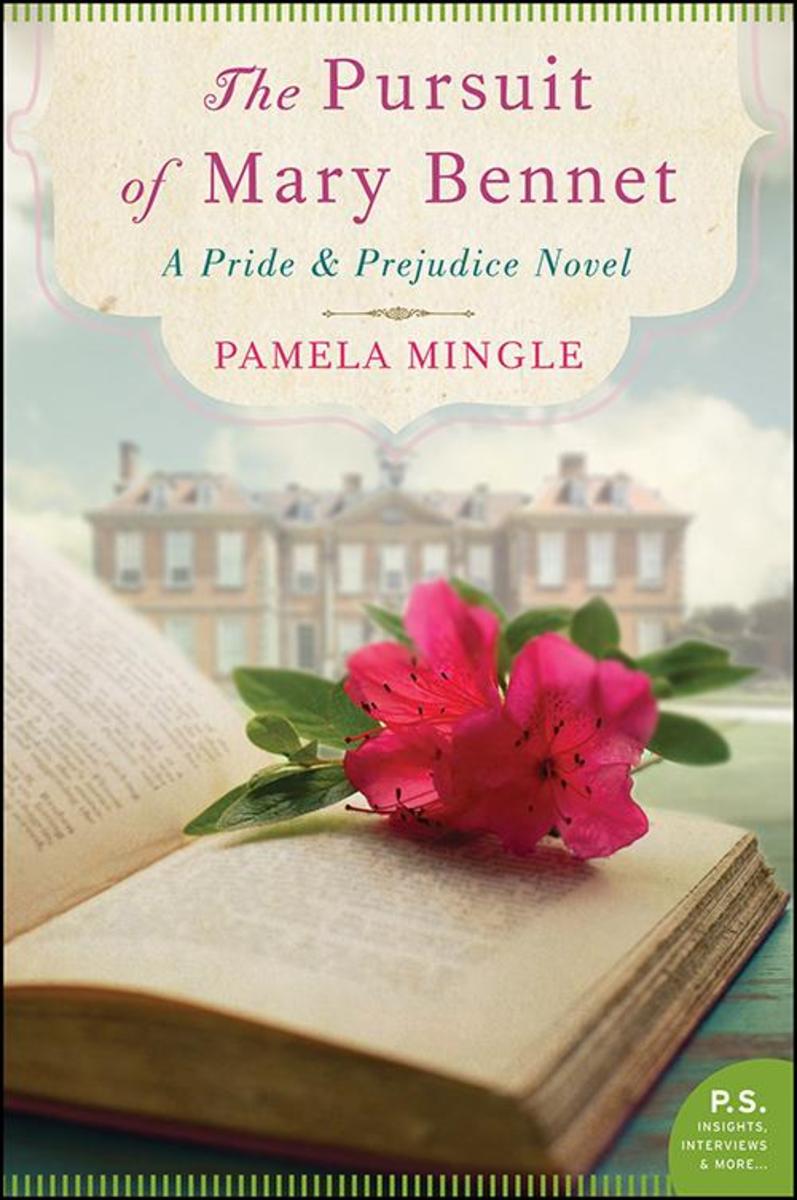
The enthralling story of Pride and Prejudice's middle sister, Mary Bennet—an enchanting modern sequel to the beloved classicFor most of her life, Mary, the serious and unpolished third daughter of the Bennet family, has been overshadowed by her sisters—beautiful and confdent Jane and Elizabeth, and firtatious and lighthearted Lydia and Kitty. But with nearly all of her sisters married and gone from the household, awkward, unrefned Mary has blossomed into an attractive young woman with a quiet poise of her own.When a very pregnant Lydia unexpectedly returns to the Bennet home and scandalously announces she's left Wickham, Mary and Kitty are packed off to visit Jane and her husband, Charles Bingley, in Derbyshire. Yearning for the solitude of home, Mary is dismayed to discover Bingley's handsome and eligible friend Henry Walsh everywhere she turns. Unschooled in the game of love, Mary fnds Henry's warm attentions confounding. Is his interest genuine or does she foolishly mistake friendliness for something moreWith her heart and her future at risk, Mary must throw caution to the wind to fnd the truth—a journey of discovery that will teach her surprising lessons about herself and the desires of her heart.
Under a Silent Moon
¥88.56
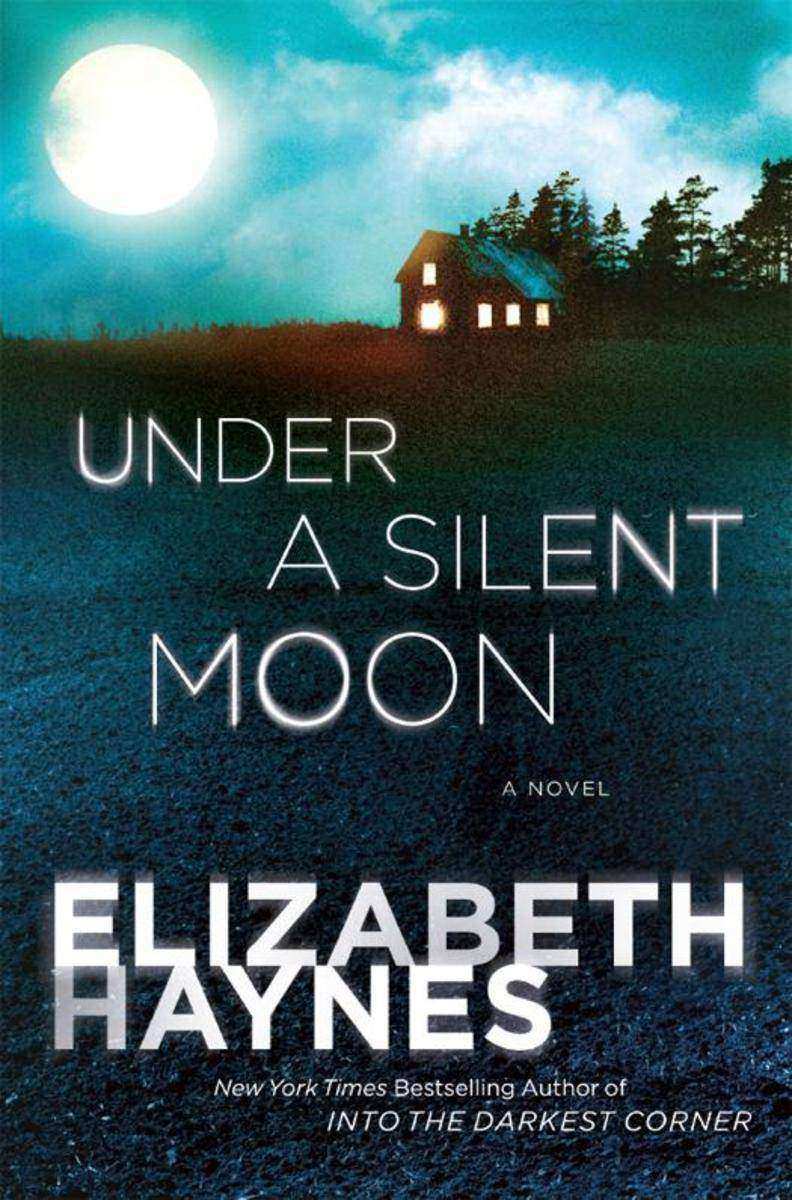
Two women share a grisly fate in the first entry of this exciting new British crime series—a blend of literary suspense and page-turning thriller that introduces the formidable Detective Chief Inspector Louisa Smith—from the New York Times bestselling author Elizabeth Haynes, "the most exciting thing to happen to crime fiction in a long time" (Sophie Hannah, author of Kind of Cruel).In the crisp, early hours of an autumn morning, the police are called to investigate two deaths. The first is a suspected murder at a farm on the outskirts of a small village. A beautiful young woman has been found dead, her cottage drenched with blood. The second is a reported suicide at a nearby quarry. A car with a woman's body inside has been found at the bottom of the pit.As DCI Louisa Smith and her team gather evidence over the course of the next six days, they discover a shocking link between the two cases and the two deaths—a bond that sealed these women's terrible fates one cold night, under a silent moon.In this compelling new detective series, Elizabeth Haynes interweaves fictional primary source materials—police reports, phone messages, interviews—and multiple character viewpoints to create a sexy, edgy, and compulsively readable tale of murder, mystery, and unsettling suspense.
Golden Lion
¥70.10
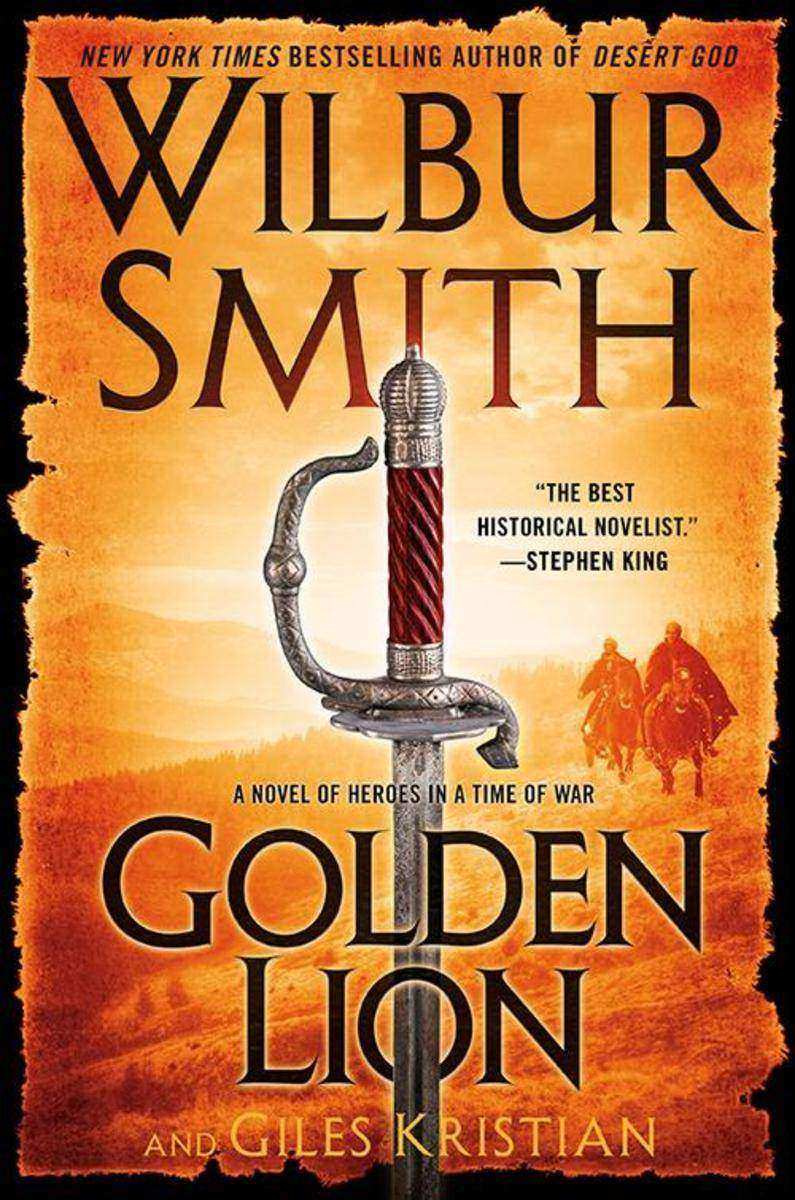
For readers of Game of Thrones, Ken Follett, and Clive Cussler:an epic adventure spanning land and sea...time and distance...courage, revenge, and everything in between.GOLDEN LIONHe saw his father executed in battle. He spent his youth avenging that death. And now Henry 'Hal' Courtney is a man with a ship – and a family – of his own.But fate has not finished with Hal. On a voyage along the eastern shore of Africa, a powerful enemy abducts his wife, the fearless warrior Judith… and with her, Hal's unborn child. For Hal, a man all too familiar with loss, there is only one way forward: He must track his nemesis across desert and ocean, through the slave markets of Zanzibar and the dangerous waters of the coast, in pursuit of the woman he loves, the child he sired, and the glorious destiny that awaits him.Bursting with action and suspense, heroism and heartache, this unforgettable novel proves once more that Wilbur Smith is the world's greatest adventure writer.
Cancel the Wedding
¥88.56
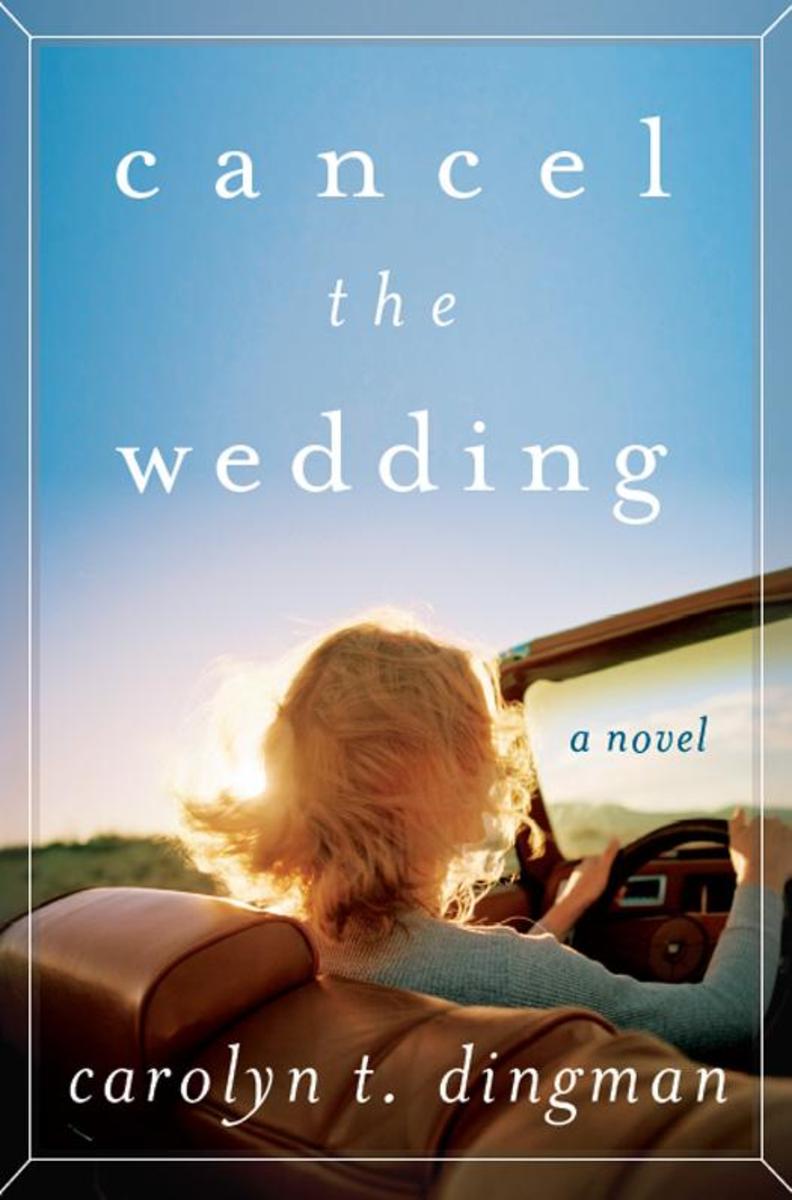
A heartfelt tale of one woman's journey to discover the secrets of her mother's hidden past and confront her own uncertain future, this compelling, emotionally resonant novel about the frustrations of blood ties will appeal to fans of Emily Giffin and Jennifer Weiner.On the surface, Olivia has it all: a high-powered career, a loving family, and a handsome fiancé. She even seems to be coming to terms with her mother Jane's premature death from cancer. But when Jane's final wish is revealed, Olivia and her elder sister, Georgia, are mystified. Their mother rarely spoke of her rural Southern hometown, and never went back to visit—so why does she want them to return to Huntley, Georgia, to scatter her ashes?Jane's request offers Olivia a temporary escape from the reality she's long been denying: she hates her "dream" job, and she's not really sure she wants to marry her groom-to-be. With her fourteen-year-old niece, Logan, riding shotgun, she heads south on a summer road trip looking for answers about her mother.As Olivia gets to know the town's inhabitants, she begins to peel back the secrets of her mother's early life—truths that force her to question her own future. But when Olivia is confronted with a tragedy and finds an opportunity to right a terrible wrong, will it give her the courage to accept her mother's past—and say yes to her own desire to start over?
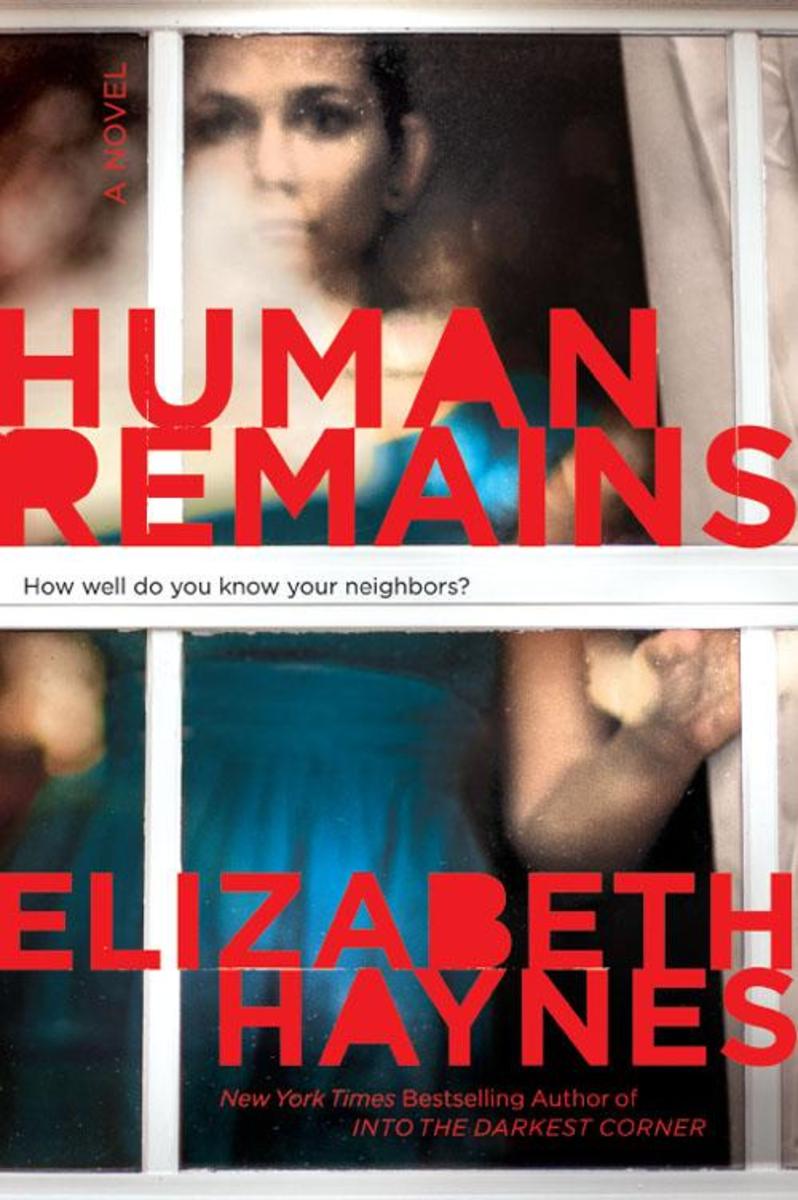
Human Remains
¥88.56
New York Times bestselling author Elizabeth Haynes returns with a disturbing and powerful tale that preys on our darkest fears.Police analyst Annabel wouldn't describe herself as lonely. Her work and the needs of her aging mother keep her busy. But Annabel is shocked when she discovers her neighbor's decomposing body in the house next door, and she is appalled to think that no one, including herself, noticed the woman's absence. Annabel sets out to investigate, despite her colleagues' lack of interest, and discovers that such cases are frighteningly common in her hometown.A chilling thriller and a hymn to all the lonely people whose individual voices haunt its pages, Human Remains shows how vulnerable we are when we live alone, and how easily ordinary lives can fall apart when no one is watching.
Lovers and Liars
¥46.11
Their love was as young and hopeful as the new century ...Emily Ramsden knows that her feelings for John Hanley go far beyond teenage infatuation. It is love, pure, strong, and as glorious as the surrounding English countryside, and John shares her passion with all his heart. But soon the young man Emmie adores is violently driven from her, leaving her to struggle beneath the thumb of a brutal, domineering father ... and at the mercy of a man with dark ambitions.Yet, through years of heartbreak and pain, through the crushing trials of a life left in tatters, the memory of a promise will never fade from Emmie's mind. And when all hope seems withered and dead, one word reignites a long smoldering ember, sending a determined woman off on a remarkable search for a once-in-a-lifetime love lost but never forgotten.
Blowback
¥52.63
blowback blo-bak n: the unintended results of covert intelligence operations that come back to haunt you.When the Unthinkable Happens— On India's border a weapon of mass destruction has begun a terrifying countdown toward Armageddon.A Conspiracy Unfolds— In Washington, D.C., Richard Whelan, National Security Advisor to the President and one of the most powerful men in the administration, has just been framed for the murder of his ex-girlfriend, the daughter of a prominent defense contractor who happens to be a staunch supporter of the President ...The One Man Who Can Find the Answers— As powerful enemies align to keep him from the truth, Richard Whelan—alone, a fugitive from justice—finds himself in a race against time as the world heads to the brink of nuclear confrontation.

The Brewmaster's Bible
¥121.80
The Beer Renaissance is in full swing, and home brewing has never been more popular. According to the American Homebrewers Association, there are currently 1.2 million home brewers in the country, and their numbers keep rising. Tired of the stale ale, bland beer and lackadaisical lagers mass-produced by the commercial labels, Americans are discovering the many advantages of brewing their own batch of that beloved beverage: superior aroma, color, body and flavor.For both amateur alchemists eager to tap into this burgeoning field and seasoned zymurgists looking to improve their brews, The Brewmaster's Bible is the ultimate resource. Its features include: Updated data on liquid yeasts, which have become a hot topic for brewers; 30 recipes in each of the classic beer styles of Germany, Belgium, Britain and the U.S.; extensive profiles of grains, malts, adjuncts, additives and sanitizers; recipe formulation charts in an easy-to-read spreadsheet format; detailed water analyses for more than 25 cities and 6 bottled waters; directories to hundreds of shops; and much more.
Like Trees, Walking
¥88.56
Based on the true story of a modern-day lynching in America, Ravi Howard's widely acclaimed debut novel exposes one of the most tragic chapters in the history of the American South.On the morning of March 21, 1981, in Mobile, Alabama, nineteen-year-old Michael Donald was found dead, his body badly beaten and hanging from a tree on Herndon Avenue. Brothers Paul and Roy Deacon of the Deacon Memorial Funeral Home are called upon to bury their close friend and classmate, and the experience will leave them forever changed. Along with other residents of their hometown, the Deacon brothers must struggle to understand the circumstances surrounding Donald's murder—the city's first lynching in more than sixty years and a gruesome reminder of racial inequalities in the New South.
Scumbler
¥68.34
Know Scumbler in his poignant, hilarious life. Get mad at him and even cry with him. Here's Don Quixote, Santa Claus, and Faust rolled into one "thick shadow" of a man. A joyous sixty-year-old American street painter lives on the Left Bank in Paris, making a living by creating rentable apartments out of the most unlikely spaces. Mostly, however, he paints with utter delight in the creative act and discovers remarkable characters along his path: crafts-men, students, prostitutes, motorcyclists. He scumbles and fails. He digs twisting tunnels under Paris streets and builds nests: nature nests, rats' nests, birds' nests. He collects clocks and designs his own life from the "inside." Wanting to be true beyond honesty, visible past seeing to being, Scumbler scrambles, tumbles, rumbles, rambles through the ecstatic pleasure of creation and the pangs of ordinary existence.
Girl Anatomy
¥72.70
The hip and heart–warming story of what it means to be a girl and what it takes to become a woman.When Lilly's best friend, Maya, gets engaged, the tenuous peace treaty Lilly thought she had finally established with her perennially single self shows itself to be as long–lasting as shoulder pads and frozen yoghurt. Wavering wildly between ecstasy and envy, serial dater and retail–therapy shopper, Lilly vows to get her life together.While sipping lattes from the Coffee Bean and planning forever with Maya, Lilly embarks on an uproariously comical and strikingly poignant ride of transformation, told through a series of delightfully engaging interior monologues. Travelling the byways of her own past, Lilly learns to be optimistic about her future and relish her new–found 'chic–dom'. In a voice that grows stronger, louder and more articulate than she ever imagined, Lilly ultimately comes to embrace her on–the–verge–of–womanhood status in all its uncertain yet exciting glory.Depicting the comic adventures of being a grown–up still coming of age, Rebecca Bloom evocatively and enthusiastically reveals tender truths about friendship and true love.

Love the One You're With
¥67.09
Do men and monogamy mixIt's not a question Mitchell "Little Bit" Crawford gave much thought to until his beaufriend of almost two years, Raheim "Pooquie" Rivers, an All-American jeans model, heads to Hollywood to make his first feature film. As Mitchell soon discovers, the temptation to cheat is very real . . . and it seems to be everywhere. An ex even pops up hoping to pick up where they left -- and got -- off. While intrigued, Mitchell chalks all the attention up to "the married man" syndrome: one is much more desirable when he's attached to someone else.But as he continues to run into bisexual musician Montgomery "Montee" Simms, the look-but-don't-touch rule is put to the test. As he and Montee get closer, Mitchell's idealistic beliefs about commitment are challenged. Will he love the one he's with because he can't be with the one he loves?
The Wind Is Not a River
¥90.51
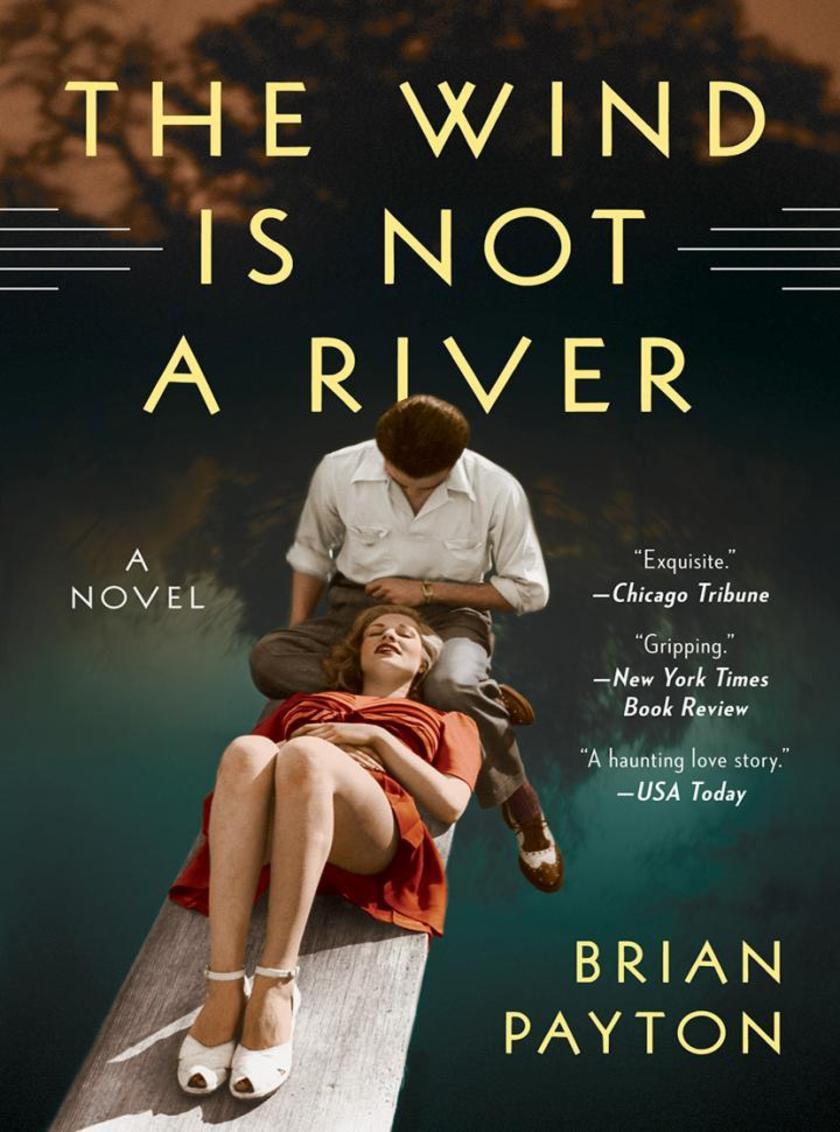
A gripping tale of survival and an epic love story in which a husband and wife–separated by the only battle of World War II to take place on American soil–fight to reunite in Alaska's starkly beautiful Aleutian IslandsFollowing the death of his younger brother in Europe, journalist John Easley is determined to find meaning in his loss, to document some part of the growing war that claimed his own flesh and blood. Leaving behind his beloved wife, Helen, after an argument they both regret, he heads north from Seattle to investigate the Japanese invasion of Alaska's Aleutian Islands, a story censored by the U.S. government.While John is accompanying a crew on a bombing run, his plane is shot down over the island of Attu. He survives only to find himself exposed to a harsh and unforgiving wilderness, known as "the Birthplace of Winds." There, John must battle the elements, starvation, and his own remorse while evading discovery by the Japanese.Alone in their home three thousand miles to the south, Helen struggles with the burden of her husband's disappearance. Caught in extraordinary circumstances, in this new world of the missing, she is forced to reimagine who she is–and what she is capable of doing. Somehow, she must find John and bring him home, a quest that takes her into the farthest reaches of the war, beyond the safety of everything she knows.A powerful, richly atmospheric story of life and death, commitment and sacrifice, The Wind Is Not a River illuminates the fragility of life and the fierce power of love.
A Brave Man Seven Storeys Tall
¥90.77
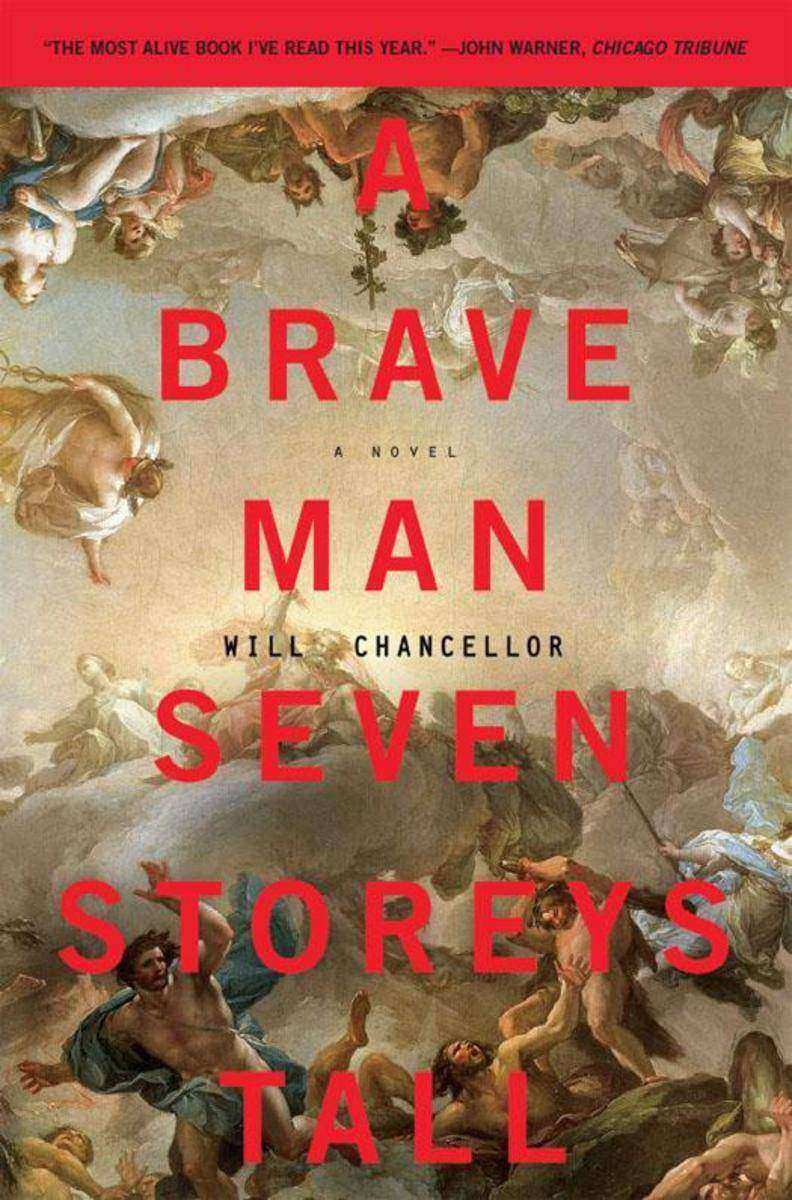
A Brave Man Seven Storeys Tall?is an exuberant literary debut--a novel of real ideas and a playful examination of our in-between world, one that explores the nature of family, identity, art, and belief while also marking the introduction of an original new voice in contemporary fiction.Owen Burr is the six-foot-eight, Olympics-bound senior captain of the Stanford University water polo team. In his final collegiate match, however, he suffers a catastrophic injury that destroys his hopes and dreams, flattening his entire world into two dimensions. His identity as an athlete erased but his ambition indelible, he defies his father, a classics professor who lives in a "cave" of his own making, and moves to Berlin with naive plans to make conceptual art. Then he disappears.Without a single clue as to his son's location, Dr. Burr embarks upon a tour of public lectures from Greece to Germany to Iceland in an attempt to draw out his endangered son. Instead, he foments a violent uprising.
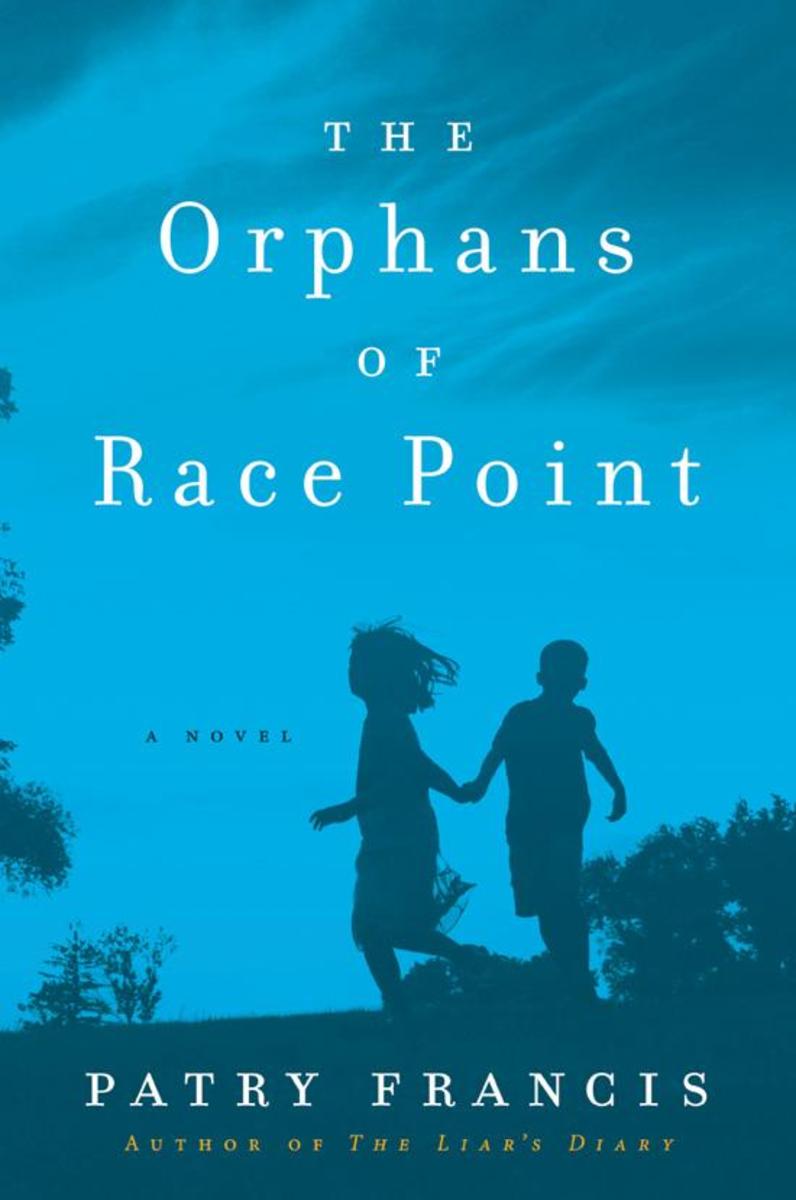
The Orphans of Race Point
¥95.11
When a horrific act of violence shatters the peaceful October night in Provincetown, Massachusetts, the fates of nine-year-olds Gus Silva and Hallie Costa become inextricably entwined. Told in alternating voices, The Orphans of Race Point traces their relationship over the next three decades as they try to come to terms with the past. What begins as a childhood friendship evolves into something stronger, but when a terrible tragedy exhumes the ghosts they thought they'd put to rest, their dreams are abruptly destroyed.Hallie and Gus move forward to build separate lives, but Gus's hard-won peace is threatened when he meets a troubled woman who awakens memories of the childhood he has worked so hard to forget. Although helping her offers him a chance at the redemption he desperately desires, it will come at a devastating price. Turning around an unthinkable betrayal, this epic, all-consuming novel explores how far we will go for love, even if it means sacrificing everything—and in doing so, celebrates our capacity for faith, forgiveness, and hope.
Homebody
¥55.31
Damaged HousesA master craftsman, Don Lark could fix everything except what mattered, his own soul. After tragedy claimed the one thing he loved, he began looking for dilapidated houses to buy, renovate, and resell at a profit--giving these empty shells the second chance at life he denied himself.Damaged SoulsThen in a quiet Southern town, Lark finds his biggest challenge: a squalid yet sturdy mansion that has suffered decades of abuse at the hands of greedy landlords and transient tenants. While two charming old neighbor ladies ply him with delicious cooking, they offer dire warnings about the house's evil past. But there is something about this building that pushes Lark on, even as its enchantments grow increasingly ominous. Will finishing the house offer Lark redemption, or unleash the darkest forces of damnation upon him?
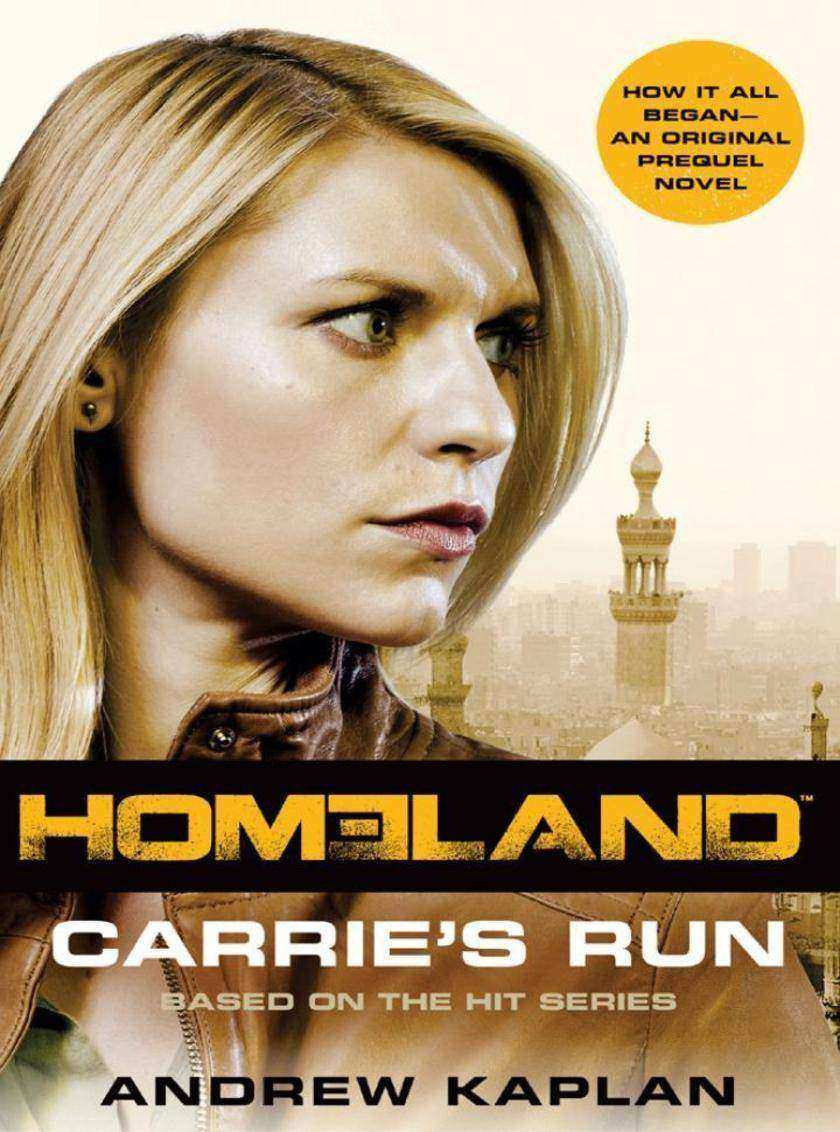
Homeland: Carrie's Run
¥83.03
An edge-of-your-seat original prequel based on Showtime's hit series HomelandBeirut, 2006. CIA operations officer Carrie Mathison barely escapes an ambush while attempting a clandestine meeting with a new contact, code-name Nightingale. Suspicious that security has been compromised, she challenges the station chief in a heated confrontation that gets her booted back to Langley.Expert in recognizing and anticipating behavioral patterns—a skill enhanced by her bipolar disorder she keeps secret to protect her career—Carrie is increasingly certain that a terrorist plot has been set in motion. She risks a shocking act of insubordination that helps her uncover secret evidence connecting Nightingale with Abu Nazir, the leader of Al Qaeda in Iraq. Determined to stop the terrorist mastermind, she embarks on an obsessive quest that will nearly destroy her.Filled with the suspense and plot twists that have made Homeland a must-watch series, this riveting tale reveals the compelling untold backstories of the series' main characters and takes fans deeper into the life and mind of one brilliant female spy.
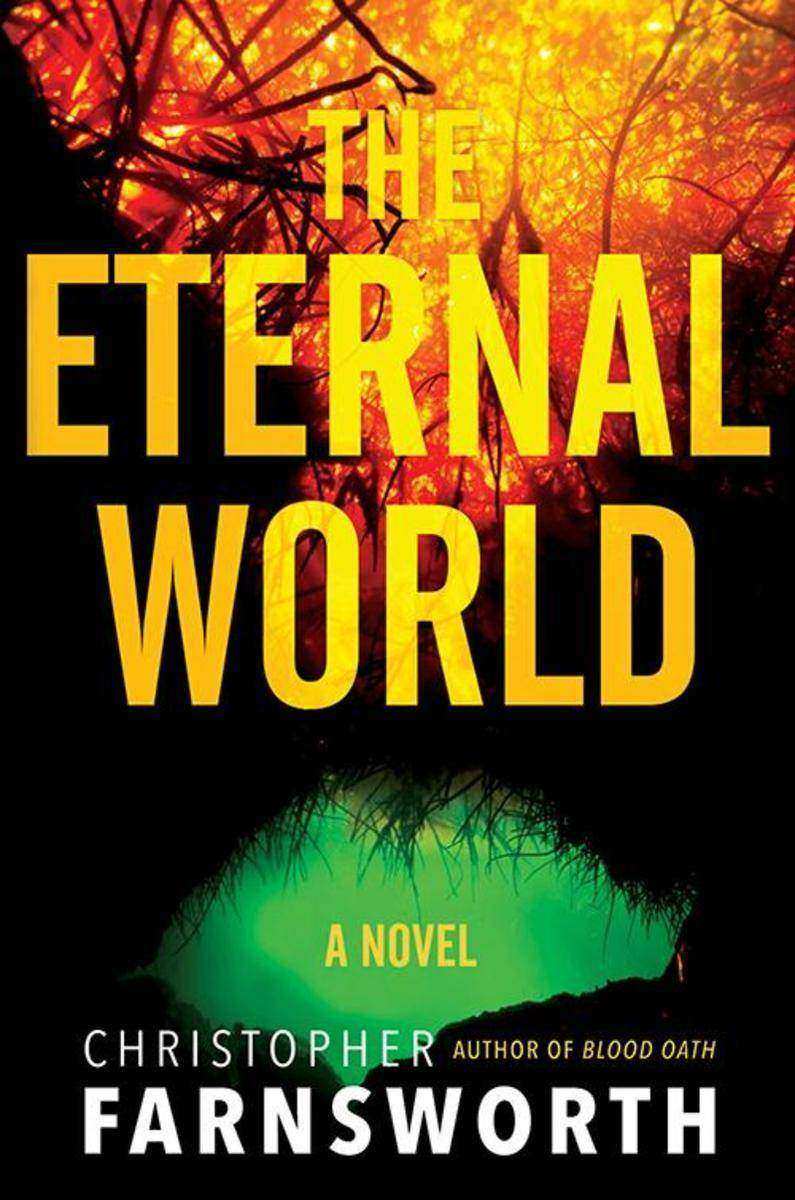
The Eternal World
¥69.16
If you could live forever, what would you die for?Five hundred years ago, a group of Spanish conquistadors searching for gold, led by a young and brilliant commander named Simón de Oliveras y Seixas, land in the New World. What they find in the sunny and humid swamps of this uncharted land is a treasure far more valuable: the Fountain of Youth. The Spaniards slaughter the Water Clan of the Uzita, the Native American tribe that guards the precious liquid that will keep the conquistadors young for centuries. But one of them escapes: Shako, the chief's fierce and beautiful daughter, who swears to avenge her people—a blood oath that spans more than five centuries.When the source of the fountain is destroyed in our own time, the loss threatens Simon and his men, and the powerful, shadowy empire of wealth and influence they have built. For help, they turn to David Robinton, a scientific prodigy who believes he is on the verge of the greatest medical breakthrough of all time. But as the centuries-old war between Shako and Simon reaches its final stages, David makes a horrifying discovery about his employers and the mysterious and exotic woman he loves. Now the scientist must decide: Is he a pawn in a game of immortals . . . or will he be its only winner?


