


 购物车
购物车 个人中心
个人中心

The Shadow Effect
¥88.56
Deepak Chopra, Debbie Ford, and Marianne New York Times bestselling authors and internationally acclaimed teachers have joined together to share their knowledge on one of the most crucial obstacles to happiness we face the shadow. These three luminaries, each with a signature approach, bring to light the parts of ourselves we deny but that still direct our life. For it is only when we embrace our shadow that we discover the gifts of our authentic nature.The shadow exists within all of us. It is a part of us and yet we spend most of our life running from it. But far from being scary, our dark side holds the promise of a better, more fulfilling life. Our shadow makes itself known every day. It is the reason we get furious over a friend showing up ten minutes late, yell at our parents or kids when they have done nothing wrong, and sabotage our own success at the worst possible time. Until we are able to embrace our dualistic nature, we will continue to hurt ourselves and those closest to us and fall short of our potential.Combining the wisdom of three experts, The Shadow Effect is a practical and profound guide to discovering the gifts of our shadow. These three authors powerfully pierce the veil of our unclaimed self, releasing us from the past and propelling us on a journey to wholeness. No longer living a half life, we are capable of achieving our dreams and reclaiming the happiness that is our birthright.

The Best Kind of Different
¥84.16
Until the summer of 2007, the word Asperger's, was not a part of Shonda Schilling's vocabulary, but that summer changed everything. By then, her household was in chaos as her son Grant spiraled out of control. His acting out and refusal to listen had grown to epic proportions, but even worse was his apparent inability to relate to the people around him. None of the Schillings' other three kids ever acted like Grant; his behavior wasn't just unruly, it was irrational. Complicating matters was the fact that Shonda's husband, Curt, was constantly on the road pitching for the Boston Red Sox, so he wasn't always around to see Grant's behavior firsthand. Seemingly everyone Shonda encountered had an opinion "he's too spoiled," "he needs a good spanking," "he needs more discipline" but it was a disastrous first attempt at summer camp that told Shonda something was definitely wrong. It was then that a neurologist diagnosed Grant with Asperger's syndrome a form of high-functioning autism that, in recent years, has been found in children who at first glance appear disruptive and difficult. Now in The Best Kind of Different, Shonda details every step of her family's journey with Asperger's, offering a parent's perspective on this complicated and increasingly common condition. Looking back on Grant's early years, she describes the signals she missed in his behavior and confronts the guilt that engulfed her after she came to understand just how misguided her parenting had been before the diagnosis. In addition, she talks about the harsh judgment she's faced from people who don't buy into the diagnosis and how she's used passion and information to fight the ignorance of others.Celebrating Grant's successes and learning from his setbacks, Shonda demonstrates how Asperger's forced her and her husband to reconsider everything they thought they knew about their son and each other, but in the end, it has made their marriage and their family stronger and happier. A tribute to Grant's strength and a candid glimpse into a family coming to terms with its differences, The Best Kind of Different is an intimate portrait of two parents struggling to understand the complex beauty of their son.
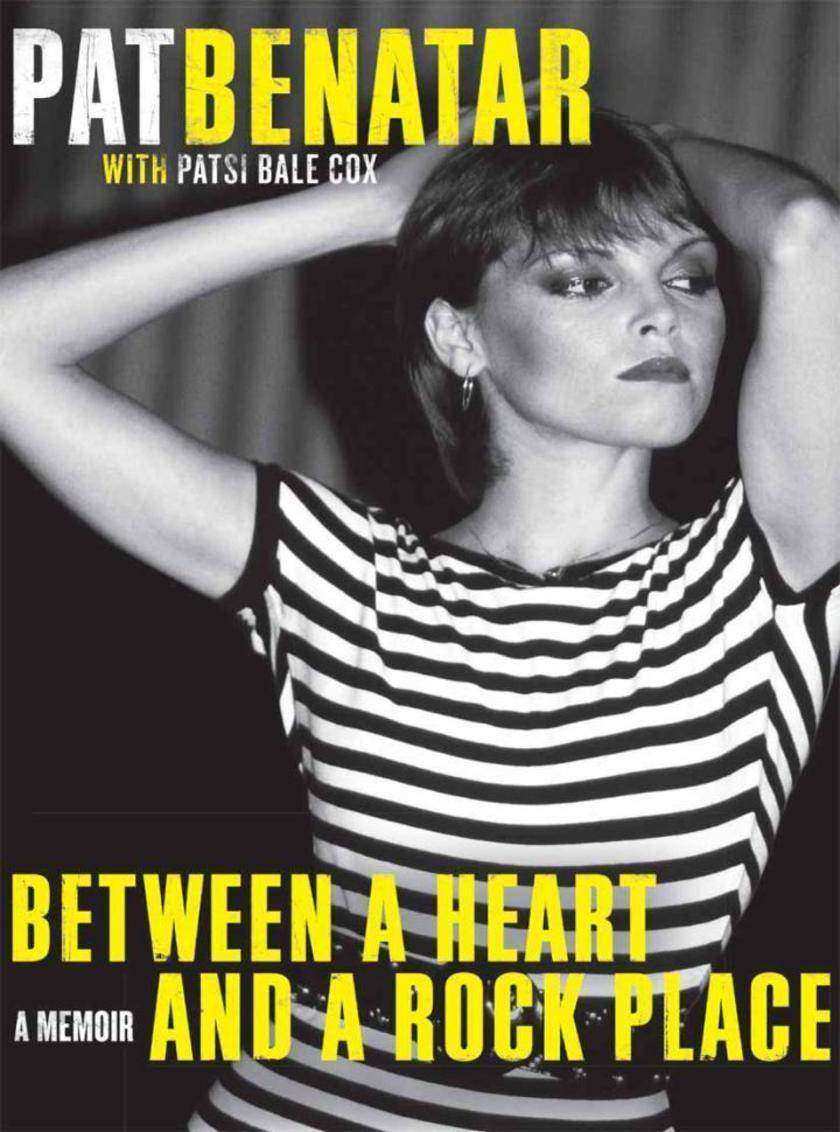
Between a Heart and a Rock Place
¥99.65
For more than thirty years, Pat Benatar has been one of the most iconic women in rock music, with songs like "Heartbreaker," "Hit Me with Your Best Shot," and "Love Is a Battlefield" becoming anthems for multiple generations of fans. Now, in this intimate and uncompromising memoir, one of the bestselling female rock artists of all time shares the story of her extraordinary career, telling the truth about her life, her struggles, and how she won things her way.From her early days in the New York club scene of the 1970s to headlining sold-out arena tours, Benatar offers a fascinating account of a life spent behind the microphone. As the first female artist ever to be played on MTV, she speaks candidly about the realities of breaking into the boys' club of rock and roll at a time when people everywhere still believed a woman's only place in popular music was as a girlfriend, a groupie, or a sex symbol. And though her fiery edge and aggressive swagger produced instant success, they also led to fights over her image that would linger for years to come.Going backstage and into the studio, Benatar sets the record straight about how her music evolved, illustrating the visionary role that her guitarist, producer, and eventual husband, Neil "Spyder" Giraldo, played in combining her classically trained voice with razor-sharp guitar to create her unique hard-rock sound. Together they formed a musical and spiritual bond that would last a lifetime, helping her stay true to herself while avoiding the pitfalls and excesses of rock stardom.Written with the attitude and defiance that embodies Pat Benatar's music, Between a Heart and a Rock Place is a rock-and-roll story unlike any other, a remarkable tale of playing by your own rules, even if that means breaking a fewof theirs.
In Rough Country
¥84.16
In twenty-nine provocative essays, Joyce Carol Oates maps the "rough country" that is both the treacherous geographical and psychological terrain of the writers she so cogently analyzes Flannery O'Connor, Cormac McCarthy, Philip Roth, E. L. Doctorow, and Margaret Atwood, among others and the emotional terrain of Oates's own life following the unexpected death of her husband, Raymond Smith, after forty-eight years of marriage. "As literature is a traditional solace to the bereft, so writing about literature can be a solace, as it was to me when the effort of writing fiction seemed beyond me, as if belonging to another lifetime," Oates writes. "Reading and taking notes, especially late at night when I can't sleep, has been the solace, for me, that saying the Rosary or reading The Book of Common Prayer might be for another." The results of those meditations are the essays of In Rough Country balanced and illuminating investigations that demonstrate an artist working at the top of her form.
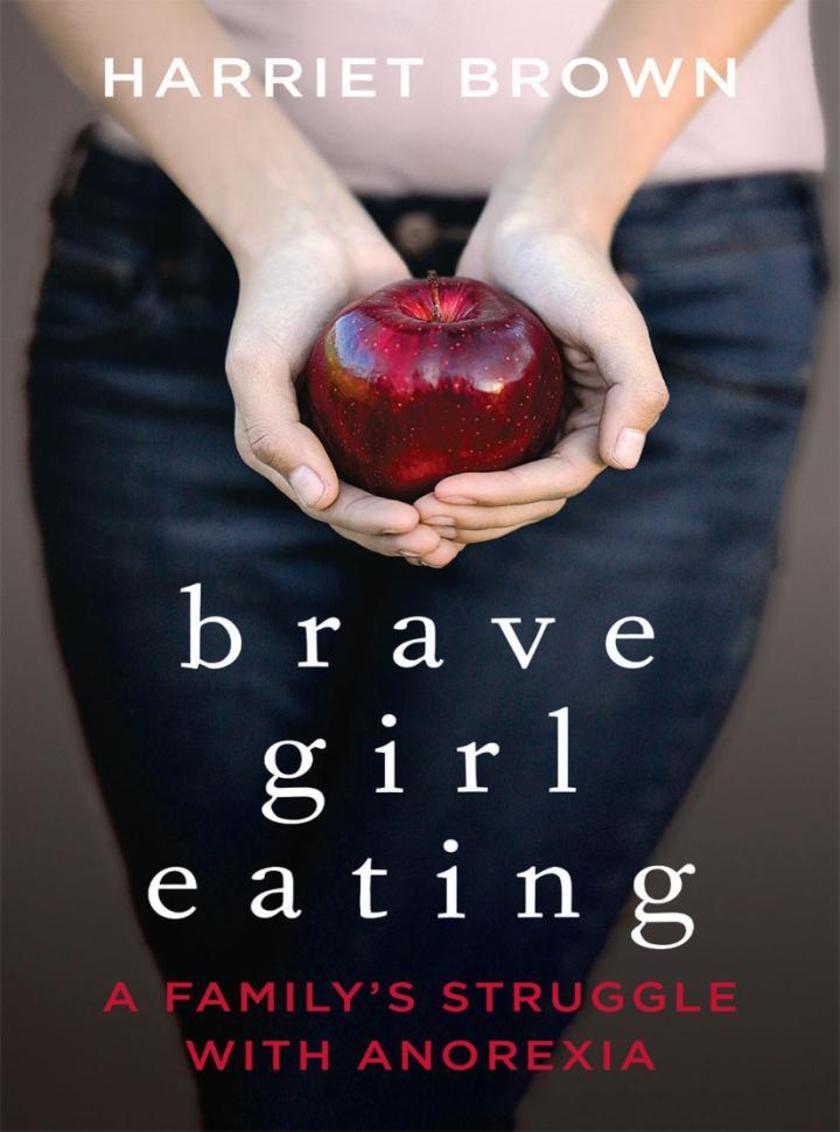
Brave Girl Eating
¥83.03
I've never had anorexia, but I know it well. I see it on the street, in the gaunt and sunken face, the bony chest, the spindly arms of an emaciated woman. I've come to recognize the flat look of despair, the hopelessness that follows, inevitably, from years of starvation. I think: That could have been my daughter. It wasn't. It's not. If I have anything to say about it, it won't be.Millions of families are affected by eating disorders, which usually strike young women between the ages of fourteen and twenty. But current medical practice ties these families' hands when it comes to helping their children recover. Conventional medical wisdom dictates separating the patient from the family and insists that "it's not about the food," even as a family watches a child waste away before their eyes. Harriet Brown shows how counterproductive and heartbreaking this approach is by telling her daughter's story of anorexia. She describes how her family, with the support of an open-minded pediatrician and a therapist, helped her daughter recover using family-based treatment, also known as the Maudsley approach.Chronicling her daughter Kitty's illness from the earliest warning signs, through its terrifying progression, and on toward recovery, Brown takes us on one family's journey into the world of anorexia nervosa, where starvation threatened her daughter's body and mind. But hope and love of the ordinary, family-focused kind shine through every decision and action she and her family took. Brave Girl Eating is essential reading for families and professionals alike, a guiding light for anyone who's coping with this devastating disease.
George Balanchine
¥83.03
The foremost contemporary choreographer in the history of ballet, George Balanchine extended the art form into radical new paths that came to seem inevitable under his direction. He transformed movement and dance in classical and modern ballet, on the Broadway stage, and in the cinema.George Balanchine chronicles the life and achievements of this visionary artist from his early, almost accidental career in Russia, where his lifelong collaboration with Igor Stravinsky was forged, to his extraordinary accomplishments in America. The editor and writer Robert Gottlieb, one of the most knowledgeable dance critics in America, offers a superb and loving portrait of a genius who, though married many times to many ballerinas, remained truest to his greatest love, Terpischore, the Greek Muse of dance.

Find and Use Your Inner Power
¥83.92
This rich resource is for everyone seeking more happiness and success in life. Now with a new introduction, this treasure of Emmet Fox's wise and inspirational gems offers enduring spiritual truth and practical advice for mining the gold to be found in our daily lives. Included here, also, are real-life examples of those who have followed Fox's signposts to happier living. Fox's friendly, commonsense suggestions have shown millions how to get the most out of our life and provide new spiritual strength to those who use his techniques for personal meditation.

No Apparent Danger
¥83.92
On January 14, 1993, a team of scientists descended into the crater of Galeras, a restless Andean volcano in southern Colombia, for a day of field research. As the group slowly moved across the rocky moonscape of the caldera near the heart of the volcano, Galeras erupted, its crater exploding in a barrage of burning rocks and glowing shrapnel. Nine men died instantly, their bodies torn apart by the blast.While others watched helplessly from the rim, Colombian geologist Marta Calvache raced into the rumbling crater, praying to find survivors. This was Calvache's second volcanic disaster in less than a decade. In 1985 Calvache was part of a group of Colombia's brightest young scientists that had been studying activity at Nevado del Ruiz, a volcano three hundred miles north of Galeras. They had warned of the dire consequences of an eruption for months, but their fledgling coalition lacked the resources and muscle to implement a plan of action or sway public opinion. When Nevado del Ruiz erupted suddenly in November 1985, it wiped the city of Armero off the face of the earth and killed more than twenty-three thousand people -- one of the worst natural disasters of the twentieth century.No Apparent Danger links the characters and events of these two eruptions to tell a riveting story of scientific tragedy and human heroism. In the aftermath of Nevado del Ruiz, volcanologists from all over the world came to Galeras -- some to ensure that such horrors would never be repeated, some to conduct cutting-edge research, and some for personal gain. Seismologists, gas chemists, geologists, and geophysicists hoped to combine their separate areas of expertise to better understand and predict the behavior of monumental forces at work deep within the earth.And yet, despite such expertise, experience, and training, crucial data were ignored or overlooked, essential safety precautions were bypassed, and fifteen people descended into a death trap at Galeras. Incredibly, expedition leader Stanley Williams was one of five who survived, aided bravely by Marta Calvache and her colleagues. But nine others were not so lucky.Expertly detailing the turbulent history of Colombia and the geology of its snow-peaked volcanoes, Victoria Bruce weaves together the stories of the heroes, victims, survivors, and bystanders, evoking with great sensitivity what it means to live in the shadow of a volcano, a hair's-breadth away from unthinkable natural calamity, and shows how clashing cultures and scientific arrogance resulted in tragic and unnecessary loss of life.
Self-Editing for Fiction Writers, Second Edition
¥95.11
Hundreds of books have been written on the art of writing. Here at last is a book by two professional editors to teach writers the techniques of the editing trade that turn promising manu*s into published novels and short stories.In this completely revised and updated second edition, Renni Browne and Dave King teach you, the writer, how to apply the editing techniques they have developed to your own work. Chapters on dialogue, exposition, point of view, interior monologue, and other techniques take you through the same processes an expert editor would go through to perfect your manu*. Each point is illustrated with examples, many drawn from the hundreds of books Browne and King have edited.
The Killer Strain
¥84.16
A lethal germ is unleashed in the U.S. mail. A chain of letters spreads terror from Florida to Washington, D.C., from New York to Connecticut, from the halls of Congress to the assembly lines of the U.S. Postal Service. Five people die, and ten thousand more line up for antibiotics to protect against exposure. The government, already outsmarted by the terrorist hijackers of 9/11, leaves its workers vulnerable and a diabolical killer on the loose.Based on hundreds of hours of interviews and a review of thousands of pages of government documents, The Killer Strain is the definitive account of the year in which bioterrorism became a reality in the United States. Revealing the little-known victims and unsung heroes in the anthrax debacle, investigative reporter Marilyn Thompson also examines the FBI's slow-paced investigation of the crimes and the unprecedented scientific challenges posed by the case.The Killer Strain, more than just a thrilling read, is also a clarion wake-up call. It shows how billions of dollars and a decade of elaborate bioterror dress rehearsals meant nothing in the face of a real attack -- and how we may still be at risk.

Girls to the Front
¥94.10
Girls to the Front is the epic, definitive history of Riot Grrrl the radical feminist uprising that exploded into the public eye in the 1990s and included incendiary punk bands Bikini Kill, Bratmobile, Heavens to Betsy, and Huggy Bear. A dynamic chronicle not just a movement but an era, this is the story of a group of pissed off girls with no patience for sexism and no intention of keeping quiet.
When Children Grieve
¥94.10
To watch a child grieve and not know what to do is a profoundly difficult experience for parents, teachers, and caregivers. Yet, there are guidelines for helping children develop a lifelong, healthy response to loss.In When Children Grieve, the authors offer a cutting-edge volume to free children from the false idea of "not feeling bad" and to empower them with positive, effective methods of dealing with loss.There are many life experiences that can produce feelings of grief in a child, from the death of a relative or a divorce in the family to more everyday experiences such as moving to a new neighborhood or losing a prized possession. No matter the reason or degree of severity, if a child you love is grieving, the guidelines examined in this thoughtful book can make a difference.

The Knight in History
¥83.03
"A carefully researched, concise, readable, and entertaining account of an institution that remains a part of the Western imagination."--Los Angeles Times

The Vitamin E Factor
¥84.16
It is too early to conclude that vitamin E has all the beneficial effects attributed to it, but even if only 25% of current expectations were to be fulfilled, vitamin E would become an important weapon against a range of chronic diseases.The book is not simply scientific and education but also a please to read.
The Heart of Addiction
¥83.03
Nobody has had an answer for why people with addictions continue to repeat them -- until now.For more than twenty years, distinguished psychiatrist Dr. Lance Dodes has been successfully helping people master their addictions -- alcoholism, compulsive gambling, smoking, sexual addiction, and more with a radical approach. Dr. Dodes describes how all addictions have, at their heart, unrecognized emotional factors that explain: Why we feel the impulse Why we feel it when we do What alternatives (really) work in that critical moment In this refreshing book filled with compelling case studies, Dr. Dodes debunks several such widely accepted myths as:Addictions are fundamentally a physical problem. People with addictions are different from other people. You have to hit bottom before you can get well. You are wasting your time if you ask "why" you have an addiction.

Mistress of the Elgin Marbles
¥84.16
The remarkable Mary Nisbet was the Countess of Elgin in Romantic-era Scotland and the wife of the seventh Earl of Elgin. When Mary accompanied her husband to diplomatic duty in Turkey, she changed history. She helped bring the smallpox vaccine to the Middle East, struck a seemingly impossible deal with Napoleon, and arranged the removal of famous marbles from the Parthenon. But all of her accomplishments would be overshadowed, however, by her scandalous divorce. Drawing from Mary's own letters, scholar Susan Nagel tells Mary's enthralling, inspiring, and suspenseful story in vibrant detail.
The Last Run
¥88.56
It was a desperate mission that made front-page headlines and captured the attention of millions of readers around the world. In January 1998, in the dead of an Alaskan winter, a cataclysmic Arctic storm with hurricane-force winds and towering seas forced five fishermen to abandon their vessel in the Gulf of Alaska and left them adrift in thirty-eight-degree water with no lifeboat. Their would-be rescuers were 150 miles away at the Coast Guard station, with the nearby airport shut down by an avalanche.The Last Run is the epic tale of the wreck of the oldest registered fishing schooner in Alaska, a hellish Arctic tempest, and the three teams of aviators in helicopters who withstood 140-mph gusts and hovered alongside waves that were ten stories high. But what makes this more than a true-life page-turner is its portrait of untamed Alaska and the unflappable spirit of people who forge a different kind of life on America's last frontier, the "end of the roaders" who are drawn to, or flee to, Alaska to seek a final destiny.
The Last Face You'll Ever See
¥85.05
In fascinating detail, Ivan Solotaroff introduces us to the men who carry out executions. Although the emphasis is on the personal lives of these men and of those they have to put to death, The Last Face You'll Ever See also addresses some of the deeper issues of the death penalty and connects the veiled, elusive figure of the executioner to the vast majority of Americans who, since 1977, have claimed to support executions. Why do we do itOr, more exactly, why do we want to?The Last Face You'll Ever See is not about the polarizing issues of the death penalty -- it is a firsthand report about the culture of executions: the executioners, the death-row inmates, and everyone involved in the act. An engrossing, unsettling, and provocative book, this work will forever affect anyone who reads it.
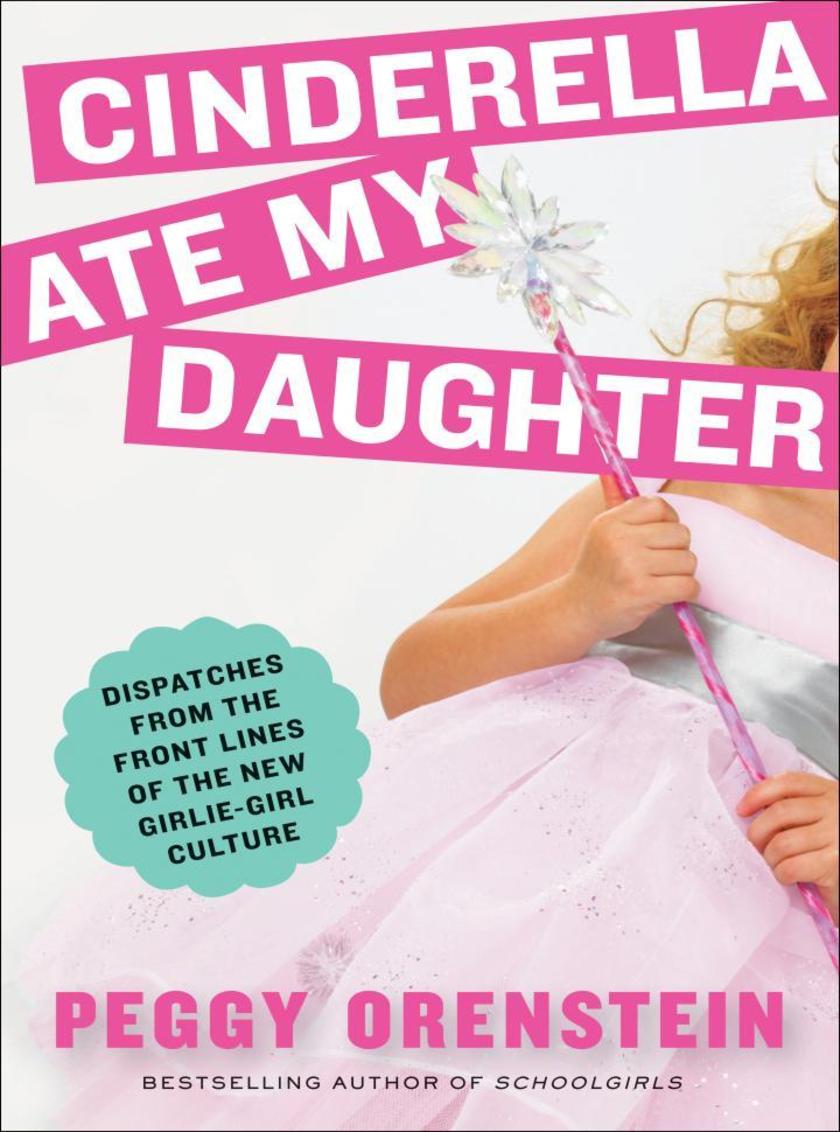
Cinderella Ate My Daughter
¥88.56
The acclaimed author of the groundbreaking bestseller Schoolgirls reveals the dark side of pink and pretty: the rise of the girlie-girl, she warns, is not that innocent. Pink and pretty or predatory and hardened, sexualized girlhood influences our daughters from infancy onward, telling them that how a girl looks matters more than who she is. Somewhere between the exhilarating rise of Girl Power in the 1990s and today, the pursuit of physical perfection has been recast as a source the source of female empowerment. And commercialization has spread the message faster and farther, reaching girls at ever-younger ages.But, realistically, how many times can you say no when your daughter begs for a pint-size wedding gown or the latest Hannah Montana CDAnd how dangerous is pink and pretty anyway especially given girls' successes in the classroom and on the playing fieldBeing a princess is just make-believe, after all; eventually they grow out of it. Or do theyDoes playing Cinderella shield girls from early sexualization or prime them for itCould today's little princess become tomorrow's sexting teenAnd what if she doesWould that make her in charge of her sexuality or an unwitting captive to it?Those questions hit home with Peggy Orenstein, so she went sleuthing. She visited Disneyland and the international toy fair, trolled American Girl Place and Pottery Barn Kids, and met beauty pageant parents with preschoolers tricked out like Vegas showgirls. She dissected the science, created an online avatar, and parsed the original fairy tales. The stakes turn out to be higher than she or we ever imagined: nothing less than the health, development, and futures of our girls. From premature sexualization to the risk of depression to rising rates of narcissism, the potential negative impact of this new girlie-girl culture is undeniable yet armed with awareness and recognition, parents can effectively counterbalance its influence in their daughters' lives.Cinderella Ate My Daughter is a must-read for anyone who cares about girls, and for parents helping their daughters navigate the rocky road to adulthood.
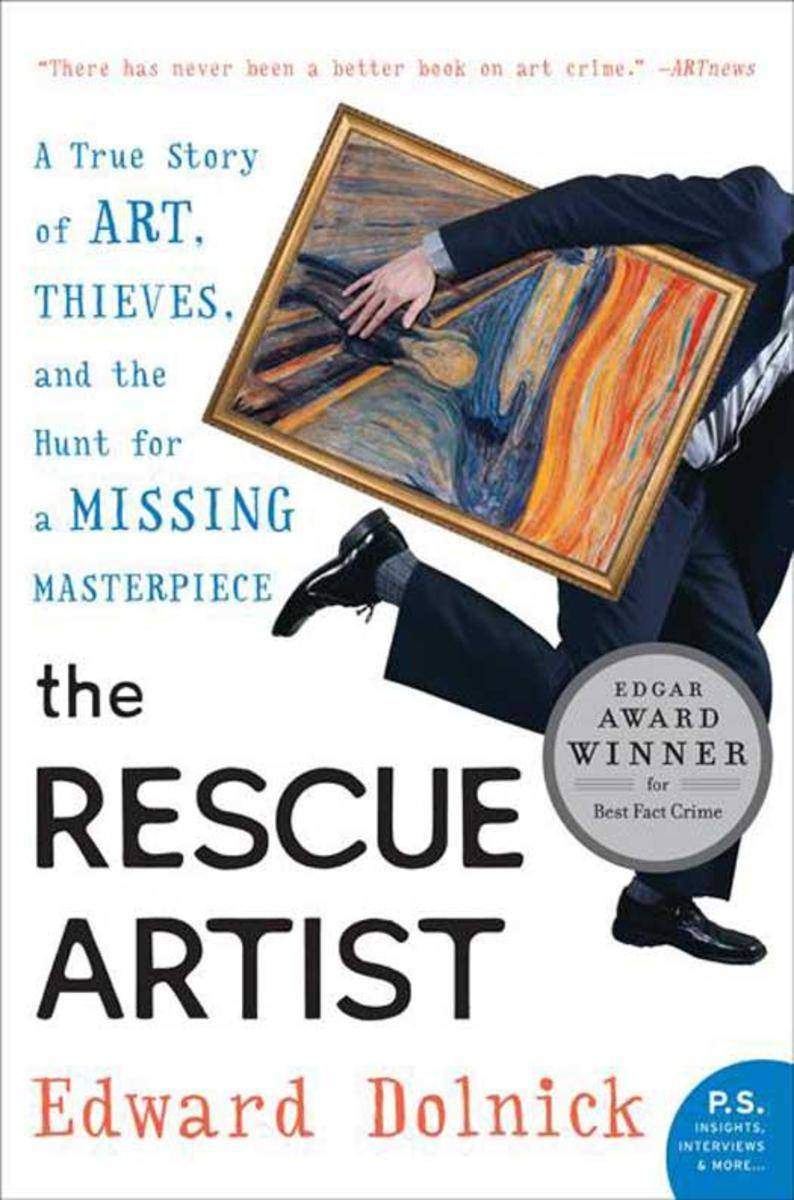
The Rescue Artist
¥83.03
In the predawn hours of a gloomy February day in 1994, two thieves entered the National Gallery in Oslo and made off with one of the world's most famous paintings, Edvard Munch's Scream. It was a brazen crime committed while the whole world was watching the opening ceremonies of the Winter Olympics in Lillehammer. Baffled and humiliated, the Norwegian police turned to the one man they believed could help: a half English, half American undercover cop named Charley Hill, the world's greatest art detective.The Rescue Artist is a rollicking narrative that carries readers deep inside the art underworld -- and introduces them to a large and colorful cast of titled aristocrats, intrepid investigators, and thick-necked thugs. But most compelling of all is Charley Hill himself, a complicated mix of brilliance, foolhardiness, and charm whose hunt for a purloined treasure would either cap an illustrious career or be the fiasco that would haunt him forever.
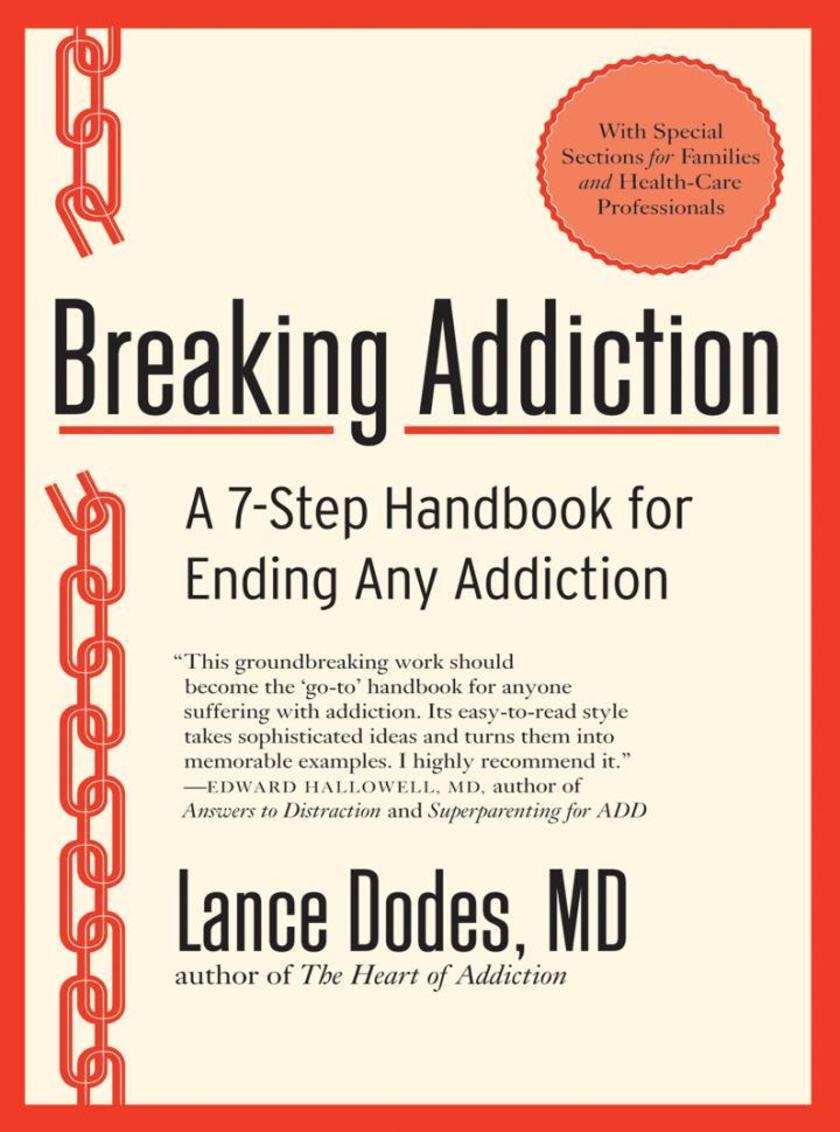
Breaking Addiction
¥88.56
Finally a road map to recovery from the nation's most original thinker on addiction In his revolutionary book The Heart of Addiction, Dr. Lance Dodes examined the underlying emotions that drive addictive behaviors whether drinking, gambling, sex, or eating. Now, in Breaking Addiction, Dodes presents a comprehensive guide outlining seven critical steps to overcome addiction, based on his findings.Through his practice and research, Dodes has found that virtually every addictive act is preceded by feelings of helplessness. In his refreshingly clear style, Dodes incorporates case stories to illustrate exactly how these feelings set addiction in motion, how to recognize the path toward addiction and then how to take back control.Many people, discouraged by current treatments, have been hungry for an approach that digs addiction up by its roots. Since the publication of The Heart of Addiction, Dodes's ideas have been incorporated by therapists and treatment centers around the country, and are taught by universities and training centers for clinicians.With special sections for both families and health-care professionals, Breaking Addiction is poised to be the handbook for a new, comprehensive, and in-depth understanding of addiction.


