


 购物车
购物车 个人中心
个人中心
Evolution's Captain
¥88.56
Evolution's Captain is the story of a visionary but now forgotten English naval officer but for whom the "Darwinian Revolution" would never have occurred. When Captain Robert FitzRoy, the twenty-six-year-old captain of the H.M.S. Beagle, set out for Tierra del Fuego in the fall of 1831, he invited a young naturalist to accompany him. That twenty-two-year-old gentleman was Charles Darwin, and perhaps no single voyage in history had a greater impact on how we would come to understand the world -- in both religious and scientific terms. When the Beagle's first captain committed suicide while at sea in 1828, he was replaced by a young naval officer of a new mold. Robert FitzRoy was the most brilliant and scientific sea captain of his age. He used the Beagle, a survey vessel, as a laboratory for the new field of the natural sciences. But his plan to bring four "savages" home to England to civilize them as Christian gentlefolk backfired when scandal loomed over their sexual misbehavior at the Walthamstow Infants School. FitzRoy needed to get them out of England fast, and thus was born the second and most famous voyage of the Beagle. FitzRoy feared the loneliness of another long voyage -- with madness in his own family, he was haunted by the fate of the Beagle's previous captain -- so for company he took with him the young amateur naturalist Charles Darwin. Like FitzRoy, Darwin believed, at the beginning of the voyage, in the absolute word of the Bible and the story of man's creation. The two men spent five years circling the globe together, but by the end of their voyage they had reached startlingly different conclusions about the origins of the natural world. In naval terms, the voyage was a stunning scientific success. But FitzRoy, a fanatical Christian, was horrified by the heretical theories Darwin began to develop. As these began to influence the profoundest levels of religious and scientific thinking in the nineteenth century, FitzRoy's knowledge that he had provided Darwin with the vehicle for his sacrilegious ideas propelled him down an irrevocable path to suicide. This true story -- part biography, part sea drama, and a subtle study of one of the defining moments in the history of science -- reads like the finest historical fiction. It is a chronicle of the remarkable chain of events without which Darwin would most likely have lived and died an obscure English country parson with a fondness for collecting beetles.
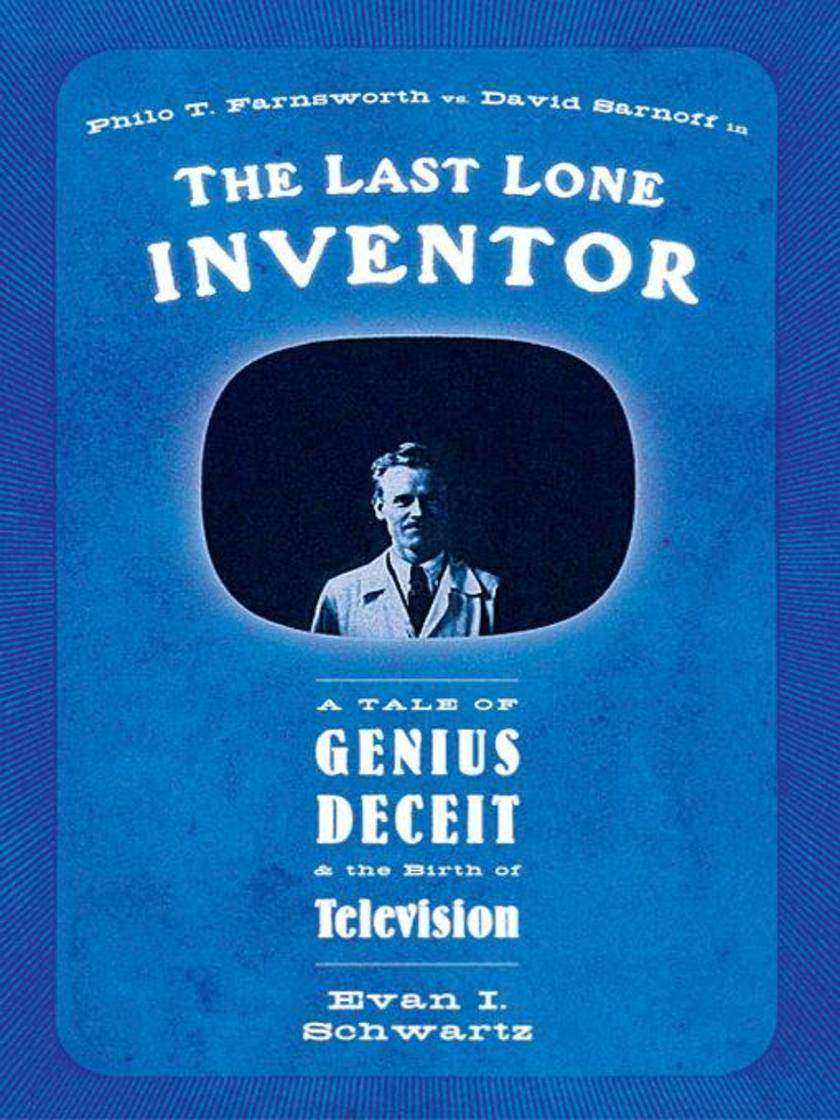
The Last Lone Inventor
¥90.77
In a story that is both of its time and timeless, Evan I. Schwartz tells a tale of genius versus greed, innocence versus deceit, and independent brilliance versus corporate arrogance. Many men have laid claim to the title "father of television," but Philo T. Farnsworth is the true genius behind what may be the most influential invention of our time. Driven by his obsession to demonstrate his idea,by the age of twenty Farnsworth was operating his own laboratory above a garage in San Francisco and filing for patents. The resulting publicity caught the attention of RCA tycoon David Sarnoff, who became determined to control television in the same way he monopolized radio. Based on original research, including interviews with Farnsworth family members, The Last Lone Inventor is the story of the epic struggle between two equally passionate adversaries whose clash symbolized a turning point in the culture of creativity.
Fire to Fire
¥88.56
Mark Doty's Fire to Fire collects the best of his seven books of poetry, along with a generous selection of new work. His signature style encompasses both the plainspoken and the artfully wrought, as one of contemporary American poetry's most lauded, recognizable voices speaks to the crises and possibilities of our time.

The Expert Guide to Beating Heart Disease
¥90.77
What Do the Best-Trained Doctors Do to Beat Heart DiseaseIn today's avalanche of medical information, how can you distinguish between proven evidence and unfounded claimsThis is the first book to translate key medical data into clear guidelines capturing the highest treatment standards for heart disease. Renowned cardiovascular expert Dr. Harlan Krumholz presents seven strategies for reducing cardiac risk what professionals agree really works. In this indispensable handbook, he also profiles care alternatives from supplements to stress reduction as well as treatments on the horizon. A "Tools for Success" section helps you track blood pressure, cholesterol, exercise, and weight.

Mind of the Raven
¥95.11
Heinrich involves us in his quest to get inside the mind of the raven. But as animals can only be spied on by getting quite close, Heinrich adopts ravens, thereby becoming a "raven father," as well as observing them in their natural habitat. He studies their daily routines, and in the process, paints a vivid picture of the ravens' world. At the heart of this book are Heinrich's love and respect for these complex and engaging creatures, and through his keen observation and analysis, we become their intimates too.Heinrich's passion for ravens has led him around the world in his research. Mind of the Raven follows an exotic journey from New England to Germany, and from Montana to Baffin Island in the high Arctic offering dazzling accounts of how science works in the field, filtered through the eyes of a passionate observer of nature. Each new discovery and insight into raven behavior is thrilling to read, at once lyrical and scientific.

How Can I Forgive You?
¥88.56
Until now, we have been taught that forgiveness is good for us and that good people forgive. Dr. Spring, a gifted therapist and the award-winning author of After the Affair, proposes a radical, life-affirming alternative that lets us overcome the corrosive effects of hate and get on with our lives without forgiving. She also offers a powerful and unconventional model for genuine forgiveness one that asks as much of the offender as it does of us.This bold and healing book offers step-by-step, concrete instructions that help us make peace with others and with ourselves, while answering such crucial questions as these: How do I forgive someone who is unremorseful or deadWhen is forgiveness cheapWhat is wrong with refusing to forgiveHow can the offender earn forgivenessHow do we forgive ourselves for hurting another human being?

Common Ground
¥96.50
Inspired by their popular USA Today column, conservative Cal Thomas and liberal Bob Beckel unmask the hypocrisy of the issues, organizations, and individuals that have created and deepened the partisan divide at the center of American politics, and make a strategic case for why this bickering must stop. Thomas and Beckel explain how bipartisanship and consensus politics are not only good for the day-to-day democratic process but also essential for our nation's future well-being. Entertaining and informative, funny and healing, Common Ground is a must-read for all concerned citizens.
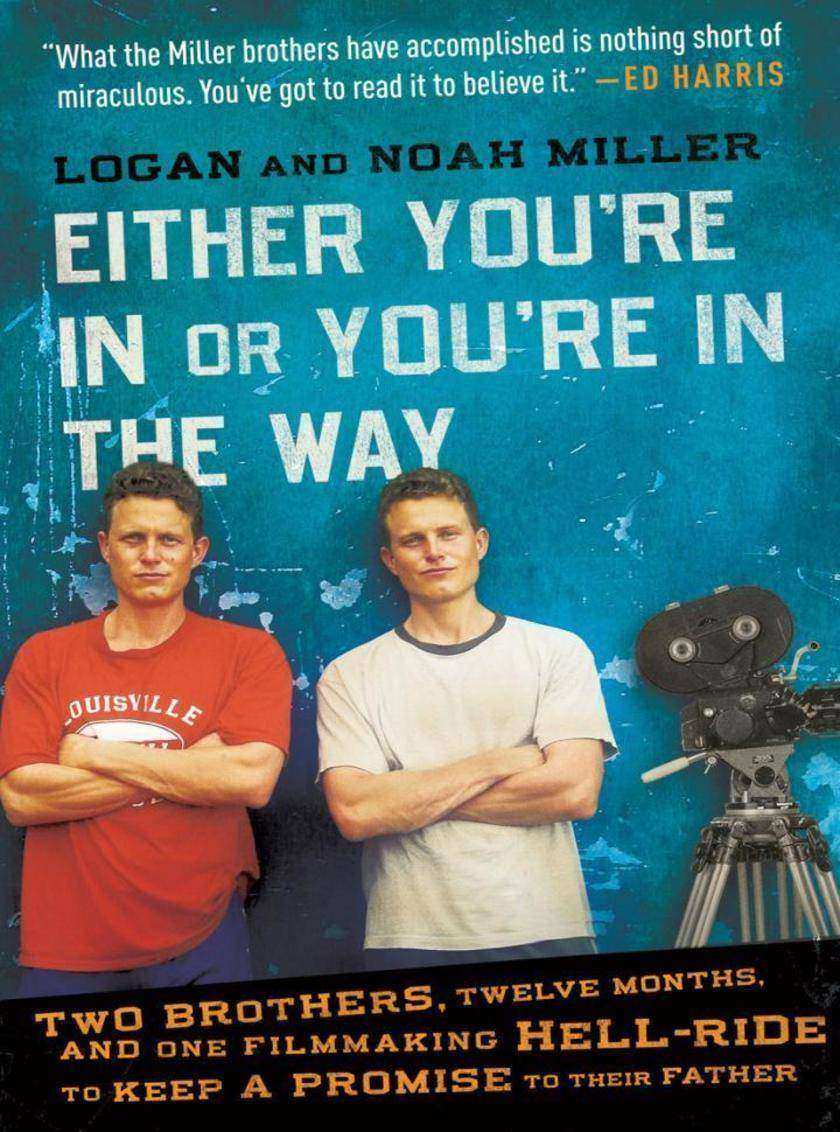
Either You're in or You're in the Way
¥90.77
The hilarious, implausible, and touching story of twin brothers accomplishing the impossible making a feature film (with a cast and crew with 11 Academy Awards and 26 nominations) with no experience, no money and no contacts.When identical twin brothers Logan and Noah Miller's homeless father died alone in a jail cell, they vowed, come hell or high water, that their film, Touching Home, would be made as a dedication to their love for him. Either You're in or You're in the Way is the amazing story of how without a dime to their names nor a single meaningful contact in Hollywood they managed to write, produce, direct, and act in a feature film alongside four-time Academy Award-nominated actor Ed Harris and fellow nominees Brad Dourif and Robert Forster. Either You're in or You're in the Way tells of the desperate struggle of two sons fighting to keep a vow to their father, and in so doing, creating a better life for themselves. A modern-day Horatio Alger on steroids, this fast-paced thrill ride of heartbreak and redemption will both captivate and inspire.
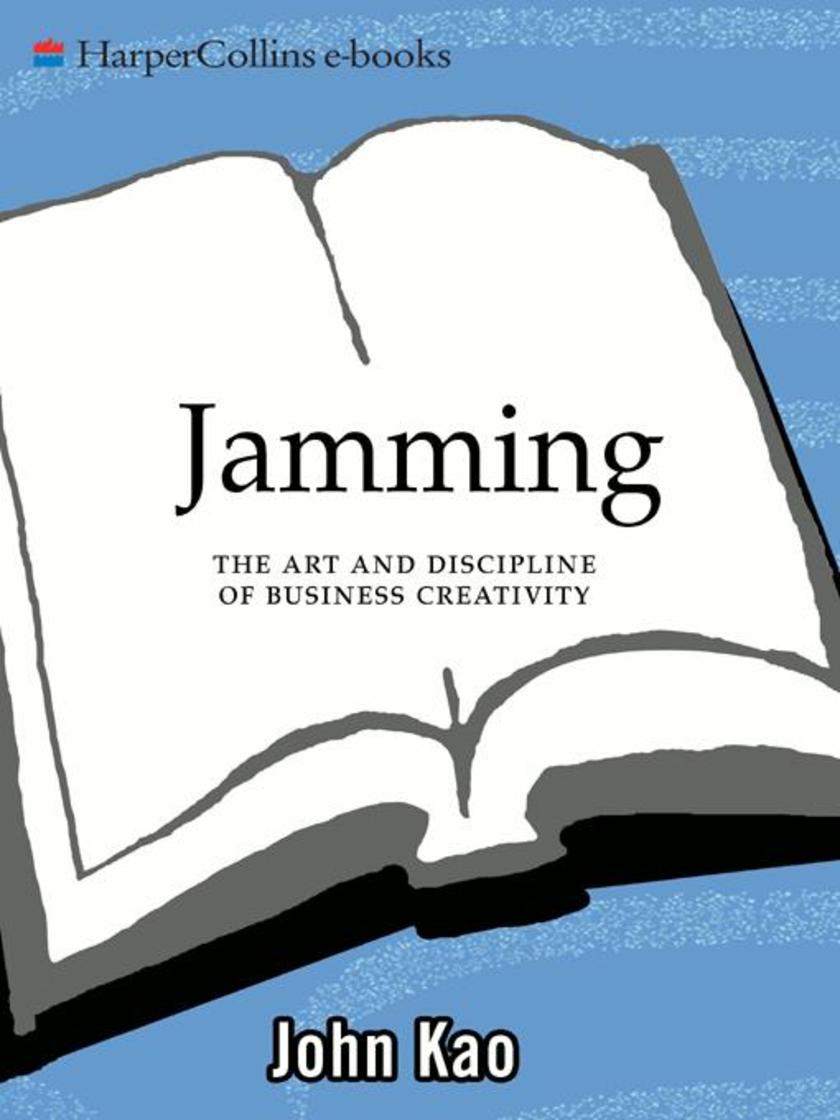
Jamming
¥90.73
In today's competitive environment, creativity is no longer an option. Companies that understand how to manage creativity in their people, organize for creative results and willingly implement good new ideas will triumph.In Jamming, John Kao also offers an approach that demystifies a topic traditionally confounding to businesspeople everywhere. He begins by showing how creativity, like the musical discipline of jazz, has a vocabulary and a grammar. It is a process, and because of that it can be observed, analyzed, understood, replicated, taught and managed. He explains how creativity needs a particular environment in which to blossom and grow. Like musicians in a jam session, a group of businesspeople can take an idea, challenge one another's imagination and produce an entirely new set of possibilities. Kao reveals how managers can stimulate creativity in their employees, explores the impact of information technology on creativity, looks at the globalization of creativity and shows how to ensure the loyalty of people who design, build and deliver today's vital products and services.

Plain and Simple
¥88.56
"I had an obsession with the Amish. Plan and simple. Objectively it made no sense. I, who worked hard at being special, fell in love with a people who valued being ordinary." So begins Sue Bender's story, the captivating and inspiring true story of a harried urban Californian moved by the beauty of a display of quilts to seek out and live with the Amish. Discovering lives shaped by unfamiliar yet comforting ideas about time, work, and community, Bender is gently coaxed to consider, "Is there another way to lead a good life?" Her journey begins in a New York men's clothing store. There she is spellbound by the vibrant colors and stunning geometric simplicity of the Amish quilts "spoke directly to me," writes Bender. Somehow, "they went straight to my heart." Heeding a persistent inner voice, Bender searches for Amish families willing to allow her to visit and share in there daily lives. Plain and Simple vividly recounts sojourns with two Amish families, visits during which Bender enters a world without television, telephone, electric light, or refrigerators; a world where clutter and hurry are replaced with inner quiet and calm ritual; a world where a sunny kitchen "glows" and "no distinction was made between the sacred and the everyday." In nine interrelated chapters--as simple and elegant as a classic nine-patch Amish quilt--Bender shares the quiet power she found reflected in lives of joyful simplicity, humanity, and clarity. The fast-paced, opinionated, often frazzled Bender returns home and reworks her "crazy-quilt" life, integrating the soul-soothing qualities she has observed in the Amish, and celebrating the patterns in the Amish, and celebrating the patterns formed by the distinctive "patches" of her own life. Charmingly illustrated and refreshingly spare, Plain and Simple speaks to the seeker in each of us.

Claim of Privilege
¥90.73
On October 6, 1948, a U.S. Air Force B-29 Superfortress crashed soon after takeoff, killing three civilian engineers and six crew members. In June 1949, the engineers' widows filed suit against the government, determined to find out what exactly had happened to their husbands and why the three civilians had been on board the airplane in the first place. But it was the dawn of the Cold War and the Air Force refused to hand over any documents, claiming they contained classified information. The legal battle ultimately reached the Supreme Court, which in 1953 handed down a landmark decision that would, in later years, enable the government to conceal gross negligence and misconduct, block troublesome litigation, and detain criminal suspects without due-process protections.Claim of Privilege is a mesmerizing true account of a shameful incident and its lasting impact on our nation the gripping story of a courageous fight to right a past wrong and a powerful indictment of governmental abuse in the name of national security.

Beautiful Jim Key
¥88.56
Beautiful Jim Key -- the one-time ugly duckling of a scrub colt who became one of the most beloved heroes of the turn of the century -- was adored not for his beauty and speed but rather for his remarkable abilities to read, write, spell, do mathematics, even debate politics. Trained with patience and kindness by one of the most renowned horse whisperers of his day -- former slave, Civil War veteran, and self-taught veterinarian Dr. William Key -- Jim performed in expositions across the country to wildly receptive crowds for nine glorious years, smashing box office records, clearing towering hurdles of skepticism and prejudice, and earning the respect and admiration of some of the most influential figures of the era, from Booker T. Washington to President William McKinley.This is the remarkable true saga of a truly exceptional animal -- and the no less exceptional man who led him to greatness.

Saving Childhood
¥90.73
Saving Childhood offers parents and grandparents practical strategies to cope with a society that seems perversely determined to frighten and corrupt its young. Cultural critic and popular radio host Michael Medved and his wife, psychologist Diane Medved, argue that in a mistaken effort to curb problems plaguing its youth, our culture has changed from protecting childhood as a precious time of growth to hammering even the smallest youngsters with a grim, harsh, and menacing view of the world. The Medveds systematically present unassailable scientific evidence, moving anecdotes, and personal experiences of raising their three young children to explain the attack from four primary directions--media, schools, peers, and even well-intentioned parents themselves.In a unique analysis the Medveds define innocence not as ignorance but as the result of three components--security, a sense of wonder and optimism. They empower parents and all who care about childhood with concrete, easily accomplished means to fend off the assault, as well as advice for handling hurdles such as the Internet, television, peer pressure, and the plague of pessimism. Saving Childhood enables us to restore and maintain for our children imagination, confidence, and hope for the future.
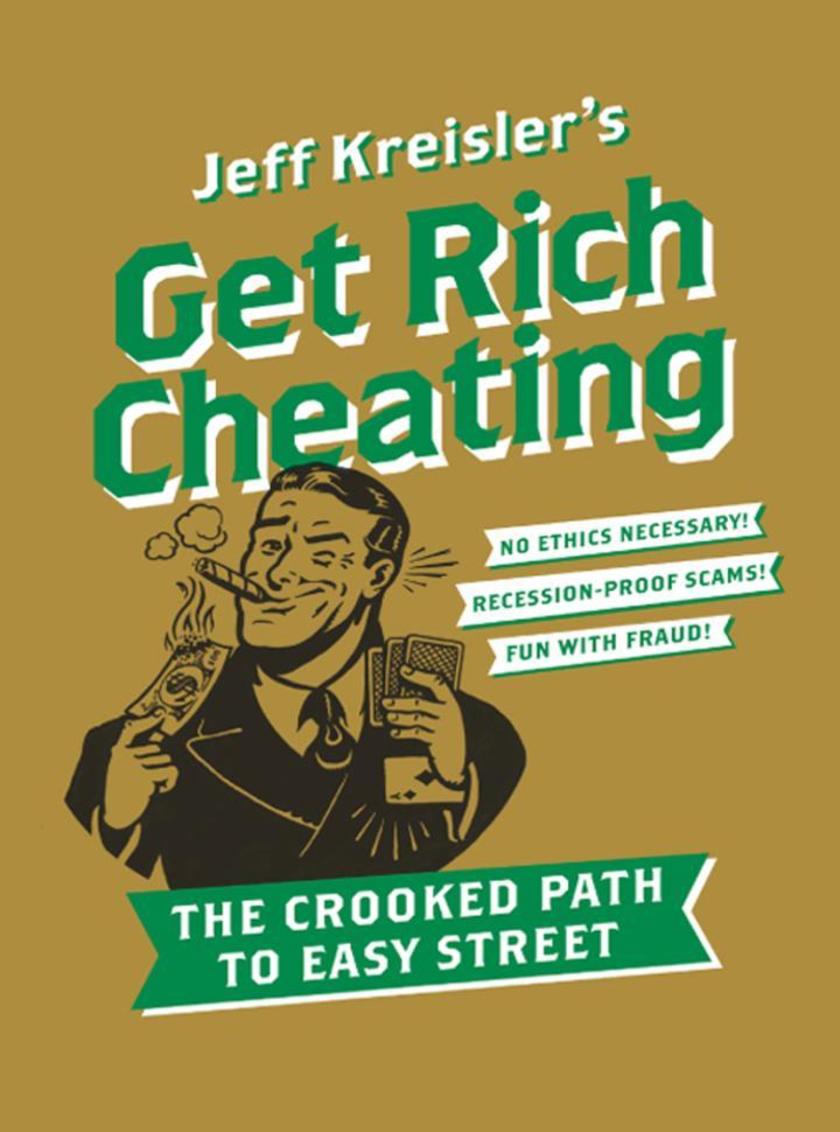
Get Rich Cheating
¥88.56
In these difficult times, there's only one proven path to ridiculous amounts of money: Cheating. Everyone's doing it from sleazy CEOs to 'roided-up home run kings, silicone-enhanced starlets, and backroom-dealing congressmen so why not youGet Rich Cheating is your definitive guide to the illegal, immoral, and fun, detailing the schemes that have proven time and time again to generate more cash than God, Google, and the Treasury combined. No one ever bought a fleet of Bentleys with hard work, perseverance, and honesty. Simply by purchasing this book, you've already done more than most "ethical" people dare. Open it, savor the moment, and inhale deeply in the musk of your impending wealth it's time to Get Rich Cheating.

On Rocky Top
¥88.56
There is no college football team more zealous and competitive than the University of Tennessee Volunteers When Clay Travis, acclaimed author of Dixieland Delight, decided to spend the 2008 season up close and personal with UT football, he and every other college football aficionado thought he was in for a rollicking ride with one of the leading contenders for the national title. After all, when the Vols kicked off the season on September 1, the defending SEC East champions were ranked 18th in the country. As head coach Phillip Fulmer prepared for the game, he reflected upon a coaching career that included an astounding 147 victories, two SEC championships, and a national title. With 34 years at UT under his belt as both a player and coach, the Tennessee native had just signed a contract extension that projected to keep him at the university long enough to become the winningest coach in program history.But when the Volunteers lost their season opener and the losses continued to mount, it became clear that 2008 was going to be a season on the brink for UT football. By December, the team had suffered its second-worst season ever, and Fulmer, the most beloved and recognized man in Tennessee, had been fired.Based on exclusive interviews with Fulmer, UT athletic director Mike Hamilton, university boosters, team personnel, players and their families, and fans, On Rocky Top recounts in vivid detail how a season of promise tragically ended an era of college football. Enlivening the narrative is a diverse cast of supporting characters, including 65-year-old "Good Time" Charlie Harris, who has driven the UT big rig for almost 10 years; star running back Arian Foster, a fifth-year senior striving to become the all-time leading rusher in Volunteer history; and multimillionaire booster John "Thunder" Thornton, who defended Fulmer till the end. A lifelong Volunteer fan whose grandfather played for the team during the 1930s, Travis reports from the locker room to the sideline, and has created a fascinating and loving chronicle of an impassioned state, a celebrated football culture, a beloved coach, and the sensational collapse of a once-mighty juggernaut.
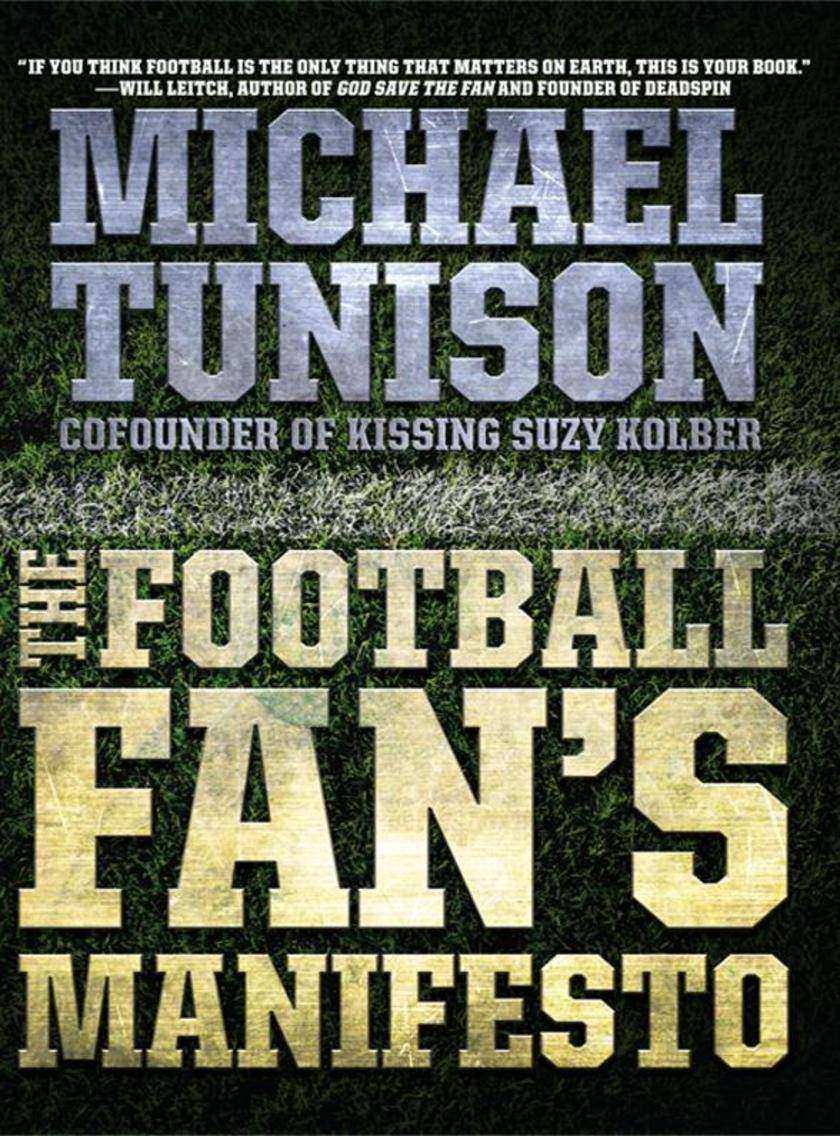
The Football Fan's Manifesto
¥90.77
The Football Fan's Ten Commandments You Must Choose Your Team by the Age of Eight. Value That Team Above All Else, Even Yourself. Under No Circumstances Can You Switch Teams (And Expect to Live). There is a Limit to the Amount of Merchandise You Can Own (But It's Very Generous). Sportsmanship is for the Athletes. Fans Can Gloat Endlessly. A Self-Induced Coma to Skip the Off-season is a Practical Solution to an Annoying Problem. An Inoffensive Fantasy Football Name is a Lame Fantasy Football Name. Wealth Doesn't Matter So Long As You Don't Have to Work Weekends. Respect Superstitions. If Your Team Lost, It's Because You Jinxed Them. In Life, the Order of Importance: Football First, Football Second, Football Third, Family . . . uh, I Don't Know, twelfthThese are just the basics if you wish to be a True Football Fan. The full picture is much more complex and boozy. Thankfully, The Football Fan's Manifesto is your very own playbook to the strict rules and bylaws that must be scrupulously observed. After all, trash-talking is an intricate science and running onto the field a dangerous but irresistible pursuit. There are many lessons to be learned, especially that choosing a favorite team to live and die with is not a choice made easily: It's the most important decision of your life!
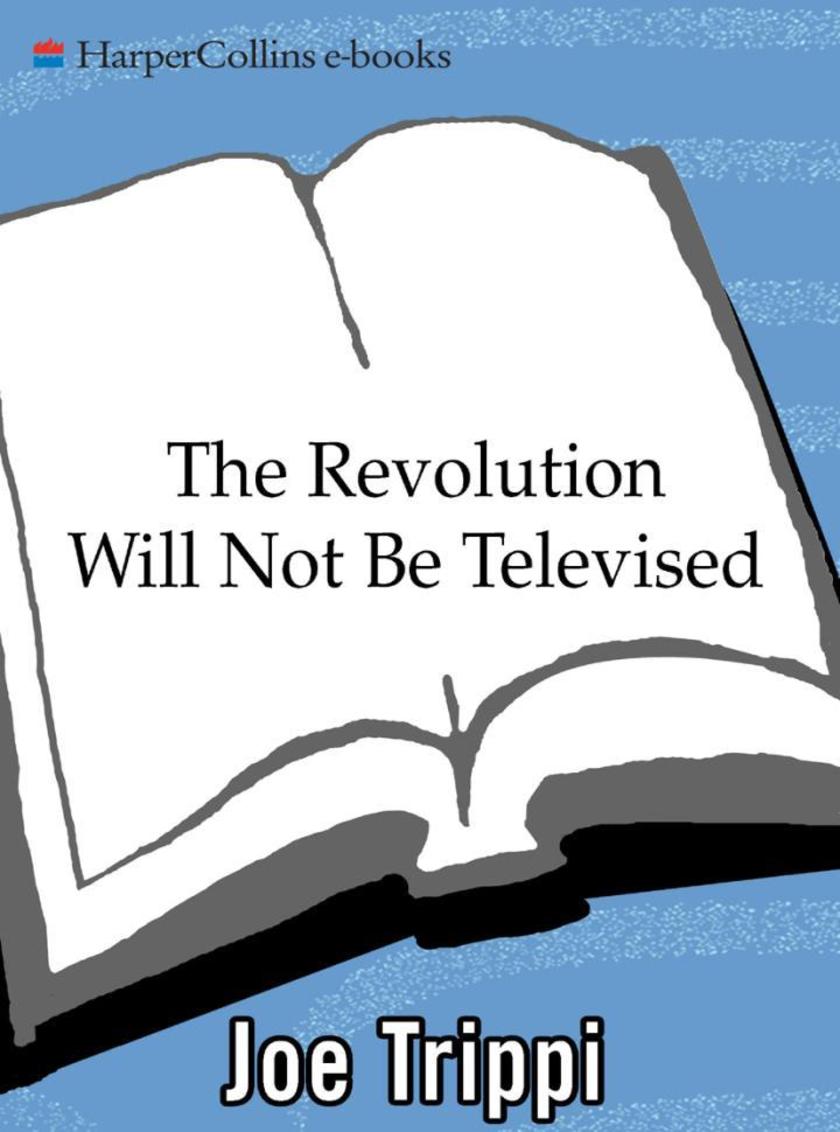
The Revolution Will Not Be Televised
¥90.77
When Joe Trippi signed on to manage Howard Dean's 2004 presidential campaign, the long-shot candidate had 432 known supporters and $100,000 in the bank. Within a year the most obscure horse in the field was the front-runner, with $50 million in the campaign till, thanks to Trippi and his team. The Revolution Will Not Be Televised is the incredible story of how Joe Trippi's revolutionary use of the Internet forever changed politics as we know it. Trippi's memoir cum manifesto offers a blueprint for engaging Americans in real dialogue and is an instruction manual for how businesspeople, government leaders, and anyone else can make use of democracy. In a new afterword, Trippi reviews how these lessons have influenced the 2008 campaign, a race marked by higher voter interest than any other in recent history.
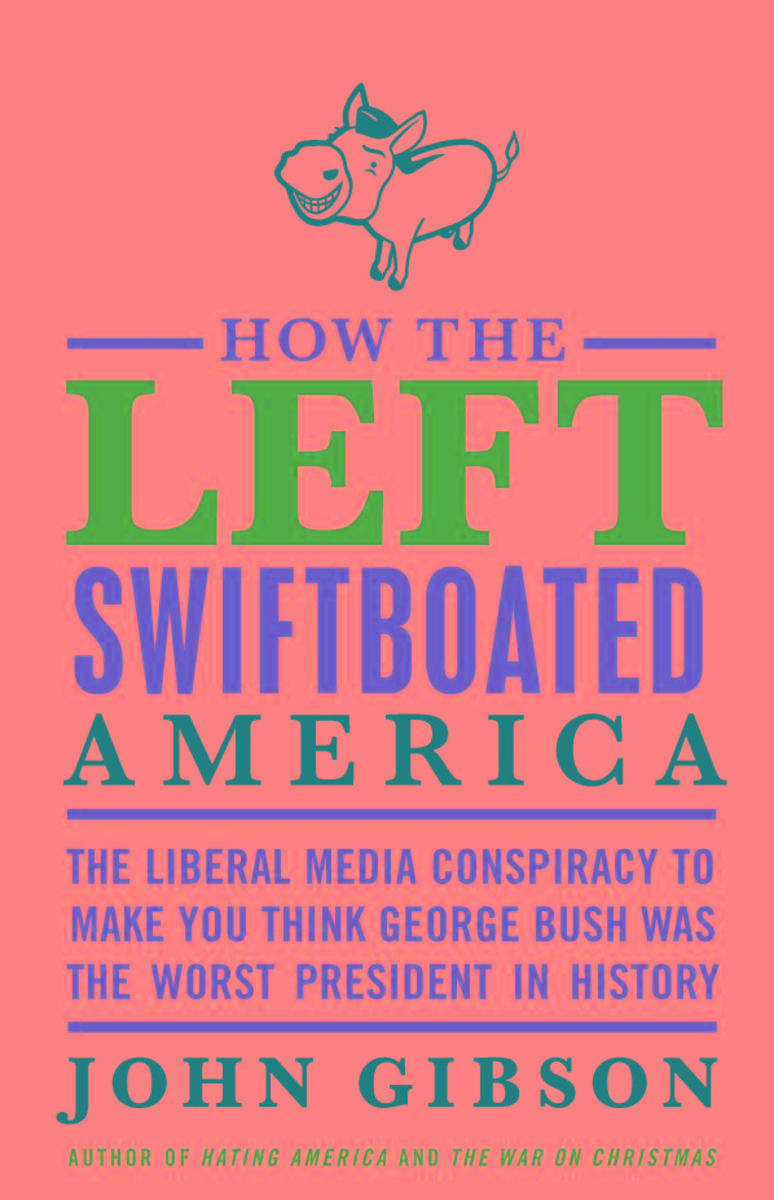
How the Left Swiftboated America
¥90.77
Bestselling author John Gibson shows that George W. Bush was the victim of a concentrated effort by Democrats and their allies in the press to discredit and distort virtually everything he did. That effort was amazingly successful. Was George W. Bush really the worst president in American historyWas the Iraq War really the biggest foreign policy blunder of all recorded timeDid Bush really steal the 2000 election, make war on civil rights, torture innocent goatherds, and prove America's racism during Hurricane Katrina?If this is what you think, then you may have been swiftboated by the liberal media. Swiftboating, as it has come to be defined by the left, is the political trick of claiming to expose the truth while in fact lying. The swiftboating of George W. Bush began in 2000 and continued throughout his presidency, involving his response to 9/11, the Iraq War, warrantless wiretapping, enhanced interrogation techniques, the Surge, uranium from Niger, the number of deaths in Iraq, the federal response to Katrina, and much, much more. One only has to look at the charges leveled against the Bush administration by candidate Barack Obama to witness the success of this campaign. Obama ran for president and won on the left's extensive catalog of lies about George W. Bush. Moreover, once in office, Obama and the left continued to use these same techniques to swiftboat the Republican opposition. Obama constantly complained that he had inherited a "mess" in Iraq and blamed the "failed ideology" of free-market capitalism for the financial collapse that helped elect him. Meanwhile, his media allies attacked Rush Limbaugh, Dick Cheney, the tea party movement, and the health-care protestors as "racists" for opposing Obama's agenda.In How the Left Swiftboated America, talk radio host and bestselling author John Gibson sets the record straight. Gibson shows that, in case after case across the board, Bush's performance was much better than most people now believe. And he calls on all Americans to fight back and put an end to the swiftboating lies of the left.

Berlin Games
¥90.73
IN 1936, Adolf Hitler welcomed the world to Berlin to attend the Olympic Games. It promised to be not only a magnificent sporting event but also a grand showcase for the rebuilt Germany. No effort was spared to present the Third Reich as the newest global power. But beneath the glittering surface, the Games of the Eleventh Olympiad of the Modern Era came to act as a crucible for the dark political forces that were gathering, foreshadowing the bloody conflict to come. The 1936 Olympics were nothing less than the most political sporting event of the last century an epic clash between proponents of barbarism and those of civilization, both of whom tried to use the Games to promote their own values. Berlin Games is the complete history of those fateful two weeks in August. It is a story of the athletes and their accomplishments, an eye-opening account of the Nazi machine's brazen attempt to use the Games as a model of Aryan superiority and fascist efficiency, and a devastating indictment of the manipulative power games of politicians, diplomats, and Olympic officials that would ultimately have profound consequences for the entire world.

Seasons in Basilicata
¥88.56
Award-winning travel writer and illustrator, David Yeadon embarks with his wife, Anne on an exploration of the "lost word" of Basilicata, in the arch of Italy's boot. What is intended as a brief sojourn turns into an intriguing residency in the ancient hill village of Aliano, where Carlo Levi, author of the world-renowned memoir Christ Stopped at Eboli, was imprisoned by Mussolini for anti-Fascist activities. As the Yeadons become immersed in Aliano's rich tapestry of people, traditions, and festivals, reveling in the rituals and rhythms of the grape and olive harvests, the culinary delights, and other peculiarities of place, they discover that much of the pagan strangeness that Carlo Levi and other notable authors revealed still lurks beneath the beguiling surface of Basilicata.

Warped Passages
¥100.71
The universe has many secrets. It may hide additional dimensions of space other than the familier three we recognize. There might even be another universe adjacent to ours, invisible and unattainable . . . for now.Warped Passages is a brilliantly readable and altogether exhilarating journey that tracks the arc of discovery from early twentieth-century physics to the razor's edge of modern scientific theory. One of the world's leading theoretical physicists, Lisa Randall provides astonishing scientific possibilities that, until recently, were restricted to the realm of science fiction. Unraveling the twisted threads of the most current debates on relativity, quantum mechanics, and gravity, she explores some of the most fundamental questions posed by Nature taking us into the warped, hidden dimensions underpinning the universe we live in, demystifying the science of the myriad worlds that may exist just beyond our own.


