


 购物车
购物车 个人中心
个人中心

Szívszelídít?
¥76.11
A New York Times bestseller szerz?je, a feszültségteremtés királyn?je, 100 millió eladott példánnyal a valaha volt legnépszer?bb szerz?k egyike.Legújabb, nagy siker? krimije éppúgy felkerült a legfontosabb sikerlistákra, mint Clark szinte minden m?ve. A fiatalon meg?zvegyült Lane Harmon, az ?téves Katie édesanyja lakberendez?, fény?z? otthonokba bejáratos. Egy alkalommal, amikor f?n?ke megbízza, hogy rendezzen be egy szerény sorházat, meglepve tapasztalja, hogy a megbízó nem más, mint egy híres-hírhedt pénzember felesége. A férj, Parker Bennett, két éve t?nt el a Karib-tengeren hajózva. A cégben lév? ?tmilliárd dollárral együttVajon él-e még? Vajon k?ze van-e a milliárdokhoz? ?s vajon mit tud a feleség?Lane egyre jobban belebonyolódik az ügybe, és egyre k?zelebb kerül Bennették fiához, míg végül már megszállottan próbálja bizonyítani a család ártatlanságát. Azzal azonban nem számol, hogy ezzel magát és kislányát is veszélybe sodorja Botrány, csalás, árulás és szerelem a kritikusok és az olvasók szerint ez az ?tvenk?tetes Clark életének egyik legjobb regénye. El?sz?r a pénz a tét. Utána?a szerelem. Végül az életed.
Deliruri. Via?a este cotidian?
¥40.79
Perechi ?n formare este romanul unei iubiri ai c?rei protagoni?ti, desp?r?i?i timp de ?aisprezece ani, ajung s? se reg?seasc? ?n ?mprejur?ri dramatice. Andreas Lüscher este un psiholog care ?ncearc? s? p?streze o distan?? profesionist? fa?? de pacien?ii s?i. Dar c?nd destinul i-o aduce ?n cale pe Meret, fosta lui iubire din tinere?e, b?rbatul descoper? c?t de fragile ?i imperfecte sunt cuvintele atunci c?nd ?ncearc? s? refac? o leg?tur? pierdut?, acum mai puternic? dec?t a fost vreodat?.
Inima mea e sora lui Dumnezeu
¥32.62
Umorul, absurdul ?i tenta?ia suprarealist? sunt aduse aici la rang de repere pentru fic?iune. Blues pentru o pisic? neagr? este o colec?ie de povestiri ?n care Boris Vian ??i m?rturise?te pe spa?ii mici pasiunea pentru firescul r?sturnat cu susul ?n jos ?i pentru jocurile infinite cu limbajul ?i literatura. Pe fondul celui de-al doilea R?zboi Mondial, lumea a luat-o razna, dar toate personajele se lupt? pentru a salva aparen?ele. Protagoni?tii sunt dintre cei mai ciuda?i, iar ac?iunile lor ?n acord cu lumea ?n r?sp?r. Pescari de timbre, sculptori de pietre de morminte, motani-negri-vorbitori-englezi iubitori de b?uturi fine sunt reprezentativi pentru stilul lui Boris Vian.
A Téli Palota
¥80.44
Két év telt el ,,a nap", vagyis a világ t?bb országát egyszerre sújtó ?sszehangolt, elektromágneses hullámokat (EMP) gerjeszt? támadás óta. ?ramszolgáltatás híján az Egyesült ?llamok kontinentális területeinek nagy részén k?zépkori állapotok uralkodnak, s becslések szerint az offenzívát, valamint az azt k?vet? káoszt az ország lakosságának csupán húsz százaléka élte túl. Az észak-karolinai Black Mountain városa - lakóinak h?sies helytállása folytán - nem semmisült meg teljesen, de a halál és az emberfeletti megpróbáltatások ?ket sem kímélték. Vezet?jük, John Matherson otthona porig égett, és az inzulinkészletek kiapadása miatt a férfi elveszítette egyik lányát, a cukorbeteg Jennifert is. A Bluemontban újjászervez?d?tt amerikai kormány látszólag mindent megtesz annak érdekében, hogy feltartóztassa az országba humanitárius segítségnyújtásra hivatkozva benyomuló idegen katonai er?ket. Az új vezetés tervének részeként John egyetlen életben maradt lánya, a tizennyolc éves Elizabeth is megkapja a katonai behívóját...
Castelul din Pirinei
¥40.79
Marianela este varianta spaniol? a pove?tii din copil?rie R??u?ca cea ur?t?. Satul Socartes este locul unde se petrece trista poveste de iubire a protagoni?tilor lui Pérez Galdós; numele localit??ii nu este ?nt?mpl?tor, romanul dezvolt?nd epic teoriile despre frumuse?e ale lui Socrate. Marianela, o feti?? orfan?, s?rac? ?i ur?t?, se ?ndr?goste?te de Pablo, un b?iat orb din na?tere. Fermecat de vocea ei, Pablo nu ?i-o poate imagina dec?t frumoas?, fapt pentru care ?i va ?mp?rt??i dragostea. Magia se risipe?te atunci c?nd medicul Teodoro Golfin ?i red? t?n?rului vederea. Dac? ?n basmul lui Andersen frumuse?ea este ?n final dezv?luit?, aici leb?da ?nt?rzie s? apar?, Marianela ascunz?ndu-se de privirea lui Pablo. A?a c? happy-end-ul se las? a?teptat. Va trece Pablo peste aceast? piedic? sau iubirea pentru Marianela se va risipi precum c?ntecele fetei purtate de v?nt? Ve?i afla din finalul romanului lui Pérez Galdós.

Pr?v?lia de miracole
¥40.79
tii care e pluralul corect - acali sau acai Nu V rspunde Enormitatea Sa Bérurier: e un substantiv care apare numai la singular, pentru c acalul este o pasre care triete singuratic. Dac nu suntei mulumii de rspuns i vrei s aflai de unde izvorte Guatemala sau ce culoare avea calul alb al lui Henric al IV-lea, dac suntei nedumerii aflnd c 3 ori 8 fac 22, citii n continuare. Cnd ntr-o comun de lng Lyon dispare fr urm un bieel, Bérurier ajunge nvtor la coala de loaze, iar San-Antonio pe urmele unor interlopi care se in de partuze. Nu dup mult timp, totul se accelereaz, crimele se nmulesc, iar n jurul fermectorului comisar ncepe s danseze sarabanda rposailor.Mai multe detalii pe san-antonio.ro

Sz?rny? ?lmos tizedes kalandjai
¥36.54
Várostrom, varázslat, lovagi torna. Mindez Balatónia szomszédságában, a fajszok f?ldjén, ahol az udvaronccá cseperedett Rév Fül?p újra fontos szerepet kap, és azt is megtudja, mi a teend?, ha j?nnek a siófok. De hova lehetett Fajszf?ld uralkodója, Hatodik (Torkos) Hollád király, aki sz?rén-szálán elt?nt?
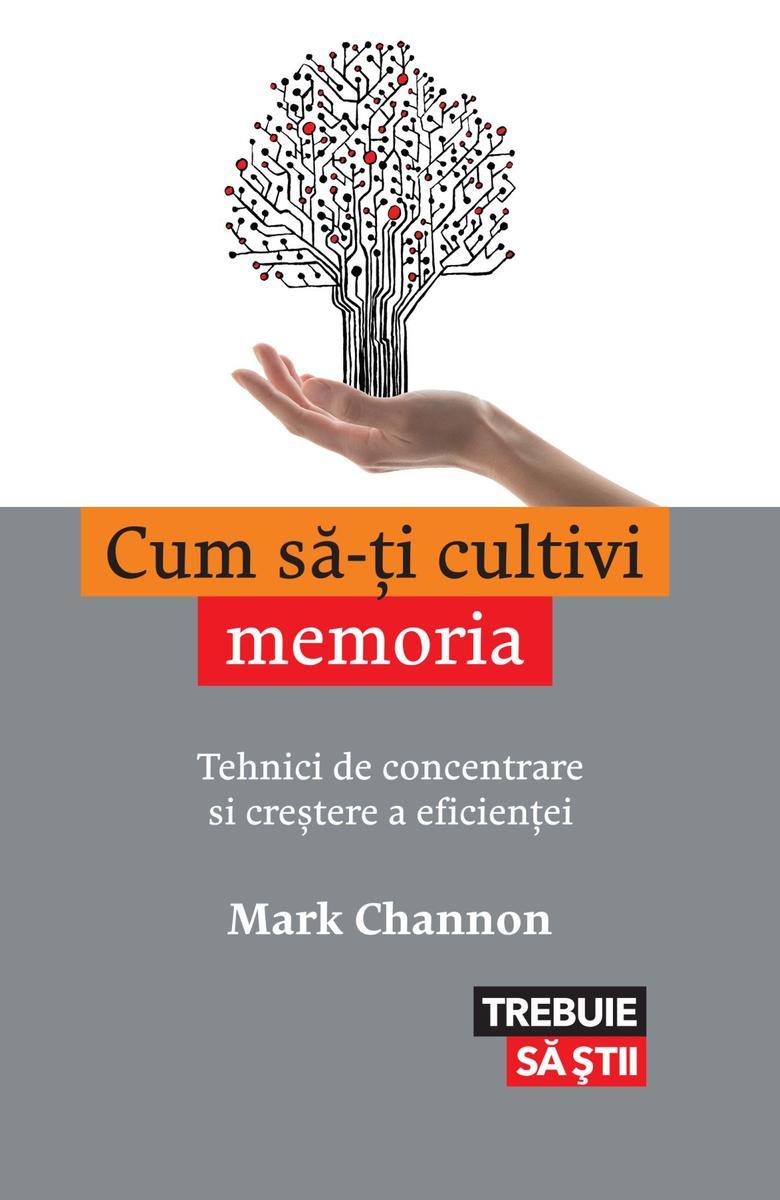
Cum s?-?i cultivi memoria
¥73.49
Cred ?n sensibilitatea publicului fa?? de un teatru al ideilor, dar ?i fa?? de un teatru de ac?iune fidel formelor clasice. Cu riscul de a fi considerat un manierist, accept aceast? etichet?, dac? ?mi aleg drept modele nume ca Montherlant, Camus, Vallejo sau Camil Petrescu. Am ?ncercat s? tratez una dintre marile teme ale dramaturgiei universale, care ?ncepe cu vechii greci ?i se ?mpline?te ?n teatrul clasic francez: conflictul dintre datorie ?i pasiune. Drama apare atunci c?nd cele dou? imperative devin divergen?e ?i ea se poate reg?si ?i azi de la marii lideri politici la oamenii de r?nd. Dar pentru a o ilustra am ales varianta teatrului istoric, deoarece (pentru a-l cita pe Henri Rochefort ) ?viitorul, ?n momentul de fa??, pare at?t de sumbru, ?nc?t am sim?it s? m? hr?nesc o vreme cu trecutul". Drama personajelor mele, fie c? este vorba despre Ugo, fie c? este vorba despre printul Rudolf, este e?ecul ?nregistrat ?n ?ncercarea de a le g?si un liant, de a le ?mp?ca. Am v?zut ?n Rudolf de Habsburg un adev?rat profet al lumii moderne… care a prev?zut toate catastrofele secolului al XX-lea ?i a ?ncercat s? orienteze politica austriaca ?ntr-o alta direc?ie. Dar via?a sa privat?, departe de a fi un model, a dejucat acest plan. El dispare pentru c? nu-?i mai g?se?te locul ?n lumea lui, ?n timp ce Ugo d’Este ??i accept? sf?r?itul din acela?i motiv. (Corneliu ?enchea)
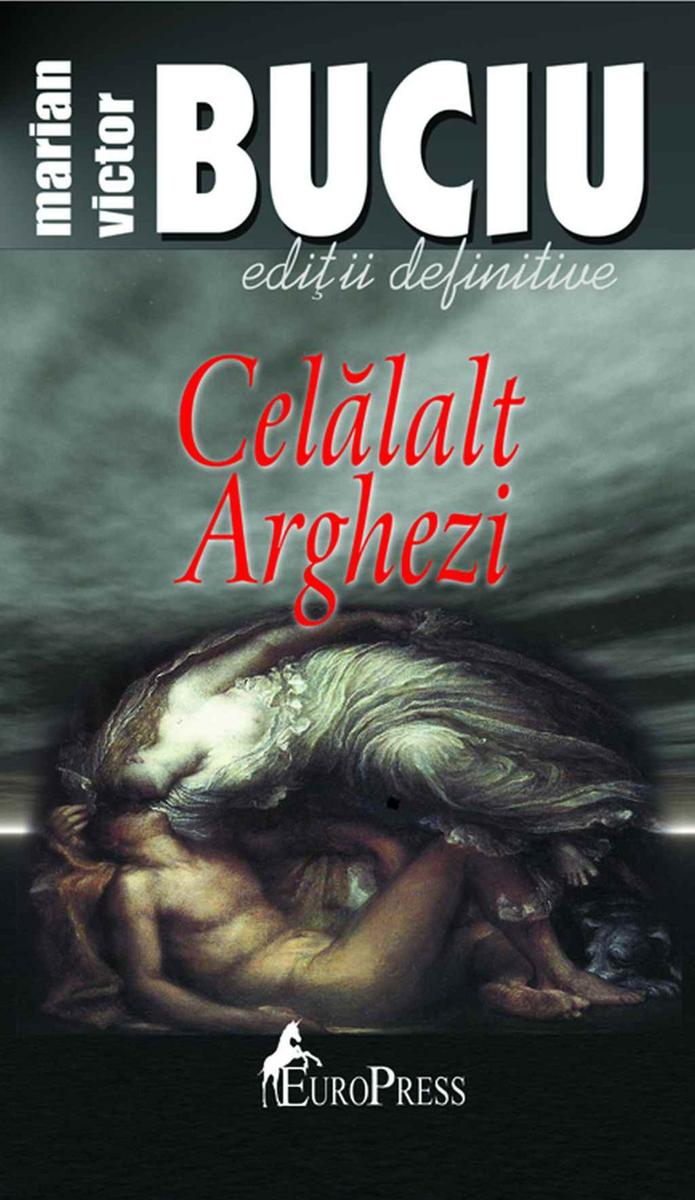
Cel?lalt Arghezi
¥57.14
nainte de orice altceva, Poezia de la Gndirea este o carte despre slbiciunea conceptelor. Ce mai definesc azi cuvinte precum tradiionalism sau modernism ntre rzboaie, termenii au polarizat probabil toate disputele, nelsnd n stare de neutralitate aproape nimic. Nu-i vorba, nu ideologiile fac literatura. Iar cnd este vorba despre poezie, lucrurile sunt cu atat mai complicate. Or, privind napoi cu suspiciune, Mircea A. Diaconu realizeaz nu doar o descriere comparativa a principalelor constante ale poeziei de la Gndirea, ci si o anatomie – sceptic mcar – a conceptelor n disputa lor cu realitatea de fapt. Criticii conceptelor – dublate de o ncercare de refundamentare a lor – i rspunde o analiz minuioas, fr parti-pris-uri, a realitii de fapt. n distana aceasta, dintre concept i realitate, ptrunde ochiul deopotriv al istoricului i al criticului literar. Iar ceea ce rezult nu mai este o sum de adevruri apodictice, ci o proiecie hermeneutic fundamentat interogativ.
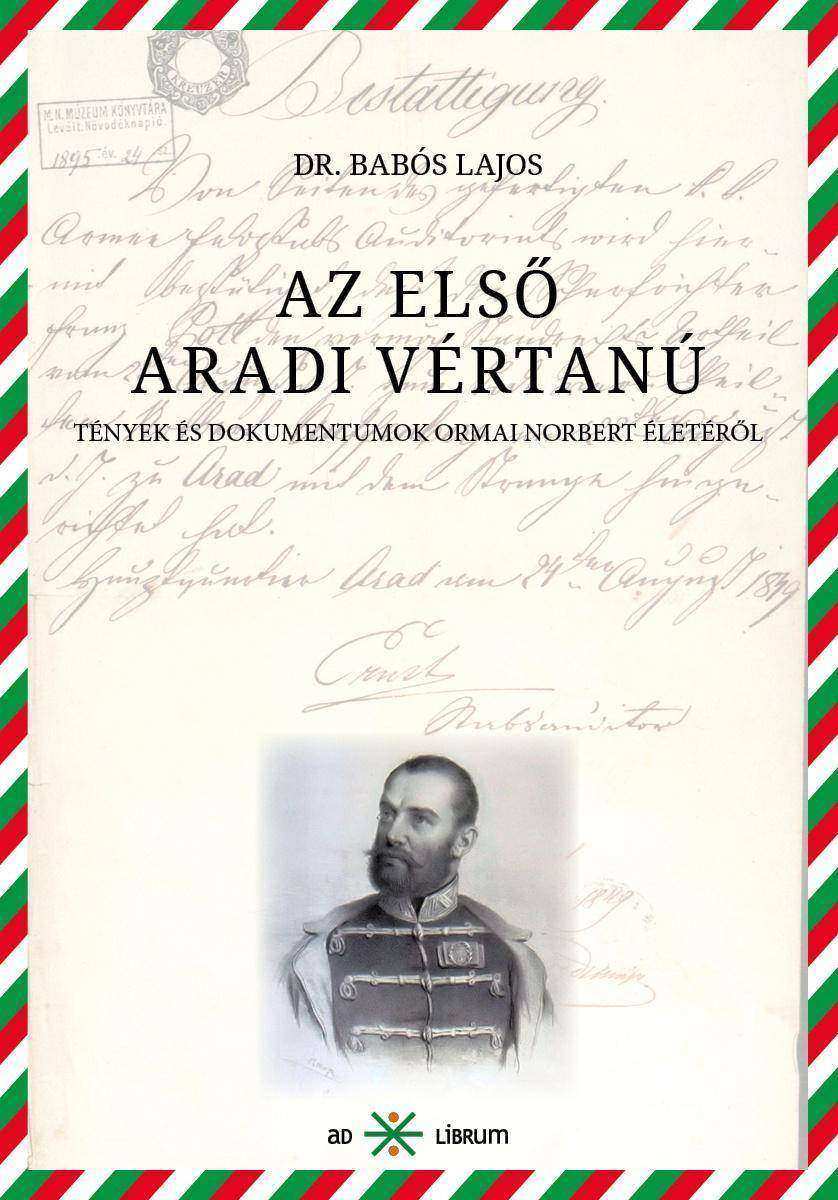
Az els? aradi vértanú: Tények és dokumentumok Ormai Norbert életér?l
¥28.53
Annyit már most nyugodtan elmondhatok, hogy akárcsak A n? cím? k?nyvnél - amely alapjában véve nem csupán a n?r?l szólt -, menet k?zben már itt is tudtam, láttam, hogy ez a k?nyv sem tisztán csak a férfiról fog szólni. Szerettem volna sok mindent beletenni a férfiasság kérdésér?l, a b?ntudat megoldásának az elkezdésér?l, a gyászról, halálról, búcsúról, elengedésr?l, virágokról, ?nmagamról. Tényleg sok mindent. Válaszokat egy sor kérdésre. Felvetéseket a pasikkal kapcsolatosan. Hogy például "miért élt a párom nyolc hónapig egy másik csajjal párhuzamos életet mellettem, mik?zben azt bizonygatta, hogy mennyire szerelmes belém?" A minap kaptam egy ilyen e-mailt! ?pp karácsonykor robbant szét a dolog... Amikor ez a k?nyv készült, k?rbetelefonáltam egy csomó pasit, akit ismerek. A tinédzserekt?l kezdve az ?tvenesekig valamennyiüknek ugyanazt a kérdést tettem fel: mit?l érzik magukat férfinak. A kérdésre, hogy mit?l érzik magukat férfinak, a pasik egy jelent?s része azt felelte, hogy ezen ?k még soha nem gondolkodtak, és ez a kérdés eléggé meglepetésszer?en érte ?ket... Holott a n?k esetében az utóbbi ?t-tíz év másról sem szólt, mint hogy definiálják, mi az, hogy n?... ?gy t?nik, ezek olyan dolgok, amelyekr?l a pasik általában nem beszélnek. Vagy csak nagyon felületesen. Magáról a férfilétr?l... Azért nem, mert "ez teljesen magától értet?d?", hogy az illet? férfi. Fel sem merül, hogy ezt bármi megkérd?jelezhetné..."
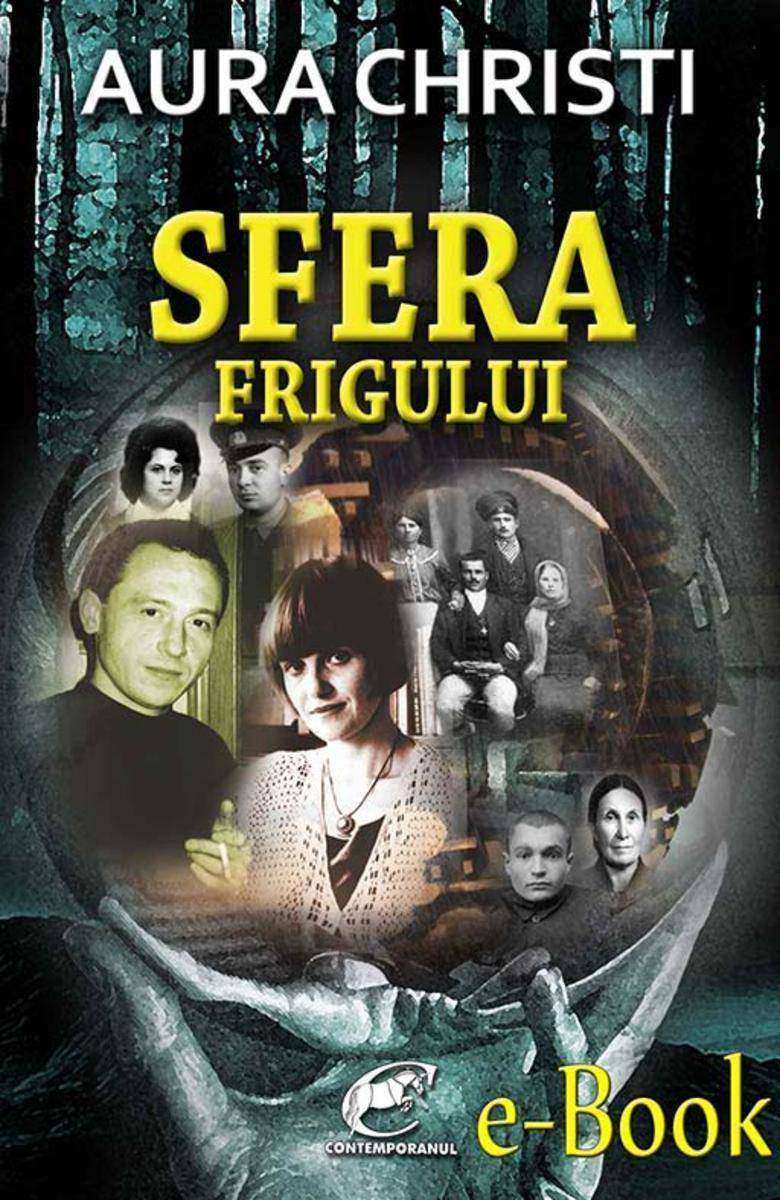
Sfera frigului
¥16.27
Toate popoarele sunt preocupate de identitatea lor, dar la rom?ni aceast? chestiune a ?mbr?cat forme speciale. Rom?nii, locuitori p?n? ?n epoca modern? ?n dou? principate autonome supuse Por?ii Otomane ?i r?vnite de mul?i al?i vecini, dar tr?itori ?i ?n vaste provincii ocupate de unguri, de austrieci, de ru?i ?i de turci, pierdu?i ?n mijlocul at?tor str?ini rapace, s-au ?ntrebat, parc? mai mult dec?t al?ii, de unde vin ?i cine sunt ei. P?n? la urm? ?ns?, toate popoarele mici, lovite de soart? ?i l?sate la cheremul celor mari, au asemenea preocup?ri, transformate uneori ?n adev?rate obsesii. (Ioan-Aurel Pop)
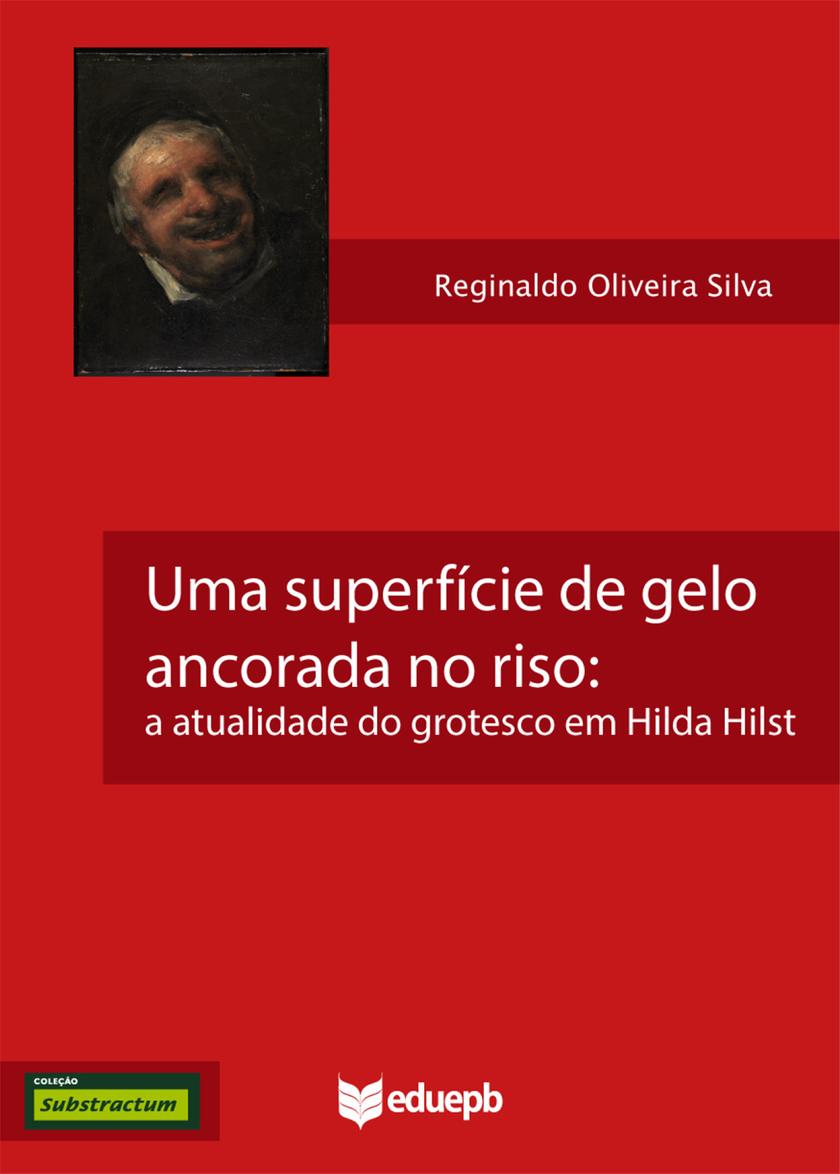
Uma superfície de gelo ancorada no riso: a atualidade do grotesco em Hilda Hilst
¥0.01
Imaginea Romaniei prin turism, targuri si expozitii universale, in perioada interbelica, este titlul unei noi carti extrem de interesante, adresata atat specialistilor cat si publicului larg. Lucrarea elaborata de dr. Claudiu-Alexandru Vitanos reprezinta bilantul unor eforturi sistematice ale autorului de cercetare a modului in care a fost elaborata politica nationala privind dezvoltarea turismului si, totodata, politica de promovare a Romaniei prin intermediul targurilor si expozitiilor universale de-a lungul deceniilor interbelice.

San-Antonio. De la A la Z
¥32.62
Codul vindec?rii este echipamentul vostru pentru via??: folositi-l! ?n 2001, Alexander Loyd a descoperit cum s? activeze func?ia fizic? ?ncorporat? ?n organism, care poate ?nl?tura, ?n propor?ie de p?n? la 95%, sursa tuturor bolilor ?i st?rilor de r?u. ?n acest caz, sistemul neuro-imunitar ??i poate ?ndeplini misiunea de a vindeca orice r?u din organism. Descoperirile dr. Loyd au fost validate prin teste ?i m?rturii ale oamenilor din ?ntreaga lume, care au folosit sistemul Codul vindec?rii pentru a corecta, practic, orice problem? fizic?, emo?ional? sau rela?ional?, dar ?i pentru a avea succes deosebit ?n carier?. Testele doctorului Alexander Loyd au ar?tat c? exist? un ?cod universal al vindec?rii“ care poate ajuta la vindecarea celor mai multe probleme pentru cei mai mul?i oameni. cartea cuprinde ?i: Cele ?apte secrete ale vie?ii, s?n?t??ii ?i prosperit??ii; Tehnica de 10 secunde a Impactului imediat pentru dezamorsarea stresului zilnic; Detectorul de probleme suflete?ti, singurul test care identific? problemele de baz? printr-un raport personalizat ?i succint. ?Am folosit aproape toate tehnologiile moderne, protocoale de tratament, tehnici, sisteme, filozofii ?i modalit??i de vindecare at?t din medicina alopat?, c?t ?i din cea alternativ?, dar, dac? ar fi s? aleg doar una, aceasta ar fi lucrarea dr. Loyd. Nu cunosc niciun alt proces care s? fie at?t de elegant ?n simplitatea lui, at?t de u?or de ?nv??at, de profund eficient ?i, mai ales, etern. Cea mai bun? recomandare pe care o pot face este s? spun c? ?l folosesc eu ?nsumi, ?l folosesc pentru familia ?i pacien?ii mei.“ – Merril Ken Galera, medic, director medical la Galera Center ?Aproape c? trebuie s? treci printr-un proces ca acela din Codul vindec?rii pentru a-?i schimba convingerile gre?ite care te ?mpiedic? s? ai via?a ?i s?n?tatea pe care ?i le dore?ti.“ – Dr. Bruce Lipton, fost cercet?tor ?n domeniul biologiei celulei la Stanford ?i autor al bestsellerului Biology of Belief

San-Antonio. Bérurier ?n serai
¥32.62
Solu?ia Chopra pentru o sc?dere ?n greutate permanent?, stare de bine ?i lini?te sufleteasc? Via?a ?nseamn? ?mplinire! La ce t?nje?ti acum? La m?ncare? Iubire? Stim? de sine? Lini?te sufleteasc?? De ce m?nc?m uneori mai mult dec?t avem nevoie? Deepak Chopra ne r?spunde: fiindc? nu reu?im s? g?sim mul?umirea ?i lini?tea sufleteasc? de care avem nevoie, transform?m m?ncarea ?n substitut al satisfac?iei emo?ionale. C?nd motivele dezechilibrului emo?ional dispar, organismul se autoregleaz? ?i cere c?t ?i trebuie. Deepak Chopra identific? mai ?nt?i cauzele care ne ?mpiedic? s? ne schimb?m atitudinea: obiceiurile proaste, teama de schimbare, descurajarea de a urma ?nc? o diet? sau dimpotriv?, credin?a naiv? c? urm?toarea diet? va func?iona, al?turi de poftele cotidiene, mai ales pentru alimentele s?rate, dulci ?i grase ?i de faptul c? ritmul modern de via?? aproape c? ne impune alegerea alimentelor nes?n?toase.Solu?ia Chopra este o abordare holistic?, bazat? pe leg?tura dintre minte ?i corp. Ca s? ajungem la o stare ideal? de ?mplinire sufleteasc? ?i form? fizic? optim? trebuie s? ne hr?nim zilnic trupul cu alimente s?n?toase, inima cu bucurie, compasiune ?i iubire, mintea cu noi informa?ii, iar spiritul cu calm ?i con?tiin?? de sine.Cartea se ?ncheie cu o sec?iune de re?ete delicioase ?i s?n?toase inspirate din meniurile Centrului Chopra ?i bazate pe principiile alimentare ayurvedice, adaptate la via?a occidental? modern?.Oriunde te afli ?n via??, cartea de fa?? te va ajuta s? alegi direc?ia potrivit?.

Feketén fehéren
¥69.41
"Miklóska nagyon boldog volt, hogy újra láthatja a cica-babát és megint játszhatik vele, Kandur bátya sem adta meg a cica-babának azt a pofont és azt a pár karmolást, amit?l a cica-baba félt. Egyébként Kandur bátya csakhamar hazautazott, a cica-baba ellenben Budapesten maradt s Miklóskával együtt megy haza nyaralni a nagymamához."
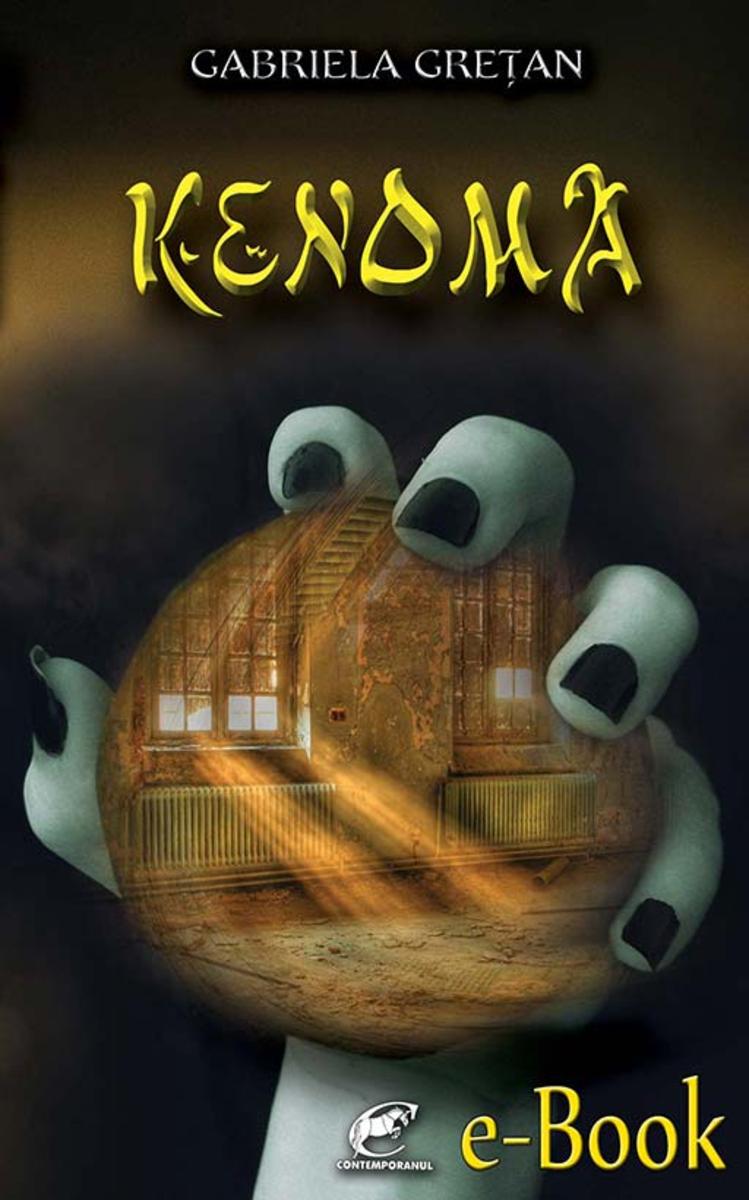
Kenoma
¥16.27
Documentele publicate sub egida Institutului de Istorie ?George Bari?iu“ al Academiei Rom?ne au fost structurate ?n dou? p?r?i: Emigra?ia albgardist? ?i Biserica Rus? din Bucure?ti. Prima parte cuprinde r?spunsul direc?iilor regionale la Ordinul Direc?iei Generale a Securit??ii Statului nr. 354/81558 privind albgardi?tii din raza acestora de competen??, iar cea de a doua – materiale ale Direc?iei Regionale a Securit??ii Bucure?ti despre personalul, emigran?ii ?i refugia?ii care frecventeaz? Biserica Rus?. Sursele relev? destinul, starea de spirit ?i material? a fo?tilor membri ai armatelor ruse ?i ucrainene stabili?i ?n Rom?nia, supravie?uitori ai celor dou? r?zboaie mondiale, liderii fiind deja aresta?i.Din sinteza informativ? a Direc?iei Regionale a Securit??ii Bac?u din 27 octombrie 1951:??n urma ac?iunilor contrarevolu?ionare desf??urate ?n t?n?rul Stat Sovietic de c?tre bandele conduse de Denikin, Kerenski ?i Vranghel, bande ce au fost distruse de c?tre t?n?ra Armat? Ro?ie Sovietic? ?i alungate peste grani?ele Statului Sovietic, ?i ?n ?ar? la noi au venit o serie de elemente ce au f?cut parte din aceste armate, care ?i-au stabilit domiciliul ?n diferite ora?e ale ??rii noastre, unde sub regimul burghezo-mo?ieresc ce se afla ?n acel timp la c?rma ??rii noastre au g?sit azil ?i ocrotire.Astfel ?i ?n regiunea Bac?u din aceste elemente identificate p?n? ?n prezent sunt ?n num?r de 6 persoane, ?i anume: Mateevski Konstantin, ?n prezent domiciliat ?n Piatra-Neam?, de profesie electrician ?i mecanic, angajat ?n aceast? func?ie la Sovromlemn Piatra-Neam?; Petrovski Vasile, fost colonel de artilerie ?i avia?ie ?n armata alb? a lui Vranghel, ?n prezent domiciliat ?n Piatra-Neam?, fiind angajat ca magazioner la fabrica Bistri?a din Piatra-Neam?; Galini?cenko Alexandru, domiciliat ?n Piatra-Neam?, f?r? ocupa?ie, ?n prezent fiind b?tr?n; Kazimirov Mark, de profesie ?ofer angajat ?n aceast? calitate la fabrica ?Reconstruc?ia“ Piatra-Neam?, fost ofi?er ?n Armata Alb? ucrainean?, ?n prezent lucreaz? ca t?mplar, ?i Babici Ifrim, fost ofi?er ?n armata lui Vranghel, actualmente domiciliat ?n comuna Tarc?u, raionul Piatra-Neam?, cu serviciul la Sovromlemn.?n leg?tur? cu susnumi?ii trebuie s? ar?t?m c? dac? ?n trecut existau unele rela?ii de prietenie ?ntre d?n?ii, ?nt?lniri ?n care ??i reaminteau cu pl?cere de trecutul lor, ast?zi, fiind elemente b?tr?ne, nu se mai observ? aceste leg?turi, mai ales c? majoritatea sunt c?s?tori?i cu cet??ence rom?ne ?i parte dintre d?n?ii au chiar ?i copii.De asemeni, din cele cunoscute de noi rezult? c? ace?tia nu ?ntre?in leg?turi prin coresponden?? cu str?in?tatea ?i nici cu elementele dubioase ?i du?m?noase din locurile unde tr?iesc ei. S-a putut constata c? aceste elemente sunt extrem de fricoase ca nu cumva s? vin? o dispozi?ie care s?-i pun? ?n situa?ia s? se ?ntoarc? ?n URSS, obliga?i. Comentarii ?n acest gen au fost extrem de multe ?n r?ndurile lor, ?n special ?ntre anii 1945-1946, c?nd ei credeau sigur c? vor fi evacua?i din ?ara noastr? ?i trimi?i ?n Uniunea Sovietic?. Totu?i ?i ?n prezent, de?i b?tr?ni, exist? ?i ?n r?ndurile lor unele comentarii ?i nemul?umiri, pe care ?ns? ?i le arat? ?n anturajul restr?ns pe care eventual ?l au.“

Cele cinci trepte ale s?n?t??ii
¥73.49
Poeziile lui Giorgio Baffo (1694-1768), mentor al lui Casanova, sunt de o sinceritate dezarmant?. Un limbaj poetic picant, cu un efect direct asupra cititorului. Erotismul abund? ?n rostogoliri de imagini fierbin?i, iar sonetele autorului italian par o petrecere ?n rime, care iau peste picior bunele moravuri ale epocii.?F?r? Baffo, n?am avea idee de decaden?a voluptuoas? a Serenissimei Republici. Prin el, cunoa?tem via?a sexual? a Vene?iei, cu serb?ri, cu osterii, cu cazinouri, cu jocuri de noroc, cu dansatoare ?i cu c?lug?ri?e liber?tine“ – Guillaume Apollinaire
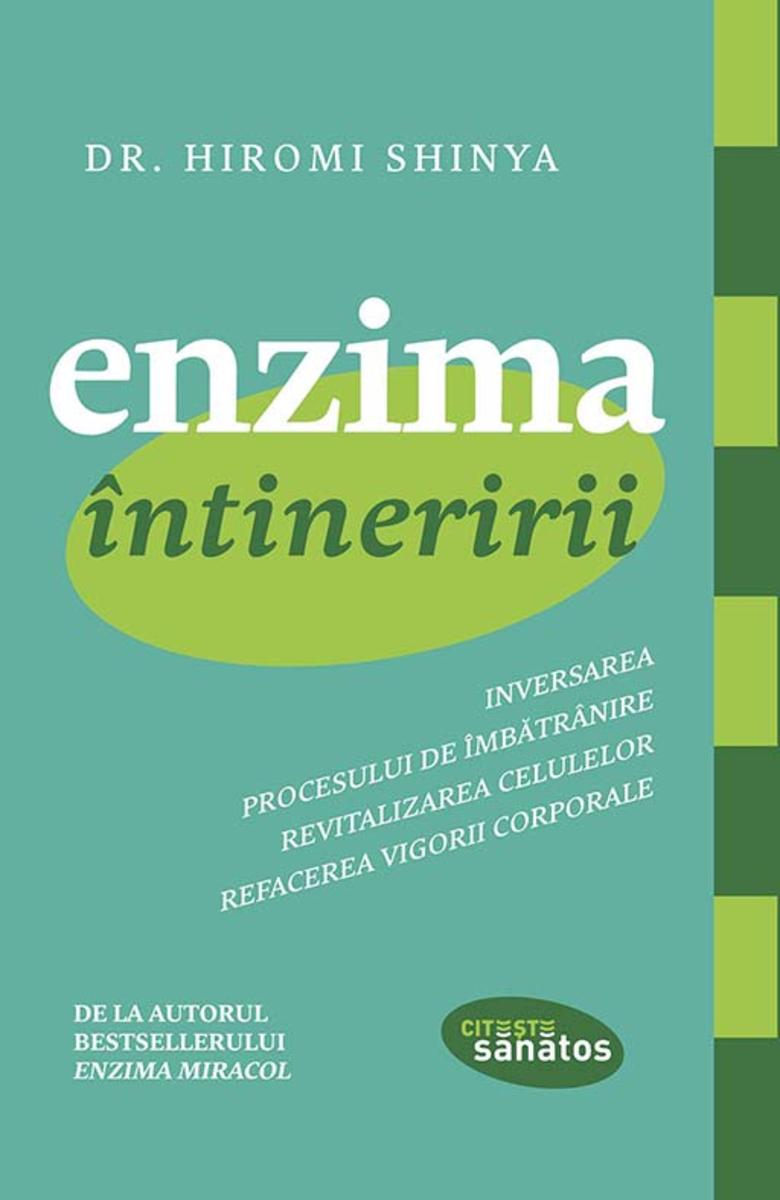
Enzima ?ntineririi
¥48.97
Volumul de proz? scurt? al lui Dorin David reune?te dou?zeci ?i trei de scrieri, o parte din ele publicate ?n perioada 2001-2013 ?n revistele Calende, Vatra, Tribuna ?i Astra, restul fiind inedite.Povestirile penduleaz? ?ntre dou? universuri – cel al realit??ii imediate, cu personaje ?i situa?ii palpabile, ?i cel al fic?iunii literare, chiar al magicului –, care la un moment dat ??i confund? grani?ele, cititorul trec?nd , gra?ie ?u?ilor“ ?i ?ferestrelor“ sugerate cu subtilitate de autor, dintr-o dimensiune ?n alta.

Téli fagyi
¥67.77
"A lányok még viharosabban nevettek. Kelepei azonban t?prengve szítta a fogát. Azon gondolkodott, mi lenne, ha csakugyan idek?lt?zne? Lelki szeme el?tt egész csomó dolog jelent meg. A jó koszt, a dunyhás ágy, amellyel talán minden együtt jár, ingyen, ami a Háznak specialitása, ha az ember itt lakik helyben."
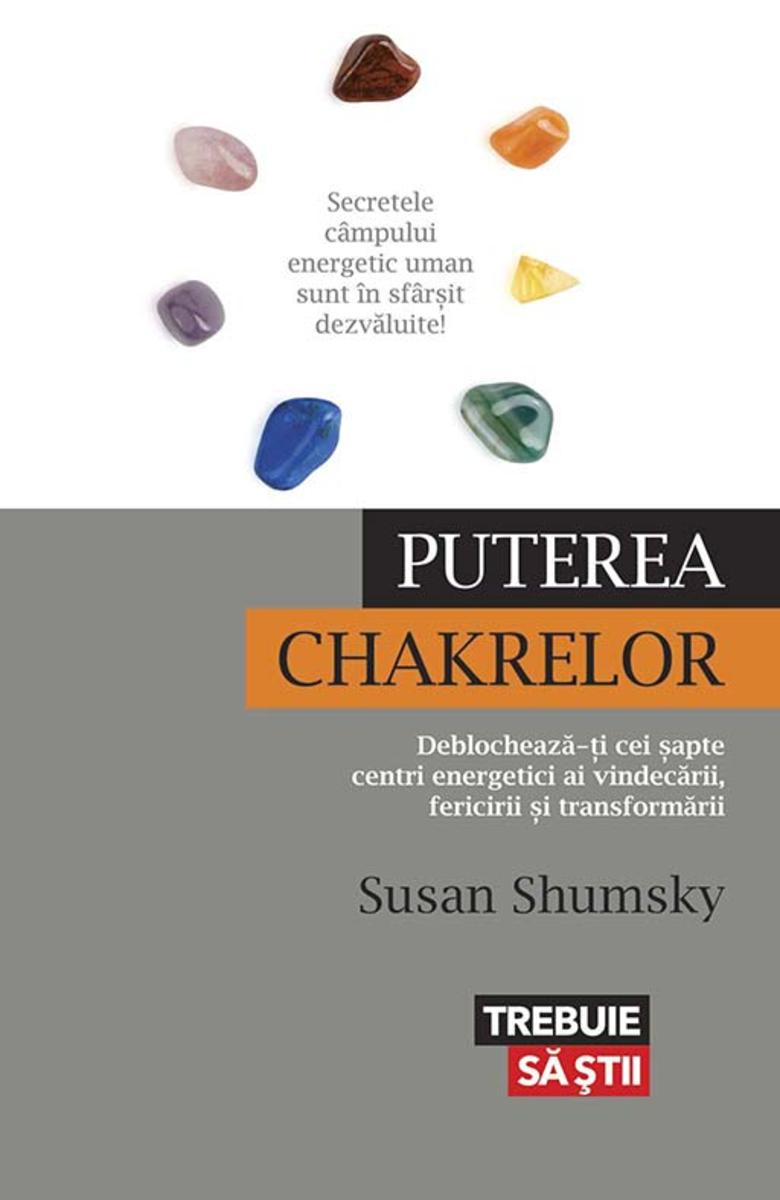
Puterea chakrelor. Deblocheaz?-?i cei ?apte centri energetici ai vindec?rii
¥73.49
Volumul lui Cornel Mihai Ungureanu cuprinde interesante interviuri cu mari personalit??i ale culturii rom?ne?ti, din sfere multiple. Printre al?ii, Ana Blandiana, Gabriel Andreescu, Liviu Antonesei, Gellu Dorian, Bogdan Suceav?, Lucian Dan Teodorovici sau Daniel Cristea?Enache. Cititorul va g?si ?n paginile c?r?ii comentarii provocatoare privind operele ?i biografiile intervieva?ilor, precum ?i pagini din istoria tulbure din perioada comunist? ?i din cea contemporan?.

Supravie?uitorii. Vol. 1 - Ora?ul pustiu
¥32.62
Volumul Marianei Damian reconstituie via?a celui mai iubit poet latin, Publius Ovidius Naso, ?n contextul istoric, politic ?i cultural al perioadei lui Augustus. Cartea este o radiografie am?nun?it? a fr?m?nt?rilor poetului roman ?n urma exil?rii sale la marginea imperiului, pe malul M?rii Negre, invit?ndu-i pe cititori la o relectur? a operei ovidiene din perspectiva motivelor ?nstr?in?rii, singur?t??ii ?i nostalgiei.


