


 购物车
购物车 个人中心
个人中心

You: Staying Young: Make Your RealAge Younger and Live Up to 35% Longer
¥114.58
International bestselling authors of YOU: The Owner's Manual and YOU: On a Diet give you all the tools and know-how to stay young and defy the ageing process. Drawing lively parallels between your body and aspects of city life, Drs Roizen and Oz show you how to balance your ‘biological budget’ to ensure your life is long and strong. Million-copy-bestselling authors, Michael F. Roizen, M.D. and Mehmet C. Oz, M.D., explain the mysteries of ageing and how you can dramatically slow the process to live a longer, more vibrant life. Written with their irrepressible quirky humour and granite-solid research, YOU: Staying Young is set to become the definitive manual to remaining young, fit and healthy. If your body is a city, the authors explain, it is up to you as mayor, resident and street cleaner to ensure it remains a vibrant city – after all, who wants to live in a run-down, one-horse town? We all have different genes that influence us in same the way as cities are affected by different geographies. However, it is the way in which a city is run and the residents treat it that have the most overwhelming influence. Posing as local inspectors, Roizen and Oz club together to tackle your city's education system (stem cells), power plants (mitochondria), electrical grids (brains), transportation routes (blood vessels), landfills (fat), and parks (skin). They then give you the tools to clean up your act and turn your city back into the cutting-edge, party destination everybody will want to see. Look after your body and it will look after YOU.

Yes, Please. Whatever!: How to get the best out of your teenagers
¥72.40
Following the success of her first book, Yes, Please. Thanks! mum and author Penny Palmano, This Morning’s Mrs. Manners, is back with this comprehensive guide to raising teenagers. After her fair share of parenting, Penny Palmano decided to tackle what she saw as an epidemic of bad manners, and wrote a guidebook on teaching good manners to children. The book, Yes, Please. Thanks!, touched a nerve and has become a bestselling sensation. Yes, Please. Whatever! takes you, the parents, to the next stage and teaches you how to avoid the pitfalls of teenagers and all the problems specific to that age group from hormonal fluctuations and untidiness to dating. Penny shows you how to build mutual respect with your teenagers, the foundation stone for good behaviour and a good relationship. The book also includes first hand advice on teaching your teenager how to deal with siblings, relationships, exams, stress, food, money, part-time jobs, drinking, paying compliments, how to behave in public and with friends and even advice on how to teach them to pour wine. The result is that your teenager will be totally prepared in all life and social skills when they finally leave home.
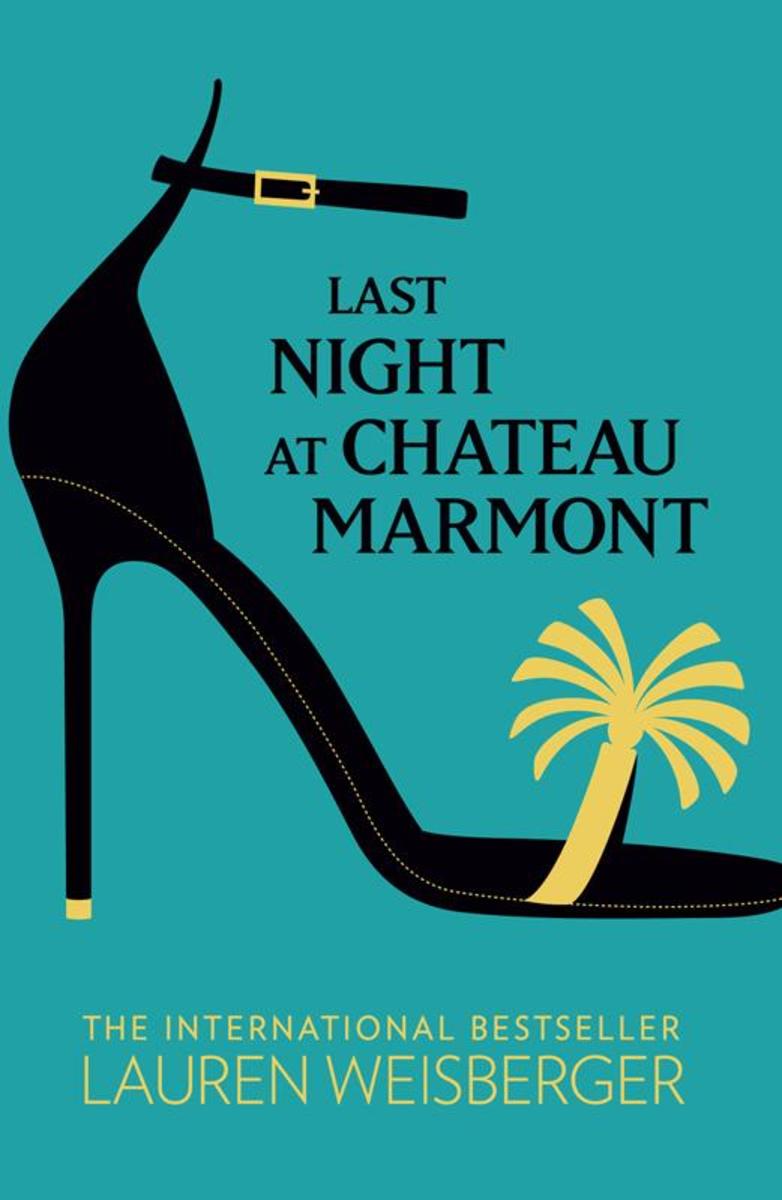
Last Night at Chateau Marmont
¥35.22
A novel from the million copy bestselling author of The Devil Wears Prada. Heartbreak, headlines and Hermes – welcome to Brooke's new world… Brooke and Julian live a happy life in New York – she's the breadwinner working two jobs and he's the struggling musician husband. Then Julian is discovered by a Sony exec and becomes an overnight success – and their life changes for ever. Soon they are moving in exclusive circles, dining at the glitziest restaurants, attending the most outrageous parties in town and jetting off to the trendiest hotspots in LA. But Julian's new-found fame means that Brooke must face the savage attentions of the ruthless paparazzi. And when a scandalous picture hits the front pages, Brooke's world is turned upside down. Can her marriage survive the events of that fateful night at Chateau Marmont? It's time for Brooke to decide if she's going to sink or swim…

Sixteen Shades of Crazy
¥58.86
‘Went out, got pissed. Same shit, different day.' Aberalaw, a tiny South Wales valley village where nobody ever arrives and nobody ever leaves. The new police chief has declared war on recreational drugs, resulting in an eighteen-month drought. The party-loving wives and girlfriends of local punk band, The Boobs, are getting desperate, both for drugs and thrills: Ellie, factory girl with dreams of a better life in New York; Rhiannon, hairdresser with a taste for violence and designer clothes and Si?n, unappreciated, obsessive compulsive mother of three. Into their lives, enter the languid dark stranger, Johnny: Englishman, drug dealer and shameless seducer. In the space of just a few months, three women's lives will be changed forever. Prize-winning writer, Rachel Trezise, dissects the morals and mores of a small Welsh village community with a scalpel-sharp pen and an incisive wit.
Stolen Child - A gripping psychological thriller
¥49.83
It's every mother's worst nightmare . . . Carla Kelly wakes to find her two-day-old baby’s cot cold and empty. Her daughter has been taken. Desperate and at breaking point, Carla launches a fierce national campaign to find her baby – but the trail runs cold. Then she receives an intriguing letter, offering support from a surprising quarter. But it leads Carla into a chain of events that exposes shocking secrets from her past. Someone is out to seek their cold-blooded revenge. And it will bring Carla unknowingly closer to the stolen daughter she has sworn she will do anything to get back …
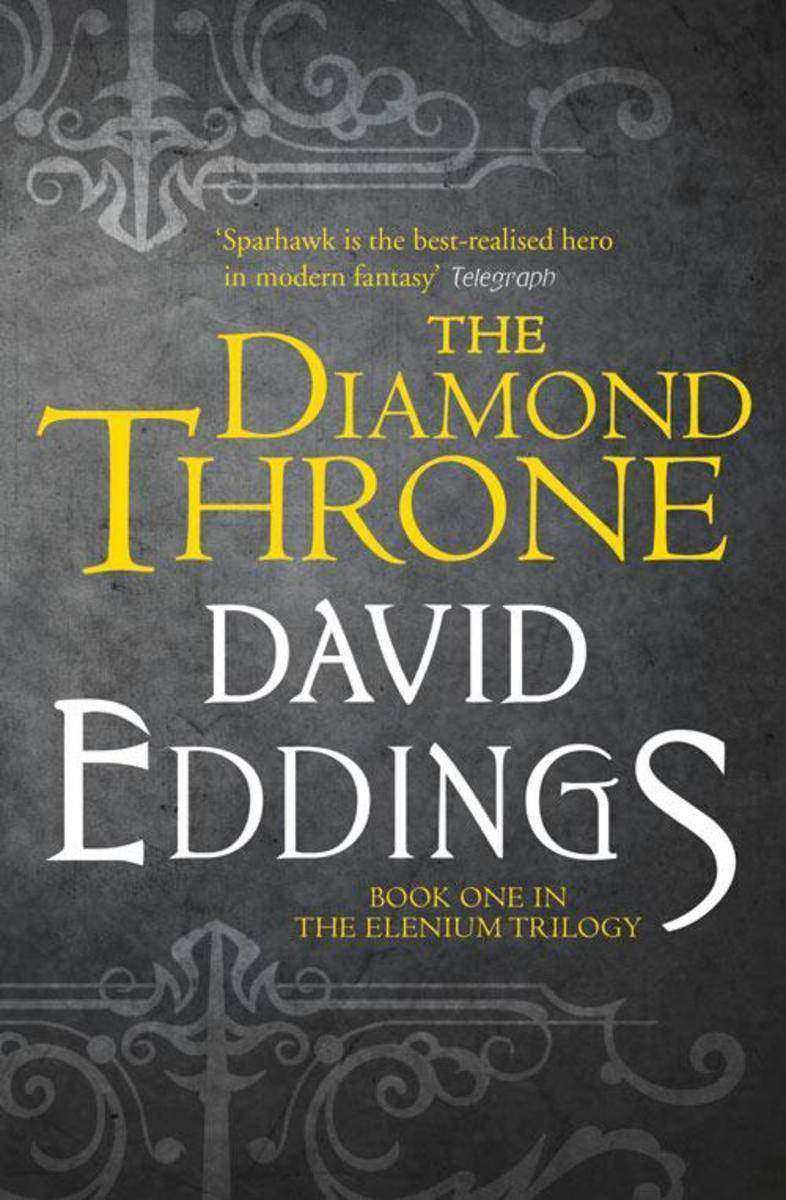
The Diamond Throne (The Elenium Trilogy, Book 1)
¥54.74
Book One of the classic ELENIUM series. After a long exile, Pandion Knight Sparhawk returns to his native land to find his young queen grievously ill. Ehlana has been poisoned and will die unless a cure can be found within a year. The life force of twelve of her sworn knights is all that sustains her; but one knight will be lost within the passing of each month if the antidote isn’t found. To save his queen, his comrades, and the stability of the kingdom, Sparhawk begins the search for the cure, only to discover a greater and more pervasive evil than he could ever have imagined.

Hot Pursuit
¥56.11
Maggie’s about to have the holiday romance of a lifetime. Perfect for fans of Jill Mansell and Carole Matthews. Maggie Morgan has been longing to find Mr Right all her life but even she didn't expect him to be delivered to her door, giftwrapped in a skimpy towel, one sunny summer morning. Sexy Nick Lucas seems almost too good to be true – and maybe he is. Arriving out of nowhere, he seems to have no past, no family, no history: things just don't add up. As Nick's past starts to catch up with him, Maggie becomes embroiled in an exciting cat-and-mouse chase across the country. Temperatures rise and passion sizzles but although Maggie has the hots for Nick, can she take the heat?
Driven
¥63.18
Whether skateboarding across the kitchen as a child, or taking part in the world's most prestigious vintage road race, TV chef James Martin has never been one to sit still. In this entertaining narrative he reveals how his two passions – cooking and cars – have fuelled his hopes, dreams and successes and made him the household name he is today. James talks with passion, energy and candid humour about his childhood, early ambitions, becoming a successful chef and wowing audiences with his foxtrot on Strictly Come Dancing. His story is punctuated with tales of remarkable cars, from his first toy Ferrari to his vintage Maserati, each one representing a personal milestone and bringing with it charming stories and amusing anecdotes. James' cars give him the perfect excuse to delve into his life, revealing frank and fascinating details - from racing through the fields on his father's tractor and teenage fumblings in the back seat, to hurtling round a track with James Bond actor, Daniel Craig. With James' career reaching new heights, and his collection of classic cars continuing to grow, Driven tells how his two lifelong obsessions have shaped the life of this relentlessly ambitious man.
Hey Baby! (The Sleepover Club)
¥27.27
The hugely popular Sleepover Club series is back with a gorgeous new look. Meet Frankie, Kenny, Fliss, Rosie and Lyndz – five best friends who just want to have fun! Baby Morgan needs a babysitter urgently and the Sleepover Club girls agree to take charge. After all, what can be so difficult about looking after a baby? But things are never quite that simple for Frankie and friends.. As well as a great story this book has tips on how to have your own brilliant sleepover party for you and your friends. Pack up those nappies and toddle on over!

Close Range: Brokeback Mountain and other stories
¥55.92
The inspiration behind ‘Life of Pi’ director Ang Lee’s ‘Brokeback Mountain’ is one of the short stories to be found in this haunting collection of Wyoming tales. ‘Brokeback Mountain’ is set in the beautiful, wild landscape of Wyoming where cowboys live as they have done for generations. Hard, lonely lives in unforgiving country. Jack Twist and Ennis del Mar are two ranch hands, glad to have found each other’s company where none had been expected. But companionship becomes something else on Brokeback Mountain, something not looked for – an intimacy neither can forget. ‘Brokeback Mountain’ was made into an Academy Award-winning film by Ang Lee, and starred Heath Ledger, Jake Gyllenhaal, Michelle Williams and Anne Hathaway.
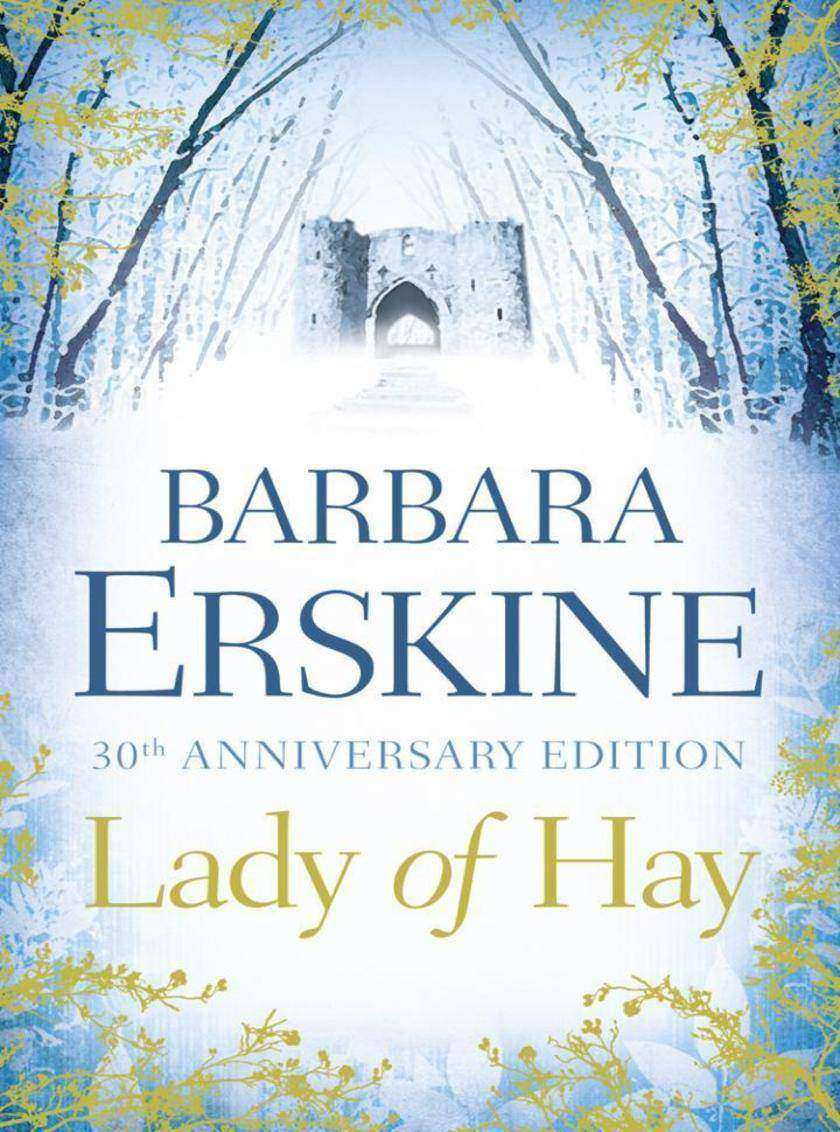
Lady of Hay: An enduring classic – gripping, atmospheric and utterly compelling
¥78.38
A story spanning centuries. A long awaited revenge. In London, journalist Jo Clifford plans to debunk the belief in past-lives in a hard-hitting magazine piece. But her scepticism is shaken when a hypnotist forces her to relive the experiences of Matilda, Lady of Hay, a noblewoman during the reign of King John. She learns of Matilda's unhappy marriage, her love for the handsome Richard de Clare, and the brutal death threats handed out by King John, before it becomes clear that Jo’s past and present are inevitably entwined. She realises that eight hundred years on, Matilda’s story of secret passion and unspeakable treachery is about to repeat itself… Barbara Erskine’s iconic debut novel still delights generations of readers thirty years after its first publication.
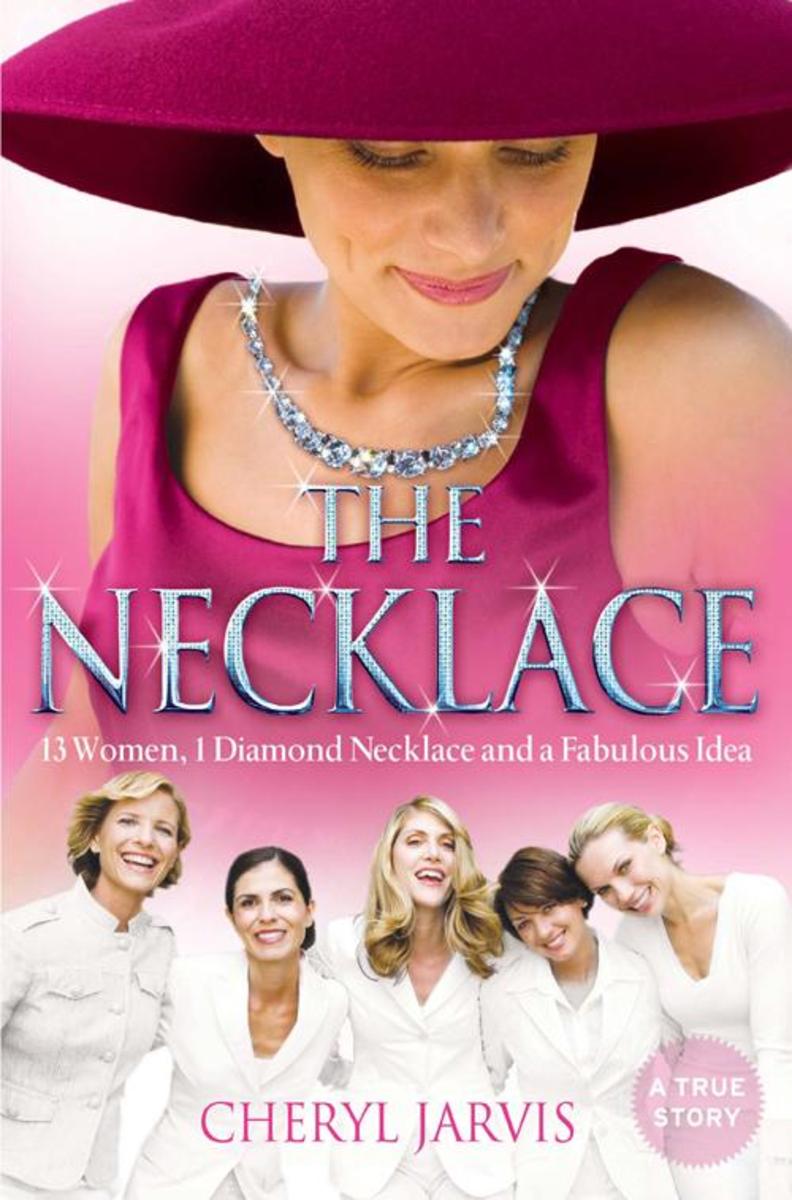
The Necklace: A true story of 13 women, 1 diamond necklace and a fabulous idea
¥54.25
One day a woman of average means waltzes by a jewellery shop window and spots a ?20,000 diamond necklace. She can't get it out of her head. Eventually she gets the idea of sharing it with friends, persuading them to chip in a grand each to buy the necklace. This is the true story of 13 ordinary women, and one extraordinary adventure. The Necklace is the amazing true story of thirteen women who didn't want to give up on their dreams. They clubbed together to buy a gorgeous diamond necklace, agreeing that each of them would have it for four weeks at a time. They would meet every month to find out what the necklace (now dubbed 'Jewelia') had been up to. The club had some rules: if someone went to Paris, they got the necklace. At least once, everyone had to wear the necklace whilst making love. After two years, the necklace had been loaned out to nieces, grandmas, friends and granddaughters. It had been worn by brides and colleagues and sisters and friends. And when it was their turn for the necklace the women of Jewelia wore it for both the daily routines and special events of their lives, to teach school, to work in the farmer's market, to go fishing and skydiving. It started something. The Necklace is the story of how an object of desire became a catalyst for connection, friendship and more. It's like Calendar Girls, only maybe a bit more glamorous, glitzy and sparkling.
Star of the Morning: The Extraordinary Life of Lady Hester Stanhope (Text Only)
¥192.67
The dramatic story of Lady Hester Stanhope – a wilful beauty turned bohemian adventurer – who left England as a young woman, unashamedly enjoyed a string of lovers and established her own exotic fiefdom in the Lebanese mountains where she died in 1839. Ambitious, daring and uncompromising, Lady Hester Stanhope was never cut out for a conventional life. Born into an illustrious political dynasty, she played society hostess for her uncle, William Pitt the Younger. After his death, she struck out for unchartered territory, setting sail with her lover for the Mediterranean and Constantinople – turning her back on England, as events would transpire, forever. It was in the Middle East, however, that she found her destiny. As the greatest female traveller of her age, she was the first western woman to cross the Syrian desert, where she was hailed by the Bedouin as their ‘Star of the Morning’. From her labyrinthine fortress in the mountains of Lebanon, where she established what amounted to her own fiefdom, she exerted a canny influence over the region's devious politics. Hers was a life of adventure and intrigue – yet in the years following her death her remarkable story has been largely dismissed, reworked by the Victorians into a cautionary tale for young women with wayward tendencies. This captivating biography, drawing on fresh research from three continents, resurrects Hester as the complex, courageous and fearless woman she was, bringing to life her hidden loves, friendships and ambitions. More than a mere traveller, here was a woman whose aspirations led her straight to the heart of the shadowy race for influence between the great powers of the nineteenth century – a world of shifting alliances, double agents, romance, intrigue and murder. Above all, Lady Hester Stanhope was a woman driven by her desire to make a mark on the world, whose search for love and spiritual meaning in a war-torn Middle East provide an illuminating and moving parallel for our time.
Trouble in Paradise: Uncovering the Dark Secrets of Britain’s Most Remote Island
¥72.40
A shocking exposé of the terrible secrets at the heart of the Pitcairn Island community – a tale of systematic child abuse and rape which stretches back over 40 years. Pitcairn Island – home to the descendants of the mutineers of the Bounty – has long been thought of as a tropical paradise. Wild and remote, it is Britain’s most isolated outpost and a fantasy destination for many. But in 1999, British police, alerted by unsettling reports of a rape, descended on the island. Their investigation developed into a major enquiry which revealed that Pitcairn was the site of widespread and horrific sexual abuse instigated by the island men on girls as young as twelve. Scarcely a man on the island was untainted by the allegations, and almost none of the women had escaped, though most residents feigned ignorance, even when their own daughters were abused. Abusers included the magistrates and police officers as well as brothers and uncles. Few of the victims were able to leave the island; those who did never went back. Kathy Marks was one of only six journalists permitted to live on the island while she reported on the ensuing trial and witnessed Pitcairn's domestic workings first-hand. In this riveting account she documents a society gone badly astray, leaving lives shattered, codes broken and a paradise truly lost.
Garden Natural History (Collins New Naturalist Library, Book 102)
¥192.67
In a much-anticipated addition to the New Naturalist library, Stefan Buczacki takes a broad look at the relatively unexplored world of the garden, and its relevance within the context of natural history overall. Though gardens are often viewed merely as artificial creations rather than easily accessible places to observe and encourage wildlife, ‘Garden Natural History’ rectifies this misconception. By viewing gardens within the wider context of the British ecological landscape, Buczacki follows the garden's development as a habitat within which vertebrates, invertebrates and native and alien plants alike have been introduced and to which they have adapted. ‘Garden Natural History’ offers a fascinating insight into the diversity of organisms and ecological processes that constitute the garden, whilst also highlighting the role of the gardener as conservator and showing how the garden can inspire all naturalists.

High Blood Pressure: Natural Self-help for Hypertension, including 60 recipes (E
¥82.01
This guide is a must for anybody who wants to control high blood pressure naturally. Sarah Brewer, respected doctor and Telegraph columnist, has teamed up with Michelle Berriedale-Johnson, a successful special diets cookery writer, to provide readers with a comprehensive self-treatment plan that includes 60 mouth-watering recipes. Sales Handles: Heart disease is the number one killer in the West and is closely linked to high blood pressure, or hypertension. High blood pressure can be triggered by many things and diet is one of the major contributing factors. This clear and accessible guide provides an easy-to-follow nutritional plan that shows readers how to prevent and control high blood pressure by changing their eating habits. Dr Sarah Brewer also gives readers medically up-to-date information on high blood pressure, what causes it and how to control symptoms. The book also reviews all the orthodox and complementary treatments that are available. 60 simple recipes from special diets expert Michelle Berriedale-Johnson allow sufferers to control their condition while still enjoying their food.
Grouse (Collins New Naturalist Library, Book 107)
¥231.22
With less than twenty species worldwide and only four British and Irish species, the grouse is surprisingly well-known. Its habitats are diverse and relatively remote – ranging from deep forests, through open moorland, to Scotland’s highest peaks. ‘Grouse: The Natural History of British and Irish Species’ covers four of the most emblematic species of our upland regions. Collectively they have the most fascinating life histories of any bird group, individually they have their own stories to tell: the ptarmigan is a resident of our highest mountain areas, the black grouse is famous for its extraordinary mating displays, the capercaillie is one of our largest birds and the red grouse, whilst no-longer one of the few British endemics, is one of the most heavily researched species. All four face similar problems, including habitat loss, predators, pests, disease and food shortage. This is compounded by issues of managed animal populations and controversy surrounding the commercial worth of grouse. This volume in the New Naturalist series, written by two of the world's leading grouse specialists, offers a fascinating insight into the natural history and biology of these birds, including aspects of their behaviour, the historical relevance of their names, the reasons behind population fluctuations and international conservation efforts.
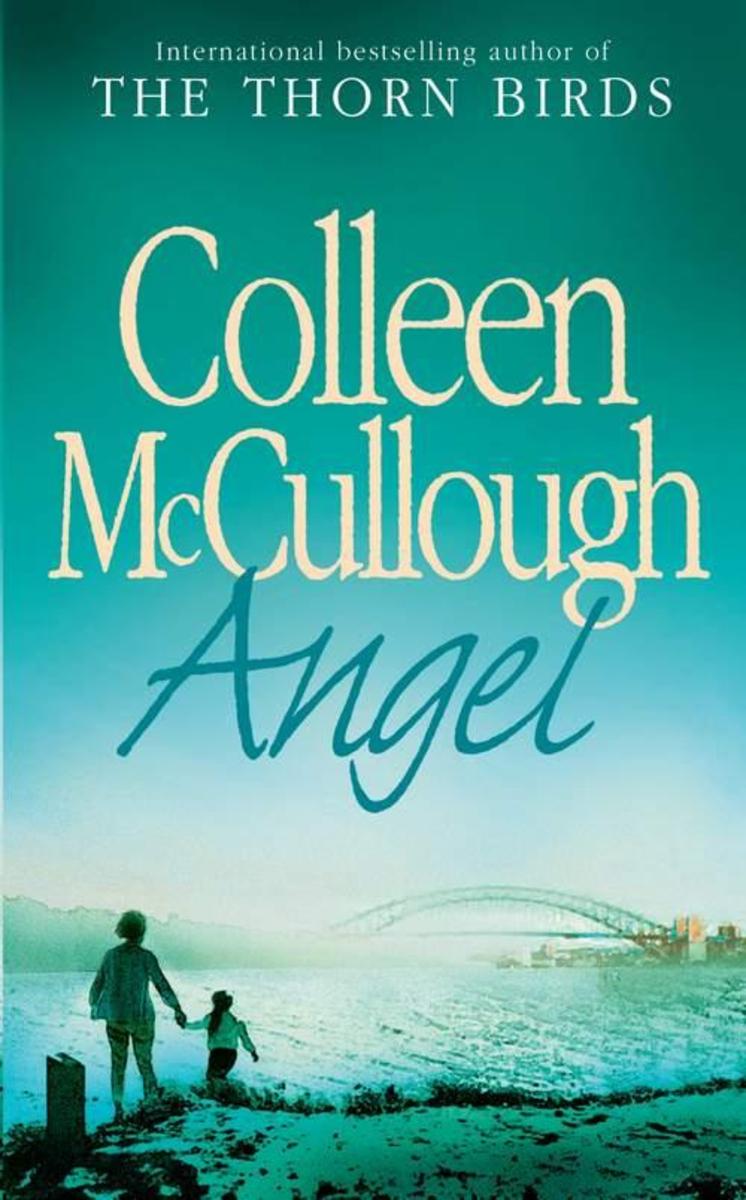
Angel
¥45.62
The bestselling author of THE THORN BIRDS returns with a novel of laughter, passion and more than a little magic … 1960, Sydney's Kings Cross. Harriet Purcell leaves her conventional, respectable home and respectable, passionless boyfriend and moves into a rooming house owned by Mrs. Delvecchio Schwartz. There, Harriet finds a life she relishes – excitement, adventure and passion. Mrs. Delvecchio Schwartz makes a living from telling fortunes, and is mother to 4-year-old Flo. Beautiful little Flo is mute, and Harriet comes to love her as if Flo were her own – and must protect her at all costs when tragedy strikes… Angel is Colleen McCullough at her vintage best, drawing on her own experiences of living in the Cross in the 1960s and writing of a world that has long gone. Most of all, it is a tale of a woman's love for a child, and what she is prepared to endure to ensure her survival.
The Navigator
¥44.15
Time travel adventure in which a boy joins a rebel uprising against a sinister enemy – ‘The Harsh’ – in order to repair the fabric of time. Owen's ordinary life is turned upside-down the day he gets involved with the Resisters and their centuries-long feud with an ancient, evil race. The Harsh, with their icy blasts and relentless onslaught, have a single aim – to turn back time and eliminate all life. Unless they are stopped, everything Owen knows will vanish as if it has never been… But all is not as it seems in the rebel ranks. While Owen is accepted by new friends Cati and Wesley, and the eccentric Dr Diamond, others are suspicious of his motives. Could there be a Harsh spy in their midst? Where and what is the mysterious Mortmain, vital to their cause? And what was Owen’s father’s role in all this many years before? As he journeys to the frozen North on a mission of destruction, Owen comes to understand his own history and to face his destiny.

Southern England (Collins New Naturalist Library, Book 108)
¥231.22
Illustrated with beautifully detailed photographs throughout, New Naturalist Southern England comprehensively explores the formation of these wonderful landscapes that are so universally admired. Most people share an enthusiasm for beautiful and breathtaking scenery, explored variously through the physical challenge of climbing to the top of the tallest mountains or the joy of viewing the work of a painter; but while easy to admire from a distance, such landscapes are usually difficult to explain in words. Harnessing recent developments in computer technology, the latest New Naturalist volume uses the most up-to-date and accurate maps, diagrams and photographs to analyse the diverse landscapes of Southern England. Peter Friend highlights the many famous and much loved natural landscapes of the southern half of England, ranging from the Chalk Downs to the bays of Cornwall, Devon and Dorset, and provides detailed explanations for the wide variety of natural events and processes that have caused such an exciting range of surroundings. Setting apart the topography that has resulted from natural rather than man-made occurrences, Friend focuses on each region individually, from East Anglia to London and the Thames Valley, and explains the history and development of their land structures through detailed de*ions and colourful diagrams.

Nature Conservation (Collins New Naturalist Library, Book 91)
¥182.47
This latest volume in the New Naturalist series provides a comprehensive study of wildlife conservation in Britain, concentrating on events in the last 30 years. As our environment is subjected to increasing assault from climatic changes and pollutants, conservation has become a growing concern for both specialists and generalists alike. The first chapter of this book considers the political and institutional development of nature conservation and reviews the physical and biological nature of Britain, its geology, climate and wildlife habitats. Subsequent chapters cover the loss of habitats and species, how these losses have been managed and the techniques used to survey and monitor the integration of nature conservation policies in industries from agriculture to forestry and fisheries. Marren continues by discussing how nature conservation has emerged from the sidelines to become a major concern. He addresses the role of the media, weighs up the successes and failures of the conservation movement and looks to what the future may hold.


