


 购物车
购物车 个人中心
个人中心
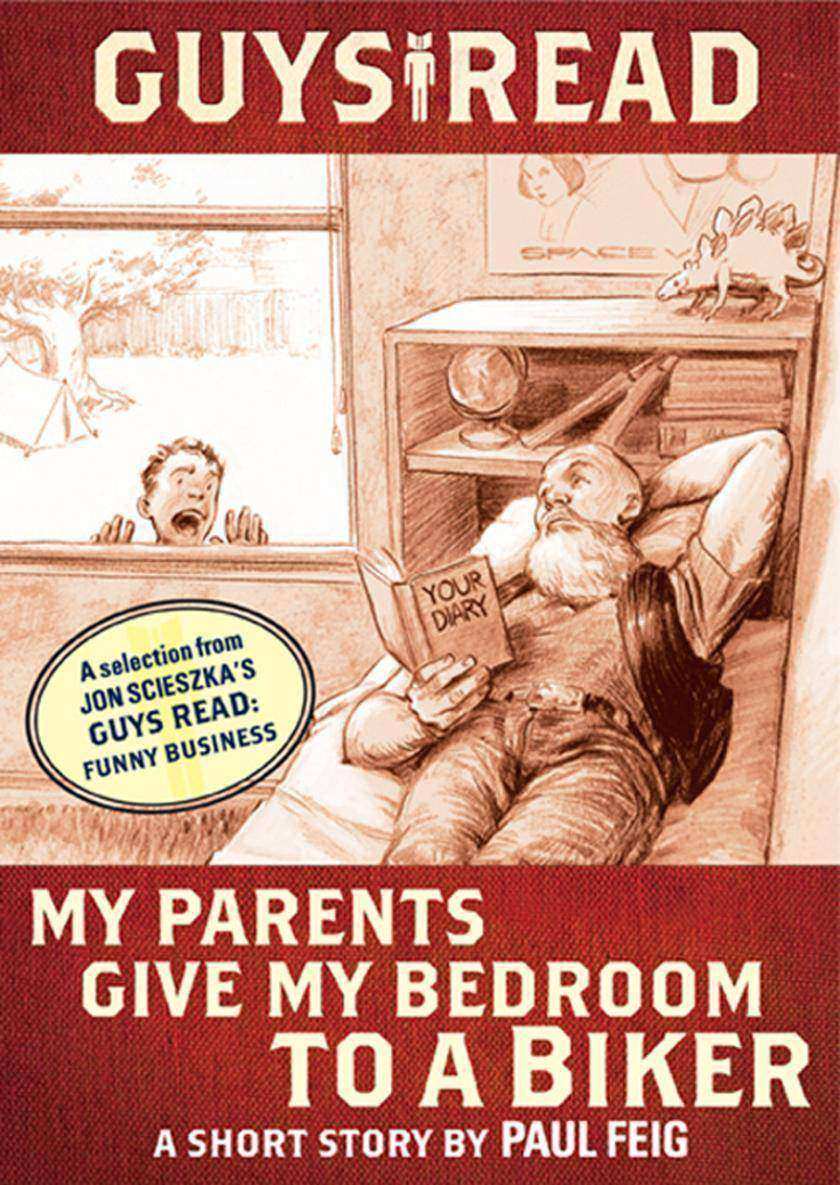
Guys Read: My Parents Give My Bedroom to a Biker
¥10.83
This all started when Steve wouldn’t take out the trash. A short story from the acclaimed collection Guys Read: Funny Business, edited by Jon Scieszka.
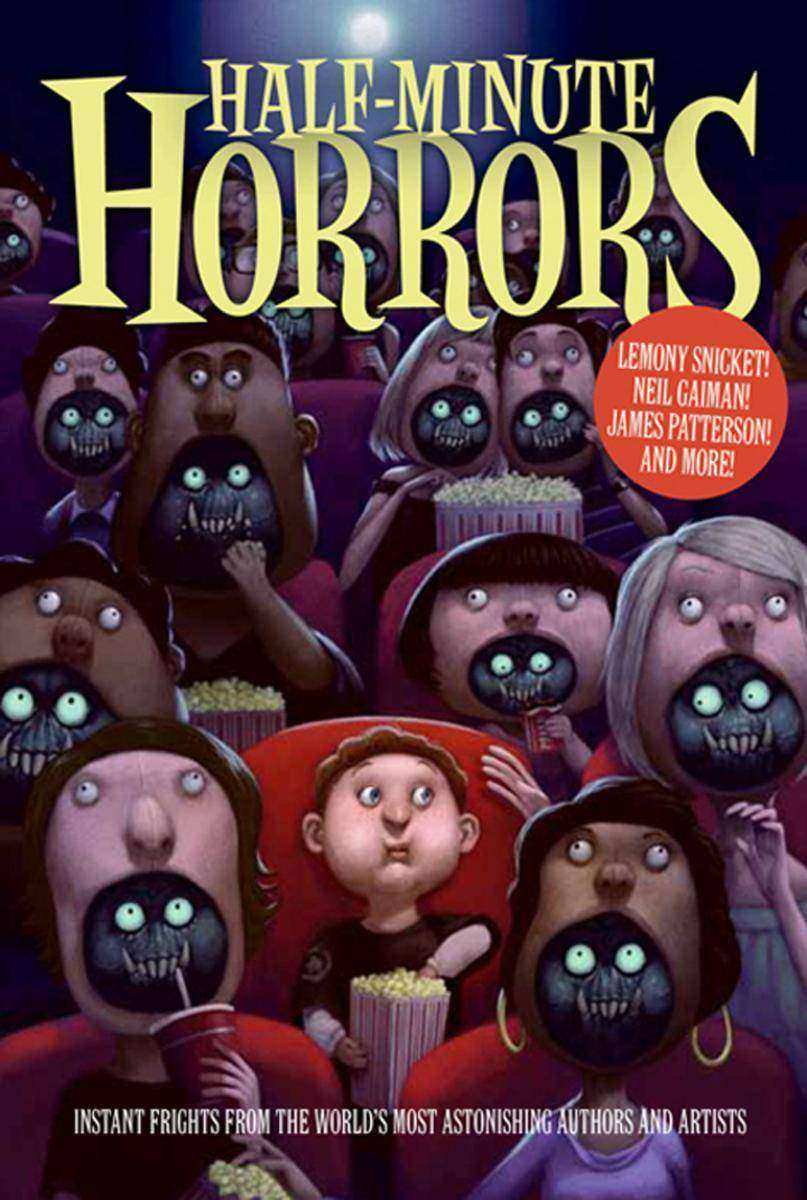
Half-Minute Horrors
¥38.72
How scared can you get in only 30 secondsDare to find out with Half-Minute Horrors, a collection of deliciously terrifying short short tales and creepy illustrations by an exceptional selection of writers and illustrators, including bestselling talents Lemony Snicket, James Patterson, Neil Gaiman, R.L.Stine, Faye Kellerman, Holly Black, Melissa Marr, Margaret Atwood, Jon Scieszka, Brett Helquist, and many more. With royalties benefiting First Book, a not-for-profit organization that brings books to children in need, this is an anthology worth devouring. So grab a flashlight, set the timer, and get ready for instant chills!
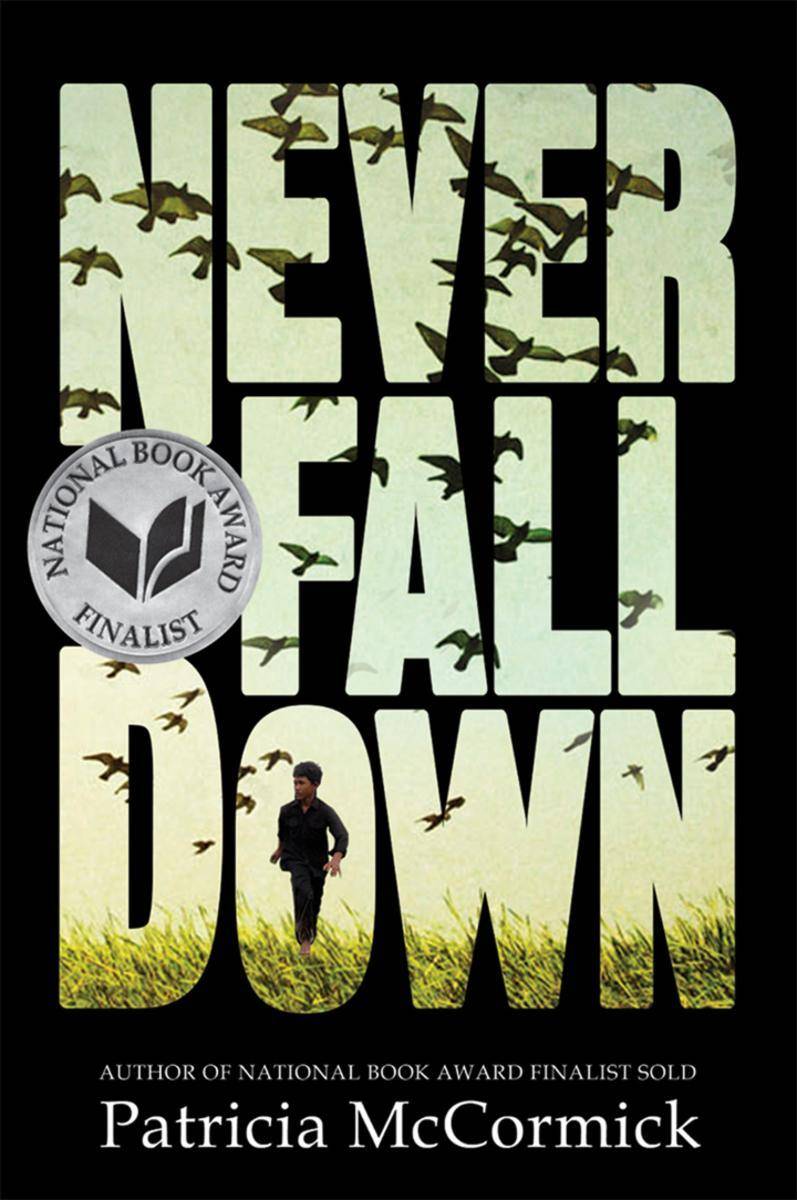
Never Fall Down
¥60.87
This National Book Award nominee from two-time finalist Patricia McCormick is the unforgettable story of Arn Chorn-Pond, who defied the odds to survive the Cambodian genocide of 1975-1979 and the labor camps of the Khmer Rouge.Based on the true story of Cambodian advocate Arn Chorn-Pond, and authentically told from his point of view as a young boy, this is an achingly raw and powerful historical novel about a child of war who becomes a man of peace. It includes an author's note and acknowledgments from Arn Chorn-Pond himself. When soldiers arrive in his hometown, Arn is just a normal little boy. But after the soldiers march the entire population into the countryside, his life is changed forever. Arn is separated from his family and assigned to a labor camp: working in the rice paddies under a blazing sun, he sees the other children dying before his eyes. One day, the soldiers ask if any of the kids can play an instrument. Arn's never played a note in his life, but he volunteers. This decision will save his life, but it will pull him into the very center of what we know today as the Killing Fields. And just as the country is about to be liberated, Arn is handed a gun and forced to become a soldier. Supports the Common Core State Standards.
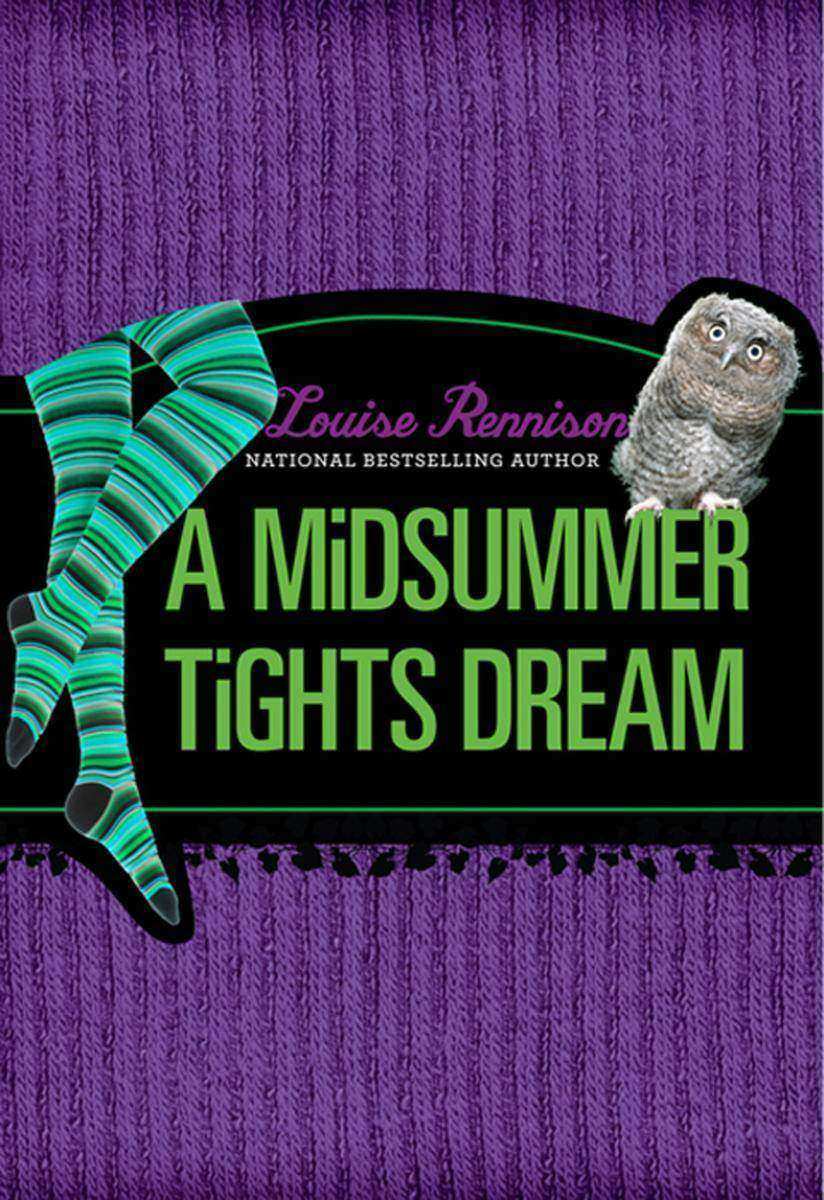
A Midsummer Tights Dream
¥56.08
Louise Rennison, nationally bestselling author of the Confessions of Georgia Nicolson series, returns with another hilarious adventure starring Georgia’s cousin Tallulah Casey.?In A Midsummer Tights Dream, Tallulah’s second great (mis)adventure, things are starting to look up for the budding star. She has been officially admitted to the Dother Hall performing arts program in Yorkshire. Her corkers have done some developing since last term. And she’s picked up some advice on snogging from dear old Georgia. So she’s ready to return to the stage—and face her crushes again.?But Tallulah will have more than boy drama to deal with. This term’s project is Shakespeare’s A Midsummer Night’s Dream, and Tallulah has been cast as Bottom, the fool who spends most of the play with the head of a donkey. Even worse, if the show isn’t a complete success, the school won’t have enough money to stay open for another year.
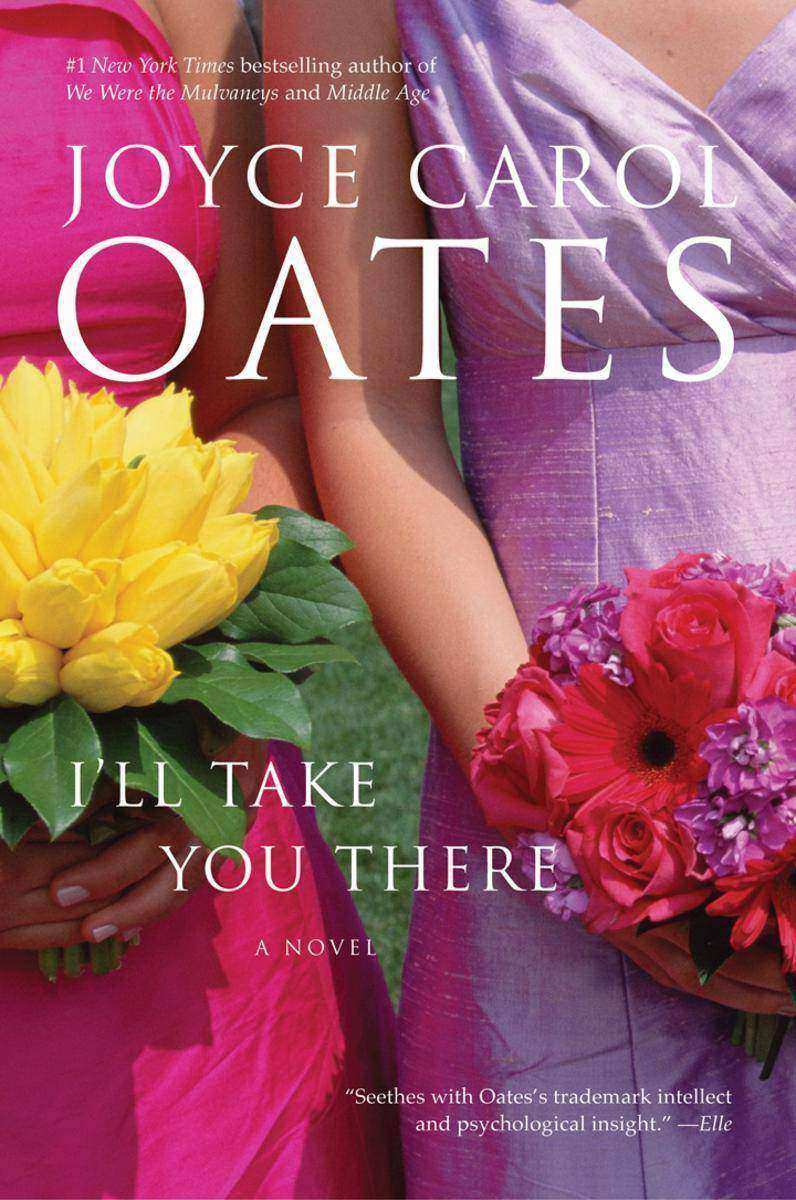
I'll Take You There
¥95.11
"Anellia" is a young student who, though gifted with a penetrating intelligence, is drastically inclined to obsession. Funny, mordant, and compulsive, she falls passionately in love with a brilliant yet elusive black philosophy student. But she is tested most severely by a figure out of her past she'd long believed dead.Astonishingly intimate and unsparing, and pitiless in exposing the follies of the time, I'll Take You There is a dramatic revelation of the risks—and curious rewards—of the obsessive personality as well as a testament to the stubborn strength of a certain type of contemporary female intellectual.
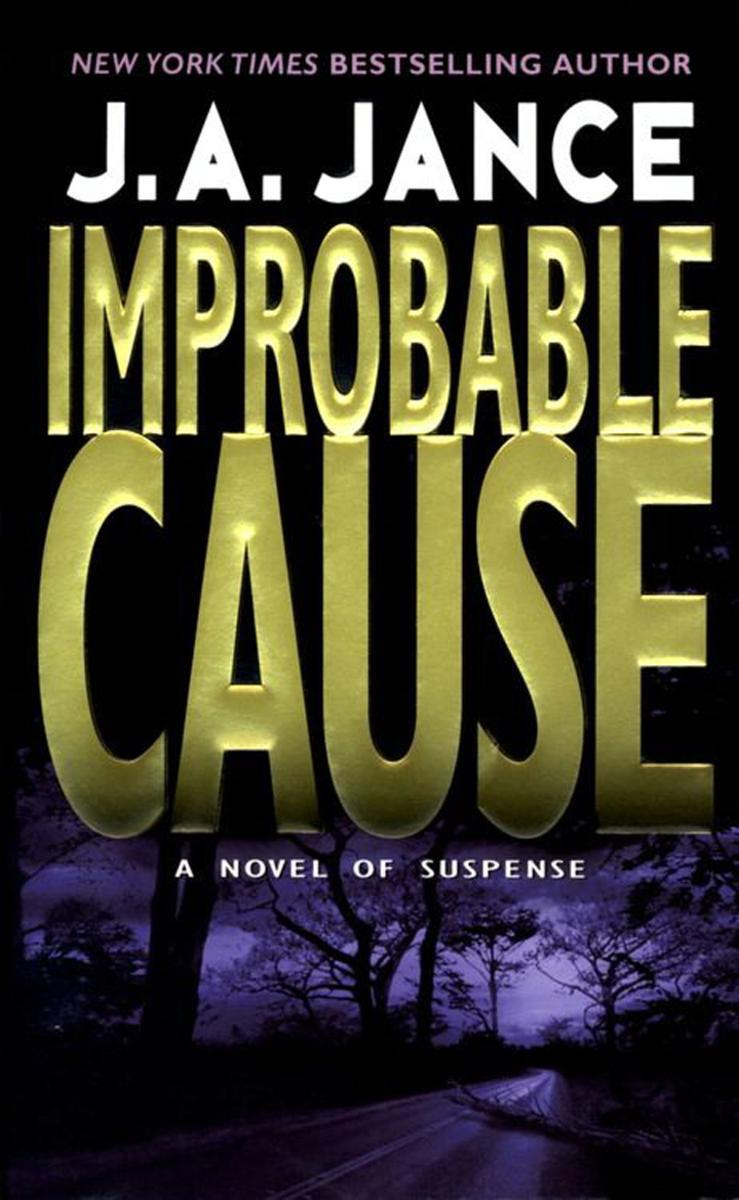
Improbable Cause
¥70.10
Perhaps it was fitting justice: a dentist who enjoyed inflicting pain was murdered in his own chair. The question is not who wanted Dr. Frederick Nielsen dead, but rather who of the many finally reached the breaking point. The sordid details of this case, with its shocking revelations of violence, cruelty, and horrific sexual abuse, would be tough for any investigator to stomach. But for Seattle Homicide Detective J.P. Beaumont, the most damning piece of the murderous puzzle will shake him to his very core -- because what will be revealed to him is nothing less than the true meaning of unrepentant evil.
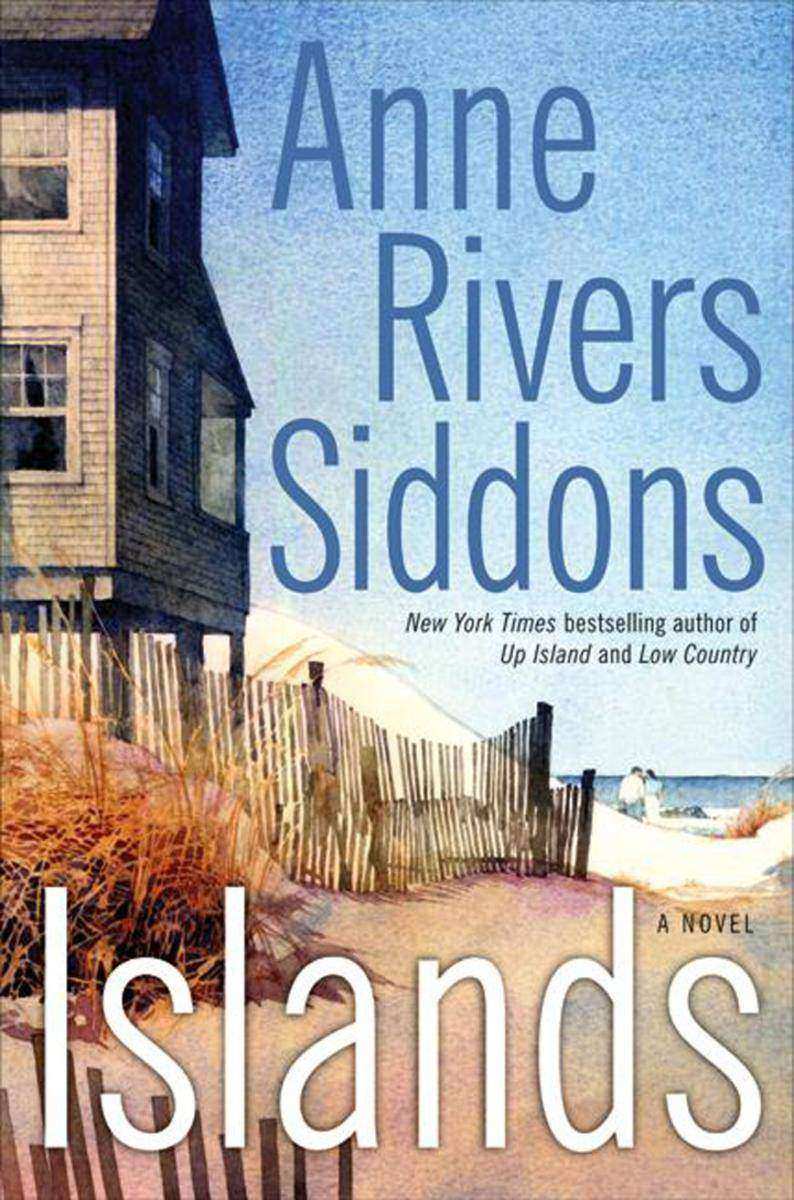
Islands
¥55.31
Anny Butler is a caretaker, a nurturer, first for her own brothers and sisters, and then as a director of an agency devoted to the welfare of children. What she has never had is a real family. That changes when she meets and marries Lewis Aiken, an exuberant surgeon fifteen years older than Anny. When they marry, she finds her family not a traditional one, but a group of Charleston childhood friends who are inseparable, who are one another's surrogate family. They are called the Scrubs, and they all, in some way, have the common cord of family.Instantly upon meeting them at the old beach house on Sullivan's Island, which they co-own, Anny knows that she has found home and family. They vow that, when the time comes, they will find a place where they can live together by the sea.Bad things begin to happen a hurricane, a fire, deaths but still the remaining Scrubs cling together. They are watched over and bolstered by Camilla Curry, the heart and core of their group, always the healer. Anny herself allows Camilla to enfold and to care for her. It is the first time she has felt this kind of love and support.
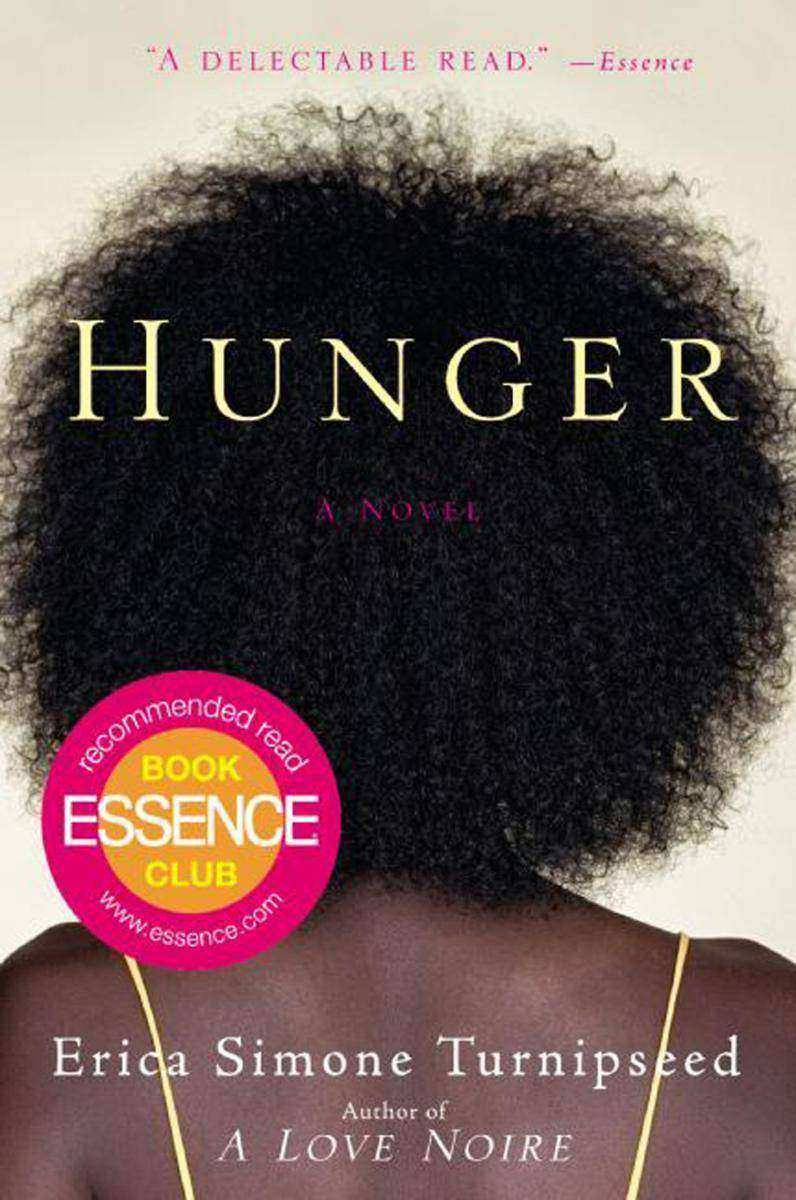
Hunger
¥78.32
In Erica Simone Turnipseed's captivating follow-up to A Love Noire, heartache fans the flames of lust when freethinking Noire and Innocent, her urbane African ex, reunite.Noire and Innocent are both having a thirtysomething crisis. His former identity as a successful investment banker and eligible bachelor has disappeared. A beleaguered graduate student, she's got no money, no man, and no Ph.D., yet. A year of predoctoral research in Haiti leaves Noire drained. And a trip home to Cte d'Ivoire offers Innocent little more than intermittent sexual gratification. In the aftermath of 9/11, Innocent and Noire are back in New York City and find solace in each other's bed. But even that arrangement collapses under the weight of Innocent's revelation that he has unfinished business in Africa. For Innocent and Noire, patching together their unraveling lives becomes an exercise in hope and humility. With Hunger , Turnipseed lives up to the promise of A Love Noire and has matured into a writer who fearlessly explores the intersection of sex, love, identity, and loss in a cross-cultural context.

Hunger Point
¥83.03
"My parents may love me, but I also know they view me as a houseguest who is turning a weekend stay into an all-expense-paid, lifelong residency, and who (to their horror) constantly forgets to flush the toilet and shut off the lights." Twenty-six-year-old Frannie Hunter has just moved back home. Bright, wry, blunt, and irreverent, she invites you to witness her family's unraveling. Her Harvard-bound sister is anorexic, her mother is having an affair, her father is obsessed with the Food Network, her grandfather wants to plan her wedding (even though she has no fiancé, let alone a steady boyfriend), and, to top it off, Frannie is a waitress who wears a dirty duck apron and serves plates of fried cheese to her ex-boyfriend's parents. By turns wickedly funny and heartbreakingly bittersweet, Hunger Point chronicles Frannie's triumph over her own self-destructive tendencies, and offers a powerful exploration of the complex relationships that bind together a contemporary American family. You will never forget Frannie, a "sultry, suburban Holden Caulfield," who critics have called "the most fully realized character to come along in years," (Paper) and you'll never forget Hunger Point, an utterly original novel that stuns with its amazing insights and dazzles with its fresh, distinctive voice.
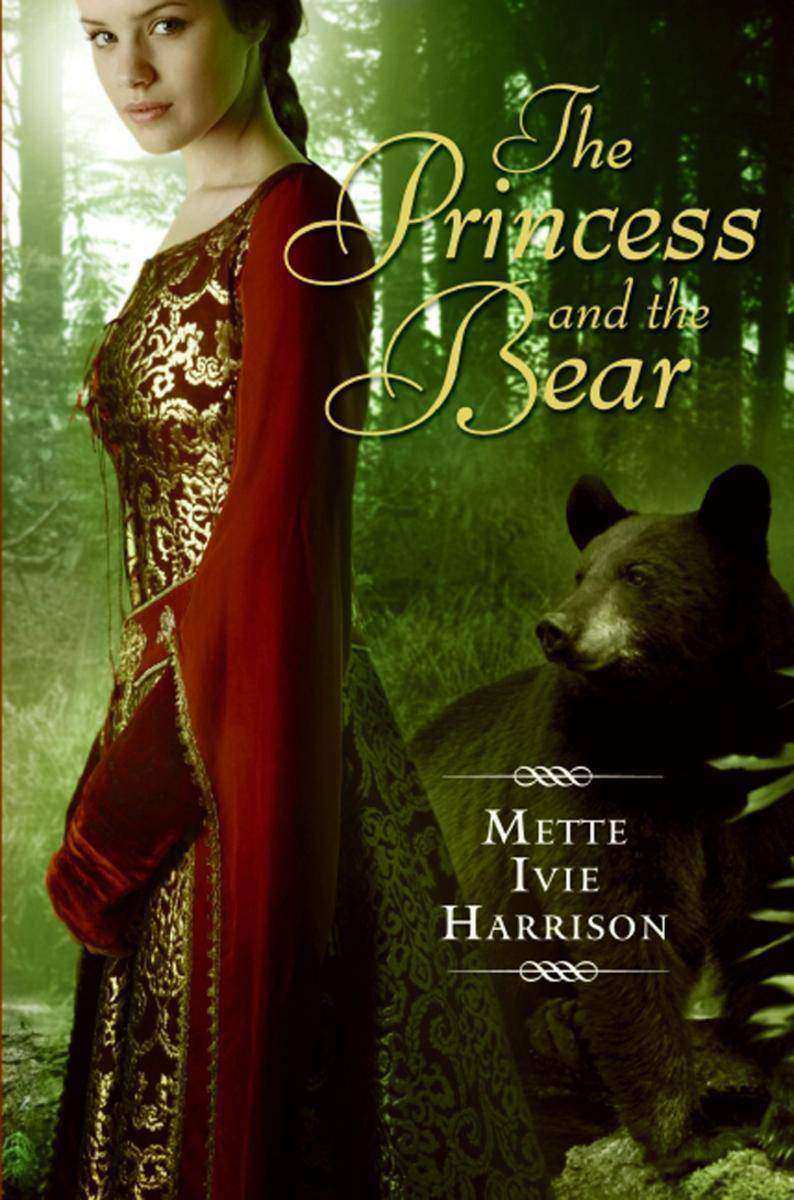
The Princess and the Bear
¥50.47
He was once a king, turned into a bear as punishment for his cruel and selfish deeds.She was a once a princess, now living in the form of a hound.Wary companions, they are sent—in human form—back to a time when magic went terribly astray. Together they must right the wrongs caused by this devastating power—if only they can find a way to trust each other.But even as each becomes aware of an ever-growing attraction, the stakes are rising and they must find a way to eliminate this evil force—or risk losing each other forever.
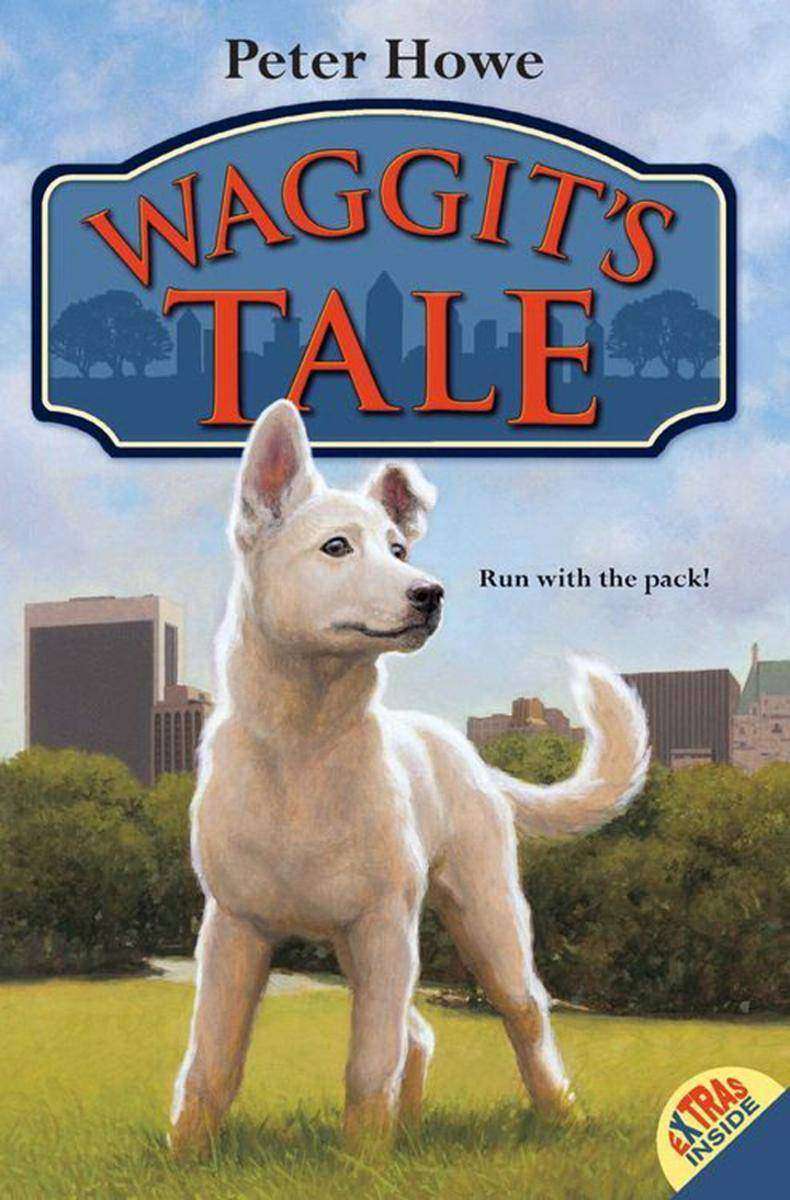
Waggit's Tale
¥39.24
He is nameless. He is homeless. He is lost.Until he is found . . . by a team of mutts who shelter him and teach him how to survive the wilds of the city park.And so he becomes Waggit, the best hunter and tracker in the pack.But life in the park is dangerous and uncertain. In winter, food and warmth are scarce. Another team of wild dogs is a constant menace. And there is always the fear of capture by park rangers. Waggit can't help feeling that something is missing . . . something warm and cozy . . . and human. Then one day everything changes and Waggit must face a new threat and a new choice.Peter Howe's tale of an abandoned puppy's search for home is an exciting mix of humor, adventure, and suspense. Most of all, it is a story of how love can turn strangers into family.

Emily Post's Table Manners for Kids
¥95.39
Which fork do I useHow do you use chopsticksIs it okay to answer my cell phone during dinnerWhat is the polite way to eat spaghettiThese and other important questions are answered in this handy guide to eating without grossing people out. Pretty much everything you need to know to get you through any meal is here—from table settings, to eating tricky foods, to holding up your end of a dinner conversation. Written by two codirectors of The Emily Post Institute, the most trusted name in etiquette, Emily Post's Table Manners for Kids isn't just for fancy parties and dinner at your grandmother's house. It's got basic information you can use every day to improve your social life.

The Real Real
¥56.08
The bestselling authors of The Nanny Diaries introduce a new heroine to root for: Jesse O'Rourke, coffee barista, high school senior, and unwitting reality TV star.Imagine there was never a Laguna Beach, a Newport Harbor, the shimmering Hills. Imagine that your hometown—your school—is the first place XTV descends to set up cameras.Now imagine they've trained them on you.When Jesse O'Rourke gets picked for a "documentary" being filmed at her school in the Hamptons she's tempted to turn down the offer. But there's a tuition check attached to being on the show, and Jesse needs the cash so she can be the first in her family to attend college. All she has to do is trade her best friend for the glam clique she's studiously avoided, her privacy for a 24/7 mike, and her sense of right and wrong for "what sells on camera." . . . At least there's one bright spot in the train wreck that is her suddenly public senior year: Jesse's crush has also made the cast.As the producers manipulate the lives of their "characters" to heighten the drama, and Us Weekly covers become a regular occurrence for Jesse, she must struggle to remember one thing: the difference between real and the real real.

The Bohemian Girl
¥56.15
A short story from the Classic Shorts collection: The Bohemian Girl by Willa Cather
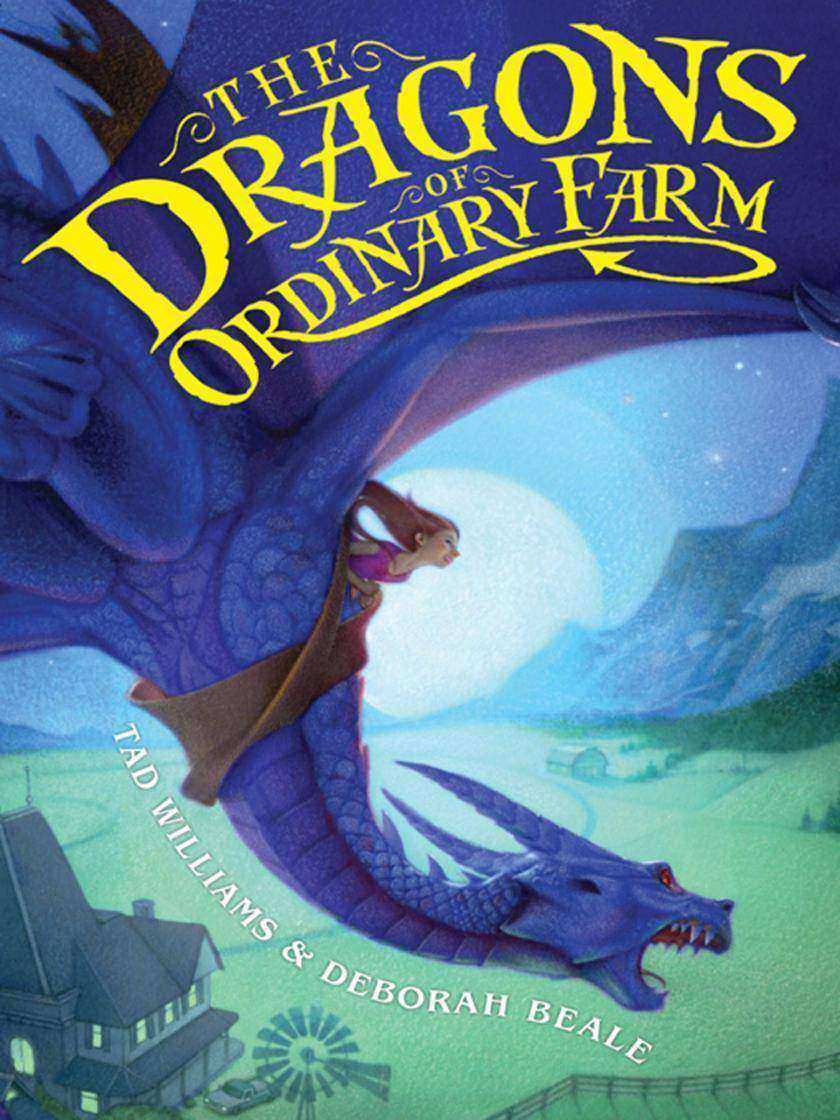
The Dragons of Ordinary Farm
¥95.39
Tyler and Lucinda have to spend summer vacation with their ancient uncle Gideon, a farmer. They think they're in for six weeks of cows, sheep, horses, and pigs. But when they arrive in deserted Standard Valley, California, they discover that Ordinary Farm is, well, no ordinary farm. The bellowing in the barn comes not from a cow but from a dragon. The thundering herd in the valleyUnicorns. Uncle Gideon's sprawling farmhouse never looks the same twice. Plus, there's a flying monkey, a demon squirrel, and a barnload of unlikely farmhands with strange accents and even stranger powers. At first, the whole place seems like a crazy adventure. But when darker secrets begin to surface and Uncle Gideon and his fabulous creatures are threatened, Lucinda and Tyler have to pull together to take action. Will two ordinary kids be able to save the dragons, the farm—and themselvesExpert storytellers Tad Williams and Deborah Beale take readers on an extraordinary adventure in their first book about Ordinary Farm.
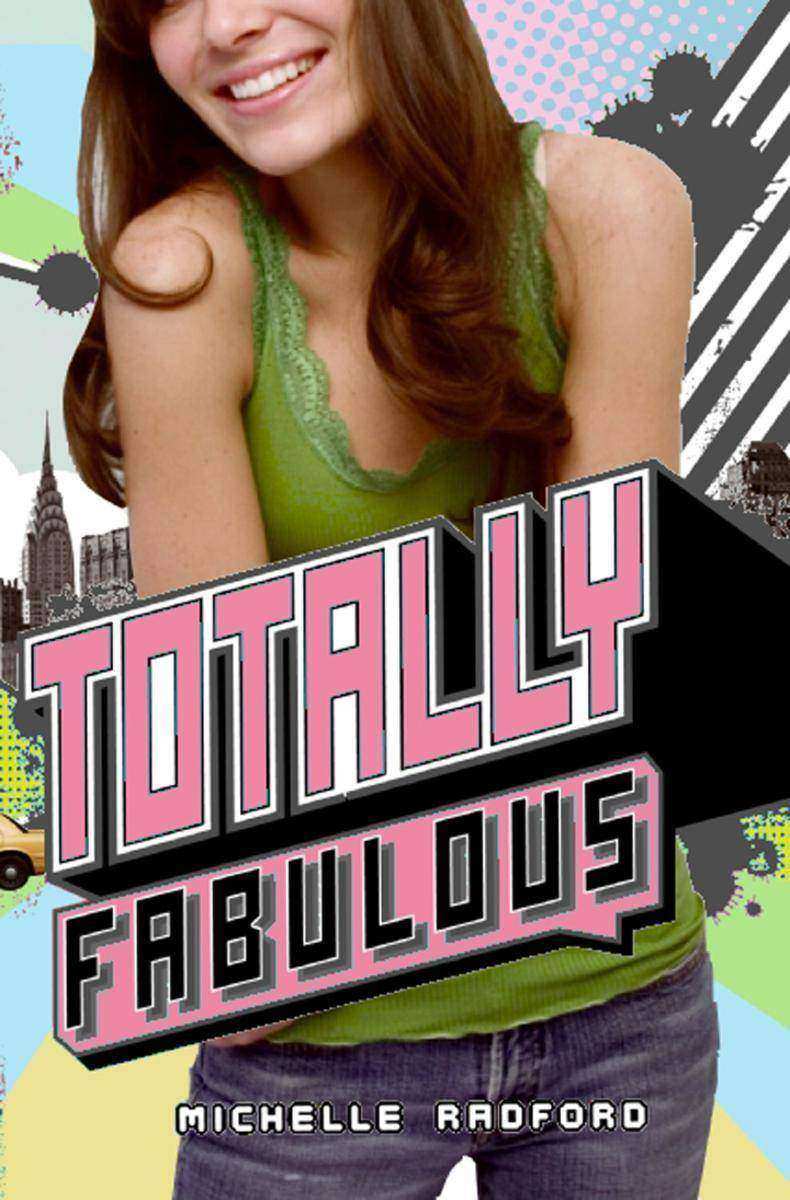
Totally Fabulous
¥107.82
If you had the power of mind control, could you resist using it(Didn't think so. Fiona Blount feels your pain.) Fiona is coming to America! Her long-lost-now-found father is bringing her from London to meet his family. Of course, there's a secret agenda for her trip: Fiona has inherited her dad's psychic abilities and is off to ESP boot camp. Good thing she doesn't take after the rest of his family—a pretty moody bunch. Fiona knows she shouldn't be using her power of compulsion until she has more training, but if she can make people happier, isn't it almost her duty to do soShe's sure that with just a little bit of nudging, they'll all be on their way to being totally fabulous—but is she totally deluded?

The Waters & the Wild
¥95.39
When Bee woke up, there was a girl standing in her room. "You are me," the girl said. Then she was gone.I am a thirteen-year-old double Gemini. I get bad grades, write poetry with my left hand, dance in my room, surf the net. I Google images of the tattoos my mom won't let me get. . . .But my world belongs to someone else. Someone who lives below the concrete of Los Angeles, someone with wild eyes and twigs in her hair.And I think she wants her life back.
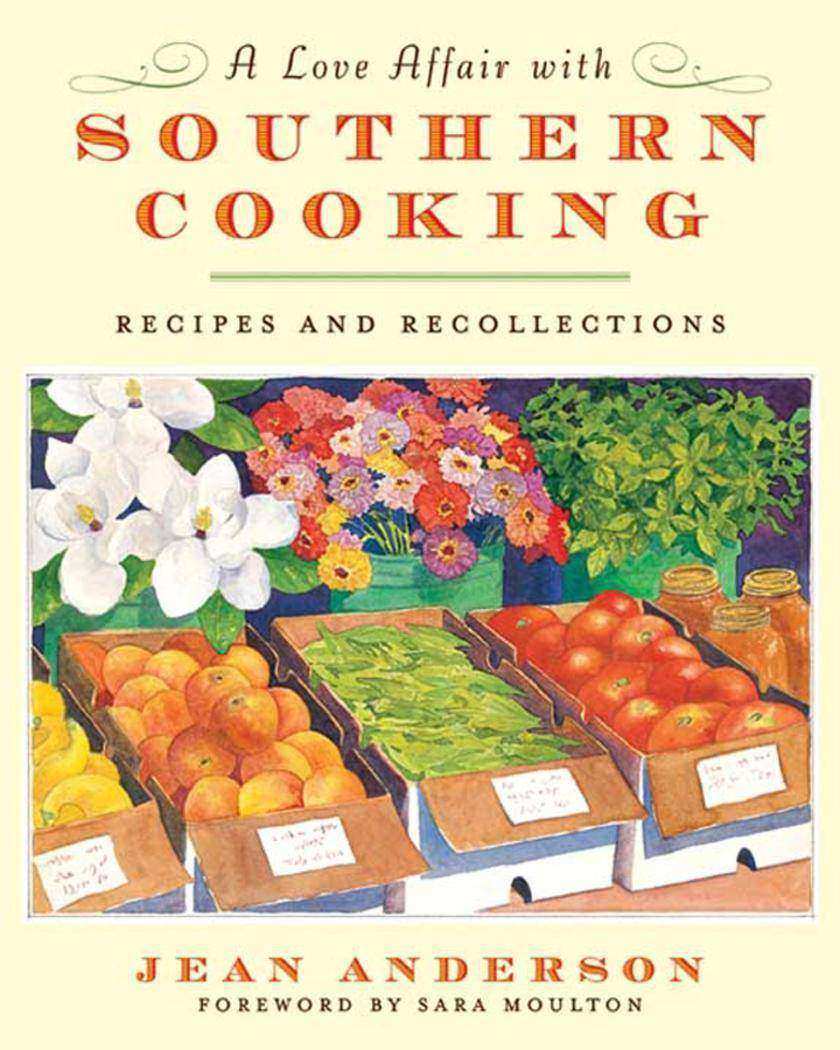
A Love Affair with Southern Cooking
¥196.54
More than a cookbook, this is the story of how a little girl, born in the South of Yankee parents, fell in love with southern cooking at the age of five. And a bite of brown sugar pie was all it took."I shamelessly wangled supper invitations from my playmates," Anderson admits. "But I was on a voyage of discovery, and back then iron-skillet corn bread seemed more exotic than my mom's Boston brown bread and yellow squash pudding more appealing than mashed parsnips."After college up north, Anderson worked in rural North Carolina as an assistant home demonstration agent, scarfing good country cooking seven days a week: crispy "battered" chicken, salt-rising bread, wild persimmon pudding, Jerusalem artichoke pickles, Japanese fruitcake. Later, as a New York City magazine editor, then a freelancer, Anderson covered the South, interviewing cooks and chefs, sampling local specialties, and scribbling notebooks full of recipes.Now, at long last, Anderson shares her lifelong exploration of the South's culinary heritage and not only introduces the characters she met en route but also those men and women who helped shape America's most distinctive regional cuisine—people like Thomas Jefferson, Mary Randolph, George Washington Carver, Eugenia Duke, and Colonel Harlan Sanders.Anderson gives us the backstories on such beloved Southern brands as Pepsi-Cola, Jack Daniel's, Krispy Kreme doughnuts, MoonPies, Maxwell House coffee, White Lily flour, and Tabasco sauce. She builds a time line of important southern food firsts—from Ponce de León's reconnaissance in the "Island of Florida" (1513) to the reactivation of George Washington's still at Mount Vernon (2007). For those who don't know a Chincoteague from a chinquapin, she adds a glossary of southern food terms and in a handy address book lists the best sources for stone-ground grits, country ham, sweet sorghum, boiled peanuts, and other hard-to-find southern foods.RecipesThere are two hundred classic and contemporary, plain and fancy, familiar and unfamiliar, many appearing here for the first time. Each recipe carries a headnote—to introduce the cook whence it came, occasionally to share snippets of lore or back-stairs gossip, and often to explain such colorful recipe names as Pine Bark Stew, Chicken Bog, and Surry County Sonker.Add them all up and what have you gotOne lip-smackin' southern feast!A Love Affair with Southern Cooking is the winner of the 2008 James Beard Foundation Book Award, in the Americana category.

A Mystery of Heroism
¥22.03
Though best known for The Red Badge of Courage, his classic novel of men at war, in his tragically brief life and career Stephen Crane produced a wealth of stories—among them "The Monster," "The Upturned Face," "The Open Boat," and the title story—that stand among the most acclaimed and enduring in the history of American fiction. This superb volume collects stories of unique power and variety in which impressionistic, hallucinatory, and realistic situations alike are brilliantly conveyed through the cold, sometimes brutal irony of Crane's narrative voice.

An Episode of War
¥22.03
Though best known for The Red Badge of Courage, his classic novel of men at war, in his tragically brief life and career Stephen Crane produced a wealth of stories—among them "The Monster," "The Upturned Face," "The Open Boat," and the title story—that stand among the most acclaimed and enduring in the history of American fiction. This superb volume collects stories of unique power and variety in which impressionistic, hallucinatory, and realistic situations alike are brilliantly conveyed through the cold, sometimes brutal irony of Crane's narrative voice.
The Upturned Face
¥22.03
Though best known for The Red Badge of Courage, his classic novel of men at war, in his tragically brief life and career Stephen Crane produced a wealth of stories—among them "The Monster," "The Upturned Face," "The Open Boat," and the title story—that stand among the most acclaimed and enduring in the history of American fiction. This superb volume collects stories of unique power and variety in which impressionistic, hallucinatory, and realistic situations alike are brilliantly conveyed through the cold, sometimes brutal irony of Crane's narrative voice.


