


 购物车
购物车 个人中心
个人中心
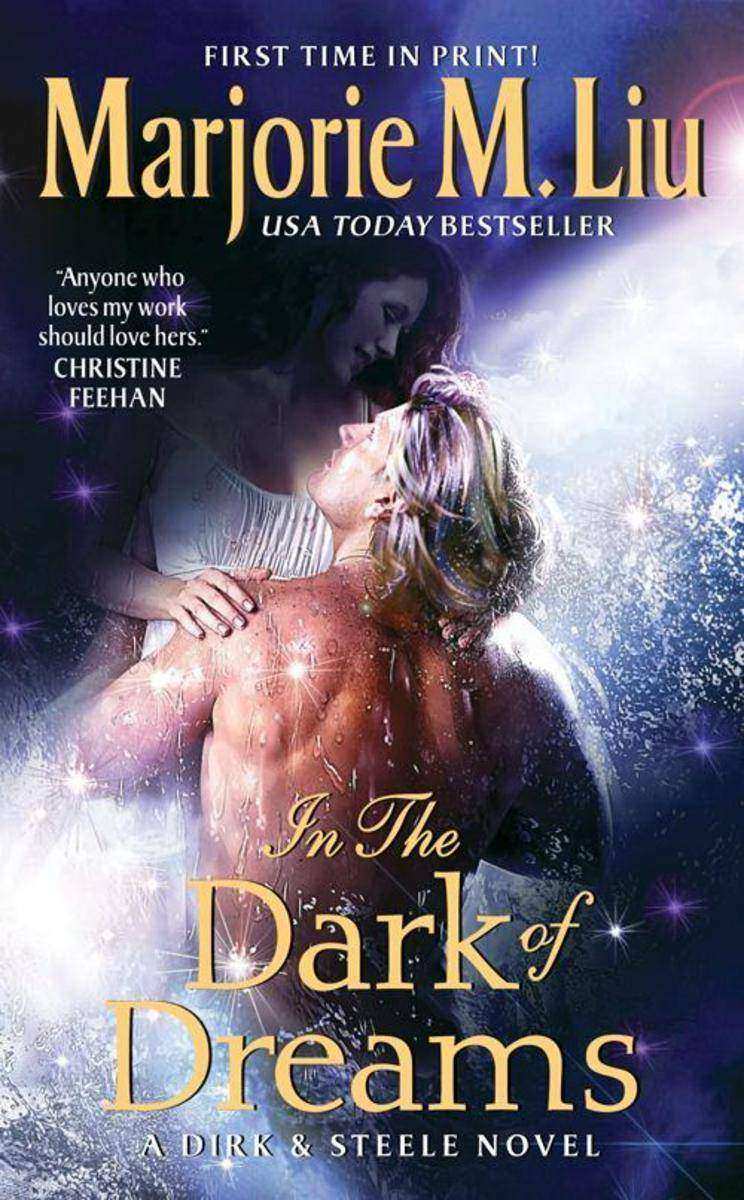
In the Dark of Dreams
¥55.91
She could never forget the boy with the ice blue eyes . . .She was only twelve when she saw the silver boy on the beach, but Jenny has never stopped dreaming about him. Now she is grown, a marine biologist charting her own course in the family business a corporation that covertly crosses the boundaries of science into realms of the unknown . . . and the incredible.And now he has found her again, her boy grown into a man: Perrin, powerful and masculine, and so much more than human, leaving Jenny weak with desire and aching for his touch.But with their reunion comes danger. For Perrin and Jenny and all living creatures their only hope for preventing the unthinkable lies in a mysterious empire far beneath the sea . . . and in the power of their dreams.

The Welcome Home Garden Club
¥55.31
Traditional meaning of Pink and White Roses: I love you still and always will. Caitlyn Marsh stopped believing in happily-ever-after when high-school sweetheart, Gideon Garza, left for Iraq. Now she raises her small son while her matchmaking gardening club members drive her crazy. Then Caitlyn's world turns upside-down when Gideon swaggers back to Twilight.Gideon had left town in the middle of night with threats ringing in his ears. A lot of things have changed since then. This bad boy-turned-Green Beret bears scars from the war, the timid girl he loved is an independent mother, and the father who refused to recognize his son in life has, in death, left him a vast cattle ranch.He still aches for Caitlyn, and now there's a dark-haired boy who looks exactly like Gideon did at that age. Could the child be hisAnd can this war-weary soldier overcome the scars of the past to claim the family he so richly deserves?

Confessions from an Arranged Marriage
¥55.91
They couldn't be more different but there's one thing they agree on . . .In London after a two-year exile, Lord Blakeney plans to cut a swathe through the bedchambers of the demimonde. Marriage is not on his agenda, especially to an annoying chit like Minerva Montrose, with her superior attitude and a tendency to get into trouble. And certainly the last man Minerva wants is Blake, a careless wastrel without a thought in his handsome head.The lights and din of her debutante ball set Minerva's teeth on edge. Surely a moment's rest could do no harm . . . until Blake mistakes her for another lady, leaving Minerva'sguests to catch them in a very compromising position. To her horror, the scandal will force them to do the unthinkable: marry. Their mutual loathing blazes into unexpected passion but Blake remains distant, desperate to hide a shameful secret. Minerva's never been a woman to take things lying down, and she'll let nothing stop her from winning his trust . . . and his heart.

An Uncomplicated Life
¥84.16
A father's exhilarating and inspiring love letter to his daughter with Down syndrome, whose vibrant and infectious approach can teach us all how to live a little better"Jillian was born October 17, 1989. It was the last bad day."Jillian Daugherty was born with Down syndrome. The day her parents, Paul and Kerry, brought her home from the hospital, they were flooded with worry and uncertainty, but also with overwhelming love, which they channeled to "the job of building the better Jillian." They knew their daughter had special needs, but they refused to have her grow up needy. They were resolved that Jillian's potential would not be limited by preconceptions of who she was or what she could be.In this charming and often heart-stirring book, Paul tells stories about Jillian making her way through the world of her backyard and neighborhood, going to school in a "normal" classroom, learning to play soccer and ride a bike. As she grows older, he traces her journey to find happiness and purpose in her adult life, including vignettes about her inspiring triumphs and the guardian angels teachers, neighbors, friends who believed in Jillian and helped her become the exceptional young woman she is today.In An Uncomplicated Life, the parent learns as much about life from the child as the child does from the parent. Being with Jillian, Paul discovered the importance of every moment and the power of the human spirit how we are each put here to benefit the other. Through her unmitigated love for others, her sparkling charisma, and her boundless capacity for joy, Jillian has inspired those around her to live better and more fully. As Paul writes, "Jillian is a soul map of our best intentions," a model of grace, happiness, and infectious enthusiasm. She embraces all that she is, all that she has "I love my life. I just love my life," she says. In her uncomplicated life, we see the possibility, the hope, and the beauty of our own.
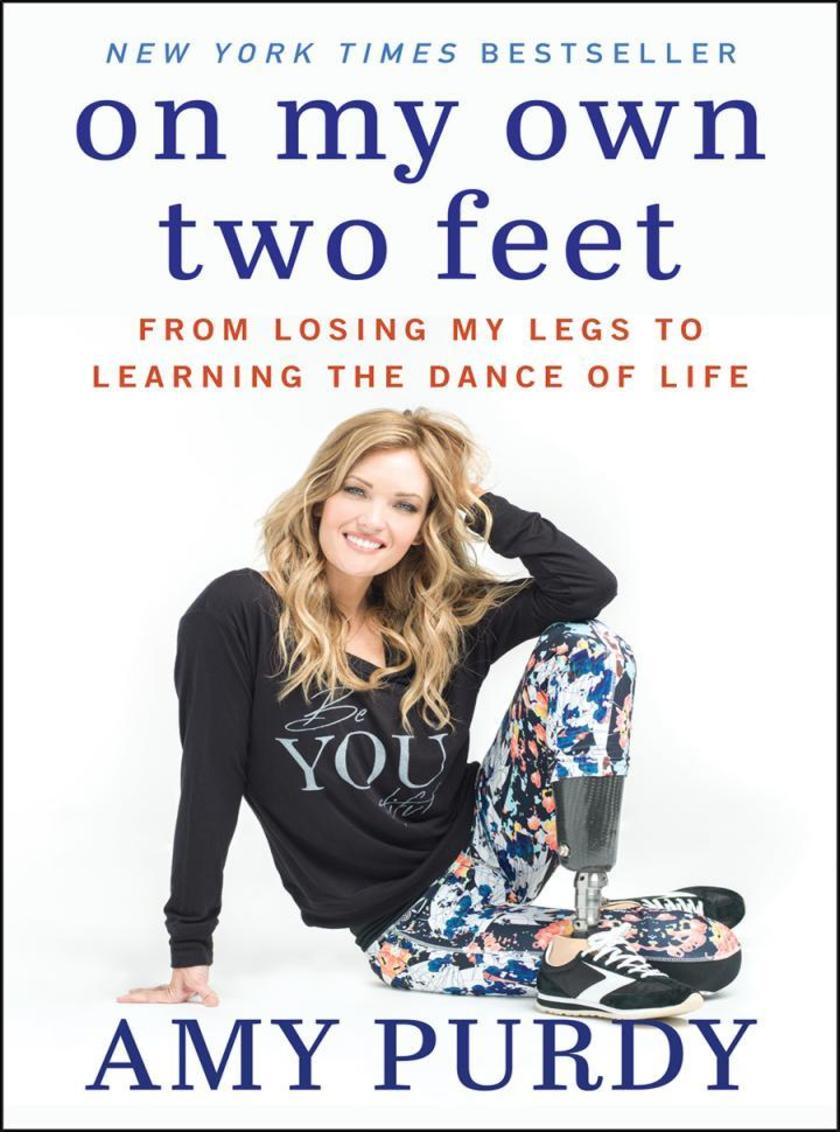
On My Own Two Feet
¥83.03
Oprah Winfrey calls Amy Purdy her inspiration. Now, read Amy's story in her own words and prepare to be inspired . . .America fell in love with Amy Purdy as the incredible girl with bionic legs who managed to out-dance her competitors all the way to the season 18 finale of Dancing with the Stars with her partner, Derek Hough. But viewers were only given a glimpse into her past and how she managed to get there. Now, for the first time, Amy reveals the powerful, moving story of her personal spiritual awakening as a result of a sudden and often fatal blood infection that caused her to lose both of her legs. When the Las Vegas native was just nineteen, she contracted the deadly bacterial meningitis and was given less than a two percent chance of survival. In a near-death experience that Amy has never talked about until now, she saw three beings who told her: "You can come with us, or you can stay. No matter what happens in your life, it's all going to make sense in the end." As she hovered between life and death, Amy knew she had to make a choice. And in that moment, she chose life.In On My Own Two Feet, Amy takes readers inside her childhood and up to the defining life or death moment. Despite the grim prognosis, she was determined to not just beat the odds and walk again but to create a life filled with bold adventures, big dreams, and boundless vitality and share that spirit with the world. Amy seized her second chance at life and earned a bronze medal in adaptive snowboarding at the 2014 Paralympic Games. Her life is a testament to the resilience of the human spirit and the capacity we all have to defy expectations and rewrite our stories. Amy's poignant, uplifting memoir reminds us to live life to the fullest, because we are all much more capable than we could ever imagine.
The Way of Serenity
¥95.39
Father Jonathan Morris, Fox News religion analyst, bestselling author, and parish priest, has seen firsthand how easily our day-to-day lives are consumed with anxiety and stress as we focus on our failures and troubles, while peace feels unattainable. When he re-discovered the Serenity Prayer, he realized that this little prayer can be, in fact, a powerful roadmap for our spiritual journey toward God. As he began to share this prayer with others, he saw that living these simple lines became a source of profound peace and happiness: Lord, grant me the serenity to accept the things I cannot change,The courage to change the things I can,And the wisdom to know the difference. For years a mainstay of recovery programs, this prayer has proven it can change lives. What's more, through it we all can find comfort and support, including an active collaboration with God's grace as he works alongside us to grant the serenity we seek. Unpacking the prayer phrase by phrase, Father Jonathan shows how we can gain a deeper spiritual understanding by practicing its message. Through powerful personal stories, illuminating historical anecdotes, and biblical passages that show us God's plan for our lives, The Way of Serenity will help us grow closer to God and find serenity, regardless of our circumstances.Join Father Jonathan and the many others who have made this prayer an integral part of their lives, and find lasting peace and happiness today.

Priscilla
¥88.56
When Nicholas Shakespeare stumbled across a trunk full of his late aunt’s personal belongings, he was unaware of where this discovery would take him and what he would learn about her hidden past. The glamorous, mysterious figure he remembered from his childhood was very different from the morally ambiguous young woman who emerged from the trove of love letters, journals and photographs, surrounded by suitors and living the precarious existence of a British citizen in a country controlled by the enemy during World War II. As a young boy, Shakespeare had always believed that his aunt was a member of the Resistance and had been tortured by the Germans. The truth turned out to be far more complicated. Piecing together fragments of his aunt’s remarkable and tragic story, Priscilla is at once a stunning story of detection, a loving portrait of a flawed woman trying to survive in terrible times, and a spellbinding slice of history.

To Distraction
¥55.31
The gentlemen of the Bastion Club have proven their courage while fighting England's enemies, but nothing has prepared them for dealing with that most formidable of challenges: the opposite sex.Deverell, Viscount Paignton, is in desperate need of a wife. Unmoved by the matchmaking herd, he seeks help from his aunt, who directs him to a lady she vows is perfect for him. Dispatched to a country house party to look the lady over, he discovers her not swanning about among the guests but with her nose buried in a book in the library.Phoebe Malleson is tempted to distraction by Deverell, but marrying him isn't part of her plan. Moved by an incident in her past, Phoebe has a secret cause to which she's committed. Unfortunately, telling Deverell to go away doesn't work, and he quickly learns of her secret. But someone powerful has her cause targeted for destruction and her in their sights. Phoebe must accept Deverell's help though the cost to them both might be dear and deadly.

To Love a Scottish Lord
¥56.07
A Lord Not Meant to MarryHamish MacRae, a changed man, returned to his beloved Scotland intending to turn his back on the world. The proud, brooding lord wants nothing more than to be left alone, but an unwanted visitor to his lonely castle has defied his wishes. While it is true that this healer, Mary Gilly, is a beauty beyond compare, it will take more than her miraculous potions to soothe his wounded spirit. But Mary's tender heart is slowly melting Hamish's frozen one . . . awakening a burning need to keep her with him -- forever.A Lady Who Dares Not LoveNever before has Mary felt such an attraction to a man! The mysterious Hamish MacRae is strong and commanding, with a face and form so handsome it makes Mary tremble with wanting him. Already shadowy forces are coming closer, heartless whispers and cruel rumors abound, and it will take a love more pure and powerful than any other to divine the truth -- and promise a future neither had dreamed possible.

The Undead Next Door
¥55.91
Three signs that something is very different with your mew man:1. He sleeps all day . . . which would be annoying except he's so attentive at night.2. He's attacked by sword-wielding assailants, yet insists he can handle it on his own.3. He never seems to age. Heather Westfield has always lived a quiet life, but that all changes when she helps a very handsome, very mysterious stranger. There's something not quite right about Jean-Luc, but still, she's never been with a man so charming, so attractive . . . so wonderful. Now if only a murderous villain wasn't after them, they might get their happily-ever-after.

Where's My Hero?
¥55.91
Dear Avon Books,Where are my heroesWhenever I'm reading a book by one of my favorite authors I find I'm falling for the wrong guy -- not the hero, but the other man -- and what I really want is for him to have his own story.Like Jake Linley, from Someone to Watch Over Me by Lisa Kleypas that doctor could sit by my bedside if I ever got sick. And Ned Blydon in Splendid by Julia Quinn...he makes me want to learn to waltz! I never thought living in a drafty castle would be much fun until Simon of Ravenswood in Master of Desire by Kinley MacGregor came along.Anyway, I just wanted to let you know that these are my men -- when do they get their stories?Sincerely,A Romance FanSome books are so special that there is more than one hero to love, but only a single story is told. So if you find yourself asking, "Where is my hero?" you'll discover the answer right here in this delicious collection by New York Times bestseller Lisa Kleypas, New York Times bestseller Julia Quinn and USA Today bestseller Kinley MacGregor.

You and No Other
¥55.31
The constraints of quiet widowhood have become too much for Lady Caroline Pearson to bear especially now that her brother-in law has idiotically, and illegally, gambled away her house. Boldly, she confronts the new owner in person. But not only does the dashing rogue, James Ferrington, refuse to return Caroline's deed, he tries to take scandalous advantage of her as well. Sheepish and repentant, James arrives on Caroline's doorstep to make amends unaware that the young widow and her eccentric aunt are intent on retaliation. James merely meant to seduce a bewitching minx and have done with it and, suddenly, he's a kidnapped prisoner in Caroline's cellar. But most shocking of all, James realizes that he has no desire whatsoever to be free for the audacious Caroline has inflamed his senses, destroyed his reason . . . and completely captured his heart.

Wolf and the Dove
¥55.31
The Wolf Noble Aislinn grieves as the Iron Wolf and his minions storm through her beloved Darkenwald. And she burns with malice for the handsome Norman savage who would enslave her. . .even as she aches to know the rapture of the conqueror's kiss The Dove For the first time ever mighty Wulfgar has been vanquished and by a bold and beautiful princess of Saxon blood. He must have the chaste sensuous enchantress who is sworn to his destruction. And he will risk life itself to nurture with tender passion a glorious union born in the blistering heat of hatred and war.
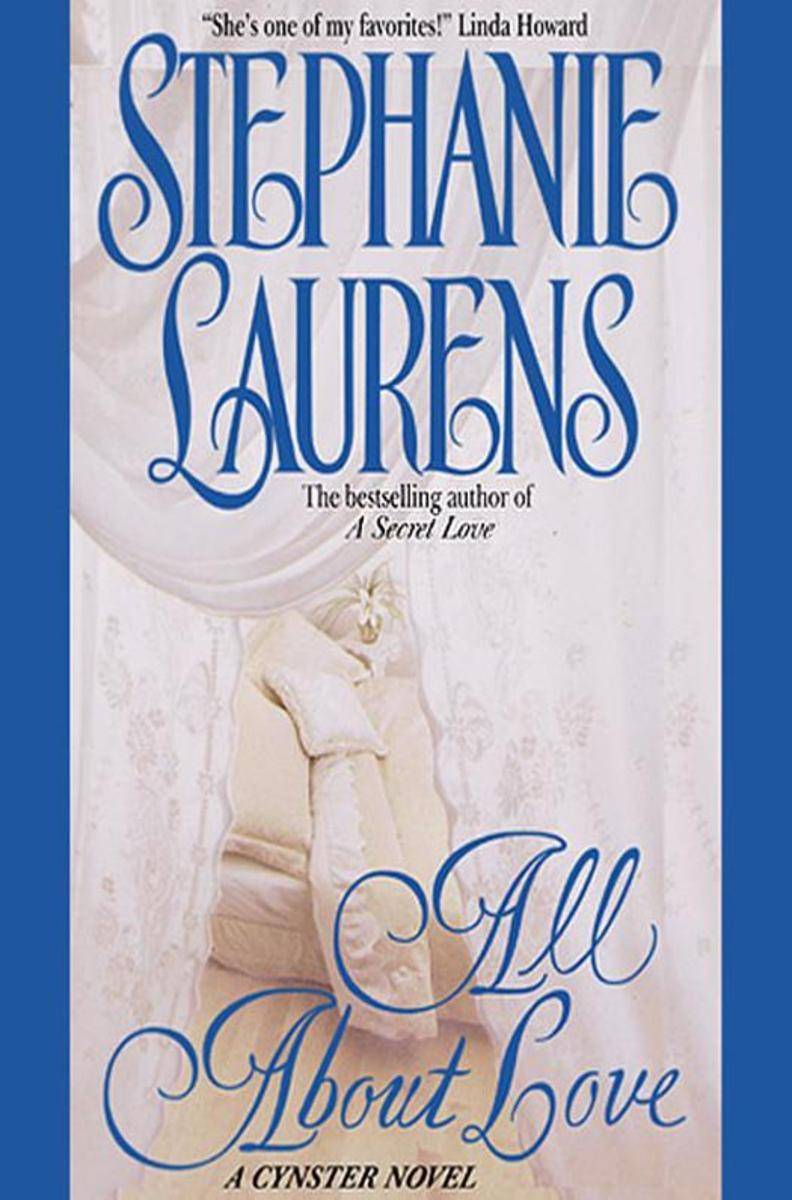
All About Love
¥56.07
Lucifer Cynster has sworn never to pledge his heart -- but fate has other plans...The last unwed Cynster, Alasdair -- known as Lucifer -- has escaped to Devon one step ahead of London's matchmaking mamas. Yet, despite his dedication to avoiding the parson's mousetrap, the irresistible Phyllida Tallent -- a willful, independent beauty -- brings all his masterful Cynster instincts rioting to the fore. Initially Lucifer tries to suppress the desire Phyllida evokes, but fate intervenes, leaving him facing the ultimate challenge for a Cynster -- wooing a reluctant bride.Her wit, charm, and beauty have garnered Phyllida a bevy of suitors, but not one has tempted her the way Lucifer does. His offer to teach her all about love is almost too tantalizing to refuse. And although she has not yet surrendered completely, Phyllida knows only a fool resists a determined Cynster.And Phyllida is certainly no one's fool.

The Secret Sister
¥55.31
The Search For Her Sister Could Cost A Woman Her Life Christy McKenna, the smartest fashion writer in New York, thought she'd escaped her childhood in the impoverished rural West. Then came a call for help from the one person she could not refuse her sister, the internationally celebrated model known only as Jo.Jo's plea draws Christy back to the magnificent mountains and mysterious red-rock canyons of the Four Corners country. But she's too late Jo has disappeared. However, Christy does find an unlikely ally in outlaw archaeologist Aaron Cain, and together they pursue Jo and a fabulous cache of ancient Indian artifacts worth millions.Christy and Cain clash at every turn, but their antagonism soon turns into partnership and blazing passion.
Write for Your Life
¥107.82
Based on Lawrence Block's extremely popular seminar for writers. Discover Block's tips for overcoming writer's block and unleashing your creativity.

Act Like a Success, Think Like a Success
¥88.56
Steve Harvey New York Times bestselling author, nationally syndicated television and radio host, accomplished entrepreneur, and esteemed philanthropist shares his personal principles of success, in this enlightening work that will guide you to a life of riches.Steve Harvey was not always the dynamic television host and internationally renowned funny man whom we know and love today. It took him years to recognize his personal gift his unique talent of making people laugh, and listen and even then he still struggled, at one point being homeless and living out of his car. But through it all he remained focused on his goals, using his gift and his tenacity to achieve unimaginable success. And now, in Act Like a Success, Think Like a Success, he's paying it forward to help you live your dreams and create your own legacy.Every person is born with a gift whether it's the ability to solve problems, connect with people, or create beauty with your hands and that gift can never be taken away from you. You need only to harness it, build it, and attach it to the right vehicle, using it in your job, your marriage, your community, and every aspect of your life. With Steve's easy advice and his sensible yet innovative principles, Act Like a Success, Think Like a Success is your road map to identifying your gift, perfecting it, and letting it transform your life.Finding success and creating a legacy is not easy it takes time, and courage. With this essential guide, and through Steve's warm humor and remarkable insights, you can harness your gift and create the life you've always wanted. You need only to open this book and begin.Act Like a Success, Think Like a Success will inspire you. It will motivate you. And it will change your life.

Pieces of Light
¥90.51
How is it possible to have vivid memories of something that never happenedHow can siblings remember the same event from their childhoods so differently?Do the selections and distortions of memory reveal a truth about the self?Why are certain memories tied to specific places?Does your memory really get worse as you get older?A new consensus is emerging among cognitive scientists: rather than possessing fixed, unchanging memories, we create recollections anew each time we are called upon to remember. As the psychologist Charles Fernyhough explains, remembering is an act of narrative imagination as much as it is the product of a neurological process. In Pieces of Light, he eloquently illuminates this compelling scientific breakthrough via a series of personal stories a visit to his college campus to see if his memories hold up, an interview with his ninety-three-year-old grandmother, conversations with those whose memories are affected by brain damage and trauma each illustrating memory's complex synergy of cognitive and neurological functions.Fernyhough guides readers through the fascinating new science of autobiographical memory, covering topics including imagination and the power of sense associations to cue remembering. Exquisitely written and meticulously researched, Pieces of Light brings together science and literature, the ordinary and the extraordinary, to help us better understand the ways we remember and the ways we forget.
Always and Forever
¥55.31
A desperate need Sassy Grace Atwood never expected to find her proper self accidentally tumbling into a stranger's bed. If she weren't desperate for a man to lead a wagon train of brides to a woman-starved town out West, she never would have gone near Jackson Blake-former lawman or not. She should send the ruggedly charming Texan packing...only he's perfect for the job. Now if her mind would just stop going blank every time she looked at him, they might get this train to Kansas yet.A comsuming passion What's a man to do when a beautiful woman leans over his bed in the middle of the nightCome to think of it, that was the only time Blake's ever seen the straitlaced Miss Atwood the least bit ruffled. He's certain that beneath her buttoned-up appearance lies a passionate woman aching to break free. But though Blake longs to take her in his arms, all he can offer Grace is a life on the run. And when the demons from his past catch up with them, Blake is couaght between the ties that bind and a love that could last...always and forever.

Simply Love
¥55.91
Even the hardest heart can be softened by love ...Cassandra Zerek is a true innocent in a wild anddangerous place -- but her indomitable spirit and gentle soul make her stronger than anyone suspects.The owner of a Colorado mining empire, Luke Taggart's wealth and position can buy him anything, yet he has grown bored with a life of saloons, gambling, and loose women. Nothing soothes his restless inner yearning -- until he spies Cassandra, as fresh and pure as a spring morning, and vows he will possess her. The radiant, charmingly nave youngbeauty seems blind to the depth of Luke's desire or the lengths he is willing to go to seduce her. But the lady is wise, with an unwavering faith in the magical powers of love. And she's determined to awaken the good man hiding in Luke's tormented heart, for only one precious giftwill truly win her: his deep, passionate, and unsullied love.
Passion and Illusion
¥55.31
New York Times bestselling author Barbara Delinsky captures the magic and truth of love in this delightful tale, first published in 1983, of opposites attracting.A controversial Boston radio talk-show host, Monica Grant is a strong, willful, and independent woman. She wants an equally strong man. Someone like the heroes in the romance novels she's addicted to . . . someone like Michael Shaw.A cop with the heart of a poet, Michael is looking for that special someone, too an old-fashioned, feminine woman. And for some reason he thinks Monica just might be the one. By turns infuriatingly chauvinistic and irresistibly attractive, Michael demands something from Monica that she doesn't know if she can give or even wants to. With Michael, can she find the happy ending of her own love story?


