


 购物车
购物车 个人中心
个人中心
Complete Confidence Updated Edition
¥99.65
Confident people react positively and successfully to life's problems and challenges. Those who lack confidence often view themselves as victims blaming others or bingeing on drugs, sex, food, or alcohol to mask their feelings of shame or worthlessness.In Complete Confidence, renowned psychotherapist Dr. Sheenah Hankin points the way to a confident life free of self-criticism, anxiety, and immature anger. Her Winning Hand of Comfort technique is a clear, concise, and powerful pre*ion for dealing with everyday situations from resolving conflicts to ending unhealthy habits like overeating, complaining, and procrastinating. This essential handbook will teach you how to retrain your brain to manage your emotions and put your problems into perspective. You will learn how to calm down, clarify your thinking, challenge your blame habit, comfort your negative feelings, and achieve confidence. That is Dr. Hankin's promise.

Motherless Mothers
¥95.39
When Hope Edelman, author of the New York Times bestseller Motherless Daughters, became a parent, she found herself revisiting the loss of her mother in ways she had never anticipated. Now the mother of two young girls, Edelman set out to learn how the loss of a mother to death or abandonment can affect the ways women raise their own children. In Motherless Mothers, Edelman uses her own story as a prism to reveal the unique anxieties and desires that these women experience as they raise their children without the help of a living maternal guide. In an impeccably researched, luminously written book enriched by the voices of the mothers themselves and filled with practical insight and advice from experienced professionals she examines their parenting choices, their triumphs, and their fears, and offers motherless mothers the guidance and support they want and need.
Boost Your Brain
¥88.56
The human brain can actually grow and a bigger brain means better memory, creativity, speed of learning, and ability to concentrate.In Boost Your Brain, Majid Fotuhi, M.D., Ph.D., guides you through the innovative brain fitness program that he has developed for his patients at the NeurExpand Brain Center, an institute dedicated to helping people quickly sharpen their brain performance. You start the program with an assessment of your current brain health and then are given specific brain-fit strategies proven to promote brain acuity and longevity, detailing the latest scientific evidence behind each. Concrete advice is given on how to spur new cell growth, which foods help to build new synapses, what creates brain reserve, and more. Dr. Fotuhi also highlights key behaviors to avoid explaining, for example, how one common sleep disorder can shrink your brain's memory and attention centers by as much as 18 percent!Dr. Fotuhi brings together the latest brain science discoveries about neuroplasticity, which show not only that the size of the brain can be increased within a matter of weeks resulting in better focus, memory, and creativity but that the increase can be scientifically measured. Boost Your Brain is the only book that uses groundbreaking advances in neuroscience to present a clear explanation and pre*ive plan for how to access the benefits of significantly enhanced brain performance at any age.
The Explosive Child
¥99.65
Screaming, swearing, crying, hitting, kicking, spitting, biting...these are some of the challenging behaviors we see in kids who are having difficulty meeting our expectations. These behaviors often leave parents feeling frustrated, angry, overwhelmed, and desperate for answers. In this fully revised and updated book, Dr. Ross Greene helps you understand why and when your child does these things and how to respond in ways that are nonpunitive, nonadversarial, humane, and effective.Dr. Greene describes how best to: Understand the factors that contribute to challenging episodes. Identify the specific situations in which challenging episodes are likely to occur. Reduce or eliminate challenging episodes by solving the problems that cause them. Solve problems collaboratively (rather than unilaterally) and proactively (rather than reactively). Help your child develop the skills to be more flexible, solve problems, and handle frustration more adaptively. Reduce hostility and antagonism between you and your child. With Dr. Greene's practical, expert guidance, you and your child will forge a new relationship based on communication and mutual respect.
Today's Moms
¥95.39
Two producers of Today share their experiences and wisdom on baby's first year, along with priceless advice and anecdotes from the anchors and experts on America's number-one morning show.Being a new mother can be extremely nerve-racking and exhausting, and many moms find parenting advice, comfort, and humor on the Today show. Now all that advice and more is collected in Today's Moms, a one-stop guide to everything a new mother needs to know about her baby's first year, from the best breastfeeding products to reclaiming fun and intimacy with her partner after the baby. Full of behind-the-scenes stories with moms and experts, Today's Moms provides the most up-to-date news and information with easy, entertaining ways to help mothers keep their sanity. And it's all medically reviewed by NBC medical experts Dr. Nancy Snyderman and Dr. Tanya Benenson.Contributors include Meredith Vieira, Ann Curry, Matt Lauer, Al Roker, Kathie Lee Gifford, and many others. Written in a friendly and accessible tone, with straightforward, honest advice and expert information, Today's Moms will help all moms feel more confident about their first year of motherhood.

HappyBaby
¥106.61
A healthy baby is a HAPPYBABY!From the most respected names in parenting come this definitive book on child rearing the all-natural way. HappyBaby combines decades of medical expertise from Dr. Robert W. Sears, renowned doctor in the Sears family of pediatricians, with the nutritional know-how of Amy Marlow, registered dietitian for the popular HAPPYBABY line of organic baby food. Look no further than between the pages of this jam-packed guide to find answers to critically important questions in the life of your baby, such as: What should I eat when nursing my baby to ensure the most nutritional feedingsWhat simple tips can help me manage the inevitable stress that comes with a new baby in the houseI'm worried about toxins in my baby's nursery. How can I green the new roomWhen do I introduce my child to solid foods, and how can I do it in a safe and fun wayHow can I develop healthy eating habits in my childrenThis groundbreaking book offers a proactive, harmonious approach to parenting that's easier, greener, and just plain better for your precious infant or toddler.

Good Catholic Girls
¥95.11
The widely exposed transgressions of priests within the Catholic Church stunned the faithful and sent a new surge of energy through the progressive church reform movement in the United States. Despite the movement's growing profile, the world has only recently learned that Catholic women are the driving force behind reform. Good Catholic Girls is a lively account of these courageous women, as seen through the eyes of an impassioned journalist, Angela Bonavoglia. They include Joan Chittister, the Benedictine nun who refused to obey a Vatican order not to speak at an international conference for women's ordination groups; Mary Ramerman, ordained a Catholic priest before 3,000 jubilant supporters; Frances Kissling, whose fight for women's reproductive rights has shaken the Church at its highest levels; Barbara Blaine, a priest abuse survivor who created the nation's most powerful voice for victims; and Sister Jeannine Gramick, who built a pioneering ministry to gays and lesbians, despite Vatican orders to silence her and ban her work.Backed by supporters worldwide, these and other women are rethinking Catholic theology, changing the face of ministry, and resurrecting the lost lives of female church leaders. As Bonavoglia shows, the hierarchy ignores them at its peril.

The Eldercare Handbook
¥101.00
In this comprehensive and accessible guide, long-term care expert Stella Henry helps readers navigate the daunting logistics and powerful emotions of making care decisions for an elderly parent or loved one. Drawing from her 36 years as a registered nurse and a nursing home administrator, as well as her experience caring for both her parents (both of whom suffered the ravages of Alzheimer's disease), Henry tackles all the tough issues: spotting the warning signs of dementia, redefining sibling roles, doing a walk-through at an assisted living facility or nursing home, making the move, and coping with "take me home!" demands.She also explains the medical, legal, and insurance maze. In a time when almost 10 million Americans currently need long-term care, The Eldercare Handbook is an essential read.
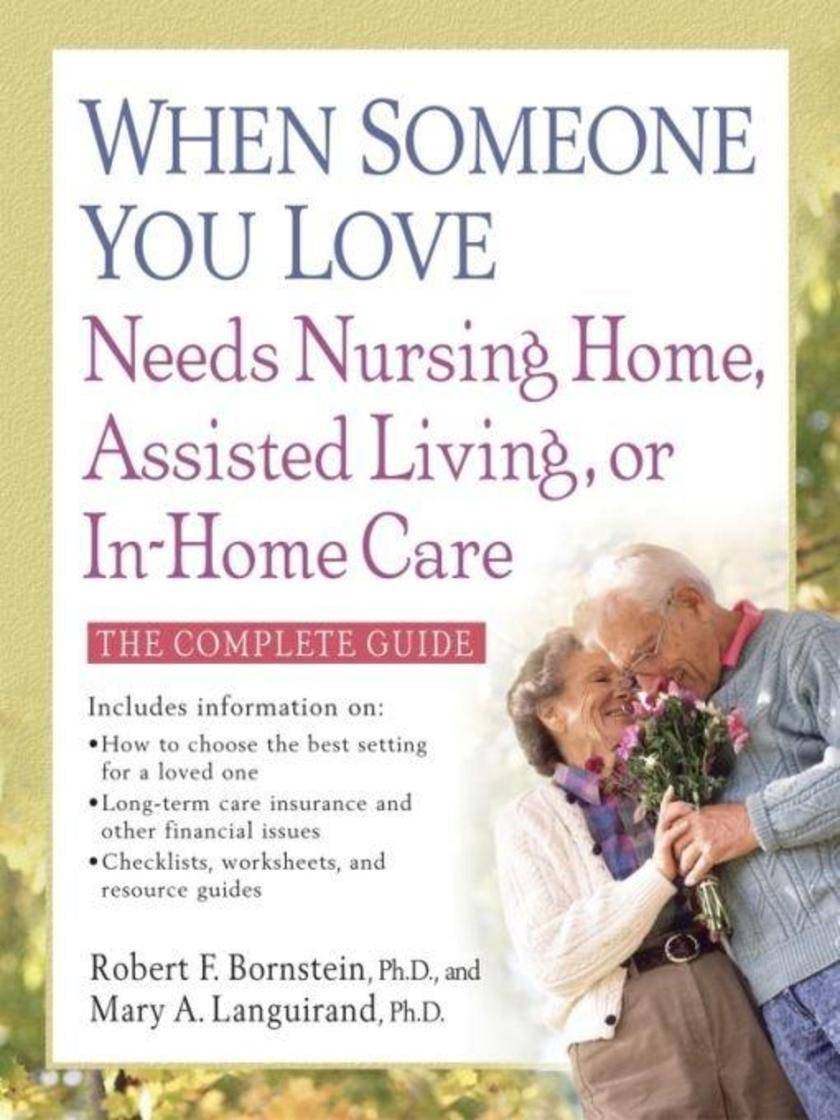
When Someone You Love Needs Nursing Home, Assisted Living, or In-Home Care
¥95.16
When an aging family member needs some extra help and care, whether a parent, spouse, sibling, or friend, this is the book to get. It delivers bottom-line, no-nonsense, practical information for every stage of need, from the earliest signs of illness, through the nursing home, and beyond.Written by two distinguished psychologists with specialties in eldercare counseling and research, this frank, friendly, time-tested guide is meticulously organized to provide answers, dispel myths, anticipate needs, and help you learn strategies for dealing with every aspect of in-home and facility care, including caring for the caregiver in the process. Also includes checklists, phone and Internet lists, budget worksheets, questionnaires, and a detailed index.
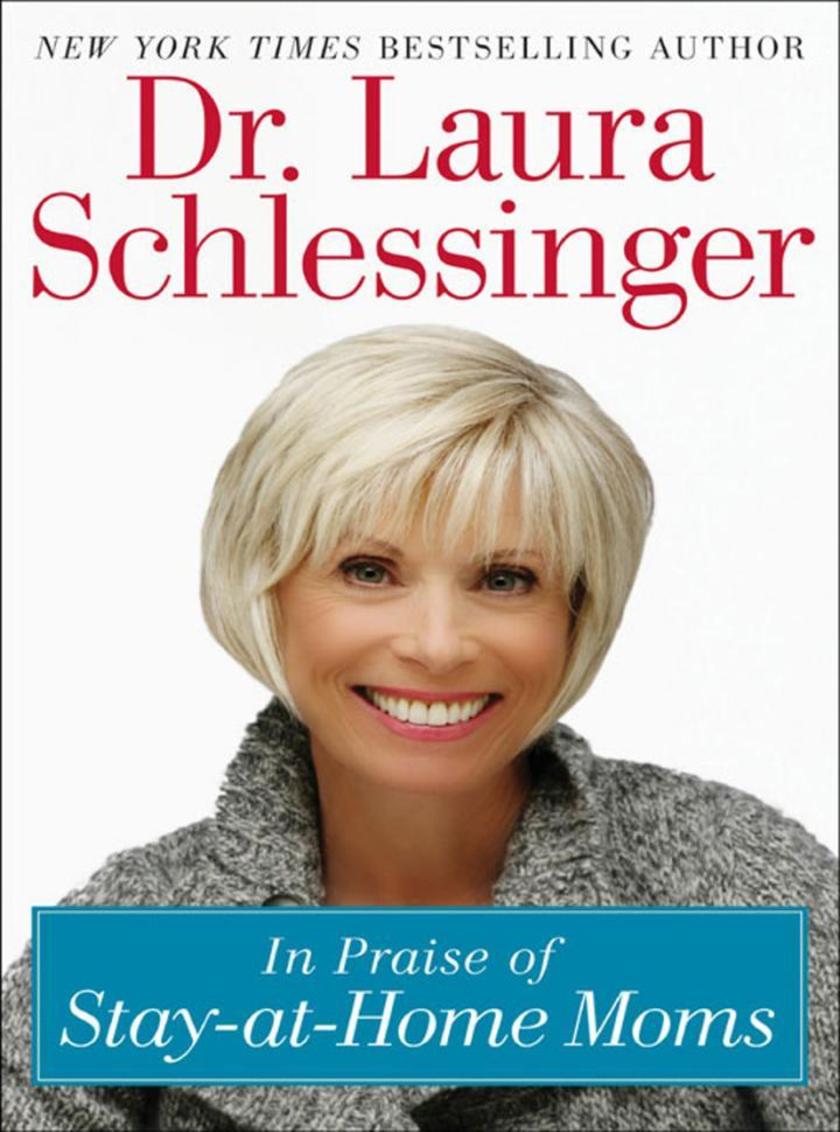
In Praise of Stay-at-Home Moms
¥77.49
They number in the millions and they are incredibly important to families and to our society, yet they are underappreciated, little respected, and even controversial.Who are theyThey are the stay-at-home moms.These are women who know in their hearts that staying home to raise their children is the right choice for the whole family. Some do it from the outset of their marriages, while others make the difficult transition from career-driven women to homemakers. Either way, it is a choice that is incredibly rich and rewarding, not to mention challenging.Now Dr. Laura, building on principles developed during her long career as a licensed marriage and family therapist, provides a wealth of advice and support, as well as compassion and inspiration, to women as they navigate the wonders and struggles of being stay-at-home moms. Learn how: to hold your head high and deal with naysayers; to see the benefits of being home not only for your children but also for your marriage; to understand the changes you see in yourself; to realize that the sacrifices you endure now will make for lasting bonds and a stronger family, in addition to a more cohesive community. In Praise of Stay-at-Home Moms is a special book, a profound and unique understanding of how important it is for mothers to raise their own children.
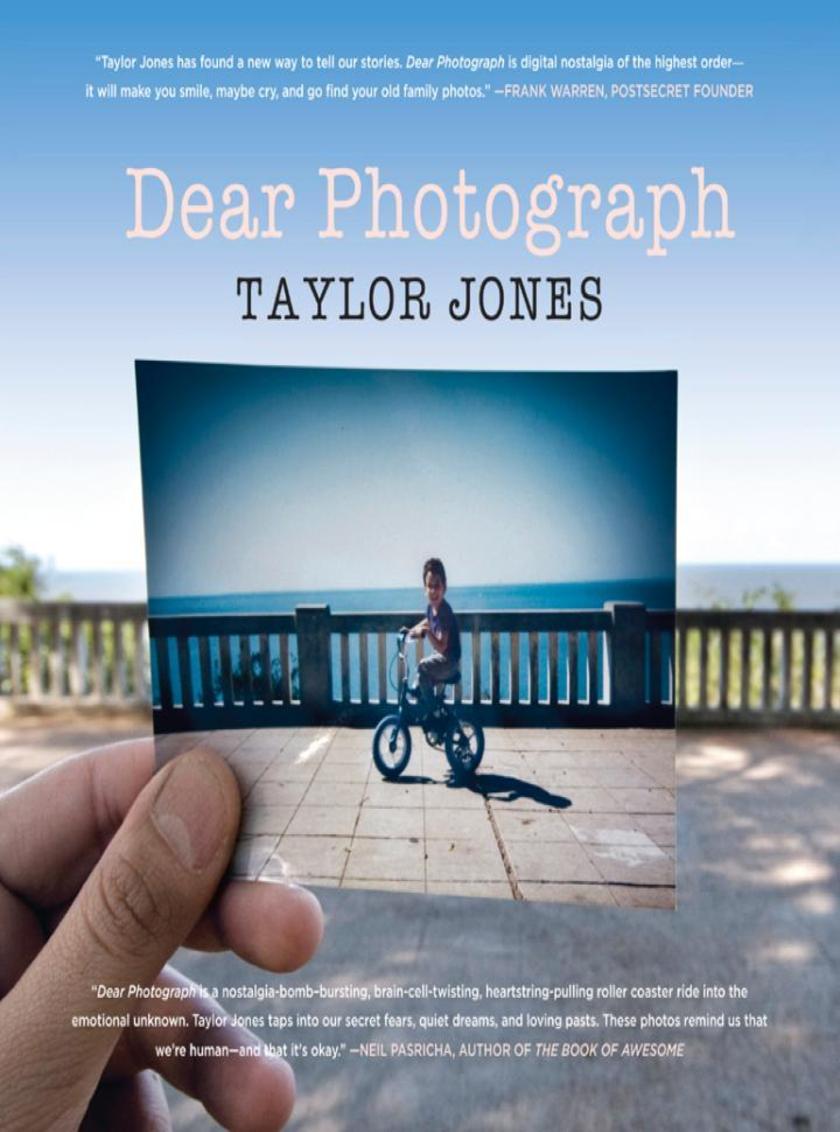
Dear Photograph
¥147.48
We all have moments we wish we could relive. We'd give anything to skid down the toboggan hills of our youth, to breathe in the smell of our children as babies, or to spend just one more minute with someone we've lost. Dear Photograph provides a way to link these memories from the past to the present, overlapping them to see how the daydreams of our memories collide with our current realities.The idea is simple: hold up a photograph from the past in front of the place where it was originally taken, take a second photograph, and add a sentence of dedication about what the photograph means to you. The results, however, are astounding, which is why millions have flocked to dearphotograph.com and thousands have submitted their own Dear Photographs.This stunning visual compilation includes more than 140 never-before-seen Dear Photographs, as well as a space for you to attach your own cherished photo. By turns nostalgic, charming, and poignant, Dear Photograph evokes childhood memories, laments difficult losses, and, above all, celebrates the universal nature of love.

Jewish Holidays
¥149.48
The coeditor of the enormously popular Jewish Catalog "help[s] readers understand more fully the meaning of our holidays and thereby to observe these festivals . . . with a greater devotion and joy."--Rabbi Alexander M. Schindler

The Opposite Of Spoiled: Raising Kids Who Are Grounded, Generous, And Smart Abou
¥90.51
We may not realize it, but children are hyperaware of money. They have scores of questions about its nuances that parents often don't answer, or know how to answer well. But for Ron Lieber, a personal finance columnist and father, good parenting means talking about money with our kids much more often. When parents avoid these conversations, they lose a tremendous opportunity not just to model important financial behaviors, but also to imprint lessons about what their family cares about most.Written in a warm, accessible voice, grounded in real-world stories from families with a range of incomes, The Opposite of Spoiled is a practical guidebook for parents that is rooted in timeless values. Lieber covers all the basics: the best ways to handle the tooth fairy, allowance, chores, charity, savings, birthdays, holidays, cell phones, splurging, clothing, cars, part-time jobs, and college tuition. But he also identifies a set of traits and virtues like modesty, patience, generosity, and perspective that parents hope their young adults will carry with them out into the world.In The Opposite of Spoiled, Ron Lieber delivers a taboo-shattering manifesto that will help every parent embrace the connection between money and values to help them raise young adults who are grounded, unmaterialistic, and financially wise beyond their years.
13 Things Mentally Strong People Don't Do
¥151.53
The Ultimate Guide to Mastering Your Mental StrengthEveryone knows that regular exercise and weight training lead to physical strength. But how do we strengthen ourselves mentally for the truly tough timesAnd what should we do when we face these challengesOr as psychotherapist Amy Morin asks, what should we avoid when we encounter adversityThrough her years counseling others and her own experiences navigating personal loss, Morin realized it is often the habits we cannot break that are holding us back from true success and happiness. Indulging in self-pity, agonizing over things beyond our control, obsessing over past events, resenting the achievements of others, or expecting immediate positive results holds us back. This list of things mentally strong people don't do resonated so much with readers that when it was picked up by Forbes.com it received ten million views.Now, for the first time, Morin expands upon the thirteen things from her viral post and shares her tried-and-true practices for increasing mental strength. Morin writes with searing honesty, incorporating anecdotes from her work as a college psychology instructor and psychotherapist as well as personal stories about how she bolstered her own mental strength when tragedy threatened to consume her.Increasing your mental strength can change your entire attitude. It takes practice and hard work, but with Morin's specific tips, exercises, and troubleshooting advice, it is possible to not only fortify your mental muscle but also drastically improve the quality of your life.
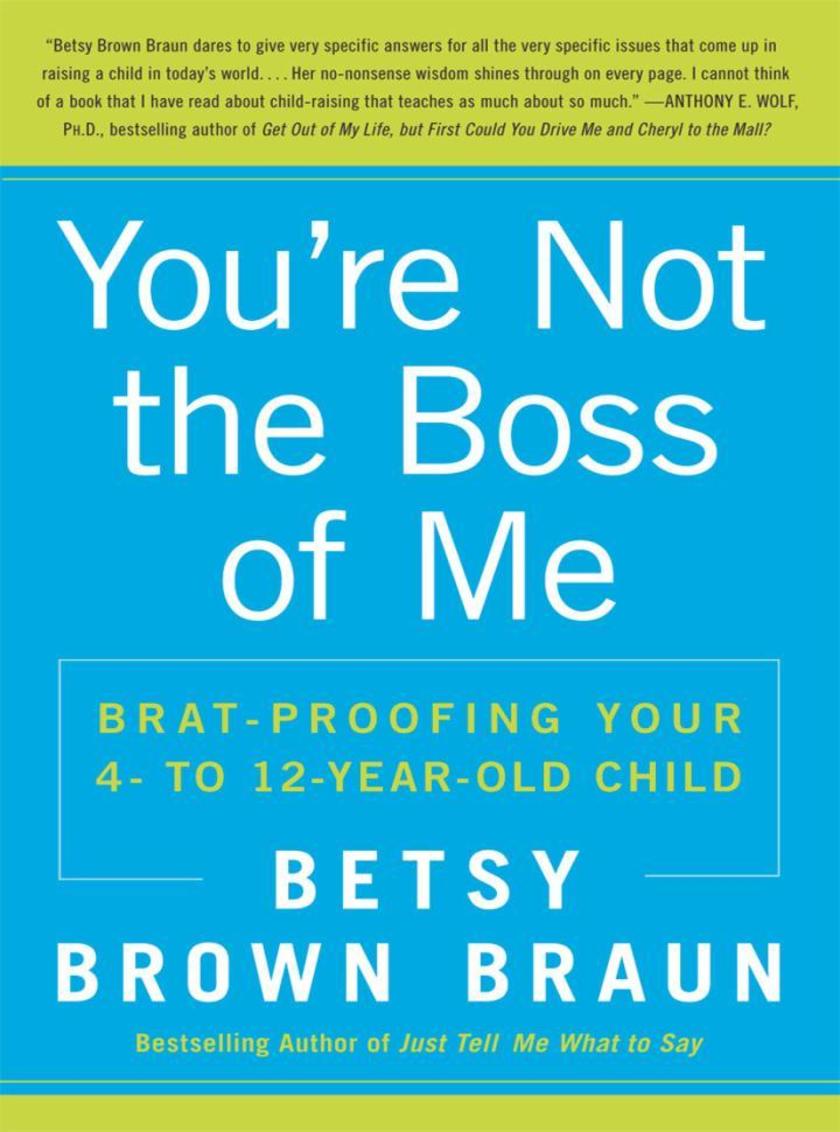
You're Not the Boss of Me
¥88.56
"Save me! My child is acting like a brat!"What parent hasn't thought her child was a brat at one point or anotherWhether your child really is a brat, is at risk of becoming one, or is simply trying to grow up in a world filled with temptations and distractions, you'll love this book! It's the ultimate hands-on guide to cultivating character traits that are tried-and-true "bratbusters." Full of no-nonsense, practical "Tips and Scripts," You're Not the Boss of Me offers just the help you need to deal with many of the more challenging behaviors typical of four- to twelve-year-olds. With Betsy Brown Braun's humorous, supportive, and authoritative voice as a guide, navigating some of the most exasperating aspects of these formative years with confidence and laying the groundwork for your child's future just got a whole lot easier! It's All Here What to Say and Do to Help Your Child: Get Over the Gimmes Tell the Truth Be Self-Reliant Develop Empathy Show Gratitude Be Respectful Take Responsibility Be Independent Exercise Humor and Not Be Spoiled!
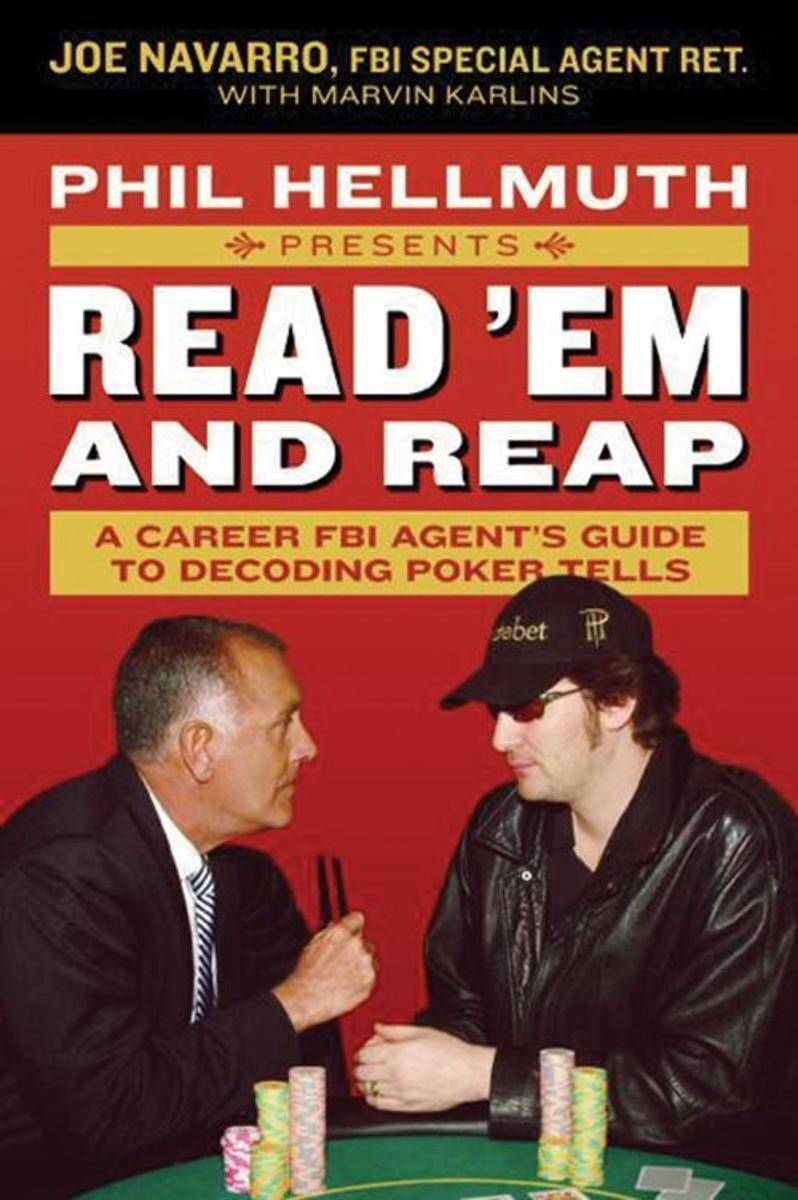
Phil Hellmuth Presents Read 'Em and Reap
¥106.31
very great player knows that success in poker is part luck, part math, and part subterfuge. While the math of poker has been refined over the past 20 years, the ability to read other players and keep your own "tells" in check has mostly been learned by trial and error.But now, Joe Navarro, a former FBI counterintelligence officer specializing in nonverbal communication and behavior analysis or, to put it simply, a man who can tell when someone's lying offers foolproof techniques, illustrated with amazing examples from poker pro Phil Hellmuth, that will help you decode and interpret your opponents' body language and other silent tip-offs while concealing your own. You'll become a human lie detector, ready to call every bluff and the most feared player in the room.

Mysteries of the Dark Moon
¥106.61
Exploring the mystery, wisdom, and power of the dark phase of the moon's cycle--a lunar-based model for moving through the dark times in our lives with understanding, consciousness, and faith in renewal.The moon's dark phase has traditionally been a time of fear and superstition, a time associated with death and isolation. The mythical embodiment of these fears is the Dark Goddess. Known around the world by many names--Lilith, Kali, Hecate, and Morgana--the archetypal Dark Goddess represents death, sexuality, and the unconscious--the little understood, often feared aspects of life.Demetra George combines psychological, mythical, and spiritual perspective on the shadowy, feminine symbolism of the dark moon to reclaim the darkness from oppressive, fear-based images. George offers rites for rebirth and transformation that teach us to tap into the power of our dark times, maximizing the potential for renewal inherent in our inevitable periods of loss, depression, and anger.

A Year with Aslan
¥151.10
For more than fifty years, the world C. S. Lewis created in Narnia has captured our hearts and imaginations. Both children and adults have discovered that rereading the books leads to entirely new experiences and insights. In the midst of these breathtaking stories of adventure, betrayal, and discovery in a magical land are profound messages about the true meaning of life. Whether it is Eustace struggling with his dragon skin, Digory debating obedience to Aslan versus saving his mother, or Edmund facing his shame after his rescue from the White Witch, the questions and dilemmas facing the characters are surprisingly relevant to us today. By pondering the world of Narnia, we better understand our own.In the first book of its kind, A Year with Aslan offers 365 of the most thought-provoking passages from all seven books, paired with reflective questions that get at the heart of what matters most. An unprecedented way to experience the magic of Narnia every day of the year, A Year with Aslan allows us all to go "Further up and further in!"
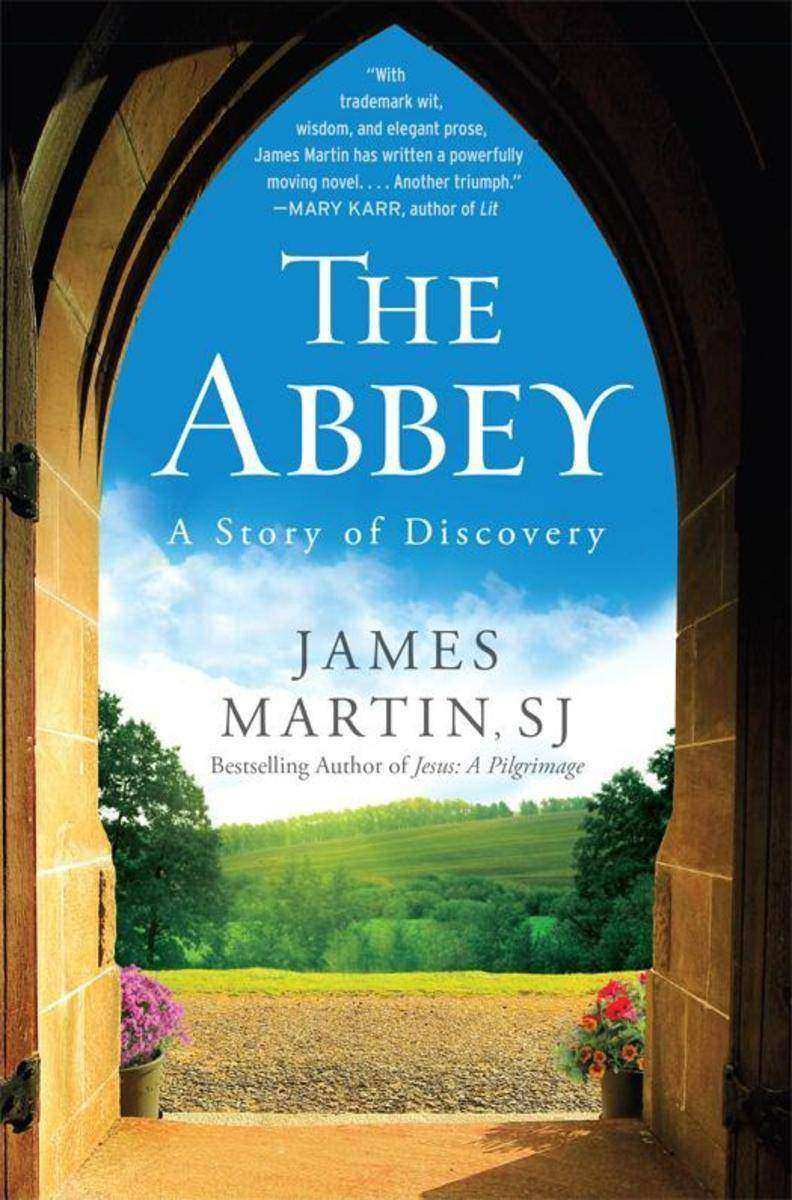
The Abbey
¥83.92
A divorced single mom, Anne can sometimes barely cope with life and struggles to make sense of the death of her young son.A former architect who had a promising career, Mark works as a handyman and wonders how his life got off track.The abbot of the Abbey of Saints Philip and James, Father Paul sometimes questions how to best live a life that secludes him so thoroughly from the world.At a Pennsylvania abbey, this unlikely trio will discover the answers they seek a miracle of hope and understanding that bears witness to the surprising power of God to bring healing and wholeness to our lives.In his debut novel, James Martin, SJ, provides a window into the spiritual journeys of three people seeking direction. As he did in his previous bestsellers Jesus: A Pilgrimage, Between Heaven and Mirth, and The Jesuit Guide to (Almost) Everything Martin once again crafts a book that incarnates deep spiritual wis-dom while being accessible and full of humor and grace. Through the characters' struggles, we see firsthand how God uses our worries, questions, and even anger to help us become whole.
Raising Twins
¥112.23
Raising Twins guides you through the physical, emotional, and cognitive developmental differences and challenges specific to twins. Straightforward and reassuring, this book addresses the key issues that impact twins from babyhood all the way through adolescence: Sharing and comparisons Competition and rivalry The "secret language" of twins The good twin/bad twin myth Teen-specific issues like dating and applying for college And much more including lively, candid discussions with twins and their parents
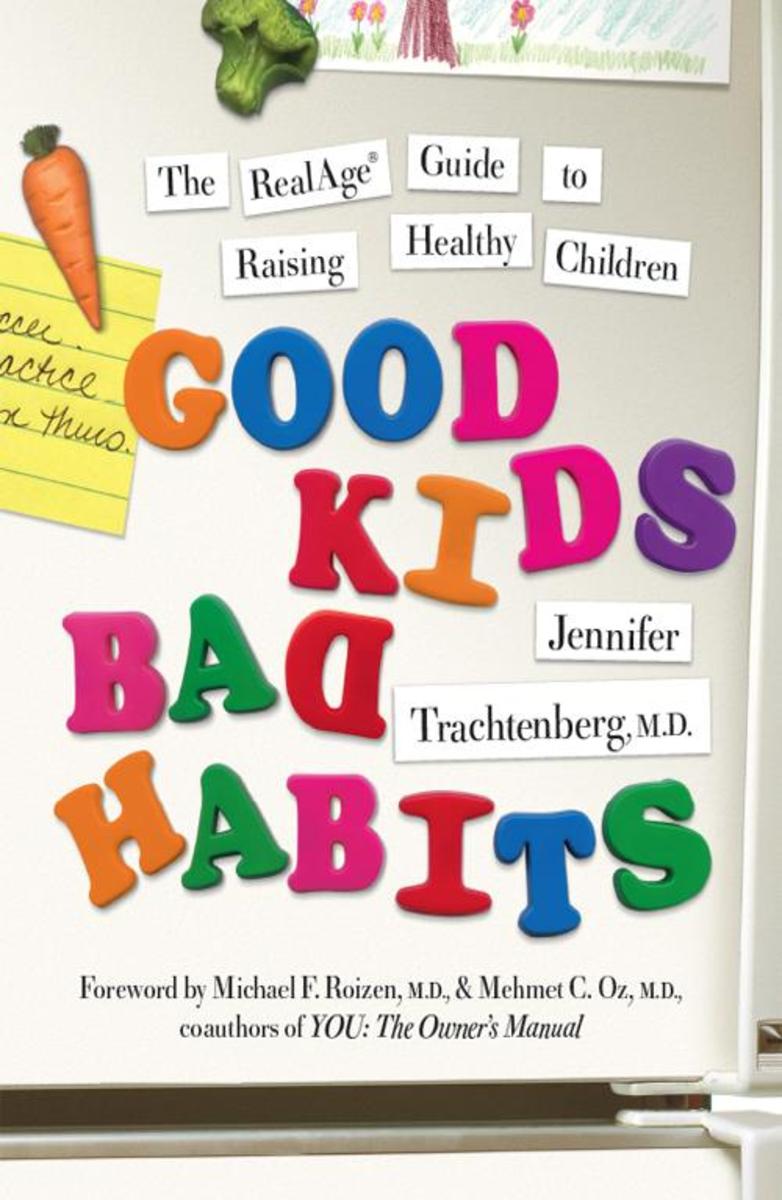
Good Kids, Bad Habits
¥129.07
When kids start going on TV binges or devouring fistfuls of cookies, it's easy to say, "They'll grow out of it." More likely, they're acquiring bad habits that could lead to childhood obesity and chronic adult diseases, from diabetes and depression to heart trouble and osteoporosis. But by making simple changes now, you can help your children avoid these problems later. Good Kids, Bad Habits supplies the tools you need, starting with the unique RealAge Healthy Kids Test. Based on the proven RealAge Test, which measures biological not calendar age, the Healthy Kids Test reveals where children are doing fine and where they're headed for health trouble. Regardless of the problem from sleeplessness to video-game addiction Dr. Jen has seen and solved it all, working with parents and kids together. Her insightful tips, preventive steps, and kid smarts, learned from working with thousands of children, make this book invaluable. It will help your kids grow into the healthiest adults they can be while still allowing them to be kids.


