


 购物车
购物车 个人中心
个人中心

An Agenda for Britain
¥44.24
In The Importance of Being Earnest what Lady Bracknell said of Ernest’s loss of both his parents could also be said about the losing of elections. If the loss of one election is unfortunate, and two careless, then three is reckless, four criminal, and to lose five in succession might well prove fatal. This chapter looks at the reasons for Labour’s losing streak. It considers whether the Party is now so enfeebled that it will be unable to win again, unless it offers an electoral reform which will ensure that it is unlikely ever to form a one-party government again. The promise of electoral reform must be accompanied by the most fundamental changes in the Party’s constitution if Labour is to continue to be a serious political force.

The Mills & Boon Modern Girl’s Guide to:Happy Hour:How to have Fun in Dry Januar
¥51.50
Ada Adverse was brought up in a deeply puritanical household where looking at a cake or using words containing more than one vowel were considered decadences punishable by a night in the coal cellar. But at fifteen she ran away from home and is now the world’s leading authority on Having Fun, which is definitely an actual job, she has ‘Fungineer’ printed on her business cards to prove it, though in retrospect she should have been more clear that this does not mean she specialises in mushrooms. Ada’s hobbies include topiary, mazes, homing pigeons, flea circuses, forming imaginary bands in her head, embalming things, tattoos, pylons, and the films of Billy Wilder. Ada’s dislikes include predatory mcaws, getting out the wrong side of the bed, collections of masks, and porcelain dolls with realistic teeth.

Travels in an Old Tongue: Touring the World Speaking Welsh
¥65.24
Pamela Petro has been educated at Brown, Paris and Harvard Universities; in 1983 she went to the University of Wales at Lampeter for the first time, to do her MA, returning in 1992 for intensive instruction in the Welsh language. She has since taught Welsh and travel writing in the USA. She regularly contributes to the New York Times Travel Section and to Planet, and has compiled a guide to New England. This is her first ‘real’ book. She has, by the way, no Welsh blood.
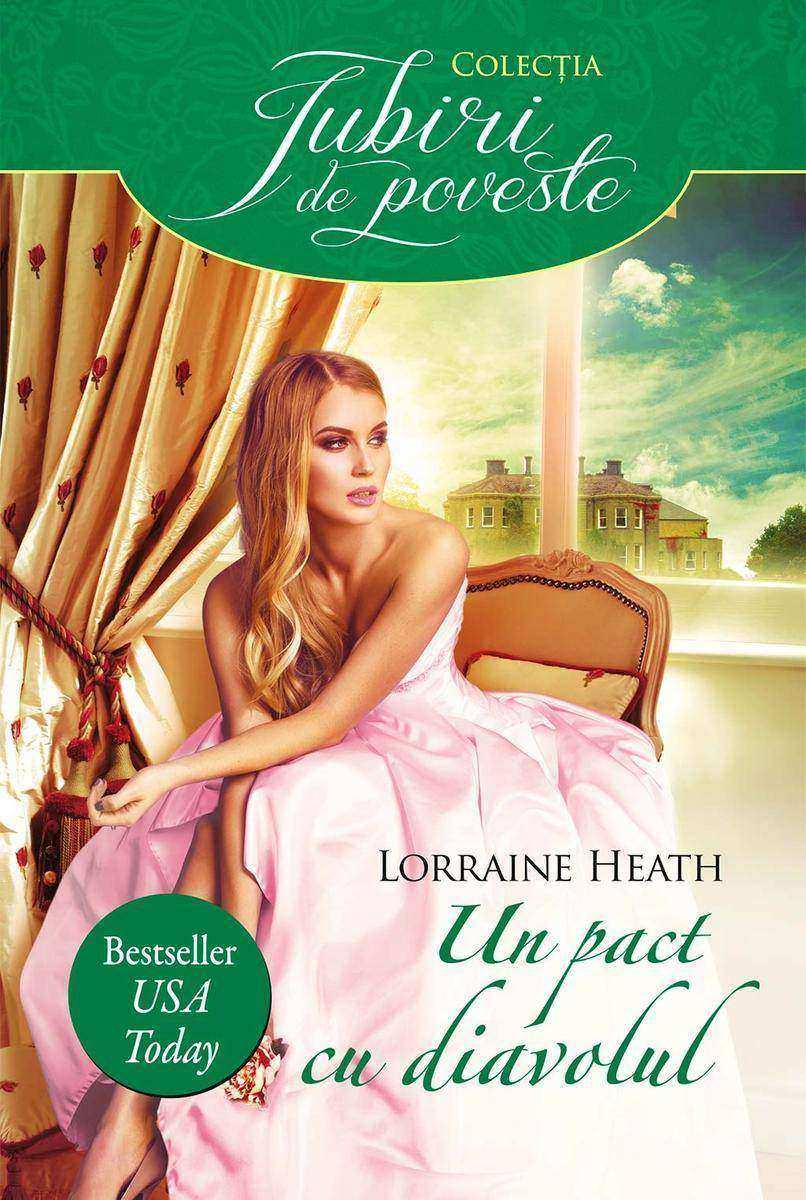
Un pact cu diavolul
¥7.36
A fost poreclit Contele Diavol – un b?rbat cu spirit nesupus, acuzat de crim?, crescut pe str?zile periculoase ale Londrei ?i care nu-?i mai aminte?te nimic despre trecutul lui. Orice domni?oar? bine educat? ?tie c? risc? mai mult dec?t reputa?ia atunci c?nd ??i asociaz? numele cu frumosul Lucian Langdon, ?ns? Lady Catherine Mabry nu are alt? solu?ie. Ar face orice pentru a-i proteja pe oamenii pe care ?i iube?te… chiar ?i s? ajung? la o ?n?elegere cu ?nsu?i diavolul. Lucian vrea s? fie respectat ?i, mai presus de asta, ??i dore?te o so?ie. Problema este c? aleasa lui nu cunoa?te eticheta pe care trebuie s? o respecte ?n mijlocul aristocra?iei ?i nu e acceptat? de ?nalta societate. Catherine ?l poate ajuta pe Lucian s? dob?ndeasc? tot ce-?i dore?te. Dar pre?ul pe care ?l cere ea ?n schimb le poate pune chiar vie?ile ?n pericol. Atunci c?nd primejdia le d? t?rcoale, cei doi se descoper? cu adev?rat: Lucian se dovede?te a fi un b?rbat incredibil de pasional, iar Catherine, o femeie de un curaj nem?surat. Pe m?sur? ce ies la iveal? secrete din trecutul lui ?ntunecat, Lucian ajunge s? pun? sub semnul ?ntreb?rii toate lucrurile pe care le considera adev?rate, inclusiv dorin?ele propriei inimi.

Cuando el amor es una mala palabra
¥15.18
Cuando el amor es una mala palabra es una antología poética que reúne setenta y cinco expresiones de sentimiento escritas por mí desde los inicios del a?o 2008.En Cuando el amor es una mala palabra he plasmado diversas situaciones, reales o imaginarias. Mi única intención es que el lector se transporte a un mundo de muchas historias, en el cual tendrá una total libertad para interpretarlas.Las palabras incluidas en cada una de estas letras no pretenden discriminar. Están ordenadas de la manera como el amor hace lo suyo, con picos y abismos, cuando empieza, cuando se cruza con la desilusión y el dolor, y cuando termina con el deseo de renacer e intentarlo una vez más.Entonces, mejor es dejar que ellas mismas se presenten con su historia.

10 Receitas saudáveis para você ser fit
¥8.18
Quer entrar na academia e conquistar aquele corpito jóia?Muito bom! Exercícios físicos s?o fundamentais para alcan?ar a boa forma; mas, se você n?o se alimentar direito, vai gastar tempo (e dinheiro!) à toa na academia.Aprenda a preparar 10 receitas saudáveis para você ter uma alimenta??o leve e nutritiva; e assim, otimizar a sua vida fitness.

Вдох-выдох:Сборник рассказов
¥15.18
Вдох-выдох — это второй сборник рассказов Ирены Яновой. Первый сборник,Магические книги Невилов, вышел под псевдонимом Ирина Иванова в 2014 году. Знаете ли вы, кто такие энергетические вампиры и что они делают с накопленной энергией В рассказе Вдох-выдох, который дал название сборнику, автор предложила свою версию жизни такого человека. Рассказ Посылка поведает вам о том, что судьбу иногда определяет случай, а 23 реальность о любви. Причем о любви в другой реальности, где ты проживаешь иную жизнь, с другим человеком, с другой любовью. Эхо вселенной — лирический рассказ о космосе и о зарождении чувства на громадном расстоянии. Как помочь девушке, если знаешь, что с ней может приключиться беда Необычный герой, необычный способ помощи и судьба, которая не оставляет влюбленных. А что может произойти, если ваше сознание случайно осталось в вашем клоне Рассказ Человек, которого нет раскроет возможный вариант развития событий. Издательство Animedia Company желает вам приятного чтения.

His First His Second:An Alicia Friend Investigation: An Alicia Friend Investigat
¥0.01
Meet Detective Sergeant Alicia Friend. She’s nice. Too nice to be a police officer, if she’s honest. Now assigned to DI Donald Murphy’s team, the annoyingly-perky detective finds herself in the grip of a northern British winter, investigating the kidnap-murders of two young women - both strikingly similar in appearance. When a third is taken, they have less than a week to chip away the secrets of a high-society family, and uncover the killer’s objective. But Richard - the father of the latest victim - believes the police are not moving quickly enough, so launches a parallel investigation, utilising skills honed in a dark past that is about to catch up with him. As Richard’s secret actions hinder the police, Alicia remains in contact with him, and even starts to fall for his charms, forcing her into choices that will impact the rest of her life. For a chilling serial killer thriller with a quirky main character, pick up His First His Second today! ??? Reviews CrimeFictionLover.com “An intriguing mix of police procedural and serial killer thriller, that will tease, involve and unnerve you. An entertaining and intriguing debut.” Undercover Book Reviews: “Want a book with twists and turns? This is the one. It will not disappoint.” AUTHOR Q&A Q: Alicia Friend is kind of an oddball, isn’t she? A: I’d say she’s unique. She knows who she wants to be and she doesn’t compromise, but most police officers she meets are dour and grumpy, and she sees how that impacts their personal lives. She doesn’t want to be as hard-nosed as many women sleuths in fiction, so radiates the sort of perkiness that sometimes grates on her fellow officers. But it’s who she is. Q: Despite having a quirky woman sleuth as main character, the novel goes to some dark places. A: Yes. I found that at one point I was trying to include ALL my research, and I’m really aiming for a thrill ride as much a straight police procedural. I originally included the sort of forensic details you get with Patricia Cornwell or Kathy Reichs, but it wasn’t right for this book. I keep it as accurate as possible, but it’s about the characters and how they uncover secrets, both externally and within the police. Q: So who is your ideal reader? A: Fans of serial killer books in general. If you like James Patterson, PJ Tracy or Steven James, Mark Billingham or Ian Rankin, Alicia Friend’s series could be worth checking out. Q: What levels of violence and bad language are there? A: Some of the violence is graphic, but the language … that goes as strong as references to one’s posterior and some faecal synonyms, if you get my meaning. No “F” or “C” words, as I don’t think Alicia’s audience appreciates that. Q: And how, exactly, do you come up with a character like Alicia? A: She is based on a real person. But very loosely. The essence is there, although I had to invent certain aspects for dramatic effect. The parts from real life are: a ditzy, perky outer shell, yet possesses a fierce intelligence, true dedication, and being brilliant at her job. Q: So the real Alicia Friend isn’t a serving police officer? A: No, she isn’t. And if she was, I certainly wouldn’t say so here. Alicia Friend Books In Order: His First His Second In Black In White With Courage With Fear A Friend in Spirit To Hide To Seek (novella for summer 2018)

Rebel Faerie
¥40.79
The fae world’s biggest secret has been revealed … Having escaped an Unseelie prince and a world of shadows, Emerson and Calla are now hunted by the Guild of Guardians. On the run, constantly trying to remain one step ahead, they must figure out how to find and rescue everyone the Guild has taken from them. Then, in an unprecedented move, Unseelie Prince Roarke breaks the fae realm’s most important rule. Now two worlds stand on the brink of war. Caught in the middle between guardians and Prince Roarke’s forces, Em knows her Griffin Ability is powerful enough to stop them both. But as she masters control of her unique magic, Em is confronted with a question: how far is too far when you possess the kind of power she was born with? Can she step back from the line that shouldn’t be crossed, or will she end up losing herself before finding those she loves? Join Emerson and her companions in this race to save two worlds and the people they love in the final Creepy Hollow adventure!

Сказки про детей. Продолжение Иллюстрированное издание
¥15.18
Представляем вам второй том полюбившихся многим ?Сказок про детей? от Алексея Лукшина, автора, уже известного вам по ?Сказкам Дружного леса?. Главные герои книги — дети, которые попадают в иногда забавные, а иногда и сложные ситуации, делая из них правильные выводы и усваивая важные жизненные уроки. Издательство Animedia Company желает вам приятного чтения.
Out of the Fog Moving from Confusion to Clarity After Narcissistic Abuse
¥81.67
Lying. Cheating. Manipulating.?Will they ever change??What will it take to get through to them??They apologized, but will this time be different...or will they just get better at hiding what they are up to??This book will help you get out of the fog of confusion and into the clarity that you are looking for.?FOG is an acronym that stands for "Fear, Obligation, and Guilt." These three emotions are often at the core of manipulation, and are often how narcissists, sociopaths, and other types of emotional manipulators go about controlling their targets.?However, this type of destructive manipulation isn't just limited to narcissists and sociopaths.?There is no shortage of people with well-intended bad advice out there who unintentionally fall into the FOG as well, and push targets of abuse into keeping the relationship going.?The FOG is one of the main reasons that people stay "stuck" in abusive relationships for so long, why they continue to get involved with abusive people, why they feel that they are the problem, and why they tend to feel that the abuse is somehow their fault.?When a person is being manipulated they have a hard time figuring out who has the problem, what is normal, what is problematic, and if their wants, needs, and feelings are valid. The disasterous effects of being lost in the FOG are confusion, crazymaking, people pleasing, and an erosion of boundaries.?What makes this well-intended bad advice so damaging is that, on the surface, it seems like good advice--especially if it's coming from people who seem to have our best interests in mind, such as friends, family, church members, support group members, or a therapist.?Some examples of this well-intended bad advice that comes from other people is:?"Who are you to judge?" "No one is perfect." "You need to forgive them." "She's your mother, you need to have a relationship with her...she's not getting any younger you know." "Commitment is forever."?What can be so crazymaking for targets is that they are often getting two very different messages. On one hand, they are told that they need to work towards a solution, and on the other, they are told that need to leave a partner who lies, cheats, steals, hits, yells, or belittles them.?This book compares and contrasts of these concepts so that targets of any type of manipulation and abuse can make a more empowered decision.?Some of the concepts covered are:?Who are You to Judge vs. Being DiscerningNo One is Perfect vs. Tolerating AbuseYou Need to Forgive Them vs. Keeping Yourself SafeA Parent vs. A PredatorCommitment vs. CodependencySelf-love vs. SelfishnessA Person Acting the Part vs. A Person Actually ChangingGut Instincts vs. HypervigilanceA Friend vs. Someone Being FriendlyCaring vs. CaretakingBeing in Love With Them vs. Being in Love With Who They Pretended to BeWorkable Behavior vs. Deal BreakersAcceptance vs. AllowanceGoing Through So Much Together vs. Being Put Through So Much By ThemSincerity vs. IntensityHealthy Bonding vs. Trauma BondingInsincere Remorse vs. Sincere RemorseReacting vs. Responding...and many more.

Uma prova de amor
¥8.99
Até onde você iria por quem você ama?Um casal de noivos vai ao cinema no shopping. Na saída, o casal é seqüestrado por um estranho homem que n?o pede dinheiro e nem outro tipo de resgate. Ele apenas deseja fazer um jogo!E para salvar o seu noivo, Melissa terá que dar a maior prova de amor de sua vida.
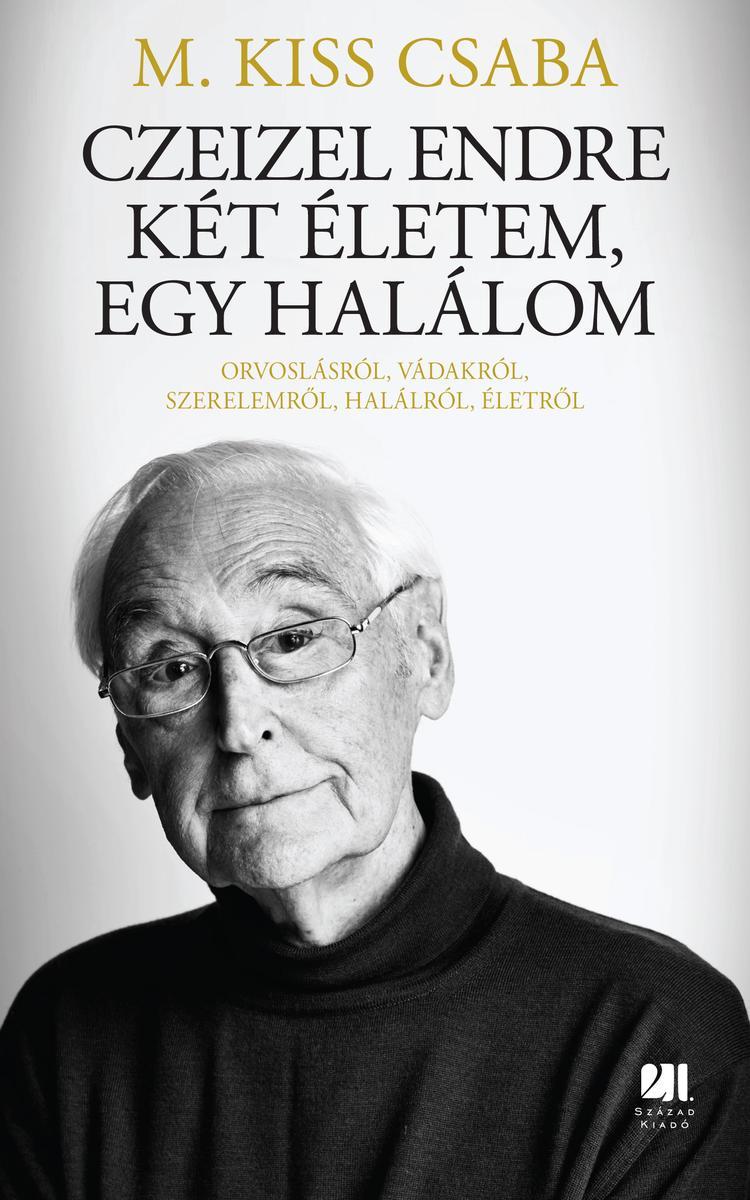
Czeizel Endre Két életem, egy halálom
¥79.95
Aki a halállal néz farkasszemet, nem akar sem szépíteni, sem eltitkolni semmit. ?gy, az olvasó, aki meg akarja ?rizni magában az egyik legnépszer?bb magyar tudósról, orvosról, tévésztárról - Czeizel Endrér?l - alkotott idealizált képét, ne kezdjen bele ebbe a k?nyvbe! Mert Czeizel Endre nem az, akinek sokan hiszik. 79 évesen rákbetegsége végs? stádiumba jutott, így megkísérelte lezárni ügyeit és elbúcsúzni az ?t szeret?kt?l.
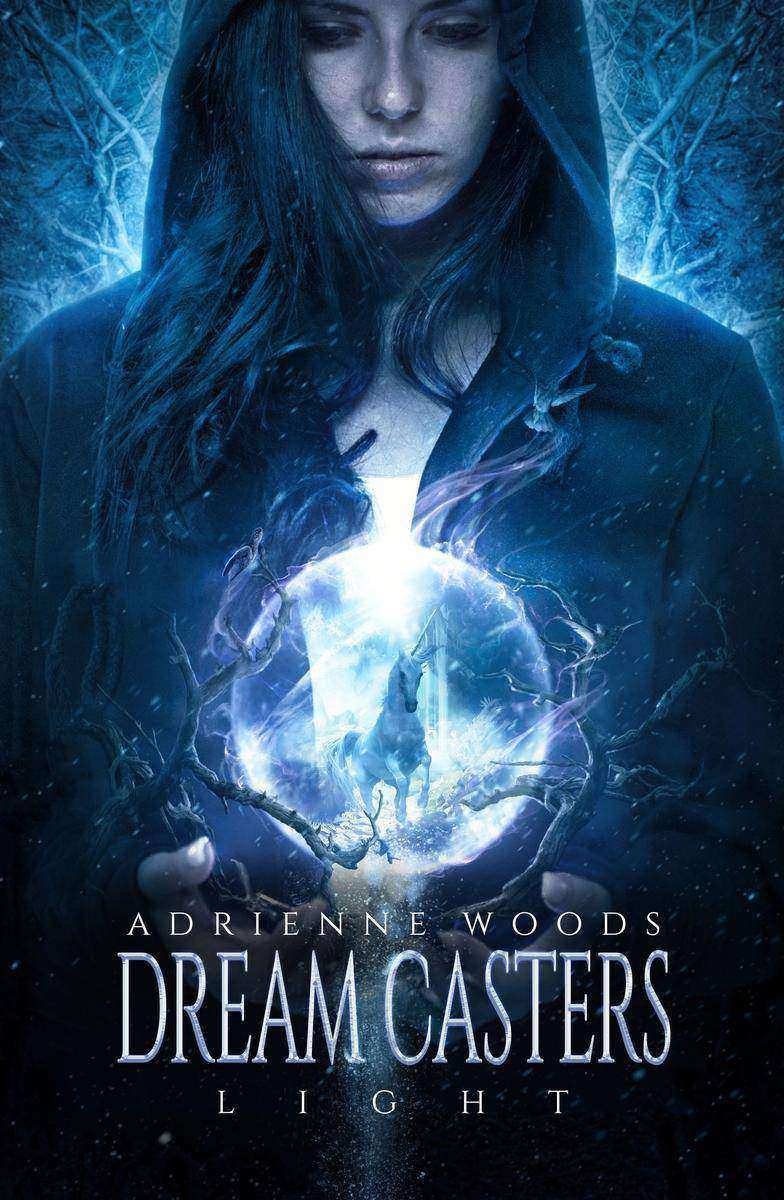
Dream Casters Light
¥0.01
Mr. Sandman, send me a dream, ta da da da.....Seventeen year old Chastity Blake knows the Sandman is just a silly children's story parents tell their children to get them to sleep. At least she thought it was, until the day a mysterious, light golden sand appeared in her hands during a high school prank that went horribly wrong. A sand that has the power to send anyone it touches into a deep, sound sleep. Fearing she had lost her mind, Chastity soon discovers the shocking truth of her heritage- she is a Dream Caster. Chastity was never supposed to be raised on the Domain, or what humans call Earth and she is forced to return to her true birth place, Revera – the world of Dreams. However, in Revera there is no balance between good, the Light Casters, and darkness, the Shadow Casters, and Chastity is caught square in the middle. She soon learns that there is no place for anyone containing both the light and the darkness within them, and the shocking truth that if anyone in Revera ever discovered her shadow self, Chastity would be thrown into the Oblivion – the world of Nightmares. Dreams are always more than they seem, and this time Chastity is going to discover just how different they can be.

Divorturile amantilor
¥53.33
Volumul 4 din seria ?Aman?ilor” ?Sunt Corina Ozon, cea care a disecat sufletul ?i min?ile aman?ilor ?i ?i i-a pus pe tav?. Cea care a ?ncercat, cu asumarea tuturor riscurilor, s? te ?nve?e s? nu judeci, s? nu fii pref?cut ?i s? accep?i s? fii fericit. Ai fost ?ocat c?nd ai v?zut limbajul din Zilele aman?ilor, realismul din Nop?ile aman?ilor ?i actualitatea din Aman?ii 3.0. Ai r?s c?nd mi-ai citit c?r?ile, poate te-ai ?ntrebat c?t e experien?? de via?? ?i c?t fantezie. C?t este refulare ?i frustrare, ?i c?t adev?r. Stau ?ntr-un glob de cristal, pe care mul?i nu-l ating, de team? s? nu se sparg? ?i s? aib? mult de lucru dup? aceea. ?tii c?t curaj am, chiar nebunesc, iar cu nebunii s? nu te pui! Am spart bariere ?i ?i-am b?gat aman?ii ?n cas?, ?n sertarul de la birou, ?n avion sau metrou. Dac? ai avut ?i tu curajul s? cite?ti, e?ti la fel de nebun. Nebun de curajos, mai ales c? le-ai spus ?i altora s? citeasc?. Lumea e mai vie, am spart borcanul cu fluturi ?i alegem s? vorbim f?r? perdea, a?a cum e via?a. Povestea se scrie odat? cu tine, acum ?i aici, iar aventura continu?. Aman?ii, c`est moi!”
The New Forest (Collins New Naturalist Library, Book 73)
¥476.96
I recall the New Forest in childhood and explored it in the 1950s. It has been my home and I have been involved in its affairs since 1960 when almost by accident I found myself working in the Nature Conservancy (since 1974 the NCC). The Forest has not been my only professional concern or research interest since then, but it has been of constant and absorbing interest. The absorption grows with time – partly because over long time spans, it becomes possible to measure and witness changes which illuminate the relationships between soils, vegetation, animals and management in ways which no short-term study can achieve; and partly because time increases rather than diminishes the degree of spiritual renewal and intellectual wonder to be derived from the familiar woods and heaths.

How to Live Like Your Cat
¥51.50
Stéphane Garner was born in Lyon in 1974. www.stephanegarnier.com

Povestea noului nume. Al doilea volum din tetralogia napolitan?
¥81.67
Al doilea volum din Tetralogia Napolitan??Indiferent cine se ascunde ?n spatele numelui Elena Ferrante, misteriosul pseudonim folosit de autoarea romanelor napolitane, dou? lucruri sunt certe: e femeie ?i ?tie s? descrie ora?ul Napoli mai bine ca oricine. Stilul ei are fine?ea unei p?nze de p?ianjen, dar totodat? o for?? a expresiei ?i o magie aparte, cu care creeaz? o ?ntreag? lume.“ Huffington Post Povestea celor dou? prietene, Lila ?i Elena, continu?. Acum sunt dou? tinere ale c?ror drumuri se despart dramatic.Pe c?nd Elena prefer? s?-?i continue studiile, Lila se m?rit?, ob?in?nd astfel o condi?ie social? ?i financiar? superioar? originilor sale modeste, dar r?m?n?nd prizonier? ?ntr-o c?snicie nefericit?.?n ciuda c?ilor diferite pe care au luat-o vie?ile lor, leg?tura dintre Lila ?i Elena r?m?ne complex? ?i intens?, iar sentimentele fiec?reia oscileaz?, pe r?nd, ?ntre nep?sare, dispre? ?i iubire reciproc? profund?.?Elena ?i Lila. Fiecare este pentru cealalt? prietena genial?: o poten?ialitate neexprimat?, un imbold ?i un repro?, un obiect al invidiei ?i un orizont al dorin?ei.“L’indice dei libri?Ferrante descrie dialogul interior feminin cu o fervoare ?ocant de sincer?, tulbur?tor de direct?.“ Booklist?O carte ce se revars? ca o erup?ie a vulcanului Vezuviu.“ La Repubblica

Trónok harca
¥86.33
A Trónok harca lebilincsel? fantasy, amely klasszikus lovagkirályságot tár az olvasó elé: Westeros f?l?tt valaha a sárkánykirályok uralkodtak, ám a Targaryen-dinasztiát 15 évvel ezel?tt el?zték, és most Robert Baratheon uralkodik h? barátai, Jon Arryn, majd Eddard Stark segítségével. A konfliktus k?zéppontjában Deres urai, a Starkok állnak. Olyanok, mint a f?ld, ahol születtek: makacs, kemény jellem? család. Szemünk el?tt h?s?k, gazemberek és egy gonosz hatalom t?rténete elevenedik meg. ?m hamar rá kell ébrednünk, hogy ebben a világban mégsem egyszer?en jók és gonoszok kerülnek szembe egymással, hanem mesterien ábrázolt jellemek bontakoznak ki el?ttünk kül?nb?z? vágyakkal, célokkal, félelmekkel és sebekkel. Martin legnagyobb er?ssége hogy meg tudja újítani, élettel t?lti fel azt a m?fajt, amit a sok populáris Tolkien-imitáció évtizedeken át klisék sorozatába fojtva ismételgetett. A t?z és jég dalának els? k?tete egy világteremt? fantasy eposz nagyszabású felütése.

Конёк-горбунок - Иллюстрированная сказка - Веселые сказки для детей
¥15.18
Конёк-Горбунок — сказка в стихах Петра Ершова с великолепными красочными иллюстрациями Виктории Дунаевой. Являясь классикой русской детской литературы, Конёк-Горбунок за многие десятилетия обрёл признание и популярность не только среди детей, но и среди взрослых. Издательство Animedia Company желает вам приятного чтения.
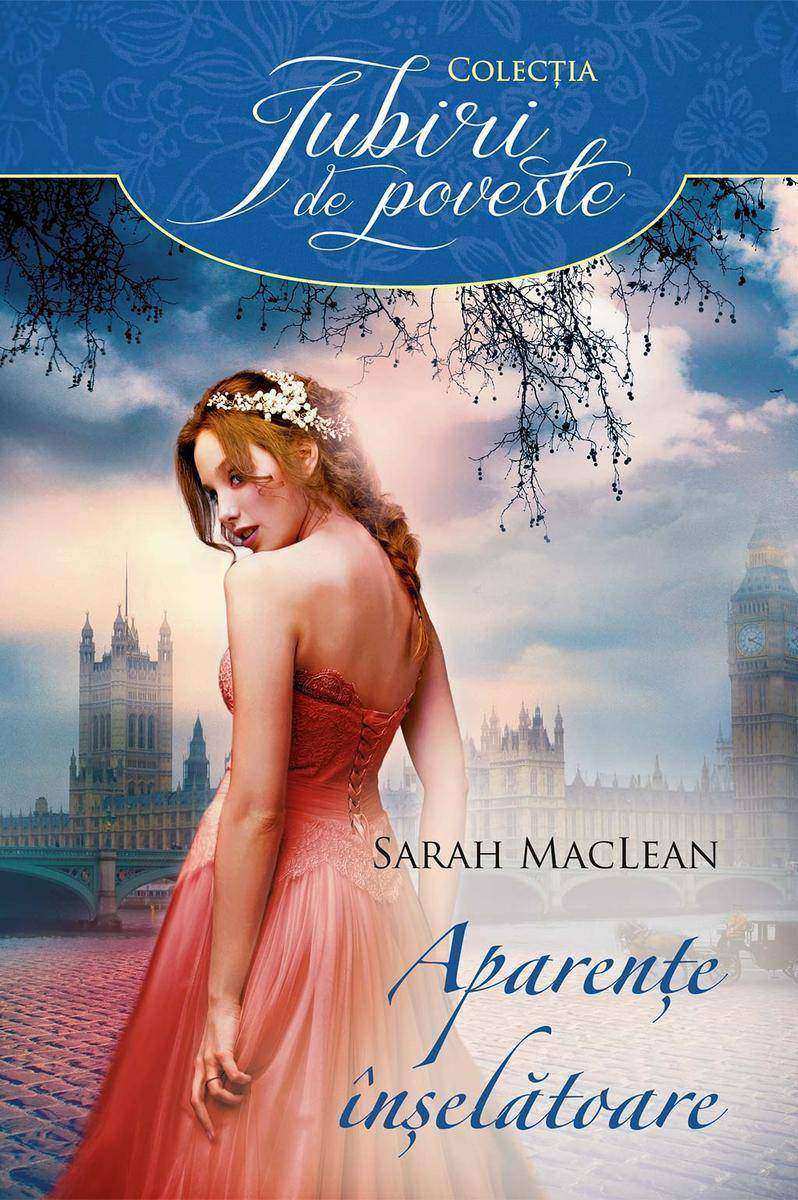
Aparen?e ?n?el?toare
¥7.36
P?n? ?i cea mai puternic? femeie din Anglia are un punct slab… Pentru ?nalta societate, este doar Lady Georgiana, sora unui duce, cu reputa?ia distrus? ?n urma celui mai groaznic scandal posibil, ?nainte de debutul ?n primul ei sezon. Dar adev?rul este mult mai ?ocant – ?n lumea ?ntunecat? a jocurilor de noroc din Londra, ea este enigmaticul Chase, unul dintre fondatorii ?ngerului C?zut, cel mai vestit cazinou din ora?. Ani la r?nd, a r?mas un mister pentru toat? lumea ?i niciodat? nu i-a fost descoperit? dubla identitate… p?n? acum. Sclipitor, tenace, tulbur?tor de chipe?, Duncan West este intrigat de frumoasa femeie cu reputa?ia p?tat? care are leg?turi de ne?n?eles cu aceast? lume a promiscuit??ii ?i p?catului. ?tie c? ea este mai mult dec?t pare ?i jur? s? descopere secretele Georgianei, dezv?luindu-i trecutul, amenin??ndu-i prezentul ?i pun?nd ?n pericol tot ce are mai drag… inclusiv inima ei. ?Aparen?e ?n?el?toare“ ?ncheie incredibila serie a lui Sarah MacLean, aflat? pe lista de bestselleruri din The New York Times, spun?nd povestea ultimului dintre fondatorii clubului ??ngerul C?zut“.


