


 购物车
购物车 个人中心
个人中心
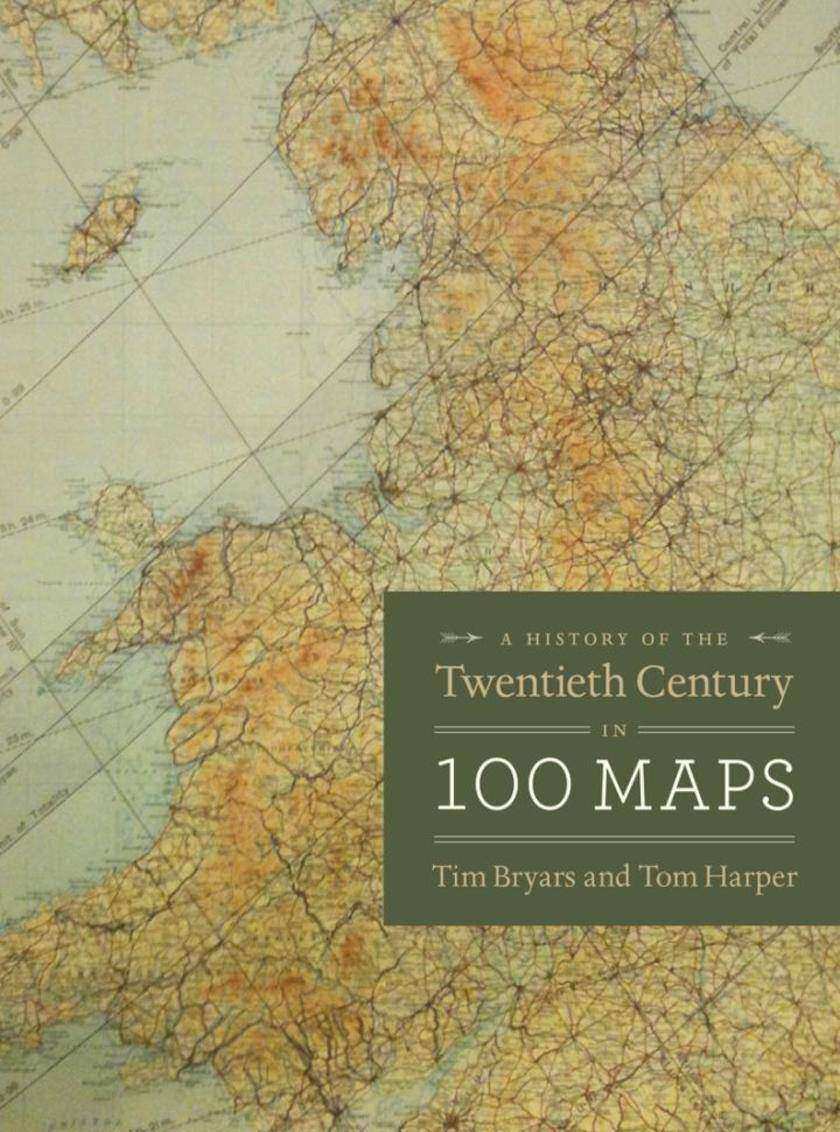
History of the Twentieth Century in 100 Maps
¥317.84
The twentieth century was a golden age of mapmaking, an era of cartographic boom. Maps proliferated and permeated almost every aspect of daily life, not only chronicling geography and history but also charting and conveying myriad political and social agendas. Here Tim Bryars and Tom Harper select one hundred maps from the millions printed, drawn, or otherwise constructed during the twentieth century and recount through them a narrative of the century's key events and developments.?As Bryars and Harper reveal, maps make ideal narrators, and the maps in this book tell the story of the 1900s-which saw two world wars, the Great Depression, the Swinging Sixties, the Cold War, feminism, leisure, and the Internet. Several of the maps have already gained recognition for their historical significance-for example, Harry Beck's iconic London Underground map-but the majority of maps on these pages have rarely, if ever, been seen in print since they first appeared. There are maps that were printed on handkerchiefs and on the endpapers of books; maps that were used in advertising or propaganda; maps that were strictly official and those that were entirely commercial; maps that were printed by the thousand, and highly specialist maps issued in editions of just a few dozen; maps that were envisaged as permanent keepsakes of major events, and maps that were relevant for a matter of hours or days.?As much a pleasure to view as it is to read, A History of the Twentieth Century in 100 Maps celebrates the visual variety of twentieth century maps and the hilarious, shocking, or poignant narratives of the individuals and institutions caught up in their production and use.
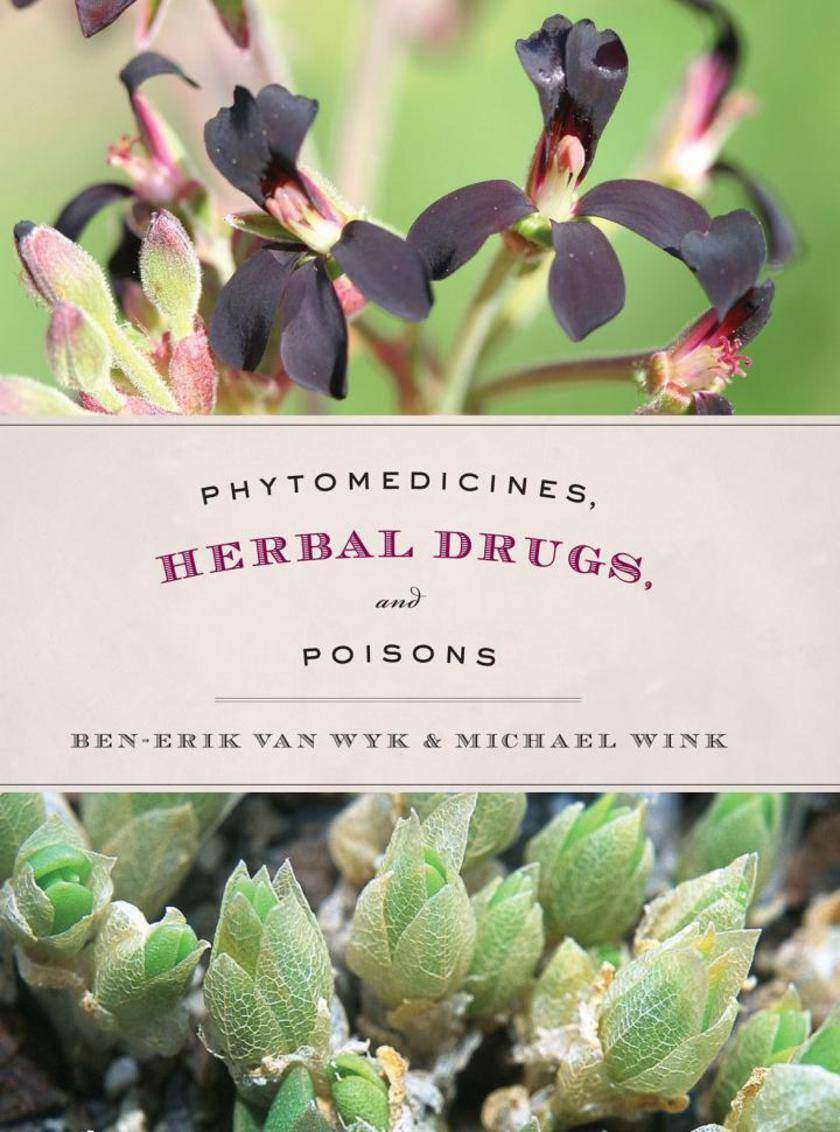
Phytomedicines, Herbal Drugs, and Poisons
¥317.84
Plants have been used to treat disease throughout human history. On a clay slab that dates back approximately five thousand years, the Sumerians recorded medicinal recipes that made use of hundreds of plants, including poppy, henbane, and mandrake. During the Middle Ages, monks commonly grew and prescribed plants such as sage, anise, and mint in their monasteries. And as the market for herbal remedies and natural medicine grows, we continue to search the globe for plants and plant compounds to combat our various ailments.?In Phytomedicines, Herbal Drugs, and Poisons, Ben-Erik van Wyk offers a richly illustrated, scientific guide to medicinal and poisonous plants, including those used for their mind-altering effects. Van Wyk covers approximately 350 species-from Aloe vera and Ephedra sinica to Cannabis sativa and Coffea arabica-detailing their botanical, geographical, pharmacological, and toxicological data as well as the chemical structures of the active compounds in each. Readers learn, for example, that Acacia senegal, or gum acacia, is used primarily in Sudan and Ethiopia as a topical ointment to protect the skin and mucosa from bacterial and fungal infections, and that Aconitum napellus, more commonly known as aconite, is used in cough syrups but can be psychedelic when smoked or absorbed through the skin. With 350 full-color photographs featuring the plants and some of their derivative products, Phytomedicines, Herbal Drugs, and Poisons will be an invaluable reference not only for those in the health care field but also for those growing their own medicinal herb gardens, as well as anyone who needs a quick answer to whether a plant is a panacea or a poison.
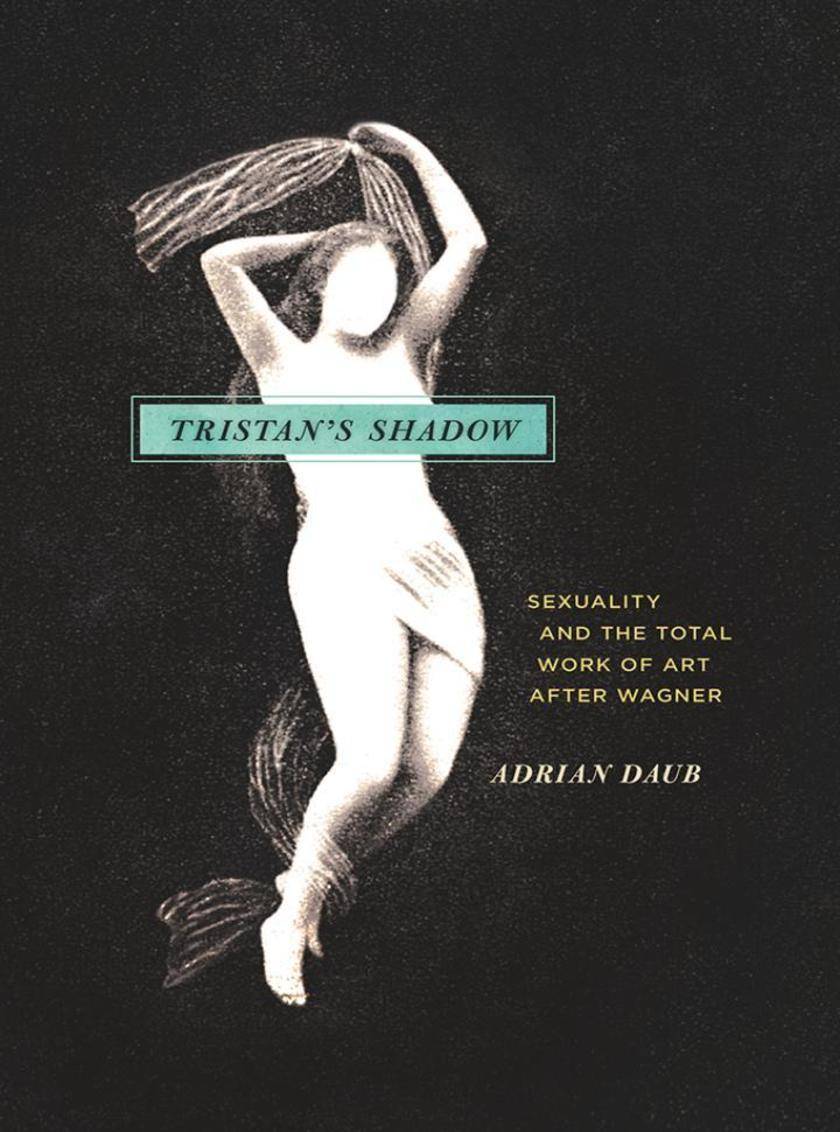
Tristan's Shadow
¥370.82
Das Rheingold, Die Walkre, and Siegfried. Parsifal. Tristan und Isolde. Both revered and reviled, Richard Wagner conceived some of the nineteenth century's most influential operas-and created some of the most indelible characters ever to grace the stage. But over the course of his polarizing career, Wagner also composed volumes of essays and pamphlets, some on topics seemingly quite distant from the opera house. His influential concept of Gesamtkunstwerk-the "e;total work of art"e;-famously and controversially offered a way to unify the different media of an opera into a coherent whole. Less well known, however, are Wagner's strange theories on sexuality-like his ideas about erotic acoustics and the metaphysics of sexual difference. Drawing on the discourses of psychoanalysis, evolutionary biology, and other emerging fields of study that informed Wagner's thinking, Adrian Daub traces the dual influence of Gesamtkunstwerk and eroticism from their classic expressions in Tristan und Isolde into the work of the generation of composers that followed, including Zemlinsky, d'Albert, Schreker, and Strauss. For decades after Wagner's death, Daub writes, these composers continued to grapple with his ideas and with his overwhelming legacy, trying in vain to write their way out from Tristan's shadow.

Victorian Scientific Naturalism
¥370.82
Victorian Scientific Naturalism examines the secular creeds of the generation of intellectuals who, in the wake of The Origin of Species, wrested cultural authority from the old Anglican establishment while installing themselves as a new professional scientific elite. These scientific naturalists-led by biologists, physicists, and mathematicians such as William Kingdon Clifford, Joseph Dalton Hooker, Thomas Henry Huxley, and John Tyndall-sought to persuade both the state and the public that scientists, not theologians, should be granted cultural authority, since their expertise gave them special insight into society, politics, and even ethics.?In Victorian Scientific Naturalism, Gowan Dawson and Bernard Lightman bring together new essays by leading historians of science and literary critics that recall these scientific naturalists, in light of recent scholarship that has tended to sideline them, and that reevaluate their place in the broader landscape of nineteenth-century Britain. Ranging in topic from daring climbing expeditions in the Alps to the maintenance of aristocratic protocols of conduct at Kew Gardens, these essays offer a series of new perspectives on Victorian scientific naturalism-as well as its subsequent incarnations in the early twentieth century-that together provide an innovative understanding of the movement centering on the issues of community, identity, and continuity.
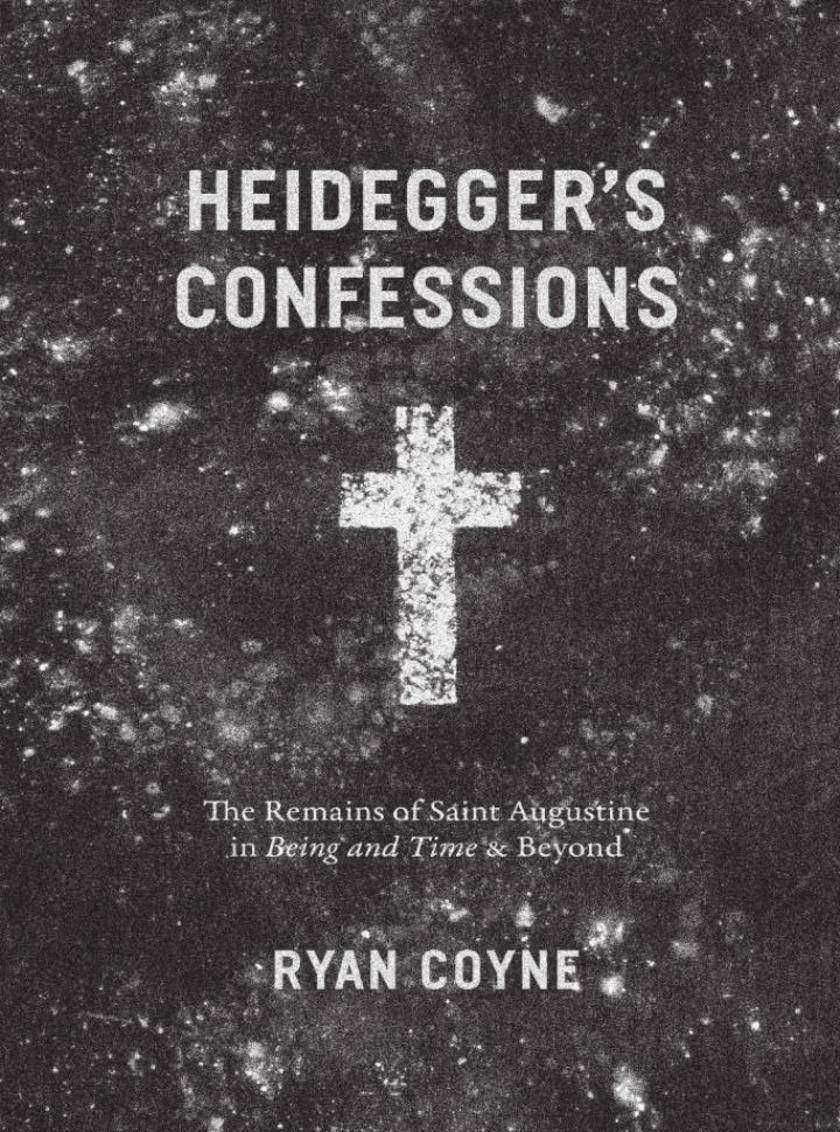
Heidegger's Confessions
¥370.82
Although Martin Heidegger is nearly as notorious as Friedrich Nietzsche for embracing the death of God, the philosopher himself acknowledged that Christianity accompanied him at every stage of his career. In Heidegger's Confessions, Ryan Coyne isolates a crucially important player in this story: Saint Augustine. Uncovering the significance of Saint Augustine in Heidegger's philosophy, he details the complex and conflicted ways in which Heidegger paradoxically sought to define himself against the Christian tradition while at the same time making use of its resources.?Coyne first examines the role of Augustine in Heidegger's early period and the development of his magnum opus, Being and Time. He then goes on to show that Heidegger owed an abiding debt to Augustine even following his own rise as a secular philosopher, tracing his early encounters with theological texts through to his late thoughts and writings. Bringing a fresh and unexpected perspective to bear on Heidegger's profoundly influential critique of modern metaphysics, Coyne traces a larger lineage between religious and theological discourse and continental philosophy.
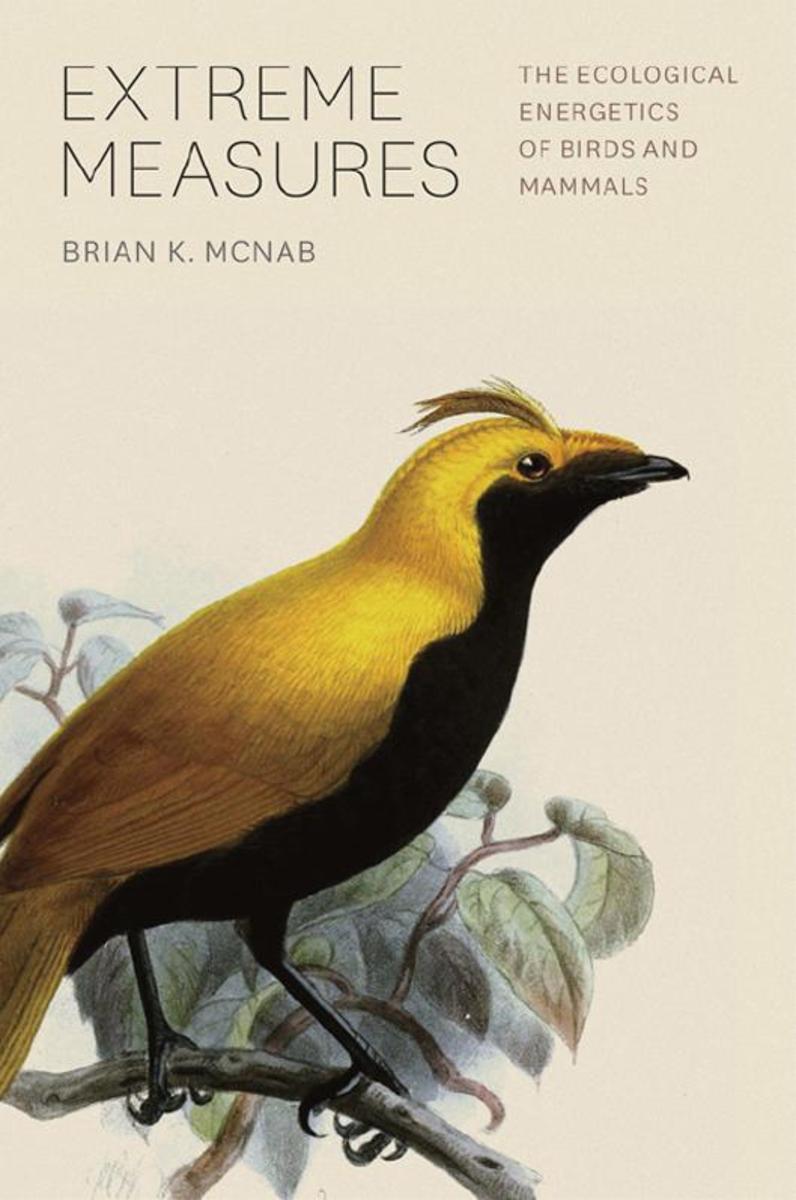
Extreme Measures
¥353.16
Along with reproduction, balancing energy expenditure with the limits of resource acquisition is essential for both a species and a population to survive. But energy is a limited resource, as we know well, so birds and mammals-the most energy-intensive fauna on the planet-must reduce energy expenditures to maintain this balance, some taking small steps, and others extreme measures.Here Brian K. McNab draws on his over sixty years in the field to provide a comprehensive account of the energetics of birds and mammals, one fully integrated with their natural history. McNab begins with an overview of thermal rates-much of our own energy is spent maintaining our 98.6?F temperature-and explains how the basal rate of metabolism drives energy use, especially in extreme environments. He then explores those variables that interact with the basal rate of metabolism, like body size and scale and environments, highlighting their influence on behavior, distribution, and even reproductive output. Successive chapters take up energy and population dynamics and evolution. A critical central theme that runs through the book is how the energetic needs of birds and mammals come up against rapid environmental change and how this is hastening the pace of extinction.
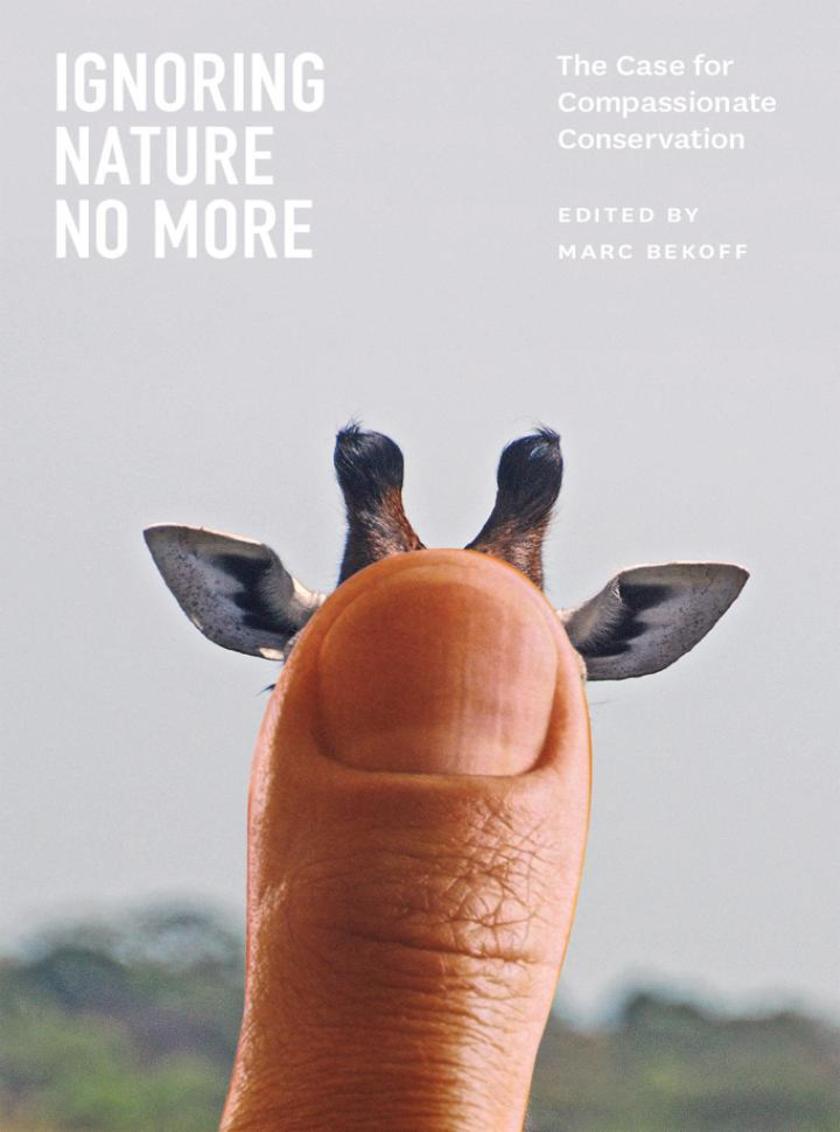
Ignoring Nature No More
¥329.62
For far too long humans have been ignoring nature. As the most dominant, overproducing, overconsuming, big-brained, big-footed, arrogant, and invasive species ever known, we are wrecking the planet at an unprecedented rate. And while science is important to our understanding of the impact we have on our environment, it alone does not hold the answers to the current crisis, nor does it get people to act. In Ignoring Nature No More, Marc Bekoff and a host of renowned contributors argue that we need a new mind-set about nature, one that centers on empathy, compassion, and being proactive.?This collection of diverse essays is the first book devoted to compassionate conservation, a growing global movement that translates discussions and concerns about the well-being of individuals, species, populations, and ecosystems into action. Written by leading scholars in a host of disciplines, including biology, psychology, sociology, social work, economics, political science, and philosophy, as well as by locals doing fieldwork in their own countries, the essays combine the most creative aspects of the current science of animal conservation with analyses of important psychological and sociocultural issues that encourage or vex stewardship. The contributors tackle topics including the costs and benefits of conservation, behavioral biology, media coverage of animal welfare, conservation psychology, and scales of conservation from the local to the global. Taken together, the essays make a strong case for why we must replace our habits of domination and exploitation with compassionate conservation if we are to make the world a better place for nonhuman and human animals alike.

On Sunspots
¥394.36
Galileo's telescopic discoveries, and especially his observation of sunspots, caused great debate in an age when the heavens were thought to be perfect and unchanging. Christoph Scheiner, a Jesuit mathematician, argued that sunspots were planets or moons crossing in front of the Sun. Galileo, on the other hand, countered that the spots were on or near the surface of the Sun itself, and he supported his position with a series of meticulous observations and mathematical demonstrations that eventually convinced even his rival.?On Sunspots collects the correspondence that constituted the public debate, including the first English translation of Scheiner's two tracts as well as Galileo's three letters, which have previously appeared only in abridged form. In addition, Albert Van Helden and Eileen Reeves have supplemented the correspondence with lengthy introductions, extensive notes, and a bibliography. The result will become the standard work on the subject, essential for students and historians of astronomy, the telescope, and early modern Catholicism.
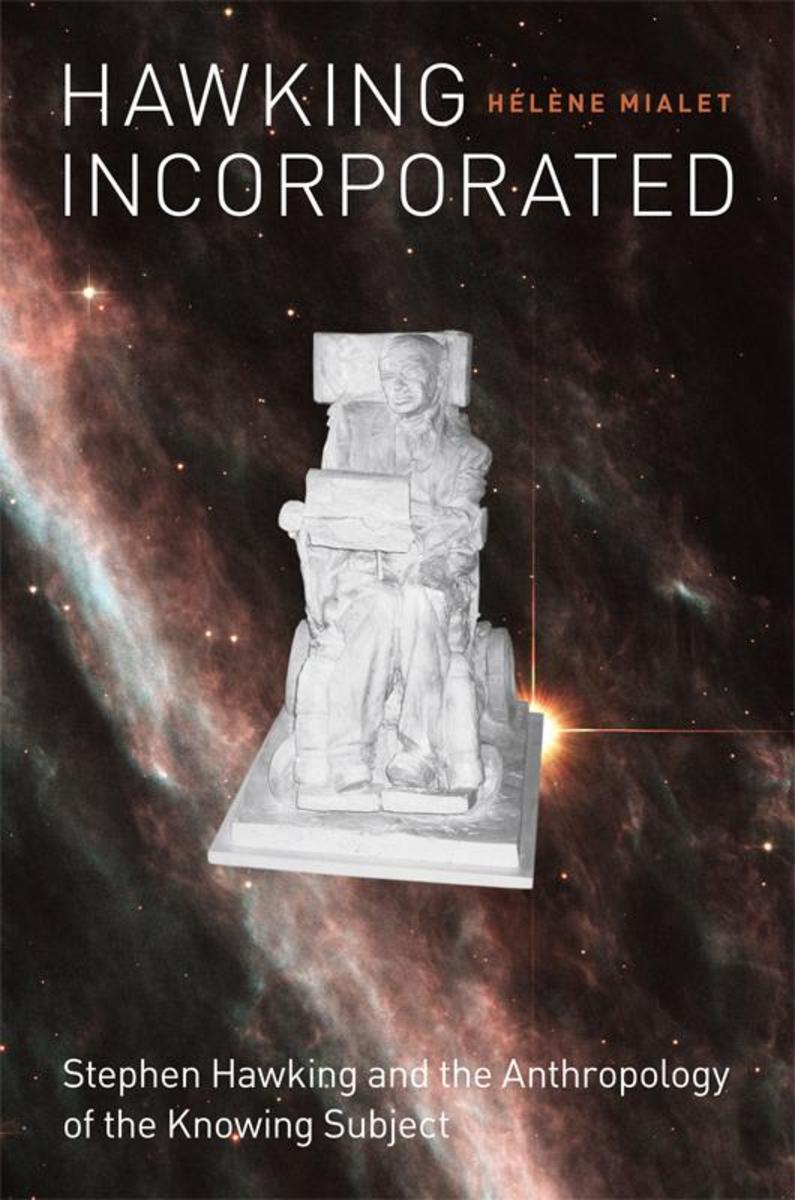
Hawking Incorporated
¥270.76
These days, the idea of the cyborg is less the stuff of science fiction and more a reality, as we are all, in one way or another, constantly connected, extended, wired, and dispersed in and through technology. One wonders where the individual, the person, the human, and the body are-or, alternatively, where they stop. These are the kinds of questions Hlne Mialet explores in this fascinating volume, as she focuses on a man who is permanently attached to assemblages of machines, devices, and collectivities of people: Stephen Hawking.Drawing on an extensive and in-depth series of interviews with Hawking, his assistants and colleagues, physicists, engineers, writers, journalists, archivists, and artists, Mialet reconstructs the human, material, and machine-based networks that enable Hawking to live and work. She reveals how Hawking-who is often portrayed as the most singular, individual, rational, and bodiless of all-is in fact not only incorporated, materialized, and distributed in a complex nexus of machines and human beings like everyone else, but even more so. Each chapter focuses on a de*ion of the functioning and coordination of different elements or media that create his presence, agency, identity, and competencies. Attentive to Hawking's daily activities, including his lecturing and scientific writing, Mialet's ethnographic analysis powerfully reassesses the notion of scientific genius and its associations with human singularity. This book will fascinate anyone interested in Stephen Hawking or an extraordinary life in science.

Moralizing Technology
¥253.10
Technology permeates nearly every aspect of our daily lives. Cars enable us to travel long distances, mobile phones help us to communicate, and medical devices make it possible to detect and cure diseases. But these aids to existence are not simply neutral instruments: they give shape to what we do and how we experience the world. And because technology plays such an active role in shaping our daily actions and decisions, it is crucial, Peter-Paul Verbeek argues, that we consider the moral dimension of technology.?Moralizing Technology offers exactly that: an in-depth study of the ethical dilemmas and moral issues surrounding the interaction of humans and technology. Drawing from Heidegger and Foucault, as well as from philosophers of technology such as Don Ihde and Bruno Latour, Peter-Paul Verbeek locates morality not just in the human users of technology but in the interaction between us and our machines. Verbeek cites concrete examples, including some from his own life, and compellingly argues for the morality of things. Rich and multifaceted, and sure to be controversial, Moralizing Technology will force us all to consider the virtue of new inventions and to rethink the rightness of the products we use every day.

Scars of Project 459
¥243.09
The Scars of Project 459 tells the environmental story of the Lake of the Ozarks, built by the Union Electric Company in 1931. At 55,000 acres, the lake was the biggest manmade lake in the United States at the time of its completion, and it remains the biggest in the Midwest, with 1,100 miles of shoreline in four different Missouri counties. Though created to generate hydroelectric power, not for development, the "e;Magic Dragon,"e; as it is popularly known because of its serpentine shape, has become a major recreational area. Located in some of the most spectacular Ozark scenery, the giant lake today attracts three million visitors annually and has more than 70,000 homes along its shoreline. Traci Angel shows how the popularity of the Lake of the Ozarks has resulted in major present-day problems, including poor water quality, loss of habitat, and increasing concerns about aging waste-management systems for the homes surrounding the lake. Many in the area, especially business owners whose incomes depend on tourism, resist acknowledging these problems. The Scars of Project 459 aims to make public the challenges facing this important resource and ensure that its future is not to be loved to death.
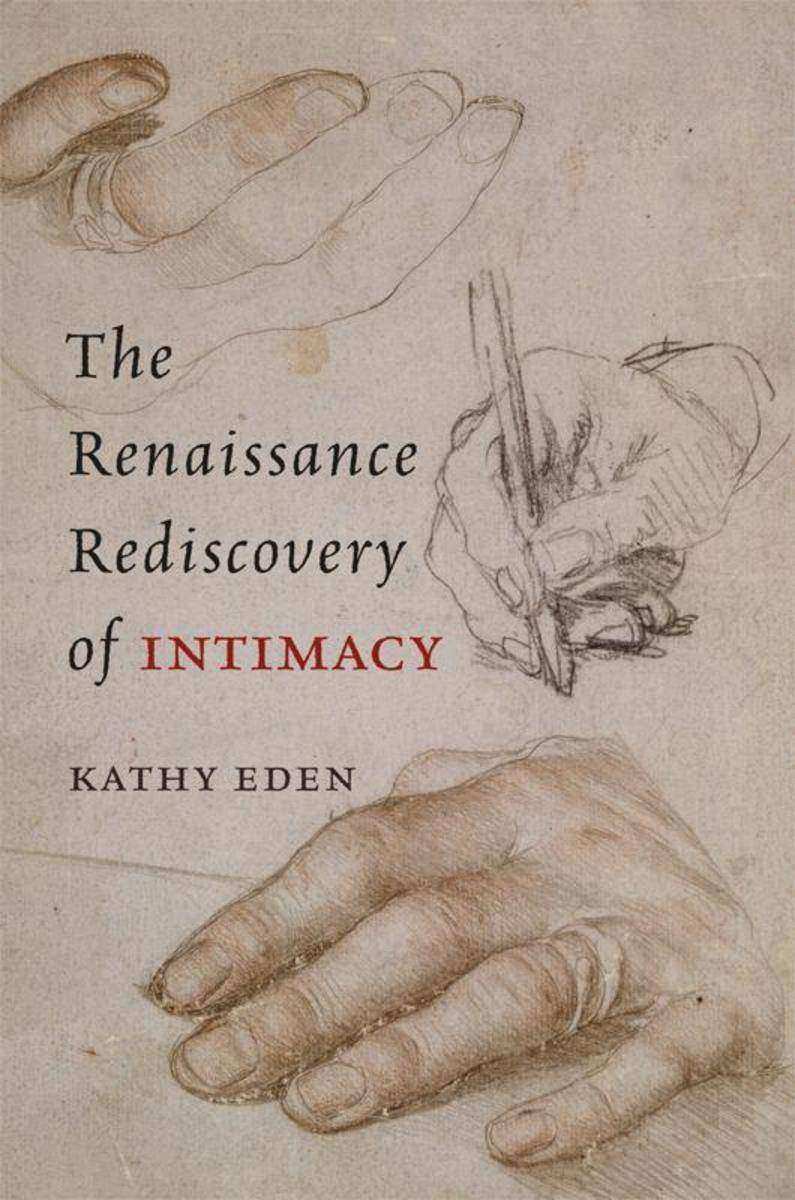
Renaissance Rediscovery of Intimacy
¥353.16
In 1345, when Petrarch recovered a lost collection of letters from Cicero to his best friend Atticus, he discovered an intimate Cicero, a man very different from either the well-known orator of the Roman forum or the measured spokesman for the ancient schools of philosophy. It was Petrarch's encounter with this previously unknown Cicero and his letters that Kathy Eden argues fundamentally changed the way Europeans from the fourteenth through the sixteenth centuries were expected to read and write.The Renaissance Rediscovery of Intimacy explores the way ancient epistolary theory and practice were understood and imitated in the European Renaissance.Eden draws chiefly upon Aristotle, Cicero, and Seneca-but also upon Plato, Demetrius, Quintilian, and many others-to show how the classical genre of the "e;familiar"e; letter emerged centuries later in the intimate styles of Petrarch, Erasmus, and Montaigne. Along the way, she reveals how the complex concept of intimacy in the Renaissance-leveraging the legal, affective, and stylistic dimensions of its prehistory in antiquity-pervades the literary production and reception of the period and sets the course for much that is modern in the literature of subsequent centuries. Eden's important study will interest students and scholars in a number of areas, including classical, Renaissance, and early modern studies; comparative literature; and the history of reading, rhetoric, and writing.

How to Live Like Your Cat
¥51.50
Stéphane Garner was born in Lyon in 1974. www.stephanegarnier.com
Eivissa: The Ibiza Cookbook
¥147.35
Anne Sijmonsbergen is a chef and Ibiza’s only organic tomato farmer. Ten years ago she moved there with her husband and they bought a 450-year old farmhouse. Her tenure there has coincided with this food revolution, and has led her on an odyssey to discover the food of the island and the people who make it
Compelling Reason
¥58.86
Born in Ireland in 1898, Clives Staples Lewis gained a triple First at Oxford and was Fellow and Tutor at Magdalen College from 1925-54, where among others he was a contemporary of Tolkien. In 1954 he became Professor of Mediaeval and Renaissance Literature at Cambridge. C. S. Lewis was for many years an atheist, until his conversion which he memorably described in his autobiography Surprised by Joy: “I gave in, and admitted that God was God … perhaps the most dejected and reluctant convert in all England.” He is also celebrated for his famous series of children’s books, the Narnia Chronicles (which have been filmed and broadcast many times), as well as his literary criticism and science fiction. C. S. Lewis died on 22nd November 1963.

Clean Eating Alice The Body Bible: Feel Fit and Fabulous from the Inside Out
¥110.46
Alice is a pint sized personal trainer with a passion for health and fitness. Having spent the majority of her formative years developing unhealthy habits through trying every diet there was, and gaining weight as a result, she decided to take matters into her own hands. Alice tracked her complete lifestyle change progress through her now hugely successful Instagram blog ‘Clean Eating Alice’. Now a fully qualified personal trainer, Alice wants to bring her message of balance and ditching the diet myths to the masses. The aim is to encourage everyone and anyone to readdress their eating habits and increase their activity levels to create a healthier, happier lifestyle that is ultimately sustainable. Find Alice posting regular updates of her day to day food and fitness videos on Instagram at clean_eating_alice, on twitter at alice_LDNM and on Facebook at /cleaneatingalice, where she creates a fuss and fad free approach to diet and exercise.

Scotland: The Story of a Nation
¥85.65
Magnus Magnusson KBE is an Icelandic national who has spent most of his life in Scotland. After studying English at Oxford, he joined the Scottish Daily Express in 1953, and the Scotsman in 1961 as Assistant Editor. Since 1967 he has been a freelance writer and broadcaster, specialising in history, archaeology and environmental affairs. He has presented many programmes on BBC TV, including Chronicle (1967–80), Mastermind (1972–97), and a twelve-part series on Vikings! (1980). He has published more than twenty books. In 1989 he was awarded an honorary knighthood for his services to the heritage of Scotland. He was chairman of the Ancient Monuments Board for Scotland (1981–89) and of Scottish Natural Heritage (1992–99).

The Bacon Book: Irresistible, mouthwatering recipes!
¥95.75
Christopher Sjuve is a chef and food editor. Based in Norway, his motto is your can never have too much bacon!
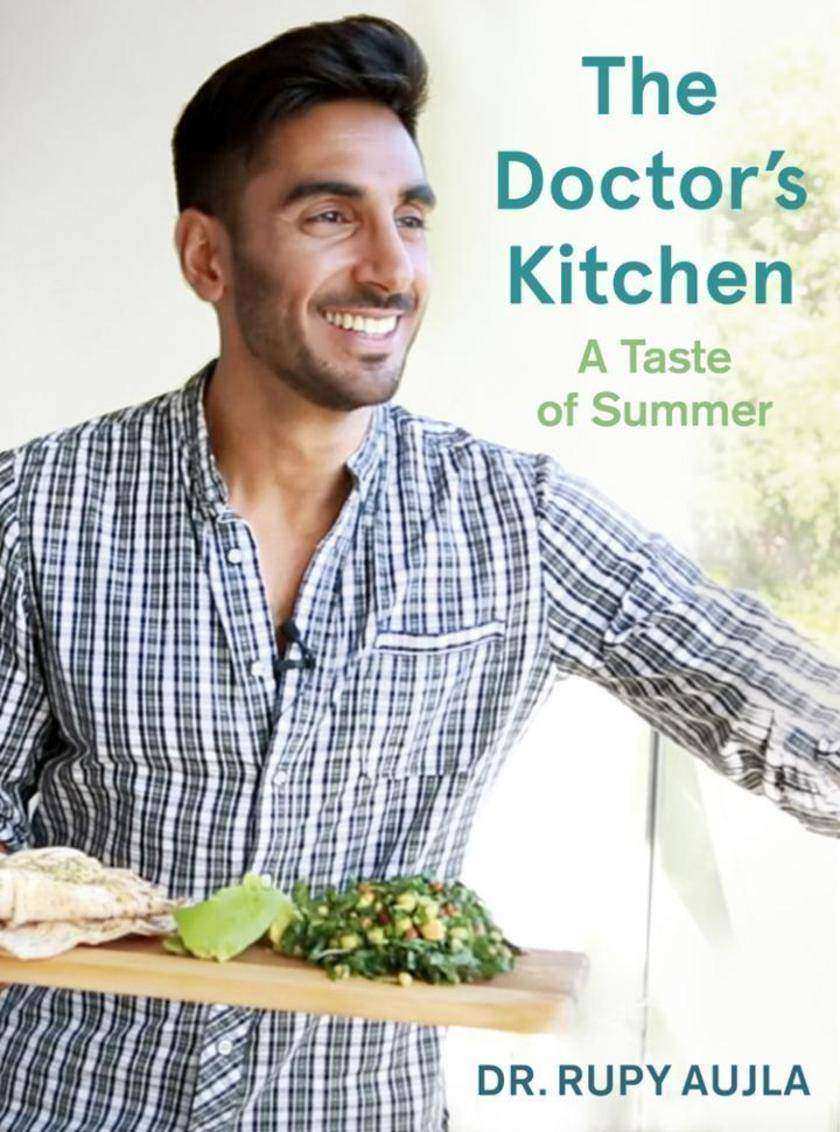
The Doctor’s Kitchen: A Taste of Summer
免费
Dr Rupy Aujla is a practising GP in London. Trained at Imperial College London, his aim is to be the leading voice in how nutrition can heal and improve health. He is one of twenty global ‘I Quit Sugar’ experts, regular Doctor on BBC Asian Network’s Noreen Khan show with half a million listeners, Men’s Health Recipe Creator and Doctor, TEDxNHS Speaker, Huffington Post, Shortlist, Stylist, Metro contributor as well as leading nutrition websites including Nutritionfacts.org. Dr Rupy is developing The Doctors Kitchen social presence on You Tube, Instagram and Twitter.

That’s Your Lot
¥66.22
Brian ‘Limmy’ Limond is a Scottish comedian who first became known for his website and blog, and is now regarded as one of Scotland's most original comedy talents. In 2006 Limmy started a hilarious daily podcast, Limmy's World of Glasgow, and in 2010 he launched his incredibly successful comedy series Limmy’s Show. His first book, Daft Wee Stories, was a Sunday Times bestseller.

Unconquerable: The Invictus Spirit
¥110.46
Boris Starling is an award-winning novelist, screenwriter and journalist. His books have reached the Sunday Times and New York Times bestseller lists. He is the author of the popular HAYNES EXPLAINS series. His debut novel MESSIAH was made into a prime time BBC1 series which ran for five seasons, and he is currently writing the screenplay for an animated sci-fi reimagining of Charlie Chaplin’s THE KID. Boris writes regularly for several national newspapers and was the writer-in-residence at Max Gate, Thomas Hardy's house. Before becoming a full-time writer, he worked for an international consultancy specialising in political risk assessment, confidential investigations and kidnap negotiation. Boris lives in Dorset with his wife, children, dogs and a constantly fluctuating number of chickens and ducks.


