


 购物车
购物车 个人中心
个人中心
Olive Kitteridge
¥41.37
Pl?cerea de a citi Olive Kitteridge vine dintr-o identificare intens? a cititorului cu situa?ii, cu personaje nu icirc;ntotdeauna demne de admirat... Nu e nimic ieftin sau siropos icirc;n aceast? carte. (The New York Times Book Review) Amuzant?, r?ut?cioas? ?i plin? de remu?c?ri, doamna Kitteridge este o for??, un caracter autentic. Cacircnd nu e icircn scen?, icirci a?tept?m cu ner?bdare icircntoarcerea. Paginile c?r?ii se icirc;ntorc datorit? ei... (San Francisco Chronicle) Un portret r?v??itor ?i profund al oamenilor din Maine, tr?indu-?i vie?ile de suferin?? t?cut? icircmpletit? cu izbucniri de apropiere uman?... Aceast? culegere se cite?te u?or ?i e imposibil de uitat. (Publishers Weekly) Intuitiv?, profund empatic? ?i totu?i plin? de defecte, Olive este axa icircn jurul c?reia graviteaz? treisprezece povestiri complexe, profund umane, alc?tuind un veritabil roman. (O Magazine)
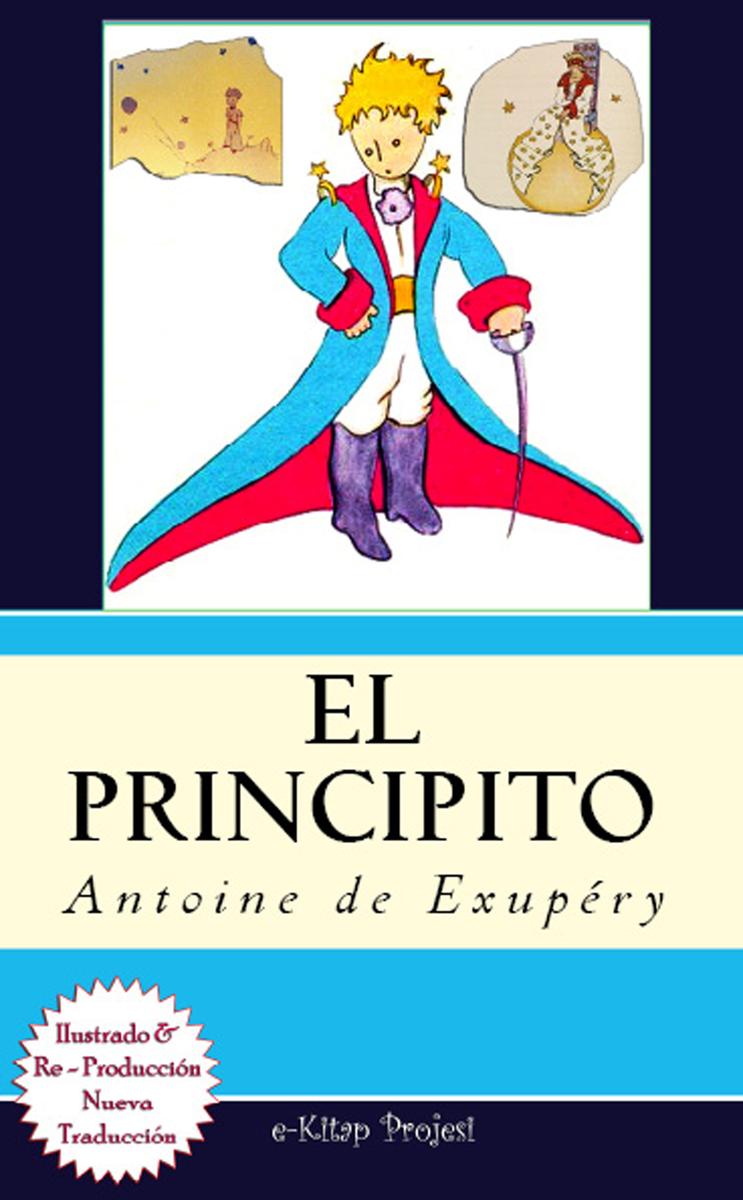
El Principito:“Ilustrado”
¥18.74
El Principito habita un pequeísimo asteroide, que comparte con una flor caprichosa y tres volcanes. Pero tiene “problemas” con la flor y empieza a experimentar la soledad. Hasta que decide abandonar el planeta en busca de un amigo. Buscando esa amistad recorre varios planetas, habitados sucesivamente por un rey, un vanidoso, un borracho, un hombre de negocios, un farolero, un geógrafo… El concepto de “seriedad” que tienen estas “personas mayores” le deja perplejo y confuso. Prosiguiendo su búsqueda llega al planeta Tierra, pero, en su enorme extensión y vaciedad, siente más que nunca la soledad. Una serpiente le da su versión pesimista sobre los hombres y lo poco que se puede esperar de ellos. Tampoco el zorro contribuye a mejorar su opinión, pero en cambio le ensea el modo de hacerse amigos: hay que crear lazos, hay que dejarse “domesticar”. Y al final le regala su secreto: “Sólo se ve bien con el corazón. Lo esencial es invisible a los ojos”. De pronto el Principito se da cuenta de que su flor le ha “domesticado” y decide regresar a su planeta valiéndose de los medios expeditivos que le ofrece la serpiente. Y es entonces cuando entra en contacto con el aviador, también el hombre habrá encontrado un amigo… Cuando yo tenía seis aos vi en un libro sobre la selva virgen que se titulaba "Historias vividas", una magnífica lámina. Representaba una serpiente boa que se tragaba a una fiera. Esta es la copia del dibujo.En el libro se afirmaba: "La serpiente boa se traga su presa entera, sin masticarla. Luego ya no puede moverse y duerme durante los seis meses que dura su digestión". Reflexioné mucho en ese momento sobre las aventuras de la jungla y a mi vez logré trazar con un lápiz de colores mi primer dibujo. Mi dibujo número uno era de esta manera: Enseé mi obra de arte a las personas mayores y les pregunté si mi dibujo les daba miedo.-por qué habría de asustar un sombrero - me respondieron.Mi dibujo no representaba un sombrero. Representaba una serpiente boa que digiere un elefante. Dibujé entonces el interior de la serpiente boa a fin de que las personas mayores pudieran comprender. Siempre estas personas tienen necesidad de explicaciones. Mi dibujo número dos era así: Las personas mayores me aconsejaron abandonar el dibujo de serpientes boas, ya fueran abiertas o cerradas, y poner más interés en la geografía, la historia, el cálculo y la gramática. De esta manera a la edad de seis aos abandoné una magnífica carrera de pintor. Había quedado desilusionado por el fracaso de mis dibujos número uno y número dos. Las personas mayores nunca pueden comprender algo por sí solas y es muy aburrido para los nios tener que darles una y otra vez explicaciones.

A félelem íze
¥82.57
关于A félelem íze这本书的详细讲解
Como deixar um homem aos seus pés
¥8.18
Que mulher n?o gosta de ter o homem aos seus pés? De manipulá-lo, de fazê-lo de gato e sapato?Quanto mais o homem estiver sob o nosso controle, melhor para a nossa vaidade e auto-estima, e claro: menores as chances do safado nos fazer sofrer.
10 Pequenas lendas urbanas
¥7.63
Cole??o com 10 narrativas curtas sobre lendas urbanas. Esta cole??o contém as seguintes lendas:A loira do banheiro O velho do saco O corpo-seco O roubo do rim A mulher de branco O lobisomem A brincadeira do copo O quadro da crian?a chorando Agulhas no cinema O vídeo da loira batutaribeiro.com.br
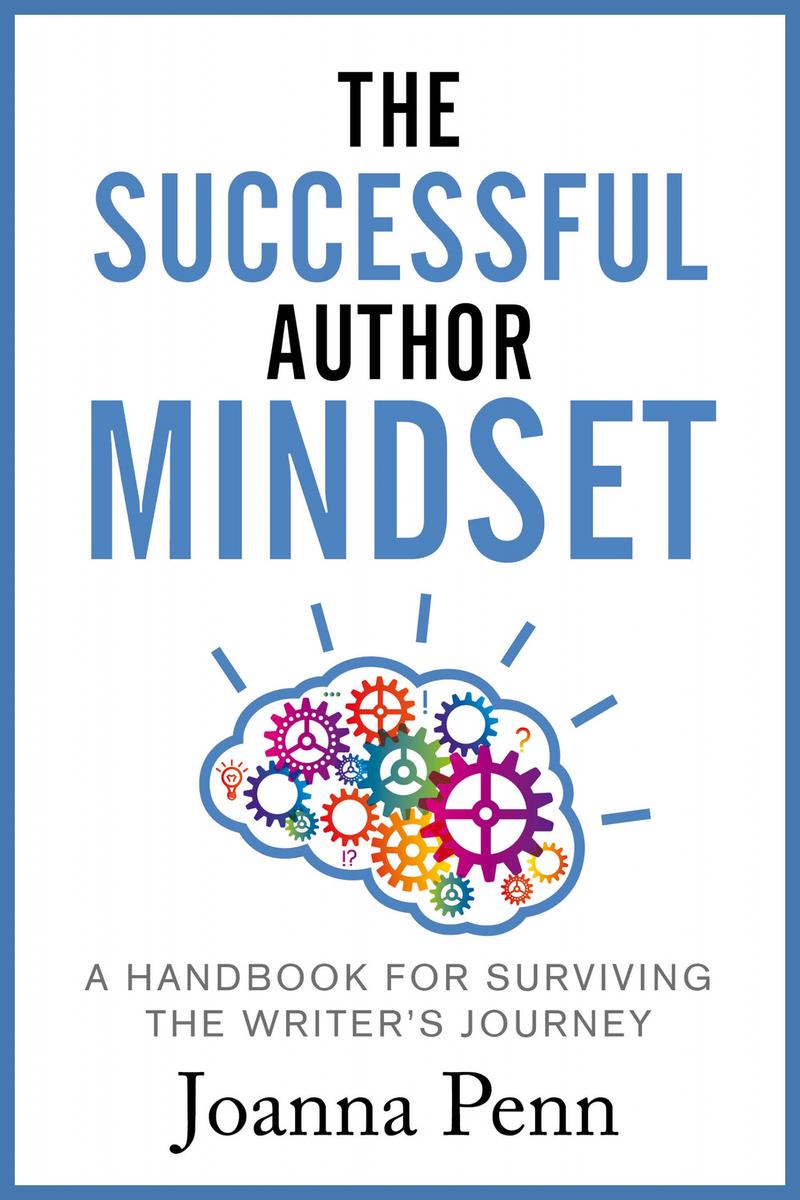
The Successful Author Mindset: A Handbook for Surviving the Writer’s Journey
¥57.14
Being a writer is not just about typing. It’s also about surviving the roller-coaster of the creative journey. Self-doubt, fear of failure, the need for validation, perfectionism, writer’s block, comparisonitis, overwhelm, and much more. When you’re going through these things, it can feel like you’re alone. But actually, they are part of the creative process, and every author goes through them too. This book collects the mindset issues that writers experience, that I have been through myself over the last ten?years and that perhaps you will experience at different times on the creative journey. Each small chapter tackles a possible issue and then offers an antidote, so that you can dip in and out over time. It includes excerpts from my own personal journals as well as quotes from well-known writers. I hope it helps you on the road to becoming a successful author. The book includes: Part 1: Mindset Aspects of Creativity and Writing Self-doubt and imposter syndrome Need for validation Fear of?failure Fear of rejection and criticism Your inner critic Fear of judgment Perfectionism Writer’s block and procrastination “I’m not creative. I don’t have any ideas” “My writing isn’t original” “Why write? There are too many books in the world already” “I don’t have the time or self-discipline to write” “I’m not finding writing much fun. It’s hard work.” “I keep starting things and not finishing them” Dealing with friends, family and writer’s groups “How do I find my voice?” Comparisonitis or “Everyone is better than me” Part 2: Mindset Aspects after Publishing Anti-climax and creative dissatisfaction What is your definition of success? What happens when you tell people that you’re an author? “I’m overwhelmed” Dealing with fans, authenticity and drawing the line Haters gonna hate Ambition, fame and fortune Giving up Part 3: Tips for Success on the Author Journey Know thyself Understand and hone your creative process Develop professional habits Manage professional relationships Take control of your writing career Find your community Keep learning Schedule rest and take time off Think long term. Create a body of work
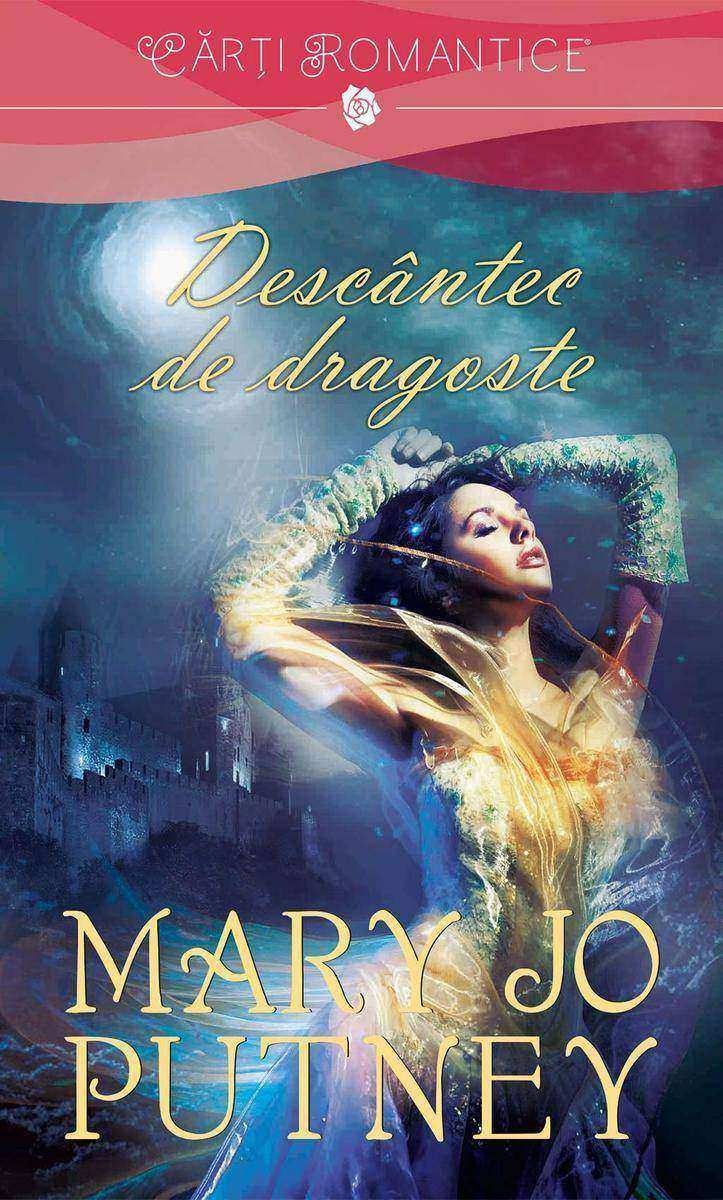
Desc?ntec de dragoste
¥7.36
Jack Langdon, Lord Frayne, trateaz? cu foarte mult? seriozitate onoarea str?vechii sale familii ?i,icircn acela?i timp, ascunde un secret pe care icircl consider? ru?inos: darul de vr?jitor, pe care a fost icirc nv??at s?-l reprime ?i s?-l resping?. Cacirc nd un accident icirc;l aduce pe Jack icirc;n pragul mor?ii, unica lui ?ans? de supravie?uire este Abigail Barton, o vindec?toare talentat?. Abigail trebuie s? icirc;?i asume un mare risc pentru a-i salva via?a lordului Frayne, a?a c? va cere icircn schimb un pre? pe m?sur?: c?s?toria cu Jack. Acesta nu icirc nt acirc rzie s? accepte ?i curacirc;nd se simte atras de sincera lui so?ie, al c?rei farmec este la fel de puternic ca ?i trezirea propriilor abilit??i magice la racirc;ndul ei, Abigail este impresionat? de sensibilitatea ?i bl acirc nde?ea lui Jack. Cunoscacirc nd icirc ns? prea bine ura acestuia fa?? de magie, hot?r??te s? tr?iasc? desp?r?it? de el dup? conceperea copilului pe care ?i-l dorise at acirc;t de mult, pentru ca Jack s? icirc ?i poat? p?stra reputa?ia, iar ea s? icirc ?i poat? îndeplini menirea de vindec?toare. Cu toate acestea, iubirea care se na?te icirc;ntre ei se dovede?te a fi cea mai misterioas? ?i mai seduc?toare for?? pe care au cunoscut-o vreodat?.
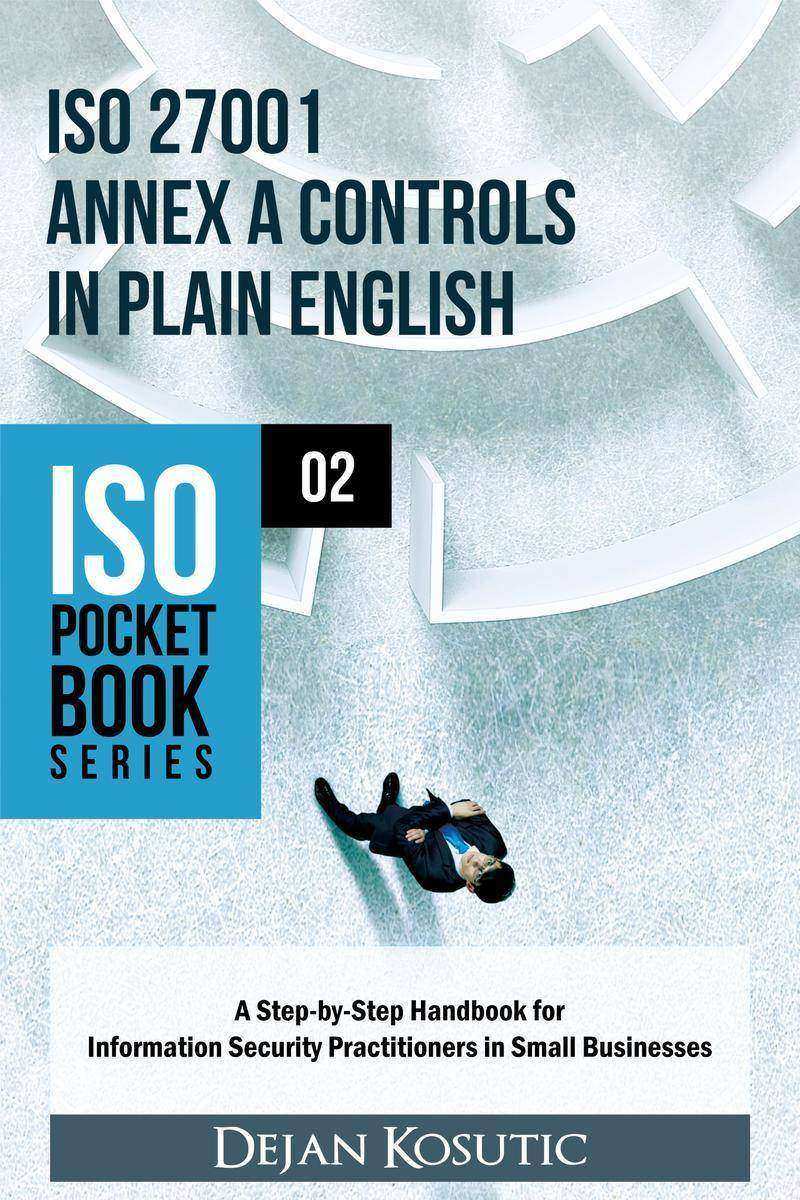
ISO 27001 Annex A Controls in Plain English
¥81.67
In this book, Dejan Kosutic, author and experienced information security consultant, is giving away his practical know-how on ISO 27001 security controls. No matter if you are new or experienced in the field, this book teaches you everything you need to know about security controls. ISO 27001 Annex A Controls in Plain English is written primarily for beginners to ISO 27001, and for people with moderate knowledge about Annex A of the standard and the 114 security controls that are found in the Annex. It is structured in such a way that someone with no prior experience or knowledge about information security can quickly understand what they are all about; however, if you do have experience with ISO 27001, but feel that you still have gaps in your knowledge, you’ll also find this book very helpful. Kosutic uses plain English to explain everything you need to know about security controls in ISO 27001, as well as the differences between the controls in Annex A of ISO 27001 and in ISO 27002. Also, you will learn everything about the crucial link between risk management and security controls, and get a complete overview of Annex A controls starting from the introduction, structuring of the documentation, and instructions on how to write detailed information security policies, all the way to the requirements for compliance. Written in simple language and avoiding the technical jargon, ISO 27001 Annex A Controls in Plain English is the right book to start learning about the subject.

50 Melhores piadas de Jo?ozinho
¥8.18
Divirta-se com as 50 melhores piadas do menino Jo?ozinho, o aluno mais levado na escola, que gosta de brincar com os professores e tirar sarro de todo mundo, até dos próprios pais.Contém linguagem inadequada para menores de 18 anos.
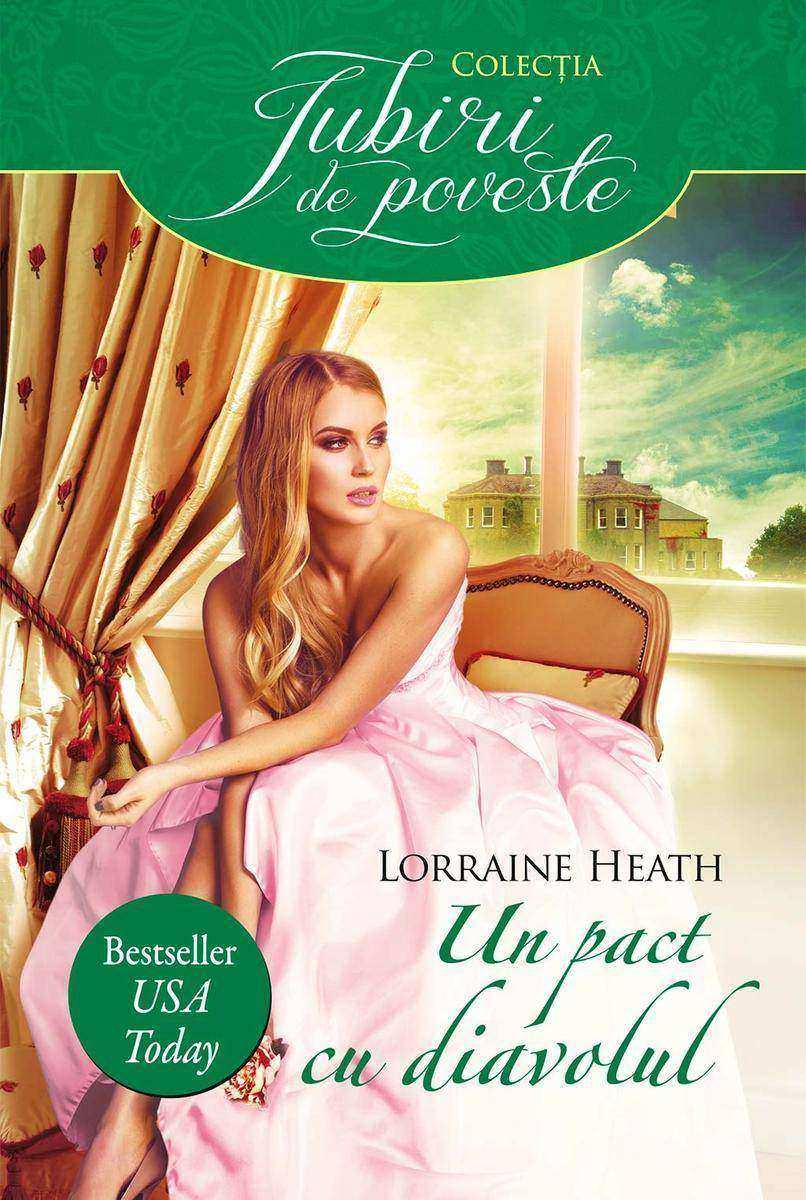
Un pact cu diavolul
¥7.36
A fost poreclit Contele Diavol – un b?rbat cu spirit nesupus, acuzat de crim?, crescut pe str?zile periculoase ale Londrei ?i care nu-?i mai aminte?te nimic despre trecutul lui. Orice domni?oar? bine educat? ?tie c? risc? mai mult dec?t reputa?ia atunci c?nd ??i asociaz? numele cu frumosul Lucian Langdon, ?ns? Lady Catherine Mabry nu are alt? solu?ie. Ar face orice pentru a-i proteja pe oamenii pe care ?i iube?te… chiar ?i s? ajung? la o ?n?elegere cu ?nsu?i diavolul. Lucian vrea s? fie respectat ?i, mai presus de asta, ??i dore?te o so?ie. Problema este c? aleasa lui nu cunoa?te eticheta pe care trebuie s? o respecte ?n mijlocul aristocra?iei ?i nu e acceptat? de ?nalta societate. Catherine ?l poate ajuta pe Lucian s? dob?ndeasc? tot ce-?i dore?te. Dar pre?ul pe care ?l cere ea ?n schimb le poate pune chiar vie?ile ?n pericol. Atunci c?nd primejdia le d? t?rcoale, cei doi se descoper? cu adev?rat: Lucian se dovede?te a fi un b?rbat incredibil de pasional, iar Catherine, o femeie de un curaj nem?surat. Pe m?sur? ce ies la iveal? secrete din trecutul lui ?ntunecat, Lucian ajunge s? pun? sub semnul ?ntreb?rii toate lucrurile pe care le considera adev?rate, inclusiv dorin?ele propriei inimi.

Cuando el amor es una mala palabra
¥15.18
Cuando el amor es una mala palabra es una antología poética que reúne setenta y cinco expresiones de sentimiento escritas por mí desde los inicios del a?o 2008.En Cuando el amor es una mala palabra he plasmado diversas situaciones, reales o imaginarias. Mi única intención es que el lector se transporte a un mundo de muchas historias, en el cual tendrá una total libertad para interpretarlas.Las palabras incluidas en cada una de estas letras no pretenden discriminar. Están ordenadas de la manera como el amor hace lo suyo, con picos y abismos, cuando empieza, cuando se cruza con la desilusión y el dolor, y cuando termina con el deseo de renacer e intentarlo una vez más.Entonces, mejor es dejar que ellas mismas se presenten con su historia.
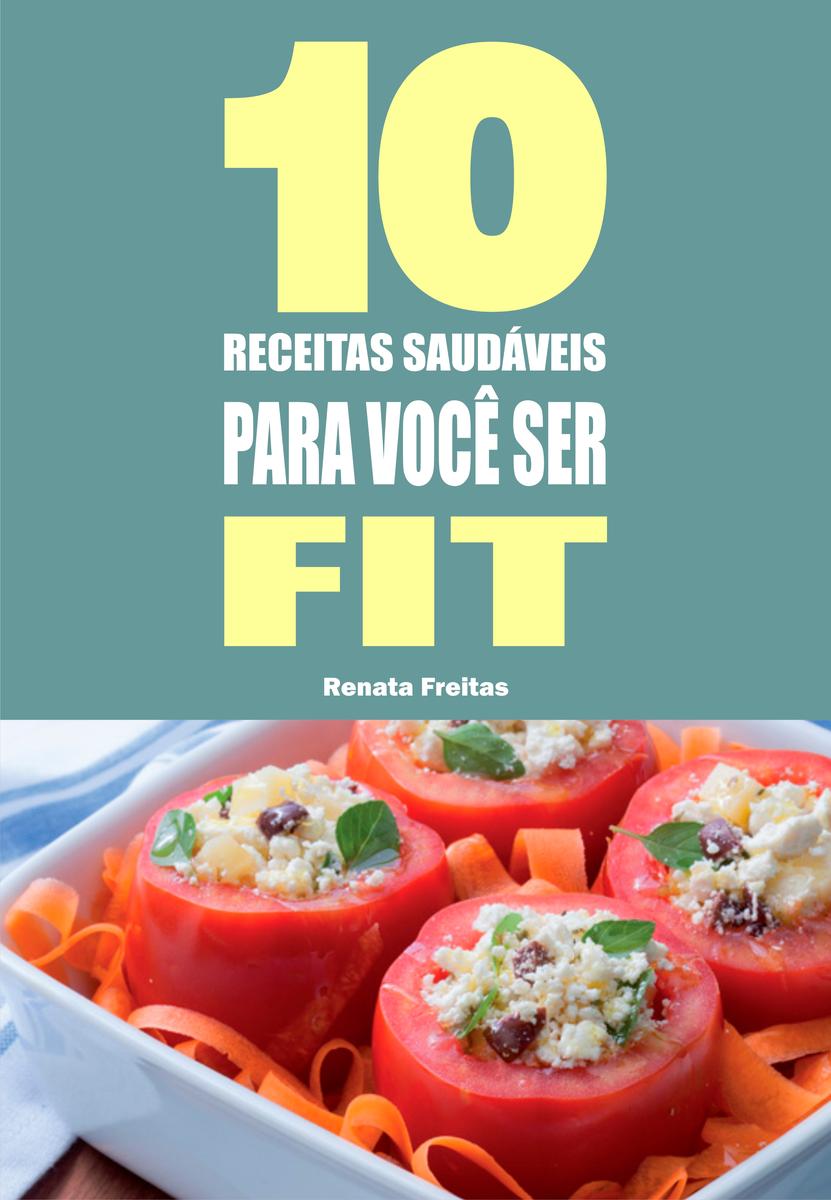
10 Receitas saudáveis para você ser fit
¥8.18
Quer entrar na academia e conquistar aquele corpito jóia?Muito bom! Exercícios físicos s?o fundamentais para alcan?ar a boa forma; mas, se você n?o se alimentar direito, vai gastar tempo (e dinheiro!) à toa na academia.Aprenda a preparar 10 receitas saudáveis para você ter uma alimenta??o leve e nutritiva; e assim, otimizar a sua vida fitness.

Вдох-выдох:Сборник рассказов
¥15.18
Вдох-выдох — это второй сборник рассказов Ирены Яновой. Первый сборник,Магические книги Невилов, вышел под псевдонимом Ирина Иванова в 2014 году. Знаете ли вы, кто такие энергетические вампиры и что они делают с накопленной энергией В рассказе Вдох-выдох, который дал название сборнику, автор предложила свою версию жизни такого человека. Рассказ Посылка поведает вам о том, что судьбу иногда определяет случай, а 23 реальность о любви. Причем о любви в другой реальности, где ты проживаешь иную жизнь, с другим человеком, с другой любовью. Эхо вселенной — лирический рассказ о космосе и о зарождении чувства на громадном расстоянии. Как помочь девушке, если знаешь, что с ней может приключиться беда Необычный герой, необычный способ помощи и судьба, которая не оставляет влюбленных. А что может произойти, если ваше сознание случайно осталось в вашем клоне Рассказ Человек, которого нет раскроет возможный вариант развития событий. Издательство Animedia Company желает вам приятного чтения.
The New Forest (Collins New Naturalist Library, Book 73)
¥476.96
I recall the New Forest in childhood and explored it in the 1950s. It has been my home and I have been involved in its affairs since 1960 when almost by accident I found myself working in the Nature Conservancy (since 1974 the NCC). The Forest has not been my only professional concern or research interest since then, but it has been of constant and absorbing interest. The absorption grows with time – partly because over long time spans, it becomes possible to measure and witness changes which illuminate the relationships between soils, vegetation, animals and management in ways which no short-term study can achieve; and partly because time increases rather than diminishes the degree of spiritual renewal and intellectual wonder to be derived from the familiar woods and heaths.
Eivissa: The Ibiza Cookbook
¥147.35
Anne Sijmonsbergen is a chef and Ibiza’s only organic tomato farmer. Ten years ago she moved there with her husband and they bought a 450-year old farmhouse. Her tenure there has coincided with this food revolution, and has led her on an odyssey to discover the food of the island and the people who make it

The Bacon Book: Irresistible, mouthwatering recipes!
¥95.75
Christopher Sjuve is a chef and food editor. Based in Norway, his motto is your can never have too much bacon!

How to Live Like Your Cat
¥51.50
Stéphane Garner was born in Lyon in 1974. www.stephanegarnier.com
Compelling Reason
¥58.86
Born in Ireland in 1898, Clives Staples Lewis gained a triple First at Oxford and was Fellow and Tutor at Magdalen College from 1925-54, where among others he was a contemporary of Tolkien. In 1954 he became Professor of Mediaeval and Renaissance Literature at Cambridge. C. S. Lewis was for many years an atheist, until his conversion which he memorably described in his autobiography Surprised by Joy: “I gave in, and admitted that God was God … perhaps the most dejected and reluctant convert in all England.” He is also celebrated for his famous series of children’s books, the Narnia Chronicles (which have been filmed and broadcast many times), as well as his literary criticism and science fiction. C. S. Lewis died on 22nd November 1963.

Scotland: The Story of a Nation
¥85.65
Magnus Magnusson KBE is an Icelandic national who has spent most of his life in Scotland. After studying English at Oxford, he joined the Scottish Daily Express in 1953, and the Scotsman in 1961 as Assistant Editor. Since 1967 he has been a freelance writer and broadcaster, specialising in history, archaeology and environmental affairs. He has presented many programmes on BBC TV, including Chronicle (1967–80), Mastermind (1972–97), and a twelve-part series on Vikings! (1980). He has published more than twenty books. In 1989 he was awarded an honorary knighthood for his services to the heritage of Scotland. He was chairman of the Ancient Monuments Board for Scotland (1981–89) and of Scottish Natural Heritage (1992–99).

Clean Eating Alice The Body Bible: Feel Fit and Fabulous from the Inside Out
¥110.46
Alice is a pint sized personal trainer with a passion for health and fitness. Having spent the majority of her formative years developing unhealthy habits through trying every diet there was, and gaining weight as a result, she decided to take matters into her own hands. Alice tracked her complete lifestyle change progress through her now hugely successful Instagram blog ‘Clean Eating Alice’. Now a fully qualified personal trainer, Alice wants to bring her message of balance and ditching the diet myths to the masses. The aim is to encourage everyone and anyone to readdress their eating habits and increase their activity levels to create a healthier, happier lifestyle that is ultimately sustainable. Find Alice posting regular updates of her day to day food and fitness videos on Instagram at clean_eating_alice, on twitter at alice_LDNM and on Facebook at /cleaneatingalice, where she creates a fuss and fad free approach to diet and exercise.
Antique Furniture (Collins Gem)
¥38.36
Collins Gem Antique Furniture is a guide to take with you to auctions or car boot sales for it provides a visual guide to identifying the age and style of furniture, combined with advice on caring, buying, and selling antique furniture. This new Gem is produced in flexibinding, providing the durability of a hardback and the flexibility of a paperback. The stylish new cover design, this new Gem Antique Furniture will provide an essential friendly introduction to Antiques. After an introductory section on periods and styles of furniture, and how to look after antique furniture this Gem looks at the main furniture types -- chairs, tables, cupboards and so on -- showing the detailed changes in style that happens over the years -- for example, much can be learnt from understanding the changing shape of chair legs to help you date a chair. * An introduction to identifying antique furniture through understanding the key features of pieces of furniture * Guidance on the care and repair of furniture and advice on buying and selling * Lavishly illustrated with photographs to help identification


