


 购物车
购物车 个人中心
个人中心
Anam Cara
¥94.10
Discover the Celtic Circle of Belonging John O'Donohue, poet, philosopher, and scholar, guides you through the spiritual landscape of the Irish imagination. In Anam Cara, Gaelic for "soul friend," the ancient teachings, stories, and blessings of Celtic wisdom provide such profound insights on the universal themes of friendship, solitude, love, and death as: Light is generous The human heart is never completely born Love as ancient recognition The body is the angel of the soul Solitude is luminous Beauty likes neglected places The passionate heart never ages To benatural is to be holy Silence is the sister of the divine Death as an invitation to freedom

Inner Bonding
¥95.11
Inner bonding is the process of connecting our adult thoughts with our instinctual, gut feelings the feelings of the inner child so that we can minimize painful conflict within ourselves. Free of inner conflict, we feel peaceful, open to joy, and open to giving and receiving love.Margaret Paul, coauthor of Healing Your Aloneness, explores how abandonment of the inner child leads to increasingly negative and destructive feelings of low self-worth, codepenclence, addiction, shame, powerlessness, and withdrawal from relationships. Her breakthrough inner bonding process teaches us to heal past wounds through reparenting and clearly demonstrates how we can learn to parent in the present. Real-life examples illustrate the dynamics of the healing process and show the benefits we can expect in every facet of our lives and in all our relationships.Inner Bonding provides the tools we need to forge and maintain the inner unity that makes our family, sexual, work, and social relationships productive, honest, and joyful.
The Love Fix
¥94.10
Find your way back to a happy, satisfying relationshipAll couples argue, but how do some couples get to what seems like the point of no returnLicensed marriage and family therapist Dr. Tara Fields has spent more than twenty-eight years working with couples, and she has discovered that there are five common conflict loops that couples fall into and three steps to getting past having the same fights over and over again and onward to building a relationship where each partner feels heard, understood, respected, and loved. These steps include: Recognizing the conflict loop at play Exploring past and present fears Creating opportunities to get in touch with the deepest needs of both partners in order to find new gratitude, respect, and trust Change comes with awareness. When you're present in the moment, conflict with your partner can become an opportunity to work through unresolved issues and to learn more about each other; it can even become a way to grow closer. In The Love Fix, Fields shares her tested and proven tools to help build stronger relationships, including: Insight from real couples who have repaired their relationships Self-assessment quizzes to get to the root of the problem Practical 3-Minute Fixes you can start using immediately HEARTwork exercises to help you dig deeper in order to reconnect It's never too late to reignite your passion and to restore the love between you and your partner. Stop rehashing the same issues, figure out what you're really fighting about, and start enjoying a happier, stronger relationship today.
A Special Mother
¥95.39
All mothers experience worries and fears about their children, but none can compare with the early days when a mother feels something's not quite right. Anne Ford knows the feeling. She's had it herself, having raised a daughter with severe learning disabilities, and has gone on to share experiences with others during her many years as a volunteer with the National Center for Learning Disabilities.To bring comfort, support, and hard information to mothers-and fathers, too-in the early period surrounding the diagnosis, here is the book that Anne wishes she'd had years ago when she first received the news about her daughter and didn't know where to turn for the practical and emotional help she desperately needed.Filled with essential advice and the voices of other mothers whose children have LD and related disorders such as Asperger's and ADHD, A Special Mother lets parents know they are not alone and that they can help their child to thrive. This invaluable book addresses such matters as:Understanding Learning Disabilities and Related Disorders What Should You Do FirstInterpreting Evaluation Results Resolving Disputes Special Fathers: They Are Out ThereThe Social Side of LDAdvocacy vs. Obsession How Are You Doing?: Taking Care of Yourself

Healthy Child, Whole Child
¥101.00
Should you give your child nutritional supplementsAre vaccinations safeWhy are more and more children becoming couch potatoesIn Healthy Child, Whole Child, doctors Stuart H. Ditchek and Russell H. Greenfield answer these questions and more, offering authoritative, cutting-edge information on all aspects of children's health and wellness. Taking the position that conventional and alternative approaches to pediatric care are not mutually exclusive, they provide the newest science and most up-to-date information on: The 6 myths (and one true statement) about vaccinations The 10 powerhouse foods for your kids The 7 questions you need to ask to find out if your child is overweight The 16 herbs that are safe and effective for children How to receive more integrative care from your current pediatricianAnd more!
On Your Mark, Get Set, Grow!
¥88.56
Recognizing a need for puberty education books for younger children, award-winning author Lynda Madaras published Ready, Set, Grow!: A "What's Happening to My Body?" Book for Younger Girls in 2003 to widespread acclaim. Now, in her uniquely straightforward, warm, and funny style, Madaras introduces On Your Mark, Get Set, Grow!: A "What's Happening to My Body?" Book for Younger Boys.Responding to real-life questions and concerns from younger boys about their changing bodies, Madaras covers a wide range of topics at a reading and understanding level that's just right for them: the growth of sex organs, body hair, and facial hair; weight and height spurts; the unwelcome appearance of acne and body odor; shaving; circumcision; erections and ejaculation; feelings about puberty; and bullying.

100 Simple Secrets of Happy Families
¥67.09
The Simple Science of a Happy FamilyFrom raising children to getting along with in-laws, what do people with close and loving families do differently than those with strained or unfulfilling relationshipsSociologists, therapists, and psychiatrists have spent entire careers investigating the ins and outs of family dynamics, yet their findings are inaccessible to ordinary people, hidden in obscure journals to be shared with other experts. Now, David Niven, the international bestselling author of The 100 Simple Secret series has collected the most current and significant data from more than a thousand of the best scientific studies on families and then spelled out the findings in plain English.The advice is based not on one person's unique experiences or opinions, but offers for the first time the research of noted scientists studying average American families. These findings have been boiled down to one hundred essential ways to find and maintain love, joy, and satisfaction in all family relationships. Each statistic is accompanied by a true story about a real family showing the results in action.Don't Forget the Past: Parents who share stories of family history with their children create higher levels of concern for family members and increase the likelihood of their children's happiness.No Price Tag: Once basic necessities are met, the increasing economic status of one's family has zero effect on the likelihood of feeling satisfied with life.Let Every Opinion Be Heard: Senior citizens having trouble living in their own homes are 84 percent more likely to be satisfied with their housing situation if they feel as if their concerns are an important part of selecting a new home or facility.The Greatest Gift: Life satisfaction is 72 percent more likely among those who feel content with their family life.
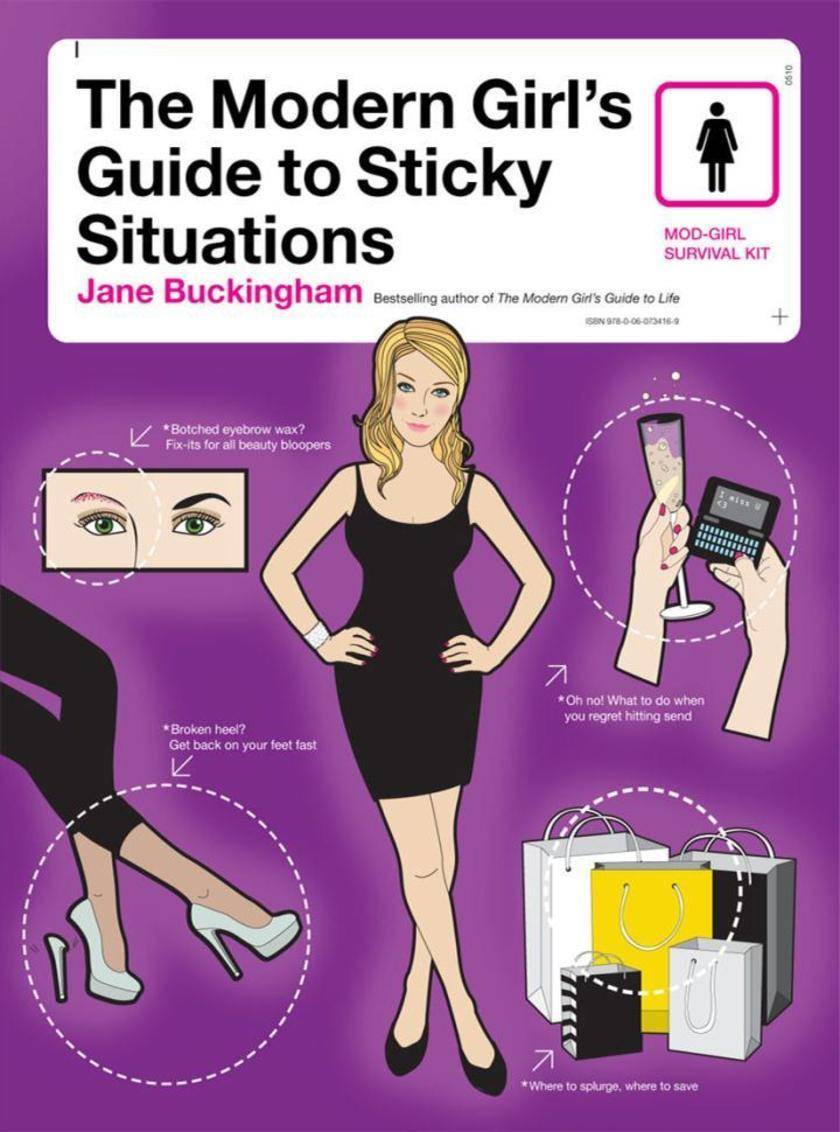
The Modern Girl's Guide to Sticky Situations
¥110.71
This is the book to grab when . . . you're pulling your hair out, screaming like a banshee, blubbering with frustration, or hyperventilating because you just don't know what to do!Jane Buckingham, author of The Modern Girl's Guide to Life, is back with a collection of helpful quick fixes for the deserving gal with the best intentions who gets caught in sticky situations. Here are warm, witty, and eminently wise solutions to those everyday problems that pop up as a result of impulsive actions or just plain bad luck helpful hints on what to do if you: Send an e-mail you instantly regret Botch your self-tan Discover your best friend's husband is cheating on her Break your corkscrew while opening your only bottle of wine Run into your ex and need to look hot, fast! Are expected to name your baby after a family member with an awful name And that's just a small sampling of the scenarios for which Jane Buckingham offers solutions in The Modern Girl's Guide to Sticky Situations. So if you find yourself in a pickle . . . just leave it to Jane!
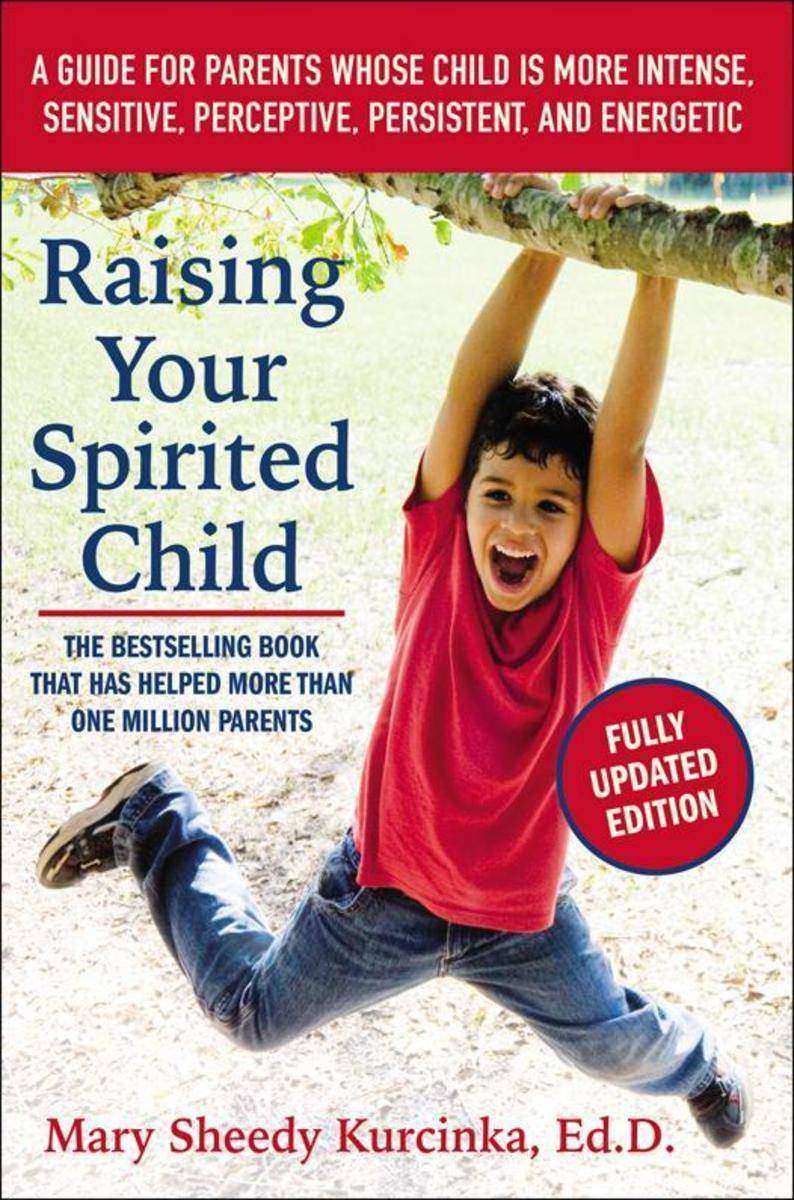
Raising Your Spirited Child, Third Edition
¥106.31
The spirited child—often called "difficult" or "strong willed"—possesses traits we value in adults yet find challenging in children. Research shows that spirited children are wired to be "more"; by temperament, they are more intense, sensitive, perceptive, persistent, and more uncomfortable with change than the average child. In this newly revised third edition of the award-winning classic, Dr. Mary Sheedy Kurcinka provides vivid examples of real-life challenges and a refreshingly positive viewpoint. Within these pages you will find: New strategies for managing intensity levels—not just the spirited child's, but yours too A simple, four-step program for peaceful bedtimes, mealtimes, holidays, and many other commonly challenging situations A focus on your child's strengths Steps for teaching your child how to be a problem solver and how to work with others Updated guidance on establishing clear limits And more! Charts and quick tips make this newly updated edition an indispensable guide for fostering a supportive, encouraging, and loving environment for children.
Better Single Than Sorry
¥77.49
Let's be honest. No woman really wants to be alone for the rest of her life. But does being alone mean you're doomed to be miserable foreverDefinitely not! And does being single have to equal lonelyNo way! You can have the best time of your life when you're single, but you wouldn't know that from our relationship obsessed society, where celebrity magazines devote the majority of their content to who's dating whom and the wedding industry is a $100-billion business. Yet more than a third of marriages end in divorce, and countless other couples languish in unions that shouldn't have happened in the first place.Don't become a statistic love yourself and never settle!Jen Schefft knows that better than almost anyone. In 2003, she got engaged in front of millions of people on television's The Bachelor, only to see it end nine months later when the relationship just wasn't right anymore. A year later, she turned down an engagement on The Bachelorette, and the backlash was relentless. She was labeled a "spinster" by a celebrity magazine, and a noted national talk-show host remarked that she would be "a bachelorette for the rest of her life."This is a terrible message to send to the millions of sensational single women out there, and in Better Single Than Sorry Schefft makes it her mission to let women know that it's better to be single than to be in a relationship that doesn't make you happy. With testimonials from women of all ages single, married, in committed relationships, with children (even single moms) and without this book tells you how to let go of your fear of being alone and how to love yourself and never settle for a relationship that is anything less than you deserve.Written in a conversational style, as if talking with your best friend, Schefft helps you navigate the pressures of a culture that places an unhealthy importance on being in a relationship and shows you how to find happiness in work, home, and the simple pleasures of everyday life. Above all, she shows you how it's far, far better to be single than sorry. Being single is a time to have fun, learn new things, grow, and blossom not a time to feel desperate or depressed, so cherish it!
Toxic In-Laws
¥95.39
Susan Forward's practical and powerful book will help couples cope with terrible and toxic in–laws. Toxic in–laws are in–laws who create genuine chaos through various assaults––aggressive or subtle––on you and your marriage. Toxic–in laws come in a wide variety of guises, " The Critics.; ", who tell you what you're doing wrong, "The Controllers.;", who try to run you and your partner's life, " The Engulfers.;", who make incessant demands on your time, " The Masters of Chaos.;", who drain you and your partner with their problems, and, " The Rejecters.;", who let you know they don't want you as part of their family. Susan Forward draws on real–life voices and stories of both women and men struggling to free themselves from the frustrating, hurtful and infuriating relationships with their toxic in–laws. Dr. Forward offers you highly effective communication and behavioral techniques for getting through to partners who won't or can't stand up to their parents. Next, she lays out accessible and practical ways to reclaim you marriage from your in–laws. She shows you what to say, what to do and what limits to set. If you follow these strategies, you may not turn toxic in–laws into the in–laws of your dreams, but you will find some peace in your relationship with them.
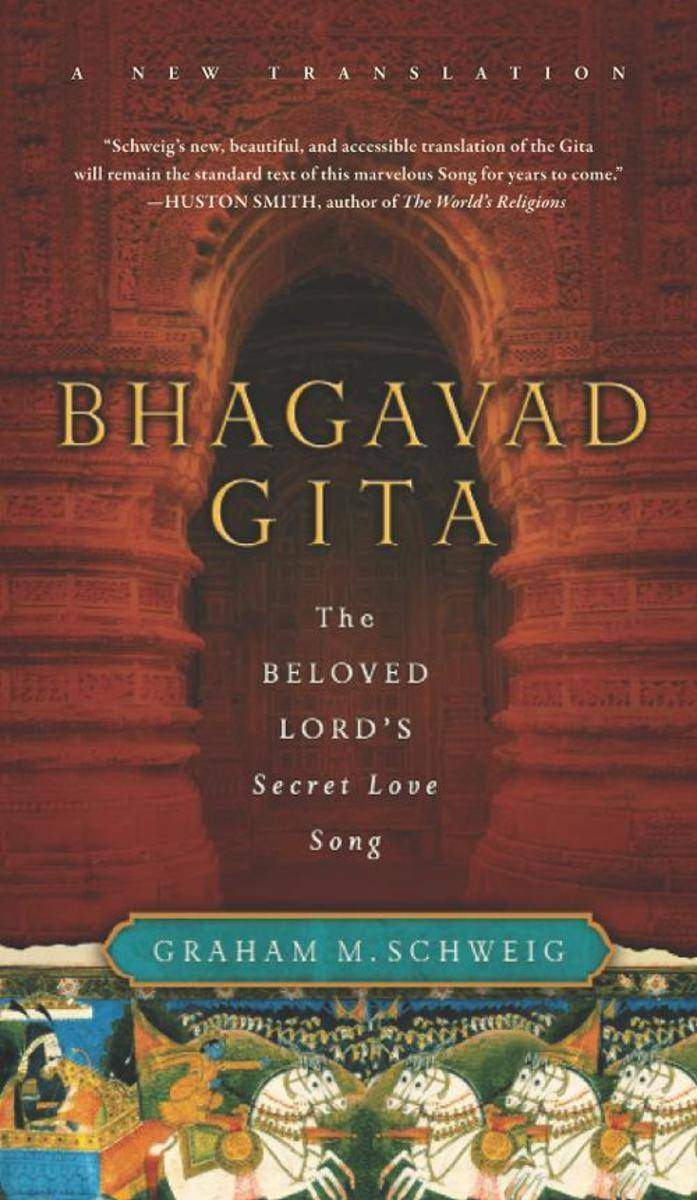
Bhagavad Gita
¥94.10
The Bhagavad Gita is often regarded as the Bible of India. With a gripping story and deeply compelling message, it is unquestionably one of the most popular sacred texts of Asia and, along with the Bible and the Qur'an, one of the most important holy *ures in the world. Part of an ancient Hindu epic poem, the dialogue of the Bhagavad Gita takes place on a battlefield, where a war for the possession of a North Indian kingdom is about to ensue between two noble families related by blood. The epic's hero, young Prince Arjuna, is torn between his duty as a warrior and his revulsion at the thought of his brothers and cousins killing each other over control of the realm. Frozen by this ethical dilemma, he debates the big questions of life and death with the supreme Hindu deity Krishna, cleverly disguised as his charioteer. By the end of the story, Eastern beliefs about mortality and reincarnation, the vision and practice of yoga, the Indian social order and its responsibilities, family loyalty, spiritual knowledge, and the loftiest pursuits of the human heart are explored in depth. Explaining the very purpose of life and existence, this classic has stood the test of twenty-three centuries. It is presented here in a thoroughly accurate, illuminating, and beautiful translation that is sure to become the standard for our day.

Opposites Attract
¥101.00
Does your partner want to go out on Friday nights when you prefer to curl up at home with a movieDoes your neat-freak boyfriend always want to clean up your cluttered officeDoes your wife want to plan trips six months in advance while you're a fly-by-the-seat-of-your-pants kind of personThe truth is, opposites attract. People who are different from each other in fundamental ways often catch each other's attention. We are attracted to the very qualities we wish we had ourselves. A shy person looks for a mate who is outgoing and gregarious to provide a social circle, and the outgoing person may need to be with someone who won't compete with him for attention. It seems like the perfect match that is, until those very differences that originally attracted us start to drive us crazy. But these differences don't have to drive couples apart. Renee Baron, a marriage and family therapist with more than twenty-five years of experience, uses the Myers-Briggs Type Indicator to provide a practical program for learning to appreciate our differences, rather than fight over them. The MBTI is the most widely used personality indicator in the world. By discovering your innate personality preferences and those of your partner, you can stop having the same fights over and over again and start appreciating the gifts each of you offers to the relationship.

Why Good People Do Bad Things
¥83.03
Discover a Life Filled with Passion, Meaning, and Purpose New York Times bestselling author Debbie Ford leads us into the heart of the duality that unknowingly operates within each one of us. Providing the tools to end self-sabotage, Ford ultimately knocks down the fade of the false self and shows us how to heal the split between light and dark and live the authentic life within our reach.
You'll See It When You Believe It
¥94.10
Dr. Wayne W. Dyer, psychotherapist, lecturer, and world'famous author of the phenomenal bestseller, Your Erroneous Zones, now takes us to new plateaus of selfawareness in his most powerful book yet. You'll See It When You Believe It will show you how, by tapping the truly amazing power that lies within you, you can direct the course of your own destiny. Using examples from his own highly successful experiences, Wayne Dyer will convince you that, with his proven techniques, you can make your most impossible dreams come true. Believe that you have the power to: Make your life anything you wish it to be; Set real goals and achieve them; Turn obstacles into opportunities; Rid yourself of guilt and inner turmoil; Develop a strong inner confidence; Dramatically improve relationships; Choose a life of abundance; Spend every day doing the things you love to do.
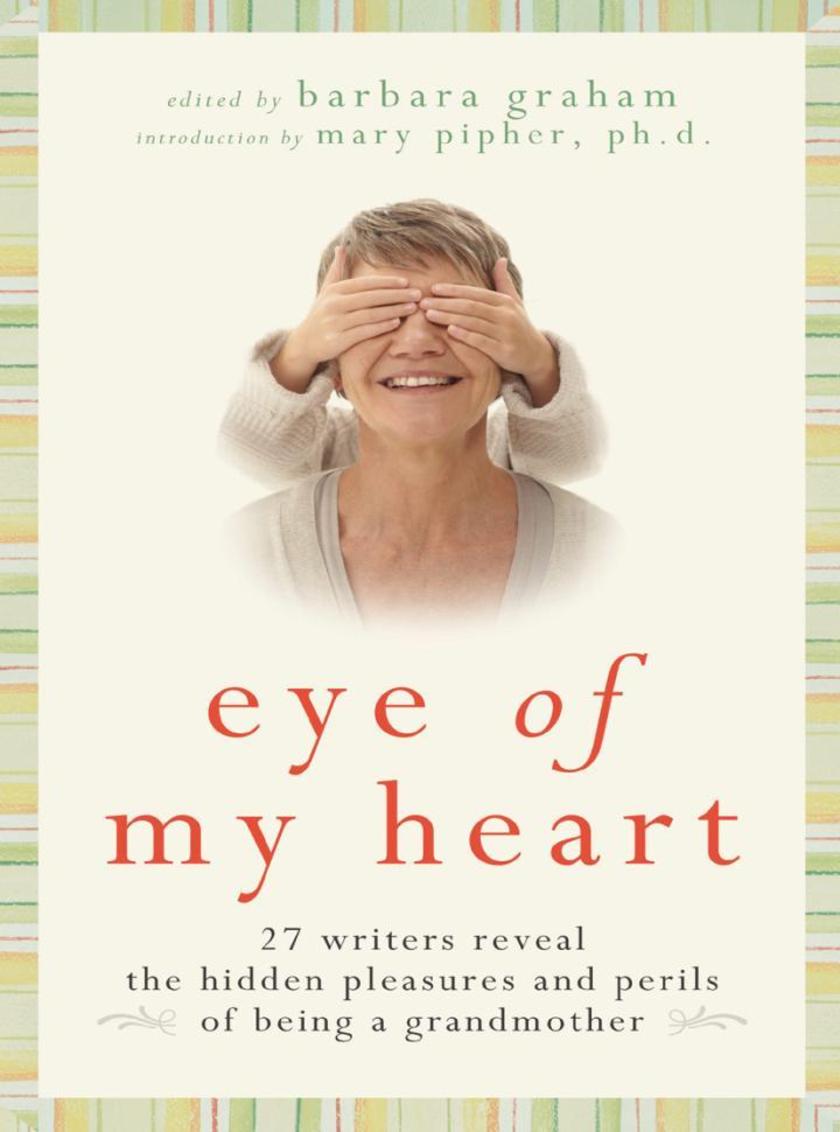
Eye of My Heart
¥83.03
In Eye of My Heart, twenty-seven smart, gutsy writers explode myths and stereotypes and tell the whole crazy, complicated truth about being a grandmother in today's world. Among the contributors: Anne Roiphe learns the hard way to keep her mouth shut and her opinions to herself.Elizabeth Berg marvels at witnessing her child give birth to her child.Beverly Donofrio makes amends for her shortcomings as a teenage mother.Judith Viorst exposes the high-stakes competition for Most Fabulous Grandchild.Jill Nelson grapples with mother-daughter tensions triggered by the birth of her grandson.Judith Guest confesses her failed attempt to emulate her own saintly grandmother.Bharati Mukherjee transcends her strict Hindu upbringing to embrace her adopted Chinese grand-daughters.Lynn Lauber finds joy in grandmotherhood that she missed out on as a mother.Sallie Tisdale pays a high price financially and emotionally for her fast-growing brood of grandkids.Ellen Gilchrist reveals how grandparenthood has eased her fear of death.Molly Giles is spurned by her toddler granddaughter during a trip to Paris.Susan Shreve finally accepts that she's the grandmother, not the mother.Roxana Robinson realizes, with relief, that she doesn't have to worry so much anymore.Abigail Thomas plots her escape when she can't bear to bake one more cake.Letty Cottin Pogrebin longs to leave a lasting impression on her grandchildren.Mary Pipher explores the primal role of grandmothers in a fast-changing world.In this groundbreaking collection, you will encounter the real stories that usually go untold. Free of platitudes and clichs, the essays in Eye of My Heart are linked by a common thread: a love for grandchildren that knows no bounds, despite inescapable obstacles and limitations.
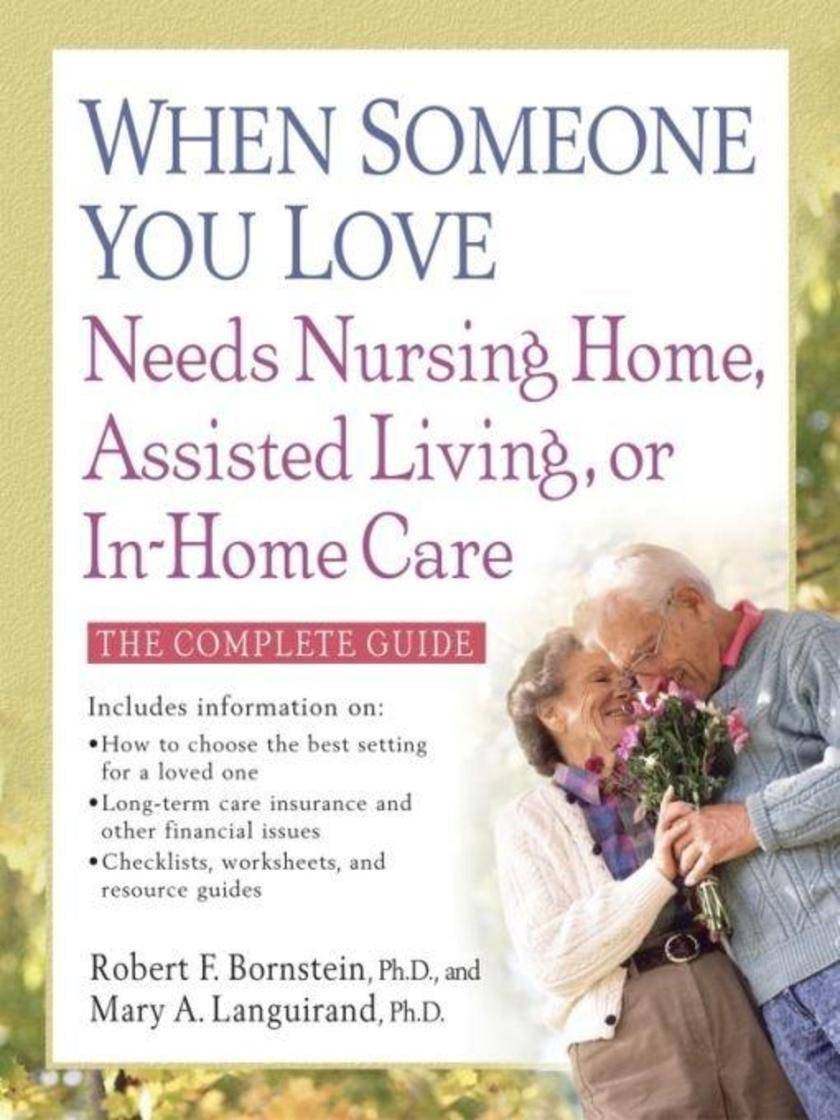
When Someone You Love Needs Nursing Home, Assisted Living, or In-Home Care
¥95.16
When an aging family member needs some extra help and care, whether a parent, spouse, sibling, or friend, this is the book to get. It delivers bottom-line, no-nonsense, practical information for every stage of need, from the earliest signs of illness, through the nursing home, and beyond.Written by two distinguished psychologists with specialties in eldercare counseling and research, this frank, friendly, time-tested guide is meticulously organized to provide answers, dispel myths, anticipate needs, and help you learn strategies for dealing with every aspect of in-home and facility care, including caring for the caregiver in the process. Also includes checklists, phone and Internet lists, budget worksheets, questionnaires, and a detailed index.
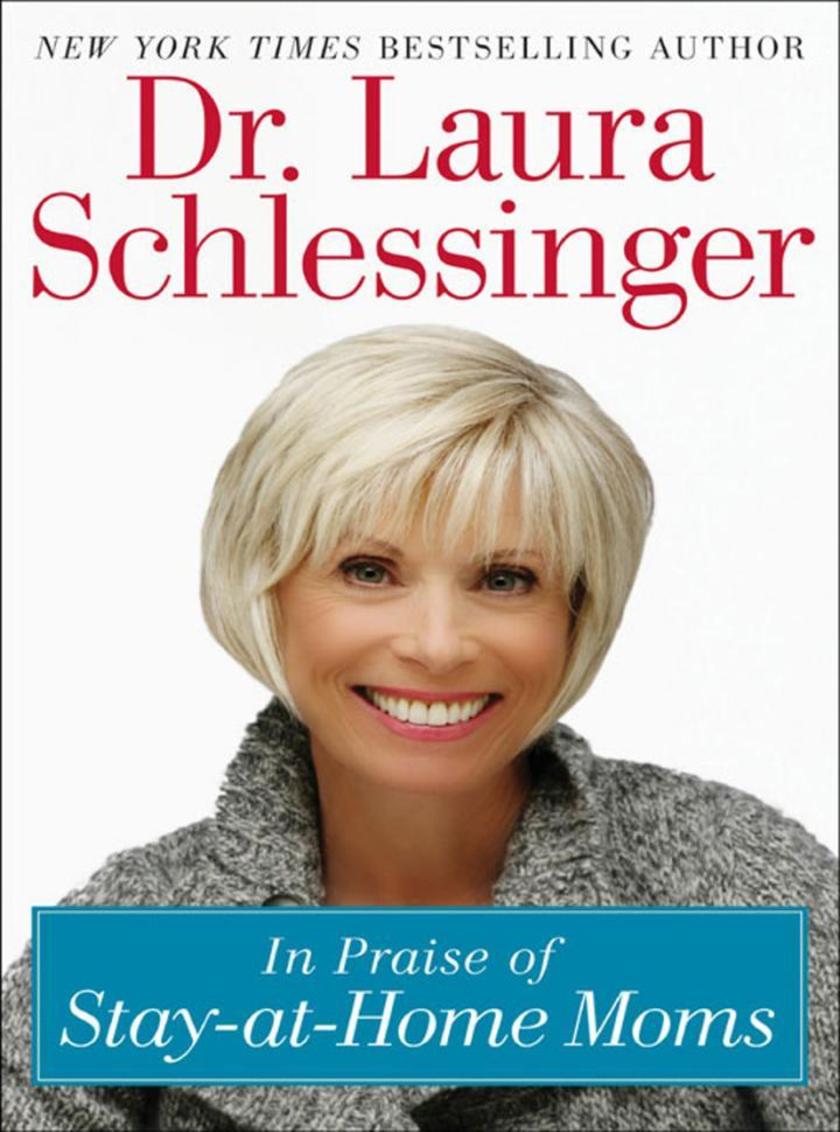
In Praise of Stay-at-Home Moms
¥77.49
They number in the millions and they are incredibly important to families and to our society, yet they are underappreciated, little respected, and even controversial.Who are theyThey are the stay-at-home moms.These are women who know in their hearts that staying home to raise their children is the right choice for the whole family. Some do it from the outset of their marriages, while others make the difficult transition from career-driven women to homemakers. Either way, it is a choice that is incredibly rich and rewarding, not to mention challenging.Now Dr. Laura, building on principles developed during her long career as a licensed marriage and family therapist, provides a wealth of advice and support, as well as compassion and inspiration, to women as they navigate the wonders and struggles of being stay-at-home moms. Learn how: to hold your head high and deal with naysayers; to see the benefits of being home not only for your children but also for your marriage; to understand the changes you see in yourself; to realize that the sacrifices you endure now will make for lasting bonds and a stronger family, in addition to a more cohesive community. In Praise of Stay-at-Home Moms is a special book, a profound and unique understanding of how important it is for mothers to raise their own children.

The Great Theft
¥83.03
Despite President George W. Bush's assurances that Islam is a peaceful religion and that all good Muslims hunger for democracy, confusion persists and far too many Westerners remain convinced that Muslims and terrorists are synonymous. In the aftermath of the attacks of 9/11, the subsequent wars in Afghanistan and Iraq, and the recent bombings in London, an unprecedented amount of attention has been directed toward Islam and the Muslim world. Yet, even with this increased scrutiny, most of the public discourse regarding Islam revolves around the actions of extremist factions such as the Wahhabis and al-Qa'ida. But what of the Islam we don't hear about?As the second-largest and fastest-growing religion in the world, Islam is deemed by more than a billion Muslims to be a source of serenity and spiritual peace, and a touchstone for moral and ethical guidance. While extremists have an impact upon the religion that is wildly disproportionate to their numbers, moderates constitute the majority of Muslims worldwide. It is this rift between the quiet voice of the moderates and the deafening statements of the extremists that threatens the future of the faith.In The Great Theft, Khaled Abou El Fadl, one of the world's preeminent Islamic scholars, argues that Islam is currently passing through a transformative period no less dramatic than the movements that swept through Europe during the Reformation. At this critical juncture there are two completely opposed worldviews within Islam competing to define this great world religion. The stakes have never been higher, and the future of the Muslim world hangs in the balance.Drawing on the rich tradition of Islamic history and law, The Great Theft is an impassioned defense of Islam against the encroaching power of the extremists. As an accomplished Islamic jurist, Abou El Fadl roots his arguments in long-standing historical legal debates and delineates point by point the beliefs and practices of moderate Muslims, distinguishing these tenets from the corrupting influences of the extremists. From the role of women in Islam to the nature of jihad, from democracy and human rights to terrorism and warfare, Abou El Fadl builds a vital vision for a moderate Islam. At long last, the great majority of Muslims who oppose extremism have a desperately needed voice to help reclaim Islam's great moral tradition.

Creating a Charmed Life
¥88.56
How Does She Do ItWe all know-and envy-women who appear to live "charmed" lives. They seem to unhurriedly and effortlessly manage the whirlwind of their busy lives with grace and poise. Good things happen to them, and their lives are filled with serendipity, joy, and prosperity. But it's not a matter of luck, according to Victoria Moran; a charmed life isn't something that happens to you-it's something you create! In Creating a Charmed Life, Victoria Moran unveils practical, spiritual secrets for expanding your capacity to love, know, and experience a fuller, richer life. Her insight, humor, and unassailable wisdom shine through each page to illuminate the magic in all our lives.Relish the calmCreate miraclesNurture your dreamsSavor simplicityInvite adventureNourish your spirit
Raising Twins
¥112.23
Raising Twins guides you through the physical, emotional, and cognitive developmental differences and challenges specific to twins. Straightforward and reassuring, this book addresses the key issues that impact twins from babyhood all the way through adolescence: Sharing and comparisons Competition and rivalry The "secret language" of twins The good twin/bad twin myth Teen-specific issues like dating and applying for college And much more including lively, candid discussions with twins and their parents


