


 购物车
购物车 个人中心
个人中心

Discover ISO 9001:2015 Through Practical Examples
¥163.42
Author and experienced quality management consultant Carlos Pereira da Cruz has written this book with one goal in mind: to offer you a practical and straightforward way to adapt your quality management system to your business, while meeting the requirements of ISO 9001:2015. Discover ISO 9001:2015?Through Practical Examples?is primarily for beginners in quality management systems, and for people with moderate knowledge of ISO 9001. However, if you are an experienced quality practitioner, but are disappointed with bureaucratic side of the standard, this book will show you a practical and relevant method of applying ISO 9001 to your business rather instead of blindly following policies and procedures. The main focus of the book is author’s desire to show you a different approach to the QMS. As he says at the beginning of the book, “What I see too often is Quality Management Systems with too few or too many documents, but concentrated on listing tasks that people must perform. And people perform their tasks, and companies remain certified, but nothing else happens.” Rather than looking at the standard that way, da Cruz says, “This book is about how to build a Quality Management System from scratch without looking at ISO 9001; the standard will naturally come afterwards when we show the relationship between sound management practices and ISO 9001 clauses.” Even though this book is written to be short and simple, it has more than 50 case studies, charts, diagrams and tables to help you develop your own QMS. Some of them include: The ecosystem of interested parties around Altix Example of monitoring plan Flowchart of activities, objects, and participants Objectives produced from the main processes Risk evaluation matrix Risks, process and improvement project Da Cruz has written the book using plain English, which is easy to understand for beginners. Using practical examples to help you understand the relationship between your regular business operations and ISO 9001:2015, he shows you that you’re not just implementing the standard to prove compliance, you’re doing it to improve the business.
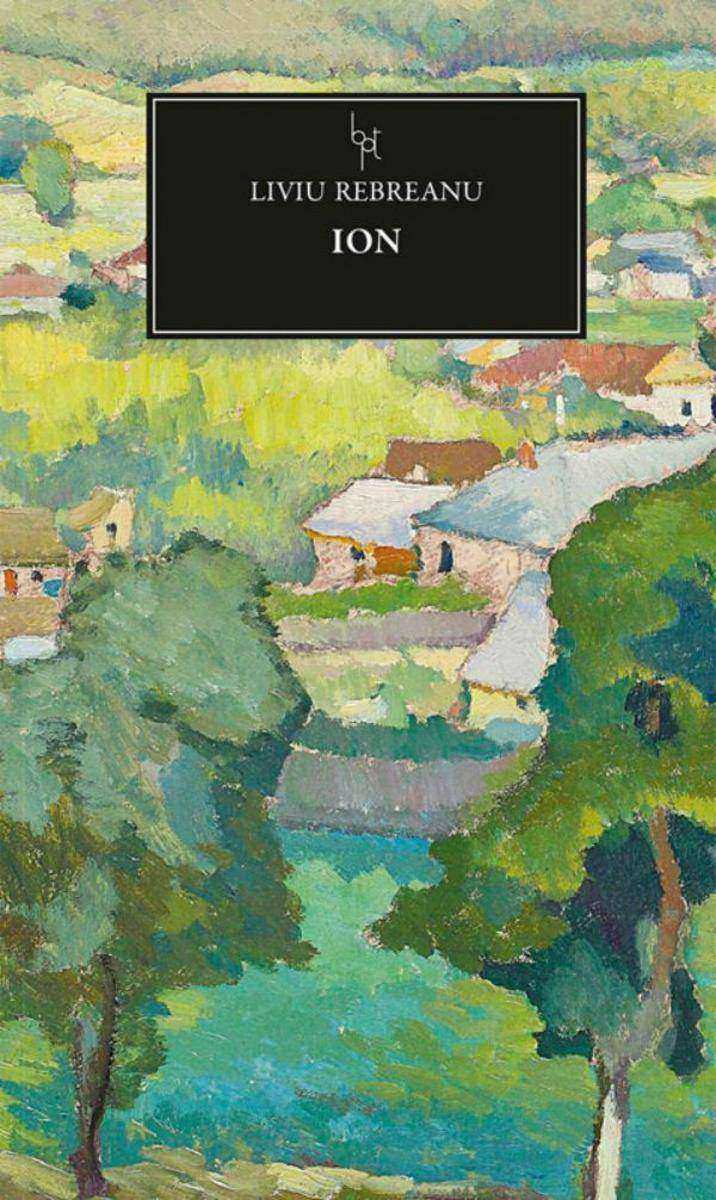
Ion
¥0.01
este primul roman obiectiv din literatura rom?n?, fiind ap?rut ?n anul 1920, dup? o lung? perioad? de elaborare, a?a cum ?nsu?i autorul men?ioneaz? ?n finalul operei, ?ntre martie 1913 – iulie 1920. Apari?ia romanului a st?rnit un adev?rat entuziasm ?n epoc?, mai ales c? nimic din crea?ia nuvelistic? de p?n? atunci nu anun?a aceast? evolu?ie spectaculoas?: ?Nimic din ce e publicat ?nainte nu ne putea face s? prevedem admirabila dezvoltare a unui scriitor, care a ?nceput ?i a continuat vreo zece ani, nu numai f?r? str?lucire, dar ?i f?r? indica?ii de viitor“, nota Eugen Lovinescu. Criticul prime?te romanul Ion ca pe o izb?nd? a literaturii rom?ne, iar satisfac?ia sa este consemnat? ?n studiul ?Crea?ia obiectiv?. Liviu Rebreanu: Ion“. Pentru ini?iatorul modernismului rom?nesc, al c?rui principiu de baz? era sincronismul literaturii rom?ne cu cea european?, romanul Ion este cel care ?rezolv? o problem? ?i curm? o controvers?“. Aceast? afirma?ie a lui Lovinescu se refer? la faptul c? apari?ia primului roman obiectiv direc?ioneaz? literatura rom?n? c?tre valoare european? ?i stinge polemica pe care criticul o avea cu s?m?n?tori?tii epocii.

Függ?ségben 1
¥0.01
Nathaniel Cruz már akkor belebolondult Alexis Woodville-be, amikor a lány a gimnáziumban egy szerencsétlen baleset folytán, fejen találta ?t egy focilabdával. A cserfes és csábos, v?r?s hajú lány szó szerint levette a fiút lábáról. Egyikük sem sejtette, hogy a spontán vonzalom életre szóló bilincset tesz majd a szívükre, de katasztrofális id?zítés és egy buta véletlen hosszú id?re elszakítja ?ket egymástól. ?vekkel kés?bb Nathaniel már a világhír? futballsztár csillogónak látszó életét éli, szívében azonban még mindig megszállottja Alexisnek. Véletlen találkozásukkor felszínre t?rnek a régóta eltitkolt vágyak, ám hiába tombol k?z?ttük a szenvedély, a féltékenység és birtokolni vágyás megint szétválasztja ?ket. Amikor útjaik kés?bb újra keresztezik egymást, hatalmas dilemma el?tt állnak. K?vetve a szívük vágyát, megadják-e magukat az oly régóta elnyomott szenvedélynek, vagy feláldozzák a szerelmet a felel?sségtudat oltárán. Ez Alexis és Nathaniel érzéki, szenvedélyes t?rténete. Remélem, annyira élvezitek majd olvasni, mint amennyire én az írást élveztem!
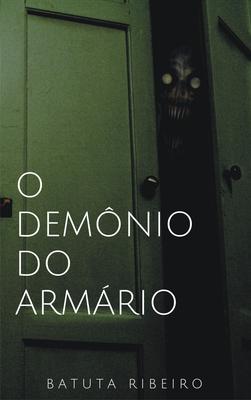
O dem?nio do armário
¥7.63
Um pai de família compra uma casa sem desconfiar de que há um terrível dem?nio no armário embutido de um dos quartos. batutaribeiro.com.br

Точка возврата - Женский любовный роман
¥38.07
Спустя три года после смерти мужа Женя так и не сумела обрести вкус к жизни. Она растит сына, терпит капризы матери, тянет лямку на работе в отделе кадров фарфорового завода. Евгений Халтурин, столичный кризисный менеджер, приезжает, чтобы запустить процедуру банкротства завода. Молодой, амбициозный и деятельный начальник раздражает Женю, и она высказывает негативное мнение о предстоящем банкротстве… Халтурин начинает размышлять о словах невзрачной кадровички, понимая, что хочет обязательно сделать ее своей союзницей. Но зачем? Женя разительно отличается от тех уверенных в себе элегантных светских женщин, которые привлекают его… Издательство Animedia Company желает вам приятного чтения.

Emerson’s Story: (Creepy Hollow Books 7, 8 & 9)
¥81.67
Nearly eighteen years after the events of A Faerie’s Curse, a thrilling new adventure begins ... Emerson Clarke: Sarcastic. Independent. Possibly losing her mind Because that’s the only explanation for why she occasionally sees things that aren’t there, right? But one night, an impossible power erupts from her, and Em realizes the truth is crazier than she ever thought: she isn’t losing her mind she’s magical. Thrown into an entirely new world of faeries, enchantments—and the annoying guy from down the road who, it turns out, isn’t human either—Em barely has time to learn even the most basic of magic before another startling truth reveals itself: she has a Griffin Ability. A special kind of magic feared by fae. Now she’s at the top of everyone’s most-wanted list—including the mysterious glass faerie carrying out random attacks on fae. In this magical and terrifying world that she’s entirely unprepared for, Em must try to figure out who she really is, whom to trust, and how to stay alive long enough to get back to her normal life. Meet a new heroine and catch up with old favorite characters in this thrilling adventure packed with enchanting magic, unexpected twists, and a dash of romance. Includes the following THREE Creepy Hollow books: Rebel Faerie THE COMPLETE CREEPY HOLLOW SERIES CONSISTS OF THE FOLLOWING BOOKS: Violet's Story The Faerie Guardian The Faerie Prince The Faerie War Calla's Story A Faerie's Secret A Faerie's Revenge A Faerie's Curse Emerson's Story Glass Faerie Shadow Faerie Rebel Faerie

Thunderlight
¥40.79
Vibrant, scale swathed wings… Abilities that can be harnessed by a chosen few… Dragons… All this may seem like old news, but for seventeen year-old Elena Watkins the world of Paegeia is not finished revealing all its secrets. During a summer break intended for relaxation, she discovers that her harrowing adventure to retrieve the King of Lion sword wasn’t the destiny foretold by the cryptic Viden, a dragon with the ability to see a person’s true fate. The words inked onto the page of the mysterious Book of Shadows remains black and Elena must return to Dragonia Academy to discover their true meaning. Upon her return to the magnificent castle she has to face a challenge of a different kind, keeping her boyfriend Lucian McKenzie, the Prince of Tith and love of her life, away from the dangerous new student, Paul Sutton. As a Wyvern, Paul has made it his mission to claim Elena as his rider but he is proving to be more perilous than at first glance. Everyone knew that Wyverns were bad news, and just as evil as the darkness that lurked inside Blake Leaf, the Rubicon forced to fight against his inner nature every day. But Elena can see a small light lurking in the darkness, a destiny still unfulfilled; to prove that Wyverns can be claimed. Will Lucian’s dark secret about Wyverns and Elena’s need to prove their true nature cause their love to be torn apart? And which of Elena’s friends will be sacrificed this time if she is wrong?

Public Speaking for Authors, Creatives and Other Introverts
¥60.96
Are you an introverted author or creative? Do you want to improve your public speaking ability?As creatives in a crowded world, we can no longer sit in our rooms, creating alone, if we want a viable income. Increasingly, we have to be out there in the world, sharing our knowledge and being visible in order to have a successful career. Public speaking can be an extra income stream, or can form an integral part of your marketing. It's also a good idea to plan for success and authors/creatives often have to speak when they become well-known, so it's best to start practicing earlier. This book is a starter pack and an easy reference guide with the information that you need the most to speak confidently and professionally in public. And, although some chapters have specific tips for introverts, much of this information will be useful for anyone who is interested in public speaking, regardless of their personality type. In this book, I'll share everything that I know as a professional speaker and introverted author-entrepreneur. The book contains lots of tips about public speaking in general, based on my own experience over the last five years. In addition, I cover some specific points that creative introverts need to consider as speakers. You can read this book from start to finish, but you can also dip in and out, as each chapter contains succinct tips that you'll need at different times on your journey. In this book, you will find: Part 1 goes into the practicalities of speaking: types of speaking, preparation, your actual talk, and what happens afterwards. Part 2 is about some of the psychological aspects of speaking: your mindset, authenticity, confidence, and tackling the inevitable anxiety, which we all feel. Part 3 discusses the business side of speaking: financials, marketing, and how to create multiple streams of income. Part 4 contains interviews with three fantastic professional speakers, each from a different market, to give you a variation in perspective. Mark McGuinness is an introvert, Clare Edwards is an extrovert and Alastair Humphreys sits somewhere in the middle.? There are also videos, audio and extra image-formatted transcripts, so you can experience this information in other modes if you prefer. The Appendices contain resources that may be useful in your speaking journey, including my own speaking checklist and booking form, example sales page and a series of questions for you to answer that will kickstart your public speaking.??? I’m an author and professional speaker, and I’m also an introvert. I often get asked how I do what I do, when our natural tendency is to relish being alone and creative, not standing in front of a crowd. In this book, I share everything I’ve learned about being a speaker and creative over the last 5 years of speaking internationally, in front of large and small audiences. I also dispel some of the myths around being a speaker. You don’t have to be Tony Robbins, bouncing around on stage with a booming voice and larger than life persona. You just have to be you, and tell your stories. If you're ready to improve your public speaking, download a sample or buy now.

Cuando el amor es una mala palabra
¥15.18
Cuando el amor es una mala palabra es una antología poética que reúne setenta y cinco expresiones de sentimiento escritas por mí desde los inicios del a?o 2008.En Cuando el amor es una mala palabra he plasmado diversas situaciones, reales o imaginarias. Mi única intención es que el lector se transporte a un mundo de muchas historias, en el cual tendrá una total libertad para interpretarlas.Las palabras incluidas en cada una de estas letras no pretenden discriminar. Están ordenadas de la manera como el amor hace lo suyo, con picos y abismos, cuando empieza, cuando se cruza con la desilusión y el dolor, y cuando termina con el deseo de renacer e intentarlo una vez más.Entonces, mejor es dejar que ellas mismas se presenten con su historia.

His First His Second:An Alicia Friend Investigation: An Alicia Friend Investigat
¥0.01
Meet Detective Sergeant Alicia Friend. She’s nice. Too nice to be a police officer, if she’s honest. Now assigned to DI Donald Murphy’s team, the annoyingly-perky detective finds herself in the grip of a northern British winter, investigating the kidnap-murders of two young women - both strikingly similar in appearance. When a third is taken, they have less than a week to chip away the secrets of a high-society family, and uncover the killer’s objective. But Richard - the father of the latest victim - believes the police are not moving quickly enough, so launches a parallel investigation, utilising skills honed in a dark past that is about to catch up with him. As Richard’s secret actions hinder the police, Alicia remains in contact with him, and even starts to fall for his charms, forcing her into choices that will impact the rest of her life. For a chilling serial killer thriller with a quirky main character, pick up His First His Second today! ??? Reviews CrimeFictionLover.com “An intriguing mix of police procedural and serial killer thriller, that will tease, involve and unnerve you. An entertaining and intriguing debut.” Undercover Book Reviews: “Want a book with twists and turns? This is the one. It will not disappoint.” AUTHOR Q&A Q: Alicia Friend is kind of an oddball, isn’t she? A: I’d say she’s unique. She knows who she wants to be and she doesn’t compromise, but most police officers she meets are dour and grumpy, and she sees how that impacts their personal lives. She doesn’t want to be as hard-nosed as many women sleuths in fiction, so radiates the sort of perkiness that sometimes grates on her fellow officers. But it’s who she is. Q: Despite having a quirky woman sleuth as main character, the novel goes to some dark places. A: Yes. I found that at one point I was trying to include ALL my research, and I’m really aiming for a thrill ride as much a straight police procedural. I originally included the sort of forensic details you get with Patricia Cornwell or Kathy Reichs, but it wasn’t right for this book. I keep it as accurate as possible, but it’s about the characters and how they uncover secrets, both externally and within the police. Q: So who is your ideal reader? A: Fans of serial killer books in general. If you like James Patterson, PJ Tracy or Steven James, Mark Billingham or Ian Rankin, Alicia Friend’s series could be worth checking out. Q: What levels of violence and bad language are there? A: Some of the violence is graphic, but the language … that goes as strong as references to one’s posterior and some faecal synonyms, if you get my meaning. No “F” or “C” words, as I don’t think Alicia’s audience appreciates that. Q: And how, exactly, do you come up with a character like Alicia? A: She is based on a real person. But very loosely. The essence is there, although I had to invent certain aspects for dramatic effect. The parts from real life are: a ditzy, perky outer shell, yet possesses a fierce intelligence, true dedication, and being brilliant at her job. Q: So the real Alicia Friend isn’t a serving police officer? A: No, she isn’t. And if she was, I certainly wouldn’t say so here. Alicia Friend Books In Order: His First His Second In Black In White With Courage With Fear A Friend in Spirit To Hide To Seek (novella for summer 2018)
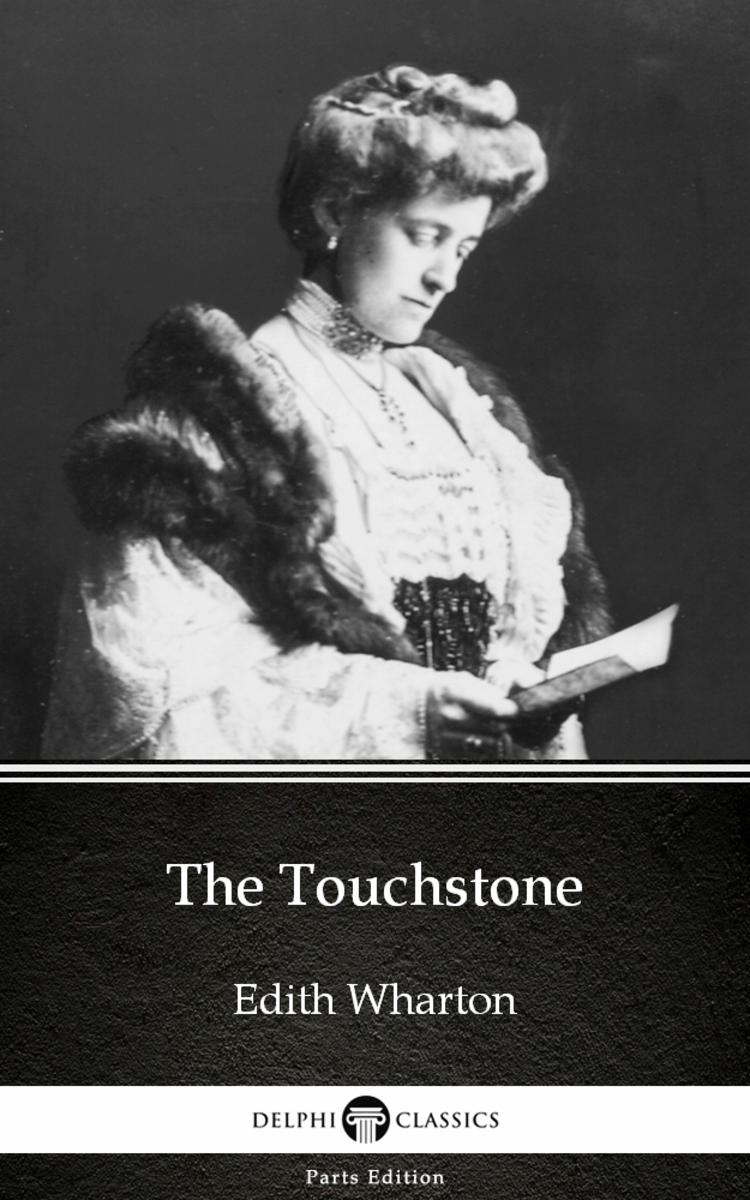
The Touchstone by Edith Wharton - Delphi Classics (Illustrated)
¥8.09
This eBook features the unabridged text of ‘The Touchstone by Edith Wharton - Delphi Classics (Illustrated)’ from the bestselling edition of ‘The Complete Works of Edith Wharton’. Having established their name as the leading publisher of classic literature and art, Delphi Classics produce publications that are individually crafted with superior formatting, while introducing many rare texts for the first time in digital print. The Delphi Classics edition of Wharton includes original annotations and illustrations relating to the life and works of the author, as well as individual tables of contents, allowing you to navigate eBooks quickly and easily. eBook features: * The complete unabridged text of ‘The Touchstone by Edith Wharton - Delphi Classics (Illustrated)’ * Beautifully illustrated with images related to Wharton’s works * Individual contents table, allowing easy navigation around the eBook * Excellent formatting of the text Please visit www.delphiclassics.com to learn more about our wide range of titles

The Captive by Marcel Proust - Delphi Classics (Illustrated)
¥8.09
This eBook features the unabridged text of ‘The Captive by Marcel Proust - Delphi Classics (Illustrated)’ from the bestselling edition of ‘The Complete Works of Marcel Proust’. Having established their name as the leading publisher of classic literature and art, Delphi Classics produce publications that are individually crafted with superior formatting, while introducing many rare texts for the first time in digital print. The Delphi Classics edition of Proust includes original annotations and illustrations relating to the life and works of the author, as well as individual tables of contents, allowing you to navigate eBooks quickly and easily. eBook features: * The complete unabridged text of ‘The Captive by Marcel Proust - Delphi Classics (Illustrated)’ * Beautifully illustrated with images related to Proust’s works * Individual contents table, allowing easy navigation around the eBook * Excellent formatting of the text Please visit www.delphiclassics.com to learn more about our wide range of titles
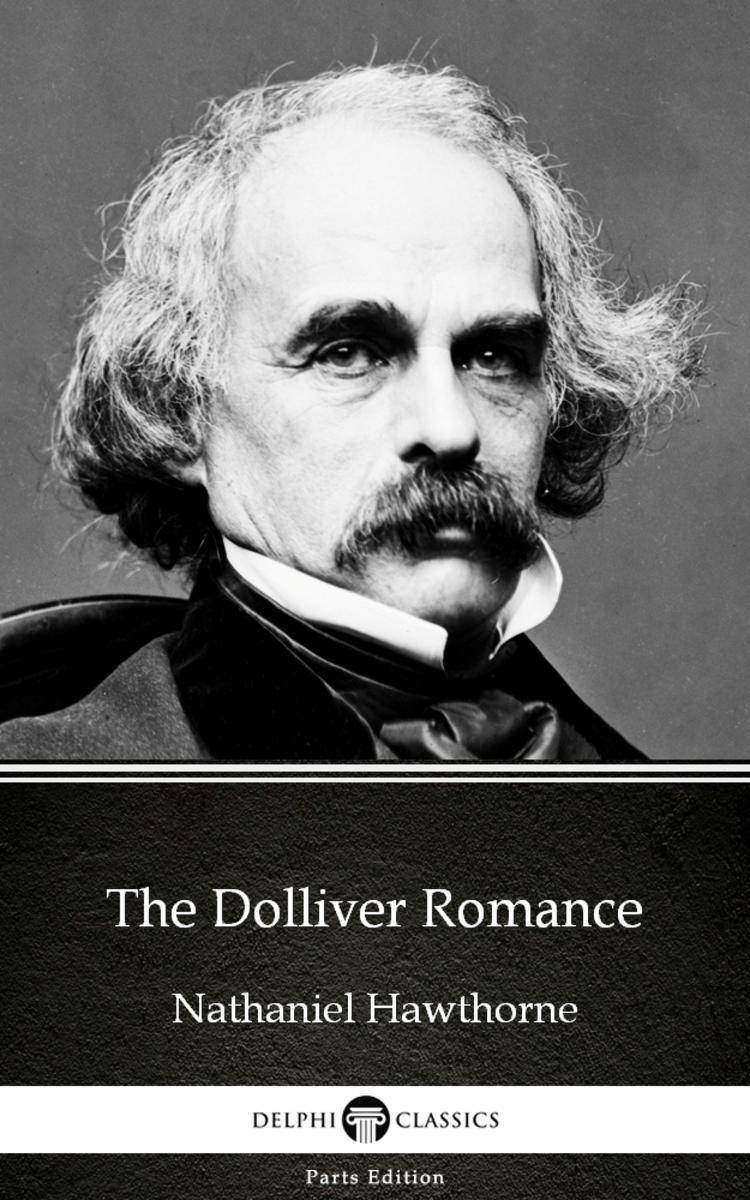
The Dolliver Romance by Nathaniel Hawthorne - Delphi Classics (Illustrated)
¥8.09
This eBook features the unabridged text of ‘The Dolliver Romance by Nathaniel Hawthorne - Delphi Classics (Illustrated)’ from the bestselling edition of ‘The Complete Works of Nathaniel Hawthorne’. Having established their name as the leading publisher of classic literature and art, Delphi Classics produce publications that are individually crafted with superior formatting, while introducing many rare texts for the first time in digital print. The Delphi Classics edition of Hawthorne includes original annotations and illustrations relating to the life and works of the author, as well as individual tables of contents, allowing you to navigate eBooks quickly and easily. eBook features: * The complete unabridged text of ‘The Dolliver Romance by Nathaniel Hawthorne - Delphi Classics (Illustrated)’ * Beautifully illustrated with images related to Hawthorne’s works * Individual contents table, allowing easy navigation around the eBook * Excellent formatting of the text Please visit www.delphiclassics.com to learn more about our wide range of titles

The Fix
¥68.67
Addictions to iphones, painkillers, cupcakes, alcohol and sex are taking over our lives. Our most casual daily habits can quickly become obsessions that move beyond our control. Damian Thompson, who has himself struggled with a range of addictions, argues that human desire is in the process of being reshaped. Shunning the concept of addiction as disease, he shows how manufacturers are producing substances like ipads, muffins and computer games that we learn to like too much and supplement tradition addictions to alcohol, drugs and gambling. He argues that addictive behaviour is becoming a substitute for family and work bonds that are being swept away by globalisation and urbanisation. This battle to control addiction will soon overshadow familiar ideological debates about how to run the economy, and as whole societies set about “fixing” themselves, the architecture of human relations will come under strain as never before. The Fix offers a truly frightening glimpse of the future and is essential reading for fans of Naomi Klein’s ‘No Logo’, Oliver James’s ‘Affluenza’ and Francis Wheen’s ‘How Mumbo-jumbo Conquered the World’.
Bird Migration (Collins New Naturalist Library, Book 113)
¥206.30
The phenomenon of bird migration has fascinated people from time immemorial. The arrivals and departures of different species marked the seasons, heralding spring and autumn, and providing a reliable calendar long before anything better became available. Migration is shown by many kinds of animals, including butterflies and other insects, mammals, marine turtles and fish, but in none is it as extensively developed as in birds. The collective travel routes of birds span almost the entire globe, with some extreme return journeys covering more than 30,000 km. As a result of migration, bird distributions are continually changing – in regular seasonal patterns, and on local, regional or global scales. Migration has repeatedly prompted familiar questions, such as where birds go or come from, why do they do it, how do they know when and where to travel, and how do they find their way? In this book, Ian Newton sets out to answer these – and other – questions. The book is divided into four main sections: the first is introductory, describing the different types of bird movements, methods of study, and the main migration patterns seen around the British Isles; the second part is concerned mainly with the process of migration – with timing, energy needs, weather effects and navigation; the third with evolution and change in migratory behaviour; and the fourth with the geographical and ecological aspects of bird movements.

The Last Highlander
¥73.58
Fans of Outlander must read this Saltire Society Literary Awards Scottish First Book of the Year – a great non-fiction adventure about Scotland’s most notorious clan chief. Simon Fraser, Lord Lovat, was the last of the great Scottish chiefs – and the last nobleman executed for treason. Determined to seek his fortune with the exiled Jacobite king in France, Fraser acted as a spy for both the Stuarts and the Hanoverians; claimed to be both Protestant and Roman Catholic. In July 1745, Bonnie Prince Charlie launched his last attempt to seize back the throne, supported by Fraser and his clans. They were defeated at Culloden. Fraser was found hiding in a tree. This swashbuckling spy story recreates an extraordinary period of history in its retelling of Fraser’s life. He is surely one of Scotland’s most notorious and romantic figures, a cunning and ambitious soldier who died a martyr for his country and an independent Scotland.

Wildfowl (Collins New Naturalist Library, Book 110)
¥206.30
New Naturalist Wildfowl provides a much-anticipated overview of the fascinating birds that have become icons of our diminishing wilderness areas. Wildfowl – swans, geese and ducks – have been the subject of poetry, fables, folklore and music, and a source of inspiration to writers, artists, historians and naturalists alike. Historically, they have featured prominently in our diet – more recently they have become the most widely domesticated group of birds. Wildfowl have been scientifically studied more intensively than any other group of birds and were one of the first groups to highlight more general issues of conservation. Their status as the most popular group of birds is underlined by the success of the original Wildfowl Trust (now the Wildfowl & Wetlands Trust). David Cabot has been obsessed with wildfowl for nearly sixty years. In this seminal new work, he discusses the 56 species of wildfowl that have been recorded either in a natural state, or that have been introduced and now maintain self-sustaining populations in Britain and Ireland. He focuses on their social behaviour, feeding ecology and population dynamics, and in particular their seasonal migration patterns. He also explores the evolution and history of wildfowl and our long relationship with them, through popular mythology and legends, which continue to fascinate us with a sense of mystery and awe.

The Frozen Water Trade (Text Only)
¥72.99
The story of the 19th-century ice trade, in which ice from the lakes of New England – valued for its incredible purity – revolutionised domestic life around the world. In the days before artificial refrigeration, it was thought impossible to transport ice for long distances. But one man, Frederic Tudor, was convinced it could be done. This is the story of how, almost single-handedly, and in the face of near-universal mockery, he established a vast industry that would introduce the benefits of fresh ice to large parts of the globe. Thanks to Tudor, the American fashion for drinks ‘on the rocks’ spread to tropical areas such as the West Indies and British India. By the 1830s fleets of schooners carried the frozen cargo, packed with sawdust and tarpaulins for insulation, to all corners of the world. The harvesting of the ice from New England’s lakes employed thousands of men. The frozen water trade had a profound influence on the tastes of a large part of the world, but with the development of artificial cooling systems in the first quarter of the 20th century, the huge industry established by Frederic Tudor vanished as if it had never been. Note that it has not been possible to include the same picture content that appeared in the original print version.

World War One:History in an Hour
¥18.05
Love history? Know your stuff with History in an Hour. The ‘Great War’, from July 1914 to November 1918, was without parallel. It brought to an end four dynasties, ignited revolution, and forged new nations. It introduced killing on an unprecedented scale, costing an estimated nine million lives. It was the war that destroyed any notion of romance or chivalry in battle; it pulled in combatants from nations across the globe and shattered them, body and mind. The War involved all of the world’s great powers – the Central Powers, dominated by Germany and Austria-Hungary; the Triple Entente, lead by Britain, France and Russia; and America. World War One: History in an Hour explains the unprecedented battles on land, sea and in the air and describes the Home Front, espionage, and the politics behind them. This, for the first time in history, was ‘total war’. Love history? Know your stuff with History in an Hour…

The Siege of Leningrad:History in an Hour
¥18.05
Love history? Know your stuff with History in an Hour. The Siege of Leningrad was one of the longest sieges in history and it inflicted some of the worst civilian casualties of World War Two. When Hitler declared his intention to obliterate the key city of Leningrad on 22 September 1941, he could not have foreseen the grim determination of its citizens. Over the course of 900 days, the city resisted the Germans pounding at its gates. Its survival contributed to the defeat of Nazism. But the price was heavy – over 1 million died in Leningrad from German bombs and artillery, or from disease, the cold or starvation. In its suffering Leningrad became a source of symbolic national pride, of good conquering evil. The story of the siege is one of heroic resistance and stoical survival but it also one of unimaginable suffering and extreme deprivation. THE SIEGE OF LENINGRAD: HISTORY IN AN HOUR is essential reading for all history lovers. Know your stuff: read about the Siege of Leningrad in just one hour.
The Sugar Girls - Joan’s Story
¥18.74
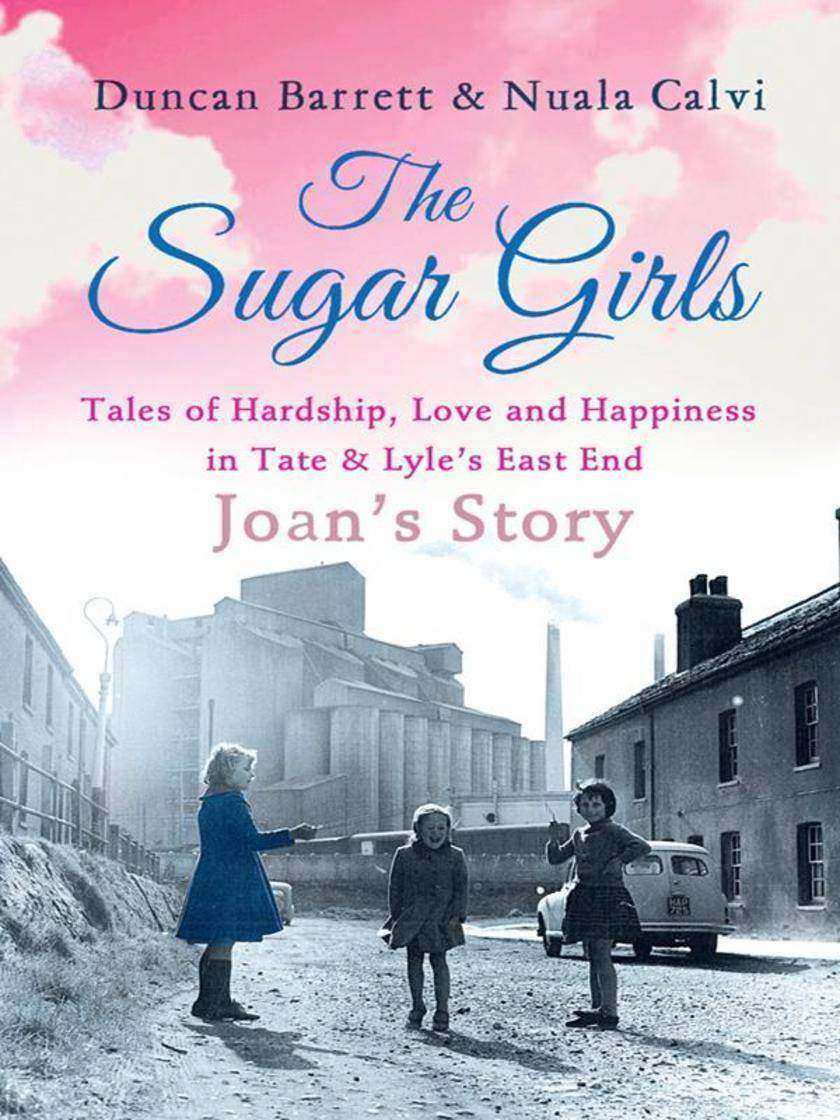
This is Joan’s story, one of four stories from The Sugar Girls.During the Blitz and the years of rationing, the Sugar Girls kept Britain sweet. The work was back-breakingly hard, but the Tate & Lyle factory was more than just a workplace - it was a community, a calling, a place of love and support and an uproarious, tribal part of East London. ‘Joan had joined Tate & Lyle expressly for the social life, and she was determined to make the most of it. She could see that her old friend Peggy already had an established group of her own among the sugar girls, so she set about building a new set of friends. It wasn’t difficult for Joan, whose cheerful self-confidence, natural chattiness and naughty sense of humour acted as a magnet to those around her.’ In the years leading up to and after the Second World War thousands of women left school at fourteen to work in the bustling factories of London’s East End. Despite long hours, hard and often hazardous work, factory life afforded exciting opportunities for independence, friendship and romance. Of all the factories that lined the docks, it was at Tate & Lyle’s where you could earn the most generous wages and enjoy the best social life, and it was here where The Sugar Girls worked This is an evocative, moving story of hunger, hardship and happiness, providing a moving insight into a lost way of life, as well as a timeless testament to the experience of being young and female. Includes Joan’s own personal photographs of life as a sugar girl.


