


 购物车
购物车 个人中心
个人中心
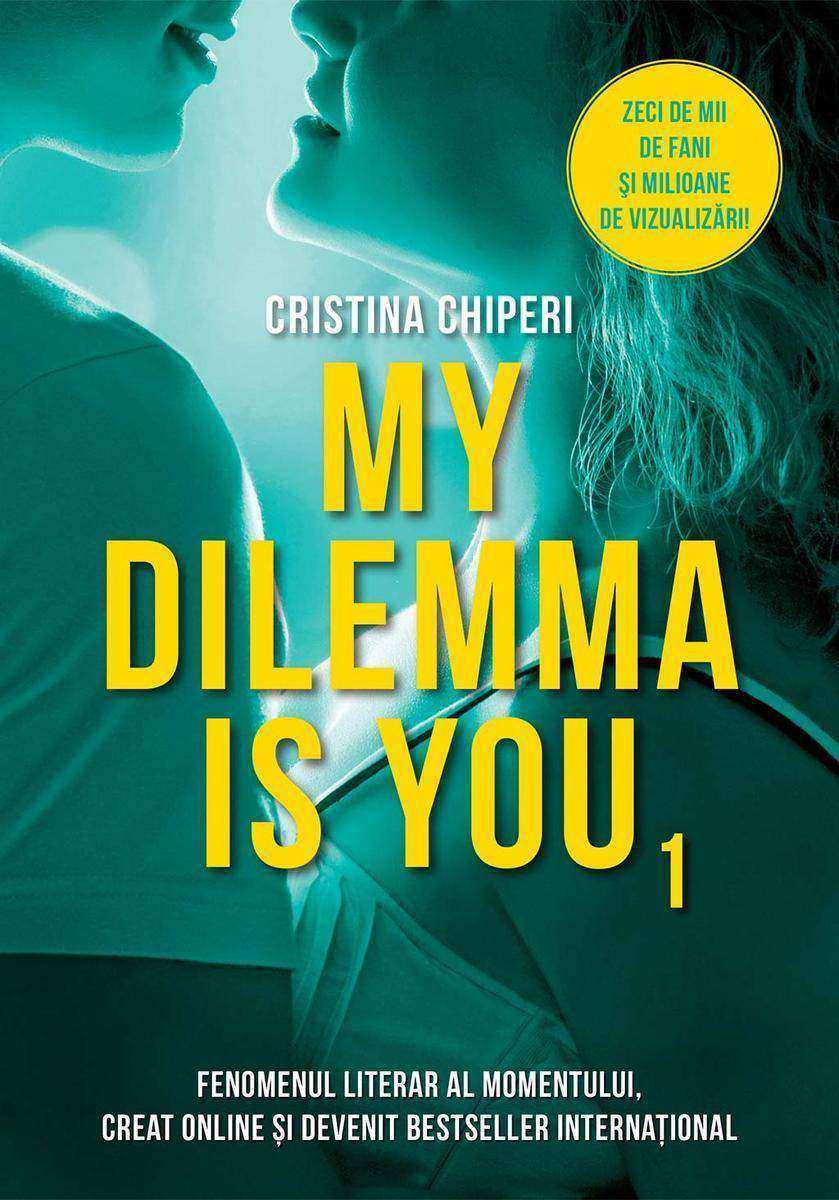
My Dilemma is You. Vol. 1
¥68.34
My dilemma... este senzaia internetului i a librriilor, deopotriv. Cititorii i fanii au nnebunit complet: nimic altceva nu mai exist.“ – La RepubblicaCristina Evans triete la Los Angeles i crede c are o via perfect, pn n ziua n care prinii ei hotrsc s se mute la Miami. Totul se nruie pentru adolescenta de aisprezece ani, care se vede obligat s-i prseasc prietenii dintotdeauna i s ia totul de la capt ntr-un alt ora, la o alt coal. Dei Los Angeles-ul i cei mai buni prieteni de acolo rmn permanent n gndurile ei, Cristina reuete foarte repede s se acomodeze n noua cas i s se mprieteneasc cu civa dintre cei mai populari elevi ai liceului. Toi o primesc n cercul lor, mai puin Cameron i Susan, iubita lui, care o privesc amndoi cu ostilitate. i astfel, printre tot felul de ntmplri mai mult sau mai puin plcute, Cris reuete s-i fac o nou prieten, Sam, i se ndrgostete de Matt. Dei lucrurile par s mearg din ce n ce mai bine n viaa ei, iele inimii ajung s se ncurce tot mai mult cnd Cris i Cameron ncep s-i dea seama c antipatia pe care o simt unul fa de cellalt ascunde, n realitate, un sentiment complet diferit. Vor accepta oare cei doi tineri s priveasc n fa aceast descoperire i s lupte pentru a fi mpreun
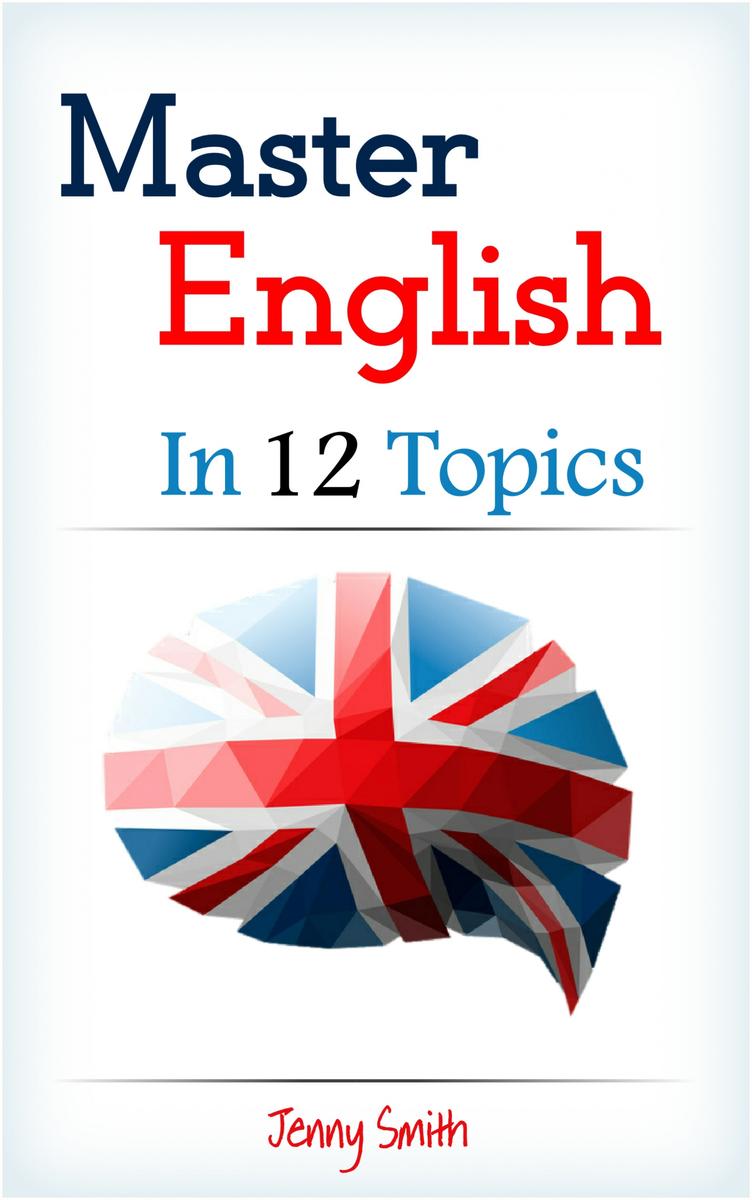
Master English in 12 Topics: Over 200 intermediate words and phrases explained
¥0.01
How to master English Lots of intermediate English speakers tend to get trapped using the same vocabulary over and over again. They often only speak about subjects they know the words for and avoid anything outside of their ???comfort zone???. The problem with this is that even though they sound ok, they never really get any better. If you really want to improve, you need to be able to speak about a wide range of topics. For this, you will need to learn the special vocabulary connected to these topics. What are the benefits of using this book? You will learn 235 useful words and phrases. You will be able to speak about 12 new topics with confidence. This will greatly improve your English conversational ability. All new words and phrases are introduced in fun and interesting articles and stories. So you will learn naturally. Everything is explained in easy to understand English, so you can get used to ???thinking in English???. There are 100???s of example sentences to help you understand how these words and phrases are used in everyday language. For each topic I have listed useful television shows and YouTube channels to help you practice your new vocabulary.
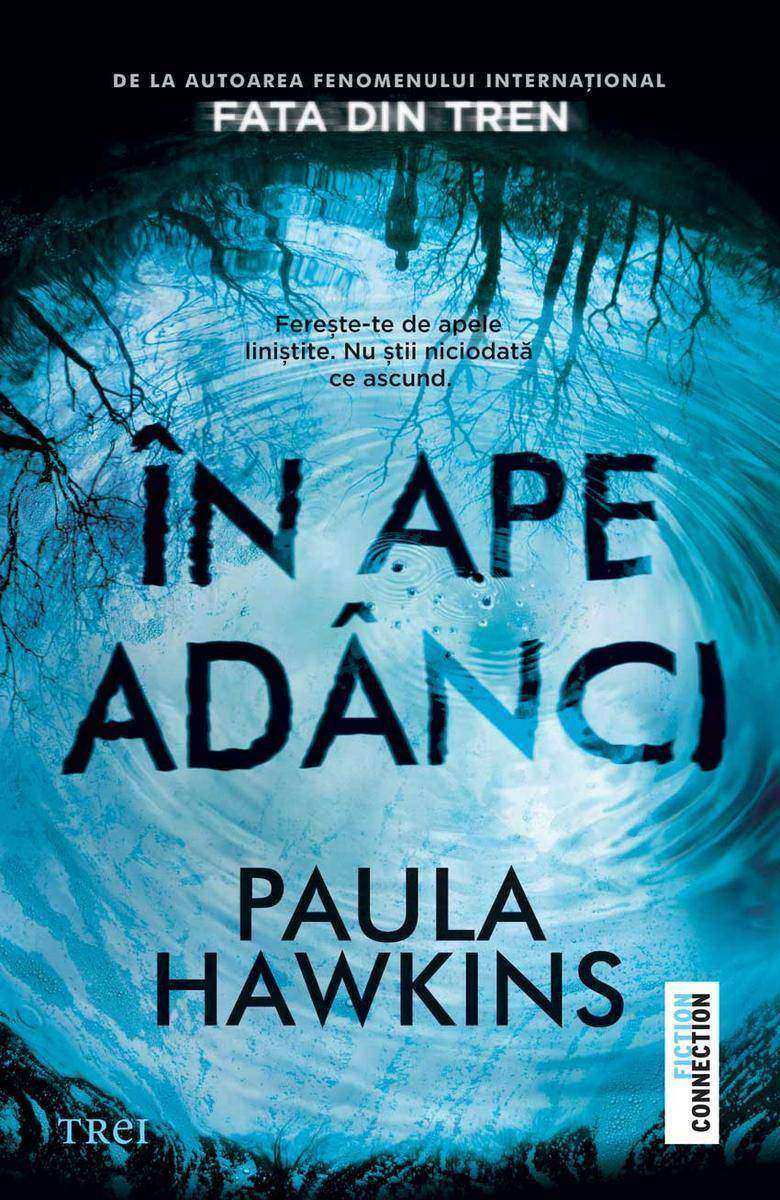
?n ape ad?nci
¥81.67
Nel Abbott este moart?. E ultima dintr-un lung ?ir de femei ?nghi?ite de apele ?ntunecate ale r?ului.Sora ei, Jules, e m?cinat? de regretul c? i-a ignorat strig?tul de ajutor ?i are certitudinea c? Nel nu s-a sinucis. Fere?te-te de apele lini?tite. Nu ?tii niciodat? ce ascund."Te ?ntrebi dac? ?n ape ad?nci poate fi la fel de bun ca Fata din tren? E ?i mai bun. O capodoper?." - Clare Mackintosh, autoarea bestsellerului Te las s? pleci Paula Hawkins vine cu un thriller alert, provocator, ce analizeaz? caracterul iluzoriu al emo?iei ?i al amintirii, precum ?i modul tulbur?tor ?n care trecutul se poate insinua ?n prezent.Fiindc? a?a ?ncepe: cu ?notul vr?jitoarelor – proba de ap?. Acolo, la bulboana mea, ?n acel lini?tit col? de paradis aflat la mai pu?in de o mil? de unde sunt ?n clipa asta, aici le aduceau, le legau ?i le aruncau ?n r?u, ca s? se scufunde sau s? ?noate.Se spune c? femeile au l?sat ceva din ele ?n ap?, se spune c? apa p?streaz? ceva din puterile lor, fiindc? de atunci, le-a atras spre ??rmurile sale pe cele f?r? noroc, pe cele disperate, pe nefericite, pe r?t?cite. Vin aici ca s? ?noate cu surorile lor."?
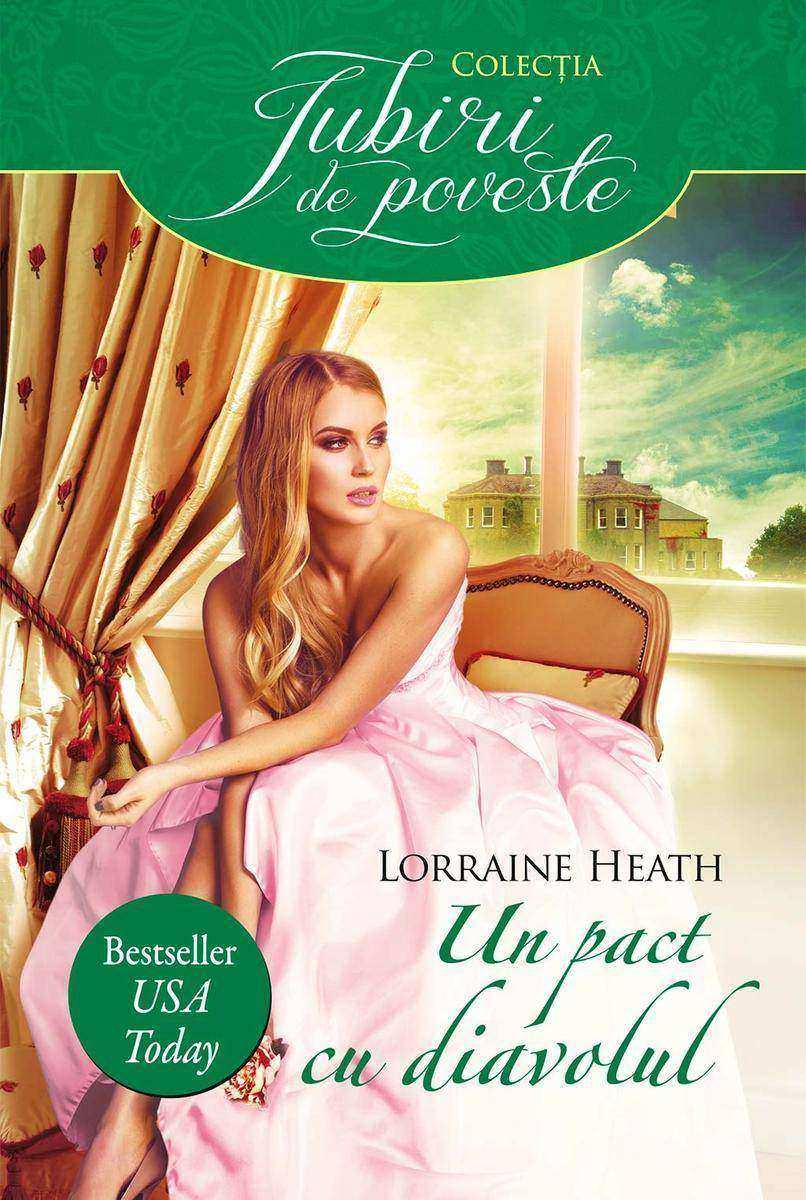
Un pact cu diavolul
¥7.36
A fost poreclit Contele Diavol – un b?rbat cu spirit nesupus, acuzat de crim?, crescut pe str?zile periculoase ale Londrei ?i care nu-?i mai aminte?te nimic despre trecutul lui. Orice domni?oar? bine educat? ?tie c? risc? mai mult dec?t reputa?ia atunci c?nd ??i asociaz? numele cu frumosul Lucian Langdon, ?ns? Lady Catherine Mabry nu are alt? solu?ie. Ar face orice pentru a-i proteja pe oamenii pe care ?i iube?te… chiar ?i s? ajung? la o ?n?elegere cu ?nsu?i diavolul. Lucian vrea s? fie respectat ?i, mai presus de asta, ??i dore?te o so?ie. Problema este c? aleasa lui nu cunoa?te eticheta pe care trebuie s? o respecte ?n mijlocul aristocra?iei ?i nu e acceptat? de ?nalta societate. Catherine ?l poate ajuta pe Lucian s? dob?ndeasc? tot ce-?i dore?te. Dar pre?ul pe care ?l cere ea ?n schimb le poate pune chiar vie?ile ?n pericol. Atunci c?nd primejdia le d? t?rcoale, cei doi se descoper? cu adev?rat: Lucian se dovede?te a fi un b?rbat incredibil de pasional, iar Catherine, o femeie de un curaj nem?surat. Pe m?sur? ce ies la iveal? secrete din trecutul lui ?ntunecat, Lucian ajunge s? pun? sub semnul ?ntreb?rii toate lucrurile pe care le considera adev?rate, inclusiv dorin?ele propriei inimi.
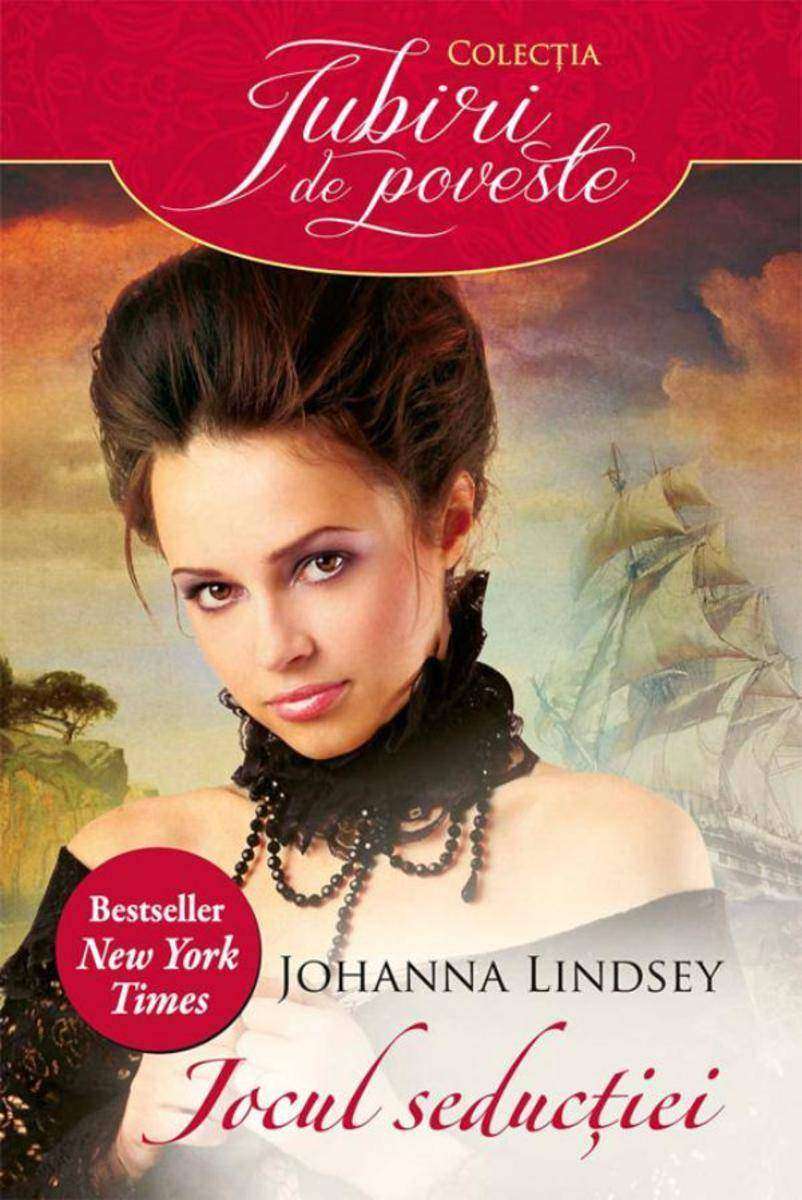
Jocul seduc?iei
¥7.36
Pirat, crai ?i burlac ?nr?it – dar dragostea are propriile c?i de a-?i g?si ?mplinirea Dup? ce descoper? c? logodnicul pe care l-a a?teptat ani ?ntregi a tr?dat-o ?n cel mai m?r?av mod, disperat?, Georgina Anderson se hot?r??te s? se ?ntoarc? c?t mai cur?nd acas? ?n America, pentru a-l da uit?rii ?i a-?i lecui inima fr?nt?. A?a c? adopt? solu?ia nebuneasc? de a se ?mbarca la bordul navei Fecioara Anne deghizat? ?n mus, f?r? s? aib? nici cea mai vag? b?nuial? c? va fi cu totul la dispozi?ia tiranicului c?pitan al vasului, James Mallory.Oaia neagr? a unei familii m?ndre ?i pline de firi furtunoase, chipe?ul c?pitan, fost pirat, a jurat c?ndva c? nu exist? femeie care s?-l poat? prinde ?n mrejele c?sniciei. Iar asta pentru c? ?ntreaga lui via?? a fost un adev?rat crai, poate cel mai renumit din Londra, fiind martor la superficialitatea femeilor m?ritate care abia a?teptau s?-?i ?n?ele so?ii ne?tiutori chiar cu… el ?nsu?i. Dar ?n largul m?rii, hot?r?rea aparent nestr?mutat? va fi sl?bit? de o pasiune mai fierbinte ca iadul ?i de frumuse?ea temperamentalei Georgina, a c?rei dragoste pentru libertate ?i aventur? se potrive?te at?t de bine cu ceea ce simte el ?nsu?i. Iar c?nd dou? suflete-pereche se ?nt?lnesc, nici un obstacol nu poate rezista ?n calea iubirii.
Alias Grace
¥84.69
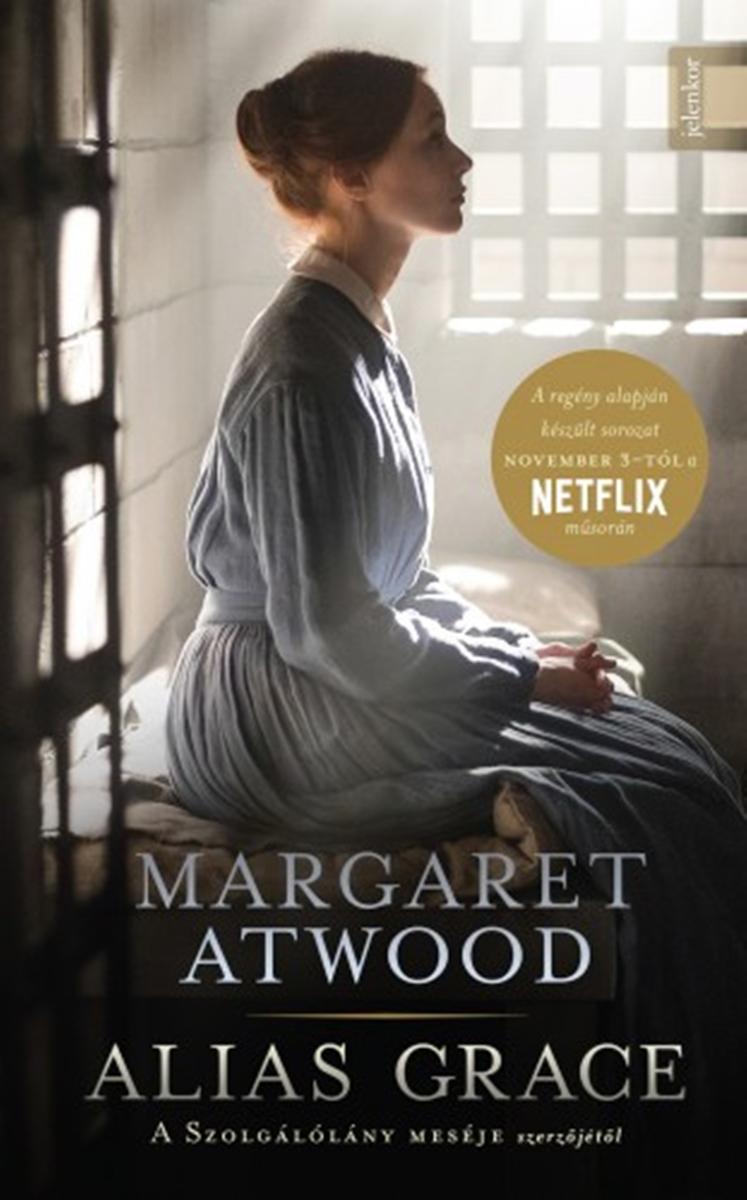
A regény alapján készült sorozat november 3-tól a Netflix m?során. A Kanadába emigrált Grace Markot gyilkosságért ítélték el 1840-ben. ?llítólagos szeret?jével együtt kegyetlenül végeztek Grace munkaadójával és annak házvezet?n?jével. Véd?je Grace elmeállapotára hivatkozva eléri, hogy ne k?tél általi halálra, csupán életfogytiglanra ítéljék. Sokan vannak meggy?z?dve arról, hogy gonosz és ?rült teremtés, de ugyanennyien az ellenkez?jér?l is: ártatlan teremtés, aki a k?rülmények áldozata lett. Egy fiatal és felt?rekv? orvos elhatározza, hogy kideríti az igazságot, ezért hetente leül beszélgetni a lánnyal, aki egyre inkább megnyílik neki, ám azt állítja, a gyilkosságból semmire sem emlékszik… Margaret Atwood valós t?rténelmi eseményen alapuló regénye felkerült a Man Booker-díj shortlistjére, és 2017-ben tévésorozat készült bel?le.
Bebidas naturales para su salud
¥9.16
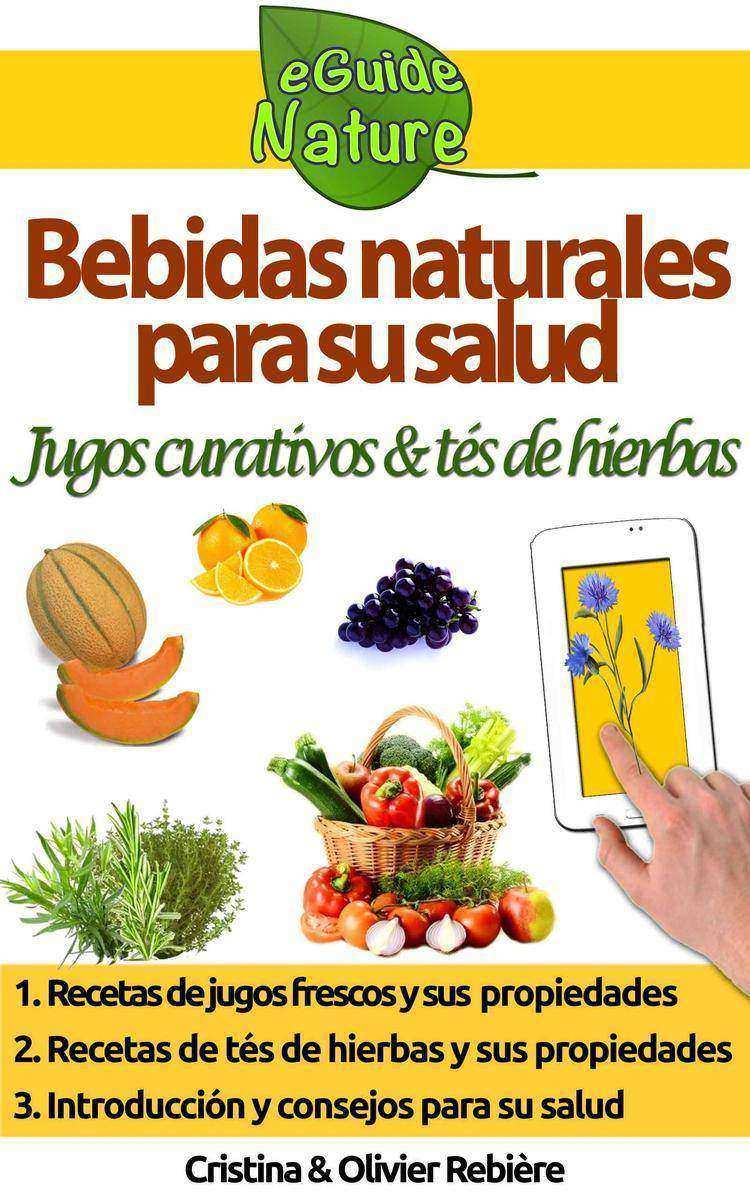
Un jugo fresco curativo o un té de hierbaspara su salud Pequea guía digital con recetas de jugos frescos de frutas y verduras y con tés de hierbas La vida está llena de simples placeres que pueden convertirse fácilmente en pura felicidad Por qué no pasar a lo natural … o más bien volver N°0 - Bebidas naturales para su salud En este número "cero" de la colección "eGuide Nature" vamos a ver cómo preparar bebidas naturales, jugos frescos o tés de hierbas para cuidar de su salud. Qué vas a encontrar en este eGuide Nature Nuestros consejos para preparar jugos frescos curativos Nuestros consejos parapreparar tés de hierbas 20recetas par su salud Atentamente, Cristina Olivier Rebiere
Rebel Faerie
¥40.79
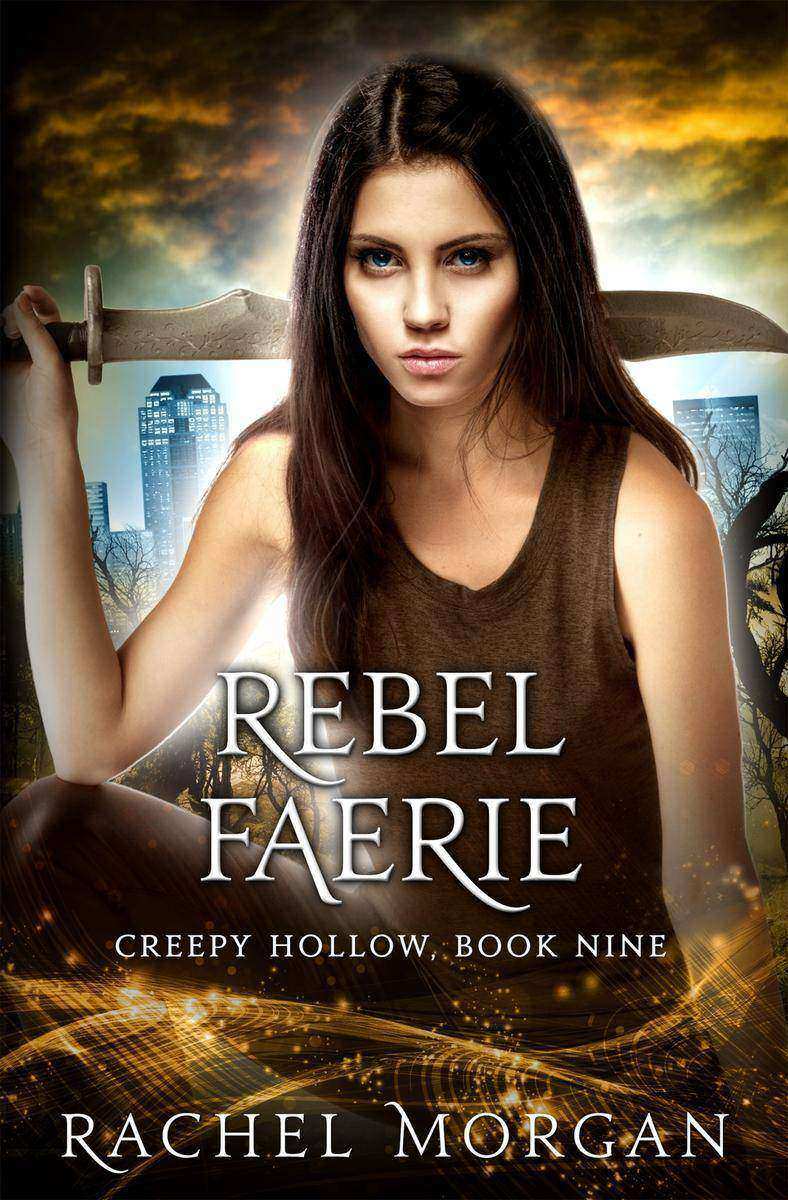
The fae world’s biggest secret has been revealed … Having escaped an Unseelie prince and a world of shadows, Emerson and Calla are now hunted by the Guild of Guardians. On the run, constantly trying to remain one step ahead, they must figure out how to find and rescue everyone the Guild has taken from them. Then, in an unprecedented move, Unseelie Prince Roarke breaks the fae realm’s most important rule. Now two worlds stand on the brink of war. Caught in the middle between guardians and Prince Roarke’s forces, Em knows her Griffin Ability is powerful enough to stop them both. But as she masters control of her unique magic, Em is confronted with a question: how far is too far when you possess the kind of power she was born with? Can she step back from the line that shouldn’t be crossed, or will she end up losing herself before finding those she loves? Join Emerson and her companions in this race to save two worlds and the people they love in the final Creepy Hollow adventure!
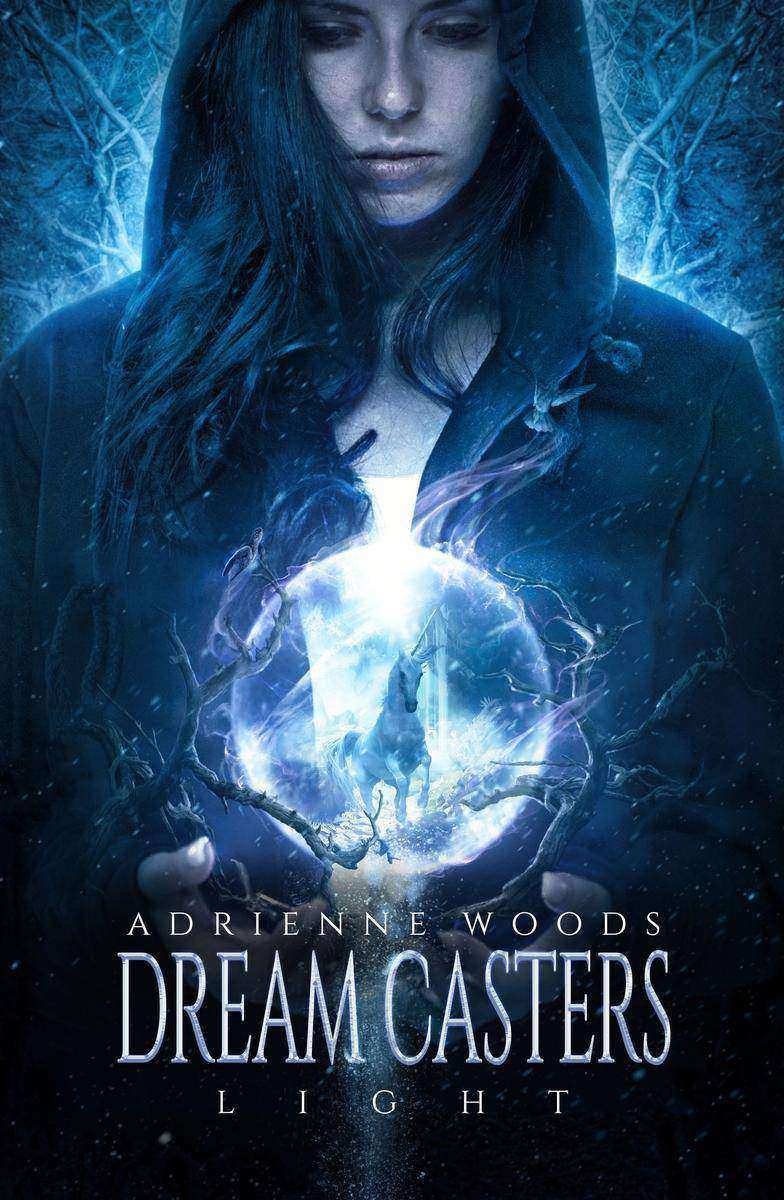
Dream Casters Light
¥0.01
Mr. Sandman, send me a dream, ta da da da.....Seventeen year old Chastity Blake knows the Sandman is just a silly children's story parents tell their children to get them to sleep. At least she thought it was, until the day a mysterious, light golden sand appeared in her hands during a high school prank that went horribly wrong. A sand that has the power to send anyone it touches into a deep, sound sleep. Fearing she had lost her mind, Chastity soon discovers the shocking truth of her heritage- she is a Dream Caster. Chastity was never supposed to be raised on the Domain, or what humans call Earth and she is forced to return to her true birth place, Revera – the world of Dreams. However, in Revera there is no balance between good, the Light Casters, and darkness, the Shadow Casters, and Chastity is caught square in the middle. She soon learns that there is no place for anyone containing both the light and the darkness within them, and the shocking truth that if anyone in Revera ever discovered her shadow self, Chastity would be thrown into the Oblivion – the world of Nightmares. Dreams are always more than they seem, and this time Chastity is going to discover just how different they can be.
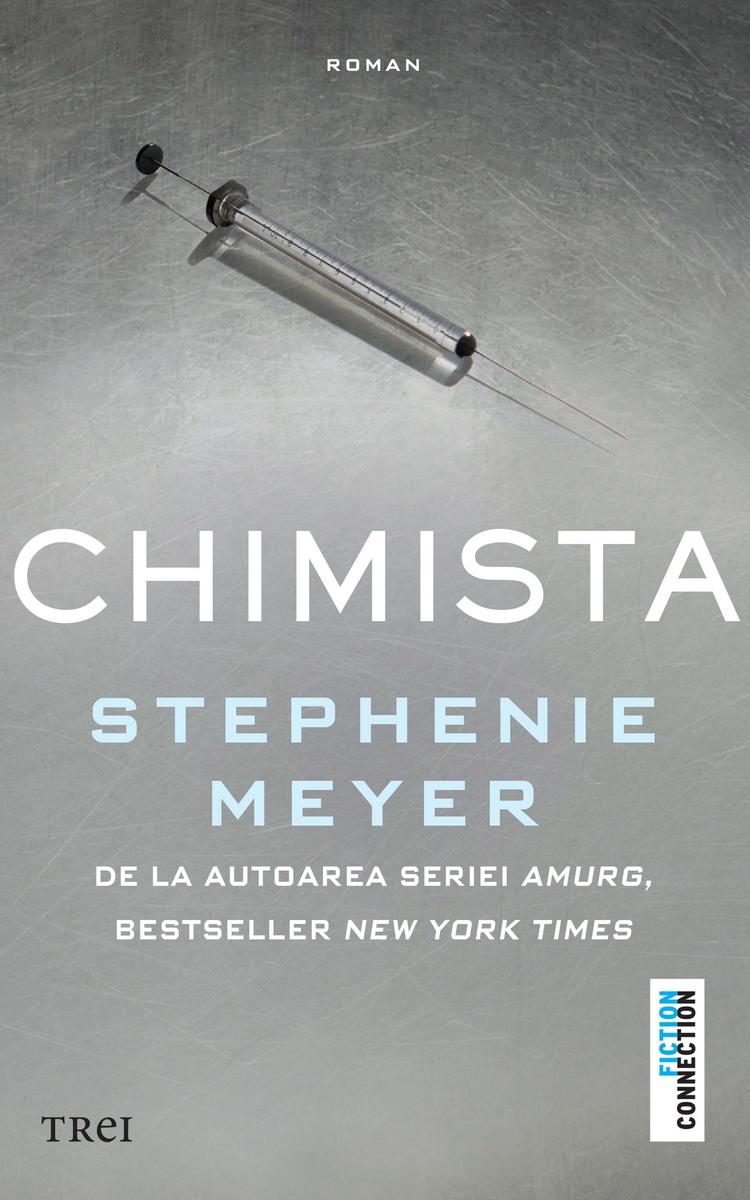
Chimista
¥106.19
De la autoarea seriei AMURG, bestseller New York Times A fost ?arma" secret? a uneia dintre agen?iile-fantom? ale guvernului american. C?nd a devenit incomod?, au decis s? o lichideze. Ca s? r?m?n? ?n via??, s-a transformat ?ntr-un cameleon care jongleaz? cu identit??ile ?i adresele. L-au ucis pe singurul om ?n care avea ?ncredere, ?ns? ea reprezint? ?n continuare o amenin?are. Vor s-o vad? moart?, ?i asta c?t mai repede. C?nd fostul ?ef ?i ofer? o cale de ie?ire, realizeaz? c? ar fi singura ?ans? de a-?i reinventa destinul. Dar pentru asta va trebui s? accepte o ultim? misiune. Constat? ?ns? c? informa?iile pe care le ob?ine o pun ?ntr-o situa?ie ?i mai primejdioas?. Hot?r?t? s? ?nfrunte direct amenin?area, se preg?te?te pentru cea mai dificil? lupt? din via?a ei, dar se ?ndr?goste?te de un b?rbat. Noua pasiune nu poate dec?t s?-i mic?oreze ?ansele de supravie?uire. Aflat? ?n impas, ??i valorific? talentele unice ?n feluri pe care nu ?i le-a imaginat niciodat?. ?n acest roman cu o intrig? bine ?ncheiat?, Stephenie Meyer creeaz? o nou? eroin? aprig? ?i fascinant?, cu abilit??i ie?ite din comun. Ne arat? ?nc? o dat? de ce este una dintre cele mai bine v?ndute autoare din lume. ?Felul cum Meyer gestioneaz? curiozitatea cititorului, ?ntre?in?nd ?i control?nd fluxul informa?iilor, demonstreaz? o m?iestrie de virtuoz… Oamenii nu vor doar s? citeasc? romanele lui Meyer; ei vor s? p?trund? ?n interiorul lor ?i s? tr?iasc? acolo." — Lev Grossman, Time ?Meyer scrie cu o claritate luminoas?, f?r? s? se interpun? nicio clip? ?ntre cititor ?i ceea ce ??i imagineaz? acesta. Originalitatea ei este incontestabil?." — Orson Scott Card, autorul seriei Jocul lui Ender ?Meyer este mai interesat? de rela?ii dec?t de conven?iile superficiale ale genului… Lec?ia ei de via?? pozitiv? este dezarmant?." — Jeff Giles,Entertainment Weekly ?Nu cite?ti un roman de Stephenie Meyer, ci ?l tr?ie?ti, al?turi de personajele vii ?i conving?toare pe care le-a creat. Meyer are modul s?u special de a-l implica pe cititor ?n via?a personajelor ei." — Ridley Pearson, autorul bestsellerului White Bone

Zilele aman?ilor
¥53.33
C?nd am primit invita?ia de a citi manuscrisul c?r?ii Corinei, am acceptat tem?tor. Sunt la o v?rst? c?nd ??i spui arogant c? ai citit cam tot ?i te ?ntrebi seniorial ce ar putea s? te mai surprind?. Ei bine, cartea Corinei. Care te surprinde prin toate locurile pe care le credeai securizate, impenetrabile. Te surprinde ?n primul r?nd pentru faptul c? refuz? f?r? efort scriitura feminin?, melancolic? ?i vag lamentabil?. Frazele sunt scurte ?i nu intr? b?t?nd la u??, ci tr?ntind-o de perete. Apoi, te surprinde tema predilect? a c?r?ii: amantl?curile, iubirile frugale, rela?iile interzise, tot tac?mul. Practic, Corina omoar? ?n pove?tile ei orice ipocrizie feminist? (chestie care mie mi-a mers la suflet), o ?ngroap? ad?nc ?i ?i pune capac. N-o s? omit sub nicio form? limbajul, care surprinde de asemenea. Corina folose?te limba rom?n? f?r? s? se fereasc? de extremele ei. Are curaj, ?are ou?“, cum s-ar spune. Nu c? ar fi singura, nu c? ar fi o raritate, dar a manipula cuvinte interzise ?ntr-un text literar, f?r? a-i strica savoarea, nu e la ?ndem?na oricui. R?m?ne ?ns? la final impresia general?, cea care conteaz? cel mai mult. Care e bun?, dac? nu foarte bun?. Cartea se cite?te u?or, e cinic?, e vie, are tot ce ?i trebuie pentru a deveni un succes. (?tefan Caraman)Corina Ozon vine dinspre jurnalism spre literatur?, cunosc?nd oamenii, cu talent. Scrie captivant, folosind ?n fraze c?te cuvinte chiar trebuie, f?r? floricele stilistice ?i volute descriptive ?n plus, care ar cre?te statistic durata de somn a popula?iei. ?Zilele aman?ilor“ e o carte pentru dezinhiba?i. N-o recomand pro?tilor si bigo?ilor. (Alexandru Petria)Aceasta este o carte de?teapt?. Iar vr?jitoria nu-i deloc exclus?. Te ?ine lipit de ea, nu te las? absolut deloc nici s? faci altceva ?i nici m?car s? te g?nde?ti la altceva. Nu po?i uza de niciun instrument fizic ori sufletesc pentru a i te sustrage. Iar dac? asta nu-i curat? fermec?tur?, atunci ce este? A, ?tiu. Literatur? de?teapt?. (Ana Barton)O lectur? care curge u?or, cu un limbaj direct ?i frust, perfect adaptat subiectului. Corina vorbe?te cu umor ?i amar, f?r? ocoli?uri, despre situa?ii de via?? verosimile, desprinse din cotidian. Aman?ii putem fi oricare dintre noi. (Petronela Rotar)

Addig se iszik
¥58.04
Mikor a szerzt megismertem, még nagyképen vallotta: Hárman nem írunk: Szókratész, Jézus és én. Aztán megtrt, és írni kezdett, paródiákat, persze – és megállt a kanál a levesben, de úgy, hogy a fal adta másikat. gy vágytunk erre a hangra ebben a karót nyelt, szürke, humordeficites honi literatúrában, mint egy falat kenyérre. Bdcs írásaiban a páratlan irodalmi mveltség találkozik az igazi humorral Karinthy boncasztalán. Apját kérdezték, mit szól, hogy fia már ír is. Addig se iszik – válaszolta a blcs reg, és igaza volt: Tibor írás kzben sose iszik. (Hmm…) Mert ilyen az irodalom: nevel, tanít, szórakoztat – és amíg írunk vagy olvasunk, addig se iszunk. Tisztelet a kivételnek. Fogadják tehát szeretettel az irodalmi paródia Lemmyjét, a magyar humor Billy, a Klykjét, a búcsúszentlászlói Rabelais-t. Tessék mosolyogni! ” Cserna-Szabó András
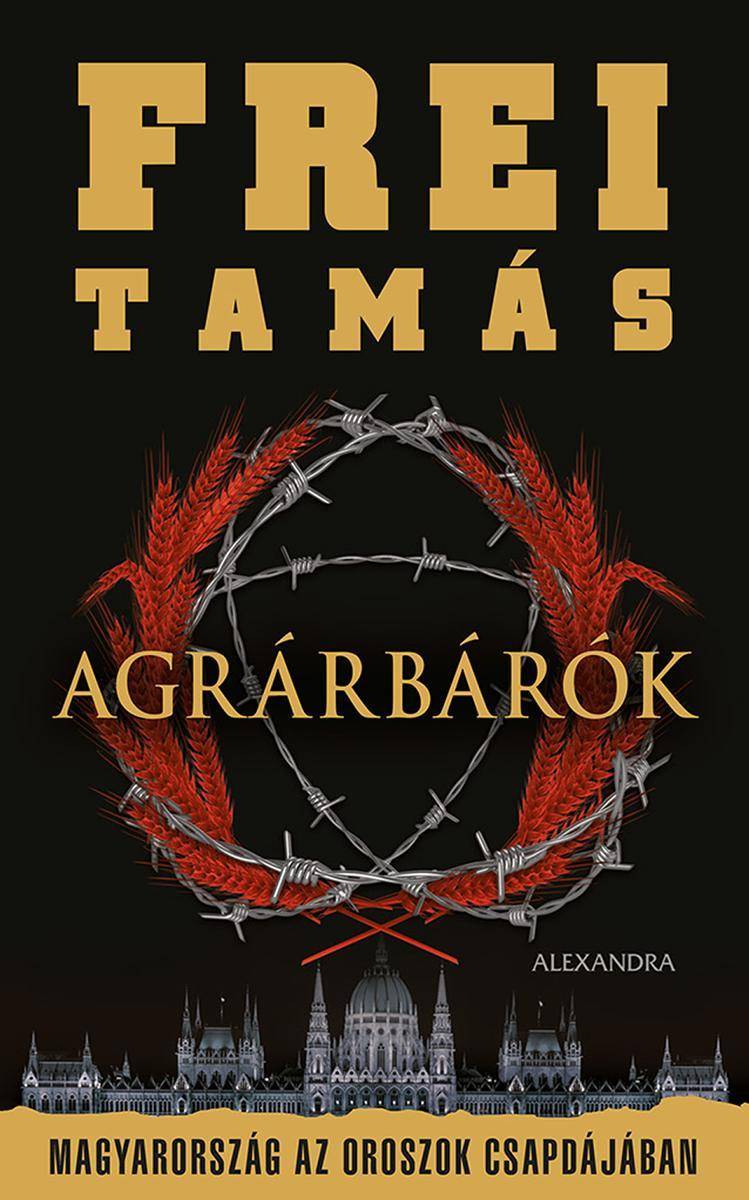
Agrárbárók
¥86.33
André-sztori IV. Pedig André már azt hitte, hogy maga m?g?tt hagyhatja a zaklatott múltat. Tévedett - mert az oroszok nem felejtenek... André Calvi megint célponttá válik, ?ngyilkos merényl? támad rá és imádott kislányára, Fruzsikára. Egyetlen másodperc véres drámája a nizzai utcán, amit?l minden megváltozik. Szétrobban az élete, hogy aztán számára ismeretlen er?k t?rbe csalják és keresztülrángassák a kelet-ukrajnai polgárháború mocskán. K?zben a magyar agrárbárók, akik csak a saját pénztárcájukat nézik, Moszkvában árusítják ki az országot. A sz?vevényes nemzetk?zi játszmában, Amerika és Oroszország k?zé szorulva, a magyarok számára nagy a tét: a paksi atomer?m? éppúgy, mint az Adriai-tenger mélyér?l felhozott Anjou-kincsek, de a gátlástalan milliárdosok miatt hazánk NATO-tagsága is veszélybe kerül. A magyar mez?gazdaságot kézben, a politikai elitet pedig sakkban tartó f?ldesurak el?sz?r még csak egy zalai vadászkastélyban konspirálnak, kés?bb viszont már orosz oligarchákkal Azerbajdzsánban. A kérdés mindvégig úgy szól, hogy eltaktikázza-e magát a minisztereln?k? Az Agrárbárók Frei Tamás negyedik akcióregénye. A f?h?s ezúttal is André, a korábbi három k?tetb?l már jól ismert magyar származású francia titkos ügyn?k, akit ezúttal nehéz lesz felismerni...
Унция Роман-фантазия. Музыкальное фэнтези Иллюстрованное издание
¥22.81
Пражский математик Якоб Пуп открывает формулу эфира, дающего возможность путешествовать по сердцам людей. Там он встречает воплощение вселенской любви и пытается создать из её лучей средство от страха и темноты в человеческой душе. История гениального ученого и мифической дриады в ?Унции? переплетается с романтическим приключением двух подростков, которым угрожает смертельная опасность. Волшебное действие с участием невероятных существ, полное чудесных превращений, раскрывает перед читателем невидимый мир, более значимый, чем зримый повседневный. Написанная с юмором и пронизанная музыкой и светом, эта книга для тех, кто нуждается в любви и надеется на бесконечное путешествие Жизни. Издательство Animedia Company желает вам приятного чтения.

Fericirea ?ncepe azi
¥73.49
Iubirea adev?rat? scoate la iveal? tot ce este mai bun ?n tine...Abby Abernathy s-a hot?r?t s? devin? altcineva. Acum e o fat? bun?, nu bea ?i nu vorbe?te ur?t, are haine cumin?i ?n ?ifonier. Crede c? s-a distan?at suficient de lucrurile ?ntunecate din trecutul ei, dar c?nd ajunge la colegiu ?mpreun? cu prietena sa cea mai bun?, dorin?a de un nou ?nceput este supus? provoc?rilor.Travis Maddox, ?iret, iste? ?i acoperit cu tatuaje, reprezint? tot ceea ce Abby vrea – ?i trebuie – s? evite. Travis ??i petrece nop?ile c??tig?nd bani din lupte, iar ziua e seduc?torul num?rul unu al campusului. Intrigat de rezisten?a lui Abby la farmecele sale, Travis o face s? intre ?n via?a lui printr-un pariu.?Povestea rela?iei dintre Abby Abernathy ?i Travis Maddox constituie o excelent? radiografie a adolescen?ei, cu toate fr?m?nt?rile, visurile ?i frumuse?ea ei.“ – Reading, Eating & Dreaming?V? garantez c? ve?i fi at?t de captiva?i de aceast? carte, ?nc?t ve?i l?sa orice alt? activitate deoparte!“ – BookWhisperer Reviews?Am f?cut o adev?rat? pasiune pentru personajele acestui roman.“ – The Daily Quirk?…Noul meu romance preferat, cu o doz? subtil? de erotism rafinat.“ – Nightly Reading Review
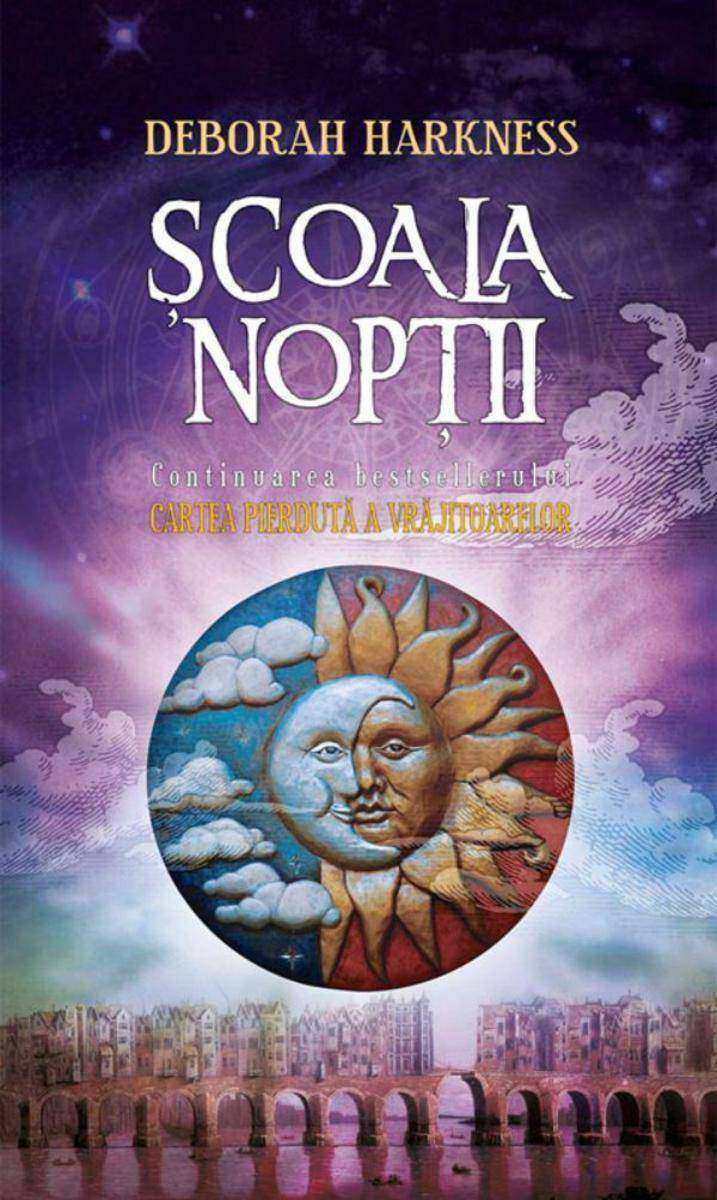
?coala Nop?ii
¥82.40
#1 Bestseller New York Times. Roman publicat ?n 15 limbi. Continuarea bestsellerului Cartea pierdut? a vr?jitoarelorDragostea lor este mai puternic? dec?t orice lege, mai puternic? dec?t timpul ?i dec?t via?a ?ns??i. Porni?i ?ntr-o c?l?torie prin timp la cap?tul c?reia sper? s? g?seasc? nu doar cartea pierdut? a vr?jitoarelor, ci ?i sursa neobi?nuitelor ei puteri, Diana ?i Matthew ajung ?n Anglia elisabetan?, ?ntr-o lume a spionilor ?i a uneltirilor ?n care primii ghizi le sunt vechii prieteni ai vampirului, straniul grup de personalit??i literare, ?tiin?ifice ?i politice ale epocii cunoscut sub numele de ?coala Nop?ii. Pe m?sur? ce p?nza de minciuni pe care o reprezint? trecutul lui Matthew se str?nge ?n jurul lor, Diana ?i iubitul ei ajung ?n Fran?a, apoi ?n Boemia, la cur?ile celor mai importan?i monarhi ai lumii. Pentru Matthew Clairmont c?l?toria ?n timp nu-i lucru u?or, a?a cum nici Dianei nu-i e simplu s? afle cheia mo?tenirii sale ?i s? elibereze adev?rata for?? ce zace ?n ea.O sinuoas? c?l?torie a cunoa?terii, ?n care alchimia, magia ?i istoria dau na?tere unei profunde pove?ti despre dragoste, pasiune, leg?turi de s?nge ?i ?ncercarea de a ?ndrepta gre?elile trecutului.?... un amestec perfect de fantasy, istorie ?i romance. Dac? ai citit Cartea pierdut? a vr?jitoarelor, atunci ?coala Nop?ii este lectur? obligatorie. Dac? nu, pune-le pe am?ndou? pe lista ta de lecturi de vacan??, ?i lista va fi complet?.“ – The Miami Herald
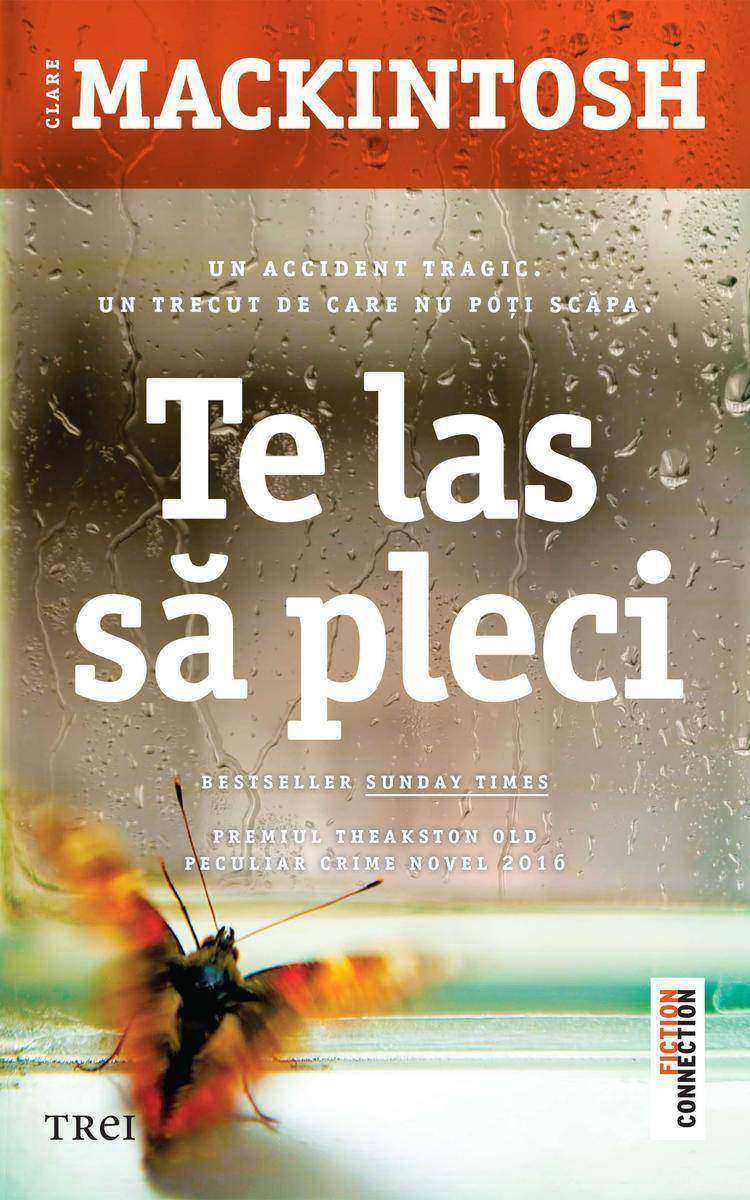
Te las s? pleci
¥90.84
Totul s-a petrecut at?t de repede. Oare n-ar fi putut face nimic ca s? ?mpiedice dezastrul? ?ntr-o frac?iune de secund?, existen?a Jennei Gray se transform? ?n co?mar. Singura ei speran?? de a dep??i momentul este s? se ?ndep?rteze de tot ce-i este familiar ?i s-o ia de la cap?t. Cu o nevoie disperat? de a se elibera, Jenna se refugiaz? ?ntr-o c?su?? uitat? de lume pe coastele ??rii Galilor, dar continu? s? fie b?ntuit? de temerile ei, de durere ?i de aminti?rile unei nop?i cumplite de noiembrie care i-a schimbat via?a pentru totdeauna. Pas cu pas, Jenna ?ntrez?re?te o ?ans? la fericire ?n viitorul ei. Dar trecutul o ajunge din urm? ?i consecin?ele pot fi devastatoare… “Terifiant, captivant ?i sensibil, Te las s? pleci este un roman scris cu m?iestrie, iar intriga e demen?ial?.“ - Paula Hawkins, autoarea bestsellerului Fata din tren “Un debut senza?ional… o inten?sitate uimitoare care te prinde ?i nu-?i mai d? drumul. R?sturn?ri de situa?ie care-?i taie r?suflarea.“ - Daily Mail “Extraordinar!“ - The Independent “O carte cum n-a?i mai citit.“ - S.J. Watson, autorul bestsellerurilor ?nainte s? adorm ?i Second Life “Povestea e foarte conving?toare, mai ales c? autoarea a fost ofi?er de poli?ie. Cu un debut at?t de bun ca acesta, ce au pierdut for?ele de ordine a c??tigat literatura poli?ist?.“ - Sunday Mirror Te las s? pleci a ?nregistrat ?n 2015 cele mai rapide v?nz?ri pentru un autor debutant. A fost selectat pentru Richard ?i Judy Book Club ?i a ob?inut votul publicului pentru cel mai bun roman ?n selec?ia 2015.
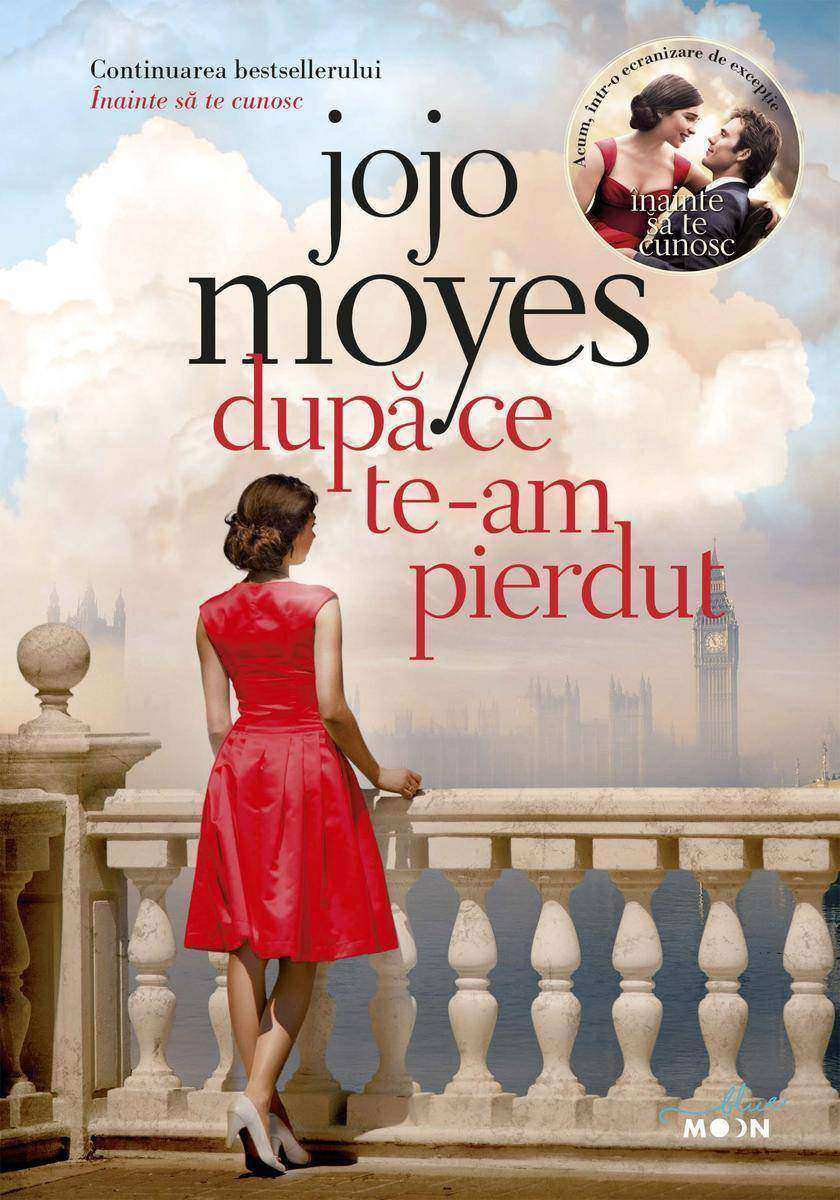
Dup? ce te-am pierdut
¥68.75
C?nd o poveste se sf?r?e?te, alta ?ncepe...Lou Clark are o mul?ime de ?ntreb?ri. Cum de a ajuns s? lucreze ?ntr-un bar din aeroport ?i s?-?i petreac? timpul urm?rindu-i cu privirea pe cei care pleac? spre alte locuri? Sau de ce nu se simte ?nc? acas? ?n apartamentul pe care ?l are deja de un an? Oare familia ei o va putea ierta pentru ce a f?cut cu optsprezece luni ?n urm?? ?i va reu?i vreodat? s? treac? peste iubirea vie?ii ei? Ceea ce Lou ?tie sigur e c? ceva trebuie s? se schimbe. Apoi, ?ntr-o noapte, la u?a ei bate cineva. Dar oare str?ina care ?i apare ?n prag are r?spunsurile pe care ea le caut? sau ?i aduce doar alte ?ntreb?ri? Dac? ?nchide u?a, via?a ei va continua ca p?n? acum: simpl?, ordonat?, sigur?. Dac? o deschide, va risca totul. ?ns? Lou a f?cut c?ndva o promisiune: s? tr?iasc?. ?i, dac? vrea s? o respecte, va trebui s? deschid? larg u?a...?Amuzant, surprinz?tor ?i emo?ionant, cu personaje care inspir? ?n acela?i timp optimism ?i melancolie... Un roman provocator ?i captivant, care reu?e?te s? surprind? ?ntreaga complexitate a iubirii.“
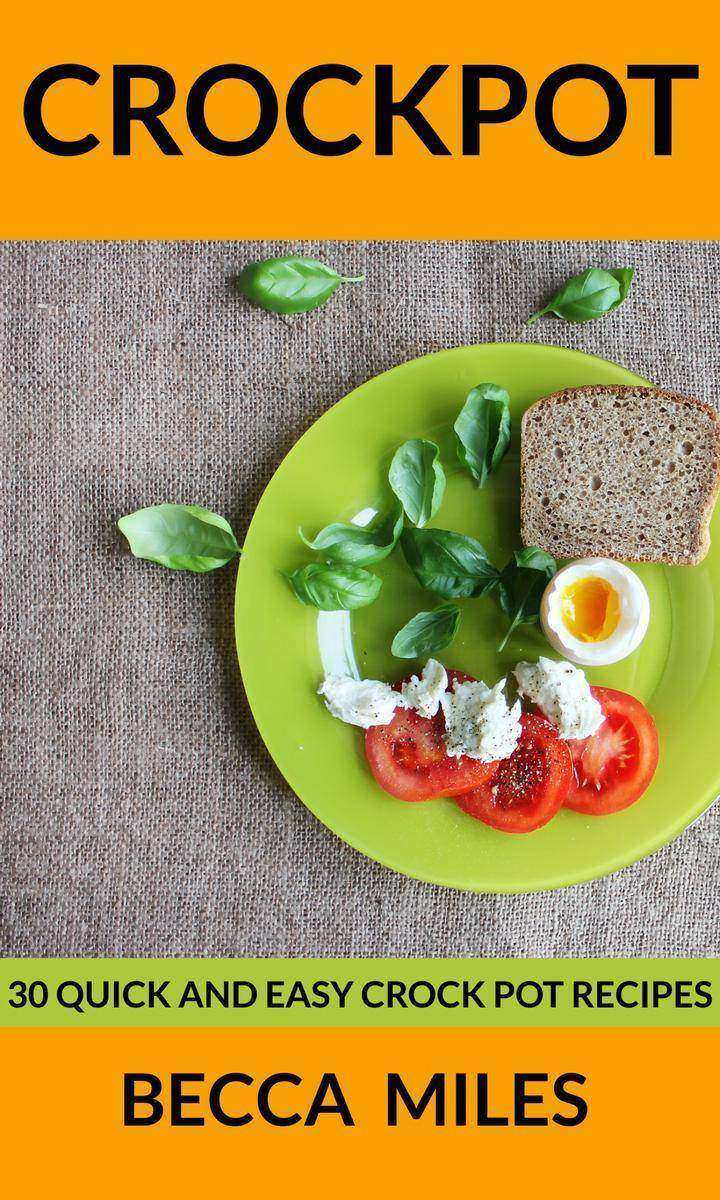
Crockpot 30 Quick and Easy Crock Pot Recipes
¥24.44
The only Crock Pot Slow cooker guide you will ever need: What you will find included in the ultimate Crock Pot and Slow Cooker Recipes book? ? A detailed list of what ingredients you will need to cook your crock pot. ? A step by step guide on how to cook your crock pot and slow cooker meals. ? A wide variety of meals and cuisine to satisfy all tastes and preferences. Impress family and friends with delicious slow cooker and dump meals: The Ultimate Crockpot Cookbook has arrived! So here you are! Ready to cook delicious crock pot recipes! Do you want to impress your family, friends or even give yourself a treat? Whether you are new to this or an experienced cook, here you will find all the tools you need to prepare exceptional dishes. Now imagine being at home: You are working, doing your chores or coming back home after running you errands: And as you walk along your corridor you can smell the scent, the aroma, the goodness coming from your kitchen: It is your meal being cooked slowly in your kitchen. It is awaiting you; it wants you to taste it. And you know that after a couple of hours, when you are done with your stuff, it will be there, ready for you to enjoy. But most importantly, it will be your creation, it will be yours! Use the Ultimate Slow cooker recipes and Crockpot dump meals knowledge to change your life forever towards feeling healthier! We care about you: Enjoy the healthiest and tastiest Crock Pot recipes. Because we want you to enjoy what real food is, we have put together this unique crock pot guide, for you to choose and cook whatever you like. All the crock pot knowledge in the world is put together in this book. You can even cook a different meal every day for the next 5 years of your life! No exceptions!
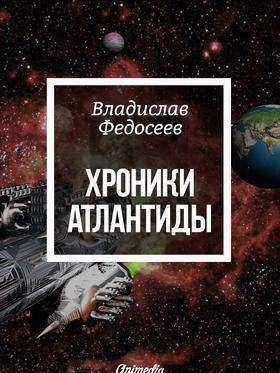
Хроники Атлантиды. Книга первая - Фантастика. Роман
¥22.81
По причине колонизации планеты Доринго оккупационными силами принц Энилот Атлантис с горсткой приближенных вынужден навсегда покинуть свою родину. Найдя пристанище на задворках галактики, на планете под названием Земля, он основывает новую цивилизацию, имя которой Атлантида. Но судьба играет с ним по своим правилам, и, сам того не подозревая, Атлантис становится пешкой в большой политической игре, которая длится уже миллионы лет. Молодой американец по имени Моузли Гук случайно находит древние артефакты, оказавшиеся архивными документами атлантов, и раскрывает всему миру правду о легендарном острове Атлантида, который вот уже несколько тысяч лет будоражит умы человечества. Издательство Animedia Company желает вам приятного чтения.

Em busca de prazer
¥8.18
Um homem de meia idade cansado de se satisfazer com a m?o sai de casa e vai para o bairro de Itatinga em busca de uma garota de programa e lá recebe algo que nunca recebeu na vida.


