


 购物车
购物车 个人中心
个人中心
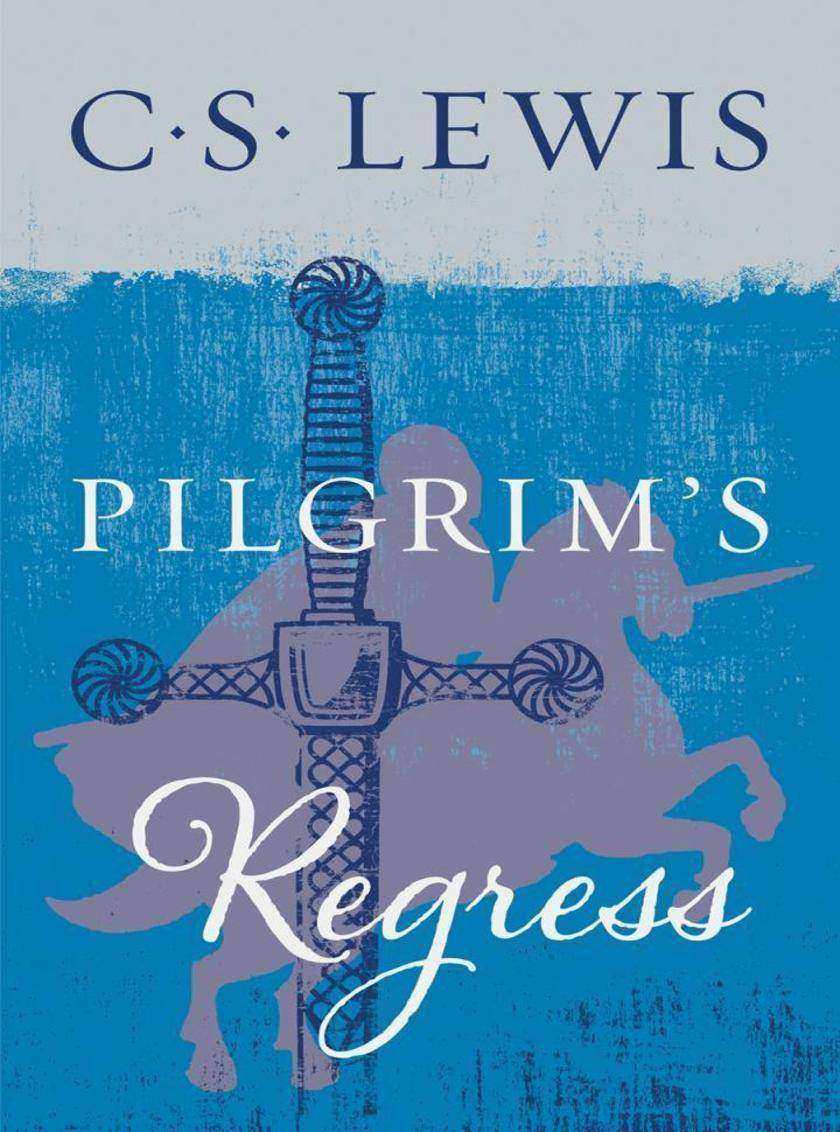
The Pilgrim's Regress
¥65.33
The first book written by C. S. Lewis after his conversion, The Pilgrim's Regress is, in a sense, the record of Lewis's own search for meaning and spiritual satisfaction a search that eventually led him to Christianity.Here is the story of the pilgrim John and his odyssey to an enchanting island which has created in him an intense longing; a mysterious, sweet desire. John's pursuit of this desire takes him through adventures with such people as Mr. Enlightenment, Media Halfways, Mr. Mammon, Mother Kirk, Mr. Sensible, and Mr. Humanist and through such cities as Thrill and Eschropolis as well as the Valley of Humiliation.Though the dragons and giants here are different from those in Bunyan's Pilgrim's Progress, Lewis's allegory performs the same function of enabling the author to say simply and through fantasy what would otherwise have demanded a full-length philosophy of religion.
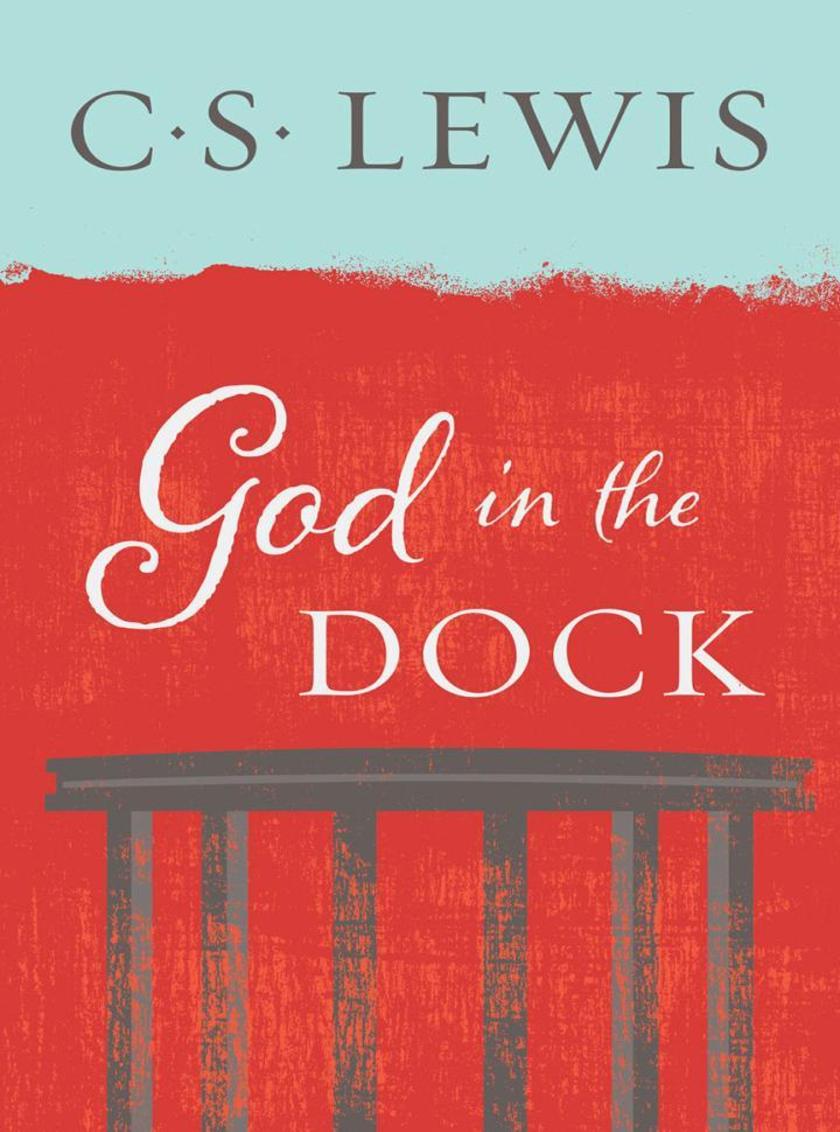
HarperOne
¥161.78
God in the Dock is one of the best known of C.S. Lewis's collections of essays and includes Myth Become Fact, The Grand Miracle, Priestesses in the Church and, of course, God in the Dock.
A Letter of Consolation
¥67.32
Finding faith in a time of sorrow Beloved author Henri Nouwen reflects on the spiritual significance of death and life in this moving meditation dedicated to "all those who suffer the pain that death can bring and who search for new life."
Keeping the Faith
¥66.50
Practical guide addresses issues of faith for battered women an invaluable resource for victims of domestic violence and the crisis centers that counsel them.
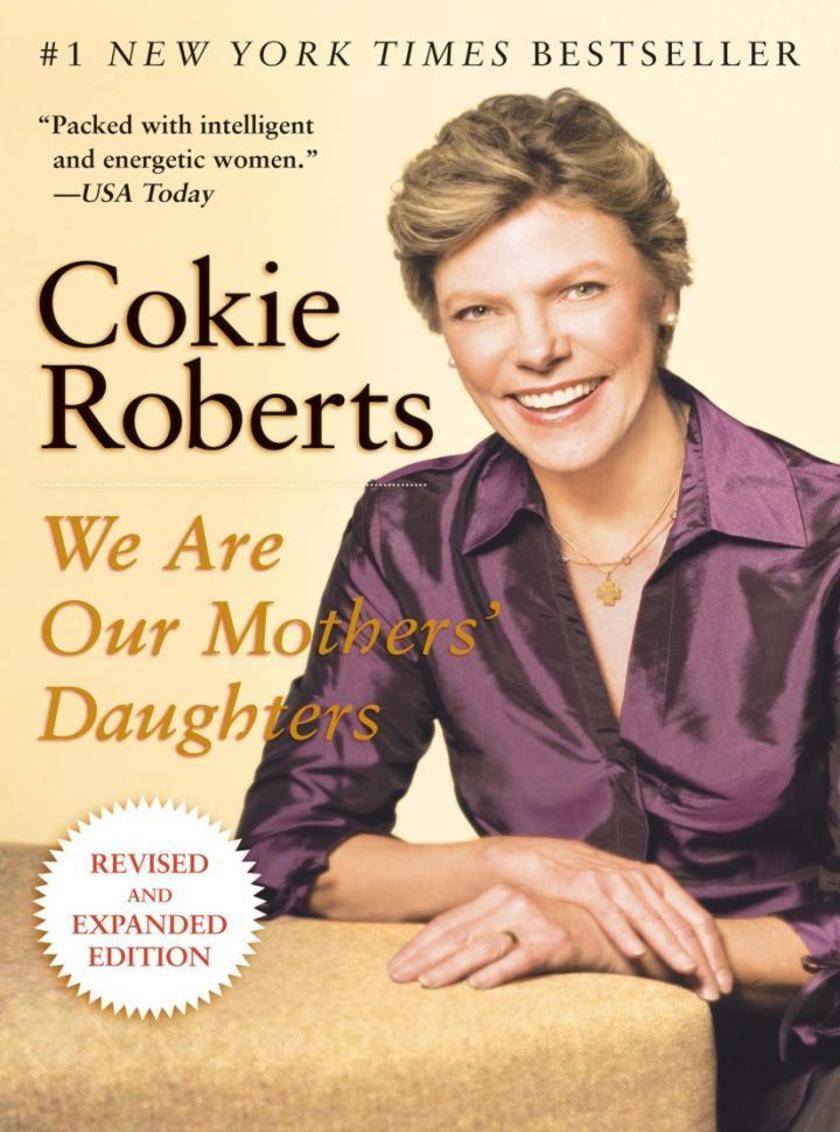
We Are Our Mothers' Daughters
¥77.49
In this tenth-anniversary edition of We Are Our Mothers' Daughters, renowned political commentator Cokie Roberts once again examines the nature of women's roles through the revealing lens of her personal experience. From mother to mechanic, sister to soldier, Roberts reveals how much progress has now been made and how much further we have to go. Updated and expanded to include a diverse new cast of women, this collection of essays offers tremendous insight into the opportunities and challenges that women encounter today. In a series of new profiles and revealing updates, Roberts reflects upon the number of female achievers who have graced the public stage in the past decade. In addition to the illuminating and sometimes surprising history of women in a variety of fields, several chapters also introduce us to some of the fascinating women she has encountered during the course of her reporting career including Hillary Clinton, Nancy Pelosi, Laura Bush, Billie Jean King, Michelle Rhee, and Dorothy Height. Looking into the future, Roberts focuses on the question of "What next?", exploring how several women including herself have begun to define themselves in the next stages of their lives. She also relates moving anecdotes about the women in her personal life, including her mother, former congresswoman Lindy Boggs. Sensitive, straightforward, and perceptive, We Are Our Mothers' Daughters celebrates the new diversity of choices and perspectives available to women today and affirms the bonds of sisterhood over the centuries a vital, powerful interconnection among all women, regardless of background.
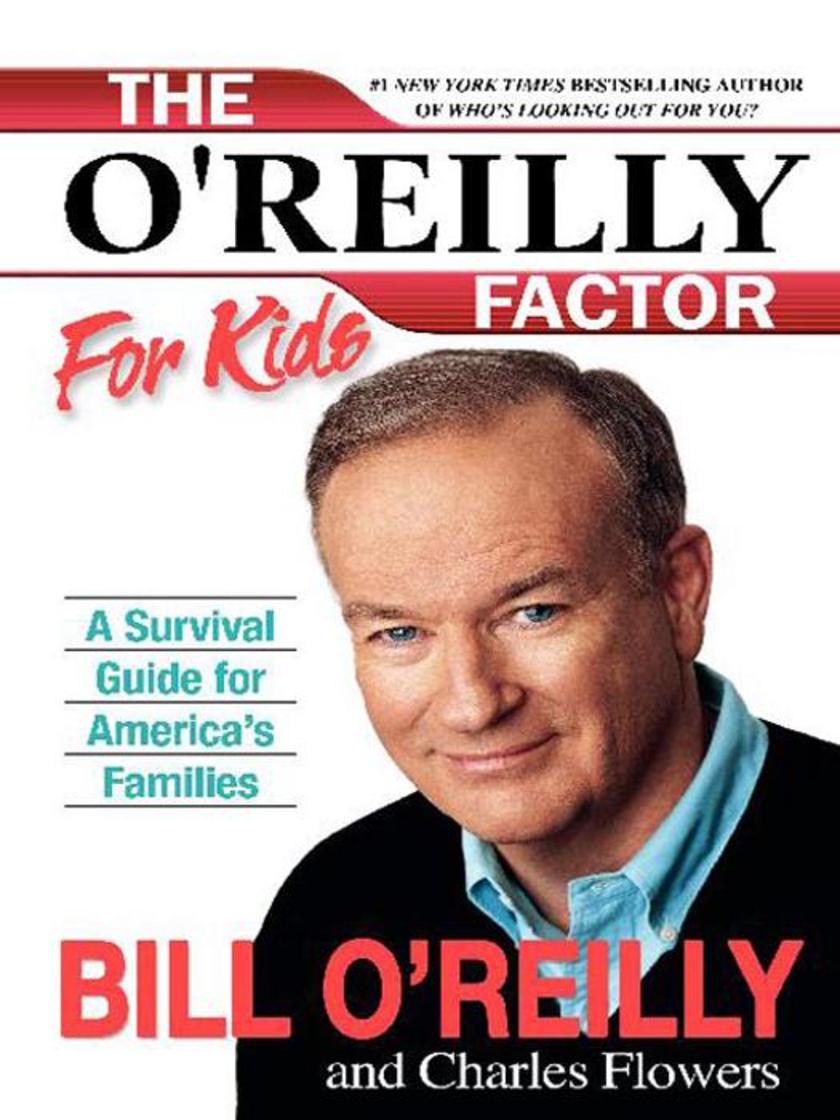
The O'Reilly Factor for Kids
¥78.32
The bestselling author ofThe O'Reilly Factor, The No Spin Zone, and Who's Looking Out for Youtalks straight to kids this time. He is as demanding, direct, and wry asever but he's also more revealing too, sharing candid snapshots of his own childhood throughout.Bill O'Reilly, a former schoolteacher, now an award-winning broadcast news journalist, husband, and father of two, joins forces with an experienced educator to bring you, America's youth, a code of ethics by which to live.In this latest book, Bill takes to task bullies, cheaters, advertisers who target you irresponsibly, and parents who fight for their children to win undeserved honors instead of earning them on their own merit.He lays bare the unvarnished truths about sex, money, smoking, drugs, alcohol, and friends. What he has to say about these issues may very well surprise you. He offers coping devices for those enduring a divorce, struggling with teacher, parent, or sibling relationships, and planning their futures. He also shares wisdom on such subjects as death, politics, and God.Whether you take the tests he's provided, take the advice he doles out, or just take a cue from the personal stories he shares, you're bound to make smarter choices in your life, and that's all Bill asks for.
The Tao Of Womanhood
¥79.16
The Tao of Womanhood is for every woman who is searching for both external power and internal peace. It's for the woman who wants to be tough but nice, who wants to take care of things and everyone else but needs to be reminded to look after herself, who feels pulled in too many directions and yearns to live a full, balanced life. It's for the woman who wants to be a strong, proactive leader at work and at home, and lead a life of harmony and inner peace. A spiritual resource that combines the wisdom of the Tao Te Ching with straightforward advice and illuminating anecdotes, The Tao of Womanhood is a pre*ive, practical road map. Using Taoist principles, teacher and spiritualist Dreher explains how any woman can learn to incorporate calm into her busy modern life by learning how to Say "no" without feeling guilty Respond without being frantic or reactive Seize opportunities Summon the strength to change Clear the space necessary for continual growth transformation Calm and reassuring, The Tao of Womanhood imparts the invigorating message to all women -- whether stay-at-home moms or corporate executives -- that leading a balanced and fulfilling life does not mean surrendering peace of mind.
How to Marry a Divorced Man
¥78.43
You may not be his first wife -- but you want to be his last! More than half of all American women between the ages of 18 and 54 will date or marry a divorced man during their lifetime.Entering a relationship with any man is daunting. But entering one with a divorced man means navigating a host of new and complicated problems. Will remnants of his past -- his guilt, the X, their children, the financial and legal fallout -- wreak havoc on your sanity and finances and sabotage your quest for loveIn this reassuring book, Leslie Fram combines fundamental wisdom, guerrilla tactics, and humor to inform and empower the millions of women who are dating divorces -- and the many more who someday will.
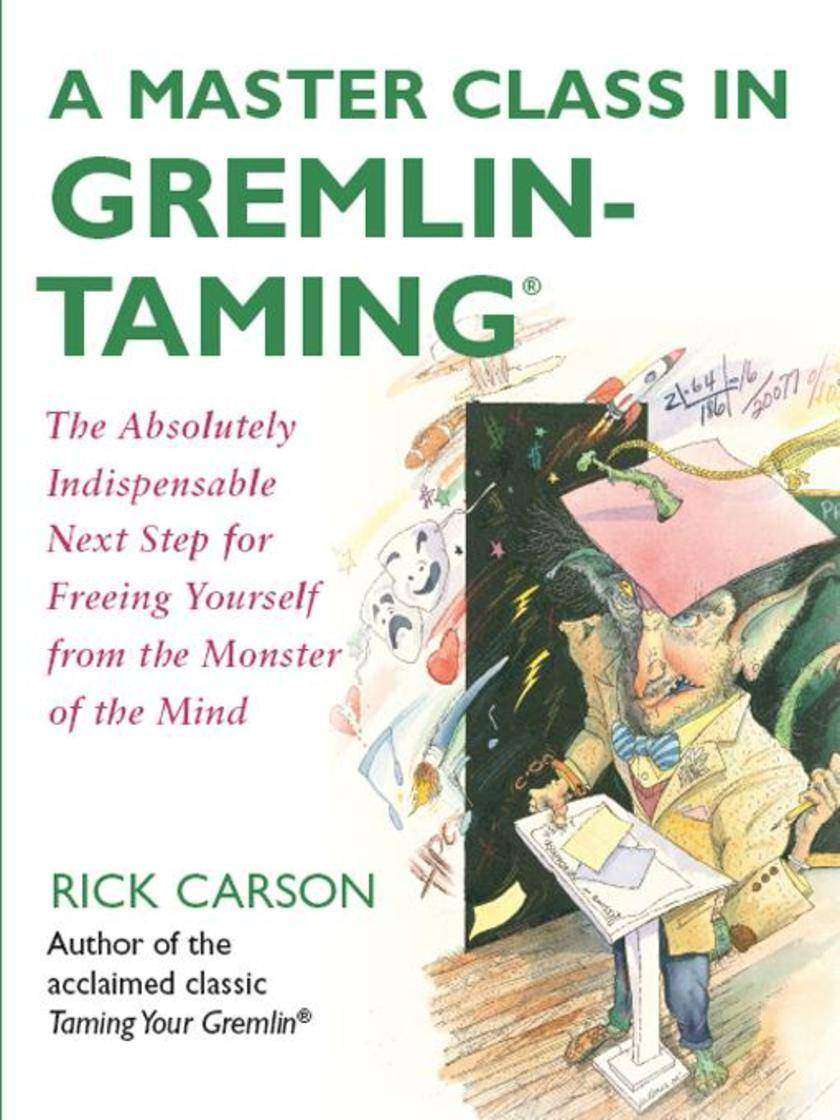
A Master Class in Gremlin-Taming(R)
¥94.10
Rick Carson's Taming Your Gremlin has helped hundreds of thousands of people combat the inner saboteur lurking in the recesses of every human mind. Now Rick takes you to the next level by revealing new ways to escape your gremlin. Rick shows how to access the "natural you" a place of clear feelings and pure potential. He also shares his powerful I CREATE method: seven keys for creating rewarding relationships, which our gremlins love to mess with. With wit, wisdom, and plenty of real-life vignettes, Rick helps gremlin-tamers at all levels give gremlins less than the time of day.
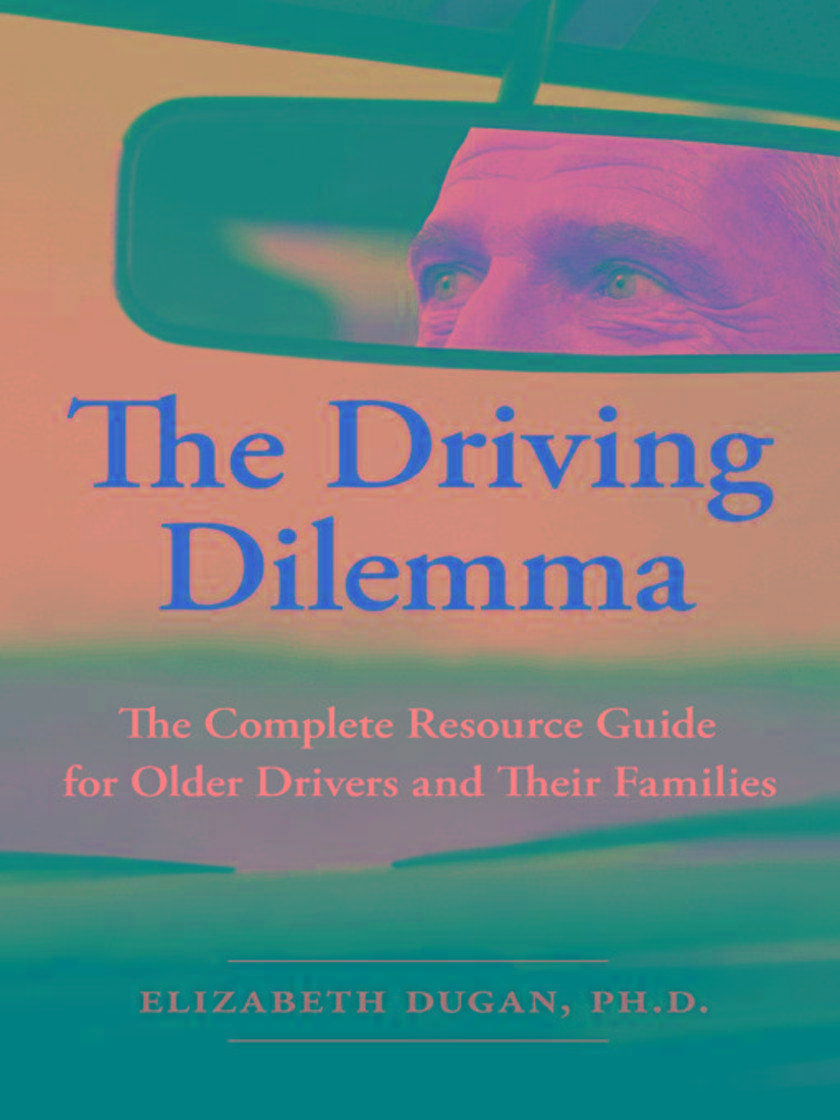
The Driving Dilemma
¥84.82
It's no secret that our population is aging. In fact, it won't be long before one in four drivers will be over the age of 65. Research suggests we'll outlive our ability to drive by almost ten years but knowing when to stop or limit driving isn't always clear. The Driving Dilemma is a comprehensive resource for older drivers and their families facing questions about driving safety. Dr. Dugan provides clear, useful information about the effects of age, medical conditions, and medications on driving. She offers practical advice on how to discuss this issue with loved ones. Such talks can be difficult, and the book provides not only the facts, but also a research-based approach to communication, with useful sample dialogue *s that will help you discuss driving with your loved ones. Also included are state-by-state listings of available resources, making this book a total information source for families.
The Gift of Time
¥83.93
One father, his children, and the loving life they share as a family. . . .Like all parents, Jorge Ramos is concerned about how his two children are absorbing the world around them. A loving and thoughtful father though he is, he wonders if he has done enough to prepare them for the future. He questions if they know enough about him as a person, and the family to which they belong. The Gift of Time is a moving and personal book in which one father reflects upon the world we live in and shares his love for his children in a series of letters that touch on everything from love and divorce to soccer and e-mail. Through his experience as a journalist who has seen both the horrors and the greatness that people are capable of, he offers his children the sound advice they need not only to live but to thrive in today's world.In a heartfelt and direct tone that has gained him the love and admiration of millions of fans across the country, Ramos writes about the issues that plague every parent's mind. In The Gift of Time, Ramos speaks both to his children and to the future generations of Americans on what they can expect, and what is expected of them, as they embark on their journey toward adulthood.
Grace Notes
¥94.10
Throughout her life, Alexandra Stoddard has sought inspiration from writers, poets, and people she has met. In Grace Notes, she shares this wisdom and her own learnings, beautifully captured in brief, motivating observations, in 365 daily meditations of warmth, affirmation, encouragement, and optimism. Season by season, day by day, you'll explore different themes: joy, love, loss, risk, courage, wholeness, growth, play, and success. In addition to offering inspirational quotes from many cultures and two grace notes,each page provides space to write down your own sacred inspirations. With courage and confidence, Grace Notes takes you on a spiritual journey every day of your life and whenever you feel the need to be transported to serenity and grace.
Guests
¥56.08
Our eminent founding father Ben Franklin once famously compared guests to stinking fish. While this assessment may seem a trifle harsh, the truth remains that social intercourse is a most risky endeavor. Who better to address this concern than the inimitable pundit Russell Lynes a man renowned for his unparalleled expertise on the social graces and the many personality types who regularly abuse themIn this classic guide to "guesting," Lynes provides an indispensable overview of the rituals of behavior that make it possible to visit and be visited, and the necessary safeguards that protect us from our friends and our friends from us. It is a book that demands to be read by every potential guest and host, stinker and stinkee alike.
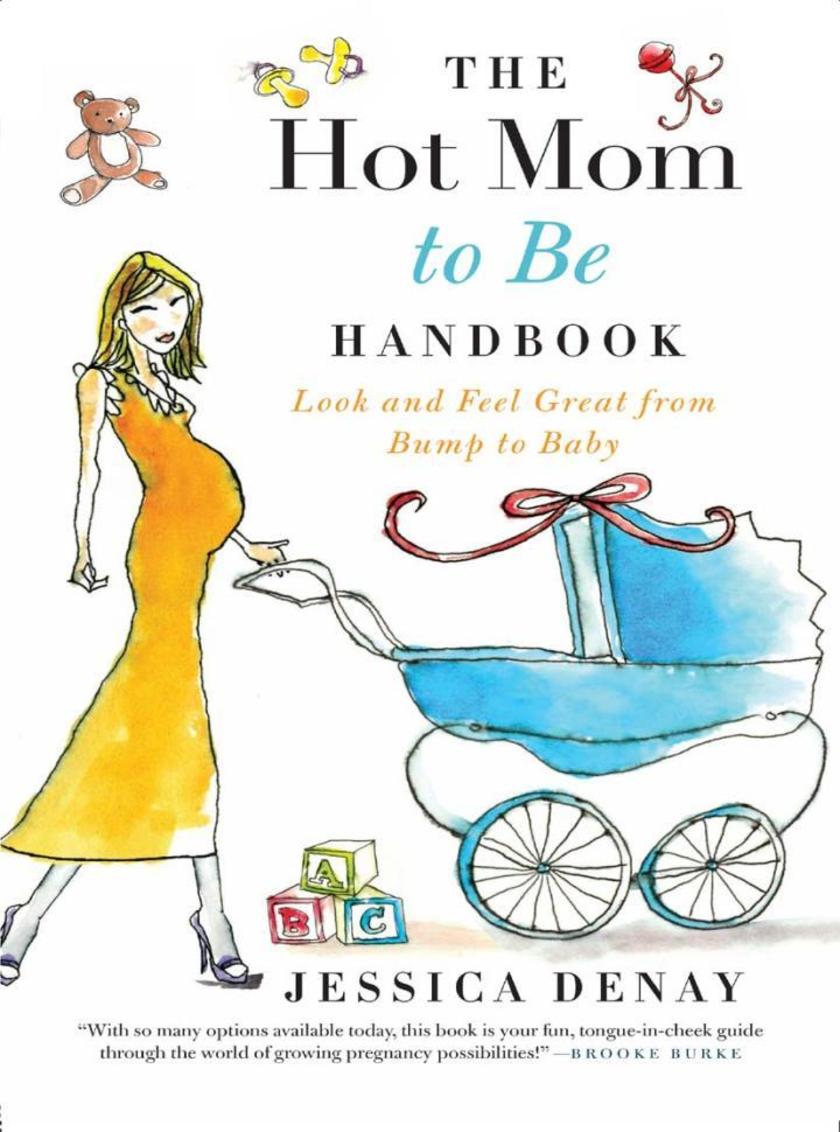
The Hot Mom to Be Handbook
¥111.91
Are you simply "pregnant" . . . or a Hot Mom to Be?A Hot Mom to Be is confident and empowered. She's a woman who meets the needs of her family but refuses to get lost in the madness of motherhood. And she will never sacrifice her sense of style or self.Founder of the Hot Moms Club, and monthly "Mommywood" columnist for Pregnancy magazine, Jessica Denay is on the pulse of Hollywood mom trends and baby products. The Hot Moms Club has coordinated nurseries and hosted star-studded baby showers for dozens of celebrities including Brooke and Charlie Sheen, Trista Sutter, Alison Sweeney, Ana Ortiz, and Angie Everhart to name a few. And now Jessica Denay offers the very best advice, products, and stories for moms-to-be everywhere. Wise and funny, helpful and hip, The Hot Mom to Be Handbook contains a wealth of information on: Avoiding McSteamy or McDreamy ob-gyns Working the perks of pregnancy and playing the "I've Gotta Pee" card to your best advantage Bump on a Budget money saving tips that won't cramp your style Creating decoy baby names and coping with Dad's "Post-Party" Depression Earth-friendly tips for the Eco-Minded Mama . . . and more! Chock-full of Hot Mom bare necessities as well as $tuff to Drool Over sections here's how to do it, how to strut it, and where to buy it. Plus thousands of dollars' worth of discounts inside!
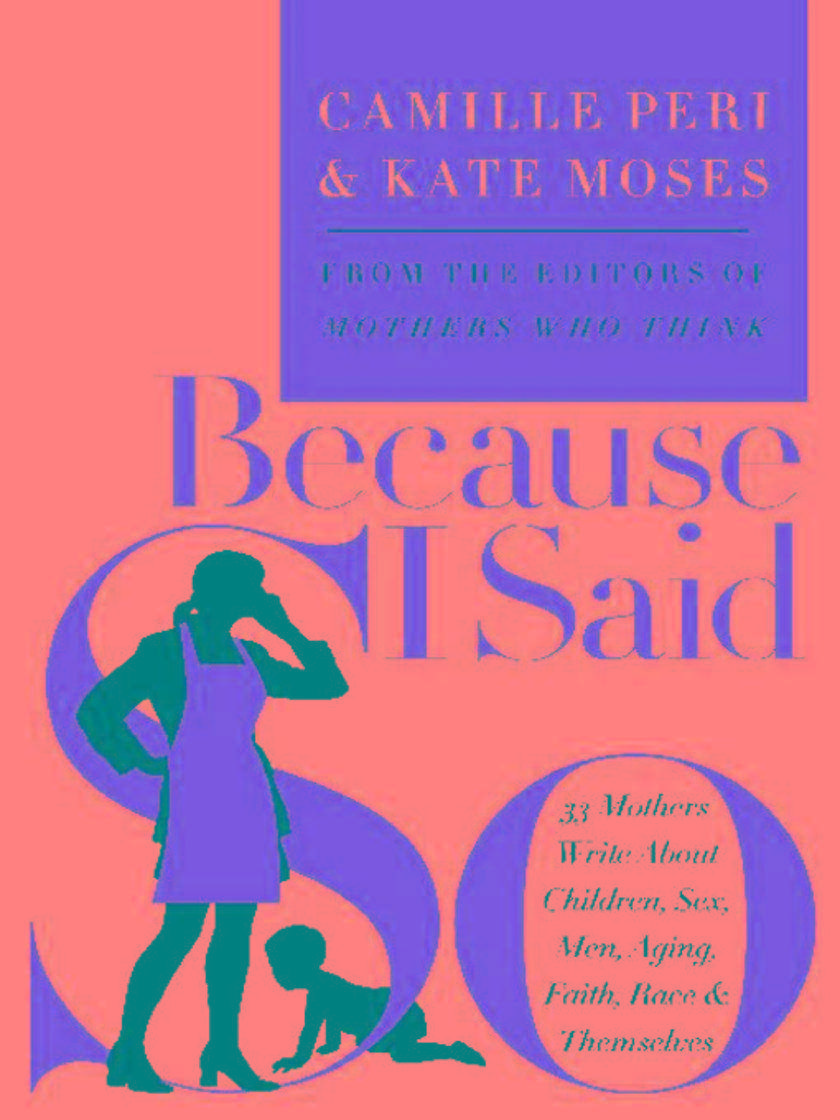
Because I Said So
¥78.32
In June 1997, Camille Peri and Kate Moses launched the daily website Mothers Who Think on Salon.com for women who, like themselves, were starved for smart, honest stories about motherhood -- personal and intimate stories that went beyond tantrum control and potty training to grapple with the profound issues that affect women and their children. Like the online site, their bestselling, American Book Award-winning anthology Mothers Who Think struck a nerve across the country not just with mothers, but with all those who shared a vested interest in the raising of the next generation.Because I Said So gives readers even more to think about. This new collection of fiercely honest essays edited by Peri and Moses captures the challenges of motherhood in the twenty-first century as no other book has. Writers such as Janet Fitch, Mariane Pearl, Mary Roach, Susan Straight, Margaret Talbot, Rosellen Brown, Beth Kephart, Ariel Gore, and Ana Castillo delve into the personal and the political, giving passionate expression to their relationships with their children and to their evolving sense of themselves. Provocative, candid, witty, and wise, their stories range from the anguish of giving up child custody to the guilt of having sex in an era of sexless marriages; from learning to love the full-speed testosterone chaos of boys to raising girls in a pervasively sexualized culture; from facing racial and religious intolerance with your children to surviving cancer and rap simultaneously.Told in prose that is as unabashedly frank as it is lyrical, this is the collective voice of real mothers -- raised above the din -- in all their humor, anger, vulnerability, grace, and glory.
The Best Year of Your Life
¥77.49
No. 1 New York Times bestselling author Debbie Ford's The Best Year of Your Life is a call to action to stop pretending that the future will bring you the life of your dreams and to instead start living your dreams in this moment and for the rest of your life. Many of us spend our days thinking, talking and dreaming about what our lives could be like 'if only ...'. We make resolutions, we follow a new diet, we start exercise routines we begin working on our lifelong goals and then we give up, get too busy and forget about what's truly important to us. Another year passes by and our dreams remain out of reach. But what if today you discovered that the life you've always wanted is right in front of you, well within your graspAre you ready to live itDebbie Ford not only answers these questions but offers a proven, practical blueprint for making today this moment the beginning of the best year of your life.
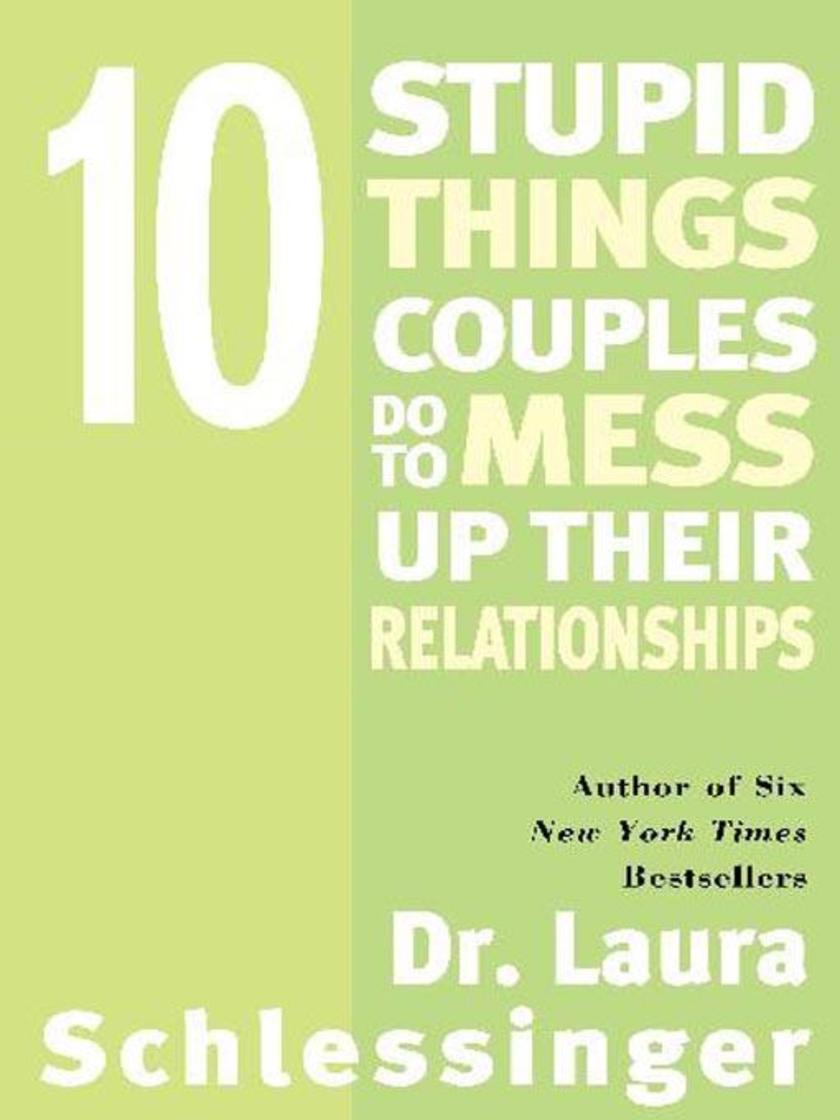
Ten Stupid Things Couples Do to Mess Up Their Relationships
¥88.56
1. Stupid Secrets Withholding important information for fear of rejection2. Stupid EgotismAsking not what you can do for the relationship but only what the relationship can do for you3. Stupid Pettiness Making a big deal out of the small stuff4. Stupid PowerAlways trying to be in control5. Stupid Priorities Consuming all your time and energies with work, hobbies, errands, and chores instead of focusing on your relationship6. Stupid Happiness Seeking stimulation and assurance from all the wrong places to satisfy the immature need to feel good7. Stupid ExcusesNot being accountable for bad behavior 8. Stupid LiaisonsNot letting go of negative attachments to friends and relatives who are damaging to your relationship9. Stupid Mismatch Not knowing when to leave and cut your losses10. Stupid Breakups Disconnection for all the wrong reasons
Your Sacred Self
¥94.10
Bestselling author Wayne W. Dyerreveals a three-step plan for finding joyand taking strength from ourselves. In this liberating and enriching book, Wayne W. Dyer teaches us:To tap into the power of our higher selves To live each day, regardless of what we do, with a greater sense of peace and fulfillment To develop a sense of satisfaction with ourselves and others To move from our insatiable need for more to an awareness of abundance Step by step, Your Sacred Self will help you understand your place in the world and develop a sense of satisfaction with yourself and others.
Embracing the Love of God
¥83.92
Unfortunately, in today's world many people fail to experience the freedom and healing power of God's grace. Even Christians too often experience judgement, rather than the love that is the vital essence of Christian life. A visionary guide in the spirit of Celebration of Discipline, Embracing the Love of God calls Christians back to the basics -- to understanding the promise of God's love to transform our most important relationships and fulfill our deepest spiritual needs.Here James Bryan Smith launches readers on a revitalizing spiritual journey. He distills the basic principles of Christian love and provides a new model for relationship with God, self, and others that is based not on fear and judgement, but rather on acceptance and care. Smith's moving insights illuminate the gentle nature of God's love and teach readers how to continue on the path of love by embracing it day by day. For both new Christians and those desiring renewal, Embracing the Love of God offers hope, peace, and guidance for spiritual growth.
The Right Questions
¥83.03
New York Times number one bestselling author Debbie Ford presents revolutionary questions that, when answered with complete honesty, change the way we see ourselves and make decisions ultimately moving us toward the life we desire. The realities of the life we live today are a result of the choices we made yesterday, three months ago and three years ago. But we don't wind up $50,000 dollars in debt because of one extravagant purchase. Nor do we put on 30 unwanted pounds as a result of a couple of decadent meals. And our relationships certainly don't fall apart overnight because of one decision. We are where we are because of repeated unconscious choices made day after day. If we want to understand why and how we created our present day reality, all we need to do is look at the choices we made in the past. Ford cuts right through our denial with the 10 questions that immediately reveal the true motivations behind our thoughts and actions. But more than that, by rigorously and honestly asking and answering these 10 vital questions, we regain control and have the power necessary to create the life we always wanted.
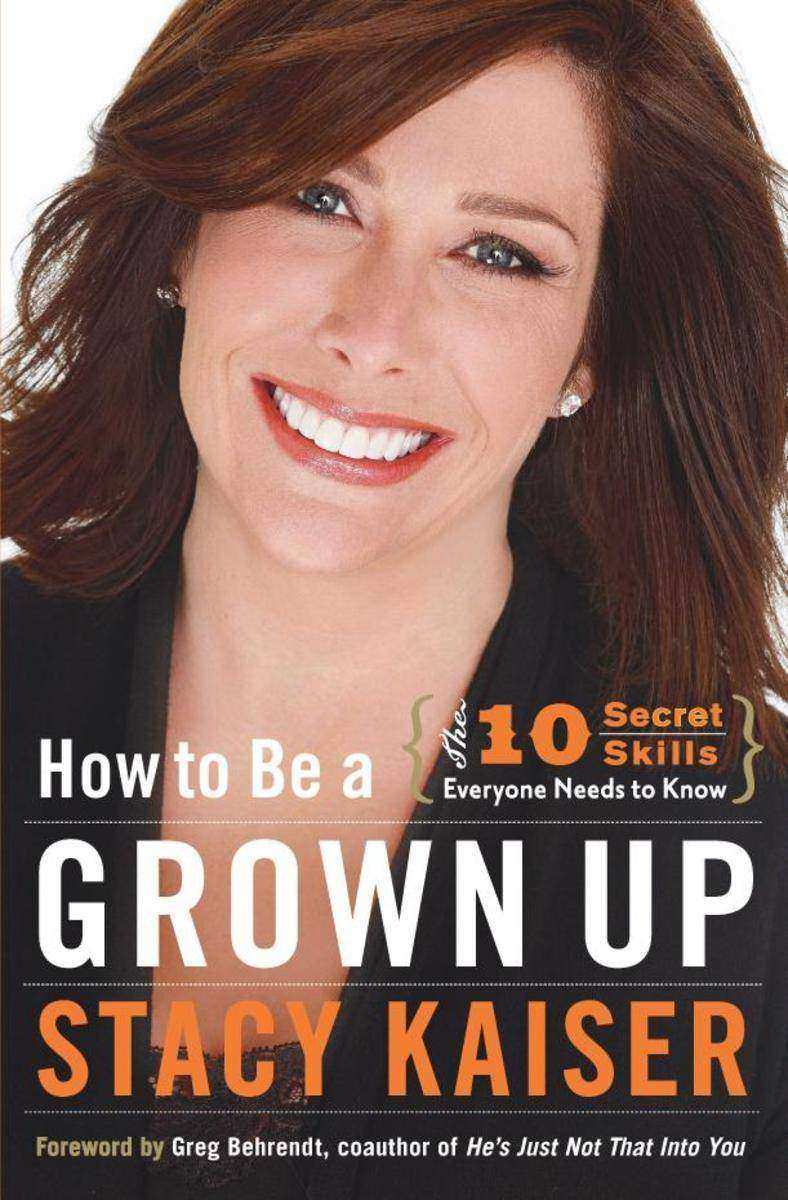
How to Be a Grown Up
¥88.56
Are you pleased with the progress you've made so far in achieving your hopes and dreamsAre you excited about what's coming next in your lifeOr do you need a complete overhaul?In How to Be a Grown Up, renowned psychotherapist Stacy Kaiser demonstrates the life-changing benefits of embracing the concept of the "fully loaded grown up." After counseling thousands of patients, she has identified ten critical areas that determine success, happiness, and fulfillment from conscientious money management to developing strong coping skills to building the right kind of friendships and intimate partnerships.How to Be a Grown Up begins with "The Quiz," the first step to empowering you by helping you become an expert on your own life, exploring what you really want and need in every area of life. In chapters packed full of tips, tools, and exercises, Stacy takes you on a journey of self-discovery in which you evaluate your individual strengths and weaknesses as well as identify self-sabotaging traits and learn how to change them once and for all. Had trouble keeping your cool the last time you talked to your momRead up on the secrets of dynamic communicators. Reevaluating your circle of friendsDiscover the six types of grown-up friendships and appreciate your relationships for what they are. Stuck on a frustrating rung of the corporate ladderLearn the traits that every employer loves and how to master them yourself.Fully loaded grown ups are fully empowered and in charge of their own lives. They are able to initiate change instead of just reacting to events, bounce back from setbacks and disappointments, and enjoy more satisfying relationships with everyone, including themselves. Most important, fully loaded grown ups enjoy true freedom not the kind envisioned as a child, meaning eating ice cream for dinner, but absolute confidence in their ability to live their own best life.With her trademark mix of warmth and toughness, Stacy motivates readers to rally their strengths, let go of childish, outgrown attachments, and arrive at a peaceful balance between freedom and responsibility. Whether you feel you've lost control of your life or you just need a tune-up in an area or two, How to Be a Grown Up is a wise and witty life guide for the twenty-first century.


