


 购物车
购物车 个人中心
个人中心
Apache Mahout Clustering Designs
¥63.21
Explore clustering algorithms used with Apache MahoutAbout This BookUse Mahout for clustering datasets and gain useful insightsExplore the different clustering algorithms used in day-to-day workA practical guide to create and evaluate your own clustering models using real world data sets Who This Book Is For This book is for developers who want to try out clustering on large datasets using Mahout. It will also be useful for those users who don’t have background in Mahout, but have knowledge of basic programming and are familiar with basics of machine learning and clustering. It will be helpful if you know about clustering techniques with some other tool.What You Will LearnExplore clustering algorithms and cluster evaluation techniquesLearn different types of clustering and distance measuring techniquesPerform clustering on your data using K-Means clusteringDiscover how canopy clustering is used as pre-process step for K-MeansUse the Fuzzy K-Means algorithm in Apache MahoutImplement Streaming K-Means clustering in MahoutLearn Spectral K-Means clustering implementation of Mahout In Detail As more and more organizations are discovering the use of big data analytics, interest in platforms that provide storage, computation, and analytic capabilities has increased. Apache Mahout caters to this need and paves the way for the implementation of complex algorithms in the field of machine learning to better analyse your data and get useful insights into it. Starting with the introduction of clustering algorithms, this book provides an insight into Apache Mahout and different algorithms it uses for clustering data. It provides a general introduction of the algorithms, such as K-Means, Fuzzy K-Means, StreamingKMeans, and how to use Mahout to cluster your data using a particular algorithm. You will study the different types of clustering and learn how to use Apache Mahout with real world data sets to implement and evaluate your clusters. This book will discuss about cluster improvement and visualization using Mahout APIs and also explore model-based clustering and topic modelling using Dirichlet process. Finally, you will learn how to build and deploy a model for production use.Style and approach This book is a hand's-on guide with examples using real-world datasets. Each chapter begins by explaining the algorithm in detail and follows up with showing how to use mahout for that algorithm using example data-sets.

Cocos2d-x Cookbook
¥80.65
Over 50 hands-on recipes to help you efficiently administer and maintain your games with Cocos2d-xAbout This BookBuild exciting games, apps, and other cross-platform GUI based interactive programs with Cocos2d-xExplore the nitty-gritty of the latest Cocos2d-x on the block, version 3.6A step-by-step guide that shows you the functionalities of Cocos2d-x followed by an explanation of how they work Who This Book Is For If you are a game developer and want to learn more about cross-platform game development in Cocos2d-x, then this book is for you. Knowledge of C++, Xcode, Eclipse, and how to use commands in the terminal are prerequisites for this book.What You Will LearnInstall and set up Cocos2d-x for your development environmentBuild, test, and release game applications for iOS and AndroidDevelop your games for multiple platformsCustomize Cocos2d-x for your gamesUse a physical engine in your gamesSave and load text, JSON, XML, or other formatsExplore the brand new features of Cocos2d-x In Detail Cocos2d-x is a suite of open source, cross-platform game-development tools used by thousands of developers all over the world. Cocos2d-x is a game framework written in C++, with a thin platform-dependent layer. Completely written in C++, the core engine has the smallest footprint and the fastest speed of any other game engine, and is optimized to be run on all kinds of devices. You will begin with the initial setup and installation of Cocos2d before moving on to the fundamentals needed to create a new project. You will then explore and create the sprites, animations, and actions that you will include in the game. Next you will look at strings and create labels, including a label with True Type Font (TTF) font support. Later, you will learn about layer and scene creation and transition. Then you will create the GUI parts essential for a game, such as buttons and switches. After that, you will breathe life into the game with background music and sound effects using the all new Cocos2d-x audio engine. You will then discover how to manage resource files and implement processes that depend on the operating system. Finally, you will polish your game with physics such as gravity and elevation, learn about tools that will help you make games more robust and stable, and get to know best practices to improve the game you have developed.Style and approach This book is an easy-to-follow guide with ample recipes to help you better understand Cocos2d-x.

Infusionsoft Cookbook
¥99.18
Over 88 recipes for effective use of Infusionsoft to mitigate your CRM needs, marketing automation, conducting online business optimallyAbout This BookMaximize client engagement by automating lead capture and follow-upCollect information and set up lead scoring in Infusionsoft to enhance your marketing interactions to build more clientsSet up online shopping carts, manage your online store, and enhance user experience Who This Book Is For If you want to excel in the use of Infusionsoft to develop a set of common applications or project types and solutions effectively, this book is perfect for you. This book will empower you to provide better results for your clients, faster! It is assumed that you are familiar with and use Infusionsoft.What You Will LearnSet up and configure features that will enhance new user creation using InfusionsoftAttract leads and build your list efficientlyUnderstand the different strategies to sell and get paidCreate amazing customer experiences by following up and automating messagesMaster techniques to use Infusionsoft for internal administrative functionsMake better business decisions by mastering the reporting functionalitySave time and simplifying day-to-day usage using InfusionsoftGet to know the Ninja hacks while working with Infusionsoft efficiently. In Detail Infusionsoft is an all-in-one software-as-a-service (SaaS) for small business sales and marketing. It empowers businesses with the same level of automation and personalization that were previously only available to large corporate enterprises with deep pockets. You can easily manage customer relationships, target communications in an automated manner, and sell their products/services online effectively. Starting with recipes on the general setup and core competencies related to Infusionsoft, you will then learn about tools to enhance user experience. Further on, you'll dive deep into different strategies to attract, sell, and wow your customers. You’ll also explore different ways to manage administrative tasks and reporting, which are crucial to perform better workflow management. Later, you will become proficient in lead generation and lead management, referral management, report generation, and working with the campaign builder. Finally, the book closes with unsupported ninja hacks to take your business strategies into the stratosphere!Style and approach A recipe-based guide that covers real-life scenarios on optimising marketing automation, lifecycle management, lead generation, inventory management, and adding ecommerce functionality
Creating Stunning Dashboards with QlikView
¥71.93
Bring real business insights to your company through effective and engaging dashboards in QlikViewAbout This BookBuild outstanding dashboards that respond to your company’s information needsPresent the data in efficient and innovative ways to promote insightsUnleash the true power of QlikView by creating engaging visualizations Who This Book Is For This book is focused on QlikView developers with basic knowledge of *ing and layouts who want to improve their designing skills and build effective, eye-catching dashboards that deliver tangible value to their business.What You Will LearnBuild a comprehensive library of QlikView components to speed up your developmentsDefine a practical roadmap that will help you build business-driven dashboardsExplore the most effective and engaging ways to present dataApply the best practices in the field of data visualizationAvoid common pitfalls when creating bar, line and pie chartsCreate robust visualizations such as heat maps, histograms and scatter plots In Detail QlikView is one of the most powerful analytical tools in the market. Based on an in-memory associative model, it lets users freely navigate through the data, spot trends and make better decisions. This platform is capable of integrating a wide range of data sources like ERP systems, data warehouses or spreadsheets into a single application in order display dashboards with state-of-the-art visualizations. Creating Stunning Dashboards with QlikView is an easy to follow handbook that guides you through the process of creating an effective and engaging dashboard that delivers tangible value to the business. It starts with the identification of the business needs and the definition of the main KPIs, and takes you all the way to the application rollout. Throughout the book, you will learn how to apply some of the best practices in the field of data visualization, create a robust navigation schema, chose the best chart types for each scenario and many other things that will help you create effective dashboards that uncover all the stories behind the data.Style and approach This easy-to-follow compilation of best practices, tips, and tricks will help you leverage your QlikView developments. Each section presents practical guidelines to help you create dashboards that are not only functional, but also engaging and compelling.
OpenCV with Python Blueprints
¥71.93
Design and develop advanced computer vision projects using OpenCV with PythonAbout This BookProgram advanced computer vision applications in Python using different features of the OpenCV libraryPractical end-to-end project covering an important computer vision problemAll projects in the book include a step-by-step guide to create computer vision applications Who This Book Is For This book is for intermediate users of OpenCV who aim to master their skills by developing advanced practical applications. Readers are expected to be familiar with OpenCV’s concepts and Python libraries. Basic knowledge of Python programming is expected and assumed.What You Will LearnGenerate real-time visual effects using different filters and image manipulation techniques such as dodging and burningRecognize hand gestures in real time and perform hand-shape analysis based on the output of a Microsoft Kinect sensorLearn feature extraction and feature matching for tracking arbitrary objects of interestReconstruct a 3D real-world scene from 2D camera motion and common camera reprojection techniquesTrack visually salient objects by searching for and focusing on important regions of an imageDetect faces using a cascade classifier and recognize emotional expressions in human faces using multi-layer peceptrons (MLPs)Recognize street signs using a multi-class adaptation of support vector machines (SVMs)Strengthen your OpenCV2 skills and learn how to use new OpenCV3 features In Detail OpenCV is a native cross platform C++ Library for computer vision, machine learning, and image processing. It is increasingly being adopted in Python for development. OpenCV has C++/C, Python, and Java interfaces with support for Windows, Linux, Mac, iOS, and Android. Developers using OpenCV build applications to process visual data; this can include live streaming data from a device like a camera, such as photographs or videos. OpenCV offers extensive libraries with over 500 functions This book demonstrates how to develop a series of intermediate to advanced projects using OpenCV and Python, rather than teaching the core concepts of OpenCV in theoretical lessons. Instead, the working projects developed in this book teach the reader how to apply their theoretical knowledge to topics such as image manipulation, augmented reality, object tracking, 3D scene reconstruction, statistical learning, and object categorization. By the end of this book, readers will be OpenCV experts whose newly gained experience allows them to develop their own advanced computer vision applications.Style and approach This book covers independent hands-on projects that teach important computer vision concepts like image processing and machine learning for OpenCV with multiple examples.
Swift 2 Design Patterns
¥71.93
Build robust and scalable iOS and Mac OS X game applicationsAbout This BookLearn to use and implement the 23 Gang of Four design patterns using Swift 2Design and architect your code for Swift application developmentUnderstand the role, generic UML design, and participants in the class diagram of the pattern by implementing them in a step-by-step approach Who This Book Is For This book is intended for competent Swift developers who want to apply enduring design patterns with Swift to structure and scale their application code.What You Will LearnChoose the appropriate pattern depending on the problem to be solvedUnderstand the generic class diagram of each of the 23 GoF patterns and how each object participates in the patternUse Swift to implement these patterns even though the language doesn’t provide all of the object-oriented programming concepts such as abstract class, interface, and so onArchitect your software to avoid the overuse of memory, time spent on calculations, or high network trafficFind the best way to organize your code to make it more secure from the outside worldPrepare your code to make it more flexible when the consumer changes or the third-party component hidden code changesStructure your code to change the algorithm to apply at runtimeDeliver Flyweight responsibility to your objects In Detail Swift is a multi-paradigm language. It has expressive features familiar to those used to work with modern functional languages, while also keeping the object-oriented features of Objective-C. It remains compatible with Apple’s legacy codes and frameworks. A design pattern systematically names, motivates, and explains a general design that addresses a recurring design problem in object-oriented systems. It describes the problem, the solution, when to apply the solution, and its consequences. It also gives implementation hints and examples. Knowledge about design patterns is also one of the best ways to make you different compared to other low-level developers. This book shows you how to use Swift 2 to learn about 23 Gang of Four (GoF) design patterns, and is organized into three categories. The book will present you the five creational patterns, followed by the seven structural patterns, and finishing with the 11 behavioral patterns as defined by the GoF. Each chapter will introduce the pattern by defining its role, which common problems the pattern should be used for, its generic UML representation, how each objects presented in the class diagram participate in the pattern, and what the role of each of these objects is. The book then presents you with a concrete case as an illustration that will be used to implement the pattern using Swift.Style and approach A step-by-step tutorial completed with screenshots and code highlights wherever necessary. Each chapter discusses one or more patterns with its definitions and a simple-to-follow illustration case using a playground or XCText project to implement it with Swift.

I Didn’t Do It For You: How the World Used and Abused a Small African Nation (Te
¥81.03
One small East African country embodies the battered history of the continent: patronised by colonialists, riven by civil war, confused by Cold War manoeuvring, proud, colorful, with Africa's best espresso and worst rail service. Michela Wrong brilliantly reveals the contradictions and comedy, past and present, of Eritrea. Just as the beat of a butterfly’s wings is said to cause hurricanes on the other side of the world, so the affairs of tiny Eritrea reverberate onto the agenda of superpower strategists. This new book on Africa is from the author of the critically acclaimed In the Footsteps of Mr Kurtz. Eritrea is a little-known country scarred by decades of conflict and occupation. It has weathered the world's longest-running guerrilla war, and the dogged determination that secured victory against Ethiopia, its giant neighbour, is woven into the national psyche. Fascist Italy wanted Eritrea as the springboard for a new, racially-pure Roman empire, Britain sold off its industry for scrap, the US needed headquarters for its state-of-the-art spy station and the Soviet Union used it as a pawn in a proxy war. Michela Wrong reveals the breathtaking abuses this tiny nation has suffered and, with the sharp eye for detail that was the hallmark of her account of Mobutu's Congo, she tells the story of colonialism itself. Along the way, we meet a formidable Emperor, a guerrilla fighter who taught himself French cuisine in the bush, and a chemist who arranged the heist of his own laboratory. An arresting blend of travelogue and history, ‘I Didn't Do It For You’ pierces the dark heart of our colonial history.

Rites of Peace: The Fall of Napoleon and the Congress of Vienna
¥80.25
Following on from his epic ‘1812: Napoleon's Fatal March on Moscow’, bestselling author Adam Zamoyski has written the dramatic story of the Congress of Vienna. In the wake of his disastrous Russian campaign of 1812, Napoleon's imperious grip on Europe began to weaken, raising the question of how the Continent was to be reconstructed after his defeat. There were many who dreamed of a peace to end all wars, in which the interests of peoples as well as those of rulers would be taken into account. But what followed was an unseemly and at times brutal scramble for territory by the most powerful states, in which countries were traded as if they had been private and their inhabitants counted like cattle. The results, fixed at the Congress of Vienna in 1815, not only laid the foundations of the European world we know; it put in place a social order and a security system that lie at the root of many of the problems which dog the world today. Although the defining moments took place in Vienna, and the principle players included Tsar Alexander I of Russia, the Austrian Chancellor Metternich, the Duke of Wellington and the French master of diplomacy Talleyrand, as well as Napoleon himself, the accepted view of the gathering of statesmen reordering the Continent in elegant salons is a false one. Many of the crucial questions were decided on the battlefield or in squalid roadside cottages amid the vagaries of war. And the proceedings in Vienna itself were not as decorous as is usually represented. Drawing on a wide range of first-hand sources in six languages, which include not only official documents, private letters, diaries and first-hand accounts, but also the reports of police spies and informers, Adam Zamoyski gets below the thin veneer of courtliness and reveals that the new Europe was forged by men in thrall to fear, greed and lust, in an atmosphere of moral depravity in which sexual favours were traded as readily as provinces and the 'souls' who inhabited them. He has created a chilling account, full of menace as well as frivolity.

LZ-’75: Across America with Led Zeppelin
¥18.74
Stephen Davis’s brilliantly-written personal account of criss-crossing America with Led Zeppelin on their 1975 tour. A warts-and-all snapshot of the world’s biggest hard-rock band at their peak. As a young rock writer Stephen Davis landed the ultimate commission – touring America with Led Zeppelin. This is a personal account by Davis of his journey, which saw him crossing the country with the band on board the Starship, their famous Boeing passenger jet, complete with deep shag purple carpet, electric pianos, girlfriends and star-struck hangers-on. This is also the story of one of the hardest-living bands in the world at their peak. For Robert Plant, Jimmy Page, John Paul Jones and John Bonham, the most beautiful women in America tear their spangled jackets from them and riots start outside their gigs. LZ-75 captures a few perfect months in rock, when Led Zeppelin epitomised the free-living rock dream, but, like Icarus, their wings were already beginning to melt. It wouldn't be long before John Bonham died of a vodka overdose, and punk killed their brand of monumental rock. With it's up-close-and-personal accounts of band members, managers, groupies, fans and drug-dealers, there's a lot of Almost Famous about this book – Led Zep's 1975 tour is in fact the very one on which Cameron Crowe's film was based. Stephen Davis was barely twenty in 1975, but now he is recognised as one of the best rock writers in the world. He is the author of the mega-selling Hammer of the Gods – a biography of Led Zeppelin. He recently unearthed his notebooks of the 1975 tour – which he didn't use for Hammer of the Gods – to write LZ-75. LZ-75: Across America with Led Zeppelin is a wonderful and unique thing – a beautifully succinct account of a single moment in rock, when no lyric was too far-fetched, no drink went undrunk and no expense was ever, ever spared. It's a moment that will never be repeated.

A Foreign Field (Text Only)
¥57.09
This edition does not include illustrations. A wartime romance, survival saga and murder mystery set in rural France during the First World War. From the Number 1 bestselling author of ‘Agent ZigZag’ and ‘Operation Mincemeat’. Four young British soldiers find themselves trapped behind enemy lines at the height of the fighting on the Western Front in August 1914. Unable to get back to their units, they shelter in the tiny French village of Villeret, where they are fed, clothed and protected by the villagers, including the local matriarch Madame Dessenne, the baker and his wife. The self-styled leader of the band of fugitives, Private Robert Digby, falls in love with the 20-year-old daughter of one of his protectors, and in November 1915 she gives birth to a baby girl. The child is just six months old when someone betrays the men to the Germans. They are captured, tried as spies and summarily condemned to death. Using the testimonies of the daughter, the villagers, detailed town hall records and, most movingly, the soldiers’ last letters, Ben Macintyre reconstructs an extraordinary story of love, duplicity and shame – ultimately seeking to discover through decades of village rumour the answer to the question, ‘Who betrayed Private Digby and his men?’ In this new updated edition the mystery is finally solved. This edition does not include illustrations.
Books and Naturalists (Collins New Naturalist Library, Book 112)
¥231.22
Natural history, perhaps more than any other pursuit or study, has always relied heavily on books. Without their basic function of enabling the different kinds of animals and plants to be described in adequate detail, the subject could never have come into being and gone on to thrive as it does today. In displaying nature's colourful diversity, books have stimulated attempts to capture the wonders of the natural world with the pencil or in paint. They have challenged their readers to seek out and record what the countryside has to offer, and they have enabled naturalists to convey to unknown fellow spirits the excitements of 'the chase' and of unexpected discoveries. In this latest book in the highly-acclaimed New Naturalist series, David Elliston Allen explores the often complicated ways in which books on the flora and fauna of these islands have been published through the years, from the earliest days of printing through to the era of the computerised distribution atlas and the giant multinational compendium. Difficult to free from market constraints, publication in book form would have remained an elusive aim for all too many naturalists but for the regular trickle of individual publishers who have shared their delight in the subject and leant over backwards to assist it. The important role played by these allies, the colourful backgrounds of many of the authors and the sometimes fraught relationship between the partners in a process in which the aims of business and learning do not necessarily coincide are among the many themes woven together into a fascinating account, which also breaks new ground.

The Ocean Railway
¥81.52
An epic social history of steamship travel from the 19th-century to the ‘Lusitania’, the ‘Mauretania’ and the ‘Titanic’. The great transatlantic steamships became emblems of an age, of a Victorian audacity of spirit-cathedrals to man's harnessing of new technology. Through the innovations and designs of key engineers and shipping magnates – Samuel Cunard, Isambard Kingdom Brunel and Edward Knights Collins – ‘the largest movable objects in human history' were created. To the wealthy, steamships represented glamorous travel, but to most they offered cheap passage out of Europe to the New World. At their peak, steamships delivered one million new Americans each year, transforming the world’s oceans from barriers into highways. In this fascinating history, Stephen Fox chronicles the tragedies that marked the evolution of the ocean liner, including the 1852 sinking of the ‘Arctic’, with the loss of three hundred and twenty-two lives, and the early 20th-century losses of the ‘Lusitania’ and the ‘Titanic’. Using contemporary records, diaries and writing, he penetrates the experience of transatlantic passage and examines the societies created on the vast floating cities, ‘a kind of third human environment, neither land nor sea but partaking of each, and bridging them in unprecedented ways’.

The Big House: The Story of a Country House and its Family
¥81.03
Please note that some images were unavailable for the electronic edition. The highly praised biography of an archetypal great house and the family who lived there for over 250 years. ‘The Big House’ is the biography of a great country house and the lives of the Sykes family who lived there, with varying fates, for the next two hundred and fifty years. It is a fascinating social history set against the backdrop of a changing England, with a highly individual, pugnacious and self-determining cast, including: ‘Old Tat’ Sykes, said to be one of the great sights of Yorkshire (the author’s great-great-great-grandfather), who wore 18th-century dress to the day of his death at ninety-one in 1861. His son was similarly eccentric, wearing eight coats that he discarded gradually throughout the day in order to keep his body temperature at a constant. He was forced to marry, aged forty-eight, eighteen-year-old Jessica Cavendish-Bentick – a lively and highly intelligent woman who relieved the boredom of her marriage by acquiring a string of lovers, writing novels and throwing extravagant parties (her nickname became ‘Lady Satin Tights’), all the while accumulating debts that ended in a scandalous court case. Their son, Mark, died suddenly whilst brokering the peace settlement at the Paris Peace Conference at the end of World War I; Sledmere was destroyed by fire shortly afterwards. But the rebuilt Sledmere rose from the flames to resound again with colourful, brilliant characters in the 1920s and 1930s including the author’s grandmother, Lily, who had been a celebrated bohemian in Paris. ‘The Big House’ is vividly written and meticulously researched using the Sykes’ own family’s papers and photographs. In this splendid biography of place and time, Christopher Simon Sykes has resuscitated the lives of his ancestors and their glorious home from the 18th- through to the 20th-century.

Woodlands (Collins New Naturalist Library, Book 100)
¥95.75
The 100th volume of the prestigious New Naturalist series, written by one of Britain's best-known naturalists, explores the significance and history of woodlands on the British landscape ‘Trees are wildlife just as deer or primroses are wildlife. Each species has its own agenda and its own interactions with human activities…’ This 100th volume of the New Naturalist series presents a landmark in natural history publishing. Looking at such diverse evidence as the woods used in buildings and ships, and how woodland has been portrayed in pictures and photographs, Rackham reconstructs British woodland through the ages. Aimed at the non-specialist, ‘New Naturalist Woodlands’ investigates what woods are and how they function. In lively style, Rackham takes us through: ? How woods evolved and how they are managed, ? The basic botany (understanding roots, partnerships, longevity, tree-rings), ? Outline of woodland history, ? Pollen analysis and wildwood, ? Archives of woodland and how to study them, ? Different types of woodland, ? The rise and fall of modern forestry. Illustrated with beautiful colour photographs throughout, this New Naturalist is set to be a classic for collectors and general readers alike.
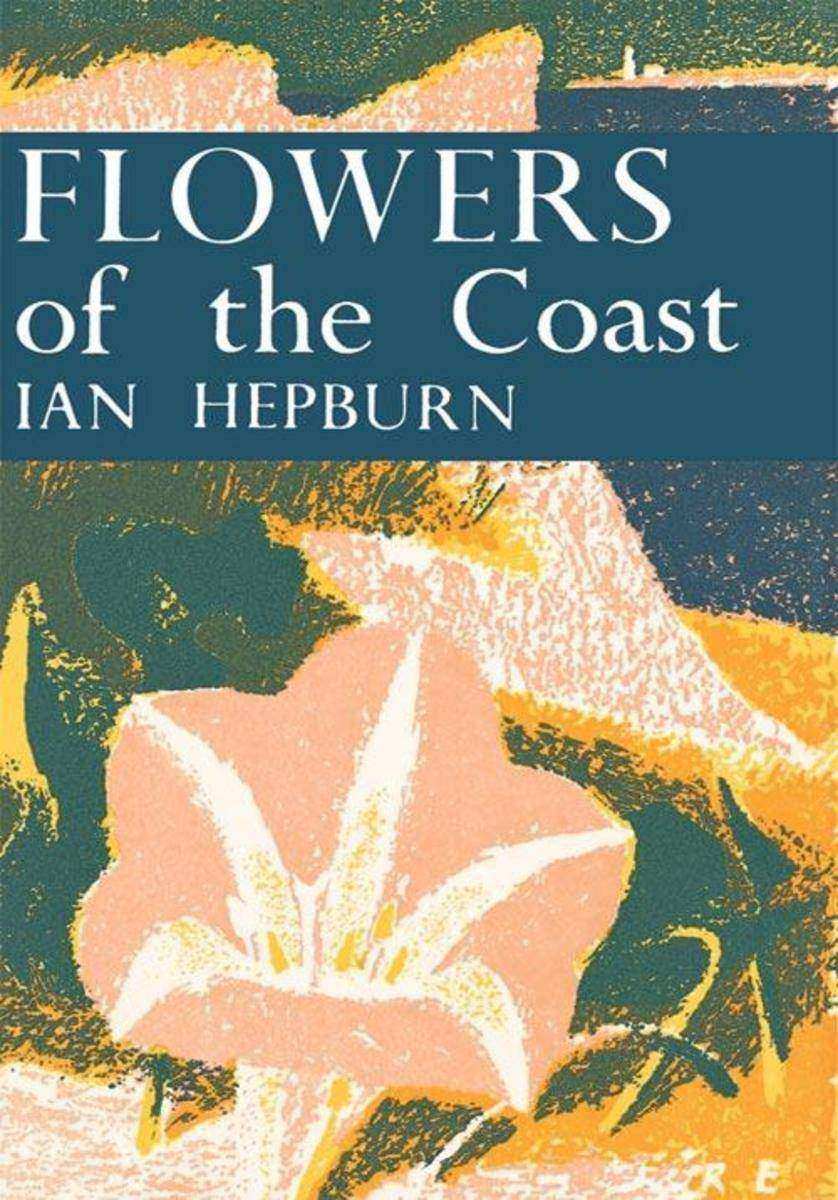
Flowers of the Coast (Collins New Naturalist Library, Book 24)
¥456.66
Few parts of our British islands can compare with our sea coasts as plant hunting ground. Flowers of the Coast takes us on a search across sand dune, cliff, shingle and rock. This edition is produced from an original copy by William Collins.

The Natural History of Wales (Collins New Naturalist Library, Book 66)
¥456.66
This book is an attempt to survey the natural history of the whole of Wales. It therefore covers such areas as Snowdonia and the Brecon Beacons as well as the spectacularly beautiful Pembrokeshire coast and the less well-known but no less interesting areas of mid-Wales. Wales is a country of great geographical and biological diversity, a largely mountainous land whose eastern scarps overlook the richer plains of Mercia. William Condry is an acute observer of the potentialities of terrain, and particularly in respect of wildlife habitats. The author of the distinguished volume on Snowdonia in the New Naturalist series, he is the ideal person to write about one of the best-known and best-loved parts of Great Britain. This book is an attempt to survey the natural history of the whole of Wales. It therefore covers such areas as Snowdonia and the Brecon Beacons as well as the spectacularly beautiful Pembrokeshire coast and the less well-known but no less interesting areas of mid-Wales. Describing each kind of terrain in turn, William Condry has explored and surveyed the face of this unique land as few others have done. Beginning with corries, crags and summits, he goes on to consider moorlands, mires and conifers. There then follow rivers, lakes and marshes; the native woodlands; limestone flora; farmlands, villages and estates; the industrial scene; and finally perhaps the most striking terrain of all, the coast. This encompasses polders, peatlands, beaches, dunes and estuaries as well as cliffs, headlands and island. Within each of these areas William Condry brings a wealth of experience to bear on the more obvious aspects of wildlife - flowering plants and ferns, mammals, birds, fish, reptiles and amphibians. Important rarities such as the Snowdon lily or the red kite are, of course, included, but always with the intention of establishing a proper respect for their conservation. Affectionate and thoroughly informative, full of insights into local history and always a delight to read, this is a magnificent introduction to Wales and its countryside.
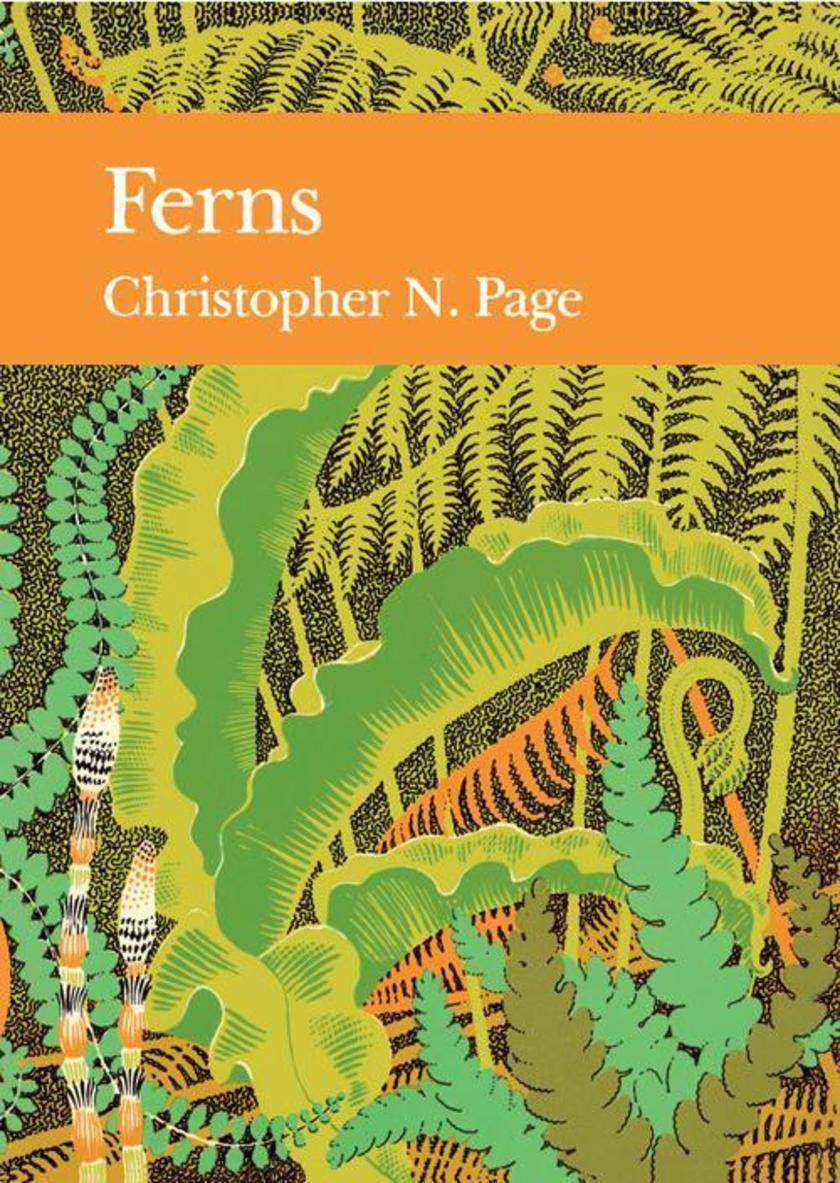
Ferns (Collins New Naturalist Library, Book 74)
¥456.66
Ferns gives the reader an introduction to the reasons for the variety of ferns in the British Isles, as well as the history of their development within this landscape and their use by man. This edition is exclusive to newnaturalists.com Ferns, horsetails and clubmosses, or to use their technical term the Pteridophyta, are a fascinating area of the British flora that ranged from the prehistoric-looking horsetails to the delicate beauty of the Aspleniaceae family (otherwise known as the spleenworts and familiar inhabitants of many a conservatory). Ferns are ubiquitous on this damp island, but often overlooked, overshadowed by the interest in the technicolour of our flowering plants. This book gives the reader an introduction to the reasons for the variety of ferns in the British Isles, as well as the history of their development within this landscape and their use by man. Taking each major habitat, Dr Page details which species of ferns are most likely to be encountered and why. Using numerous examples, he also shows how some species have become highly adapted to their environment using a whole range of strategies varying from the ordinary to the bizarre. Ferns follows in the distinguished New Naturalist series tradition of investigative natural history, drawing from the latest field studies and research, and is the most authoritative, up-to-date and in-depth survey of this part of the British flora available.
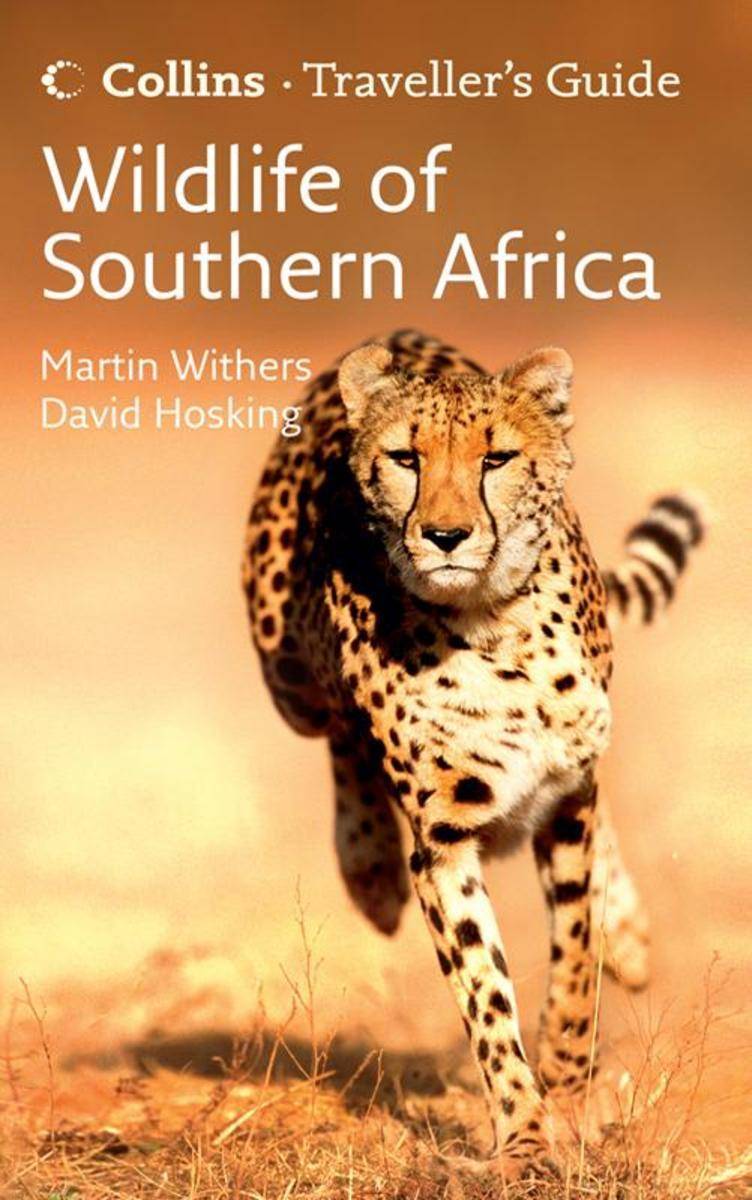
Wildlife of Southern Africa (Traveller’s Guide)
¥91.43
The perfect companion for the safari enthusiast, this complete traveller’s guide to the wildlife of Namibia, Botswana, Zimbabwe, South Africa and Malawi is a must-have for all those considering a trip to the game reserves of this highly popular region. Written and illustrated by wildlife experts who have been leading safaris in the region for over 20 years, and featuring over 400 species of bird, mammal, reptile, amphibian and insect, this informative guide makes the perfect companion for all those considering a trip to the game reserves of southern Africa. Each species is illustrated with a full-colour photograph and features a full species de*ion. Key information on wildlife photography is also included, such as the best type of camera, film and lenses to use, along with information on techniques and codes of conduct.
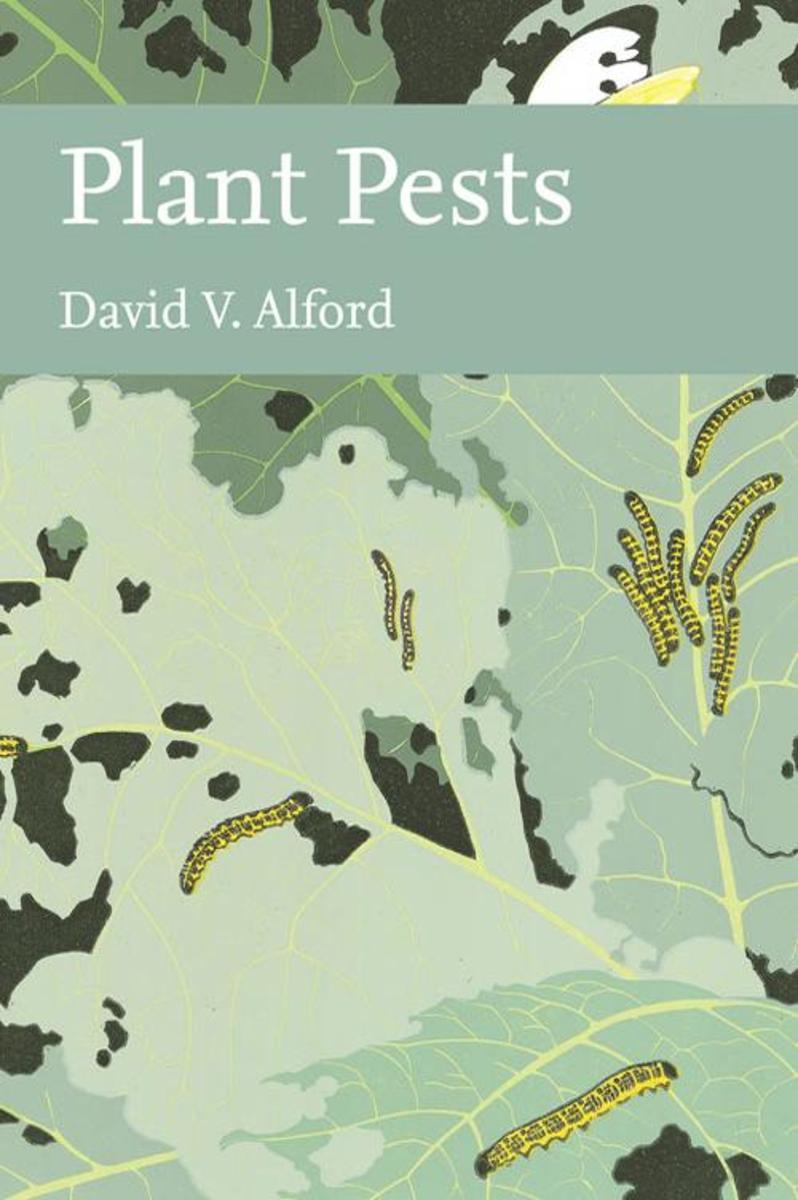
Plant Pests (Collins New Naturalist Library, Book 116)
¥273.90
Ever since man first cultivated plants and grew crops, insects, mites and other creatures have risen to prominence as pests, but it is only throughout the last two centuries that we have come to study them in any detail. Whereas in the past, emphasis has mainly been placed on ways to protect cultivated plants from attack or damage, nowadays our over-reliance on pesticides has been replaced by a far more enlightened approach to plant protection. Though chemical pesticides still have a role to play, environmental aspects and non-chemical means of pest control have become equally, if not more, important. This requires a greater appreciation of ecosystems, coupled with a greater understanding of individual pests, including their habits and their role in the environment. Drawing on a lifetime of experience, David V. Alford provides a fascinating account of the natural history of the insects and mites that inhabit our farms and gardens, and feed on our cultivated plants. He shows how and why the different operations of cultivation affect their world, and why plant pests should not be viewed as different from other wildlife. Coverage of pests includes aliens, and although emphasis is placed mainly on arable and horticultural field crops, pests of protected crops - both edible and non-edible - are also included. Details of pest life cycles, status, distribution and the damage they cause are given, and natural enemies of pests are examined. The author also explores the impact of pesticides, climate change and evolving crop management practices.
A History of Food in 100 Recipes
¥114.48
The ingredients, cooks, techniques and tools that have shaped our love of food. We all love to eat and most of us have a favourite ingredient or dish. In today's world we can get the food we want, when we want it, but how many of us really know where our much-loved recipes come from, who invented them and how they were originally cooked? In this book William Sitwell, culinary expert on BBC2's 'A Question of Taste' and editor of Waitrose Kitchen magazine, takes us on a colourful, whirlwind journey as he explores the fascinating history of cuisine. This book is a celebration of the great dishes, techniques and above all brilliant cooks who have, over the centuries, created the culinary landscape we now enjoy. Any lover of fine food who has ever wondered about the origins of the methods and recipes we now take for granted will find A History of Food in 100 Recipes required reading. As well as shining a light on food's glorious past, there are contributions from a glittering array of stars of British cuisine, including Marco Pierre White, Delia Smith, Heston Blumenthal, Nigella Lawson and Jamie Oliver. In an incisive and humorous narrative, Sitwell enters an Egyptian tomb to reveal the earliest recipe for bread and discovers the greatest party planner of the Middle Ages. He uncovers the extraordinary and poetic roots of the roast dinner and tells the heart-rending story of the forgotten genius who invented the pressure cooker. And much, much more.
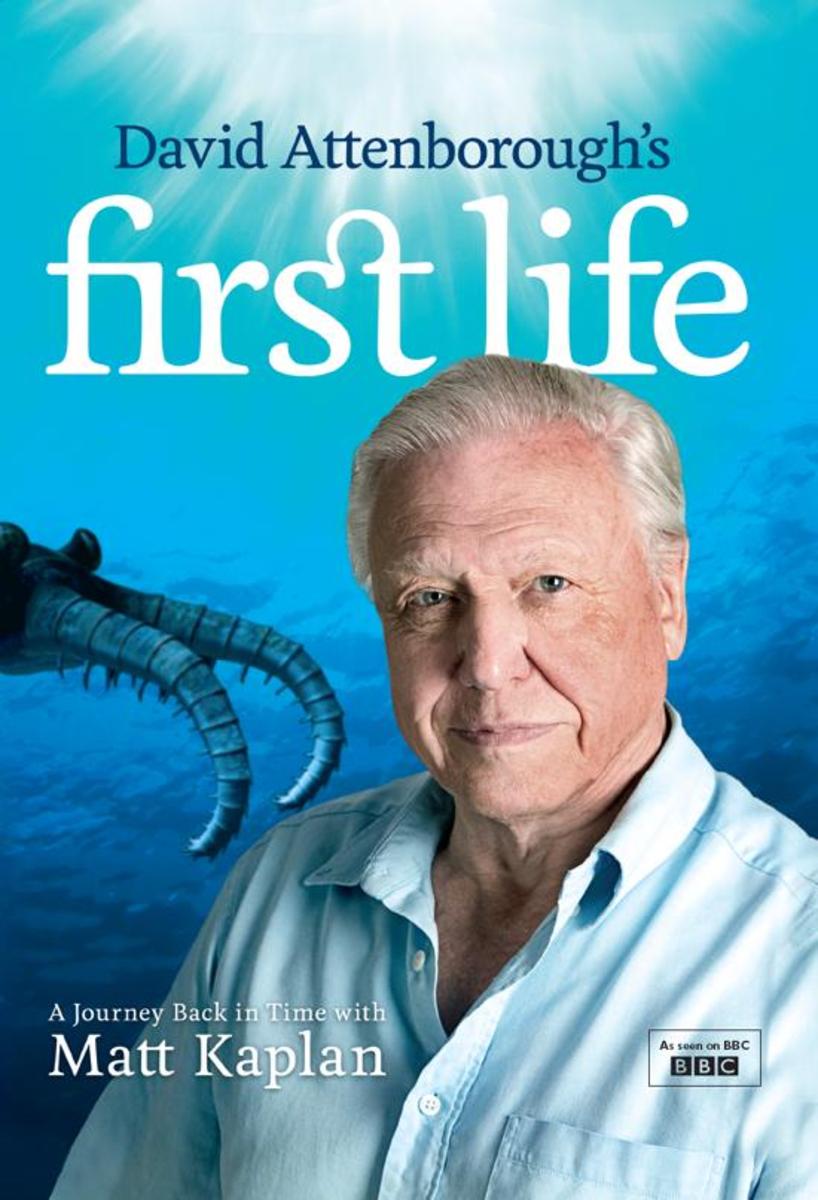
David Attenborough’s First Life: A Journey Back in Time with Matt Kaplan
¥184.23
The epic story of the beginning of life on Earth from the much loved and respected naturalist, writer and broadcaster, Sir David Attenborough. Spanning billions of years, Attenborough's time-travelling narrative brings the reader face to face with the first animals that ever existed. By using the latest technology, we are finally able to see for ourselves how these early animals would have looked like and how they would have lived. Attenborough also shows us how some of the evolutionary features of these most primitive creatures are alive today in modern animals, including us humans. Attenborough shows us how the evolution of the first eyes, the first solid body parts and the first feet and backbones came to be. Looking at global ice ages and volcanic eruptions he also shows how evolution is heavily connected with the history of the planet. In this groundbreaking investigation, Attenborough travels the world, from Canada to Australia and Morocco to unearth the secrets hidden in prehistoric fossils, providing a deeper understanding of the first living creatures and the origins of our evolutionary traits.


