


 购物车
购物车 个人中心
个人中心
Power Through Constructive Thinking
¥95.39
One of the First Books to Demonstrate the Power of Positive Thoughts Fresh with contemporary relevance, this classic of positive thinking from one of the world's greatest motivational writers offers stirring insights on self-transformation. Based on Emmet Fox's simple message that thoughts are things and all potential rests in their creative and constructive use, these thirty-one inspiring essays show how to have it all health, success, happiness, and a liberated spirit through the power of constructive thought. First published in 1940, Power Through Constructive Thinking has been a never-failing source of strength and renewal for generations of readers.
Nanny 911
¥101.00
Regain control of your children with simple, direct, nanny-tested measures!Is your life chaoticAre your kids running the showDo you feel like you're more of a zookeeper than a parent?Take heart, America. When your family's in trouble, Nanny 911 is there on the double. Because brats are not born, they're made. No one knows that better than Deborah Carroll and Stella Reid Nanny Deb and Nanny Stella the stars of the overnight hit television show on the Fox network. Each week, up to ten million viewers tune in to see the nannies take charge and transform one family's utter chaos into serenity. No matter how loud the tantrums or how clueless the parents, Nanny Deb and Nanny Stella help them become the families they always wanted to be.Now the nannies share their remarkable wisdom with millions of overwhelmed parents desperate for foolproof parenting advice at their fingertips. They'll show that parents need to change their behavior first because when there are no consequences for naughty behavior, kids quickly realize there's no reason for the naughtiness to stop. And when mom and dad just don't know what to do, the kids take over. You'll learn how to confront problems head-on, with firm but loving discipline, effective communication, and the implementation of clear House Rules.Nanny 911 is the perfect sourcebook for dealing with everyday problems that have escalated to levels that are out of control.For parenting emergencies call 911. Nanny 911, that is.With a Foreword by Head Nanny Lilian Sperling
Your Adolescent
¥123.45
Parents, teachers, and mental health workers will find the answersto these- and many other-questions in this forthright yet compassionate guide to helping your adolescent through the tumultuous teen years. From peer pressure and self-esteem to experimentation with sex, alcohol, and drugs, this invaluable resource covers a wide range of pratical issues. Here as well is information on more serious obstacles to a teen's development that may require professional intervention, such as depression, eating disorders, substance abuse, and disruptive behavorial disorders. As surely as every child will become a teen, every person that must relate to a teen will find this book a reliable, indespensable guide to the ups and downs of adolecence.

Make Me an Instrument of Your Peace
¥110.71
Kent Nerburn's Make Me an Instrument of Your Peace, immerses us in the spirit of one of the most universally inspiring figures in history: St. Francis of Assisi. The Prayer of St. Francis boldly but gently challenges us to resist the forces of evil and negativity with the spirit of goodwill and generosity. And Nerburn shows, in his wonderfully personal and humble way, how we each can live out the prayer's pre*ion for living in our everyday and less-than-saintly lives. "Where there is hatred, let me sow love...Where there is injury, let me sow pardon..." Expanding upon each line of the St. Francis Prayer, Nerburn shares touching, inspiring stories from his own experience and that of others and reveals how each of us can make a difference for good in ordinary ways without being heroes or saints. Struggling to help a young son comfort his best friend when his mother dies, moved by the courage of war enemies who reconcile, being wrenched out of self-absorbed depression by responding to someone else's tragedy, taking a spirited old lady on a farewell taxi ride through her town-these are the kinds of everyday moments in which Nerburn finds we can live out the spirit of St. Francis. By incorporating the power and grace of these few lines of practical idealism into our thoughts and deeds, we can begin to ease our own suffering-and the suffering of those with whom we share our lives. And, remarkably, find a way to true peace and happiness by tapping into our basic human goodness. As we open our hearts and embrace his words, St. Francis "touches our deepest humanity and ignites the spark of our divinity." Lord, make me an instrument of thy peace.Where there is hatred let me sow love,Where there is injury let me sow pardon,Where there is doubt, faith,Where there is despair, hope,Where there is darkness, light,And where there is sadness, joy... In this beautifully written book, Kent Nerburn leads us into the heart of the St. Francis Prayer and line by line demonstrates how St. Francis's words can resonate in our lives today.
Luck
¥121.80
Filled with everything you need to live a luckier life, Luck: The Essential Guide is here with information, advice, or if you just have to knock on wood.
To Have and To Hold
¥83.93
From the author of The Monogamy Myth, an essential guide written specifically for married couples to strengthen their relationship and prevent affairs.Based on Peggy Vaughan's 30 years of work with married couples and the issue of affairs, this new handbook challenges the assumption that monogamy can be taken for granted, and provides the tools for building a strong marriage and preventing affairs.Explaining the need to focus on preventing affairs before there is any threat to a marriage, she draws on her survey of 755 people regarding their beliefs to present "What Won't Work" and "What Will Work" to prevent affairs.Throughout To Have and to Hold, Vaughan details specific strategies and techniques, emphasizing that: Relying on attitudes and beliefs is not sufficient to maintain a monogamous relationship over a lifetime. Focusing on actions and behaviors is far more significant to strengthen a relationship. Responsible honesty is the single most important factor in preventing affairs. Everybody (society as a whole) plays a role in supporting couples' efforts to maintain monogamy. Parents have a special responsibility to break the pattern for future generations. Four appendices present Vaughan's survey questionnaire along with detailed breakdowns of responses.
Owning Your Own Shadow
¥88.56
A bestselling author shows how we can reclaim and make peace with the shadow side of our personality.
The Secret of the Shadow
¥83.03
The #1 New York Times bestselling author shows how our most self-defeating thought can become blueprints for a fulfilling, rewarding life.

The Bully, the Bullied, and the Bystander
¥83.03
It's the deadliest combination going: bullies who terrorize, bullied kids who are afraid to tell, bystanders who watch, and adults who see the incidents as a normal part of childhood. All it takes to understand that this is a recipe for tragedy is a glance at headlines across the country. In this updated edition of The Bully, the Bullied, and the Bystander, which includes a new section on cyberbullying, one of the world's most trusted parenting educators gives parents, caregivers, educators and most of all, kids the tools to break the cycle of violence.Drawing on her decades of work with troubled youth, and her wide experience in the areas of conflict resolution and reconciliatory justice, Barbara Coloroso explains: The three kinds of bullying, and the differences between boy and girl bullies Four abilities that protect your child from succumbing to bullying Seven steps to take if your child is a bully How to help the bullied child heal and how to effectively discipline the bully How to evaluate a school's antibullying policy And much more This compassionate and practical guide has become the groundbreaking reference on the subject of bullying.
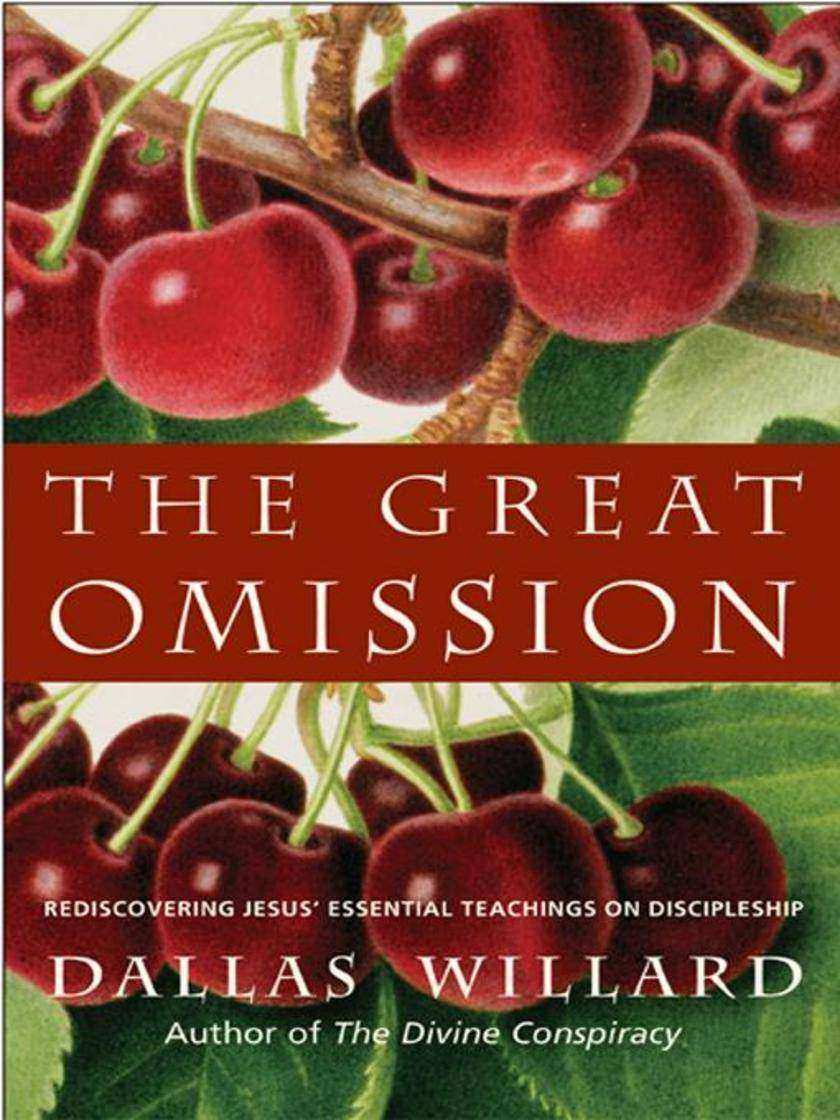
The Great Omission
¥95.11
The last command Jesus gave the church before he ascended to heaven was the Great Commission, the call for Christians to "make disciples of all the nations." But Christians have responded by making "Christians," not "disciples." This, according to brilliant scholar and renowned Christian thinker Dallas Willard, has been the church's Great Omission."The word disciple occurs 269 times in the New Testament," writes Willard. "Christian is found three times and was first introduced to refer precisely to disciples of Jesus. . . . The New Testament is a book about disciples, by disciples, and for disciples of Jesus Christ. But the point is not merely verbal. What is more important is that the kind of life we see in the earliest church is that of a special type of person. All of the assurances and benefits offered to humankind in the gospel evidently presuppose such a life and do not make realistic sense apart from it. The disciple of Jesus is not the deluxe or heavy-duty model of the Christian -- especially padded, textured, streamlined, and empowered for the fast lane on the straight and narrow way. He or she stands on the pages of the New Testament as the first level of basic transportation in the Kingdom of God."Willard boldly challenges the thought that we can be Christians without being disciples, or call ourselves Christians without applying this understanding of life in the Kingdom of God to every aspect of life on earth. He calls on believers to restore what should be the heart of Christianity -- being active disciples of Jesus Christ. Willard shows us that in the school of life, we are apprentices of the Teacher whose brilliance encourages us to rise above traditional church understanding and embrace the true meaning of discipleship -- an active, concrete, 24/7 life with Jesus.
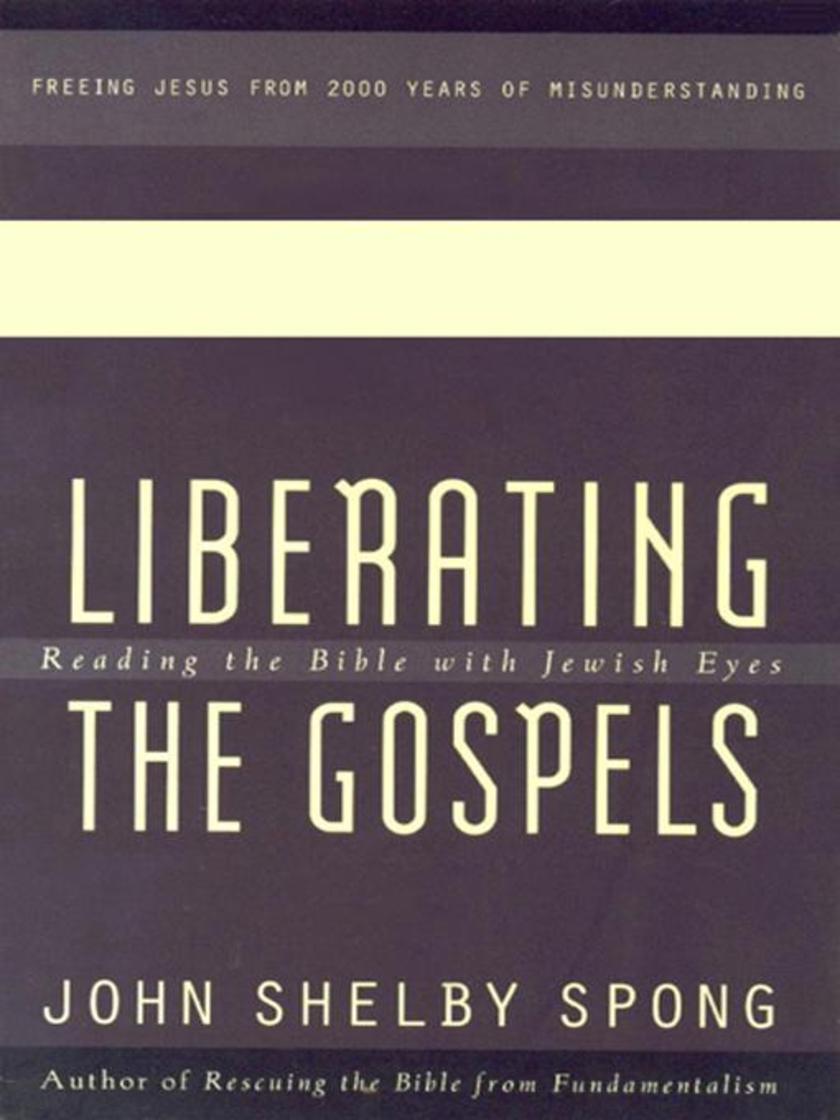
Liberating the Gospels
¥90.77
In this boldest book since Rescuing the Bible from Fundamentalism, Bishop John Shelby Spong offers a compelling view of the Gospels as thoroughly Jewish tests.Spong powerfully argues that many of the key Gospel accounts of events in the life of Jesus from the stories of his birth to his physical resurrection are not literally true. He offers convincing evidence that the Gospels are a collection of Jewish midrashic stories written to convey the significance of Jesus. This remarkable discovery brings us closer to how Jesus was really understood in his day and should be in ours.
Scambusters!
¥90.77
Scambusters! is a working manual senior citizens can use to defend themselves against the most common scams aimed at the elderly. It provides readers with a comprehensive approach to identifying scams in the making, and shows them specific prevention tools and how to use them. Inside, you'll find step-by-step instructions, helpful anecdotes, and references to dozens of consumer organizationals and government agencies devoted to thwarting swindlers. Weather buying mutual funds, repairing a car, purchasing drugs from online pharmacies, or taking out loans on your home, Scambusters! will protect seniors when they need it.
Run to the Mountain
¥99.65
When Thomas Merton died accidentally in Bangkok in 1968, the beloved Trappist monk's will specified that his personal diaries not be published for 25 years -- presumably because they contained his uncensored thoughts and feelings. Now, a quarter of a century has passed since Merton's death, and the journals are the last major piece of writing to appear by the 20th century's most important spiritual writer.The first of seven volumes, Run to the Mountain offers an intimate glimpse at the inner life of a young, pre-monastic Merton. Here readers will witness the insatiably curious graduate student in New York's Greenwich Village give way to the tentative spiritual seeker and brilliant writer. Merton playfully lists everything from his favorite lines of poetry and songs to the things he most loves and hates.Thomas Merton was an inveterate diarist; his journals offer a complete and candid look at the rich transformations of his adult life. As Brother Patrick Hart, general editor of the series notes, "Perhaps his best writing can be found in the journals, where he was expressing what was deepest in his heart with no thought of censorship. With their publication we will have as complete a picture of Thomas Merton as we can hope to have."
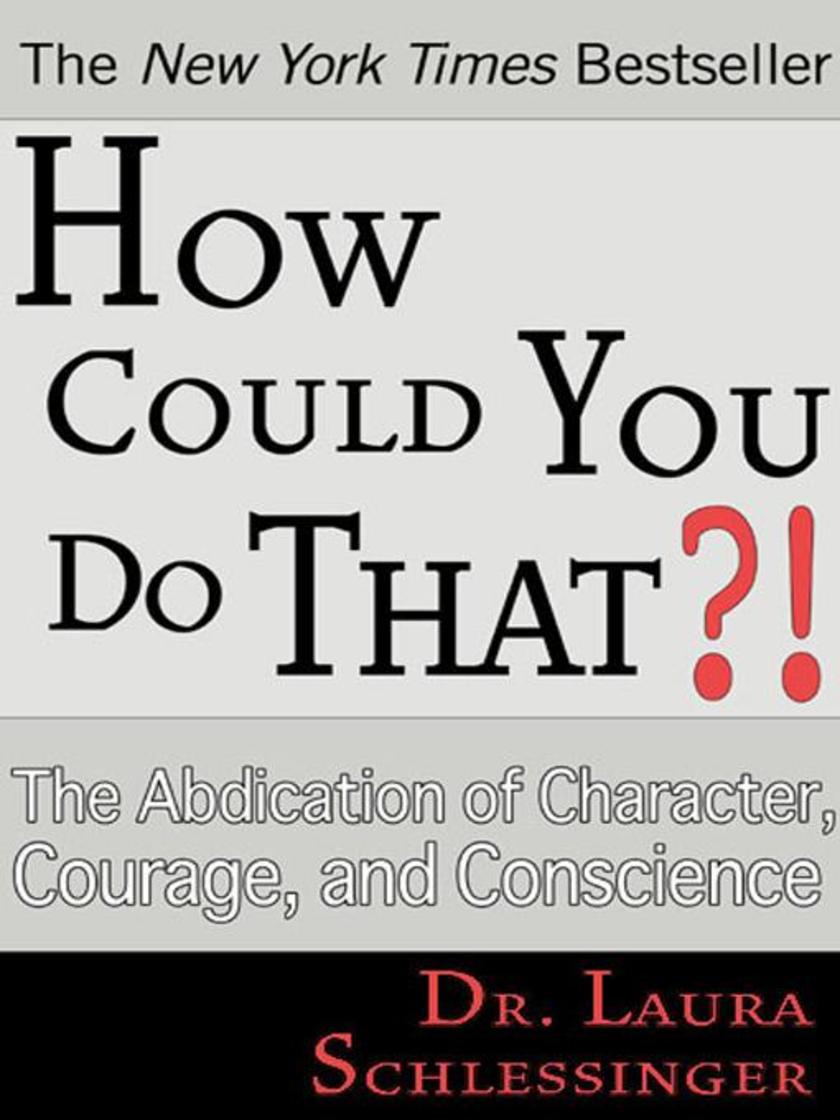
How Could You Do That?!
¥78.55
How Could You Do That?! illustrates Dr. Laura Schlessinger's philosophy of personal responsibility through her usually provocative but always stimulating moral dialogues with callers about everyday ethical dilemmas.In her lively pull-no-punches style, Dr. Laura takes on the moral dilemmas of our time: from the mindless pursuit of pleasure and immediate gratification to taking the easy way out when those actions produce ugly or uncomfortable life-altering consequences. She demonstrates in no uncertain terms that personal values are never someone else's reponsibility but your own, and why choosing not to honor them actually compounds unhappiness. Finally she explains that by disciplining self-indulgence and rising above temptation we can discover the infinite pleasures, the true happiness, of the moral high ground.Dr. Laura delivers not only a compelling argument for an ethical approach to life but also an invaluable inspiration to rebuilding character, conscience, and courage. Here is a work that can make a genuine difference in the quality of your own life and the lives of those we love.
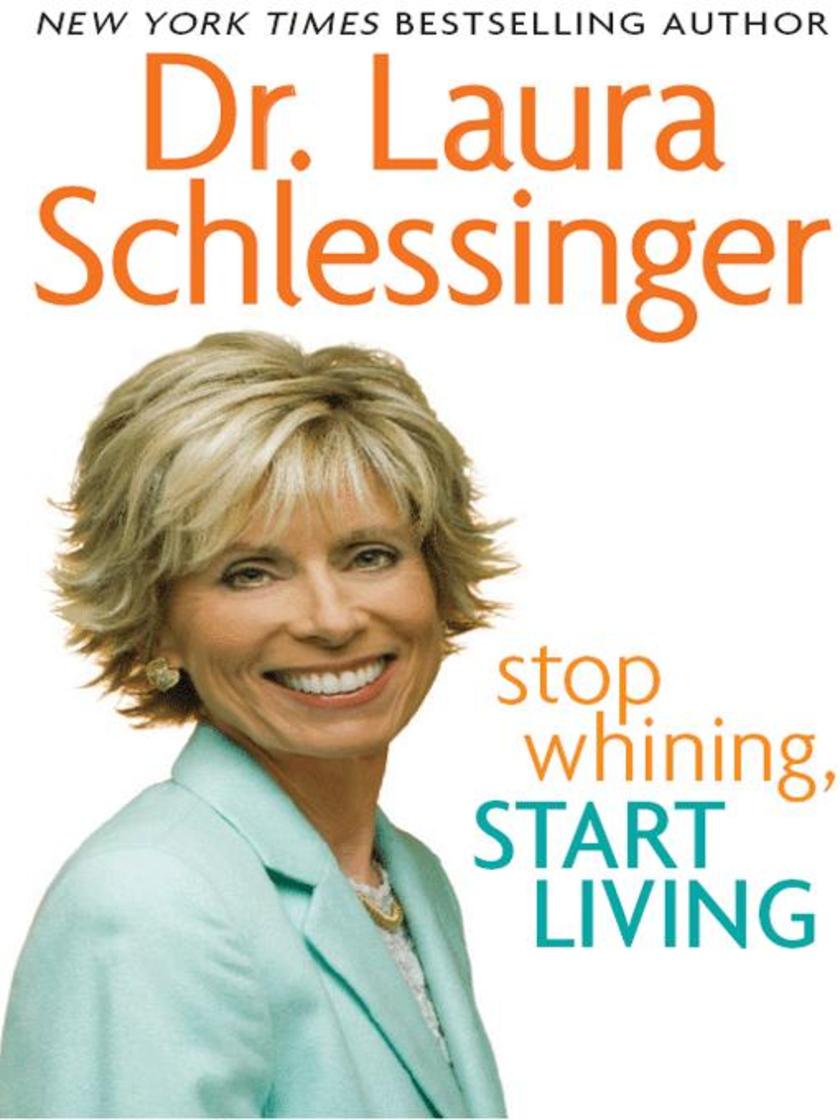
Stop Whining, Start Living
¥77.49
Living life is about action: courageous, benevolent, worthy, Wise, and productive action. Start living with some help from Dr. Laura Schlessinger.Dr. Laura Schlessinger agrees that there are things worth whining about. A certain amount of whining allows for venting of reasonable pain, disappointment, fear, frustration, or rage. However, staying stuck in whining mode can become a lifelong problem. This is where Dr. Laura steps in with Stop Whining, Start Living to help folks conquer the temptation to retreat from living life to the fullest.Illustrated by calls and letters from members of Dr. Laura's huge international audience, Stop Whining, Start Living features testimonials from real people facing real challenges. These folks have benefited enormously from Dr. Laura's powerful lessons.Stop Whining, Start Living gives readers the jump start they need to break out of reactive mode and get proactive, moving in the direction of a joyful, meaningful, fulfilling, and purposeful future. Everyone can use a kick in the pants sometimes, and Dr. Laura, who "preaches, teaches, and nags" to millions every day on her radio program, is here to deliver it!
Stress Free for Good
¥88.56
Ten Minutes to Learn One Minute to Practice Ten Seconds to WorkImagine if you could . . . Radically reduce stress Increase your physical vitality Improve your quality of life Now you can. We live in an age of stress. Each day at work and at home as we struggle to take care of the basics, constant stress significantly affects our ability to lead healthy and happy lives. We struggle with stomach pain, headaches, mood swings, fatigue, depression, high blood pressure, and even heart failure. Not only does stress damage our physical and emotional well-being, but our relationships and productivity suffer as well. What, if anything, can we do to stop this cycleThere is a multitude of books, magazine features, TV programs, videotapes, meditation classes, and seminars, all aimed at stopping stress. But until now there has never been a scientifically based program that not only starts working within seconds but also creates a foundation to help remove stress and the symptoms associated with it from your life for good. Dr. Fred Luskin and Dr. Kenneth R. Pelletier spent years at the Stanford University School of Medicine developing ten proven skills for eliminating the stress, anxiety, and pain that occur in daily life. Delivering skills that have been honed and tested among a diverse group of Americans, Stress Free for Good is easy to use and starts working immediately. Offering more than just the promise of breaking even and eliminating daily stress, these ten skills provide a foundation for living a healthier and happier life. This is not only a practical and accessible guide to conquering the stress in our lives once and for all, it is also the last stress aid you will ever need.
Love Is Never Enough
¥83.03
With eloquence and accessibility, Dr. Aaron T. Beck analyzes the actual dialogue of troubled couples to illuminate the most common problems in marriage--the power of negative thinking, disillusionment, rigid rules and expectations, and miscommunication.
A Time to Grieve
¥94.10
A collection of truly comforting, down-to-earth thoughts and meditations -- including the authentic voices of survivors -- for anyone grieving the loss of a loved one.
Addiction and Grace
¥90.77
Addiction and Grace offers an inspiring and hope–filled vision for those who desire to explore the mystery of who and what they really are. May examines the "processes of attachment" that lead to addiction and describes the relationship between addiction and spiritual awareness. He also details the various addictions from which we can suffer, not only to substances like alcohol and drugs, but to work, sex, performance, responsibility, and intimacy. Drawing on his experience as a psychiatrist working with the chemically dependent, May emphasizes that addiction represents an attempt to assert complete control over our lives. Addiction and Grace is a compassionate and wise treatment of a topic of major concern in these most addictive of times, one that can provide a critical yet hopeful guide to a place of freedom based on contemplative spirituality.

Falcons (Collins New Naturalist Library, Book 132)
¥257.90
Falcons have been a source of inspiration to writers, artists, historians and naturalists alike. In a much-anticipated volume on one of Britain’s most fascinating group of birds, Richard Sale draws on a wealth of experience and research, providing a comprehensive natural history of the four British breeding falcons. The book takes each of the four breeding species in turn (Kestrel, Merlin, Hobby and Peregrine Falcon), exploring its form, habitat, breeding biology and status, along with a chapter on the hunting techniques of each species.
Birds of New Zealand, Hawaii, Central and West Pacific (Collins Field Guide)
¥206.30
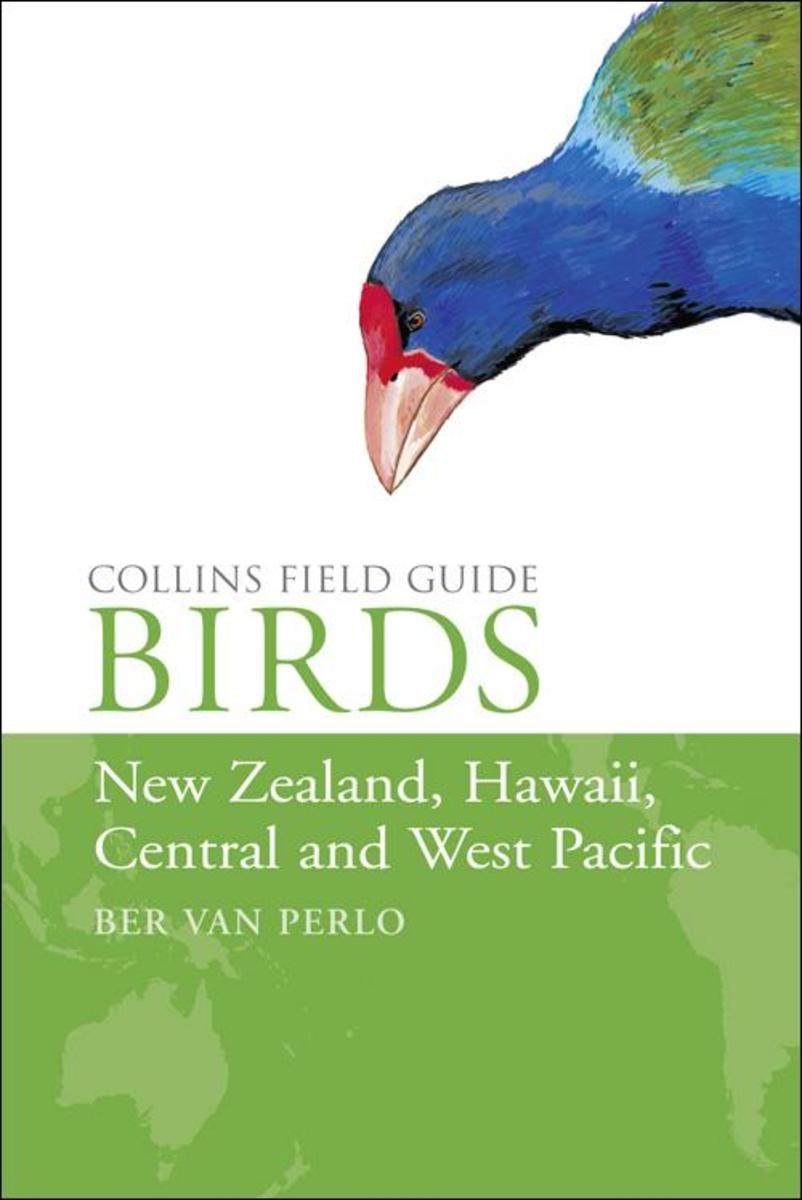
The essential guide to identifying every species of bird you may see in this area, for both tourists and wildlife enthusiasts. Featuring over 750 species, Birds of New Zealand, Hawaii, Central and West Pacific is the only field guide to illustrate and describe every species of bird you may see in the area, from Australia, New Zealand and New Guinea to Melanesia, Micronesia, and Polynesia. ? Text gives information on key identification features, habitat, and songs and calls ? All plumages for each species are illustrated, including those of males, females and juveniles The stunning 95 colour plates appear opposite their relevant text for quick and easy reference. Distribution maps are included, showing where each species can be found and how common it is, to further aid identification. This comprehensive and highly portable guide is a must for all birdwatchers visiting the region.


