


 购物车
购物车 个人中心
个人中心
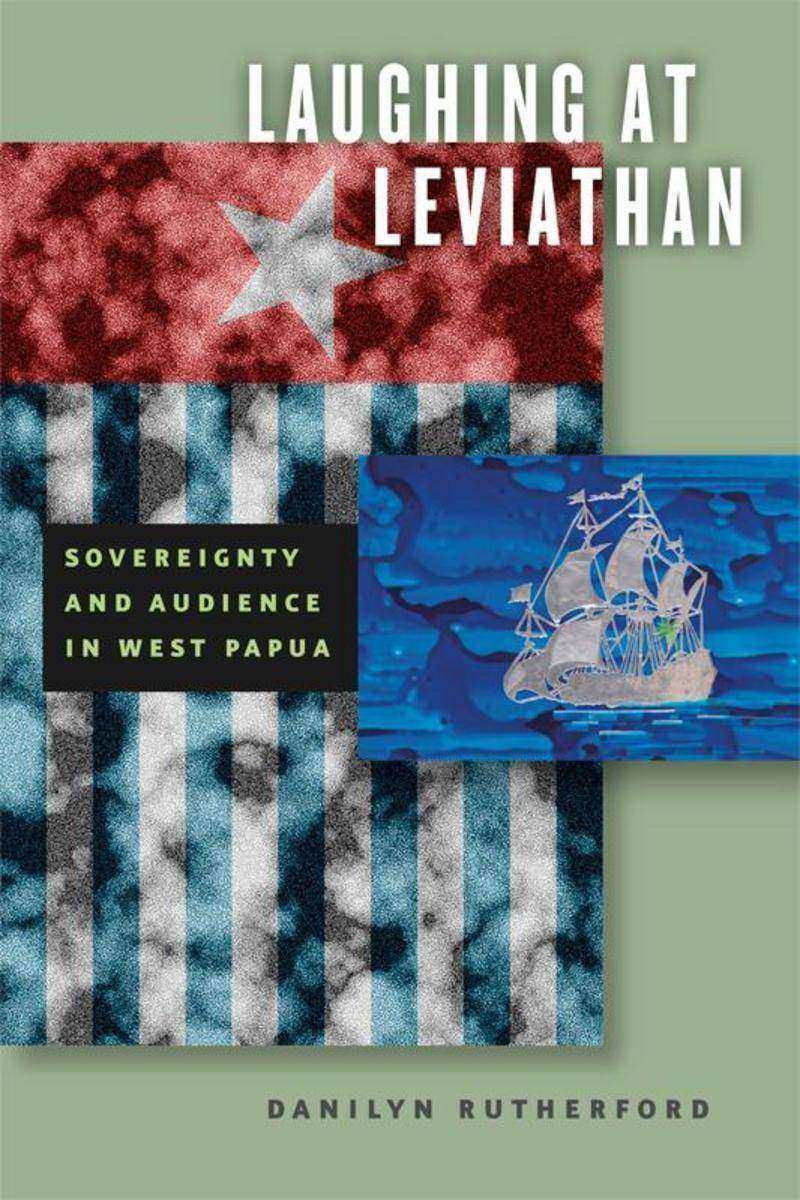
Laughing at Leviathan
¥265.87
For West Papua and its people, the promise of sovereignty has never been realized, despite a long and fraught struggle for independence from Indonesia. In Laughing at Leviathan, Danilyn Rutherford examines this struggle through a series of interlocking essays that drive at the core meaning of sovereignty itself-how it is fueled, formed, and even thwarted by pivotal but often overlooked players: those that make up an audience. Whether these players are citizens, missionaries, competing governmental powers, nongovernmental organizations, or the international community at large, Rutherford shows how a complex interplay of various observers is key to the establishment and understanding of the sovereign nation-state.?Drawing on a wide array of sources, from YouTube videos to Dutch propaganda to her own fieldwork observations, Rutherford draws the history of Indonesia, empire, and postcolonial nation-building into a powerful examination of performance and power. Ultimately she revises Thomas Hobbes, painting a picture of the Leviathan not as a coherent body but a fragmented one distributed across a wide range of both real and imagined spectators. In doing so, she offers an important new approach to the understanding of political struggle.

Exit Zero
¥229.55
Winner of CLR James Book Prize from the Working Class Studies Association and 2nd Place for the Victor Turner Prize in Ethnographic Writing.?In 1980, Christine J. Walley's world was turned upside down when the steel mill in Southeast Chicago where her father worked abruptly closed. In the ensuing years, ninety thousand other area residents would also lose their jobs in the mills-just one example of the vast scale of deindustrialization occurring across the United States. The disruption of this event propelled Walley into a career as a cultural anthropologist, and now, in Exit Zero, she brings her anthropological perspective home, examining the fate of her family and that of blue-collar America at large.?Interweaving personal narratives and family photos with a nuanced assessment of the social impacts of deindustrialization, Exit Zero is one part memoir and one part ethnography- providing a much-needed female and familial perspective on cultures of labor and their decline. Through vivid accounts of her family's struggles and her own upward mobility, Walley reveals the social landscapes of America's industrial fallout, navigating complex tensions among class, labor, economy, and environment. Unsatisfied with the notion that her family's turmoil was inevitable in the ever-forward progress of the United States, she provides a fresh and important counternarrative that gives a new voice to the many Americans whose distress resulting from deindustrialization has too often been ignored.This book is part of a project that also includes a documentary film and interactive website. For more information, and the chance to share your own stories, photos, and artefacts regarding the history of Southeast Chicago, please visit:?http://www.exitzeroproject.org/

Empire's Children
¥265.87
Europe's imperial projects were often predicated on a series of legal and scientific distinctions that were frequently challenged by the reality of social and sexual interactions between the colonized and the colonizers.When Emmanuelle Saada discovered a 1928 decree defining the status of persons of mixed parentage born in French Indochina-the mtis-she found not only a remarkable artifact of colonial rule, but a legal bombshell that introduced race into French law for the first time. The decree was the culmination of a decades-long effort to resolve the "e;mtis question"e;: the educational, social, and civil issues surrounding the mixed population. Operating at the intersection of history, anthropology, and law, Empire's Children reveals the unacknowledged but central role of race in the definition of French nationality.Through extensive archival work in both France and Vietnam, and a close reading of primary and secondary material from the Pacific islands and sub-Saharan and North Africa, Saada has created in Empire's Children an original and compelling perspective on colonialism, law, race, and culture from the end of the nineteenth century until decolonization.
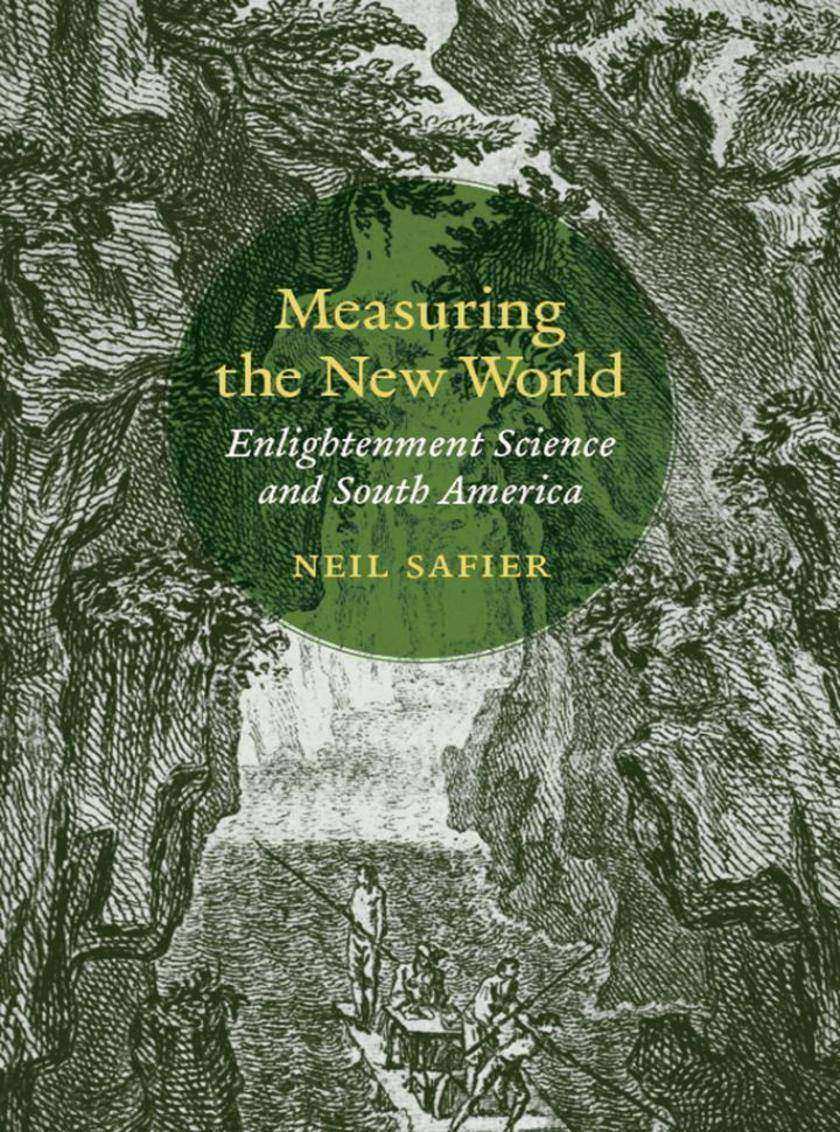
Measuring the New World
¥247.21
Prior to 1735, South America was terra incognita to many Europeans.?But that year, the Paris Academy of Sciences sent a mission to the Spanish American province of Quito (in present-day Ecuador) to study the curvature of the earth at the Equator. Equipped with quadrants and telescopes, the mission's participants referred to the transfer of scientific knowledge from Europe to the Andes as a "e;sacred fire"e; passing mysteriously through European astronomical instruments to observers in South America.By taking an innovative interdisciplinary look at the traces of this expedition, Measuring the New World examines the transatlantic flow of knowledge from West to East. Through ephemeral monuments and geographical maps, this book explores how the social and cultural worlds of South America contributed to the production of European scientific knowledge during the Enlightenment. Neil Safier uses the notebooks of traveling philosophers, as well as specimens from the expedition, to place this particular scientific endeavor in the larger context of early modern print culture and the emerging intellectual category of scientist as author.?
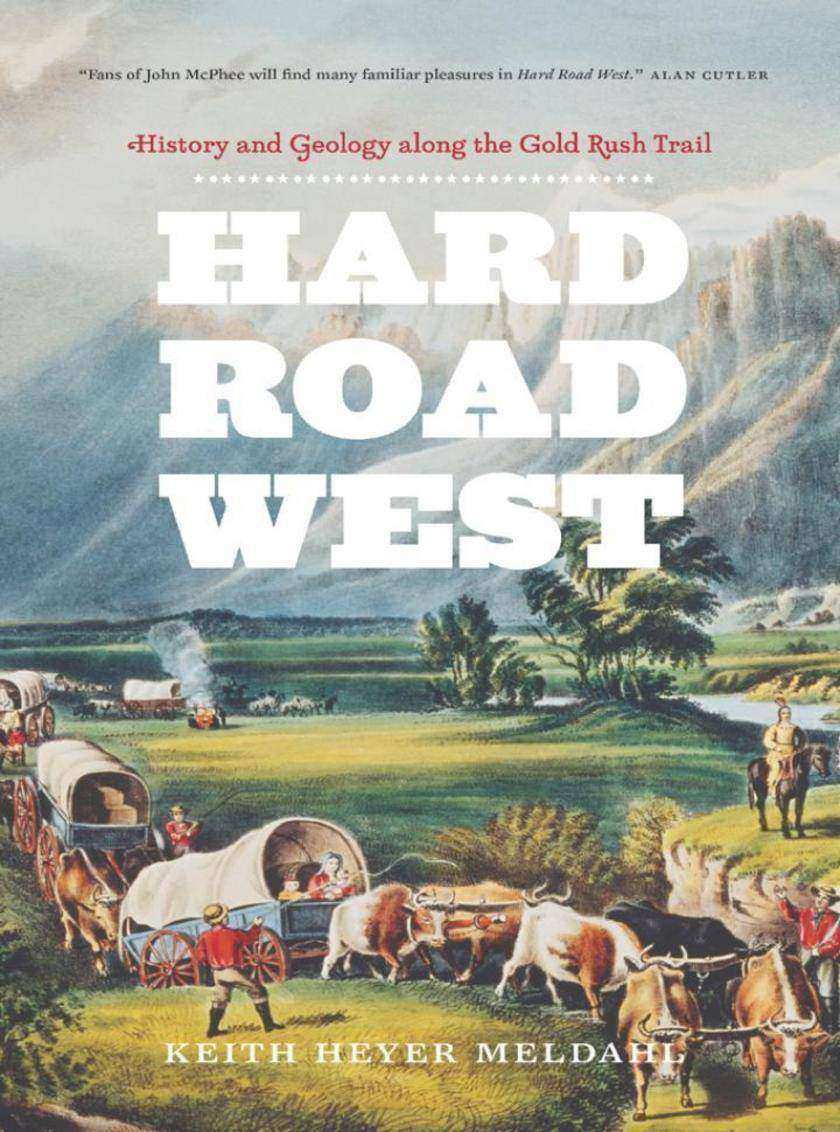
Hard Road West
¥141.26
In 1848 news of the discovery of gold in California triggered an enormous wave of emigration toward the Pacific. Lured by the promise of riches, thousands of settlers left behind the forests, rain, and fertile soil of the eastern United States in favor of the rough-hewn lands of the American West. The dramatic terrain they struggled to cross is so familiar to us now that it is hard to imagine how frightening-even godforsaken-its sheer rock faces and barren deserts seemed to our forebears.?Hard Road West brings their perspective vividly to life, weaving together the epic overland journey of the covered wagon trains and the compelling story of the landscape they encountered. Taking readers along the 2,000-mile California Trail, Keith Meldahl uses the diaries and letters of the settlers themselves-as well as the countless hours he has spent following the trail-to reveal how the geology and geography of the West directly affected our nation's westward expansion. He guides us through a corrugated landscape of sawtooth mountains, following the meager streams that served as lifelines through an arid land, all the way to California itself, where colliding tectonic plates created breathtaking scenery and planted the gold that lured travelers west in the first place.?"e;Alternates seamlessly between vivid accounts of the 19th-century journey and lucid explanations of the geological events that shaped the landscape traveled. . . . The reader comes away with both an appreciation for the arduous cross-continental wagon journey and an understanding of the events that created such a vast and difficult landscape."e;-Library Journal?"e;[Meldahl] draws on his professional knowledge to explain the geology of the West, showing how centuries of geological activity had a direct effect on the routes taken by the travelers. . . . Meldahl provides a novel account of the largest overland migration since the Crusades."e;-Science News

After the Ice Age
¥147.15
The fascinating story of how a harsh terrain that resembled modern Antarctica has been transformed gradually into the forests, grasslands, and wetlands we know today."e;One of the best scientific books published in the last ten years."e;-Ottowa Journal"e;A valuable new synthesis of facts and ideas about climate, geography, and life during the past 20,000 years. More important, the book conveys an intimate appreciation of the rich variety of nature through time."e;-S. David Webb,Science

Lost Second Book of Aristotle's "e;Poetics"e;
¥247.21
Of all the writings on theory and aesthetics-ancient, medieval, or modern-the most important is indisputably Aristotle's Poetics, the first philosophical treatise to propound a theory of literature. In the Poetics, Aristotle writes that he will speak of comedy-but there is no further mention of comedy. Aristotle writes also that he will address catharsis and an analysis of what is funny. But he does not actually address any of those ideas. The surviving Poetics is incomplete.Until today. Here, Walter Watson offers a new interpretation of the lost second book of Aristotle's Poetics. Based on Richard Janko's philological reconstruction of the epitome, a summary first recovered in 1839 and hotly contested thereafter, Watson mounts a compelling philosophical argument that places the statements of this summary of the Aristotelian text in their true context. Watson renders lucid and complete explanations of Aristotle's ideas about catharsis, comedy, and a summary account of the different types of poetry, ideas that influenced not only Cicero's theory of the ridiculous, but also Freud's theory of jokes, humor, and the comic.Finally, more than two millennia after it was first written, and after five hundred years of scrutiny, Aristotle's Poetics is more complete than ever before. Here, at last, Aristotle's lost second book is found again.

Baroque Science
¥247.21
In Baroque Science, Ofer Gal and Raz Chen-Morris present a radically new perspective on the scientific revolution of the seventeenth century. Instead of celebrating the triumph of reason and rationality, they study the paradoxes and anxieties that stemmed from the New Science and the intellectual compromises that shaped it and enabled its spectacular success.?Gal and Chen-Morris show how the protagonists of the new mathematical natural philosophy grasped at the very far and very small by entrusting observation to the mediation of artificial instruments, and how they justified this mediation by naturalizing and denigrating the human senses. They show how the physical-mathematical ordering of heavens and earth demanded obscure and spurious mathematical procedures, replacing the divine harmonies of the late Renaissance with an assemblage of isolated, contingent laws and approximated constants.Finally, they show how the new savants, forced to contend that reason is hopelessly estranged from its surrounding world and that nature is irreducibly complex, turned to the passions to provide an alternative, naturalized foundation for their epistemology and ethics.?Enforcing order in the face of threatening chaos, blurring the boundaries of the natural and the artificial, and mobilizing the passions in the service of objective knowledge, the New Science, Gal and Chen-Morris reveal, is a Baroque phenomenon: deeply entrenched in and crucially formative of the culture of its time.

Law in Everyday Japan
¥253.10
Lawsuits are rare events in most people's lives. High-stakes cases are even less commonplace. Why is it, then, that scholarship about the Japanese legal system has focused almost exclusively on epic court battles, large-scale social issues, and corporate governanceMark D. West's Law in Everyday Japan fills a void in our understanding of the relationship between law and social life in Japan by shifting the focus to cases more representative of everyday Japanese life.Compiling case studies based on seven fascinating themes-karaoke-based noise complaints, sumo wrestling, love hotels, post-Kobe earthquake condominium reconstruction, lost-and-found outcomes, working hours, and debt-induced suicide-Law in Everyday Japan offers a vibrant portrait of the way law intermingles with social norms, historically ingrained ideas, and cultural mores in Japan. Each example is informed by extensive fieldwork. West interviews all of the participants-from judges and lawyers to defendants, plaintiffs, and their families-to uncover an everyday Japan where law matters, albeit in very surprising ways.

Music, the Arts, and Ideas
¥265.87
Meyer makes a valuable statement on aesthetics, criteria for assessing great works of music, compositional practices and theories of the present day, and predictions of the future of Western culture. His postlude, written for the book's twenty-fifth anniversary, looks back at his thoughts on the direction of music in 1967.

Romanticism and the Question of the Stranger
¥311.96
In our post-9/11 world, the figure of the stranger-the foreigner, the enemy, the unknown visitor-carries a particular urgency, and the force of language used to describe those who are "e;different"e; has become particularly strong. But arguments about the stranger are not unique to our time. In Romanticism and the Question of the Stranger, David Simpson locates the figure of the stranger and the rhetoric of strangeness in romanticism and places them in a tradition that extends from antiquity to today.?Simpson shows that debates about strangers loomed large in the French Republic of the 1790s, resulting in heated discourse that weighed who was to be welcomed and who was to be proscribed as dangerous. Placing this debate in the context of classical, biblical, and other later writings, he identifies a persistent difficulty in controlling the play between the despised and the desired. He examines the stranger as found in the works of Coleridge, Austen, Scott, and Southey, as well as in depictions of the betrayals of hospitality in the literature of slavery and exploration-as in Mungo Park's Travels and Stedman's Narrative-and portrayals of strange women in de Stal, Rousseau, and Burney. Contributing to a rich strain of thinking about the stranger that includes interventions by Ricoeur and Derrida, Romanticism and the Question of the Stranger reveals the complex history of encounters with alien figures and our continued struggles with romantic concerns about the unknown.

Influences
¥311.96
Today few would think of astronomy and astrology as fields related to theology. Fewer still would know that physically absorbing planetary rays was once considered to have medical and psychological effects. But this was the understanding of light radiation held by certain natural philosophers of early modern Europe, and that, argues Mary Quinlan-McGrath, was why educated people of the Renaissance commissioned artworks centered on astrological themes and practices.?Influences is the first book to reveal how important Renaissance artworks were designed to be not only beautiful but also-perhaps even primarily-functional. From the fresco cycles at Caprarola, to the Vatican's Sala dei Pontefici, to the Villa Farnesina, these great works were commissioned to selectively capture and then transmit celestial radiation, influencing the bodies and minds of their audiences. Quinlan-McGrath examines the sophisticated logic behind these theories and practices and, along the way, sheds light on early creation theory; the relationship between astrology and natural theology; and the protochemistry, physics, and mathematics of rays.?An original and intellectually stimulating study, Influences adds a new dimension to the understanding of aesthetics among Renaissance patrons and a new meaning to the seductive powers of art. ?

Shakespeare and the Law
¥311.96
William Shakespeare is inextricably linked with the law. Legal documents make up most of the records we have of his life, and trials, lawsuits, and legal terms permeate his plays. Gathering an extraordinary team of literary and legal scholars, philosophers, and even sitting judges,?Shakespeare and the Law demonstrates that Shakespeare's thinking about legal concepts and legal practice points to a deep and sometimes vexed engagement with the law's technical workings, its underlying premises, and its social effects.The book's opening essays offer perspectives on law and literature that emphasize both the continuities and contrasts between the two fields. The second section considers Shakespeare's awareness of common law thinking and common law practice, while the third inquires into Shakespeare's general attitudes toward legal systems. The fourth part of the book looks at how law enters into conversation with issues of politics and community, whether in the plays, in Shakespeare's world, or in our own world. Finally, a colloquy among Supreme Court Justice Stephen Breyer, Judge Richard Posner, Martha C. Nussbaum, and Richard Strier covers everything from the ghost in?Hamlet?to the nature of judicial discretion.
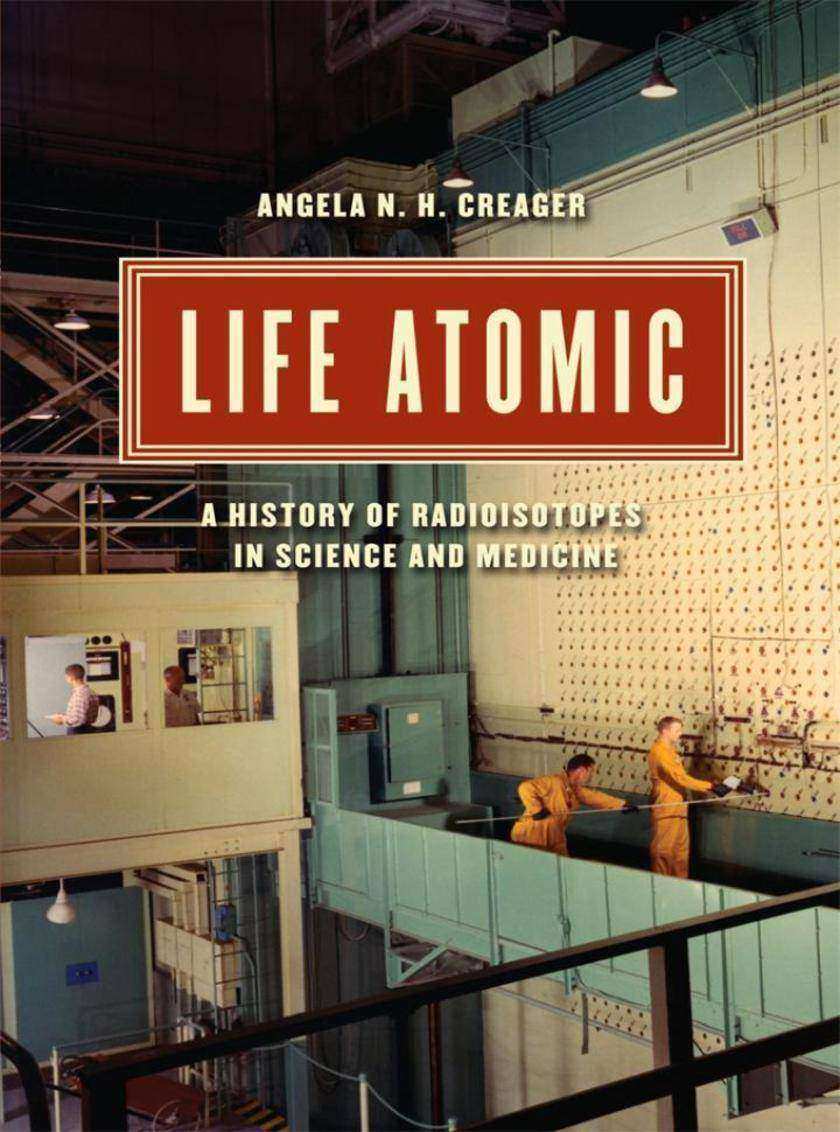
Life Atomic
¥247.21
After World War II, the US Atomic Energy Commission (AEC) began mass-producing radioisotopes, sending out nearly 64,000 shipments of radioactive materials to scientists and physicians by 1955. Even as the atomic bomb became the focus of Cold War anxiety, radioisotopes represented the government's efforts to harness the power of the atom for peace-advancing medicine, domestic energy, and foreign relations.?In Life Atomic, Angela N. H. Creager tells the story of how these radioisotopes, which were simultaneously scientific tools and political icons, transformed biomedicine and ecology. Government-produced radioisotopes provided physicians with new tools for diagnosis and therapy, specifically cancer therapy, and enabled biologists to trace molecular transformations. Yet the government's attempt to present radioisotopes as marvelous dividends of the atomic age was undercut in the 1950s by the fallout debates, as scientists and citizens recognized the hazards of low-level radiation. Creager reveals that growing consciousness of the danger of radioactivity did not reduce the demand for radioisotopes at hospitals and laboratories, but it did change their popular representation from a therapeutic agent to an environmental poison. She then demonstrates how, by the late twentieth century, public fear of radioactivity overshadowed any appreciation of the positive consequences of the AEC's provision of radioisotopes for research and medicine.
How Reason Almost Lost Its Mind
¥170.69
In the United States at the height of the Cold War, roughly between the end of World War II and the early 1980s, a new project of redefining rationality commanded the attention of sharp minds, powerful politicians, wealthy foundations, and top military brass. Its home was the human sciences-psychology, sociology, political science, and economics, among others-and its participants enlisted in an intellectual campaign to figure out what rationality should mean and how it could be deployed.?How Reason Almost Lost Its Mind brings to life the people-Herbert Simon, Oskar Morgenstern, Herman Kahn, Anatol Rapoport, Thomas Schelling, and many others-and places, including the RAND Corporation, the Center for Advanced Study in the Behavioral Sciences, the Cowles Commission for Research and Economics, and the Council on Foreign Relations, that played a key role in putting forth a "e;Cold War rationality."e; Decision makers harnessed this picture of rationality-optimizing, formal, algorithmic, and mechanical-in their quest to understand phenomena as diverse as economic transactions, biological evolution, political elections, international relations, and military strategy. The authors chronicle and illuminate what it meant to be rational in the age of nuclear brinkmanship.
Arbitrary Rule
¥223.67
Slavery appears as a figurative construct during the English revolution of the mid-seventeenth century, and again in the American and French revolutions, when radicals represent their treatment as a form of political slavery. What, if anything, does figurative, political slavery have to do with transatlantic slaveryIn Arbitrary Rule, Mary Nyquist explores connections between political and chattel slavery by excavating the tradition of Western political thought that justifies actively opposing tyranny. She argues that as powerful rhetorical and conceptual constructs, Greco-Roman political liberty and slavery reemerge at the time of early modern Eurocolonial expansion; they help to create racialized "e;free"e; national identities and their "e;unfree"e; counterparts in non-European nations represented as inhabiting an earlier, privative age.?Arbitrary Rule is the first book to tackle political slavery's discursive complexity, engaging Eurocolonialism, political philosophy, and literary studies, areas of study too often kept apart. Nyquist proceeds through analyses not only of texts that are canonical in political thought-by Aristotle, Cicero, Hobbes, and Locke-but also of literary works by Euripides, Buchanan, Vondel, Montaigne, and Milton, together with a variety of colonialist and political writings, with special emphasis on tracts written during the English revolution. She illustrates how "e;antityranny discourse,"e; which originated in democratic Athens, was adopted by republican Rome, and revived in early modern Western Europe, provided members of a "e;free"e; community with a means of protesting a threatened reduction of privileges or of consolidating a collective, political identity. Its semantic complexity, however, also enabled it to legitimize racialized enslavement and imperial expansion.?Throughout, Nyquist demonstrates how principles relating to political slavery and tyranny are bound up with a Roman jurisprudential doctrine that sanctions the power of life and death held by the slaveholder over slaves and, by extension, the state, its representatives, or its laws over its citizenry.
Kant's Organicism
¥223.67
Because it laid the foundation for nearly all subsequent epistemologies, Immanuel Kant's Critique of Pure Reason has overshadowed his other interests in natural history and the life sciences, which scholars have long considered as separate from his rigorous theoretical philosophy-until now. In Kant's Organicism, Jennifer Mensch draws a crucial link between these spheres by showing how the concept of epigenesis-a radical theory of biological formation-lies at the heart of Kant's conception of reason.?As Mensch argues, epigenesis was not simply a metaphor for Kant but centrally guided his critical philosophy, especially the relationship between reason and the categories of the understanding. Offsetting a study of Kant's highly technical theory of cognition with a mixture of intellectual history and biography, she situates the epigenesis of reason within broader investigations into theories of generation, genealogy, and classification, and against later writers and thinkers such as Goethe and Darwin. Distilling vast amounts of research on the scientific literature of the time into a concise and readable book, Mensch offers one of the most refreshing looks not only at Kant's famous first Critique but at the history of philosophy and the life sciences as well.
Petrarch
¥311.96
Although Francesco Petrarca (1304-74) is best known today for cementing the sonnet's place in literary history, he was also a philosopher, historian, orator, and one of the foremost classical scholars of his age. Petrarch: A Critical Guide to the Complete Works is the only comprehensive, single-volume source to which anyone-scholar, student, or general reader-can turn for information on each of Petrarch's works, its place in the poet's oeuvre, and a critical exposition of its defining features.A sophisticated but accessible handbook that illuminates Petrarch's love ofclassical culture, his devout Christianity, his public celebrity, and his struggle for inner peace, this encyclopedic volume covers both Petrarch's Italian and Latin writings and the various genres in which he excelled: poem, tract, dialogue, oration, and letter. A biographical introduction and chronology anchor the book, making Petrarch an invaluable resource for specialists in Italian, comparative literature, history, classics, religious studies, the Middle Ages, and the Renaissance.
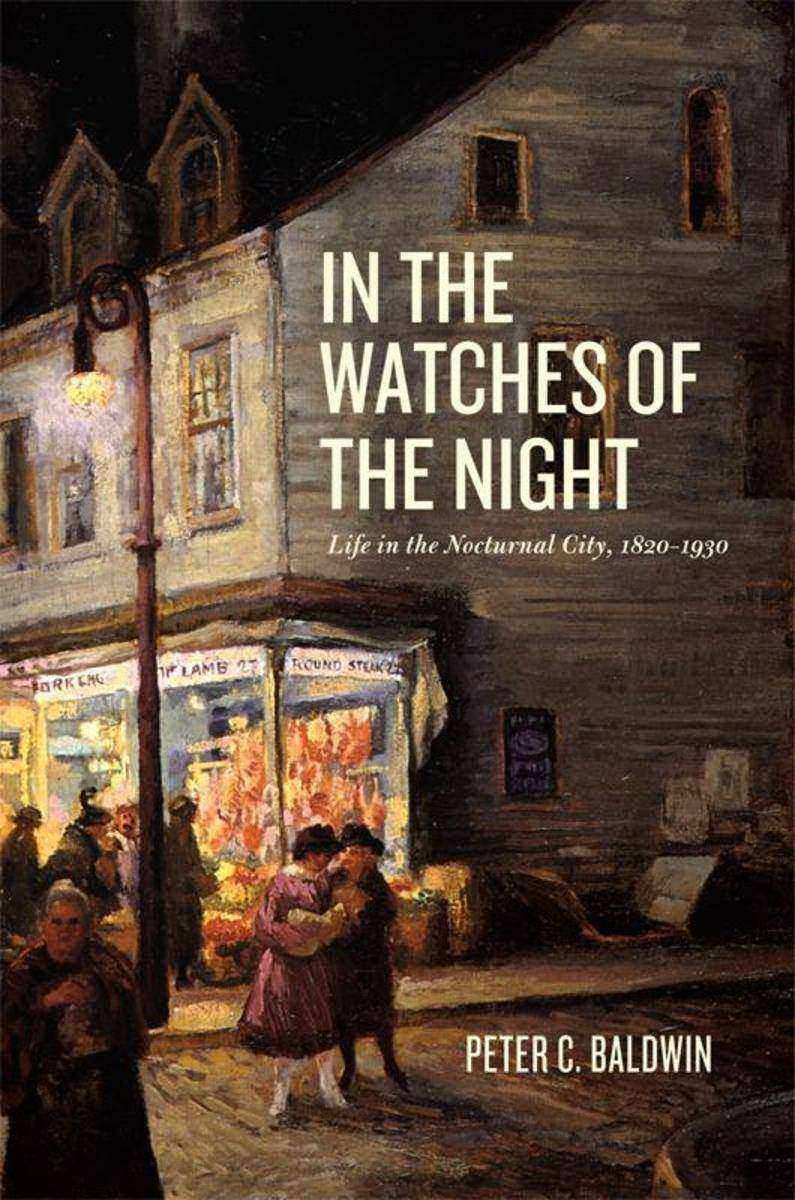
In the Watches of the Night
¥223.67
Before skyscrapers and streetlights glowed at all hours, American cities fell into inky blackness with each setting of the sun. But over the course of the nineteenth and early twentieth century, new technologies began to light up streets, sidewalks, buildings, and public spaces. Peter C. Baldwin's evocative book depicts the changing experience of the urban night over this period, visiting a host of actors-scavengers, newsboys, and mashers alike-in the nocturnal city.Baldwin examines work, crime, transportation, and leisure as he moves through the gaslight era, exploring the spread of modern police forces and the emergence of late-night entertainment, to the era of electricity, when social campaigns sought to remove women and children from public areas at night. While many people celebrated the transition from darkness to light as the arrival of twenty-four hours of daytime, Baldwin shows that certain social patterns remained, including the danger of street crime and the skewed gender profile of night work. Sweeping us from concert halls and brothels to streetcars and industrial forges, In the Watches of the Night is an illuminating study of a vital era in American urban history.
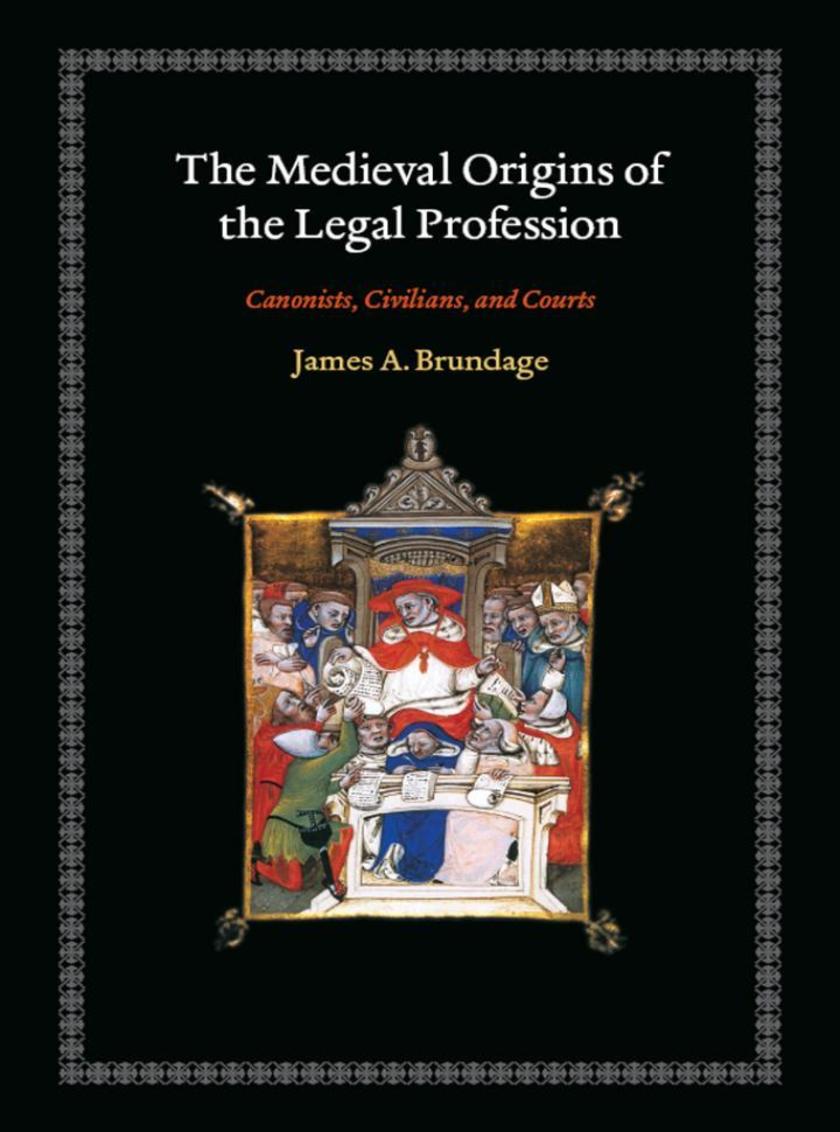
Medieval Origins of the Legal Profession
¥353.16
In the aftermath of sixth-century barbarian invasions, the legal profession that had grown and flourished during the Roman Empire vanished. Nonetheless, professional lawyers suddenly reappeared in Western Europe seven hundred years later during the 1230s when church councils and public authorities began to impose a body of ethical obligations on those who practiced law. James Brundage's The Medieval Origins of the Legal Profession traces the history of legal practice from its genesis in ancient Rome to its rebirth in the early Middle Ages and eventual resurgence in the courts of the medieval church.By the end of the eleventh century, Brundage argues, renewed interest in Roman law combined with the rise of canon law of the Western church to trigger a series of consolidations in the profession. New legal procedures emerged, and formal training for proctors and advocates became necessary in order to practice law in the reorganized church courts. Brundage demonstrates that many features?that characterize legal advocacy today were already in place by 1250, as lawyers trained in Roman and canon law became professionals in every sense of the term. A sweeping examination of the centuries-long power struggle between local courts and the Christian church, secular rule and religious edict, The Medieval Origins of the Legal Profession will be a resource for the professional and the student alike.
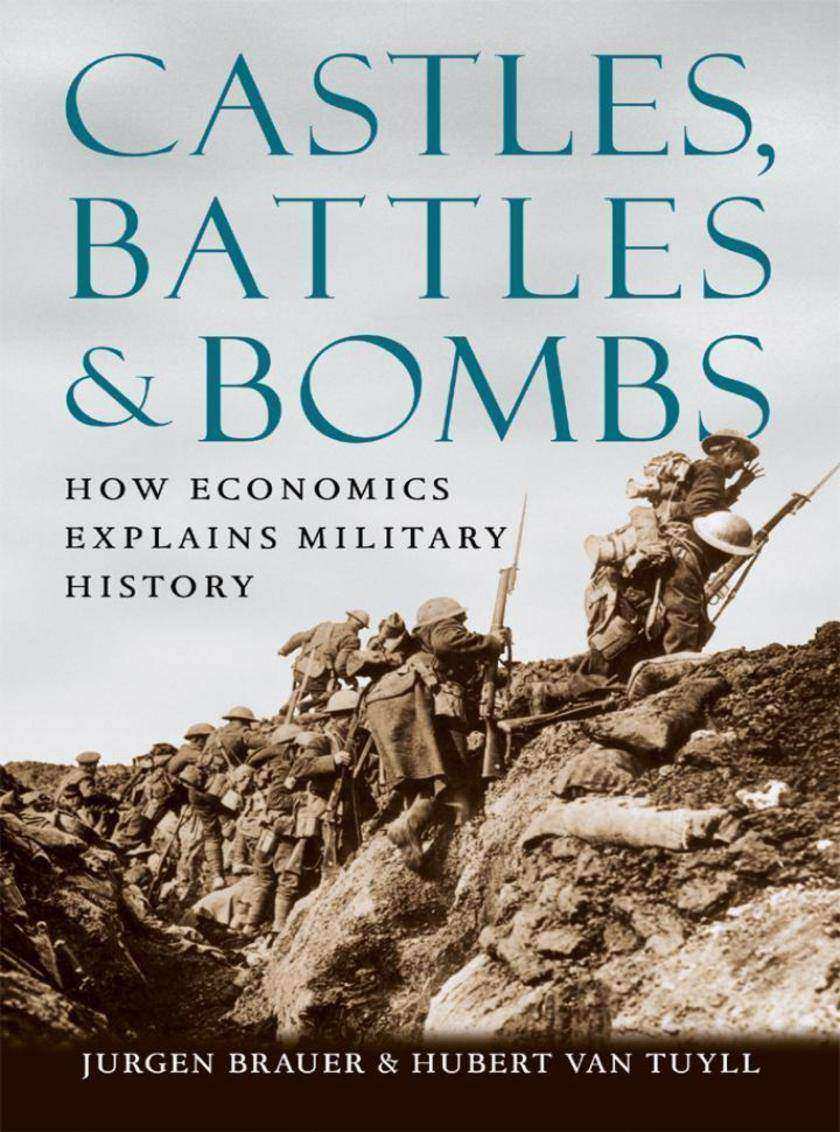
Castles, Battles, and Bombs
¥147.15
Castles, Battles, and Bombs reconsiders key episodes of military history from the point of view of economics-with dramatically insightful results. For example, when looked at as a question of sheer cost, the building of castles in the High Middle Ages seems almost inevitable: though stunningly expensive, a strong castle was far cheaper to maintain than a standing army. The authors also reexamine the strategic bombing of Germany in World War II and provide new insights into France's decision to develop nuclear weapons. Drawing on these examples and more, Brauer and Van Tuyll suggest lessons for today's military, from counterterrorist strategy and military manpower planning to the use of private military companies in Afghanistan and Iraq.?"e;In bringing economics into assessments of military history, [the authors] also bring illumination. . . . [The authors] turn their interdisciplinary lens on the mercenary arrangements of Renaissance Italy; the wars of Marlborough, Frederick the Great, and Napoleon; Grant's campaigns in the Civil War; and the strategic bombings of World War II. The results are invariably stimulating."e;-Martin Walker, Wilson Quarterly?"e;This study is serious, creative, important. As an economist I am happy to see economics so professionally applied to illuminate major decisions in the history of warfare."e;-Thomas C. Schelling, Winner of the 2005 Nobel Prize in Economics


