


 购物车
 个人中心


芬尼根的守灵夜(英文版)
¥49.99
媒体有言:坊间流传一种说法,日本曾经有过3个人先后翻译《芬尼根的守灵夜》,*个失踪了,第二个神经出了毛病,第三个才*终翻译完…… 毫无疑问,爱尔兰作家詹姆斯·乔伊斯的《芬尼根的守灵夜》是英语中*难读的作品之一,它采用了意识流的写作风格,穿插着隐晦的笑话和语言实验。 这本书错综复杂,以至于在出版八十年后,人们仍然对其情节,甚至是否存在情节,都未达成共识。人物塑造也同样如此,评论家们至今仍不确定书中是否有主要人物。 《芬尼根的守灵夜》*初几乎完全是负面评价,甚至作者身边的人也持这种看法,一些人认为这本书只是个笑话,一些人则仅仅认为它难以理解。据说,赫伯特·乔治·威尔斯曾写信给乔伊斯问道:“这个乔伊斯究竟是谁?他竟然要求我花费我生命中仅剩的几千小时,才能真正理解他的怪癖、奇思妙想和灵光闪现?” 然而,它独特的风格引发了人们对它的研究和分析——这似乎是乔伊斯早有预谋的。他曾经说过,只有通过使它变得晦涩难懂,从而需要研究,他才能确保它会长期存在。 在2025年的上海书展上,这本书终于有了全译的中文版——足足有2300页之多。现在,我们提供它的一个英文版,或许可以对照看看,看看自己真的读懂了吗?读不懂当然没有关系,毕竟99.99%的人可能都读不懂!

最经典英语文库(第十四辑)共12册
¥211.88
告别碎片式阅读,从阅读经典开始。“最经典英语文库”系列丛书(14辑)共12册:《梦的解析》《悲惨世界(五卷之第五卷)》《尼尔斯骑鹅旅行记》《欧也妮·葛朗台》《白痴》《父与子》《一千零一夜(第二卷)》《神秘岛》《旧制度与法国大革命》《远航》《自由之路》《无名的裘德》。

莎士比亚戏剧典藏:仲夏夜之梦
¥11.99
《仲夏夜之梦》是威廉•莎士比亚创作的一部富有浪漫色彩的喜剧作品。故事发生在古希腊的雅典,年轻的赫米娅与拉山德相爱,可是赫米娅的父亲却希望她嫁给狄米特律斯,为此赫米娅与拉山德逃到城外的一片森林里。此时,为了给雅典公爵提修斯和美丽的希波吕妲的盛大婚礼助兴,一群演员也在森株里排练一出喜剧。仙王还无意中得知海伦娜爱着狄米特律斯,就让浦克将一些花汁滴在狄米特律斯的眼里。这种花汁,拿来滴在他的眼睛里,那么他醒来就会狂热地爱上第1眼看到的人或动物。结果,拉山德醒来看到的是海伦娜,便不停地向她求爱,而把赫米娅忘掉了。仙王发现后。赶忙把花汁滴正在熟睡的狄米特律斯的眼中。狄米特律斯醒来,看到正被拉山德追赶的海伦娜,于是两人争先恐后地向海伦娜求爱。看到这样的情景,海伦娜和赫米娅都很生气。与此同时,仙后也中了计,爱上了一个排戏的演员波顿。*后,仙王给所有人解除了魔法,大家如愿以偿都得到了属于自己的一份爱情。

莎士比亚戏剧典藏:哈姆雷特
¥15.99
《哈姆雷特》由英国剧作家威廉•莎士比亚创作,是莎士比亚所有戏剧中篇幅非常长、非常负盛名的剧本。戏剧讲述了叔叔克劳狄斯谋害了哈姆雷特的父亲,篡取了王位,并娶了国王的遗孀乔特鲁德,哈姆雷特王子因此为父王向叔叔复仇的故事。《哈姆雷特》同《麦克白》《李尔王》《奥赛罗》被公认为莎士比亚“四大悲剧”。
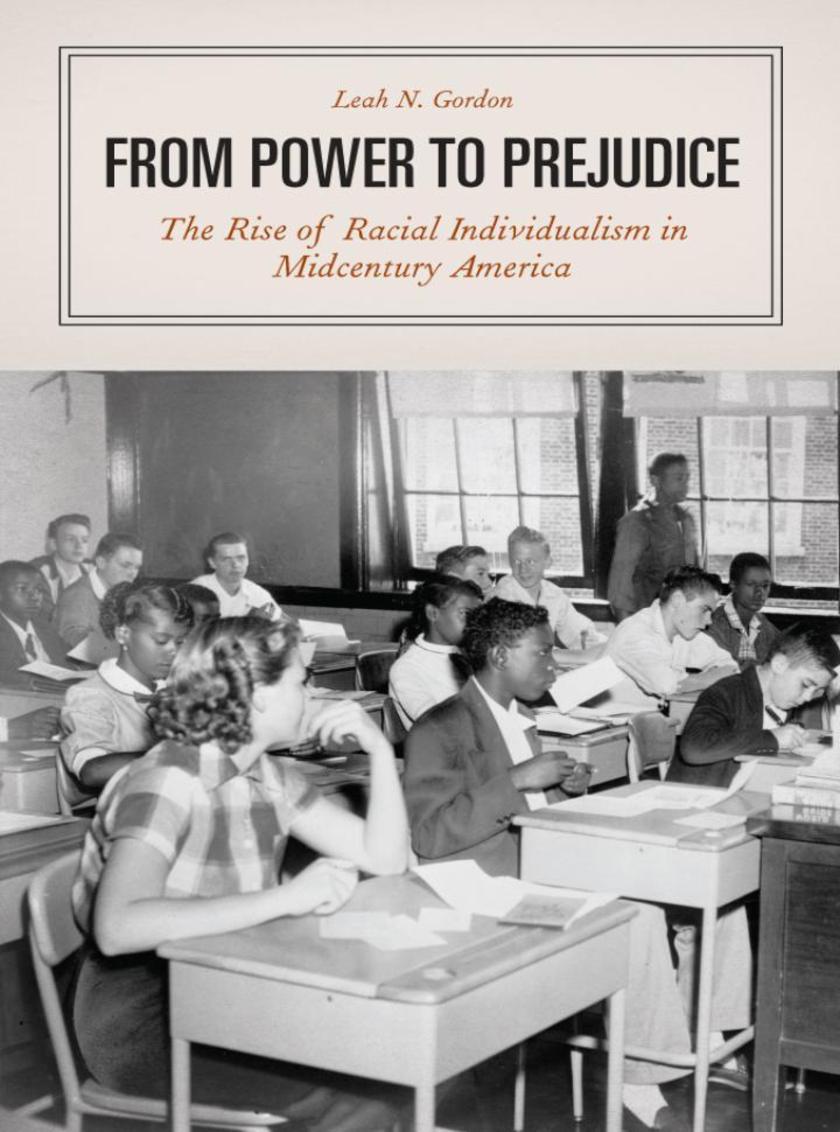
From Power to Prejudice
¥370.82
Americans believe strongly in the socially transformative power of education, and the idea that we can challenge racial injustice by reducing white prejudice has long been a core component of this faith. How did we get hereIn this first-rate intellectual history, Leah N. Gordon jumps into this and other big questions about race, power, and social justice.To answer these questions, From Power to Prejudice examines American academia-both black and white-in the 1940s and '50s. Gordon presents four competing visions of ?"e;the race problem"e; and documents how an individualistic paradigm, which presented white attitudes as the source of racial injustice, gained traction. A number of factors, Gordon shows, explain racial individualism's postwar influence: individuals were easier to measure than social forces; psychology was well funded; studying political economy was difficult amid McCarthyism; and individualism was useful in legal attacks on segregation. Highlighting vigorous midcentury debate over the meanings of racial justice and equality, From Power to Prejudice reveals how one particular vision of social justice won out among many contenders.
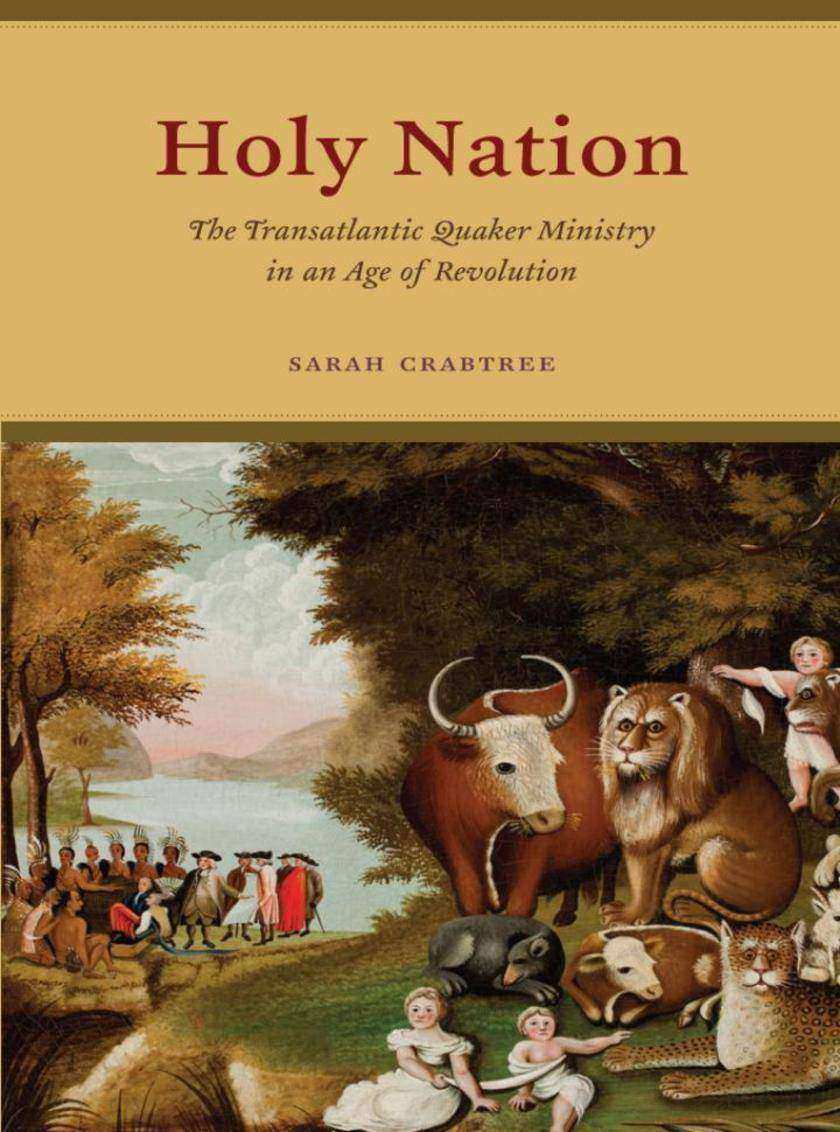
Holy Nation
¥370.82
Early American Quakers have long been perceived as retiring separatists, but in Holy Nation Sarah Crabtree transforms our historical understanding of the sect by drawing on the sermons, diaries, and correspondence of Quakers themselves. Situating Quakerism within the larger intellectual and religious undercurrents of the Atlantic World, Crabtree shows how Quakers forged a paradoxical sense of their place in the world as militant warriors fighting for peace. She argues that during the turbulent Age of Revolution and Reaction, the Religious Society of Friends forged a "e;holy nation,"e; a transnational community of like-minded believers committed first and foremost to divine law and to one another. Declaring themselves citizens of their own nation served to underscore the decidedly unholy nature of the nation-state, worldly governments, and profane laws. As a result, campaigns of persecution against the Friends escalated as those in power moved to declare Quakers aliens and traitors to their home countries.Holy Nation convincingly shows that ideals and actions were inseparable for the Society of Friends, yielding an account of Quakerism that is simultaneously a history of the faith and its adherents and a history of its confrontations with the wider world. Ultimately, Crabtree argues, the conflicts experienced between obligations of church and state that Quakers faced can illuminate similar contemporary struggles.
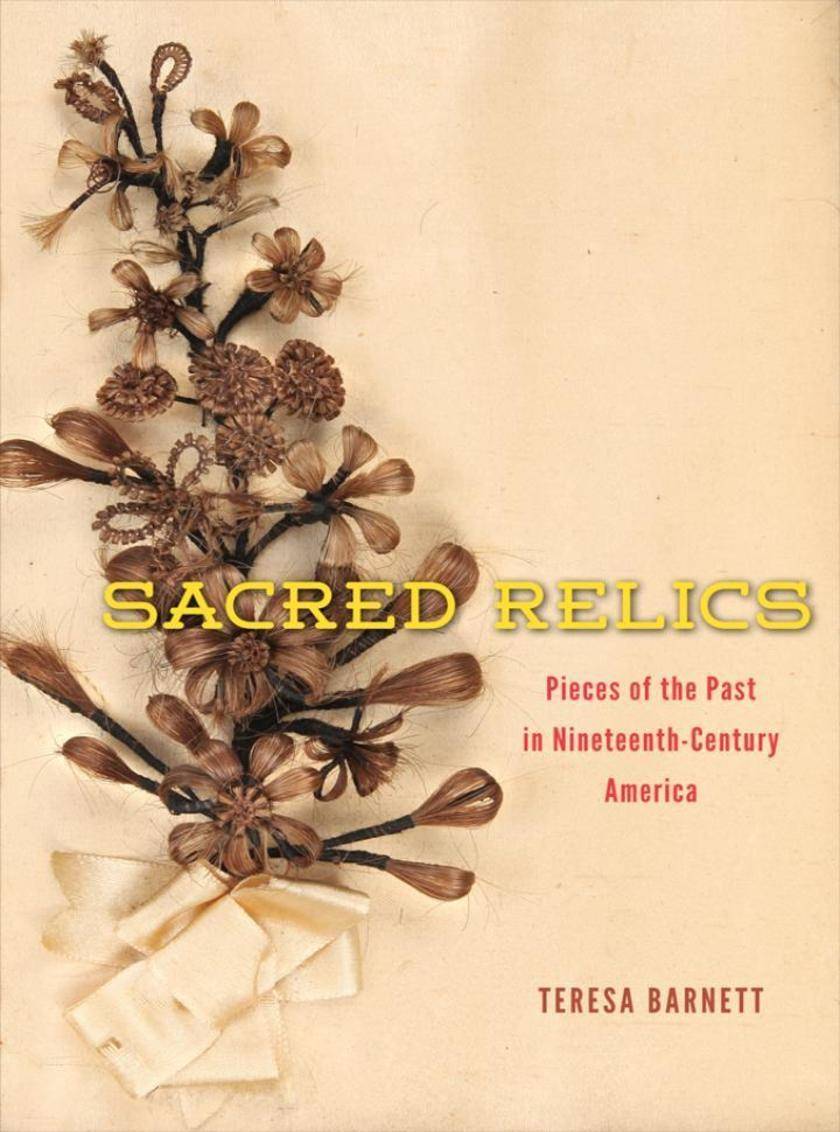
Sacred Relics
¥329.62
A piece of Plymouth Rock. A lock of George Washington's hair. Wood from the cabin where Abraham Lincoln was born. Various bits and pieces of the past-often called "e;association items"e;-may appear to be eccentric odds and ends, but they are valued because of their connections to prominent people and events in American history. Kept in museum collections large and small across the United States, such objects are the touchstones of our popular engagement with history.In Sacred Relics, Teresa Barnett explores the history of private collections of items like these, illuminating how Americans view the past. She traces the relic-collecting tradition back to eighteenth-century England, then on to articles belonging to the founding fathers and through the mass collecting of artifacts that followed the Civil War. Ultimately, Barnett shows how we can trace our own historical collecting from the nineteenth century's assemblages of the material possessions of great men and women.
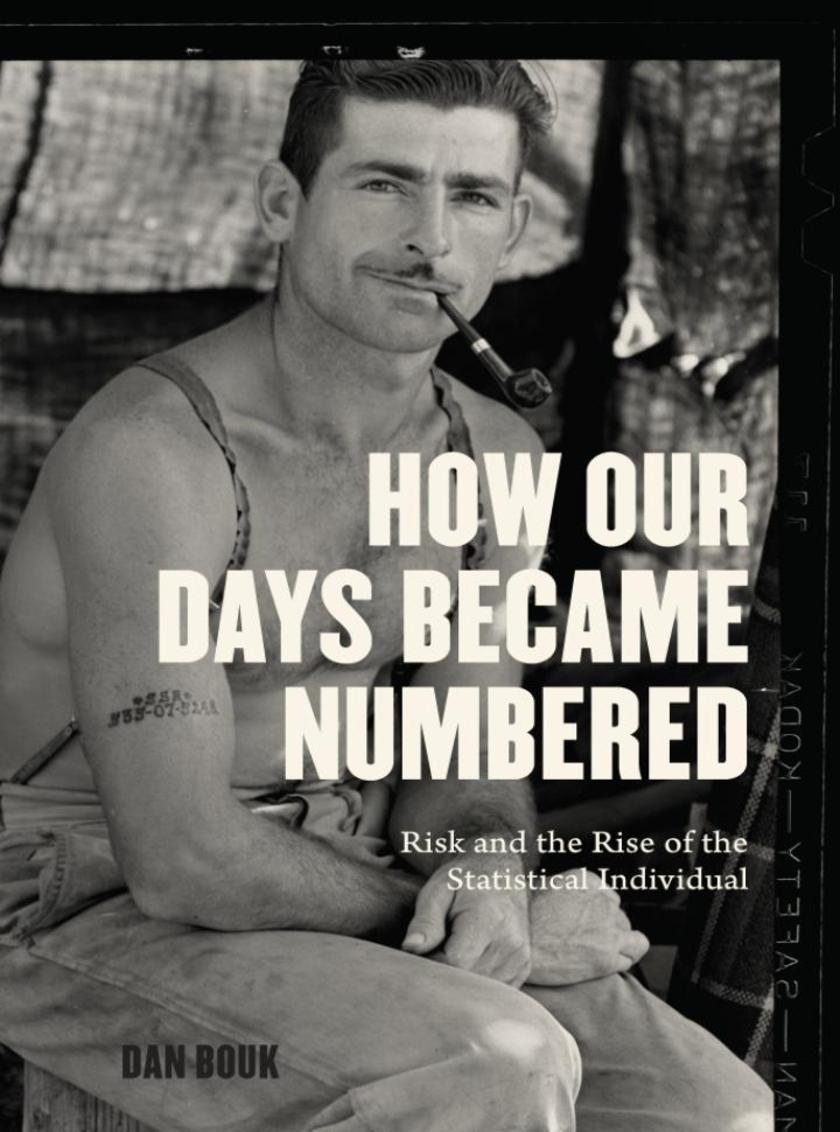
How Our Days Became Numbered
¥329.62
Long before the age of "e;Big Data"e; or the rise of today's "e;self-quantifiers,"e; American capitalism embraced "e;risk"e;--and proceeded to number our days. Life insurers led the way, developing numerical practices for measuring individuals and groups, predicting their fates, and intervening in their futures. Emanating from the gilded boardrooms of Lower Manhattan and making their way into drawing rooms and tenement apartments across the nation, these practices soon came to change the futures they purported to divine.How Our Days Became Numbered tells a story of corporate culture remaking American culture--a story of intellectuals and professionals in and around insurance companies who reimagined Americans' lives through numbers and taught ordinary Americans to do the same. Making individuals statistical did not happen easily. Legislative battles raged over the propriety of discriminating by race or of smoothing away the effects of capitalism's fluctuations on individuals. Meanwhile, debates within companies set doctors against actuaries and agents, resulting in elaborate, secretive systems of surveillance and calculation.Dan Bouk reveals how, in a little over half a century, insurers laid the groundwork for the much-quantified, risk-infused world that we live in today. To understand how the financial world shapes modern bodies, how risk assessments can perpetuate inequalities of race or sex, and how the quantification and claims of risk on each of us continue to grow, we must take seriously the history of those who view our lives as a series of probabilities to be managed.

Learning to Love Form 1040
¥311.96
No one likes paying taxes, much less the process of filing tax returns. For years, would-be reformers have advocated replacing the return-based mass income tax with a flat tax, federal sales tax, or some combination thereof. Congress itself has commissioned studies on the feasibility of a system of exact withholding. But might the much-maligned return-based taxation method serve an important yet overlooked civic purpose?In Learning to Love Form 1040, Lawrence Zelenak argues that filing taxes can strengthen fiscal citizenship by prompting taxpayers to reflect on the contract they have with their government and the value-or perceived lack of value-they receive in exchange for their money. Zelenak traces the mass income tax to its origins as a means for raising revenue during World War II. Even then, debates raged over the merits of consumption-based versus income taxation, as well as whether taxes should be withheld from payroll or paid at the time of filing. The result is the income tax system we have today-a system whose maddening complexity, intended to accommodate citizens in widely different circumstances, threatens to outweigh any civic benefits.If sitcoms and political cartoons are any indication, public understanding of the income tax is badly in need of a corrective. Zelenak clears up some of the most common misconceptions and closes with suggestions for how the current system could be substantially simplified to better serve its civic purpose.
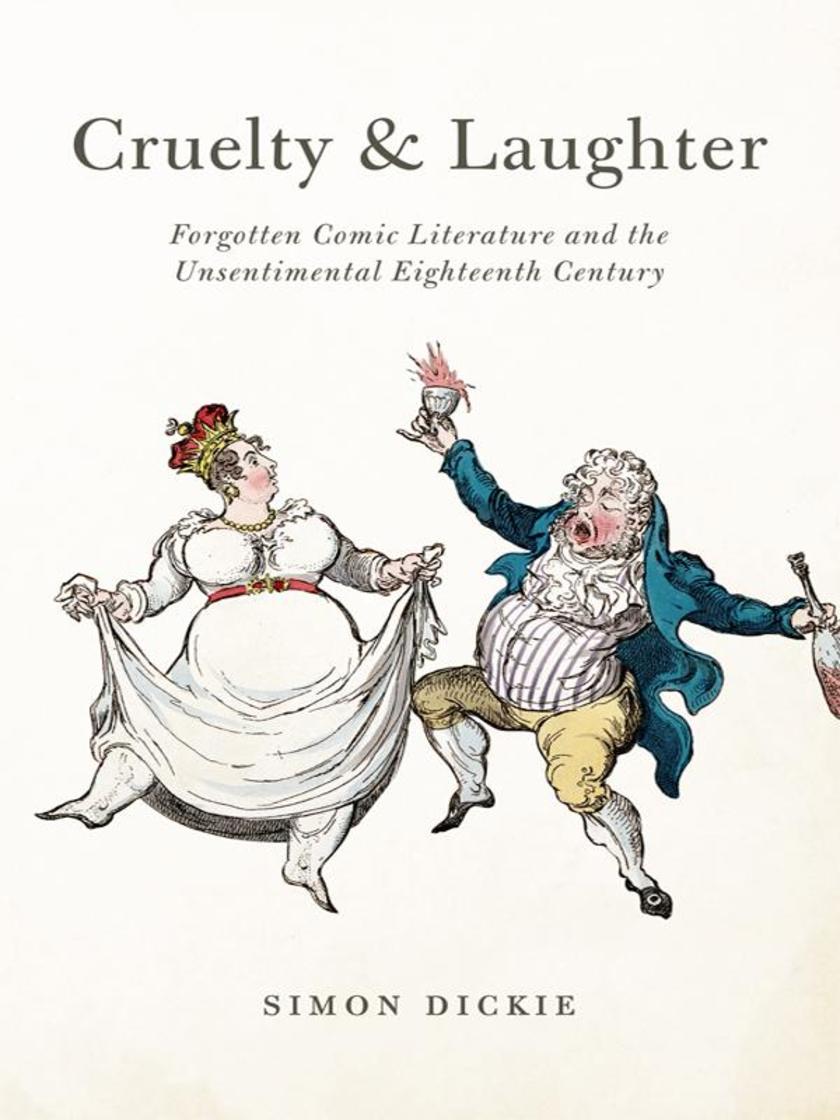
Cruelty and Laughter
¥311.96
Eighteenth-century British culture is often seen as polite and sentimental-the creation of an emerging middle class. Simon Dickie?disputes these assumptions in Cruelty and Laughter, a wildly enjoyable but shocking plunge into the forgotten comic literature of the age. Beneath the surface of Enlightenment civility, Dickie uncovers a rich vein of?cruel humor?that?forces us to recognize just how slowly?ordinary human sufferings became worthy of sympathy.Delving into an enormous archive of comic novels, jestbooks, farces, variety shows, and cartoons,?Dickie finds?a vast repository of jokes about cripples, blind men, rape, and wife-beating. Epigrams about syphilis and scurvy sit alongside one-act comedies about hunchbacks in love. He shows us that everyone-rich and poor, women as well as men-laughed along. In the process,?Dickie also expands our understanding of many of the century's major authors, including Samuel Richardson, Lady Mary Wortley Montagu, Tobias Smollett, Frances Burney, and Jane Austen. He devotes particular attention to Henry Fielding's Joseph Andrews, a novel that reflects repeatedly on the limits of compassion and the ethical problems of laughter. Cruelty and Laughter is an engaging, far-reaching study of the other side of culture in eighteenth-century Britain.

Well Worth Saving
¥288.41
The urgent demand for housing after World War I fueled a boom in residential construction that led to historic peaks in home ownership. Foreclosures at the time were rare, and when they did happen, lenders could quickly recoup their losses by selling into a strong market. But no mortgage system is equipped to deal with credit problems on the scale of the Great Depression. As foreclosures quintupled, it became clear that the mortgage system of the 1920s was not up to the task, and borrowers, lenders, and real estate professionals sought action at the federal level.Well Worth Saving tells the story of the disastrous housing market during the Great Depression and the extent to which an immensely popular New Deal relief program, the Home Owners' Loan Corporation (HOLC), was able to stem foreclosures by buying distressed mortgages from lenders and refinancing them. Drawing on historical records and modern statistical tools, Price Fishback, Jonathan Rose, and Kenneth Snowden investigate important unanswered questions to provide an unparalleled view of the mortgage loan industry throughout the 1920s and early '30s. Combining this with the stories of those involved, the book offers a clear understanding of the HOLC within the context of the housing market in which it operated, including an examination of how the incentives and behaviors at play throughout the crisis influenced the effectiveness of policy.?More than eighty years after the start of the Great Depression, when politicians have called for similar programs to quell the current mortgage crisis, this accessible account of the Home Owners' Loan Corporation holds invaluable lessons for our own time.
Reformation of Emotions in the Age of Shakespeare
¥288.41
The crises of faith that fractured Reformation Europe also caused crises of individual and collective identity. Structures of feeling as well as structures of belief were transformed; there was a reformation of social emotions as well as a Reformation of faith.As Steven Mullaney shows in?The Reformation of Emotions in the Age of Shakespeare, Elizabethan popular drama played a significant role in confronting the uncertainties and unresolved traumas of Elizabethan Protestant England. Shakespeare and his contemporaries-audiences as well as playwrights-reshaped popular drama into a new form of embodied social, critical, and affective thought. Examining a variety of works, from revenge plays to Shakespeare's first history tetralogy and beyond, Mullaney explores how post-Reformation drama not only exposed these faultlines of society on stage but also provoked playgoers in the audience to acknowledge their shared differences. He demonstrates that our most lasting works of culture remain powerful largely because of their deep roots in the emotional landscape of their times.
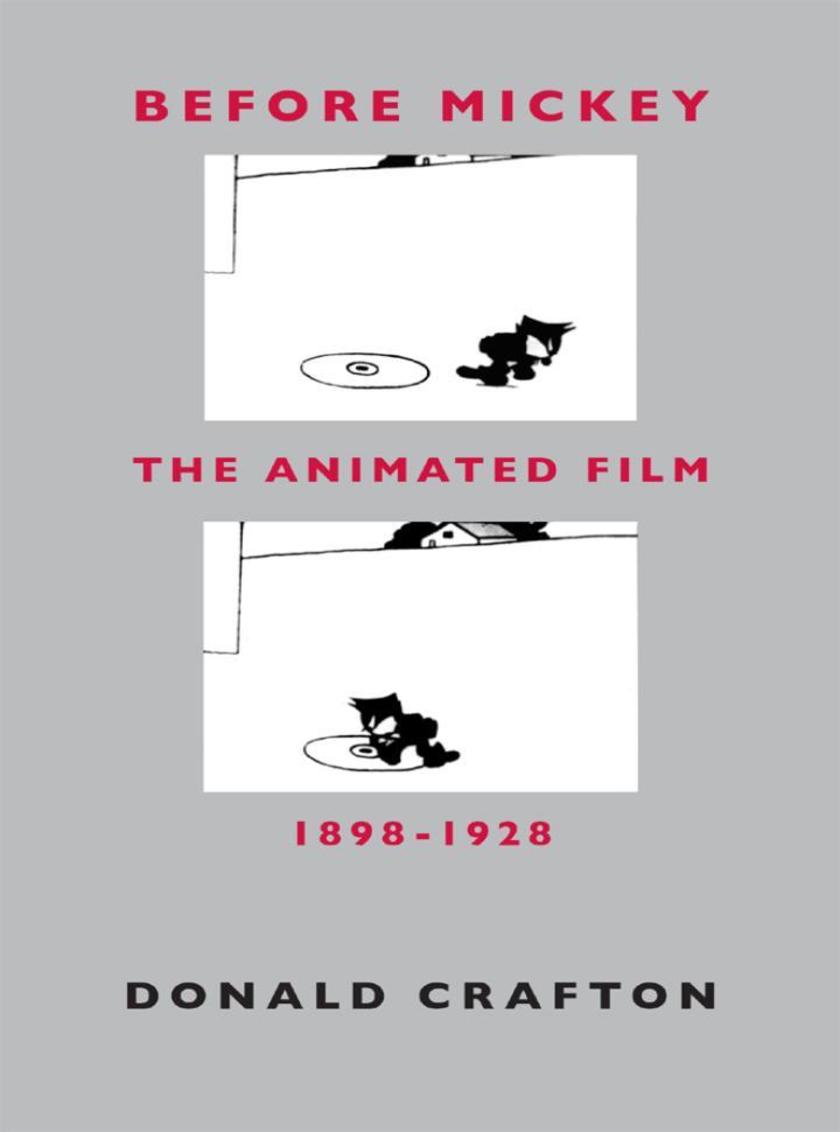
Before Mickey
¥288.41
This witty and fascinating study reminds us that there was animation before Disney: about thirty years of creativity and experimentation flourishing in such extraordinary work as Girdie the Dinosaur and Felix the Cat. Before Mickey, the first and only in-depth history of animation from 1898-1928, includes accounts of mechanical ingenuity, marketing and art. Crafton is equally adept at explaining techniques of sketching and camera work, evoking characteristic styles of such pioneering animators as Winsor McCay and Ladislas Starevitch, placing work in its social and economic context, and unraveling the aesthetic impact of specific cartoons."e;Before Mickey's scholarship is quite lively and its de*ions are evocative and often funny. The history of animation coexisted with that of live-action film but has never been given as much attention."e;-Tim Hunter, New York Times
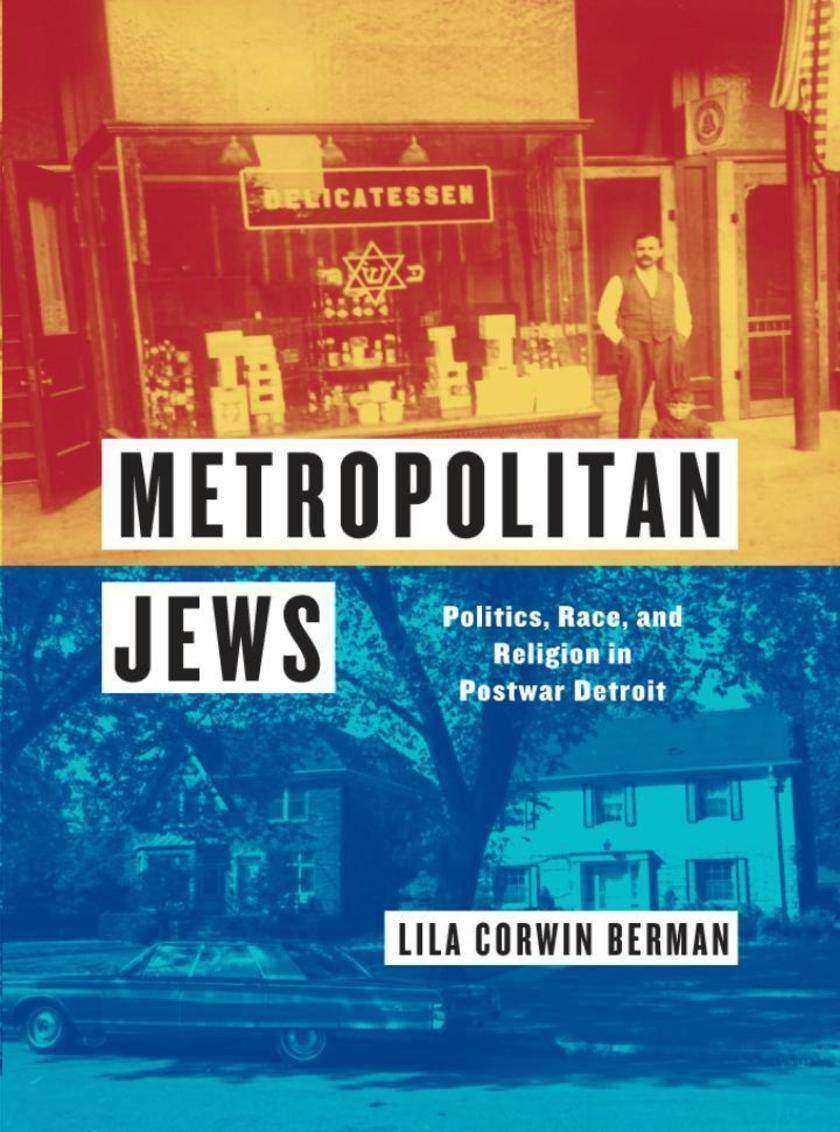
Metropolitan Jews
¥288.41
In this provocative and accessible urban history, Lila Corwin Berman considers the role that Detroit's Jews played in the city's well-known narrative of migration and decline. Taking its cue from social critics and historians who have long looked toward Detroit to understand twentieth-century urban transformations, Metropolitan Jews tells the story of Jews leaving the city while retaining a deep connection to it. Berman argues convincingly that though most Jews moved to the suburbs, urban abandonment, disinvestment, and an embrace of conservatism did not invariably accompany their moves. Instead, the Jewish postwar migration was marked by an enduring commitment to a newly fashioned urbanism with a vision of self, community, and society that persisted well beyond city limits.Complex and subtle, Metropolitan Jews pushes urban scholarship beyond the tenacious black/white, urban/suburban dichotomy. It demands a more nuanced understanding of the process and politics of suburbanization and will reframe how we think about the American urban experiment and modern Jewish history.
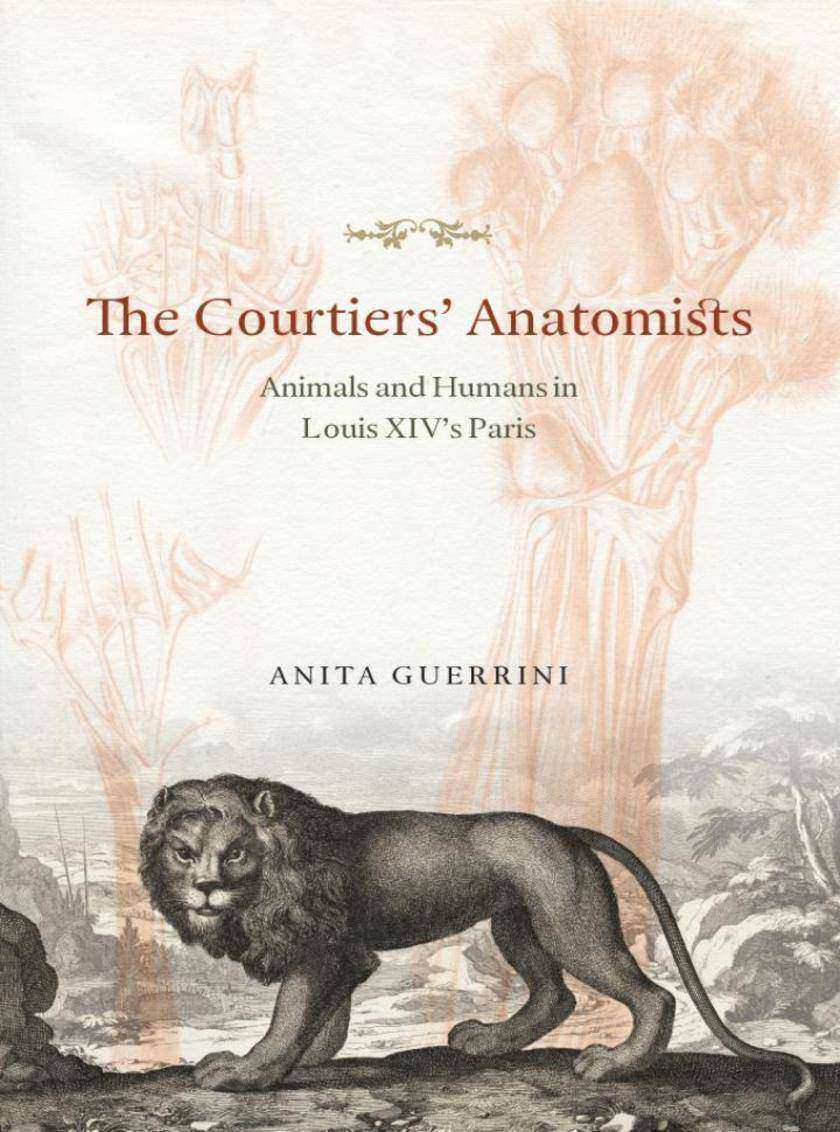
Courtiers' Anatomists
¥288.41
The Courtiers' Anatomists is about dead bodies and live animals in Louis XIV's Paris--and the surprising links between them. Examining the practice of seventeenth-century anatomy, Anita Guerrini reveals how anatomy and natural history were connected through animal dissection and vivisection. Driven by an insatiable curiosity, Parisian scientists, with the support of the king, dissected hundreds of animals from the royal menageries and the streets of Paris. Guerrini is the first to tell the story of Joseph-Guichard Duverney, who performed violent, riot-inducing dissections of both animal and human bodies before the king at Versailles and in front of hundreds of spectators at the King's Garden in Paris. At the Paris Academy of Sciences, meanwhile, Claude Perrault, with the help of Duverney's dissections, edited two folios in the 1670s filled with lavish illustrations by court artists of exotic royal animals.Through the stories of Duverney and Perrault, as well as those of Marin Cureau de la Chambre, Jean Pecquet, and Louis Gayant, The Courtiers' Anatomists explores the relationships between empiricism and theory, human and animal, as well as the origins of the natural history museum and the relationship between science and other cultural activities, including art, music, and literature.
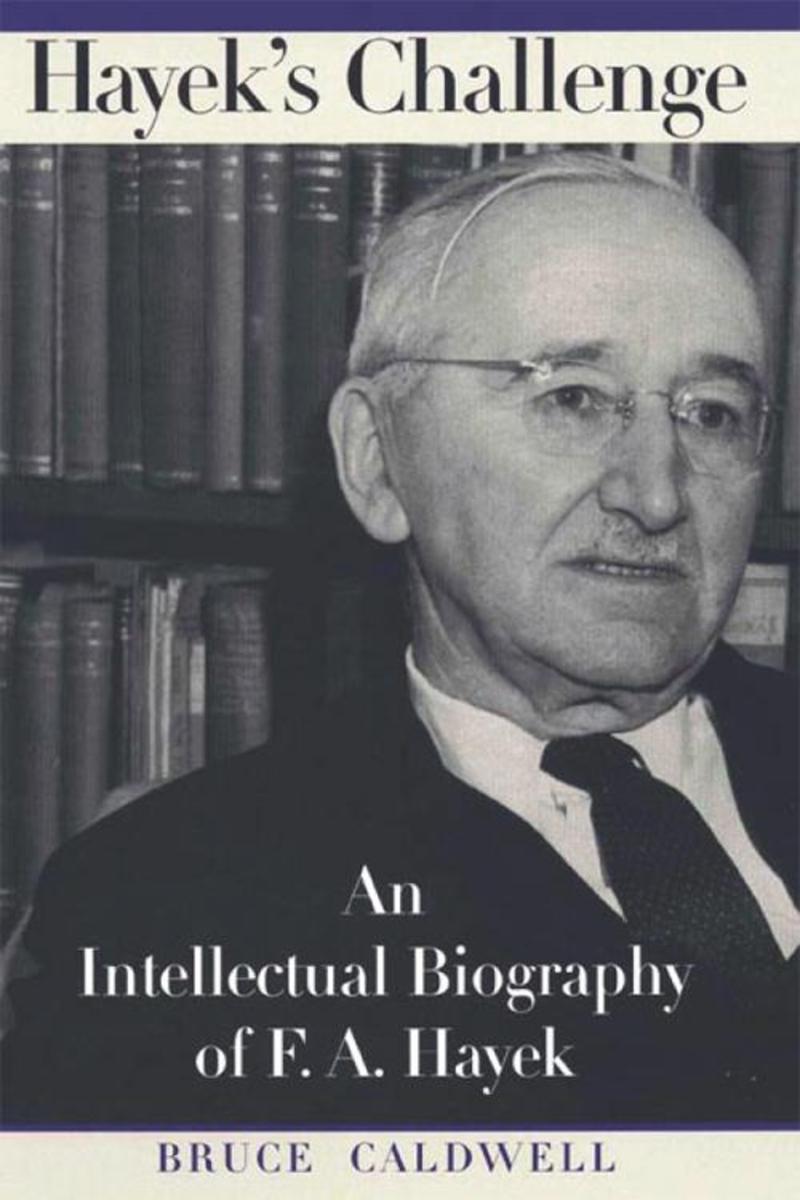
Hayek's Challenge
¥265.87
Friedrich A. Hayek is regarded as one of the preeminent economic theorists of the twentieth century, as much for his work outside of economics as for his work within it. During a career spanning several decades, he made contributions in fields as diverse as psychology, political philosophy, the history of ideas, and the methodology of the social sciences. Bruce Caldwell-editor of The Collected Works of F. A. Hayek-understands Hayek's thought like few others, and with this book he offers us the first full intellectual biography of this pivotal social theorist.Caldwell begins by providing the necessary background for understanding Hayek's thought, tracing the emergence, in fin-de-sicle Vienna, of the Austrian school of economics-a distinctive analysis forged in the midst of contending schools of thought. In the second part of the book, Caldwell follows the path by which Hayek, beginning from the standard Austrian assumptions, gradually developed his unique perspective on not only economics but a broad range of social phenomena. In the third part, Caldwell offers both an assessment of Hayek's arguments and, in an epilogue, an insightful estimation of how Hayek's insights can help us to clarify and reexamine changes in the field of economics during the twentieth century.As Hayek's ideas matured, he became increasingly critical of developments within mainstream economics: his works grew increasingly contrarian and evolved in striking-and sometimes seemingly contradictory-ways. Caldwell is ideally suited to explain the complex evolution of Hayek's thought, and his analysis here is nothing short of brilliant, impressively situating Hayek in a broader intellectual context, unpacking the often difficult turns in his thinking, and showing how his economic ideas came to inform his ideas on the other social sciences.Hayek's Challenge will be received as one of the most important works published on this thinker in recent decades.
Moral Imagination
¥265.87
Using path-breaking discoveries of cognitive science, Mark Johnson argues that humans are fundamentally imaginative moral animals, challenging the view that morality is simply a system of universal laws dictated by reason. According to the Western moral tradition, we make ethical decisions by applying universal laws to concrete situations. But Johnson shows how research in cognitive science undermines this view and reveals that imagination has an essential role in ethical deliberation.Expanding his innovative studies of human reason in Metaphors We Live By and The Body in the Mind, Johnson provides the tools for more practical, realistic, and constructive moral reflection.
Argument and the Action of Plato's Laws
¥265.87
The posthumous publication of The Argument and the Action of Plato's "e;Laws"e; was compiled shortly before the death of Leo Strauss in 1973. Strauss offers an insightful and instructive reading through careful probing of Plato's classic text."e;Strauss's The Argument and the Action of Plato's 'Laws' reflects his interest in political thought, his dogged method of following the argument of the Laws step by step, and his vigorous defense of this dialogue's integrity in respect to the ideals of the Republic."e;-Cross Currents"e;The unique characteristics of this commentary on the Laws reflect the care and precision which were the marks of Professor Strauss's efforts to understand the complex thoughts of other men."e;-Allan D. Nelson, Canadian Journal of Political Science"e;Thorough and provocative, an important addition to Plato scholarship."e;-Library Journal"e;The major purpose of the commentary is to provide a reading of the dialogue which displays its structural arrangement and the continuity of the argument."e;-J. W. Dy, Bibliographical Bulletin of Philosophy"e;The reader of Strauss's book is indeed guided closely through the whole text."e;- M. J. Silverthorne, The Humanities Association ReviewLeo Strauss (1899-1973) was the Robert Maynard Hutchins Distinguished Service Professor Emeritus of political science at the University of Chicago.
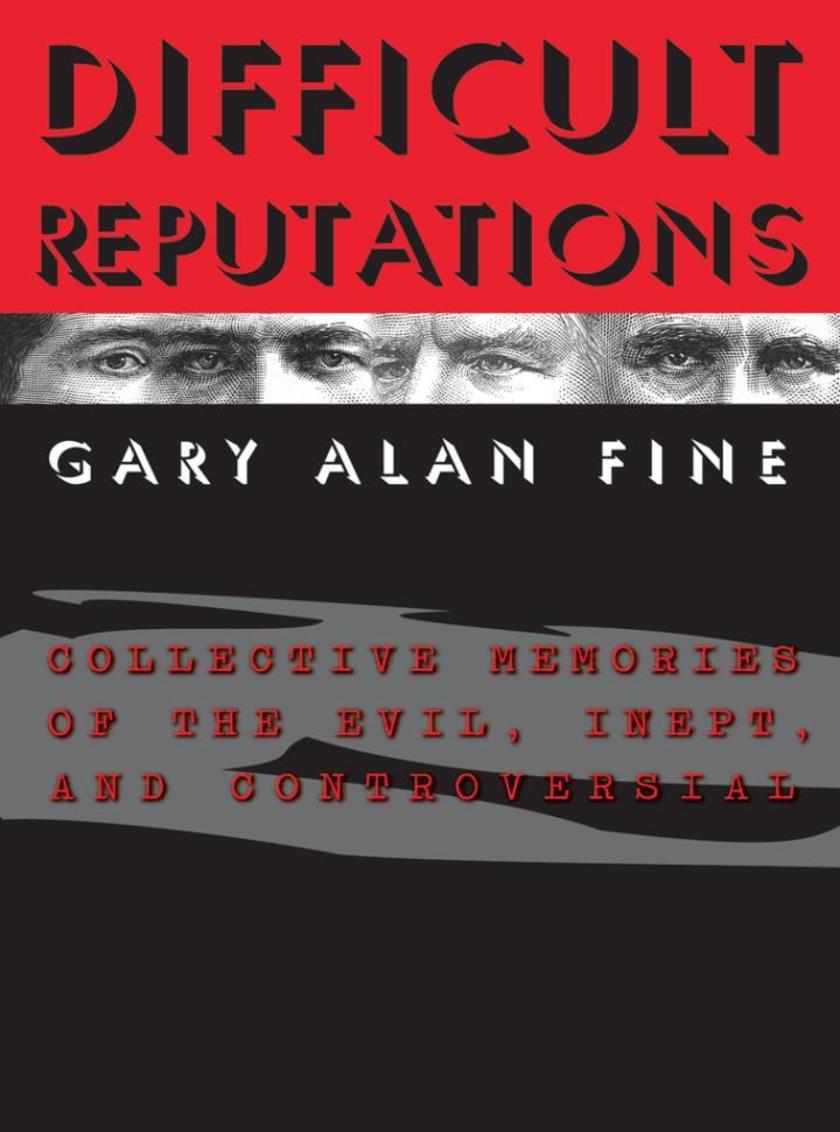
Difficult Reputations
¥253.10
We take reputations for granted. Believing in the bad and the good natures of our notorious or illustrious forebears is part of our shared national heritage. Yet we are largely ignorant of how such reputations came to be, who was instrumental in creating them, and why. Even less have we considered how villains, just as much as heroes, have helped our society define its values.Presenting essays on America's most reviled traitor, its worst president, and its most controversial literary ingnue (Benedict Arnold, Warren G. Harding, and Lolita), among others, sociologist Gary Alan Fine analyzes negative, contested, and subcultural reputations. Difficult Reputations offers eight compelling historical case studies as well as a theoretical introduction situating the complex roles in culture and history that negative reputations play.Arguing the need for understanding real conditions that lead to proposed interpretations, as well as how reputations are given meaning over time, this book marks an important contribution to the sociologies of culture and knowledge.
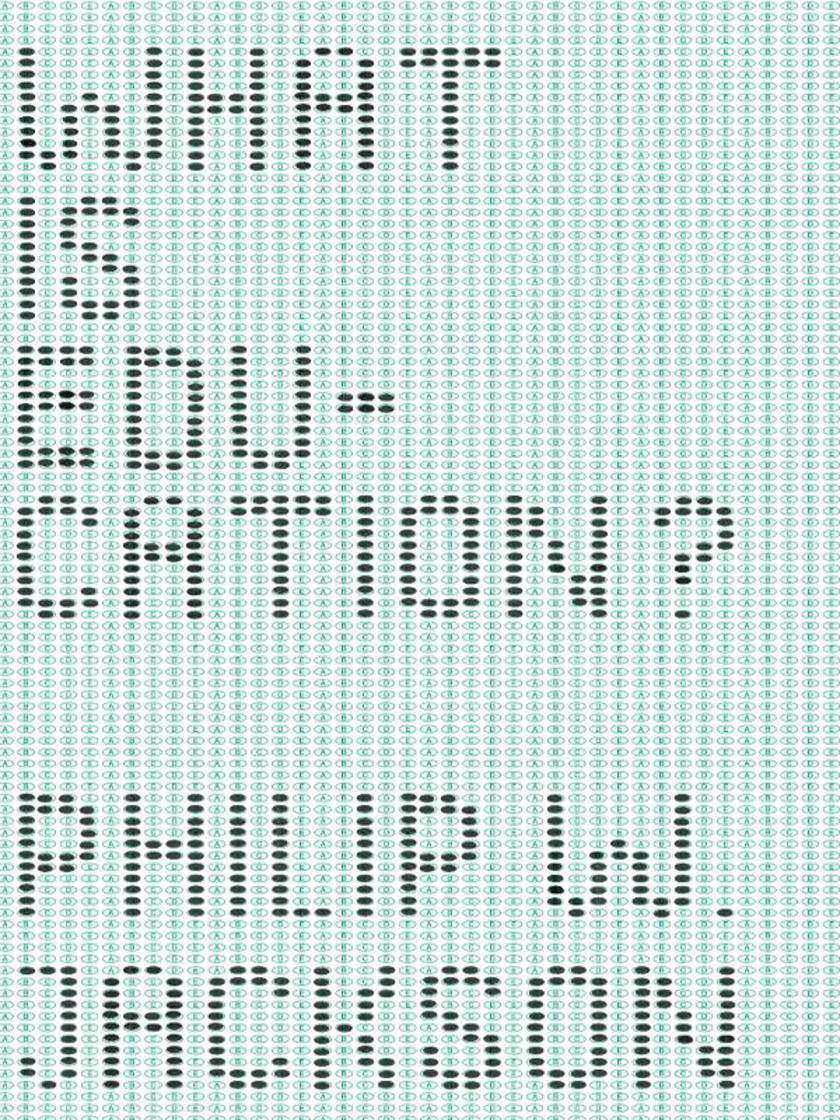
What Is Education?
¥253.10
One day in 1938, John Dewey addressed a room of professional educators and urged them to take up the task of "e;finding out just what education is."e;?Reading this lecture in the late 1940s, Philip W. Jackson took Dewey's charge to heart and spent the next sixty years contemplating his words. The stimulating result of a lifetime of thinking about educating, What Is Educationis a profound philosophical exploration of how we transmit knowledge in human society and how we think about accomplishing that vital task.?Most contemporary approaches to education follow a strictly empirical track, aiming to discover pragmatic solutions for teachers and school administrators. Jackson argues that we need to learn not just how to improve on current practices but also how to think about what education means-in short, we need to answer Dewey by constantly rethinking education from the ground up. Guiding us through the many facets of Dewey's comments, Jackson also calls on Hegel, Kant, and Paul Tillich to shed light on how a society does, can, and should transmit truth and knowledge to successive generations. Teasing out the implications in these thinkers' works ultimately leads Jackson to the conclusion that education is at root a moral enterprise.?At a time when schools increasingly serve as a battleground for ideological contests, What Is Educationis a stirring call to refocus our minds on what is for Jackson the fundamental goal of education: making students as well as teachers-and therefore everyone-better people.
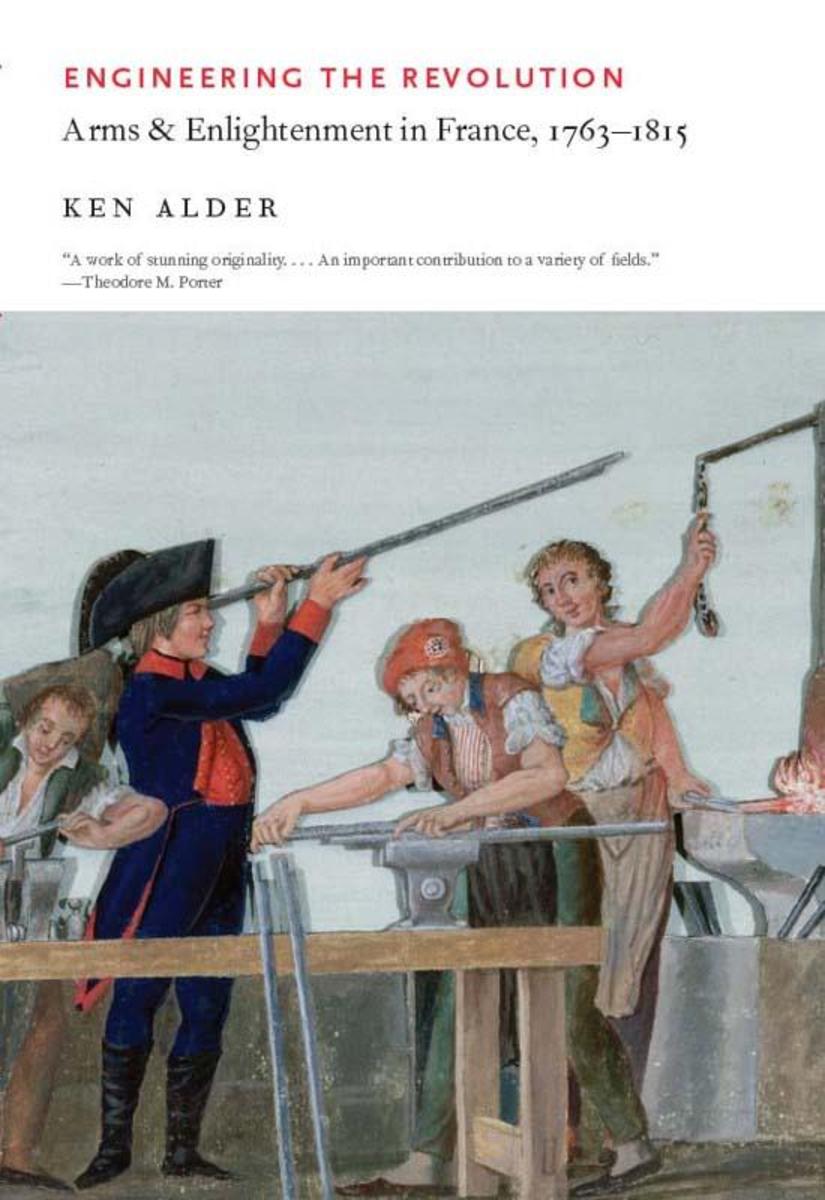
Engineering the Revolution
¥247.21
Engineering the Revolution documents the forging of a new relationship between technology and politics in Revolutionary France, and the inauguration of a distinctively modern form of the "e;technological life."e;Here, Ken Alder rewrites the history of the eighteenth century as the total history of one particular artifact-the gun-by offering a novel and historical account of how material artifacts emerge as the outcome of political struggle. By expanding the "e;political"e; to include conflict over material objects, this volume rethinks the nature of engineering rationality, the origins of mass production, the rise of meritocracy, and our interpretation of the Enlightenment and the French Revolution.


