


 购物车
购物车 个人中心
个人中心
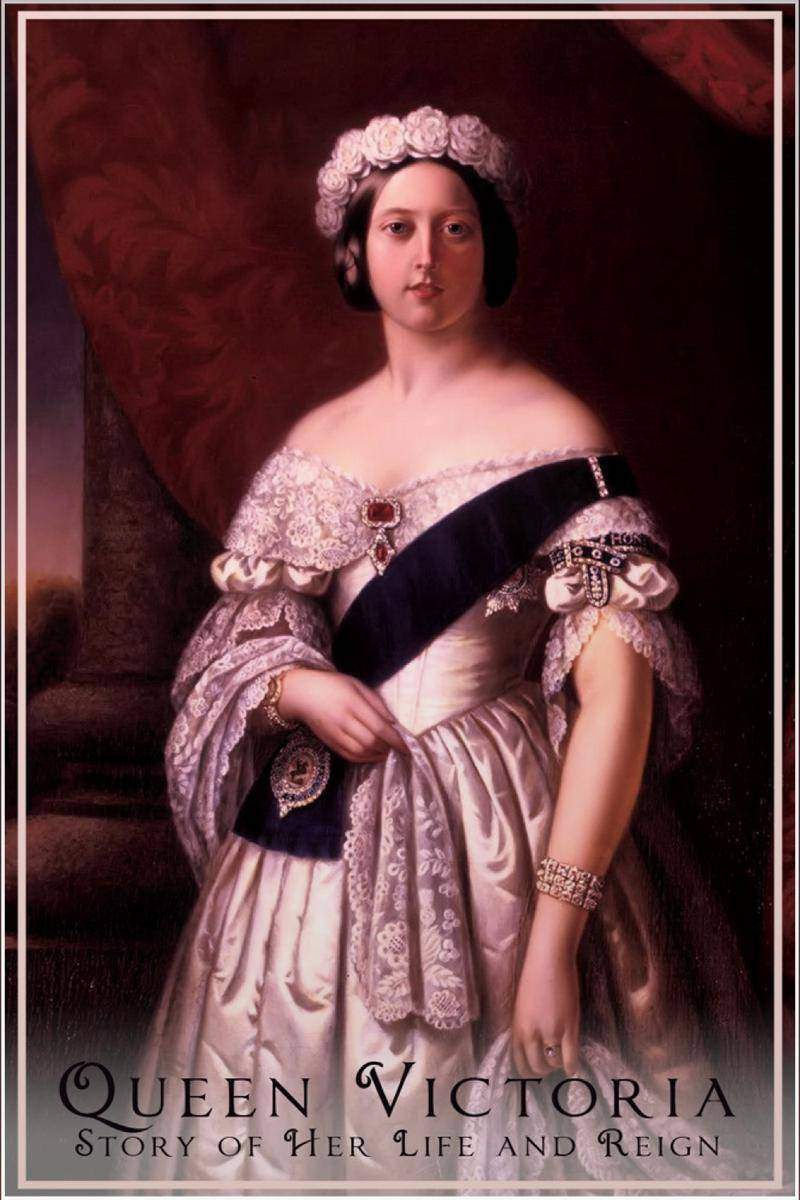
Queen Victoria - Her Life and Reign
¥19.52
A fantastic biography of Queen Victoria by an anonymous author.
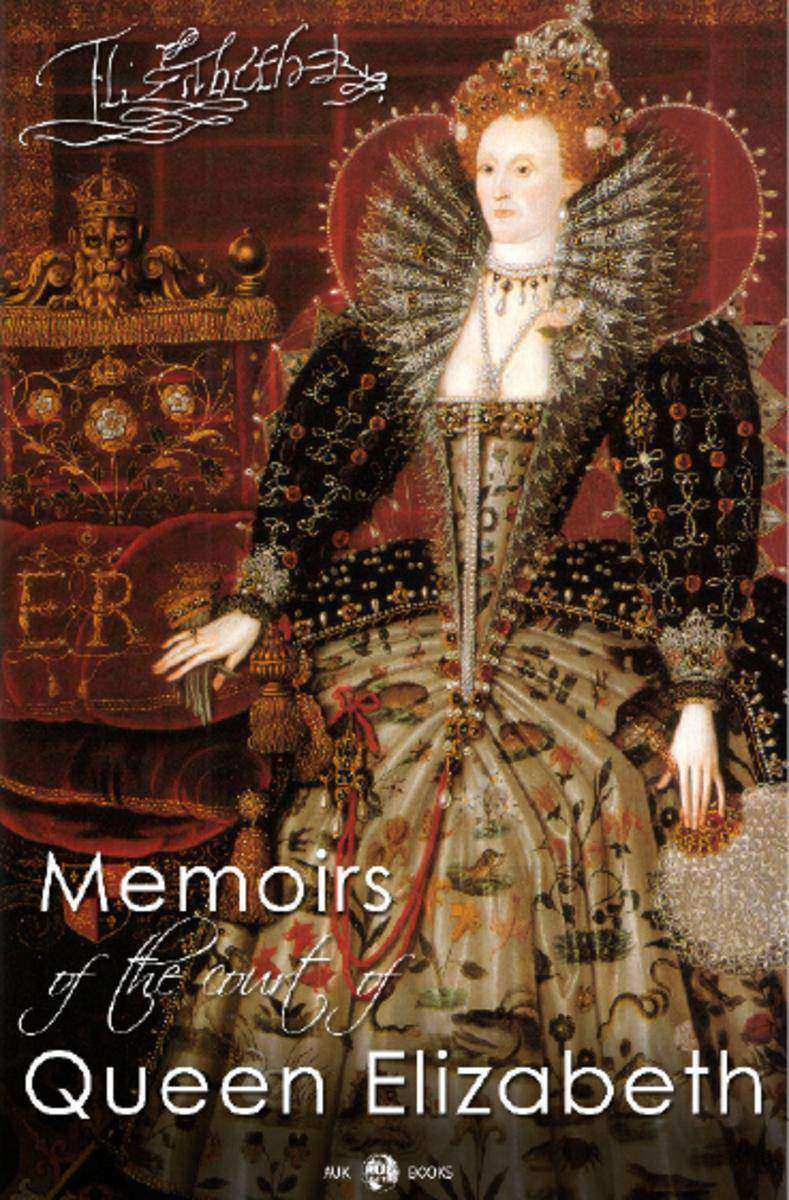
Memoirs of the Court of Queen Elizabeth
¥73.48
This book gives us an in depth look at the court of Queen Elizabeth I from birth to death. Widely acclaimed to be one of the most accurate accounts, it features letters, quotes and even sonnets from all the leading people of the day. The intrigues and deceits are written about in great detail - A gripping classic read from AUK's Revisited series.
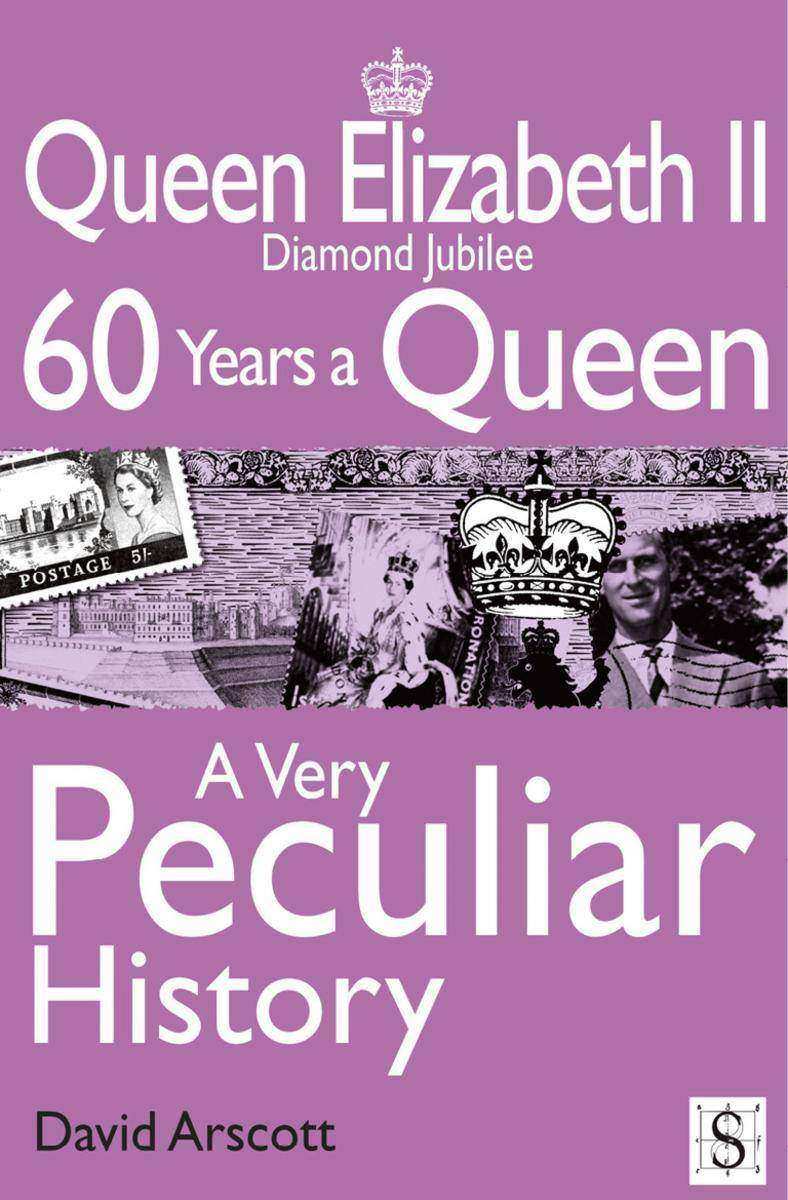
Queen Elizabeth II, A Very Peculiar History
¥58.76
EIIR Queen Elizabeth II, 60 Years a Queen, A Very Peculiar History' uniquely explores the life and times of Her Majesty Queen Elizabeth II as we approach her 2012 Diamond Jubilee. The story that unfolds is one of doughty determination - the story of a young monarch who finds herself thrust into a new world of relentless public exposure, whose own family turns out to be as frail as everyone else's, but who somehow, for a full 60 years and counting, manages to steer the institution through the choppy waters intact. David Arscott provides an eccentric account of the trials and tribulations that have beset the Queen's reign, from the glamour of her coronation, through the gloom of her 'annus horribilis' to the impending dawn of her Diamond Jubilee.
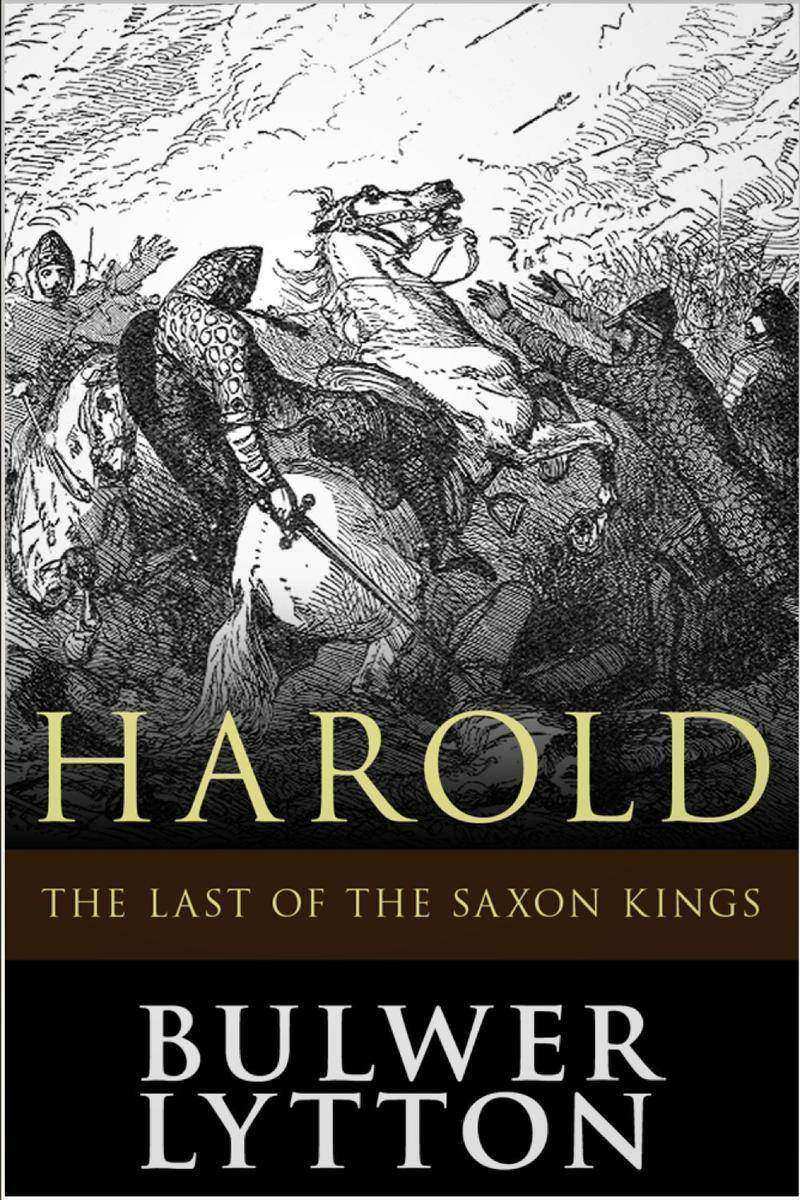
Harold, the Last of the Saxon Kings
¥19.52
A fascinating fictionalised story of the life of Harold Godwinson, the last Anglo-Saxon King of England, written by bestselling novelist and coiner of such phrases as "e;the pen is mightier than the sword"e; and "e;It was a dark and stormy night"e;, Edward Bulwer-Lytton.
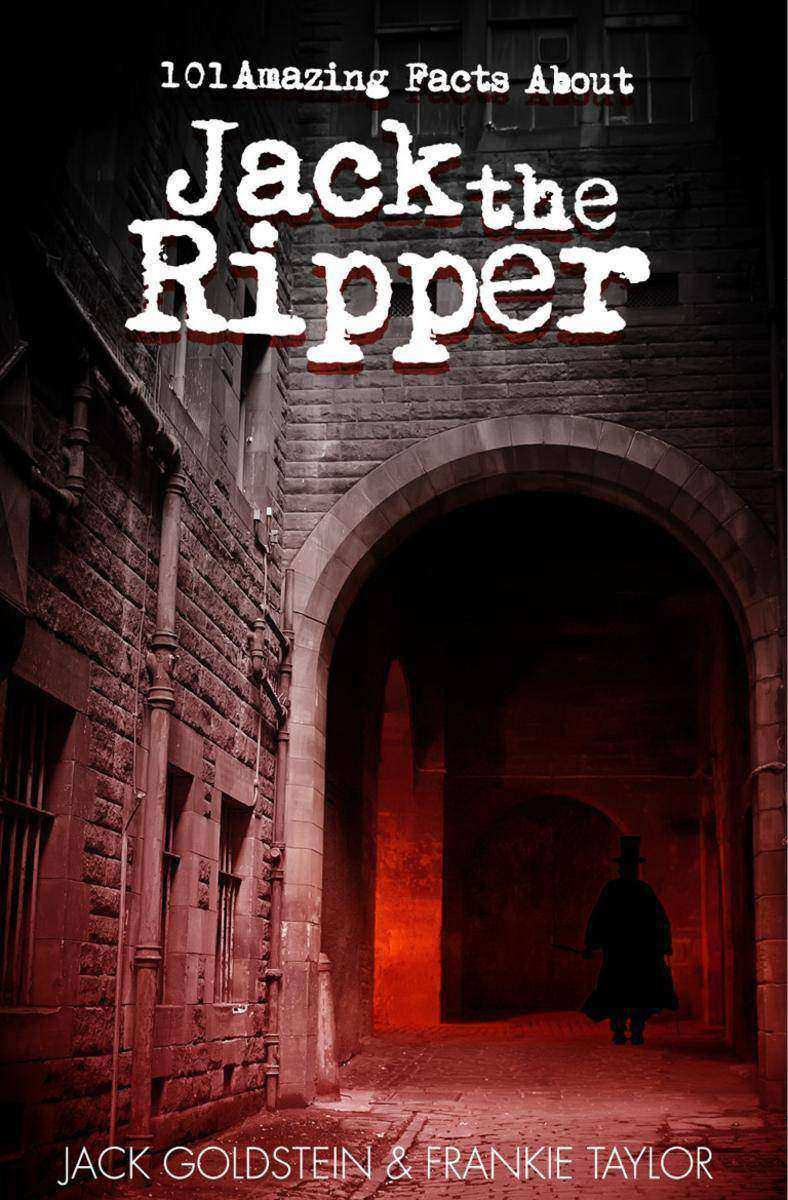
101 Amazing Facts about Jack the Ripper
¥19.52
It is 1888 and the foggy streets of Whitechapel, one of the poorest areas of Victorian London, are gripped by fear. Five women thought have been murdered by the same hand, all but one of their corpses terrifyingly mutilated. But who were these women? And who could the murderer be? This fascinating book contains over one hundred facts about the awful crimes of the serial killer we all know as Jack the Ripper. Organised into sections covering each individual victim, clues to the Ripper's identity, possible suspects and more, this is an excellent addition to any classic crime fan's bookshelf.
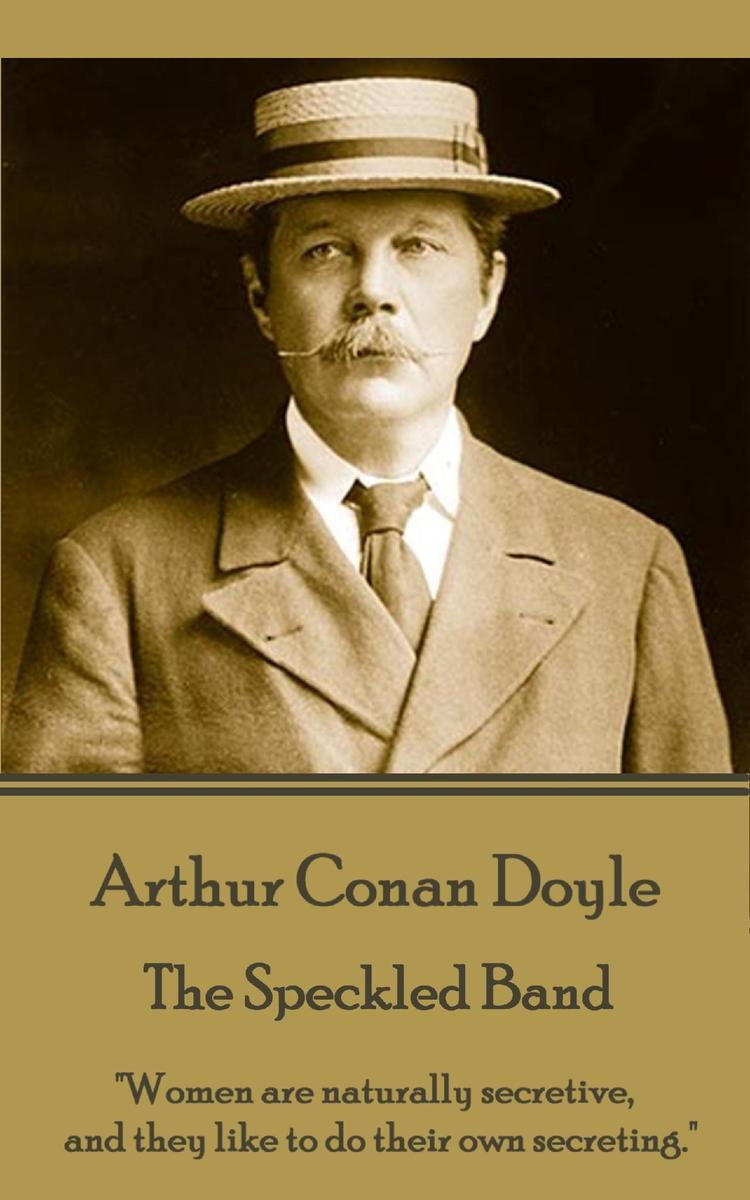
Speckled Band - Women are naturally secretive, and they like to do their own sec
¥26.98
If ever a writer needed an introduction Arthur Conan Doyle would not be considered that man. After all, Sherlock Holmes is perhaps the foremost literary detective of any age. Add to this canon his stories of science fiction and his poems, his historical novels, his plays, his political campaigning, his efforts in establishing a Court Of Appeal and there is little room for anything else. Except he was also an exceptional writer of short stories of the horrific and macabre. Something very different from what you might expect. Born in Arthur Conan Doyle was born on 22 May 1859 at 11 Picardy Place, Edinburgh, Scotland. From 1876 - 1881 he studied medicine at the University of Edinburgh following which he was employed as a doctor on the Greenland whaler Hope of Peterhead in 1880 and, after his graduation, as a ship's surgeon on the SS Mayumba during a voyage to the West African coast in 1881. Arriving in Portsmouth in June of that year with less than GBP10 (GBP700 today) to his name, he set up a medical practice at 1 Bush Villas in Elm Grove, Southsea. The practice was initially not very successful. While waiting for patients, Conan Doyle again began writing stories and composed his first novel The Mystery of Cloomber. Although he continued to study and practice medicine his career was now firmly set as a writer. And thereafter great works continued to pour out of him.

Tumble-Down Dick - Let no man be sorry he has done good, because others have don
¥23.45
Henry Fielding was born at Sharpham Park, near Glastonbury, in Somerset on April 22nd 1707. His early years were spent on his parents' farm in Dorset before being educated at Eton.An early romance ended disastrously and with it his removal to London and the beginnings of a glittering literary career; he published his first play, at age 21, in 1728.He was prolific, sometimes writing six plays a year, but he did like to poke fun at the authorities. His plays were thought to be the final straw for the authorities in their attempts to bring in a new law. In 1737 The Theatrical Licensing Act was passed. At a stroke political satire was almost impossible. Fielding was rendered mute. Any playwright who was viewed with suspicion by the Government now found an audience difficult to find and therefore Theatre owners now toed the Government line.Fielding was practical with the circumstances and ironically stopped writing to once again take up his career in the practice of law and became a barrister after studying at Middle Temple. By this time he had married Charlotte Craddock, his first wife, and they would go on to have five children. Charlotte died in 1744 but was immortalised as the heroine in both Tom Jones and Amelia. Fielding was put out by the success of Samuel Richardson's Pamela, or Virtue Rewarded. His reaction was to spur him into writing a novel. In 1741 his first novel was published; the successful Shamela, an anonymous parody of Richardson's novel. Undoubtedly the masterpiece of Fielding's career was the novel Tom Jones, published in 1749. It is a wonderfully and carefully constructed picaresque novel following the convoluted and hilarious tale of how a foundling came into a fortune.Fielding was a consistent anti-Jacobite and a keen supporter of the Church of England. This led to him now being richly rewarded with the position of London's Chief Magistrate. Fielding continued to write and his career both literary and professional continued to climb. In 1749 he joined with his younger half-brother John, to help found what was the nascent forerunner to a London police force, the Bow Street Runners. Fielding's ardent commitment to the cause of justice in the 1750s unfortunately coincided with a rapid deterioration in his health. Such was his decline that in the summer of 1754 he travelled, with Mary and his daughter, to Portugal in search of a cure. Gout, asthma, dropsy and other afflictions forced him to use crutches. His health continued to fail alarmingly.Henry Fielding died in Lisbon two months later on October 8th, 1754.
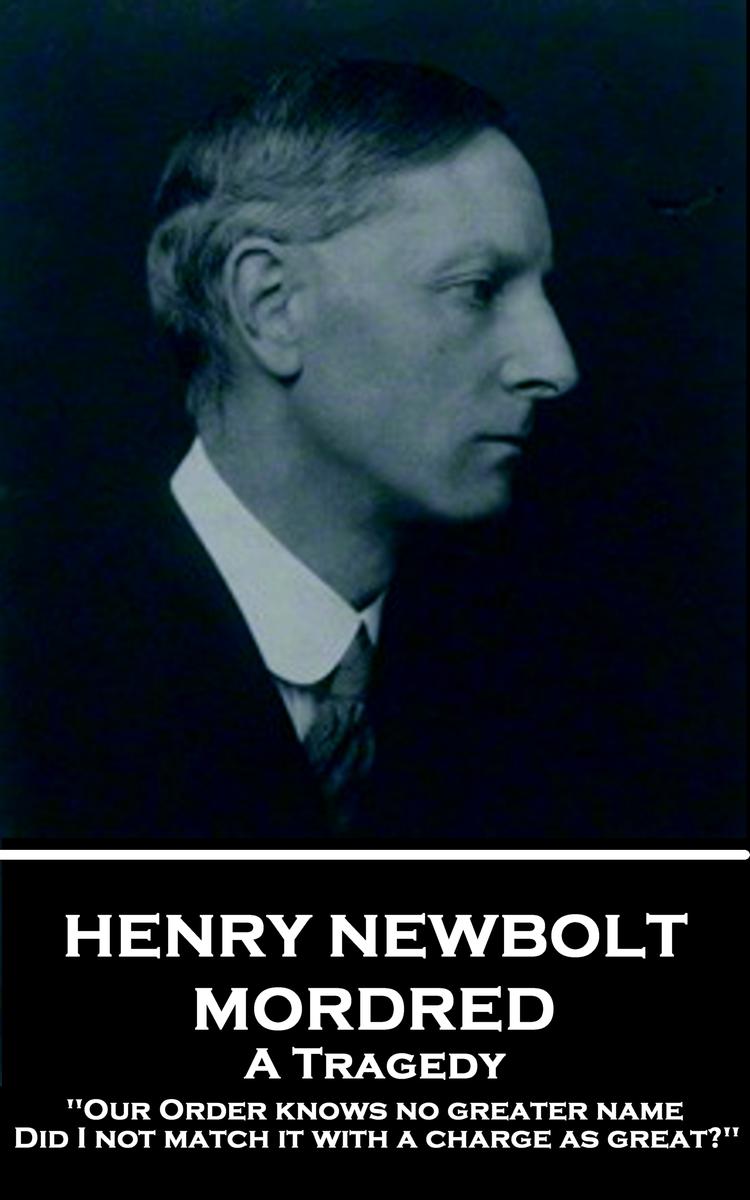
Mordred - 'Our Order knows no greater name. Did I not match it with a charge as
¥23.45
Sir Henry John Newbolt, CH was born on 6th June 1862 in Bilston, Wolverhampton, the son of the vicar of St Mary's Church, the Rev. Henry Francis Newbolt, and his second wife, Emily nee Stubbs. After his father's death, in 1866, the family moved to Walsall.There Newbolt attended Queen Mary's Grammar School, Walsall, and Caistor Grammar School, from where he gained a scholarship to Clifton College, where he was head of the school and editor of the school magazine. Upon graduation from Corpus Christi College, Oxford, he was called to the bar at Lincoln's Inn in 1887 and practised until 1899.He married Margaret Edwina nee Duckworth, of the prominent publishing family, and they had two children: Margaret Cecilia (1890) and Arthur Francis (1893).Behind the steady Edwardian facade lay intimate complications; a menage a trois. His wife had a long-running affair with her cousin, Laura Isabella 'Ella' Coltman to whom Newbolt had dedicated one of his own poems and was also involved with. Newbolt divided his time between the two women so there was no jealousy. Although it could equally be argued they divided their time.His first book was a novel, 'Taken from the Enemy' (1892), and this was followed in 1895 by a play, the tragedy, 'Mordred'. But it was with 'Admirals All' (1897), that his reputation was set. There followed further volumes of uplifting verse, including 'The Island Race' (1898), 'The Sailing of the Long-ships' (1902), 'Songs of the Sea' (1904) and 'Songs of the Fleet' (1910). Among the most stirring and patriotically heroic of his poems are the often anthologised 'Vitai Lampada' and 'Drake's Drum'.As well as writing he was also, from October 1900 to September 1904, the editor of the Monthly Review. In 1914, Newbolt published Aladore, a fantasy novel about a bored, dutiful knight who abandons his estate to pursue his heart's desire and woo a half-fae enchantress. As the First World War engulfed Europe, Newbolt, and another 20 British writers, were absorbed into the War Propaganda Bureau. Their talents were put to use promoting Britain's interests and to maintain public opinion in favour of the war.He was knighted in 1915 and became the Controller of Telecommunications at the Foreign Office. Among his war poems was 'The War Films', printed in The Times on 14th October 1916, in reference to the shock cinema audiences felt on seeing footage of the Battle of the Somme.Newbolt was knighted in 1915 and was appointed Companion of Honour in 1922.In 1921 he authored the government Report 'The Teaching of English in England' which helped to establish the foundations for modern English Studies and professionalised the teaching of English Literature. With it he established a canon, and was unequivocal that English must become the linguistic and literary standard throughout the Empire.Newbolt was also part of an inner advisory circle of Asquith's government and also advised on policy in Ireland.Sir Henry John Newbolt, CH died at his home in Campden Hill, Kensington, London, on 19th April 1938, at the age of 75. He is buried in the churchyard of St Mary's church on an island in the lake on the Orchardleigh Estate of the Duckworth family in Somerset.

Lives of the Necromancers
¥19.52
Throughout history people have claimed, or have been claimed, to have magical powers through contacting dead spirits. This is a fascinating look at some of those people, from ancient times to the modern age.

10 Gymnastics Lesson Plans for 5-7 Year Olds
¥29.33
These ten gymnastic lessons are designed to motivate children to develop their fundamental movement skills. They will help them to develop positive attitudes that enable them to become more confident and competent in their agility, balance and co-ordination while working alone or with others. Each lesson includes lesson objectives, a list of resources, a warm-up activity, an introductory floor work activity, suggestions for activities using apparatus and a cool-down activity. There are also ideas for extension activities, assessment cues and ICT opportunities with web links where appropriate.
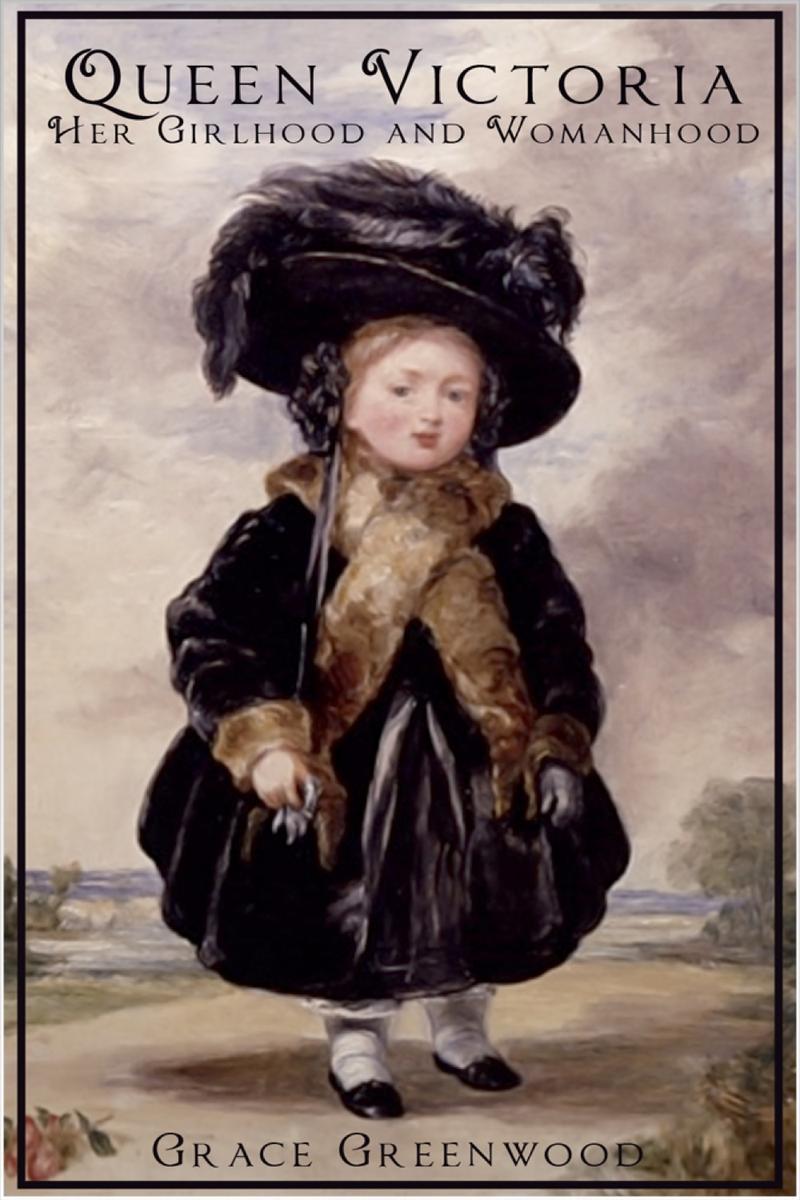
Queen Victoria - Her Girlhood and Womanhood
¥19.52
A fascinating biography of the great Queen Victoria by American author, poet and lecturer Sara Jane Lippincott, better known by her pen-name of Grace Greenwood.
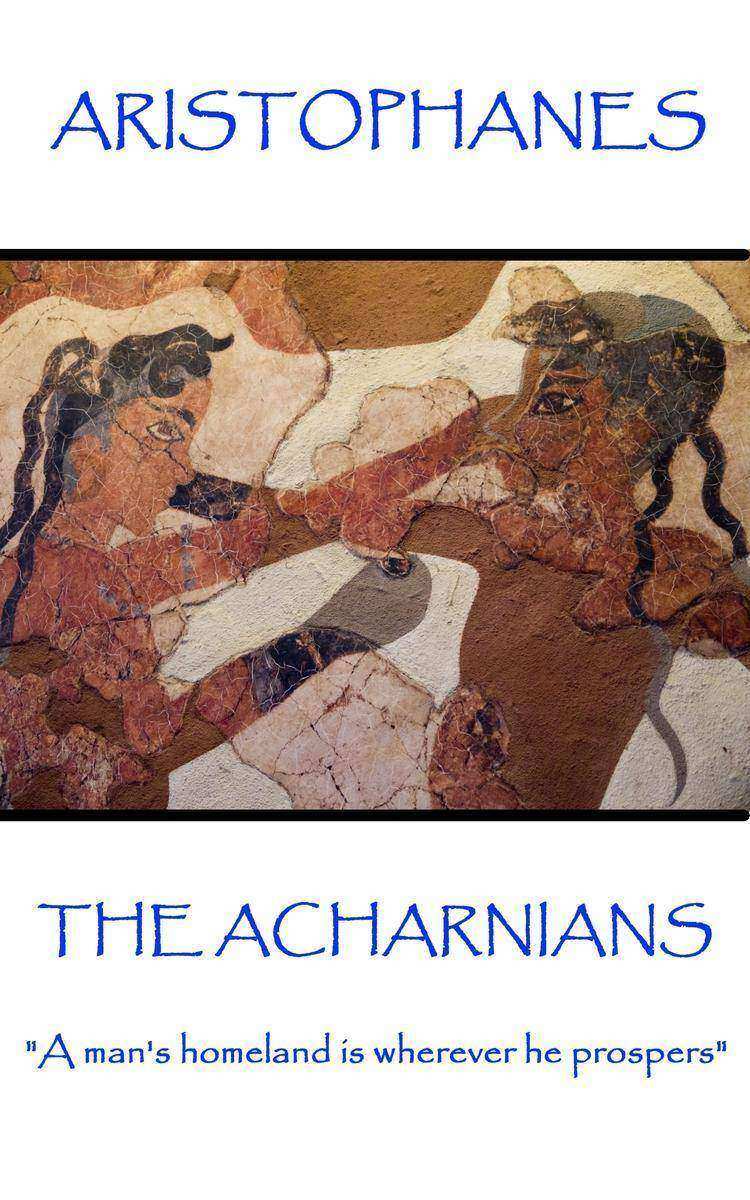
Acharnians - A man's homeland is wherever he prospers
¥11.67
The reality is that little is known of Aristophanes actual life but eleven of his forty plays survive intact and upon those rest his deserved reputation as the Father of Comedy or, The Prince of Ancient Comedy. Accounts agree that he was born sometime between 456BC and 446 BC. Many cities claim the honor of his birthplace and the most probable story makes him the son of Philippus of gina, and therefore only an adopted citizen of Athens, a distinction which, at times could be cruel, though he was raised and educated in Athens. His plays are said to recreate the life of ancient Athens more realistically than any other author could. Intellectually his powers of ridicule were feared by his influential contemporaries; Plato himself singled out Aristophanes' play The Clouds as a slander that contributed to the trial and condemning to death of Socrates and although other satirical playwrights had also caricatured the philosopher his carried the most weight. His now lost play, The Babylonians, was denounced by the demagogue Cleon as a slander against the Athenian polis. Aristophanes seems to have taken this criticism to heart and thereafter caricatured Cleon mercilessly in his subsequent plays, especially The Knights. His life and playwriting years were undoubtedly long though again accounts as to the year of his death vary quite widely. What can be certain is that his legacy of surviving plays is in effect both a treasured legacy but also in itself the only surviving texts of Ancient Greek comedy.
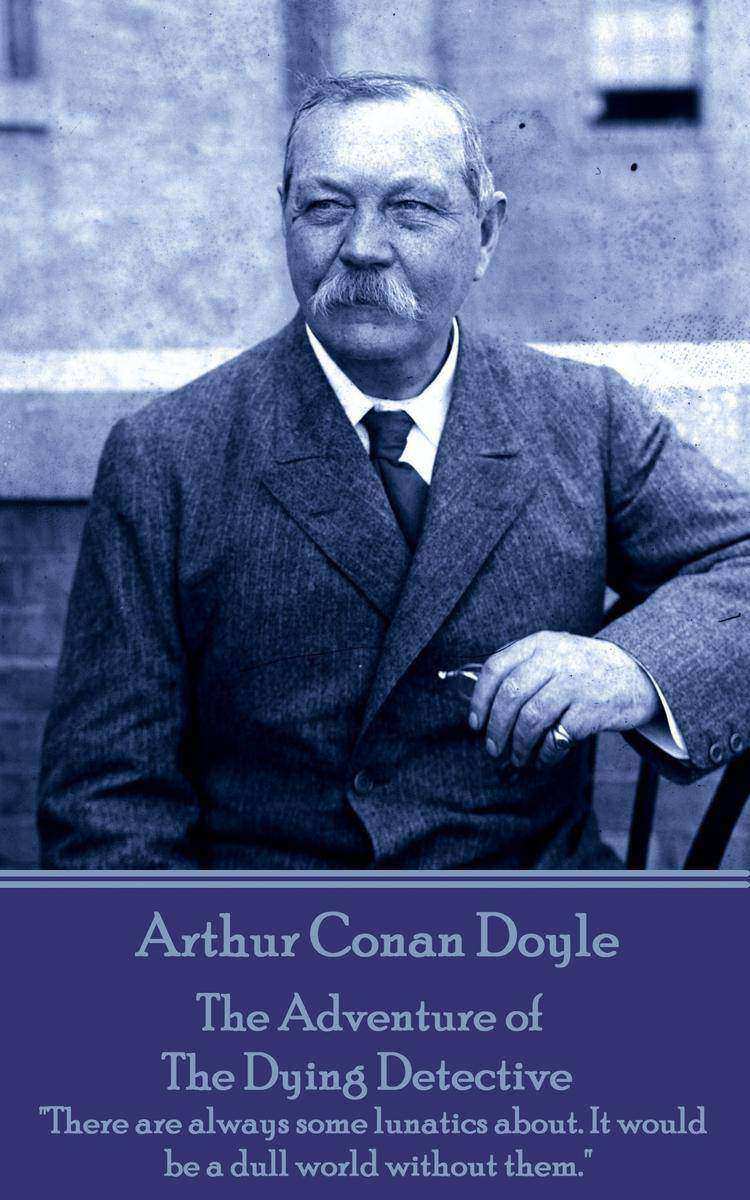
Adventure of the Dying Detective - There are always some lunatics about
¥14.03
If ever a writer needed an introduction Arthur Conan Doyle would not be considered that man. After all, Sherlock Holmes is perhaps the foremost literary detective of any age. Add to this canon his stories of science fiction and his poems, his historical novels, his plays, his political campaigning, his efforts in establishing a Court of Appeal and there is little room for anything else. Except he was also an exceptional writer of short stories of the horrific and macabre. Something very different from what you might expect. Born in Arthur Conan Doyle was born on 22 May 1859 at 11 Picardy Place, Edinburgh, Scotland. From 1876 - 1881 he studied medicine at the University of Edinburgh following which he was employed as a doctor on the Greenland whaler Hope of Peterhead in 1880 and, after his graduation, as a ship's surgeon on the SS Mayumba during a voyage to the West African coast in 1881. Arriving in Portsmouth in June of that year with less than GBP10 (GBP700 today) to his name, he set up a medical practice at 1 Bush Villas in Elm Grove, Southsea. The practice was initially not very successful. While waiting for patients, Conan Doyle again began writing stories and composed his first novel The Mystery of Cloomber. Although he continued to study and practice medicine his career was now firmly set as a writer. And thereafter great works continued to pour out of him.

Ulysses
¥23.45
Nicholas Rowe was born in Little Barford, Bedfordshire, England, on June 20th, 1674. He was educated at Highgate School, and then at Westminster School under the tutelage of Dr. Busby.In 1688, Rowe became a King's Scholar, and then in 1691 gained entrance into Middle Temple. This was his father's decision (he was a barrister) who felt that his son had made sufficient progress to study law. While at Middle Temple, he decided that studying law was easier if seen as a system of rational government and impartial justice and not as a series of precedents, or collection of positive precepts.On his father's death, when he was nineteen, he became the master of a large estate and an independent fortune. His future path now was to ignore law and write poetry with a view to eventually writing plays.The Ambitious Stepmother, Rowe's first play, produced in 1700 at Lincoln's Inn Fields by Thomas Betterton and set in Persepolis, was well received. This was followed in 1701 by Tamerlane. In this play the conqueror Timur represented William III, and Louis XIV is denounced as Bajazet. It was for many years regularly acted on the anniversary of William's landing at Torbay. In 1704, he tried his hand at comedy, with The Biter at Lincoln's Inn Fields. The play is said to have amused no one except the author, and Rowe returned to tragedy in Ulysses (1706). For Johnson, this play was to share the fate of many such plays based on mythological heroes, as, "e;We have been too early acquainted with the poetical heroes to expect any pleasure from their revival"e;The Royal Convert (1707) dealt with the persecutions endured by Aribert, son of Hengist and the Christian maiden Ethelinda. The story was set in England in an obscure and barbarous age. Rodogune was a tragic character, of high spirit and violent passions, yet with a wicked with a soul that would have been heroic if it had been virtuous.Rowe is however well known for his work on Shakespeare's plays. He published the first 18th century edition of Shakespeare in six volumes in 1709. His practical knowledge of the stage helped him divide the plays into scenes and acts, with entrances and exits of the players noted. The spelling of names was normalized and each play prefixed with a dramatis personae. This 1709 edition was also the first to be illustrated, a frontispiece engraving being provided for each play. Unfortunately, Rowe based his text on the discredited Fourth Folio, a failing which many succeeding him also followed.Rowe also wrote a short biography of William Shakespeare, entitled, Some Account of the Life of Mr. William Shakespeare.In Dublin in 1712 a revival of his earlier play, Tamerlane, at a time when political passions were running high, the performance provoked a serious riot.The Tragedy of Jane Shore, played at Drury Lane with Mrs Oldfield in the title role in 1714. It ran for nineteen nights, and kept the stage longer than any other of Rowe's works. In the play, which consists chiefly of domestic scenes and private distress, the wife is forgiven because she repents, and the husband is honoured because he forgives.Whilst his plays met with little success at the time his poems were received extremely well. Although he was not prolific nor his output large the quality was high. With the accession to the throne of George I he was made a surveyor of customs, and then, in 1715, he succeeded Nahum Tate as poet laureate. It was the high point of his artistic life.He was also appointed clerk of the council to the Prince of Wales, and in 1718 was nominated by Lord Chancellor Parker as clerk of the presentations in Chancery. Nicholas Rowe died on December 6th, 1718, and was buried in Westminster Abbey.Rowe married first a daughter of a Mr Parsons and left a son John. By his second wife Anne, nee Devenish, he had a daughter Charlotte.

Carrying the Vision
¥29.33
Using a trajectory of 20th century Anglican approaches to mission in rural Africa, the book tells the story of the development of an educational institution by tracing the faith journey of Eelin Beardall, a woman who dedicated thirty years of her life to the people of Nyamandlovu in Matabeleland region in Zimbabwe. Eelin and her husband Frank played a pioneering role in the development of Nyamandlovu's first secondary school. One of her greatest contributions to humanity was to carry out a vision for education both in the days of guerrilla warfare and in the context of post-independence troubles in rural Matabeleland. Eelin's bravery, resilience and care for African children earned her long-lasting love and respect among educationists and ordinary people alike. Her legacy continues today as an inspiration to those whose lives are dedicated to the service and welfare of others.

Planning for Learning through ICT
¥73.48
Planning for Learning through ICT aims to introduce young children to what ICT is, and provides over six weeks worth of activities that explore a range of technologies suitable for children 3-5. The book provides ideas for helping children learn about the different purposes of ICT and explores how to use ICT to create, to find information, to play, to shop. The book focuses in particular on how to use ICT creatively as well as outdoors. Whatever your daily learning, this book aims to show how ICT can be easily and appropriately included in your everyday play and learning.

Anekdoták
¥24.44
Vidám, r?vid valós t?rténetek a szerz? és családja életéb?l.
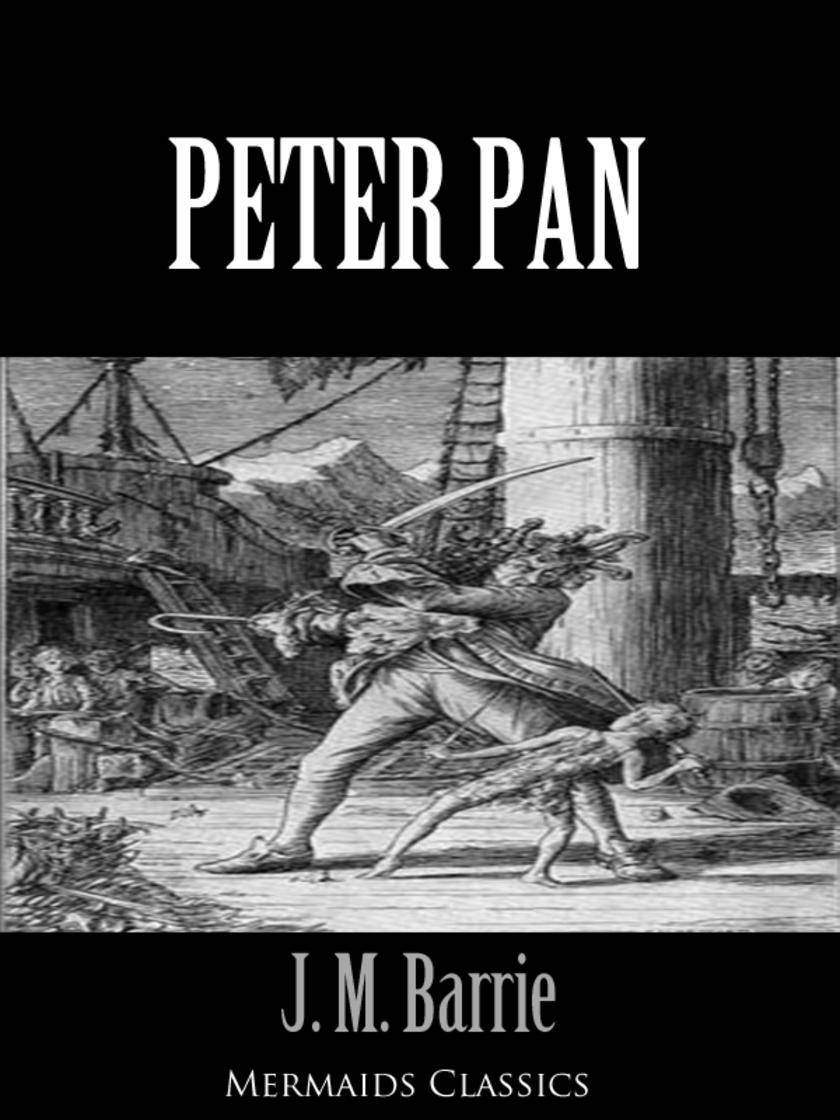
Peter Pan (Mermaids Classics)
¥35.22
Peter Pan (also known as Peter Pan and Wendy or Peter and Wendy) was written by J.M. Barrie (1860 - 1937) and was first published as a novel in 1911. The story follows a young boy who can fly and never grows old. He lives on an island called Neverland with a group of friends called The Lost Boys and fights with the fearsome pirate - Captain Hook. Other friends include fairies, mermaids and of course, children outside of Neverland.This digital edition is beautifully formatted with an active Table of Contents that goes directly to each chapter of the story. Mermaids Classics, an imprint of Mermaids Publishing brings the very best of old classic literature to a modern era of digital reading by producing high quality books in ebook format. All of the Mermaids Classics epublications are reproductions of classic antique books that were originally published in print format, mostly over a century ago and are now republished in digital format as ebooks. Begin to build your collection of digital books by looking for more literary gems from Mermaids Classics.
Oliver Twist (Mermaids Classics)
¥35.22
Oliver Twist, (also known as The Parish Boys Progress) by Charles Dickens (1812-1870) was first published in 1838. The story is about an orphan, Oliver Twist, who endures a miserable existence in a workhouse and then is placed with an undertaker. He escapes and travels to London where he meets the Artful Dodger, leader of a gang of juvenile pickpockets. Naively unaware of their unlawful activities, Oliver is led to the lair of their elderly criminal trainer Fagin. (Citation from Wikipedia)Mermaids Classics, an imprint of Mermaids Publishing brings the very best of old classic literature to a modern era of digital reading by producing high quality books in ebook format. All of the Mermaids Classics epublications are reproductions of classic antique books that were originally published in print format, mostly over a century ago and are now republished in digital format as ebooks. Begin to build your collection of digital books by looking for more literary gems from Mermaids Classics.
Pickwick Papers (Mermaids Classics)
¥35.22
The Pickwick Papers (1836), by Charles Dickens (1812-1870) follows the travelling adventures of Samuel Pickwick. Samuel is the president of the Pickwick Club and along with a few other members they set out on a journey to discover anything interesting about life and report it back to those remaining members of the Club.Mermaids Classics, an imprint of Mermaids Publishing brings the very best of old classic literature to a modern era of digital reading by producing high quality books in ebook format. All of the Mermaids Classics epublications are reproductions of classic antique books that were originally published in print format, mostly over a century ago and are now republished in digital format as ebooks. Begin to build your collection of digital books by looking for more literary gems from Mermaids Classics.
A párizsi regény
¥34.66
A párizsi regény


