


 购物车
购物车 个人中心
个人中心
12 Years A Slave - The original story behind the Oscar Winning Best Picture.
¥21.09
Twelve Years A Slave is subtitled Narrative of Solomon Northup, citizen of New York, kidnapped in Washington city in 1841, and rescued in 1853 from a cotton plantation near the Red River in Louisiana. This subtitle accurately describes the book which is entirely based on the true story of Solomon Northup as told to and edited by David Wilson. The book was published in 1853 and became a bestseller following Uncle Tom's Cabin which was set in the same kind of Louisiana cotton plantation that some of Twelve Years A Slave is set, but the book subsequently faded until the sixties and is now universally acclaimed following the award winning film. Solomon was born in 1808 to a father who had been a slave to the Northup family of Rhode Island but then freed and grew up in Minerva New York State. He married Anne who he had three children with and worked as a raftsmen, farmer and fiddle player. He gained a good reputation as a fiddle player and was tricked accepting an engagement that led to his kidnap and was subsequently taken to a slave market in Washington D.C. and then by ship to New Orleans in horrific conditions that resulted in the death of one of his fellow travellers. The injustice and indignity he suffered under a range of masters, some of whom beat him badly for alleging he was a free man, is accurately recounted in this truly remarkable story which relates the misery and inhumane treatment that so many slaves received in the South by their white masters. Finally through a Canadian abolitionist Solomon's plight was communicated to his family who struggled to locate him as no one knew him by his real name and he was being sold by one master to another but finally after 12 long years he was a free man again and reunited with his family. Whether you see the film or not, do not miss this unique and compelling narrative that captures the intensity of events, the characters and locations of Solomon Northup's enslavement.
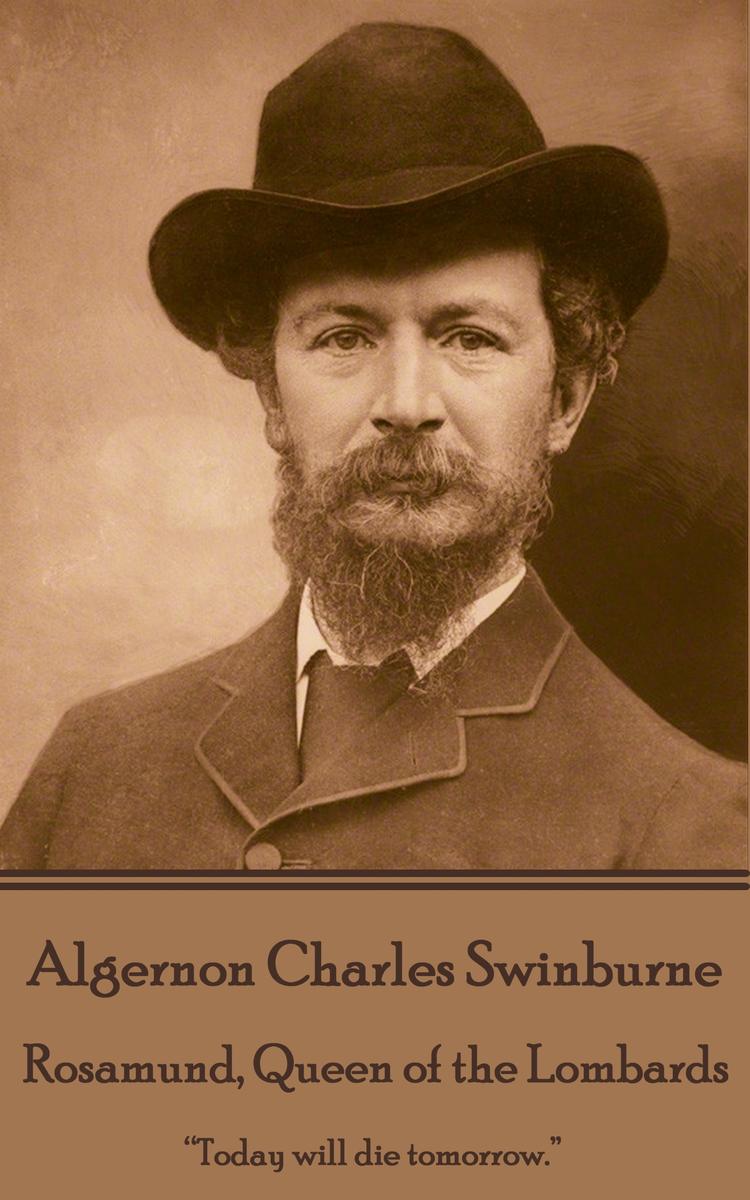
Rosamund, Queen of the Lombards - Today will die tomorrow.
¥14.03
Algernon Charles Swinburne was born on April 5th, 1837, in London, into a wealthy Northumbrian family. He was educated at Eton and at Balliol College, Oxford, but did not complete a degree. In 1860 Swinburne published two verse dramas but achieved his first literary success in 1865 with Atalanta in Calydon, written in the form of classical Greek tragedy. The following year "e;Poems and Ballads"e; brought him instant notoriety. He was now identified with "e;indecent"e; themes and the precept of art for art's sake. Although he produced much after this success in general his popularity and critical reputation declined. The most important qualities of Swinburne's work are an intense lyricism, his intricately extended and evocative imagery, metrical virtuosity, rich use of assonance and alliteration, and bold, complex rhythms. Swinburne's physical appearance was small, frail, and plagued by several other oddities of physique and temperament. Throughout the 1860s and 1870s he drank excessively and was prone to accidents that often left him bruised, bloody, or unconscious. Until his forties he suffered intermittent physical collapses that necessitated removal to his parents' home while he recovered. Throughout his career Swinburne also published literary criticism of great worth. His deep knowledge of world literatures contributed to a critical style rich in quotation, allusion, and comparison. He is particularly noted for discerning studies of Elizabethan dramatists and of many English and French poets and novelists. As well he was a noted essayist and wrote two novels. In 1879, Swinburne's friend and literary agent, Theodore Watts-Dunton, intervened during a time when Swinburne was dangerously ill. Watts-Dunton isolated Swinburne at a suburban home in Putney and gradually weaned him from alcohol, former companions and many other habits as well. Much of his poetry in this period may be inferior but some individual poems are exceptional; "e;By the North Sea,"e; "e;Evening on the Broads,"e; "e;A Nympholept,"e; "e;The Lake of Gaube,"e; and "e;Neap-Tide."e; Swinburne lived another thirty years with Watts-Dunton. He denied Swinburne's friends access to him, controlled the poet's money, and restricted his activities. It is often quoted that 'he saved the man but killed the poet'. Algernon Charles Swinburne died on April 10th, 1909 at the age of seventy-two.
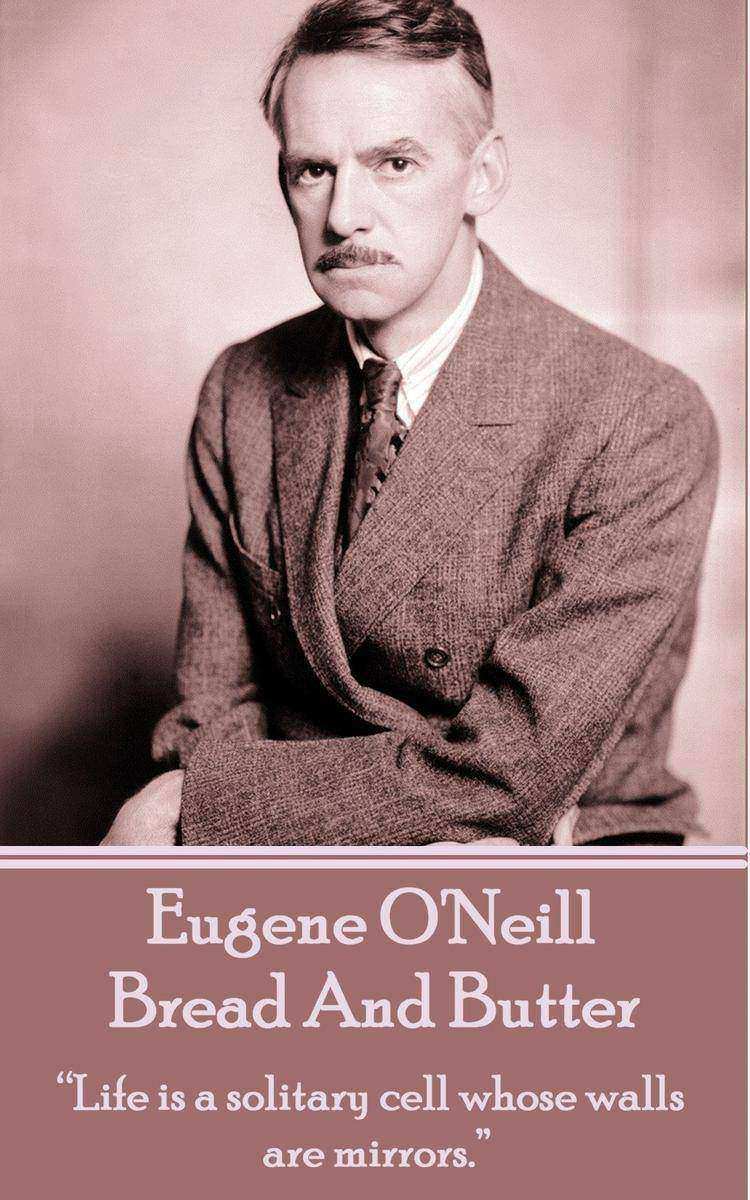
Bread And Butter - Life is a solitary cell whose walls are mirrors.
¥23.45
Eugene Gladstone O'Neill was born on October 16, 1888 in a hotel bedroom in what is now Times Square, New York. Much of his childhood was spent in the comfort of books at boarding schools whilst his actor father was on the road and his Mother contended with her own demons. He spent only a year at University - Princeton - and various reasons have been given for his departure. However whatever his background and education denied or added to his development it is agreed amongst all that he was a playwright of the first rank and possibly America's greatest. His introduction of realism into American drama was instrumental in its development and paved a path for many talents thereafter. Of course his winning of both the Pulitzer Prize (4 times) and the Nobel Prize are indicative of his status. His more famous and later works do side with the disillusionment and personal tragedy of those on the fringes of society but continue to build upon ideas and structures he incorporated in his early one act plays. Eugene O'Neill suffered from various health problems, mainly depression and alcoholism. In the last decade he also faced a Parkinson's like tremor in his hands which made writing increasingly difficult. But out of such difficulties came plays of the calibre of The Iceman Cometh, Long Day's Journey Into Night, and A Moon for the Misbegotten. Eugene O'Neill died in Room 401 of the Sheraton Hotel on Bay State Road in Boston, on November 27, 1953, at the age of 65. As he was dying, he whispered his last words: "e;I knew it. I knew it. Born in a hotel room and died in a hotel room."e;
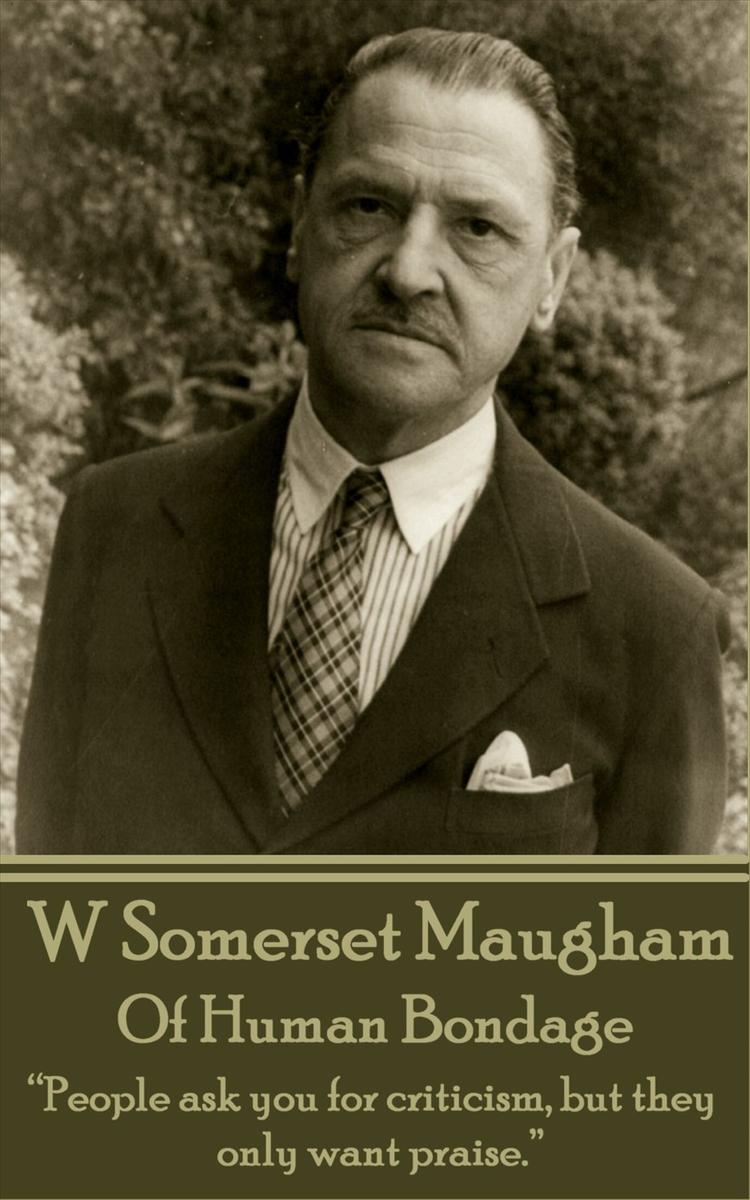
Of Human Bondage
¥46.99
William Somerset Maugham's Of Human Bondage is generally considered to be an autobiographical fiction where the different events happening to the protagonist, Philip, stand for the hardships that Maugham himself faced throughout his life. The story begins when Phillip successively loses both parents and is sent to stay in his uncle's vicarage in a small Kent village named Blackstable. Being taken from one of Spinoza's works, the title alludes to the novel's deeply-philosophical aspect and pressing existential and theological questions. The narrative recounts Phillip's different experiences with women, mainly his rather masochistic love for the hospital waitress, Mildred, who keeps on disappointing him. It also speaks about his constant wavering between different fields of study, namely theology, art and medicine. His uncle's collection of books provides him with continuous flights into the world of fiction and helps him enrich his imagination and worldly experience. By the end of the novel, Phillip seems to give up his philosophical idealism and to finally apprehend that life should be taken simply in order to be lived fully and happily. The happy resolution parallels Maugham's life achievements as a wealthy and prized playwright and novelist.
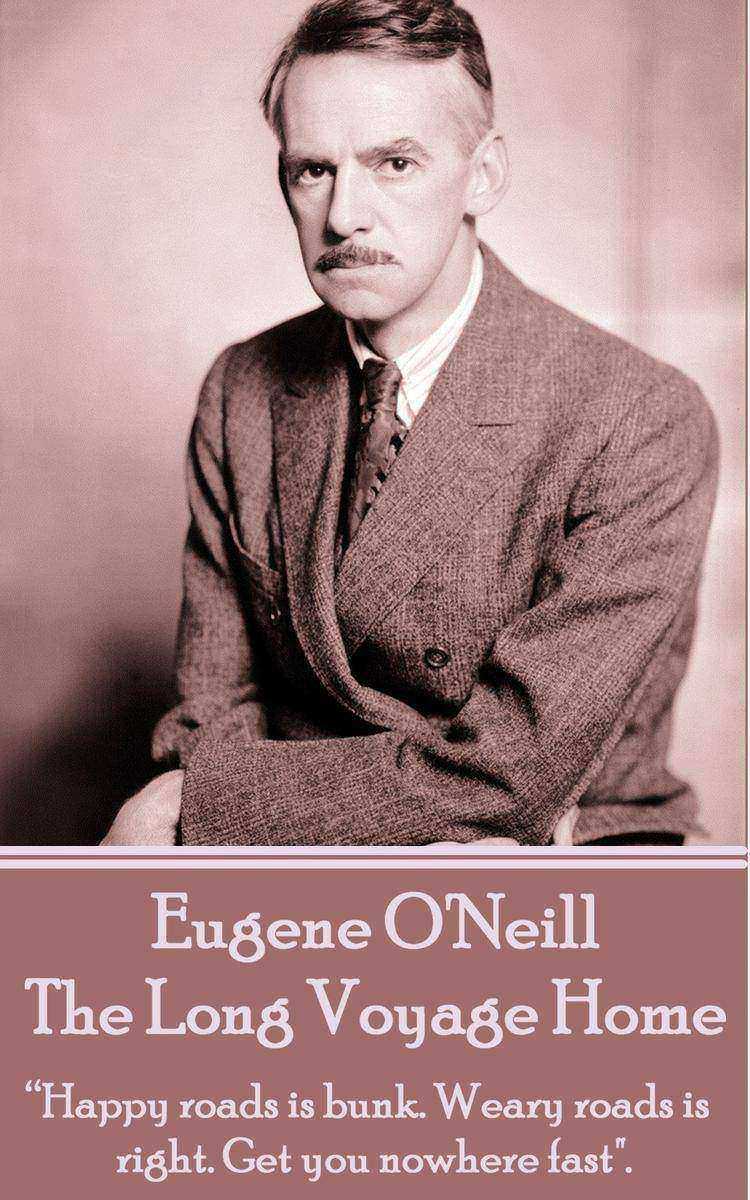
Long Voyage Home - Happy roads is bunk. Weary roads is right. Get you nowhere fa
¥14.03
Eugene Gladstone O'Neill was born on October 16, 1888 in a hotel bedroom in what is now Times Square, New York. Much of his childhood was spent in the comfort of books at boarding schools whilst his actor father was on the road and his Mother contended with her own demons. He spent only a year at University - Princeton - and various reasons have been given for his departure. However whatever his background and education denied or added to his development it is agreed amongst all that he was a playwright of the first rank and possibly America's greatest. His introduction of realism into American drama was instrumental in its development and paved a path for many talents thereafter. Of course his winning of both the Pulitzer Prize (4 times) and the Nobel Prize are indicative of his status. His more famous and later works do side with the disillusionment and personal tragedy of those on the fringes of society but continue to build upon ideas and structures he incorporated in his early one act plays. Eugene O'Neill suffered from various health problems, mainly depression and alcoholism. In the last decade he also faced a Parkinson's like tremor in his hands which made writing increasingly difficult. But out of such difficulties came plays of the calibre of The Iceman Cometh, Long Day's Journey Into Night, and A Moon for the Misbegotten. Eugene O'Neill died in Room 401 of the Sheraton Hotel on Bay State Road in Boston, on November 27, 1953, at the age of 65. As he was dying, he whispered his last words: "e;I knew it. I knew it. Born in a hotel room and died in a hotel room."e;
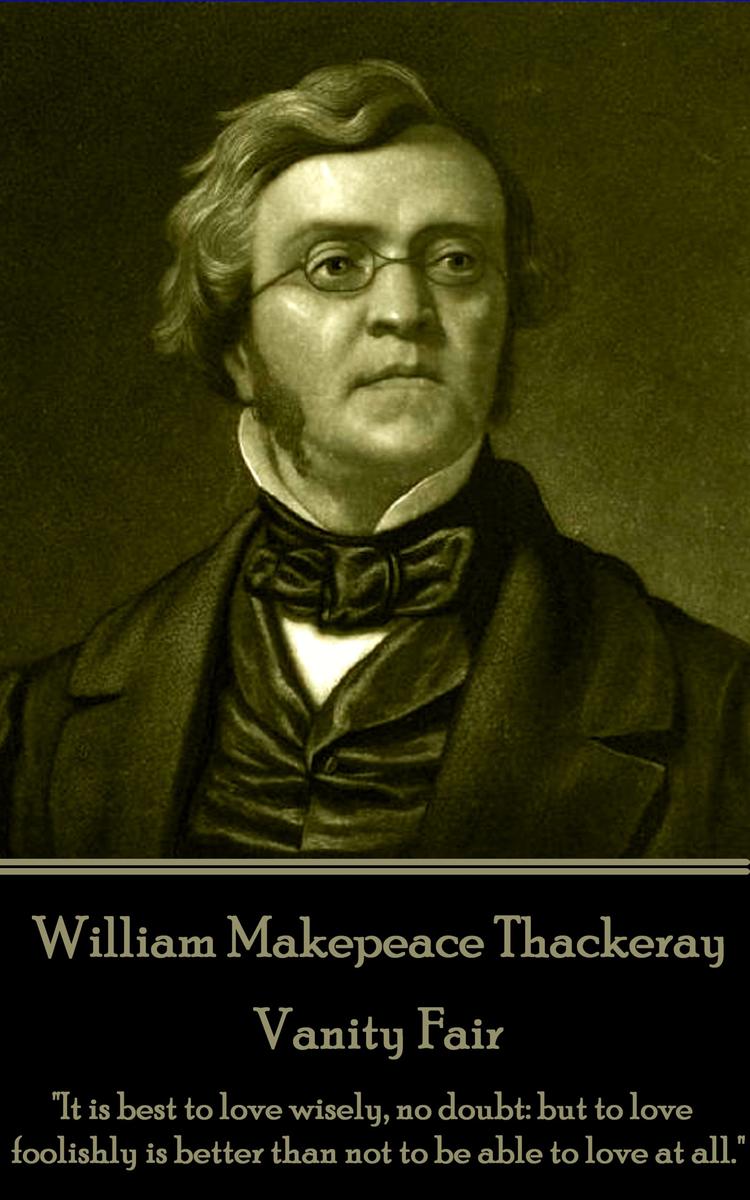
Vanity Fair - It is best to love wisely, no doubt
¥43.46
The great author of Vanity Fair and The Luck Of Barry Lyndon was born in India in 1811. At age 5 his father died and his mother sent him back to England. His education was of the best but he himself seemed unable to apply his talents to a rigorous work ethic. However, once he harnessed his talents the works flowed in novels, articles, short stories, sketches and lectures. Sadly, his personal life was rather more difficult. After a few years of marriage his wife began to suffer from depression and over the years became detached from reality. Thackeray himself suffered from ill health later in his life and the one pursuit that kept him moving forward was that of writing. In his life time, he was placed second only to Dickens. High praise indeed.
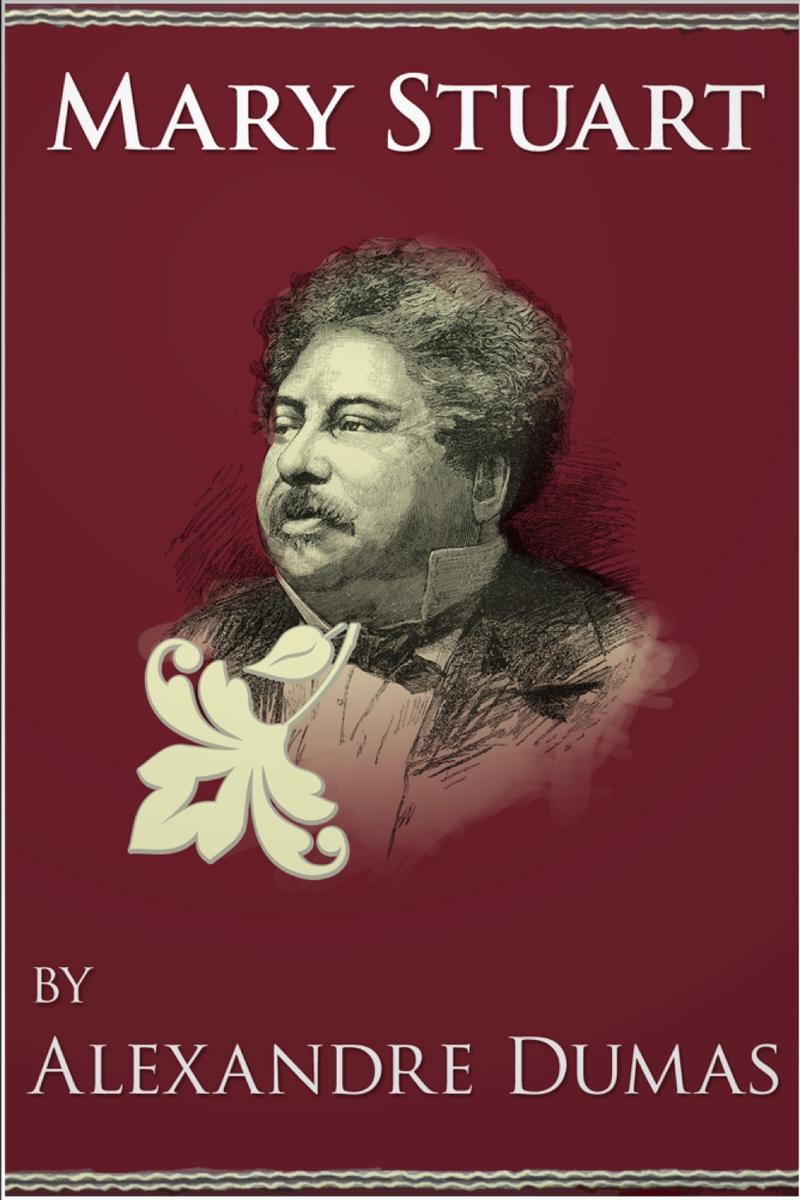
Mary Stuart
¥19.52
This text was taken from 'Celebrated Crimes', a series of essays on famous criminals and crimes by the author of 'The Count of Monte Cristo' and 'The Three Musketeers', Alexandre Dumas. This volume is on Mary Stuart, better known as Mary Queen of Scots.
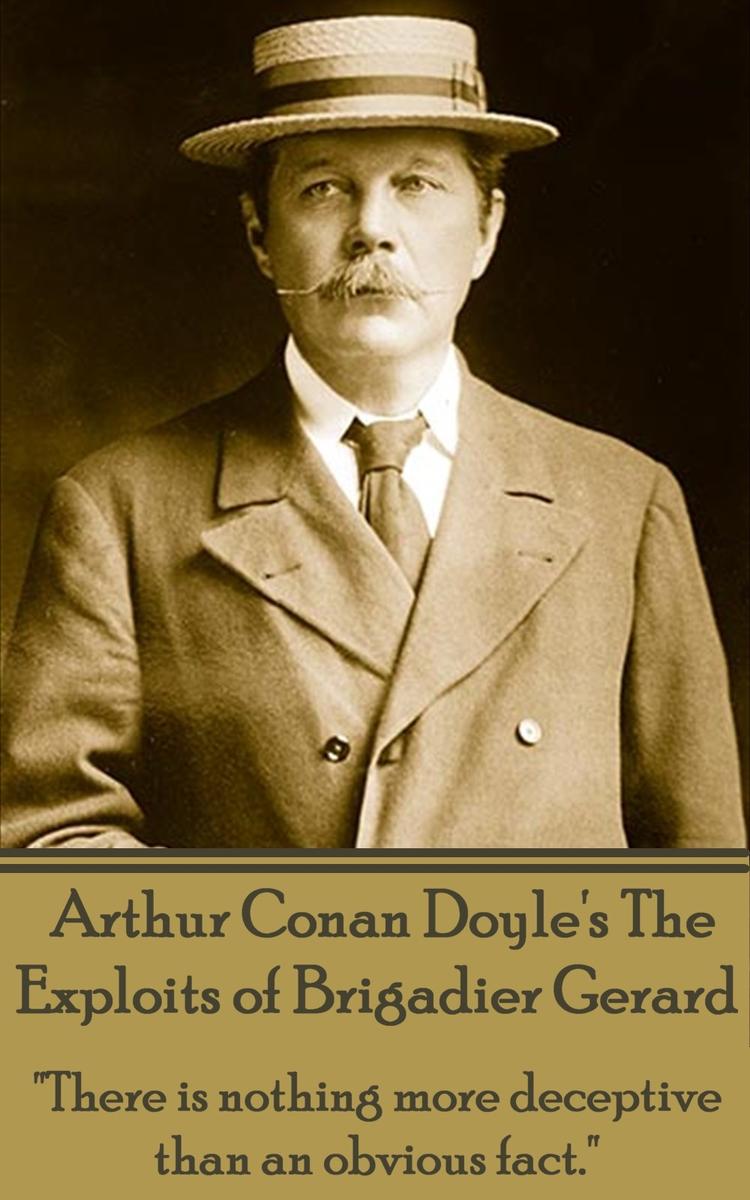
Exploits of Brigadier Gerard - There is nothing more deceptive than an obvious f
¥29.33
If ever a writer needed an introduction Arthur Conan Doyle would not be considered that man. After all, Sherlock Holmes is perhaps the foremost literary detective of any age. Add to this canon his stories of science fiction and his poems, his historical novels, his political campaigning, his efforts in establishing a Court Of Appeal and there is little room for anything else. Born in Arthur Conan Doyle was born on 22 May 1859 at 11 Picardy Place, Edinburgh, Scotland. From 1876 - 1881 he studied medicine at the University of Edinburgh following which he was employed as a doctor on the Greenland whaler Hope of Peterhead in 1880 and, after his graduation, as a ship's surgeon on the SS Mayumba during a voyage to the West African coast in 1881. Arriving in Portsmouth in June of that year with less than GBP10 (GBP700 today to his name, he set up a medical practice at 1 Bush Villas in Elm Grove, Southsea. The practice was initially not very successful. While waiting for patients, Conan Doyle again began writing stories and composed his first novel The Mystery of Cloomber. Although he continued to study and practice medicine his career was now firmly set as a writer. And thereafter great works continued to pour out of him. Here we one of those pieces for which his fame does not spread quite so far but which is an essential part of his work - 'The Exploits of Brigadier Gerard'.
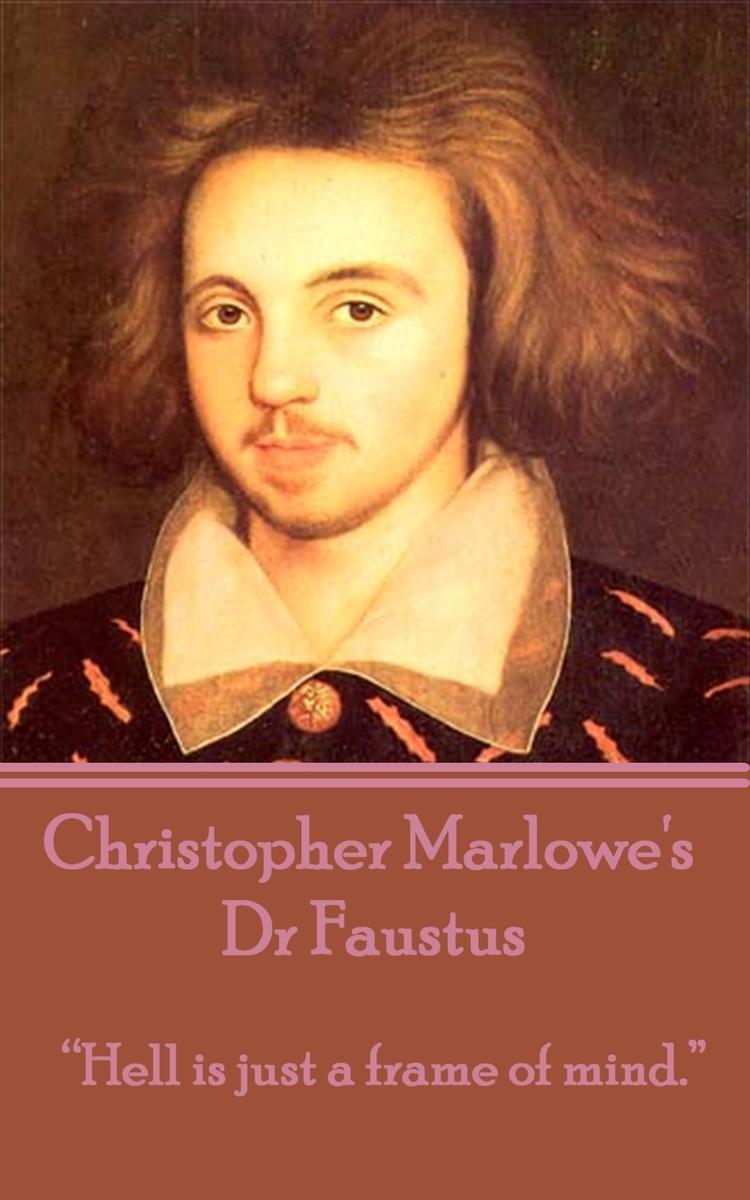
Dr Faustus - Hell is just a frame of mind.
¥9.32
In this foundational classic play, Christopher Marlowe beautifully retells the legend of Doctor Faustus in a masterful combination of verse and prose. The celebrated moral of the play is about how excessive ambition and unlimited lust for knowledge and power lead to self-destruction and damnation. The protagonist in the story is a talented lower-class man who is obsessed with the study of sciences and the secrets of life. His excessive academic ambition and his reliance solely on logic and reason lead him to cogitate about the nature of the world and its existence and to question the utility of the "e;doctrine of Divinity."e; Unsatisfied with the knowledge that pure and experimental sciences can offer, he eventually decides to explore the curious world of Black Magic. Through the recital of a strange incantation, Faustus succeeds in summoning a devil called Mephistopheles who informs him that he will only obey his orders once a pact is signed between Faustus and the devil's master: Lucifer. The pact is signed by Faustus' own blood and stipulates that in return of Mephistopheles' services, which unexpectedly turn to be unworthy by the end, he must give his soul over to Lucifer. The denouement of the play opens the floor for different speculations about Faustus' damnation or salvation.
Hengist, King of Kent - or, The Mayor of Quinborough
¥23.45
Thomas Middleton was born in London in April 1580 and baptised on 18th April. Middleton was aged only five when his father died. His mother remarried but this unfortunately fell apart into a fifteen year legal dispute regarding the inheritance due Thomas and his younger sister. By the time he left Oxford, at the turn of the Century, Middleton had and published Microcynicon: Six Snarling Satirese which was denounced by the Archbishop of Canterbury and publicly burned. In the early years of the 17th century, Middleton wrote topical pamphlets. One - Penniless Parliament of Threadbare Poets was reprinted several times and the subject of a parliamentary inquiry. These early years writing plays continued to attract controversy. His writing partnership with Thomas Dekker brought him into conflict with Ben Jonson and George Chapman in the so-called War of the Theatres. His finest work with Dekker was undoubtedly The Roaring Girl, a biography of the notorious Mary Frith. In the 1610s, Middleton began another playwriting partnership, this time with the actor William Rowley, producing another slew of plays including Wit at Several Weapons and A Fair Quarrel. The ever adaptable Middleton seemed at ease working with others or by himself. His solo writing credits include the comic masterpiece, A Chaste Maid in Cheapside, in 1613. In 1620 he was officially appointed as chronologer of the City of London, a post he held until his death. The 1620s saw the production of his and Rowley's tragedy, and continual favourite, The Changeling, and of several other tragicomedies. However in 1624, he reached a peak of notoriety when his dramatic allegory A Game at Chess was staged by the King's Men. Though Middleton's approach was strongly patriotic, the Privy Council silenced the play after only nine performances at the Globe theatre, having received a complaint from the Spanish ambassador. What happened next is a mystery. It is the last play recorded as having being written by Middleton. Thomas Middleton died at his home at Newington Butts in Southwark in the summer of 1627, and was buried on July 4th, in St Mary's churchyard which today survives as a public park in Elephant and Castle.
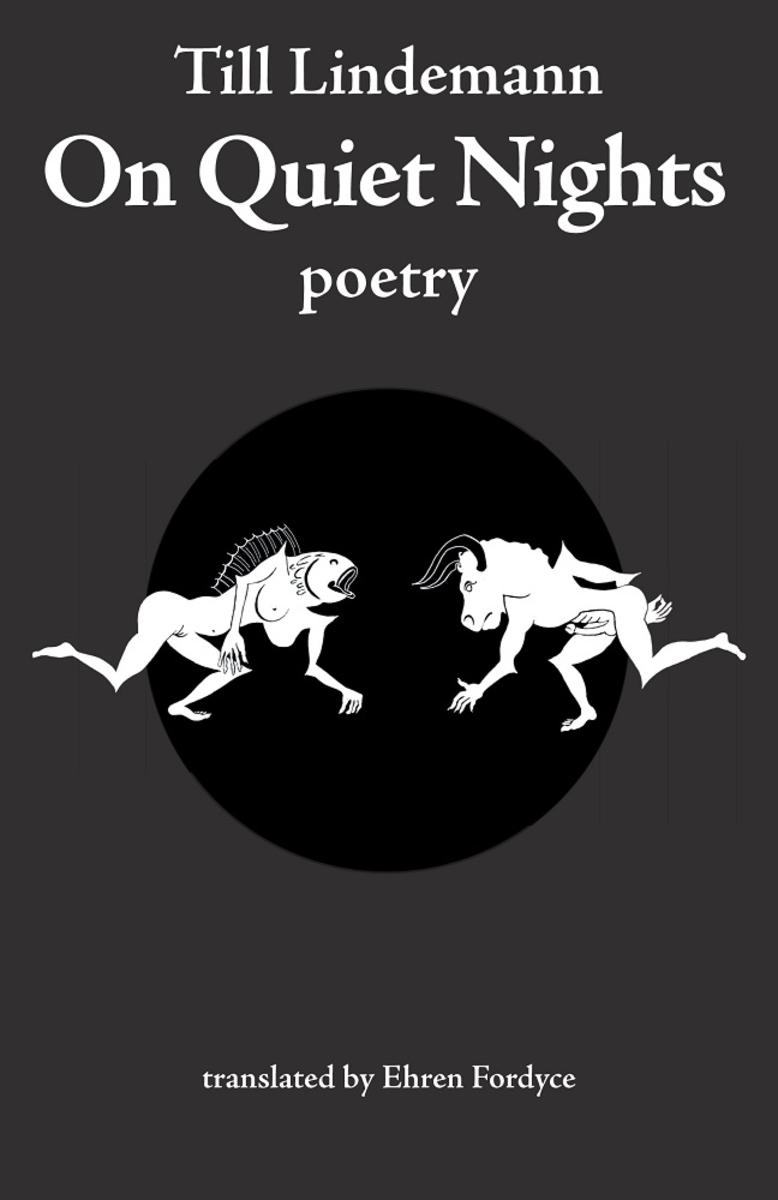
On Quiet Nights
¥65.32
There's a place inside us that is cloaked in darkness, rubbed raw with silence. It's a shadow wrapped in a shadow and it screams, but it screams in harsh whispers. This collection explores the blackness within, the gritty underground that hides inside memories and cowers just outside fear. The poems, paired with illustrations from Matthias Matthies work in sync to create a collage of blunt sexuality, masochistic, and sometimes sadistic recollections of love, reflection, and self-exploration.??Lindemann paints pictures with his poems, a slave to the vulnerability and sexuality that drives mankind. His words themselves are body modifications that settle on readers, piercing then slowly penetrating and pumping his audience full with a mix of pleasure and pain. A combination of longing, emotional depth, and bestial intuition, these pieces evoke an innate nature to seek pleasure, to ask for forgiveness, to instill blame. ??On Quiet Nights pulls back the curtains at night and asks readers to think about who they are. Lindemann holds a mirror to soul, capturing desire and need, with the courage to answer some of life's biggest questions: Who am I? What am I? Why am I?
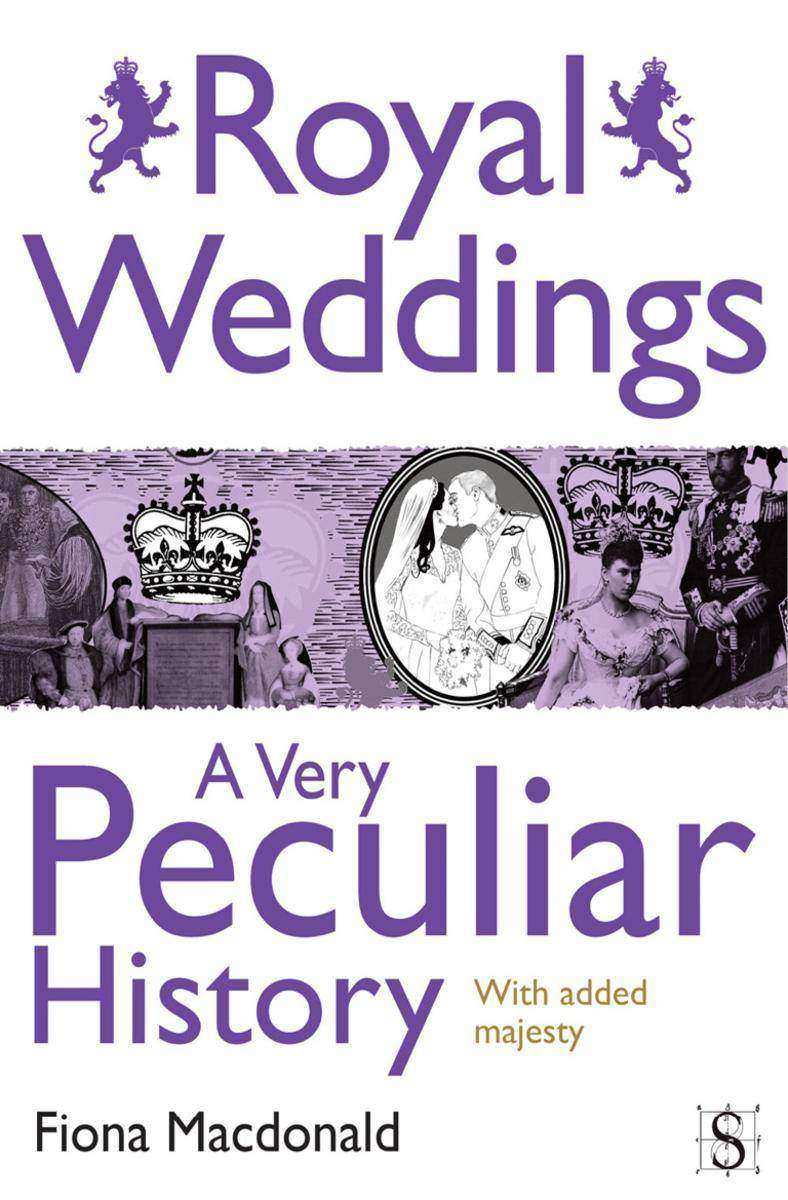
Royal Weddings, A Very Peculiar History
¥58.76
With the echo of regal church bells still ringing in the ears of royalists and well-wishers worldwide, Fiona Macdonald take a look at the quirky, odd and downright bizarre circumstances surrounding the weddings of the kings, queens, princes and princesses of Britain. One must leave one's sense of decorum at the palace gates as the author tells the wacky stories surrounding the preparations, dresses, ceremonies and national moods that went with the excitement of a royal wedding, from England's resident marriage addict Henry VIII, through Anne Hyde, the 'commoner' who birthed two queens, right up to Prince Charles, Princess Diana and their son and daughter-in-law to be. Featuring facts, figures and family trees, Royal Weddings, A Very Peculiar History is sure to keep one in the spirit of things, even after the last fleck of confetti has touched the ground.
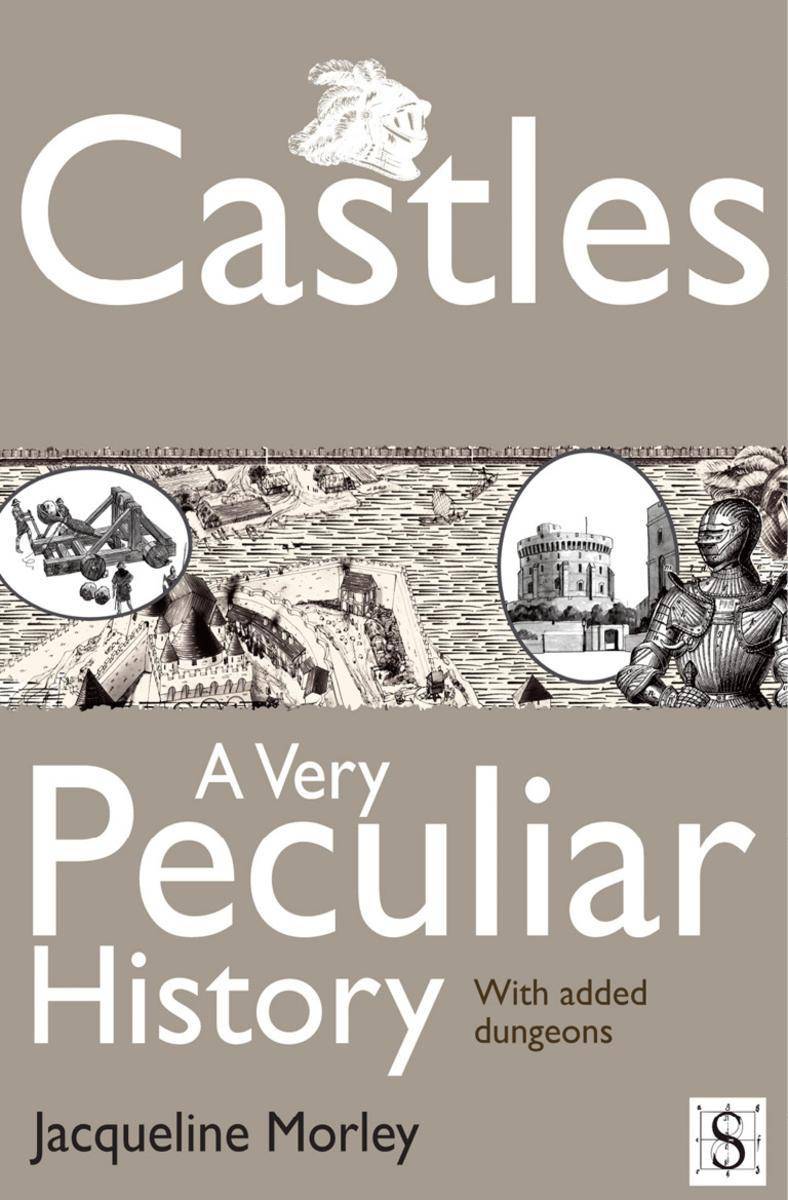
Castles, A Very Peculiar History
¥58.76
Whether you're planning your first seige, building a fortress or just looking for a way to escape the peasants below, 'Castles: A Very Peculiar History' is full of tips, tricks and horror stories from the castle-building trade. We can't all match up to the combined beauty and danger of the Tower of London, but in this title you'll learn who developed the world's first flat-pack castle, the difference between donjeons and dungeons (it's important, trust us) and even the best time of year for a siege. Discover how a fortress was brought down by forty pigs and even how to use a common plant to defect lightning! Gasp in horrible glee at the many horrid substances poured onto beseigers through those dastardly trebuchets (there are things worse than boiling hot oil!). From the keep to the bailey, 'Castles: A Very Peculiar History' is all you need to learn how to build, manage and defend a mighty fortress.

10 Science Lesson Plans for KS1 - Volume 1
¥48.95
These 10 Science Lessons cover the programs of study for Key Stage 1 Science as set out in the National Curriculum and are also based around the QCA topic 'Sorting and Using Materials' .Within the lessons are opportunities to develop knowledge, skills and understanding from first-hand experience as well as developing investigative skills. Each lesson includes a list of resources, practical activities, lesson objectives, outcomes and extension activities for cross curricular work that include ICT opportunities as well as assessment.
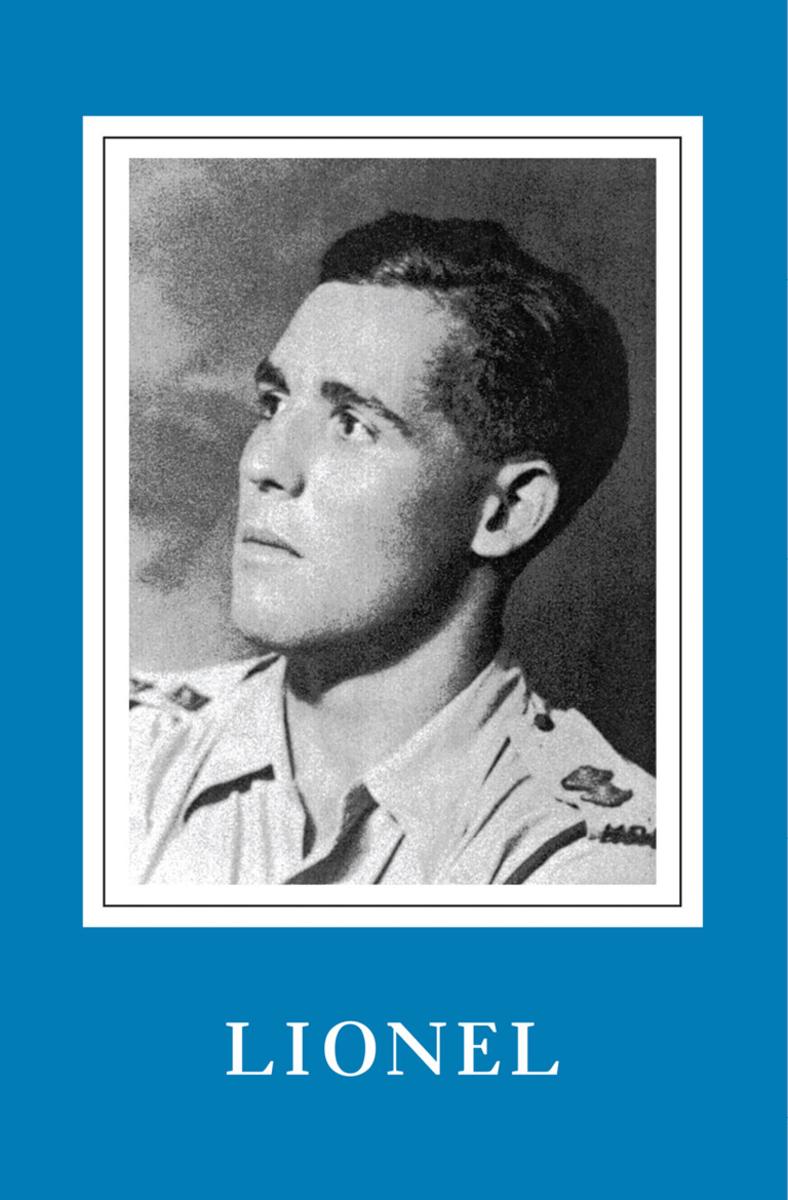
Lionel
¥112.72
The exceptional circumstances of Lionel MosseIri's short but remarkable life and military career are described by his stepfather, Louis Marlio, in the Preface to letters which Lionel wrote home to his family.Highly-intelligent, articulate and revealing a disciplined, philosophical and visionary mind, Lionel's letters are sufficiently thought-provoking and well-written to justify publication. He had received an English public school education and was trained and served in both British and French armies. When he was killed on 25 November, 1944, Lionel MosseIri was leading a French detachment into Masevaux, the first city in Upper Alsace to be freed from the German Occupation. He was just twenty-three years old. Who knows the future there might have been for him in the peacetime Europe for which he fought so hard?This book is dedicated by his step-father and brothers in honour of his memory, and to his fallen comrades who are remembered with him.
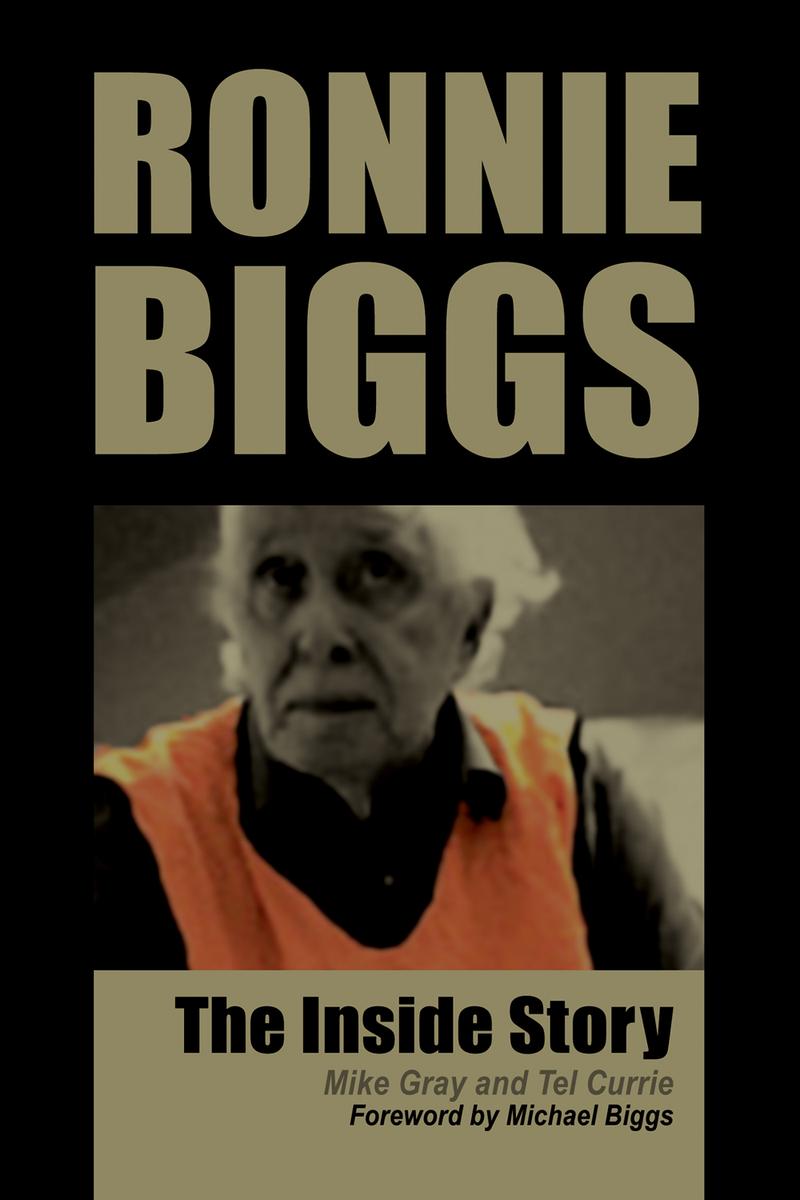
Ronnie Biggs - The Inside Story
¥73.48
Ronnie Biggs: The Inside Story, written by two of Ronnie Biggs's closest friends and most ardent supporters, delivers exactly what it says on the label, giving a very personal, unique and yet disturbing insight into the mind and subsequent treatment by the judicial and penal systems of the man that became a legendary household name for his role in one of Britain's most notorious crimes, the Great Train Robbery of 1963, and his subsequent life on the run upon his escape from prison in 1965. Raising pointed questions and dispelling many myths, the story makes one wonder who is the greater criminal: the carpenter that played a bit part in an unarmed robbery 45 years ago, who has remained incarcerated since his return to the UK in 2001 despite the fact that he is now a frail, wheelchair-bound 79-year-old grandfather who is no threat to society, is fed via a tube to his stomach and can only communicate by pointing to letters on a laminated sheet; or the justice and prison systems that have allowed him to rot in jail for so long. One thing's for sure, although Ronnie Biggs's body is letting him down after a series of strokes and other illnesses, his legal team, campaign supporters, underworld friends and devoted family certainly aren't, and neither is his own fighting spirit or his humanity in the face of inhumanity. All he wants now is to be able to die a free man rather than suffer "e;a slow crucifixion on the Home Office cross"e;, and once all the facts have been digested one can only be moved to ask: "e;How could anyone deny him that?"e;

Great Britons, A Very Peculiar History
¥58.76
Great Britain can be accused of many things; a proliferation of queuing, a fondness of the demon drink; but it's not without more than its fair share of important historical and modern people. 'Great Britons: A Very Peculiar History' looks at a myriad brillliant Britons and their influence on the world. The book features a short potted history of each person, detailing their acheivements, personalities and lifestyles in a quirky and memorable way. From kings and queens, pirates and politicians, actors and directors to sportsmen, explorers, scientists and inventors, 'Great Britons: A Very Peculiar History' celebrates the men and women who have shaped Great Britain and made it what it is today.
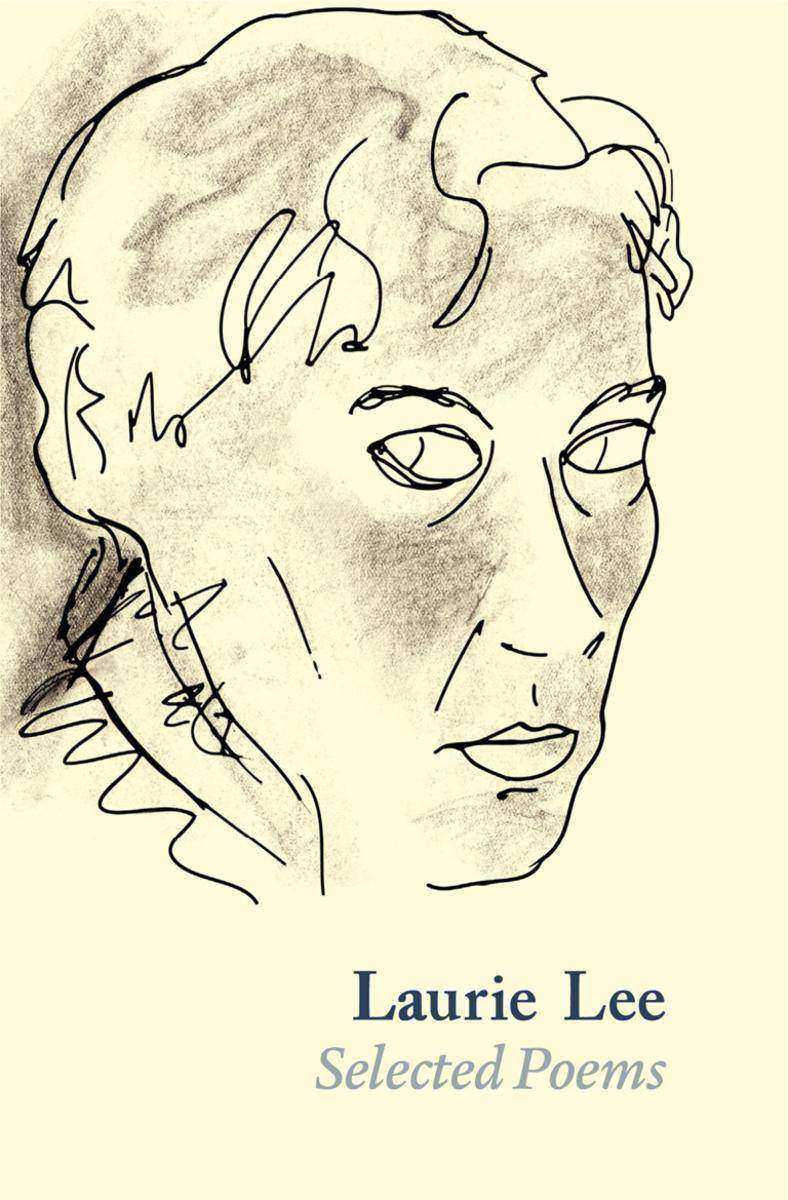
Laurie Lee Selected Poems
¥98.00
Lee's first love was always poetry, though he was only moderately successful as a poet. Lee's first poem appeared in The Sunday Referee in 1934. Another poem was published in Cyril Connolly's Horizon magazine in 1940 and his first volume of poems, The Sun My Monument, was launched in 1944. This was followed by The Bloom of Candles (1947) and My Many-coated Man (1955). Several poems written in the early 1940s reflect the atmosphere of the war, but also capture the beauty of the English countryside. The poem "e;Twelfth Night"e; from My Many-coated Man was set for unaccompanied mixed choir by American composer Samuel Barber in 1968.

Maria's Story
¥39.14
When Robin Barratt and his wife first met Maria in Moscow, they had no idea how much of an impact she would have on their own lives. From the initial interest in her story, the horror of discovering her daily struggle to survive through to active involvement in trying to improve her life. Living on the streets and begging is a harsh reality for many in Russia but for those with a disability life can be doubly cruel. Overlooked by the authorities and people who should have helped her, Maria willingly shared her story with the author who, in turn, made a promise, not only to tell the world about her situation, but to try and make a real difference. Maria's Story documents the true story of one woman's fight for survival against all the odds and those who tried to help her. It uncovers the truth of how many people continue to live in poverty in one of the world's most vibrant cities. Desperately sad, haunting but frequently uplifting, this book is a tale about overcoming adversity and, above all, never losing hope.

傲慢与偏见(英文版)
¥23.99
这是奥斯汀*受欢迎的一部小说,它写的是爱情纠葛,但显然并不限于爱情。一本书能成为名著,当然不仅仅它能让人感到愉悦,更重要的是,它能让人有所启迪。 那时候,作者就告诉我们:为了财产、金钱和地位而结婚是错误的。但是,200年后,我们不还是如此吗?
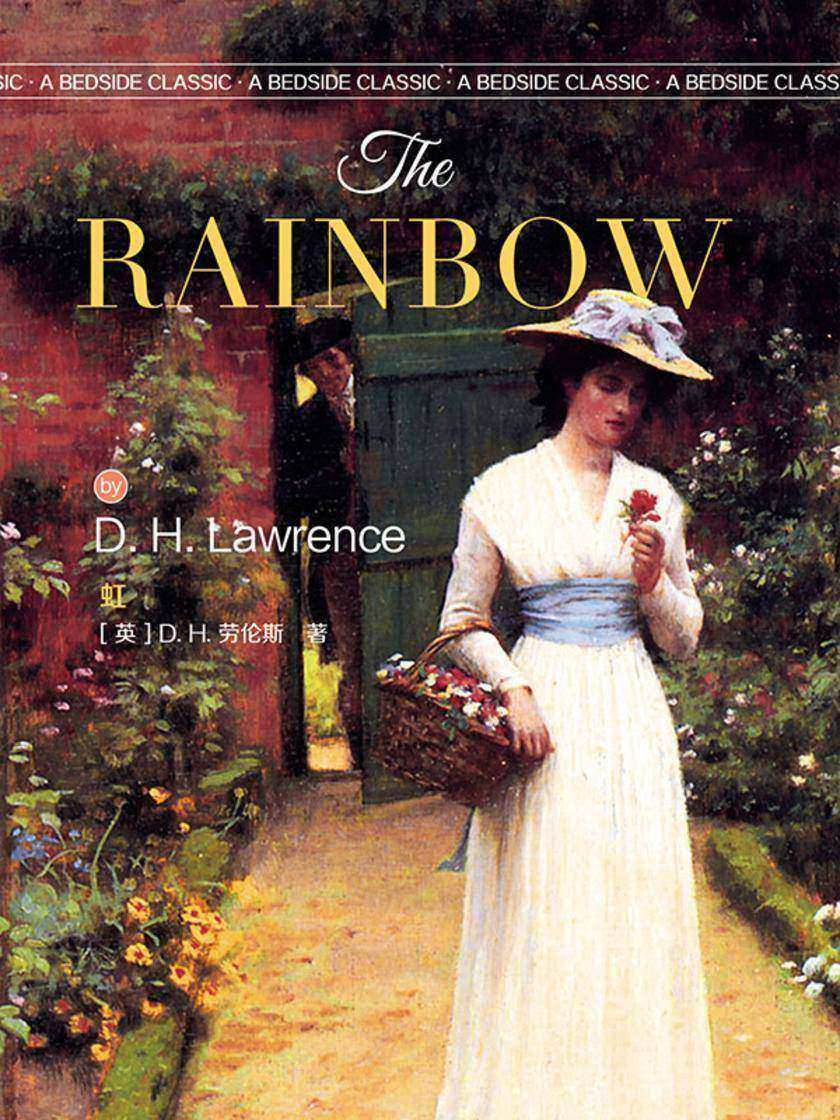
虹(英语文库)
¥20.99
本书作为我社“经典英语文库”第15辑中的一种,精选由英国著名作家D.H劳伦斯劳伦斯创作的长篇小说《虹》。本书通过一家三代人的遭遇,描述了工业革命给传统的乡村带来的巨大变化,同时以巨大的热情和深度,探索有关性的心理问题。代人的生活带有田园诗的色彩,同时也预示古老文明即将结束。第二代人精神的苦闷和呆滞的目光,是令人窒息的工业化社会的好注解。第三代人的探索具有积极的社会意义,表达了人们要冲破狭窄的生活圈子,渴望一种自然和谐的生活。


