


 购物车
购物车 个人中心
个人中心

A kozákok
¥28.53
A kozákok
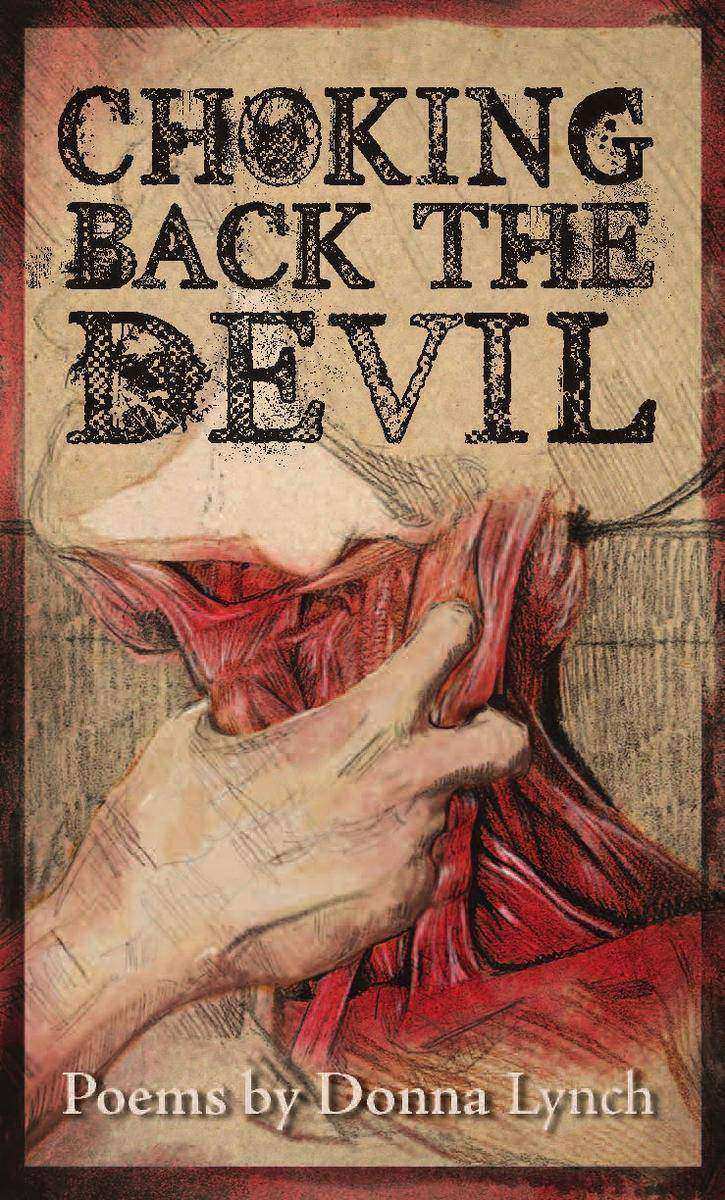
Choking Back the Devil
¥40.79
Choking Back the Devil by Donna Lynch is an invocation, an ancient invitation that summons the darkness within and channels those lonely spirits looking for a host. It's a collection that lives in the realm of ghosts and family curses, witchcraft and urban legends, and if you're brave enough to peek behind the veil, the hauntings that permeate these pages will break seals and open doorways, cut throats and shatter mirrors. You see, these poems are small drownings, all those subtle suffocations that live in that place between our ribs that swells with panic, incubates fear. Lynch shows her readers that sometimes our shadow selves--our secrets--are our sharpest weapons, the knives that rip through flesh, suture pacts with demons, cut deals with entities looking for more than a homecoming, something better, more intimate than family. It's about the masks we wear and the reflections we choose not to look at, and what's most terrifying about the spells is these incantations show that we are the possessed, that we are our greatest monster, and if we look out of the corner of our eyes, sometimes--if we've damned ourselves enough--we can catch a glimpse of our own burnings, what monstrosities and mockeries we're to become. So cross yourselves and say your prayers. Because in this world, you are the witch and the hunter, the girl and the wolf. "Lynch mixes in childhood fables with waking nightmares, the result is electrifying; sometimes in a few razor sharp words; sometimes in longer numbered verses counting down the cycle of a damaged life. The silent cries of souls tormented to healthiness by pills and poultices, force fed by imperfect humans, echo in the silhouette of these poems. I smiled at the shadows unexpectedly delivered by her words, as will you."--Linda D. Addison, award-winning author of How to Recognize a Demon Has Become Your Friend and HWA Lifetime Achievement Award winner "This collection is not for the chronically disturbed, as fear is doled out in terse, potent portions. I got the shivers reading these unsettling poems."--Marge Simon, Bram Stoker Award winner, SFPA Grand Master Poet "Choking Back the Devil is unlike any other poetry collection you've ever read. Donna Lynch crafts beautifully terrifying worlds, packed with dense imagery and horrifying yet lush details. This collection will get your blood racing even as it breaks your heart." --Gwendolyn Kiste, Bram Stoker Award-winning author of The Rust Maidens "Some dark poets use their verse as a means to exorcise their demons. Lynch instead embraces her torment, nurtures it, and transforms it into equal parts hideous and heavenly. With a mix of wicked wit, carnal fury, and commentary that has sharpened its fangs to drain you until you're left with nothing but despair, Choking Back the Devil is essential sustenance for harrowed souls."--Chad Stroup, author of Secrets of the Weird and Sexy Leper
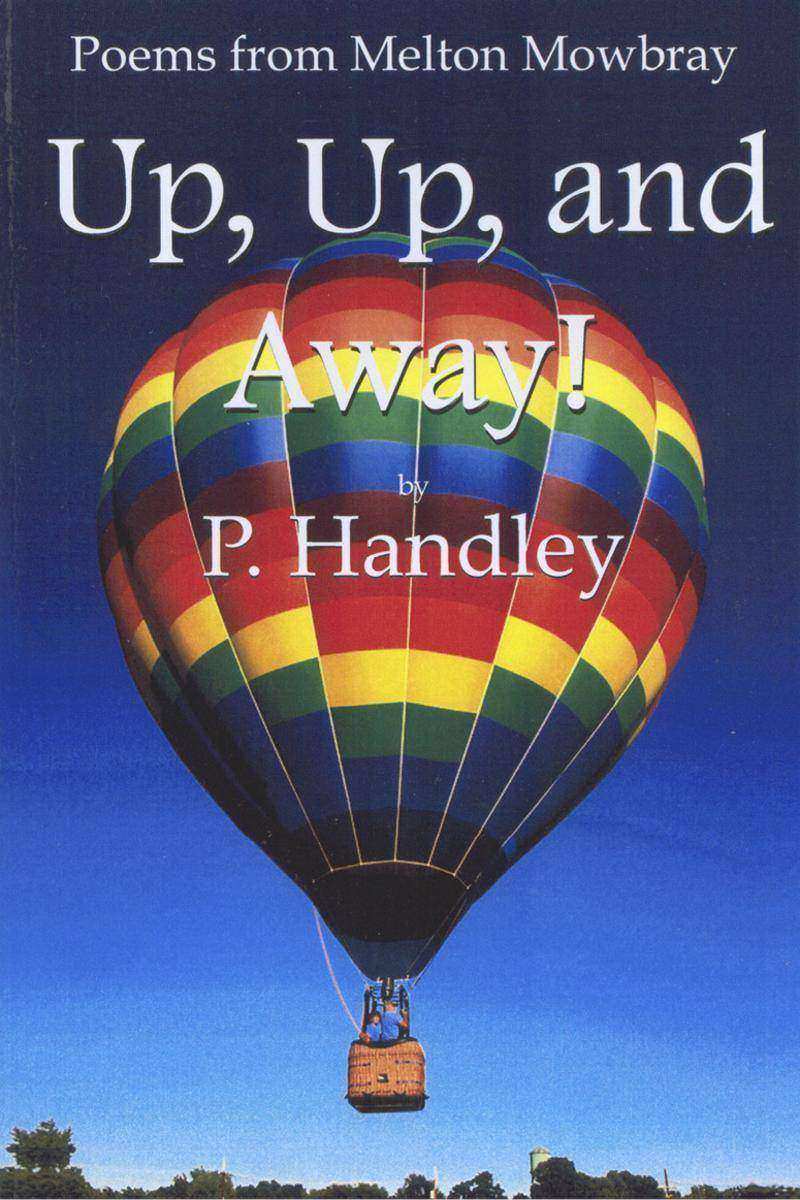
Up, Up, and Away!
¥34.24
P Handley was evacuated from Portsmouth to Melton Mowbray at the beginning of the Second World War, and much of her poetry is a celebration of the town and the surrounding countryside. Her memories of Melton Mowbray span almost seventy-five years, and here she recalls in verse the local landmarks, unforgettable characters and vanished way of life of another era. With the same affection and humour, her poems cover subjects as diverse as a balloon flight on a glorious summer's evening, the temptations of full-cream milk and sugary treats, the pleasures of chatting, and watching the passage of the seasons from her window.
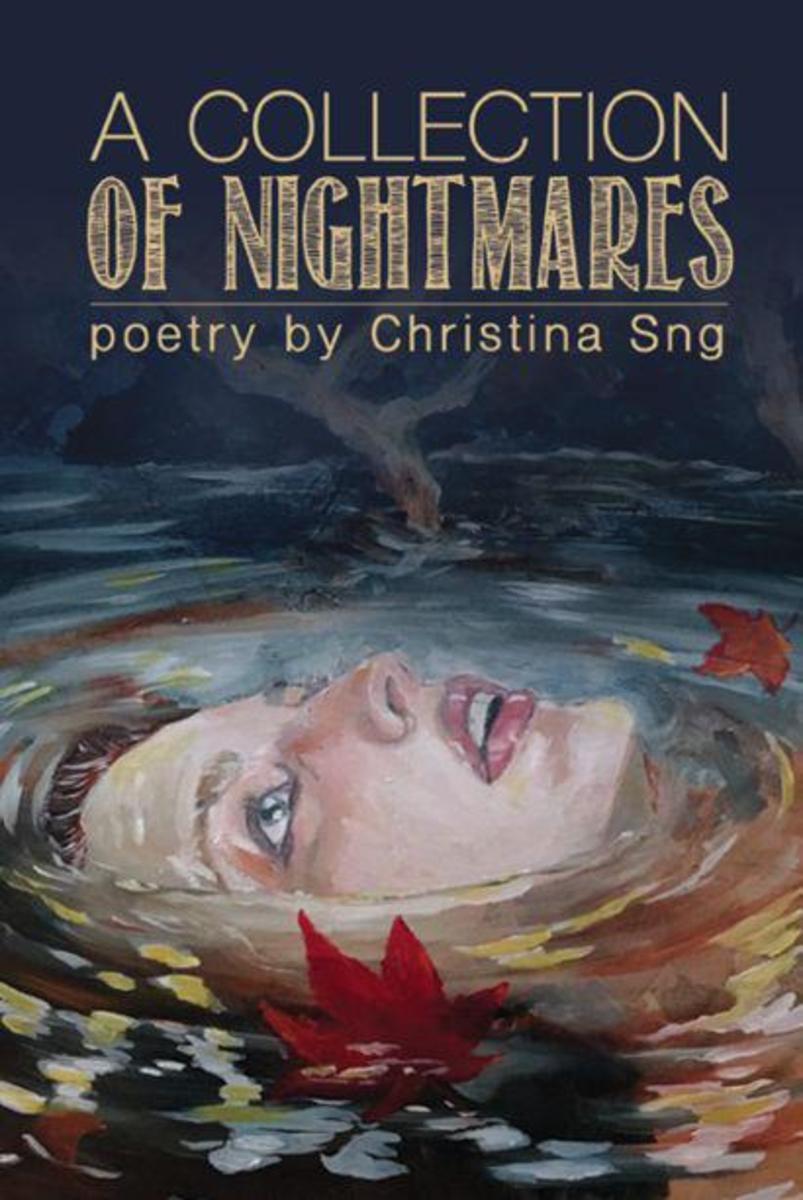
A Collection of Nightmares
¥40.79
Hold your screams and enter a world of seasonal creatures, dreams of bones, and confessions modeled from open eyes and endless insomnia. Christina Sng’s?A Collection of Nightmares?is a poetic feast of sleeplessness and shadows, an exquisite exhibition of fear and things better left unsaid. Here are ramblings at the end of the world and a path that leads to a thousand paper cuts at the hands of a skin carver. There are crawlspace whispers, and fresh sheets gently washed with sacrifice and poison, and if you’re careful in this ghost month, these poems will call upon the succubus to tend to your flesh wounds and scars.?? ?These nightmares are sweeping fantasies that electrocute the senses as much as they dull the ache of loneliness by showing you what’s hiding under your bed, in the back of your closet, and inside your head. Sng’s poems dissect and flower, her autopsies are delicate blooms dressed with blood and syntax. Her words are charcoal and cotton, safe yet dressed in an executioner’s garb.?? ?Dream carefully.?? ?You’ve already made your bed.?? ?The nightmares you have now will not be kind.?? ?And you have no one to blame but yourself.
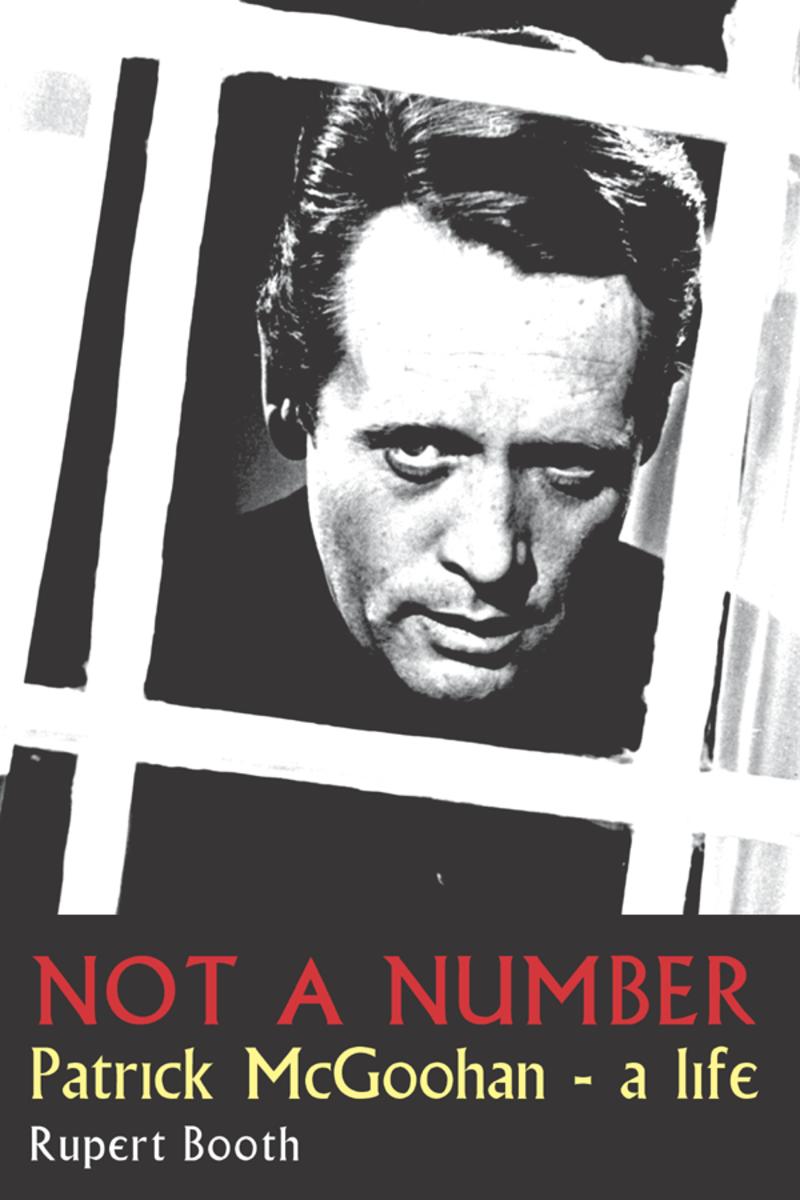
Not A Number: Patrick McGoohan - a life.
¥40.79
When Patrick McGoohan first starred in “Danger Man” in 1960 and as ‘Number 6’ in cult show “The Prisoner”, industry insiders hailed the arrival of an enigmatic genius and Hollywood beckoned. But who was this man who worked as a chicken farmer and bank clerk before becoming a hugely successful actor simply by chance? In this up-to-date biography Rupert Booth reveals the true character of a man whose off-screen behaviour matched his fiery on-screen persona. Why was he so puritanical, refusing even to kiss a woman for any part he played? Why was he so controlling over his work in “The Prisoner” and other productions? A timely exploration of the man whose declaration ‘I will not be pushed, filed, stamped, indexed, briefed, de-briefed or numbered!’ continues to resonate with audiences decades after it was first uttered with such conviction.
Scrappy Rough Draft: Use science to strategically motivate yourself & finish wri
¥0.01
The canonical Gospels stand very differently, as respects origin, character and reception, with the Gospels, Acts and Apocalpyses known as ‘Apocryphal.’ These apocryphal writings began to be produced (so far as known) in the second century, mostly in Ebionitic and Gnostic circles, and, with few exceptions, were repudiated and condemned by the Church. Only later, and in modified and expurgated forms, did their stories pass into the general Catholic tradition. The second century seems to have been a perfect hot-bed for the production of this class of writings. The heretical Gospel of the Egyptians is already quoted in 2 Clement (circa a.d. 140). Iren?us speaks of the sect of the Marcosians as adducing ‘an unspeakable number of apocryphal and spurious writings, which they themselves had forged, to bewilder the minds of the foolish,’ and instances the story, found in the Gospel of Thomas, of Jesus confounding the schoolmaster who sought to teach Him His letters (Adv. Haer. i. 20). Later tradition attributed the composition of many of the apocryphal writings (Pseudo-Matthew, Acts of Apostles) to a mythical Leucius, a disciple of the Apostles (cp. art. ‘Leucius,’ Dict. of Christ. Biog.). Eusebius gives a list of spurious and disputed books: ‘That we may have it in our power to know both these books (the canonical) and those that are adduced by the heretics under the name of the Apostles, such, viz., as compose the Gospels of Peter, of Thomas, and of Matthew, and certain others beside these, or such as contain the Acts of Andrew and John, and of the other Apostles, of which no one of those writers in the ecclesiastical succession has condescended to make any mention in his works; and, indeed, the character of the style itself is very different from that of the Apostles, and the sentiments, and the purport of those things that are advanced in them, deviating as far as possible from sound orthodoxy, evidently proves they are the fictions of heretical men; whence they are not only to be ranked among the spurious writings, but are to be rejected as altogether absurd and impious’ (H. E. iii. 25). Only a small part of this extensive literature remains to us, and in no case in its original form, but solely in later, and often much-altered recensions. CrossReach Publications
Author's Farce - Neither great poverty nor great riches will hear reason
¥14.03
Henry Fielding was born at Sharpham Park, near Glastonbury, in Somerset on April 22nd 1707. His early years were spent on his parents' farm in Dorset before being educated at Eton.An early romance ended disastrously and with it his removal to London and the beginnings of a glittering literary career; he published his first play, at age 21, in 1728.He was prolific, sometimes writing six plays a year, but he did like to poke fun at the authorities. His plays were thought to be the final straw for the authorities in their attempts to bring in a new law. In 1737 The Theatrical Licensing Act was passed. At a stroke political satire was almost impossible. Fielding was rendered mute. Any playwright who was viewed with suspicion by the Government now found an audience difficult to find and therefore Theatre owners now toed the Government line.Fielding was practical with the circumstances and ironically stopped writing to once again take up his career in the practice of law and became a barrister after studying at Middle Temple. By this time he had married Charlotte Craddock, his first wife, and they would go on to have five children. Charlotte died in 1744 but was immortalised as the heroine in both Tom Jones and Amelia.Fielding was put out by the success of Samuel Richardson's Pamela, or Virtue Rewarded. His reaction was to spur him into writing a novel. In 1741 his first novel was published; the successful Shamela, an anonymous parody of Richardson's novel.Undoubtedly the masterpiece of Fielding's career was the novel Tom Jones, published in 1749. It is a wonderfully and carefully constructed picaresque novel following the convoluted and hilarious tale of how a foundling came into a fortune.Fielding was a consistent anti-Jacobite and a keen supporter of the Church of England. This led to him now being richly rewarded with the position of London's Chief Magistrate. Fielding continued to write and his career both literary and professional continued to climb.In 1749 he joined with his younger half-brother John, to help found what was the nascent forerunner to a London police force, the Bow Street Runners. Fielding's ardent commitment to the cause of justice in the 1750s unfortunately coincided with a rapid deterioration in his health. Such was his decline that in the summer of 1754 he travelled, with Mary and his daughter, to Portugal in search of a cure. Gout, asthma, dropsy and other afflictions forced him to use crutches. His health continued to fail alarmingly.Henry Fielding died in Lisbon two months later on October 8th, 1754.
Beyond the City - Life, it turns out
¥15.21
If ever a writer needed an introduction Arthur Conan Doyle would not be considered that man. After all, Sherlock Holmes is perhaps the foremost literary detective of any age. Add to this canon his stories of science fiction and his poems, his historical novels, his plays, his political campaigning, his efforts in establishing a Court of Appeal and there is little room for anything else. Except he was also an exceptional writer of short stories of the horrific and macabre. Something very different from what you might expect. Born in Arthur Conan Doyle was born on 22 May 1859 at 11 Picardy Place, Edinburgh, Scotland. From 1876 - 1881 he studied medicine at the University of Edinburgh following which he was employed as a doctor on the Greenland whaler Hope of Peterhead in 1880 and, after his graduation, as a ship's surgeon on the SS Mayumba during a voyage to the West African coast in 1881. Arriving in Portsmouth in June of that year with less than GBP10 (GBP700 today) to his name, he set up a medical practice at 1 Bush Villas in Elm Grove, Southsea. The practice was initially not very successful. While waiting for patients, Conan Doyle again began writing stories and composed his first novel The Mystery of Cloomber. Although he continued to study and practice medicine his career was now firmly set as a writer. And thereafter great works continued to pour out of him.
Coronation - What wind brought thee hither?
¥23.45
James Shirley was born in London in September 1596.His education was through a collection of England's finest establishments: Merchant Taylors' School, London, St John's College, Oxford, and St Catharine's College, Cambridge, where he took his B.A. degree in approximately 1618.He first published in 1618, a poem entitled Echo, or the Unfortunate Lovers.As with many artists of this period full details of his life and career are not recorded.He wrote his first play, Love Tricks, or the School of Complement, which was licensed on February 10th, 1625.For the next two decades, he would write prolifically and with great quality, across a spectrum of thirty plays; through tragedies and comedies to tragicomedies as well as several books of poetry. Unfortunately, his talents were left to wither when Parliament passed the Puritan edict in 1642, forbidding all stage plays and closing the theatres.His death, at age seventy, along with that of his wife, in 1666, is described as one of fright and exposure due to the Great Fire of London which had raged through parts of London from September 2nd to the 5th.He was buried at St Giles in the Fields, in London, on October 29th, 1666.
20,000 Leagues Under the Sea - We may brave human laws, but we cannot resist nat
¥23.45
Jules Verne is probably the world's first science-fiction novelist. His Twenty Thousand Leagues Under the Sea (1870) centers around a sea monster that keeps on menacing and damaging ships and ocean liners in the Atlantic and Pacific oceans. When the US government eventually decides to destroy the monster, a group of whaling and marine biology experts from different nationalities led by Professor Arronax are invited to join the American ship Abraham Lincoln and engage in an expedition around the South American continent to search for the weird creature. After losing their first battle, the crew discover, to their surprise, that the supposed monster is rather a large metal body that travels under the water. They are soon abducted and brought inside the vessel to meet its eccentric commander Captain Nemo. The submarine's new passengers learn that Captain Nemo has built the vessel to isolate himself from world governments and to spend his lifetime exploring new worlds and conducting scientific research. Captain Nemo's treatment of his visitors is generally respectful and kind except for his radical rejection of their pleas to leave the submarine and go back home. By the end of the story, the submarine is attacked by another ship sent by Captain Nemo's enemies. Captain Nemo decides to destroy the attacking ship and to send it to the bowels of the ocean. The novel ends when the submarine encounters a very strong whirlpool named "e;Maelstrom,"e; allowing Professor Arronax to flee with the rest of his crew while the fate of Captain Nemo and his creation remains unknown.
Before Breakfast - There is no present or future-only the past, happening over a
¥23.45
Eugene Gladstone O'Neill was born on October 16, 1888 in a hotel bedroom in what is now Times Square, New York. Much of his childhood was spent in the comfort of books at boarding schools whilst his actor father was on the road and his Mother contended with her own demons. He spent only a year at University - Princeton - and various reasons have been given for his departure. However whatever his background and education denied or added to his development it is agreed amongst all that he was a playwright of the first rank and possibly America's greatest. His introduction of realism into American drama was instrumental in its development and paved a path for many talents thereafter. Of course his winning of both the Pulitzer Prize (4 times) and the Nobel Prize are indicative of his status. His more famous and later works do side with the disillusionment and personal tragedy of those on the fringes of society but continue to build upon ideas and structures he incorporated in his early one act plays. Eugene O'Neill suffered from various health problems, mainly depression and alcoholism. In the last decade he also faced a Parkinson's like tremor in his hands which made writing increasingly difficult. But out of such difficulties came plays of the calibre of The Iceman Cometh, Long Day's Journey Into Night, and A Moon for the Misbegotten. Eugene O'Neill died in Room 401 of the Sheraton Hotel on Bay State Road in Boston, on November 27, 1953, at the age of 65. As he was dying, he whispered his last words: "e;I knew it. I knew it. Born in a hotel room and died in a hotel room."e;
Outlaw Of Torn - If I had followed my better judgment always
¥35.22
Edgar Rice Burroughs was born on September 1, 1875, in Chicago, Illinois. His early career was unremarkable. After failing to enter West Point he enlisted in the 7th Calvary but was discharged after heart problems were diagnosed. A series of short term jobs gave no indication as to a career path but finally, in 1911, married and with two young children, he turned his hand to writing. He aimed his works squarely at the very popular pulp serial magazines. His first effort 'Under The Moons Of Mars' ran in Munsey's Magazine in 1912 under the pseudonym Norman Bean. With its success he began writing full time. A continuing theme of his work was to develop series so that each character had ample opportunities to return in sequels. John Carter was in the Mars series and there was another on Venus and one on Pellucidar among others. But perhaps the best known is Tarzan. Indeed Burroughs wanted so much to capitalise upon the brand that he introduced a syndicated Tarzan comic strip, movies and merchandise. He purchased a large ranch north of Los Angeles, California, which he named "e;Tarzana."e; The surrounding communities outside the ranch voted in 1927 to adopt the name as their own. By 1932 Burroughs set up his own company to print his own books. Here we publish 'The Outlaw Of Torn' somewhat different to what the title might suggest in the hands of an ordinary writer but in the hands of Edgar Rice Burroughs the title is just the beginning.....
Man From Home
¥29.33
Booth Tarkington was born on July 29, 1869 in Indianapolis, Indiana. He is one of only three novelists to win the Pulitzer Prize more than once. When you look through the quality of his work it is easy to understand why. The Magnificent Ambersons, Alice Adams, Penrod, Penrod And Sam - all classics. The Penrod novels depict a typical upper-middle class American boy of 1910 vintage, revealing a fine, bookish sense of American humor. At one time, his Penrod series was as well known andregarded as Twain's Huckleberry Finn. Much of Tarkington's work consists of satirical and closely observed studies of the American class system and its foibles. Coming as he did from a patrician Midwestern family that lost much of its wealth after the Panic of 1873 the foundations for that outlook are clear. Today, he is best known for his novel The Magnificent Ambersons which contrasted the decline of the "e;old money"e; Amberson dynasty with the rise of "e;new money"e; industrial tycoons in the years between the American Civil War and World War I. In this volume you have an opportunity to read one his plays, The Man From Home.
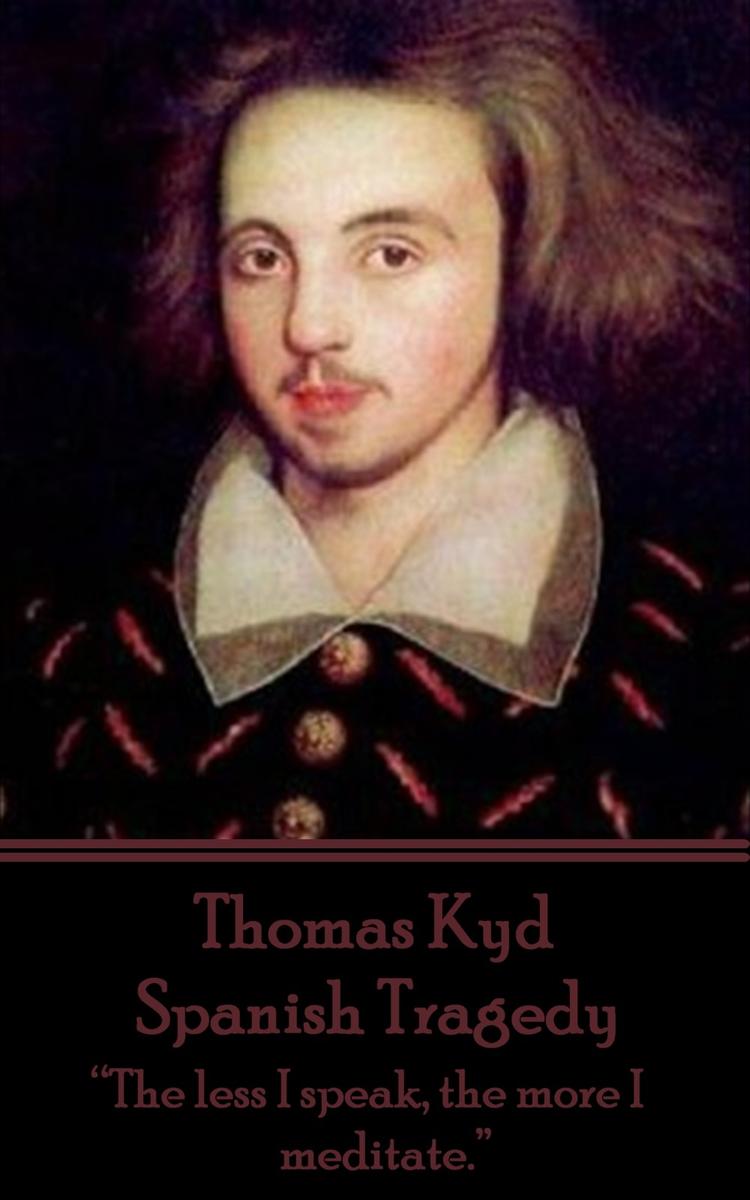
Spanish Tragedy - The less I speak, the more I meditate.
¥21.09
Thomas Kyd was born in 1558 and is most noted as a pivotal figure in the development of Elizabethan drama. In his own time he was highly praised but fell into obscurity until re-discovery in the late 1700's. his most famous work is The Spanish Tragedy, or Hieronimo is Mad Again, a tragedy written between 1582 and 1592 and established the then new genre of the revenge play. With the use of several violent murders and a structure of a play-within-a-play and a ghost intent on vengeance Kyd took drama in new directions that remain with us today. Thomas Kyd died in August 1594.
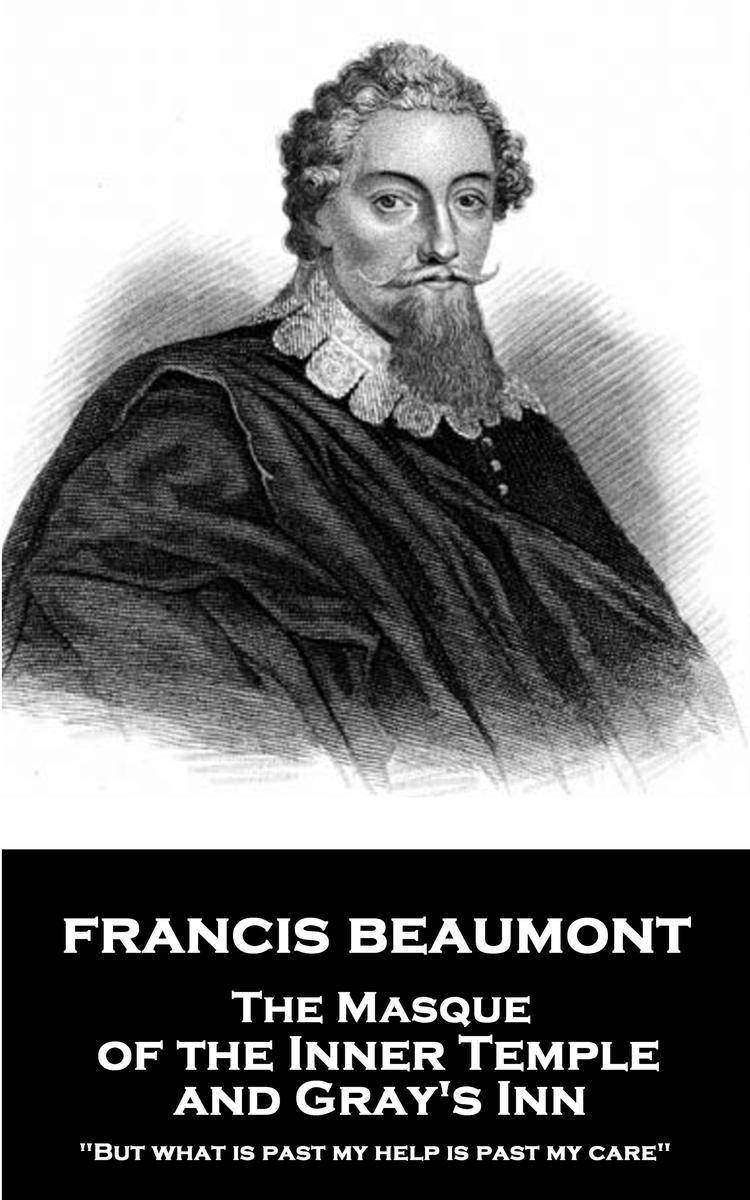
Masque of the Gentlemen of Grays-Inne & the Inner-Temple - But what is past my h
¥15.21
Francis Beaumont was born in 1584 near the small Leicestershire village of Thringstone. Unfortunately precise records of much of his short life do not exist.The first date we can give for his education is at age 13 when he begins at Broadgates Hall (now Pembroke College, Oxford). Sadly, his father died the following year, 1598. Beaumont left university without a degree and entered the Inner Temple in London in 1600. A career choice of Law taken previously by his father.The information to hand is confident that Beaumont's career in law was short-lived. He was quickly attracted to the theatre and soon became first an admirer and then a student of poet and playwright Ben Jonson. Jonson at this time was a cultural behemoth; very talented and a life full of volatility that included frequent brushes with the authorities.Beaumont's first work was Salmacis and Hermaphroditus, it debuted in 1602.By 1605, Beaumont had written commendatory verses to Volpone one of Ben Jonson's masterpieces.His solo playwriting career was limited. Apart from his poetry there were only two; The Knight of the Burning Pestle was first performed by the Children of the Blackfriars company in 1607. The audience however was distinctly unimpressed.The Masque of the Gentlemen of Grays-Inne and the Inner-Temple was written for part of the wedding festivities for the Princess Elizabeth, daughter of King James I and Frederick V, Elector Palatine. It was performed on 20 February 1613 in the Banqueting House at Whitehall Palace.By that point his collaboration with John Fletcher, which was to cover approximately 15 plays together with further works later revised by Philip Massinger, was about to end after his stroke and death later that year.That collaboration is seen as one of the most significant and fruitful of the English theatre.
Electra - Trust dies but mistrust blossoms
¥11.67
The village of Colonus, near Athens, was, in the year 495 BC, the birthplace of Sophocles. Sophocles place in Greek Tragedy is assured. His birth places him between the two other giants of Greek tragedy; schylus and Euripides. He was 30 years younger than schylus, the reigning master of drama and was fifteen years older than Euripides, who would, in turn, usurp Sophocles. Sophocles was a handsome and agile youth and selected, at the age of sixteen, to lead with dance and lyre the chorus which celebrated the triumph of Athens and its Allies over Persia at the battle at Salamis. Sophocles career as a dramatist was marked by a victory in competition with schylus, under exceptional circumstances. At the time the remains of the hero Theseus were being removed by Cimon from the isle of Scyros to Athens and, at the same time, a contest involving the two dramatists was being held. schylus was lauded at the time as the supreme dramatist but Sophocles was popular if inexperienced. The first prize was awarded to Sophocles, greatly to the disgust of the veteran schylus, who taking umbrage, soon afterward departed for Sicily. By all accounts Sophocles would now write and exhibit tragedies and satyric dramas for the next sixty years. The canon of his work varies to between 120 and 180 plays, naturally a number were fillers and not of his highest standard but the prodigious output is extraordinary. In the annual Dionysia, the number of first prizes he won is put at between eighteen and twenty-four, with many more second prizes. On this basis alone schylus and Euripides were left a long way behind. So far from being dulled with age and toil, his powers seem only to have assumed a mellower tone, a more touching pathos, a sweeter and gentler mode of thought and expression. Sophocles was spared the misery of witnessing the final overthrow of his country, dying, at the age or around 90 after a long life full of triumphs and honours, a few months before the defeat of Aegospotami brought the downfall of his beloved Athens. This naval Battle of Aegospotami took place in 405 BC and decisively determined the outcome of the Peloponnesian War. In the battle, a Spartan fleet under Lysander destroyed the Athenian navy. This effectively ended the war, since Athens could not import grain or communicate with its empire without control of the sea. There are only seven dramas of Sophocles that have survived. It can be argued that Sophocles and his works were the high-water mark of Athenian excellence. He is rightly lauded and we can only wonder at the splendours he wrote that are now lost to us.
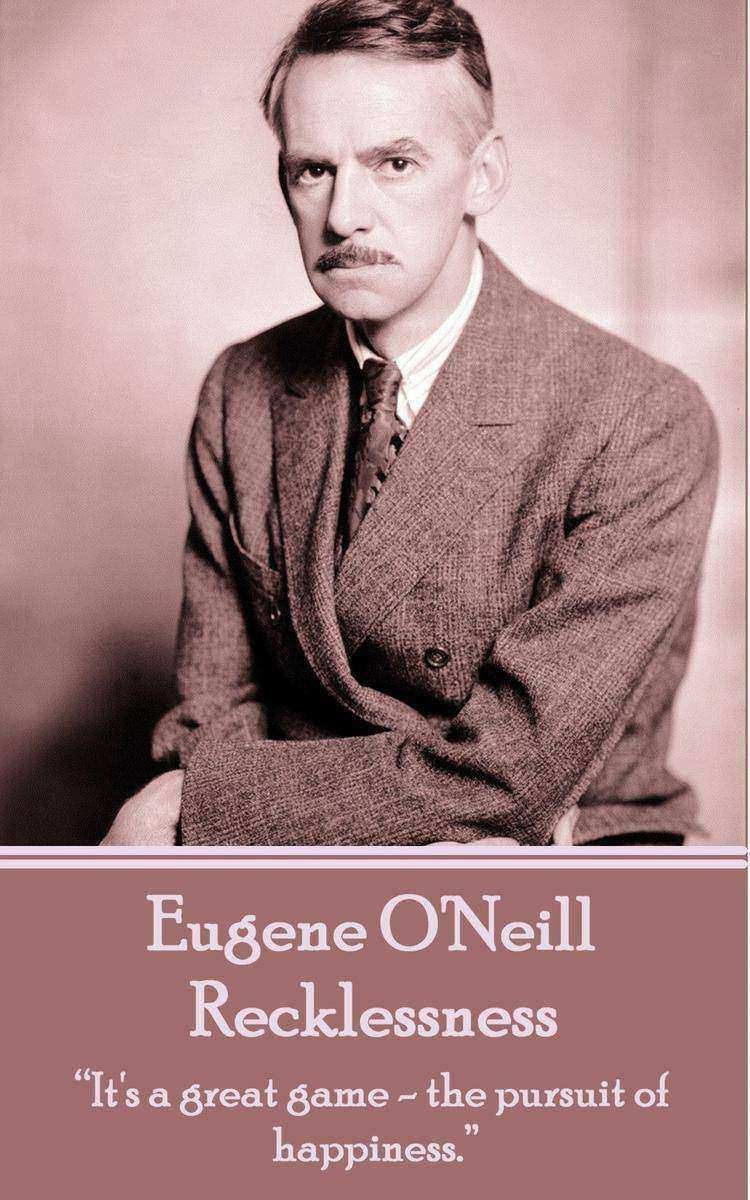
Recklessness - It's a great game - the pursuit of happiness.
¥14.03
Eugene Gladstone O'Neill was born on October 16, 1888 in a hotel bedroom in what is now Times Square, New York. Much of his childhood was spent in the comfort of books at boarding schools whilst his actor father was on the road and his Mother contended with her own demons. He spent only a year at University - Princeton - and various reasons have been given for his departure. However whatever his background and education denied or added to his development it is agreed amongst all that he was a playwright of the first rank and possibly America's greatest. His introduction of realism into American drama was instrumental in its development and paved a path for many talents thereafter. Of course his winning of both the Pulitzer Prize (4 times) and the Nobel Prize are indicative of his status. His more famous and later works do side with the disillusionment and personal tragedy of those on the fringes of society but continue to build upon ideas and structures he incorporated in his early one act plays. Eugene O'Neill suffered from various health problems, mainly depression and alcoholism. In the last decade he also faced a Parkinson's like tremor in his hands which made writing increasingly difficult. But out of such difficulties came plays of the calibre of The Iceman Cometh, Long Day's Journey Into Night, and A Moon for the Misbegotten. Eugene O'Neill died in Room 401 of the Sheraton Hotel on Bay State Road in Boston, on November 27, 1953, at the age of 65. As he was dying, he whispered his last words: "e;I knew it. I knew it. Born in a hotel room and died in a hotel room."e;
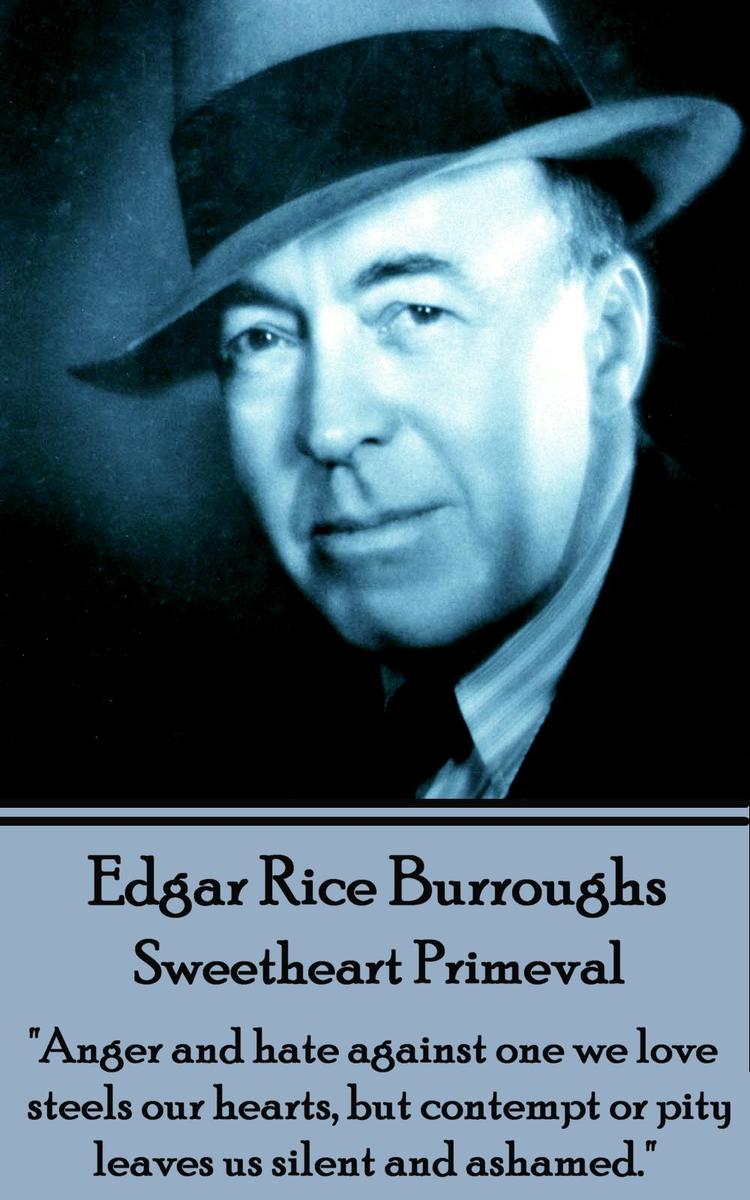
Sweetheart Primeval
¥29.33
Edgar Rice Burroughs was born on September 1, 1875, in Chicago, Illinois. His early career was unremarkable. After failing to enter West Point he enlisted in the 7th Calvary but was discharged after heart problems were diagnosed. A series of short term jobs gave no indication as to a career path but finally, in 1911, married and with two young children, he turned his hand to writing. He aimed his works squarely at the very popular pulp serial magazines. His first effort 'Under The Moons Of Mars' ran in Munsey's Magazine in 1912 under the pseudonym Norman Bean. With its success he began writing full time. A continuing theme of his work was to develop series so that each character had ample opportunities to return in sequels. John Carter was in the Mars series and there was another on Venus and one on Pellucidar among others. But perhaps the best known is Tarzan. Indeed Burroughs wanted so much to capitalise upon the brand that he introduced a syndicated Tarzan comic strip, movies and merchandise. He purchased a large ranch north of Los Angeles, California, which he named "e;Tarzana."e; The surrounding communities outside the ranch voted in 1927 to adopt the name as their own. By 1932 Burroughs set up his own company to print his own books. Here we publish 'Sweetheart Primeval' in the hands of Edgar Rice Burroughs a few steps back in time is just the start of an extraordinary journey.....
Merchant of Venice - But love is blind, and lovers cannot see.
¥11.67
The life of William Shakespeare, arguably the most significant figure in the Western literary canon, is relatively unknown. Shakespeare was born in Stratford-upon-Avon in 1565, possibly on the 23rd April, St. George's Day, and baptised there on 26th April. Little is known of his education and the first firm facts to his life relate to his marriage, aged 18, to Anne Hathaway, who was 26 and from the nearby village of Shottery. Anne gave birth to their first son six months later. Shakespeare's first play, The Comedy of Errors began a procession of real heavyweights that were to emanate from his pen in a career of just over twenty years in which 37 plays were written and his reputation forever established. This early skill was recognised by many and by 1594 the Lord Chamberlain's Men were performing his works. With the advantage of Shakespeare's progressive writing they rapidly became London's leading company of players, affording him more exposure and, following the death of Queen Elizabeth in 1603, a royal patent by the new king, James I, at which point they changed their name to the King's Men. By 1598, and despite efforts to pirate his work, Shakespeare's name was well known and had become a selling point in its own right on title pages. No plays are attributed to Shakespeare after 1613, and the last few plays he wrote before this time were in collaboration with other writers, one of whom is likely to be John Fletcher who succeeded him as the house playwright for the King's Men. William Shakespeare died two months later on April 23rd, 1616, survived by his wife, two daughters and a legacy of writing that none have since yet eclipsed.
Book of Eve
¥24.43
The Book of Eve is neither male nor female, rather a poetic revelation of one's exploration of life. A quest for knowledge, wisdom, truths and understanding, Eve takes us on a heartfelt journey of discoveries, fears, needs and desires. Melanie E. Haggins is a poet, a creative writer and former radio personality. She is strongly influenced by a musical and business background, which later helped her to progress into the world of media as the host of her own popular radio magazine show, where she conducted celebrity interviews with musicians and vocalists alike. An inspirational figure to young people and women of all ages, Melanie has worked for many years as a passionate educator and mentor to young people within her community, championing a number of initiatives on behalf of young people and human rights. With a keen eye for innovation, she draws inspiration from all she encounters for the purpose of improving the lives of those who come into contact with her as she continues to put her visionary ideas and quests for truths into poetic forms.

God, Love and Laughter
¥29.33
In 2004, prolific authoress, Marian Bythell, strayed from her established path of writing holiday journals to produce an excellent volume of verse. Now, following the publication of another travel-based book and a biography of her late mother, she has penned a companion to Poems of Love, Life & Laughter. For this collection, Marian once again offers a clever mix of humour and pathos, but also includes poems and prayers which reflect her deep religious faith.


