


 购物车
购物车 个人中心
个人中心
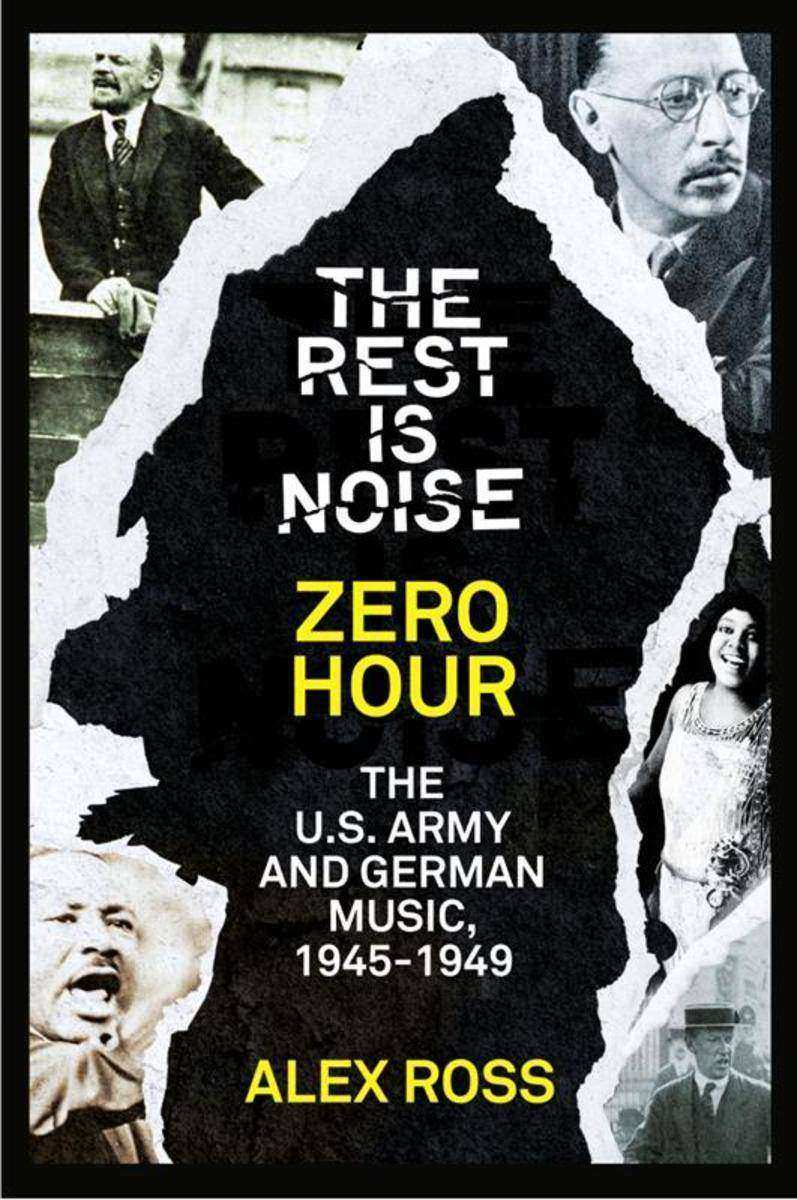
The Rest Is Noise Series: Zero Hour
¥11.77
This is a chapter from Alex Ross’s groundbreaking history of twentieth-century classical music, ‘The Rest is Noise’. Further extracts are available as digital shorts, accompanying the London Southbank festival programme. Following the Allied victory, all over Europe, young people were emerging from the rubble into adulthood – amongst them, leading figures of the post-war musical scene. They would be indelibly marked by their teenage experiences, their memories colouring their compositions. Now a major festival running throughout 2013 at London’s Southbank, The Rest is Noise is an intricate commentary not just on the sounds that defined the century, but on art’s troublesome dance with politics, social and cultural change. Alex Ross is the New Yorker’s music critic, and the winner of the Guardian First Book Award and the National Book Critics Circle Award for The Rest is Noise, which was also shortlisted for the Samuel Johnson and Pulitzer prizes for non-fiction.
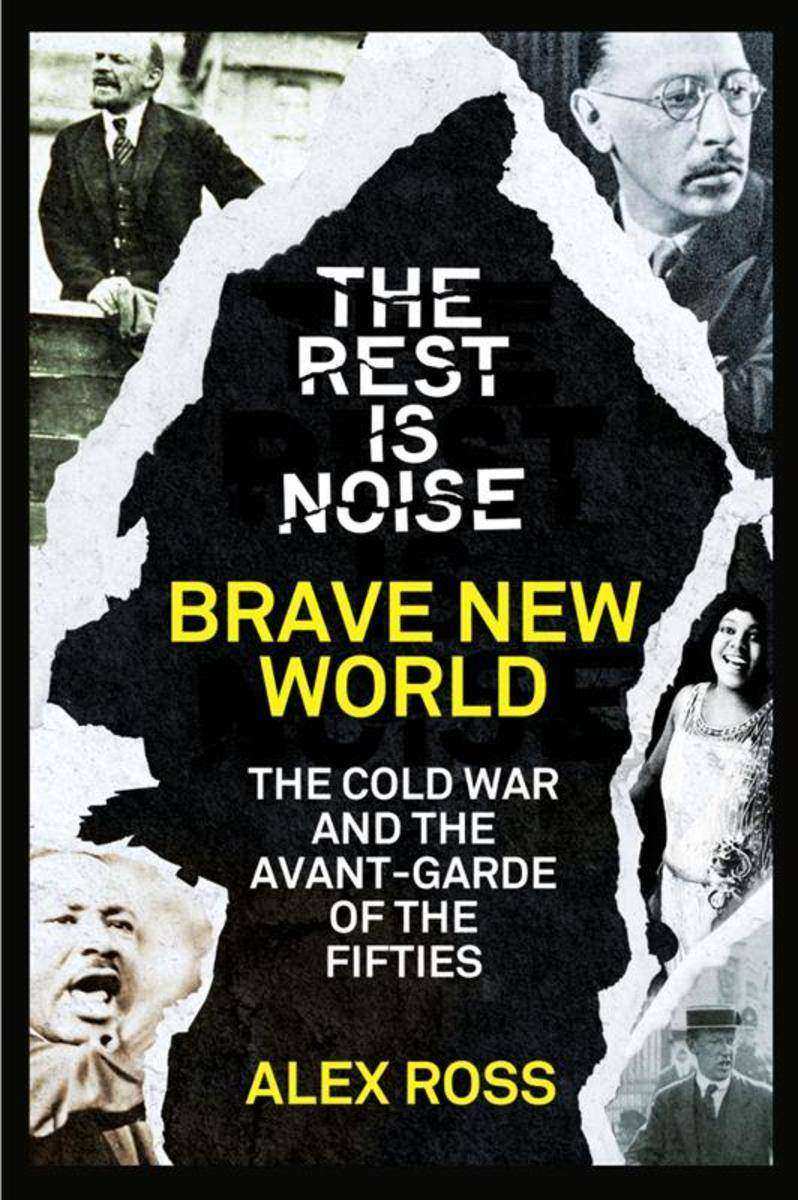
The Rest Is Noise Series: Brave New World
¥11.77
This is a chapter from Alex Ross’s groundbreaking history of twentieth-century classical music, ‘The Rest is Noise’. Further extracts are available as digital shorts, accompanying the London Southbank festival programme. The Cold War breaks out and music explodes into a pandemonium of revolutions, counterrevolutions, theories, polemics, alliances,and party splits. The language of modern music is reinvented. This short ebook looks at some of the extraordinary compositions of this period. Now a major festival running throughout 2013 at London’s Southbank, The Rest is Noise is an intricate commentary not just on the sounds that defined the century, but on art’s troublesome dance with politics, social and cultural change. Alex Ross is the New Yorker’s music critic, and the winner of the Guardian First Book Award and the National Book Critics Circle Award for The Rest is Noise, which was also shortlisted for the Samuel Johnson and Pulitzer prizes for non-fiction.
Child of the North
¥54.25
A fascinating insight into the life of one of the country's bestselling and best-loved authors, marrying her work with her extraordinary life, and looking at her rise to fame and fortune against all the odds. ‘Everything I have touched in my life figures in my books. Every single book I write has something that has happened to me or my family or to my friends.’ Josephine Cox was born in Blackburn during its decline as the cotton-weaving capital of the world. Life was hard but characterful, the joys and tragedies of her youth later inspiring her multi-million selling novels. One of ten children, Josephine knew poverty, hunger and charity. Between births, her mother worked in the cotton mills, her father on the roads. Sleeping up to six in a bed, her family lived in the tightly packed, working-class terraces of Blackburn. But Josephine never felt victimised or shamed. Transforming their closed-in community into one that inspired ‘another kind of love, a deep sense of belonging’ were the characters Josephine writes about in her novels with such fondness and feeling. But alas reality was not always so easy. Hand in hand with poverty came deprivation and domestic difficulties. At the end of her tether, Jo’s mother gathered her children around her in the bus station one day and announced they were leaving Blackburn. Josephine was fourteen years old. Not only did she lose her friends, she also lost her brothers too who were left behind. ‘Belonging to a street, to a place, to a family, is the most important thing.’ Out of this tremendous loss, Josephine’s novels were born.
The Men Commandments
¥72.99
The Bible For Blokes From The Daddy Of Breakfast Radio Foreword by James Nesbitt. Christian O’Connell has been a man nearly all his life. Well, once he was a boy, then he was a teenager, then a man, but you get what we mean. So who better to save manhood from devolving into one of those spineless newt things from the Guinness ad? For years women have had everyone from Germaine Greer to Bridget Jones to tell them how to be a woman, and who have men had? No one. That is, until now . . . For ten years Christian has dispensed wisdom and advice to millions of lucky radio listeners on every topic conceivable; but it was when he saw his wife reading, and laughing at, a book called “How to Kill your Husband”, that he realised he had to write this book. Men are confused about what it is to be a man in a world where men use moisturiser and eat sandwiches with rocket. They need help. The Men Commandments is a roadmap, a compass for men (not a sat nav - they’re evil!) With his outspoken humour and ironic take on life, Christian explores male-dom; celebrating all that is great about being a man and unravelling those mysteries of masculinity that have stumped women for literally minutes. Packed full of wisdom, advice, trivia, and cheeky banter, this is the must have book for men everywhere. Includes: ? The Man Quiz (a helpful quiz to establish real manliness) ? The 78 genetic differences between men and women (work for which Christian is expecting a Nobel prize) ? Manly Toilet Etiquette (real men do not speak at the urinals) ? The History of Men (it says a lot about the psyche of Man that early Neanderthal paintings depict willies) ? Men and their Mates (a relationship full of weird rituals, abuse and unspoken rules) ? The Real First XI ? The Men Commandments (the ten commandments that every true man needs to know)
Chopin
¥80.25
A new edition of Adam Zamoyski’s definitive biography of Chopin, first published in 1979 and unavailable in English for many years. Few composers elicit such strong emotions as Chopin. Few have been more revered and cherished. And few have had so much sentimental nonsense written about them. Published to coincide with the bicentenary of Chopin's birth, Adam Zamoyski's compelling new biography cuts through the mass of anecdote and myth that has sprung up around the composer's life and the ebullient and striking personalities of Romantic Paris among whom he lived, including Liszt, Berlioz, Victor Hugo and George Sand, in search of the real Chopin. Zamoyski brings to the subject an unrivalled knowledge of the historical, social and cultural background of the composer's native Poland as well as of the France in which he spent most of his creative life. He has scoured the archives of Warsaw, Krakow, Paris and London in his quest for the truth, and has based his account exclusively on primary sources and contemporary accounts. The result is a biography of authority, perception and wit. Chopin emerges from the sugary romantic mist in which he has been shrouded as a real, palpable personality, a man of intelligence and humour; in music an innovator of genius; in business a feckless spendthrift; in love hesitant and tender; in friendship passionately loyal but often intolerably exacting. Through a close reading of his letters and the use of everyday detail, Zamoyski draws the reader into the private world of this most complicated and reticent of men - 'a man made for intimacy', as the poet Heinrich Heine called him - and reveals the real passions, suffering and ultimate tragedy of his life.
The Boy Who Harnessed the Wind
¥66.22
When William Kamkwamba was just 14 years old his parents told him that he must leave school and come and work on the family farm as they could no longer afford to $80 a year tuition fees. This is the story of his refusal to give up on learning and reading. A story of passion, determination and remarkable achievements. Malawi is a country battling Aids, drought and famine, and in 2002, a season of floods, followed by the most severe famine in fifty years, brought it to its knees. Like the majority of the population, William's family were farmers. They were totally reliant of the maize crop. By the end of 2001, after many lean and difficult years, there was no more crop. They were running out of food - had nothing to sell - and had months until they would be able to harvest their crop again. Forced to leave school at 14 years old, with no hope of raising the funds to go again, William resorted to borrowing books from the small local library to continue his education. One day, browsing the titles, he picked up a book about energy, with a picture of a wind turbine on the front cover. Fascinated by science and electricity, but knowing little more about the technology, William decided to build his own. Ridiculed by those around him, and exhausted from his work in the fields every day, and using nothing more than bits of scrap metal, old bicycle parts and wood from the blue gum tree, he slowly built his very own windmill. This windmill has changed the world in which William and his family live. Only 2 per cent of Malawi has electricity; William's windmill now powers the lightbulbs and radio for his compound. He has since built more windmills for his school and his village. When news of William's invention spread, people from across the globe offered to help him. Soon he was re-enrolled in college and travelling to America to visit wind farms. This is his incredible story. William's dream is that other African's will learn to help themselves - one windmill and one light bu
Me Cheeta: The Autobiography
¥63.18
The incredible, and moving true story of Cheeta the Chimp, star of countless Hollywood blockbusters, told in his own words The greatest Hollywood Tarzan, Johnny Weissmuller, died in 1984. His coffin was lowered into the ground to the recorded sounds of his famous jungle call. Maureen O'Sullivan, his Jane, died in 1998. Weissmuller's son, who first played Boy in the 1939 film Tarzan finds a Mate, has gone too. But Cheeta the Chimp, who starred with them all, is alive and well, retired in Palm Springs. At the incredible age of seventy-five, he is by far the oldest living chimpanzee ever recorded. Now, in his own words, Cheeta (aka Jiggs) finally tells his extraordinary story. He was just a baby when snatched from the jungle of Liberia in 1932, by the great animal importer Henry Trefflich, who went on to supply NASA with its 'Monkeys for Space' programme. That same year, Cheeta appeared in Tarzan the Ape Man, and in 1934 Tarzan and His Mate, in which he famously stole the clothes from a naked O'Sullivan, dripping wet from an underwater swimming scene with Weissmuller. Other Tarzan films followed until Cheeta finally retired from the big screen after the 1967 film Doctor Dolittle with Rex Harrison, whose finger he accidentally bit backstage while being offered a placatory banana. Cheeta tells it all, a life lived with the stars, a monkey stolen from deepest Africa forced to make a living in the fake jungles of Hollywood. He tells us too of his journey beyond the screen: his struggle with drink and addiction to cigars; his breakthrough with a radical new form of abstract painting, 'Apeism'; his touching relationship with his retired nightclub-performing grandson Jeeta, now a considerable artist in his own right; his fondness for hamburgers and his battle in later life with diabetes; and, through thick and thin, carer Dan Westfall, his loving companion who has helped this magnificent monkey come to terms with his peculiar past. Funny, moving, searingly honest, Cheeta transports us back to a lost Hollywood. He is a real star, and this the greatest celebrity memoir of recent times.
Georgie and Elsa: Jorge Luis Borges and His Wife: The Untold Story
¥82.40
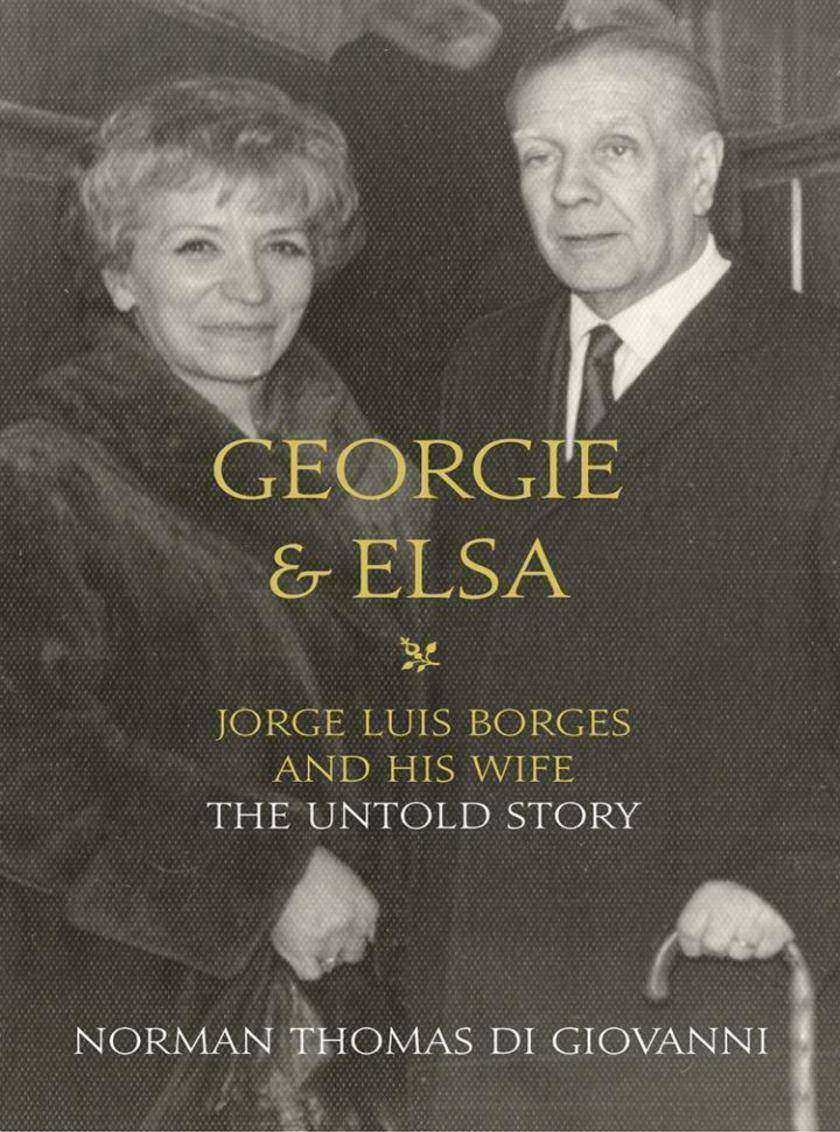
A biography of Borges, by his translator. Jorge Luis Borges, known as Georgie to his friends, married Elsa Astete Millan in 1967. Borges was sixty-eight years old at the time of the wedding; Elsa, a widow, with a son in his twenties, was eleven years younger. It proved to be a tempestuous and eventful marriage that would leave an indelible mark on the remainder of Borges' life, but their relationship has been largely glossed over by previous biographers. This is because the one person who knew all the details has refused to speak about it. Until now. Norman Thomas di Giovanni worked with Borges in Cambridge, Massachusetts, and in Buenos Aires from late 1967 to 1972 and thereafter sporadically until Borges's death in 1986. During their first period together di Giovanni spent more time with the couple than did almost anyone else. He was privy to the private side of their relationship and to its sudden decline. It was di Giovanni who helped the demoralized Borges by organizing and arranging his divorce and at the same time rescuing his library and smuggling him out of Buenos Aires to avoid the wrath of Elsa and her lawyers. The book is based on the author's extensive collection of original material in the form of diaries, notebooks, letters, manu*s, and photographs, most of which has never before been seen. It provides a unique insight into one of the few true geniuses of literature.
Barefoot in Mullyneeny: A Boy’s Journey Towards Belonging
¥73.58
Bryan Gallagher's reminiscences of the Ireland of his youth, first heard on Radio 4's 'Home Truths', transport you to a world of boyhood pranks, playground politics and the confusion of growing up in a land that is every bit as magical and captivating as the stories he has to tell. Barefoot in Mullyneeny is Bryan Gallagher's evocative tale of a childhood remembered through the people and landscape of Fermanagh, near the beautiful shores of Lough Erne in Ireland. Bryan chronicles a time when all the big boys went to school in bare feet and secretly watched the Saturday night bands and dances in halls lit by Tilley lamps; where it was known to be nothing less than the biblical truth that if you put a horse-hair across the palm of your hand when you were about to be punished at school, the cane would split in two. Gallagher's writing will touch the hearts of those who long for the innocence of childhood and the simplicity of an era long past. Whether relating tales of murderous bicycle chases through the darkened streets of Cavan, of ghosts and fairy forts or the anguish of emigration, this remarkable memoir vividly recreates life in rural Ireland in the 1940s and 50s. For those who thought that life in Ireland was one of the poverty and misery of James Joyce or Frank McCourt, Barefoot in Mullyneeny offers a view of the Ireland of yesteryear that combines the touching, homely nostalgia of Nigel Slater's Toast and Laurie Lee's Cider with Rosie with a humorous optimism that is unmistakably Ireland at its best.
Notes to my Mother-in-Law
¥58.86
‘My mother-in-law Annie lived with us for 17 years and was picture-book perfect.’ It took a while before the family realised that Annie was increasingly (as she would put it) 'Mutt and Jeff'. So Phyllida began to write out the day's gossip at the kitchen table, putting her notes by Annie's bed before going to hers. One night as heer husband wandered off to bed he muttering darkly that she spent so much time each evening writing to Annie she could have written a book. 'And illustrated it!' Here it is. It is a book full of the delights of a warm and loving household. Of Boot the Cat being sick after over-indulging in spiders; the hunt for cleaning products from the dawn of time; persistently and mysteriously malfunctioning hearing aids; an unusual and potentially hilarious use for a clove of garlic; and the sad disappearance of coconut logs from the local sweetshop. It's about the special place at the heart of a home held by a woman born in another age. Who polished the brass when it was 'looking red at her'. Who still bore a scar on her hands from being hit by her employer when, as a young woman, she was in service. Who could turn the heel of a sock and the collar of a shirt, and make rock-cakes, bread pudding and breast of lamb with barley.
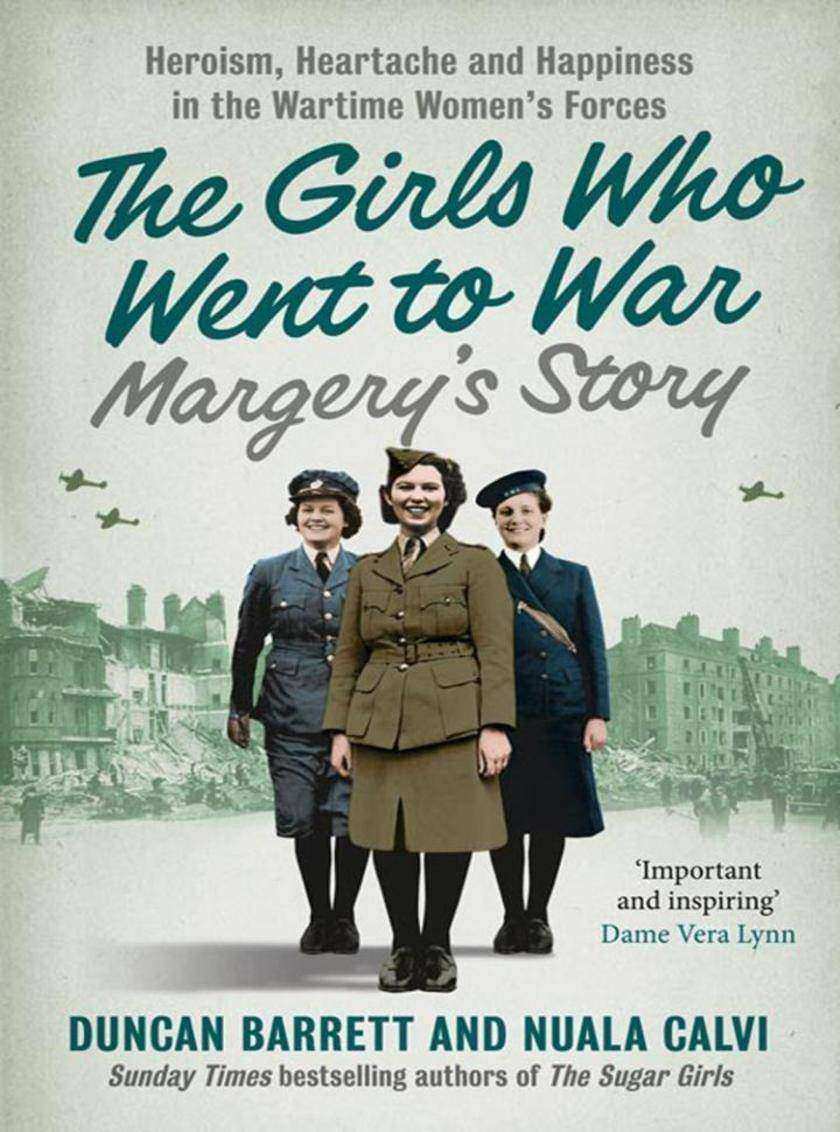
Margery’s Story
¥9.71
From the bestselling authors of The Sugar Girls and GI Brides, this is Margery’s story, one of three true accounts from the book The Girls Who Went to War. “‘Who does that man think he is?’ Margery muttered to a girl standing next to her. The words had slipped out before she could stop herself, but she realised, to her horror, that the warrant officer had heard them. ‘What was that?’ he demanded, striding over and fixing her with an angry stare. Margery gulped – but there was no going back now.” In the summer of 1940, Britain stood alone against Germany. The British Army stood at just over one and a half million men, while the Germans had three times that many, and a population almost twice the size of ours from which to draw new waves of soldiers. Clearly, in the fight against Hitler, manpower alone wasn’t going to be enough. Margery Pott signed up for the Women’s Auxiliary Air Force, leaving her quiet home for the rigours of training, the camaraderie of the young women who worked together so closely and to face a war that would change her life forever. Overall, more than half a million women served in the armed forces during the Second World War. This book tells the story of just one of them. But in her story is reflected the lives of hundreds of thousands of others like them – ordinary girls who went to war, wearing their uniforms with pride.
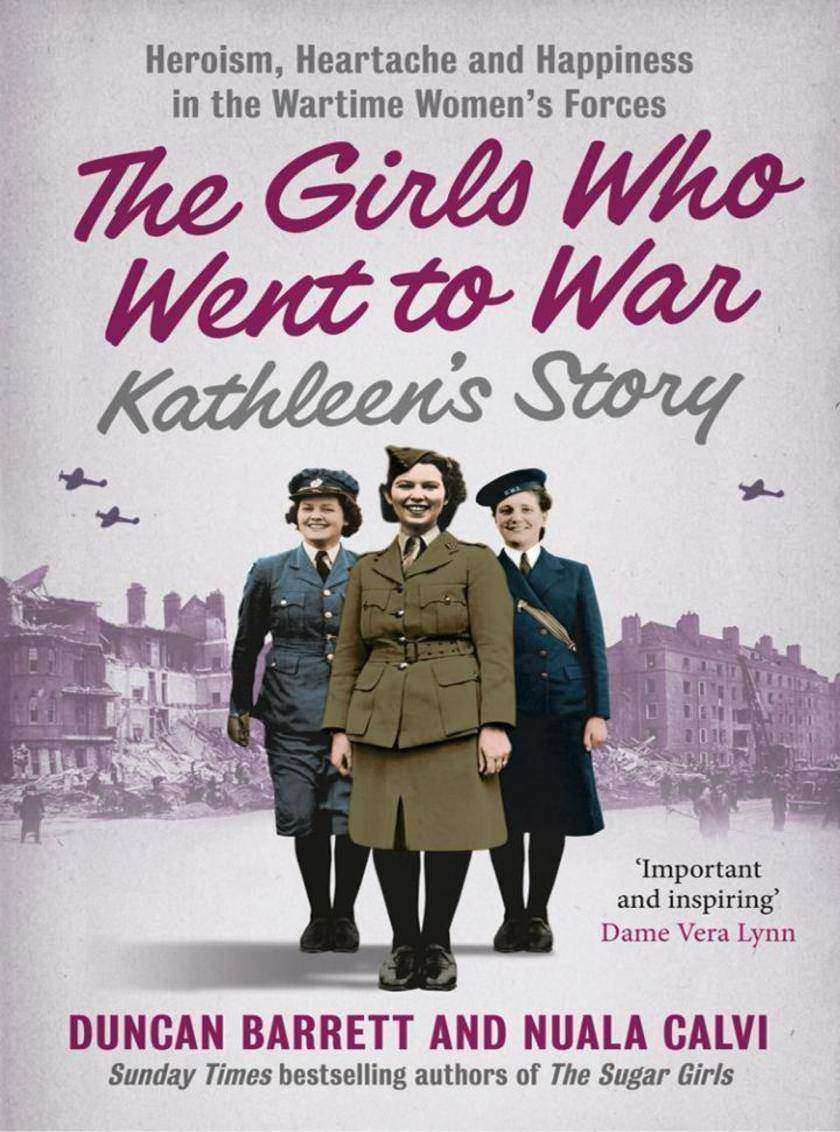
Kathleen’s Story
¥9.71
From the bestselling authors of The Sugar Girls and GI Brides, this is Kathleen’s story, one of three true accounts from the book The Girls Who Went to War. “Boxing Day was cold and frosty, and by the time Kathleen and the lads arrived at the football pitch she was already shivering. As they stood watching the game, Arnold silently took her hand and put it inside the pocket of his greatcoat. It was a small gesture, but it told her that she belonged to him now, and to Kathleen nothing had ever seemed so romantic.” In the summer of 1940, Britain stood alone against Germany. The British Army stood at just over one and a half million men, while the Germans had three times that many, and a population almost twice the size of ours from which to draw new waves of soldiers. Clearly, in the fight against Hitler, manpower alone wasn’t going to be enough. Nanny Kathleen Skin signed up for the WRNS, leaving her quiet home for the rigours of training, the camaraderie of the young women who worked together so closely and to face a war that would change her life forever. Overall, more than half a million women served in the armed forces during the Second World War. This book tells the story of just one of them. But in her story is reflected the lives of hundreds of thousands of others like them – ordinary girls who went to war, wearing their uniforms with pride.
The Complete Poems of C.P. Cavafy
¥184.23
The complete Cavafy poems – including the unfinished works – in a stunning new translation. From the acclaimed author of ‘The Lost’, a translation that scales new heights in modern poetic rendering. With a masterful eye for irony and an ear for the music of Cavafy’s form, Daniel Mendelsohn’s translation brings to English the poet who won acclaim from generations of writers, E.M. Forster and T.S. Eliot among them. Spanning the fall of Homeric heroes to the rise of the modern world, Cavafy’s poetry collapses the spectra of time, geography and age into intimately personal elegies. Works such as "Waiting for the Barbarians" and “Ithica”, famed for their revival of the ancient worlds, continue to address the modern reader in terms of timeless relevance. Here they are accompanied by Cavafy’s unfinished poems, translated into English for the first time. From a highly respected classicist and social essayist, Daniel Mendelsohn’s edition is uniquely placed to become the fresh, definitive edition of Cavafy in English.
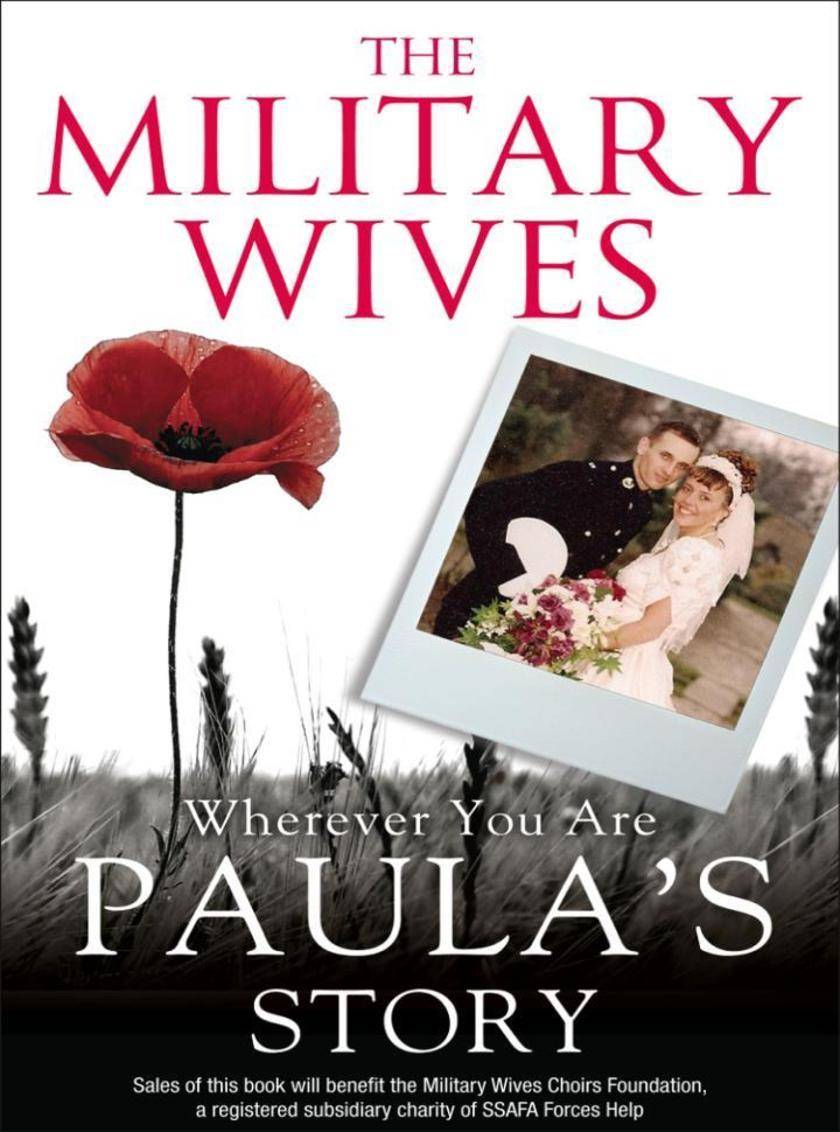
The Military Wives: Wherever You Are – Paula’s Story
¥12.95
This is Paula’s story, one of four individual journeys taken from Wherever You Are by The Military Wives. Paula and James Mundy first met when they were teenagers, little knowing they’d end up spending the rest of their lives together. After James had completed his marine training they met again, became inseparable, and before long had moved into married quarters. But life as a military wife would be particularly hard for Paula. With James posted overseas, she was left to cope with the mental and physical disabilities of their daughter Rhianna, had full responsibility for her elder brother and younger sister, and in 2011 she was left reeling when her mother was diagnosed with cancer. When Paula began singing with her local choir, she realised she had an outlet for the first time; a way to switch off. In the dozens of other wives, each with their own hardships to overcome, she found a support network; through the darkest times, the choir was there. Mere months later, the Military Wives choir would have performed for the Queen, recorded a bestselling album and achieved a Christmas number 1. This is one woman’s true story of heartbreak, love and loss, and of how singing kept hope alive. Sales of this book will benefit the Military Wives Choirs Foundation, a network of choirs that reaches across the military community to provide support, guidance and funding for individual choirs, but first and foremost to bring women closer together through singing. The Foundation is a registered subsidiary charity of SSAFA Forces Help.
Just a Boy: An Inspiring and Heartwarming Short Story
¥18.74
A heartwarming short story from bestselling author and foster carer Casey Watson. A digital-exclusive short story from Casey Watson, plus a sneak peek chapter from Casey’s highly anticipated next title, Breaking the Silence, and sample chapters from each of Casey’s five moving and inspirational titles. Although he isn’t with them for long, Cameron immediately touches the hearts of Casey’s whole family. A sweet boy with a great sense of humour, he seems different from the other children she’s cared for. But after a disastrous and embarrassing family trip, Cameron disappears. Casey fears the worst. Will her fears be realised?
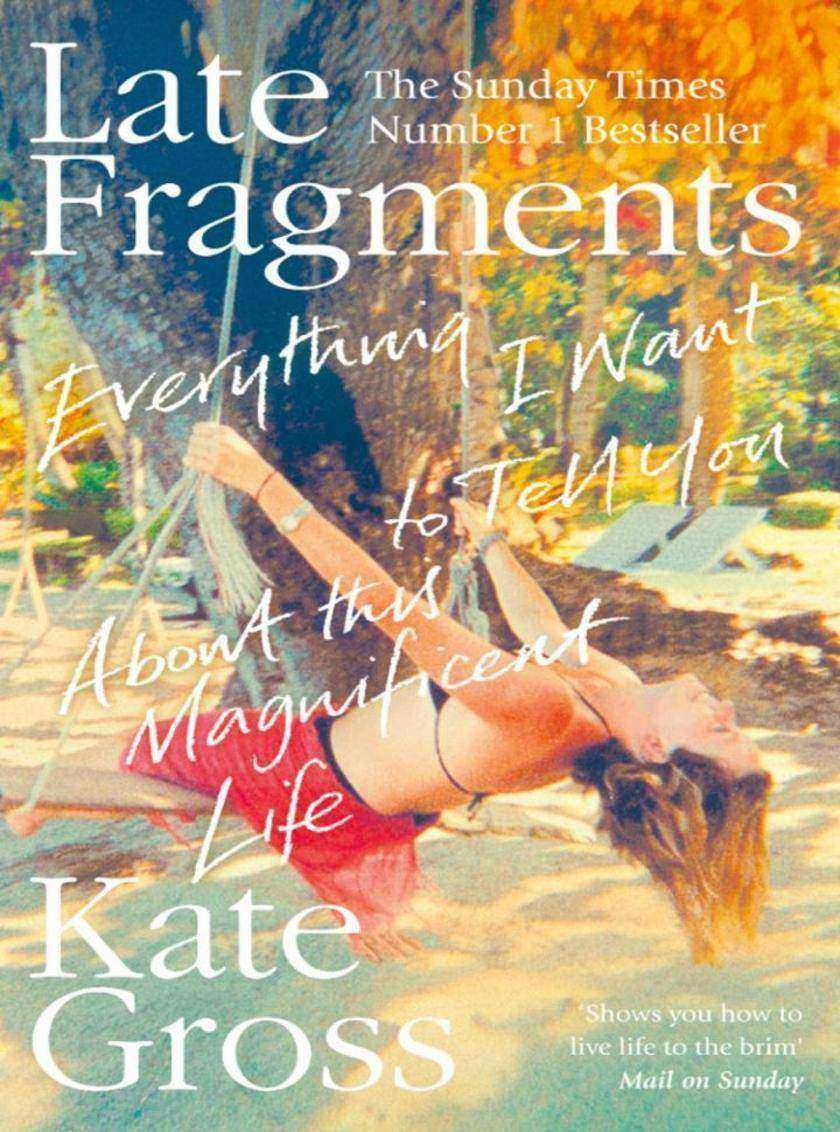
Late Fragments: Everything I Want to Tell You
¥66.22
*THE NUMBER 1 BESTSELLER* What are the things we live for? What matters most in life when your time is short? This brave, frank and heartbreaking book shows what it means to die before your time; how to take charge of your life and fill it with wonder, hope and joy even in the face of tragedy. Ambitious and talented, Kate Gross worked at Number 10 Downing Street for two British Prime Ministers whilst only in her twenties. At thirty, she was CEO of a charity working with fragile democracies in Africa. She had married 'the best looking man I've ever kissed' – and given birth to twin boys in 2008. The future was bright. But aged 34, Kate was diagnosed with advanced colon cancer. After a two-year battle with the disease, Kate died peacefully at home on Christmas morning, just ten minutes before her sons awoke to open their stockings. She began to write as a gift to herself, a reminder that she could create even as her body began to self-destruct. Written for those she loves,her book is not a conventional cancer memoir; nor is it filled with medical jargon or misery. Instead, it is Kate's powerful attempt to make sense of the woman who emerged in the strange, lucid final chunk of her life. Her book aspires to give hope and purpose to the lives of her readers even as her own life drew to its close. Kate should have been granted decades to say all that she says in these pages. Denied the chance to bore her children and grandchildren with stories when she became fat and old, she offers us all her thoughts on how to live; on the wonder to be found in the everyday; the importance of friendship and love; what it means to die before your time and how to fill your life with hope and joy even in the face of tragedy.
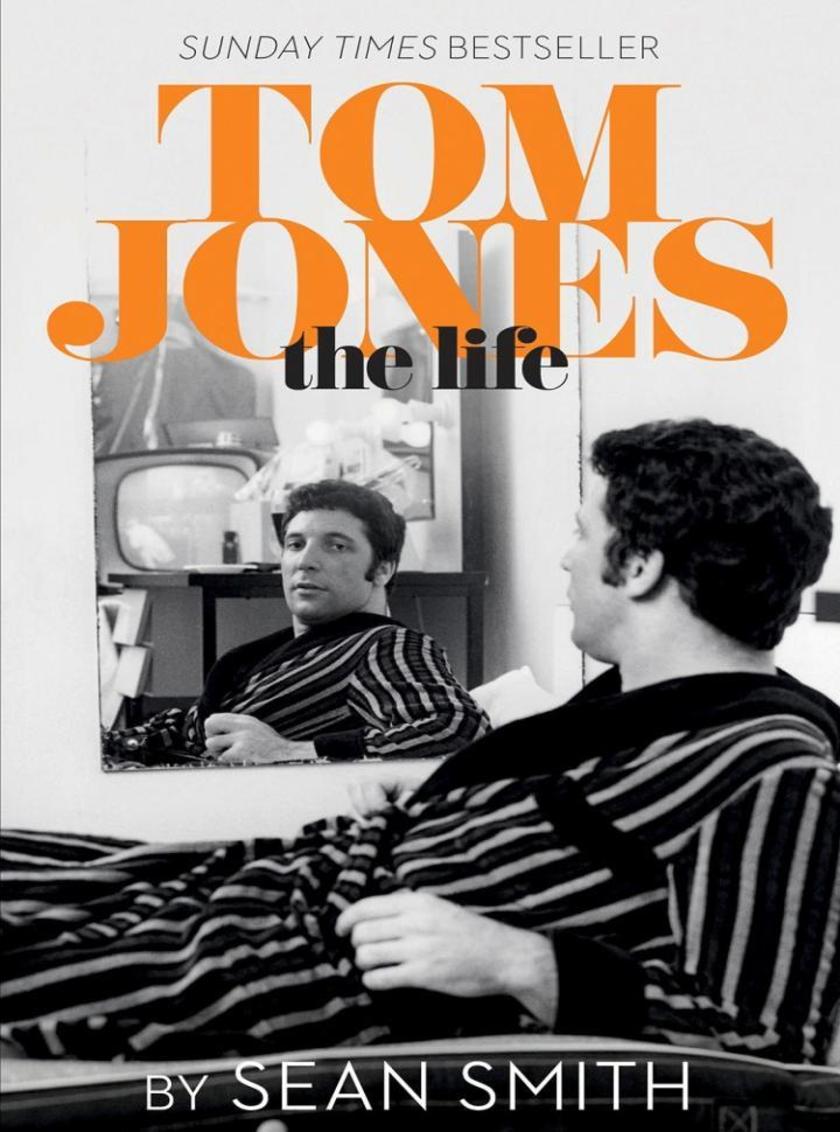
Tom Jones - The Life
¥58.86
From bestselling biographer Sean Smith comes the fascinating and tumultuous true story behind Sir Tom Jones, the nation’s treasure, sage of The Voice and living music legend. Celebrating his 75th birthday this year, Tom Jones’ life has been an unforgettable rollercoaster ride. From starting out in a little Welsh mining town where he married his sweetheart at just 16, who could have known that seven years later he would go on to become a major musical hit that would propel him to Bel Air? Through intimate interviews, Smith uncovers all this and more, including the years Tom spent as little more than a Vegas lounge singer, before being rediscovered in the late ‘80s and becoming a maestro on the music scene once again. As revealing as it is entertaining, this is the definitive story of a great talent who is showing no signs of slowing down.
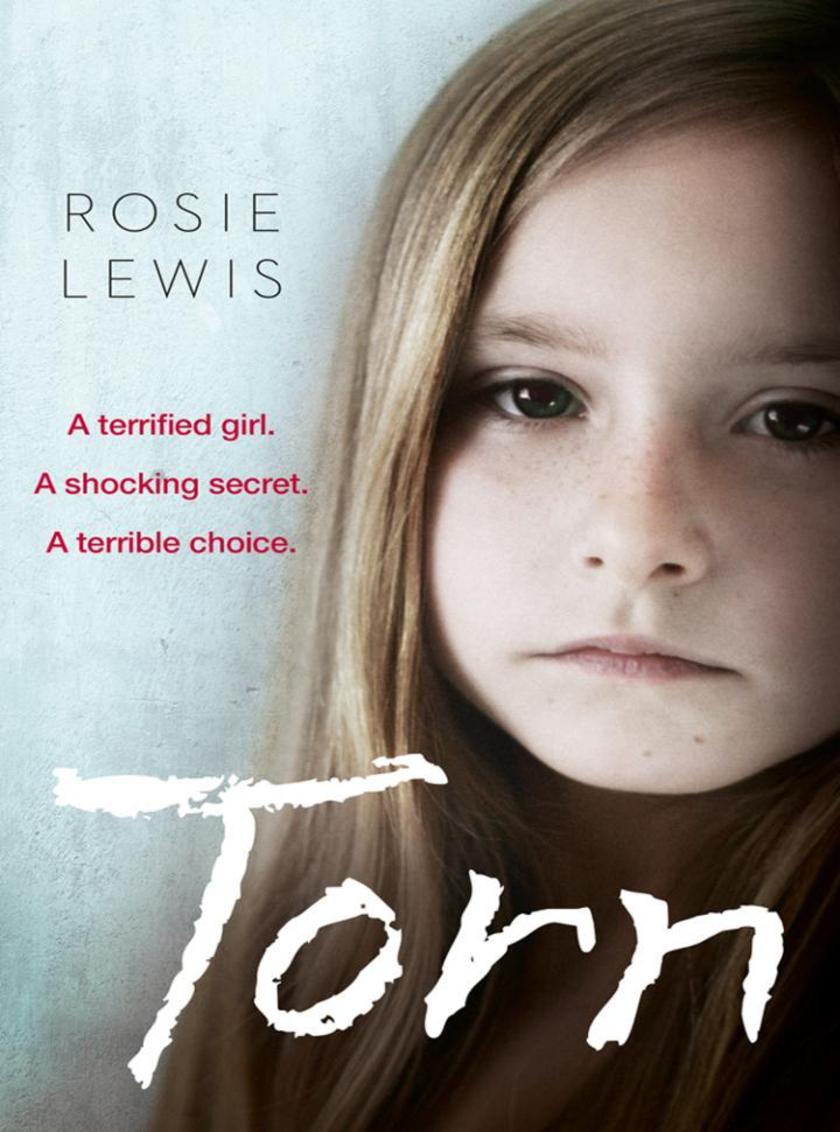
Torn: A terrified girl. A shocking secret. A terrible choice.
¥58.86
Experienced foster carer Rosie Lewis faces a battle to uncover the dark family secret that is tearing a family apart. Rosie is used to looking after children from difficult home situations, but she finds herself struggling when she agrees to take in Taylor and her younger brother, Reece, for a short while. Taylor tries desperately not to fit in, to be the tough young teen that she has had to become, making it clear that she cares about nothing and no-one, while Reece is just desperate for someone to love him. Rosie finds herself battling an unknown monster in their past, as social media and the Internet become a means to control and manipulate the siblings while in her care. And then a more sinister turn of events causes Rosie to dig into their past, desperate to discover the truth before her time with them is over and they must be returned to their family.
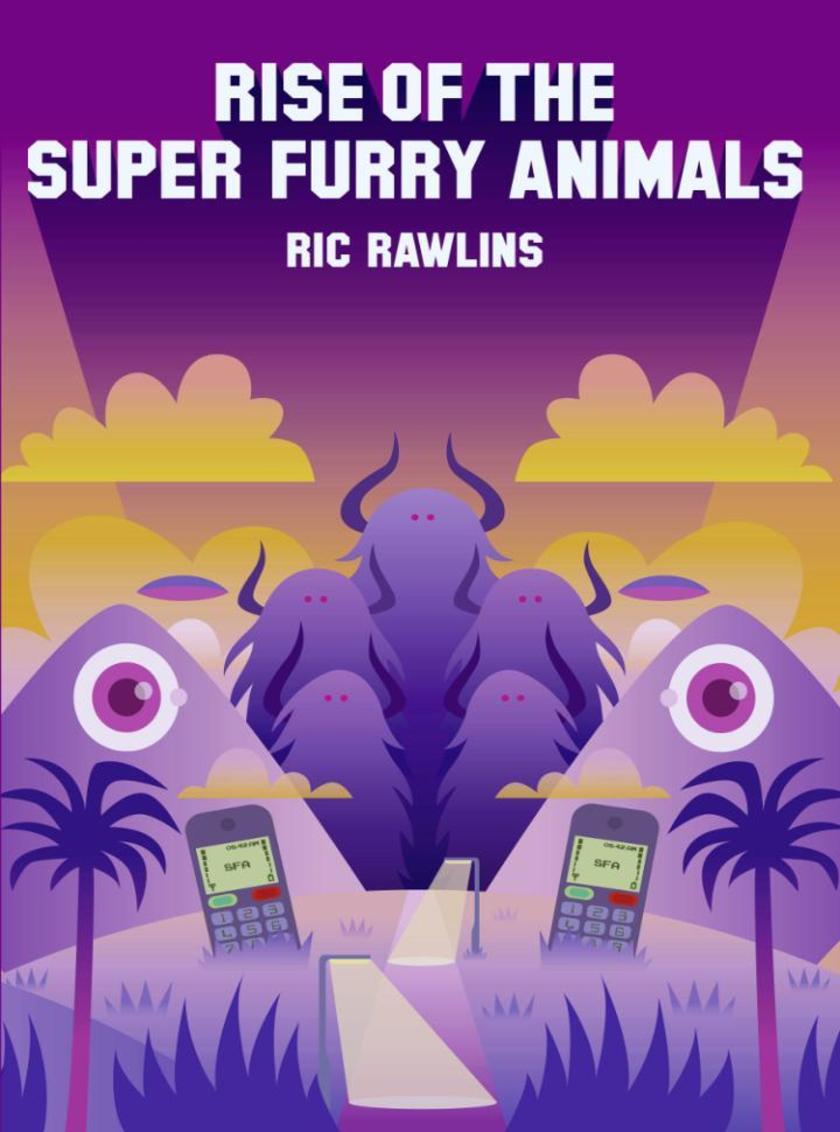
Rise of The Super Furry Animals
¥56.90
Rise of the Super Furry Animals tells the story of the greatest psychedelic pop band of our time. Welsh speakers with a lust for global communication, the Super Furry Animals shot to fame on Creation Records and found that, thanks to the record sales of label-mates Oasis, they suddenly had a vast budget to play with. Wasting no time, they bought an army tank and equipped it with a techno sound-system, caused national security alerts with 60-foot inflatable monsters, went into the Colombian jungle with armed Guerrilla fighters, and drew up plans to convert an aircraft carrier into a nightclub. Yet SFA's crazed adventures only tell half the story. By mixing up electronic beats, surf rock, Japanese culture and more, the band recorded some of the most acclaimed albums of the millennium, all the while documenting the mobile phone revolution in their uniquely surreal way. Written with the band’s own participation and housed in a jacket designed by Pete Fowler, the man behind some of SFA’s most iconic album covers, this is the remarkable story of their ascent to fame.
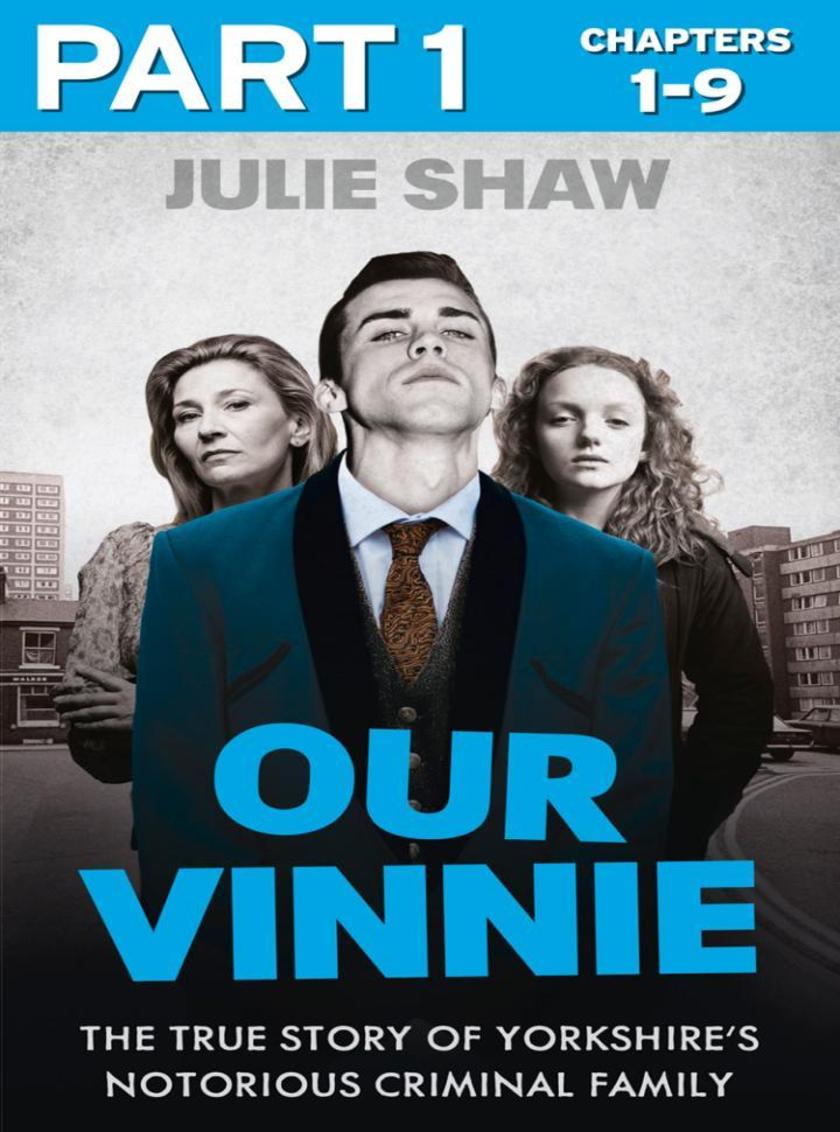
Our Vinnie - Part 1 of 3
免费
Our Vinnie can either be read as a full-length eBook or in 3 serialised eBook-only parts. This is PART 1 of 3. You can read Part 1 three weeks ahead of release of the full-length eBook and paperback. The infamous Canterbury Estate in Bradford, a hotbed of crime, drink and drugs, was a law unto itself in the ’70s. So when one of their own was wronged in any way, the community always had its own way of dealing with it. The first title in a series of gritty family sagas, Our Vinnie accounts the dramatic true story of a brother’s determination to avenge his younger sister’s rape. Josie was just 11 when her Vinnie, then 14, was taken away to a detention centre. Distraught by his absence and left alone with indifferent parents, when she escapes from one of their rows she naively enters the house of a neighbour, Melvin, who – horrifically – leads her upstairs and overpowers her. Convinced by her friend Carol, Josie tells her sister Lyndsey about the rape but, with Vinnie out of the picture, Lyndsey uses the information for her own ends. When Vinnie returns, hardened by years inside the system, his outrage on discovering the truth is severe. And with new abuses continually coming to light, a cataclysmic series of violent events begins to spiral out of control… Dramatic and shocking, Our Vinnie is an unbelievable page-turner, documenting a community forsaken by society, and one brother’s unrelenting determination to take justice into his own hands.
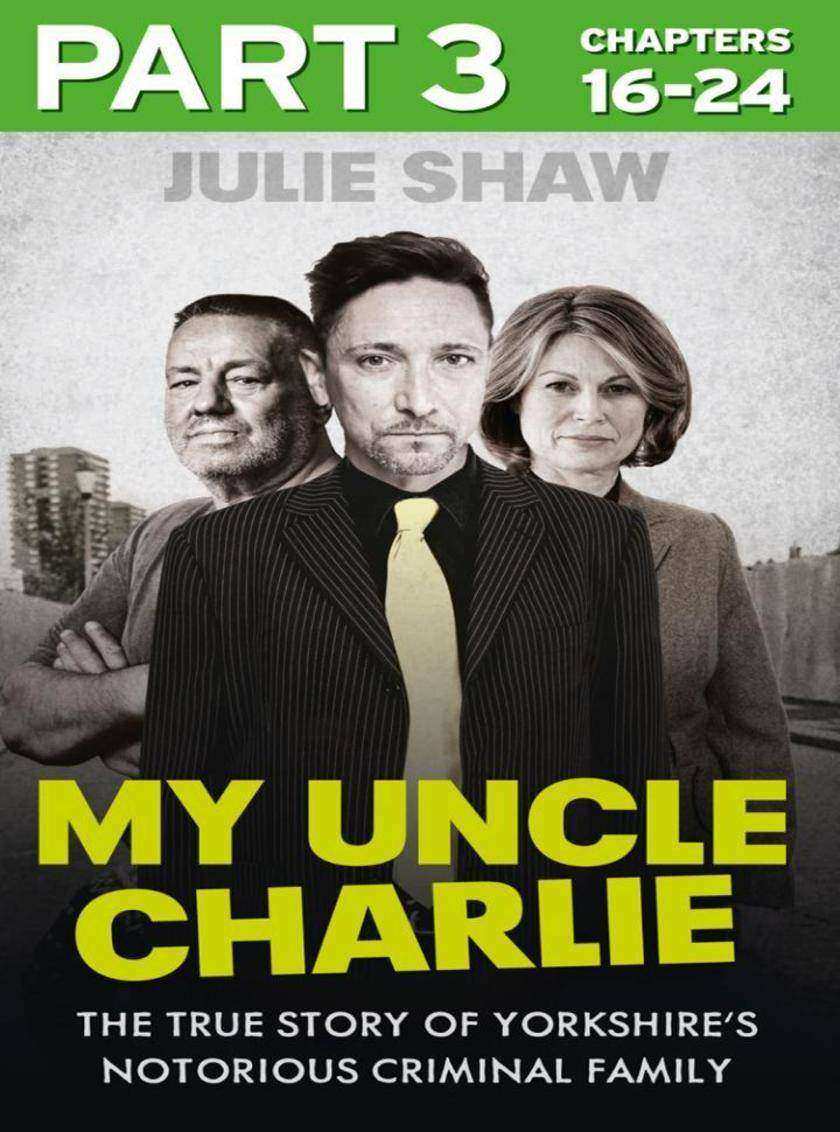
My Uncle Charlie - Part 3 of 3
¥15.60
My Uncle Charlie can either be read as a full-length eBook or in 3 serialised eBook-only parts. This is PART 3 of 3. You can read Part 3 one week ahead of the full-length eBook and paperback.


