


 购物车
购物车 个人中心
个人中心
Across the Plains
¥8.09
Travelogue and essays. According to Wikipedia: "Robert Louis (Balfour) Stevenson ( 1850 - 1894), was a Scottish novelist, poet, and travel writer, and a leading representative of Neo-romanticism in English literature. He was the man who "seemed to pick the right word up on the point of his pen, like a man playing spillikins", as G. K. Chesterton put it. He was also greatly admired by many authors, including Jorge Luis Borges, Ernest Hemingway, Rudyard Kipling, Vladimir Nabokov, and J. M. Barrie. Most modernist writers dismissed him, however, because he was popular and did not write within their definition of modernism. It is only recently that critics have begun to look beyond Stevenson's popularity and allow him a place in the canon."
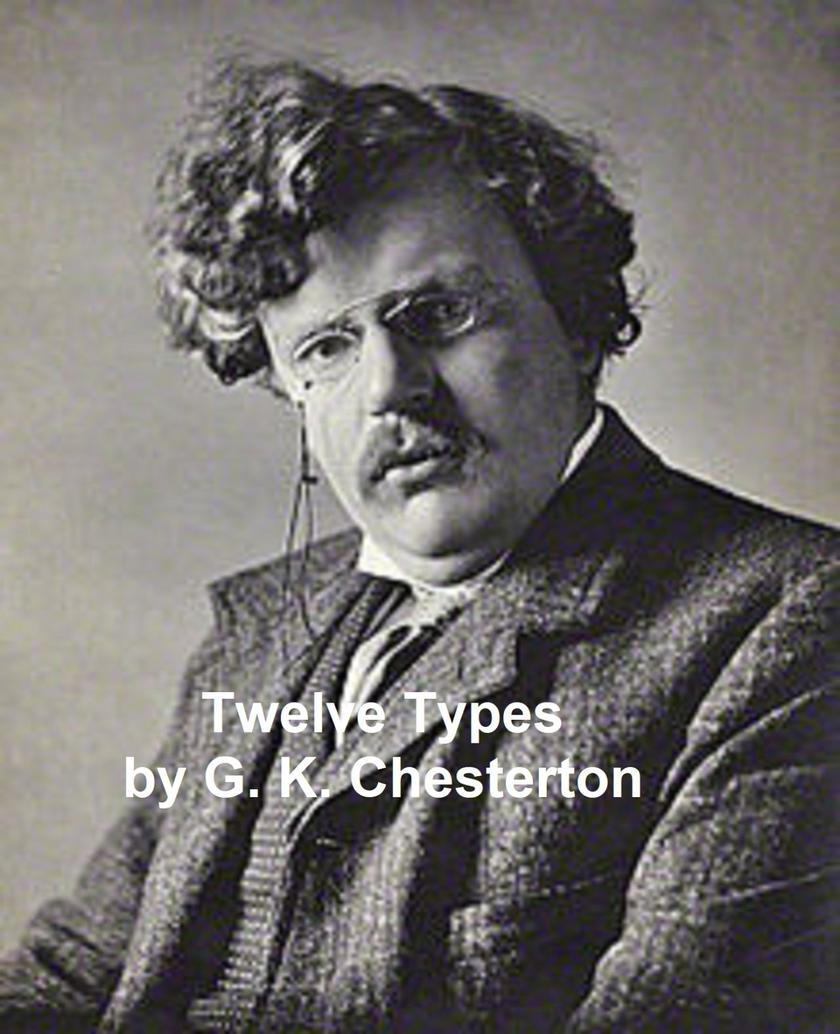
Twelve Types
¥8.09
Collection of biographical essays, including CHARLOTTE BRONTE, WILLIAM MORRIS AND HIS SCHOOL, THE OPTIMISM OF BYRON, POPE AND THE ART OF SATIRE, FRANCIS, ROSTAND, CHARLES II, STEVENSON, THOMAS CARLYLE, TOLSTOY AND THE CULT OF SIMPLICITY, SAVONAROLA, and THE POSITION OF SIR WALTER SCOTT. According to Wikipedia: "Gilbert Keith Chesterton (29 May 1874 – 14 June 1936) was an influential English writer of the early 20th century. His prolific and diverse output included journalism, philosophy, poetry, biography, Christian apologetics, fantasy and detective fiction. Chesterton has been called the "prince of paradox." Time magazine, in a review of a biography of Chesterton, observed of his writing style: "Whenever possible Chesterton made his points with popular sayings, proverbs, allegories—first carefully turning them inside out."
The Silverado Squatters
¥8.09
Travelogue/memoir of a stay in a ghost town in northern California on Mount Saint Helena in the 1870s. According to Wikipedia: "Robert Louis (Balfour) Stevenson ( 1850 - 1894), was a Scottish novelist, poet, and travel writer, and a leading representative of Neo-romanticism in English literature. He was the man who "seemed to pick the right word up on the point of his pen, like a man playing spillikins", as G. K. Chesterton put it. He was also greatly admired by many authors, including Jorge Luis Borges, Ernest Hemingway, Rudyard Kipling, Vladimir Nabokov, and J. M. Barrie. Most modernist writers dismissed him, however, because he was popular and did not write within their definition of modernism. It is only recently that critics have begun to look beyond Stevenson's popularity and allow him a place in the canon."

Essays of Montaigne
¥8.09
The complete essays, translated by Charles Cotton (1630-1687) and edited by William Hazlitt. From the Preface: "This great French writer deserves to be regarded as a classic, not only in the land of his birth, but in all countries and in all literatures. His Essays, which are at once the most celebrated and the most permanent of his productions, form a magazine out of which such minds as those of Bacon and Shakespeare did not disdain to help themselves; and, indeed, as Hallam observes, the Frenchman's literary importance largely results from the share which his mind had in influencing other minds, coeval and subsequent."
The Awakening
¥40.79
Set in New Orleans, the story follows Edna Pontellier and her struggle to reconcile her increasingly unorthodox views on femininity and motherhood. It is one of the earliest American novels that focuses on women's issues. The novel's blend of realistic narrative, incisive social commentary, and psychological complexity makes The Awakening a precursor of American modernism.
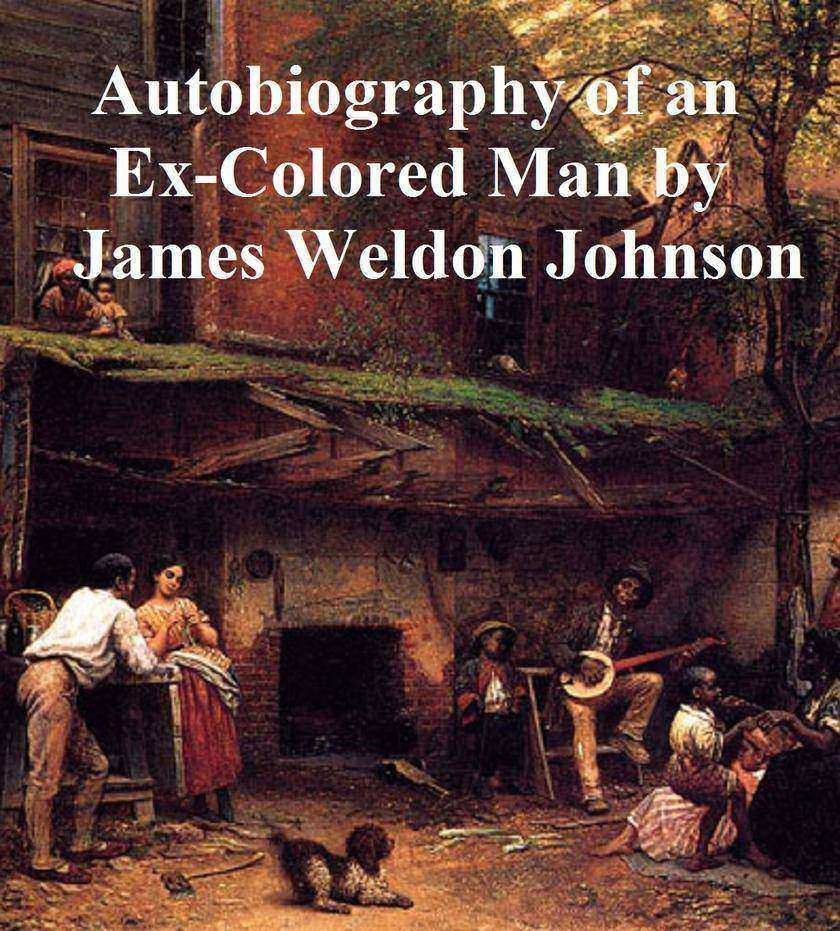
The Autobiography of an Ex-Colored Man
¥8.09
According to Wikipedia: "James Weldon Johnson (June 17, 1871 – June 26, 1938) was an American author, politician, diplomat, critic, journalist, poet, anthologist, educator, lawyer, songwriter, and early civil rights activist. Johnson is remembered best for his writing, which includes novels, poems, and collections of folklore. He was also one of the first African-American professors at New York University. Later in life he was a professor of creative literature and writing at Fisk University."
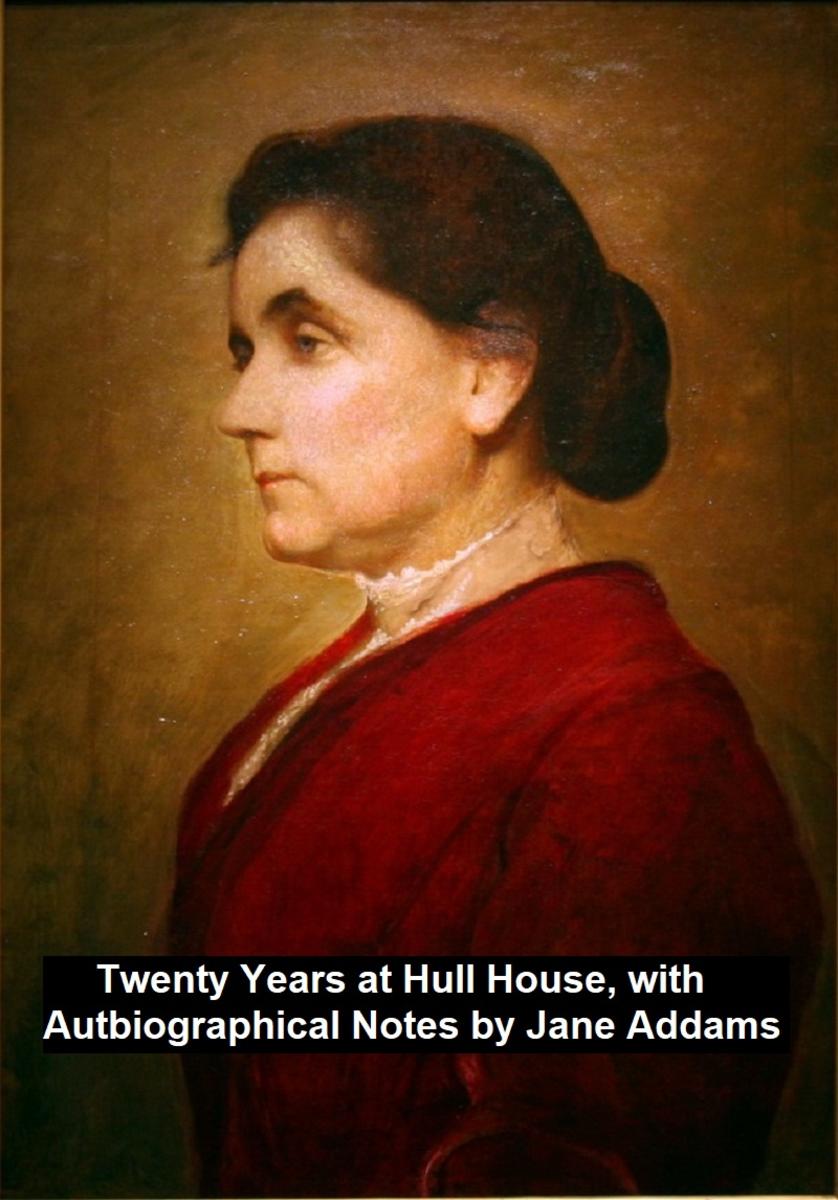
Twenty Years at Hull-House, with Autobiographical Notes
¥8.09
According to Wikipedia: "Jane Addams (September 6, 1860 – May 21, 1935) was a founder of the U.S. Settlement House movement, and one of the first American women to be awarded the Nobel Peace Prize."

Autobiography of John Stuard Mill
¥8.09
According to Wikipedia: "John Stuart Mill (20 May 1806 – 8 May 1873), English philosopher, political theorist, political economist, civil servant and Member of Parliament, was an influential British Classical liberal thinker of the 19th century whose works on liberty justified freedom of the individual in opposition to unlimited state control. He was a proponent of utilitarianism, an ethical theory developed by Jeremy Bentham, although his conception of it was very different from Bentham's. Hoping to remedy the problems found in an inductive approach to science, such as confirmation bias, he clearly set forth the premises of falsification as the key component in the scientific method."
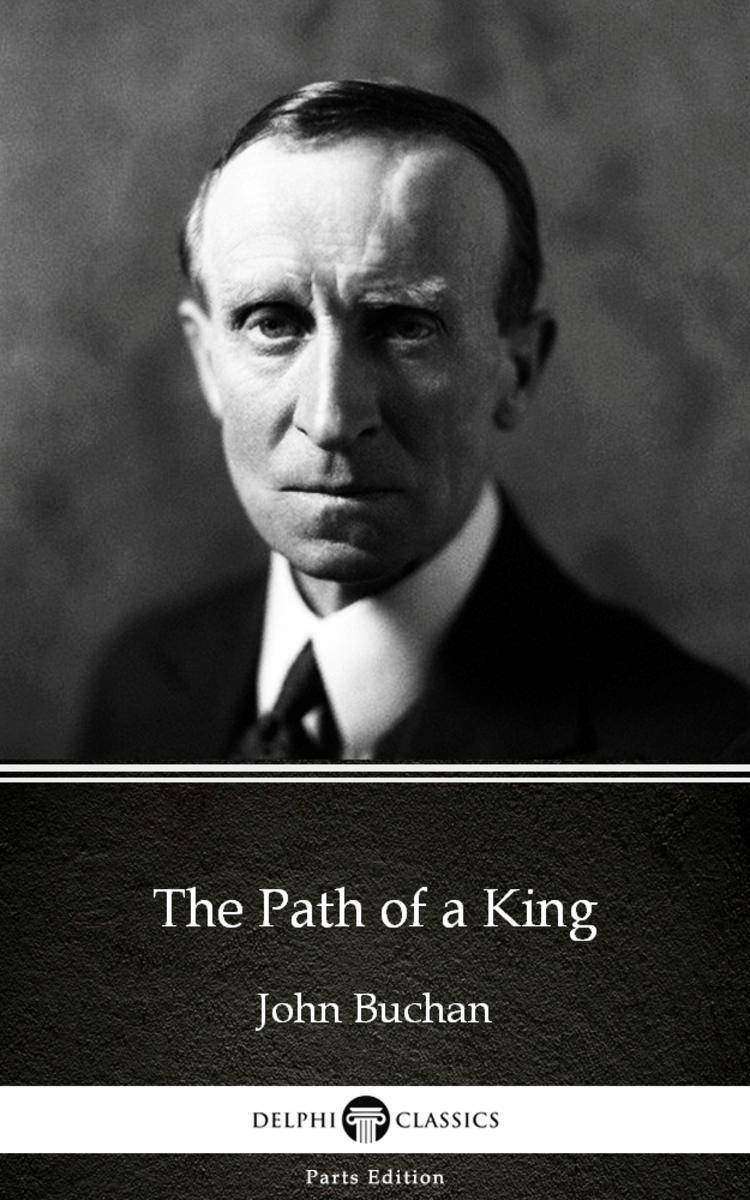
The Path of a King by John Buchan - Delphi Classics (Illustrated)
¥8.09
This eBook features the unabridged text of ‘The Path of a King by John Buchan - Delphi Classics (Illustrated)’ from the bestselling edition of ‘The Complete Works of John Buchan’. Having established their name as the leading publisher of classic literature and art, Delphi Classics produce publications that are individually crafted with superior formatting, while introducing many rare texts for the first time in digital print. The Delphi Classics edition of Buchan includes original annotations and illustrations relating to the life and works of the author, as well as individual tables of contents, allowing you to navigate eBooks quickly and easily. eBook features: * The complete unabridged text of ‘The Path of a King by John Buchan - Delphi Classics (Illustrated)’ * Beautifully illustrated with images related to Buchan’s works * Individual contents table, allowing easy navigation around the eBook * Excellent formatting of the text Please visit www.delphiclassics.com to learn more about our wide range of titles
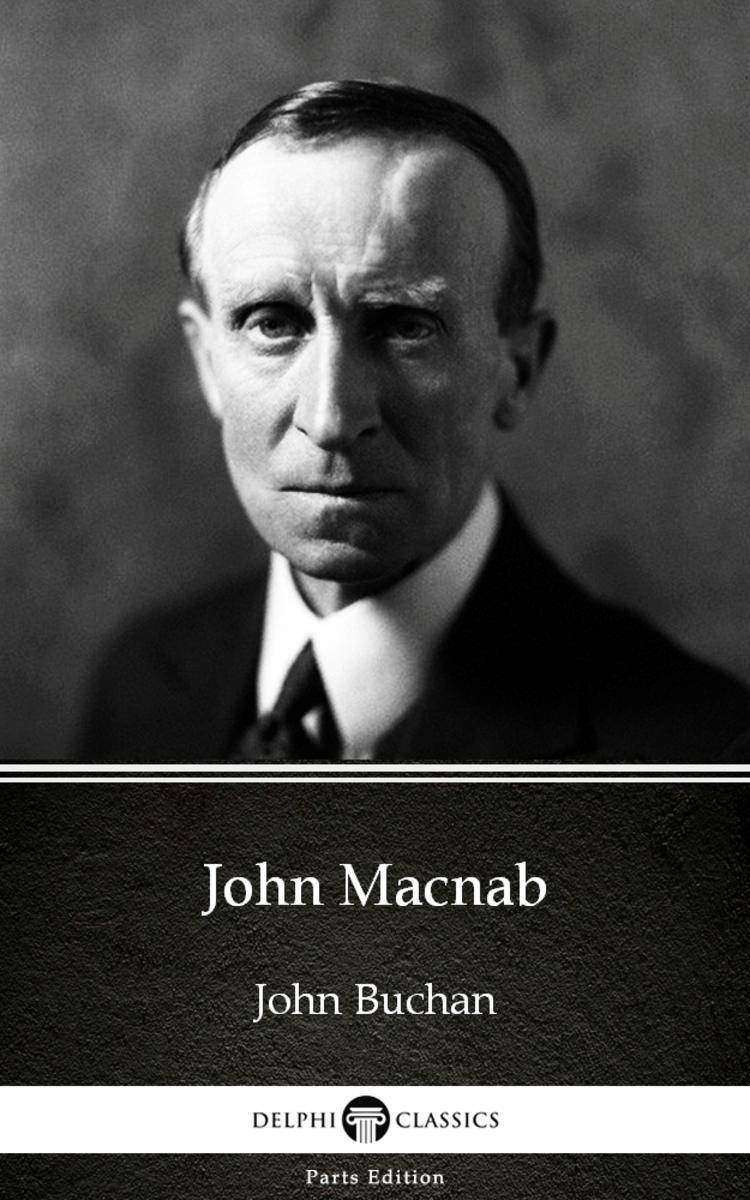
John Macnab by John Buchan - Delphi Classics (Illustrated)
¥8.09
This eBook features the unabridged text of ‘John Macnab by John Buchan - Delphi Classics (Illustrated)’ from the bestselling edition of ‘The Complete Works of John Buchan’. Having established their name as the leading publisher of classic literature and art, Delphi Classics produce publications that are individually crafted with superior formatting, while introducing many rare texts for the first time in digital print. The Delphi Classics edition of Buchan includes original annotations and illustrations relating to the life and works of the author, as well as individual tables of contents, allowing you to navigate eBooks quickly and easily. eBook features: * The complete unabridged text of ‘John Macnab by John Buchan - Delphi Classics (Illustrated)’ * Beautifully illustrated with images related to Buchan’s works * Individual contents table, allowing easy navigation around the eBook * Excellent formatting of the text Please visit www.delphiclassics.com to learn more about our wide range of titles
Plutarch's Morals, Ethical Essays
¥8.09
From the Preface: "Plutarch, who was born at Chaeronea in Boeotia, probably about A.D. 50, and was a contemporary of Tacitus and Pliny, has written two works still extant, the well-known _Lives_, and the less-known _Moralia_. The _Lives_ have often been translated, and have always been a popular work. Great indeed was their power at the period of the French Revolution. The _Moralia_, on the other hand, consisting of various Essays on various subjects (only twenty-six of which are directly ethical, though they have given their name to the _Moralia_), are declared by Mr. Paley "to be practically almost unknown to most persons in Britain, even to those who call themselves scholars." According to Wikipedia: "Lucius Mestrius Plutarchus (c. AD 46 - 120 — commonly known in English as Plutarch — was a Roman historian (of Greek ethnicity), biographer, essayist, and Middle Platonist. Plutarch was born to a prominent family in Chaeronea, Boeotia, a town about twenty miles east of Delphi. His known works consist of the Parallel Lives and the Moralia."
The Memoirs of Victor Hugo
¥8.09
According to Wikipedia: "Victor-Marie Hugo (26 February 1802 – 22 May 1885) was a French poet, playwright, novelist, essayist, visual artist, statesman, human rights activist and exponent of the Romantic movement in France. In France, Hugo's literary fame comes first from his poetry but also rests upon his novels and his dramatic achievements. Among many volumes of poetry, Les Contemplations and La Légende des siècles stand particularly high in critical esteem, and Hugo is sometimes identified as the greatest French poet. Outside France, his best-known works are the novels Les Misérables and Notre-Dame de Paris (known in English also as The Hunchback of Notre Dame). Though a committed conservative royalist when he was young, Hugo grew more liberal as the decades passed; he became a passionate supporter of republicanism, and his work touches upon most of the political and social issues and artistic trends of his time. He is buried in the Panthéon."
A Miscellany of Men
¥8.09
Classic collection of essays, including: THE SUFFRAGIST, THE POET AND THE CHEESE, THE THING, THE MAN WHO THINKS BACKWARDS, THE NAMELESS MAN, THE GARDENER AND THE GUINEA, THE VOTER AND THE TWO VOICES, THE MAD OFFICIAL, THE ENCHANTED MAN, THE SUN WORSHIPPER, THE WRONG INCENDIARY, THE FREE MAN, THE HYPOTHETICAL HOUSEHOLDER, THE PRIEST OF SPRING, THE REAL JOURNALIST, THE SENTIMENTAL SCOT, THE SECTARIAN OF SOCIETY, THE FOOL, THE CONSCRIPT AND THE CRISIS, THE MISER AND HIS FRIENDS, THE MYSTAGOGUE, THE RED REACTIONARY, THE SEPARATIST AND SACRED THINGS, THE MUMMER, THE ARISTOCRATIC 'ARRY, THE NEW THEOLOGIAN, THE ROMANTIC IN THE RAIN, THE FALSE PHOTOGRAPHER, THE SULTAN, THE ARCHITECT OF SPEARS, THE MAN ON TOP, THE OTHER KIND OF MAN, THE MEDIAEVAL VILLAIN, THE DIVINE DETECTIVE, THE ELF OF JAPAN, THE CHARTERED LIBERTINE, THE CONTENTED MAN, and THE ANGRY AUTHOR: HIS FAREWELL . According to Wikipedia: "Gilbert Keith Chesterton (29 May 1874 – 14 June 1936) was an influential English writer of the early 20th century. His prolific and diverse output included journalism, philosophy, poetry, biography, Christian apologetics, fantasy and detective fiction. Chesterton has been called the "prince of paradox." Time magazine, in a review of a biography of Chesterton, observed of his writing style: "Whenever possible Chesterton made his points with popular sayings, proverbs, allegories—first carefully turning them inside out."
Reviews
¥8.09
Large book-length collection of According to Wikipedia: "Oscar Fingal O'Flahertie Wills Wilde (1854 - 1900) was an Irish playwright, novelist, poet, and author of short stories. Known for his barbed wit, he was one of the most successful playwrights of late Victorian London, and one of the greatest celebrities of his day. As the result of a famous trial, he suffered a dramatic downfall and was imprisoned for two years of hard labour after being convicted of the offence of 'gross indecency.'"
Fables
¥8.09
Short collection of anecdotes. According to Wikipedia: "Robert Louis (Balfour) Stevenson ( 1850 - 1894), was a Scottish novelist, poet, and travel writer, and a leading representative of Neo-romanticism in English literature. He was the man who "seemed to pick the right word up on the point of his pen, like a man playing spillikins", as G. K. Chesterton put it. He was also greatly admired by many authors, including Jorge Luis Borges, Ernest Hemingway, Rudyard Kipling, Vladimir Nabokov, and J. M. Barrie. Most modernist writers dismissed him, however, because he was popular and did not write within their definition of modernism. It is only recently that critics have begun to look beyond Stevenson's popularity and allow him a place in the canon."
The New Jerusalem
¥8.09
Travelogue and related essays. According to Wikipedia: "Gilbert Keith Chesterton (1874 - 1936) was an influential English writer of the early 20th century. His prolific and diverse output included journalism, philosophy, poetry, biography, Christian apologetics, fantasy and detective fiction. Chesterton has been called the "prince of paradox."[1] He wrote in an off-hand, whimsical prose studded with startling formulations. For example: "Thieves respect property. They merely wish the property to become their property that they may more perfectly respect it."[2] He is one of the few Christian thinkers who are equally admired and quoted by both liberal and conservative Christians, and indeed by many non-Christians. Chesterton's own theological and political views were far too nuanced to fit comfortably under the "liberal" or "conservative" banner."
Essays and Miscellanies
¥8.09
Volume 3 of the Complete Works of Plutarch. According to Wikipedia: "Lucius Mestrius Plutarchus (c. AD 46 - 120 — commonly known in English as Plutarch — was a Roman historian (of Greek ethnicity), biographer, essayist, and Middle Platonist. Plutarch was born to a prominent family in Chaeronea, Boeotia, a town about twenty miles east of Delphi. His known works consist of the Parallel Lives and the Moralia."

Romulus
¥8.09
According to Wikipedia: "Romulus and Remus are Rome's twin founders in its traditional foundation myth, although the former is sometimes said to be the sole founder. Their maternal grandfather is Numitor, rightful king of Alba Longa, a descendant of the Trojan prince, Aeneas and father to Rhea Silvia (also known as Ilia). Before their conception, Numitor's brother Amulius deposes his brother, kills his sons and forces Rhea to become a Vestal Virgin, intending to deprive Numitor of lawful heirs and thus secure his own position; but Rhea conceives Romulus and Remus by the god Mars or the demi-god Hercules. When the twins are born, Amulius has them exposed to die but they are saved by a series of miraculous interventions. A she-wolf finds them and suckles them. Then a shepherd and his wife foster them and raise them to manhood as shepherds. The twins prove to be natural leaders, and acquire many followers. When told their true identities, they kill Amulius, restore Numitor to the throne of Alba Longa and decide to found a new city for themselves."
Richard III
¥8.09
According to Wikipedia: "Richard III (2 October 1452 – 22 August 1485) was King of England for two years, from 1483 until his death in 1485 during the Battle of Bosworth Field. He was the last king of the House of York and the last of the Plantagenet dynasty. His defeat at the Battle of Bosworth Field was the decisive battle of the Wars of the Roses and is sometimes regarded as the end of the Middle Ages in England. He is the subject of an eponymous historical play by William Shakespeare. When his brother Edward IV died in April 1483, Richard was named Lord protector of the realm for Edward's son and successor, the 12-year-old King Edward V... There were two major rebellions against Richard. The first, in October 1483, was led by staunch opponents of Edward IV and most notably by Richard's former ally, Henry Stafford, 2nd Duke of Buckingham. The revolt collapsed and Buckingham was executed at Salisbury near the Bull's Head Inn. In August 1485 there was another rebellion against Richard, headed by Henry Tudor, 2nd Earl of Richmond (later King Henry VII) and his uncle Jasper. The rebels landed troops, composed mainly of mercenaries, and Richard fell in the Battle of Bosworth Field, the last English king to die in battle (and the only king to die in battle on English soil since Harold II, at the Battle of Hastings in 1066)."
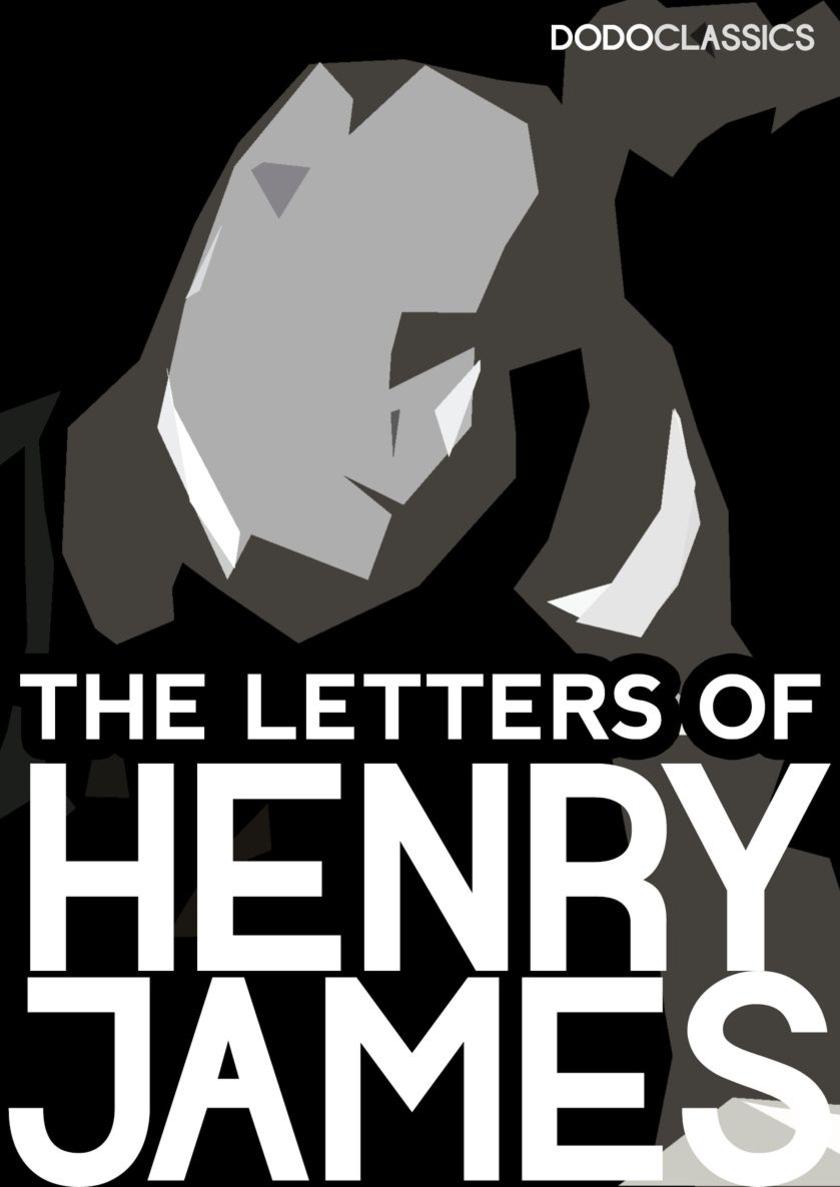
The Letters of Henry James
¥8.09
Dodo Collections brings you another classic from Henry James, ‘The Letters of Henry James’. ? The Complete Letters of Henry James fills a crucial gap in modern literary studies by presenting in a scholarly edition the complete letters of one of the great novelists and letter writers of the English language. Comprising more than ten thousand letters reflecting on a remarkably wide range of topics—from James’s own life and literary projects to broader questions on art, literature, and criticism. ? Henry James, OM (15 April 1843 – 28 February 1916) was an American writer who spent most of his writing career in Britain. He is regarded as one of the key figures of 19th-century literary realism. He was the son of Henry James, Sr. and the brother of philosopher and psychologist William James and diarist Alice James. ? He is best known for a number of novels showing Americans encountering Europe and Europeans. His method of writing from a character's point of view allowed him to explore issues related to consciousness and perception, and his style in later works has been compared to impressionist painting. His imaginative use of point of view, interior monologue and unreliable narrators brought a new depth to narrative fiction. ? James contributed significantly to literary criticism, particularly in his insistence that writers be allowed the greatest possible freedom in presenting their view of the world. James claimed that a text must first and foremost be realistic and contain a representation of life that is recognizable to its readers. Good novels, to James, show life in action and are, most importantly, interesting. In addition to his voluminous works of fiction he published articles and books of travel, biography, autobiography, and criticism, and wrote plays. James alternated between America and Europe for the first twenty years of his life; eventually he settled in England, becoming a British subject in 1915, one year before his death. James was nominated for the Nobel Prize in Literature in 1911, 1912, and 1916.
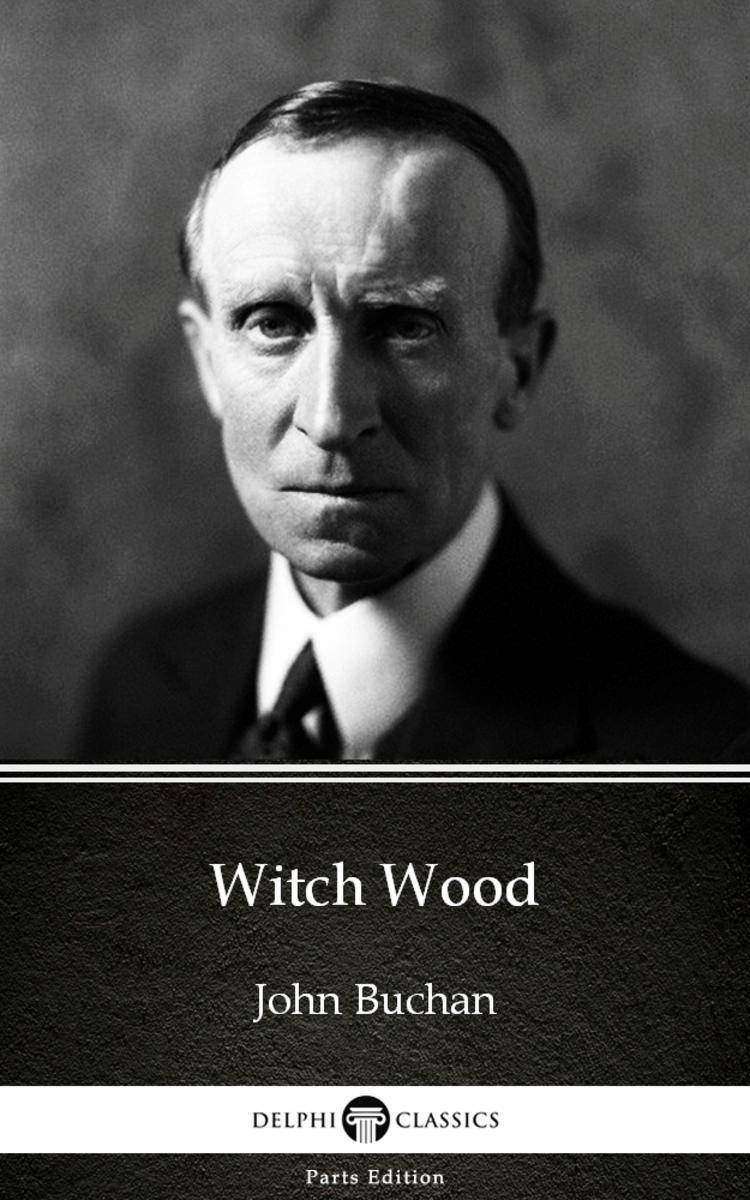
Witch Wood by John Buchan - Delphi Classics (Illustrated)
¥8.09
This eBook features the unabridged text of ‘Witch Wood by John Buchan - Delphi Classics (Illustrated)’ from the bestselling edition of ‘The Complete Works of John Buchan’. Having established their name as the leading publisher of classic literature and art, Delphi Classics produce publications that are individually crafted with superior formatting, while introducing many rare texts for the first time in digital print. The Delphi Classics edition of Buchan includes original annotations and illustrations relating to the life and works of the author, as well as individual tables of contents, allowing you to navigate eBooks quickly and easily. eBook features: * The complete unabridged text of ‘Witch Wood by John Buchan - Delphi Classics (Illustrated)’ * Beautifully illustrated with images related to Buchan’s works * Individual contents table, allowing easy navigation around the eBook * Excellent formatting of the text Please visit www.delphiclassics.com to learn more about our wide range of titles


