


 购物车
 个人中心


Nature and Nurture of Love
¥247.21
The notion that maternal care and love will determine a child's emotional well-being and future personality has become ubiquitous. In countless stories and movies we find that the problems of the protagonists-anything from the fear of romantic commitment to serial killing-stem from their troubled relationships with their mothers during childhood. How did we come to hold these views about the determinant power of mother love over an individual's emotional developmentAnd what does this vision of mother love entail for children and mothersIn The Nature and Nurture of Love, Marga Vicedo examines scientific views about children's emotional needs and mother love from World War II until the 1970s, paying particular attention to John Bowlby's ethological theory of attachment behavior. Vicedo tracks the development of Bowlby's work as well as the interdisciplinary research that he used to support his theory, including Konrad Lorenz's studies of imprinting in geese, Harry Harlow's experiments with monkeys, and Mary Ainsworth's observations of children and mothers in Uganda and the United States. Vicedo's historical analysis reveals that important psychoanalysts and animal researchers opposed the project of turning emotions into biological instincts. Despite those substantial criticisms, she argues that attachment theory was paramount in turning mother love into a biological need. This shift introduced a new justification for the pre*ive role of biology in human affairs and had profound-and negative-consequences for mothers and for the valuation of mother love.
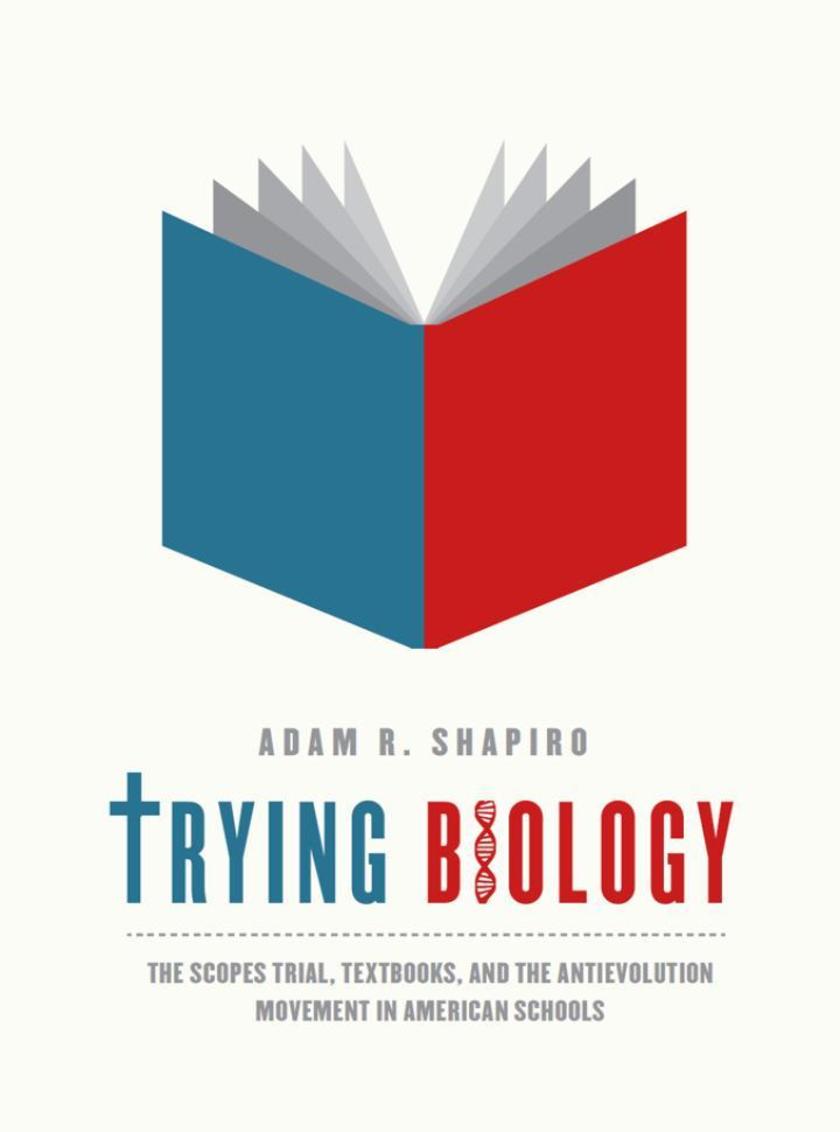
Trying Biology
¥170.69
In Trying Biology, Adam R. Shapiro convincingly dispels many conventional assumptions about the 1925 Scopes "e;monkey"e; trial. Most view it as an event driven primarily by a conflict between science and religion. Countering this, Shapiro shows the importance of timing: the Scopes trial occurred at a crucial moment in the history of biology textbook publishing, education reform in Tennessee, and progressive school reform across the country. He places the trial in this broad context-alongside American Protestant antievolution sentiment-and in doing so sheds new light on the trial and the historical relationship of science and religion in America.?For the first time we see how religious objections to evolution became a prevailing concern to the American textbook industry even before the Scopes trial began. Shapiro explores both the development of biology textbooks leading up to the trial and the ways in which the textbook industry created new books and presented them as "e;responses"e; to the trial. Today, the controversy continues over textbook warning labels, making Shapiro's study-particularly as it plays out in one of America's most famous trials-an original contribution to a timely discussion.
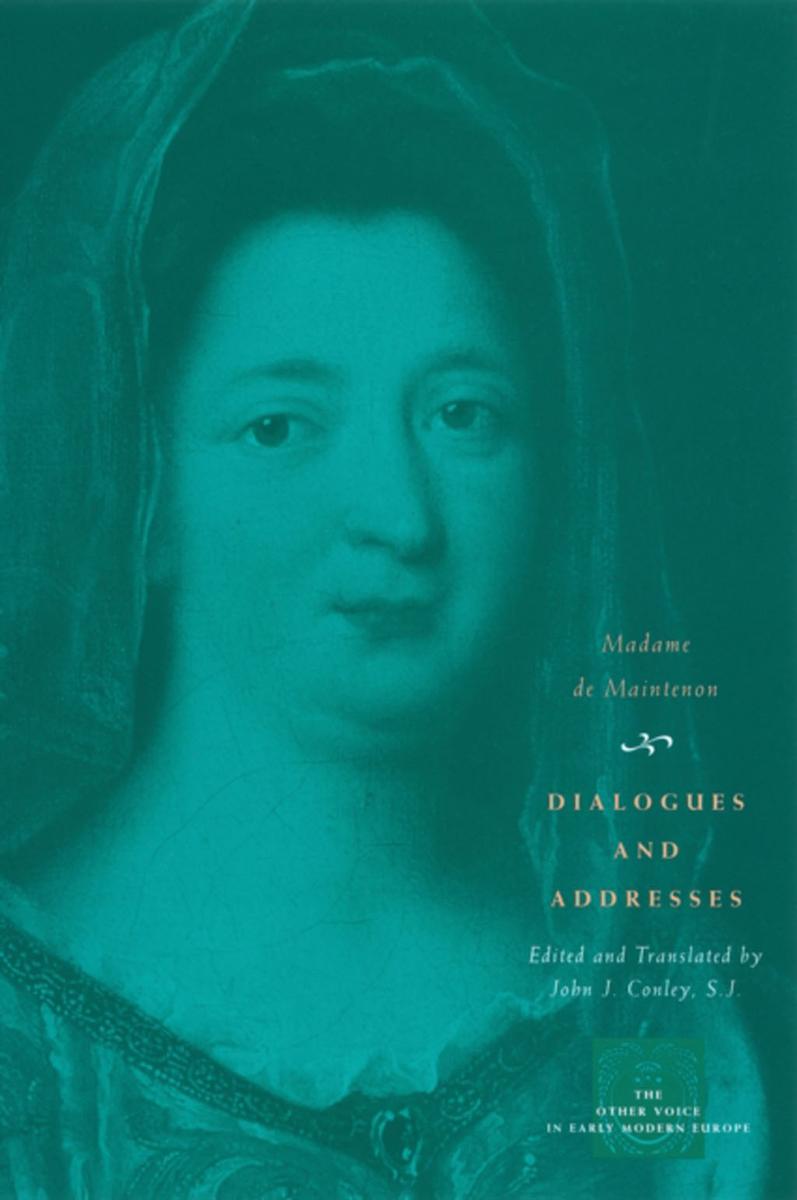
Dialogues and Addresses
¥265.87
Born Francoise d'Aubigne, a criminal's daughter reduced to street begging as a child, Madame de Maintenon (1653-1719) made an improbable rise from impoverished beginnings to the summit of power as the second, secret wife of Louis XIV. An educational reformer, Maintenon founded and directed the celebrated academy for aristocratic women at Saint-Cyr. This volume presents the dialogues and addresses in which Maintenon explains her controversial philosophy of education for women.Denounced by her contemporaries as a political schemer and religious fanatic, Maintenon has long been criticized as an opponent of gender equality. The writings in this volume faithfully reflect Maintenon's respect for social hierarchy and her stoic call for women to accept the duties of their state in life. But the writings also echo Maintenon's more feminist concerns: the need to redefine the virtues in the light of women's experience, the importance of naming the constraints on women's freedom, and the urgent need to remedy the scandalous neglect of the education of women.In her writings as well as in her own model school at Saint-Cyr, Maintenon embodies the demand for educational reform as the key to the empowerment of women at the dawn of modernity.
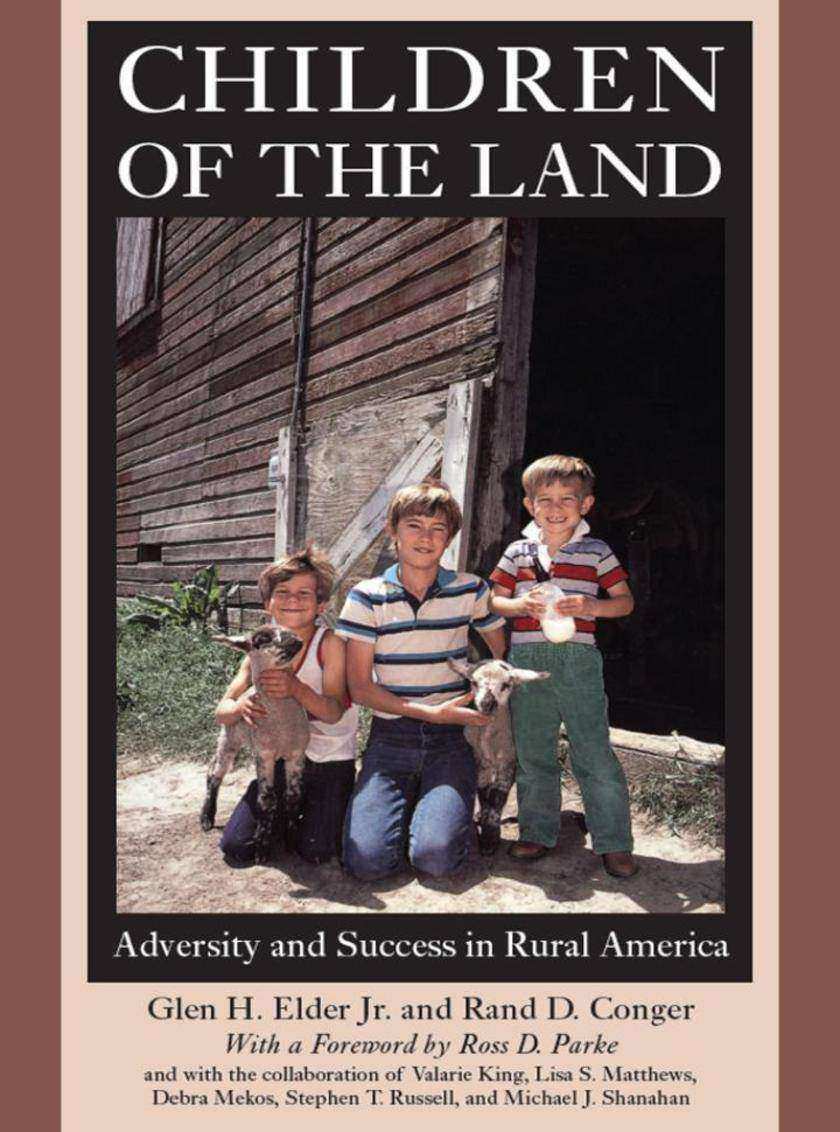
Children of the Land
¥288.41
A century ago, most Americans had ties to the land. Now only one in fifty is engaged in farming and little more than a fourth live in rural communities. Though not new, this exodus from the land represents one of the great social movements of our age and is also symptomatic of an unparalleled transformation of our society.In Children of the Land, the authors ask whether traditional observations about farm families-strong intergenerational ties, productive roles for youth in work and social leadership, dedicated parents and a network of positive engagement in church, school, and community life-apply to three hundred Iowa children who have grown up with some tie to the land. The answer, as this study shows, is a resounding yes. In spite of the hardships they faced during the agricultural crisis of the 1980s, these children, whose lives we follow from the seventh grade to after high school graduation, proved to be remarkably successful, both academically and socially.A moving testament to the distinctly positive lifestyle of Iowa families with connections to the land, this uplifting book also suggests important routes to success for youths in other high risk settings.
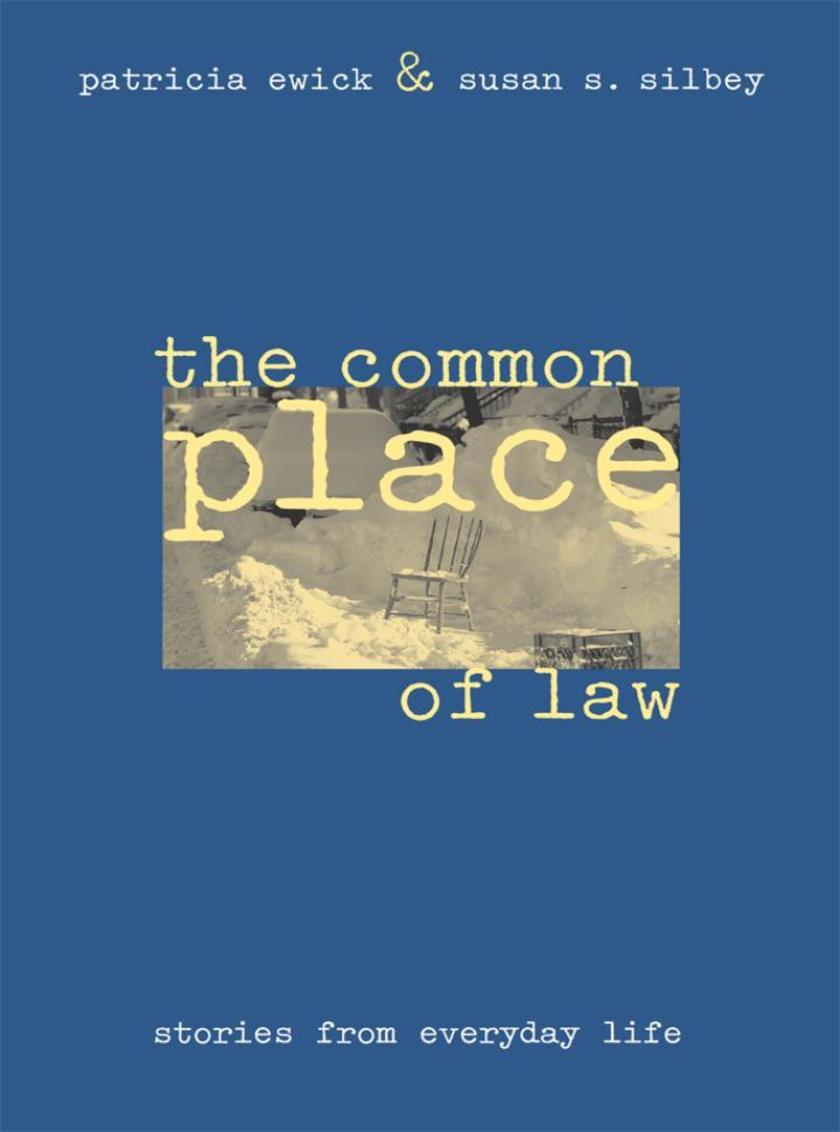
Common Place of Law
¥241.33
Why do some people not hesitate to call the police to quiet a barking dog in the middle of the night, while others accept the pain and losses associated with defective products, unsuccesful surgery, and discriminationPatricia Ewick and Susan Silbey collected accounts of the law from more than four hundred people of diverse backgrounds in order to explore the different ways that people use and experience it. Their fascinating and original study identifies three common narratives of law that are captured in the stories people tell.One narrative is based on an idea of the law as magisterial and remote. Another views the law as a game with rules that can be manipulated to one's advantage. A third narrative describes the law as an arbitrary power that is actively resisted. Drawing on these extensive case studies, Ewick and Silbey present individual experiences interwoven with an analysis that charts a coherent and compelling theory of legality. A groundbreaking study of law and narrative, The Common Place of Law depicts the institution as it is lived: strange and familiar, imperfect and ordinary, and at the center of daily life.
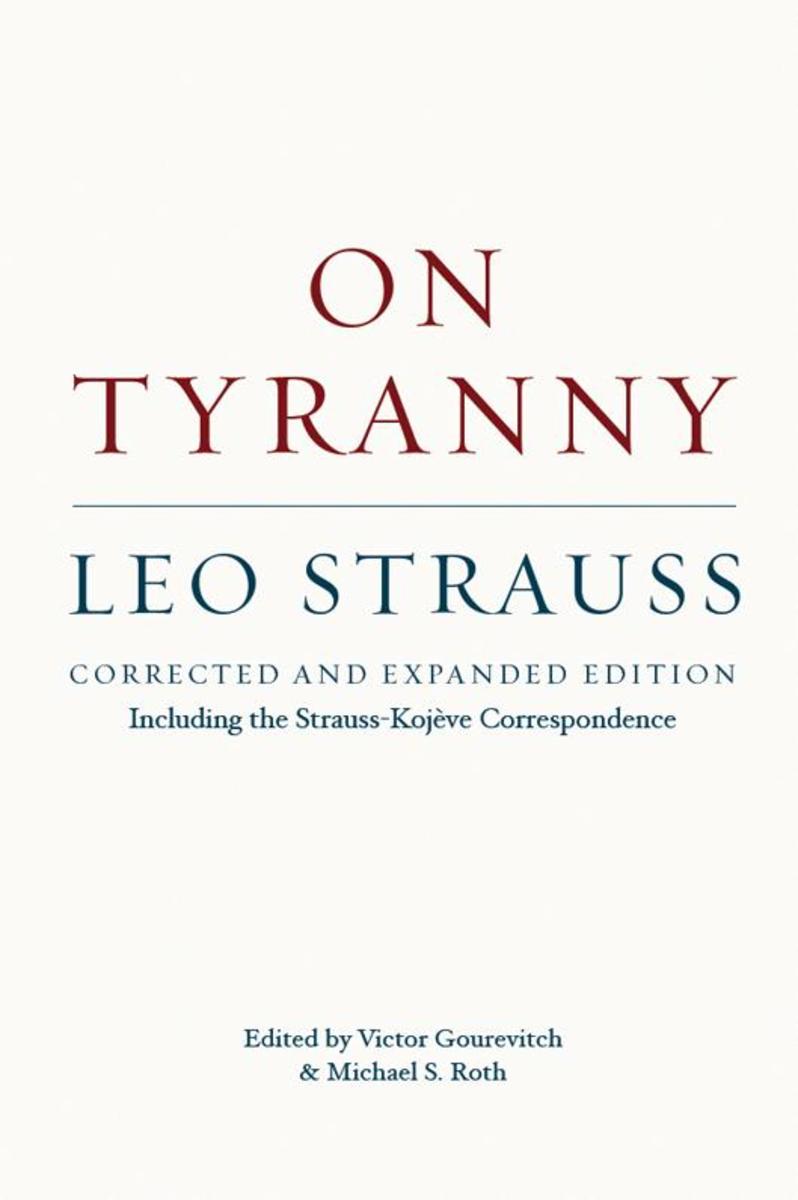
On Tyranny
¥229.55
On Tyranny is Leo Strauss's classic reading of Xenophon's dialogue Hiero, or Tyrannicus, in which the tyrant Hiero and the poet Simonides discuss the advantages and disadvantages of exercising tyranny. Included are a translation of the dialogue from its original Greek, a critique of Strauss's commentary by the French philosopher Alexandre Kojeve, and the complete correspondence between the two.This revised and expanded edition introduces important corrections throughout and expands Strauss's restatement of his position in light of Kojve's commentary to bring it into conformity with the text as it was originally published in France.
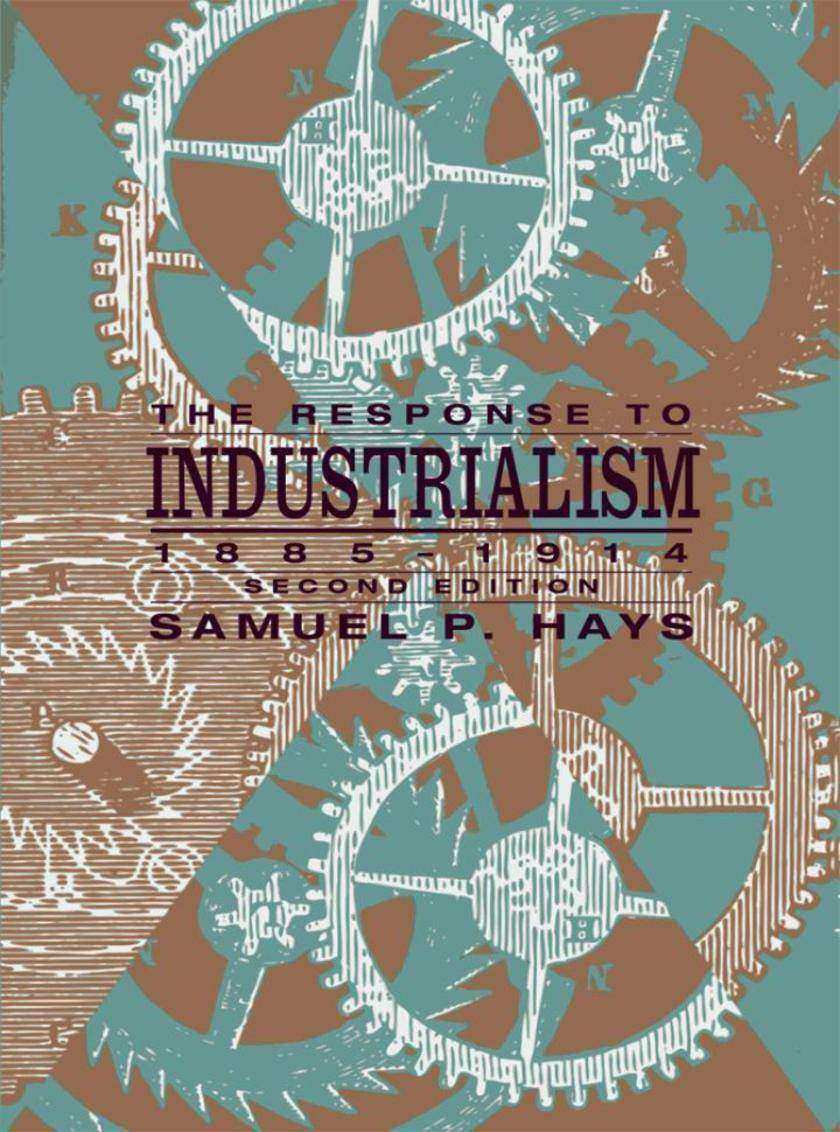
Response to Industrialism, 1885-1914
¥188.35
In this new edition, Samuel P. Hays expands the scope of his pioneering account of the ways in which Americans reacted to industrialism during its early years from 1885 to 1914. Hays now deepens his coverage of cultural transformations in a study well known for its concise treatment of political and economic movements.Hays draws on the vast knowledge of America's urban and social history that has been developed over the last thirty-eight years to make the second edition an unusually well-rounded study. He enhances the original coverage of politics, labor, and business with new accounts of the growth of cities, the rise of modern values, cultural conflicts with Native Americans and foreign nations, and changing roles for women, African-Americans, education, religion, medicine, law, and leisure. The result is a tightly woven portrait of America in transition that underscores the effects of impersonal market forces and greater personal freedom on individuals and chronicles such changes as the rise of social inequality, shifting power, in the legal system, the expansion of the federal government, and the formation of the Populist, Progressive, and Socialist parties.

Nice Guys Finish Last
¥147.15
"e;I believe in rules. Sure I do. If there weren't any rules, how could you break them?"e;The history of baseball is rife with colorful characters. But for sheer cantankerousness, fighting moxie, and will to win, very few have come close to Leo "e;the Lip"e; Durocher. Following a five-decade career as a player and manager for baseball's most storied franchises, Durocher teamed up with veteran sportswriter Ed Linn to tell the story of his life in the game. The resulting book, Nice Guys Finish Last, is baseball at its best, brimming with personality and full of all the fights and feuds, triumphs and tricks that made Durocher such a success-and an outsized celebrity.Durocher began his career inauspiciously, riding the bench for the powerhouse 1928 Yankees and hitting so poorly that Babe Ruth nicknamed him "e;the All-American Out."e; But soon Durocher hit his stride: traded to St. Louis, he found his headlong play and never-say-die attitude a perfect fit with the rambunctious "e;Gashouse Gang"e; Cardinals. In 1939, he was named player-manager of the Brooklyn Dodgers-and almost instantly transformed the underachieving Bums into perennial contenders. He went on to manage the New York Giants, sharing the glory of one of the most famous moments in baseball history, Bobby Thomson's "e;shot heard 'round the world,"e; which won the Giants the 1951 pennant. Durocher would later learn how it felt to be on the other side of such an unforgettable moment, as his 1969 Cubs, after holding first place for 105 days, blew a seemingly insurmountable 8-1/2-game lead to the Miracle Mets.All the while, Durocher made as much noise off the field as on it. His perpetual feuds with players, owners, and league officials-not to mention his public associations with gamblers, riffraff, and Hollywood stars like George Raft and Larraine Day-kept his name in the headlines and spread his fame far beyond the confines of the diamond.A no-holds-barred account of a singular figure, Nice Guys Finish Last brings the personalities and play-by-play of baseball's greatest era to vivid life, earning a place on every baseball fan's bookshelf.
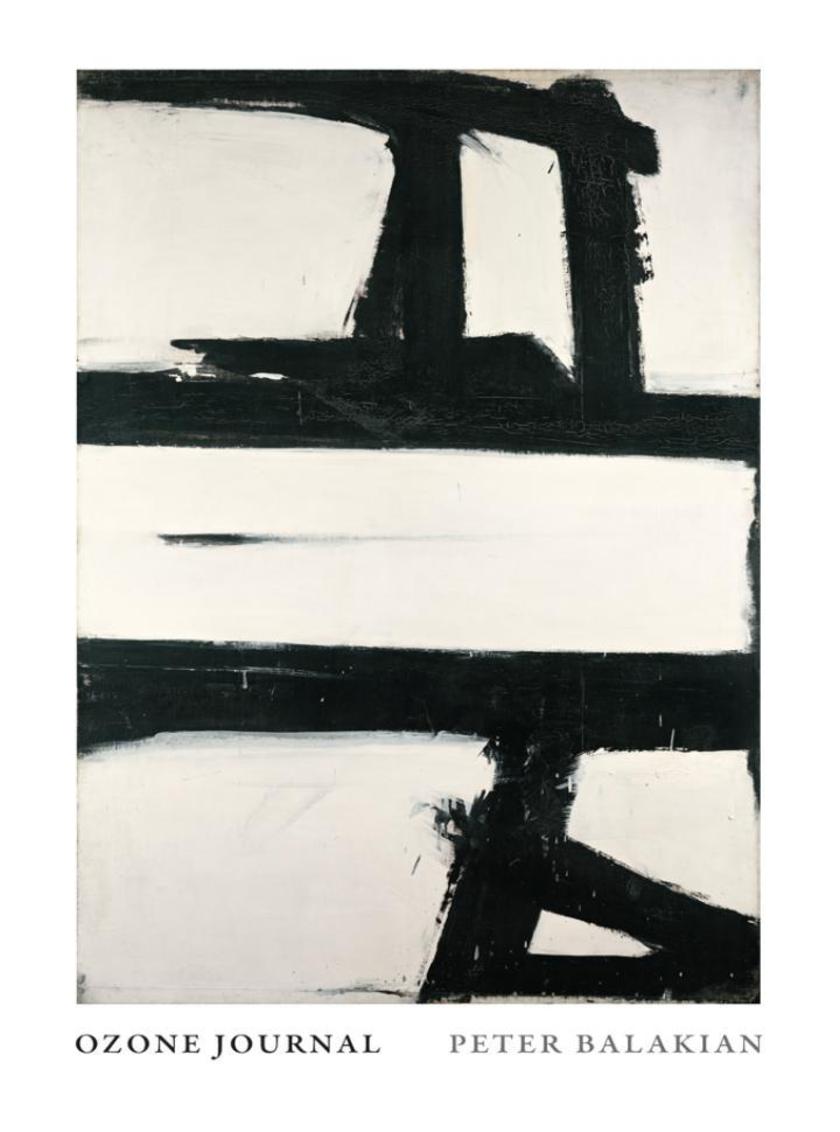
Ozone Journal
¥147.15
from "e;Ozone Journal"e;?Bach's cantata in B-flat minor in the cassette,we lounged under the greenhouse-sky, the UVBs hackingat the acids and oxides and then I could hear the difference?between an oboe and a bassoonat the river's edge under cover-trees breathed in our respiration;?there was something on the other side of the river,something both of us were itching toward-?radical bonds were broken, history became science.We were never the same.?The title poem of Peter Balakian's Ozone Journal is a sequence of fifty-four short sections, each a poem in itself, recounting the speaker's memory of excavating the bones of Armenian genocide victims in the Syrian desert with a crew of television journalists in 2009. These memories spark others-the dissolution of his marriage, his life as a young single parent in Manhattan in the nineties, visits and conversations with a cousin dying of AIDS-creating a montage that has the feel of history as lived experience. Bookending this sequence are shorter lyrics that span times and locations, from Nairobi to the Native American villages of New Mexico. In the dynamic, sensual language of these poems, we are reminded that the history of atrocity, trauma, and forgetting is both global and ancient; but we are reminded, too, of the beauty and richness of culture and the resilience of love.

Debate of the Romance of the Rose
¥353.16
In 1401, Christine de Pizan (1365-1430?), one of the most renowned and prolific woman writers of the Middle Ages, wrote a letter to the provost of Lille criticizing the highly popular and widely read Romance of the Rose for its blatant and unwarranted misogynistic depictions of women. The debate that ensued, over not only the merits of the treatise but also of the place of women in society, started Europe on the long path to gender parity. Pizan's criticism sparked a continent-wide discussion of issues that is still alive today in disputes about art and morality, especially the civic responsibility of a writer or artist for the works he or she produces.In Debate of the "e;Romance of the Rose,"e; David Hult collects, along with the debate documents themselves, letters, sermons, and excerpts from other works of Pizan, including one from City of Ladies-her major defense of women and their rights-that give context to this debate.?Here, Pizan's supporters and detractors are heard alongside her own formidable, protofeminist voice.The resulting volume affords a rare look at the way people read and thought about literature in the period immediately preceding the era of print.
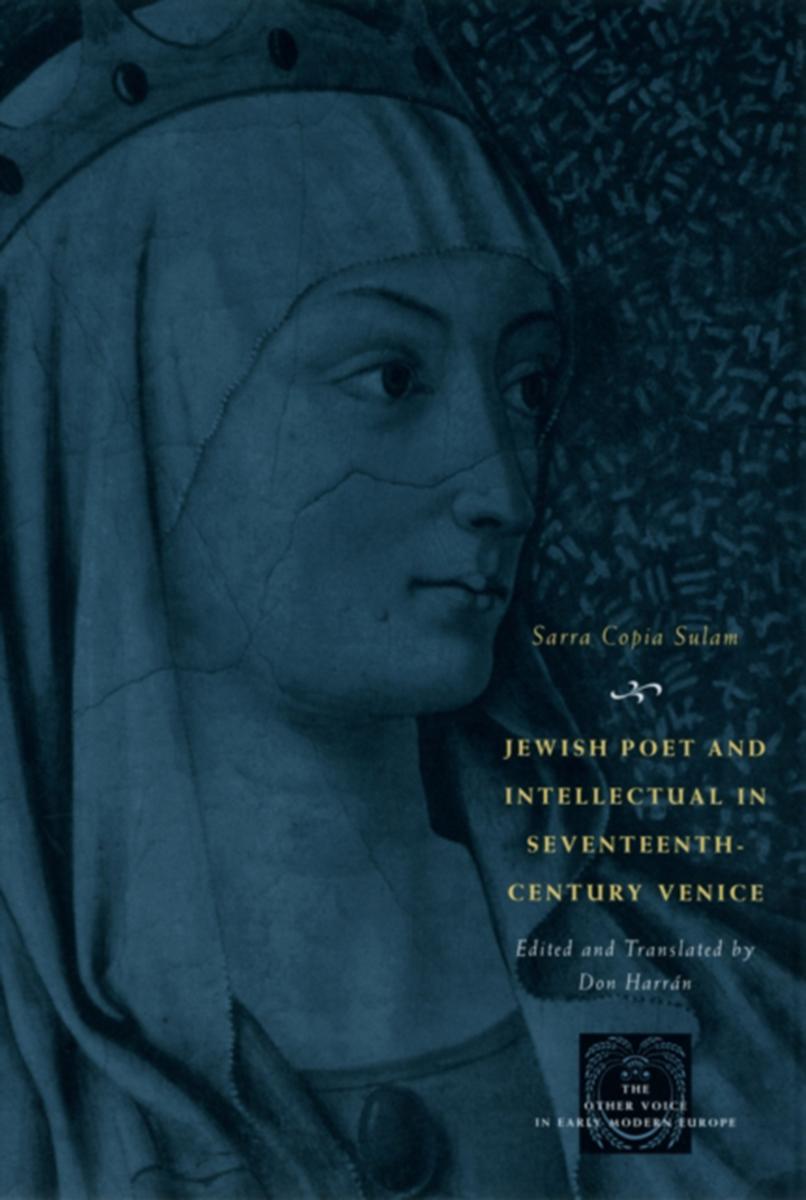
Jewish Poet and Intellectual in Seventeenth-Century Venice
¥353.16
These recent achievements have their origins in things women (and some male supporters) said for the first time about six hundred years ago. Theirs is the “other voice,” in contradistinction to the “first voice,” the voice of the educated men who created Western culture. Coincident with a general reshaping of European culture in the period 1300- 1700 (called the Renaissance or early modern period), questions of female equality and op-portunity were raised that still resound and are still unresolved.
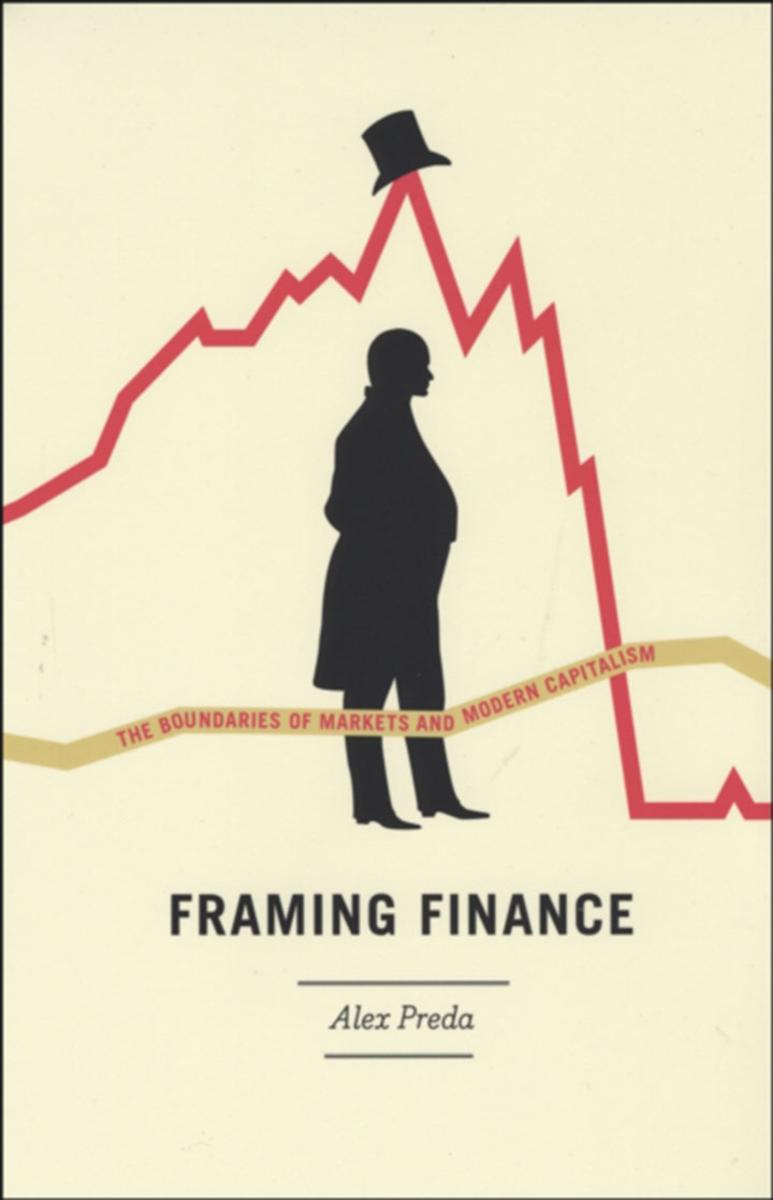
Framing Finance
¥253.10
As the banking crisis and its effects on the world economy have made plain, the stock market is of colossal importance to our livelihoods. In Framing Finance, Alex Preda looks at the history of the market to figure out how we arrived at a point where investing is not only commonplace, but critical, as market fluctuations threaten our plans to send our children to college or retire comfortably. As Preda discovers through extensive research, the public was once much more skeptical. For investing to become accepted, a deep-seated prejudice against speculation had to be overcome, and Preda reveals that over the course of the eighteenth and nineteenth centuries groups associated with stock exchanges in New York, London, and Paris managed to redefine finance as a scientific pursuit grounded in observational technology. But Preda also notes that as the financial data in which they trafficked became ever more difficult to understand, charismatic speculators emerged whose manipulations of the market undermined the benefits of widespread investment. And so, Framing Finance ends with an eye on the future, proposing a system of public financial education to counter the irrational elements that still animate the appeal of finance.

Grasping Hand
¥247.21
In 2005, the Supreme Court ruled that the city of New London, Connecticut, could condemn fifteen residential properties in order to transfer them to a new private owner. Although the Fifth Amendment only permits the taking of private property for "e;public use,"e; the Court ruled that the transfer of condemned land to private parties for "e;economic development"e; is permitted by the Constitution-even if the government cannot prove that the expected development will ever actually happen. The Court's decision in Kelo v. City of New London empowered the grasping hand of the state at the expense of the invisible hand of the market.In this detailed study of one of the most controversial Supreme Court cases in modern times, Ilya Somin argues that Kelo was a grave error. Economic development and "e;blight"e; condemnations are unconstitutional under both originalist and most "e;living constitution"e; theories of legal interpretation. They also victimize the poor and the politically weak for the benefit of powerful interest groups and often destroy more economic value than they create. Kelo itself exemplifies these patterns. The residents targeted for condemnation lacked the influence needed to combat the formidable government and corporate interests arrayed against them.Moreover, the city's poorly conceived development plan ultimately failed: the condemned land lies empty to this day, occupied only by feral cats. The Supreme Court's unpopular ruling triggered an unprecedented political reaction, with forty-five states passing new laws intended to limit the use of eminent domain. But many of the new laws impose few or no genuine constraints on takings. The Kelo backlash led to significant progress, but not nearly as much as it may have seemed.Despite its outcome, the closely divided 5-4 ruling shattered what many believed to be a consensus that virtually any condemnation qualifies as a public use under the Fifth Amendment. It also showed that there is widespread public opposition to eminent domain abuse. With controversy over takings sure to continue, The Grasping Hand offers the first book-length analysis of Kelo by a legal scholar, alongside a broader history of the dispute over public use and eminent domain and an evaluation of options for reform.?

Meaning
¥229.55
Published very shortly before his death in February 1976, Meaning is the culmination of Michael Polanyi's philosophic endeavors. With the assistance of Harry Prosch, Polanyi goes beyond his earlier critique of scientific "e;objectivity"e; to investigate meaning as founded upon the imaginative and creative faculties.Establishing that science is an inherently normative form of knowledge and that society gives meaning to science instead of being given the "e;truth"e; by science, Polanyi contends here that the foundation of meaning is the creative imagination. Largely through metaphorical expression in poetry, art, myth, and religion, the imagination is used to synthesize the otherwise chaotic and disparate elements of life. To Polanyi these integrations stand with those of science as equally valid modes of knowledge. He hopes this view of the foundation of meaning will restore validity to the traditional ideas that were undercut by modern science. Polanyi also outlines the general conditions of a free society that encourage varied approaches to truth, and includes an illuminating discussion of how to restore, to modern minds, the possibility for the acceptance of religion.

Aristotle's Politics
¥229.55
"e;Man is a political animal,"e; Aristotle asserts near the beginning of the Politics. In this novel reading of one of the foundational texts of political philosophy, Eugene Garver traces the surprising implications of Aristotle's claim and explores the treatise's relevance to ongoing political concerns. Often dismissed as overly grounded in Aristotle's specific moment in time, in fact the Politics challenges contemporary understandings of human action and allows us to better see ourselves today.Close examination of Aristotle's treatise, Garver finds, reveals a significant, practical role for philosophy to play in politics. Philosophers present arguments about issues-such as the right and the good, justice and modes of governance, the relation between the good person and the good citizen, and the character of a good life-that politicians must then make appealing to their fellow citizens. Completing Garver's trilogy on Aristotle's unique vision, Aristotle's Politics yields new ways of thinking about ethics and politics, ancient and modern.

Fate of the Forest
¥229.55
The Amazon rain forest covers more than five million square kilometers, amid the territories of nine different nations. It represents over half of the planet's remaining rain forest. Is it truly in perilWhat steps are necessary to save itTo understand the future of Amazonia, one must know how its history was forged: in the eras of large pre-Columbian populations, in the gold rush of conquistadors, in centuries of slavery, in the schemes of Brazil's military dictators in the 1960s and 1970s, and in new globalized economies where Brazilian soy and beef now dominate, while the market in carbon credits raises the value of standing forest.Susanna Hecht and Alexander Cockburn show in compelling detail the panorama of destruction as it unfolded, and also reveal the extraordinary turnaround that is now taking place, thanks to both the social movements, and the emergence of new environmental markets. Exploring the role of human hands in destroying-and saving-this vast forested region, The Fate of the Forest pivots on the murder of Chico Mendes, the legendary labor and environmental organizer assassinated after successful confrontations with big ranchers. A multifaceted portrait of Eden under siege, complete with a new preface and afterword by the authors, this book demonstrates that those who would hold a mirror up to nature must first learn the lessons offered by some of their own people.
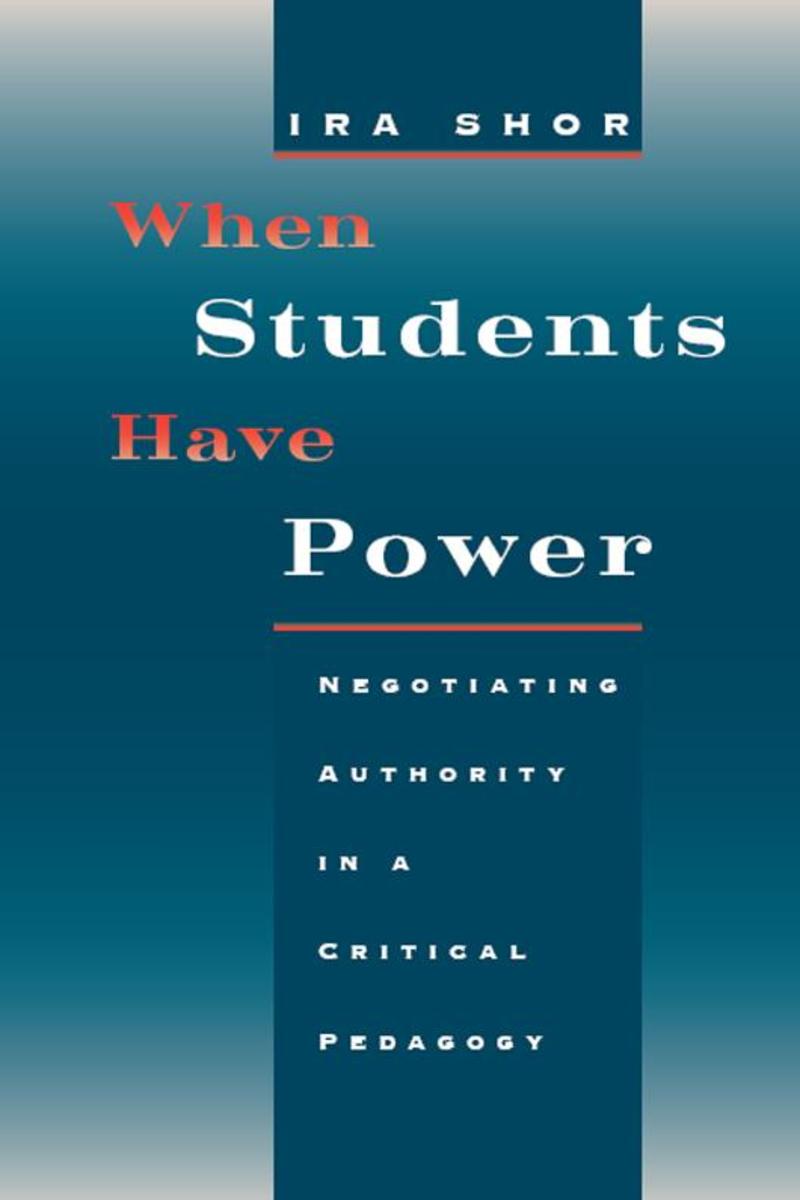
When Students Have Power
¥211.90
What happens when teachers share power with studentsIn this profound book, Ira Shor-the inventor of critical pedagogy in the United States-relates the story of an experiment that nearly went out of control.Shor provides the reader with a reenactment of one semester that shows what really can happen when one applies the theory and democratizes the classroom. This is the story of one class in which Shor tried to fully share with his students control of the curriculum and of the classroom. After twenty years of practicing critical teaching, he unexpectedly found himself faced with a student uprising that threatened the very possibility of learning. How Shor resolves these problems, while remaining true to his commitment to power-sharing and radical pedagogy, is the crux of the book. Unconventional in both form and substance, this deeply personal work weaves together student voices and thick de*ions of classroom experience with pedagogical theory to illuminate the power relations that must be negotiated if true learning is to take place.
Political Philosophy of Hobbes
¥211.90
In this classic analysis, Leo Strauss pinpoints what is original and innovative in the political philosophy of Thomas Hobbes. He argues that Hobbes's ideas arose not from tradition or science but from his own deep knowledge and experience of human nature. Tracing the development of Hobbes's moral doctrine from his early writings to his major work The Leviathan, Strauss explains contradictions in the body of Hobbes's work and discovers startling connections between Hobbes and the thought of Plato, Thucydides, Aristotle, Descartes, Spinoza, and Hegel.
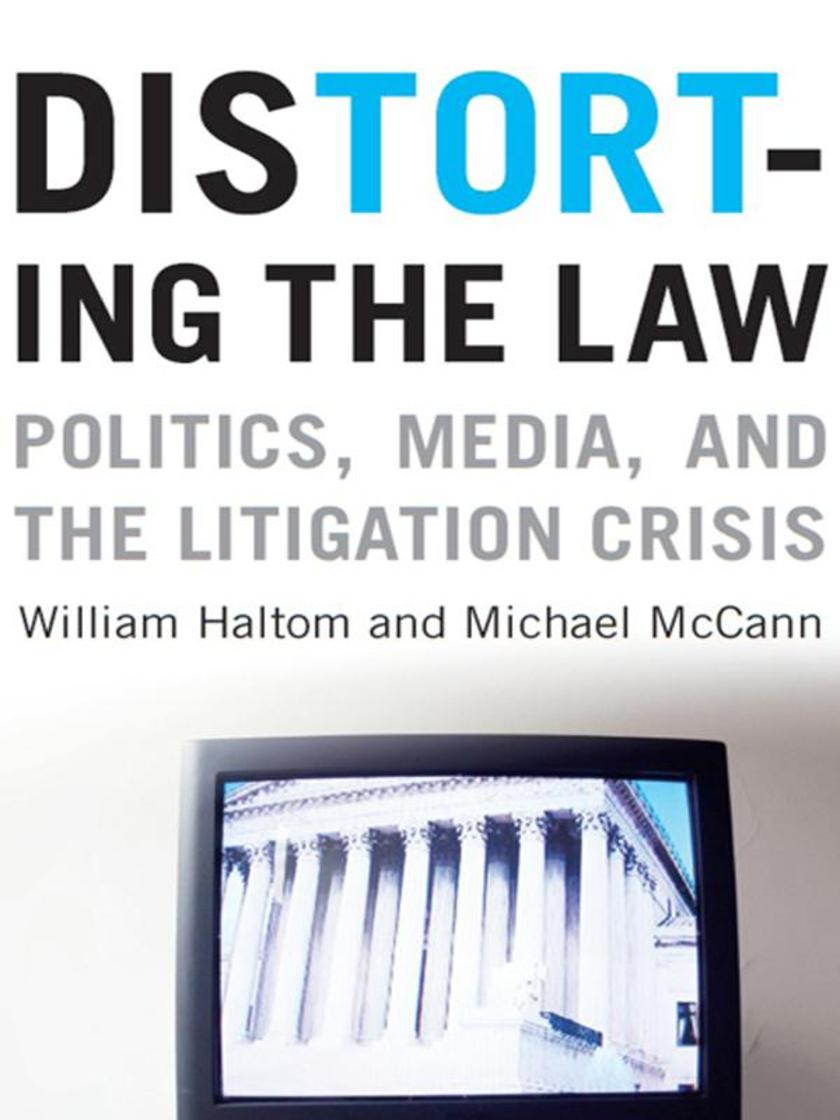
Distorting the Law
¥211.90
In recent years, stories of reckless lawyers and greedy citizens have given the legal system, and victims in general, a bad name. Many Americans have come to believe that we live in the land of the litigious, where frivolous lawsuits and absurdly high settlements reign.Scholars have argued for years that this common view of the depraved ruin of our civil legal system is a myth, but their research and statistics rarely make the news. William Haltom and Michael McCann here persuasively show how popularized distorted understandings of tort litigation (or tort tales) have been perpetuated by the mass media and reform proponents. Distorting the Law lays bare how media coverage has sensationalized lawsuits and sympathetically portrayed corporate interests, supporting big business and reinforcing negative stereotypes of law practices.Based on extensive interviews, nearly two decades of newspaper coverage, and in-depth studies of the McDonald's coffee case and tobacco litigation, Distorting the Law offers a compelling analysis of the presumed litigation crisis, the campaign for tort law reform, and the crucial role the media play in this process.
Craft of Scientific Communication
¥211.90
The ability to communicate in print and person is essential to the life of a successful scientist. But since writing is often secondary in scientific education and teaching, there remains a significant need for guides that teach scientists how best to convey their research to general and professional audiences. The Craft of Scientific Communication will teach science students and scientists alike how to improve the clarity, cogency, and communicative power of their words and images.In this remarkable guide, Joseph E. Harmon and Alan G. Gross have combined their many years of experience in the art of science writing to analyze published examples of how the best scientists communicate. Organized topically with information on the structural elements and the style of scientific communications, each chapter draws on models of past successes and failures to show students and practitioners how best to negotiate the world of print, online publication, and oral presentation.
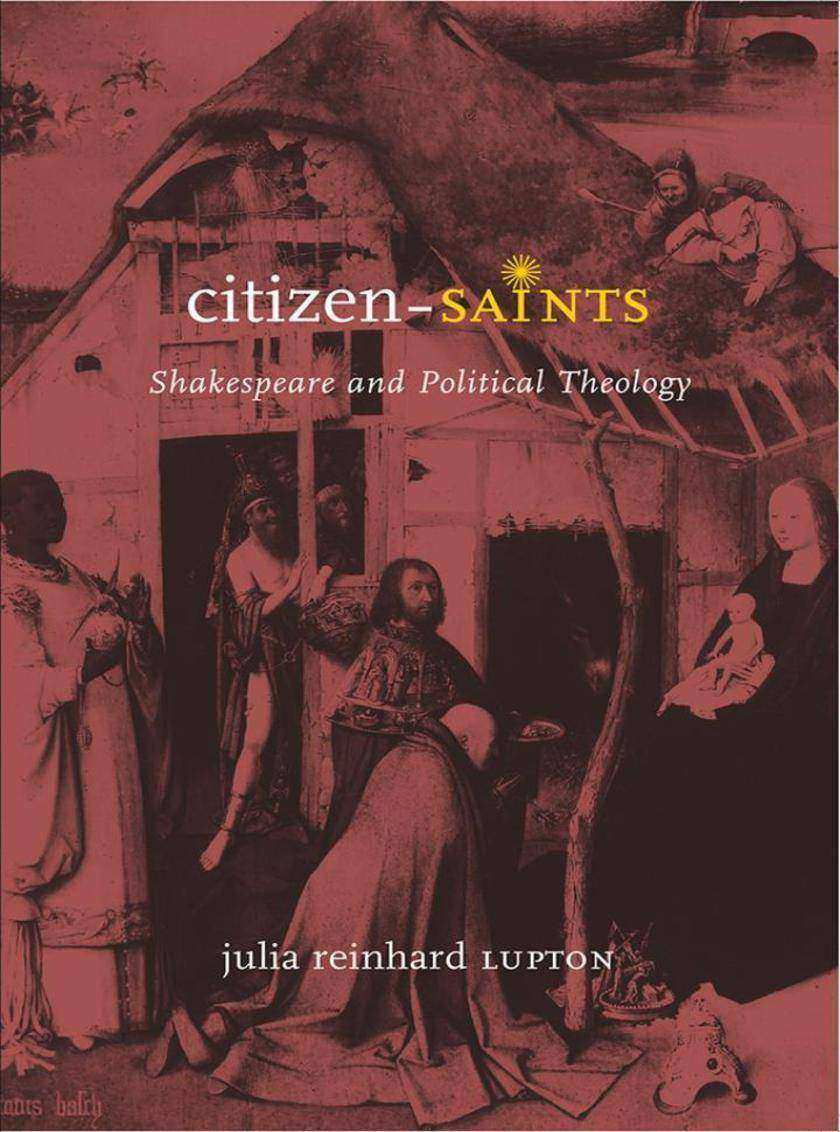
Citizen-Saints
¥206.01
Turning to the potent idea of political theology to recover the strange mix of political and religious thinking during the Renaissance, this bracing study reveals in the works of Shakespeare and his sources the figure of the citizen-saint, who represents at once divine messenger and civil servant, both norm and exception. Embodied by such diverse personages as Antigone, Paul, Barabbas, Shylock, Othello, Caliban, Isabella, and Samson, the citizen-saint is a sacrificial figure: a model of moral and aesthetic extremity who inspires new regimes of citizenship with his or her death and martyrdom.Among the many questions Julia Reinhard Lupton attempts to answer under the rubric of the citizen-saint are: how did states of emergency, acts of sovereign exception, and Messianic anticipations lead to new forms of religious and political lawWhat styles of universality were implied by the abject state of the pure creature, at sea in a creation abandoned by its creatorAnd how did circumcision operate as both a marker of ethnicity and a means of conversion and civic naturalization?Written with clarity and grace, Citizen-Saints will be of enormous interest to students of English literature, religion, and early modern culture.


