


 购物车
购物车 个人中心
个人中心
Jack Russell Terrier: An Owner’s Guide
¥57.00
A comprehensive guide to all aspects of owning a Jack Russell Terrier, this highly illustrated book is full of practical information and expert advice for pet owners and breeders. Jack Russell Terriers are very intelligent, high-energy dogs whose compact size and friendly nature make them great pets. If you are considering getting a Jack Russell, or are an existing owner who wants to learn more about the care of your dog, then this book will be an invaluable resource. Contents include: ? History of the breed ? Acquiring a puppy ? Behaviour and training ? Showing a Jack Russell ? Healthcare
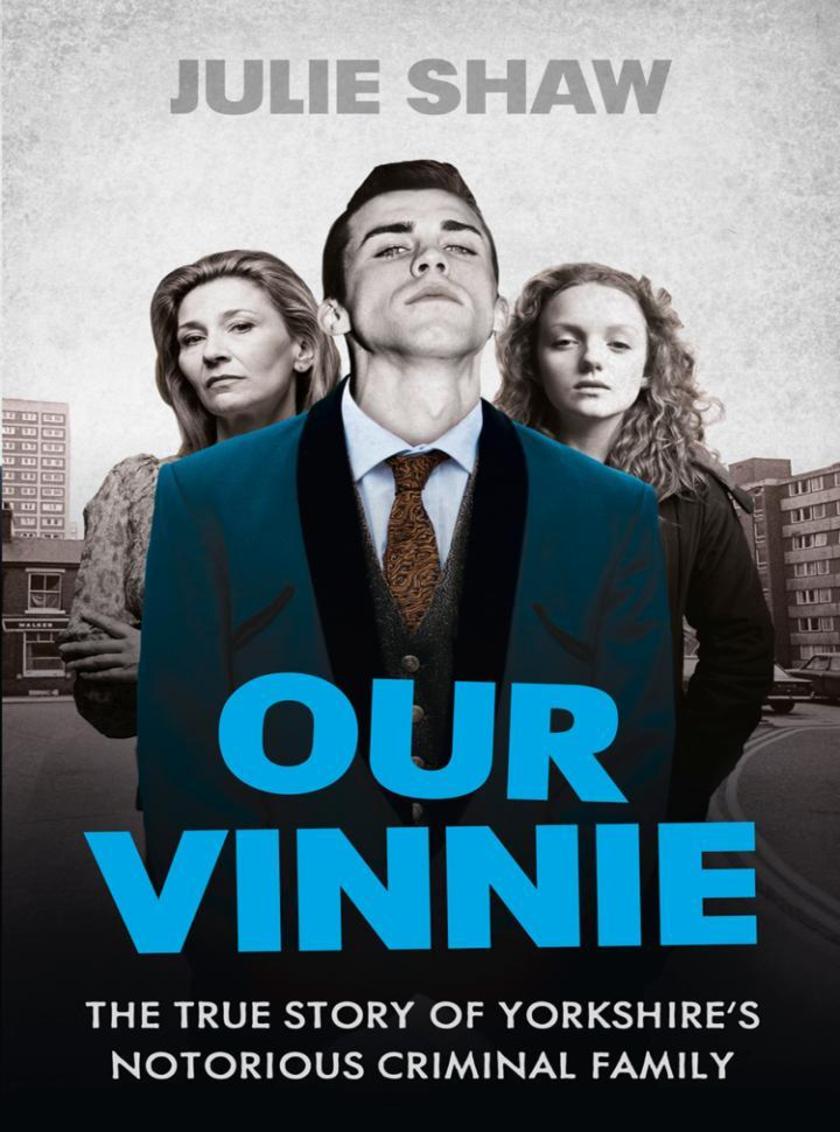
Our Vinnie
¥58.86
The infamous Canterbury Estate in Bradford, a hotbed of crime, drink and drugs, was a law unto itself in the ’70s. So when one of their own was wronged in any way, the community always had its own way of dealing with it. The first title in a series of gritty family sagas, Our Vinnie accounts the dramatic true story of a brother’s determination to avenge his younger sister’s rape. Josie was just 11 when her Vinnie, then 14, was taken away to a detention centre. Distraught by his absence and left alone with indifferent parents, when she escapes from one of their rows she naively enters the house of a neighbour, Melvin, who – horrifically – leads her upstairs and overpowers her. Convinced by her friend Carol, Josie tells her sister Lyndsey about the rape but, with Vinnie out of the picture, Lyndsey uses the information for her own ends. When Vinnie returns, hardened by years inside the system, his outrage on discovering the truth is severe. And with new abuses continually coming to light, a cataclysmic series of violent events begins to spiral out of control… Dramatic and shocking, Our Vinnie is an unbelievable page-turner, documenting a community forsaken by society, and one brother’s unrelenting determination to take justice into his own hands.
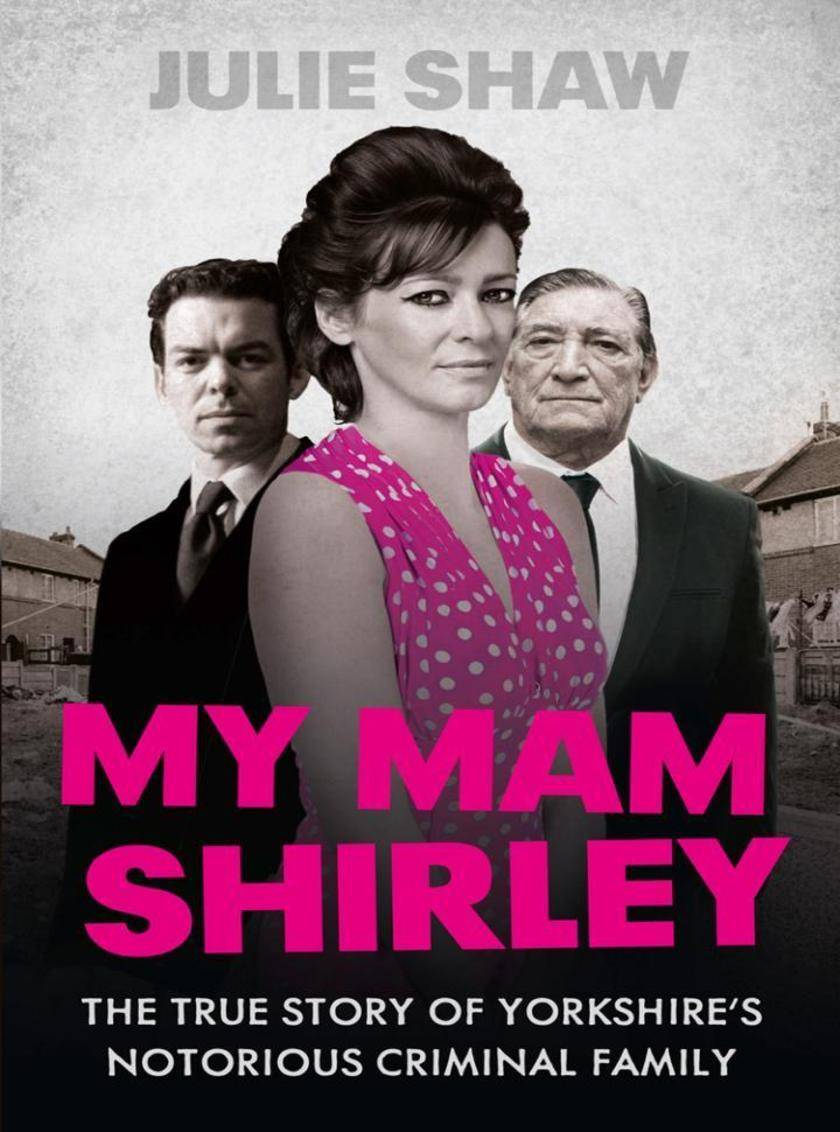
My Mam Shirley (Tales of the Notorious Hudson Family, Book 3)
¥58.86
Behind the notorious Hudson men who dominated the Canterbury Estate for over 30 years were the girls, and my mam Shirley. Whether marrying into or determined to escape from it, the third instalment of this gritty series recounts the incredible stories of the unflinching women behind the legendary Hudson family. The Canterbury Estate in Bradford during the ’50s and ’60s was a tight-knit community reared on poverty, crime and violence, and at the top of the heap were the infamous Hudson family. But it wasn’t just the boys who had a story to tell: from matriarch Annie, who gave birth to 13 children, to daughters Margaret and Eunice, who married up and out, each had a personality as indomitable as the last. Then came Shirley Read, who was just 17 when she fell in love with Keith, one of the Hudson lads. To Shirley, the only child of affluent parents, the poverty of the unruly estate was as exciting as it was mysterious; newspapers for tablecloths, jam jars for cups, and, even by that time, no electricity. But it was a friendship forged with Annie and June, the younger Hudson sisters, that would teach Shirley not only to how to survive, Canterbury-style, but would also give her the strength to overcome an unexpected personal tragedy that would soon become a nightmare for women across the world… Eye-opening and warm, this is the vivid account of the ‘Tucker’ girls; the resourceful women at the helm of a notorious Bradford family who will never be forgotten.
Proud Man Walking
¥72.99
Betrayed by his club but beloved by the fans, former Chelsea manager Claudio Ranieri has been a constant headline-maker in 2004. Occasionally puzzling, often eccentric, but always fascinating and refreshing, the Italian describes the highs and lows of an extraordinary season at Stamford Bridge - and the dramatic end to his English journey. 'Hello, my sharks. Welcome to the funeral.' 'People have said I am a dead man walking - but I am still moving!' 'Tonight I am a crazy man and Roman Abramovich is also going mad like me!' We rejoiced with him. We laughed with him. And we cried with him. In what turned out to be a year for the Blues resembling more a soap opera than a season of football, Claudio Ranieri reveals the highlights and the hurt of his farewell twelve months in England. This collaboration between Italian journalist Massimo Marianella and Ranieri promises to reveal the inside story of a rollercoaster year at Stamford Bridge, with a first-hand account of coaching the most expensively assembled team in the Premiership, alongside the increasing pressures of satisfying his bosses as Chelsea's season threatened to turn into anticlimax. How did Ranieri keep all his players contented, when the value of his subs bench often exceeded that of most Premiership teams? What were the skills required to mould a group of exciting individuals into a team capable of challenging the likes of Arsenal and Manchester United at the top of the tree? With the media suggesting an uneasy alliance between Ranieri and Roman Abramovich, what was it that drove their complex relationship? What was the real truth behind the allegations that Ranieri's position was being undermined by his bosses? And when did the 'Tinkerman' discover his final denouement? Just some of the questions that will be answered in this book by arguably the most talked-about man in English football in 2004.

The Wild Child
¥11.77
Casey tells the harrowing story of Connor, an eight year old boy from a broken home who comes to stay with her family. It’s a Saturday morning when Casey and Mike are asked to take in eight year old Connor – an emergency placement, just for a couple of days, following a violent incident at his now former care home. And Casey’s instinct, as ever, is to say yes. With long term foster son Tyler off to football, and no particular plans for the weekend, even the fact that Connor arrives in what looks like a prison van doesn’t phase her – after all, challenging children are what she and Mike have trained for. And how much trouble can he really be? He’s eight. A lot, as it turns out. Connor is as streetwise as they come, and, hurt and angry, seems determined to cause trouble from the off. But despite the attitude, there’s something strangely endearing about their little visitor that makes Casey want to tease out the frightened child behind the swagger. So much so that, with Connor and Tyler getting on so well, she wonders – should they say they’ll keep him longer? It seems like the easiest decision in the world …
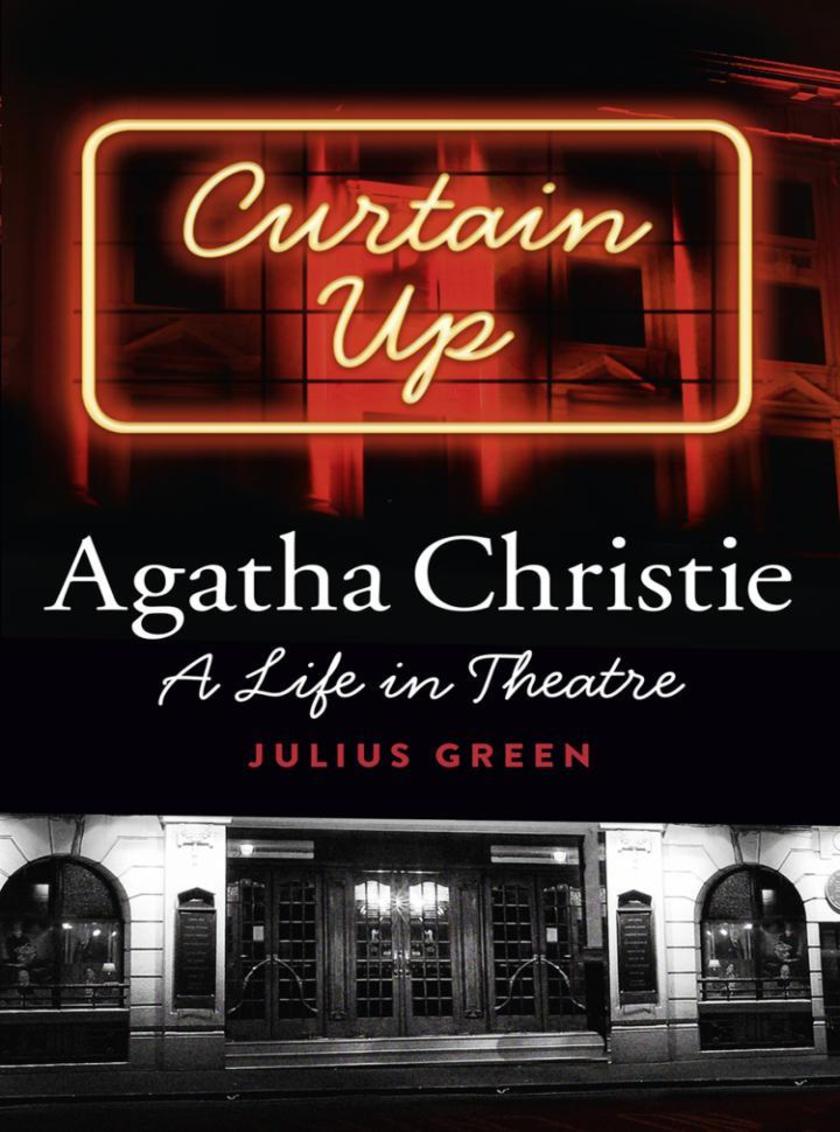
Curtain Up: Agatha Christie: A Life in Theatre
¥125.18
A revealing and witty new examination of how Agatha Christie became the world’s most successful and popular female playwright, including details of never-before-published *s and stories. Published in celebration of Agatha Christie's 125th birthday, Curtain Up! is an essential purchase for Agatha Christie fans worldwide. Everyone knows that The Mousetrap is the world’s longest-running play, but this first ever book dedicated to Agatha Christie as a playwright tells how Christie prevailed against the male-dominated establishment to be the only woman to have three plays in the West End at the same time and became the most popular and successful female playwright in the world. Author and theatre producer Julius Green has been given unprecedented access to archives in the UK and USA and has uncovered unpublished and unperformed plays, as well as previously unknown facts and correspondence. Agatha Christie was a skilful and accomplished stage writer, and this long-awaited book is a fascinating, funny and revealing tale that theatregoers and Agatha Christie fans won't want to miss.

The Complete Helen Forrester 4-Book Memoir
¥268.30
The complete four-volume collection of classic memoir recounting a poverty-stricken childhood in 1930s Liverpool that started with Twopence To Cross the Mersey. Twopence To Cross The Mersey – When Helen Forrester’s father went bankrupt in 1930 she and her six siblings were forced into dreadful poverty in Depression-ridden Liverpool. Managing the household and caring for the younger children all fell on twelve-year-old Helen. Written without self-pity, Forrester’s memoir of these grim days is as heart-warming as it is shocking. Liverpool Miss – Life remains extremely tough for fourteen-year-old Helen. Her continuing struggles against malnutrition, dirt and, above all, the selfish demands of her parents, are deeply shocking. But Helen’s fortitude in the most harrowing of situations makes this a story of amazing courage. By The Waters Of Liverpool – though her parents are as financially irresponsible as ever, wasting money while their children go without, for Helen the future is brightening. At seventeen, she has fought won some important battles with her parents and won, then she meets Harry… Lime Street At Two – It is 1940 and Helen, now twenty, is working at a welfare centre. Her wages are pitifully low and her mother claims the whole of them for housekeeping but she is still thrilled to be gaining some independence. As WWII rages, tragedy isn’t very far away, but Helen faces it with courage and determination.
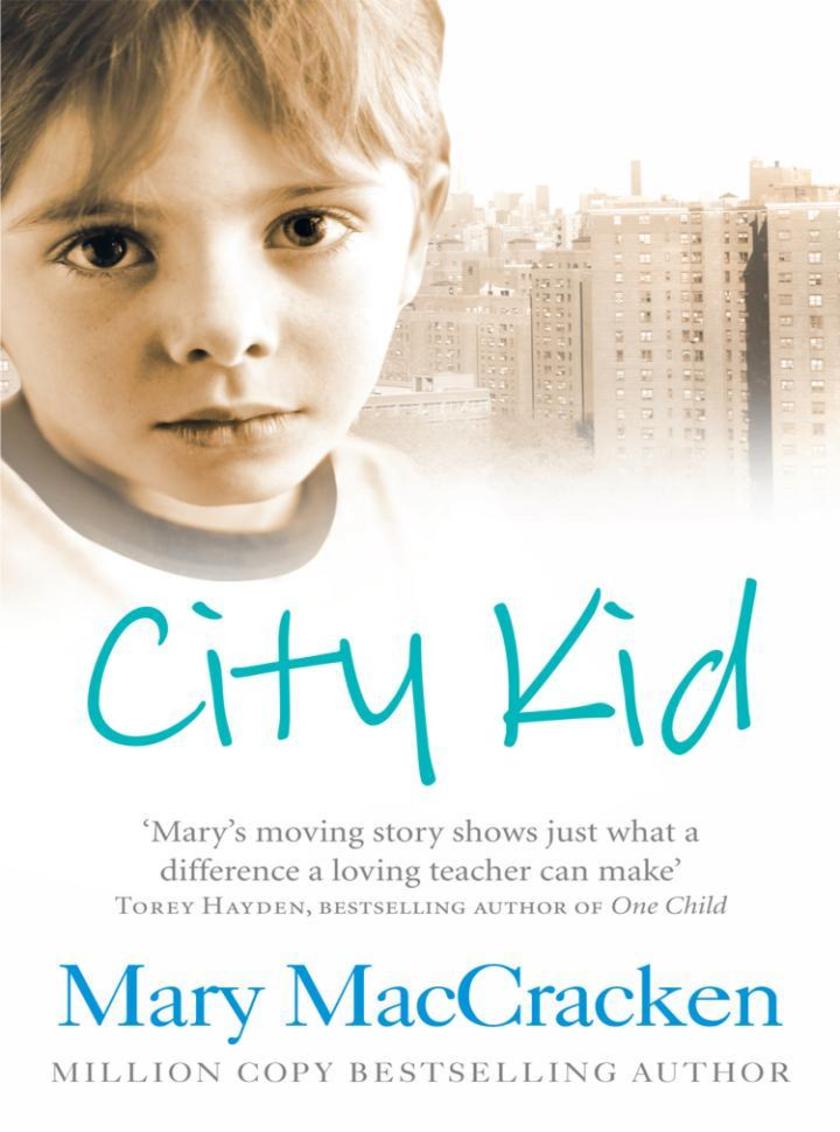
City Kid
¥58.86
From the author of international bestsellers A Circle of Children and Lovey comes an inspiring true story of a gifted teacher’s determination to understand the ‘rotten’ city kid everyone has given up on. Sitting quiet and withdrawn at a battered school desk, Luke had the looks of a shy angel – and a past that special needs teacher Mary MacCracken could barely believe. Already Luke had been picked up 24 times by the police. He’d set over a dozen major fires, and had a staggering record of thefts. No adult could reach him, no teacher could control him, and no policeman could cow him. All this – and Luke was only seven and a half years old. Trying to help Luke was Mary MacCracken’s job – and a seemingly impossible challenge. This is the remarkable story of how the impossible came true.

Ngaio Marsh: Her Life in Crime
¥63.18
The Empress of Crime's life was the ultimate detective story – revealed for the first time in this forthright and perceptive biography. While Ngaio Marsh had a flamboyant public persona, she was fiercely protective of her private life. And no one knows better how to cover tracks with red herrings and remove incriminating evidence than a crime fiction writer… This fascinating biography of Ngaio Marsh pieces together both the public and private Marsh in a way that is as riveting as a crime novel. Through her writing and her theatre work, Joanne Drayton assembles the pieces to the puzzle that is Marsh, proving that life can be as thrilling as fiction. Marsh wrote her first detective novel in a London flat in the depths of the 1930s Depression, bringing life to Detective Inspector Roderick Alleyn in her first book, A Man Lay Dead. Through 32 novels he would establish himself as one of the great super-sleuths, and Marsh as one of the four Queens of Golden Age detective fiction, alongside Agatha Christie, Dorothy Sayers and Margery Allingham. In 1932, a family tragedy brought Marsh home to New Zealand, to a life divided - between hemispheres, between passionate relationships at home and abroad, and between the world of publishing and her life as a stage director. In 1949 her writing would earn her the ultimate distinction when Penguin and Collins released the 'Marsh Million': 100,000 copies each of ten of her titles on to the world market. The popular appetite for classic whodunits was insatiable and Ngaio Marsh was one of the best. But her greatest love was the stage - or was it?

Journey of a Lifetime
¥69.26
The iconic broadcasting legend dusts down his suitcase for a final journey around the globe, revisiting locations of significance to his life and career. Published to coincide with a major Bbc Tv series of the same name, this is a glorious celebration of 50 years in front of the camera. For as long as most can remember, Whicker has roamed far and wide in search of the eccentric, the ludicrous, and the socially-revealing aspects of everyday life as lived by some of the more colorful of the world's inhabitants. Since the late 1950s, when the long-running Whicker's World documentary was first screened, he has probed and dissected the often secretive and unobserved worlds of the rich and famous, rooting out the most implausible and sometimes ridiculous characters after gaining admittance to the places where they conduct their leisure hours. The great man's legacy contains a number of genuine television firsts. As well as landmark interviews with figures as diverse as Papa Doc, Paul Getty, and The Sultan of Brunei, he was a pioneer, covering subjects like plastic surgery, gay weddings, polygamy, swinging, and following gun-toting cops, fly-on-the-wall style, for British screens long before anyone else. This wonderful new book is the end product of a very personal journey. Whicker retraces his steps, catching up with some past interviewees and reflecting on how the world has changedfor good and badover the passing of time. Lyrical and uplifting, this autobiography is peppered with a celebrated globetrotter's brand of subtle satire.

Hellfire
¥70.44
The true story of one man's determination to master the world's deadliest helicopter and of a split-second decision that changed the face of modern warfare. May 2006. Pilot Ed Macy arrives in Afghanistan with a contingent of the Apache AH Mk1. It’s the first operational tour for the deadly machines and confidence in the cripplingly expensive attack helicopter is low. It doesn’t help that for their first month ‘in action’, Ed and his mates see little more than the back-end of a Chinook. But when the men of 3 Para get pinned down during Op Mutay, reservations about the fearsome new attack helicopters are thrown out the window. In the blistering firefight that follows, Ed unleashes the first ever Hellfire missile in combat and, with one squeeze of the trigger, changes the war in Afghanistan forever. What had been rumoured as a ?4.2 billion mistake quickly becomes the British Army’s greatest asset, as the awe-inspiring Apache is dramatically redirected to fight the enemy head-on. In this gripping account of war on the ground and in the skies above the dusty wastes of Helmand, Ed recounts the intense months that followed: the steep learning curve, the relentless missions, the evolving enemy and the changing Rules of Engagement. As he comes to grip with the Apache, his early career as a paratrooper stands him in good stead, as does his operational baptism as a pilot. Both shaped his ability to fly, fight and survive during that fateful first Afghanistan tour against a cunning and ruthless enemy. Ed will need every ounce of willpower and skill to succeed over the long, hot Helmand summer, as he and his colleagues find themselves on trial for their lives and for the reputation of a machine on which the British government has staked a fortune. The crucible of fire that awaited them would cement the fate of man and machine forever.
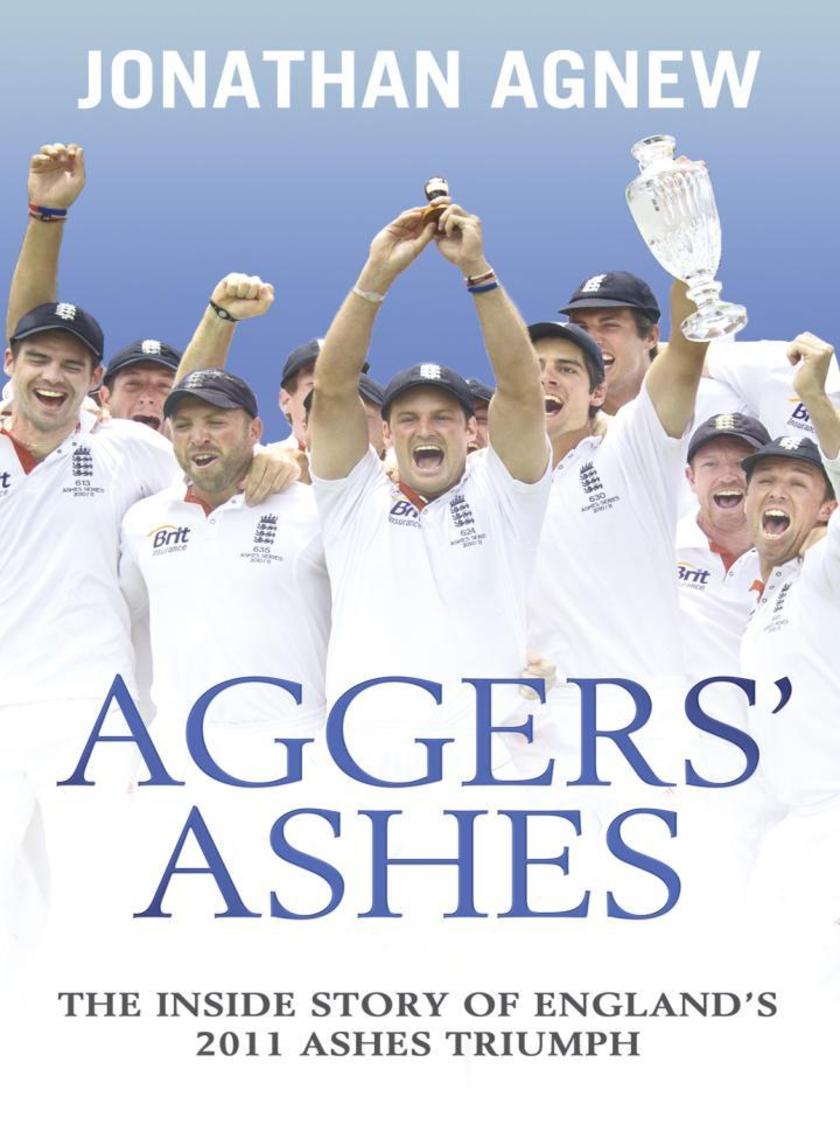
Aggers’ Ashes
¥146.27
An inside account of England’s Ashes triumph in Australia 2010/11. England’s much celebrated Ashes win by two clear matches with three comprehensive innings victories must rank as one of the finest of any English cricket team from any era. It kept people at home glued to their televisions, computers and radios – often all three at the same time – long into the night as the bitter winter and a depressed economy were forced into the background by the sheer joy and exhilaration of giving the old enemy a trouncing. It had been twenty-two years since a touring side won three Tests in Australia and twenty-four since the Ashes were last won on Australian soil. The current England team bears worthy comparison with some of the legendary teams of the past, captained by greats like Brearley, Hutton and Jardine. Andrew Strauss with back-to-back Ashes wins can now sit amongst that illustrious company. From the first ball of the tour in Perth to a closing rendition of the infamous ‘Sprinkler Dance’ on the outfield in Sydney some two months later – a clip that received some 250,000 hits in just three days – one person was there throughout, BBC Cricket Correspondent Jonathan Agnew, better known to his legion of Test Match Special fans as ‘Aggers’. Following the success of his last book Thanks, Johnners, Agnew has written a highly personal diary of his experiences in Australia. Whether he is sharing late night conversations in the bar with England coach Andy Flower, exchanging banter with new TMS recruit Michael Vaughan or keeping cricket junkies around the world sated with his daily Twitter feed, Aggers brings his unique sense of theatre and excitement to every day’s proceedings. With additional contributions from the best BBC cricket bloggers and the resident TMS statistician, Aggers Ashes is the only companion you will need to relive those glorious days when history was made Down Under.

Collected Love Poems
¥80.25
Of all the poets writing today, Brian Patten is perhaps the most accessible and popular. Now his love poems, old and new, are collected together in his single volume. Widely acknowledged as one of Europe's foremost writers, Brian Patten's love poems have earned him recognition far and wide. Truthful and tender, profoundly aware of the possibility of magic and the miraculous, these poems are beautiful, informed and, even at their darkest moments, filled with courage and hope. Alongside old favourites, this edition will contain a selection of new and hitherto unpublished poems. A must for lovers and poetry lovers everywhere this February.

Living with the Laird: A Love Affair with a Man and his Mansion
¥72.99
A captivating memoir of one woman’s relationship with a man and his mansion. When Belinda Rathbone, a New York art historian, met eccentric Anglo-Scots bachelor John Ouchterlony it was the start of a story of clashing cultures and crumbling houses. After a whirlwind romance she married the man – and his 400 acre estate and decrepit mansion in Scotland. In her charming and moving account of their time together she reveals her many discoveries about this strange world – not just the persistence of lino, and family history ancient and recent, but the value of dead elms, the art of the Aga, yoga with the aristocracy, and the vitally important business of producing an heir…

London Born: A Memoir of a Forgotten City
¥81.03
An extraordinary memoir from a man in his nineties who remembers everyday life in a North London now long gone: the hardships and deprivations of a life of poverty but also the resourcefulness and fortitude of a community determined to survive between the wars. 'When I look back, I can picture the old gels chinwagging on their steps in the Bay like it was yesterday. Little did they think that young Sid, passing by with his arse out of his trousers, would one way publish his memoirs!' 'Ordinary' people do not write their stories, believing their lives to be unremarkable. Some, like Sid, cannot write at all. But, with the aid of his granddaughter Helen Day, Sid has produced an extraordinary memoir of a city and a way of life now lost forever. 'London Born' is a book that has appeared against all the odds - as Sid says, 'When me granddaughter Helen Day said she wanted to record the story of the first half of me life and turn it into a book I was astonished. I thought to meself, Well, I've done a lot of things, but I never dreamt I'd get into the book game. You see, I can't write more than me own name.' In 'London Born', Sid remembers the city that emerged from the First World War and recreates the daily life of the people living in the notorious street known as 'Tiger Bay'. He describes the drinking and merrymaking, the poverty and unemployment - and the 'villainry'. With relish he relates how youthful high spirits and a refusal to accept the hardship of the times sometimes put him and his friends on the wrong side of the law. He goes on to tell of the wartime mayhem endured by Londoners and his determination to survive. His story closes with demobilisation when he returns to his wife and young family - 'the only thing that ever counted'. This is a memoir from a warm and cheeky voice; from someone who remembers, as if it were yesterday, parading down Archway in his fifty-bob suit, or running rings around Ernie Costen, the local policeman.

The House is Full of Yogis
¥66.22
A witty memoir about the trials of adolescence, the tribulations of family life and the embarrassment that ensues from having larger-than-life parents Neville and Liz Hodgkinson bought into the Thatcherite dream of home ownership, aspiration and advancement. The first children of their working class parents to go to university and have professional careers, they lived in a semi-detached house in Richmond, sent their sons Tom and Will to private school, and went on holiday to Greece once a year. Neville was an award-winning science writer and Liz was a high-earning tabloid hack. Then a disastrous boat holiday, followed by a life-threatening bout of food poisoning from a contaminated turkey, led to the search for a new way of life. Nev joined the Brahma Kumaris, who believe evolution is a myth, time is circular, and a forthcoming Armageddon will make way for a new Golden Age. Out went drunken dinner parties and Victorian décor schemes; in came large women in saris meditating in the living room and lurid paintings of smiling deities on the walls. Liz took the arrival of the Brahma Kumaris as a chance to wage all-out war on convention, from announcing her newfound celibacy on prime time television to writing books that questioned the value of getting married and raising children. By an unfortunate coincidence, this dramatic and highly public transformation of the self coincided with the onset of Will’s adolescence. This is his story.

Confessions of an Undercover Cop (The Confessions Series)
¥66.22
The sixth book in the bestselling Confessions series. What is life like for a female Undercover Cop? Ash Cameron gives readers a behind-the-scenes look at life in the Police. Funny, moving and irreverent, you’ll never look at a bobby the same way again…! What is life like for an Undercover Cop? Ash Cameron joined the police in the 70s – think Life on Mars with added ladders in her tights. From arresting East End gangsters, dealing out justice to football hooligans and coping with sexism on the job, Ash did it all. So when she was asked to go undercover, well, it was just another job, wasn’t it? Told with warmth and humour, these ‘confessions’ will make you laugh, make you cry, and make you roll your eyes as you learn exactly what goes on behind-the-scenes in the police…

Look who it is!: My Story
¥57.09
The brilliantly funny Sunday Times top ten bestseller. Alan Carr tells his life story in his own words, from growing up in a football-mad family in Northampton to his rise as one of Britain’s best-loved comedians. ‘Puberty had been unkind. Whereas it had come in the night and left the other boys with chiselled, stubbly chins and deep masculine voices, I’d been left with a huge pair of knockers and the voice of a pensioner.’ Alan Carr Alan Carr grew up in one of the most boring towns in England – Northampton. A place known for making shoes. It was also known for its football club, Northampton Town FC. Alan’s dad as manager of the club was a local hero. A dream come true for most lads, but not Alan. Alan wore glasses and had man boobs at 14. He did not like P.E. In his very first book, Alan tells his life story, (‘oh and what a life’) with his unique twist of natural, observational humour – ‘I’m not saying I’m a fantasist but there have been times when things that I’ve seen on television when I was younger have tended to seep into my subconscious and blended into my own life. I remember telling my Mum about the time I stopped that woman from having a diamond encrusted necklace stolen and she’d say ‘No Alan, that was Poirot.’ With his tongue-in-cheek, end of pier humour that made him famous, Alan describes an ordinary life in bursts of technicolour. His journey from awkward schoolboy hiding his man-boobs on the pitch, drinking tea with the dinner ladies and working in a call centre, to becoming one of our best-loved comedians likened to the great Frankie Howerd, make his book a guaranteed tickler with a laugh-out-loud gag on every page.

Punished
¥57.09
‘Punished’ is the inspiring true story of an unusual little girl, Vanessa, whose childhood was devastated by torture and abuse at the hands of her sadistic mother. Vanessa was nearly destroyed until she discovered a secret that ultimately saved her life. From the age of 3, Vanessa lived in daily terror of her mother's unpredictable rage. If she was 'naughty', her mother would lash out at her – with beatings, torture, starvation and making Vanessa sleep in their garden's pigsty, tied up like an animal. Her mother said her punishments were God's revenge on her for being the devil's child. Her father lived in denial of her suffering. When she was 6 years old, Vanessa's grandfather began to sexually abuse her – to her despair, aided and abetted by both her mother and grandmother. At eight years old, she then discovered that the 'mother' who hated her so much had adopted her as a baby and would never love her as her own. At the most horrific times of Vanessa's abuse, she nearly lost all hope that she would escape her prison, until mysterious things started to happen to her that allowed her to fight back. This is the story of how Vanessa survived a childhood that nearly destroyed her and how her secret led her out of the horrors of her past.
Coming Back To Me: The Autobiography of Marcus Trescothick
¥72.40
A true-life sporting memoir of one of the best batsman in the game who stunned the cricket world when he prematurely ended his own England career. Trescothick’s brave and soul-baring account of his mental frailties opens the way to a better understanding of the unique pressures experienced by modern-day professional sportsmen. At 29, Marcus Trescothick was widely regarded as one of the batting greats. With more than 5,000 Test runs to his name and a 2005 Ashes hero, some were predicting this gentle West Country cricket nut might even surpass Graham Gooch's record to become England's highest ever Test run scorer. But the next time Trescothick hit the headlines it was for reasons no one but a handful of close friends and colleagues could have foreseen. On Saturday 25 February 2006, four days before leading England into the first Test against India in place of the injured captain Vaughan, Trescothick was out for 32 in the second innings of the final warm-up match. As he walked from the field he fought to calm the emotional storm that was raging inside him, at least to hide it from prying eyes. In the dressing room he broke down in tears, overwhelmed by a blur of anguish, uncertainty and sadness he had been keeping at bay for longer than he knew. Within hours England's best batsman was on the next flight home. His departure was kept secret until after close of play when coach Duncan Fletcher told the stunned media his acting captain had quit the tour for 'personal, family reasons.' Until now, the full, extraordinary story of what happened that day and why, of what preceded his breakdown has never been told. He reveals for the first time that he almost flew home from the 2004 tour to South Africa – of what caused it and of what followed – his comeback to the England side and a second crushing breakdown nine months later that left him unable to continue the 2006-07 Ashes tour down under. Coming Back to Me will replace the myths and rumours with the truth as Trescothick talks with engaging openness and enthusiasm about his rise to the top of international cricket; and describes with equal frankness his tortured descent into private despair.

Helpless
¥45.62
Neglected by her careless parents, Marianne turned to her neighbour, the one person that she thought she could trust…. Eight year old Marianne, the eldest of five children, was neglected by her slovenly mother and her violent alcoholic father. Uncared for and unkempt she was rejected at school by her peers and scarcely tolerated by her teachers. Only one person gave her the affection she craved; a neighbour who seeing the vulnerable child knew she was easy prey for his perverted desires. ‘Little Lady’ he called her over the few months he groomed her. Less than twelve months later she was caught in a trap of fear - if she talked she would be punished. With no one to turn to she kept ‘their secret’. At thirteen she fell pregnant. Still too frightened to speak out she refused to tell the social workers who the father was. Without family support the teenager gave birth to a daughter in the unmarried mother's home. Six weeks later the baby she had already grown to love was taken away for adoption. Marianne returned home, but the neighbour's abuse continued and a year later she was pregnant again. This time her father literally tried to beat the baby out of her but she failed to miscarry. Scared for her life and that of her baby's she ran away from home carrying only a plastic bag stuffed with her few possessions. Marianne who still missed her first child desperately struggled to keep her second daughter. Two months after the birth she realized that for the baby's sake she would have to hand her over for adoption. Helpless is Marianne’s heartbreaking story as told the bestselling author of Don’t Tell Mummy.


