


 购物车
购物车 个人中心
个人中心
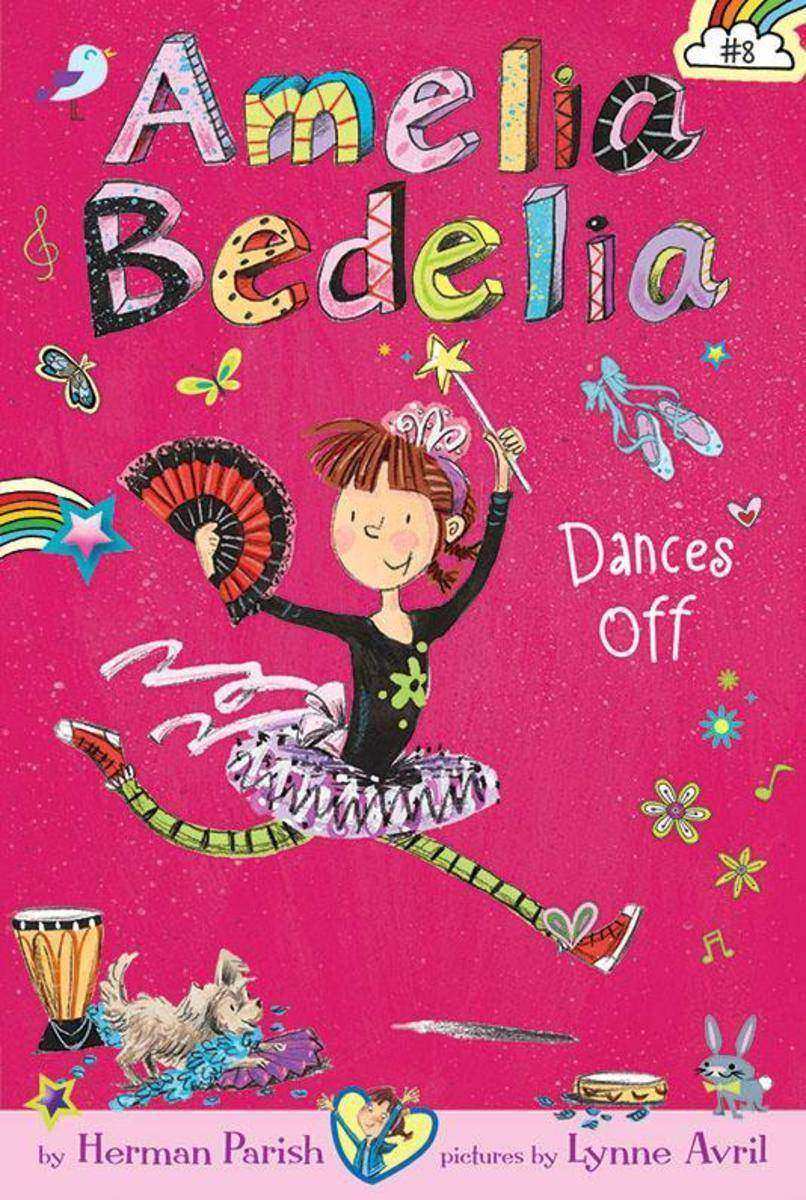
Amelia Bedelia Chapter Book #8: Amelia Bedelia Dances Off
¥33.63
In the eighth chapter book in the New York Times–bestselling series, Amelia Bedelia puts on her dancing shoes and dances up a storm! The Amelia Bedelia chapter books have sold more than one million copies and feature funny family and friendship stories with lots of wordplay just right for fans of Judy Moody and Ivy & Bean.All of Amelia Bedelia's friends love to dance. She has friends who are ballerinas, friends who do modern dance, and friends who tap. But Amelia Bedelia isn't sure what kind of dance is right for her. After all, if she is going to dance to a particular tune, she'd like it to be her own! Amelia Bedelia's funny search for the perfect dance fit involves friends, family, teachers, and pets, and it will have readers dancing on air! The Amelia Bedelia chapter books star Amelia Bedelia as a young girl, are great for building vocabulary, and feature a guide to some of the idioms and expressions introduced in the story.
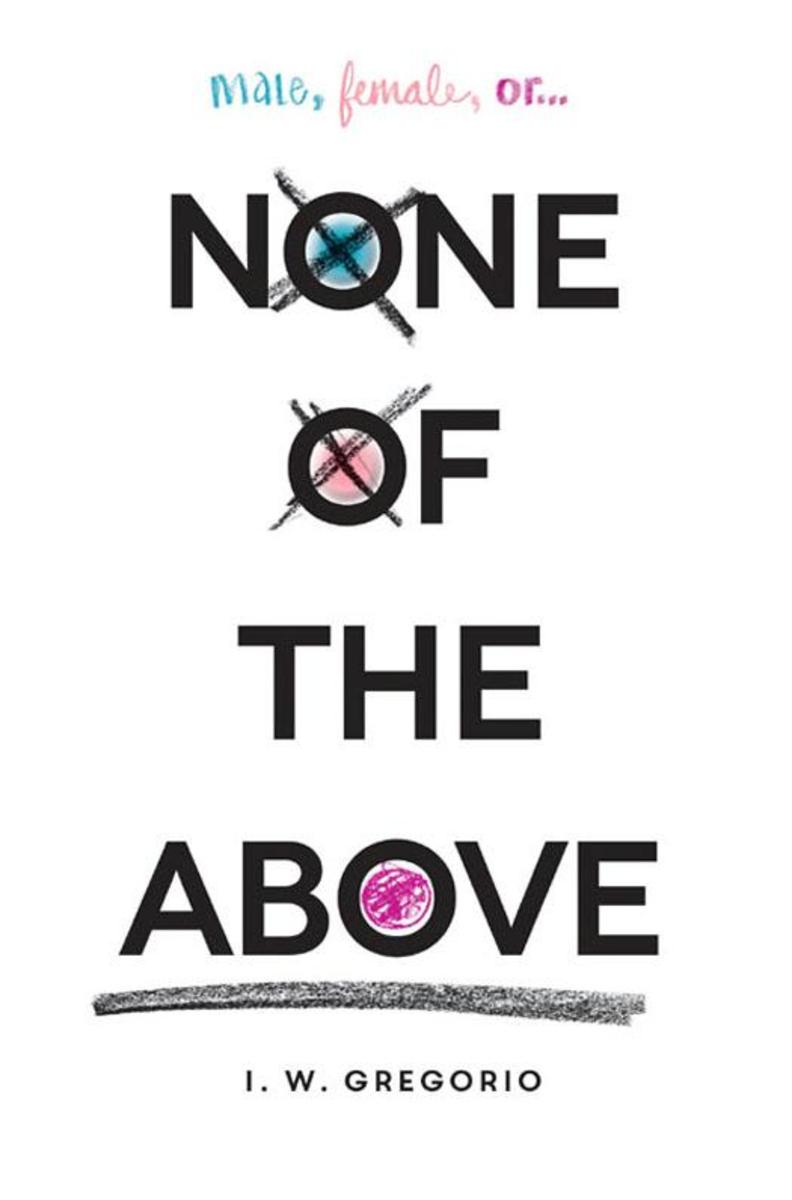
None of the Above
¥55.33
A groundbreaking story about a teenage girl who discovers she's intersex . . . and what happens when her secret is revealed to the entire school. Incredibly compelling and sensitively told, None of the Above is a thought-provoking novel that explores what it means to be a boy, a girl, or something in between.What if everything you knew about yourself changed in an instant?When Kristin Lattimer is voted homecoming queen, it seems like another piece of her ideal life has fallen into place. She's a champion hurdler with a full scholarship to college and she's madly in love with her boyfriend. In fact, she's decided that she's ready to take things to the next level with him.But Kristin's first time isn't the perfect moment she's planned—something is very wrong. A visit to the doctor reveals the truth: Kristin is intersex, which means that though she outwardly looks like a girl, she has male chromosomes, not to mention boy "parts."Dealing with her body is difficult enough, but when her diagnosis is leaked to the whole school, Kristin's entire identity is thrown into question. As her world unravels, can she come to terms with her new self?

Picture Perfect #4: Between Us
¥39.24
Being one half of a BFF heart necklace is serious business—and in the Picture Perfect series, each story tackles a tough friendship challenge. Through the ups and downs of life in middle school, through braces and boy bands, family feuds and fashion disasters, your best bud is there. But what happens when friendship suddenly gets complicatedTween readers will adore these sweet, accessible stories about the power of friendship.Bailey Broadwell and her best friend, Olivia, are going to have the greatest year ever in middle school! Bailey has it totally figured out. All they need to do is follow her foolproof list of ways to make sixth grade epic. But Bailey's plan doesn't include her aunt and cousin Hannah unexpectedly moving to town.Though Bailey hasn't seen Hannah since they were little, she sets out right away to make her cousin feel welcome. And right from the start, Hannah and Bailey seem to enjoy similar things. Only, it's a little strange how Hannah likes everything that Bailey does. And it's weird when Hannah starts joining all the clubs that Bailey's in. Soon, she starts dressing like Bailey. And agreeing with everything Bailey says!Bailey tries not to let Hannah's copycat behavior bother her, until it seems like Olivia and the rest of Bailey's friends like Hannah more than her. How can Bailey have the best school year ever if Hannah is taking over her life?
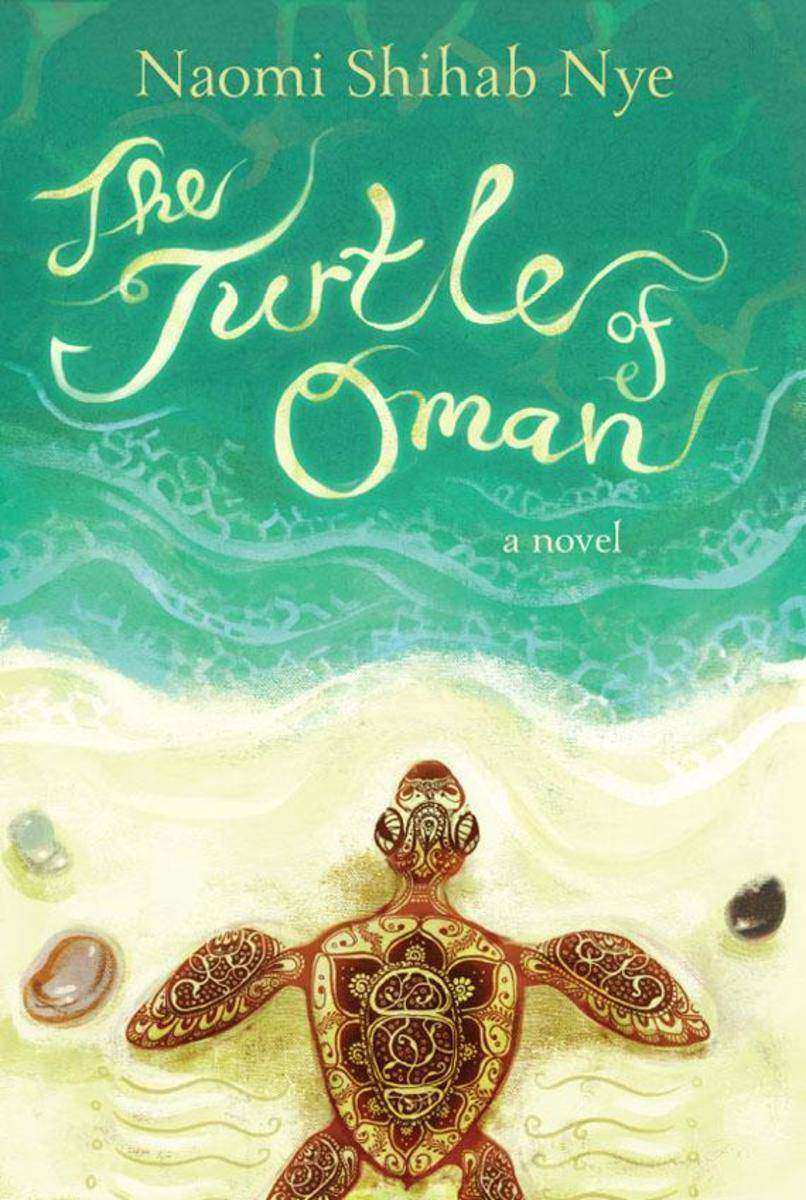
The Turtle of Oman
¥38.72
This accessible, exquisite novel shines with gentle humor and explores themes of moving, family, nature, and immigration. It tells the story of Aref Al-Amri, who must say good-bye to everything and everyone he loves in his hometown of Muscat, Oman, as his family prepares to move to Ann Arbor, Michigan. This is acclaimed poet and National Book Award Finalist Naomi Shihab Nye's first novel set in the Middle East since her acclaimed Habibi.Aref Al-Amri does not want to leave Oman. He does not want to leave his elementary school, his friends, or his beloved grandfather, Siddi. He does not want to live in Ann Arbor, Michigan, where his parents will go to graduate school. His mother is desperate for him to pack his suitcase, but he refuses. Finally, she calls Siddi for help. But rather than pack, Aref and Siddi go on a series of adventures. They visit the camp of a thousand stars deep in the desert, they sleep on Siddi's roof, they fish in the Gulf of Oman and dream about going to India, and they travel to the nature reserve to watch the sea turtles. At each stop, Siddi finds a small stone that he later slips into Aref's suitcase—mementos of home.Naomi Shihab Nye's warmth, attention to detail, and belief in the power of empathy and connection shines from every page. Features black-and-white spot art and decorations by Betsy Peterschmidt.

Cut Both Ways
¥99.65
From William C. Morris YA Debut Award nominee Carrie Mesrobian, Cut Both Ways is an unflinching look at a high school senior who must come to terms with his attraction to both his girlfriend and his male best friend.It took Will Caynes seventeen years to have his first kiss. He should be ecstatic…except that it was shared with his best friend, Angus, while they were both drunk and stoned. Will’s not gay, but he did sort of enjoy whatever it was he felt with Angus. Unsettled by his growing interest in Angus, Will avoids his friend, and even starts dating a sophomore, Brandy. When he’s hooking up with her, he’s totally into it, so he must be straight, rightThen why does he secretly keep going back to Angus?Confusing as Will’s feelings are, they’re a welcome distraction from his complicated home life. His father has started drinking earlier each day when he should be working on what seem like never-ending house renovations. And his mom—living in a McMansion with her new husband—isn’t much help, just buying Will a bunch of stuff he doesn’t need. Neither feels like much of a parent—which leaves Will on his own in figuring things out with his girlfriend and best friend. He loves them both, but deciding who to be with will ultimately hurt someone. Himself probably the most.
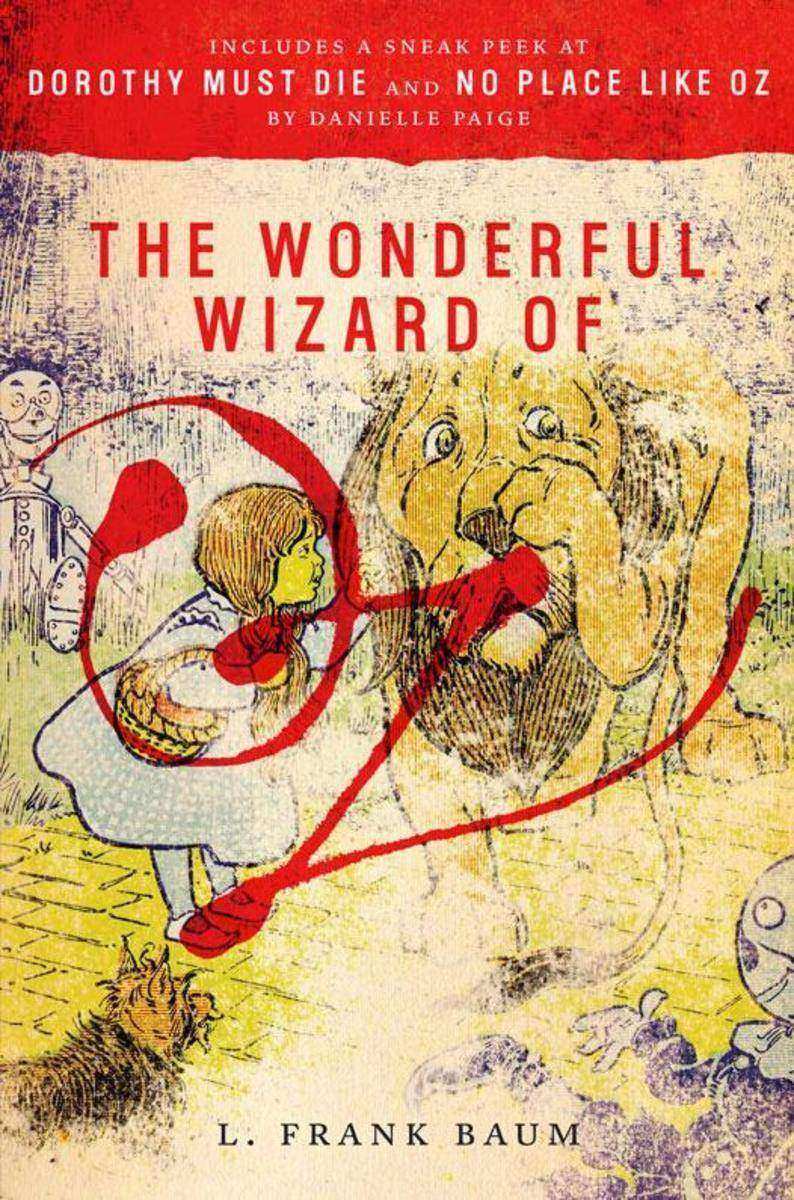
The Wonderful Wizard of Oz
¥21.73
The Wonderful Wizard of Oz is a true classic of American literature, and now it is strikingly repackaged for a modern teen audience! This must-have edition of the beloved, timeless classic also features previews of No Place Like Oz and Dorothy Must Die by Danielle Paige—edgy, reimagined sequels to L. Frank Baum's original story that are perfect for fans of Cinder by Marissa Meyer, Beastly by Alex Flinn, and Wicked by Gregory Maguire.Dorothy Gale found life as dull as the gray prairies that surrounded her Kansas home—until a cyclone transported her to a strange fairy-tale land known as Oz. There, Dorothy discovers a wondrous place filled with Munchkins, flying monkeys, witches, and magic. The only way for her and her dog, Toto, to return home to dear Uncle Henry and Aunt Em is to travel along the road of yellow brick to the Emerald City, where the all-powerful Wizard of Oz may be able to help her. Along the way, Dorothy befriends the Scarecrow, the Tin Woodman, and the Cowardly Lion, who also need the Wizard's help. But while Dorothy desperately tries to find her way back home, the Wicked Witch of the West will do whatever it takes to stop her.
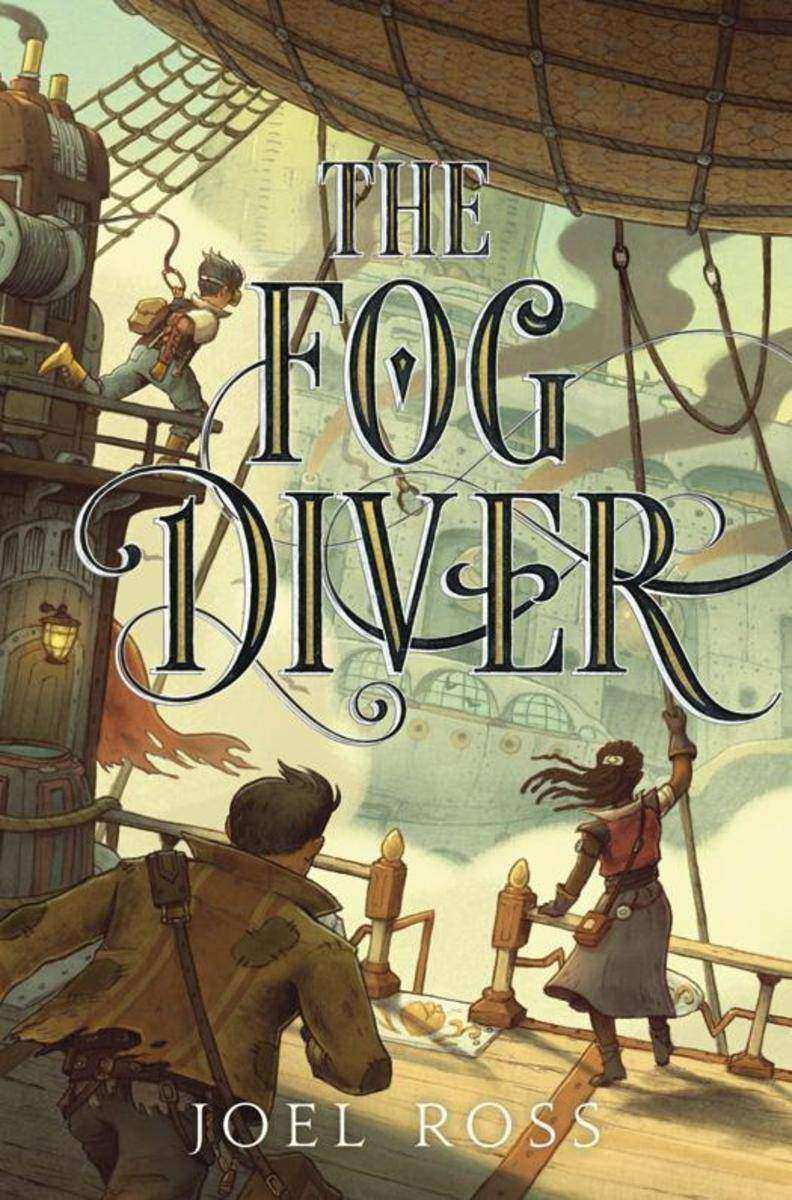
The Fog Diver
¥38.72
Joel Ross debuts a thrilling adventure series in which living in the sky is the new reality and a few determined slum kids just might become heroes. Perfect for fans of Rick Riordan and Brandon Mull, this fantasy is filled with daring and hope and a wonderfully imaginative world.Once the Fog started rising, the earth was covered with a deadly white mist until nothing remained but the mountaintops. Now humanity clings to its highest peaks, called the Rooftop, where the wealthy Five Families rule over the lower slopes and floating junkyards.Thirteen-year-old Chess and his friends Hazel, Bea, and Swedish sail their rickety air raft over the deadly Fog, scavenging the ruins for anything they can sell to survive. But now survival isn't enough. They must risk everything to get to the miraculous city of Port Oro, the only place where their beloved Mrs. E can be cured of fogsickness. Yet the ruthless Lord Kodoc is hot on their trail, for Chess has a precious secret, one that Kodoc is desperate to use against him. Now Chess will face any danger to protect his friends, even if it means confronting what he fears the most.
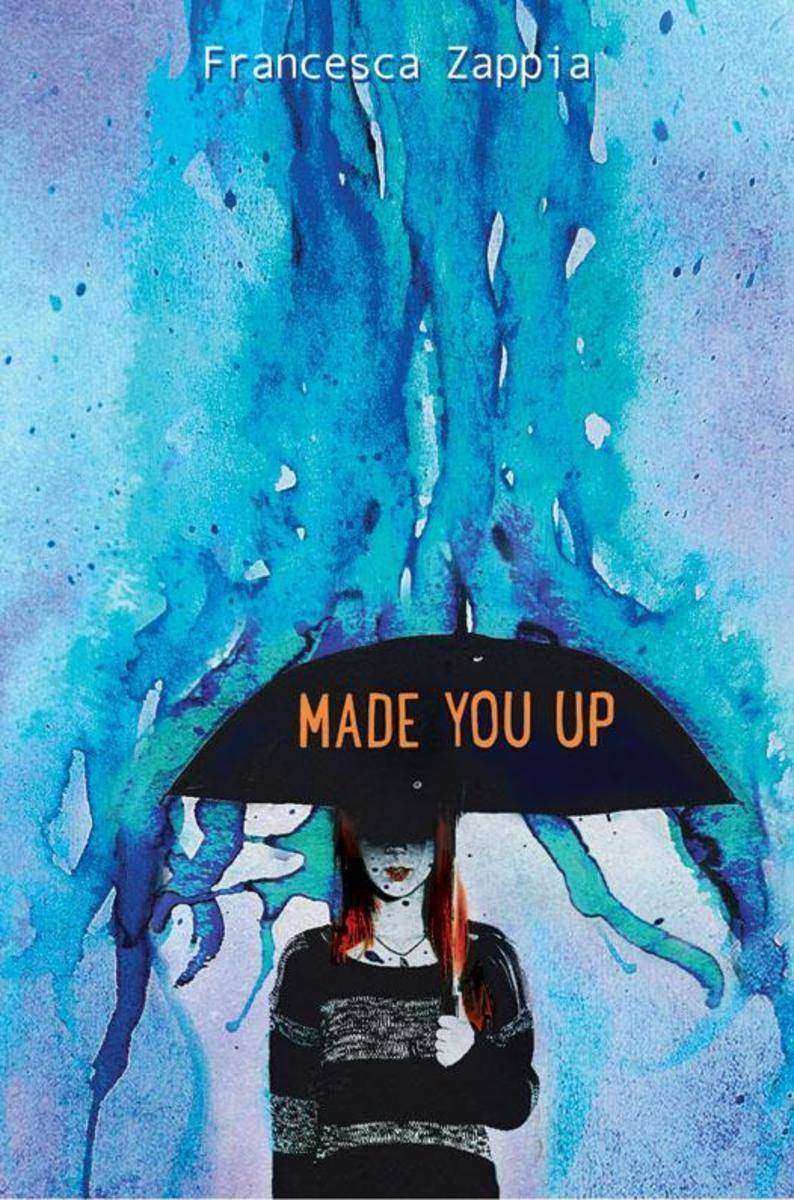
Made You Up
¥56.08
Reality, it turns out, is often not what you perceive it to be—sometimes, there really is someone out to get you. For fans of Silver Linings Playbook and Liar, this thought-provoking debut tells the story of Alex, a high school senior—and the ultimate unreliable narrator—unable to tell the difference between real life and delusion.Alex fights a daily battle to figure out what is real and what is not. Armed with a take-no-prisoners attitude, her camera, a Magic 8 Ball, and her only ally (her little sister), Alex wages a war against her schizophrenia, determined to stay sane long enough to get into college. She's pretty optimistic about her chances until she runs into Miles. Didn't she imagine himBefore she knows it, Alex is making friends, going to parties, falling in love, and experiencing all the usual rites of passage for teenagers. But Alex is used to being crazy. She's not prepared for normal. Can she trust herselfCan we trust her?

Thrice Sworn
¥10.71
From award-winning author Sarah Prineas comes an all-new short story! This original thirty-page fantasy-adventure short story serves as a prequel to Winterling.Finn loves being a puck. He loves causing trouble, hanging out with his puck-brothers, and shifting from boy to dog to horse. There's nothing more fun! However, when Finn learns of the Mór's treacherous plan to get rid of the Lady of the Summerlands, will anyone believe himAnd how far will he go to make sure it doesn't happen?Sarah Prineas is the author of the Magic Thief series and the Winterling trilogy (also composed of Summerkin and Moonkind).
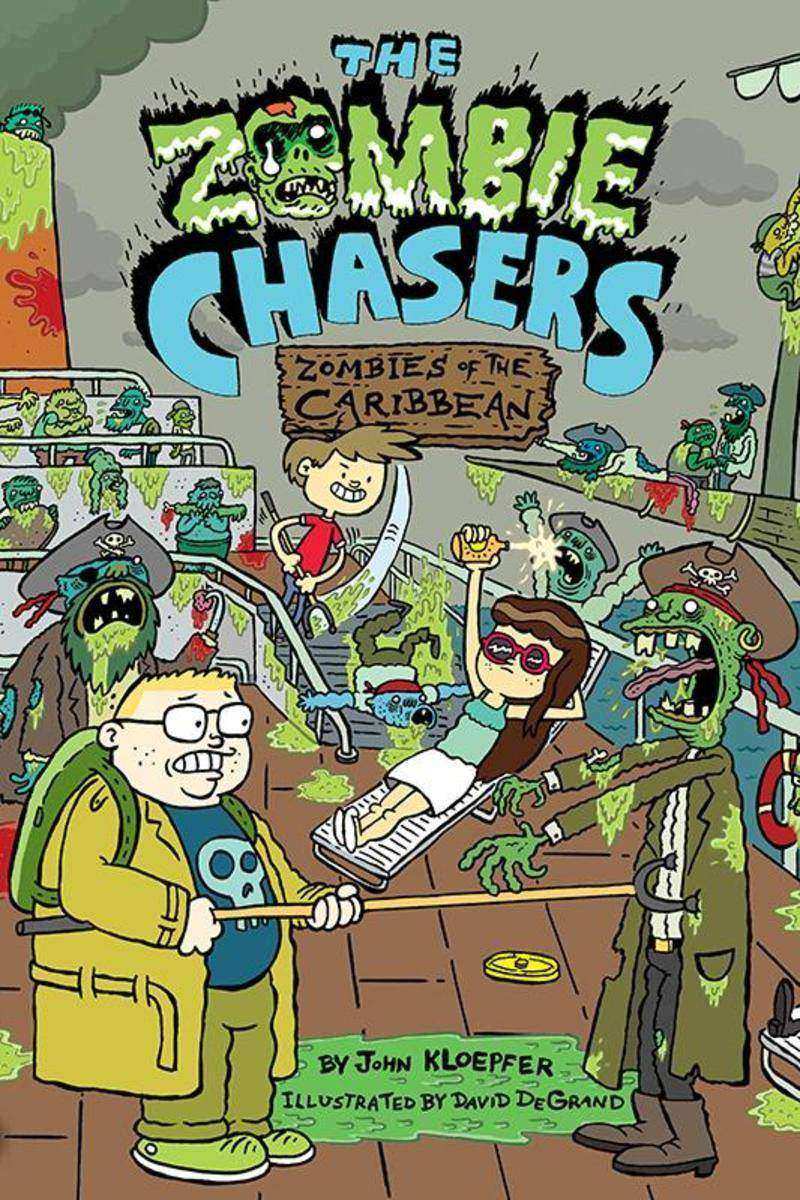
The Zombie Chasers #6: Zombies of the Caribbean
¥39.24
The Zombie Chasers take to the high seas in the sixth installment of John Kloepfer's hysterical Zombie Chasers tween series, illustrated by David DeGrand. With all the middle school shenanigans, fast-paced adventure, and hilarious black-and-white drawings that have made this series so beloved by reluctant readers everywhere, The Zombie Chasers #6: Zombies of the Caribbean is a gore-larious romp not to be missed!Zack Clarke and his team—Zoe, Rice, Ozzie, Madison, and Olivia—have fled the infested coasts of Florida, chased by a ravenous mob of super zombies. With no antidote in sight, there's only one person who can help them now: an eccentric explorer—and renowned zombie expert—who's lying low in a zombie-proof bunker somewhere in the Caribbean. As the pals fend off decomposing pirates, crusty crew mates, and putrid sea creatures, they race to uncover the cure for zombies everywhere. But will they be able to defeat the zombies of the Caribbean before the cure and their plan go overboard?

HarperCollins
¥97.03
Join Frank, Ellen, and the whole Davis family on their adventure west during the Gold Rush of 1849. This exciting chronicle has the same appeal as Laura Ingalls Wilder's Little House books.
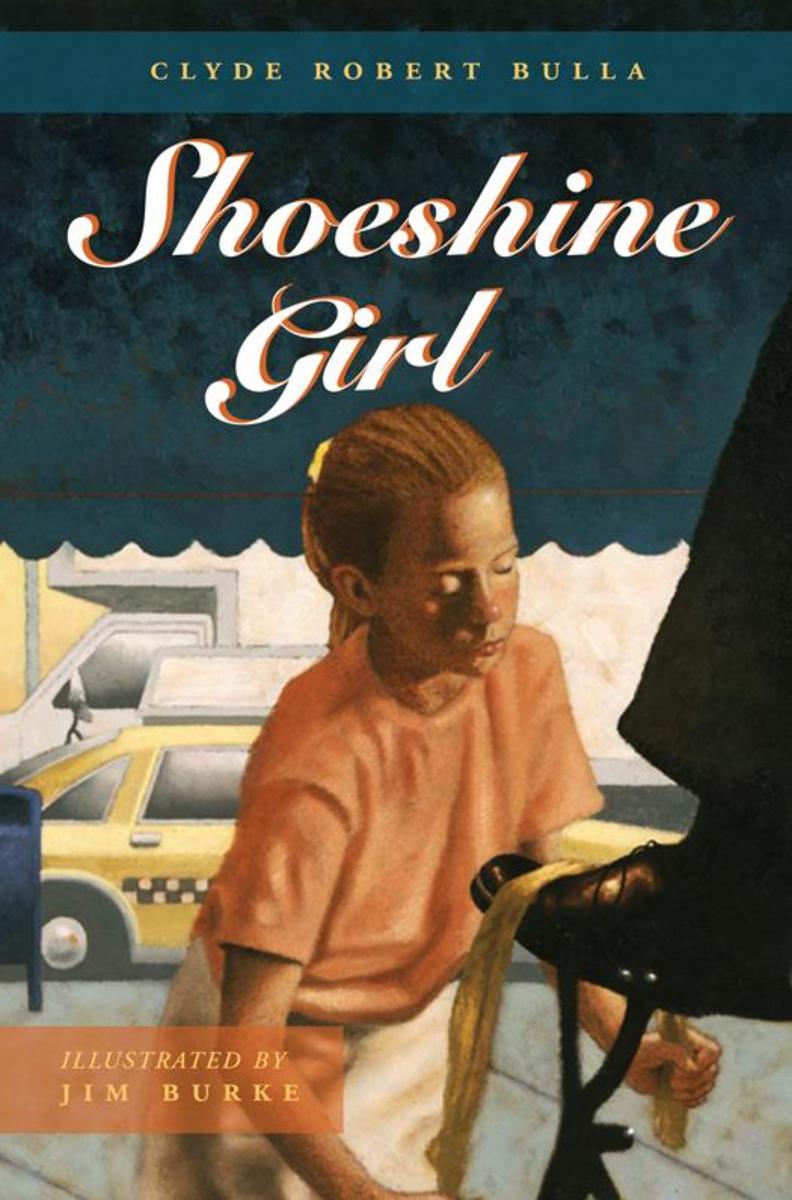
Shoeshine Girl
¥27.65
Who ever heard of a shoeshine girl?The last thing Sarah Ida wants to do is spend the summer with her Aunt Claudia. But when her parents send her away because of problems at home, that is exactly what she has to do. With no allowance and no fun to be had, Sarah Ida decides to look for a job. But who will hire a ten year oldAl, the shoeshine man, will!Sarah loves her job, even if it means getting knee-deep in shoe polish everyday. Then something terrible happens and it looks like the shoeshine stand will have to close forever. If Sarah Ida wants to keep it open, she'll have to learn a few lessons about growing up along the way ...

The Sword in the Tree
¥27.65
In the days of King Arthur there stood a mighty oak tree within the walls of a castle. Peace reigned in the castle until the fearsome night when Lionel, longlost brother of Lord Weldon, returned to cause trouble and unhappiness.It was then that Shan, the son of Lord Weldon, took on the duties of a knight and hid the sword in the hollow of the giant oak. The days that followed were filled with adventures that tried the courage of the young boy.Shan was surprised by bearded robbers in the woods. He met noble knights in plumed helmets, and eventually he even made a trip to high-towered Camelot. His story is filled with the pageantry and color of England in King Arthur's time. It creates a vivid picture of the Knights of the Round Table and the wisdom of King Arthur himself.Mr. Bulla captures the spirit of those romantic days in a straightforward, exciting manner. The result is another delightful book for his wide audience of young readers. Paul Galdone's vigorous illustrations are as evocative as the text.
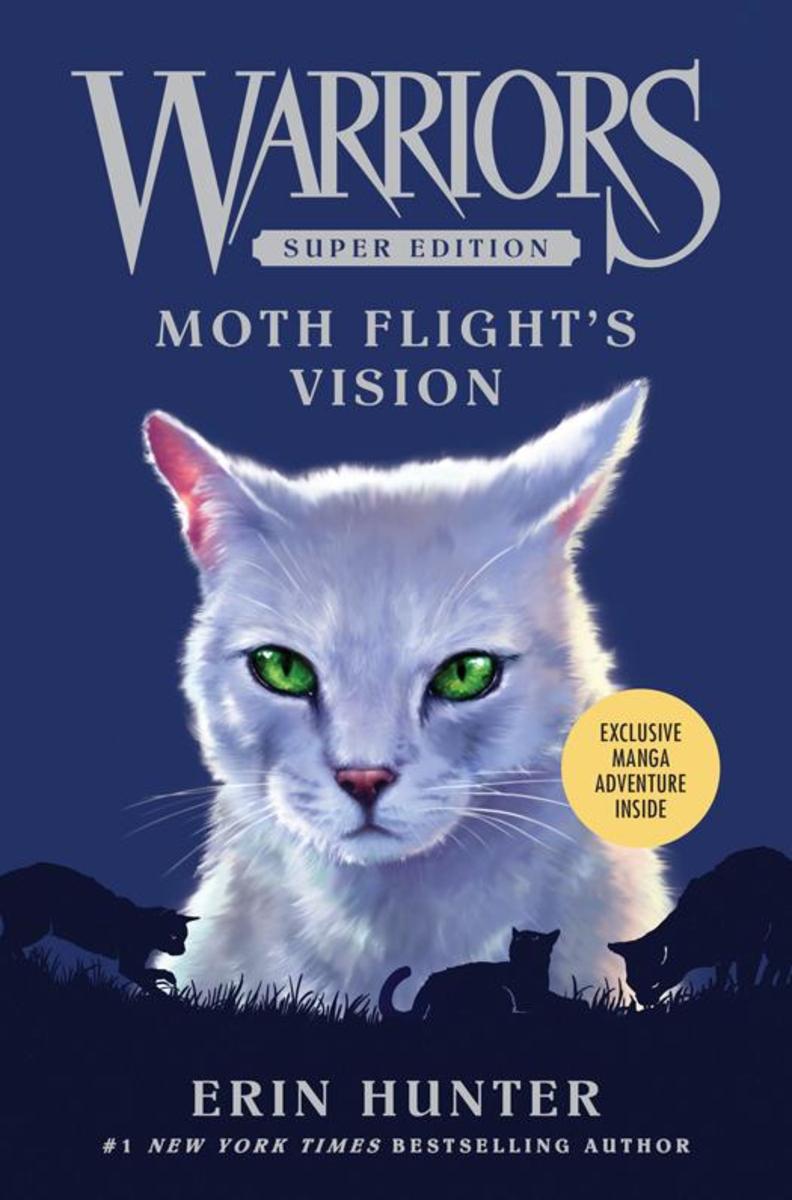
Warriors Super Edition: Moth Flight's Vision
¥44.73
Warriors Super Edition: Moth Flight's Vision is an epic stand-alone adventure in Erin Hunter's #1 nationally bestselling Warriors series! Set after the events of the Dawn of the Clans prequel arc, this Super Edition follows WindClan's first medicine cat, Moth Flight, on a quest that changes the shape of the warrior Clans forever.The five warrior Clans are newly formed, and the forest is at peace—but in WindClan, one young cat is troubled by strange visions that will lead her to a destiny no cat could have predicted.?Join the legion of fans who have discovered the epic adventures, fierce warrior cats, and thrilling fantasy world of the mega-bestselling Warriors series. This stand-alone entry is perfect for new readers and dedicated fans alike.Moth Flight's Vision also includes an exclusive ten-page Warriors manga adventure!
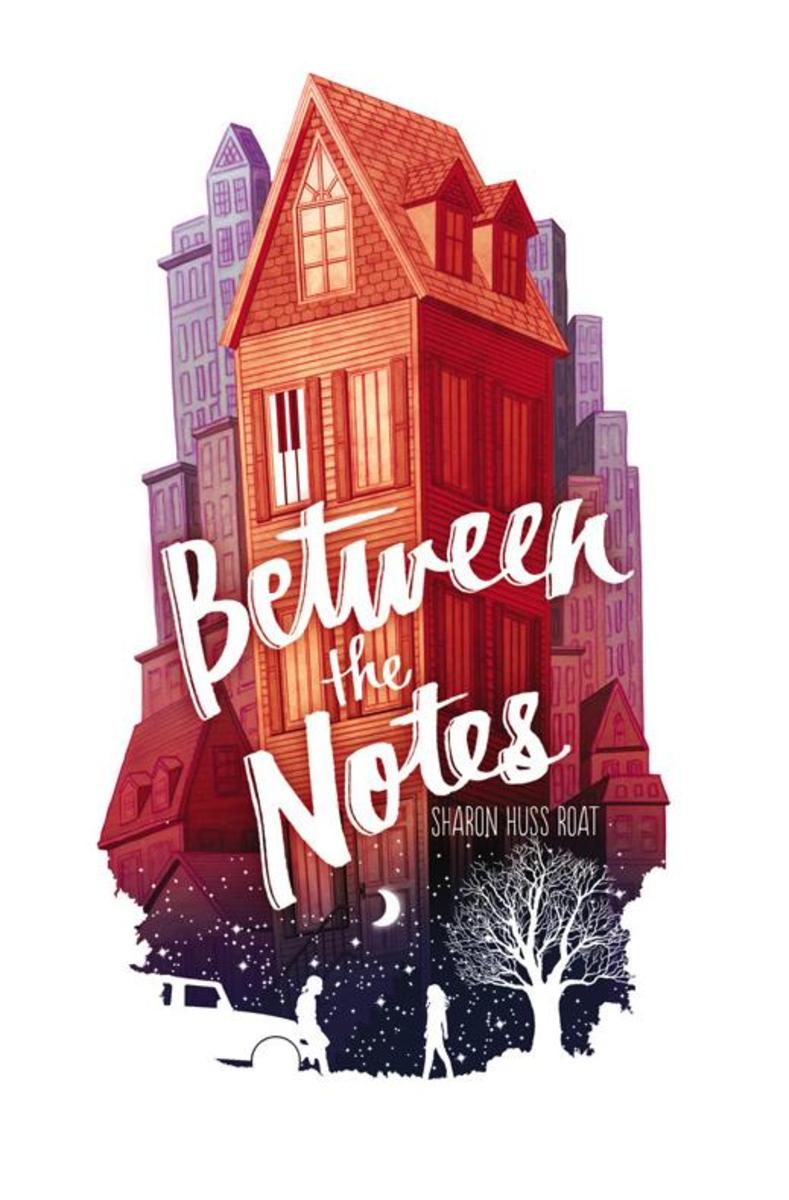
Between the Notes
¥99.65
After Ivy is forced to move to "the wrong side of the tracks" due to economic hard times, she discovers that not everything—or everyone—is what they seem, even herself. Fans of Jenny Han and Sarah Dessen will love this funny, poignant, and relatable story.When Ivy Emerson's family loses their house—complete with her beloved piano—the fear of what's to come seizes her like a bad case of stage fright. Forced to give up her allowance, her cell phone, and the window seat in her lilac-colored bedroom, Ivy moves with her family from her affluent neighborhood to Lakeside, aka "the wrong side of the tracks." Hiding the truth from her friends—and the cute new guy in school, who may have secrets of his own—seems like a good idea at first. But when the bad-boy-next door threatens to ruin everything, Ivy's carefully crafted lies begin to unravel . . . and there is no way to stop them.Once things get to the breaking point, Ivy turns to her music, some surprising new friends, and the trusting heart of her disabled little brother. And she may be surprised that not everyone is who she thought they were . . . including herself.

The Divergent Series Complete Collection 分歧者系列(套装共3册)
¥320.56
All three books in the #1?New York Times?bestselling Divergent trilogy are available together for the first time! Perfect for gift givers, collectors, and fans new to the series, the collection includes Divergent, Insurgent, and Allegiant, as well as bonus content: a 48-page guide to the series, including Faction Manifestos, a Faction Quiz and Results, a Q&A with Veronica Roth, playlists, discussion questions, series inspirations, and much more!Divergent: One choice can transform you. Veronica Roth's #1?New York Times?bestselling debut is a gripping dystopian tale of electrifying choices, powerful consequences, unexpected romance, and a deeply flawed "perfect society."Insurgent: One choice can destroy you. Veronica Roth's second #1?New York Times?bestseller continues the dystopian thrill ride. As war surges in the factions all around her, Tris attempts to save those she loves—and herself—while grappling with haunting questions of grief and forgiveness, identity and loyalty, politics and love.Allegiant: The explosive conclusion to Veronica Roth's #1?New York Times?bestselling Divergent trilogy reveals the secrets of the dystopian world that has captivated millions of readers.
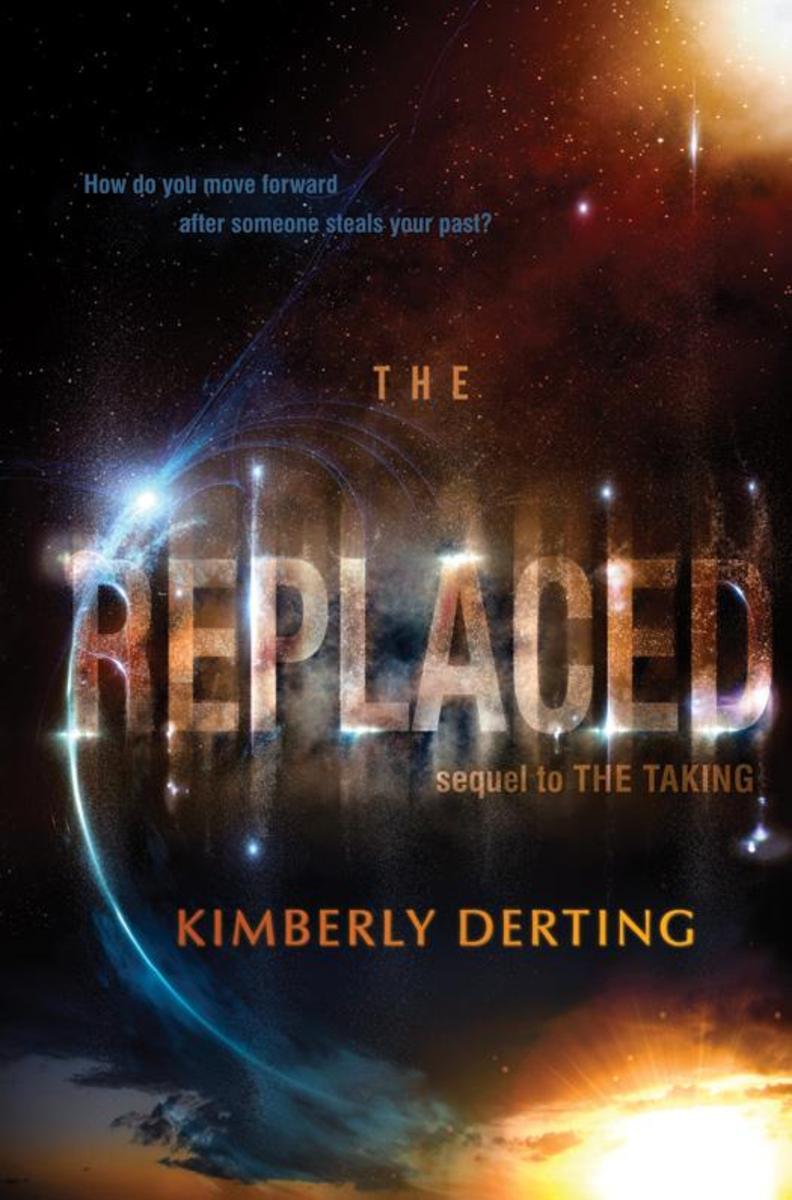
The Replaced
¥55.33
The gripping second installment in the Taking trilogy is perfect for fans of The Fifth Wave and the Body Finder series. Explosive and romantic, with creepy, otherworldly elements and twisty, psychological thrills, The Replaced will have you questioning what exactly it means to be human. Kyra hasn't been the same since she returned from her mysterious five-year disappearance. Now, on the run from the NSA, Kyra is forced to hide out with others who, like her, have been Returned. Yet she is determined to find Tyler, the boy she loves who was also abducted . . . all because of her. When her group intercepts a message that Tyler might still be alive, Kyra risks everything to get him back. But he is being held by a shadowy government organization that experiments on the Returned, and going after him puts the rest of the group in danger. Even if Kyra gets Tyler back, the fight to save him—and the rest of the Returned—is just beginning.
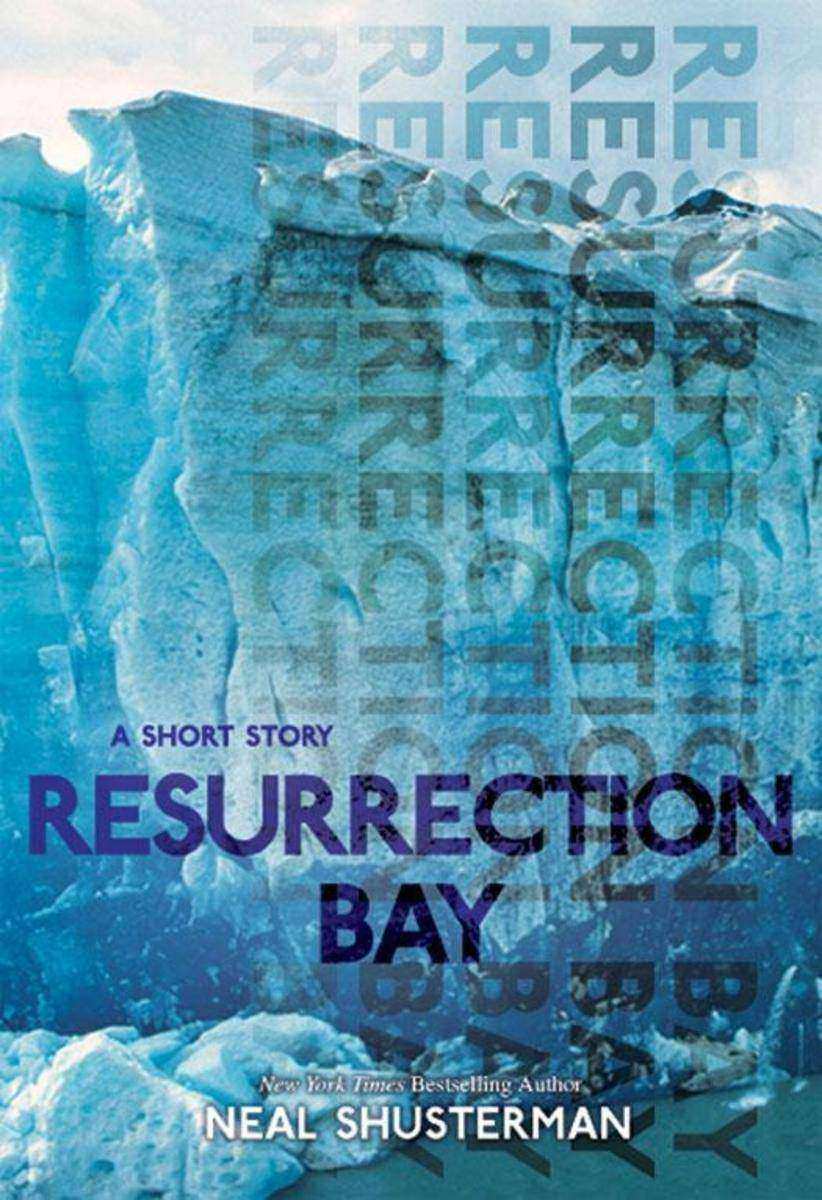
Resurrection Bay
¥32.65
From New York Times bestselling author Neal Shusterman comes a thrilling, spine-tingling 32-page original short story that's perfect for fans of Unwind and UnWholly.Bones. They know the call of the ice.Anika knows the call of the ice, too. Living in an isolated port town in Alaska with her father and younger brother, Anika is practically steps away from the Harding Icefield, and Exit Glacier has always been her favorite place.But after a couple tragically dies there, Exit Glacier seems to come alive and begins moving toward the town with unnatural speed. Anika feels deep in her bones that the ice wants something. . . .After the glacier finally stops in the town's cemetery, Anika and her on-again, off-again boyfriend, Rav, face a sinister truth: The soul of the glacier is looking for bodies to inhabit . . . and where better to find them than the graveyard?This fast-paced, eerie short story is a deft blend of suspense and horror that will leave readers breathless . . . and chilled to the bone.Epic Reads Impulse is a digital imprint with new releases each month.
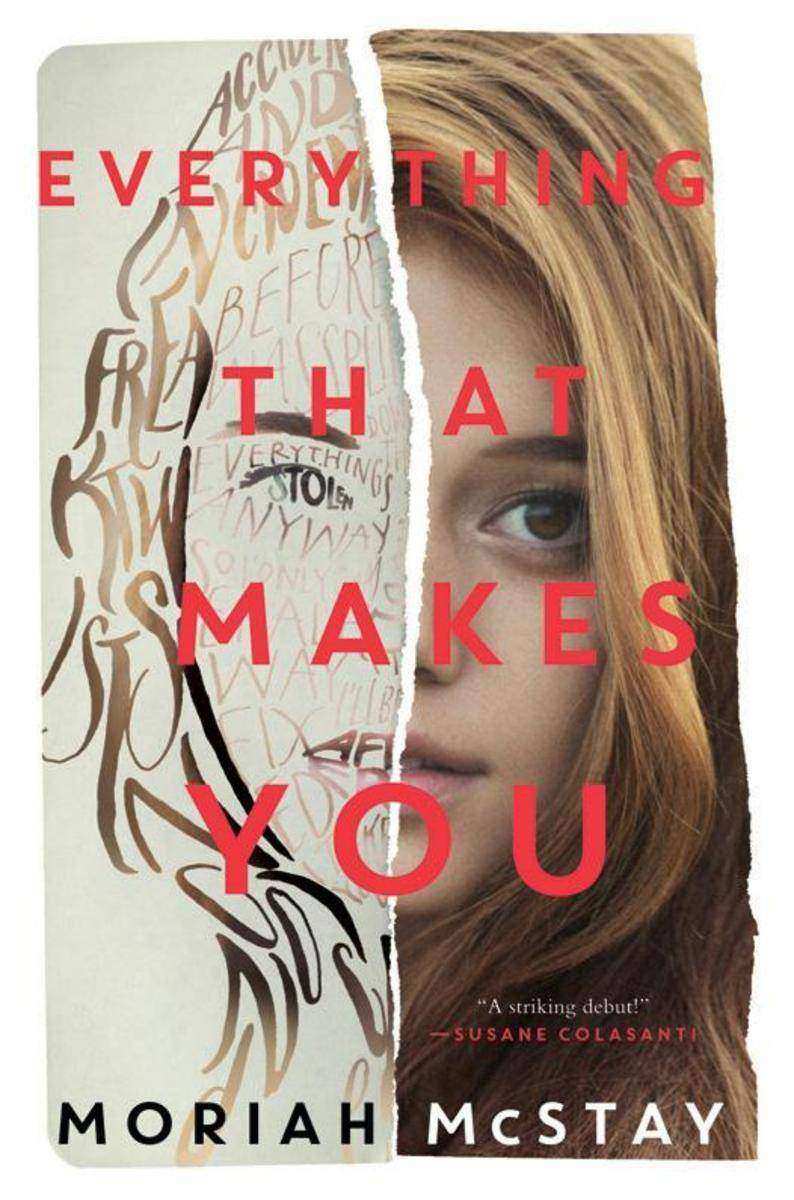
Everything That Makes You
¥56.08
Ever wonder "What if?" Everything That Makes You is a romantic, epic story about one girl—and her two possible lives after an accident changes her fate.Fiona Doyle's face was horribly scarred as a child. She writes about her frustrations and dreams in notebooks, penning song lyrics. But she'd never be brave enough to sing those songs in public. Fi Doyle never had an accident. She's the best lacrosse player in the state and can't be distracted by her friend who wants to be more than that. But then her luck on the field goes south.Alternating chapters between Fiona and Fi tell two stories about the same girl—hopes and dreams and crushes, fears and failures and loss. This beautifully written realistic contemporary novel with a twist is perfect for fans of If I Stay by Gayle Forman and Before I Fall by Lauren Oliver.

Endangered
¥100.71
Her name is Lauren, but everyone calls her Panda.What they don't know is that behind their backs, she also goes by Gray. As in Gray Scales, the photoblog that her classmates are addicted to because of the secrets Gray exposes: a jock buying drugs, a teacher in a compromising position, a rich girl shoplifting. But no one knows Panda's the vigilante photographer behind it all. At least, she thinks no one knows—until she gets a note from the Admirer, who's not only caught her red-handed acting as Gray but also threatens to reveal everything unless Panda plays a little game of Dare or . . . Dare.Panda plays along. Anything to keep the secret she's protected for years.But when the game turns deadly, Panda doesn't know what to do. And she might need to step out of the shadows to save herself . . . and everyone else on the Admirer's hit list, including some of the classmates she's loathed and exposed for years.
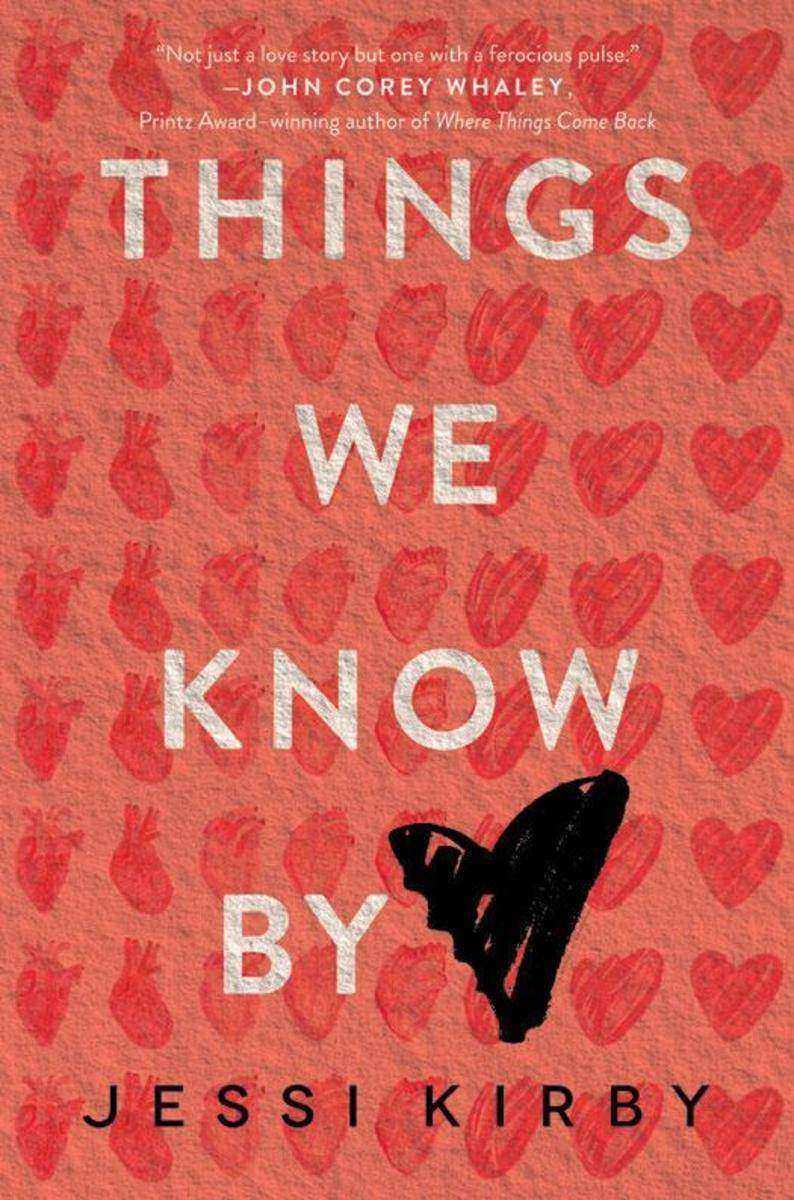
Things We Know by Heart
¥55.33
In this unforgettable teen romance that fans of Sarah Dessen and Susane Colasanti will devour, Quinn Sullivan falls for the recipient of her boyfriend's donated heart, forming an unexpected connection that will leave readers utterly breathless.After Quinn's boyfriend, Trent, dies in an accident their junior year, she reaches out to the recipients of his donated organs in hopes of picking up the fragments of her now-unrecognizable life. But whoever received Trent's heart has mysteriously remained silent. The essence of a person, Quinn has always believed, is in the heart. If she finds Trent's, then in a way she still has a piece of him.Risking everything to find peace once and for all, Quinn goes outside the system to track down nineteen-year-old Colton Thomas—a guy whose life has been forever changed by this priceless gift. But what starts as an accidental run-in quickly develops into more, sparking an undeniable attraction. She doesn't want to give in to it—especially since he has no idea how they're connected—but their time together has made Quinn feel alive again. No matter how hard she's falling for Colton, each beat of his heart reminds her of all she's lost . . . and all that remains at stake.


