


 购物车
购物车 个人中心
个人中心
In the South Seas
¥40.79
For nearly ten years my health had been declining; and for some while before I set forth upon my voyage, I believed I was come to the afterpiece of life, and had only the nurse and undertaker to expect. It was suggested that I should try the South Seas; and I was not unwilling to visit like a ghost, and be carried like a bale, among scenes that had attracted me in youth and health. I chartered accordingly Dr. Merrit’s schooner yacht, the Casco, seventy-four tons register; sailed from San Francisco towards the end of June 1888, visited the eastern islands, and was left early the next year at Honolulu.
The Gold-Bug and Other Stories
¥40.79
William Legrand becomes obsessed with searching for treasure after being bitten by a bug appearing to be made of pure gold. He notifies his closest friend, the narrator, telling him to immediately come visit him at his home on Sullivan's Island in South Carolina. Upon the narrator's arrival, Legrand informs him that they are embarking upon a search for lost treasure along with his African-American servant Jupiter. The narrator has intense doubt and questions whether Legrand, who has recently lost his fortune, has gone insane.
Ligeia and Other Stories
¥40.79
Ligeia, a beautiful, passionate and intellectual woman, raven-haired and dark-eyed. The narrator is unable to recall anything about the history of Ligeia, including her family's name, but remembers her beautiful appearance. Her beauty, however, is not conventional. He describes her as emaciated, with some strangeness. They marry, and Ligeia impresses her husband with her immense knowledge of physical and mathematical science, and her proficiency in classical languages. She begins to show her husband her knowledge of metaphysicaland forbidden wisdom. The book also features several other stories including: Morella, The Spectacles, King Pest, X-ing a Paragraph, How to Write a Blackwood Article.
The Insulted and Humiliated
¥40.79
The story is narrated by a young author, Vanya, who has just released his first novel. It bears an obvious resemblance to Dostoyevsky's own first novel, Poor Folk. Vanya's close friend and former love object, Natasha runs away with prince Alexey, son of Prince Valkovsky, who hopes to gain financially by marrying Alexey off to an heiress, Katya. Meantime we meet another young girl Nellie, whom Vanya saves from an abusive household by taking her into his apartment. Nellie's story is one of Dostoyevsky's most moving creations which inspired Japanese director Akira Kurosawa to produce an adaptation film, Red Beard.
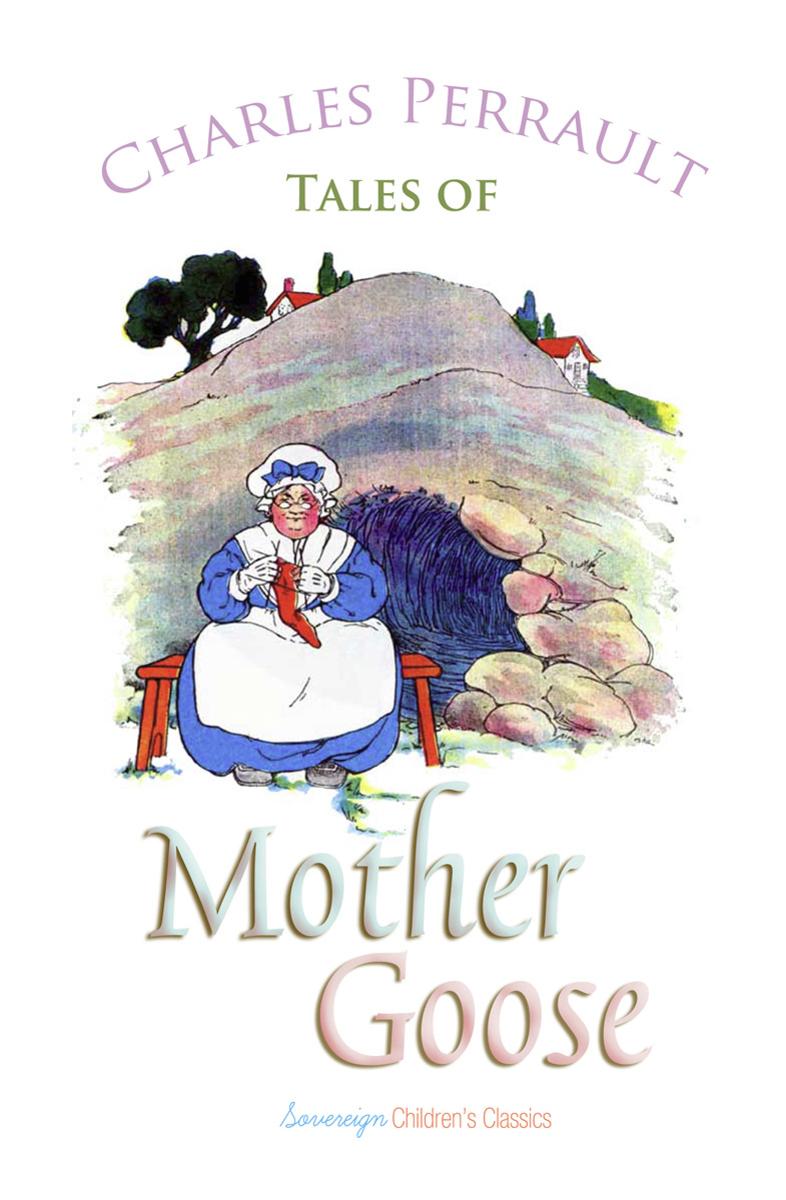
Tales of Mother Goose
¥40.79
Tales of Mother Goose feature some of the best known fairy tales including: Blue Beard, Little Thumb, Puss in Boots, Riquet with the Tuft, The Fairy, Cinderella, Little Red Riding Hood, The Sleeping Beauty.
Princess Rosette and Other Fairy Tales
¥40.79
Once upon a time there lived a King and Queen who had two beautiful sons and one little daughter, who was so pretty that no one who saw her could help loving her. When it was time for the christening of the Princess, the Queen—as she always did—sent for all the fairies to be present at the ceremony, and afterwards invited them to a splendid banquet...
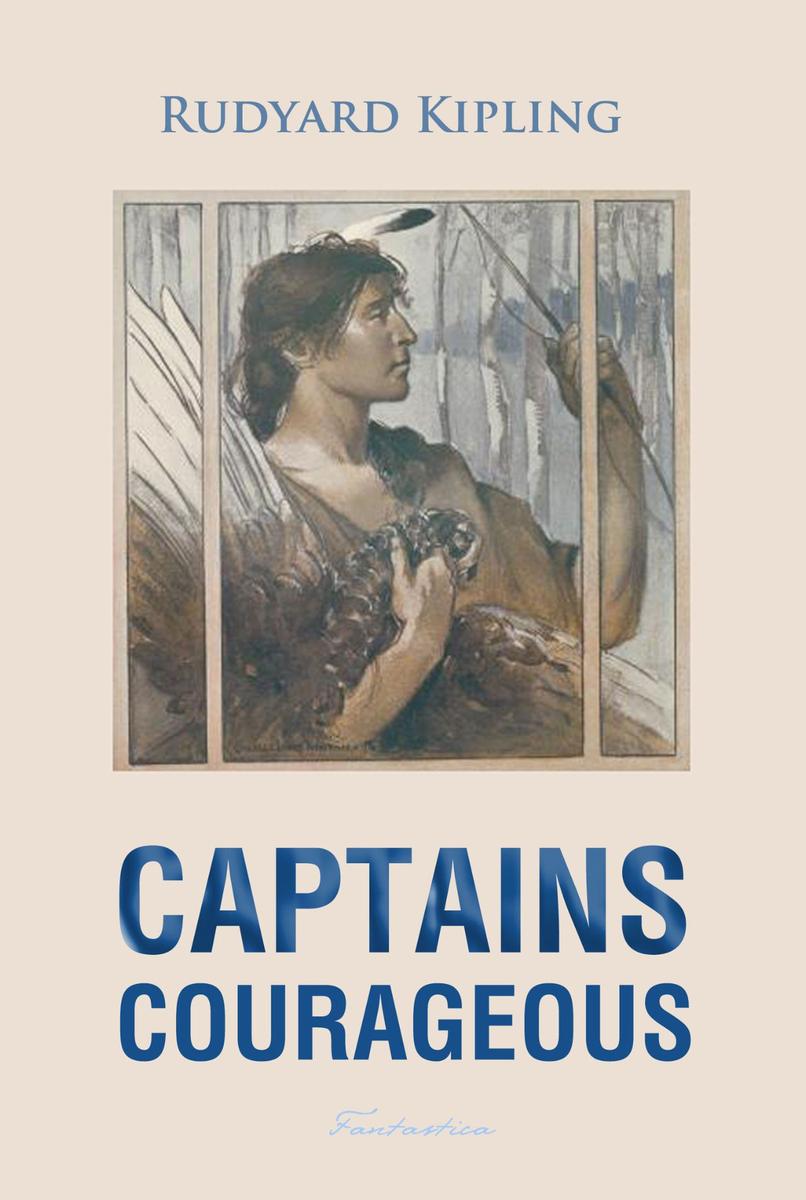
Captains Courageous
¥40.79
Harvey Cheyne washed overboard from a transatlantic steamship and rescued by fishermen off the Grand Banks of Newfoundland, the young Harvey Cheyne can neither persuade them to take him quickly to port, nor convince them that his is the son of a wealthy railroad magnate. Disko Troop, captain of the We're Here, offers him a job as part of the crew until they return to port. With no other choice, Harvey accepts.
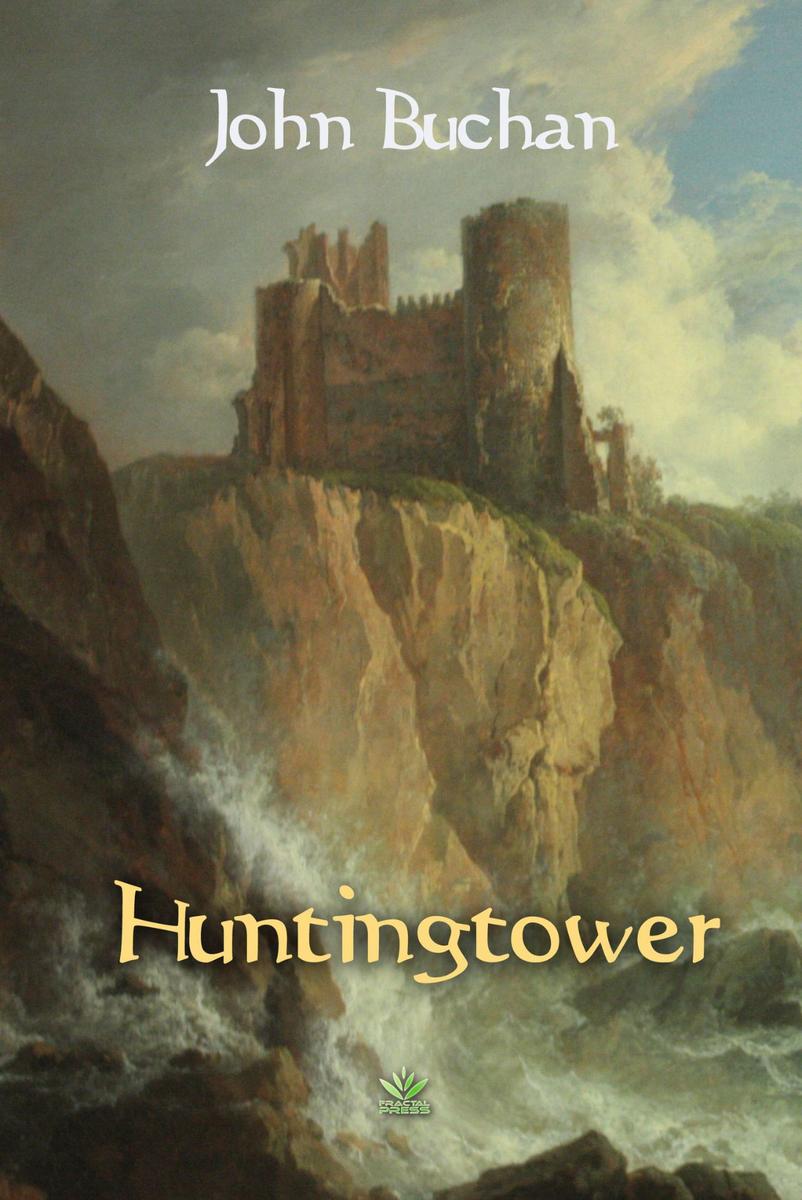
Huntingtower
¥40.79
The Scottish local community mobilises to uncover and thwart the conspiracy against a Russian woman, and to defend the neutrality of Scotland against the Russian Bolshevik agents.

Povestiri, nu pove?ti!
¥40.79
Nihilismul lui tefan Bolea este o masc n spatele creia se ascunde o inocen perpetuu incandescent. Revolta blasfematorie a poetului marcheaz un ritual de trecere spre iniiere, degajnd, n mod paradoxal, o nemrginit sete de via. Muzicalitatea incantatorie a textelor n limbile german, englez i romn plonjeaz cititorul n viziunea lumii reale.“ (Basarab Nicolescu)

Povestiri v?n?tore?ti din vremea lui Neagoe Basarab
¥40.79
Irene Matoko, rom?nc? cu tat? congolez, scrie cu lacrimi ?n ochi ?i cu durere ?n suflet. Scurta sa relatare ne impresioneaz? profund ?i ne face s? ne ?ntreb?m cum este posibil ca, ?n secolul XXI, s? persiste ?n sufletele unor oameni ura de ras? ?i prejudec??ile ?n fa?a tr?s?turilor fizice native ale semenilor no?tri.Din p?cate, profesori ?i colegi, persoane la care ne-am a?tepta cel mai pu?in s? prigoneasc? o fiin?? uman? pentru simplul fapt c? are pielea de alt? culoare, ac?ioneaz? brutal ?i inuman ?mpotriva unor copii nevinova?i.Citi?i cartea aceasta ?i pl?nge?i. Citi?i cartea aceasta ?i privi?i-v? ?n oglind?. Citi?i aceast? carte ?i aminti?i-v? de cele dou? porunci ale lui Isus: iube?te-l cu toat? fiin?a pe Dumnezeu (acesta, care a creat rasele umane) ?i iube?te-l pe semenul t?u ca pe tine ?nsu?i.Chiar dac? semenul t?u are alt? culoare.

Ultima vr?jitoare din Transilvania. Vol. 2 - Mathias
¥40.79
Aer ?n iarb? este o poezie a ciclicit??ii. Anotimpuri ?i anotimpuri ale inimii. Toposuri ?i loca?uri ale refugiului ?n bucurii simple. Regenerarea prin elemente g?site ?n col?urile altor inimi. O poezie filmic?. O dinamic? cinematic? a cuvintelor ?i a surprizelor prinse de suflet ?i redate ?n pixelii colora?i ai fericirilor nea?teptate. Aer ?n iarb? este ?i ?n ?note de mare“ ?i ?n ?prim?vara la cheie“ un ciclu care mimeaz? numai aparent dicteul automat. Aer ?n iarb? este momentul c?nd treci pe strad? ?i scapi de lume, este spa?iul gol dintre cuvintele care ??i rostesc via?a ca s? dea propulsie maxim?.?Cu totul remarcabil? este, ?n poemele lui Mihai Vieru, capacitatea autorului de a descoperi, ?n spatele spectacolului cotidian, prezen?a miraculosului, a misterului, c?teodat? feeric, alt?dat? terifiant. Poetul e un spirit fantast, ?nzestrat cu ni?te antene extrem de sensibile la partea de umbr? a existen?ei, ?i un vizionar apt s? surprind? spectacularul banalului ?i s? transforme, a?a cum ??i dorea pe vremuri Rimbaud, o fabric? oarecare ?ntr-o moschee.“ (Octavian Soviany)

Acluofobia. Zece povestiri macabre
¥40.79
Riduri deschide colec?ia ?Falanga basarabean?“ (coordonator Dumitru Crudu). Un volum al tinere?ii vitaliste care ?ncepe s? se obi?nuiasc? treptat ?i sigur cu ridurile societ??ii cu o speran?? de via?? din ce ?n ce mai exact stabilit?. Un volum de versuri care sfideaz? moartea prin chiar urmele pe care le las? ?n urm?, ca ni?te tatuaje, amintirea poeziei vie?ii celor dragi.

Un taur ?n vitrina de piatr?. Antologie liric? (1977-2012)
¥40.79
Un b?ie?el c?ruia ?i pl?cea s? colec?ioneze insecte mult mai mult dec?t s? mearg? la ?coal? Un pasager (cu r?u de mare) care a c?l?torit ?n jurul lumii ?ntr-un voiaj ce a durat cinci ani Savantul care, formul?nd teoria evolu?ionist?, a declan?at o ?revolu?ie a g?ndirii" Toate cele de mai sus!Afl? mai multe despre adev?ratul Charles Darwin din aceast? biografie amuzant? ?i minunat ilustrat?!
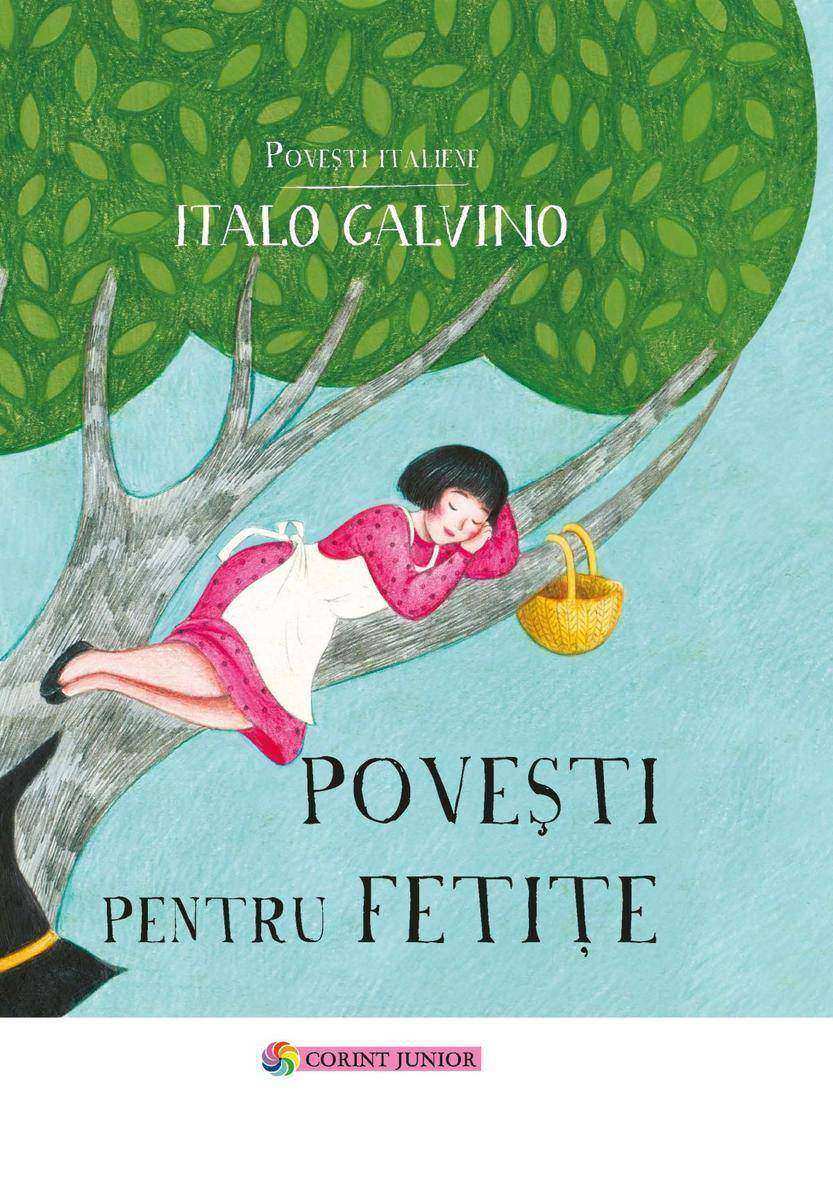
Povesti pentru fetite
¥40.79
Ianoi e viu, atent i emoionat de orice problem de parc acum abia ar ntra, aplecndu-se uor, sub naltul portic al Cunoaterii. Curios, profesnd acea dubl curiozitate, rar azi – fa de problem, dar i fa de cel ce o ridic. Fa de Fiin. Cultura romn se poate felicita, n zilele i anii notri un pic buimaci, unde Nordul valorilor pare a se fi rtcit undeva, n alte secole sau pe alte continente, c posed un cercettor, un profesor i un ins capabil de o asemenea cuprindere a unor platforme culturale att de auguste i, aparent, contradictorii. Unul din puinii supravieuitori ai acelei Mitteleuropa sapieniale, acei ndrgostii fr pricin de misterele artei i ale gndului, unul dintre acei, rari azi i n Europa, ce pesc uor peste granie istorice i mentale, rigide pentru atia, cu o graie, cu o uurin ce ne poate nela asupra acelui depozit afund de suferin i travaliu, de tenacitate unic pe care numai prezena unui ideal poate s-o explice. Iat unde putem gsi Idealul su Modelul, dezorientai nu rareori de propriile noastre ezitri i eecuri.“ (Nicolae Breban)Ianoi este un om pentru care problema morala exist, iar faptul acesta l aaz ntr-o postur extrem de fecund i de necesar, de mediator. ntr-o lume care devine tot mai conflictual, uneori n mod stupid, cu totul superficial i aberant. Ion Ianoi cred ca ne d o lecie de economie de conflict. Vd n aceast lecie i n persoana lui un model de senintate, de sinceritate intelectual, de europenitate.“ (Mircea Martin)[...] stilul Ianoi; un stil unic n cultura romn. Nu e vorba, n cazul d-sale, de cri de erudiie pedant, seac, ci de cri scrise cu un mare talent literar, cred eu, i cu extraordinare capaciti de evocare.“ (Gabriel Dimisianu)Am spus i cu alte prilejuri, am scris i cu alte ocazii c Ion Ianoi este un dar fcut literaturii romne. Oare avem puterea de a ne bucura de acest dar Avem fora de a-l onora i de a ne minuna de el, aa cum se cuvine Printre scriitorii romni, prietenul nostru e perceput drept un crturar evreu-maghiar atipic. Printre evrei e tratat drept un romn sadea. n Ianoi vd un model de prim rang, un mare crturar ce s-a nzidit n literatura romn, un scriitor care ar face onoare oricrei culturi majore a lumii. Ianoi este, apoi, un spectacol, n pofida felului su de a fi, aproape n ciuda sa...“ (Aura Christi)
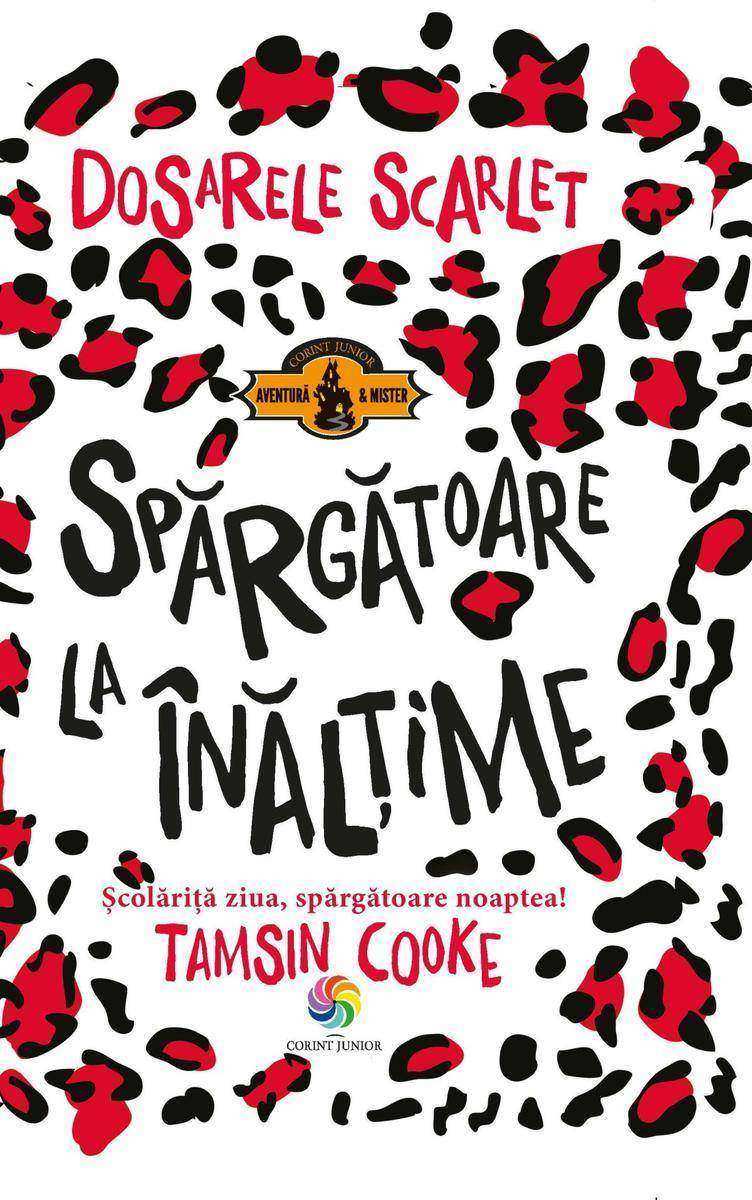
Dosarele Scarlet: Sp?rg?toare la ?n?l?ime
¥40.79
Edi?ie alc?tuit?, coordonat? ?i ?ngrijit? de Iulian Boldea?Profilul c?rturarului Nicolae Balot?, pe care acest volum se str?duie?te s?-l contureze, adun? laolalt? expresivitatea, rigoarea ?i erudi?ia eseistului ?i criticului literar, dar ?i afectivitatea sublimat? a memorialistului. Sumarul c?r?ii e alc?tuit din mai multe texte semnate de Nicolae Balot?, relevante pentru concep?ia sa critic? ?i estetic?, dintr-o schi?? de portret apar?in?nd lui Matei Boil?, din dou? dialoguri ?n care se ?mpletesc accentele confesive ?i proiec?iile teoretice ?i din dou? sec?iuni exegetice. Prima, Interpret?ri, con?ine abord?ri ale operei critice sau memorialistice a lui Nicolae Balot? ?n ansamblul ei, ?n timp ce a doua, Lecturi, cuprinde analize aplicate asupra unei anumite c?r?i. La toate acestea se adaug? necesarele repere bio-bibliografice. Textele au fost ini?ial tip?rite ?ntr-un num?r al revistei Vatra consacrat lui Nicolae Balot?; a?a se explic? unele referiri ale autorilor la binecunoscuta revist? din T?rgu-Mure?. Le mul?umesc, ?i pe aceast? cale, domnului Nicolae Balot?, pentru amabilitatea cu care a r?spuns provoc?rii noastre, ?i celorlal?i autori, pentru disponibilitatea domniilor lor, f?r? de care acest volum ar fi fost imposibil de realizat.“ – Iulian Boldea
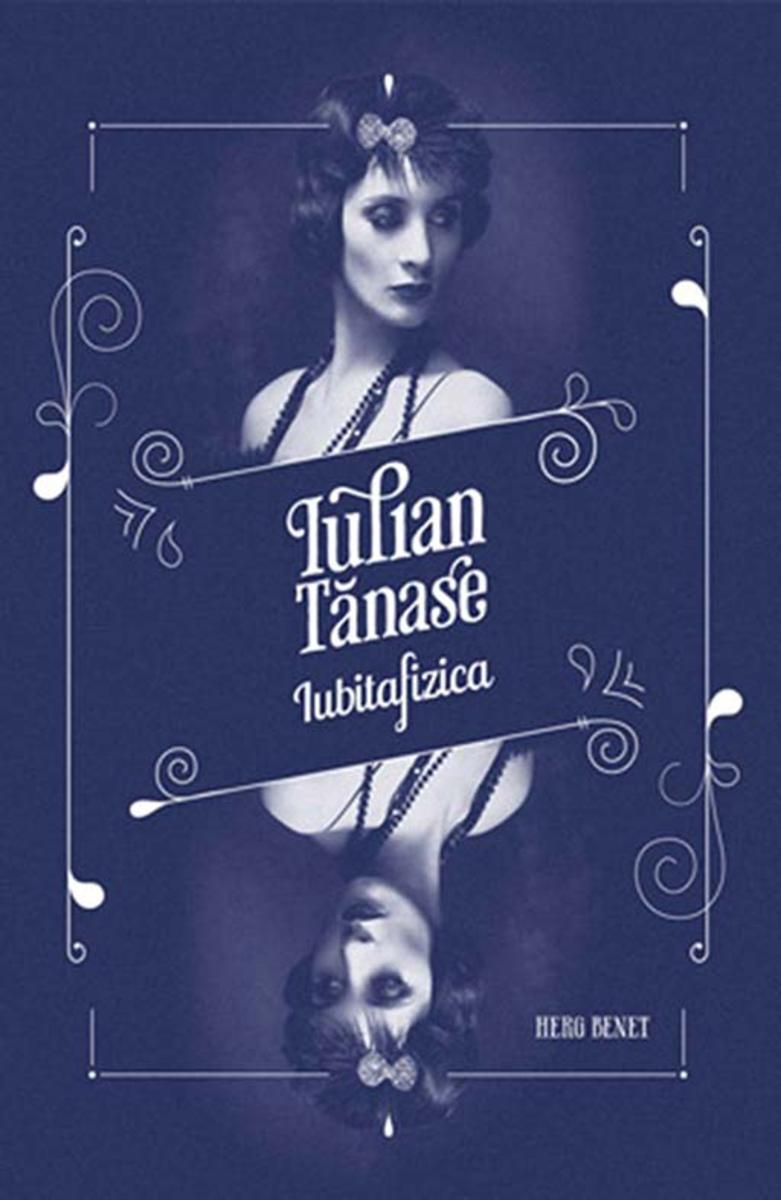
Iubitafizica (?tiin?a iubirilor imaginare)
¥40.79
Dou? spa?ii literare: cel rom?nesc ?i cel spaniol. Dou? planuri de abordare: teoretic ?i hermeneutic.Acela?i element de referin??: metafic?iunea. Un studiu semnat de Anamaria Blanaru care vizeaz? o cercetare complex? a metafic?iunii, o privire critic? asupra polemicilor ?n care a fost abordat acest subiect.?
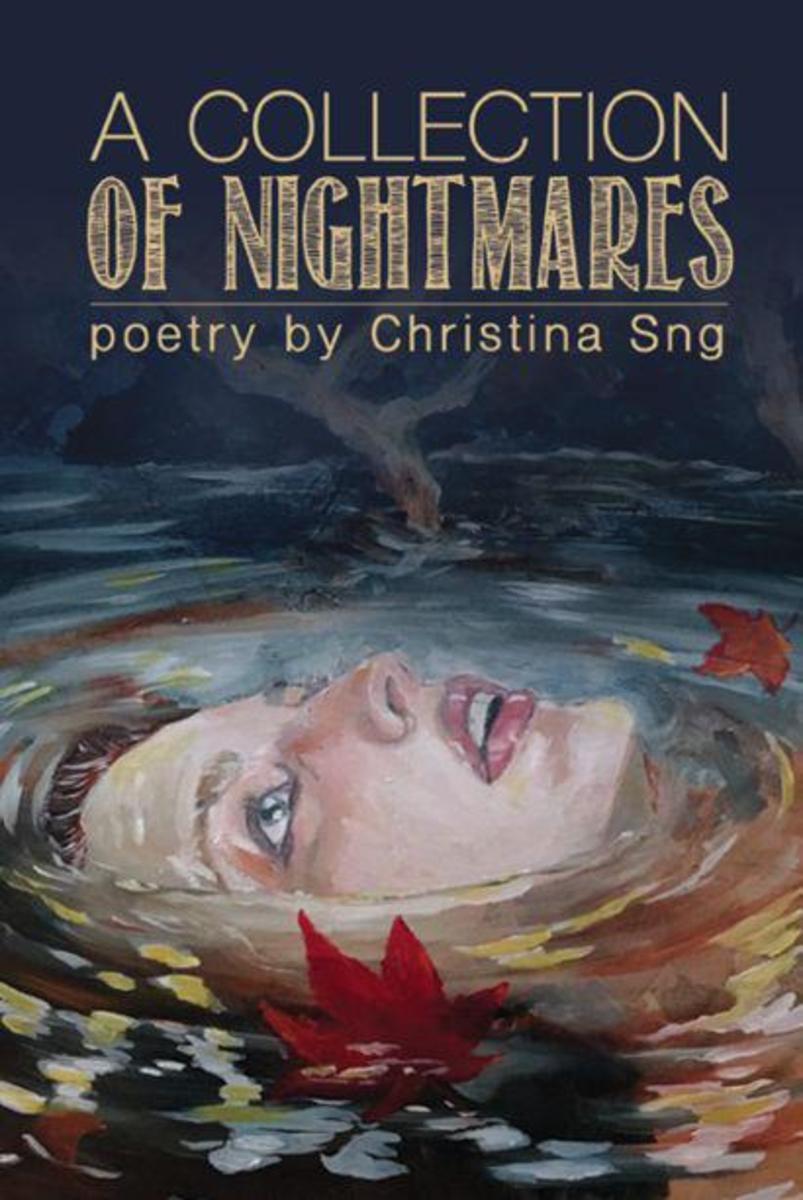
A Collection of Nightmares
¥40.79
Hold your screams and enter a world of seasonal creatures, dreams of bones, and confessions modeled from open eyes and endless insomnia. Christina Sng’s?A Collection of Nightmares?is a poetic feast of sleeplessness and shadows, an exquisite exhibition of fear and things better left unsaid. Here are ramblings at the end of the world and a path that leads to a thousand paper cuts at the hands of a skin carver. There are crawlspace whispers, and fresh sheets gently washed with sacrifice and poison, and if you’re careful in this ghost month, these poems will call upon the succubus to tend to your flesh wounds and scars.?? ?These nightmares are sweeping fantasies that electrocute the senses as much as they dull the ache of loneliness by showing you what’s hiding under your bed, in the back of your closet, and inside your head. Sng’s poems dissect and flower, her autopsies are delicate blooms dressed with blood and syntax. Her words are charcoal and cotton, safe yet dressed in an executioner’s garb.?? ?Dream carefully.?? ?You’ve already made your bed.?? ?The nightmares you have now will not be kind.?? ?And you have no one to blame but yourself.
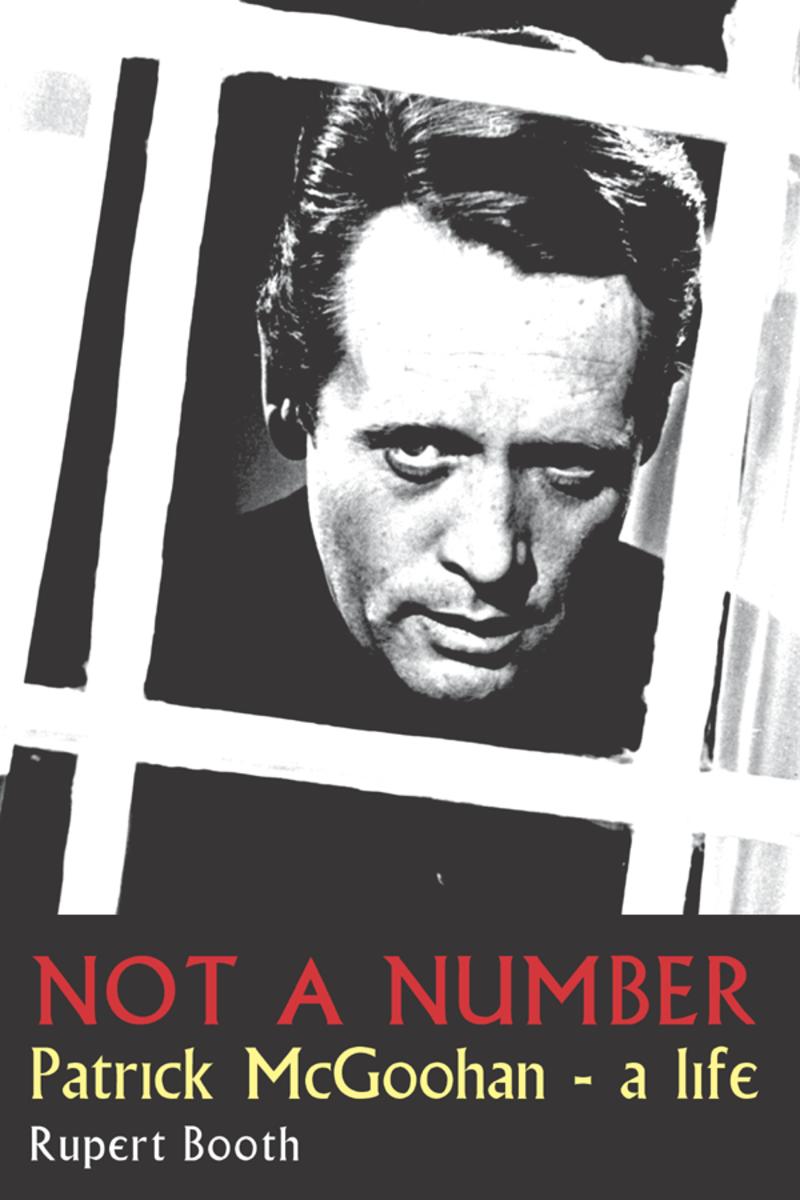
Not A Number: Patrick McGoohan - a life.
¥40.79
When Patrick McGoohan first starred in “Danger Man” in 1960 and as ‘Number 6’ in cult show “The Prisoner”, industry insiders hailed the arrival of an enigmatic genius and Hollywood beckoned. But who was this man who worked as a chicken farmer and bank clerk before becoming a hugely successful actor simply by chance? In this up-to-date biography Rupert Booth reveals the true character of a man whose off-screen behaviour matched his fiery on-screen persona. Why was he so puritanical, refusing even to kiss a woman for any part he played? Why was he so controlling over his work in “The Prisoner” and other productions? A timely exploration of the man whose declaration ‘I will not be pushed, filed, stamped, indexed, briefed, de-briefed or numbered!’ continues to resonate with audiences decades after it was first uttered with such conviction.

Swing Trading con il grafico a 4 ore: Parte 2: Trading sui Fake!
¥40.79
Swing Trading con il grafico a 4 ore: Parte 2: Trading sui Fake!
Karma s?n?t??ii
¥40.79
Lidia Lazu a scris aceste poeme. i pe urm a uitat c le-a scris. Le-a gsit pe marginea unei ferestre, ciugulite de psrile cerului, cu frumuseea pierdut pentru totdeauna – c toate lucrurile sortite s ntrein miracolul existenei. Acesta este mitul n jurul cruia ar putea s se consolideze o ntreag oper poetic. Eu cred c nici unul dintre poeii romni nu a reuit s construiasc o asemenea imagine, care ntr-adevr s ne reprezinte ntr-un asemenea chip i ntr-o asemenea msur. Lidia Lazu scrie din preaplinul firii sale. (...) Ea face parte dintre acei oameni care nu scriu din pricina slbiciunilor lor, ci din pricina prea multelor daruri cu care a fost nzestrat de Dumnezeu.“ – Mircea Ciobanu
Karma norocului
¥40.79
Sub limita de detec?ieVorbi?i ?n ?oapt?Ceva se petreceSub pragul vostru auditiv.A?a cum silabele gurii taleSunt sorbite de timpanele ei, tot astfelAcolo, ?n ad?nc,Picur? ceva –P?m?ntului ?i scap? lacrimiPe care le-nghit r?d?cinile;Acolo, ?n ?naltSe spulbera ceva –V?zduhului ?i scap? lacrimiPe care le-nghit ?ngerii.E un plan?et f?r? istovAl lucrurilor, fertil –Doar c? se petreceSub limita de detec?ie.


