


 购物车
购物车 个人中心
个人中心
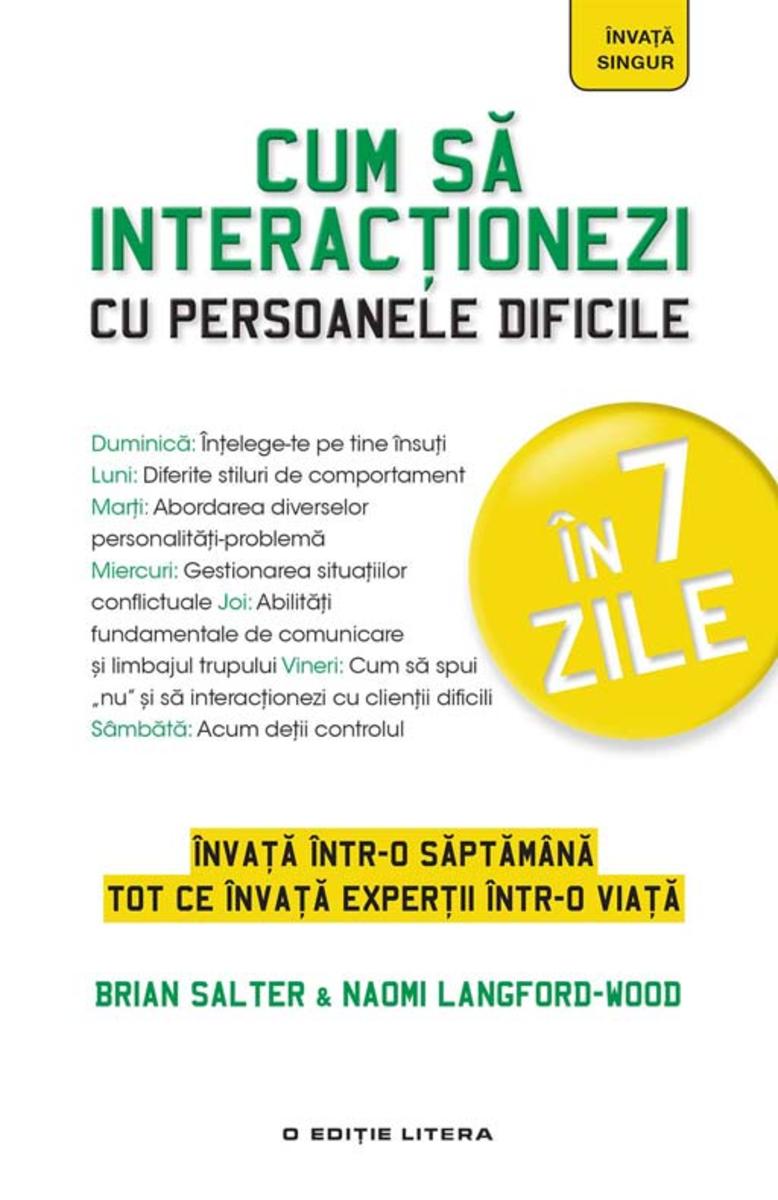
Cum s? interac?ionezi cu persoanele dificile
¥34.25
Bun venit ?n lumea program?rii neurolingvistice (neuro-linguistic programming – NLP)! Cartea de fa?? ??i va prezenta principalele teme ?i idei ce constituie NLP. ??i va oferi cuno?tin?e de ansamblu ?i ?n?elegerea conceptelor?cheie, pe l?ng? exerci?ii practice menite a??i pune mintea la contribu?ie. NLP are propriul sistem de limbaj ?i organizare, explicat pe larg cu exemple din problemele profesionale ?i personale. Teoriile ?i practica NLP te vor ajuta s? descoperi ce ?i face pe unii oameni s? exceleze ?n toate aspectele vie?ii lor, stimul?ndu?te s? faci acela?i lucru.

Incredibilul pelerinaj al lui Harold Fry
¥66.22
nvturile lui Osho, unul dintre cei mai cunoscui lideri spirituali ai secolului XX, rstoarn tiparele clasice de gndire, provocndune la o permanent punere sub semnul ntrebrii a certitudinilor i la un proces de contientizare de sine.Crile din seria Incursiune ntrun nou mod de via prezint viziunea lui Osho privind cele mai importante probleme pe care i le pun oamenii interesai de tiina transformrii de sine i de o spiritualitate adaptat la provocrile cotidiene ale vieii contemporane.

Antrena?i-v? ?i proteja?i-v? creierul. Mai mult? vitalitate cerebral?
¥48.97
Ce este o traum?? Putem s? o identific?m dup? ce a trecut ?ocul? Care sunt semnele ce ar trebui s? ne alerteze ?n s?pt?m?nile ?i lunile care urmeaz?? Care este impactul asupra memoriei ?i somnului? Ce trebuie ?tiut despre tehnicile care permit dep??irea crizei, ?ncep?nd cu interven?ia imediat? ?i termin?nd cu terapiile de lung? durat??Acela?i eveniment poate fi o traum? pentru un individ, dar nu ?i pentru un altul, ?n func?ie de diferen?ele de personalitate, de nivelul de preg?tire, de energia de care dispune individul pentru a face fa?? traumelor ?i de sprijinul acordat de anturaj ?n acel moment. ?in?nd cont de aceste realit??i, autorul propune un tablou clinic al traumei ?n trei faze (imediat?, postimediat? ?i am?nat?-cronic?) ?i demonstreaz? c? trauma nu poate fi redus? la tulburarea de stres posttraumatic. El trateaz? particularit??ile tabloului clinic ?n cazuri specifice, cum ar fi acela al copilului, al femeii care a fost victima unui viol ?i al salvatorului expus unui eveniment poten?ial traumatizant. ?n ceea ce prive?te domeniul terapeutic, acesta este explorat din perspectiva rezilien?ei, a interven?iei psihologice imediate, postimediate ?i a tratamentului fazei cronice.

Mon?trii din oameni
¥90.84
Procesul hipnotic este unul complex ?i variat ca tr?iri, care de-a lungul timpului ?i-a dovedit eficien?a ?n psihoterapie. Volumul de fa?? porne?te de la ideea c? hipnoza reprezint? o metod? adjuvant? cu caracter dinamic ?n contextul terapeutic. Caracteristicile legate de identificarea unui anume nivel de sugestibilitate, al?turi de manifest?rile tr?ite ?n stare de trans? vor avea ecou diferit, ?n func?ie de fiecare client, c?t ?i de situa?ia pe care acesta o aduce ?n cadrul terapeutic.Volumul "Hipnoza ?n psihoterapie" contribuie la literatura de specialitate cu rezultate ale unora dintre ultimele cercet?ri ?n domeniu, prezint? modele inedite de scenarii de induc?ie hipnotic? ?i de ad?ncire a transei, precum ?i studii de caz elocvente pentru o serie de tulbur?ri ?i de conjuncturi ?nt?lnite ?n cabinet. Este structurat ?ntr-o parte teoretic? ?i o parte practic?, av?nd numeroase exemple ce atest? aplicabilitatea hipnozei ?n multiple afec?iuni. Ca noutate, lucrarea de fa?? abordeaz? hipnoza ?n situa?ii precum na?terea, infertilitatea, dependen?ele, stima de sine sc?zut?, afec?iuni oncologice, tulbur?ri de stres postraumatic ?i nu numai. Volumul se adreseaz? ?n primul r?nd speciali?tilor ?i apoi publicului larg, cu inten?ia de a-l familiariza cu acest instrument de lucru activ ?n psihoterapie, care a fost ?i r?m?ne hipnoza.

Fata care s-a jucat cu focul. Millennium 2
¥106.19
B?rbatul care caut? s?-?i reg?seasc? mama ?n partenerele sale este etichetat imediat drept ?b?ie?elul mamei“. Iar despre femeia care prefer? s? umble doar cu b?rba?i mult mai ?n v?rst? se spune c? n-a reu?it s? se ?desprind? de tat?l ei“. De?i, ini?ial, complexele materne ?i paterne se dezvolt? ca un r?spuns pozitiv ?n rela?ia cu p?rin?ii, aceste leg?turi extrem de str?nse pot deveni un obstacol pentru maturizarea psihic?, mai precis pentru felul ?n care ne construim o imagine de sine, pentru rela?iile de cuplu, dar ?i pentru eficien?a ?n profesie.Format? ?n psihologie analitic?, Verena Kast descrie c?ile prin care ne putem elibera de impactul negativ al acestor complexe (materne ?i paterne), rec??tig?ndu-ne autonomia, fericirea ?i bucuria intimit??ii al?turi de cei dragi.Meritul c?r?ii este c? ofer? o descriere sistematic? a complexelor parentale (discutate ini?ial de Jung) ?i c?, spre deosebire de conota?iile patriarhale freudiene, revalorizeaz? complexul matern, asociat ?n prip? exclusiv cu o semnifica?ie negativ?.Desprinderea la timp de complexele personale materne ?i paterne este esen?ial?. Multe probleme din domeniul rela?iilor personale, dar ?i din acela al zonei politice ?in de faptul c? desprinderile necesare nu s au produs. Scopul procesului de desprindere ar fi s? ?nv???m s? sim?im propriile noastre afirma?ii —?n loc de afirma?iile mamei ?i ale tat?lui —, propriile noastre sentimente fa?? de o anumit? situa?ie, ?n locul sentimentelor care deriv? din complexe.No?iunea de ?complex“ este fundamental? ?n psihologia jungian?. Nu e de mirare c? ?n descrierea analizan?ilor revin necontenit observa?ii precum: ?El are un complex matern pozitiv“. Sau: ?Ea are un complex patern extrem de dominant“. La astfel de complexe se refer? mereu psihologia jungian?, descriind cazuri individuale sau ?ncreng?turi de cazuri; complexele materne ?i paterne ?ns? nu au fost ?nc?, dup? ?tiin?a mea, prezentate ?ntr o perspectiv? de ansamblu. Este ceea ce a? vrea s? recuperez prin aceast? carte.“
Ce tip de carier? ?i se potrive?te? Cum s?-?i g?se?ti cariera perfect?
¥90.84
Trei sferturi dintre elevii rom?ni se tem de comportamentul agresiv al colegilor, ?n vreme ce Rom?nia se afl? printre primele locuri ?n clasamentul interna?ional al violen?ei ?colare, potrivit studiilor OMS realizate ?n 37 de ??ri.Cartea de fa?? ofer? p?rin?ilor ?ngrijora?i solu?ii practice pentru a-?i ajuta copiii s? nu se lase teroriza?i de colegii de ?coal?. Ve?i afla cum s?-i ajuta?i pe cei mici s? stopeze din fa?? orice tentativ? de intimidare, dar ?i cum s? colabora?i eficient cu ?coala, autorit??ile sau p?rin?ii altor elevi. Cu ajutorul unor minidialoguri, al jocurilor de rol ?i al unor sfaturi intuitive, copiii vor ?nv??a cum s? citeasc? limbajul nonverbal al b?t?u?ilor, cum s?-?i p?streze cump?tul ?i s? fie asertivi, dar ?i c?nd e cazul, s? apeleze la persoanele cu autoritate. Pe de alt? parte, p?rin?ii sunt ?ncuraja?i s? asculte cu aten?ie ?i f?r? o atitudine moralizatoare ce au de spus copiii, tocmai pentru a pre?nt?mpina din vreme posibilele traume sau depresii ale elevilor exclu?i, intimida?i, persecuta?i sau batjocori?i pe internet.

Fiicele tat?lui, fiii mamei. C?i de ie?ire din complexele paterne ?i materne
¥57.14
E.A. Bennet l-a ?nt?lnit pentru prima dat? pe Jung la ?nceputul anilor 1930 iar, ?ntre 1935 ?i 1961, cei doi au men?inut un contact ne?ntrerupt. Relat?rile ?nt?lnirilor, adunate ?n aceast? carte, ofer? o imagine mai pu?in cunoscut? a vie?ii ?i a g?ndirii lui Jung ?i reflect? impresii despre existen?a de zi cu zi, despre stilul s?u de via?? natural, spontan. Cartea ne invit? s? facem un exerci?iu de imagina?ie: s? ni-l ?nchipuim pe Jung pe malul lacului, ?n gr?din?, ?n intimitatea camerei de studiu, ?nconjurat de familie ?i de colaboratorii apropia?i, la Bollingen sau la Küsnacht, discut?nd despre r?zboi, religie, prelegerile ?inute de la Yale, despre Freud ?i psihanaliz?, vindecare prin psihanaliz?, despre simboluri ?i con?inuturile incon?tientului, umbr?, sincronicitate, arhetipuri, tipurile psihologice ?i hipnoz?.?Seara, dup? prelegerea mea ?i dup? cina t?rzie luat? cu prietenii, m-am ?ntors la Küsnacht la ora 10:15. Mi-a deschis doamna Jung ?i mi-a spus c? erau ?n bibliotec?. C.G. st?tea pe scaunul lui obi?nuit, l?ng? fereastr?, sub lampadar. P?rea ceva mai b?tr?n ?i pu?in obosit, dar era plin de via?? ?i, ca ?ntotdeauna, a deschis un subiect. Voia s? ?tie c?te revendic?ri sunt ?n Tat?l Nostru, deoarece scria despre aceasta (corecta, cred, ?palturile la cartea sa despre Iov). Am spus c? erau mai degrab? cerin?e sau solicit?ri dec?t revendic?ri, iar el a fost de acord, cerin?e era cuv?ntul potrivit. ?D?-ne nou? ast?zi p?inea noastr? cea de toate zilele?, nu o p?ine oarecare, ci lucrul dup? care ne c?l?uzim vie?ile. El prefera formularea Sf?ntului Ieronim.“?C.G. a spus c? ?i pl?cea s?-?i bea cafeaua de la micul dejun pe ?ndelete —?Apoi voi prinde via?? f?r? grab?. ‘Omnis festinatio a parte diaboli est’, a citat el ?n limba latin? —orice grab? vine de la diavol?. Este o veche zical? alchimic?. L-am ?ntrebat din nou despre modelul de pe fa?a lui Mercur, sculptat pe piatra de l?ng? turn. ?Ajunsesem ?ntr-un mare impas c?nd am scris despre sincronicitate —mi-a spus el —la partea despre statistic?. Apoi am v?zut acel chip ?n piatr?, mi-am pus h?rtiile deoparte, mi-am luat sculele ?i l-am cioplit. Era ho?ul de Mercur.? A continuat: ?Alchimi?tii cuno?teau acest blocaj, iar ei ?l numeau adesea pe Mercur, bufonul?.“

Ultimul imperiu
¥90.84
Sandplay reprezint? o abordare terapeutic? eficient? ?i accesibil? de vindecare a persoanei ?n ?ntregul ei. Baz?ndu-se pe vaste cuno?tin?e de mitologie ?i folclor, dar mai cu seam? pe dezvolt?rile analizei jungiene, autoarea explic? felul ?n care imaginile ?n nisip contribuie la autoreglarea psihicului, iar interpretarea simbolurilor spa?iale ajut? la clarificarea ?i dep??irea blocajelor interioare. La fel ca pictura, analiza viselor sau imagina?ia activ?, modelarea ?n nisip are meritul de a aduce ?ntr-un spa?iu imaginar procese incon?tiente ?i emo?ii nespuse, care sunt mult mai greu de accesat ?n urma unei simple ?cure prin vorbire“. Prin coimplicarea trup ?i suflet ?n jurul cutiei cu nisip, analistul ?i pacientul ob?in o imagine concret? a evolu?iei rela?iei terapeutice, dar mai ales desc?tu?eaz? capacitatea pacientului de autovindecare.Volumul include o serie de istorii de caz, dar ?i ilustra?ii fotografice ?i sfaturi practice pentru psihologii care sunt tot mai interesa?i de metoda sandplay. Pe l?ng? virtu?ile sale vindec?toare, terapia prin jocul cu nisip serve?te ?i diagnostic?rii, put?nd fi utilizat? at?t pentru adul?i, c?t ?i pentru copii.?Tehnica jocului cu nisip i se potrive?te lui Ruth Ammann ca o m?nu??.“ (Verena Kast)

Vremea plec?rii
¥90.84
Medicamentul cel mai des folosit ?n medicina general? este medicul ?nsu?i; altfel spus, nu doar flaconul sau cutia cu medicamente conteaz?, ci maniera ?n care acestea sunt prescrise pacientului – de fapt, ansamblul atmosferei ?n care medicamentul este dat ?i luat. ?n cartea de fa??, Michael Balint descrie diferite procese incon?tiente ce intervin ?n rela?ia medic-pacient, aspecte care pot favoriza vindecarea, sau pot duce la tensiuni, nepl?ceri ?i tratamente lipsite de rezultatul benefic a?teptat. Dac? rela?ia stabilit? ?ntre specialist ?i client poate fi un obstacol ?n calea bunei desf??ur?ri a activit??ii, atunci unul dintre modurile ?n care rezultatele profesionale pot fi ?mbun?t??ite este supervizarea centrat? pe reac?iile emo?ionale ale medicului fa?? de pacien?ii s?i. ?n?elegerea acestor reac?ii poate oferi date importante despre pacient, pe care specialistul s? le poat? folosi mai departe ?n evaluarea cazului ?i ?n stabilirea unei interven?ii eficiente. Numeroase exemple clinice ilustreaz? dinamica incon?tient? a rela?iei terapeutice, precum ?i modul ?n care se desf??oar? grupurile Balint pentru medici.

Ho?ul interior. Psihologia furtului ?i a pierderii
¥73.49
Ce se ascunde oare în spatele comportamentelor noastre? Ce for?e tainice ne mân? ac?iunile de zi cu zi? Un b?rbat nu reu?e?te s? se implice în nicio rela?ie amoroas? de lung? durat? cu o femeie — s? aib? el o orientare sexual? diferit?? O femeie, de?i are toate semnele c? partenerul îi este infidel, pare s? nu poat? observa ce se întâmpl? chiar sub ochii ei — oare s? fie chiar atât de naiv?? Un tat? î?i reneag? fiica atunci când aceasta se m?rit? cu un b?rbat de alt? religie — s? fie convingerile sale religioase mai puternice decât dragostea fa?? de propriul copil? Povestirile din aceast? carte ne deschid o fereastr? nu numai spre lumea l?untric? a protagoni?tilor ?i spre ceea ce se petrece într-un cabinet de psihanaliz?, ci ?i spre propria noastr? via??, ce poate purta, la rândul ei, sensuri ascunse. A-?i împ?rt??i tr?irile ?i a asculta cap?t? astfel noi valen?e, capabile s? duc? la o în?elegere profund? ?i la schimbare. Ele sunt istorii de caz din experien?a psihanalitic? a autorului, pove?ti ale pacien?ilor, redate într-un limbaj simplu, accesibil cititorului nefamiliarizat cu psihanaliza. Sensurile ascunse ale vie?ii este o carte ce te captiveaz? înc? de la primele pagini. O carte frumos scris? ?i plin? de înv???minte... o serie de capitole scurte, p?trunz?toare, care se citesc ca o combina?ie de Cehov ?i Oliver Sacks. – New York Times Atunci când nu putem g?si o cale de a ne rosti povestea, povestea ne roste?te pe noi, vis?m aceste pove?ti, dezvolt?m simptome sau ne vedem ac?ionând în feluri pe care nu le în?elegem ?Uneori schimbarea vine nu pentru c? ne propunem s? ne vindec?m sau s? repar?m rela?ia noastr? cu via?a; uneori ne schimb?m când repar?m rela?ia noastr? cu pierderea, cu uitarea, cu moartea. – Stephen Grosz
Psihoneuroimunologie uman?
¥122.54
Te-ai g?ndit vreodat? c? ?i-ai putea reprograma creierul astfel ?nc?t s? devii un lider mai eficient? ?i aceasta, f?r? s?-?i ?ncarci programul ?i a?a aglomerat. Doar o mic? schimbare ?n stilul t?u de via??, ?n activit??ile pe care le faci oricum zilnic, poate aduce o transformare de propor?ii ?n via?a ta profesional? ?i personal?. Iar aceast? schimbare se nume?te mindfulness, con?tientizarea momentului prezent, aten?ia concentrat? clip? de clip? pe aici ?i acum. Matt teney ?i tim gard ??i vor ar?ta c? po?i, practic?nd mindfulness, s? devii mai inovativ, s? atragi ?i s? men?ii ?n echipa ta colegi dedica?i, s?-?i dezvol?i inteligen?a emo?ional? necesar? pentru a crea o cultur? a ?nving?torului, s? fii un lider care-i inspir? pe ceilal?i. Este o carte din care vei ?nv??a c? te po?i schimba remodel?ndu-?i creierul, f?c?nd acelea?i lucruri ca ?i p?n? acum, ?ns? ?ntr-un mod diferit, ce-?i va deschide noi perspective asupra vie?ii. Matt Tenney este antreprenor, autor, speaker ?i consultant ?n mediul de afaceri. Tim Gard, doctor ?n neuro?tiin?e, speaker ?i instructor de mindfulness.

S?n?tatea mental? a elevului. Ghid pentru personalul didactic
¥81.67
Trei fo?ti ofi?eri CIA, autorit??i interna?ionale ?n detectarea disimul?rii, v? ofer? un set de tehnici accesibile pentru a afla dac? vorbitorul din fa?a voastr? spune sau nu adev?rul. Fie c? realiza?i un interviu de angajare sau o anchet? judiciar?, fie c? vre?i s? afla?i dac? adolescentul vostru a consumat droguri ori dac? partenerul v? ?n?al?, ave?i acum la dispozi?ie un arsenal de ?ntreb?ri ?i tehnici de interpretare care ?i-au dovedit eficien?a chiar ?i ?n fa?a celor mai versa?i spioni ?i terori?ti. Baz?ndu-se pe analize complexe ale unor anchete de contraspionaj sau ale unor interviuri televizate cu politicieni pref?cu?i, cartea v? ?nva?? s? pune?i cele mai percutante ?ntreb?ri ?i s? identifica?i minciuna pornind de la semnele ei verbale (ezit?ri, generaliz?ri, apelul la divinitate) ?i nonverbale (mutarea centrului de sprijin, acoperirea fe?ei cu palma etc.). ?Arta ?n?el?ciunii este tema principal? a acestei c?r?i, care se adreseaz? unui spectru larg de speciali?ti: psihologi, avoca?i, judec?tori, procurori, poli?i?ti, investigatori, oameni de afaceri, oameni de v?nz?ri etc.“ – Ion Duvac, fondator al Psychological Profiler Academy

Amerika szolgálatában
¥68.83
Tehnici simple ?i amuzante pentru ?mbun?t??irea memoriei Ui?i mereu unde ??i la?i cheile? Nu mai ?tii zilele de na?tere ale prietenilor, iar atunci c?nd ??i este prezentat cineva ?i ui?i imediat numele? ??i aduci aminte c? trebuie s? mergi la o ?nt?lnire dup? ce a ?nceput deja? Dac? primul lucru la care te g?nde?ti ?n urma acestor constat?ri este c? te vei trezi ?n cur?nd ?ntr-o lume f?r? amintiri, temerea ta este nefondat?. Nu ?i-ai pierdut min?ile, ci doar cheile, iar ?ntre timp ai g?sit cartea care te poate ajuta s? ??i ?mbun?t??e?ti memoria ?i s? ??i ?nt?re?ti capacitatea mental?. Pornind de la cele mai recente cercet?ri ?n domeniu, autorii ne ofer? explica?ii clare despre modul ?n care func?ioneaz? memoria. Creierul uman este un organ mult mai complex, mai flexibil, mai maleabil ?i mai u?or de re?nnoit dec?t se credea. Ca ?i ?n cazul mu?chilor, antrenarea creierului poate duce la rezultate extraordinare. Cele 8 capitole ale lucr?rii sunt u?or de parcurs ?i con?in cele mai eficiente instrumente de ascu?ire a memoriei. Exerci?iile practice, sfaturile ?i trucurile ne ?nva?? cum s? ne concentr?m mai bine, at?t la procesul de codificare a informatiilor, c?t ?i la procesul de recuperare a lor din amintire. Prin cre?terea capacit??ii de a re?ine lucrurile importante pentru noi, se ?mbun?t??e?te garantat ?i calitatea vie?ii. A?adar, dac? ai ?ndoieli ?n leg?tur? cu eficien?a memoriei tale sau ??i dore?ti, pur ?i simplu, s? re?ii lucrurile cu mai mult? u?urin??, ai ?ncredere ?n Doctorul memoriei! Specialitatea lui sunt amintirile clare, complete ?i de durat?.

Povestea unei iubiri zbuciumate
¥32.62
O via?? lung? ?i s?n?toas? pentru copilul t?u, dup? modelul japonezPotrivit unei analize recente publicate de prestigioasa revist? The Lancet, copiii din Japonia sunt cei mai s?n?to?i din lume. Naomi Moriyama s-a hot?r?t s? descopere secretele acestui succes. C?l?torind ?mpreun? cu b?iatul ei mic, Naomi a intervievat oameni de ?tiin?? din Japonia ?i SUA ?i a cules informa?ii de la m?micile japoneze.A rezultat un ghid revolu?ionar ?i cu o mare valoare practic?, sfaturile oferite ajut?nd la adoptarea unor obi?nuin?e alimentare ?i a unui stil de via?? care ?i vor ajuta pe p?rin?i s? ob?in? rezultatele dorite ?n cre?terea copiilor. ?Recomand?rile sunt logice, u?or de pus ?n practic? ?i bazate pe ?tiin??, intui?ie ?i tradi?ie. Sunt ?n concordan?? cu convingerea mea c? este nevoie s? ne ?ntoarcem la legile fundamentale ale s?n?t??ii, care ne ?ndeamn? s? dormim bine, s? m?nc?m ce ?i c?t trebuie, s? facem mi?care ?i s? evit?m toxinele." - Prof. Mark Tremblay, Spitalul pentru copii din Ontario, Canada?Rodul unei document?ri meticuloase, aceast? carte fascinant? ??i merit? locul ?n biblioteca oric?rui p?rinte." - Dr Lucy Cooke, cercet?tor principal ?n cadrul Facult??ii de Epidemiologie ?i S?n?tate Public?, University College, Londra
Dic?iunea ideilor
¥32.62
Nu exist?, probabil, om ?n aceast? lume, care s? nu fi ra?ionat m?car o dat? la ve?nicele ?ntreb?ri de func?ionare a lumii. Dualitatea lumii, aceast? ve?nic? lupt? dintre Bine ?i R?u, Adev?rul care se risipe?te, triumfarea mitic? a Drept??ii... De c?te ori, fiecare dintre noi, a zis cu voce tare sau ?n g?nd fraze sacramentale, ca de exemplu: ?La ce bun ?mi trebuie mie asta?“, ?E nedrept!“. De c?te ori am auzit ?nt?mpl?ri teribile, am fost martori ai unor adev?rate tragedii ?i am ?n?eles lesne c? pedepsele cere?ti nu pogoar? asupra oamenilor chiar pe nemeritate. Cu ce a gre?it un copil de cinci ani, care sufer? de leucemie sau un t?n?r care a c?lcat pe o min?? Cu ce au gre?it cei trei sute de pasageri ai avionului care s-a izbit de st?ncile unui munte? Cum se explic? miile de mor?i absurde survenite dintr-odat? ?i f?r? niciun motiv? Am auzit doar ?i am considerat dintotdeauna c? pentru toate se pl?te?te ?nsutit, c? mai devreme sau mai t?rziu binele va triumfa asupra r?ului ?i c? lumea, prin natura sa, este armonioas?. A?a s? fie oare?

Sezonul accidentelor
¥65.32
Prin ce difer? cre?terea b?ie?ilor de aceea a fetelor? Sunt predispu?i b?ie?ii no?tri afla?i la pubertate sau la adolescen?? s? intre ?n mai multe buclucuri dec?t fetele de aceea?i v?rst?? Cum ne putem ajuta fiii s? str?bat? cu bine aceste perioade ?i s? se maturizeze f?r? a le ?tirbi masculinitatea ?n devenire??ntr-o societate ?n care femeile sunt considerate categorie marginalizat? ?i privite ca poten?iale victime, b?ie?ii, ulterior b?rba?ii, ajung s? fie privi?i ca poten?iali agresori. Astfel, discrepan?a social? nu se reduce, ci se ad?nce?te. Cum ar fi, ?ns?, ne propune autorul acestei c?r?i, s? pornim de la premisa c? b?ie?ii sunt structura?i diferit, c?, de-a lungul mileniilor, au evoluat av?nd nevoi, scopuri ?i comportamente diferite de cele ale fetelor? ?n loc s? ?ncerc?m s?-i schimb?m, ?ncadr?ndu-i ?ntr-un tipar feminin, putem ?ncepe prin a-i ?n?elege ?i a le oferi acel cadru de dezvoltare de care au nevoie pentru a deveni b?rba?ii pe care ni-i dorim: puternici, protectori, devota?i.?
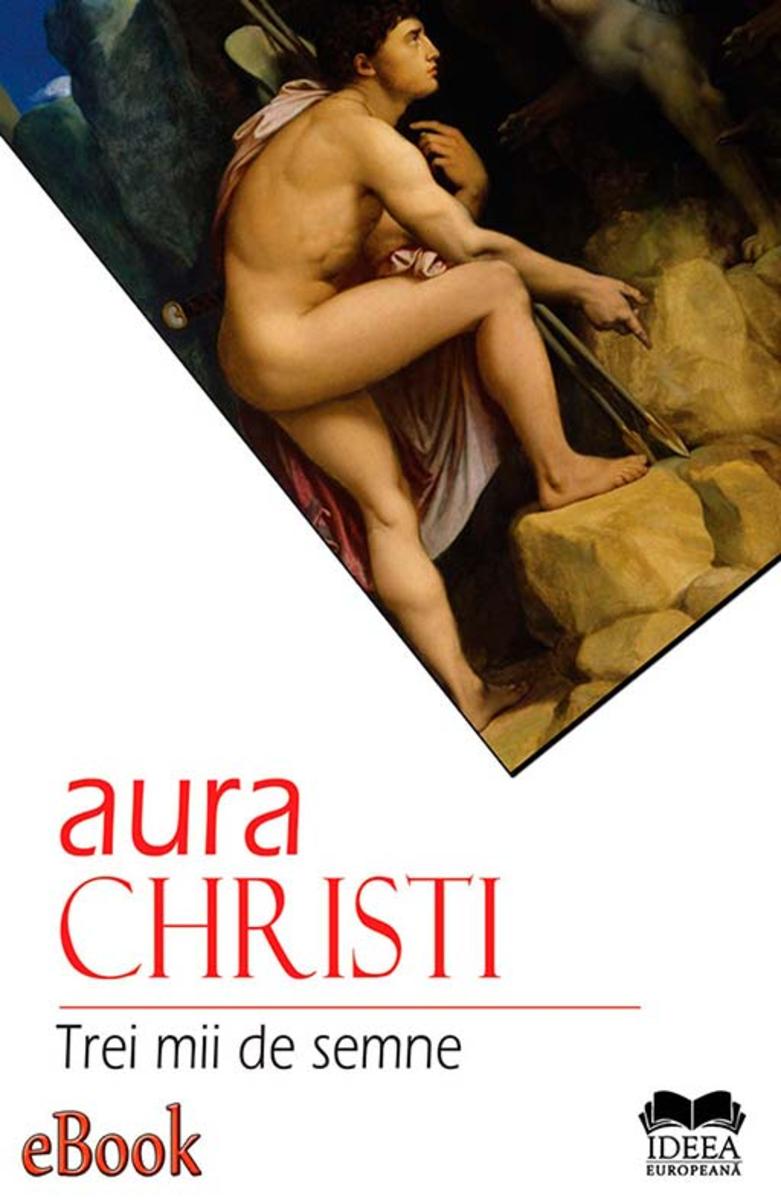
Trei mii de semne. Jurnal de scriitor
¥106.19
Ce ne ?ndeamn? s? r?vnim la acele lucruri care nu ne apar?in, devenind invidio?i, sau chiar s? ni le ?nsu?im uneori, nesocotind, astfel, unul dintre principiile morale esen?iale? Avem oare de-a face cu un atribut uman primar, mai mult sau mai pu?in ?mbl?nzit de-a lungul veacurilor??n mituri ?i basme, furtul ?i pierderea sunt prezente ca mecanisme declan?atoare ale unor serii de evenimente fatidice sau, din contr?, ca germeni ai unei noi stabilit??i, superioar? celei anterioare. Trec?nd dincolo de simpla nara?iune a acestora, cartea de fa?? ne dezv?luie, printr-o fin? analiz? psihologic?, aspectele, motiva?iile, ra?iunile interioare ale ho?iei, acelea care scap? adesea privirii moralizatoare, precum ?i ?n?elesurile ascunse ale pandantului s?u, pierderea.Ho?ul interior este o lectur? util? ?i ?n acela?i timp pl?cut? pentru psihologi, psihoterapeu?i, asisten?i sociali, avoca?i ?i, totodat?, pentru to?i aceia care doresc s? ?n?eleag? ra?iunile ascunse ale comportamentelor respinse, ?n general, de societate.?Un mit esen?ial despre ho?ie este povestea L?nii de Aur. Aceast? legend? are cel pu?in 3000 de ani ?i reprezint? o prim? ilustrare a furtului unui lucru de pre?. [...] Studiind acest mit, vom vedea c? Iason, eroul compromis, se comport?, ?n parte, ca un adolescent care ?nc? nu s-a maturizat ca b?rbat, ca un t?n?r ce consider? c? i se cuvinte totul ?i care nu-?i poate recunoa?te limit?rile. Viitoarea sa so?ie, Medeea, ??i ucide mai t?rziu copiii f?cu?i cu Iason, pentru a evita ru?inea pierderii statutului ei ?i pentru a-?i afirma propria idee de justi?ie ?n fa?a nedrept??ii lui Iason, pe care ea o resimte ca pe o priva?iune. ?ns? lunga lor poveste mai con?ine ?i o alt? ?ntrebare: c?nd ho?ia opre?te brutal procesul de individuare?“ – Robert TyminskiSt?team ?n cabinetul meu de la ?coal?, c?nd a intrat o profesoar? ?i mi-a spus: ?A f?cut-o din nou.? Am ?ntrebat cine a f?cut-o din nou, iar ea mi-a replicat: ?Kyle. A furat ceva din po?eta mea,dar una dintre celelalte profesoare l-a prins dup? aceea, c?nd ?ncerca sa ascund? ce a luat ?n ghiozdan.? Am ?ntrebat ce furase ?i mi-a r?spuns: ?Rujul. La fel ca data trecut?.? A continuat: ?E un ho? de farduri. Din toate lucrurile de furat, el e obsedat de farduri. M?car ?tim, ?n sf?r?it, cine tot lua rujurile.? La vremea aceea, Kyle avea doar 5 ani.“ – Robert Tyminski

Jocul vie?ii ?i cum s?-l juc?m
¥42.92
Interac?iunea cu persoanele dificile poate fi foarte demoralizatoare. Ea ??i poate tulbura starea emo?ional? ?i te poate ?mpiedica s? ??i atingi ?elurile. Avem de?a face cu oameni dificili, practic, tot timpul, at?t ?n rela?iile profesionale, c?t ?i ?n via?a de zi cu zi. ?i ?nt?lnim frecvent ?n situa?ii ?n care stresul poate face un om, de obicei ra?ional, s? se comporte ca un b?d?ran, s? devin? brusc ner?bd?tor, s? ac?ioneze sub imperiul nervilor – de?i, uneori, poate ap?rea ?i o combina?ie a acestor trei situa?ii. Mul?i oameni dificili nu ??i dau seama c? se comport? ur?t, ?n vreme ce al?ii se comport? sistematic ?n acest fel deoarece au impresia c? reu?esc s? ?i domine pe ceilal?i ?n via?a cotidian?.
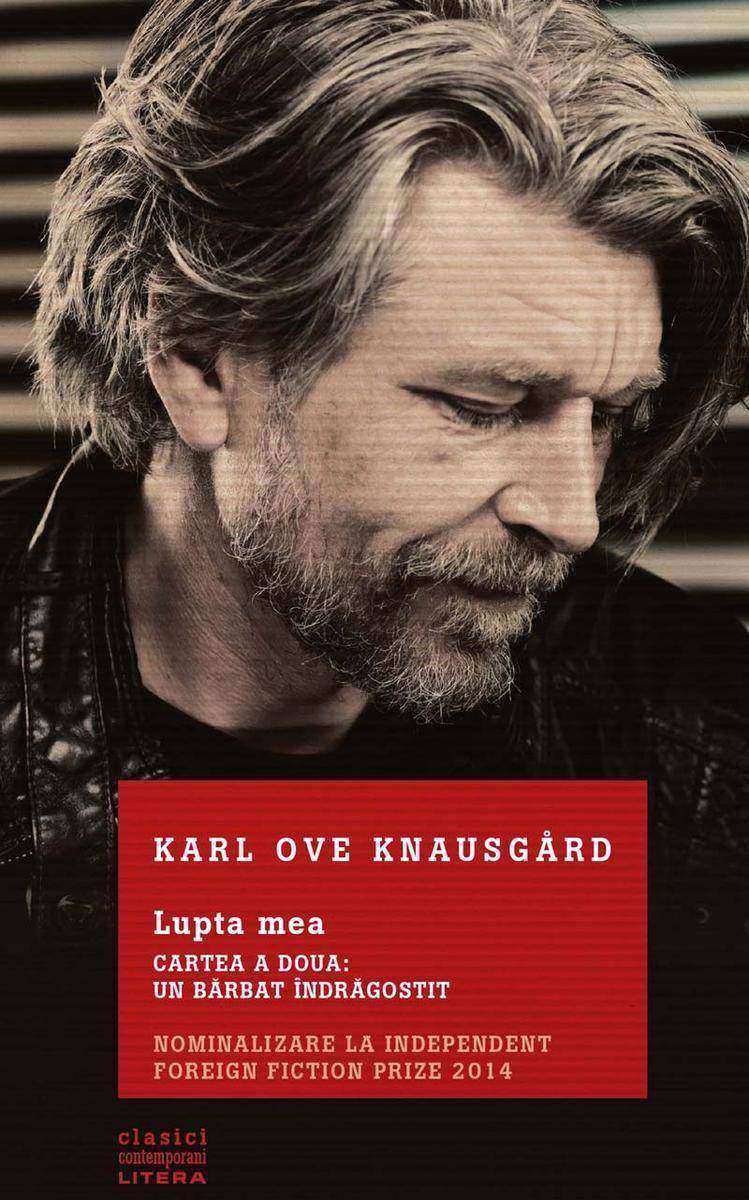
Lupta mea. Cartea a doua: Un b?rbat ?ndragostit
¥86.00
n contextul vieii profesionale grbite de azi,oamenii petrec mai mult timp cu calculatorul, cu telefonul i n conferine de afaceri dect comunicnd direct, fa n fa. n aceast reea din ce n ce mai complex, inteligena emoional este mai important ca oricnd. Conform cercetrilor, EQ-ul este de dou ori mai important dect IQ-ul pentru a obine ce vrei n via. Cartea conine un program pas cu pas care te va ajuta s-i identifici abilitile de inteligen emoional, responsabile pentru 58% din performana n toate tipurile de munc, s i le sporeti i s te bucuri de succes att n viaa personal, ct i n cea profesional.

Fata pe care ai l?sat-o ?n urm?
¥68.75
Al?turi de profesie ?i de rela?iile sociale, ?ntemeierea unei familii reprezint?, pentru Adler, una dintre cele trei mari sarcini ale unei vie?i ?mplinite. Antologia de fa?? reune?te concep?iile adleriene asupra dinamicii sexualit??ii, iubirii ?i mariajului, idei aflate ?n v?dit contrast cu viziunea lui Freud. C?ci, dac? pentru ultimul, personalitatea este determinat? ?n esen?? de pulsiuni, ?n cazul lui Adler, adaptarea la lumea social? st? ?n centrul personalit??ii ?n ?ntregul ei. Pe l?ng? descifrarea "protestului viril", tem? crucial? pentru ?n?elegerea feminismului, cartea face ample referiri la mecanismele specifice vie?ii de cuplu ?i la modul ?n care leg?turile conjugale pot fi perturbate de educa?ia sexual? inadecvat?, de lupta pentru putere sau de atitudinile discordante fa?? de sexualitate ?i familie. Scriitura clar? ?i multiplele ilustr?ri de caz recomand? aceast? antologie nu doar studen?ilor ?i psihologilor practicieni, ci ?i publicului larg. "Adler a ?n?eles c? oamenii sunt mai ?nt?i de toate fiin?e sociale ?i, de aceea, a sus?inut c? problemele ?i conflictele din cuplu nu reflect? patologii personale, ci reprezint? mai degrab? dificult??i la nivelul cooper?rii dintre parteneri. Adlerienii cred c? abilit??ile de care e nevoie pentru o rela?ie s?n?toas? pot fi ?nv??ate. Nimeni nu are ?n gene talentul bunei rela?ion?ri." – Jon Carlson, coautorul c?r?ii Mumia de la masa din sufragerie"Erotismul nu este niciodat? doar o pulsiune sexual? animalic?. Este mai degrab? o parte ?nalt specializat? a sentimentului social uman ce reflect? ?ntreaga personalitate ?i, astfel, ?i nivelul conect?rii la via?a social? ?i preg?tirea pentru o via?? ?n doi." – Alfred Adler

Cea mai norocoas? fat?
¥81.67
n ultimele secole, omenirea a evoluat spectaculos la nivel intelectul i tehnic. Numai c, n planul dezvoltrii emoionale, a rmas cu multe veacuri n urm, susine Fromm. Cum se explic i cum poate fi soluionat acest decalaj socio-istoric dintre minte i inim Fcnd apel la date din istorie, psihologie social i psihanaliz, prezentul volum descrie modul n care destrmarea lumii medievale, cu ierarhiile sale stabile i securizante, a adus lumii occidentale moderne un confort material i o democratizare nesperate, ns cu preul unei anxieti venite din izolarea social, din dezrdcinare. n acest context, fuga de libertate" devine o fals soluie la alienare, prin care omul zilelor noastre e tentat s-i cedeze libertatea unor regimuri autoritariste, care, dei l transform ntr-o marionet, i ofer un sentiment de apartenen i de siguran. Ca antidot la nregimentare i extremism, Fromm mizeaz pe contientizarea resorturilor existenei noastre sociale, proces care ne poate face mai maturi la nivel afectiv i mai autonomi n gndire. Fuga de libertate apare atunci cnd eul se dovedete prea slab - sau prea slbit - pentru a-i mai asuma rspunderea propriilor alegeri, renunnd ca atare la puterea de decizie. Fromm vede n aceast capitulare o trstur inaugural pentru ceea ce el numete caracter autoritar sau sado-masochist. -- Dorin Liviu Btfoi - Romnia literarNumai dac omul va stpni societatea i va subordona angrenajul economic scopurilor fericirii umane, i numai dac va participa activ la procesul social, va putea s nving ceea ce l duce acum la disperare — singurtatea lui i sentimentul de neputin. - Erich Fromm


