


 购物车
购物车 个人中心
个人中心
The Last of the Mohicans by James Fenimore Cooper - Delphi Classics (Illustrated
¥8.09
This eBook features the unabridged text of ‘The Last of the Mohicans by James Fenimore Cooper - Delphi Classics (Illustrated)’ from the bestselling edition of ‘The Complete Works of James Fenimore Cooper’. Having established their name as the leading publisher of classic literature and art, Delphi Classics produce publications that are individually crafted with superior formatting, while introducing many rare texts for the first time in digital print. The Delphi Classics edition of Cooper includes original annotations and illustrations relating to the life and works of the author, as well as individual tables of contents, allowing you to navigate eBooks quickly and easily. eBook features: * The complete unabridged text of ‘The Last of the Mohicans by James Fenimore Cooper - Delphi Classics (Illustrated)’ * Beautifully illustrated with images related to Cooper’s works * Individual contents table, allowing easy navigation around the eBook * Excellent formatting of the text Please visit www.delphiclassics.com to learn more about our wide range of titles
Herman Melville Man, Mariner and Mystic by Raymond Weaver - Delphi Classics (Ill
¥8.09
This eBook features the unabridged text of ‘Herman Melville Man, Mariner and Mystic by Raymond Weaver by Herman Melville - Delphi Classics (Illustrated)’ from the bestselling edition of ‘The Complete Works of Herman Melville’. Having established their name as the leading publisher of classic literature and art, Delphi Classics produce publications that are individually crafted with superior formatting, while introducing many rare texts for the first time in digital print. The Delphi Classics edition of Melville includes original annotations and illustrations relating to the life and works of the author, as well as individual tables of contents, allowing you to navigate eBooks quickly and easily. eBook features: * The complete unabridged text of ‘Herman Melville Man, Mariner and Mystic by Raymond Weaver by Herman Melville - Delphi Classics (Illustrated)’ * Beautifully illustrated with images related to Melville’s works * Individual contents table, allowing easy navigation around the eBook * Excellent formatting of the text Please visit www.delphiclassics.com to learn more about our wide range of titles
Mathematical Thaumaturgy: Doing The Math that Make You Laugh
¥32.62
Mathematical Thaumaturgy: Doing The Math that Make You Laugh

World's Toughest Cops: On the Front Line of the War against Crime
¥63.18
Vinnie Jones' Toughest Cops brings together stories from the two ITV4 series of the same name in a fascinating, thrilling and often shocking read – in which we meet and get under the skin of the men and women who have dedicated their lives to serve and protect in ten of the most dangerous beats in the world. Vinnie takes the reader into the jungles of Colombia – where Sub-Lieutenant John Orejuela of the Special Ops Commando Unit leads a secret mission to take out a terrorist camp – and goes on patrol in the Californian suburb of Compton, following the cops caught up in a deadly cat-and-mouse game with the gangs of South Central LA. He recounts the struggles of officer Andre Steyn of the Flying Squad against car-jackings and armed robberies in the desperate streets of Durban, South Africa and joins the few good men trying to police the back-alleys and no-go zones of New Orleans, where the aftermath of Hurricane Katrina has seen a tidal wave of violent crime flood the city. Vinnie forged a reputation as a tough guy on the football pitch, and in America he now has a successful career in the cut-throat film business. But even he is in awe of the men and women who are trying to police the most dangerous areas on the planet. If on the pitch he followed Orwell's assertion that 'football is war minus the shooting', here he's discovering what life is like for those dealing with a real war – with real shooting.
The Open Sea
¥456.66
The New Naturalist editors believe this to be the greatest general work on the subject ever written. This edition is exclusive to newnaturalists.com Professor Alistair Hardy is truly obsessed by animals of the sea - devotedly enthusiastic about the nature of their adaptations and life histories, brilliantly critical in the examination of their mysteries, acutely lucid (and at the same time highly artistic) in his de*ions of them in his arresting plates. To describe the relatively unknown and mysterious world of plankton is a task that the greatest of marine zoologists might boggle at. Yet the plankton is to the sea what vegetation is to the land. The study of plankton is a complex discipline which few amateur naturalists have had the privilege to enjoy. Never before has such a synthesis of knowledge been attempted in a community of animals so mysterious, yet so important. Professor Hardy has grasped this problem in a new and exciting way; and at least the common reader can discern the pattern of life that dominates two-thirds of the world’s surface.
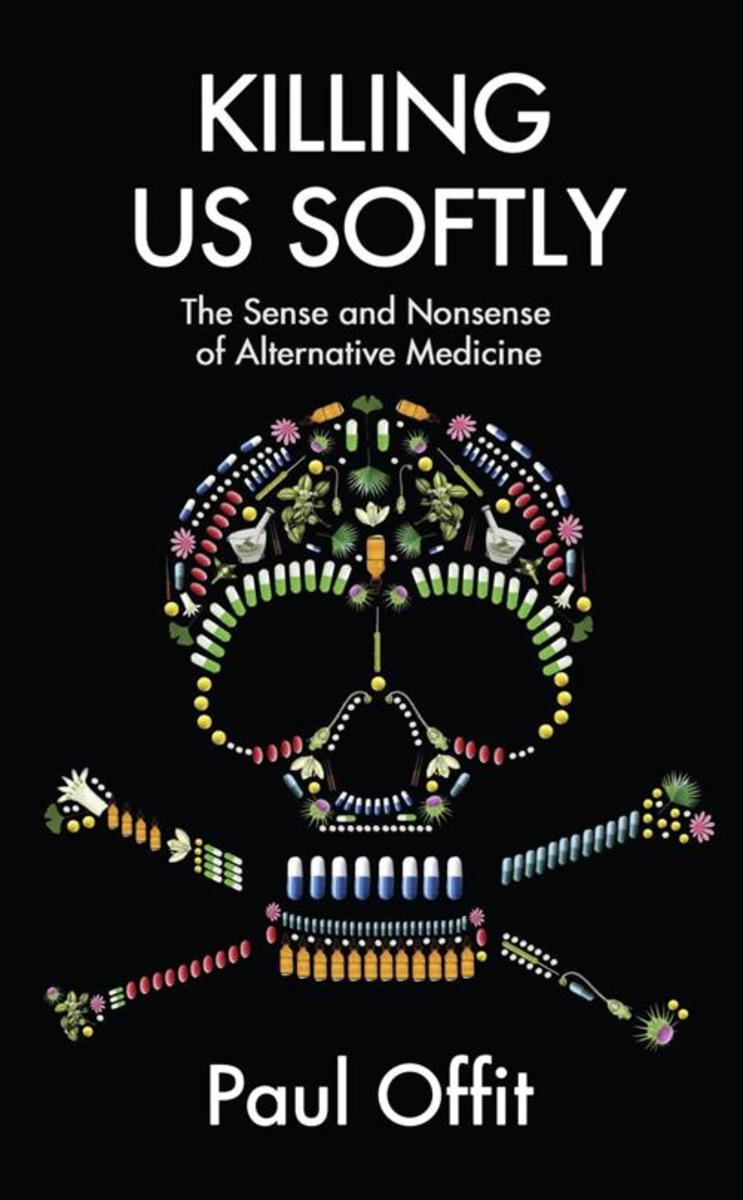
Killing Us Softly:The Sense and Nonsense of Alternative Medicine
¥80.25
More people than ever are using alternative medicine. But, as expert Dr Paul Offit explains, these untested therapies are ineffective, expensive and even deadly. Now that homeopathic remedies are offered on the Nhs, it's clear that various therapies once considered alternative or complementary, have become mainstream - prescribed to burn fat, shrink prostates, alleviate colds, reduce stress, eliminate pain and prevent cancer. At the same time, uptake of effective vaccines such as Mmr has fallen - a disturbing trend which, in the case of the Mmr, has lead to a sharp rise in the number of measles cases. In 'Killing Us Softly' Paul Offit reveals, alternative medicine - an unregulated industry under no obligation to prove its claims or admit its risks - can actually be very harmful. In 'Killing Us Softly' he exposes how: * Homeopathic asthma preparations and bogus cancer cures have replaced life-saving medicines. * Acupuncture needles have pierced hearts, lungs, and livers and transmitted viruses, including hepatitis B, hepatitis C and Hiv. * Chiropractic manipulations have torn arteries. * Megavitamins increase the risk of cancer and heart disease-a fact well known to scientists but virtually unknown to the public. Using real-life case histories to back his argument, Dr Offit shows us why any medical treatment - alternative or conventional - must be properly evaluated. 'There's no such thing as alternative medicine. There's only medicine that works and medicine that doesn't.'
Scrabble Secrets (Collins Little Books)
¥44.05
Inside this little book lie the secrets of Britain’s only ever Scrabble World Champion.
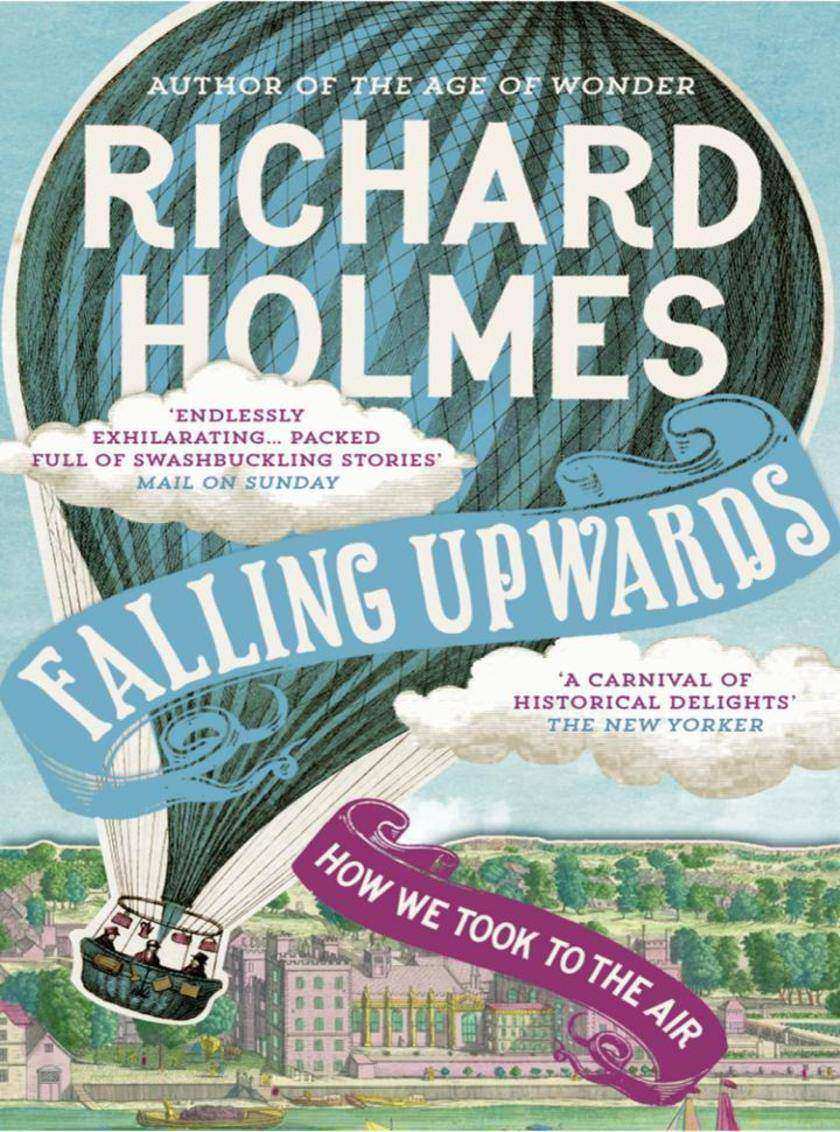
Falling Upwards:How We Took to the Air
¥84.66
Lose yourself in the clouds with bestselling and prize-winning biographer and science writer Richard Holmes in this glorious history of hot-air ballooning. Hot-air balloons have drifted through Richard Holmes’s work for many years. And now, in this heart-lifting book he tells the story of these ineffably romantic floating machines and the reckless invention of the adventurers who flew them. His subject is flight itself and the pioneer generation of rival aviators. Ballooning offered a new vision of the earth. The world pondered for the first time reliable weather prediction, observation of the stars from an aerial point of view and the exploration of remote continents. Those in previous centuries who dreamt of flight believed it would open up the secrets of heaven. In fact, as Richard Holmes shows, it revealed the secrets of the world beneath.

The Emperor of All Maladies
¥65.94
A magnificent, beautifully written biography of cancer - from its first documented appearances thousands of years ago through the epic battles to cure, control and conquer it to a radical new understanding of its essence. In The Emperor of All Maladies, Siddhartha Mukherjee, doctor, researcher and award-winning science writer, examines cancer with a cellular biologist’s precision, a historian’s perspective, and a biographer’s passion. The result is an astonishingly lucid and eloquent chronicle of a disease humans have lived with - and perished from - for more than five thousand years. The story of cancer is a story of human ingenuity, resilience and perseverance, but also of hubris, arrogance and misperception, all leveraged against a disease that, just three decades ago, was thought to be easily vanquished in an all-out ‘war against cancer’. Mukherjee recounts centuries of discoveries, setbacks, victories and deaths, told through the eyes of predecessors and peers, training their wits against an infinitely resourceful adversary. From the Persian Queen Atossa, whose Greek slave cut off her malignant breast, to the nineteeth-century recipient of primitive radiation and chemotherapy and Mukherjee’s own leukemia patient, Carla, The Emperor of All Maladies is about the people who have soldiered through toxic, bruising, and draining regimes to survive and to increase the store of human knowledge. Riveting and magesterial, The Emperor of All Maladies provides a fascinating glimpse into the future of cancer treatments and a brilliant new perspective on the way doctors, scientists, philosophers and lay people have observed and understood the human body for millennia.

Big Bang
¥80.25
The bestselling author of Fermat’s Last Theorem and The Code Book tells the story of the brilliant minds that deciphered the mysteries of the Big Bang. A fascinating exploration of the ultimate question: how was our universe created? Albert Einstein once said: ‘The most incomprehensible thing about the universe is that it is comprehensible.’ Simon Singh believes geniuses like Einstein are not the only people able to grasp the physics that govern the universe. We all can. As well as explaining what the Big Bang theory actually is and why cosmologists believe it is an accurate de*ion of the origins of the universe, this book is also the fascinating story of the scientists who fought against the established idea of an eternal and unchanging universe. Simon Singh, renowned for making difficult ideas much less daunting than they first seem, is the perfect guide for this journey. Everybody has heard of the Big Bang Theory. But how many of us can actually claim to understand it? With characteristic clarity and a narrative peppered with anecdotes and personal histories of those who have struggled to understand creation, Simon Singh has written the story of the most important theory ever.
I Will Find You: A Reporter Investigates the Life of the Man Who Raped Her
¥69.26
A hard-hitting memoir about a woman’s search to understand the man who raped her Joanna Connors was thirty years old when she was raped at knifepoint by a stranger. Many years later she realised she had to confront the fear that had ruled her life ever since that day. She needed, finally, to understand. So she went in search of her rapist’s story, determined to find out who he was, where he came from, what his life was like – and what leads a person to do something as destructive as what he did to her. ‘More chilling than a horror film and more thought-provoking than an HBO doc’ Cosmopolitan ‘Brutally affecting’ Guardian ‘Riveting’Mail on Sunday

Short walks in the Lake District
¥51.50
The Lake District contains some of the most spectacular landscapes in Britain with superb walking areas. These can be explored with these 20 walks, all of which are 5 miles or under in length and can easily be completed in less than 3 hours. This guide, produced in co-operation with the Ramblers and featuring Ordnance Survey mapping, is the perfect way to really appreciate the landscapes of the Lake District. INCLUDES: ? 20 easy to follow walks which can be completed in 3 hours and under. ? Each walk has a detailed 1:25 000 Ordnance Survey map with the route clearly marked plus a detailed de*ion of the route. ? The walks have been chosen with issues like parking and refreshments in mind to make life easy for families. ? Packed with colour photographs of scenes you will see along the walk. The perfect guide for afternoon walks near to Keswick, Windermere, Coniston, Grasmere and Ambleside.

A Fair Cop
¥63.18
The true story of a young police officer’s imprisonment for a crime he did not commit It was Michael Bunting's life ambition to follow in his father's footsteps and become a police officer. But six years after his family watch him pass out and begin his life's dream, he is serving a sentence for a crime he didn't commit. This is his story. Beaten almost senseless as he tried to arrest a violent criminal, the 23-year-old PC was left with head injuries and blurred vision that took him months to recover from. Back at work he was astounded to learn that his attacker had filed a complaint against him and that the Police Discipline and Complaints Department were following up the allegation. Two years later he was found guilty of common assault against his assailant and received a prison sentence that left him living his devastated life amongst the criminals he had previously sought to keep off the streets. Hard-hitting and at times heart-breaking the book is a graphic account of life behind bars for a policeman in one of England's hardest prisons. An extract from A Fair Cop: "The prisoner arrived once more with the trolley and placed the plate of food on to my hatch. 'Bunting,' he shouted pleasantly. I wasn't fooled. 'Thanks,' I said, as I walked across the cell to collect it. As I put my hand out to reach for the plate he snatched it away. He held it up to the hatch and peered through at me. 'PC Bunting, isn't it?' he asked, and then took a deep breath to muster as much saliva from the back of his throat as he could. With one swift movement he spat a big glob in to the middle of the food. The white phlegm floated around in brown gravy. 'Hey lads, I'm feeding the pig,' he said. With this, two other prisoners came to my cell hatch. They looked at me, sniggering. They then spat in my food too. The first prisoner put the plate on the hatch and gestured for me to come closer. 'You're in our territory now, you f***ing filth, and we're gonna f***ing carve you up.'
The Dolce Vita Diaries
¥47.48
A deliciously different travelogue In 2005, Cathy and Jason threw in successful careers as TV presenters and producers to become olive farmers in Italy. With their one year old daughter and Italian dictionary in tow, they found themselves in the middle of a European nowhere untouched by modernity. They were on a steep learning curve in more-or-less everything – finding out how to prune an olive tree so that a sparrow can pass through its branches, learning what beauty products are de rigeur in the changing rooms of a local Italian football team, being trained, by a local Italian choir, how to sing in English but with an Italian accent – and learning the rigorous rules of when one is allowed to consume a cappuccino. Armed with their indefatigable love of food, they headed off many a potentially tricky situation by cooking their way out of it, a sure route to the heart of any Italian. They discover that olive farming is dominated by the big boys and desperate to turn their new home into a way of making a living they cast around for ideas of how they can do so. A flash of inspiration led them to launch an 'Adopt-an-Olive-Tree' scheme. For a fee buyers could adopt a tree, receive produce from it and even go and visit it to give it a hug. The scheme became hugely popular with trees selling out way ahead of expectations. A contract with Selfridges followed and suddenly Cathy and Jason's dream is realised. Or nearly anyway. It's a hard slog and they meet every challenge with fortitude and humour but what they hadn't expected was that the biggest challenge would be the quiet of the countryside. Soon they find themselves hankering for the sounds and stench of the city and facing a difficult decision on what they should do next.
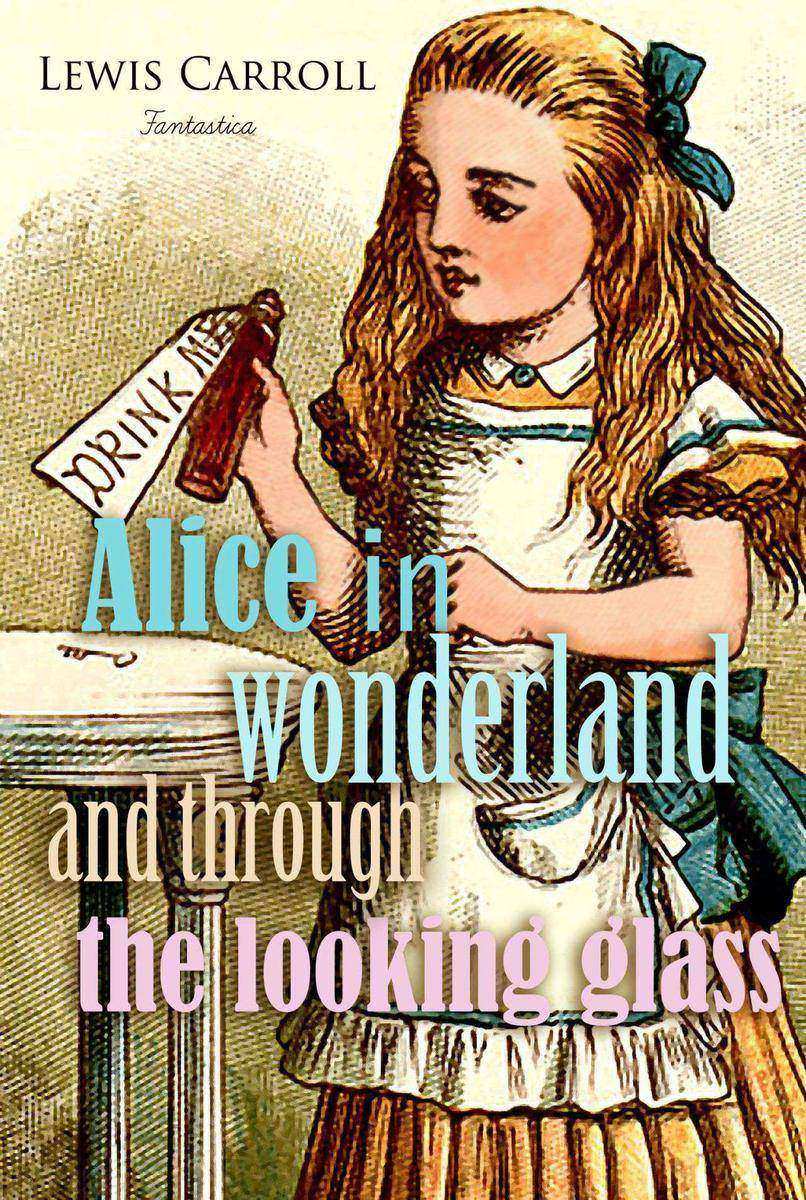
Alice in Wonderland and Through the Looking Glass
¥40.79
Who in the world am I? Ah, that's the great puzzle.' Curious Alice falls through a rabbit hole into a fantasy world populated by peculiar, anthropomorphic creatures. The tale plays with ideas of human perception and logic, giving the story lasting popularity with adults as well as with children. It is considered to be one of the best examples of the literary nonsense genre.
Mademoiselle de Scuderi and Other Tales
¥40.79
The action takes place in Paris during the reign of King Louis XIV of France. The city is under siege by what is presumed to be an organized band of thieves whose members rob citizens of costly jewelry in their homes or on the street. Some of the street victims are simply rendered unconscious by a blow to the head, but most are killed instantly by a deliberate dagger thrust to the heart. The murder victims are mostly wealthy lovers who are on their way to meet their mistresses with gifts of fine jewelry.
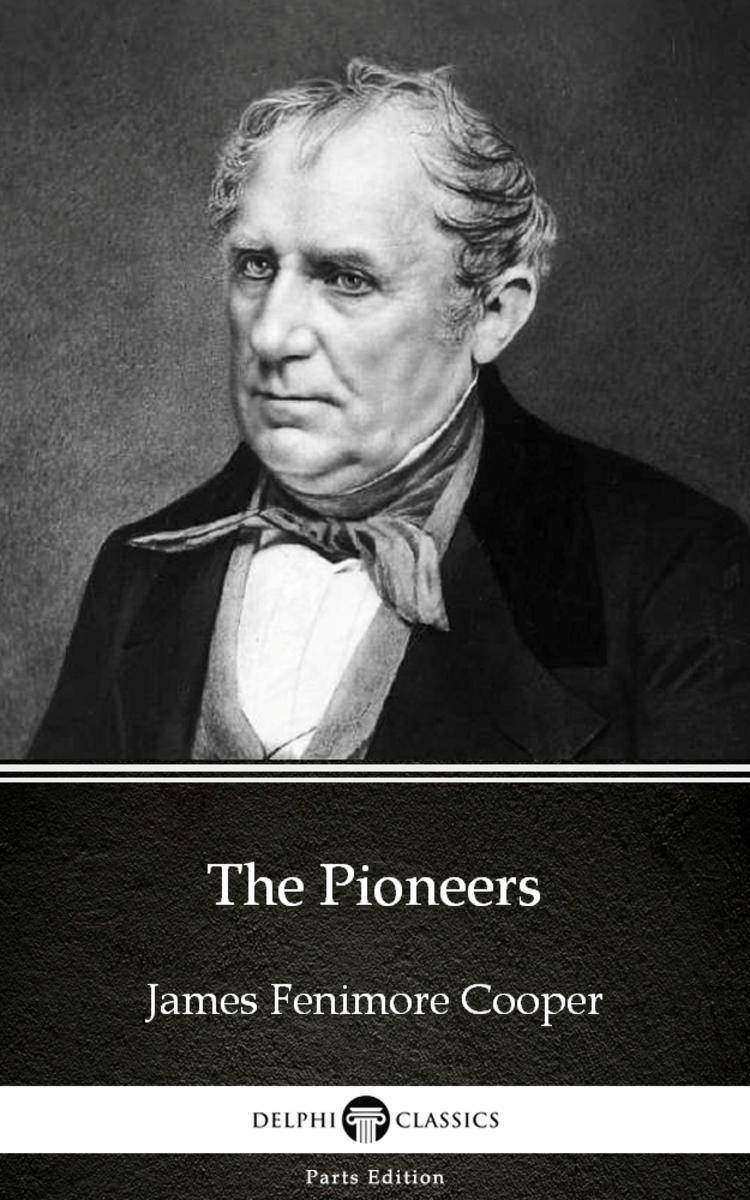
The Pioneers by James Fenimore Cooper - Delphi Classics (Illustrated)
¥8.09
This eBook features the unabridged text of ‘The Pioneers by James Fenimore Cooper - Delphi Classics (Illustrated)’ from the bestselling edition of ‘The Complete Works of James Fenimore Cooper’. Having established their name as the leading publisher of classic literature and art, Delphi Classics produce publications that are individually crafted with superior formatting, while introducing many rare texts for the first time in digital print. The Delphi Classics edition of Cooper includes original annotations and illustrations relating to the life and works of the author, as well as individual tables of contents, allowing you to navigate eBooks quickly and easily. eBook features: * The complete unabridged text of ‘The Pioneers by James Fenimore Cooper - Delphi Classics (Illustrated)’ * Beautifully illustrated with images related to Cooper’s works * Individual contents table, allowing easy navigation around the eBook * Excellent formatting of the text Please visit www.delphiclassics.com to learn more about our wide range of titles

Sacred
¥38.62
Sacred is the heart-breaking love story of a young woman and her husband, who live in the old part of the city in Jerusalem. After ten years of a loving relationship without children, Rachel’s husband is forced by custom to reject her. Does she dare to tell the truth – or will she let her beloved husband marry another? 'In Rachel and Naomi, Abecassis creates two powerful and sympathetic heroines, and the power and beauty of her writing renders their story both heartbreaking and hypnotic.'? Observer 'A terrifying book on the feminine condition.' ? Le Figaro

Ebola ’76
¥73.49
Louis Nawa left the hospital, still wearing his inpatient's gown, which covered only the top half of his body, leaving the bottom half naked but for a thick coat of body hair, a few mosquito bites and a wealth of lesions left by Ebola, which were now beginning to heal over. The streets were dusty, baking in the midday August sun... Ebola's tragic victims were evident all around. With no one left to carry them, they crawled alone to the main square in the hope of finding help. Louis, meanwhile, was completely oblivious to his bare feet, already blistering as they pounded the baking road. Any feeling including that of a guilty conscience had been entirely deadened by the bottle of wine he had guzzled. By acclaimed Sudanese author Amir Tag Elsir, Ebola '76 follows the story of Louis, a?simple blue-collar worker who unwittingly transports a deadly disease back to his home?country, with disastrous consequences for his family, friends and colleagues alike. In?a series of bizarre and comical human encounters, the disease takes a firm hold of?the city of Anzara. Blind guitar players, comely barbers, tyrannical factory owners and?spurned wives all soon find themselves desperately fighting for their lives in the "Time?of Ebola". Among the novel's most unusual characters is Ebola itself, a strikingly dark and sinister?presence that haunts the pages of this fast-paced, tragicomic satire. Cackling with?glee, hovering in drops of spittle, and gliding slyly from body to body, Ebola represents?one of the evilest and unpredictable of villains.
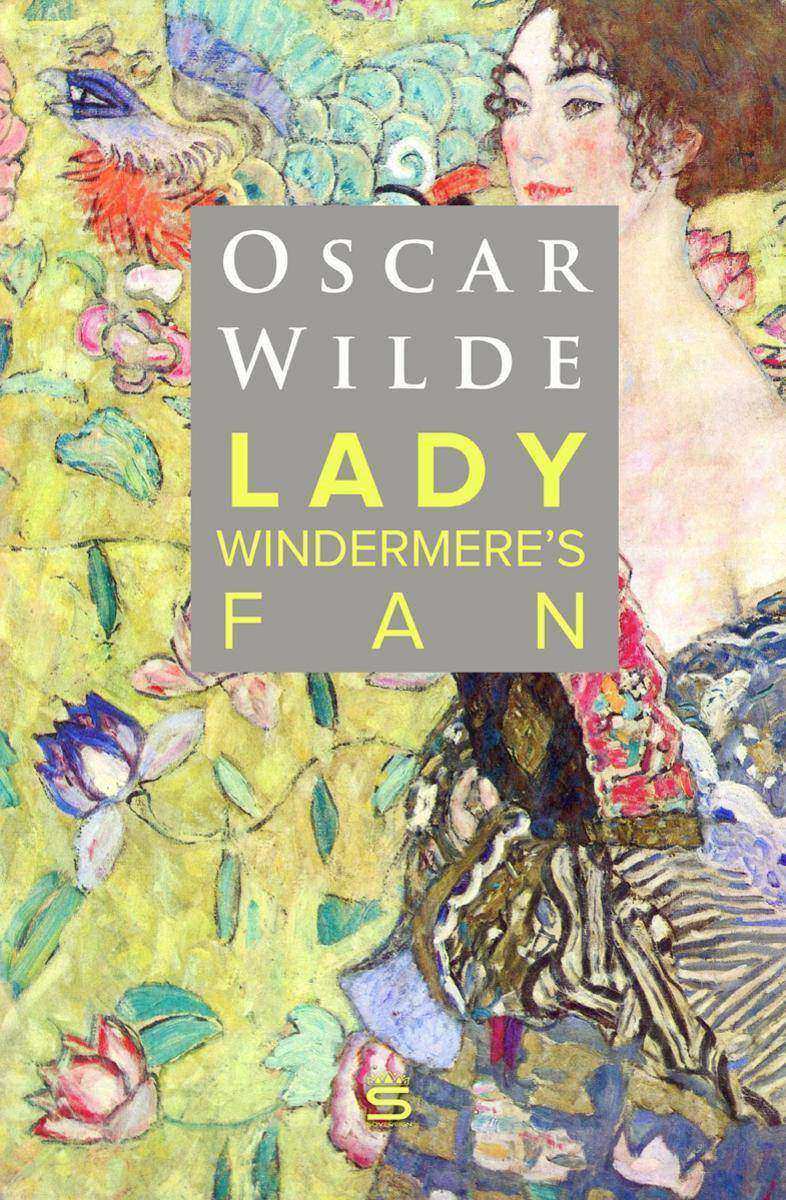
Lady Windermere's Fan
¥40.79
Lady Windermere suspects that her husband is having an affair with another woman. She confronts him with it but although he denies it, he invites the other woman, Mrs Erlynne, to his wife's birthday ball. Angered by her husband's supposed unfaithfulness, Lady Windermere decides to leave her husband for another lover. After discovering what has transpired, Mrs Erlynne follows Lady Windermere and attempts to persuade her to return to her husband and in the course of this, Mrs Erlynne is discovered in a compromising position.
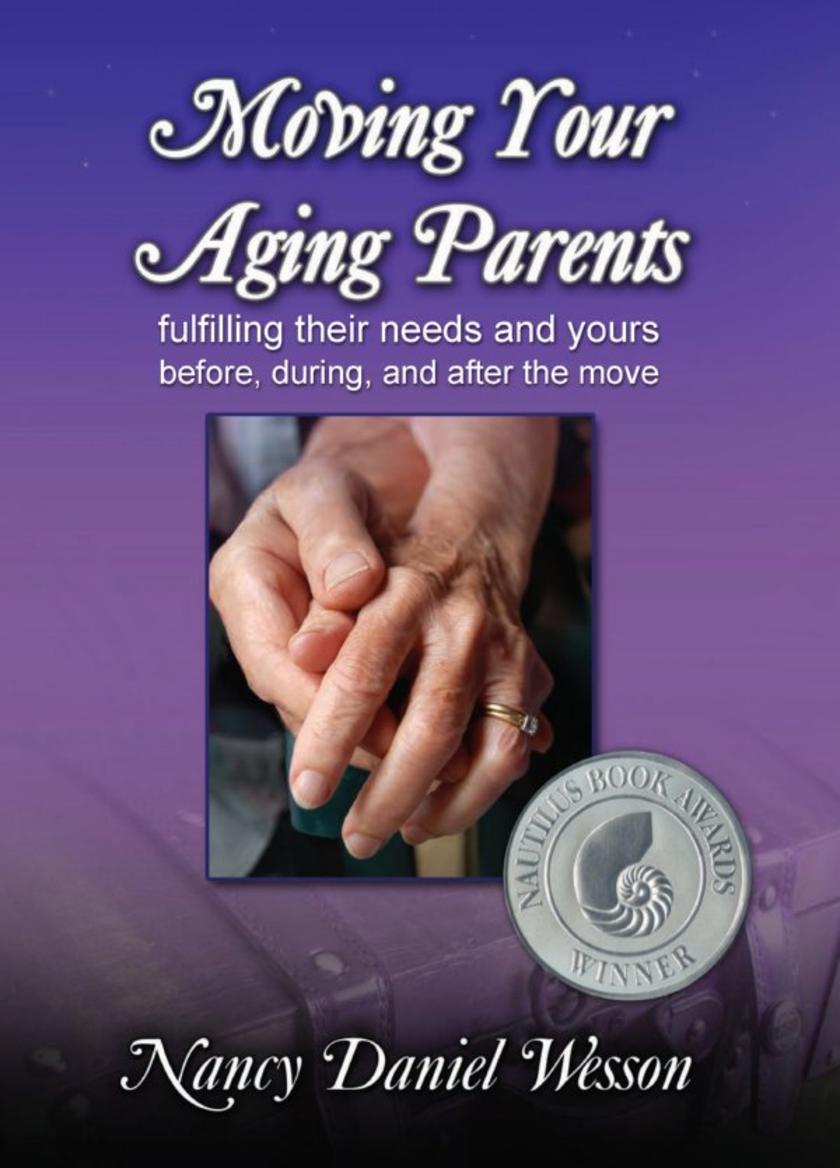
Moving Your Aging Parents
¥65.99
Will you be ready when it's time...? Whether whittling down to the essentials for a parent moving into a room or two or downsizing for ourselves, ignoring the spirit and basing decisions on health and safety alone could have devastating results. In this hope filled book you will learn how to: ·Identify needs and desires to create a quality new life ·Cope with the Depression Era mind-set ·Create emotionally sustaining environments to nurture the soul ·Ready and sell the family home ·Ask the RIGHT questions to help divest of treasures ·Manage your energy and spirit throughout the process ·Determine when it's time to consider alternative placement ·Perform the ordinary in a non-ordinary way -- allowing you to preserve and heal family relationships Expert's Acclaim for Moving Your Aging Parents "A creative and inspiring godsend for helping Mom and Dad transition to the next phase of life. Valuable for caregivers, healthcare professionals, and seniors interested in aging with independence, dignity and grace." --Jacqueline Marcell, author Elder Rage, host of Coping With Caregiving radio show "What a truly remarkable and elegantly written book. The information is relevant for every relocation regardless of the age or circumstances of the client." --Sally B. Yaryan, Director, Professional Development & Education; Austin Board of REALTORS (r) "As a thirty-five year plus veteran of health care practice as a Registered Nurse, specializing in the care of the elderly, I offer my heart-felt endorsement of this excellent book. It offers concrete plans to follow and emphasizes the emotional and spiritual counterparts that transform seemingly difficult chores into acts of mutual joy, growth, and love." --Mary Durfor for Rebecca Reads Learn more about this author at www.FocusOnSpace.com From the Aging With Grace Series at Loving Healing Press www.LovingHealing.com


