


 购物车
购物车 个人中心
个人中心
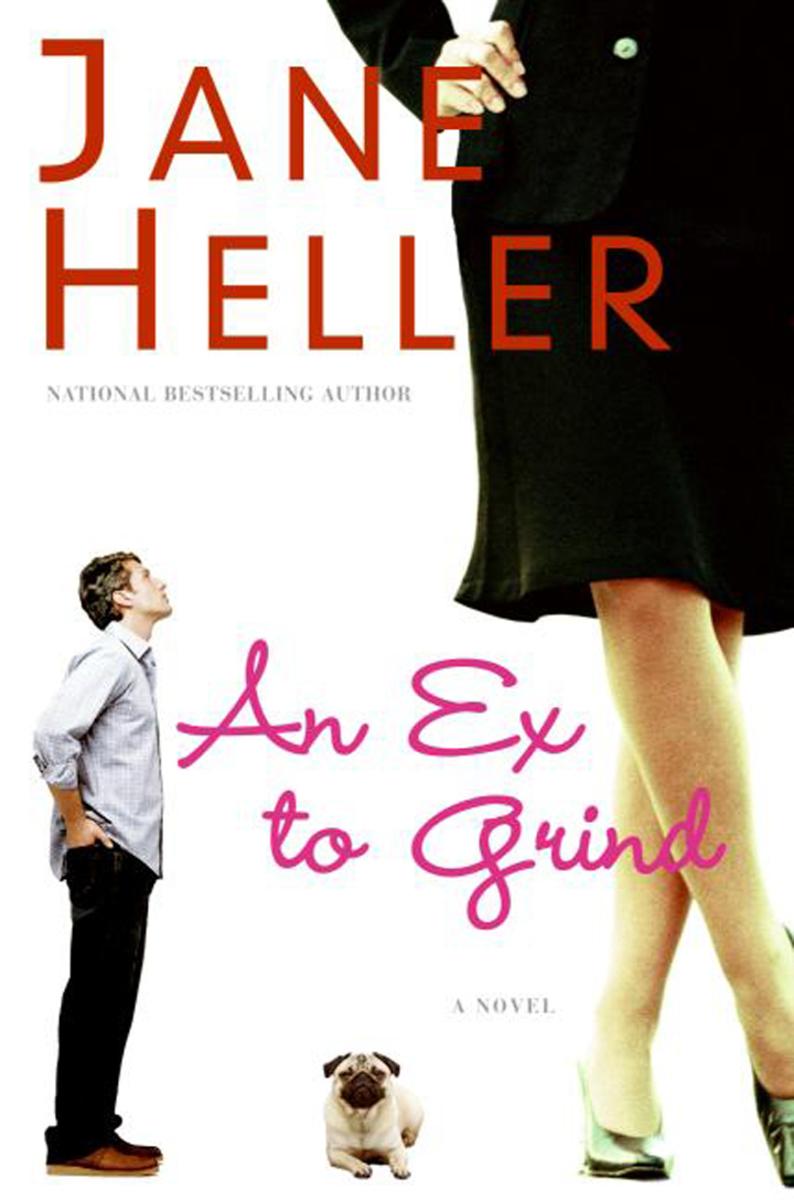
An Ex to Grind
¥84.16
The battle of the sexes rages on in this smart, witty, and extremely timely comedy from the phenomenally popular Jane HellerAt first, Manhattan financial planner Melanie Banks adores Dan Swain, her pro football player husband who's got a sexy Oklahoma drawl to go with his athletic good looks. But then his career comes to a screeching halt and he spends the next few years out of a job, seemingly unconcerned about it. Suddenly, she's the one bringing home the bacon and falling out of love with the paycheck-devouring, couch-sitting mooch. Divorce is the answer, she decides -- only to learn she has to fork over alimony while he lives like a prince on her income and she has to share custody of their precious dog, Buster. Consumed with the unfairness of it all, she plays dirty, hiring a high-profile matchmaker to find some unsuspecting female she can dump on Dan for ninety days and cause him to violate their cohabitation clause.But then Melanie's scheme backfires. Her ex's new love revitalizes him, miraculously transforming him into the focused, responsible go-getter she always hoped he'd be. And now, with the ninety-day clock about to chime, she realizes she wants him back.
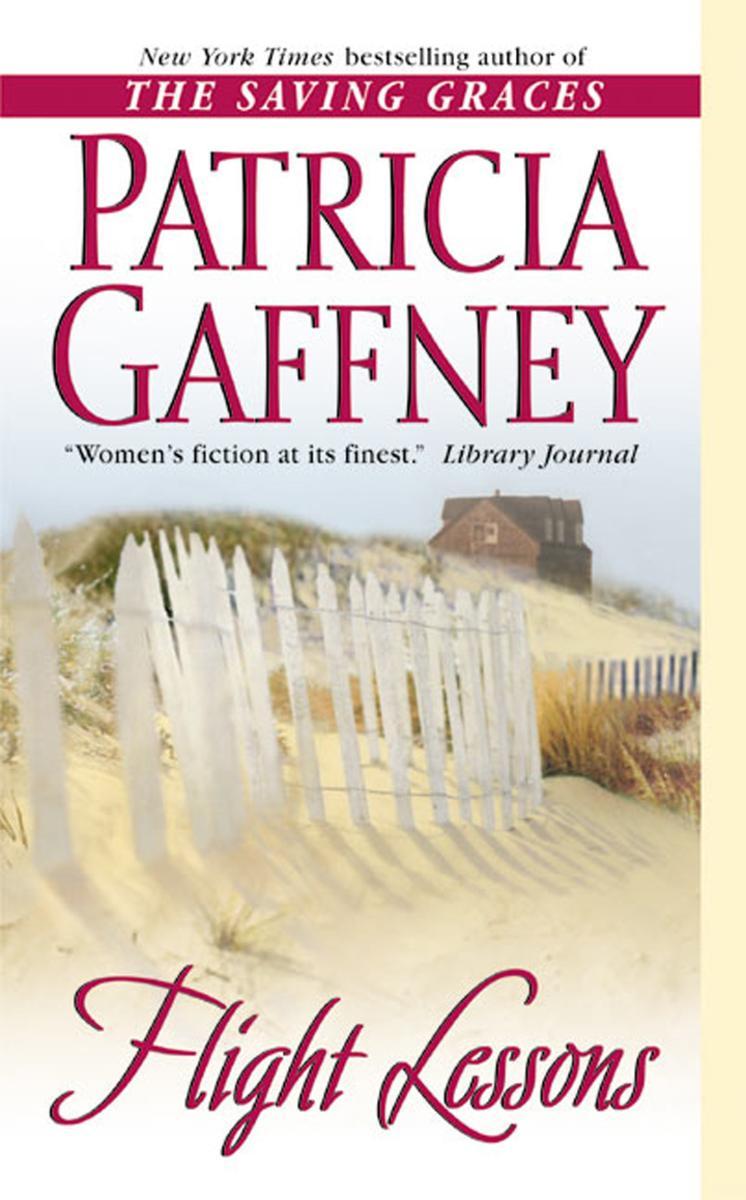
Flight Lessons
¥72.93
Anna has studiously avoided her Aunt Rose—the woman she once loved more than anyone else in the world—ever since the night Rose betrayed Anna and her mother, Rose's own fatally ill sister. In the sixteen years that have passed, Anna has built another life for herself far from her hometown on Maryland's eastern shore, but she can't forgive or forget.Now another betrayal, by a faithless lover, has brought Anna back to her family's restaurant, where Rose needs her estranged niece's help—and trust—more than ever before. Determined to leave as soon as the struggling business is back on its feet and her own hurt is healed, Anna joins Rose in the kitchen of the Bella Sorella, resolved to remain unaffected by Rose's longing to undo the past. But Anna's resistance could blind her to a true and unexpected love that's reaching out to grab her by the heart.New York Times bestselling author patricia gaffney's Flight Lessons is a poignant, funny, and wise story of truth, loyalty, and the bonds that shape, sustain, and ultimately uplift us.
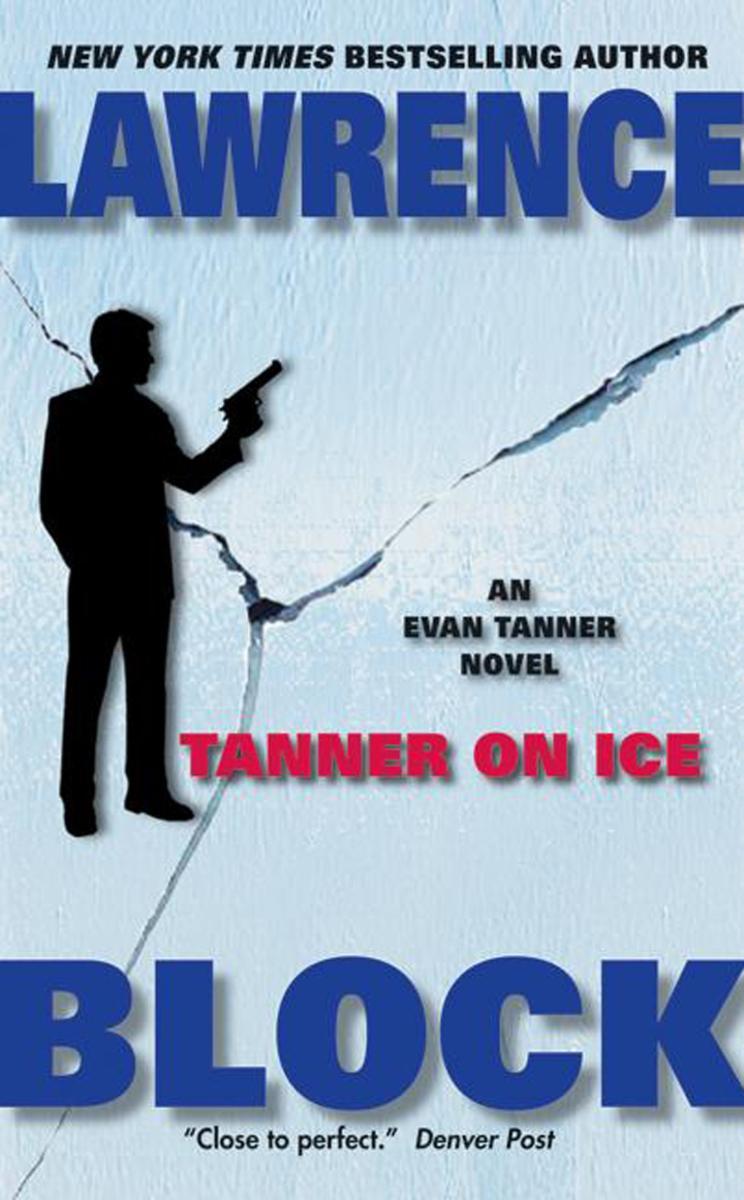
Tanner On Ice
¥55.31
Cold War superspy Evan Tanner lost the ability to sleep on a battlefield in Korea. So where the heck has he been since the '70s?Frozen. Cryogenically. A Tanner-sicle. Which he never thought would happen when he walked into a basement in Union City, New Jersey, more than a quarter century ago. Now he's unthawed and ready to rumble, and his somewhat addled, former super-secret boss, "the Chief," is glad his favorite operative's active again.Tanner awoke to a different world, though some bad things have remained the same . . . or gotten worse. Even before he can fully acclimate himself to this perplexing future, Tanner's off to Burma (which isn't really Burma anymore) to pose as a monk, destabilize the government, dodge a lethal double-cross, and rescue a beautiful prisoner.The world's still full of conspiracy, corruption, greed, political chicanery—and beautiful women. So Tanner's back with a vengeance, with a lot of lost time to make up for.
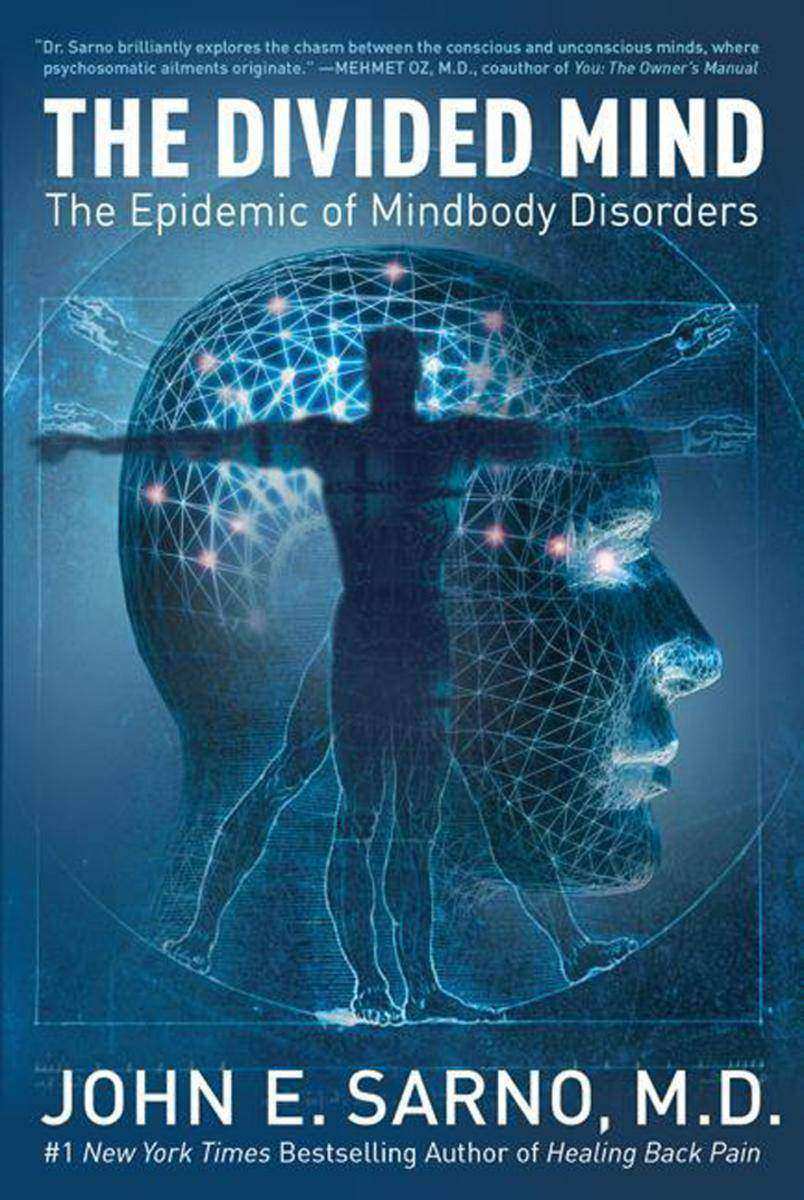
The Divided Mind
¥94.10
The book that will change the way we think about health and illness, The Divided Mind is the crowning achievement of Dr. John E. Sarno's distinguished career as a groundbreaking medical pioneer, going beyond pain to address the entire spectrum of psychosomatic (mindbody) disorders.The interaction between the generally reasonable, rational, ethical, moral conscious mind and the repressed feelings of emotional pain, hurt, sadness, and anger characteristic of the unconscious mind appears to be the basis for mindbody disorders. The Divided Mind traces the history of psychosomatic medicine, including Freud's crucial role, and describes the psychology responsible for the broad range of psychosomatic illness. The failure of medicine's practitioners to recognize and appropriately treat mindbody disorders has produced public health and economic problems of major proportions in the United States.One of the most important aspects of psychosomatic phenomena is that knowledge and awareness of the process clearly have healing powers. Thousands of people have become pain-free simply by reading Dr. Sarno's previous books. How and why this happens is a fascinating story, and is revealed in The Divided Mind.
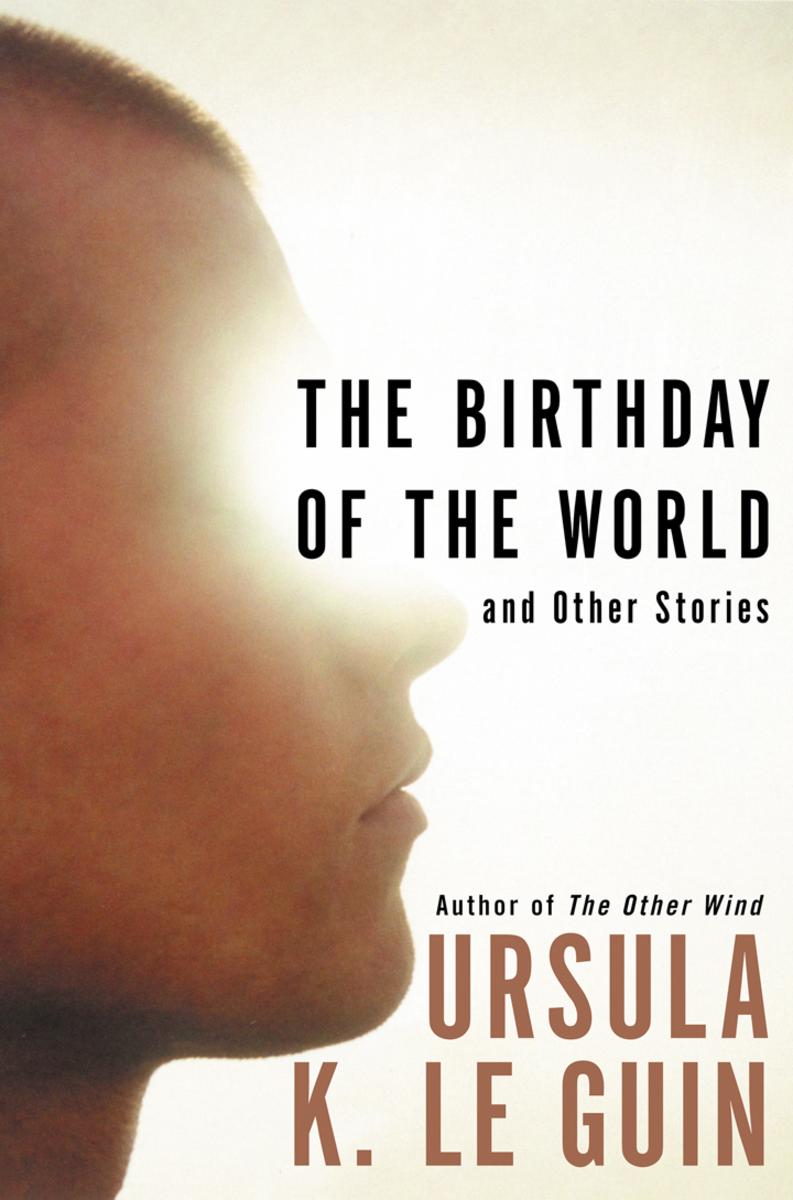
The Birthday of the World
¥88.56
For more than four decades, Ursula K. Le Guin has enthralled readers with her imagination, clarity, and moral vision. The recipient of numerous literary prizes, including the National Book Award, the Kafka Award, and five Hugo and five Nebula Awards, this renowned writer has, in each story and novel, created a provocative, ever-evolving universe filled with diverse worlds and rich characters reminiscent of our earthly selves. Now, in The Birthday of the World, this gifted artist returns to these worlds in eight brilliant short works, including a never-before-published novella, each of which probes the essence of humanity.Here are stories that explore complex social interactions and troublesome issues of gender and sex; that define and defy notions of personal relationships and of society itself; that examine loyalty, survival, and introversion; that bring to light the vicissitudes of slavery and the meaning of transformation, religion, and history. The first six tales in this spectacular volume are set in the author's signature world of the Ekumen, "my pseudo-coherent universe with holes in the elbows," as Le Guin describes it -- a world made familiar in her award-winning novel The Left Hand of Darkness. The seventh, title story was hailed by Publishers Weekly as "remarkable . . . a standout." The final offering in the collection, Paradises Lost, is a mesmerizing novella of space exploration and the pursuit of happiness.In her foreword, Ursula K. Le Guin writes, "to create difference-to establish strangeness-then to let the fiery arc of human emotion leap and close the gap: this acrobatics of the imagination fascinates and satisfies me as no other." In The Birthday of the World, this gifted literary acrobat exhibits a dazzling array of skills that will fascinate and satisfy us all.
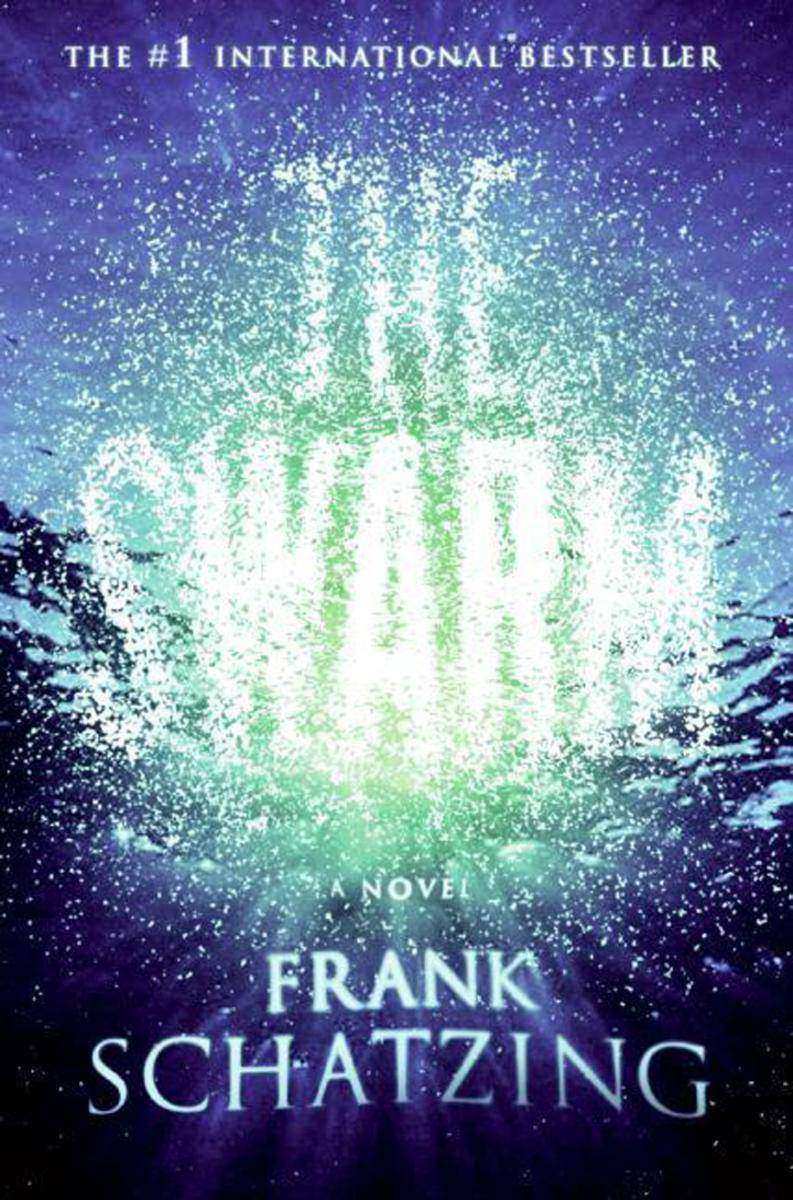
The Swarm
¥106.61
Whales begin sinking ships. Toxic, eyeless crabs poison Long Island's water supply. The North Sea shelf collapses, killing thousands in Europe. Around the world, countries are beginning to feel the effects of the ocean's revenge as the seas and their inhabitants begin a violent revolution against mankind. At stake is the survival of the Earth's fragile ecology—and ultimately, the survival of the human race itself.The apocalyptic catastrophes of The Day After Tomorrow meet the watery menace of The Abyss in this gripping, scientifically realistic, and utterly imaginative thriller.
Out on the Cutting Edge
¥49.05
This is a city that seduces dreamers . . . then eats their dreams.Matthew Scudder understands the futility of his search for a longtime missing Midwestern innocent who wanted to be an actress in the vast meat-grinder called New York City. But her frantic father heard that Schudder is the best—and now the ex-cop-turned-p.i. is scouring the hell called Hell's Kitchen looking for anything that might resemble a lead. And in this neighborhood of the lost, he's finding love—and death—in the worst possible places.
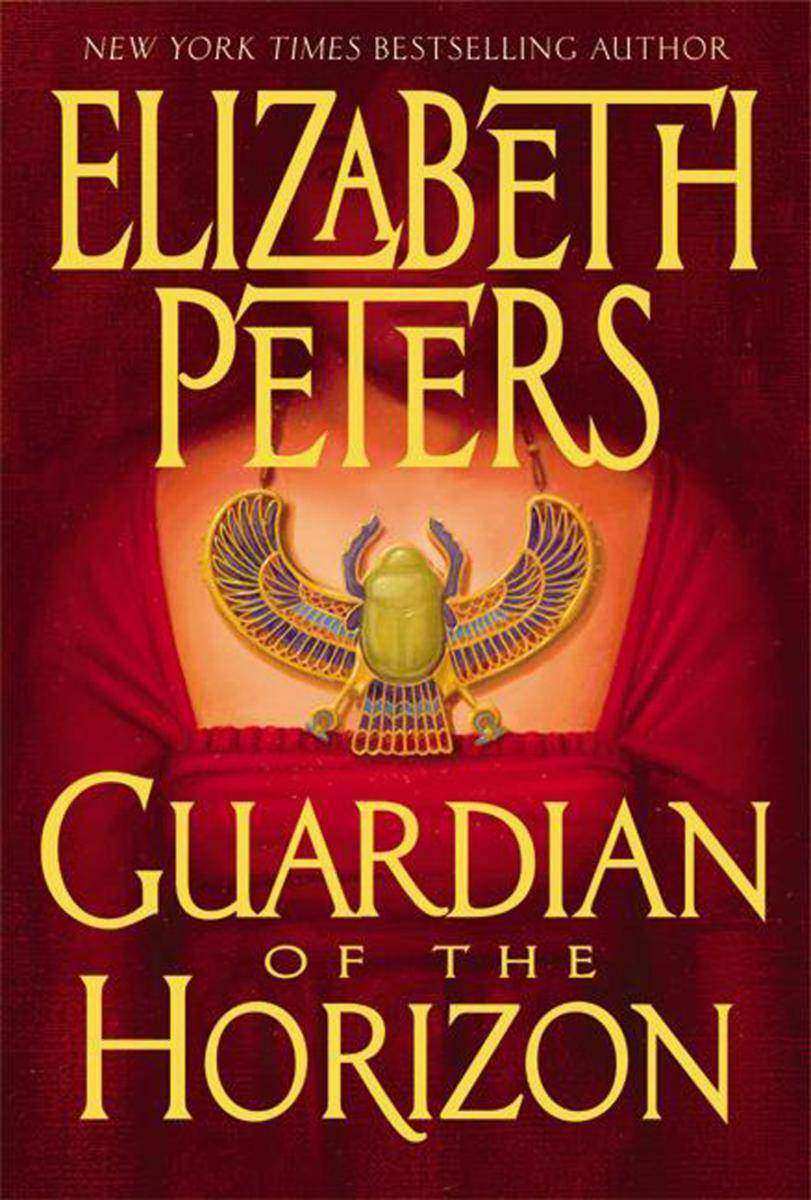
Guardian of the Horizon
¥70.10
Readers have long wondered what befell the Emerson clan during the years before the Great War. Now, at last, the silence is broken and the truth revealed of a perilous journey to a secret and mysterious place hidden deep in the heart of the unforgiving desert. An adventure prompted by loyalty to an endangered friend -- and spurred on by lies and treachery -- it leads Amelia Peabody and her intrepid family into a nest of vipers lying in wait at a remote mountain fortress. And when a dark past and a shocking mystery are ultimately discovered, a loved one may be lost forever.
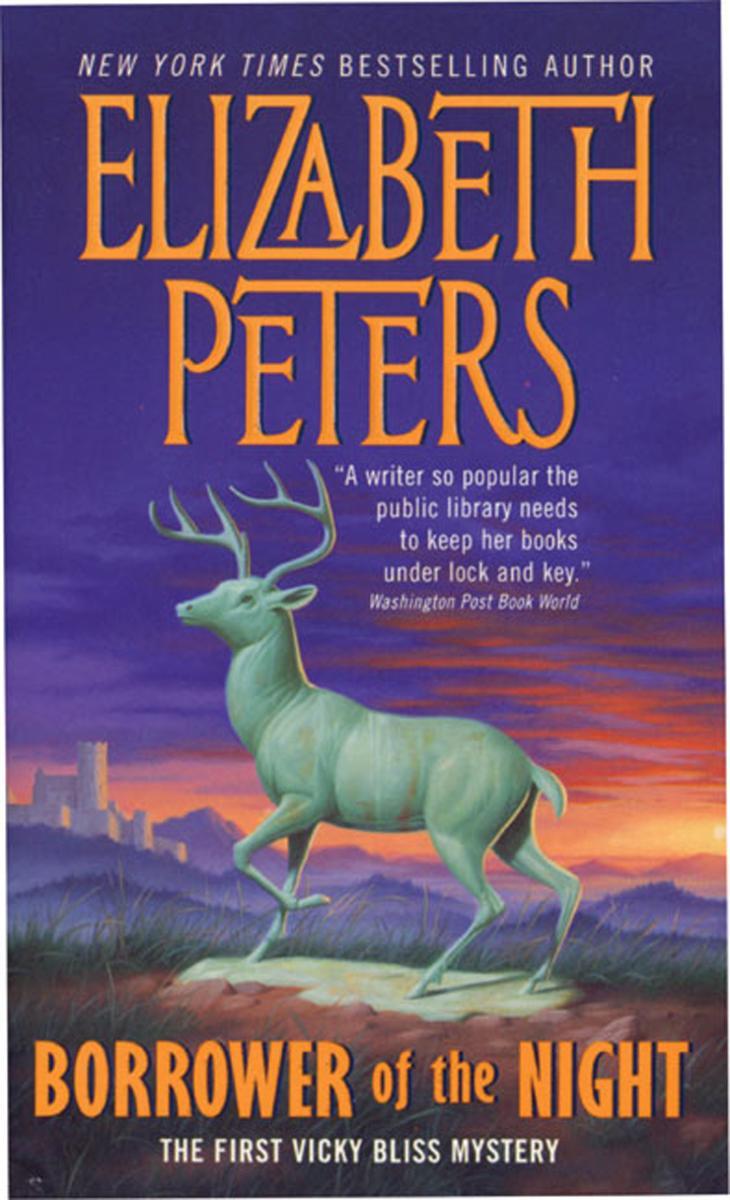
Borrower of the Night
¥69.16
Meet art historian Vicky Bliss, She is as beautiful as she is brainy--with unassailable courage, insatiable curiosity, and an expertise in lost museum treasures that often leads her into the most dangerous of situations.A missing masterwork in wood, the last creation of a master carver who died in the violent tumult of the sixteenth century, may be hidden in a medieval German castle in the town of Rothenburg. The prize has called to Vicky Bliss, drawing her and an arrogant male colleague into the forbidding citadel and its dark secrets. But the treasure hunt soon turns deadly. Here, where the blood of the long forgotten damned stains ancient stones, Vicky must face two equally perilous possibilities. Either a powerful supernatural evil inhabits this place. . .or someone frighteningly real is willing to kill for what Vicky is determined to find.
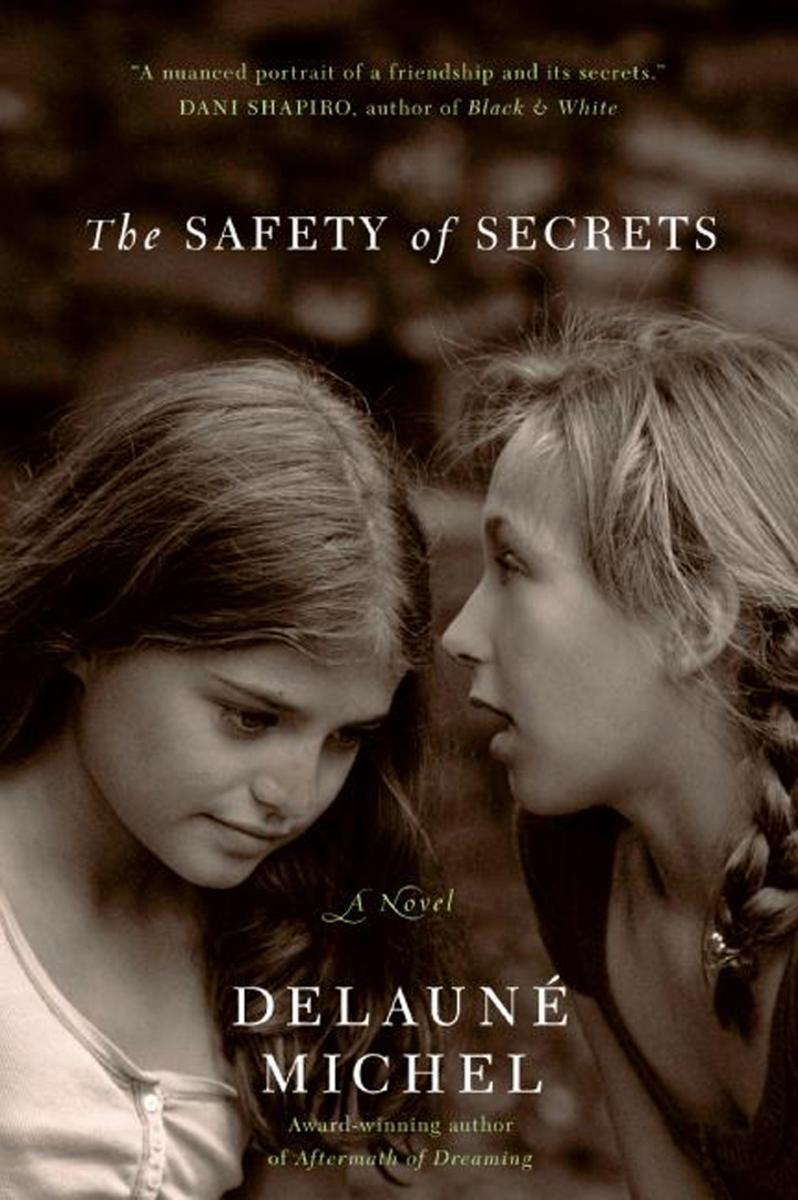
The Safety of Secrets
¥78.32
"Now we're just alike." So begins Fiona and Patricia's friendship that warm autumn morning in first grade in Lake Charles, Louisiana, their bond forged ever closer by Fiona's abusive mother and Patricia's neglectful one. Their relationship is a source of continuity and strength through their move to L.A. to become actresses; through Fiona's marriage and Patricia's sudden fame. When husband and career pressures exact a toll, the women wonder if their friendship can survive. Then a dark secret from their past emerges, threatening to destroy not only their bond, but all they've worked for as well.The Safety of Secrets is a beautifully written exploration of the bonds forged in childhood and challenged decades later, of the fulfillment of dreams and the damage they can cause, and of secrets being uncovered and the truth we find inside.
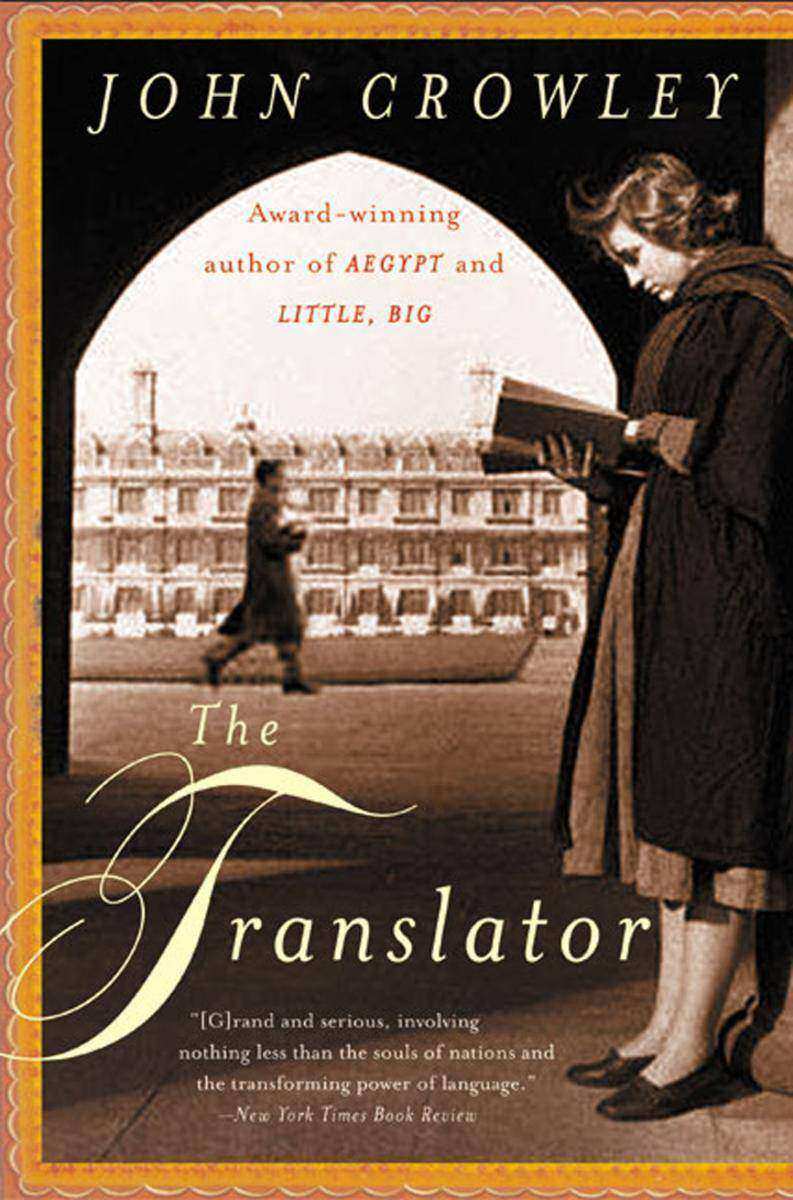
The Translator
¥83.03
A novel of tremendous scope and beauty, The Translator tells of the relationship between an exiled Russian poet and his American translator during the Cuban missile crisis, a time when a writer's words -- especially forbidden ones -- could be powerful enough to change the course of history.

Backward-Facing Man
¥96.50
Chuck Puckman, Lorraine Nadia, and Frederick Keane came of age in the late 1960s. Like that era, their lives were mysterious, idealistic, passionate, even romantic—but ultimately confused and often ineffectual. More than thirty years later, their youthful adventures continue to have ramifications: Chuck faces prosecution after an industrial accident at his family business, Lorraine's daughter is searching for the father she never knew, and Frederick has gone underground after his radical life spiraled out of control. Epic in scope and touching on such provocative issues as Patty Hearst and the SLA, crime and the possibility of redemption, and the search for self and the meaning of life, Backward-Facing Man is a novel about choices and their lasting effects on people's lives, their families, and American society.
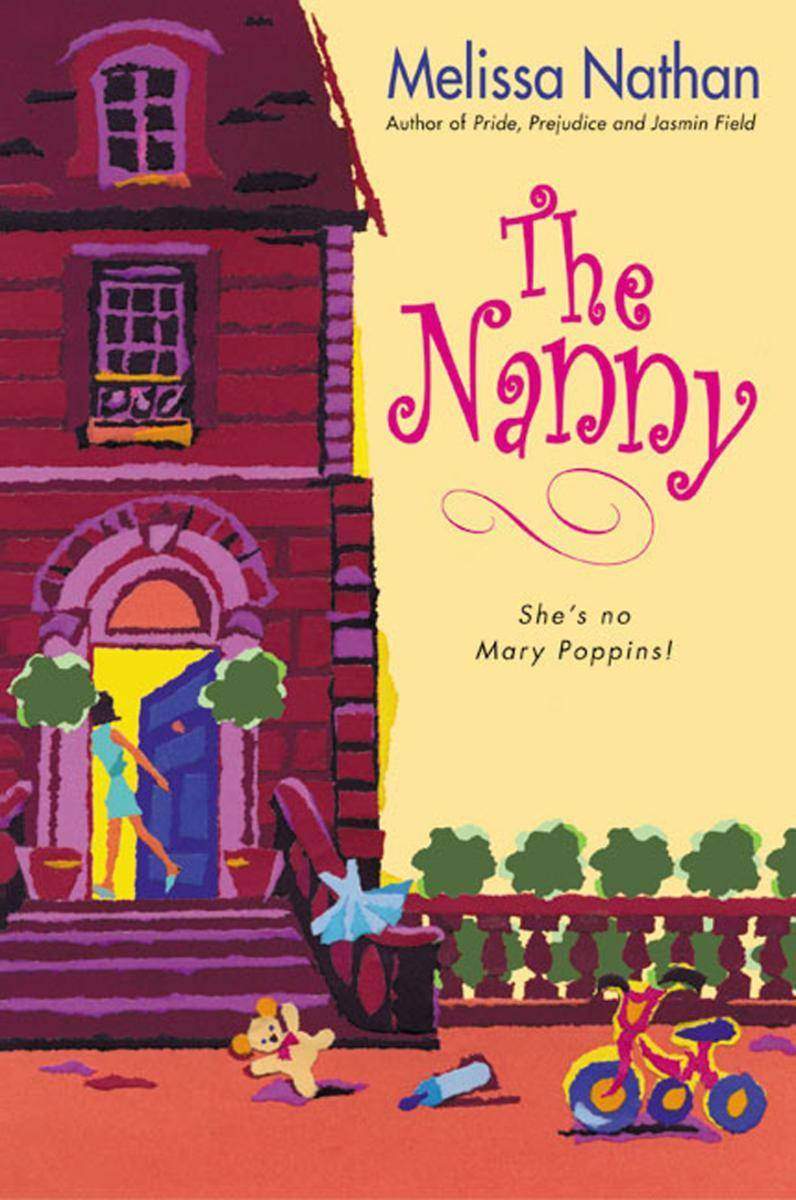
The Nanny
¥84.16
Twenty-three-year-old Jo Green knows that if she has to spend one more night in ultra-provincial Niblet-Upon-Avon she'll go completely bonkers! So she answers an ad in the paper, bids her devoted boyfriend Shaun adieu, and heads off to the big city. With a new job that offers excitement; a cool car; and her own suite with a TV, DVD player, and a cell phone, how can she go wrong?Then she meets . . . the Fitzgeralds -- Dick and Vanessa and their unruly brood of rugrats who have suddenly been entrusted into Jo's care. There's eight-year-old "psycho-babe" Cassandra; bloodthirsty Zak, the six-year-old Terminator; and timid little Tallulah.So what else could go wrongHow about the arrival of Dick's children from his first marriage: teenage Toby and (gulp!) all-grown-up-and-very-nicely-at-that Josh the accountantAnd now that she has to temporarily share her room with Josh, Jo's head is really in a spin -- because with her hometown beau still in the picture and a sexy possibility sleeping just a foot away, life has suddenly gotten very complicated indeed!
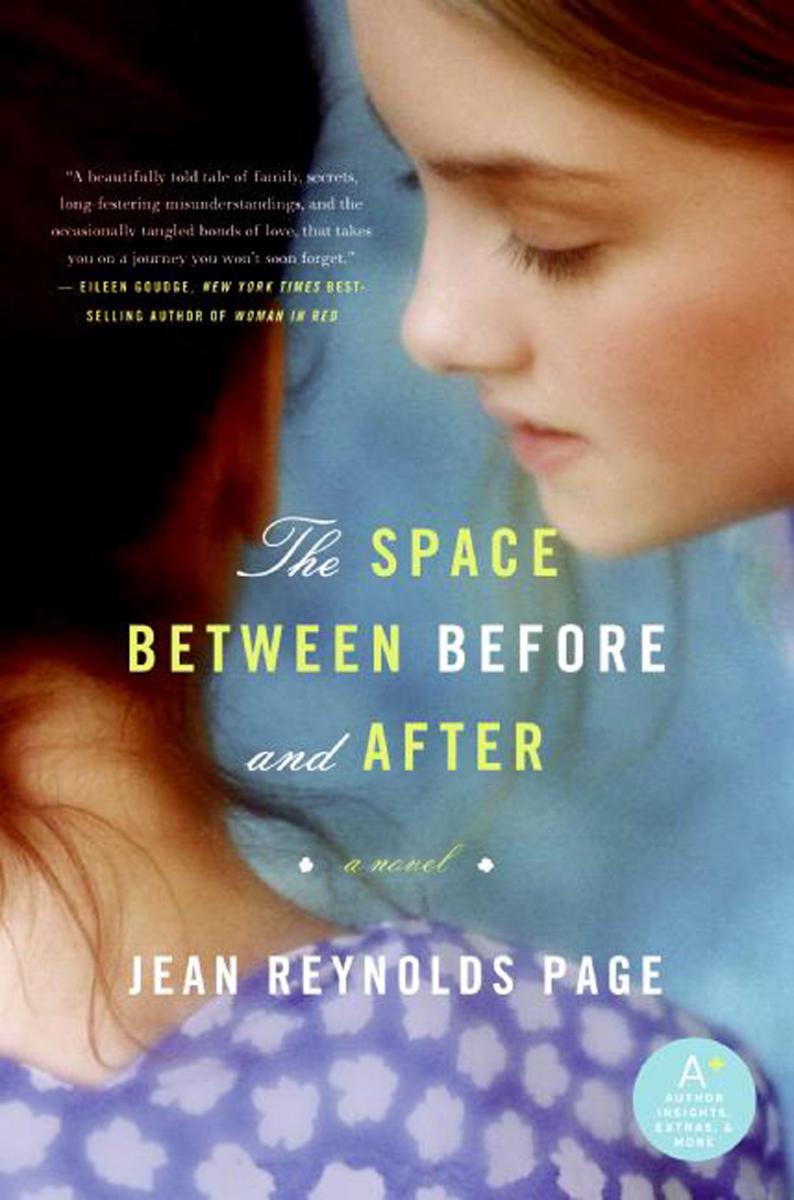
The Space Between Before and After
¥78.32
Forty-two and divorced, Holli Templeton has just begun to realize the pleasures of owning her life for the first time. But the experience is short-lived. Her son Conner has unexpectedly fled college in Rhode Island and moved to Texas with his troubled girlfriend, Kilian. This alone is difficult to handle, but as Holli begins to understand the depth of the girl's problems, concern turns to crisis.Conner's situation is worsening, and as if that's not enough, Holli notices signs of serious decline in the beloved Texas grandmother who raised her. She has no choice but to leave the comfort zone of life in New York and return to her hometown in Texas to care for the people she loves.In the tight space between these two generations, Holli initially feels lost. The journey back stirs so many unresolved hurts from her childhood. But something else happens in this uneasy homecoming. Comfort arrives in the ethereal presence of the mother long lost to her, and Holli is surprised to find that as she struggles to help her son and grandmother, the wounds of her own past begin to heal.The space between before and after—easily the most challenging place she has ever known—begins to reveal an unanticipated hope for what the future might hold.
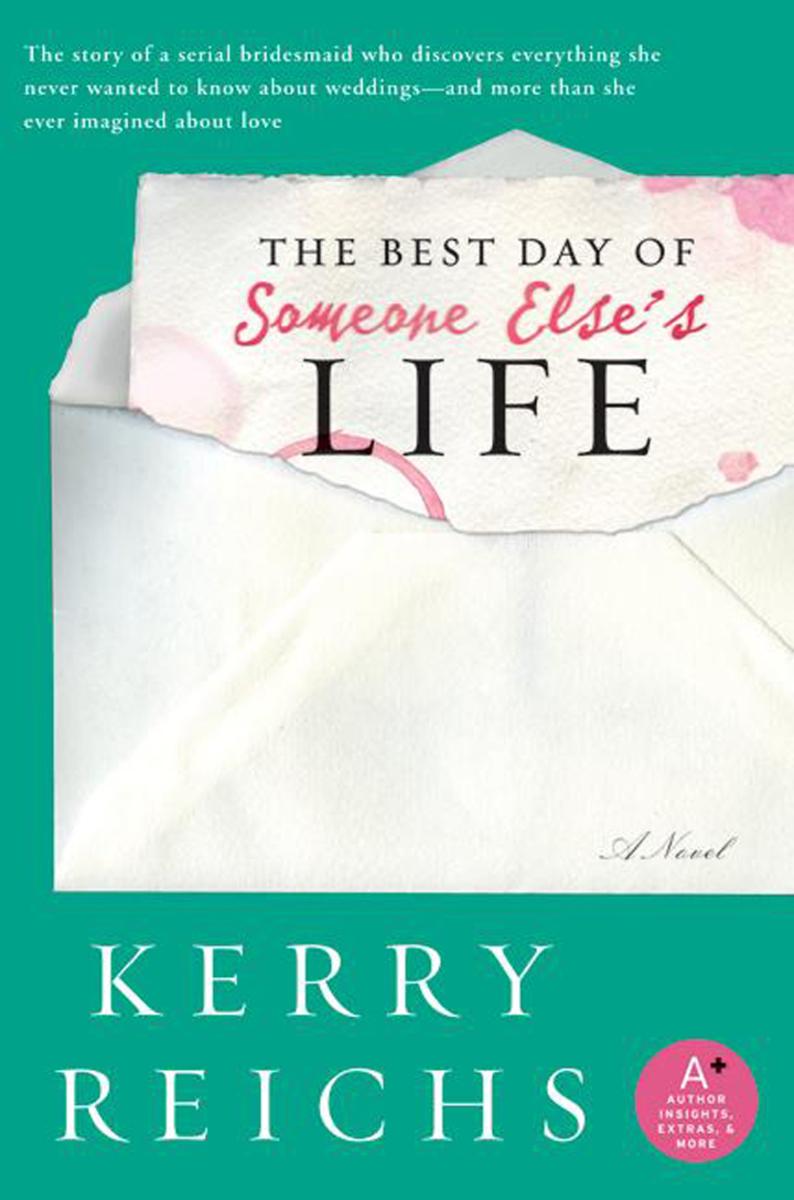
The Best Day of Someone Else's Life
¥84.16
Despite being cursed with a boy's name, Kevin "Vi" Connelly is seriously female and a committed romantic. The affliction hit at the tender age of six when she was handed a basket of flower petals and ensnared by the "marry-tale." The thrill, the attention, the big white dress—it's the Best Day of Your Life, and it's seriously addictive. But at twenty-seven, with a closetful of pricey bridesmaid dresses she'll never wear again, a trunkful of embarrassing memories, and an empty bank account from paying for it all, the illusion of matrimony as the Answer to Everything begins to fray. As her friends' choices don't provide answers, and her family confuses her more, Vi faces off against her eminently untrustworthy boyfriend and the veracity of the BDOYL. Eleven weddings in eighteen months would send any sane woman either over the edge or scurrying for the altar. But as reality separates from illusion, Vi learns that letting go of someone else's story to write your own may be harder than buying the myth, but just might help her make the right choices for herself.
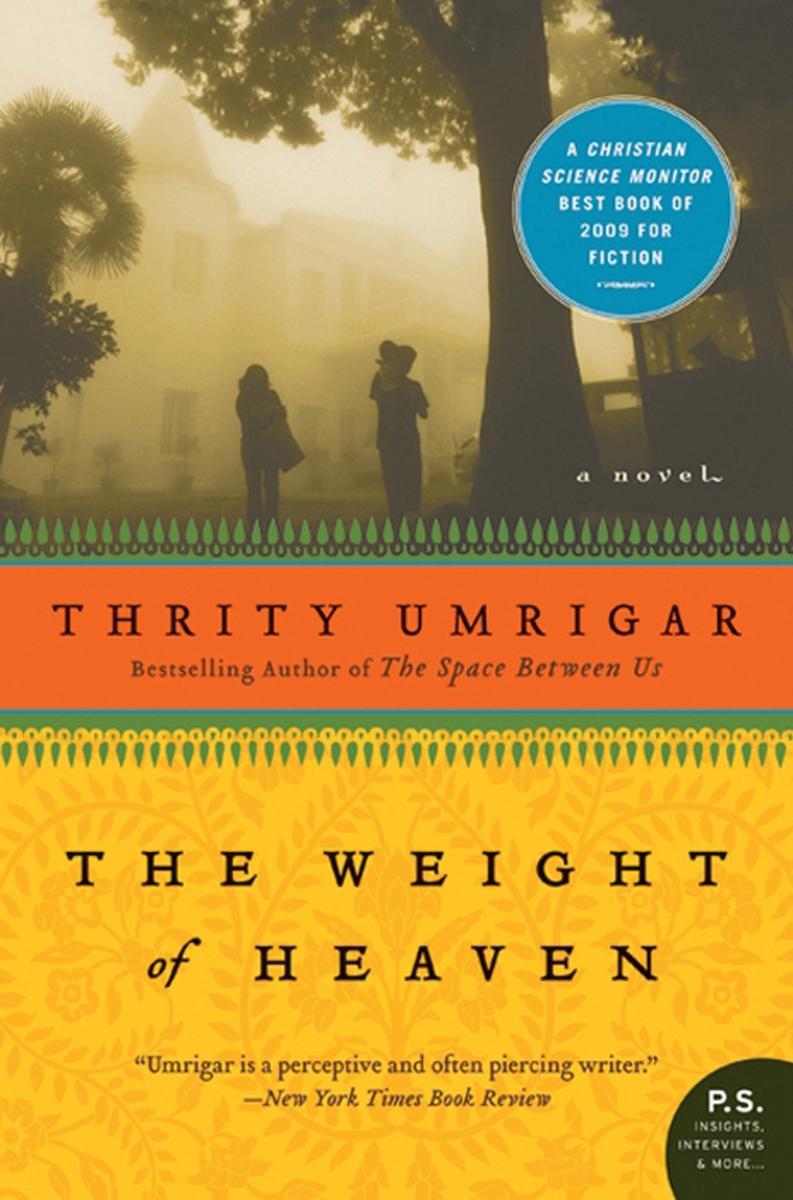
The Weight of Heaven
¥94.10
When Frank and Ellie Benton lose their only child, seven-year-old Benny, to a sudden illness, the perfect life they had built is shattered. Filled with wrenching memories, their Ann Arbor home becomes unbearable, and their marriage founders. But an unexpected job half a world away offers them an opportunity to start again. Life in Girbaug, India, holds promise—and peril—when Frank befriends Ramesh, a bright, curious boy who quickly becomes the focus of the grieving man's attentions. Haunted by memories of his dead son, Frank is consumed with making his family right—a quest that will lead him down an ever-darkening path with stark repercussions. Filled with satisfyingly real characters and glowing with local color, The Weight of Heaven is a rare glimpse of a family and a country struggling under pressures beyond their control. In a devastating look at cultural clashes and divides, Umrigar illuminates how slowly we recover from unforgettable loss, how easily good intentions can turn evil, and how far a person will go to build a new world for those he loves.
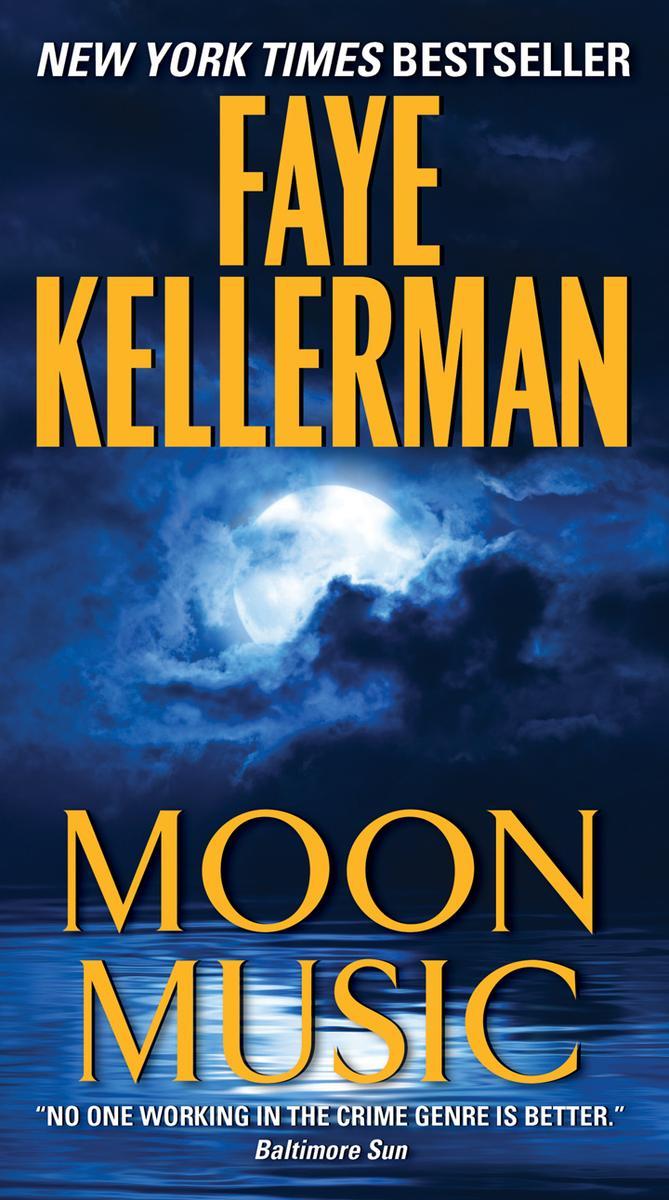
Moon Music
¥69.90
In the bleak wasteland of the Nevada desert, not far from the sparkling, twenty-four-hour neon of the world-famous Las Vegas Strip, the body of a once-beautiful showgirl is discovered, horribly mauled and mutilated. It is a horrendous crime, shocking in its brutality, excessive even for a city celebrated for its excess.Seasoned police veteran and Vegas native Detective Sergeant Romulus Poe has seen his fair share of depravity in this mecca of glitz and vice. But there is something about this unfortunate young woman's death—and a similar murder that is to follow soon after—that harkens back to an unsolved slaying and so-called suicide a quarter century ago. The grim similarities—along with some frightening new possibilities—are leading Poe into a night world of dark shadows best left unilluminated and pulling the inquisitive policeman toward secrets from a strange and sordid past that could destroy those closest to him, and drag him over the edge.
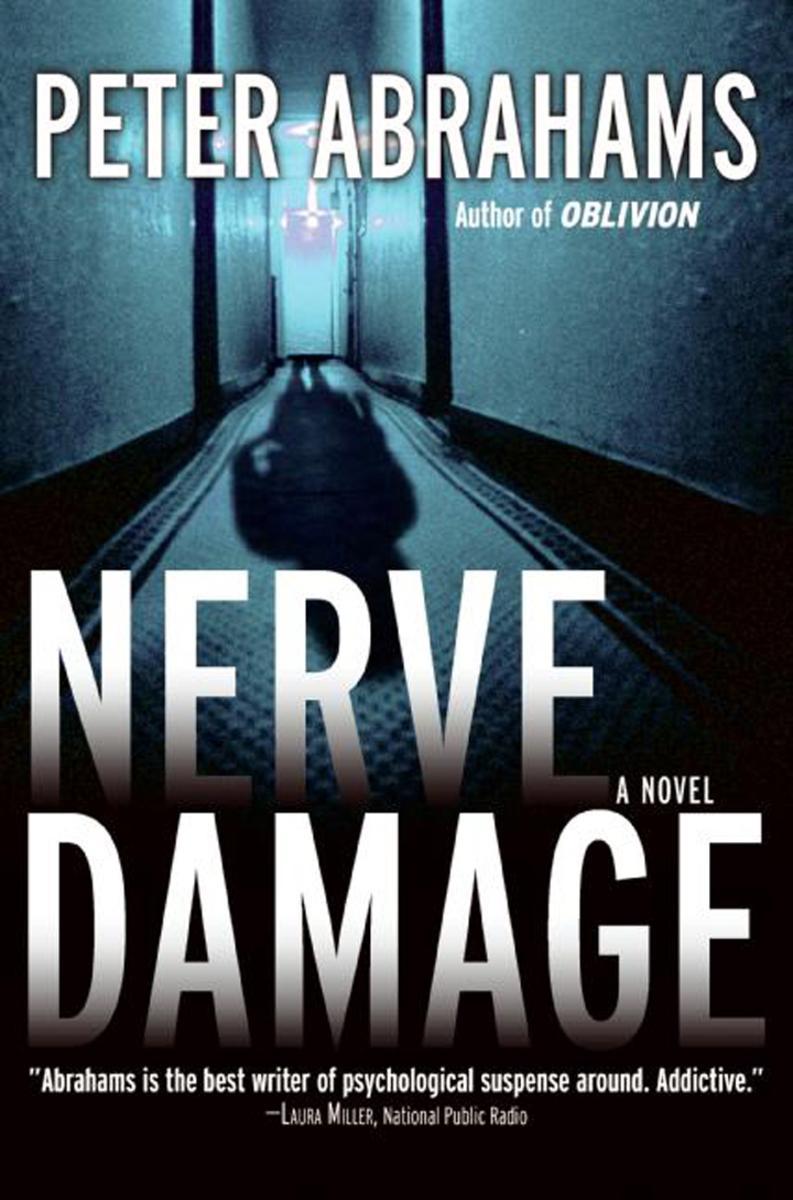
Nerve Damage
¥55.31
Renowned sculptor Roy Valois receives the worst news since learning of his adored wife Delia's death in South America fifteen years ago. His doctor tells him he's dying—and a morbid curiosity about how he'll be remembered inspires Roy, with the help of a local computer geek, to hack into a newspaper's system to read his prewritten obituary. But the death notice includes a small discrepancy about his late wife—and by calling the mistake to the attention of the surprised obit writer, Roy has inadvertently sealed an innocent man's doom.Suddenly Roy has a mission: to uncover the truth about the woman he can't stop loving—secrets guarded by powerful forces who believe murder is an acceptable price for keeping them buried. With his disease-ravaged body's final betrayal rapidly approaching, Roy must somehow stay alive long enough to find the answers: Who was DeliaHow did she dieWhy did she die?Did she die?
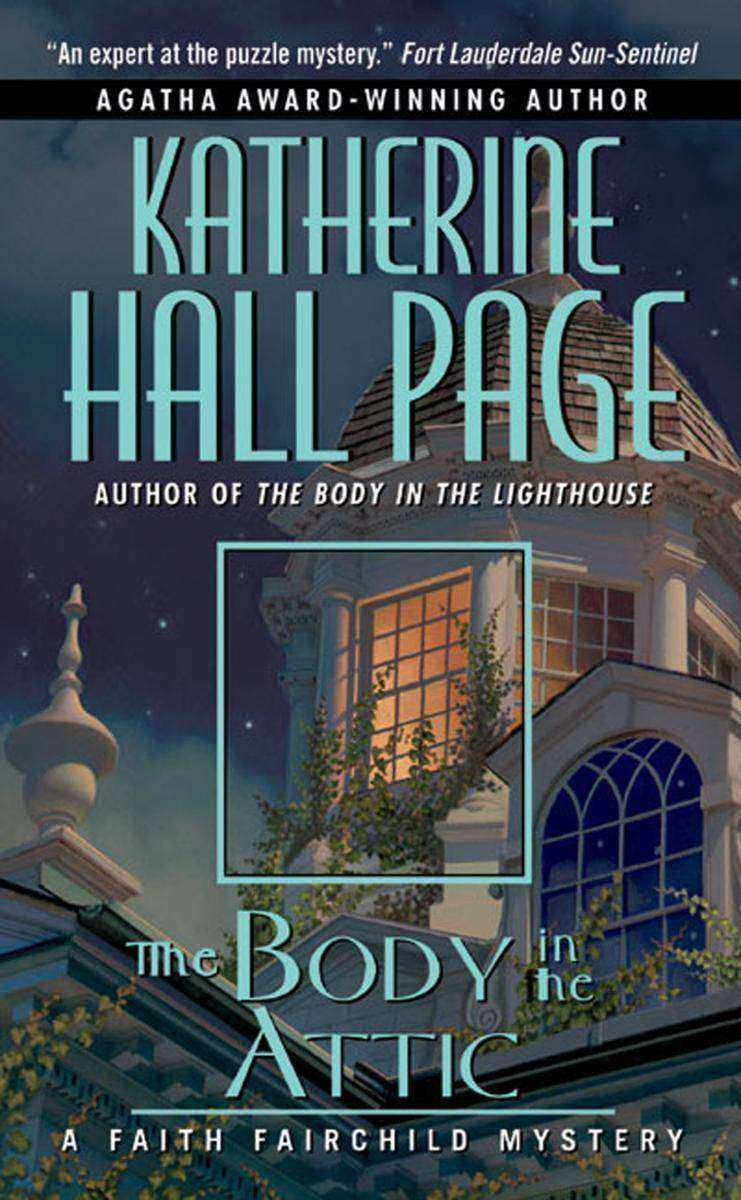
The Body in the Attic
¥55.91
Caterer Faith Fairchild and family are living in one of historic Cambridge, Massachusetts', venerable Brattle Street houses while the Reverend Tom teaches a course at the Harvard Divinity School and does some soul searching -- is his Aleford parish his true callingOne night in downtown Boston, Faith is startled by a face from her past. It's Richard Morgan, a former boyfriend from her life as a single woman in Manhattan. Their heady, whirlwind affair in the waning days of the self-indulgent 1980s ended abruptly. Now he's back, as exciting as ever.Then something occurs that turns a pleasant sabbatical into a nightmare -- Faith discovers a diary, written in 1946 and hidden in the attic, that reveals an unspeakable horror. Suddenly dark secrets seem to permeate every room. And with Richard guarding strange secrets of his own, Faith is soon caught up in solving more than one troubling mystery ... with a murderer lurking a little too close to home.

The Serpent on the Crown
¥69.16
Once again the incomparable New York Times bestselling master of suspense, Elizabeth Peters, brings an exotic world of adventure, intrigue, and danger to vivid life, in a tale as exciting, mysterious, and powerful as ancient Egypt.A unique treasure obtained by unscrupulous means, the small gold statuette of an unidentified Egyptian king is a priceless relic from a bygone era. But more than history surrounds the remarkable artifact—for it is said that early death will come to anyone who possesses it.Enjoying a world finally at peace, the Emersons have returned to the Valley of the Kings in 1922. With the lengthy ban on their archaeological activities lifted, Amelia Peabody and her family look forward to delving once more into the age-old mysteries buried in Egypt's ever-shifting sands. But a widow's strange story—and even stranger request—is about to plunge them into a storm of secrets, treachery, superstition . . . and murder.The woman, a well-known author, has come bearing an ill-gotten treasure—a golden likeness of a forgotten king—which she claims is cursed. Already, she insists, it has taken the life of her husband, and unless it is returned to the tomb from which it was stolen, more people will die.Intrigued by the mystery, Amelia and her clan resolve to uncover the secrets of the statue's origins, setting off on a trail that twists and turns in directions they never anticipated—and, perhaps, toward an old nemesis with unscrupulous new designs. But each step toward the truth seems to reveal another peril, suggesting to the intrepid Amelia that the curse is more than mere superstition. And its next victim might well be her irascible husband, Radcliffe, their beloved son, Ramses, his lovely wife, Nefret ... or Amelia Peabody herself.A novel filled with riveting suspense, pulse-pounding action, and the vibrant life of a fascinating place and time, The Serpent on the Crown is the jewel in the crown of a grand master, the remarkable Elizabeth Peters.
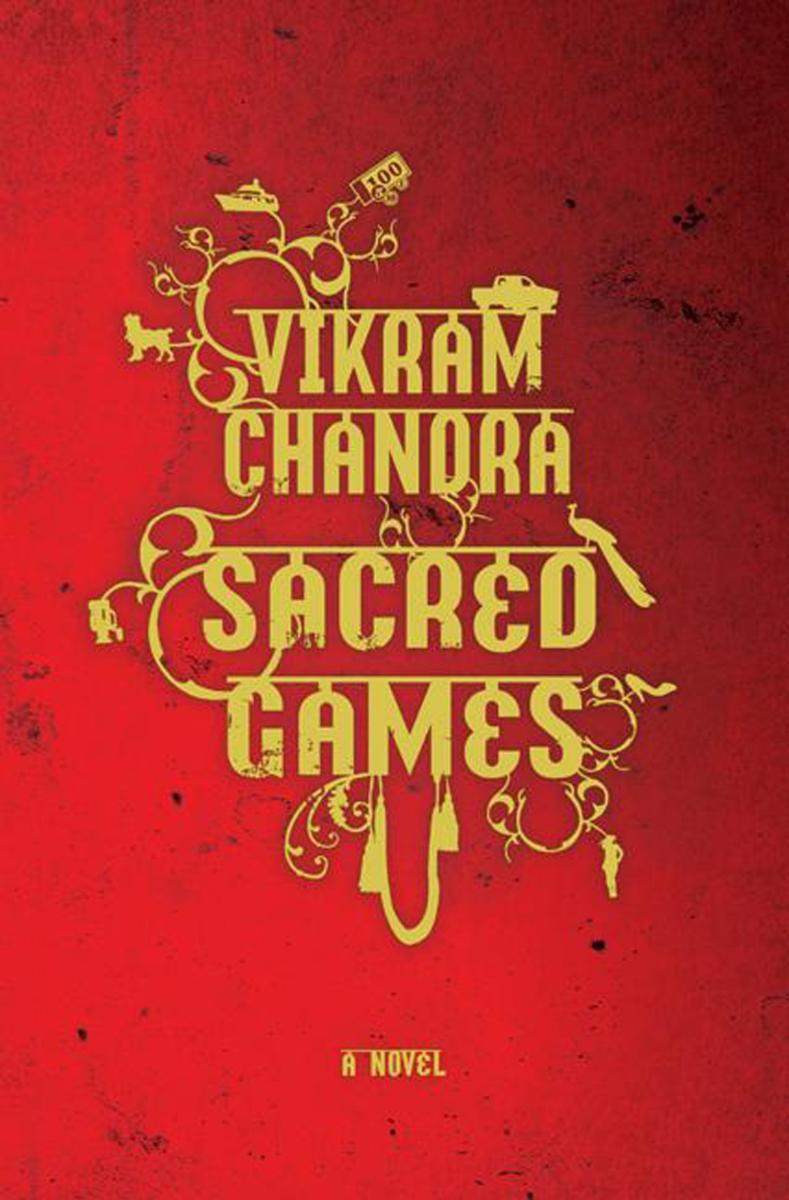
Sacred Games
¥99.65
Seven years in the making, Sacred Games is an epic of exceptional richness and power. Vikram Chandra's novel draws the reader deep into the life of Inspector Sartaj Singh—and into the criminal underworld of Ganesh Gaitonde, the most wanted gangster in India.Sartaj, one of the very few Sikhs on the Mumbai police force, is used to being identified by his turban, beard and the sharp cut of his trousers. But "the silky Sikh" is now past forty, his marriage is over and his career prospects are on the slide. When Sartaj gets an anonymous tip-off as to the secret hide-out of the legendary boss of G-Company, he's determined that he'll be the one to collect the prize. Vikram Chandra's keenly anticipated new novel is a magnificent story of friendship and betrayal, of terrible violence, of an astonishing modern city and its dark side. Drawing inspiration from the classics of nineteenth-century fiction, mystery novels, Bollywood movies and Chandra's own life and research on the streets of Mumbai, Sacred Games evokes with devastating realism the way we live now but resonates with the intelligence and emotional depth of the best of literature.


