


 购物车
 个人中心


Un Corazón de Ranita. 3° volumen. El vals estelar de la vida
¥53.30
Pe Nicolae Breban l-am citit, din primul an de facultate, a?a cum i-am citit pe marii scriitori: de la primul la ultimul titlu. ?n cazul s?u, mai mult poate dec?t ?n al oric?rui alt romancier postbelic, acest exerci?iu de fidelitate este obligatoriu. Romanele sale nu sunt indiferente unul fa?? de altul, ci comunic?, toate, ?ntre ele, alc?tuind un sistem omogen, ?n care fiecare pies? este necesar? ?i contribuie la armonia ?ntregului. De altfel, Breban a avut ?nc? de la primele c?r?i ambi?ia operei monumentale, displ?c?ndu-i fragmentarismul ?i proiectele care ?ncep ambi?ios, dar sucomba levantin. Romanele care au ap?rut p?n? ?n 1990, dup? care cititorii s?i fideli de p?n? atunci ?nc? mai suspin? nostalgic, ?n care marile sale teme sunt clar delimitate, reprezint? un reper nu doar pentru literatura rom?n? a ultimei jum?t??i de secol, ci ?i pentru opera ulterioara a scriitorului. C?r?ile publicate ?n ultimii dou?zeci ?i ceva de ani pierd mult dac? sunt citite ??n sine“, f?r? a fi raportate la ?ntregul operei brebaniene. Mai mult dec?t ?nainte, scriitorul a ?nceput s? se ?ntoarc? din ce ?n ce mai des la propriile crea?ii, s? le lege ?ntr-un silogism epic nu ?ntotdeauna facil de sesizat. Cine nu proiecteaz? ?ns? personajele, cazurile contorsionate, ac?iunile din ultimele ispr?vi epice ale autorului la vechile sale realiz?ri pierde imaginea de ansamblu, pierde poate chiar ?i ?calea de acces“ c?tre nucleul acestei opere majore. (Bogdan Cre?u).Ai o imens? ?tabl? de ?ah“, care se ?nt?mpl? s? fie lumea, manevrat? de dou? sisteme aparent antagonice (dar care se ?n?eleg foarte bine, fiindc? au fost de aceea?i parte a frontului ?n r?zboi), c?rora li se subsumeaz? unele subsisteme cu interese colaterale (cum a fost Lumea a treia sau alian?a ??rilor nealiniate). Dincolo de milioanele de mici episoade locale sau regionale care coloreaza jocul, unde se consuma nevroze f?r? num?r ?i mistific?ri extrem de sofisticate, dou? mize profunde r?m?n mereu pe tabl?, estompate ca relevan?? sau voit obscurizate, pentru a nu le vedea adversarul: planetarizarea surselor de energie ?i necesitatea cre?rii unui sistem inovator de control informa?ional, din care va ie?i, ?n cele din urm?, lumea Internetului de azi. Adic?, daca ne g?ndim bine, chiar cele dou? domenii ?n care comuni?tii au fost pu?i s? piard? partida, intr?nd apoi ?n colaps sistemic ?i ?n insolven??. Aminti?i-v? de ce se spunea dup? '89: c? Ceau?escu a fost mefient fa?? de computere. N-a fost singurul, din lumea comunista. Q.e.d. (?tefan Borbely)
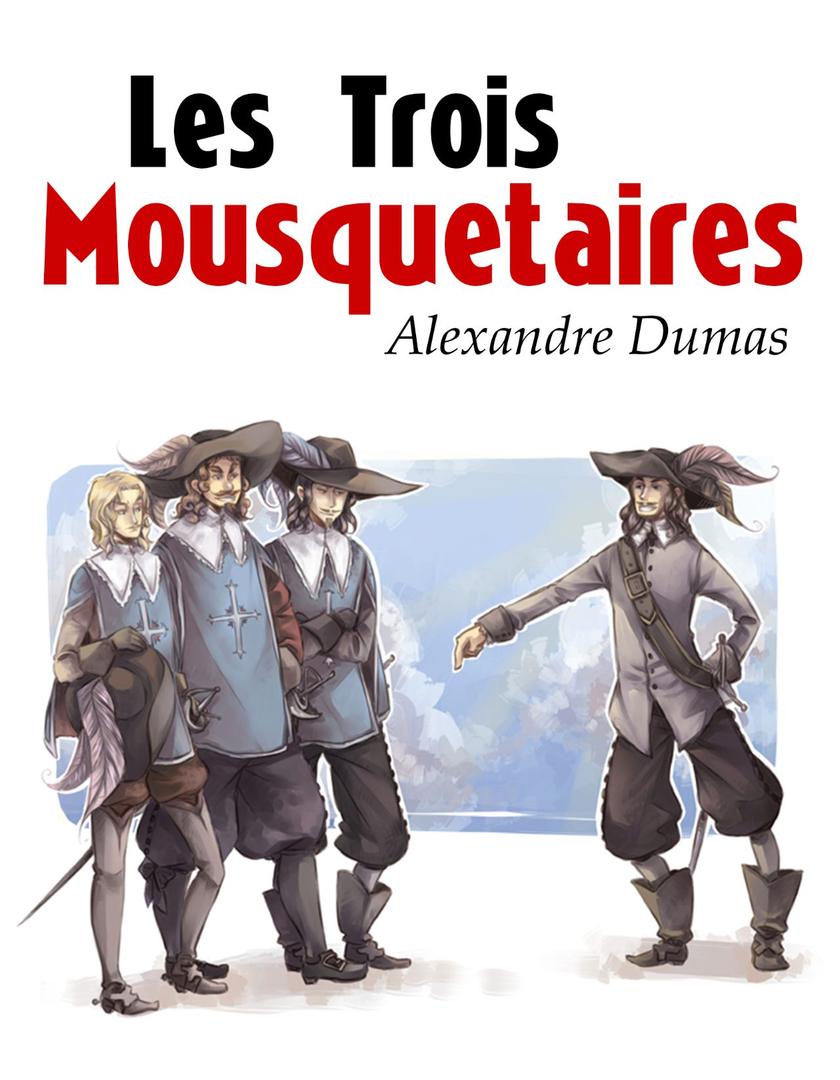
Les Trois Mousquetaires
¥8.09
Vreau s? cred c? drumul lui Eugenio Barba este cel ?n care ?nt?lne?te copacul de care at?rn? pe creanga cea mai de sus un m?r de aur ?i f?r? s? ?i pese de cei din jurul lui, de privirile lor arogante sau sc?nteind a dispre?, se ca??r? ?n copac, ?n plin? lumin? de zi, ?i culege m?rul. M?rul norocos al destinului. Curaj, perseveren??, credin?? de nezdruncinat ?n vocea l?untrului care mereu ?i ?opte?te drumul pe care s?-l urmeze, c?ci este drumul lui.Eugenio Barba, vizionar, reformator, artist, dramaturg-regizor, maestru, scriitor, ?n dramaturgia sa, ?n cuvintele sale imortalizate ?n reflec?ii asupra sensului ?i condi?iei artei teatrului ?i a artistului, ?n cercet?rile de natur? artistic? ?i ?tiin?ific?, ?n laboratorul de teatru, sesiunile ?colii Interna?ionale de Antropologie Teatral? forjeaz? un act artistic unificator prin coprezen?e ale contrariilor, ?ntrup?ri ale simultaneit??ilor, combin?ri temporale ?i spa?iale, dintre trecut ?i viitor, dintre Est ?i Vest, declan??nd ?o revolu?ie copernician? f?r? de care ?tiin?a teatrului de la sf?r?itul secolului XX ar fi incomprehensibil?“. (Diana Cozma)

Jurgen
¥8.09
According to Wikipedia: "James Branch Cabell (1879 - 1958) was an American author of fantasy fiction and belles lettres... Cabell's work was thought of very highly by a number of his peers, including Mark Twain, Sinclair Lewis, H. L. Mencken, Joseph Hergesheimer, and Jack Woodford. When Twain died he was reading Cabell's Chivalry. And although now largely forgotten by the general public, his work was remarkably influential on later authors of fantastic fiction... Cabell's eighth (and best-known) book, Jurgen, A Comedy of Justice (1919), was the subject of a celebrated obscenity case shortly after its publication. The eponymous hero, who considers himself a "monstrous clever fellow", embarks on a journey through ever more fantastic realms, even to hell and heaven. Everywhere he goes, he winds up seducing the local women, even the Devil's wife."
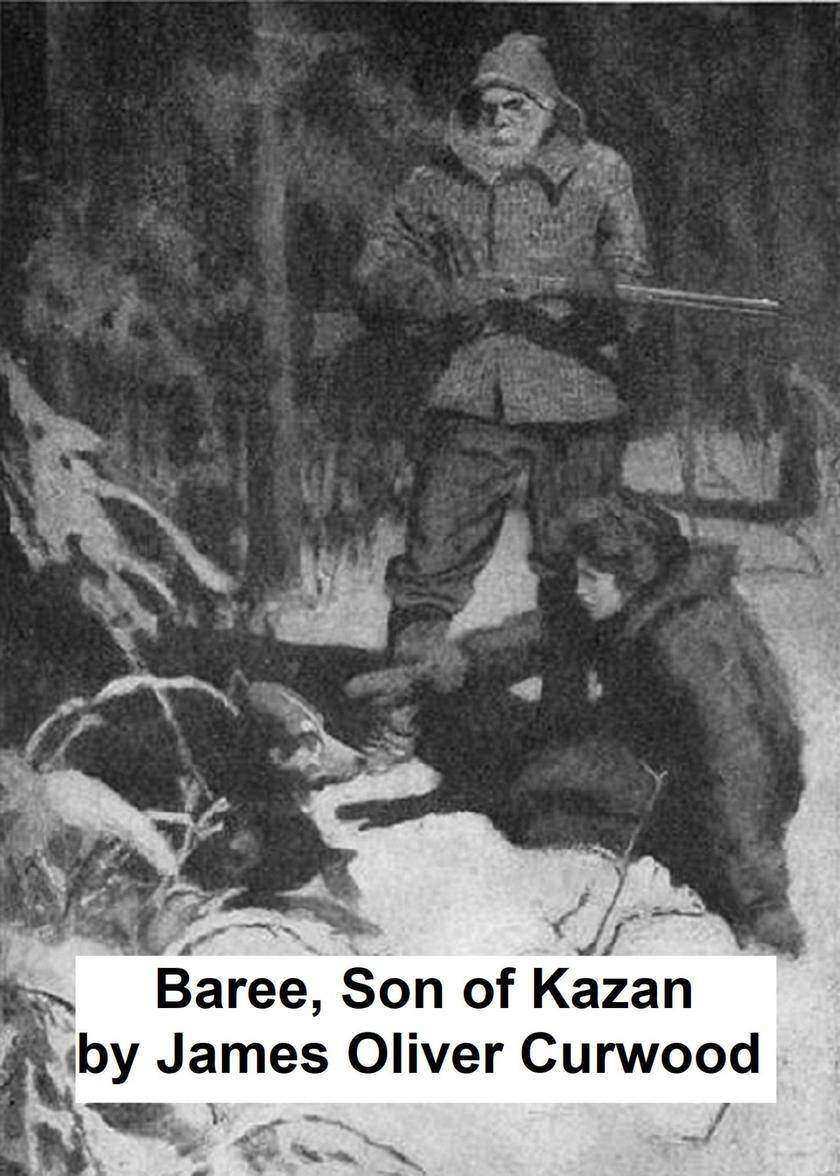
Baree, Son of Kazan
¥8.09
According to Wikipedia: "Baree, Son of Kazan is the eponymous name of a 1917 novel about a wild wolfling pup named Baree. It was written by James Oliver Curwood as the sequel to Kazan. Baree, Son of Kazan is a story about a wild wolfdog pup sired by Kazan (1/4 wolf, 3/4 dog) and born of blind Greywolf (pure wolf). This story is about Baree's survival after being separated from his parents as a young pup. He eventually finds himself in the care of Nepeese and her father Pierrot, a trapper. He bonds with Nepeese, and the story goes from there. James Oliver Curwood took the well used "a boy and his dog" formula, and created a great adventure story about a girl and her dog. A successful formula featuring a strong heroine, rather than a male hero, that he used in many of his stories."
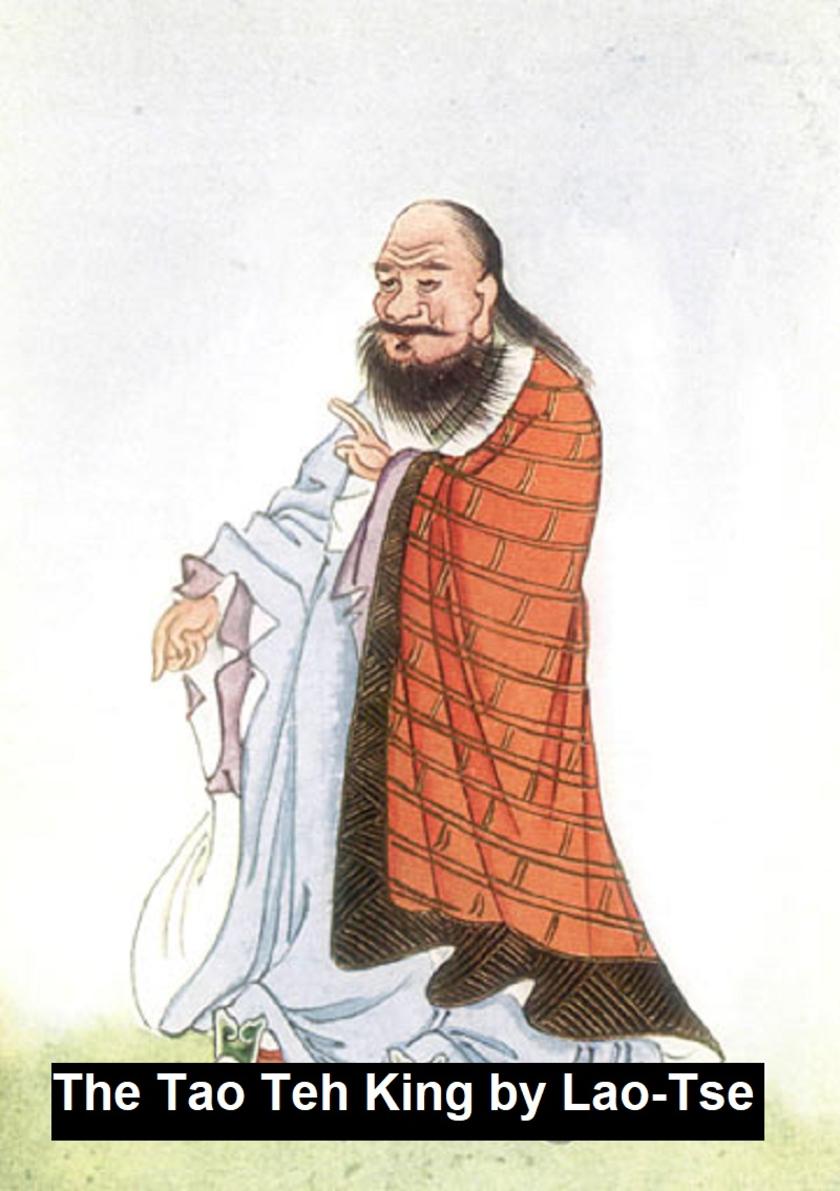
The Tao Teh King or The Tao
¥8.09
According to Wikipedia: "The Tao Te Ching, Dao De Jing, or Daodejing, also simply referred to as the Laozi, is a Chinese classic text. According to tradition, it was written around the 6th century BC by the sage Laozi (or Lao Tzu, "Old Master"), a record-keeper at the Zhou Dynasty court, by whose name the text is known in China. The text's true authorship and date of composition or compilation are still debated, although the oldest excavated text dates back to the late 4th century BC. The text is fundamental to both philosophical and religious Taoism and strongly influenced other schools, such as Legalism, Confucianism and Chinese Buddhism, which when first introduced into China was largely interpreted through the use of Daoist words and concepts. Many Chinese artists, including poets, painters, calligraphers, and even gardeners have used the Daodejing as a source of inspiration. Its influence has also spread widely outside East Asia, and is amongst the most translated works in world literature."
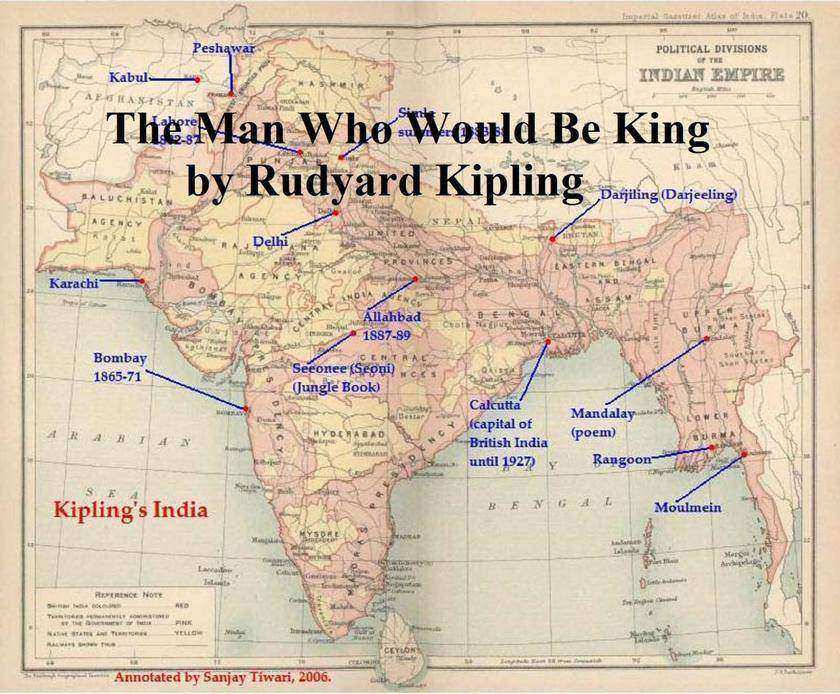
The Man Who Would Be King
¥8.09
According to Wikipedia: ""The Man Who Would Be King" (1888) is a novella by Rudyard Kipling. It is about two British adventurers in British India who become kings of Kafiristan, a remote part of Afghanistan. The story was inspired by the exploits of James Brooke, an Englishman who became the first White Rajah of Sarawak in Borneo; and by the travels of American adventurer Josiah Harlan, who was granted the title Prince of Ghor in perpetuity for himself and his descendants. It incorporates a number of other factual elements such as locating the story in eastern Afghanistan's Kafiristan and the European-like appearance of many of Kafiristan's Nuristani people, and an ending modelled on the return of the head of the explorer Adolf Schlagintweit to colonial administrators.. Joseph Rudyard Kipling (1865 – 1936) was an English author and poet. Born in Bombay, British India (now Mumbai), he is best known for his works The Jungle Book (1894) and Rikki-Tikki-Tavi (1902), his novel, Kim (1901); his poems, including Mandalay (1890), Gunga Din (1890), If— (1910); and his many short stories, including The Man Who Would Be King (1888). He is regarded as a major "innovator in the art of the short story"; his children's books are enduring classics of children's literature; and his best works speak to a versatile and luminous narrative gift. Kipling was one of the most popular writers in English, in both prose and verse, in the late 19th and early 20th centuries. The author Henry James said of him: "Kipling strikes me personally as the most complete man of genius (as distinct from fine intelligence) that I have ever known." In 1907, he was awarded the Nobel Prize in Literature, making him the first English language writer to receive the prize, and to date he remains its youngest recipient. Among other honours, he was sounded out for the British Poet Laureateship and on several occasions for a knighthood, all of which he declined."
Little Men
¥8.09
Classic novel by the author of "Little Women". According to Wikipedia: "Louisa May Alcott (1832 – 1888) was an American novelist. She is best known for the novel Little Women, published in 1868. This novel is loosely based on her childhood experiences with her three sisters."
La Tentation de Saint Antoine
¥8.09
Roman classique d'abord publié en 1848, dans le fran?ais original. Selon Wikipédia: "La Tentation de Saint Antoine" est un livre que l'auteur fran?ais Gustave Flaubert a pratiquement travaillé toute sa vie, en trois versions qu'il a achevées en 1849, 1856 (extraits publiés au même temps) et 1872 avant de publier la version finale en 1874. Il prend comme sujet la fameuse tentation de Saint Antoine le Grand dans le désert égyptien, un thème souvent repris dans l'art médiéval et moderne. Il raconte une nuit dans la vie d'Anthony le Grand, où Anthony est confronté à de grandes tentations, et il a été inspiré par la peinture qu'il a vue au palais Balbi à Gênes. Madame Bovary, que Flaubert considérait son chef-d'?uvre.
Le Collier de la Reine
¥8.09
Roman classique dans le fran?ais original. Selon Wikipédia: "Alexandre Dumas, père (fran?ais pour" père ", apparenté à" Senior "en anglais), né Dumas Davy de la Pailleterie (24 juillet 1802 - 5 décembre 1870) était un écrivain fran?ais, mieux connu pour ses nombreux romans historiques de grande aventure qui ont fait de lui l'un des auteurs fran?ais les plus lus au monde, dont plusieurs de ses romans, dont Le Comte de Monte-Cristo, Les Trois Mousquetaires et Le Vicomte de Bragelonne, écrit des pièces de thé?tre et des articles de magazines et était un correspondant prolifique. "
Pierre et Jean
¥8.09
Roman classique dans le fran?ais original. Selon Wikipédia: ?Henri René Albert Guy de Maupassant (5 ao?t 1850 - 6 juillet 1893) est un écrivain fran?ais populaire du XIXe siècle, l'un des pères de la nouvelle moderne, en tant que protégé de Flaubert. Ils sont caractérisés par leur économie de style et leur dénouement efficace et sans effort.Il a également écrit six courts romans.Un certain nombre de ses histoires dénotent souvent la futilité de la guerre et les civils innocents qui, pris, émergent changé - beaucoup sont mis en place pendant la période franco-prussienne Guerre des années 1870 ".
Le Dernier Jour d'un Condamne
¥8.09
Roman classique, d'abord publié en 1832, dans le fran?ais original. Selon Wikipedia: "Victor-Marie Hugo (26 février 1802 - 22 mai 1885) était un poète, dramaturge, romancier, essayiste, artiste visuel, homme d'?tat, militant des droits de l'homme et représentant du mouvement romantique en France. La renommée littéraire vient d'abord de sa poésie, mais repose aussi sur ses romans et ses réalisations dramatiques Parmi les nombreux volumes de poésie, Les Contemplations et La Légende des siècles sont particulièrement estimés et Hugo est parfois identifié comme le plus grand poète fran?ais. La France, ses ?uvres les plus connues sont les romans Les Misérables et Notre-Dame de Paris (connu aussi en anglais sous le titre de Le Bossu de Notre-Dame), bien que conservateur conservateur dans sa jeunesse, Hugo devint plus libéral au fil des décennies. il est devenu un partisan passionné du républicanisme et son travail touche à la plupart des questions politiques et sociales et aux tendances artistiques de son temps: il est enterré au Panthéon.
L'Homme Qui Rit
¥8.09
Roman classique, d'abord publié en 1869, dans le fran?ais original. Selon Wikipédia: "The Man Who Laughs" est un roman de Victor Hugo, publié en avril 1869 sous le titre fran?ais L'Homme qui rit, bien que, parmi les ?uvres les plus obscures d'Hugo, il fut adapté en un film populaire de 1928, réalisé par Paul Leni, avec Conrad Veidt, Mary Philbin et Olga Baclanova, a écrit The Man Who Laughs, ou l'homme qui rit, pendant une période de quinze mois alors qu'il vivait dans les ?les Anglo-Normandes, exilé de sa France natale en raison des controverses. Le titre de travail de Hugo pour ce livre était Sur le commandement du roi, mais un ami suggérait L'homme qui rit ... Victor-Marie Hugo (26 février 1802 - 22 mai 1885) était un poète, dramaturge fran?ais, romancier, essayiste, plasticien, homme d'?tat, militant des droits de l'homme et représentant du mouvement romantique en France, la renommée littéraire de Hugo vient en premier lieu de sa poésie, mais aussi de ses romans et de ses réalisations dramatiques. La poésie, Les Contemplations et La Légende des siècles sont particulièrement estimées et Hugo est parfois considéré comme le plus grand poète fran?ais. Hors de France, ses ?uvres les plus connues sont les romans Les Misérables et Notre-Dame de Paris (connus aussi en anglais sous le titre de Le Bossu de Notre-Dame). Bien que royaliste conservateur engagé lorsqu'il était jeune, Hugo devint plus libéral au fil des décennies; il est devenu un partisan passionné du républicanisme et son travail touche à la plupart des questions politiques et sociales et aux tendances artistiques de son temps. Il est enterré au Panthéon. "
Le Village Aerien
¥8.09
Roman classique, en fran?ais original. Selon Wikipédia: ?Jules Gabriel Verne (8 février 1828 - 24 mars 1905) est un auteur fran?ais qui a été le pionnier du genre de la science-fiction, notamment des romans comme Voyage au centre de la terre (1864), Vingt mille lieues sous la mer (1870) et autour du monde en quatre-vingts jours (1873) Verne a écrit sur l'espace, l'air et les voyages sous-marins avant que les voyages aériens et les sous-marins pratiques soient inventés. Selon Index Translationum, il est le troisième auteur le plus traduit au monde, certains de ses livres ont été transformés en films ... Verne, avec HG Wells, est souvent surnommé le ?père de la science-fiction?
Nord Contre Sud
¥8.09
Roman classique, mis en place pendant la guerre civile américaine, dans le fran?ais original. Selon Wikipédia: ?Jules Gabriel Verne (8 février 1828 - 24 mars 1905) est un auteur fran?ais qui a été le pionnier du genre de la science-fiction, notamment des romans comme Voyage au centre de la terre (1864), Vingt mille lieues sous la mer (1870) et autour du monde en quatre-vingts jours (1873) Verne a écrit sur l'espace, l'air et les voyages sous-marins avant que les voyages aériens et les sous-marins pratiques soient inventés. Selon Index Translationum, il est le troisième auteur le plus traduit au monde, certains de ses livres ont été transformés en films ... Verne, avec HG Wells, est souvent surnommé le ?père de la science-fiction?
Born in Exile
¥8.09
Classic novel. According to Wikipedia: "George Robert Gissing (November 22, 1857 – December 28, 1903) was an English novelist who wrote twenty-three novels between 1880 and 1903. From his early naturalistic works, he developed into one of the most accomplished realists of the late-Victorian era. ... In 1880 when his first novel, Workers in the Dawn, proved to be an abject failure, he became a private tutor to keep poverty from the door. In 1883, he separated from his wife, now an alcoholic, but gave her a weekly income on what little money he had until her death in 1888. In 1884 his second novel, The Unclassed, which saw a marked improvement in style and characterisation, met with moderate critical acclaim. After this Gissing published novels almost on a yearly basis, but so little money did they bring him, that for several more years he had to continue working as a tutor. Although notoriously exploited by his publishers, he was able to visit Italy in 1889 from the sale of the copyright of The Nether World, his most pessimistic book. Between 1891 and 1897 (his so-called middle period) Gissing produced his best works, which include New Grub Street, Born in Exile, The Odd Women, In the Year of Jubilee, and The Whirlpool. In advance of their time, they variously deal with the growing commercialism of the literary market, religious charlatanism, the situation of emancipated women in a male-dominated society, the poverty of the working classes, and marriage in a decadent world. During this period, having belatedly become aware of the financial rewards of writing short stories for the press, he produced almost seventy stories. As a result he was able to give up teaching. ... The middle years of the decade saw Gissing's reputation reach new heights: by some critics he is counted alongside George Meredith and Thomas Hardy as one of the best three novelists of his day. He also enjoyed new friendships with fellow writers such as Henry James, and H.G. Wells, and came into contact with many other up and coming writers such as Joseph Conrad and Stephen Crane. ... In 1903 Gissing published The Private Papers of Henry Ryecroft, which brought him much acclaim. This is his most autobiographical work. It is the memoir of the last happy years of a writer who had struggled much like Gissing, but thanks to a late legacy had been able to give up writing to retire to the countryside."
Eve's Ransom
¥8.09
Classic novel. According to Wikipedia: "George Robert Gissing (November 22, 1857 – December 28, 1903) was an English novelist who wrote twenty-three novels between 1880 and 1903. From his early naturalistic works, he developed into one of the most accomplished realists of the late-Victorian era. ... In 1880 when his first novel, Workers in the Dawn, proved to be an abject failure, he became a private tutor to keep poverty from the door. In 1883, he separated from his wife, now an alcoholic, but gave her a weekly income on what little money he had until her death in 1888. In 1884 his second novel, The Unclassed, which saw a marked improvement in style and characterisation, met with moderate critical acclaim. After this Gissing published novels almost on a yearly basis, but so little money did they bring him, that for several more years he had to continue working as a tutor. Although notoriously exploited by his publishers, he was able to visit Italy in 1889 from the sale of the copyright of The Nether World, his most pessimistic book. Between 1891 and 1897 (his so-called middle period) Gissing produced his best works, which include New Grub Street, Born in Exile, The Odd Women, In the Year of Jubilee, and The Whirlpool. In advance of their time, they variously deal with the growing commercialism of the literary market, religious charlatanism, the situation of emancipated women in a male-dominated society, the poverty of the working classes, and marriage in a decadent world. During this period, having belatedly become aware of the financial rewards of writing short stories for the press, he produced almost seventy stories. As a result he was able to give up teaching. ... The middle years of the decade saw Gissing's reputation reach new heights: by some critics he is counted alongside George Meredith and Thomas Hardy as one of the best three novelists of his day. He also enjoyed new friendships with fellow writers such as Henry James, and H.G. Wells, and came into contact with many other up and coming writers such as Joseph Conrad and Stephen Crane. ... In 1903 Gissing published The Private Papers of Henry Ryecroft, which brought him much acclaim. This is his most autobiographical work. It is the memoir of the last happy years of a writer who had struggled much like Gissing, but thanks to a late legacy had been able to give up writing to retire to the countryside."
In the Year of Jubilee
¥8.09
Classic novel. According to Wikipedia: "George Robert Gissing (November 22, 1857 – December 28, 1903) was an English novelist who wrote twenty-three novels between 1880 and 1903. From his early naturalistic works, he developed into one of the most accomplished realists of the late-Victorian era. ... In 1880 when his first novel, Workers in the Dawn, proved to be an abject failure, he became a private tutor to keep poverty from the door. In 1883, he separated from his wife, now an alcoholic, but gave her a weekly income on what little money he had until her death in 1888. In 1884 his second novel, The Unclassed, which saw a marked improvement in style and characterisation, met with moderate critical acclaim. After this Gissing published novels almost on a yearly basis, but so little money did they bring him, that for several more years he had to continue working as a tutor. Although notoriously exploited by his publishers, he was able to visit Italy in 1889 from the sale of the copyright of The Nether World, his most pessimistic book. Between 1891 and 1897 (his so-called middle period) Gissing produced his best works, which include New Grub Street, Born in Exile, The Odd Women, In the Year of Jubilee, and The Whirlpool. In advance of their time, they variously deal with the growing commercialism of the literary market, religious charlatanism, the situation of emancipated women in a male-dominated society, the poverty of the working classes, and marriage in a decadent world. During this period, having belatedly become aware of the financial rewards of writing short stories for the press, he produced almost seventy stories. As a result he was able to give up teaching. ... The middle years of the decade saw Gissing's reputation reach new heights: by some critics he is counted alongside George Meredith and Thomas Hardy as one of the best three novelists of his day. He also enjoyed new friendships with fellow writers such as Henry James, and H.G. Wells, and came into contact with many other up and coming writers such as Joseph Conrad and Stephen Crane. ... In 1903 Gissing published The Private Papers of Henry Ryecroft, which brought him much acclaim. This is his most autobiographical work. It is the memoir of the last happy years of a writer who had struggled much like Gissing, but thanks to a late legacy had been able to give up writing to retire to the countryside."
A Life's Morning
¥8.09
Classic novel. According to Wikipedia: "George Robert Gissing (November 22, 1857 – December 28, 1903) was an English novelist who wrote twenty-three novels between 1880 and 1903. From his early naturalistic works, he developed into one of the most accomplished realists of the late-Victorian era. ... In 1880 when his first novel, Workers in the Dawn, proved to be an abject failure, he became a private tutor to keep poverty from the door. In 1883, he separated from his wife, now an alcoholic, but gave her a weekly income on what little money he had until her death in 1888. In 1884 his second novel, The Unclassed, which saw a marked improvement in style and characterisation, met with moderate critical acclaim. After this Gissing published novels almost on a yearly basis, but so little money did they bring him, that for several more years he had to continue working as a tutor. Although notoriously exploited by his publishers, he was able to visit Italy in 1889 from the sale of the copyright of The Nether World, his most pessimistic book. Between 1891 and 1897 (his so-called middle period) Gissing produced his best works, which include New Grub Street, Born in Exile, The Odd Women, In the Year of Jubilee, and The Whirlpool. In advance of their time, they variously deal with the growing commercialism of the literary market, religious charlatanism, the situation of emancipated women in a male-dominated society, the poverty of the working classes, and marriage in a decadent world. During this period, having belatedly become aware of the financial rewards of writing short stories for the press, he produced almost seventy stories. As a result he was able to give up teaching. ... The middle years of the decade saw Gissing's reputation reach new heights: by some critics he is counted alongside George Meredith and Thomas Hardy as one of the best three novelists of his day. He also enjoyed new friendships with fellow writers such as Henry James, and H.G. Wells, and came into contact with many other up and coming writers such as Joseph Conrad and Stephen Crane. ... In 1903 Gissing published The Private Papers of Henry Ryecroft, which brought him much acclaim. This is his most autobiographical work. It is the memoir of the last happy years of a writer who had struggled much like Gissing, but thanks to a late legacy had been able to give up writing to retire to the countryside."
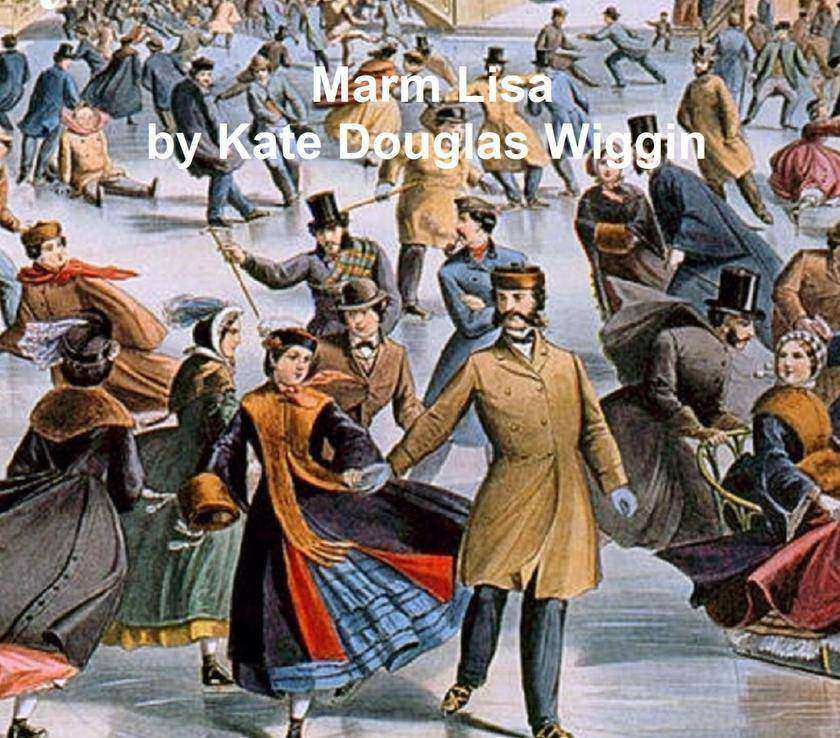
Marm Lisa
¥8.09
Classic novel. According to Wikipedia: "Kate Douglas Wiggin ( 1856 - 1923) was an American children's author and educator. Kate Douglas Smith Wiggin was born in Philadelphia, and was of Welsh descent. She started the first free kindergarten in San Francisco in 1878 (the Silver Street Free Kindergarten). With her sister in the 1880s she also established a training school for kindergarten teachers. She was also a writer of children's books, the best known being The Birds' Christmas Carol (1887) and Rebecca of Sunnybrook Farm (1903)."
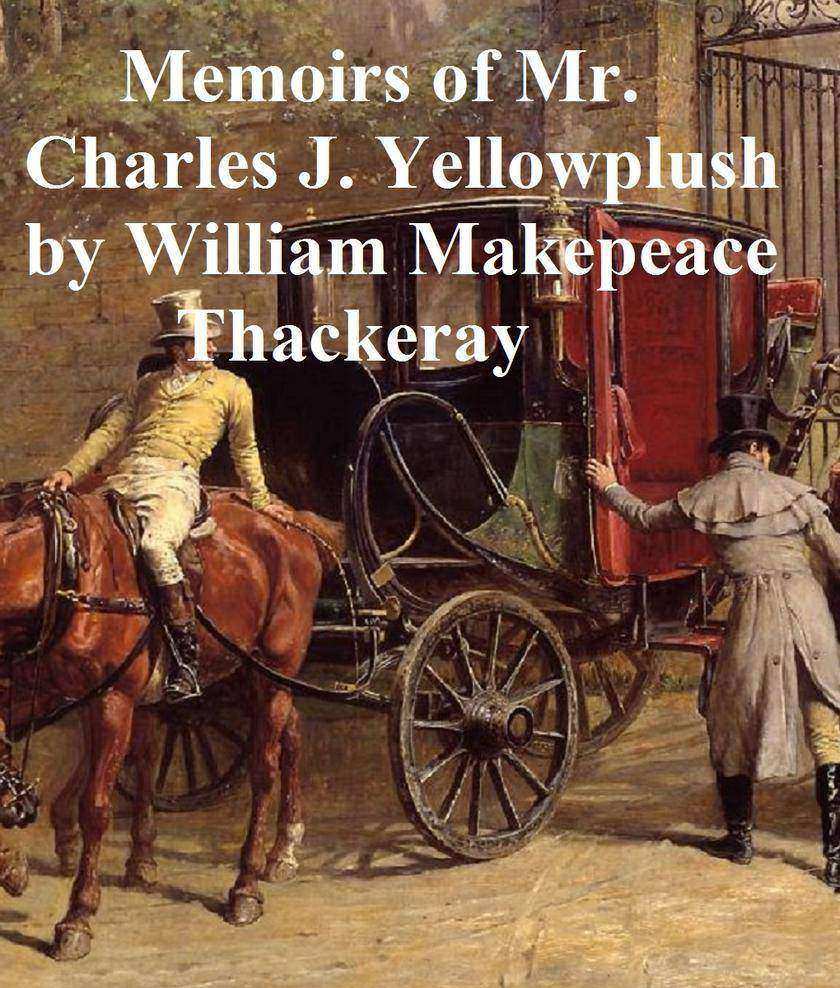
Memoirs of Charles J. Yellowplush
¥8.09
Classic novel. According to Wikipedia: "Thackeray is most often compared to one other great novelist of Victorian literature, Charles Dickens. During the Victorian era, he was ranked second only to Dickens, but he is now much less read and is known almost exclusively for Vanity Fair. In that novel he was able to satirize whole swaths of humanity while retaining a light touch. It also features his most memorable character, the engagingly roguish Becky Sharp. As a result, unlike Thackeray's other novels, it remains popular with the general reading public; it is a standard fixture in university courses and has been repeatedly adapted for movies and television. In Thackeray's own day, some commentators, such as Anthony Trollope, ranked his History of Henry Esmond as his greatest work, perhaps because it expressed Victorian values of duty and earnestness, as did some of his other later novels. It is perhaps for this reason that they have not survived as well as Vanity Fair, which satirizes those values."
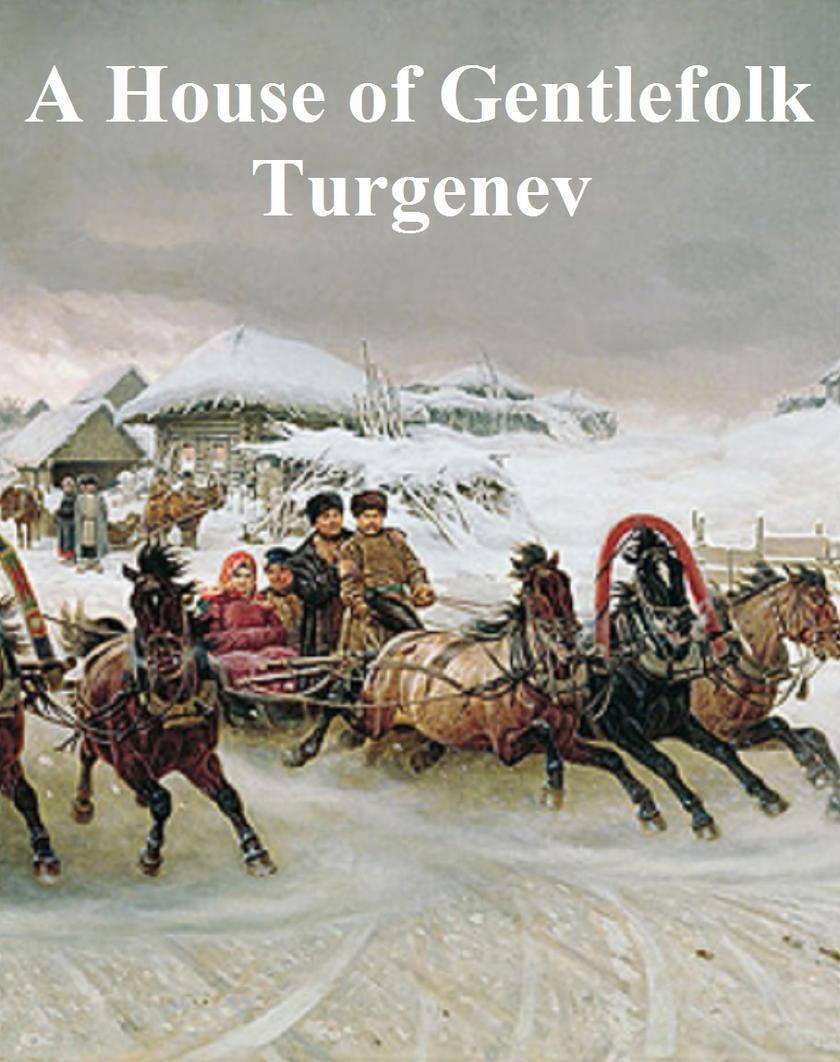
A House of Gentlefolk
¥8.09
Classic Russian novel. According to Wikipedia: "Ivan Sergeyevich Turgenev 1818 - 1883) was a Russian novelist and playwright. His novel Fathers and Sons is regarded as one of the major works of 19th-century fiction."


