


 购物车
购物车 个人中心
个人中心
Cary Grant: A Class Apart (Text Only)
¥65.24
The ultimate biography of this ever-popular star and icon, from a young Cambridge don who has already made his name with a much praised biography of Marilyn Monroe. Cary Grant made men seem like a good idea. Tall, dark and handsome with a rare gift for light comedy, he played a leading man who liked to be led, a man of the world who was a man of the people. Cary Grant was Hollywood’s quintessential democratic gentleman. Born in England as Archie Leach, made famous in America as Cary Grant, he was a star for more than 30 years, in more than 70 movies, his popularity still intact when he brought his career to a close. He was never replaced: nobody else talked like that, looked like that, behaved like that. He was a class apart. Cary Grant never explained how he came to play ‘Cary Grant’ so well. ‘Nobody is every truthful about his own life,’ he said. ‘There are always ambiguities.’ This book explores the ambiguities in the life and work of Cary Grant: a working class Englishman who portrayed a well-bred American; the playful entertainer who became a powerful businessman; the intimate stranger who was often the seduced male. Thorough and meticulously researched, this book is a dazzling and entertaining account of Cary Grant’s broad and enduring appeal.
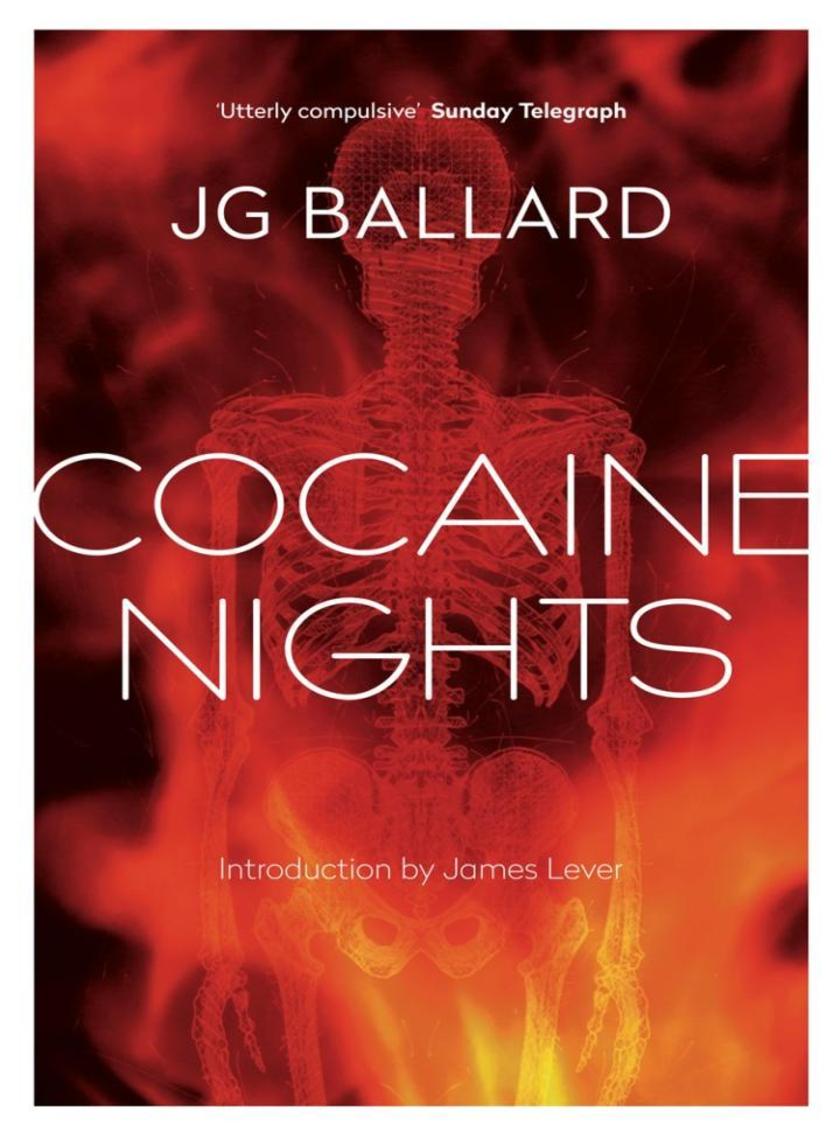
Cocaine Nights
¥57.09
‘Snort up “Cocaine Nights”. It’s disorientating, deranging and knocks the work of other avant-garde writers into a hatted cock’ Will Self Five people die in an unexplained house fire in the Spanish resort of Estrella de Mar, an exclusive enclave for the rich, retired British, centred on the thriving Club Nautico. The club manager, Frank Prentice, pleads guilty to charges of murder – yet not even the police believe him. When his Charles arrives to unravel the truth, he gradually discovers that behind the resort’s civilized fa?ade flourishes a secret world of crime, drugs and illicit sex. At once an engrossing mystery and a novel of ideas, ‘Cocaine Nights’ is a stunningly original work, a vision of a society coming to terms with a life of almost unlimited leisure. This edition is part of a new commemorative series of Ballard’s works, featuring introductions from a number of his admirers (including Neil Gaiman, Zadie Smith, John Lanchester and Martin Amis) and brand-new cover designs.
C. S. Lewis: A Biography
¥82.01
This acclaimed biography charts the progress of the brilliant, prolific writer, C. S. Lewis. C. S. Lewis was a deeply complex man, capable of inspiring both great devotion and great hostility. This acclaimed biography charts the progress of the clever child from the ‘Little End Room’ of his Ulster childhood and adult life, exploring Lewis’s unwilling conversion to Christianity, the genesis of his writing, and the web of his relationships.
The Verruca Bazooka (GUNK Aliens, Book 1)
¥27.27
Aliens are coming… to get up your nose! A long time ago, on a planet really, really far away, a bunch of slimy aliens discovered the secret to clean, renewable energy – snot! That was when the Galactic Union of Nasty Killer Aliens (G.U.N.K.) was born. Its mission: to find human life and drain its snot. Rockets were sent to the four corners of the known universe, each carrying representatives from the major alien races. Three of them were never heard from again. But one of them landed on a planet quite simply full of humans. This one. Now all that stands between earth and alien invasion is a hero named Jack. Problem is, he’s not even out of primary school yet…
The New Naturalists (Collins New Naturalist Library, Book 82)
¥228.28
A history of the most successful, significant and long-running natural history series in the world. A history of the most successful, significant and long-running natural history series in the world. In 1995 Collins published the 82nd volume in the New Naturalist series to coincide with its 50th anniversary. Ten years on, Peter Marren has revised this fascinating account of the series. He covers the illustrious careers of its authors, how each title was conceived and received, and includes plates of the sketches and roughs of the jackets. It also gives behind-the-scenes details of the also-rans and the books-that-never-were. This will appeal to the collector's market - it has a lengthy appendix dedicated to collecting the series with advice on how to spot a good edition, and a star rating according to scarcity - and will mark the 60th anniversary of the publication of the first new naturalist title. Peter Marren is a trained ecologist who worked as a woodland scientist, conservation officer and author-editor with the Natural Conservancy Council between 1977 and 1992. He has written numerous book and articles and contributes regularly to British Wildlife.
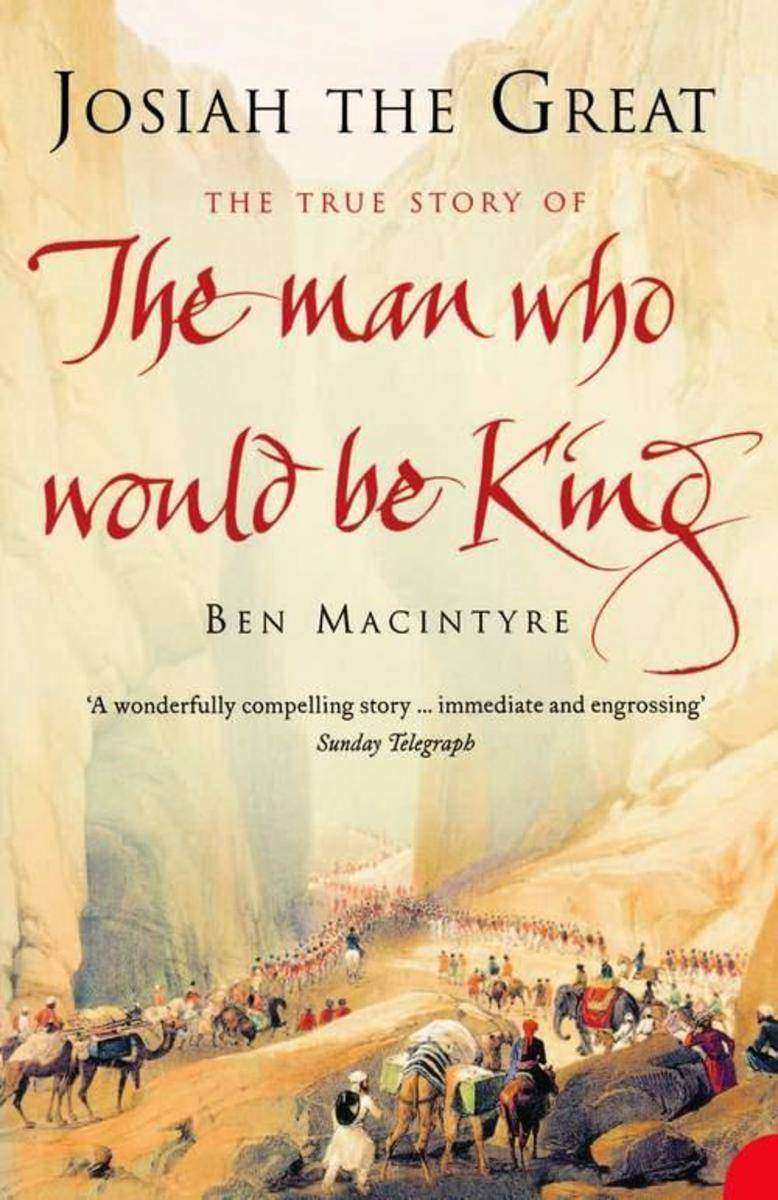
Josiah the Great: The True Story of The Man Who Would Be King
¥68.67
The amazing tale of a resourceful and unscrupulous early-19th-century American adventurer who forges his own kingdom in the wilds of Afghanistan. In the year 1838, a young adventurer, surrounded by his native troops and mounted on an elephant, raised the American flag on the summit of the Hindu Kush and declared himself Prince of Ghor, the heir to Alexander the Great. Josiah Harlan, the first American to set foot in Afghanistan, would become the model for Kipling’s ‘The Man Who Would be King’, but the true story of his life is stranger than fiction. A soldier, spy, doctor, naturalist and writer, Harlan set off into the wilds of Central Asia after a failed love affair in 1820. Following a brief stint as a surgeon in the East India Company’s army, he joined the court of the deposed Afghan monarch Shah Shujah, and then slipped into Kabul disguised as a Muslim priest to foment rebellion. For the next two decades he would play a pivotal role in the bloody politics of the region. Using a trove of newly discovered documents, including Harlan’s long-lost journals, Ben Macintyre has followed Harlan’s footsteps to uncover an astonishing, untold chapter in the history of the Great Game. If you enjoyed William Dalrymple’s ‘Return of a King’, ‘Josiah the Great’ should be on your reading list.

Secretariat
¥45.62
The remarkable true story of ‘Big Red,’ one of America’s finest racehorses. When her beloved Meadow Stables is faced with closure following her father’s illness, housewife and mother Penny Chenery agrees to take over. Despite her lack of horse-racing knowledge she calls in assistance from trainer Lucien Laurin and a host of successful jockeys. Pitted against the Phipps’ racing dynasty, Penny takes the decision to breed her mare Somethingroyal to the Phipps’ Bold Ruler, the nation’s favourite stallion. With the toss of a coin it is agreed that one family will take Somethingroyal’s first foal with the losing stable taking the colt out of Hasty Matelda and Somethingroyal’s second foal. Penny loses the toss, but the wait for the unborn foal proves fortuitous when a bright red chestnut colt is born, Secretariat. Nicknamed “Big Red,” with Laurin’s guidance, Penny manages to navigate the male-dominated business of horse racing, ultimately fostering the first Triple Crown winner in 25 years and what may be the greatest racehorse of all time. Now, more than 30 years after its initial publication, the story of "Big Red" continues to be a classic. Secretariat is the tale of a great racehorse but also a testimony to the dedication of Penny Chenery. Following her triumph with Secretariat she was elected as the first female member of The Jockey Club, changing the face of American horse racing forever.
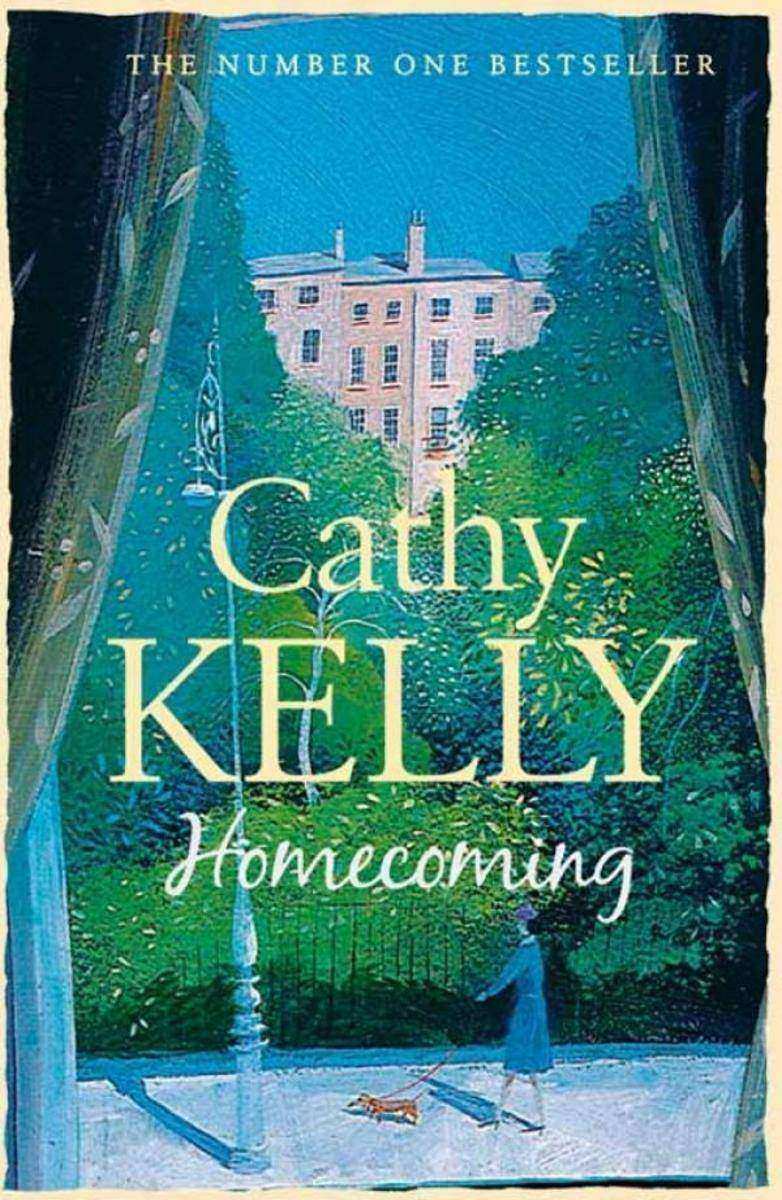
Homecoming
¥65.16
The Sunday Times No. 1 paperback bestseller. …because it’s where the heart is. Four women. Four lives. One place they call home. Eleanor Levine left Ireland years ago with just a suitcase and her mother’s recipe book. And now, a lifetime later, she returns from New York for Dublin’s beautiful Golden Square full of hard-won wisdom. As she watches life unfold from her window, she is drawn into the lives of the women who live in the square… Beautiful actress Megan Bouchier had fame and success in her grasp – then she made the wrong kind of headlines. Now she needs a place to hide. Big-hearted teacher Connie O’Callaghan is approaching forty and has given up on love. Why does no man match the heroes in her romantic novels? Rae is a loyal friend and wife, dispensing tea and sympathy from Titania’s Tea Room – until a secret threatens everything she holds dear… Rae is a loyal friend and wife, dispensing tea and sympathy from Titania’s Tea Room – until a secret threatens everything she holds dear…
Smart Swarm: Using Animal Behaviour to Organise Our World
¥72.30
How Understanding Flocks, Schools and Colonies Can Make Us Better at Communicating, Decision Making and Getting Things Done. The modern world may be obsessed with speed and productivity, but twenty-first century humans actually have much to learn from the ancient instincts of swarms. A fascinating new take on the concept of collective intelligence and its colourful manifestations in some of our most complex problems, Smart Swarm introduces a compelling new understanding of the real experts on solving our own complex problems relating to such topics as business, politics, and technology. Based on extensive globe-trotting research, this lively tour from National Geographic reporter Peter Miller introduces thriving throngs of ant colonies, which have inspired computer programs for streamlining factory processes, telephone networks, and truck routes; termites, used in recent studies for climate-control solutions; schools of fish, on which the U.S. military modelled a team of robots; and many other examples of the wisdom to be gleaned about the behaviour of crowds-among critters and corporations alike. In the tradition of James Surowiecki's The Wisdom of Crowds and the innovative works of Malcolm Gladwell, Smart Swarm is an entertaining yet enlightening look at small-scale phenomena with big implications for us all.

Meerkat Madness (Awesome Animals)
¥31.49
The first book in the hilarious Awesome Animals series – awesome adventures with the wildest wildlife. Told in Ian Whybrow’s unique style, this hilarious animal adventure starring ever-popular meerkats is a funny, fast-paced, sure-fire hit. Meerkat Madness is the story of a burrow of meerkat pups and their eccentric babysitter, Uncle Fearless who once travelled to the Blah-Blah camp at the edge of the desert. Truth be told, Uncle is a bit of a show-off but the pups love his colourful stories even if they don’t really believe them. But then they find a mysterious object buried in the sand and it isn’t long before they are caught up in a daring adventure of their own! A hilarious story about ever-endearing meerkats from the creator of Harry and the Bucketful of Dinosaurs.
Casper Candlewacks in the Claws of Crime! (Casper Candlewacks, Book 2)
¥44.15
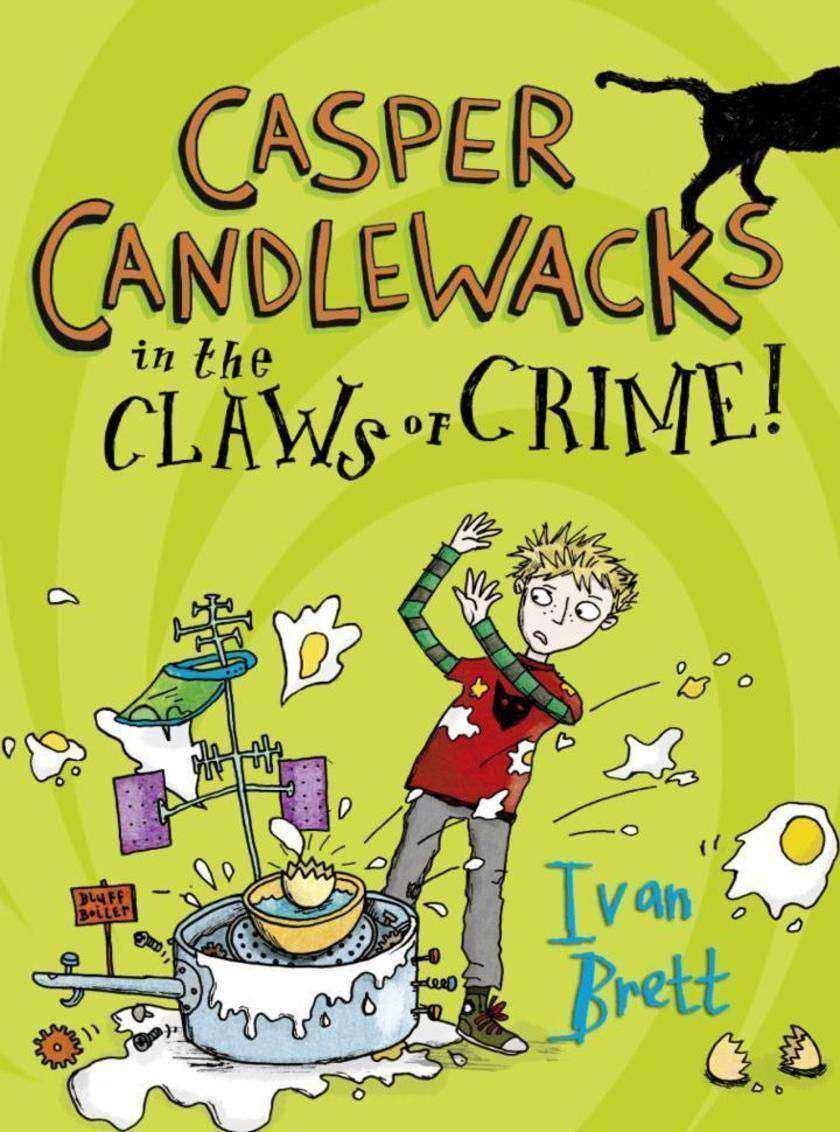
Jeremy Strong described Ivan's first Casper Candlewacks book as a "funny and engaging debut". This is the triumphant follow-up from the funniest new voice in fiction and once again unsung hero, Casper must save the day. Most villages have an idiot but Casper's village is full of them. So being bright makes poor Casper something of an outsider. An infamous cat burglar has struck in the village of Corne-on-the-Kobb, stealing a precious jewelled sword and kidnapping Casper’s baby sister. To make matters worse a gaggle of amateur detectives are on the case, questioning the villagers and getting in the way. Armed only with his wits, an egg-boiling lie-detecting machine and his best friend Lamp, can Casper rescue his sister and save the day? A side-splittingly funny tale for girls and boys
The Goblin King (Sophie and the Shadow Woods, Book 1)
¥27.27
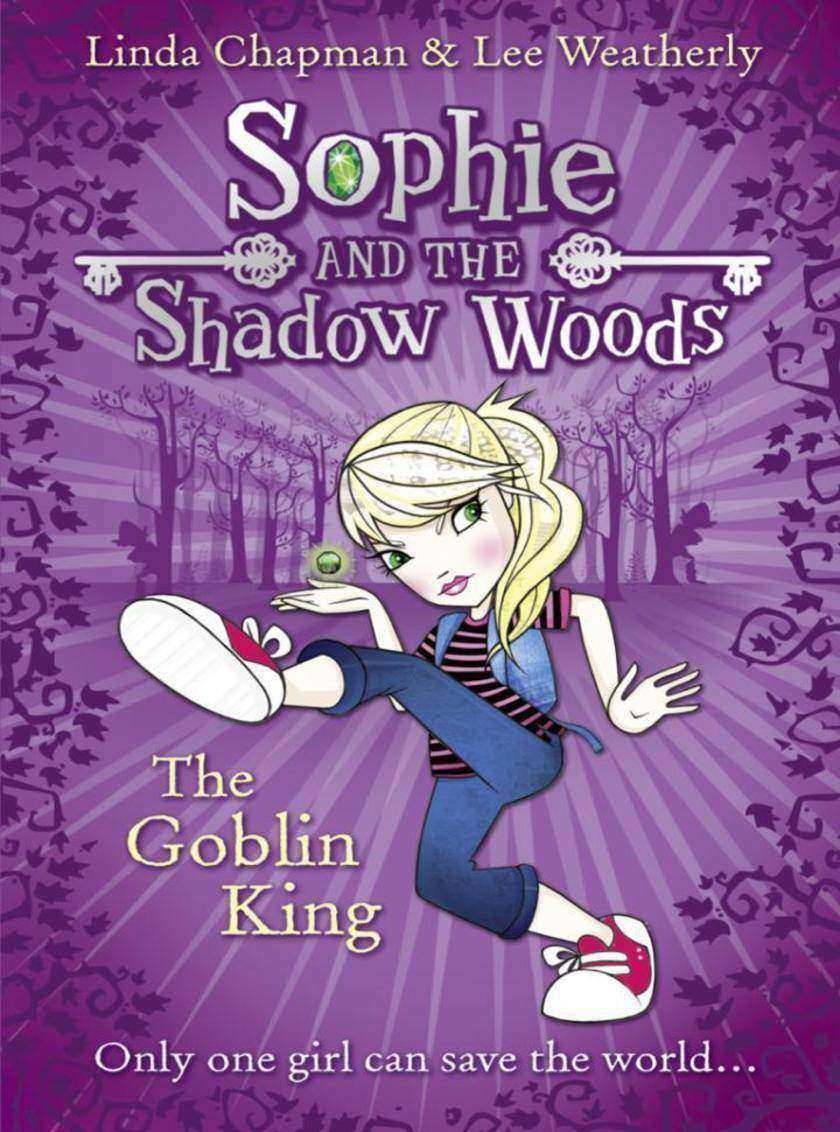
Exciting 6 book character-led series for 7+ girls who love adventure! Very few people ever enter the Shadow Woods, for these woods are like no others. Hidden deep within them is the Gateway to the Shadow Realm – a dark and chaotic world where all kinds of gruesome creatures live… On her tenth birthday, tomboy Sophie learns she is the Guardian of the magical gateway, and that her destiny is to protect the human world from the goblins, trolls and evil sprites that inhabit the Shadow Woods. Each book sees Sophie having to outwit weird and terrifying creatures from the Shadow Woods, starting with the gruesome Goblins!
The Swamp Boggles (Sophie and the Shadow Woods, Book 2)
¥27.27
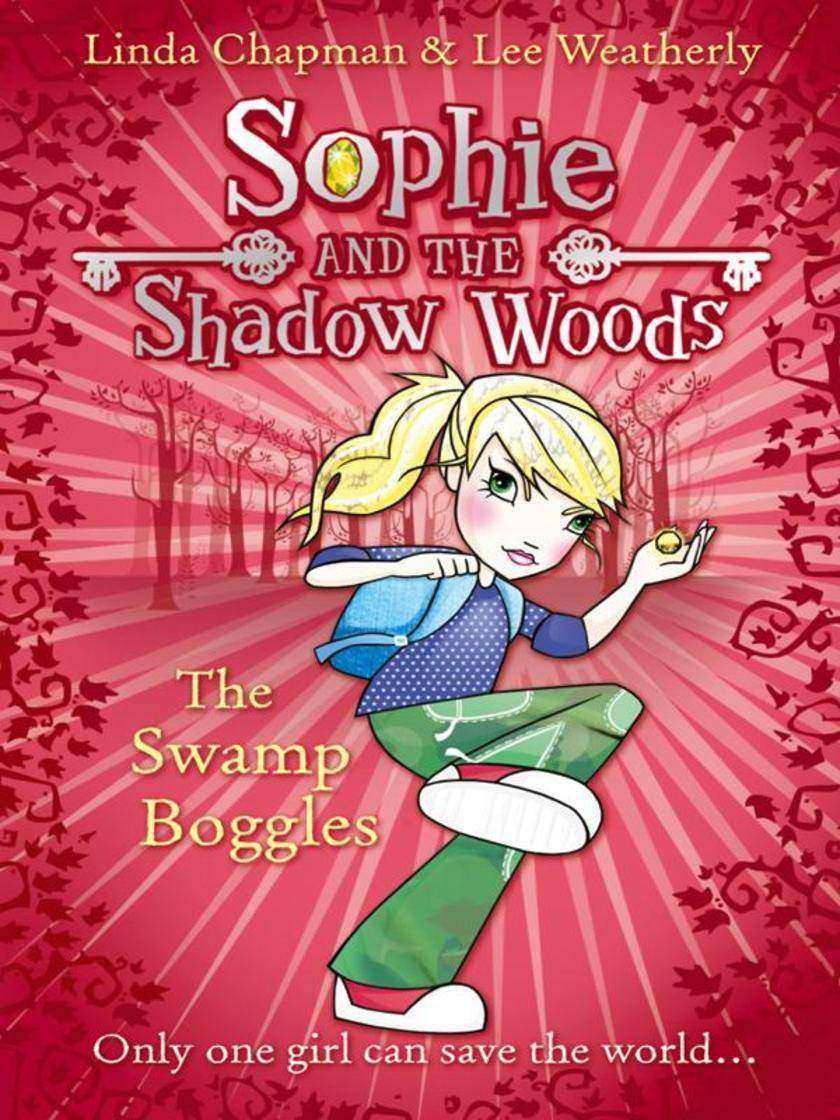
The second action-packed quest in an exciting new six book character-led series for 7+ girls who love fantasy, adventure, and high-kicking heroines! This time, Sophie has to call upon all her strength and skills to defeat her most gruesome foe yet… THE SWAMP BOGGLES! Very few people ever enter the Shadow Woods, for these woods are like no others. Hidden deep within them is the Gateway to the Shadow Realm – a dark and chaotic world where all kinds of gruesome creatures live… On her tenth birthday, tomboy Sophie learns she is the Guardian of the magical gateway, and that her destiny is to protect the human world from the goblins, trolls and evil sprites that inhabit the Shadow Woods. Together with her brave best friend and loyal sidekick, Sam, Sophie must find a way to stop an invasion of disgusting slime-filled, stinky Swamp Boggles from causing mayhem in her town and it’ll take all of Sophie’s Guardian magic powers to defeat it!

The Fog Boggarts (Sophie and the Shadow Woods, Book 4)
¥27.27
The fourth action-packed quest in an exciting six book character-led series for 7+ girls who love fantasy, adventure, and high-kicking heroines! Very few people ever enter the Shadow Woods, for these woods are like no others. Hidden deep within them is the Gateway to the Shadow Realm – a dark and chaotic world where all kinds of gruesome creatures live… On her tenth birthday, tomboy Sophie learns she is the Guardian of the magical gateway, and that her destiny is to protect the human world from the goblins, trolls and evil sprites that inhabit the Shadow Woods. Each book sees Sophie having to outwit weird and terrifying creatures from the Shadow Woods, and in this fourth action-packed adventure, we meet the stinky Fog Boggarts!
The Icicle Imps (Sophie and the Shadow Woods, Book 5)
¥27.27
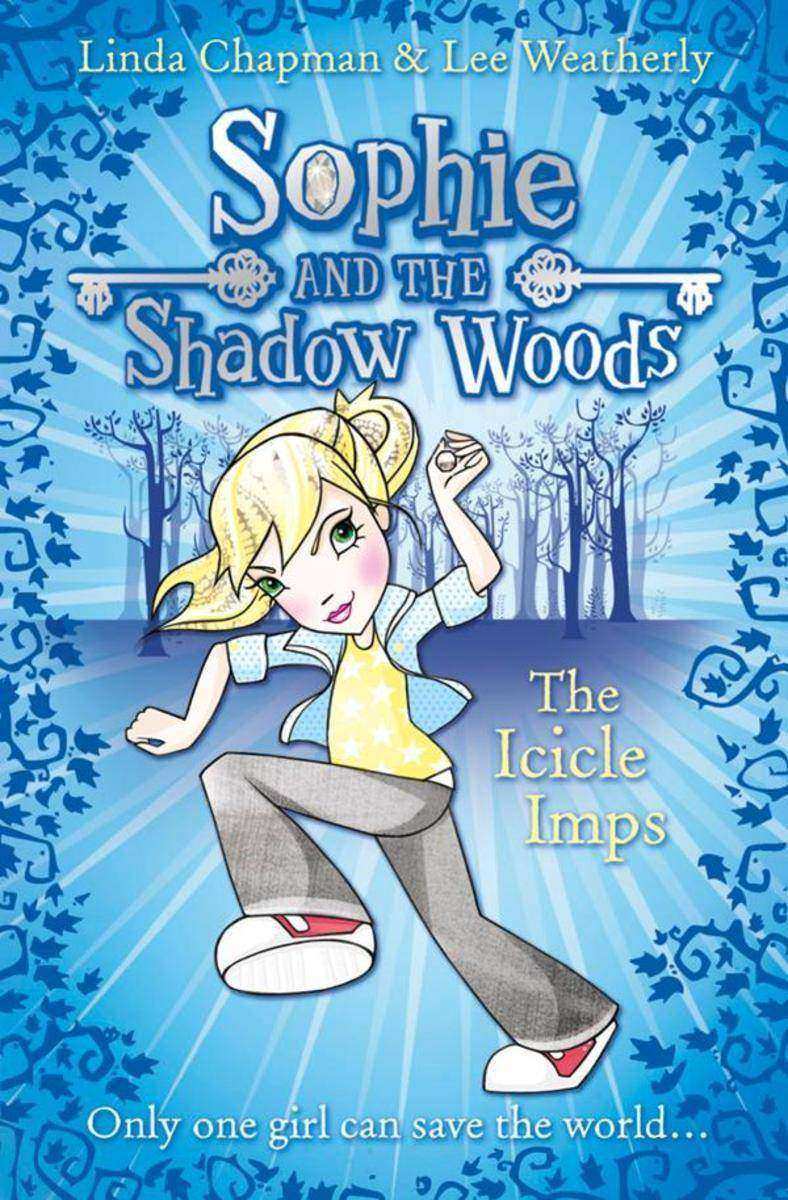
The fifth action-packed quest in an exciting new six book character-led series for 7+ girls who love fantasy, adventure, and high-kicking heroines! Very few people ever enter the Shadow Woods, for these woods are like no others. Hidden deep within them is the Gateway to the Shadow Realm – a dark and chaotic world where all kinds of gruesome creatures live… On her tenth birthday, tomboy Sophie learns she is the Guardian of the magical gateway, and that her destiny is to protect the human world from the goblins, trolls and evil sprites that inhabit the Shadow Woods. Each book sees Sophie having to outwit weird and terrifying creatures from the Shadow Woods, and in this fifth action-packed adventure, it’s the turn of the nasty Icicle Imps!
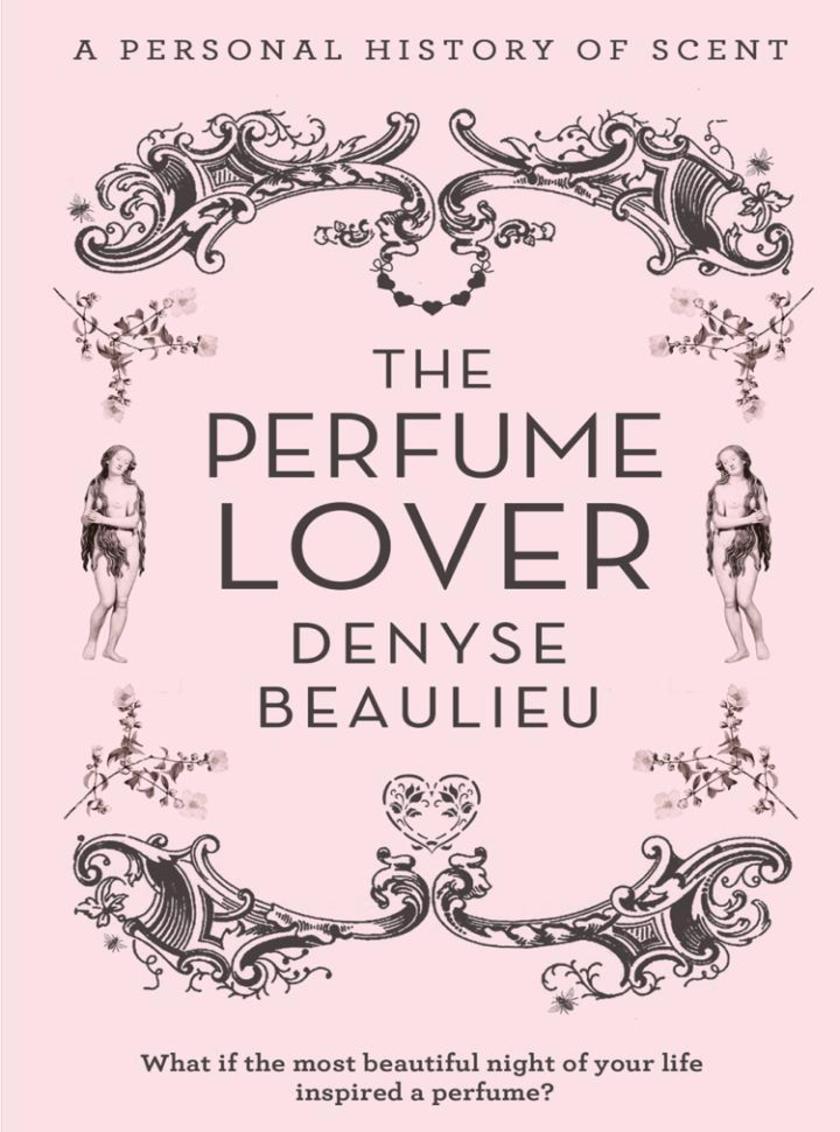
The Perfume Lover: A Personal Story of Scent
¥66.22
‘Why couldn’t I be a perfumer’s muse? I’ve come such a long way in the realm of scent. In fact, I was never really meant to poke my nose into it …’ The Perfume Lover by Denyse Beaulieu is an intimate journey into the mystery of scent. What if the most beautiful night in your life inspired a fragrance? Denyse Beaulieu is a respected fragrance writer; it is her world, her love, her life. When she was growing up, perfume was forbidden in her house, spurring a childhood curiosity that went on to become an intellectual and sensual passion. It is this passion she pursued all the way to Paris, where she now lives, and entered the secretive world of the perfume industry. But little did she know that it would lead her to achieve a fragrance lover’s wildest dream … When Denyse tells a famous perfumer of a sensual night spent in Seville under an orange tree in full blossom, wrapped in the arms of a beautiful young man, the story stirs his imagination and together they create a scent that captures the essence of that night. This is the story of that perfume. As the unique creative collaboration unfolds, the perfume-in-progress conjures intimate memories, leading Beaulieu to make sense of her life through scents. Throughout, she weaves the evocative history of perfumery into her personal journey, in an intensely passionate voice: the masters and the masterpieces; the myths and the myth-busting, down to the molecular mysteries that weld our flesh to flowers… The Perfume Lover is an unprecedented account of the creative process that goes into composing a fragrance, and a uniquely candid insider’s view into the world and history of fragrance. Your world will never smell the same.
One-Pot Cooking: Casseroles, curries, soups and bakes and other no-fuss family f
¥73.58
Love cooking but tired of of washing up all those pots and pans? One-Pot cooking contains over 130 delicious and easy-to-make recipes that can be cooked in just one dish. Bestselling food writer Katie Bishop shows you how easy it is to produce fast, hassle-free meals for all the family. From favourites such as chicken curry and oven-baked risotto, Asian-inspired noodles and stir-fries to mouth-watering desserts, every recipe will delight those looking for good food that requires minimal clearing up. Katie's straightforward, helpful style and inspired recipes, which use easily attainable supermarket ingredients, will be loved by anyone who wants to produce perfect meals every time. One-pot is divided into six accessible chapters and recipes include: * In a Pot - Sausage, bean and tomato hot pot; Thai coconut beef curry; Creamy cauliflower cheese soup; Toffee apple pudding. * In a Pan - Big brunch breakfast omelette; Pesto pepper chicken and potatoes; Speedy pasta and meatballs; Emergency prawn curry. * In a Wok - Lemon Chicken with rise; Lamb, spring green and garlic noodles; Rainbow vegetable and cashew nut stir-fry. * In a Bowl - Watercress, blue cheese, pear and pecan salad; Smoked salmon with celeriac and capers; Chicken and lentil salad; Rocky road; Strawberry and vanilla shortcakes. * In the Oven - Quick Fish Pie; Baked garlic mushroom risotto; Roast beef and Yorkshire pudding; Creamy potato and blue cheese gratin; Easy apple pies. * Under the Grill - Pork burgers; Lamb and mango chutney kebabs; Charred steak and onion sandwiches; Sticky balsamic duck and fig salad; Caramelised bananas with pecan praline.
Little Bird of Heaven
¥57.09
‘A writer of extraordinary strengths’ Guardian Set in the mythical small city of Sparta, New York, this searing, vividly rendered exploration of the mysterious conjunction of erotic romance and tragic violence in late 20th-century America. When a young wife and mother named Zoe Kruller is found brutally murdered, the Sparta police target two primary suspects: her estranged husband Delray and her longtime lover Eddy Diehl. In turn, the Krullers's son Aaron and Eddy's daughter Krista become obsessed with one another, each believing the other's father is guilty. Told in halves in the very different voices of Krista and Aaron, Little Bird of Heaven is classic Joyce Carol Oates, in which the lyricism of intense sexual love is intertwined with the anguish of loss, and tenderness is barely distinguishable from cruelty. By the novel's end, the fated lovers, meeting again as adults, are at last ready to exorcise the ghosts of the past and come to terms with their legacy of guilt, misplaced love and redemptive yearning. With Little Bird of Heaven, Joyce Carol Oates once again confirms her place as one of the most outstanding writers at work today.
Sacrament
¥68.67
A famous photographer lying in a coma holds the key to the salvation of the world. But first he must travel back into the traumatic events of his childhood. Will Rabjohns has everything. He’s handsome, he’s rich, and he’s revered as the world’s greatest wildlife photographer. He’s also a haunted man, driven to risk his life for his art – to capture the raw tragedy of the wild, the beauty of nature’s violence. After a near fatal encounter with a polar bear, he lies in a coma. There he must relive a central childhood memory: a meeting with ancient and terrible forces which revealed to him the mystery at the heart of nature. And he realizes that if he awakes, he must confront the darkness of his past and wage a war, not only for his own soul, but for the soul of the planet and every animal that breathes upon it.

Witnessing Waterloo: 24 Hours, 48 Lives, A World Forever Changed
¥73.58
‘Of all the books marking the bicentenary Waterloo, this has to be the best’ Spectator ‘A book to die for’ Evening Standard From Samuel Johnson Prize shortlisted author David Crane, this is a breathtaking portrait of the Britain that fought the battle of Waterloo. As Wellington’s rain-sodden army retreated towards an obscure valley called Waterloo, the men and women of Britain were still going to the theatre and science lectures, working in the fields and the factories, reading and writing books and sermons, painting their pictures and sitting in front of Lord Elgin’s marbles. David Crane’s stunning freeze-frame of Britain on this day of momentous change shifts hour by hour between Britain and Belgium. The Britain that fought Waterloo – its radicals and patriots, artisans and aristocrats, prisoners and poets – appears through the smoke of battle and the mythology of Waterloo in this magnificent and original tracing of the endless, overlapping connections between people’s lives.
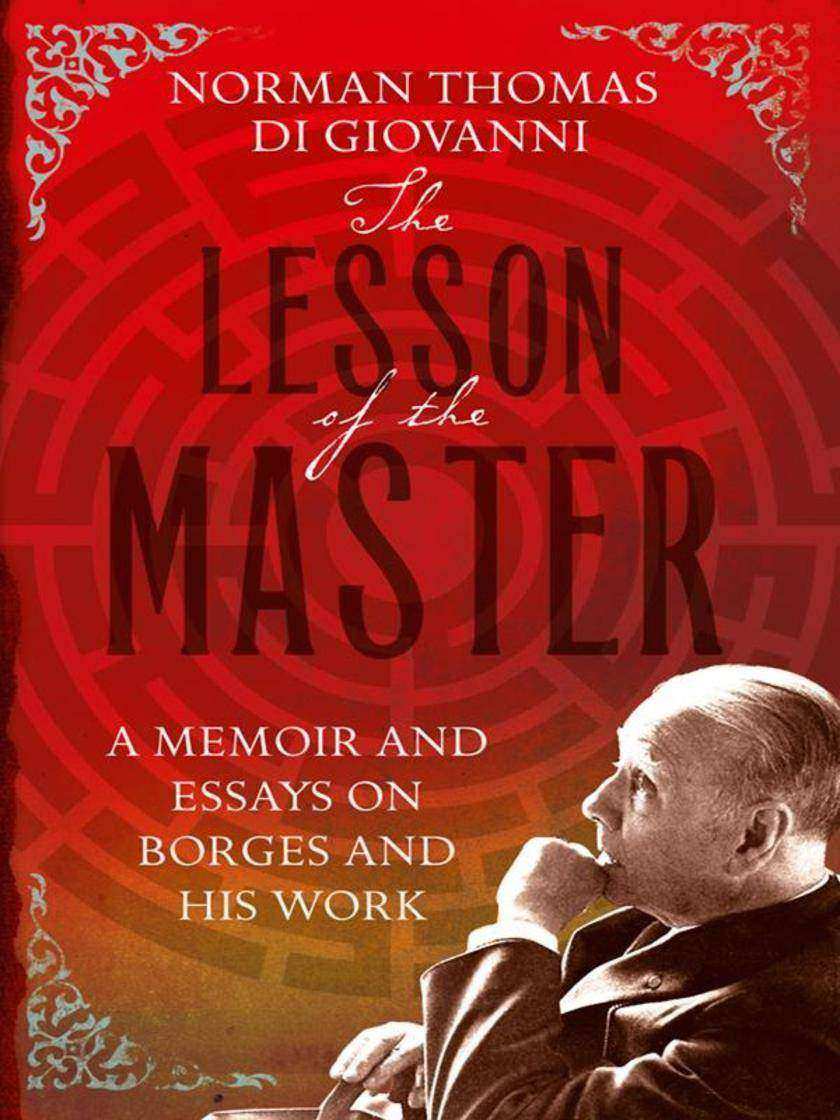
The Lesson of the Master
¥34.14
A collection of essays on Jorge Luis Borges by his long-time friend and collaborator. Jorge Luis Borges - Argentine poet, essayist, and short-story writer - is widely considered one of the giants of 20th-century world literature. Norman Thomas di Giovanni worked alongside Borges for a number of years creating English translations of his work, the only translations personally overseen by Borges himself. In The Lesson of the Master, a memoir and essays, he writes about his time with Borges but also offers us a unique insight on the man and his work. It is an indispensable volume for Borges readers and his growing legion of students and scholars.


