


 购物车
购物车 个人中心
个人中心

An Antarctic Mystery
¥40.79
A wealthy American Jeorling is looking for a passage back to the USA after private studies of the wildlife on the Kerguelen Islands. Halbrane is one of the first ships to arrive at Kerguelen, and its captain Len Guy somewhat reluctantly agrees to have Jeorling as a passenger as far as Tristan da Cunha. Underway, they meet a stray iceberg with a dead body on it, which turns out to be a sailor from Jane. A note found with him indicates that he and several others including Jane's captain William Guy had survived the assassination attempt at Tsalal and are still alive.
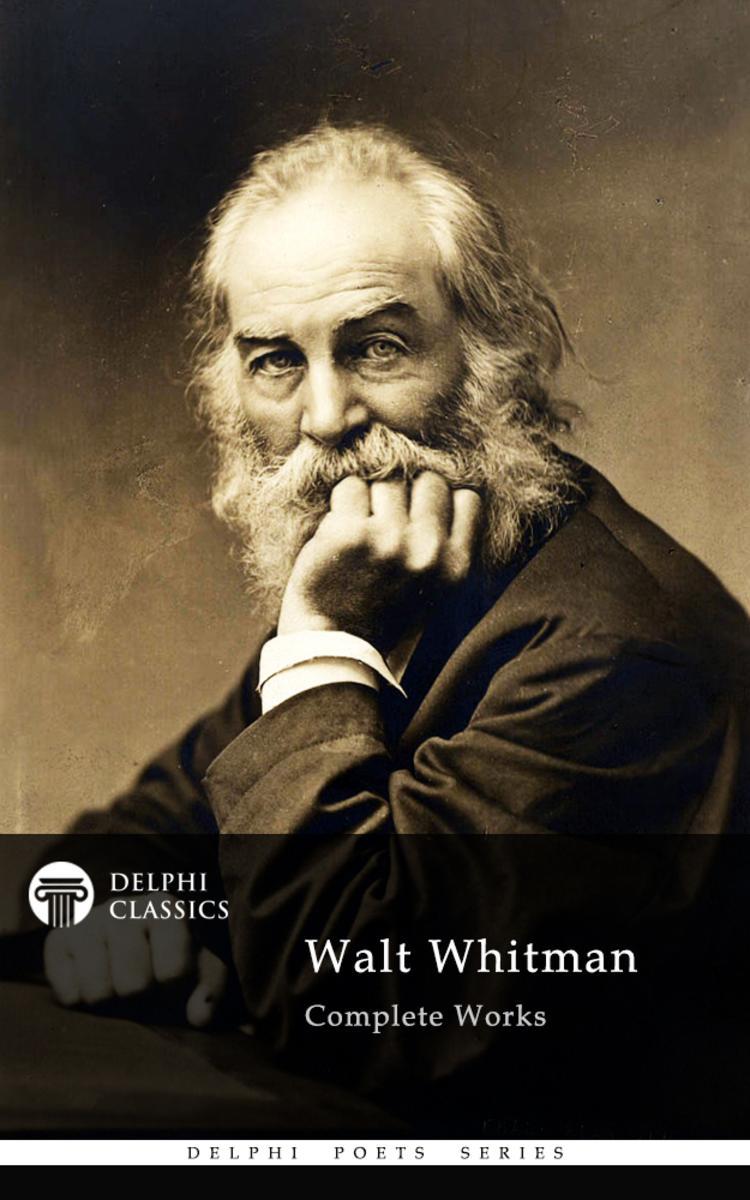
Delphi Complete Works of Walt Whitman (Illustrated)
¥16.27
This is the fifth volume of a new series of publications by Delphi Classics, the best-selling publisher of classical works. Many poetry collections are often poorly formatted and difficult to read on eReaders. The Delphi Poets Series offers readers the works of literature’s finest poets, with superior formatting. This volume presents the complete poetical works of Walt Whitman, with beautiful illustrations and the usual Delphi bonus material. (Version: 1) * Beautifully illustrated with images relating to Whitman’s life and works * Concise introductions to the poetry and other works * Images of how the poetry books were first printed, giving your eReader a taste of the original texts * Excellent formatting of the poems * Special chronological and alphabetical contents tables for the poetry * Easily locate the poems you want to read * Includes two collections of Whitman’s letters – spend hours exploring the poet’s personal correspondence * Also includes Whitman’s scarce novel FRANKLIN EVANS, appearing here for the first time in digital print * Features the complete prose works * Scholarly ordering of texts into chronological order and literary genres CONTENTS: The Poetry Collections LEAVES OF GRASS, 1855 LEAVES OF GRASS, 1892 OLD AGE ECHOES UNCOLLECTED AND REJECTED POEMS The Poems LIST OF POEMS IN CHRONOLOGICAL ORDER LIST OF POEMS IN ALPHABETICAL ORDER The Novel FRANKLIN EVANS Other Prose Works LIST OF PROSE WORKS The Letters THE WOUND DRESSER THE LETTERS OF ANNE GILCHRIST AND WALT WHITMAN

Life of Harriet Beecher Stowe by Charles Edward Stowe - Delphi Classics (Illustr
¥8.09
This eBook features the unabridged text of ‘Life of Harriet Beecher Stowe by Charles Edward Stowe by Harriet Beecher Stowe - Delphi Classics (Illustrated)’ from the bestselling edition of ‘The Complete Works of Harriet Beecher Stowe’. Having established their name as the leading publisher of classic literature and art, Delphi Classics produce publications that are individually crafted with superior formatting, while introducing many rare texts for the first time in digital print. The Delphi Classics edition of Stowe includes original annotations and illustrations relating to the life and works of the author, as well as individual tables of contents, allowing you to navigate eBooks quickly and easily. eBook features: * The complete unabridged text of ‘Life of Harriet Beecher Stowe by Charles Edward Stowe by Harriet Beecher Stowe - Delphi Classics (Illustrated)’ * Beautifully illustrated with images related to Stowe’s works * Individual contents table, allowing easy navigation around the eBook * Excellent formatting of the text Please visit www.delphiclassics.com to learn more about our wide range of titles
The Wisdom of Father Brown
¥40.79
Two men appeared simultaneously at the two ends of a sort of passage running along the side of the Apollo Theatre in the Adelphi. The evening daylight in the streets was large and luminous, opalescent and empty. The passage was comparatively long and dark, so each man could see the other as a mere black silhouette at the other end. Nevertheless, each man knew the other, even in that inky outline; for they were both men of striking appearance and they hated each other.
Marcus Aurelius Complete Works – World’s Best Collection: All Works
¥8.09
Marcus Aurelius Complete Works – World’s Best World's Best Collection This is the world’s best Marcus Aurelius collection, including the most complete set of Aurelius’s works available plus many free bonus materials. Marcus Aurelius Marcus Aurelius was a Roman Emperor from 161 to 180, known as one of the last of the Five Good Emperors, and is also considered one of the most important Stoic philosophers. His seminary work ‘Meditations’ has been revered since ancient times, and is still highly influential The ‘Must-Have’ Complete Collection In this irresistible collection you get all Marcus Aurelius’s work, plus several comprehensive and extensive notes, interpretations and annotative notes on his writings. Plus we also include a biography so you can experience the life of the man behind the words, and understand them on an even deeper level. Works Included: Biography Of Marcus Aurelius Antoninus The Philosophy Of Marcus Aurelius Antoninus The Meditations Of Marcus Aurelius Antoninus Your Special Bonuses A Guide To Stoicism: Philosophy Among The Greeks And Romans An in depth look at the philosophy that Aurelius followed and thought on, delving into it’s origins and basis, including chapters on: Logic Ethics Physic Stoicism The history and concepts of the Stoic philosophy, noting a special chapter on Aurelius and how his Stoic philosophy compared to others, including chapters on: Thought And Character Of Socrates Cynics Rise Of Stoicism And Its Relation To The Spirit Of The Age Stoicism At Rome Under The Republic Marcus Aurelius Antoninus, Or Stoicism On The Throne "How to Apply Stoicism in Your Daily Life"?- Written specially for this collection. Get This Collection Right Now This is the best Marcus Aurelius collection you can get, so get it now and start enjoying and being inspired by his world like never before!
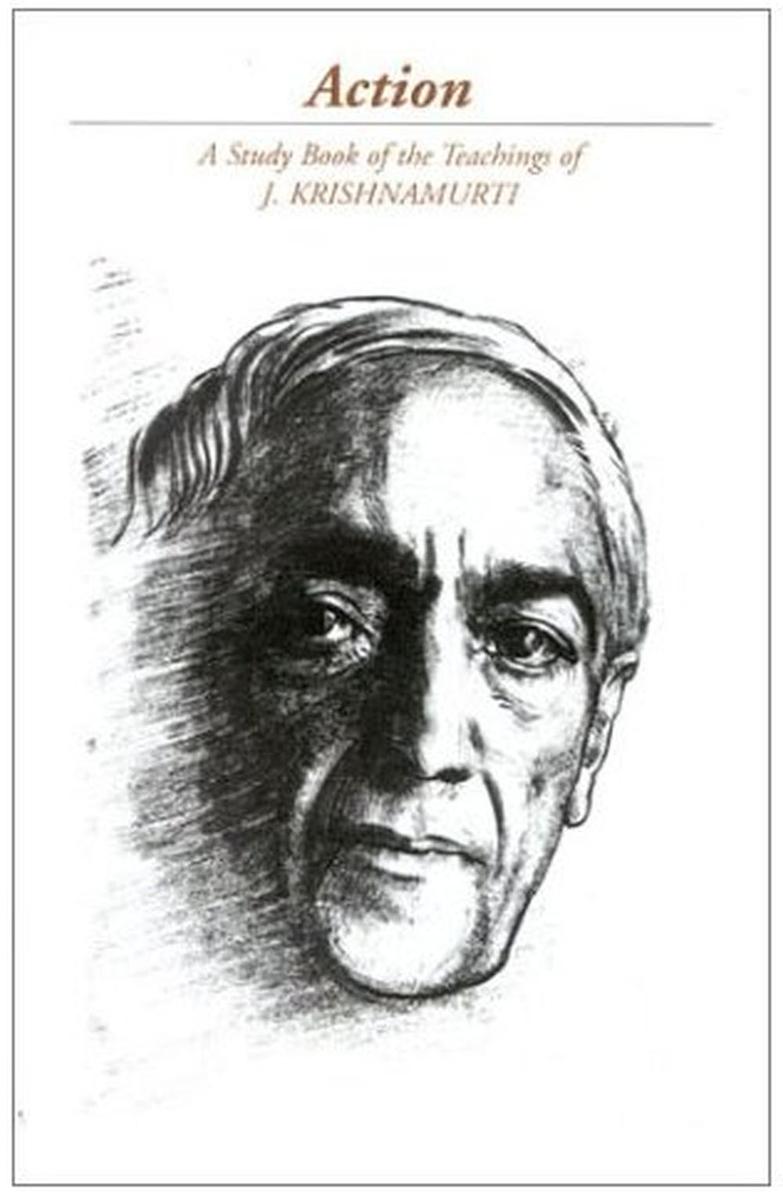
Action
¥51.91
The passages in this Study Book have been taken directly from Krishnamurti’s talks and books from 1933 through 1967. The compil- ers began by reading all the passages from this period which contained the word action—the theme of this book. This would not have been possible without the use of a full text computer database, produced by the Krishnamurti Foundation Trust of England. Over 750 passages were studied in all, and the aspects of “action” most frequently addressed by Krishnamurti were noted. These aspects then formed the outline for the contents of this book.The material selected has not been altered from the way it was originally printed except for limited correction of spelling, punctua- tion, and missing words. Words or phrases that appear in brackets are not Krishnamurti’s, but have been added by the compilers for the sake of clarity. Ellipses introducing a passage, or ending it, indicate that the passage begins or ends in mid-sentence. Ellipses in the course of a passage indicate words or sentences omitted. A series of asterisks between paragraphs shows that there are paragraphs from that talk which have been omitted. Captions, set off from the body of the text, have been used with many passages. Most captions are statements taken directly from the text, with some being a combination of phrases from the passage.Krishnamurti spoke from such a large perspective that his entire vision was implied in any extended passage. If one wishes to see how a statement flows out of his whole discourse, one can find the full context from the references at the foot of each passage. These refer primarily to talks which have been published in The Collected Works of J. Krishnamurti. This seventeen-volume set covers the entire period from which this study book has been drawn. A complete bibliography is included at the end of this book. Students and scholars may also be interested in additional passages on action not used in the book, available for study upon written request, in the archives of the Krishna- murti Foundation of America.This Study Book aims to give the reader as comprehensive a view as possible, in 140 pages, of the question of action as explored by Krishnamurti during the period covered. Most of the material presented has not been previously published, except in the Verbatim Reports which were produced privately, in limited numbers, primarily for those who attended Krishnamurti’s talks.

重大时代课题与科学理论体系(马克思主义理论研究与当代中国书系)
¥34.00
本书是作者研究党的十八大以来*新时代中国特色社会主义思想的相关成果,从新时代中国特色社会主义的基本支柱、实践基础、根本原则、历史使命、总体布局、安全保证、领导力量、领导方法等方面,系统回答了“新时代坚持和发展什么样的中国特色社会主义、怎样坚持和发展中国特色社会主义”这一重大时代课题,阐述了重大时代课题是科学理论体系的基石。 本书有两大特:*,以新时代中国特色社会主义的重要问题和*新时代中国特色社会主义思想的重要内容为研究对象,具有现实性。第二,研究内容既内含实践逻辑,又内生出理论逻辑,具有思辨性。

Il mago di Oz
¥32.54
Nietzsche despre filologia clasic? – iat? un subiect cu adev?rat pasionant, prilej de satisfac?ii unice pentru amatorul de a urm?ri fascinantul spectacol al form?rii ?i al cunoa?terii de sine. C?ci acest subiect ?nseamn?, de fapt, Nietzsche despre el ?nsu?i ?i ?n acest sens pledeaz? chiar propria sa m?rturie – ?Filologii sunt asemenea oameni care folosesc sentimentul ap?s?tor pe care ?l provoac? infirmitatea proprie omului modern pentru a c??tiga cu el bani ?i p?ine. ?i cunosc, eu ?nsumi sunt unul dintre ei“ (Noi, filologii, fr. 170). Mai precis, este vorba despre o ipostaz? a personalit??ii spirituale nietzscheene considerat? din unghiul evolu?iei sale interioare; dar, nu o ipostaz? oarecare, ci una esen?ial?. ?i aceasta nu pentru simplul motiv c? este cea dint?i, ci pentru c? este cea mai profund?, cea care i-a marcat definitiv orizontul de cultur? ?i de g?ndire ?i a l?sat o amprent? durabil? ?n desf??urarea destinului personal al omului. (Vasile Musc?)
The World Within
¥73.49
"Truth is not something that is mysterious; truth is where you are. From there you can begin. The truth is that I am angry, I am jealous, I am aggressive, I quarrel. That is a fact. So one must begin, if one may most respectfully point out, from where one is. That is why it is important to know yourself, to have complete knowledge of yourself, not from others, not from psychologists, brain specialists and so on, but to know what you are. Because, you are the story of mankind. If you know how to read that book which is yourself, then you know all the activities and brutalities and stupidities of mankind because you are the rest of the world." – J. Krishnamurti Reading the teachings of J. Krishnamurti, one is immediately struck by how personal the words are to one’s own thinking and what a close mirror they are of our human psychological activity. His language is not bound by time, place, or circumstance, and so readers in any era or on any continent can find themselves clearly and compassionately made plain. Krishnamurti’s heuristic approach was typical not only of his dialogues or interviews, but also of his public talks where an attendee in an audience of thousands felt in direct contact with the speaker. His language was simple, without jargon or without any assumptions about the audience by the speaker. Krishnamurti helped the interviewees, without intending to, to see for themselves the intricacies of their thinking and of their problems. During the Second World War (1939-1945) Krishnamurti did not speak publicly in the United States, but lived quietly in Ojai, California. People sought him out and came to dialogue with him on many issues of the times or their own personal dilemmas. Their problems were universal human problems, and each made true his statement that ‘You are the world.’ As Krishnamurti unwound the tight threads of their thinking and feeling, the core or source of a concern was revealed, unadorned and without blame or guilt. After the Second World War years, there was a set of three volumes of interviews with Krishnamurti that appeared worldwide, titled Commentaries on Living. This new book, The World Within, out of the Krishnamurti Archives, is a compendium of additional perennial questions with their timeless answers. The inquiry is still fresh, after seventy years, and readers will find themselves in both the questions and the responses.
What is Right Action
¥73.49
This volume covers talks given in New Zealand, Ojai, New York, South America and Mexico. Krishnamurti begins by stating "What we call problems are merely symptoms, which increase and multiply because we do not tackle the whole life as one but divide it as economic, social or religious problems. ..Now it is my intention to show that so long as we deal with these problems apart, separately, we but increase the misunderstanding, and therefore the conflict, and thereby the suffering and the pain..." An extensive compendium of Krishnamurti's talks and discussions in the USA, Europe, India, New Zealand, and South Africa from 1933 to 1967—the Collected Works have been carefully authenticated against existing transcripts and tapes. Each volume includes a frontispiece photograph of Krishnamurti , with question and subject indexes at the end. The content of each volume is not limited to the subject of the title, but rather offers a unique view of Krishnamurti's extraordinary teachings in selected years. The Collected Works offers the reader the opportunity to explore the early writings and dialogues in their most complete and authentic form.

Be? Kavram, Be? Deneme: (inan?, ?zgür irade, ya?am?n anlam?, ahlak, mutluluk)
¥9.40
Bu alma ilk olarak ekim 2007`de bir internet sitesinde (exlibrary.com) e-kitap formunda yaymland; daha sonra birinci kitabmn ikinci blümünde yer ald. Bu almay tekrar gzden geirip küük baz düzeltmeler yaptm. Bu kitapn ilham kayna Thomas Nagel’in “Her ey Ne Anlama Geliyor” balkl eseridir. 70 sayfalk bu küük ama youn kitab okuduumda hayran olmutum. Nagel almasnn giri blümünde unlar yazm: “Günümüzün ve gemiin büyük filozoflarndan seilmi metinler ieren birok harika giri el kitab vardr. Elinizdeki bu küük kitap onlarn yerine geecek türden bir kitap deildir. Onun, yalnzca, konuya olabildii kadar ak ve dorudan bir ilk deerlendirme sunmasn umuyorum.” Ben de aynsn umarak bu almaya ykündüm ve ortaya bu be deneme kt. Daha nce yaymlanm bu denemelerin yeniden yaymlanmasnn anlam hakl olarak sorulabilir. Ben de derim ki belki yeni baz okurlarn ilgisini ekebilir belki de yeniden okunabilir. Bu sefer de neden yeniden okunsun ki diyenler kabilir; ben de Borges’in bir szünü aktarmakla yetinirim: “Okumak nemli deildir, nemli olan yeniden okumaktr.” Yazar Hakknda Prof. Dr., 1955 doumlu. 1976 da Ankara niversitesi Fen Fakültesi kimya mühendislii blümünden mezun oldu. Eskiehir Anadolu ve Eskiehir Osmangazi niversitesinde retim üyesi olarak alt. 2002 de emekli oldu. Akademik yaynlar haricinde felsefe konusunda sobil yaynclk tarafndan yaymlanm ü kitab vardr: 1.“Düünmek zerine Düünmek” (2009), 2. “Zorunluluk ve Sorumluluk” (2012), 3.“Nietzsche ve Schopenhauer ile küük bir sylei” (2018).

中国阴阳家(国学大观系列)
¥25.20
阴阳家所倡导的阴阳五行观念自西汉时起成为中国传统社会无所不在的文化要素,故欲了解中国古代的宇宙图式、政治运作、制度设计、生活方式、价值取向乃至身心修炼,则不能不对阴阳家和阴阳五行思想有所认识。本书上篇以阴阳五行观念为主轴,辨析其发生演变之源流,及其对儒学、易学、医学、仙学、理学之渗透,明其道而述其学;下篇则选择星占、风水、相人、算命四种术数加以扼要之介绍,窥其术而析其技,裨使阅者能得阴阳家和阴阳五行思想之大略。

On the Duty of Civil Disobedience
¥40.79
In Civil Disobedience Thoreau argues that individuals should not permit governments to overrule or atrophy their consciences, and that they have a duty to avoid allowing such acquiescence to enable the government to make them the agents of injustice.
Meno
¥40.79
This Dialogue begins abruptly with a question of Meno, who asks, 'whether virtue can be taught.' Socrates replies that he does not as yet know what virtue is, and has never known anyone who did. 'Then he cannot have met Gorgias when he was at Athens.' Yes, Socrates had met him, but he has a bad memory, and has forgotten what Gorgias said. Will Meno tell him his own notion, which is probably not very different from that of Gorgias? 'O yes—nothing easier: there is the virtue of a man, of a woman, of an old man, and of a child; there is a virtue of every age and state of life, all of which may be easily described.'
Crito
¥40.79
The Crito seems intended to exhibit the character of Socrates in one light only, not as the philosopher, fulfilling a divine mission and trusting in the will of heaven, but simply as the good citizen, who having been unjustly condemned is willing to give up his life in obedience to the laws of the state . . .
Categories
¥40.79
Categories is a text from Aristotle's Organon that enumerates all the possible kinds of things that can be the subject or the predicate of a proposition. They are considered the single most heavily discussed of all Aristotelian notions.
马克思政治哲学引论(马克思主义研究论库·第二辑;国家出版基金项目)
¥34.80
本书是一部系统探究马克思政治哲学思想的著作。作者以问题为主线考察马克思政治哲学的内在逻辑、思维方式与价值诉求,对马克思的人类解放理论、共同体理论、正义论、自由-平等观与政治经济学批判,以及马克思政治哲学的思想资源与中国语境进行了较为完整的阐释。在澄清马克思政治哲学内在生成机制的同时,力求规范建构和综合创新。作者运用文本解读与当代审视内在融通等研究方法,兼顾微观解读与宏观阐释,在“导言”中彰显马克思政治哲学的总体框架和问题域,呈现马克思政治哲学的当代视界,为探究新时代马克思主义政治哲学的实践逻辑提供了一种独特的学术视域。
西方古典学术史(第一卷)
¥138.00
《西方古典学术史》是英国古典学者约翰?埃德温?桑兹*重要的著作,全书共三卷,全面系统地阐述了西元前6世纪至19世纪古典学术的发展历程,细数希腊罗马学术发展流变,涉及各时期文学、史学、哲学等领域,尤以文献学、版本学、词源学、语法学见长,著述极为详赡渊博,可看作对以往各个时代古典学术成就的总录。 本书*卷自约西元前600年至约西元1350年,主要讲述希腊拉丁学术的发生、演变以及希腊、拉丁学术在拜占庭时期和西方中古时期的流布与嬗变。全书首先涉及荷马的史诗研究、戏剧及其他诗歌作品的研究、演说术与修辞学、语法学与词源学、亚历山大里亚学派、斯多葛学派、帕伽摩学派、帝国初世纪的文学批评以及古典晚期的希腊、拉丁学术等诸多方面,视野宏远,涵括诸端。在本书后半部分,作者把目光投向君士坦丁堡,对于古代到中世纪之间文献的传承、抄录和校勘行细致整理和深度阐述,对拜占庭学术、9世纪的经典著作、早期经院学者及其经典著作、中古时期的文献考据等情况细细爬梳,使得枝蔓繁多的中古时期的学术发展脉络一目了然。
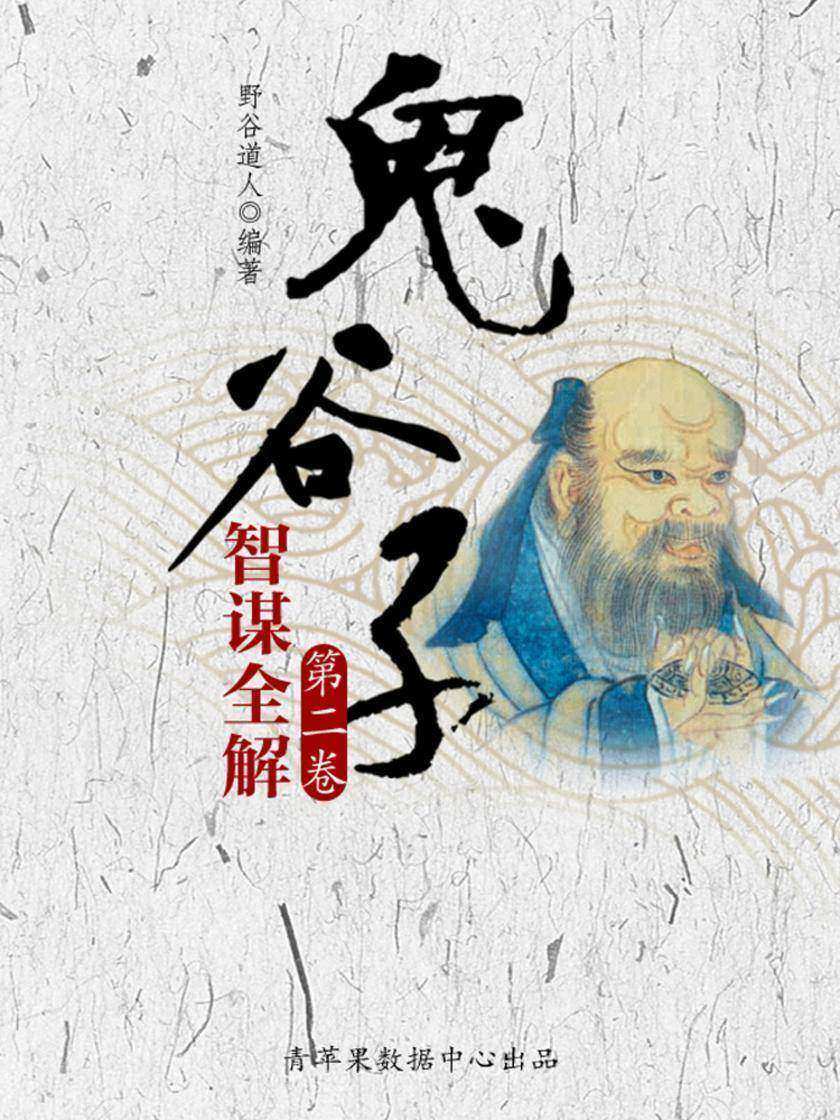
鬼谷子智谋全解·第二卷
¥1.92
“鬼谷子”是先秦诸子之一,《鬼谷子》一书是其后学者根据其言论整理而成的,内容十分丰富,涉及政治、军事、外交等领域,主要讲的是攻守谋略的理论。纵横家所崇尚的是权谋策略及言谈辩论之技巧,其指导思想与儒家所推崇之仁义道德大相径庭。《鬼谷子》一书,历来被人们称为“智慧之禁果,旷世之奇书”,它在中国传统文化中独具特色,是乱世之慧说,乱世之哲学。它的哲学是实用主义的,讲求名利与进取,是一种讲求行动的实践哲学,其方法论是顺应时势,知权善变。因为千百年来中国一直以儒家思想为正统,所以鬼谷子的学说没有得到后人应有的重视,因此,历代学者对《鬼谷子》一书推崇者甚少,讥诋者极多。其实,《鬼谷子》一书并非等闲之书,它一直为中国古代军事家、政治家和外交家所研究,现又成为当代商家的之书。它所揭示的智谋权术的各类表现形式,被广泛运用于内政,外交、战争、经贸及公关等领域,其思想深深影响今人,享誉海内外。
异在论与比较视域下的老子新解--国家社科基金后期资助项目 中华书局出品
¥52.80
本书基于“异在论”立场,对老子思想行总体把握与具体分析,而对《道德经》逐章阐释与深思辨;同时,从中西比较视域,揭示老子与西方著名哲学家,诸如康德、黑格尔、尼采、海德格尔、萨特,相互之间存在的观念差异与价值冲突,认为“求异”比“求同”更重要。本书着重挖掘老子的价值批判精神,认为“道”是针对世俗价值观行批判的z高尺度,并落实为“价值颠倒机制”。通常认为“强”、“壮”、“荣”、“敢”是正面价值,但老子反过来证明“弱”、“柔”、“辱”、“不敢”有更高价值。本书重新阐释老子辩证法。通常讲辩证法局限于对立面关系,比如相互斗争、相互转化等等。但老子更强调超越这一“相对”“相争”的低阶层次,而独标一种“*”“无争”的高阶境界,“反者道之动”是强调“返回道的本原”。本书立足于文本细读,纠正习见的语义误解。
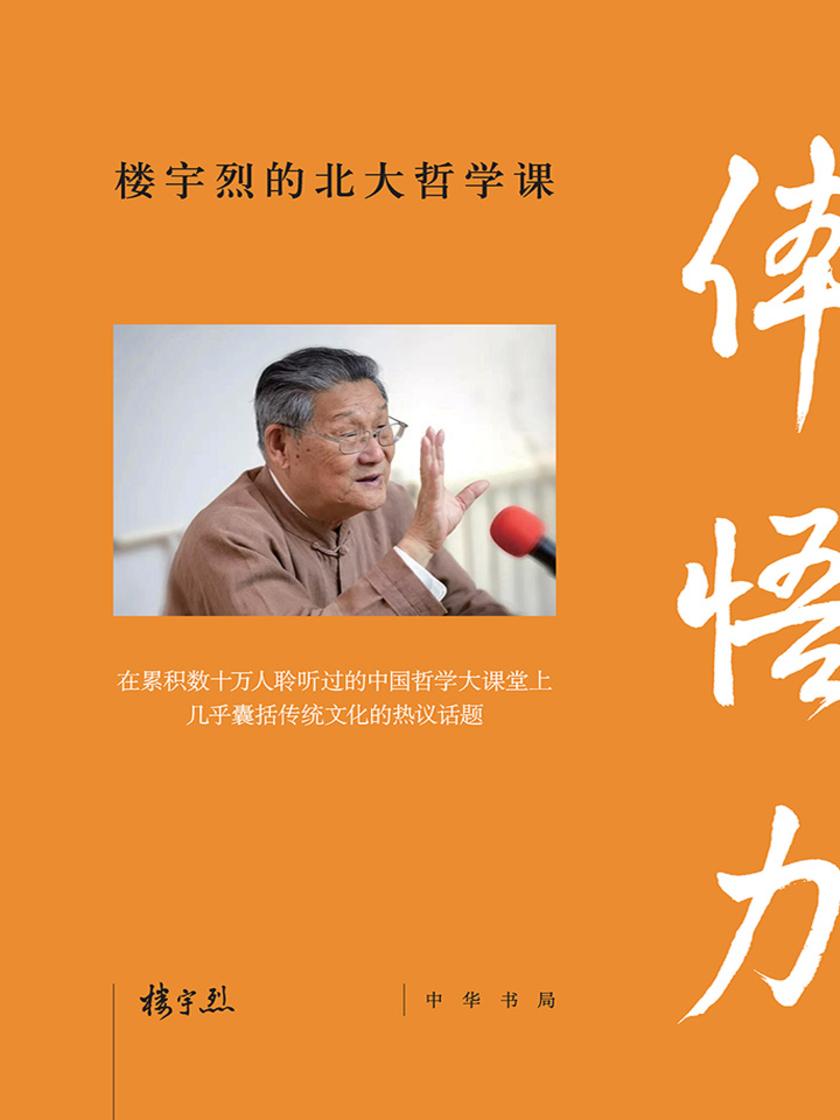
体悟力:楼宇烈的北大哲学课 中华书局出品
¥18.00
本书是楼宇烈教授六十余年思想精华,来自北大火爆的中国哲学大课堂等。楼宇烈教授的中国哲学课,得到了北大学生以及广大传统文化爱好者的广泛认可。 “哲学”给人的印象是艰深难懂的,但是经过楼宇烈教授深浅出、幽默风趣的讲解、阐释,中国哲学的核心理念,变得生动易懂。楼宇烈教授通过醍醐灌顶式的深分析,培养大众的哲学思维方式,构筑中国哲学的宽广知识体系。本书是大众学习中国哲学的佳作。


