


 购物车
购物车 个人中心
个人中心
Un filosof r?t?cit ?n agora
¥40.79
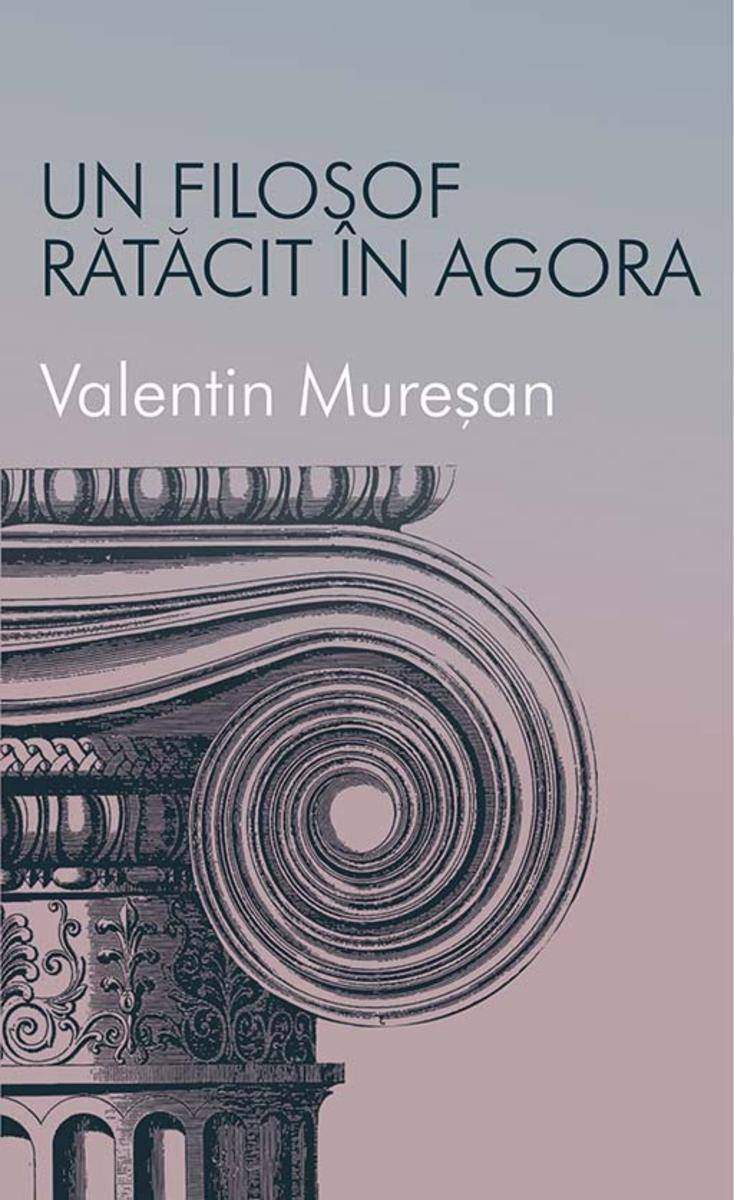
Fire?te c?, de la schimbarea de paradigm? numit? apari?ia genurilor rock ?i folk (precedate de jazz, dar mai cu seam? de blues... ?i ?n m?sur? cov?r?itoare de explozia beat!), ?n Rom?nia comunist? (?ncerc?nd mereu s? fie sincron? cu voga occidental?), lucrurile n-au fost tocmai roz. Unii chiar se bat ?n piept c? de la ei ?ncoace se poate vorbi de...; al?ii (implica?i direct) sunt sc?rbi?i de ceea ce se ?nt?mpl?, mai cu seam? ?n lipsa unei istorii oficiale ?i documentate, ?i ??i v?d de treab?. ?n era net/Wikipedia, oricine se poate da ?n stamb?, se poate lua la tr?nt? (sub pav?za anonimatului, implicit a nesim?irii) cu orice; cum anticipa parc? Andy Warhol, a venit vremea ?n care oricine va fi fost vedet? 15 minute.Dar au existat ?i vedete reale, grei ai genurilor a?a-zis u?oare, mon?tri sacri! Celor acum ?n umbr? (cite?te underground) le este dedicat acest volum. M?rturii orale puse cap la cap despre aceia care au trecut ?i – iat? – se ?ntorc ?n Clubul Arhitecturii. Dac? un Cenaclu ?Flac?ra“, la ?nceput genial ?n scopuri, a fost mai apoi r?st?lm?cit ideologic ?i impus aproape cu for?a p?n? la implozie, clubul – recte pivni?a – din strada Bl?nari nr. 14 a rezistat peste decenii intrinsec; pe temelia solidificat? de la o zi la alta, de la un artist la altul, de la o bere la alta... Din student ?n student (dar nu numai prin ei), ?tafeta a tot fost preluat? de genera?iile care s-au perindat, iar ast?zi ne-am trezit cu o ?ntreag? istorie care apas? pe funda?iile cl?dirii vechi..., dar f?r? bulin? ro?ie! Nu, Club A nu va c?dea, a?a cum va exista ?n continuare ?i Casa Studen?ilor din Bucure?ti (ca ?i cele din Timi?oara, Ia?i, Cluj...), ?i Radioul, ?i Televiziunea, ?i Electrecordul...Din cuprins: Amintiri ? Clubul de pariuri muzicale sau Cu... v?nt ?nainte... din pupa! ? A fost o dat?... din 1969 ? Primul Festival Na?ional de Muzic? Pop ?Club A“ (16–22 decembrie 1969) ? Ro?u ?i Negru ? Romanticii ? Chromatic Grup ? Sideral (Modal Quartet) ? Olympic ‘64 ? Phoenix ? Coral... ?i Adrian Ivani?chi ? Al doilea Festival Na?ional de Muzic? Pop ?Club A“ (10–17 mai 1971) ? Modern Grup ? Metronom ? Mondial ? Timi?oara, la vest de Rom?nia ? Carusel ? Post-scriptum la al doilea festival ? Folk ?n Club A ? Mihai Munteanu ?Michone“ ? Dorin Liviu Zaharia ?Chubby“ ? Mircea ?Ciocu“ Vintil? ? Florian ?Mo?u“ Pitti? ? Doru St?nculescu ? Sorin Minghiat ? Dan Oprina ?i Mircea Valeriu Popa ? Nicu Vladimir ? Marcela Saftiuc ? Adriana Ausch ? Anda C?lug?reanu ? Zoia Alecu ? Catena ? FFN ? Valeriu Sterian (?i Compania de Sunet) ? Mircea Bodolan ? Curtea Veche nr. 43 ? Al treilea Festival ?Club A“ (5–8 iunie 1979) ? Metropol ? Academica ? Experimental Q ? Modal Q ? Mircea Florian (din Transilvania) ? Al patrulea Festival ?Club A“ (16–19 martie 1981) ? Dan Andrei Aldea ?i Sfinx ? Pro Musica ? Accent ? Redivivus ? Basorelief ? Gramophon/Post Scriptum ?i... Mircea Baniciu ? Semnal M ? Sorin Chifiriuc ?i Domino/Roata ? Grup ‘74 ? Club A – 15 ani (12–17 martie 1984) ? Nicu Alifantis ? Iris ? Liviu Tudan & Ro?u ?i Negru ? Al cincilea Festival ?Club A“ (28 februarie–1 martie 1990) ? Compact ? Holograf ? Celelalte Cuvinte ? Gala ?Club A – 30 de ani“ (18 iunie 1999)?/ ?Club A – 34 de ani“ (4 iunie 2003) ? Sfinx (Experience) ? Alexandru Andrie? ? Cargo ? Timpuri Noi ? Sfatul ?b?tr?nilor“ ? Al ?aptelea Festival ?Club A“ (13–18 mai 2011) ? Imagini ?necenzurate“
The Invisible Man
¥18.74
To present at a single glance a comprehensive view of the History of English Church Architecture from the Heptarchy to the Reformation, and to do this in a manner, which, without taxing too seriously the memory of the student, may enable him to fix in his mind the limits, and the general outline of the inquiry he is about to enter upon, is the object of the present treatise.? Instead therefore of entering, as is usual in elementary works of this nature, into a detailed account of all the parts of an Ecclesiastical structure, a certain portion only of such a building has for this purpose been selected, and so exhibited in the garb in which it appeared at successive intervals of time, as to present to the reader a means of comparison that will enable him readily to apprehend the gradual change of form through which it passed from the Eleventh to the Sixteenth Centuries, and at once to recognise the leading characteristics of the several Periods into which it is here proposed to divide the History of our National Architecture. Having thus fixed these leading characteristics in his mind, he will then be in a condition to follow us hereafter, if he pleases, into the detail of the whole subject, and to become familiar with those niceties of distinction, the detection of which—escaping, as they do, the eye of the general observer—contributes so materially to the enjoyment of the study, and a perfect acquaintance with which is so absolutely essential to a correct understanding of the true History of the Art.?That this mode of approaching the study of this subject is a convenient one, will probably be admitted by those who may remember the difficulties they encoun-tered, in their early attempts to acquire a general conception of the scheme of the History of Church Architecture, as given in most of the manuals now in use; and the complexity of detail in which they found themselves immediately involved on the very threshold of their inquiry.? It has been the practice in most elementary works on Church Architecture to derive the illustrations of the subject, indifferently from the smaller and the larger buildings of the Kingdom; and by implication to assign an equal authority to both. It will be readily admitted, however, that the History of an Art is to be gathered from its principal Monuments, and not from those the design or execution of which may have been entrusted to other than the ablest masters of the Period: in the choice, therefore, of the examples which have been selected to illustrate the series of changes which are described in the following pages, reference has been made principally to the great Cathedral, Abbey, and Collegiate Churches of the Kingdom, and occasionally only to some of the larger Parish Churches whose size or importance would seem to bring them under the above denomination.??Church Architecture in England, from its earliest existence down to the Sixteenth Century, was in a state of constant progress, or transition, and this progress appears to have been carried on, with certain exceptions in different parts of the country, very nearly simultaneously. It follows from this circumstance, first, That it is impossible to divide our National Architecture correctly into any number of distinct Orders or Styles; and secondly, That any Division of its History into a given number of Periods, must necessarily be an arbitrary one. It is nevertheless absolutely essential for the purpose of conveniently describing the long series of noble monuments which remain to us, that we should adopt some system of chronological arrangement, which may enable us to group, and to classify them in a distinct and intelligible manner: and although no broad lines of demarcation in this connected series are discernible—so gradual was the change—yet so rapid and so complete was it also, that a period of fifty years did not elapse without a material alteration in the form and fashion of every detail of a building. ?
Cinnet ve Ask: "Bir Felsefe & Sosyoloji Kurami"
¥28.04
Milyen lenyomatot hagyott bennünk 1956? T?rténelem alulnézetb?l, avagy családi emlékek, személyes t?rténetek az ominózus ?szr?l, ami után minden más lett. Hogyan lesz egy 17 éves gyárimunkás fiúból néhány nap leforgása alatt forradalmár? Mi t?rtént Erdélyben 56-ban? Mikor eszmél rá a hatéves kislány, hogy a nagyapja Magyarország legfontosabb embere? Hogyan él tovább az, akinek a menyasszonya ?r?kre elhagyta az országot? Hogyan válik a távoli kultúrából érkez? idegen október 23. szellemiségét átérz? emberré? Ilyen és ezekhez hasonló kérdésekre válaszol t?bbek k?z?tt Horgas Eszter, Varga Miklós, Kiss Zoltán Zéro, Tordai Teri, Vámos Miklós, Bornai Tibor és sokan mások. A kül?n?s, szívszorító vagy kalandos emlékekb?l megismerhetjük az ezerarcú forradalom néhány emberi mozzanatát. Naszvadi Judith családi érintettsége okán is kezdte el feltenni a kérdéseket el?bb sz?kebb, majd tágabb k?rnyezetében. A 60. évfordulóra így, ezekb?l az interjúkból állt ?ssze A mi '56-unk.
When the World Shook
¥8.01
A sorozat és ami m?g?tte van I. Szulejmán szultán 1494-ben született, és 1566-ban Szigetvár alatt vesztette életét. 1520-tól haláláig az Oszmán Birodalom ikonikus uralkodójaként hódított. A magyar t?rténelmet ismer?k biztosan nem rajongtak érte soha. Miután 2013-ban az egyik kereskedelmi csatorna megvásárolta az életér?l szóló Szulejmán cím? sorozatot, a szultán negatív megítélése sokat változott. A néz?k megkedvelték a Halit Ergen? által alakított Fényességest. A sorozatban ábrázolt t?rténelmi események, személyek azonban nem minden esetben egyeznek a valósággal. Ezt az alkotók is megjegyzik: a m? t?rténelmi ihletés? - ami nem azonos a t?rténelmi h?séggel. R. Kelényi Angelika tisztázza a valós t?rténelmi eseményeket. ?sszegy?jt?tt érdekességeken keresztül oszlatja el a félreértéseket, mik?zben szórakoztatja az olvasót.
A kabaré regénye
¥27.71
E tündérjátékról úgy tartják, egy f?úri esküv? alkalmából íródott. Err?l szól maga a darab is, a szerelemr?l, a házasságról, a szenvedélyr?l, az akadályok legy?zésér?l. A Szentivánéj egyetlen hatalmas nászéjszaka. Puck, a csúfondáros apród, aki miatt kit?r a háborúság a tündérkirály és tündérkirályn? k?z?tt, minden kerget?z?, egymást ?z? szerelmesnek jelképe lehet, akik szüntelen váltakozásban gerjednek egyért s taszítják el a másikat. Mintha a való életben is Puck gonosz varázslatára fordulna meg minden, majd jótékony varázslatára az éj végére valahogy mégis ?sszerendez?djék. Tündéri álomvilág cívódással, féltéssel, ellenállhatatlan vágyakkal.
Párizs, 1913
¥27.71
William Shakespeare egyik legnagyobb m?ve a Macbeth, a hatalomvágytól megszállott gyenge ember drámája. Macbethnek egyszer azt j?vend?lik, hogy király lesz. Felesége ?szt?nzésére és segítségével, hogy beteljesedjék a jóslat, álmában meg?lik a náluk vendégesked? királyt. Tettüket a leitatott ?r?kre fogják, akiknek nincs is idejük tiltakozásra a hamis vád ellen, mert Macbeth sz?rny? ?felindultságában” meg?li ?ket. A hatalmat, a rangot azonban nem tudják élvezni…
Monoverzumok: Kozmosz, t?rvény, tudomány
¥34.99
Az álomszer?en meseszép hangulat hirtelen féltékenységi dührohammá változik, rémálommá: a szicíliai király barátját, Polixenést és feleségét (Hermione) házasságt?réssel vádolva küldi a halálba, el?bbi csupán Camillo h?ségének k?sz?nhet?en menekülhet el. Apollo jóslata sem tudja meggy?zni Leontest képzetei hamisságáról, csupán a sz?rny? látvány – szerettei holtteste – ébreszti fel zavaros állapotából. Már kés?, egyetlen utódját, a fattyúnak vélt csecsem?t távoli partokon hagyta sorsára. A t?rténetbe sok év múltán kapcsolódunk bele újra, Perdita – a csecsem?, akit megtalált fiával együtt (Mufurc) nevelt egy pásztor – felcseperedett, és mindenkit elámít vélt származását meghazudtoló szépsége, nemessége. Florizel királyfi beleszeret, és elhagyja érte apja, Polixenes királyi udvarát. A király, a h? Camillóval együtt, álruhában meglesi a pásztorok ünnepét, és haraggal veszi tudomásul fia vonzódását egy egyszer? pásztorlány iránt. Camillo, aki ráj?n Perdita kilétére, a fiatalokat Szicíliába küldi, ahol Leontes tárt karokkal fogadja elveszettnek hitt lányát, és Hermione szobra életre kel. A megbocsájtás, a feloldás pillanata lehetne ez, ha a t?rténetet mindvégig mozgató figura nem g?rdítené a néz?tér és a színpad k?zé az áttetsz?ség, a látomás, az álomszer?ség tüllfügg?nyét. ?s számunkra nem marad más, csupán a feloldatlanság feszültsége.
Az elveszett cirkáló
¥14.39
1920-ban a magyar t?rténelem egyik legsúlyosabb krízise érkezett el. Nem csupán a t?rténelmi Magyarország és hagyományos vezet? rétegei találtattak k?nny?nek: 1918 és 1919 forradalmaival együtt elbuktak a radikális reformokat szorgalmazó baloldali pártok is. K?zel hat év háborús pusztítás után gazdasági, szociális, külpolitikai és m?vel?dési problémák sokasága halmozódott fel. Ekkor született meg a fiatal értelmiség reform iránt elk?telezett részéb?l a magyar népi mozgalom. Az ? t?rténetükr?l szól ez a k?nyv. A magyar népi mozgalomról meglep?en keveset tud a jelenkor emlékezete, és ismereteink jó része is leginkább félreértésekb?l és el?ítéletekb?l táplálkozik. A népi mozgalom elitjéhez tartozók – Németh Lászlótól és Illyés Gyulától kezdve Veres Péteren és Kovács Imrén át egészen Bibó Istvánig – megpróbáltak választ találni a Trianon utáni Magyarország legéget?bb kérdéseire, méghozzá nem a hagyományos ideológiák mentén, hanem egy általuk ?harmadik útnak” nevezett eszmeiség jegyében. Papp István k?tete – amely harminc év óta az els? modern szemlélet? ?sszefoglalása a témának – els?sorban azt kívánja bemutatni, hogyan és miért született meg a népi mozgalom, illetve hogy legfontosabb tagjai milyen elgondolásokat fogalmaztak meg, és milyen reformokat láttak szükségesnek 1945 el?tt és után.
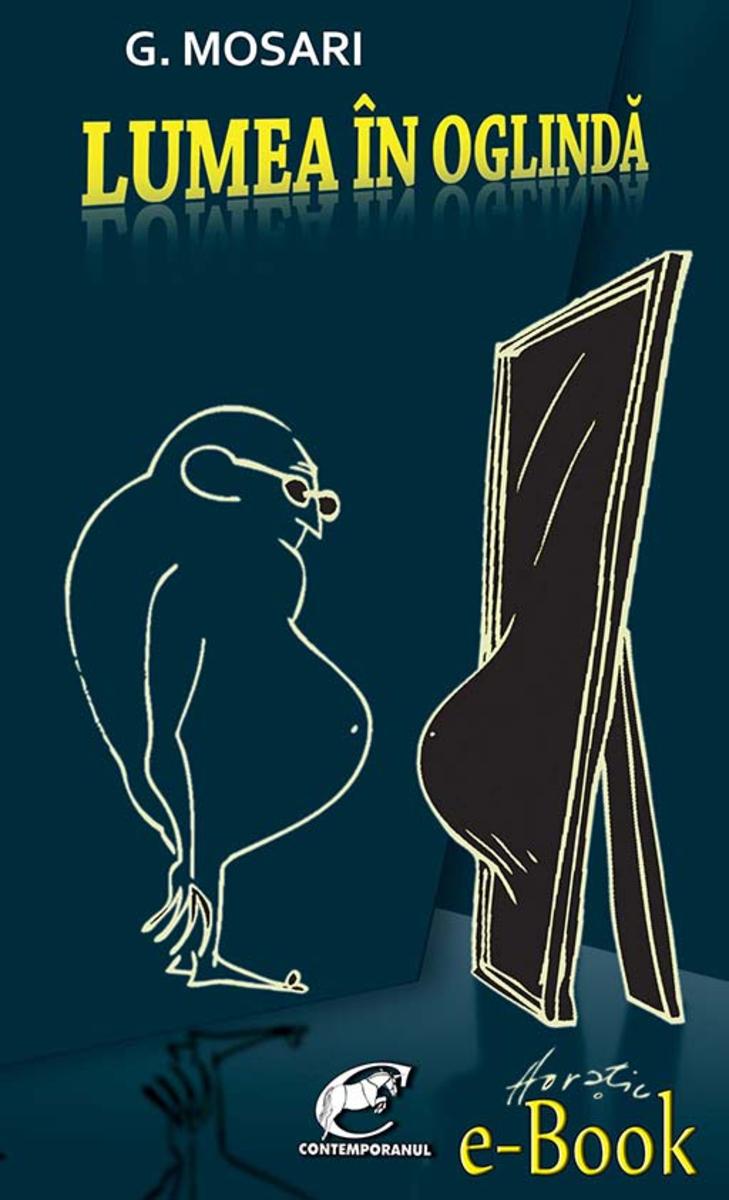
Lumea ?n oglind?
¥24.44
O nuan autobiografic, perfect ntemeiat, irizeaz concepia lui Breban de la acest nivel, miza mare a ideii fiind aceea de a demonstra – ceea ce romancierul a mai fcut… – c generaia din care face el nsui parte (Nichita Stnescu, Matei Clinescu etc.) a transformat literatura ntr-un asemenea mediu germinativ de excelene, prin intermediul promovrii esteticului ca replic alternativ sublim la grotescul ideologic din jur. Trebuie s recunoatem c Breban rmne seniorial i impecabil de fiecare dat cnd enun aceast dihotomie: de pild, nu trebuie uitat faptul c Istoria dramatic a prezentului s-a zamislit cnd mpotriva autorului se trgea cu tunul, pe motivul orchestratei acuze de colaborare cu Securitatea. Nici un raspuns n volum, nimic insidios, revanard sau resentimentar: doar idei i fapte, nu psihologie. Jos plria!“ (tefan Borbély)Numai cultura, carevaszica, ne poate lecui de aceast nesiguran identitar i numai ea poate nnobila istoria noastr de care, s-a putut constata, prozatorul maramureean nu-i mulumit… Face i alte profeii, atunci cnd n capitolul final vorbete despre specificul naional, dar despre toate acestea vom putea discuta cu alt prilej. Este o tem pe care noi, romnii, o aducem mereu n discuie fie pentru a o sataniza, fie pentru a o apra. Observ c N. Breban n-o respinge, de plano, cum fac globalitii, nici n-o smintete cu un discurs encomiastic, cum fac localitii. El procedeaz corect, aa cum procedeaz orice intelectual lucid i responsabil, adic analizeaz un concept (un concept esenial) i ncearc s-i vad viitorul… Este trist, i are de ce, cnd se gndete la lumea politic de azi i la retorica resentimentului i a rzbunrii care domin lumea intelectual… S mai spun c are i n acest caz dreptate, c dup douzeci de ani de libertate intelectualii romni, cu precdere scriitorii (ei, care s-au inut bine sub regimul totalitar), se detest cu o grea sinceritate mi amintesc de o propoziie din Eminescu (reproduc din memorie): Nu eti liber, dac nu eti drept. Se poate spune i invers: Nu eti drept, dac nu eti liber. Liber, n cazul oamenilor de litere, de prejudeci, de complexe i idiosincrazii, de eecurile i vexaiunile pe care i le-a provocat istoria i pe care spiritul nu poate s le stpneasc.“ (Eugen Simion)
Singura cale
¥98.02
Lucrarea aduce in dezbaterile istoricilor si economistilor evolutia economica si politica a Romaniei in perioada 1859-1900, marcand o contributie insemnata in acest domeniu destul de putin studiat, analizat si dezbatut.Tema centrala a lucrarii o constituie necesitatea crearii unei industrii romanesti inca de la inceputul secolului al XIX-lea, pledand in favoarea protectionismului, a independentei capitalurilor si a mainii de lucru calificata.De asemenea, autorul analizeaza dezbaterile care au avut loc in epoca pe tema industrializarii si protectionismului intre cele doua partide mari existente in a doua jumatate a secolului XIX: Conservator si Liberal, precum si cele dintre economistii de conceptie din acea vreme: D.P. Martian, I. Ghica, Ionica Tautu, P.S. Aurelian.
Filosofia Meritului
¥168.41
The work represents a synthesis published and printed in two volumes (the 1st volume in 2002, the second one, in 2004) under the aegis of Mica Valahie Publishing House in Bucharest. Being elaborated on the basis of some documents discovered in the Romanian and foreign archives, the two volumes cover the period up to 1929 in the first volume and the period from 1929 to 2005 in the second one. The paper reveals the role and place of Romanian oil in the evolution of the national and worldwide history, especially during the World War between 1939 and 1945 and in the development of the so-called “cold war”. The book insists upon the prospects of the specific “black gold” evolution.In the addendum there are to be found some interesting documents and the complete bibliography of oil.
Haydn
¥8.09
Haydn
Musical Memories
¥8.09
Musical Memories
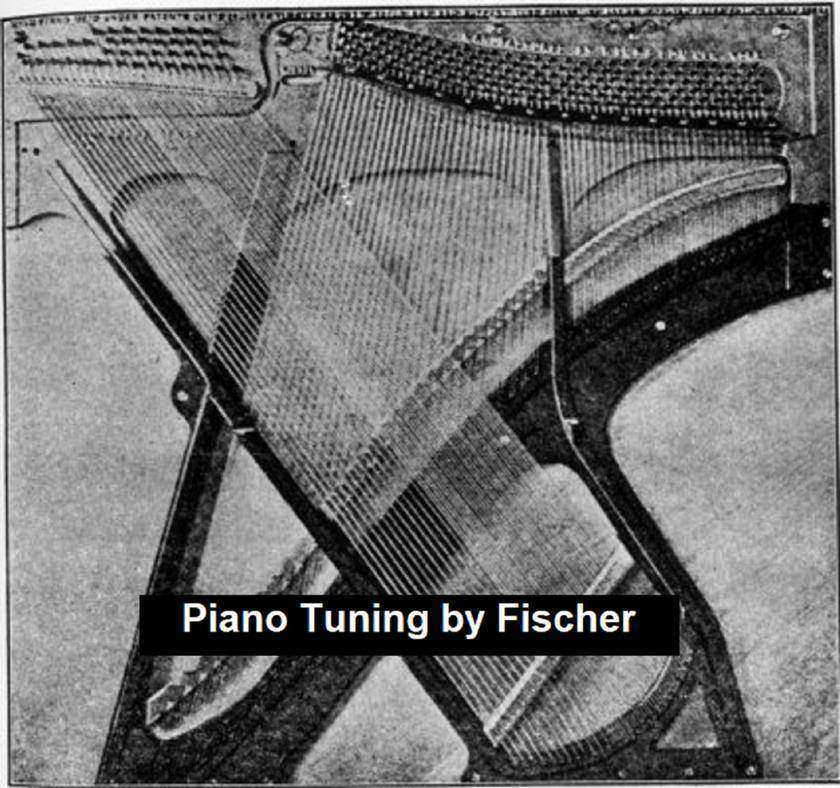
Piano Tuning
¥8.09
Piano Tuning
Chapters of Opera
¥8.09
Chapters of Opera
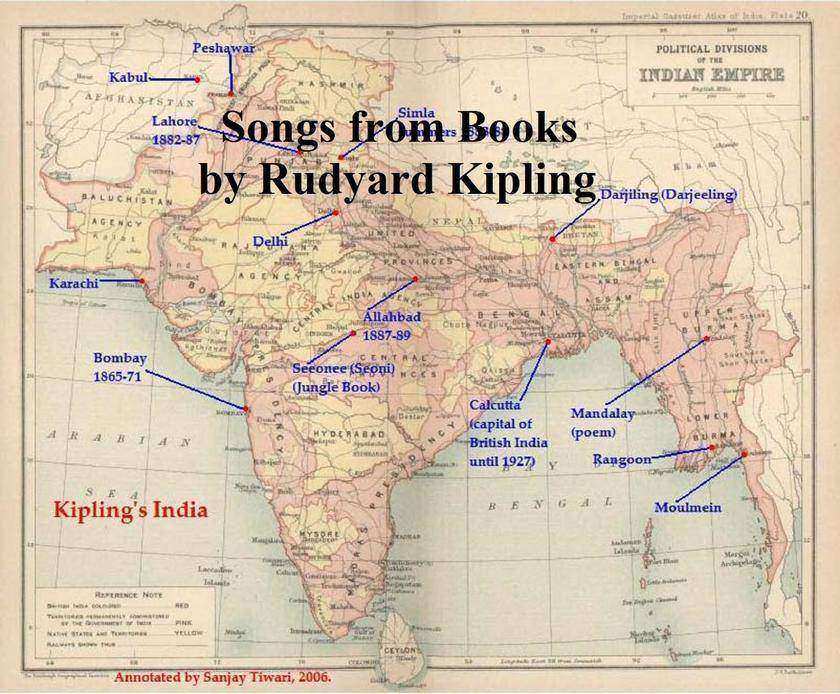
Songs from Books
¥8.09
Songs from Books
King Richard II, with line numbers
¥8.09
The classic Shakespearean history play. According to Wikipedia: "King Richard the Second is a history play by William Shakespeare believed to be written in approximately 1595. It is based on the life of King Richard II of England and is the first part of a tetralogy, referred to by scholars as the Henriad, followed by three plays concerning Richard's successors: Henry IV, part 1, Henry IV, part 2, and Henry V. It may not have been written as a stand-alone work."
Hamlet, with line numbers
¥8.09
The classic tragedy. According to Wikipedia: "Hamlet is a tragedy by William Shakespeare, believed to have been written between 1599 and 1601. The play, set in Denmark, recounts how Prince Hamlet exacts revenge on his uncle Claudius, who has murdered Hamlet's father, the King, and then taken the throne and married Hamlet's mother. The play vividly charts the course of real and feigned madness—from overwhelming grief to seething rage—and explores themes of treachery, revenge, incest, and moral corruption."
Julius Caesar, with line numbers
¥8.09
The classic tragedy. According to Wikipedia: "Julius Caesar is a tragedy by William Shakespeare, believed to have been written in 1599. It portrays the conspiracy against the Roman dictator of the same name, his assassination and its aftermath. It is one of several Roman plays that he wrote, based on true events from Roman history, which also include Coriolanus and Antony and Cleopatra. Although the title of the play is Julius Caesar, Caesar is not the main character in its action; he appears in only three scenes, and is killed at the beginning of the third act. The protagonist of the play is Marcus Brutus, and the central psychological drama is his struggle between the conflicting demands of honor, patriotism, and friendship. The play reflected the general anxiety of England over succession of leadership. At the time of its creation and first performance, Queen Elizabeth, a strong ruler, was elderly and had refused to name a successor, leading to worries that a civil war similar to that of Rome might break out after her death."
King Lear, with line numbers
¥8.09
The classic tragedy. According to Wikipedia: "King Lear is a tragedy by William Shakespeare, believed to have been written between 1603 and 1606, and is considered one of his greatest works. The play is based on the legend of Leir of Britain, a mythological pre-Roman king. It has been widely adapted for stage and screen, with the part of Lear being played by many of the world's most accomplished actors. There are two distinct versions of the play: The True Chronicle of the History of the Life and Death of King Lear and His Three Daughters, which appeared in quarto in 1608, and The Tragedy of King Lear, which appeared in the First Folio in 1623, a more theatrical version. The two texts are commonly printed in a conflated version, although many modern editors have argued that each version has its individual integrity. After the Restoration the play was often modified by theatre practitioners who disliked its dark and depressing tone. But since the 19th century, it has been regarded as one of Shakespeare's supreme achievements. The tragedy is particularly noted for its probing observations on the nature of human suffering and kinship.
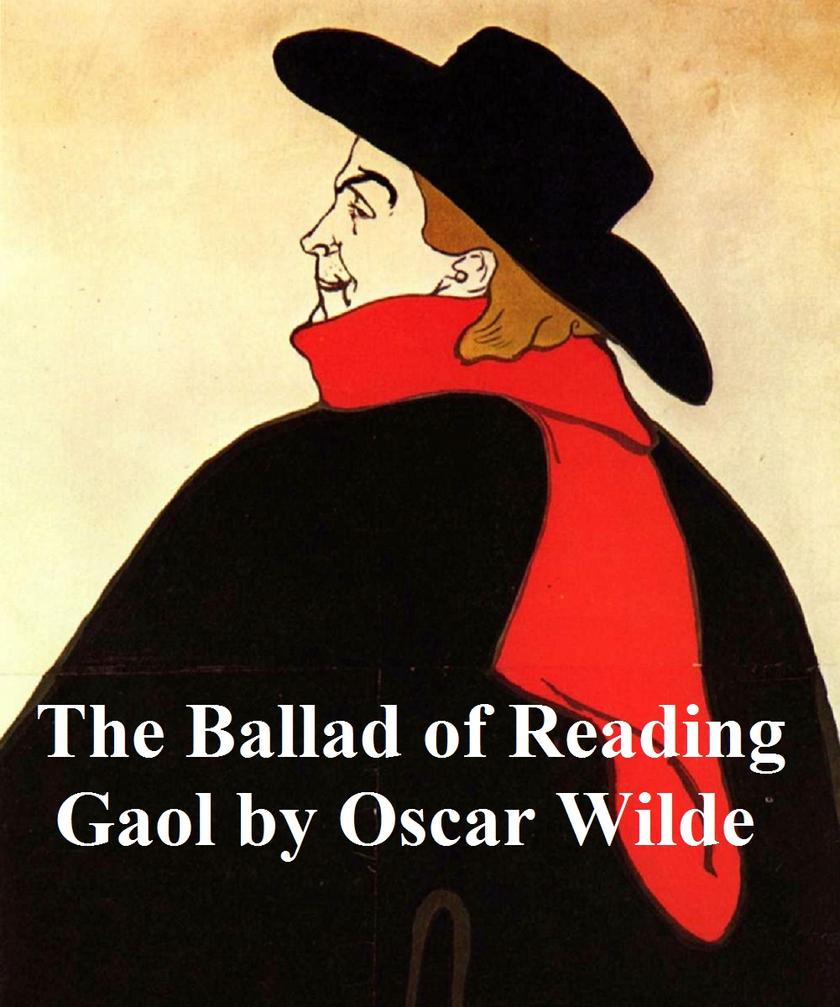
The Ballad of Reading Gaol
¥8.09
Classic poem, written in jail. According to Wikipedia: "Oscar Fingal O'Flahertie Wills Wilde (1854 - 1900) was an Irish playwright, novelist, poet, and author of short stories. Known for his barbed wit, he was one of the most successful playwrights of late Victorian London, and one of the greatest celebrities of his day. As the result of a famous trial, he suffered a dramatic downfall and was imprisoned for two years of hard labour after being convicted of the offence of 'gross indecency.'"


