


 购物车
购物车 个人中心
个人中心
The Knights
¥40.79
The Knights is a satire on political and social life in 5th-century BC Athens, the characters are drawn from real life and Cleon is clearly intended to be the villain. However it is also an allegory, the characters are figures of fantasy and the villain in this context is Paphlagonian, a comic monstrosity responsible for almost everything that's wrong with the world.
Women In Council
¥40.79
A group of women, led by the wise and redoubtable Praxagora, has decided that the women of Athens must convince the men to give them control of the city, as they are convinced they can do a better job. Disguised as men, the women sneak into the assembly and command the majority of votes needed to carry their series of revolutionary proposals, even convincing some of the men to vote for it on the grounds that it is the only thing they have not tried.

Big Foot: …And Tiny Little Heartstrings
¥38.62
With grime music and Guyanese folk stories, Joseph Barnes-Phillip's semi-autobiographical story is a comic, tragic and honest portrayal of becoming a man. The story follows Rayleigh as he negotiates the tensions of growing up and taking responsibility – to his pregnant girlfriend, to his sick mother, to his church, to the multi-cultural community he grew up in and somewhere in the mix to himself. When the euphoric highs of teenage life in south London collide with his mum's terminal illness, all Rayleigh wants to do it watch anime in his pants and eat indomie. Love, life and masculinity meet head-on as Rayleigh tries to find his feet, torn between the new girl in his life and being there for his mum, while trying not to make the same mistakes as his dad.

Insights Into Education
¥73.49
Insights into Education presents the educational philosophy of J. Krishnamurti in an easy to use, topic-based format. It is a practical handbook that comes alive when used as an introduction to group investigation and dialogue. What it offers to teachers everywhere is an inroad into the many matters of concern with which they are faced on a daily basis. That we cannot continue as we have been doing, with rote-learning, fact-finding, and a modicum of analysis as the building blocks of education, is obvious to anyone who is at all concerned with teaching and learning in a world with accelerating technological advancement, alienation, and despair. It is these very issues that are tackled here, sometimes implicitly but always at depth. What Krishnamurti proposes, and here discloses, is a different approach to learning altogether, one that distinguishes itself radically from what we normally understand by that term: the accumulation of knowledge, with its application and testing. By narrowing down our understanding to the pragmatic and the measurable, we forfeit the opportunity to probe deeply and to awaken intelligence in our students and in ourselves. What is meant by intelligence in this context is not the capacity to memorize and measure, but that subtler ability to see the whole which comes alive in a human being when he/she sees the limits of the measurable. To awaken this intelligence is the goal of education.
?anakkale -1915
¥18.56
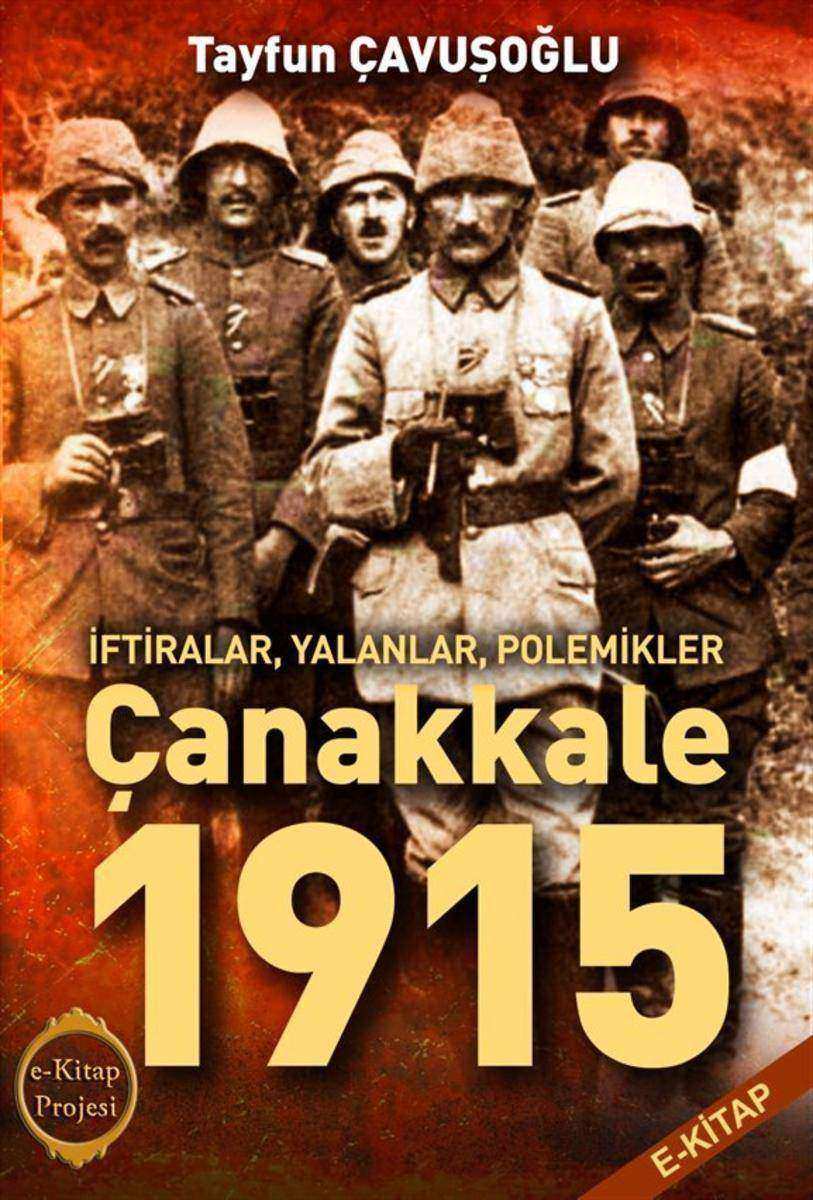
anakkale Sava üzerine zellikle son yllarda yazlan kitaplarda doru ve dürüst yaklamlara da, cehaletin, aymazln, tarihe ihanetin ve yalann bin bir türlüsüne de rastlamak mümkün… ylesine aknlk yaratacak rnekler var ki... Kimisi, deniz savalar (18 Mart) ile Gelibolu’daki kara savalarn (25 Nisan) kronolojik olarak ayrt edebilecek bilgiden bile yoksun! ünkü gerei ideolojiye kurban etmeyi kafaya koymular bir kere… Tek ama, her ne pahasna olursa olsun anakkale’den Mustafa Kemal’in adn silip atmak… Mustafa Kemal’in ad gemesin, Mustafa Kemal o baardan pay almasn yeter! Varsn verdikleri tarihler de, saylar da, ordularn muharebe düzenleri de yalan-yanl olsun, ne kar! Meydan bo zannedilmesin... te polemik konular, yalanlar, iftiralar ve tarihi gerekler... --- YAZAR ZGEM----- Tayfun AVUOLU (1964 / …) Uluda niversitesi Eitim Fakültesi Alman Dili Anabilim Dal (1985) mezunu. renciyken 1983 yl balarnda Türk Haberler Ajans (THA) Bursa Bürosu’nda muhabirlie balad. Bursa’daki yerel gazeteler Hkimiyet, Olay, Bursa hkimiyet ve Kent gazetelerinde muhabir, istihbarat efi, haber müdürü, yaz ileri müdürü olarak alt. Bursa hkimiyet ve Bursa Haber gazetelerinde genel yayn ynetmenlii grevinde bulundu. Halen Bursa yerel basnndaki almalarn sürdürüyor. ada Gazeteciler Dernei (GD) Bursa ubesi’nde iki dnem (1997-2001) bakanlk yapan Tayfun avuolu, Bursa Gazeteciler Cemiyeti’nde (BGC) bir dnem (2009-2012) ynetim kurulu üyeliinde de bulundu. Basn meslek rgütlerinden ok sayda dül de alan, sürekli basn kart sahibi Tayfun avuolu, ngilizce retmeni Nesrin avuolu ile evli olup, Altu ve Alper’in babasdr. lk kitab “anakkale 1915, ftiralar, Yalanlar, Polemikler”, 2014’ün ubatnda Kasta Yaynevi (stanbul) tarafndan yaynland.
The Communist Manifesto
¥8.82
Manifesto of the Communist Party (German: Manifest der Kommunistischen Partei), often referred to as The Communist Manifesto, was first published on February 21, 1848, and is one of the world's most influential political manuscripts. Commissioned by the Communist League and written by communist theorists Karl Marx and Friedrich Engels, it laid out the League's purposes and program. The Manifesto suggested a course of action for a proletarian (working class) revolution to overthrow the bourgeois social order and to eventually bring about a classless and stateless society, and the abolition of private property.
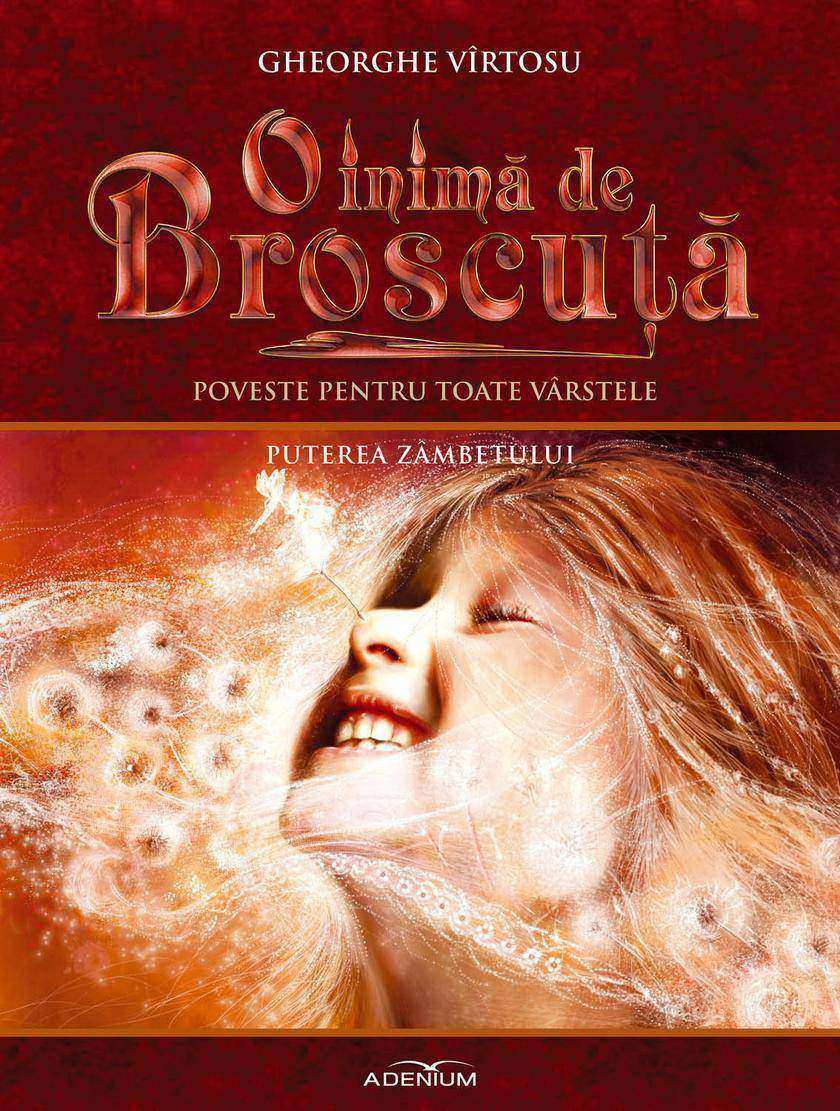
O inim? de Broscu??. Volumul X. Puterea z?mbetului
¥46.60
Volumul Sublimul tr?d?rii reprezint? o incursiune ?n lumea ?multidimensional?“ a crea?iei teatrale. Convins de existen?a unor straturi rarefiate ale spiritului, ?n care reprezenta?ia a fost h?r?zit? s? existe, autorul se ?ndep?rteaz? de orice interpretare ?vulgar?“, la prima m?n?, a artei scenice. F?c?ndu-se apel la teorii ale esteticii teatrale, dar ?i ale filosofiei, psihanalizei, exegezei ?i criticii literare, ne este relevat un univers artistic complicat, complex, predispus unei analize profunde. Astfel, locul care ?i este destinat spectatorului nu mai este acela de privitor pasiv, ci de partener al actorilor.?Oper?nd alegerea de sine“, spectatorul iese din plasa esteticului nu pentru a-i desfide rostul, ci pentru a se proiecta ?n centrul ac?iunii scenice, ?ntr-un loc ?n care ??i poate afirma prezen?a. Actul ?lecturii“ teatrului implic? ?ndatoriri egale cu cele din spa?iul public, for??ndu-l pe insul aflat ?n sala de spectacol s? faca o eschiva printre imperativele vie?ii, consider?nd interpretarea ca circumscriere concret? ?n ?legea universal?“ a eticului. Doar ?n acest fel, spectatorul poate accepta responsabilit??i legate de ceea ce i se ?nt?mpl?, atent la (?i preocupat de) via?a sa superioar?, spiritual?.“
Trecutul la judecata istoriei
¥130.72
Boris Johnson exploreaz?, ?n paginile acestui volum, din ce anume este constituit ?factorul Churchill“ – acea inteligen?? unic? a unuia dintre cei mai importan?i lideri ai secolului XX. Demont?nd miturile ?i prejudec??ile care au d?inuit al?turi de realitate, Johnson realizeaz? – cu inteligen?a ?i pasiunea caracteristice – portretul unui om al contradic?iilor, al curajului contagios, ?nzestrat cu o elocin?? uimitoare ?i cu o putere inegalabil? de a croi strategii. Curajos pe c?mpul de lupt?, Churchill a trebuit s? primeasc? ordin de la rege pentru a sta departe de focul b?t?liei ?n Ziua Z; a fost de acord cu bombardamentele strategice la scar? extins?, cu toate c? ura distrugerile produse de r?zboi ?i ?i dispre?uia pe politicienii care nu ?i tr?iser? ororile. A fost un jurnalist apreciat, un mare orator ?i a c??tigat Premiul Nobel pentru Literatur?. A fost faimos pentru capacitatea de a combina serile de dineuri oficiale cu nop?ile ?n care lua decizii cruciale pentru soarta r?zboiului. Viziunea sa progresist? asupra lumii l-a f?cut un pionier ?n dezvoltarea sistemului public de s?n?tate, de educa?ie ?i de asisten?? social?, de?i a r?mas un adept incorigibil al incorectitudinii politice. Factorul Churchill nu este o carte doar pe gustul pasiona?ilor de istorie. Este o lectur? esen?ial? pentru to?i cei care doresc s? afle din ce material anume e f?cut un mare lider.
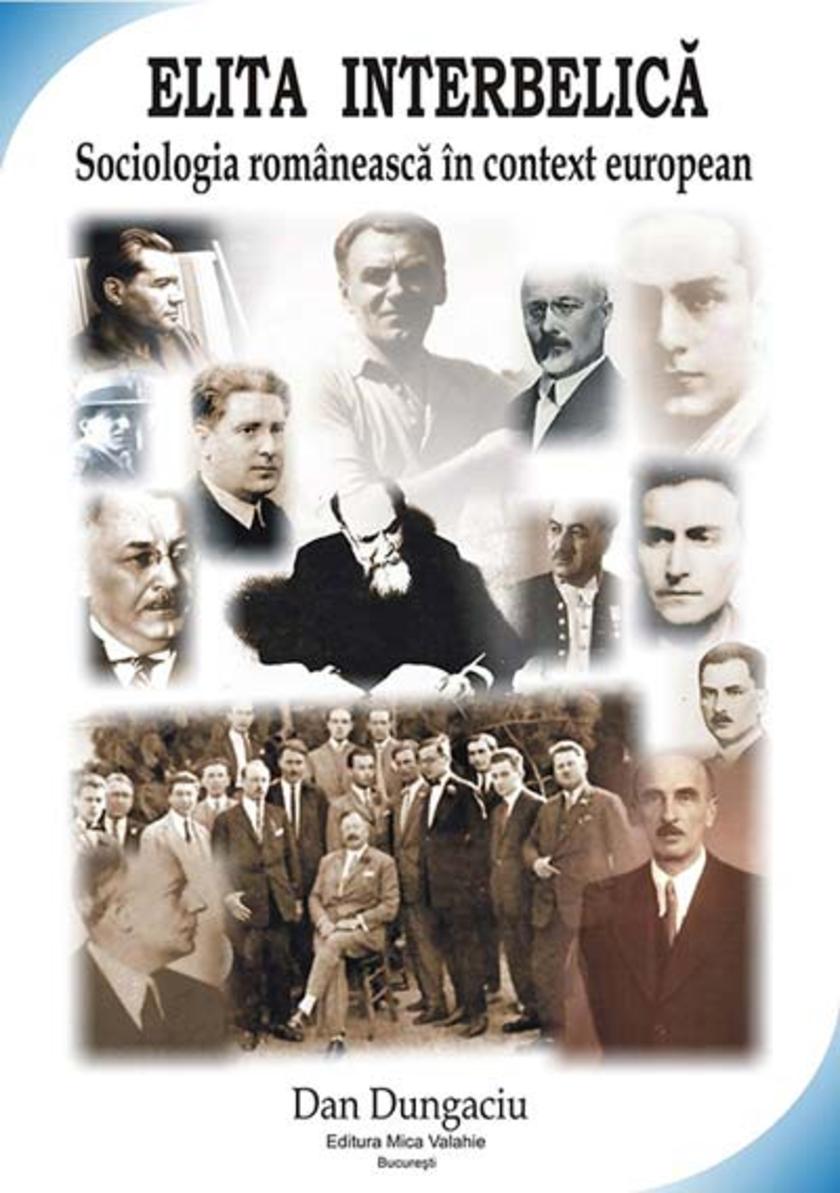
Elita interbelic?: sociologia rom?neasc? ?n context european
¥90.84
Pe 1 mai 1915, c?nd Primul R?zboi Mondial intra ?n cea de a zecea sa lun?, un transoceanic de linie luxos, la fel de bogat decorat ca un conac englezesc de ?ar?, pleca din New York cu destina?ia Liverpool, av?nd la bord un num?r record de copii. ?n r?ndurile pasagerilor domnea o surprinz?toare stare de bun? dispozi?ie, de?i Germania declarase c? apele din jurul Marii Britanii constituiau o zon? de r?zboi. Luni de zile, submarinele germane sem?naser? teroarea ?n Atlanticul de Nord. Dar Lusitania era unul dintre marile transatlantice ale epocii, cel mai rapid vapor de linie aflat ?n serviciu, iar c?pitanul ei, William Thomas Turner, avea o ?ncredere de nestr?mutat ?n regulile stricte ale r?zboiului purtat de gentlemani, care feriser?, vreme de un secol, vasele civile de orice atac. Este o poveste pe care mul?i dintre noi cred c? o cunosc, f?r? a o ?ti cu adev?rat, iar Erik Larson ne-o readuce ?n aten?ie plin? de suspans, schimb?nd rolurile ?ntre v?n?tor ?i v?nat, ?n timp ce descrie un tablou mai general al Americii la apogeul Erei Progresului. Plin? de str?lucire ?i de emo?ie, Siajul mor?ii aduce la via?? o distribu?ie de personaje evocatoare, de la faimosul librar din Boston Charles Lauriat, la pioniera din domeniul arhitecturii Theodate Pope ?i la pre?edintele Woodrow Wilson, un om sufocat de suferin?? ?i ?ngrozit de perspectiva unui r?zboi mondial. Siajul mor?ii surprinde drama pur? ?i puterea emo?ional? a unui dezastru ale c?rui detalii intime ?i ?n?eles real riscau s? r?m?n? pierdute ?n negurile istoriei.
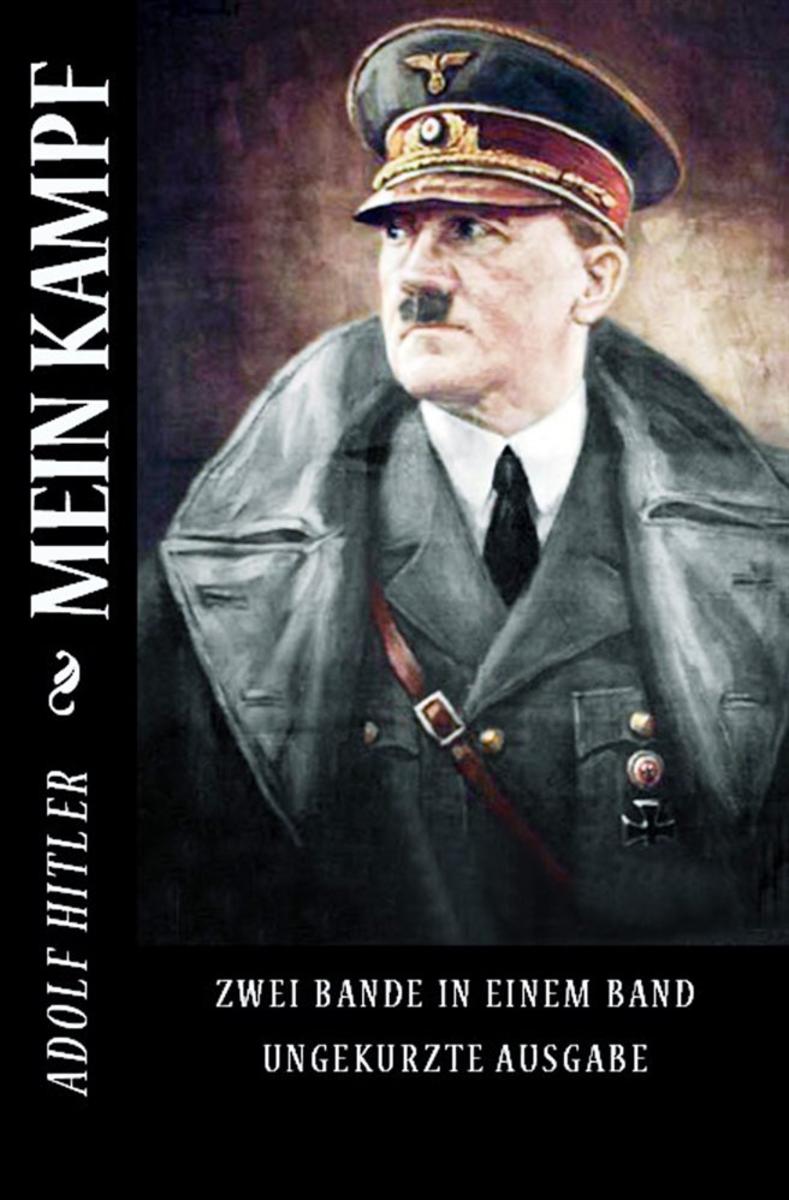
Mein Kampf: "Zwei Bande in Einem Band Ungekurzte Ausgabe"
¥37.11
Mein Kampf ist eine politisch-ideologische Programmschrift Adolf Hitlers. Sie erschien in zwei Teilen. Hitler stellte darin seinen Werdegang zum Politiker und seine Weltanschauung dar. Das Buch enthalt Hitlers Autobiografie, ist in der Hauptsache aber eine zweckgerichtete Kampf- und Propagandaschrift, die zum Neuaufbau der NSDAP als zentral gelenkter Partei unter Hitlers Fuhrung dienen sollte.??Der erste Band entstand in Hitlers Haftzeit 1924 und wurde erstmals am 18. Juli 1925, der zweite am 11. Dezember 1926 veroffentlicht. Vor allem der erste Band wurde bis 1932 in der Weimarer Republik zu einem viel diskutierten Bestseller.??Hitler schrieb 1924 den ersten Teil von Mein Kampf wahrend seiner Festungshaft in der Haftanstalt Landsberg in Landsberg am Lech. Er soll den Text seinem spateren Stellvertreter Rudolf HeB diktiert haben. Neuere Erkenntnisse weisen darauf hin, dass Hitler den Text selbst auf einer Reiseschreibmaschine tippte. Winifred Wagner berichtete, Hitler "massenhaft Schreibpapier" nach Landsberg geschickt zu haben.??Ursprunglich sollte das Buch Viereinhalb Jahre [des Kampfes] gegen Luge, Dummheit und Feigheit heiBen. Nach der vorzeitigen Haftentlassung im Dezember 1924 diktierte Hitler den starker programmatisch ausgelegten zweiten Teil von Mein Kampf seinem Gefolgsmann Max Amann, Direktor des Franz-Eher-Verlags. Amann und Hitler zogen sich im Sommer 1925 in das (daher spater so genannte) Kampfhausl des Pensionswirts Bruno Buchner auf dem Obersalzberg (nahe dem spateren Berghof) zuruck, um das Manuskript zu tippen.??Im Juli 1925 erschien der erste Band, im Dezember 1926 der zweite. Bis 1930 vertrieb der Verlag Mein Kampf in zwei groBformatigen Banden zum Preis von zunachst je 12, ab 1928 14 Reichsmark.??Der Originaltext erlebte in seiner zwanzigjahrigen Editionsgeschichte von 1925 bis 1945 zahlreiche Anderungen und Erweiterungen. Der Text der spaten Ausgaben aus den 1940er Jahren ist nur bedingt in direkten Bezug zu setzen mit Hitlers publizistischer und politischer Positionierung Mitte der 1920er. ??Im Herbst 2006 tauchten in Munchen funf Manuskript- und achtzehn Entwurfsseiten zu Hitlers Buch auf, die er vor dessen Veroffentlichung im Fruhjahr und im Sommer 1924 wahrend seiner Festungshaft in Landsberg verfasst hatte. Der Vergleich mit der spateren Endfassung ermoglichte der Hitlerforschung Ruckschlusse zur Entwicklung von Hitlers Weltbild und Agitationsweise.??Der erste und der zweite Band erschienen in einer Erstauflage von je 10.000 Exemplaren. Die NSDAP finanzierte sich ganz wesentlich uber den eigenen Parteiverlag, an dem auch Hitler personlich beteiligt war. Von der einbandigen Volksausgabe wurden bis Januar 1933 287.000 Exemplare zum Preis von je 12 RM durch den Zentralverlag der NSDAP (Franz Eher Nachfolger) verkauft. ??Hitler erhielt pro verkauftem Buch 10 Prozent Tantiemen. Die folgende einbandige Ausgabe kostete 8 RM ("Volksausgabe", ab 1930)...
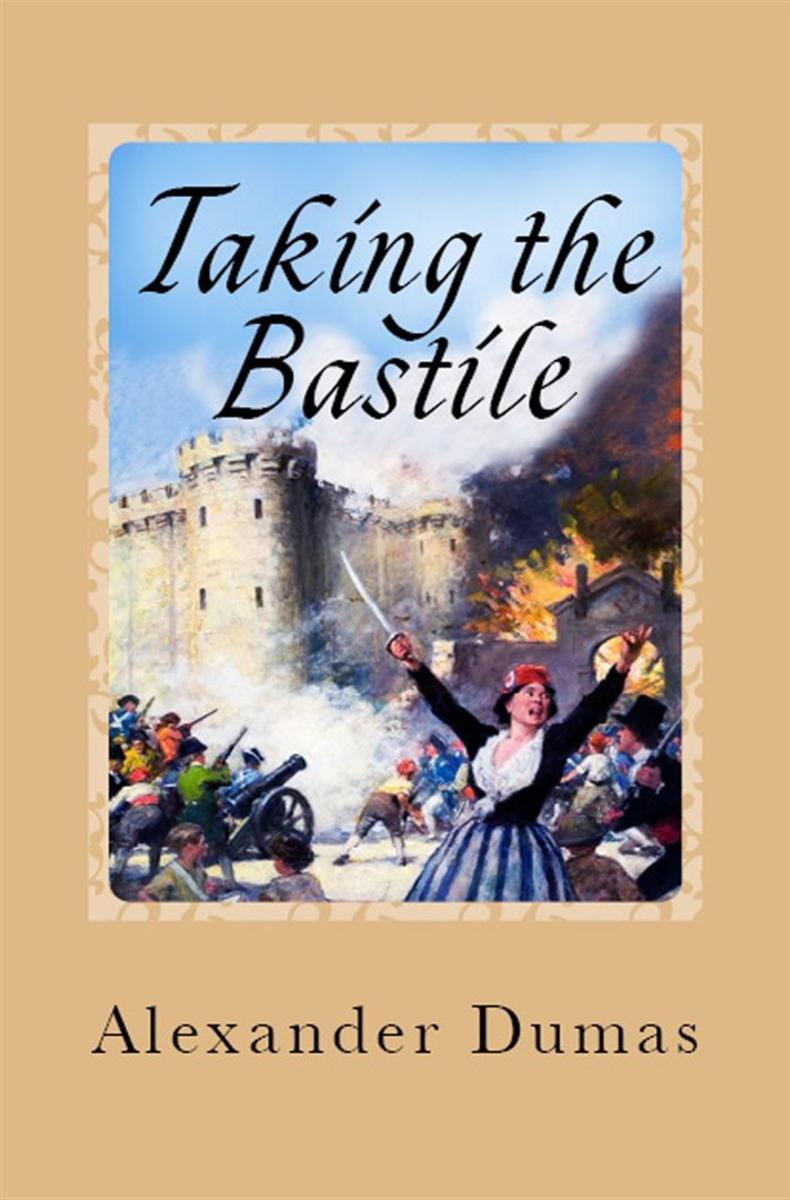
Taking the Bastile: (Historical Novel)
¥21.26
It was a winter night, and the ground around Paris was covered with snow, although the flakes had ceased to fall since some hours.?Spite of the cold and the darkness, a young man, wrapped in a mantle so voluminous as to hide a babe in his arms, strode over the white fields out of the town of Villers Cotterets, in the woods, eighteen leagues from the capital, which he had reached by the stage-coach, towards a hamlet called Haramont. His assured step seemed to indicate that he had previously gone this road.?Soon above him streaked the leafless boughs upon the grey sky. The sharp air, the odor of the oaks, the icicles and beads on the tips of branches, all appealed to the poetry in the wanderer.??Through the clumps he looked for the village spire and the blue smoke of the chimneys, filtering from the cottages through the natural trellis of the limbs.?It was dawn when he crossed a brook, bordered with yellow cress and frozen vines, and at the first hovel asked for the laborer's boy to take him to Madeline Pi-tou's home.??Mute and attentive, not so dull as most of their kind, the children sprang up and staring at the stranger, led him by the hand to a rather large and good-looking cottage, on the bank of the rivulet running by most of the dwellings.?A plank served as a bridge.?"There," said one of the guides nodding his head to-wards it.?Gilbert gave them a coin, which made their eyes open still more widely, and crossed the board to the door which he pushed open, while the children, taking one another's hand, started with all their might at the handsome gentleman in a brown cloth coat, buckled shoes and large cloak, who wanted to find Madeline Pitou.?Apart from them, Gilbert, for such was the young man's name, simply so for he had no other, saw no liv-ing things: Haramont was the deserted village he was seeking.??As soon as the door was open, his sight was struck by a scene full of charm, for almost anybody, and par-ticularly for a young philosopher like our roamer.?A robust peasant woman was suckling a baby, while another child, a sturdy boy of four or five, was saying a prayer in a loud voice.?In the chimney corner, near a window or rather a hole in the wall in which was stuck a pane of glass, an-other woman, going on for thirty-five or six, was spin-ning, with a stool under her feet, and a fat poodle on an end of this stool.?Catching sight of the visitor the dog barked in a civil and hospitable manner just to show that he had not been caught napping. The praying boy turned, cutting the devotional phrase in two, and both females uttered an exclamation between joy and surprise.?"I greet you, good mother Madeline," said Gilbert with a smile.
Paradisul r?t?ci?ilor
¥57.14
Despre Europa s-a vorbit mult, ?n special din perspectiva social? ?i economic?, ?ns? tema nu a fost dezb?tut?, a?a cum s-ar fi cuvenit, de pe pozi?ia culturii. Cartea Mituri ?i legende ale antichit??ii propune studii eseistice referitoare la baza culturii europene. Eseurile ne invit? s? g?ndim ?mpreun? Europa din perspectiva singurului factor care une?te – cultura.
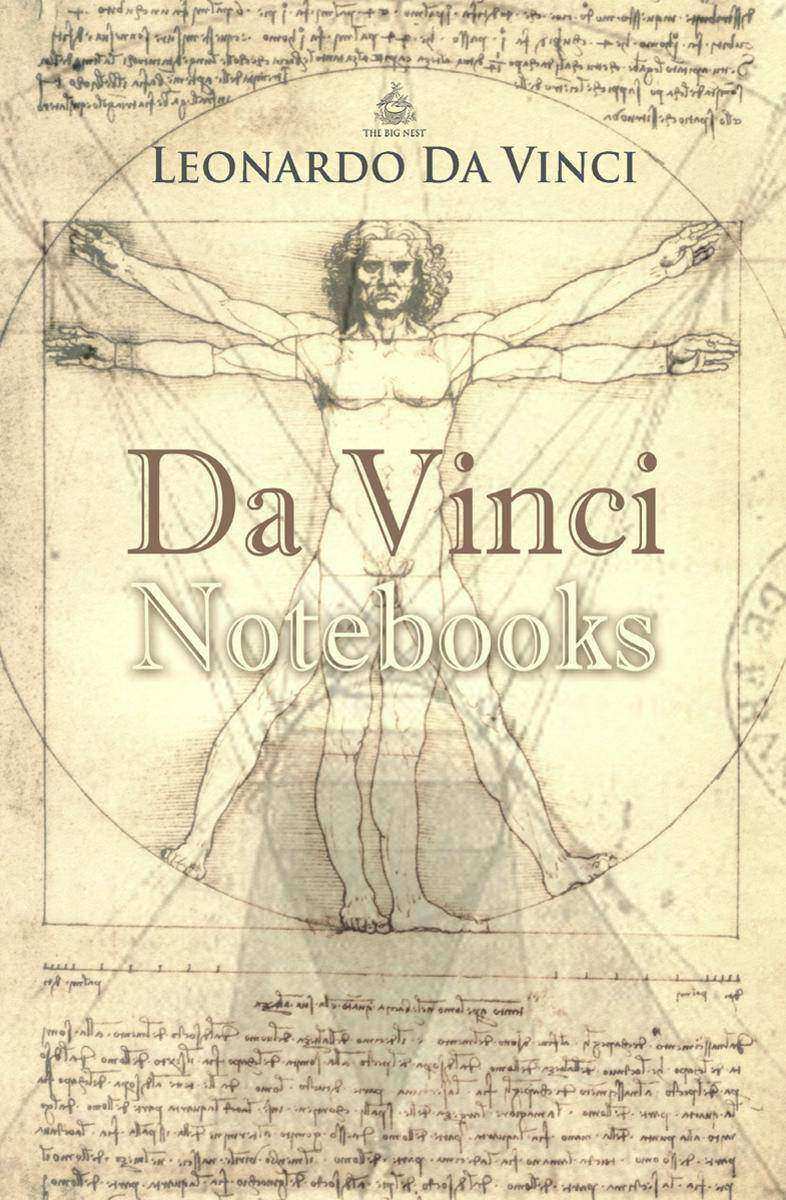
Da Vinci Notebooks
¥40.79
A singular fatality has ruled the destiny of nearly all the most famous of Leonardo da Vinci's works. Two of the three most important were never completed, obstacles having arisen during his life-time, which obliged him to leave them unfinished; namely the Sforza Monument and the Wall-painting of the Battle of Anghiari, while the third—the picture of the Last Supper at Milan—has suffered irremediable injury from decay and the repeated restorations to which it was recklessly subjected during the XVIIth and XVIIIth centuries. Nevertheless, no other picture of the Renaissance has become so wellknown and popular through copies of every description.
Leviathan
¥40.79
Leviathan is one of the earliest and most influential examples of social contract theory. A classic western work on statecraft comparable to Machiavelli's The Prince. Written during the English Civil War (1642–1651), Leviathan argues for a social contract and rule by an absolute sovereign.
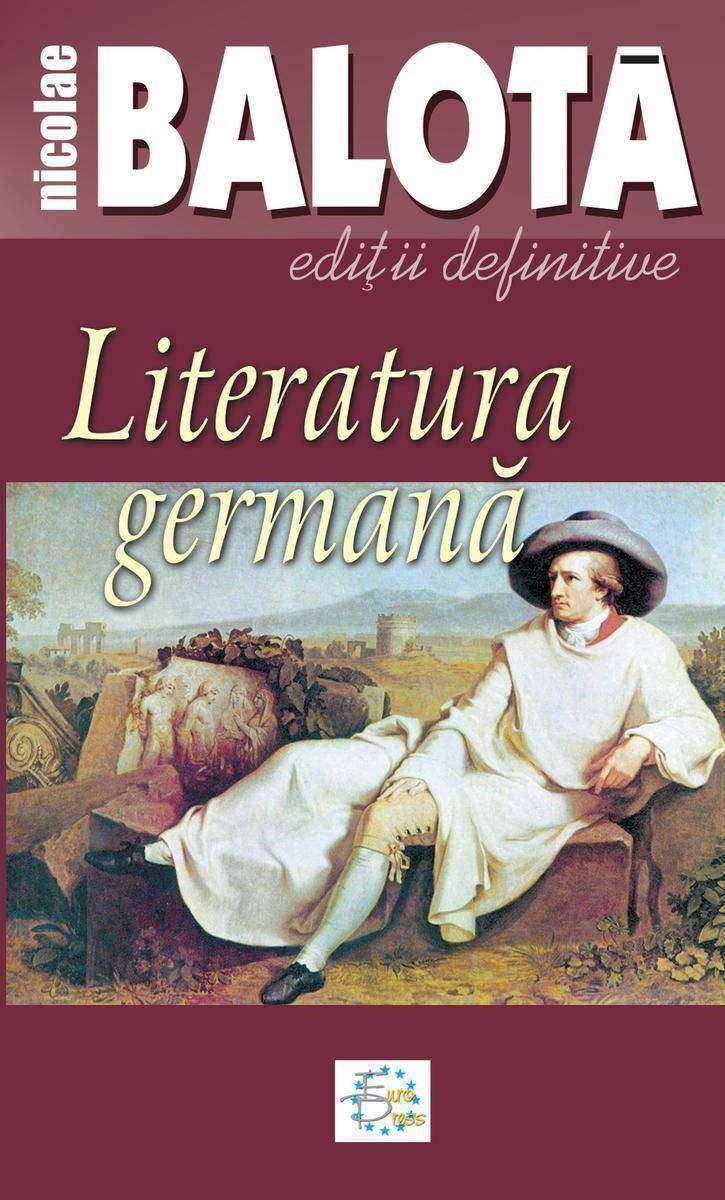
Literatura german?. De la Sturm-und-Drang la zilele noastre
¥96.57
Cartea abordeaz? o tem? important?, care nu a f?cut obiectul unei cercet?ri distincte ?n istoriografia rom?neasc?, mai ales perioada 1948-1955. Autorul a analizat evolu?ia elitei politice na?ional-??r?niste ?i na?ional-liberale ?n ?ntreg intervalul 1945-1955 … Ponderea cea mai mare o ocup? activitatea represiv? a guvernan?ilor care, ?n anii 1947-1950, au desf??urat o ampl? ac?iune de arestare a tuturor adversarilor regimului … Urm?rind simultan, potrivit criteriului cronologic, ?ntregul tablou al situa?iei interna?ionale, al activit??ii guvernamentale, al vie?ii interne a partidelor analizate, al ac?iunii liderilor politici etc … lucrarea se dovede?te a fi temeinic documentat? ?i realmente original?.
Arhive secrete, secretele arhivelor. Vol. 2
¥106.19
Lucrarea vizeaz? o tem? de actualitate – brandul de ora?, oferind un cadru teoretic al acestui nou concept de marketing, completat de o parte aplicativ? divers?, care ?i-a propus s? identifice ?i s? completeze eforturile autorit??ilor locale ?n aceast? direc?ie.
The Art of War
¥8.82
The Art of War is a Chinese military treatise that was written during the 6th century BC by Sun Tzu. Composed of 13 chapters, each of which is devoted to one aspect of warfare, it has long been praised as the definitive work on military strategies and tactics of its time. The Art of War is one of the oldest books on military strategy in the world. It is the first and one of the most successful works on strategy and has had a huge influence on Eastern and Western military thinking, business tactics, and beyond. Sun Tzu was the first to recognize the importance of positioning in strategy and that position is affected both by objective conditions in the physical environment and the subjective opinions of competitive actors in that environment. He taught that strategy was not planning in the sense of working through a to-do list, but rather that it requires quick and appropriate responses to changing conditions.
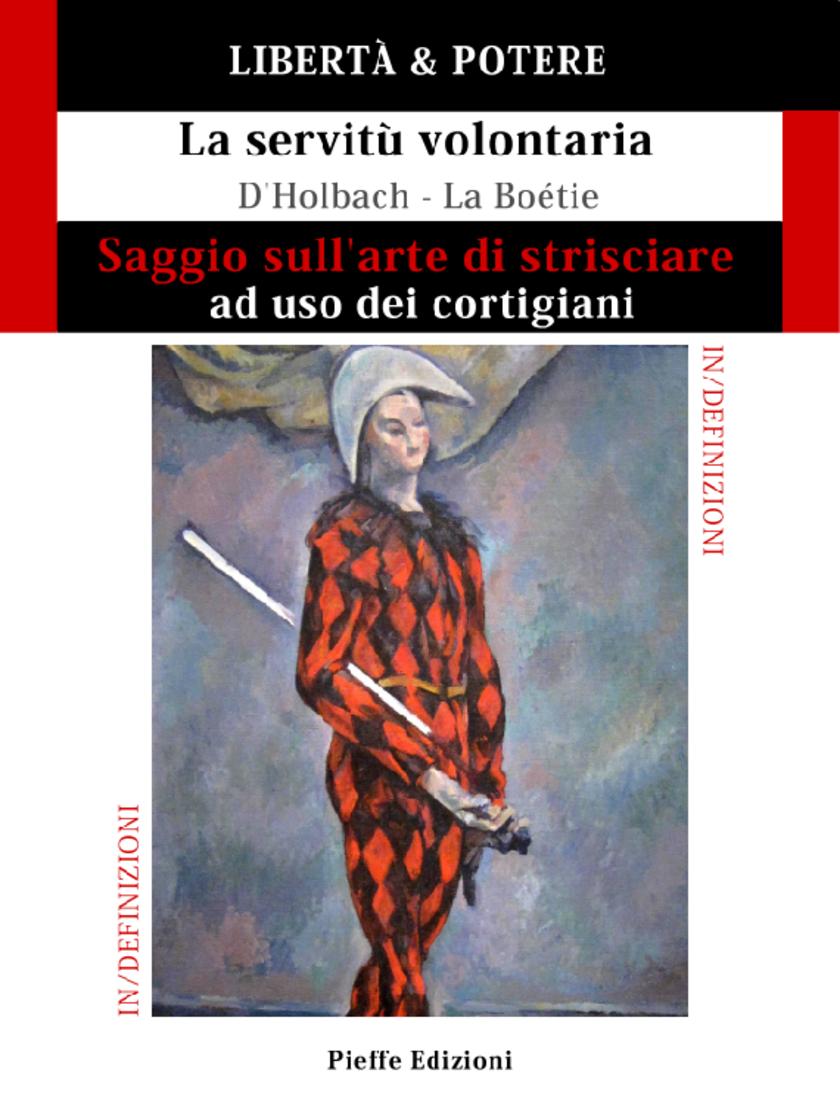
LIBERT? & POTERE. Saggio sull'arte di strisciare ad uso dei cortigiani
¥55.75
Exila?i este singura pies? scris? de Joyce, unde ??i face manifest?, prin regulile speciei, predilec?ia pentru m??tile puse fiec?rui personaj. Citit? ca o trecere ?n ordine cronologic? de la Portret al artistului ?n tinere?e la Ulise, piesa con?ine m?rci clare ale obsesiilor scriitorului ?i urme vizibile ale experien?ei omului James Joyce. Rela?iile de dragoste, parentale sau de prietenie sunt cele care dezechilibreaz? personajele, exilul temporar ?n Italia fiind doar o alt? form? a ?nstr?in?rii din Irlanda natal?.
Beszterce ostroma
¥23.30
Rejtély, amelyet másfél száz éve próbálnak írók, irodalomt?rténészek, színházi szakemberek, esztéták, filozófusok megfejteni. Mese? ?rgirus királyfi és Tündér Ilona csodásan valószer?tlen t?rténete számtalan változatban létezik a magyar népmesekincsben, s olasz k?zvetít? forrásokon át g?r?g, s?t egyiptomi gy?kerekig nyúlik vissza az aranyalmát term? fa s a két szerelmes t?rténete. Szerelmi románc? Nem fontos a kor, a táj, a t?rténelmi háttér, csak az érzelmeiben egymásba gabalyodott két ember – itt és most: Csongor és Tünde – lángolása, viharzása, minden eléjük tornyosuló akadályt leromboló akarása, szerelmi szárnyalása. Színdarab? Karakteres, jó szerepek – ?rd?g?k, boszorkányok, b?lcsek, ledérek – forgataga zegzugos cselekmény, váratlan fordulatok, lehet?ség mindenféle színpadi csoda semmi nem korlátozva megvalósítására: sok alakra bomló, egy személybe olvadó boszorkány, leveg?ben r?pk?d?, láthatatlanná váló ?rd?gfiak, f?ld mélyér?l szemünk láttára kiemelked?, fényárban úszó tündérpalota. Minden pillanatban tátva maradhat a szánk. Filozófiai traktátus? ?letutak: Kalmáré a kincs, Fejedelemé a hatalom, Tudósé a b?lcsesség; Csongoré a szerelem. A kincs elpereg, a hatalom elkopik, a tudás semmivé porlad. A szerelem ?r?k. Drámai k?ltemény? ?jfélt?l éjfélig élünk: hajnalodik, felragyog az ég, dél van, alkonyodik, beesteledik, már f?lénk borul az éjszaka. Reményekkel telten, harcra készen kezdjük hajnalban, küszk?dünk reggel, boldogok vagyunk délben, szorongunk alkonyatkor, s?tétedéskor belenyugszunk az elmúlásba. De másnap újra f?lkel a nap. V?r?smarty Mihály 1830-ban fejezte be m?vét, a cím alá azt írta: színjáték ?t felvonásban. Már csak boldogan sajgó, rejtve rejtett szomorú emlék szívében reménytelen szerelme, Perczel Etelka. Mindennapi életében legf?képpen arra büszke, hogy sok kínnal keletkezett nagy m?vét, a Zalán futását a várva várt nemzeti eposzként ünneplik. Tagja az éppen szület? Magyar Tudományos Akadémiának, a legismertebb, legfontosabb szépirodalmi és m?vészeti lapok ?dolgozótársa”, szívét melenget? jóérzés: Széchenyi István a barátja. Igaz, a pénztárcája t?bbnyire lapos, gyakran kínosan lapos, de ismert és népszer? ember. Harminc éves. Férfi. Kincse nincs, hatalomra nem vágyik, a tudásról azt gondolja: valójában senki nem tudja, mennyit ér s mire jó. De Csongor boldog, amikor megpillantja Tündét, boldog, amikor át?leli, boldog, amikor elveszíti, mert hiszi, tudja: nem ?r?kre veszítette el. Küzd, harcol, verekszik: keresi a boldogságot. S boldog, amikor embert próbáló kalandok után végre megtalálja Tündét, s f?ldi létükben ?r?kre ?sszeforrnak. Csongor és Tünde számára a szerelem a kincs, a hatalom, a tudás. El nem veszíthet? kincs, ?r?kre er?t adó hatalom, b?lcsességgé párlódott tudás. ?gy lesznek halandók halhatatlanok. ?s másnap újra f?lkel a nap.
Akli Miklós
¥17.49
sszevissza csereberéldik egy ikerpár, lóvátesznek egy felfuvalkodott trtett, tmérdek móka, dal, vidámság szvi át két, nagy nehezen egymásra találó szerelmespár trténetét. Oly' darab ez, amint a kznség szeret, kíván, óhajt – ami nektek kell”, mondta Szász Károly errl a vígjátékról, amelynek már a címe is jókedvre derít.
K?nyvkett?: A k?nyv, az írás és az irodalom j?v?jér?l
¥34.99
A Hamlet (1601), talán legismertebb, legt?bbet játszott m?ve Shakespeare-nek. K?zéppontjában az élet kínálta, s mindenkiben f?lmerül? kérdés áll: "Lenni vagy - nem lenni?", és ha lenni - hogyan? Mi az emberi cselekvés végs? határa a vélt vagy valós hiba, netán b?n helyrehozatalához? Egyáltalán van-e igazi létezés, s ha van, az mennyire lehet veszélyes a létez?re? Vívódó, t?preng? alkotás a dráma, miként a f?szerepl? maga. Hamlet késleltetett bosszúját hosszas ?nmarcangoló kérdéselvetések, bizonyságkéresésék el?zik meg. Végül igazságot szolgáltat, de ? is belepusztul. T?rni vagy ellenszegülni? A reneszánsz ember dilemmája ?r?kérvény?! Mert a cselekvés erk?lcsileg legvitathatóbb pontja az emberi élet kioltása. Van-e joga valakinek - ha oka van is - ?lni? K?vetkezmények nélkül semmi sem vállalható, kül?n?sen nem a pusztítás. De van-e joga az embernek vélt vagy valós igaza tudatában nem cselekedni, nem vállalni a tett kockázatát? Mennyire tartozunk felel?sséggel a külvilág és saját lelkiismeretünk el?tt? Hamlet tettével válaszol a kérdésekre, ám az egész dráma nem ad egyértelm? feleletet. Nem is adhat. Remekm?vek; géniuszok és a természet sajátossága a talányosság... Nem beszélve arról, hogy a mindennapok kisebb-nagyobb d?ntéseit mindenkinek magának kell meghoznia.


