


 购物车
购物车 个人中心
个人中心

50 Quick Facts about Arizona
¥9.71
This book is part of a series of 50 quick facts about each of the United States of America. This book covers the state of Arizona. Facts about the major cities, the history of the state, famous people linked to Arizona and many more subjects. This book contains all you will ever need to know about the Copper State.
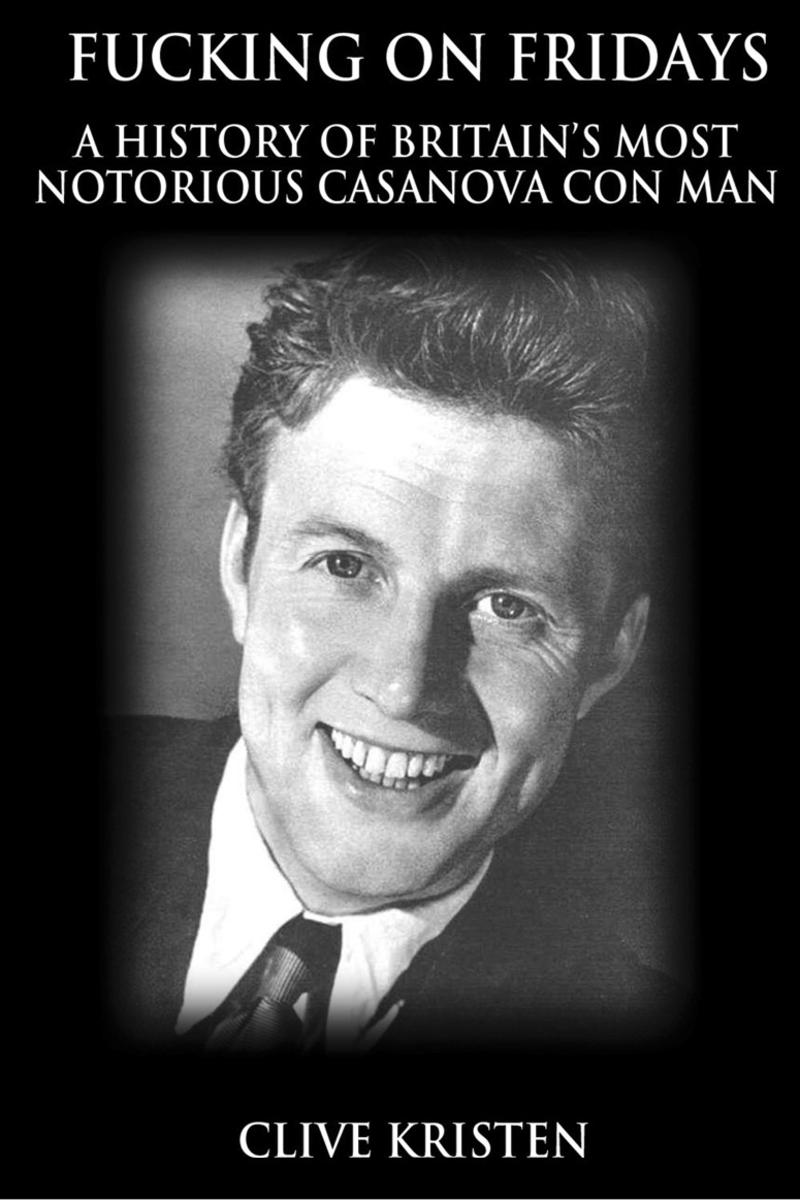
Fucking On Fridays
¥29.33
Dennis Loraine died in self-imposed obscurity in South London. During the last three decades of his life he slept with a revolver under his pillow. Dennis's childhood in a Bristol orphanage gave him a thirst for success. The University of Life, however, made him cabin boy, code-breaker and actor. By his early thirties he had married four times and fathered a dozen children. He maintained a lavish lifestyle by preying on older women. He became a trusted friend of the famous and wanted to be like them. With his partner, screen idol and Oscar winner George Sanders, he created the Company of Cads which was to become the driving force behind the greatest financial scandal of the 1960's. Celebrity investors, who included world famous author Graham Greene and silent movie legend Charlie Chaplin, had their careers compromised. The Cads also took millions from the public purse. When the company collapsed Dennis went underground as a US Secret Service mole and was instrumental in bringing to justice those behind the biggest counterfeiting operation in US history. As a consequence of this, and a possible attempt to embarrass a future Prime Minister, the Cads scandal was whitewashed and none of the principals were brought to justice in the UK. As Dennis Loraine's oldest son, I am uniquely placed to tell his story. The intention throughout is to excavate the truth and to reveal something of the world in which my father lived and moved. Significant events are corroborated by solid documentary evidence.
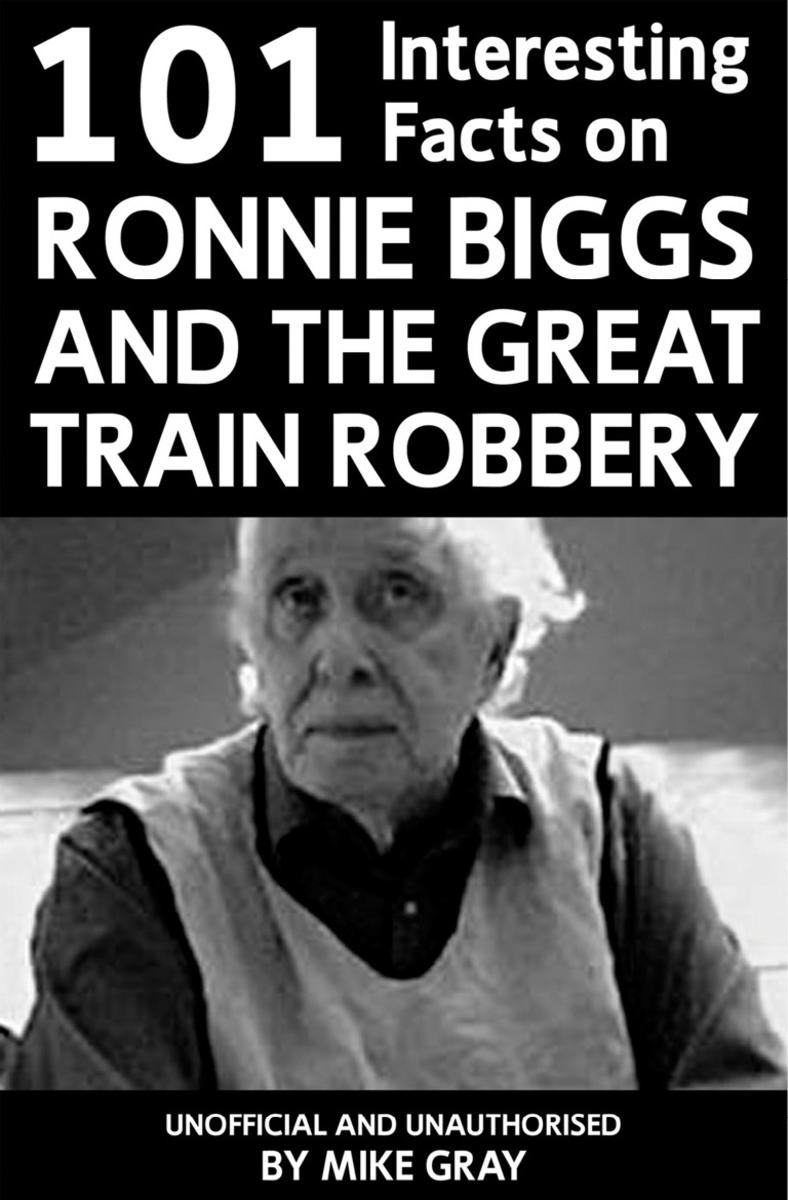
101 Interesting Facts on Ronnie Biggs and the Great Train Robbery
¥24.43
The Great Train Robbery, and the part Ronnie Biggs played in it, is one of the most famous true crime stories of all time. Ronnie's imprisonment, subsequent escape and life on the run has been the subject of much discussion and this new book sets out the facts for anyone wishing to find out what really happened on the day of the robbery and in the years beyond. Do you know how many members of rail staff were on board the train on the day of the robbery? Are you aware which celebrities became involved in the Free Ronnie Biggs Campaign? Can you name the many films, documentaries and books that have been produced about the Great Train Robbery? All this information and more is in 101 Interesting Facts on Ronnie Biggs and The Great Train Robbery. Despite Ronnie Biggs' advancing age and the fact that 2013 marks the 50th anniversary of the Great Train Robbery, the daring 1963 heist still attracts a great deal of interest. If you would like to know the facts, this book is for you.
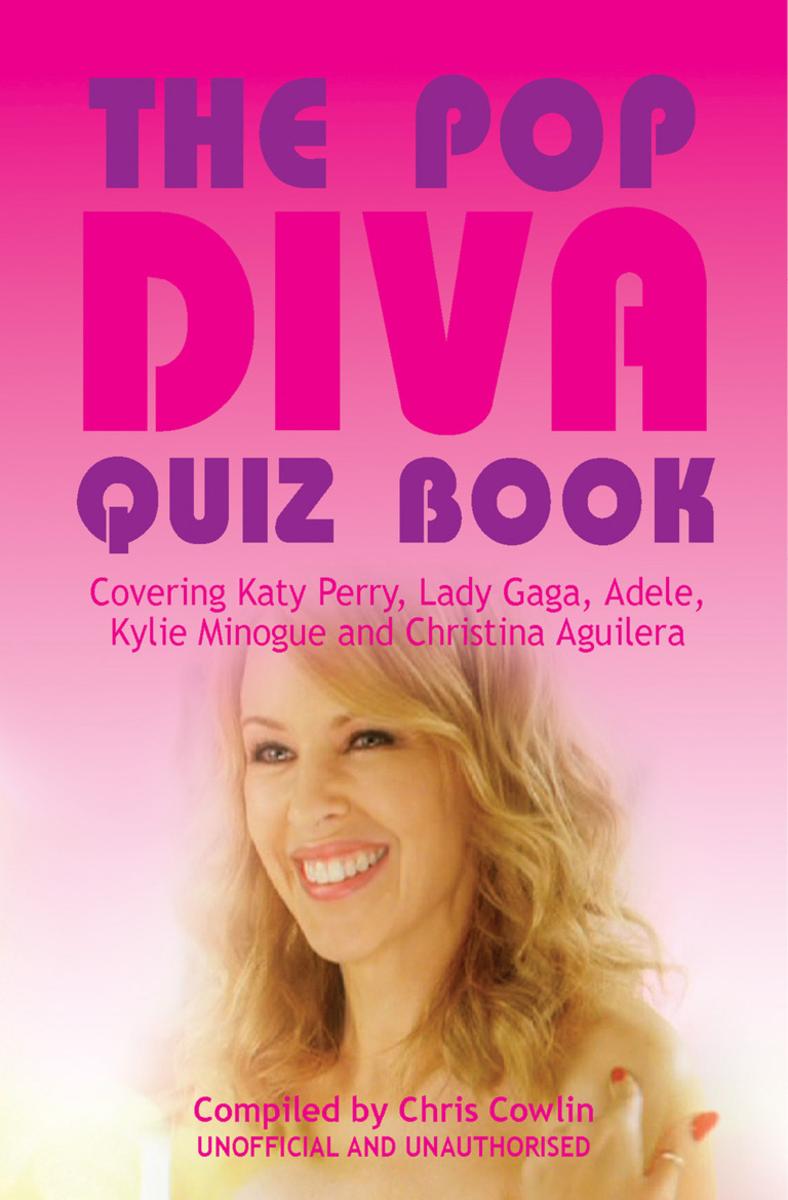
Pop Diva Quiz Book
¥39.14
The music industry has produced some iconic female artists in recent years. From princess of pop, Kylie Minogue, through to the eccentric Lady Gaga, these modern day divas belt out hit after hit for our entertainment. If you are a fan of powerful female singers, you are certain to enjoy The Pop Diva Quiz Book. Which American singer-songwriter was heavily influenced by gospel music when she was growing up? Which award-winning artist attended the BRIT school in the UK? Which singer released an album called 'Back to Basics' in 2006? The answers to these brain teasers and more can all be found inside this book. Featuring five multi-talented female artists; Katy Perry, Lady Gaga, Adele, Kylie Minogue and Christina Aguilera, you are sure to learn something new about your favourite diva. With 100 questions on the women who have helped to shape the modern music landscape, this book will appeal to pop fans of all ages. Find out how much you really know about some of the most influential women in pop.
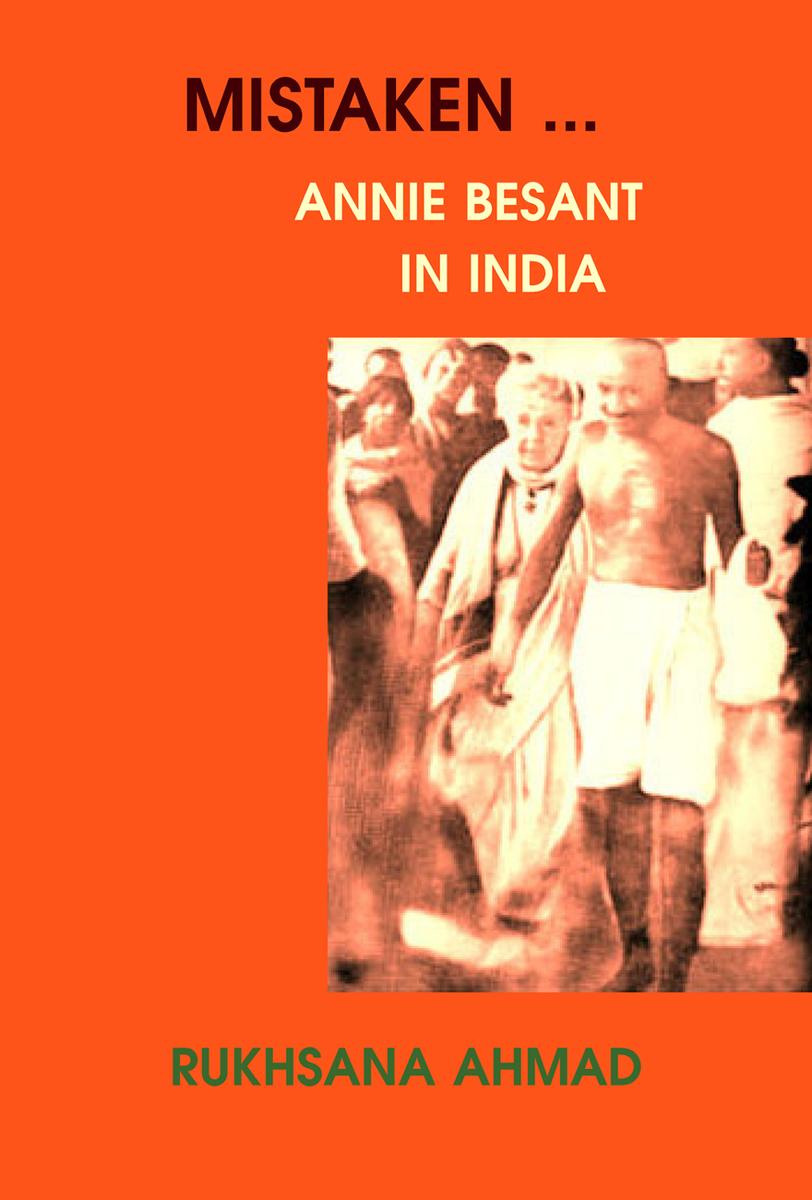
Mistaken… Annie Besant in India
¥40.79
Explores the incredible story of Annie Besant’s relationship with India and the boy who went on to become one of India’s greatest teachers and thinkers – Krishnamurti. 1916: India is simmering with discontent against the Raj. Enter English proto-feminist Annie Besant, notorious at home for the match-girls’ strike, political, charismatic. In India she finds a new family and a new cause. Gandhi hails her as the leader of the Congress Party after she courts imprisonment for promoting Indian Home Rule. She admires him – but can rulers ever befriend the ruled? Can Annie’s great love affair with India last? … or is she mistaken in her beliefs, politics and adoptions? ? ABOUT THE AUTHOR Rukhsana Ahmad‘s stage plays include: Song For Sanctuary, The Gate-Keeper’s Wife, Black Shalwar, River On Fire?(shortlist Susan Smith Blackburn Prize 2002), The Man Who Refused to be God, Last Chance and Partners in Crime. Radio plays and adaptations include:?Song for a Sanctuary?(CRE award, runner-up),?An Urnful of Ashes, The Errant Gene,?Nawal El Saadawi’s?Woman At Point Zero,?Jean Rhy’s?Wide Sargasso Sea?(shortlist CRE and Writers’ Guild Award for best adaptation), R.K Narayan’s?The Guide?and Nadeem Aslam’s?Maps For Lost Lovers. She also wrote for Westway and helped to create?Pyaar Ka Passort?for BBC World Service Trust. Her fiction includes a novel;?The Hope Chest?(Virago) and several short stories have been published internationally. Her translations from Urdu include?We Sinful Women, and Altaf Fatima’s novel,?The One Who Did Not Ask. Currently she is working on?Letting Go, a new play for Pursued by a Bear, and an adaptation for the BBC of Salman Rushdie’s?Midnight’s Children.
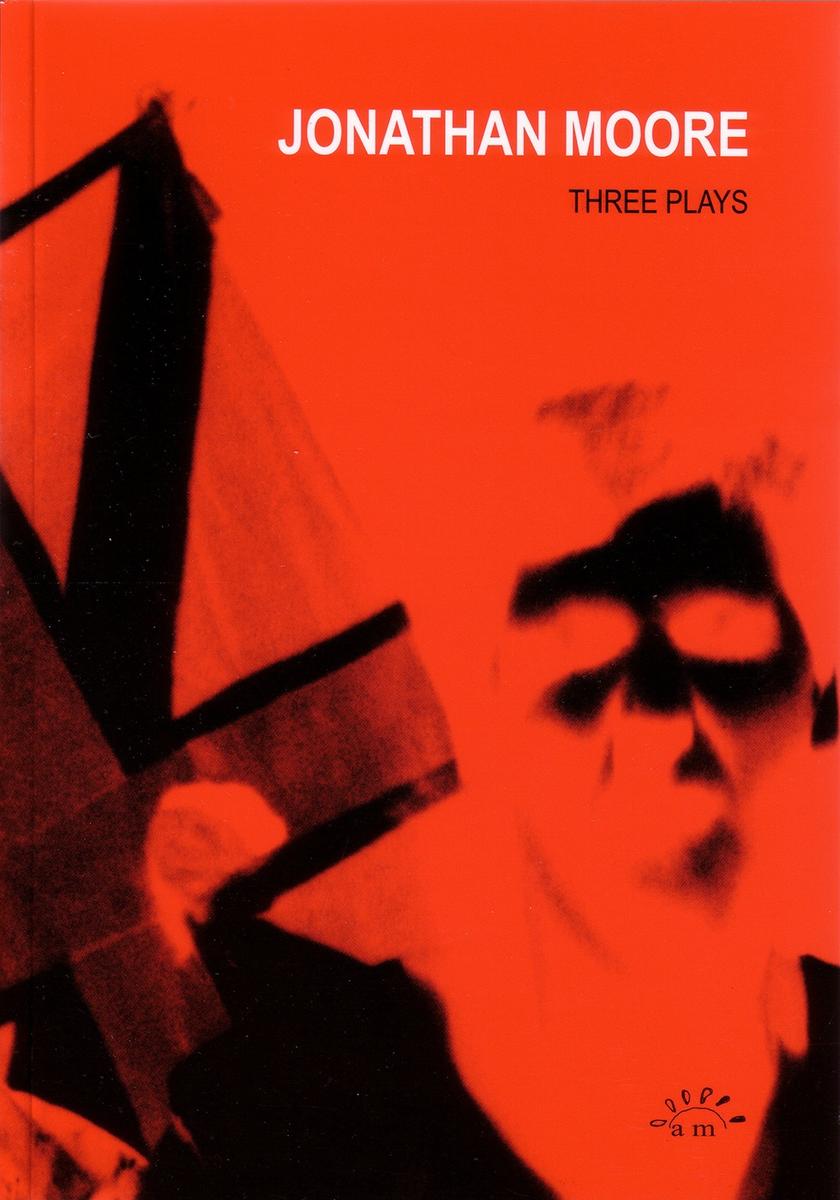
Three Plays
¥40.79
Award-winning playwright Jonathan Moore has been described as a “singular voice for his generation: furious, nihilistic, poetic…” (Time Out). This anthology brings together three of his critically acclaimed plays, including: This Other Eden, Fall From Light, and Treatment. ? The Plays This Other Eden?(Guardian Critics’s Choice): A story of passion. A wife and a mother. Her son and daughter. Her husband. The London Irish. Limboland. The hunger for a sense of a real culture. The desire for freedom… A tough play about a woman’s soul, told with beauty, humour and hope. “… the play burns with passion and indignation.”?Daily Telegraph Fall From Light: A young composer writes a new opera. The Director rejects it, but his lover, a young Diva, takes him to the council estate, where she and the composer grew up. There they meet Girly and his gang… A tale of art, savagery and redemption. Treatment?(Fringe First): Liam is part of a violent street gang but wants to escape. Trapped between two worlds, he has to choose between the dark allure of violence and the healing power of love.
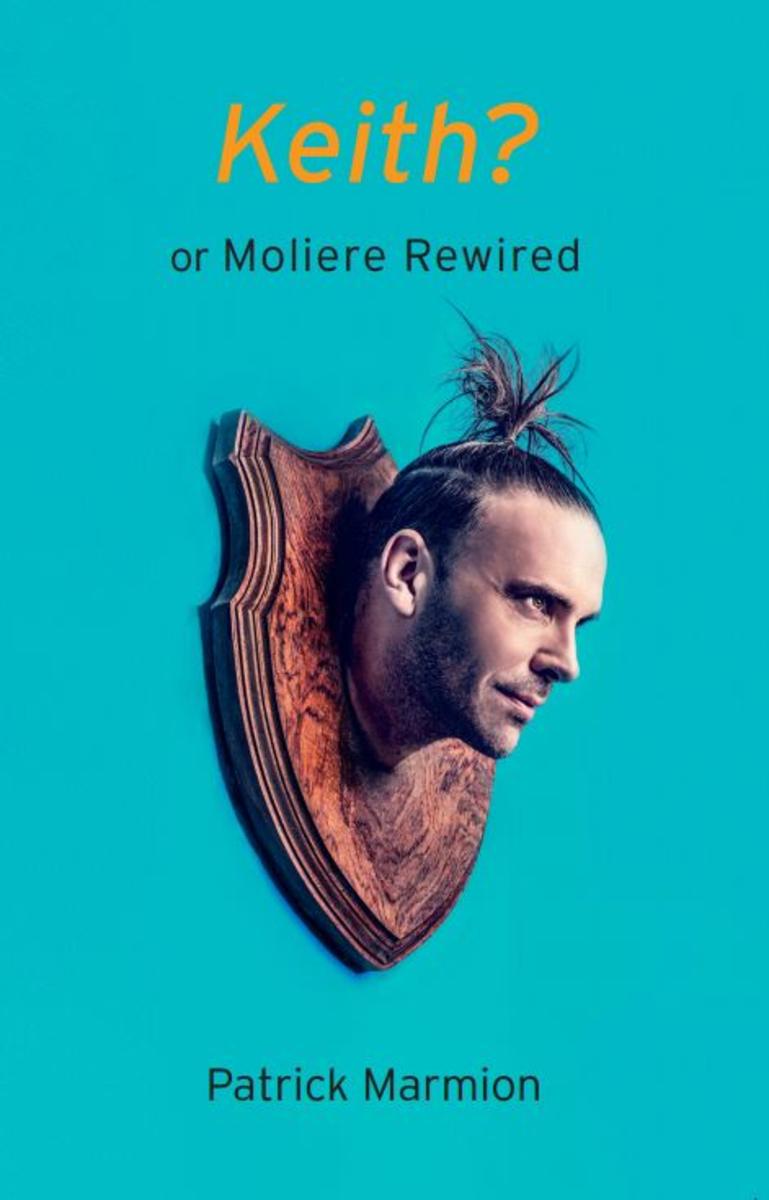
Keith? or Moliere Rewired
¥40.79
… A South African gunrunner turned Buddhist monk.… A gullible startup millionaire.… His radical feminist ex wife.… Their aid worker daughter.… The young British Muslim she met in Syria.… An ethical Serbian hitman.And an unstable Brazilian cleaner.Modern Britain. Moral chaos. Total nightmare.A new comedy about life in Brexit Britain, the lies we tell to each other – and to ourselves.
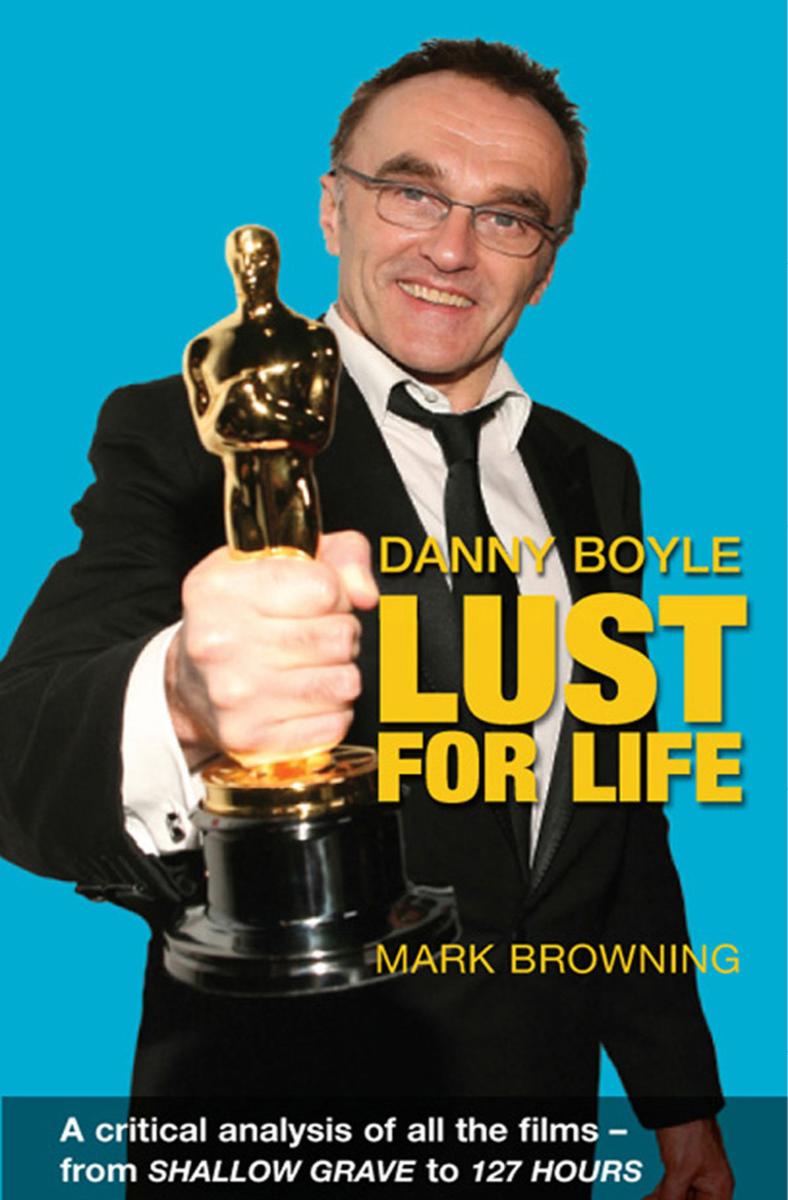
Danny Boyle - Lust for Life
¥98.00
Danny Boyle is one of contemporary filmmaking's most exciting talents. Since the early 1990s he has steadily created a body of work that crosses genres and defies easy categorisation, from black humour (Shallow Grave), gritty realism (Trainspotting), screwball comedy (A Life Less Ordinary), cult adaptations (The Beach), and horror (28 Days Later), to science fiction (Sunshine), children's drama (Millions), love stories (Slumdog Millionaire) and tales of personal redemption (127 Hours). Unlike many of his peers, Boyle seems most comfortable when working with modest budgets, relying on acting ability rather than special effects, and surrounding himself with a trusted team of writers, cinematographers and production designers. His restless energy, vitality and drive find their expression in the celebratory tone of his films - their lust for life.In this book, Mark Browning provides a rigorous but highly accessible analysis of Boyle's work, discussing the processes by which he absorbs generic and literary influences, the way he gains powerful performances both from inexperienced casts and A-list stars, his portrayal of regional identity, his use of moral dilemmas as a narrative trigger, and the religious undercurrents that permeate his films.
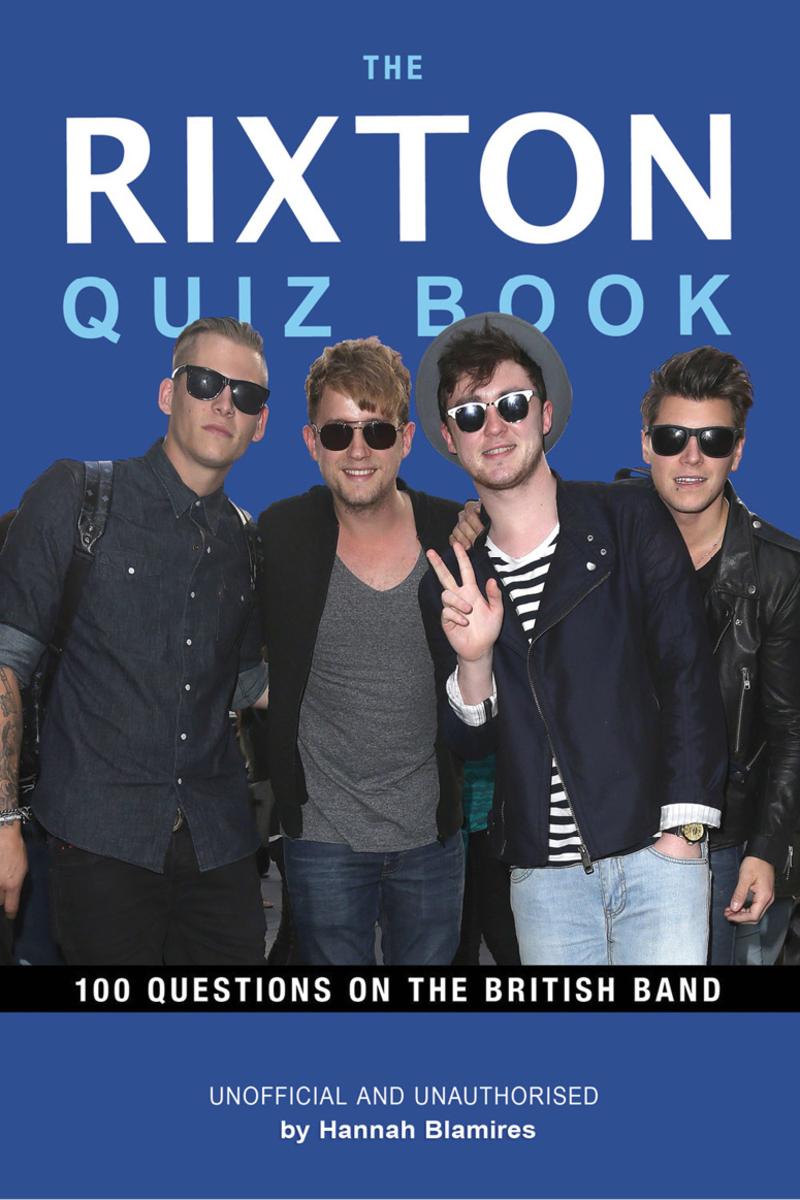
Rixton Quiz Book
¥24.43
Are you a fan of British boy band Rixton? Can you name the individual band members? Have you watched the music videos that the band has uploaded to YouTube? If so, you will be familiar with Rixton and enjoy their music but how much do you really know about the up and coming band? Find out exactly what Rixton has been up to with this new quiz book. What was Rixton previously known as? Whose tour titled 'The Honeymoon Tour' did the band support, kicking off in February 2015? How did Rixton celebrate the success of the single 'Me and My Broken Heart'? These are just some of the questions to be found inside The Rixton Quiz Book. Packed with information, this book details Rixton's journey from young hopefuls to chart topping success and includes sections on each of the band members as well as facts about their music, tours, singles and album. With 100 questions all about your favourite band, this is a must-have book for Rixton's rapidly growing fan base.
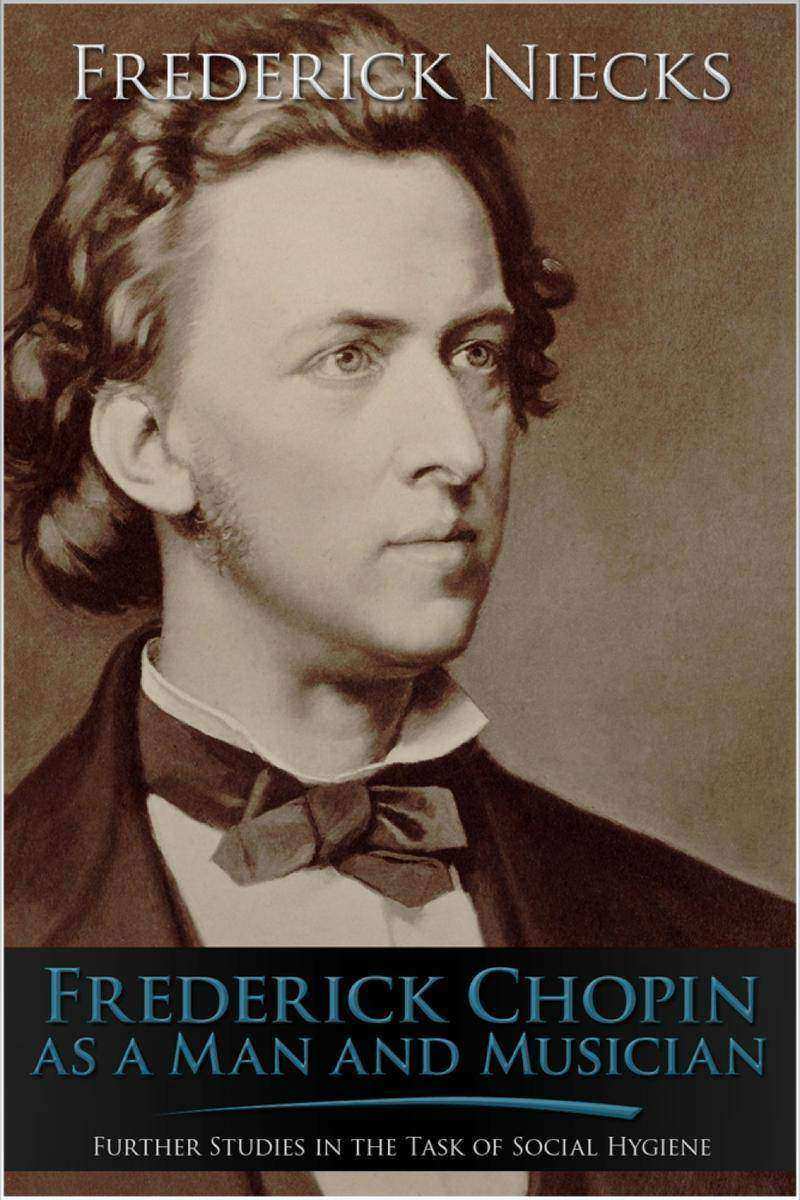
Frederick Chopin
¥19.52
Frederick Nieck's fantastic biography of the famous Polish composer Frederic Francois Chopin.
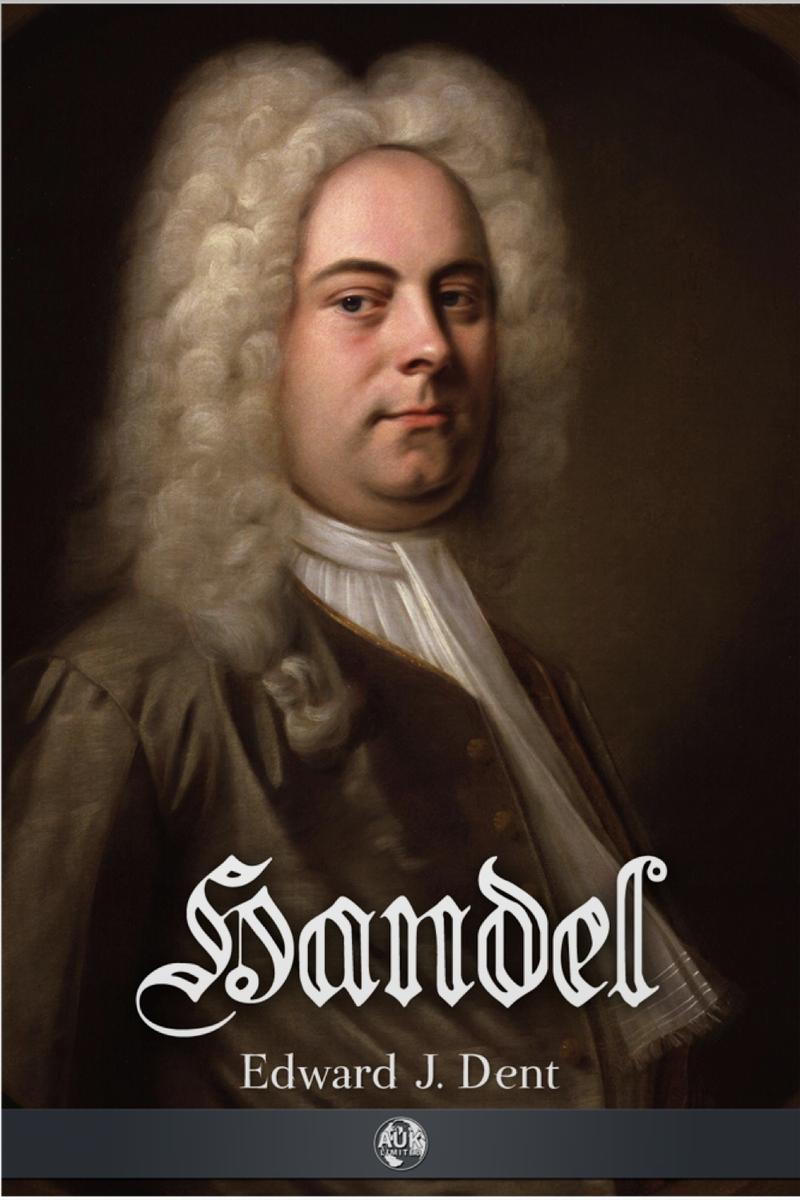
Handel
¥19.52
A character study and history of one of the greatest musical minds that has ever lived: Georg Friedrich Haendel. A fantastic operatic composer, Handel's name is almost synonymous with the Baroque style. This is a comprehensive guide to the whole of Handel's life and works.
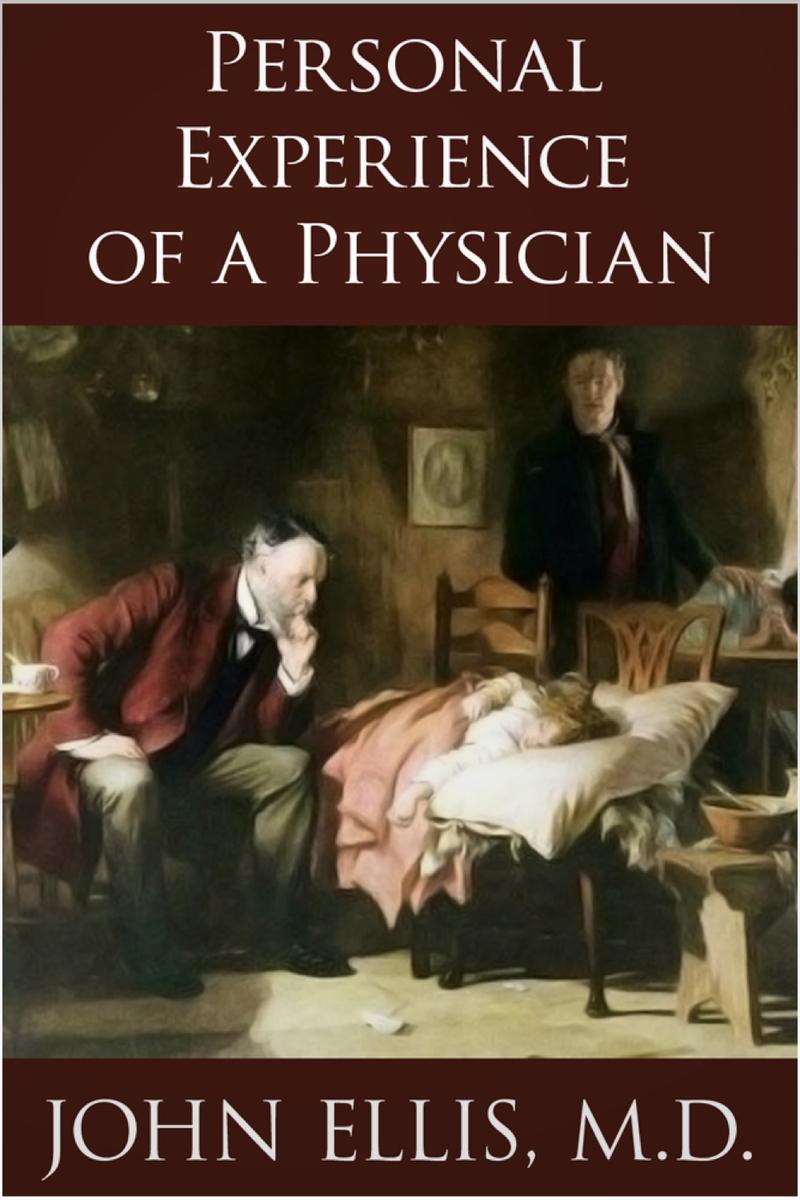
Personal Experience of a Physician
¥19.52
In this work, 19th century physician John Ellis attempts to persuade the medical community to give serious consideration to the practise of Homeopathy.
Making the Most of your Creative Output
¥14.62
A guide to protecting your copyright and making money from your creativity, touches on music, art, photography and other artistic areas.
101 Amazing JLS Facts
¥19.52
Are you the world's biggest JLS fan? Do you know everything there is to know about one of the world's best-loved boy bands? Then this is the book for you! In this easy-to-digest eBook are 101 facts about your favourite group - do you know all of them?Test yourself and your friends with these handily-packaged facts easily organised into categories for maximum enjoyment. Subjects include individual sections on each member, their hits, their awards and much more.Show everyone that you are the master of JLS mania!
Danger!
¥19.52
It is interesting to keep in mind while reading this fascinating account of crime in 19th century New York that the authors of this work, law partners Howe and Hummel, have been shown by history to have been at the heart of the city's corruption during that period, and that they received fat retainers from a significant proportion of the criminals, brothel-keepers, and abortionists of the city.
101 Amazing Rita Ora Facts
¥19.52
Are you the world's biggest Rita Ora fan? Or do you want to know everything there is to know about one of the hottest singers today?If so, then this is the book for you! Contained within are 101 amazing facts about everything, from how Rita got started as a singer to her love life, awards she has won and much more. The book is easily organised into sections so you can find the information you want fast and is perfect for all ages!
101 Amazing Robbie Williams Facts
¥19.52
Are you the world's biggest Robbie Williams fan? Or do you want to find out everything there is to know about the ex Take That singer and global superstar? If so, then this is the book for you! Contained within are 101 amazing facts about Robbie's time with Take That, his solo career, the many awards he has won and much more. The book is easily organised into sections so you can find the information you want fast and is perfect for all ages!
Motown Music Quiz Book
¥19.52
How well do you know your Motown Music? This Quiz book will test even the most avid fan, with questions that span Motown's bands and songs! Test yourself and your friends with this Motown Music Quiz Book.

60s Music Quiz Book
¥19.52
How well do you know your 60's Pop Music? This Quiz book will test even the most avid fan, with questions that span the 60's bands and songs! Test yourself and your friends with this 60's Pop Music Quiz Book.
Second Book of Operas
¥19.52
Written as a follow-up to 'A Book of Operas', this is another comprehensive study of several great operas from the renowned musicologist Henry Edward Krehbiel. Includes in-depth analyses of: Samson and Delilah and other biblical operas Die Konigin von Saba Herodiade Lakme Pagliacci Cavalleria Rusticana The operas of Mascagni Iris Madame Butterfly Der Rosenkavalier Konigskinder Boris Godounoff Madame Sans-Gene The operas of Wolf-Ferrari
Just Still Breathing
¥39.14
This book is a collection of jokes, wonderfully illustrated by Mike Payne, the original creator of Tatty Teddy. Mike's unique view of the world is shown in a humorous manner, with more than forty hilarious cartoons. Cheeky (but never rude), this book is sure to bring a smile to your face.


