


 购物车
购物车 个人中心
个人中心
Pointless Conversations - The Green Collection
¥19.52
Pointless conversations: a selection of daft, ridiculous and utterly pointless meanderings from the mind of Scott Tierney. If you've ever wanted to know the answers to why Superman is a coward; why Spiderman should technically be deformed; and if Superdog caused the death of Krypton, then these bite-sized comics will reveal all. The discussions may be inane, and most of what is said is rambling, but despite this, you may find yourself agreeing with most of what is said. In this collection of short (but still pointless) conversations, we learn about fonts, the best part of a chicken, eating alien eggs, bargain DVDs and much more...
101 Amazing Facts About The Saturdays
¥19.52
Are you a fan of world famous girl band The Saturdays? Do you want to know everything there is to know about Frankie, Mollie, Una, Rochelle and Vanessa? If so, then this is the book for you.Contained within are over one hundred amazing facts about everything from the girls' upbringing to the band's formation, their love lives, award nominations and much more. Get the facts you want quick!
One Direction - The Unofficial Book of Everything
¥44.05
Do you want to become the ultimate Directioner? Do you want to know everything about Harry, Louis, Liam, Niall and Zayn? Want to prove your knowledge with not just one but TWO quizzes?If so, then this is the book for you! It contains all five of Jack Goldstein's 1D titles, including: 101 Amazing One Direction Facts, 101 More Amazing One Direction Facts, Harry Styles: The Story So Far, The Ultimate Quiz and finally The Ultimate Lyrics Quiz.With over 200 facts, 320 questions and a quick-read biography of Harry Styles, this is sure to keep any One Direction fan happy for hours!
101 More Amazing Harry Potter Facts
¥39.14
Runtime: 38 minutesFollowing on from Jack Goldstein and Frankie Taylor's popular '101 Amazing Harry Potter Facts', this wonderful audiobook contains over one hundred amazing facts covering topics such as muggles in the series, the Ministry of Magic, the Weasleys, quidditch, the triwizard tournament and much more! Through JK Rowling's books and films, we have been introduced to a fantastic and magical world that many of us would like to visit, despite the chance of running into a Death Eater or even Voldemort himself. If you love the world of Harry Potter, you'll also love listening to this book!

A-Z of Atari ST Games
¥19.52
The A-Z of Atari ST Games: Volume 2 features reviews of three different games for each letter of the alphabet. The games range from the very earliest releases in the mid 80s to the modern homebrew games of today. This book shows you just how diverse the library of titles is for the Atari ST range and how it became one of the most popular home computers of all time.
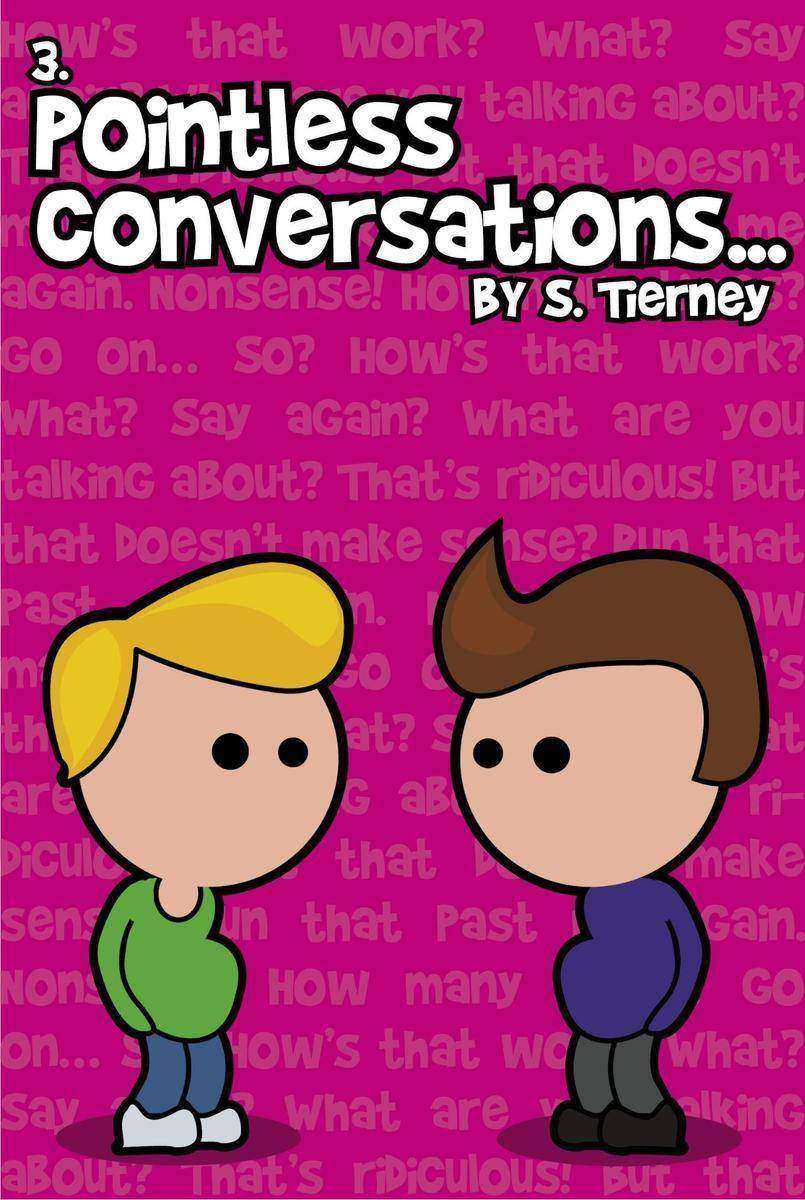
Pointless Conversations
¥19.52
Pointless conversations: a selection of daft, ridiculous and utterly pointless meanderings from the mind of Scott Tierney. If you've ever wanted to know the answers to why Superman is a coward; why Spiderman should technically be deformed; and if Superdog caused the death of Krypton, then these bite-sized comics will reveal all. The discussions may be insane, and most of what is said is rambling, but despite this, you may find yourself agreeing with most of what is said. It's a fair point: where does Spiderman store all that web?
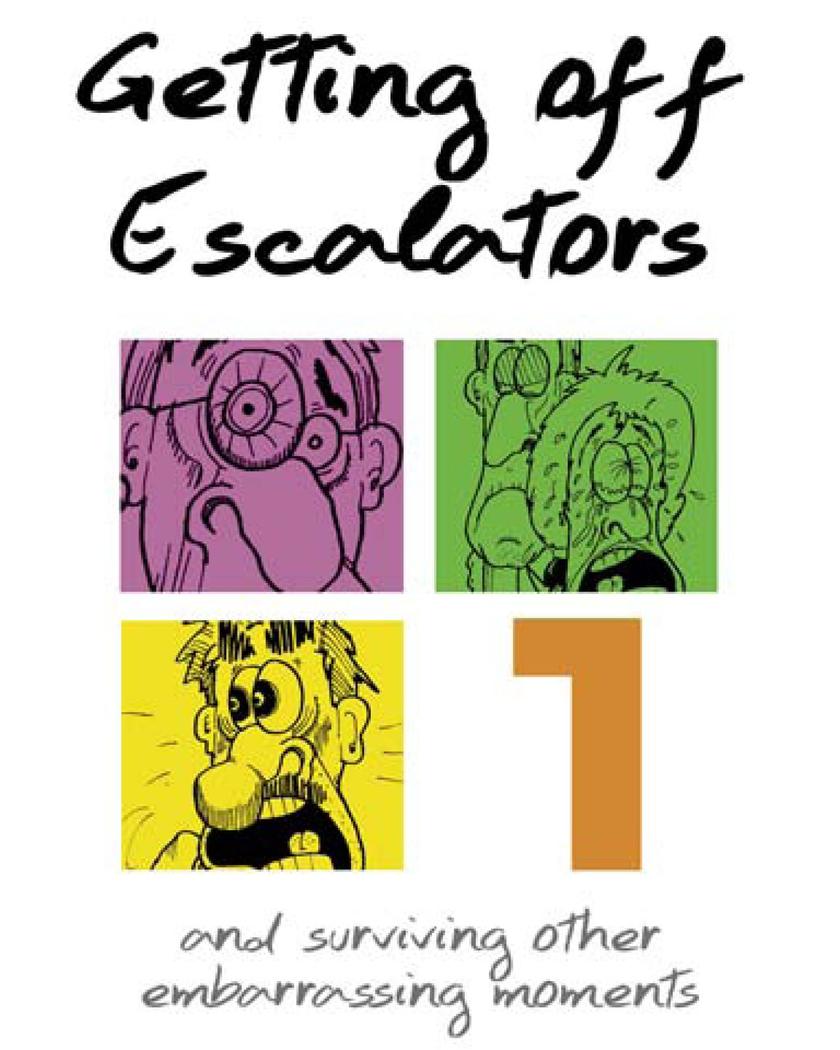
Getting Off Escalators - Volume 1
¥29.33
Getting Off Escalators and surviving other embarrassing moments: Do you struggle to find the confidence to talk in public, without melting into a puddle of pathetic hopelessness? Are you having panic attacks when riding an escalator, or you don't feel manly enough to hold a pint with any authority of pride? Then you, sir, need this guide... or medical help... yes, medical help is probably a safer bet. But comics are funnier, so choose this. About the author: Scott Tierney is a nervous, awkward, confidence-lacking and stress-ridden writer, who produces self-help comics that provide very little guidance for those who read them. Luckily, these comics are extremely funny, so when the reader does loss their reason to live, they go out with a smile.
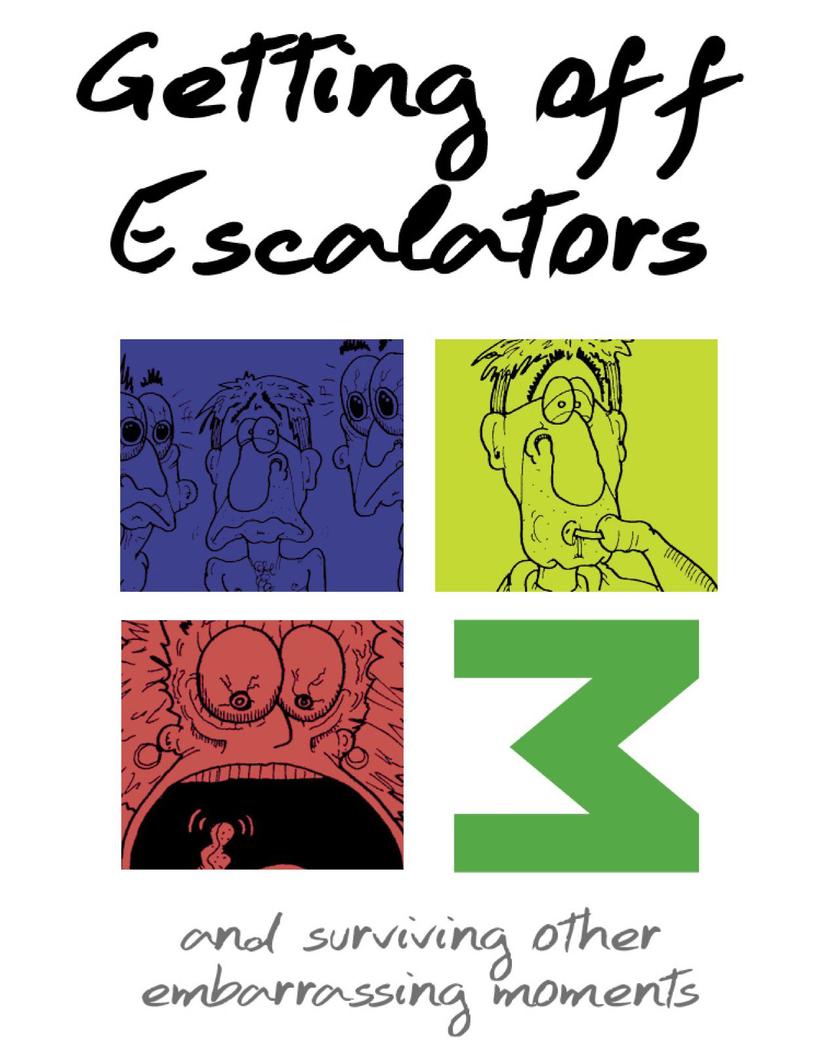
Getting Off Escalators - Volume 3
¥29.33
Getting Off Escalators and surviving other embarrassing moments: Do you struggle to find the confidence to talk in public, without melting into a puddle of pathetic hopelessness? Are you having panic attacks when riding an escalator, or you don't feel manly enough to hold a pint with any authority of pride? Then you, sir, need this guide... or medical help... yes, medical help is probably a safer bet. But comics are funnier, so choose this. About the author: Scott Tierney is a nervous, awkward, confidence-lacking and stress-ridden writer, who produces self-help comics that provide very little guidance for those who read them. Luckily, these comics are extremely funny, so when the reader does loss their reason to live, they go out with a smile.
101 Amazing Facts about Paris Hilton
¥19.52
Are you the world's biggest Paris Hilton fan? Or do you want to know everything there is to know about the socialite, model, singer, actress and DJ?If so, then this is the book for you! Contained within are 101 amazing facts about everything, from her privileged upbringing to her extensive charity work, from her films to her music and so much more. The book is easily organised into sections so you can find the information you want fast and is perfect for all ages!

Road to Damascus
¥19.52
August Strindberg's classic trilogy of plays entitled To Damascus (also known as The Road to Damascus) is known as his greatest work.A very complex and thought provoking play series, it follows the conversations between two characters: the Stranger and the Lady.An excerpt from the Introduction:The Road to Damascus might be termed a marriage drama, a mystery drama, or a drama of penance and conversion, according as preponderance is given to one or other of its characteristics. The question then arises: what was it in the drama which was of deepest significance to the author himself? The answer is to be found in the title, with its allusion to the narrative in the Acts of the Apostles of the journey of Saul, the persecutor, the scoffer, who, on his way to Damascus, had an awe-inspiring vision, which converted Saul, the hater of Christ, into Paul, the apostle of the Gentiles. Strindberg's drama describes the progress of the author right up to his conversion, shows how stage by stage he relinquishes worldly things, scientific renown, and above all woman, and finally, when nothing more binds him to this world, takes the vows of a monk and enters a monastery where no dogmas or theology, but only broadminded humanity and resignation hold sway. What, however, in an inner sense, distinguishes Strindberg's drama from the Bible narrative is that the conversion itself - although what leads up to it is convincingly described, both logically and psychologically - does not bear the character of a final and irrevocable decision, but on the contrary is depicted with a certain hesitancy and uncertainty. THE STRANGER'S entry into the monastery consequently gives the impression of being a piece of logical construction; the author's heart is not wholly in it. From Strindberg's later works it also becomes evident that his severe crisis had undoubtedly led to a complete reformation in that it definitely caused him to turn from worldly things, of which indeed he had tasted to the full, towards matters divine. But this did not mean that then and there he accepted some specific religion, whether Christian or other. One would undoubtedly come nearest to the author's own interpretation in this respect by characterising The Road to Damascus not as a drama of conversion, but as a drama of struggle, the story of a restless, arduous pilgrimage through the chimeras of the world towards the border beyond which eternity stretches in solemn peace, symbolised in the drama by a mountain, the peaks of which reach high above the clouds.
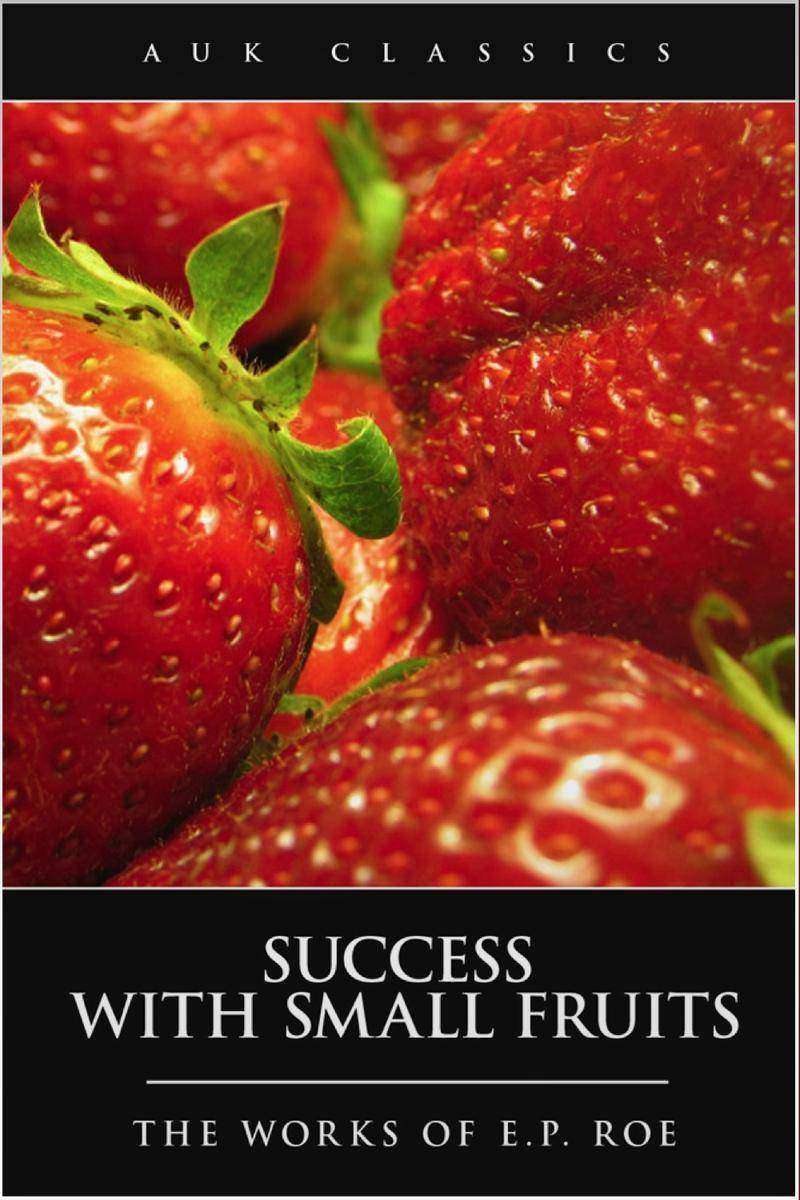
Success with Small Fruits
¥19.52
American horticulturalist and writer Edward Payson Roe's fantastic 1881 work on berries and other small fruits.

Dornen im Wind: Facette eines Narzissten
¥90.03
Buchbeschreibung: Jo Liebling erz?hlt die ungew?hnliche Liebesgeschichte zwischen Evelyn und Martin, die romantisch und z?rtlich beginnt und als Alptraum endet. Martin entpuppt sich als Narzisst. Evelyn begibt sich in eine ungesunde Opferhaltung und bringt sich damit in eine gef?hrliche Lage. Evelyn verliert ihr Ged?chtnis. Martin wird tot aufgefunden, fast nackt, mit einem String gekleidet und einem Eispickel im Hals. Die Spannung steigt. Es ist pur, auf den Punkt gebracht - Romantik, Erkenntnis, Dramatik und Mordaufkl?rung in einem Buch. Es lohnt sich!? www.echt-lieblich-verlag.de , kontakt@echt-lieblich-verlag.de.
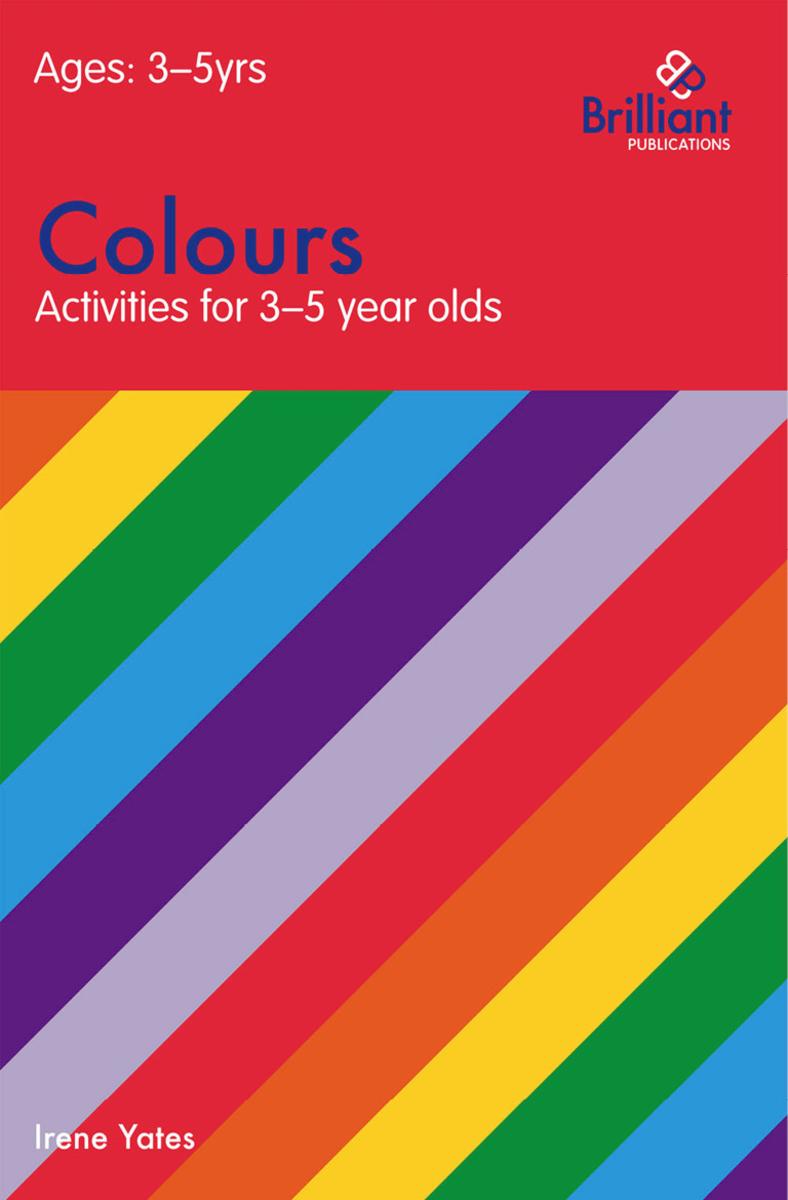
Colours (Activities for 3-5 Year Olds)
¥39.14
Colours: Activities for 3-5 Year Olds contains enjoyable activities to help develop children's essential skills. Recognizing, identifying and being able to name colours are essential steps in the early education of all children. Colour knowledge is an important means of helping children to make comparisons and observe and explore their environment. The practical activities in Colours include: Fun ways of teaching colour recognition and identification, Sorting and matching games, Unusual art and craft ideas and Suggestions for exploring colours in the environment. All the books in the Activities for 3-5 Year Olds Series contain tried-and-tested activities, linked to the six key areas of learning. They are an invaluable resource of fun, easy-to-use ideas for all early years settings, from preschools and nurseries to reception classes and day nurseries.
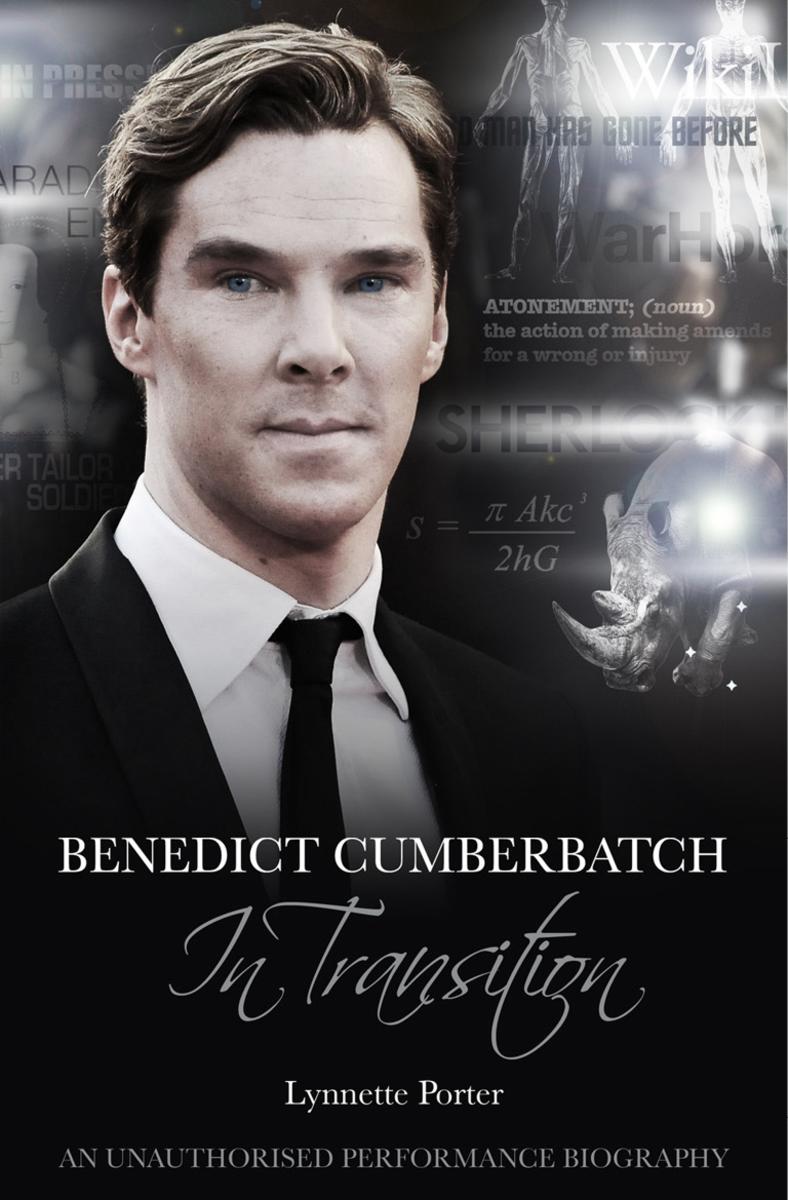
Benedict Cumberbatch, In Transition
¥58.76
Tinker Tailor Soldier Spy, War Horse, Star Trek: Into Darkness, The Hobbit trilogy, Twelve Years a Slave, August: Osage County, The Fifth Estate; Hedda Gabler, After the Dance, Frankenstein; Hawking, To the Ends of the Earth, The Last Enemy, Parade's End, and, of course, Sherlock. For most actors, these stellar cinematic, theatrical, and television events would be the highlights of a lifetime's work. On Benedict Cumberbatch's resume they are only a few of many entries. Especially since 2010, his performances have garnered a plethora of best actor awards, both in the theatre (Evening Standard Theatre Award, Critics Circle Theatre Award, and Olivier Award), by playing the dual roles of Victor Frankenstein and the Creature in the National Theatre's Frankenstein, and on television (Broadcasting Press Guild Award, Critics Choice Television Award, Crime Thriller Award, and TV Choice Award), by starring as the titular Holmes in the BBC's Sherlock. Add these and other recent accolades to nearly a decade's nominations and awards (such as the Golden Nymph as best actor in Hawking), and it's easy to see why Benedict Cumberbatch is often hailed as the actor of his generation. Cumberbatch's body of work further includes indie films, radio plays and series, television documentaries, live dramatic readings, multimedia advertisements, and even the occasional stint as a fashion model. He often shares an intriguing perspective on his profession, as evidenced in sometimes controversial interviews. He has become so much in demand that online box offices crash when tickets for his performances go on sale, and, before a Cheltenham Literature Festival Q&A session, fans overwhelmed Twitter when so many responded immediately to a call for questions. Cumberbatch consistently is a top name on lists ranging from sex appeal to global influence. In 2012 he beat David Beckham in the former and U.S. President Barack Obama in the latter. Increasingly, part of Cumberbatch's job involves the role of celebrity. Benedict Cumberbatch is at a pivotal point in his profession, and his career trajectory especially as documented in entertainment media permits a closer examination of just what it means to be a celebrity or star in Britain or the U.S. and how an actor may be perceived very differently in London or Hollywood. This performance biography is an analysis of a man in transition from working actor to multimedia star, as well as the balance between actor and celebrity. It looks at what makes this actor so well suited to play one of popular culture's iconic characters, Sherlock Holmes, and how Sherlock is so well suited to propel Cumberbatch toward greater global fame.

50 Quick Facts about Arkansas
¥9.71
This book is part of a series of 50 quick facts about each of the United States of America. This book covers the state of Arkansas. Facts about the major cities, the history of the state, famous people linked to Arkansas and many more subjects. This book contains all you will ever need to know about the Natural State.

My Double Life
¥19.52
The fantastic memoirs of one of the most famous actresses in history, French stage and early film actress Sarah Bernhardt.

101 Amazing Facts About Selena Gomez
¥19.52
Are you the world's biggest Selena Gomez fan? Or do you want to know everything there is to know about the actress, singer and (of course) ex-girlfriend of Justin Bieber.If so, then this is the book for you! Contained within are 101 amazing facts about everything, from Selena's upbringing, how she got started in the music and film industries, her relationships plus much more. The book is easily organised into sections so you can find the information you want fast and is perfect for all ages!
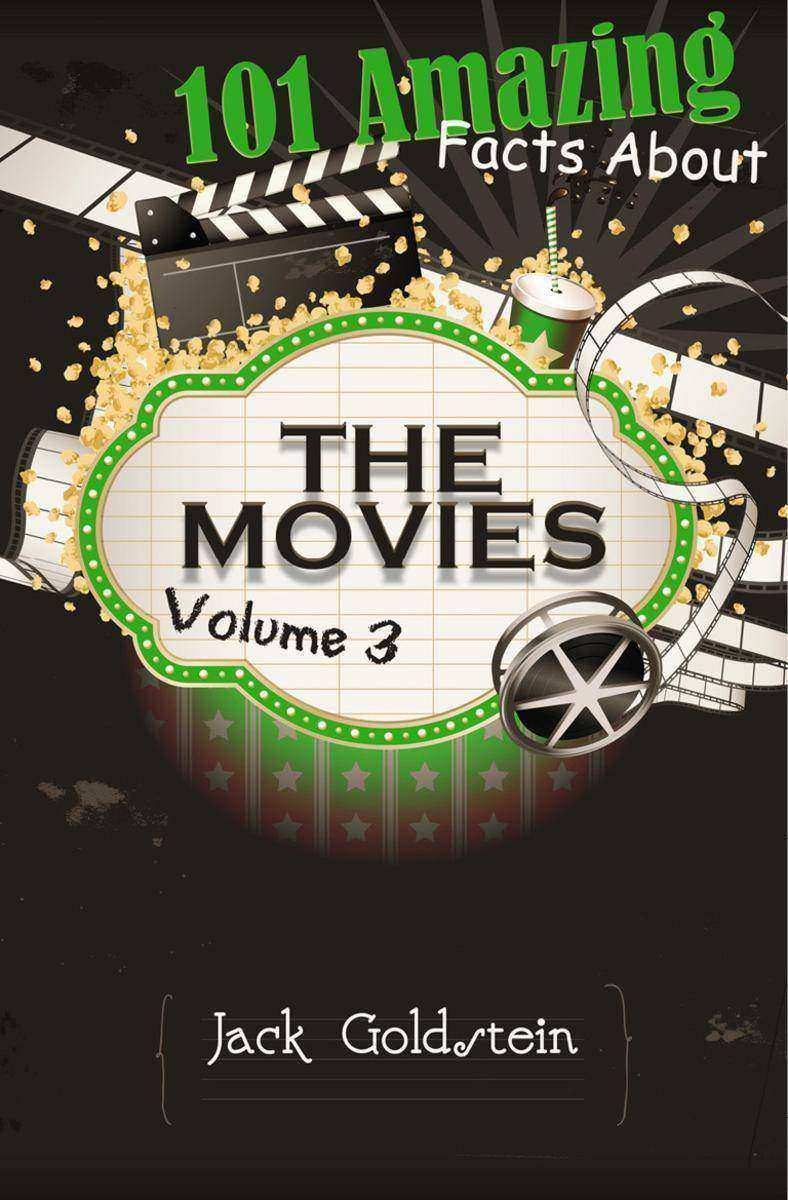
101 Amazing Facts about The Movies - Volume 3
¥19.52
Did you know that Will Smith was the original choice to play Neo in The Matrix? Or that the New Zealand censors cut The Muppet Movie because in their eyes it featured scenes of gratuitous violence? If you enjoy going to the movies, you will love this book which contains over one hundred amazing facts about your favourite flicks. Organised into sections such as stunts, cast members, bad decisions and more, this is the perfect addition for any film fan's bookshelf.
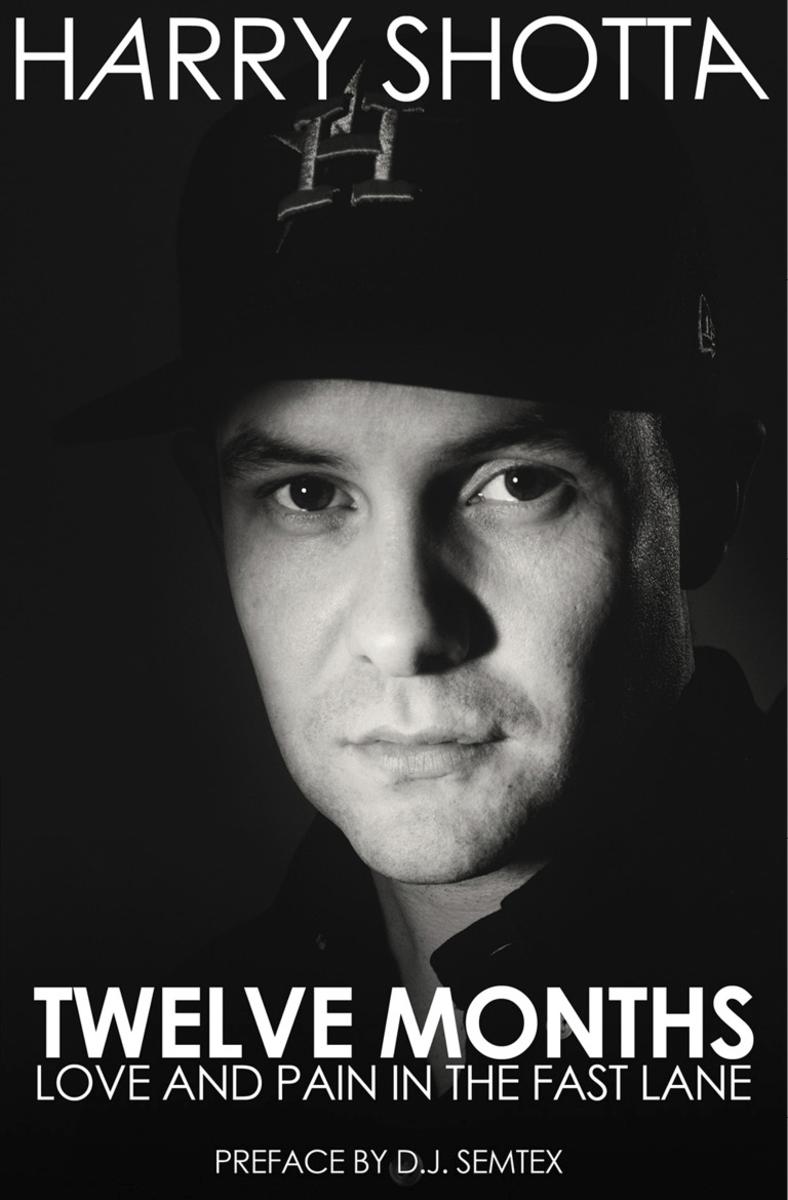
Twelve Months
¥29.33
Twelve Month's is the story of a turbulent year in the life of Harry Shotta. A multi award winning MC who is known for his rapid fire delivery and versatility, this book gives readers an insight into the story behind his 'Twelve Months' mixtape. Delving into emotional memories from his childhood and a year which included extreme highs and lows it is a very personal and honest account of a year filled with 'love and pain in the fast lane'.
50 Quick Doctor Who Facts
¥9.71
Do you love Dr Who? Are you a new fan of the show? This 50 Quick facts guide is ideal for both new and young fans who want an introduction to the show!

50 More Quick Facts about 5 Seconds of Summer
¥9.71
Do you love 5 Seconds of Summer, are you a fan of 5SOS, then you need these 50 More Quick facts about the band! With 50 MORE quick facts for fans!


