


 购物车
购物车 个人中心
个人中心
Энда. Земля легенд (Jenda. Zemlja legend)
¥26.65
Брошура в стисл?й та популярн?й форм? розпов?да? про под?? Укра?нсько? революц?? 1917–1921 рок?в – процеси державного буд?вництва, творення укра?нсько? пол?тично? нац??, в?дродження укра?нсько? науки, осв?ти, культури та духовност?. Багато уваги прид?ля?ться л?дерам Укра?нсько? революц?? – Михайлу Грушевському, Володимиру Винниченку, Симону Петлюр?, Павлу Скоропадському, ?вгену Петрушевичу, Номану Челеб?дж?хану та ?н., як? розробляли ?? ?деолог?ю, формували порядок денний, вели за собою народ. Розкрива?ться ?нституц?йне буд?вництво, творення законодавчо?, виконавчо?, судово? г?лок влади, розбудова в?йська, дипломат??, ф?нансово? системи тощо. Фотокартки ? св?дчення сучасник?в в?дтворюють атмосферу того часу, проливають св?тло на життя ? побут звичайно? людини в умовах революц?йних потряс?нь.??Брошура п?дготовлена на основ? матер?ал?в ?нформац?йно-просв?тницько? кампан??, яку Укра?нський ?нститут нац?онально? пам’ят? проводить до 100-р?ччя Укра?нсько? революц?? 1917-1921 рок?в, в ход? яко? п?дготовлено низку фотодокументальних виставок, комплект?в лист?вок та ?нформац?йних матер?ал?в, дитячу наст?льну гру, спец?ал?зовану веб-стор?нку, присвячену под?ям Укра?нсько? революц?? 1917–1921 рок?в (www.UNR.memory.gov.ua).??
The Invisible Man
¥18.74
To present at a single glance a comprehensive view of the History of English Church Architecture from the Heptarchy to the Reformation, and to do this in a manner, which, without taxing too seriously the memory of the student, may enable him to fix in his mind the limits, and the general outline of the inquiry he is about to enter upon, is the object of the present treatise.? Instead therefore of entering, as is usual in elementary works of this nature, into a detailed account of all the parts of an Ecclesiastical structure, a certain portion only of such a building has for this purpose been selected, and so exhibited in the garb in which it appeared at successive intervals of time, as to present to the reader a means of comparison that will enable him readily to apprehend the gradual change of form through which it passed from the Eleventh to the Sixteenth Centuries, and at once to recognise the leading characteristics of the several Periods into which it is here proposed to divide the History of our National Architecture. Having thus fixed these leading characteristics in his mind, he will then be in a condition to follow us hereafter, if he pleases, into the detail of the whole subject, and to become familiar with those niceties of distinction, the detection of which—escaping, as they do, the eye of the general observer—contributes so materially to the enjoyment of the study, and a perfect acquaintance with which is so absolutely essential to a correct understanding of the true History of the Art.?That this mode of approaching the study of this subject is a convenient one, will probably be admitted by those who may remember the difficulties they encoun-tered, in their early attempts to acquire a general conception of the scheme of the History of Church Architecture, as given in most of the manuals now in use; and the complexity of detail in which they found themselves immediately involved on the very threshold of their inquiry.? It has been the practice in most elementary works on Church Architecture to derive the illustrations of the subject, indifferently from the smaller and the larger buildings of the Kingdom; and by implication to assign an equal authority to both. It will be readily admitted, however, that the History of an Art is to be gathered from its principal Monuments, and not from those the design or execution of which may have been entrusted to other than the ablest masters of the Period: in the choice, therefore, of the examples which have been selected to illustrate the series of changes which are described in the following pages, reference has been made principally to the great Cathedral, Abbey, and Collegiate Churches of the Kingdom, and occasionally only to some of the larger Parish Churches whose size or importance would seem to bring them under the above denomination.??Church Architecture in England, from its earliest existence down to the Sixteenth Century, was in a state of constant progress, or transition, and this progress appears to have been carried on, with certain exceptions in different parts of the country, very nearly simultaneously. It follows from this circumstance, first, That it is impossible to divide our National Architecture correctly into any number of distinct Orders or Styles; and secondly, That any Division of its History into a given number of Periods, must necessarily be an arbitrary one. It is nevertheless absolutely essential for the purpose of conveniently describing the long series of noble monuments which remain to us, that we should adopt some system of chronological arrangement, which may enable us to group, and to classify them in a distinct and intelligible manner: and although no broad lines of demarcation in this connected series are discernible—so gradual was the change—yet so rapid and so complete was it also, that a period of fifty years did not elapse without a material alteration in the form and fashion of every detail of a building. ?
Az ego az ellenség: Pusztítsd el az egódat. Miel?tt ? pusztít el téged.
¥56.57
Antológiánk magyar zsidó t?rténelemr?l szóló tanulmányok gy?jteménye. ?sszeállításunk azonban mind témájában, mind módszertanában kül?nb?zik az eddig megszokott ábrázolástól. A magyar (azaz a t?rténelmi Magyar Királyság területén él?) zsidóságot a t?rténetírók leginkább a modern eszmékhez lelkesen csatlakozó és asszimilációra t?rekv? k?z?sségként ábrázolták, amelyet csupán az antiszemitizmus id?szakos fellángolásai akadályoztak meg végs? céljuk elérésében. Sokszor még az is el?fordult, hogy a magyar zsidókat a legsikeresebben asszimilálódott európai zsidóságként jellemezték, ami már nyilvánvaló túlzás. Valójában a magyar zsidóság sajátos jellege sokkal inkább a jelent?s létszámú ortodox réteg határozott asszimiláció-ellenességéb?l fakadt. Az itt k?tetbe gy?jt?tt ?t tanulmány a magyar ortodoxia t?rténetével, ezzel a mostanáig igen kevés figyelemre méltatott területtel foglalkozik.
Povestea unui startup. Leadership prin experimentare
¥73.49
Lord Ronald Gower (1845 ù1916) was a British aristocrat, Liberal politician, sculptor and writer. Besides being a sculpture he wrote biographies of Marie Antoinette and Joan of Arc, and a history of the Tower of London. Joan of Arc was a15th century French heroine. She was born a peasant girl in eastern France who grew up to lead the French army to several important victories during the Hundred Years' War. She was captured by the Burgundians, sold to the English, tried by an ecclesiastical court, and burned at the stake when she was nineteen years old.
Lakodalom az állatkertben
¥35.99
A magyar turanizmus jellegzetesen magyar és teljességgel elhallgatott eszmeáramlat: akik benne voltak, igyekeztek még a nyomait is eltüntetni. Pedig a magyar k?zvéleményt a 19. század eleje óta izgatta a magyarság keleti eredete és nyugati mintak?vetése k?zti ellentmondás. Vissza kell-e fordulnunk keletre? Létrej?het-e a ?turáni népek” ?sszefogása? Van-e a magyaroknak küldetésük Keleten? Vagy éppen Nyugaton? Száz évvel ezel?tt magyar expedíciók rótták Anatólia, a Balkán és Dél-Oroszország útjait, a magyar kormány hatalmas ?sszegeket áldozott, hogy keleti ?szt?ndíjasokat hozzon Magyarországra, magyar üzletemberek próbáltak piacot találni a K?zel-Keleten, és a turanizmus divatjának k?sz?nhet? az els? külf?ldi magyar intézet megnyitása is. A két világháború k?z?tt az eszmeáramlat számos befolyásos értelmiségit kísértett meg, majd 1945 után elhallgattatták. Ennek ellenére túlélte az államszocializmus éveit, és újra teret nyert a rendszerváltozás után. Ez a k?nyv nemcsak a turanizmus, hanem a Keletr?l való gondolkodás és politikai konzekvenciáinak t?rténete is. Izgalmas, másfél évszázados utazás Tibett?l Argentínáig, Tartutól Isztambulig. Felbukkan benne a turáni egyistenhív? rádióm?szerész, a feministából lett vércsoportkutató f?ldbirtokosleány, a monoklis múzeumalapító, aki egyszerre találta ki a világbékét és a l?vészárokásó gépet, néhány pénzhamisító, illetve a mérn?k, aki megállapította a magyar–maori rokonságot. Turanista emlékek k?z?tt élünk – csak nem tudunk róluk. Ablonczy Balázs (1974) t?rténész, az ELTE BTK oktatója és az MTA BTK T?rténettudományi Intézetének tudományos f?munkatársa. Doktori címét 2004-ben szerezte, tanított és kutatott Londonban, Párizsban, Berlinben és az Egyesült ?llamokbeli Bloomingtonban. 2011 és 2015 k?z?tt a Párizsi Magyar Intézet igazgatója volt. Jelenleg az MTA Lendület-pályázatán támogatott Trianon 100 kutatócsoport vezet?je, Budapesten él.
Дол? та фур??
¥24.93
Knjiga Me?uodnosi umjetni?kih svjetova dio je doktorske disertacije, a govori o simultanoj i sukcesivnoj umjetnosti kroz ilustracije Bhagavad Gite, u 18 poglavlja od kojih svako ima dvije verzije. Su?tina autori?inog interesa je prijenos misli i osje?aja iz drevnog indijskog epa, kroz likovne elemente, odnosno vizualizacija vremenske umjetnosti; poku?ala je interpretirati kroz kompoziciju, boju, liniju, kontrast, tre?u dimenziju, strukturu, teksturu, proporciju, ritam i dinamiku, filozofiju Bhagavad Gite, koja je posebna utoliko ?to je u Indiji filozofija jednako religija, i obrnuto. Spomenuta je i analogija izme?u vremenskih i prostornih umjetnosti, kao ?to je boja (valer), glazba (akord), te upravo kroz sinergiju zna?enja i zra?enja na ilustracijama mo?emo do?ivjeti da "?itamo sliku". ? Tatjana Burzanovi? je autorica, umjetnica, grafi?ka dizajnerica i dizajnerica interijera, profesor na Fakultetu za kulturu i turizam na predmetu Indijska kultura, te na Fakultetu za dizajn i multimediju na Univerzitetu Donja Gorica u Podgorici, Crna Gora. Diplomirala je na Akademiji likovnih umjetnosti u Sarajevu, a doktorat obranila na Fakultetu primenjenih umjetnosti u Beogradu. Svoje je radove izlagala na brojnim samostalnim i grupnim izlo?bama, te sudjelovala u umjetni?kim i pedago?kim kolonijama. Dobila je nekoliko nagrada za dizajn knjiga. Knjiga Me?uovisnost umjetni?kih svjetova?nagra?ena je na 11. sajmu knjiga u Podgorici za najbolje opremljeno umjetni?ko izdanje. Knjiga je u elektroni?kom izdanju dostupna i u engleskom prijevodu.

Pokoli macskák
¥71.69
A Midsummer Night's Dream is a romantic comedy by William Shakespeare, suggested by "The Knight's Tale" from Geoffrey Chaucer's The Canterbury Tales, written around 1594 to 1596. It portrays the adventures of four young Athenian lovers and a group of amateur actors, their interactions with the Duke and Duchess of Athens, Theseus and Hippolyta, and with the fairies who inhabit a moonlit forest. The play is one of Shakespeare's most popular works for the stage and is widely performed across the world.
The Ship of Ishtar
¥7.93
Gustáv Murín? k?nyvében a vad és zabolátlan kilencvenes évekbe kalauzolja el az olvasót, abba az id?be, amikor a volt szocialista államoknak azzal kellett szembesülniük, hogy a demokratizálódás bizony t?rvényszer?en magával hozza a komolyabb szervezett b?n?z?i csoportok megjelenését is. Az államapparátus fenekén tojáshéj, a b?n?z?k zsebében pedig a fegyver és a pénz. Kicsoda valójában Jozef Rohá?, a profi, akihez a legvéresebb merényletek k?t?dnek Szlovákiában és Magyarországon egyaránt? Mi k?ze van a magyar b?rt?nbüntetését t?lt? Eva Reze?ovának a kassai gengszterekhez? Hogyan t?nt el 114 vagonnyi olaj Pozsony és Budapest k?z?tt? Mi k?ti ?ssze Magyarországot az újkori t?rténelem legvéresebb maffialeszámolásával? Ki szervezte meg a szlovák k?ztársasági eln?k fiának elrablását? Ki ne emlékezne a vadkeletre? Ezek a csoportok nem ismertek határokat, így a szlovák és a magyar alvilág számos ponton és ügyben kapcsolódhatott egymáshoz. Ezekb?l a t?rténetekb?l kiderül, hogyan. T?rténetek, amelyek egyszer véget érnek. A b?n azonban marad, itt jár k?ztünk továbbra is.
Az elvarázsoltak
¥44.15
This Illustrated version of the "A Short History of the world" contains about 300 Illustrated picture, and many historic objects.. THE story of our world is a story that is still very imperfectly known. A couple of hundred years ago men possessed the history of little more than the last three thousand years. What happened before that time was a matter of legend and speculation. Over a large part of the civilized world it was believed and taught that the world had been created suddenly in 4004 B.C., though authorities differed as to whether this had occurred in the spring or autumn of that year. This fantastically precise misconception was based upon a too literal interpretation of the Hebrew Bible, and upon rather arbitrary theological assumptions connected therewith. Such ideas have long since been abandoned by religious teachers, and it is universally recognized that the universe in which we live has to all appearances existed for an enormous period of time and possibly for endless time. Of course there may be deception in these appearances, as a room may be made to seem endless by putting mirrors facing each other at either end. But that the universe in which we live has existed only for six or seven thousand years may be regarded as an altogether exploded idea. "A Short History of the world" by E-Kitap projesi, Illustrated version by Murat Ukray.. Also added "IN the last fifty years there has been much very fine and interesting speculation on the part of scientific men upon the age and origin of our earth. Here we cannot pretend to give even a summary of such speculations because they involve the most subtle mathematical and physical considerations. The truth is that the physical and astronomical sciences are still too undeveloped as yet to make anything of the sort more than an illustrative guesswork. The general tendency has been to make the estimated age of our globe longer and longer. It now seems probable that the earth has had an independent existence as a spinning planet flying round and round the sun for a longer period than 2,000,000,000 years. It may have been much longer than that. This is a length of time that absolutely overpowers the imagination. "

A Homemade Christmas
¥44.24
Making something with your own hands—whether it's a plate of just-baked cookies, a handcrafted stocking, a homemade wreath, or a hand-folded origami ornament—is a great way to connect with the true meaning of Christmas. From holiday decorating to gift giving, A Homemade Christmas is chock-full of projects, recipes, tips, and helpful hints that are guaranteed to add a homemade touch to your holiday season. Open this charming volume to any page and discover a wealth of practical and easy-to-accomplish ideas for a homemade holiday: - create personal, distinctive holiday greetings - deck the halls with festive, handmade trimmings - cook simple but memorable homemade dishes - make unique, handcrafted gifts - share the joy of the season with friends and family Packed with inspiration and how-tos for ideas that are family-friendly and eco-conscious, festive and meaningful, A Homemade Christmas will put homemade back into your holidays!
Calitatea democra?iei ?i cultura politic? ?n Rom?nia
¥38.50
So?ia mea, pe c?te cred, mi-a fost Cinstit?. Poate acum e necinstit?. Te cred om drept… dar nu mi-e dovedit? P?rerea despre ea ?i despre tine. Avea un nume f?r? de ru?ine ?i chipul ei cu al Dianei sem?na. Cum pot s? cred c? s-ar putea schimba Deodat? ?ntr un chip ?ntunecat, Cum este acel cu care-s ?nzestrat? By the world, I think my wife be honest and think she is not; I think that thou art just and think thou art not. I’ll have some proof. Her name, that was as fresh As Dian’s visage, is now begrimed and black As mine own face

Szerelem hirdetésre
¥52.48
A színházi kulisszák sok titkot rejtenek. Minden el?adás valódi küzdelem a sikerért, amiért nem csak a színészek, de a m?szak is megdolgozik. Honnan tudja a súgó, hogy mikor szorul a színész a segítségére? Miként lehet az asszisztens a rendez? igazi társa? Milyen egy igazi gyors?lt?zés? Mi t?rténik, ha nem sül el id?ben egy kelléknek használt fegyver? Hogyan varázsolják át pillanatok alatt a színpadképet a díszít?k? Milyen módszerekkel dolgoznak a koreográfusok? Mi jelenti az igazi kihívást az ügyel?k számára? Miért is van szükség annyi lámpára a színházban? Ez a k?nyv most egy kül?nleges utazásra hív a színházi kulisszák m?gé, amelyben ?lt?ztet?k, díszít?k, kellékesek, súgók, rendez?asszisztensek, világosítók, hangosítók, koreográfusok és ügyel?k mesélnek arról, hogy mi is t?rténik a függ?ny m?g?tt, amit már a reflektorok sem világítanak meg.Lovász-Horváth Nikolett, amellett, hogy az ARTIQ Kulturális Magazinba ír színikritikákat, hosszú évek óta dolgozik néz?téri munkatársként az egyik népszer? belvárosi színházban. Számára a színház nem munkahely, hanem maga a szerelem. Az? évek alatt pedig nemcsak a néz?i szokásokat ismerte meg, de a kulisszák m?gé is volt alkalma bepillantani.
C?nd sufletul vorbe?te prin corp. S? ?n?elegem ?i s? trat?m tulbur?rile psihosom
¥65.32
Ilie Badescu, sociologul care a redeschis dezbaterea privind puterea si importanta pe care o are spiritul si desavarsirea fiintei si societatii, in lucrarea de fata ne vorbeste despre forta invataturilor precum si despre devierile prin care sunt propagate in lume falsele invataturi.
Zece prozatori exemplari (perioada comunist?)
¥40.79
Vera Maria Rosenberg a fost, probabil, cea mai important? femeie spion din al Doilea R?zboi Mondial. N?scut? ?n 1908 la Gala?i, a emigrat ?n Marea Britanie ?n 1933, fiind recrutat? ?n tinere?e de serviciile de informa?ii britanice. Ulterior ?i-a schimbat numele, pentru a-?i ascunde originea evreiasc?, iar dup? stabilirea ?n Marea Britanie a participat la nenum?rate misiuni secrete, ajung?nd ?n fruntea SOE, serviciul de opera?iuni speciale creat de Winston Churchill. Agen?ii ei au participat la nenum?rate opera?iuni vitale, inclusiv la preg?tirea debarc?rii ?n Normandia. ?n 1987, Fran?ois Mitterand i-a acordat Legiunea de Onoare, pentru aportul ei la eliberarea Fran?ei. Dup? r?zboi, Vera Atkins s-a retras ?ntr-un sat din Anglia, unde a r?mas p?n? la moarte, ?n 2000. Via?a i-a fost ?nconjurat? de mister, ?i pu?ini au ?tiut cine este cu adev?rat. Biografia lui Sarah Helm dezv?luie secretele celei despre care Ian Fleming, creatorul celebrului James Bond, spunea ??n adev?rata lume a spionilor, Vera Atkins a fost ?eful.“

Calea spre fericire. Pove?ti adev?rate. Vol. 2
¥11.04
No caso da episteme comunicacional pode-se dizer que a mesma vem-se constituindo na historicidade de conceitos chave e de hipóteses clássicas que têm nutrido o pensamento teórico e a pesquisa empírica do campo. Pensando a episteme comunicacional trata disso, ou seja, do objeto comunica??o em sua trajetória por fazer-se, a qual, ao acumular-se, permite a renova??o do que foi pensado a seu respeito e a prospec??o de novos pontos de vista.
Rongyos királyság
¥0.01
A Blackwater napjaink legrejtélyesebb és legellentmondásosabb vállalata. A korábban a SEAL-nél, az amerikai haditengerészet elit alakulatánál szolgáló Eric Prince által 1997-ben alapított vállalkozás olyan, kül?nleges katonai alakulatoktól leszerelt veteránok és civilek toborzásával és kiképzésével foglalkozott, akik elég képzettek és bátrak voltak ahhoz, hogy elvállalják a világ legveszélyesebb ?rz?-véd? feladatait. A cég hírnevével együtt n?tt a szolgáltatásai iránti kereslet, olyannyira, hogy a Blackwater emberei ?sszesen k?zel százezer küldetést hajtottak végre Irakban és Afganisztánban. A cég a Bush- és az Obama-kormányzat számára is nélkül?zhetetlennek bizonyult. Ezek alapján klasszikus üzleti sikert?rténetnek is t?nhetne a Blackwater sorsának alakulása, csakhogy volt valami, ami beárnyékolta a sikert: a cég ellen zajló világméret? lejárató hadjárat. Az egy kaptafára íródott híradásokban és a valóságot durván elferdít? regényekben és filmekben a Blackwater alkalmazottait hol zsoldosoknak, hol gátlástalan profitvadászoknak, hol pedig primitív, er?szakos vadállatoknak állították be. Mivel a Pentagonnal, a Külügyminisztériummal és a CIA-val k?t?tt szerz?dései titoktartásra k?telezték, Prince kénytelen volt csendben t?rni, ahogy ellenfelei zavartalanul terjesztik a téves információkat róla és a vállalkozásáról. Most azonban végre elmondhatja a cég felemelkedésének és bukásának teljes és gyakran megd?bbent? t?rténetét. Az Amerika szolgálatában Prince kíméletlen ?szinteséggel meséli el a Blackwater-sztori minden részletét. Prince nem próbálja hibátlannak beállítani magát, és nem hallgatja el magánélete néha fájdalmas részleteit sem, ugyanakkor nagy szolgálatot tesz a k?zvéleménynek azzal, hogy tiszta vizet ?nt a pohárba. Az Amerika szolgálatában t?rténete izgalmas, akár egy thrilleré, de valószer?tlenebb, mint amit a képzelet alkothat.
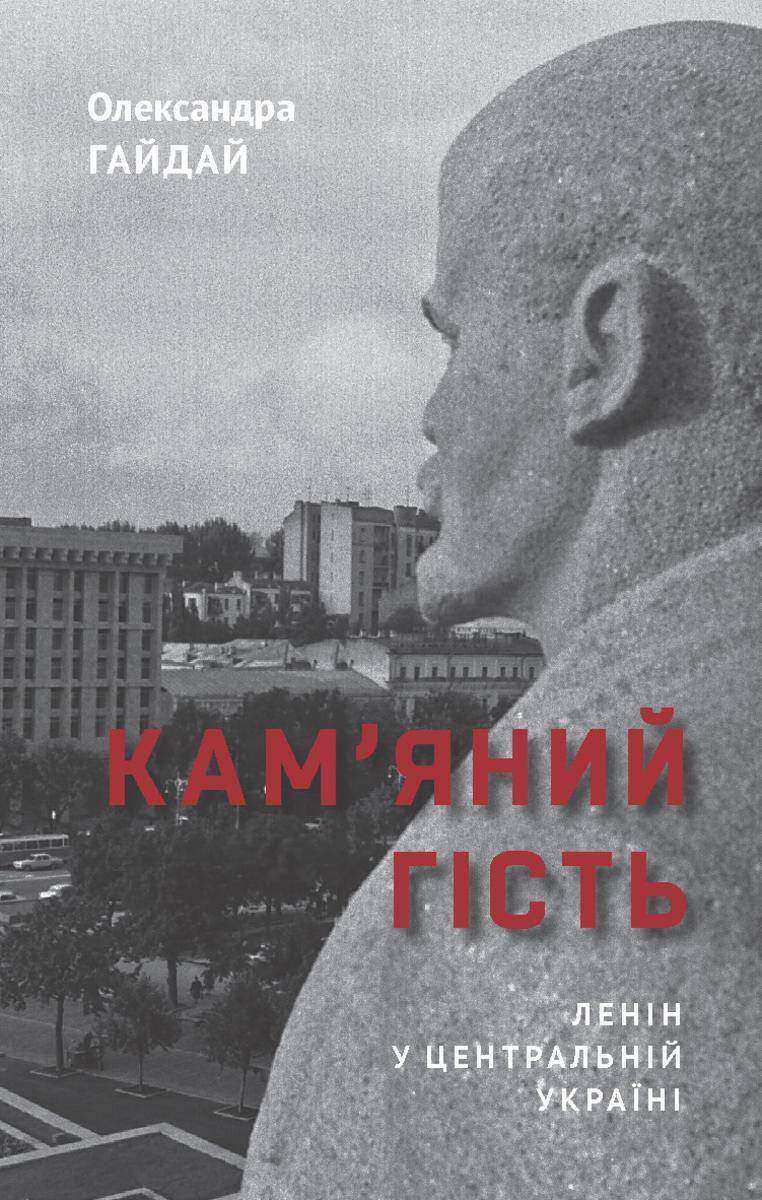
Кам’яний г?сть. Лен?н у Центральн?й Укра?н?
¥17.58
O livro apresenta uma abordagem sobre como foram construídos os saberes inerentes à medicina e ao hospital na Sociedade Moderna. Mostra, historicamente, como foi estabelecido o poder e as práticas médico-hospitalares. A obra apresenta o discurso das institui??es dominantes sobre o modelo assistencial, como também revela a realidade pragmática do acesso efetivo ao direito social à saúde, que, formalmente, foi expresso como uma necessidade básica traduzida em mínimos sociais, como condi??o legítima de dignidade da pessoa humana. A relev?ncia desse estudo é em virtude de sua especial significa??o nas diversas áreas das Ciências Humanas e Sociais, ao nutrir o debate sobre a temática do Direito à Saúde nas inst?ncias do Poder Público, bem como ao introduzi-la na agenda das profiss?es relacionadas com o campo da saúde, aprofundando suas dimens?es de transdisciplinariedade e transversalidade.
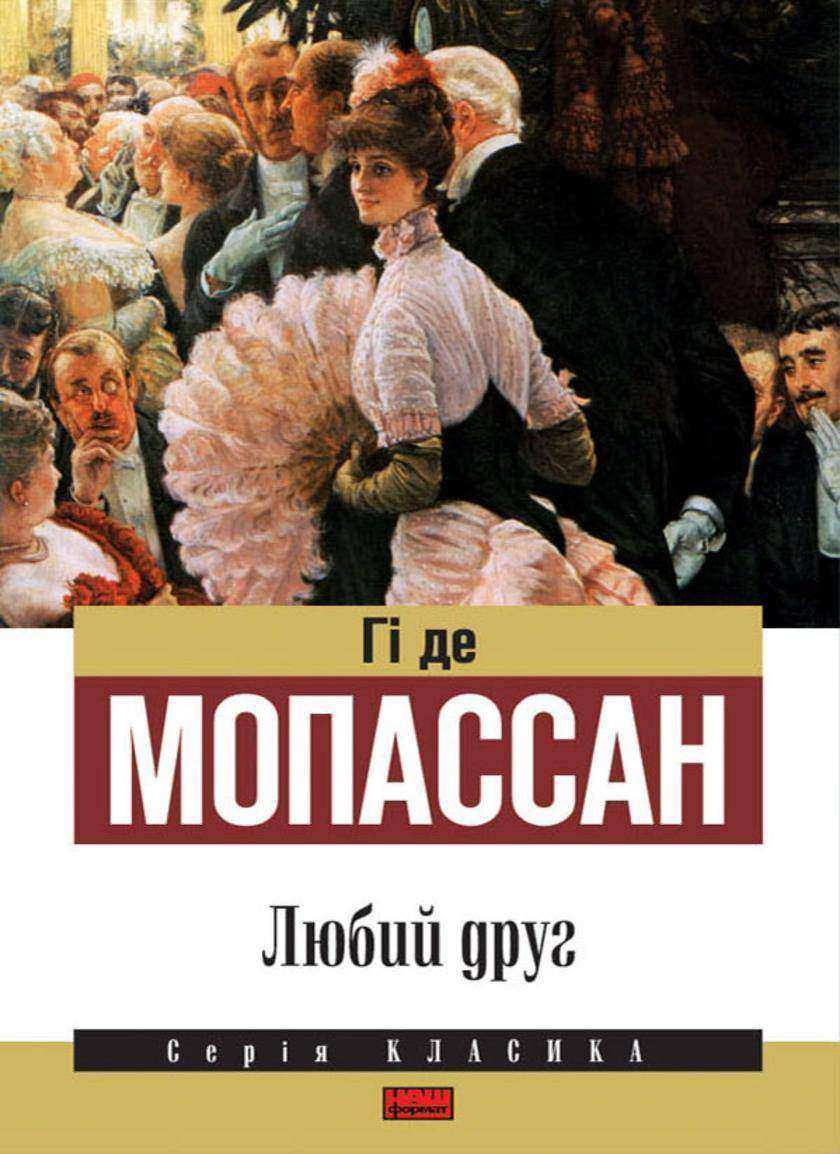
Любий друг
¥5.72
Fic??o brasileira no século XXI é um livro instigante. De leitura agradável e de interesse amplo, debru?a-se, com competência e inventividade, sobre oito escritores brasileiros contempor?neos, consagrados e premiados. O que n?o é pouco em uma tradi??o como a nossa, em que n?o se encontram muitos estudiosos de literatura que encarem o contempor?neo e consigam discuti-lo de forma a dialogar, n?o apenas com o estudioso e o especialista como também com o leitor comum interessado em literatura. Adriana Lunardi, Alberto Martins, Luiz Ruffato, Michel Laub, Milton Hatoum, Nelson de Oliveira, Ricardo Lísias e Rodrigo Lacerda encontram, por meio da leitura que deles fazem os autores deste livro, novos olhares para suas obras. E, nestes novos olhares, há um convite para novos leitores e leituras renovadas.
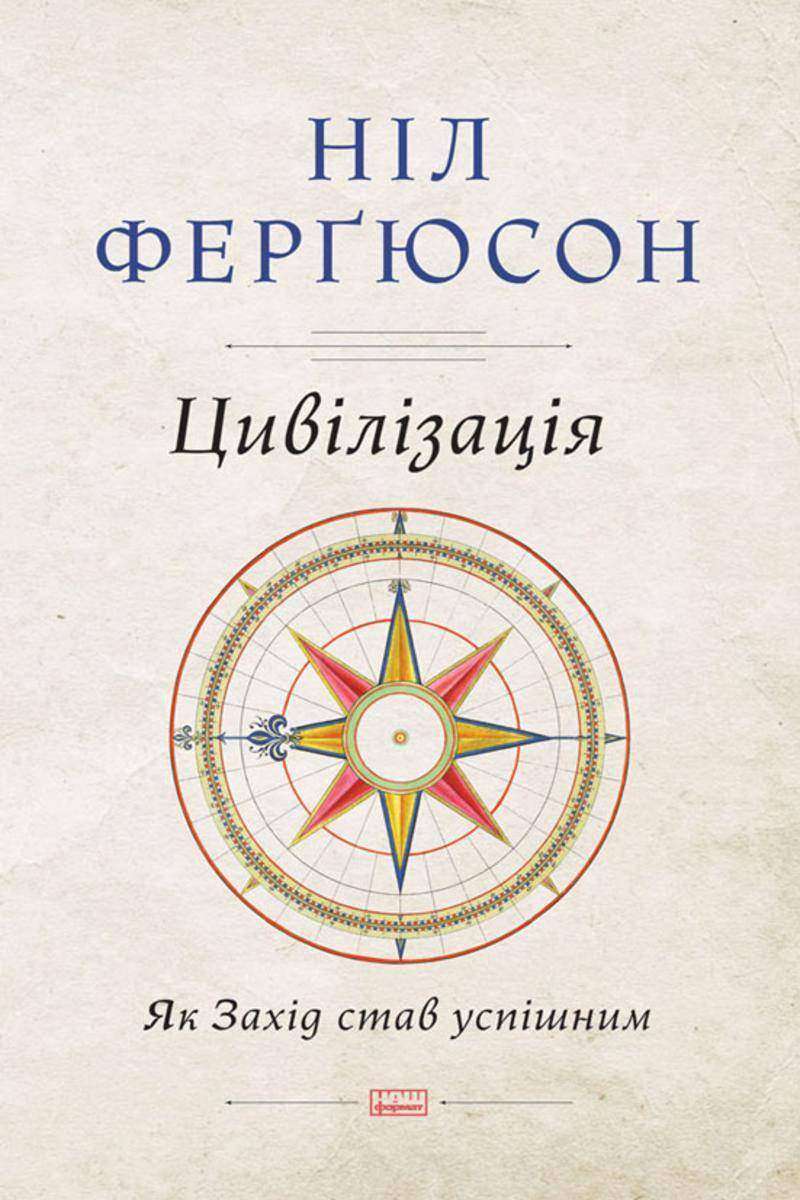
Цив?л?зац?я: Як Зах?д став усп?шним
¥36.79
Okupiv?i na jednome mjestu najzanimljivija imena lijeve politi?ke misli od Slovenije do Bugarske, s naglaskom na zemlje biv?e Jugoslavije, filozofi? i aktivisti Sre?ko Horvat i Igor ?tiks pred njih su stavili zadatak da napi?u tekstove o situaciji danas i ovdje, prije svega na Balkanu. ?etrnaest autora, od mladih filozofskih nada do svjetski priznatih imena, u svojim esejima pokazuje koliko je po?ast neoliberalizma u sprezi s politi?ko-mafija?kim klanovima i krupnim kapitalom razjela sve one pozitivne tekovine koje je ostavilo socijalisti?ko naslje?e. Bez sentimenta i nostalgije prema pro?lim vremenima, Dobro do?li u pustinju postsocijalizma najzanimljivija je i najaktualnija knjiga o suvre?menom trenutku. Ona je nezaobilazna studija za svakoga tko ?eli ozbiljnije shvatiti ?to nam se i za?to doga?a u vremenima duboke krize.
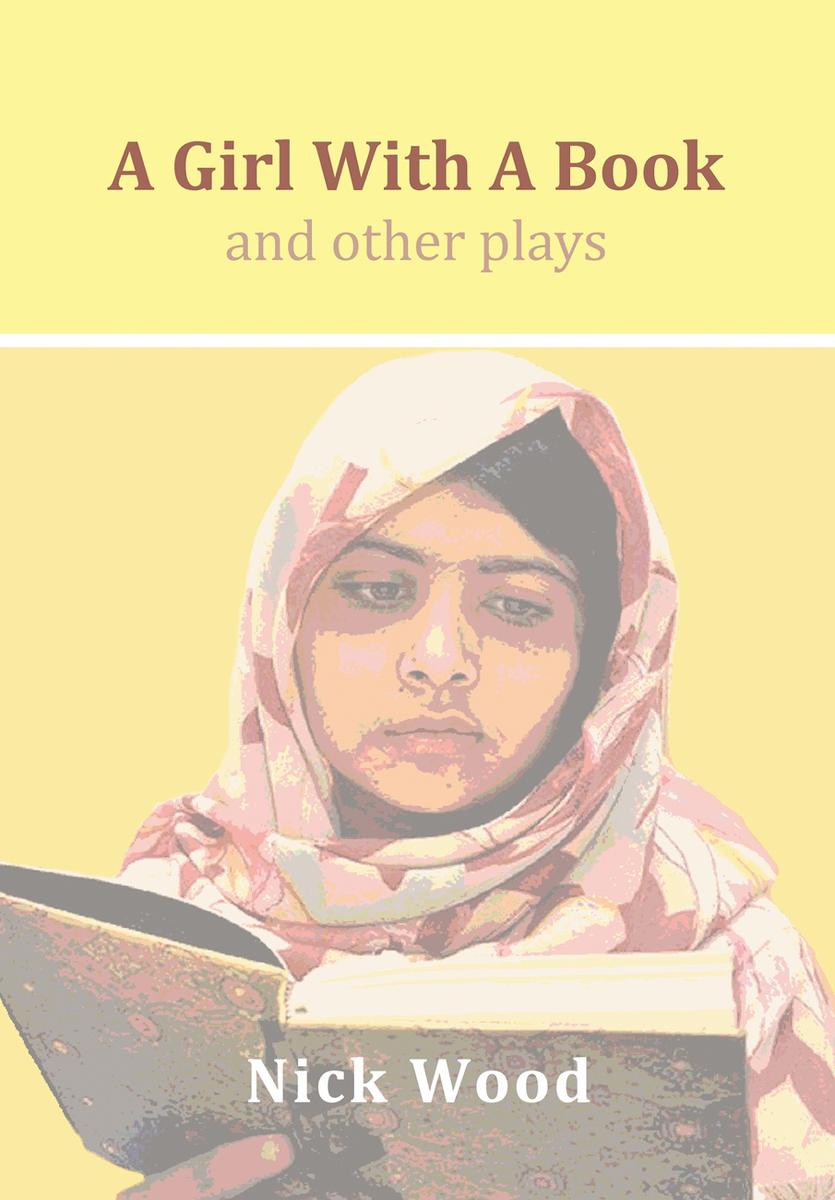
A Girl With A Book and Other Plays
¥40.79
A topical collection of new plays by popular UK playwright Nick Wood 'I am not a lone voice, I am many.'?Malala ? Yousafzai A Girl with a Book and?Other Plays ?brings together four plays for young people by acclaimed playwright Nick Wood. Topical and wide-ranging, they concern refugees, friendship, loss and courage. 'You know those sente nces that start I'm not sexist/racist/homophobic and the speaker sticks in the word 'but' and goes on to prove that's exactly what they are?' The title play, ? A Girl with a Book ?is an honest response to the story of Malala Yousafzai, who was shot by the Taliban. Produced many times in Germany and the UK, the play raises serious questions about the West's complex relationship with and attitudes to the Muslim world. 'a journey into empathy and imagination...'?Stephen Lowe Plays Nick Wood's poignant political drama A Girl with a Book is based on the true story of Nobel Peace Prize-Winner Malala Yousafza. In 2012, gunmen stopped a bus in Pakistan and shot three young girls. Their crime? Wanting to go to school. Knowing nothing about the situation, able to offer little more than outrage, the writer is forced out from behind his desk and in the search for answers to help him tell the story of a brave young woman's fight for girls' education, but when his research uncovers attitudes at odds with his liberal convictions he has to face what he learns about himself. Achieving international acclaim after its opening in Hamburg, A Girl with a Book examines Malala's story through a series of questions - Wood asks how a girl who wanted to go to school could become such a target. Bird boy:?Eddie and Tim create their own den up on the Knoll, a secret place for heroes. The only problem is, winter is setting in and Eddie won't come down. As the snow falls, Tim must decide whether to take food to Eddie or betray him by telling the grown ups where he is. Mia:?Mia is a refugee who has lost her home, and most of her family. She has odd bits and pieces in her bag, which have stories attached to them. Mia is searching for her sister, Sofia, can they help? Dream of White Horses: ? ?Paul wants two things - to find out whether his father's death was an accident or not. He climbs the same cliff, to discover what happened to his father, and a great deal about himself. '...invites us to better understand Malala, her father, and her kinsmen.'? On Religion '...a journey into empathy and imagination coolly and cleanly done. A crucially important tale well told with great humanity.' ? Stephen Lowe, playwright '...there's plenty of scope here for schools, colleges and youth theatre groups. The title play... has a cast of one... The remaining three plays use larger casts and explore asylum seeking, friendship, loss and courage.' ?Susan Elkin, The Stage
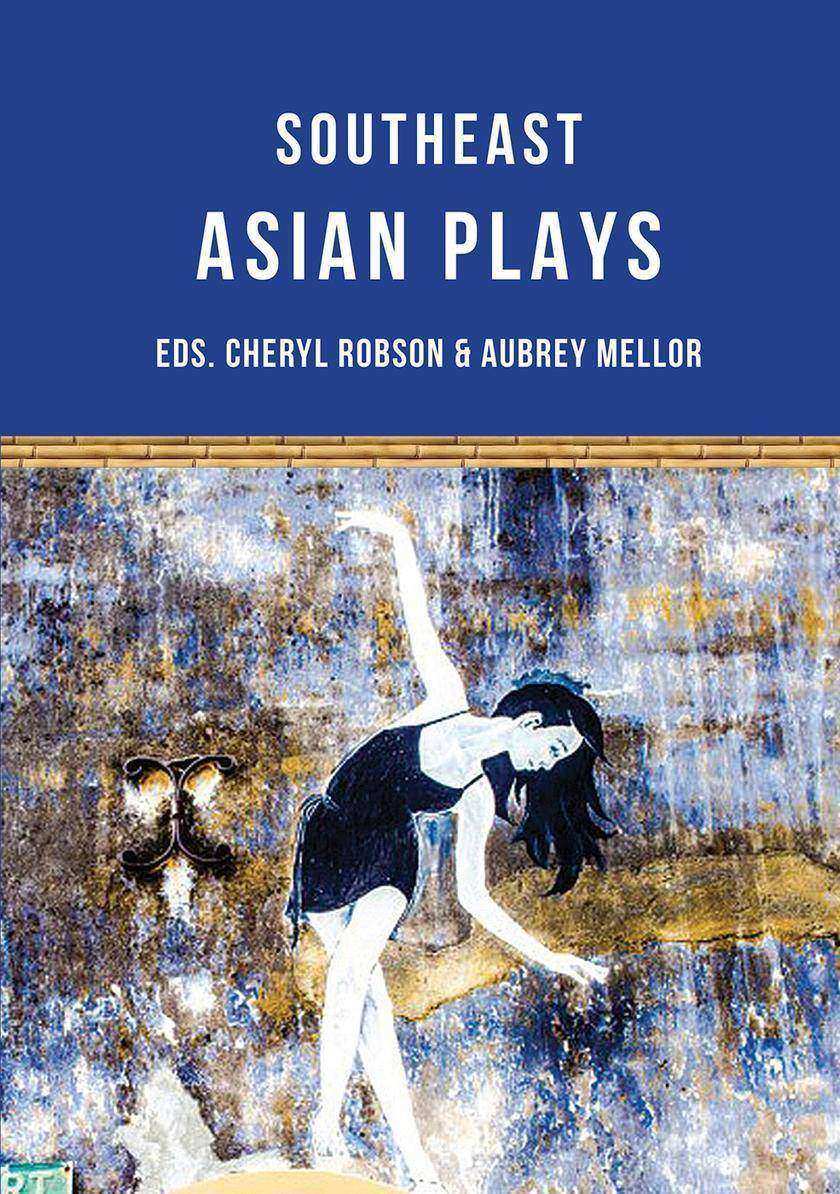
Southeast Asian Plays
¥40.79
The first ever comprehensive collection of plays ?in English from Southeast Asia. Features work by eight playwrights from seven countries in Southeast Asia, a region which is experiencing profound change:?Singapore, Vietnam, Malaysia, Thailand, the Philippines, Indonesia and Cambodia.? Southeast Asian Plays ?explores the rich variety of dramatic work that is only beginning to be translated into English. Theatre scripts are merely blueprints for productions, especially in this region. As elsewhere, second productions and revivals are rare, so publication is key to allowing play texts to find a wider international readership. Topics include the global financial crisis, sex workers, traditional v modern values, the role of faith in society, corruption in high places and journalistic ethics. The plays have been selected for performance. Plays: The Plunge by Jean Tay (Singapore) An Evening At the Opera by Floy Quintos (Philippines) Night of the Minotaur by Tew Bunnag (Thailand) Tarap Man by Ann Lee (Malaysia) Dark Rac e by Dang Chuong (Vietnam) Frangipani by Chhon Sina (Cambodia) Picnic by Joned Suryatmoko (Indonesia) Nadirah by Alfian Saat (Singapore) "The editors have done an excellent job of opening up our chances of reading and learning about plays from all over Southeast Asia. ...editorial choices are significant for opening up spaces to voices which are otherwise heard less often. All in all the plays are interesting for the ways in which they grapple with key concerns in their respective societies."? --The Asiatic


