


 购物车
购物车 个人中心
个人中心
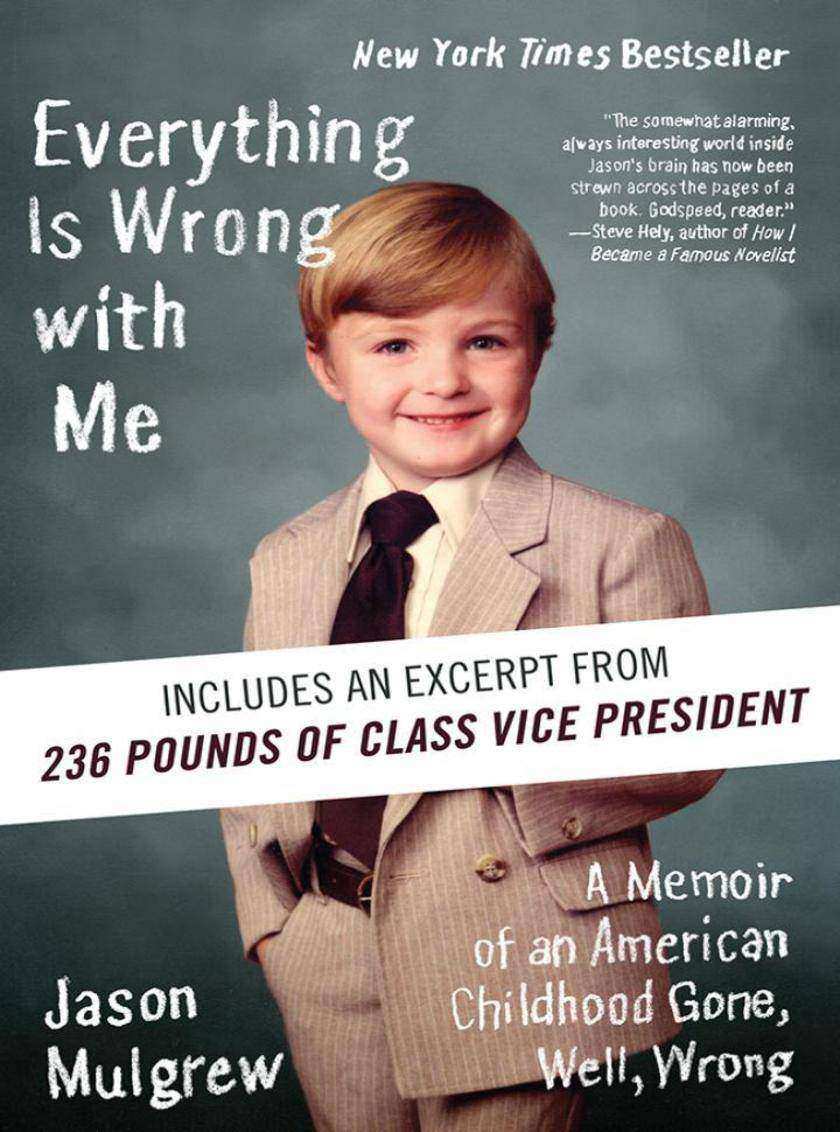
Everything Is Wrong with Me
¥78.55
Fans of Jason Mulgrew's wildly popular blog know that everything really is wrong with him. The product of a raucous, not-just-semi-but-fully-dysfunctional Philadelphia family, Jason has seen it all from Little League games of unspeakable horror to citywide parades ending in stab wounds; from hard-partying longshoremen fathers to feathered-hair, no-nonsense, kindhearted mothers; and from conscience-crippling Catholic dogmas to the equally confounding religion of women. With chapter titles like "My Bird: Inadequacy and Redemption" (no, he is not referring to a parakeet) and "On the Relationship Between Genetics and Hustling," Everything Is Wrong with Me proves that, as Jason puts it, "writing is a fantastical exercise in manic depression" but he never fails to ensure that laughter is part of the routine.Includes an excerpt from Jason Mulgrew's new book 236 Pounds of Class Vice President.

The Official Guide to Christmas in the South
¥94.10
No place celebrates Christmas like Dixie, and with this charming, humorous guide, anyone can learn how to deck the halls, Southern styleIt's the one time of the year when both the divine and debutantes take center stage in a perfect storm of hot glue and cheese grits: Christmas. But successfully navigating through the holiday season can be more complex than Santa's midnight journey. There are pitfalls hotter than any chimney -- and social situations more slippery than any roof! But now The Official Guide to Christmas in the South has arrived to reveal the finer and sometimes unspoken details of Dixie etiquette.Perfect for a true Southerner's coffee table or an imposter's survival guide, The Official Guide to Christmas in the South is the gift that will keep on regifting season after season.
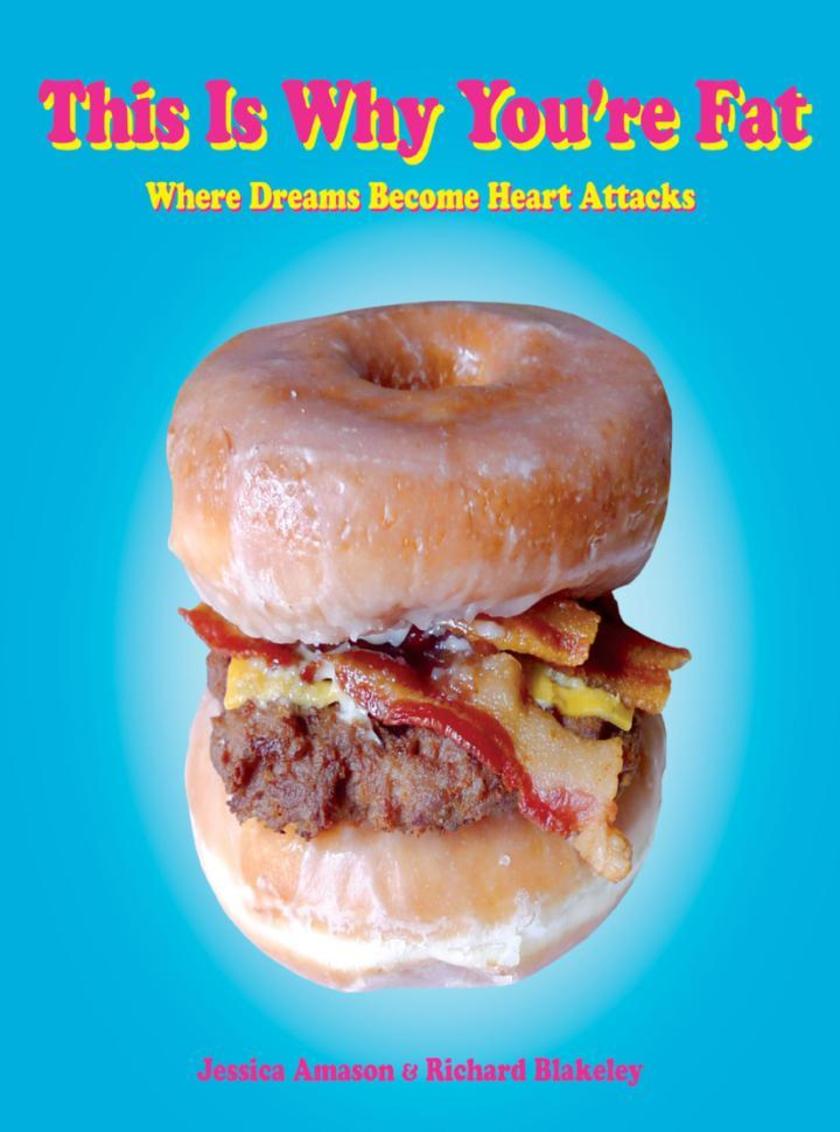
This Is Why You're Fat
¥56.08
Food was once the providence of celebrated chefs and critical connoisseurs. Cooking shows featured all gourmet creations and web sites displayed artfully photographed delights. Then something changed. Perhaps it was the desensitizing of web culture or perhaps it was a cry for help from the food loving public. But by God there came a day when fancy vegetable towers came crashing down and $50 mushrooms were no longer acceptable. Amason and Blakley wanted see the old stand bys the carnival foods of their childhoods the sticky mess of a deep fried candy bar the indulgence of a greasy burger with all the fixins. It was the birth of the nasty food web trend. And it was delicious. The website This is Why You're Fat is an ode to this trend whether seen as a commentary on North American dietary habits or a celebration of the deliciously bad Amason and Blakey are devoted to the world's newfound obsession with over the top food. Within its first month the site pulled in over ten million eye balls and attracted major nation media including CNN. The world cooked they listened. www.thisiswhyyourefat.com
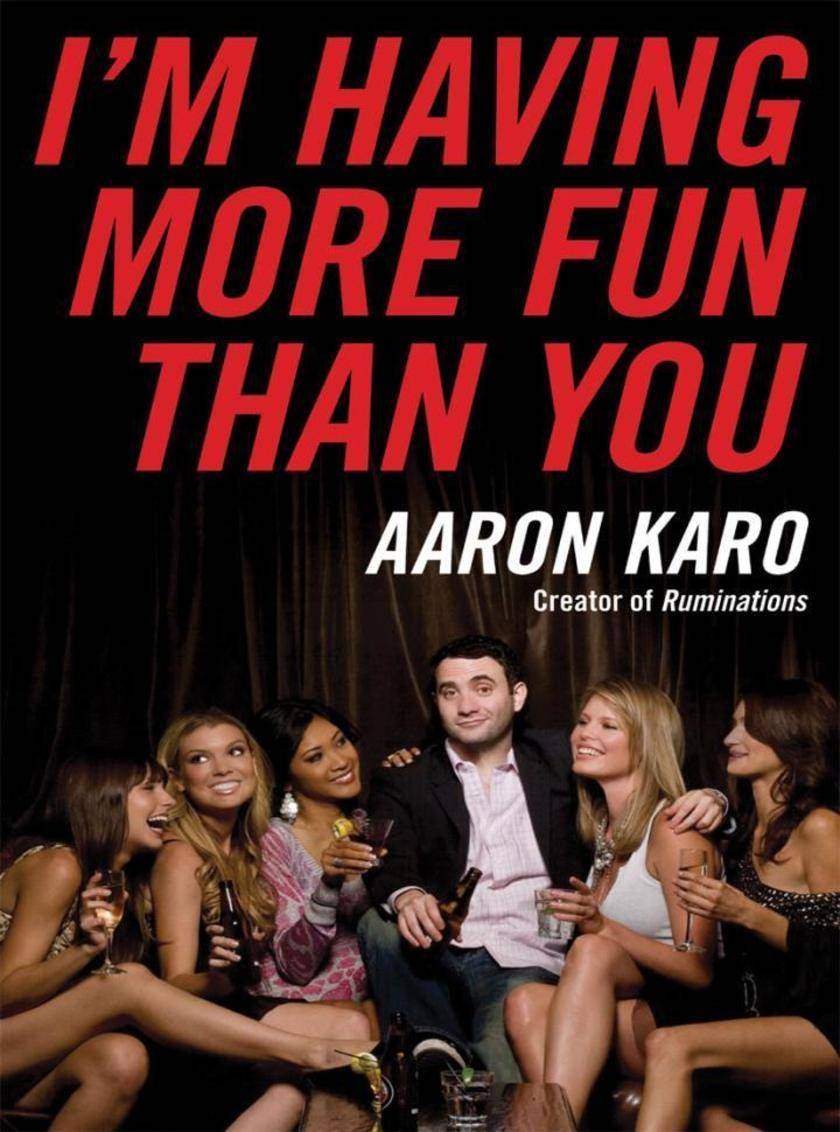
I'm Having More Fun Than You
¥78.65
Why settle down when you can hook up?"Happily married people and perpetually single people are similar: We've both given up on dating and have merely chosen different exit strategies."So begins Aaron Karo's hilarious exploration of bachelor life, from the alcohol-fueled pursuit of chicks in bars to sophisticated advances on defenseless bridesmaids. As his thirtieth birthday approaches, Karo observes the women around him growing increasingly desperate to tie the knot and finds himself equally determined to remain uncommitted. What follows is an outrageous account of one man's quest to party like a rock star, get laid with abandon, and silence his critics in relationships with the rebuke "I'm having more fun than you." Irreverent, insightful, and relentlessly funny, Karo offers a unique glimpse into the world of guys who defy convention, morality, and their moms in order to preserve their independence.
Passive Aggressive Notes
¥88.56
Part voyeuristic entertainment, part group therapy, Passive Aggressive Notes offers a fascinating look at the all-too-familiar frustrations of embattled office drones, apartment dwellers, parents, and pet owners everywhere. This curated collection combines dozens of outrageous, never-before-seen notes as well as favorites from Passive aggressivenotes.coma 2008 Webby Award Winner and the official "Best Blog" of the South by Southwest Interactive festival.
Scuse Me While I Whip This Out
¥90.77
Kinky Friedman is back, and with 'Scuse Me While I Whip This Out he gets it on with all manner of egos. In this collection of twisted takes on life, the Kinkster gives us funny, irreverent, and insightful looks at outsized personalities from people he's known, like Bill Clinton, George W., Willie Nelson, and Bob Dylan -- not to mention Joseph Heller and Don Imus -- to people he's known in spirit, such as Moses, Jesus, Jack Ruby, and Hank Williams. With his meditations on subjects ranging from sleeping at the White House, marriage, his pets, fishing in Borneo, country music, and cigars to the tribulations of possessing talent, Kinky doesn't deny us the "flashes of brilliance and laugh-out-loud observations" (Rocky Mountain News) that are present in all his other work. Hilarious, irreverent, and passionately twisted, 'Scuse Me While I Whip This Out reads as if it were written by a slightly ill modern-day Mark Twain.
Cyanide and Happiness
¥88.56
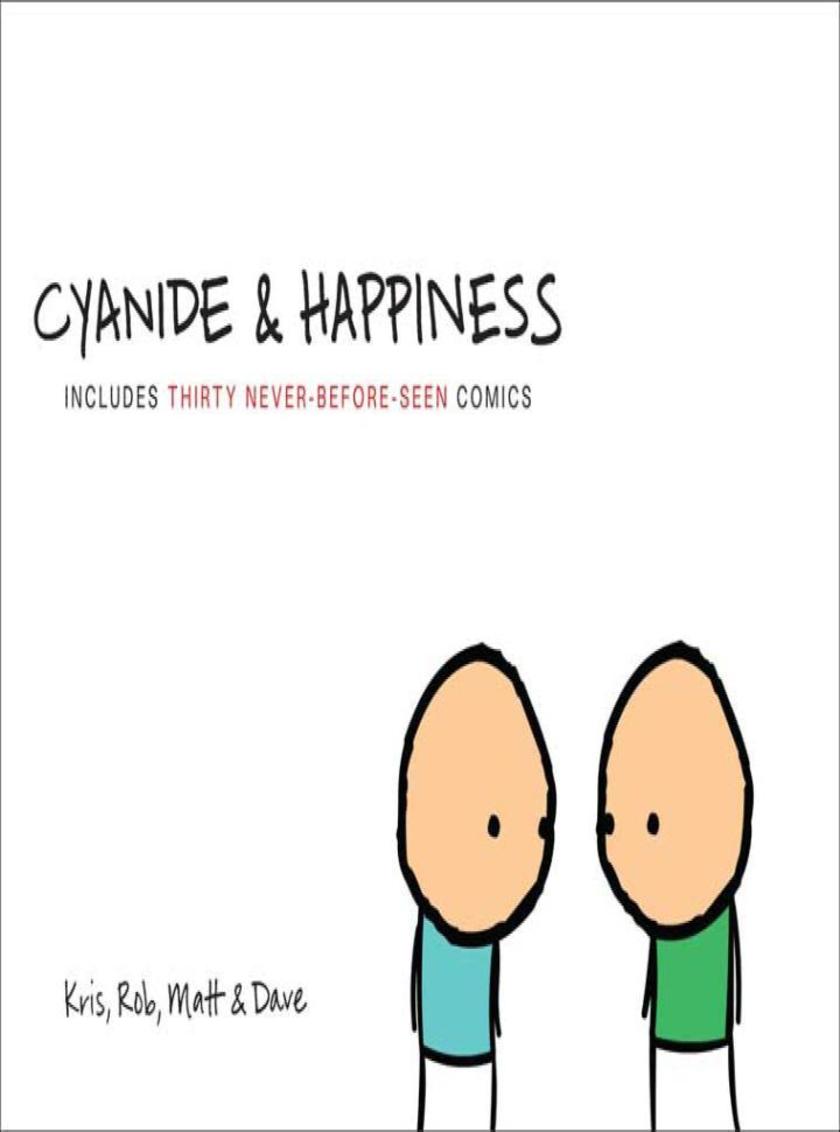
Introducing the first real, tangible, ignitable collection of the hit online comic Cyanide Happiness, featuring a selection of your favorite comics and thirty brand-new strips.From the minds of Kris, Rob, Matt, and Dave comes a barrage of irreverent entertainment sure to keep you amused until the day you die. Just see what their mothers have to say!"Dave is a nice, young man with a bright future ahead of him. I always knew he was a gifted boy who would go on to do great things. I hope he settles down with a nice, young woman and ****s the **** out of her." Dave's mom"I don't know how to get computer pictures, so I'm glad Kris finally has a book out. I haven't read it yet, but I hope he gives me a quote on the back." Kris's mom"I hope Robert's book does well so he can finally afford to move out. He plays his hip-hop music too loud." Rob's mom Matt's mom was unavailable for a quote due to being dead.
Mental Floss Presents Be Amazing
¥95.39
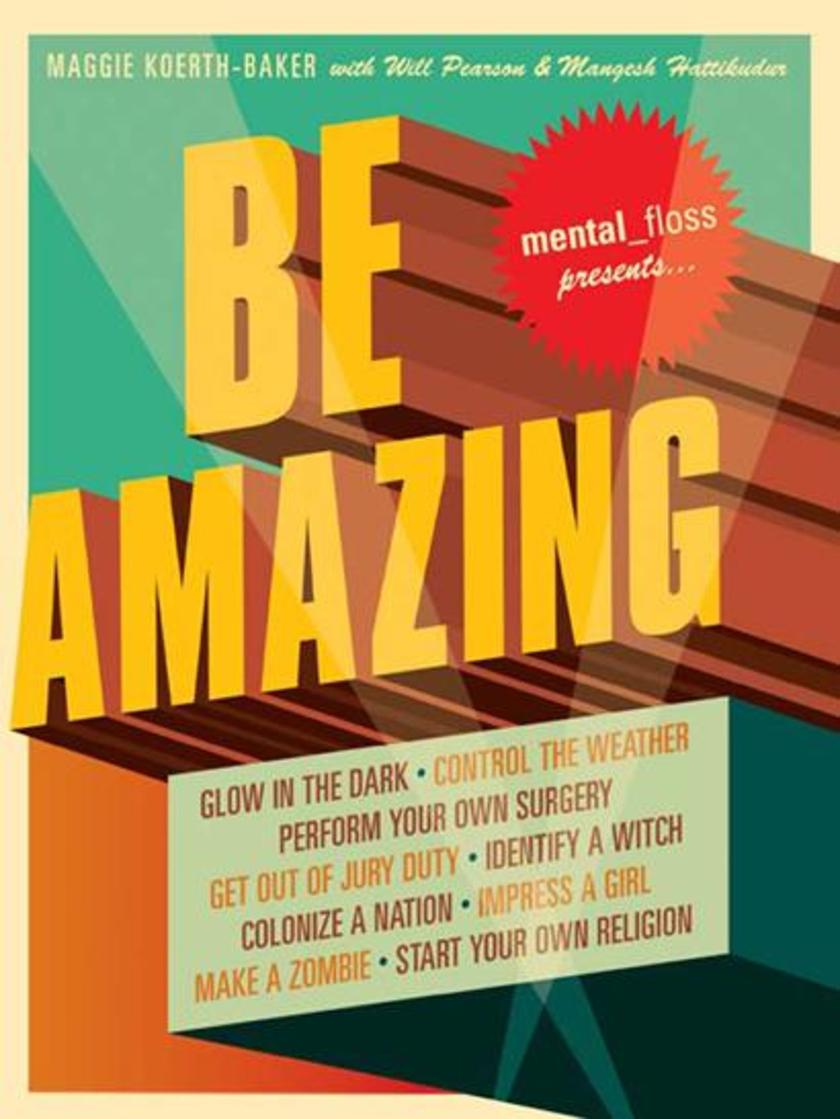
Be amazing Who says you can'tIt's time to get off the couch and take your life to the next level. Step one: stand on the shoulders of geniusesWhat good are the world's greatest geniuses if you can't muddy their shoulder pads and use their accomplishments as a step stoolmental_floss has combed through every success story in history to deliver this ultimate how-to guide for climbing your way to greatness.Step two: bask in the glow of admiring fansWhether you want to glow in the dark, swallow a sword, quit smoking, find Atlantis, live forever, get out of jury duty, buy the Moon, sink a battleship, stop global warming, become a ninja, or simply be the center of the universe, Be Amazing covers all the essential life skills. Just absorb a few pages, then let the hero worship begin!You will need: A hunger for greatness Some duct tape This book You may want: Sidekicks and/or minions An impressive nickname An amazing outfit

Manga Fashion with Paper Dolls
¥140.29
Featuring twenty-five iconic fashion styles, Manga Fashion is filled to the brim with gorgeous girls in dazzling clothes. Seventy-three of Japan's top manga artists portray key styles from party to romantic, gothic Lolita to nautical. De*ions of the different styles break them down into their essential components types of clothing, shoes, and accessories, as well as how the looks developed and what kind of modern manga girls wear them. Classic items like miniskirts, kimonos, military jackets, and ball gowns are covered, as are accessories including high heels, obis, and hair ribbons. And as the cherry on this manga sundae, two manga paper dolls can be found in the back of the book, accompanied by stylish outfits and accessories.
Monster Book of Manga: Gothic
¥145.91
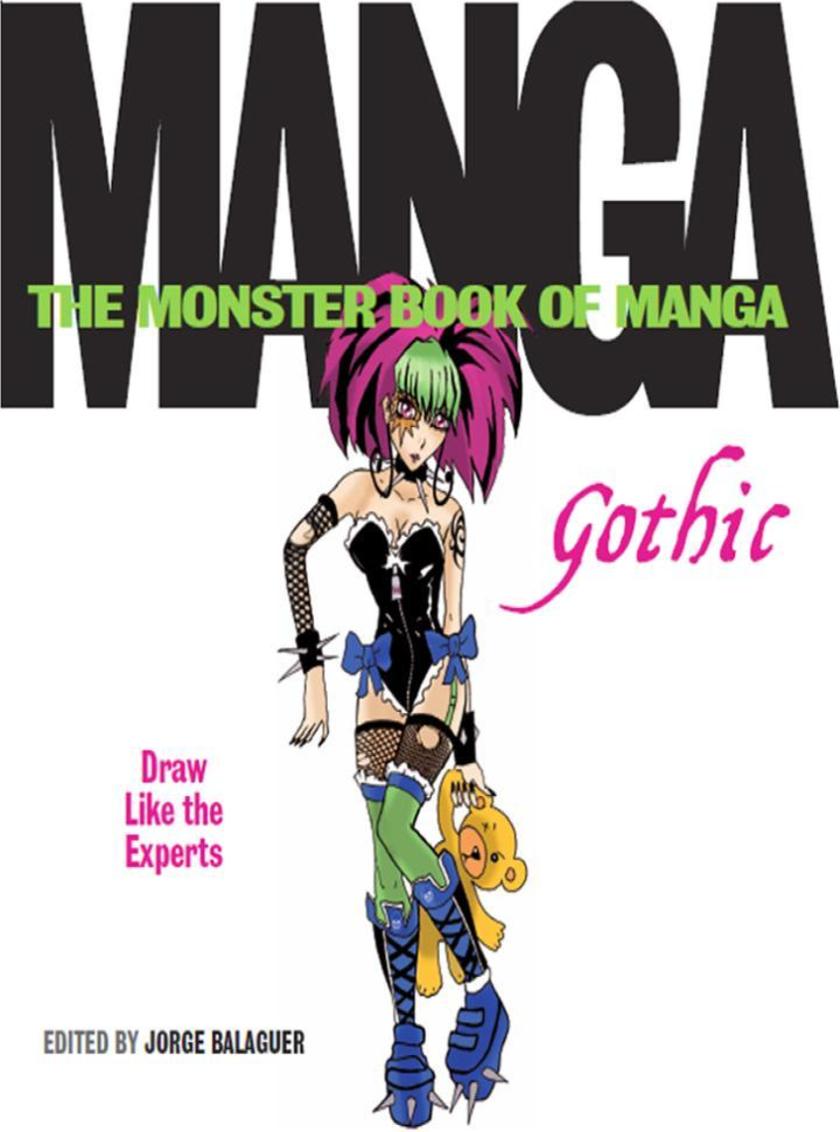
An extraordinary new volume in the bestselling Monster Book of Manga books Gothic features thirty dark characters and easy-to-follow instructions teaching you how to create them.The Monster Book of Manga: Gothic is the ultimate guide to creating the hottest, most cutting-edge manga. Inside you'll find thirty devious and mysterious manga characters, along with step-by-step instructions taking you from initial line drawings to graphic, full-color designs. The characters include rebellious and subversive youth from rock stars and dancers to gothic cheerleaders and a beautiful, modernized gothic Lolita. There are also dangerous cyberpunks, vampires, and warriors, as well as a gothic space queen and a satanic being. Unique in its content and the elegance of its characters, The Monster Book of Manga: Gothic is the only comprehensive guide to creating gothic manga and a must-have for all new and experienced manga artists alike.
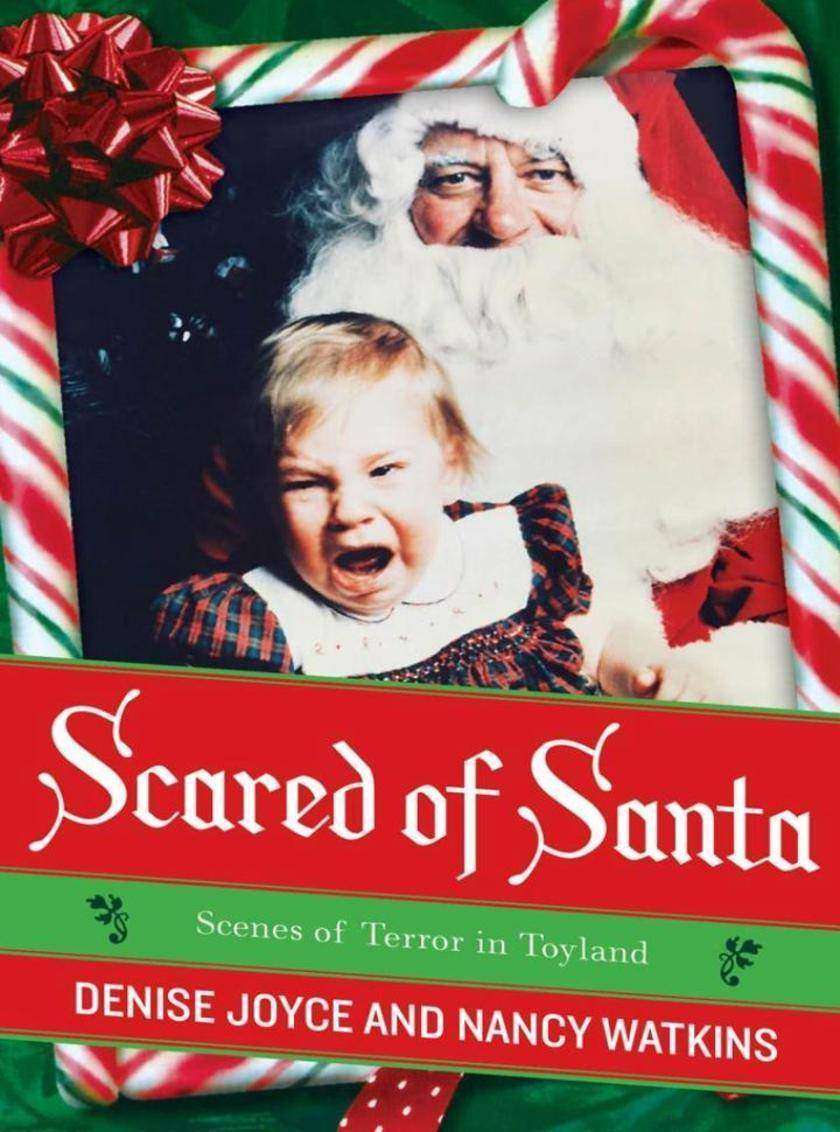
Scared of Santa
¥72.93
He's huge and hairy and hulking. He dresses in strange furry clothing. He sneaks into people's homes at night.Who wouldn't be afraid of . . . Santa Claus?!Nothing says Christmas quite like innocent children shrieking with terror as a stranger dressed in red drags them kicking and screaming onto his lap. Now this time-honored rite of passage is celebrated with a hilarious collection of more than two hundred and fifty priceless photos of kids' traumatic trips to Santa's workshop. Scared of Santa offers a cornucopia of photographic funnies from sixty-year-old family heirlooms to last year's howlers along with delightful commentary on those unforgettable childhood visits to scary ol' Saint Nick.

101 Uses for a Bridesmaid Dress
¥112.44
Bridesmaid dresses -- what are they good forWe've got to pay for them, wear them, and then find a spot for them in the back of the closet. Our best women friends, suddenly transformed into tasteful-white-dress-wearing brides, tell us, "You'll be able to wear this bridesmaid dress again." But we know better.101 Uses for a Bridesmaid Dress, tongue firmly in cheek, pokes fun at the hopelessly horrible dress that a bride asks her "court" to don. These whimsical illustrations and silly suggestions, from cocktail napkins and shower curtains, to pony blankets and frilly jock straps, are a hilarious antidote to the bridesmaid dresses we'll never wear again.
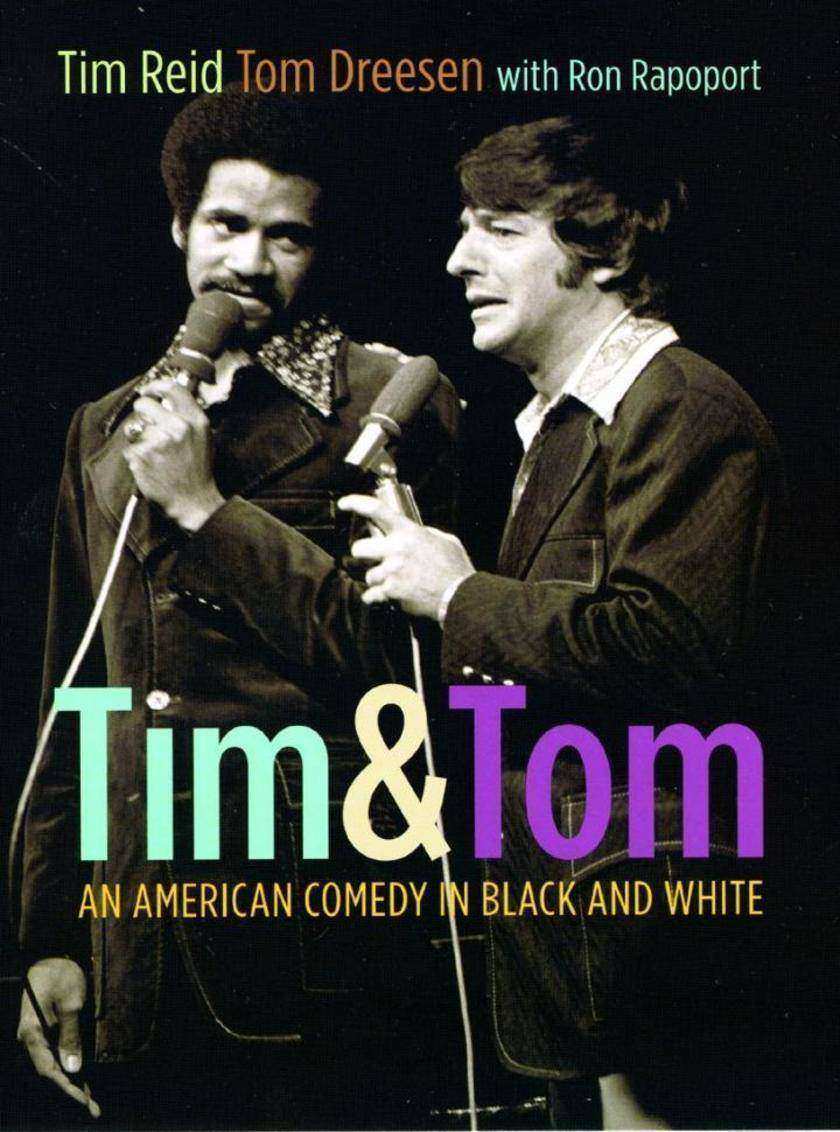
Tim and Tom
¥147.15
As the heady promise of the 1960s sagged under the weight of widespread violence, rioting, and racial unrest, two young men--one black and one white--took to stages across the nation to help Americans confront their racial divide: by laughing at it.Tim and Tom tells the story of that pioneering duo, the first interracial comedy team in the history of show business--and the last. Tim Reid and Tom Dreesen polished their act in the nightclubs of Chicago, then took it on the road, not only in the North, but in the still-simmering South as well, developing routines that even today remain surprisingly frank--and remarkably funny--about race. Most nights, the shock of seeing an integrated comedy team quickly dissipated in uproarious laughter, but on some occasions the audience's confusion and discomfort led to racist heckling, threats, and even violence. Though Tim and Tom perpetually seemed on the verge of making it big throughout their five years together, they grudgingly came to realize that they were ahead of their time: America was not yet ready to laugh at its own failed promise.Eventually, the grind of the road took its toll, as bitter arguments led to an acrimonious breakup. But the underlying bond of friendship Reid and Dreesen had forged with each groundbreaking joke has endured for decades, while their solo careers delivered the success that had eluded them as a team. By turns revealing, shocking, and riotously funny, Tim and Tom unearths a largely forgotten chapter in the history of comedy.?
Systems We Have Loved
¥370.82
By the early 1960s, theorists like Levi-Strauss, Lacan, Foucault, and Barthes had created a world ruled by signifying structures and pictured through the grids of language, information, and systems. Artists soon followed, turning to language and its related forms to devise a new, conceptual approach to art making. Examining the ways in which artists shared the structuralist devotion to systems of many sorts, Systems We Have Loved shows that even as structuralism encouraged the advent of conceptual art, it also raised intractable problems that artists were forced to confront.?Considering such notable art figures as Mary Kelly, Robert Morris, Robert Smithson, and Rosalind Krauss, Eve Meltzer argues that during this period the visual arts depicted and tested the far-reaching claims about subjectivity espoused by theorists. She offers a new way of framing two of the twentieth century's most transformative movements-one artistic, one expansively theoretical-and she reveals their shared dream-or nightmare-of the world as a system of signs. By endorsing this view, Meltzer proposes, these artists drew attention to the fictions and limitations of this dream, even as they risked getting caught in the very systems they had adopted. The first book to describe art's embrace of the world as an information system, Systems We Have Loved breathes new life into the study of conceptual art.
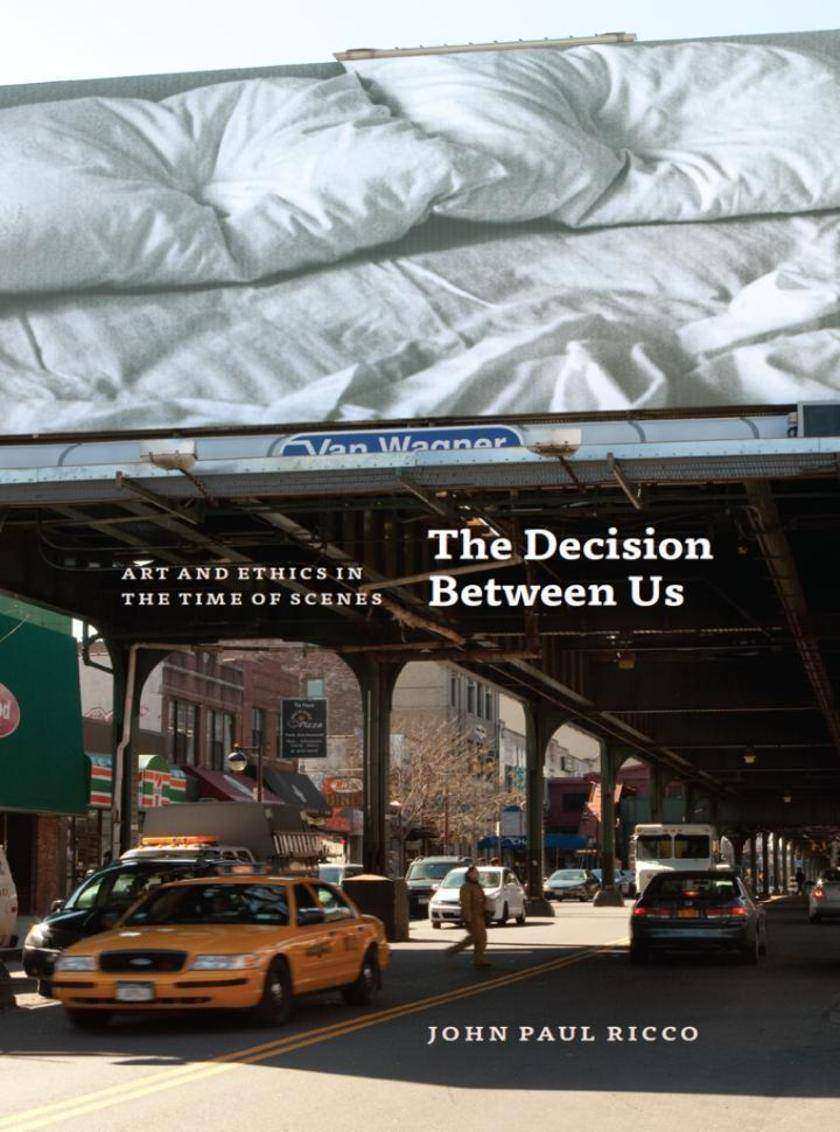
Decision Between Us
¥370.82
The Decision Between Us?combines an inventive reading of Jean-Luc Nancy with queer theoretical concerns to argue that while scenes of intimacy are spaces of sharing, they are also spaces of separation. John Paul Ricco shows that this tension informs our efforts to coexist ethically and politically, an experience of sharing and separation that informs any decision. Using this incongruous relation of intimate separation, Ricco goes on to propose that "e;decision"e; is as much an aesthetic as it is an ethical construct, and one that is always defined in terms of our relations to loss, absence, departure, and death.?Laying out this theory of "e;unbecoming community"e; in modern and contemporary art, literature, and philosophy, and calling our attention to such things as blank sheets of paper, images of unmade beds, and the spaces around bodies,?The Decision Between Us?opens in 1953, when Robert Rauschenberg famously erased a drawing by Willem de Kooning, and Roland Barthes published?Writing Degree Zero, then moves to 1980 and the "e;neutral mourning"e; of Barthes'?Camera Lucida, and ends in the early 1990s with installations by Felix Gonzalez-Torres. Offering surprising new considerations of these and other seminal works of art and theory by Jean Genet, Marguerite Duras, and Catherine Breillat,?The Decision Between Us?is a highly original and unusually imaginative exploration of the spaces between us, arousing and evoking an infinite and profound sense of sharing in scenes of passionate, erotic pleasure as well as deep loss and mourning.

Architects of Little Rock
¥261.73
Architects of Little Rock provides biographical and historical sketches of the architects working in Little Rock from 1830 to 1950. Thirty-five architects are profiled, including George R. Mann, Thomas Harding, Charles L. Thompson, Max. F. Mayer, Edwin B. Cromwell, George H. Wittenberg, Lawson L. Delony, and others. Readers will learn who these influential professionals were, where they came from, where they were educated, how they lived, what their families were like, how they participated in the life of the city, and what their buildings contributed to the city. Famous buildings, including the Historic Arkansas Museum, the Old State House, the Arkansas State Capitol, St. Andrews Cathedral, Little Rock City Hall, the Pulaski County Court House, Little Rock Central High School, and Robinson Auditorium are showcased, bringing attention to and encouraging appreciation of the city's historic buildings.Published in collaboration with the Fay Jones School of Architecture.
Why Is Daddy in a Dress?
¥73.03
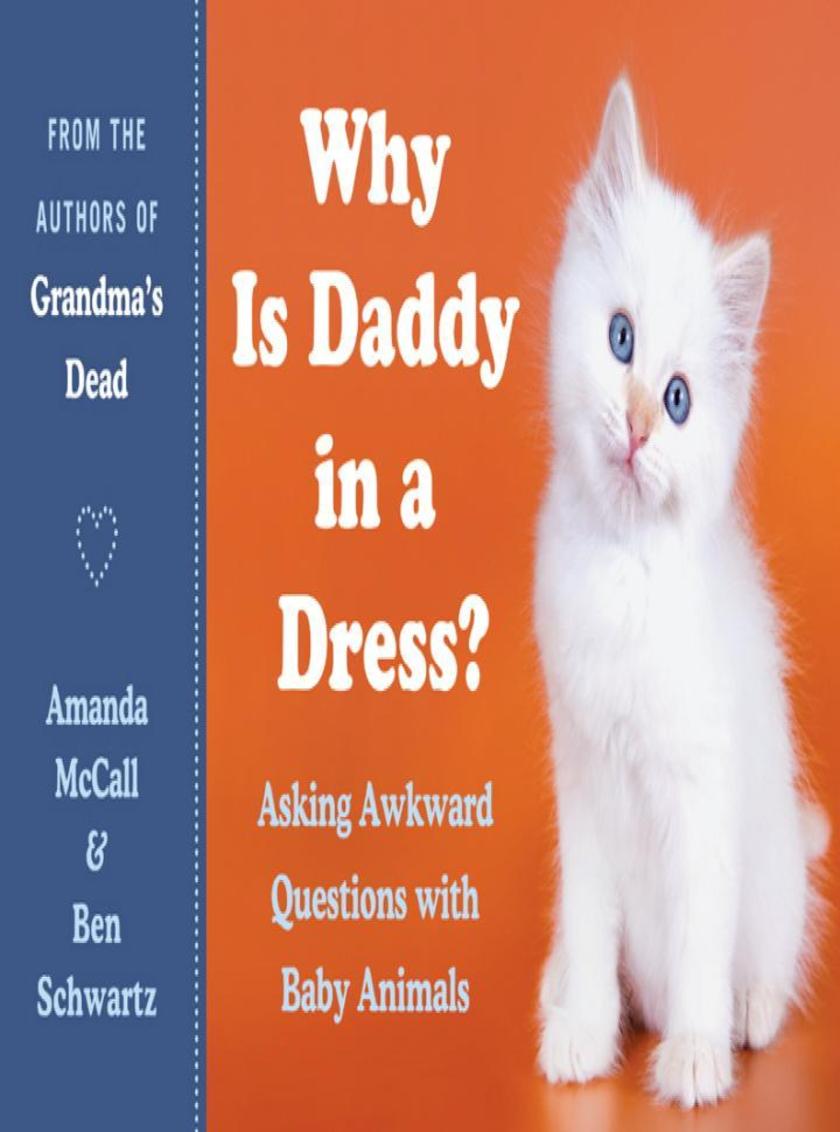
Why face the embarrassment of dealing with life's most awkward questions when adorable baby animals can do it for youAmanda McCall and Ben Schwartz, the creators of the wickedly lovable Grandma's Dead, return with Why is Daddy in a Dress?, another invaluable aid to avoiding sticky situations. A book of postcards featuring cuddly kittens, playful puppies, fuzzy ducklings, and hoppity baby bunnies broaching sensitive subjects like "Are you a hooker?" or "Can we stop cuddling?," Why is Daddy in a Dressis the perfect cure for foot-in-mouth disease.

Grandma's Dead
¥56.17
Avoid the messy confrontations that accompany delivering bad news personally and let one of these cute baby animal postcards deliver the devastating message for you.Are you afraid to tell your girlfriend that her ass looks fatDo you need to explain to your nephew that dreams don't come trueWhy not let a cute, fuzzy bunny do it for you! We understand how hard it is to tell someone that you're sleeping with his wife, so let a photograph of a duckling sleeping on a teddy bear soften the blow. These perforated postcards answer all of your cowardly prayers you'll finally be able to tell the truth without ever conquering your fear of confrontation. Let these adorable baby animals supply a silver lining to any bad situation and avoid, a long, tearful afternoon explaining why daddy's never coming home.

Maybe Your Leg Will Grow Back!
¥56.17
Interventions are like little surprise parties!Plus a bonus Do-it-yourself crafts section brighten up anything with baby animals!
Waiting
¥83.03
A veteran waitress dishes up a spicy and robust account of life as it really exists behind kitchen doors.Part memoir, part social commentary, part guide to how to behave when dining out, Debra Ginsberg's book takes readers on her twentyyear journey as a waitress at a soap-operatic Italian restaurant, an exclusive five-star dining club, the dingiest of diners, and more. While chronicling her evolution as a writer, Ginsberg takes a behind-the-scenes look at restaurant life-revealing that yes, when pushed, a server will spit in food, and, no, that's not really decaf you're getting-and how most people in this business are in a constant state of waiting to do something else.
How to Booze
¥84.16
There is a perfect drink for every situation. So what should you drink tonightIt depends . . .Are you stalking your exTry a pisco sour.Drowning out the ticking of your biological clockA bee's knees will do.Spoiling for a vicious brawl with your dearest loved onesA tipperary helps you get there.Sinking into debauchery underneath the mistletoe at your boss's holiday partyA presbyterian, what else?How to Booze has all the answers on what to drink when. Armed with nearly one hundred iconic recipes, useful facts on technique and ingredients, and more than enough advice to get you into trouble, you will now know just the right drink for the occasion and how to prepare it likea professional.


