


 购物车
购物车 个人中心
个人中心
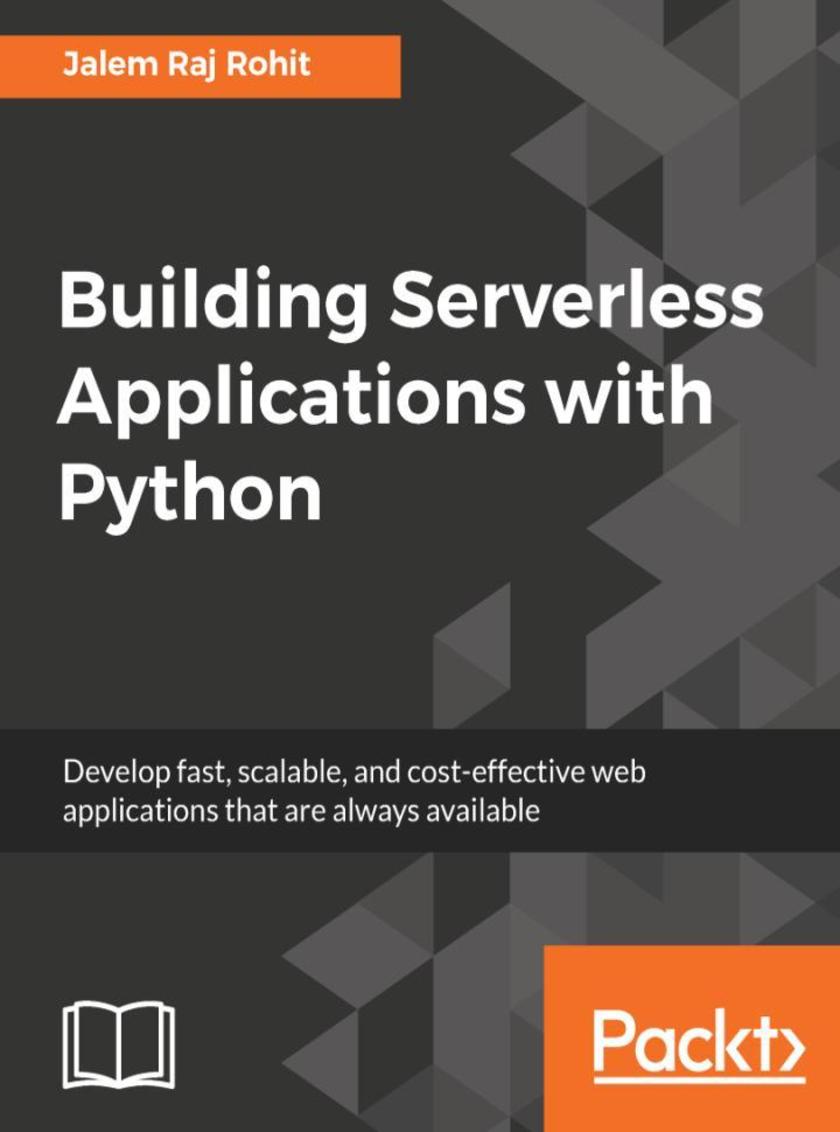
Building Serverless Applications with Python
¥90.46
Building efficient Python applications at minimal cost by adopting serverless architectures About This Book ? Design and set up a data flow between cloud services and custom business logic ? Make your applications efficient and reliable using serverless architecture ? Build and deploy scalable serverless Python APIs Who This Book Is For This book is for Python developers who would like to learn about serverless architecture. Python programming knowledge is assumed. What You Will Learn ? Understand how AWS Lambda and Microsoft Azure Functions work and use them to create an application ? Explore various triggers and how to select them, based on the problem statement ? Build deployment packages for Lambda functions ? Master the finer details about building Lambda functions and versioning ? Log and monitor serverless applications ? Learn about security in AWS and Lambda functions ? Scale up serverless applications to handle huge workloads and serverless distributed systems in production ? Understand SAM model deployment in AWS Lambda In Detail Serverless architectures allow you to build and run applications and services without having to manage the infrastructure. Many companies have adopted this architecture to save cost and improve scalability. This book will help you design serverless architectures for your applications with AWS and Python. The book is divided into three modules. The first module explains the fundamentals of serverless architecture and how AWS lambda functions work. In the next module, you will learn to build, release, and deploy your application to production. You will also learn to log and test your application. In the third module, we will take you through advanced topics such as building a serverless API for your application. You will also learn to troubleshoot and monitor your app and master AWS lambda programming concepts with API references. Moving on, you will also learn how to scale up serverless applications and handle distributed serverless systems in production. By the end of the book, you will be equipped with the knowledge required to build scalable and cost-efficient Python applications with a serverless framework. Style and approach The book takes a pragmatic approach, using a real-world example to demonstrate building efficient, secure, and scalable serverless applications.
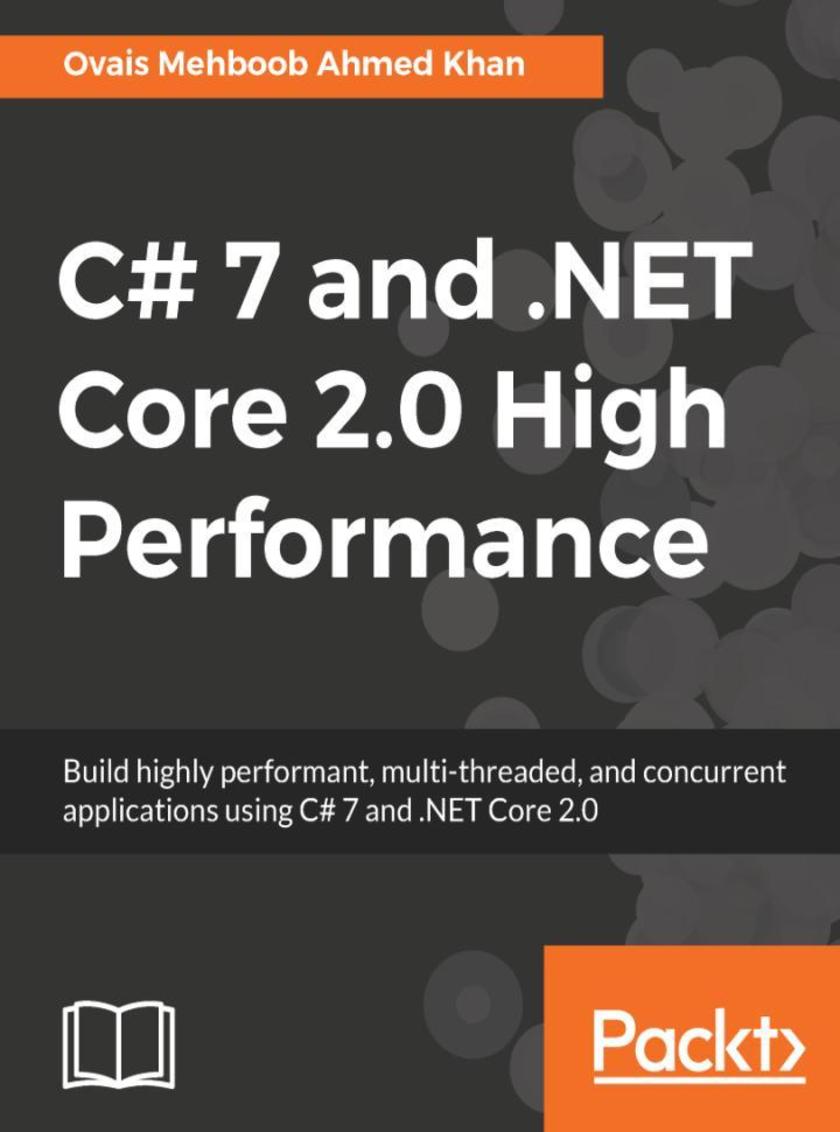
C# 7 and .NET Core 2.0 High Performance
¥81.74
Improve the speed of your code and optimize the performance of your apps About This Book ? Understand the common performance pitfalls and improve your application’s performance ? Get to grips with multi-threaded and asynchronous programming in C# ? Develop highly performant applications on .NET Core using microservice architecture Who This Book Is For This book is for .NET developers looking at improving the speed of their code or simply wanting to take their skills to the next level. Basic C# knowledge is assumed. What You Will Learn ? Measure application performance using BenchmarkDotNet ? Explore the techniques to write multithreaded applications ? Leverage TPL and PLinq libraries to perform asynchronous operations ? Get familiar with data structures to write optimized code ? Understand design techniques to increase your application’s performance ? Learn about memory management techniques in .NET Core ? Develop a containerized application based on microservices architecture ? Learn tools and techniques to monitor application performance In Detail While writing an application, performance is paramount. Performance tuning for realworld applications often involves activities geared toward fnding bottlenecks; however, this cannot solve the dreaded problem of slower code. If you want to improve the speed of your code and optimize an application's performance, then this book is for you. C# 7 and .NET Core 2.0 High Performance begins with an introduction to the new features of what?explaining how they help in improving an application's performance. Learn to identify the bottlenecks in writing programs and highlight common performance pitfalls, and learn strategies to detect and resolve these issues early. You will explore multithreading and asynchronous programming with .NET Core and learn the importance and effcient use of data structures. This is followed with memory management techniques and design guidelines to increase an application’s performance. Gradually, the book will show you the importance of microservices architecture for building highly performant applications and implementing resiliency and security in .NET Core. After reading this book, you will learn how to structure and build scalable, optimized, and robust applications in C#7 and .NET. Style and approach This book will be a step by step easy to follow guide with focused examples to increase performance of applications and provide optimization techniques.
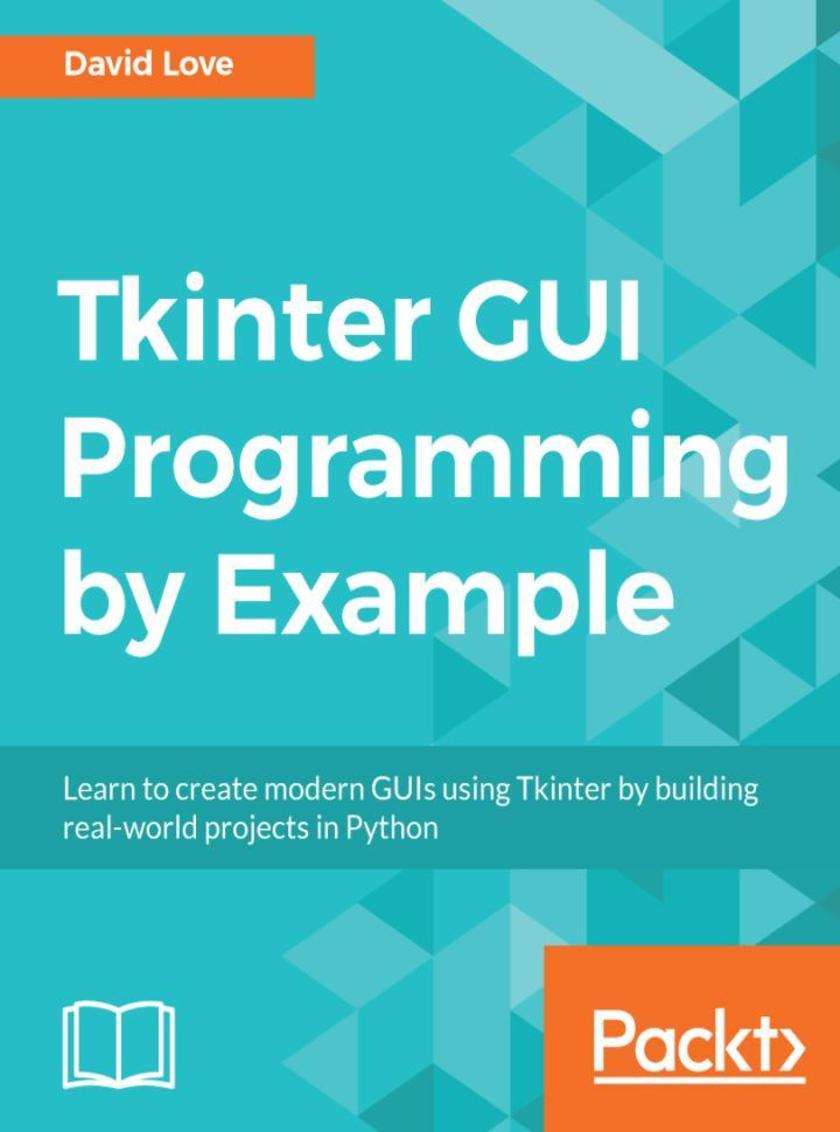
Tkinter GUI Programming by Example
¥90.46
Leverage the power of Python and its de facto GUI framework to build highly interactive interfaces About This Book ? The fundamentals of Python and GUI programming with Tkinter. ? Create multiple cross-platform projects by integrating a host of third-party libraries and tools. ? Build beautiful and highly-interactive user interfaces that target multiple devices. Who This Book Is For This book is for beginners to GUI programming who haven’t used Tkinter yet and are eager to start building great-looking and user-friendly GUIs. Prior knowledge of Python programming is expected. What You Will Learn ? Create a scrollable frame via theCanvas widget ? Use the pack geometry manager andFrame widget to control layout ? Learn to choose a data structurefor a game ? Group Tkinter widgets, such asbuttons, canvases, and labels ? Create a highly customizablePython editor ? Design and lay out a chat window In Detail Tkinter is a modular, cross-platform application development toolkit for Python. When developing GUI-rich applications, the most important choices are which programming language(s) and which GUI framework to use. Python and Tkinter prove to be a great combination. This book will get you familiar with Tkinter by having you create fun and interactive projects. These projects have varying degrees of complexity. We'll start with a simple project, where you'll learn the fundamentals of GUI programming and the basics of working with a Tkinter application. After getting the basics right, we'll move on to creating a project of slightly increased complexity, such as a highly customizable Python editor. In the next project, we'll crank up the complexity level to create an instant messaging app. Toward the end, we'll discuss various ways of packaging our applications so that they can be shared and installed on other machines without the user having to learn how to install and run Python programs. Style and approach Step by Step guide with real world examples
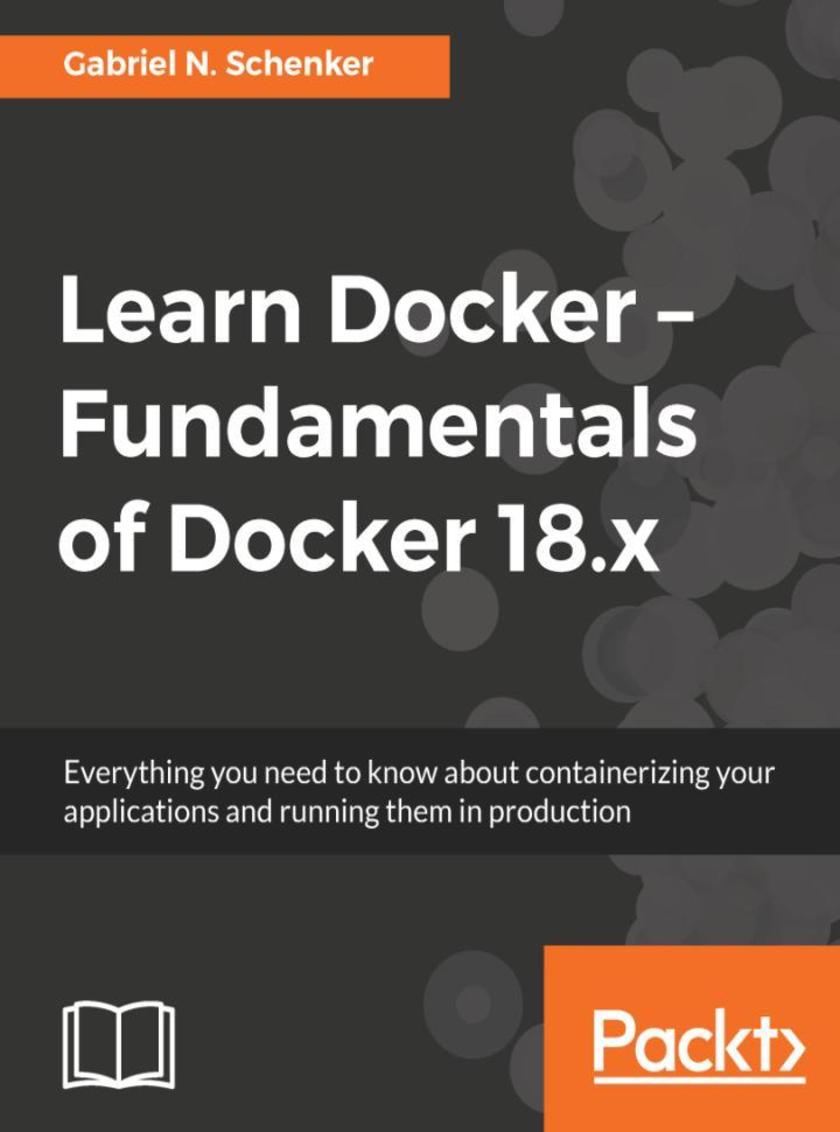
Learn Docker - Fundamentals of Docker 18.x
¥73.02
Enhance your software deployment workflow using containers About This Book ? Get up-and-running with basic to advanced concepts of Docker ? Get acquainted with concepts such as Docker containers, Docker images, orchestrators and so on. ? Practical test-based approach to learning a prominent containerization tool Who This Book Is For This book is targeted at system administrators, operations engineers, DevOps engineers, and developers or stakeholders who are interested in getting started with Docker from scratch. No prior experience with Docker Containers is required. What You Will Learn ? Containerize your traditional or microservice-based application ? Share or ship your application as an immutable container image ? Build a Docker swarm and a Kubernetes cluster in the cloud ? Run a highly distributed application using Docker Swarm or Kubernetes ? Update or rollback a distributed application with zero downtime ? Secure your applications via encapsulation, networks, and secrets ? Know your options when deploying your containerized app into the cloud In Detail Docker containers have revolutionized the software supply chain in small and big enterprises. Never before has a new technology so rapidly penetrated the top 500 enterprises worldwide. Companies that embrace containers and containerize their traditional mission-critical applications have reported savings of at least 50% in total maintenance cost and a reduction of 90% (or more) of the time required to deploy new versions of those applications. Furthermore they are benefitting from increased security just by using containers as opposed to running applications outside containers. This book starts from scratch, introducing you to Docker fundamentals and setting up an environment to work with it. Then we delve into concepts such as Docker containers, Docker images, Docker Compose, and so on. We will also cover the concepts of deployment, orchestration, networking, and security. Furthermore, we explain Docker functionalities on public clouds such as AWS. By the end of this book, you will have hands-on experience working with Docker containers and orchestrators such as SwarmKit and Kubernetes. Style and approach The simple end-to-end guide will help you learn everything about how to containerize, ship, and run both a traditional application and a modern microservice-based application on-premise or in the cloud.
Mastering Geospatial Analysis with Python
¥90.46
Explore GIS processing and learn to work with various tools and libraries in Python. About This Book ? Analyze and process geospatial data using Python libraries such as; Anaconda, GeoPandas ? Leverage new ArcGIS API to process geospatial data for the cloud. ? Explore various Python geospatial web and machine learning frameworks. Who This Book Is For The audience for this book includes students, developers, and geospatial professionals who need a reference book that covers GIS data management, analysis, and automation techniques with code libraries built in Python 3. What You Will Learn ? Manage code libraries and abstract geospatial analysis techniques using Python 3. ? Explore popular code libraries that perform specific tasks for geospatial analysis. ? Utilize code libraries for data conversion, data management, web maps, and REST API creation. ? Learn techniques related to processing geospatial data in the cloud. ? Leverage features of Python 3 with geospatial databases such as PostGIS, SQL Server, and SpatiaLite. In Detail Python comes with a host of open source libraries and tools that help you work on professional geoprocessing tasks without investing in expensive tools. This book will introduce Python developers, both new and experienced, to a variety of new code libraries that have been developed to perform geospatial analysis, statistical analysis, and data management. This book will use examples and code snippets that will help explain how Python 3 differs from Python 2, and how these new code libraries can be used to solve age-old problems in geospatial analysis. You will begin by understanding what geoprocessing is and explore the tools and libraries that Python 3 offers. You will then learn to use Python code libraries to read and write geospatial data. You will then learn to perform geospatial queries within databases and learn PyQGIS to automate analysis within the QGIS mapping suite. Moving forward, you will explore the newly released ArcGIS API for Python and ArcGIS Online to perform geospatial analysis and create ArcGIS Online web maps. Further, you will deep dive into Python Geospatial web frameworks and learn to create a geospatial REST API. Style and approach The book takes a practical, example-driven approach to teach you GIS analysis and automation techniques with Python 3.
PostgreSQL 10 High Performance
¥81.74
Leverage the power of PostgreSQL 10 to design, administer and maintain a high-performance database solution About This Book ? Obtain optimal PostgreSQL 10 database performance, ranging from initial design to routine maintenance ? Fine tune the performance of your queries and avoid the common pitfalls that can slow your system down ? Contains tips and tricks on scaling successful database installations, and ensuring a highly available PostgreSQL solution Who This Book Is For This book is designed for database administrators and PostgreSQL architects who already use or plan to exploit the features of PostgreSQL 10 to design and maintain a high-performance PostgreSQL database. A working knowledge of SQL, and some experience with PostgreSQL will be helpful in getting the most out of this book. What You Will Learn ? Learn best practices for scaling PostgreSQL 10 installations ? Discover the best hardware for developing high-performance PostgreSQL applications ? Benchmark your whole system – from hardware to application ? Learn by real examples how server parameters impact performance ? Discover PostgreSQL 10 features for partitioning and parallel query ? Monitor your server, both inside and outside the database ? Design and implement a good replication system on PostgreSQL 10 In Detail PostgreSQL database servers have a common set of problems that they encounter as their usage gets heavier and requirements get more demanding. Peek into the future of your PostgreSQL 10 database's problems today. Know the warning signs to look for and how to avoid the most common issues before they even happen. Surprisingly, most PostgreSQL database applications evolve in the same way—choose the right hardware, tune the operating system and server memory use, optimize queries against the database and CPUs with the right indexes, and monitor every layer, from hardware to queries, using tools from inside and outside PostgreSQL. Also, using monitoring insight, PostgreSQL database applications continuously rework the design and configuration. On reaching the limits of a single server, they break things up; connection pooling, caching, partitioning, replication, and parallel queries can all help handle increasing database workloads. By the end of this book, you will have all the knowledge you need to design, run, and manage your PostgreSQL solution while ensuring high performance and high availability Style and approach This book has been organized in such a manner that will help you understand basic PostgreSQL 10 performance tuning to an advanced-level configuration.
RESTful Web API Design with Node.js 10
¥54.49
Design and implement scalable and maintainable RESTful solutions with Node.js 10 About This Book ? Create rich and scalable RESTful API solutions from scratch ? Explore the new features of Node.js 10, Express 4.0, and MongoDB ? Integrate MongoDB in your Node.js application to store and secure your data Who This Book Is For If you are a web developer keen to enrich your development skills to create server-side RESTful applications based on the Node.js platform, this book is for you. Some knowledge of REST would be an added advantage, but is definitely not a necessity. What You Will Learn ? Install, develop, and test your own Node.js user modules ? Understand the differences between HTTP and RESTful applications ? Use self-descriptive URLs and set accurate HTTP status codes ? Eliminate third-party dependencies in your tests with mocking ? Implement automation tests for a REST-enabled endpoint with Mocha ? Secure your services with NoSQL database integration within Node.js applications ? Integrate a simple frontend using JavaScript libraries available on a CDN server In Detail When building RESTful services, it is really important to choose the right framework. Node.js, with its asynchronous, event-driven architecture, is exactly the right choice for building RESTful APIs. This third edition of RESTful Web API Design with Node.js 10 will teach you to create scalable and rich RESTful applications based on the Node.js platform. You will be introduced to the latest NPM package handler and understand how to use it to customize your RESTful development process. You will begin by understanding the key principle that makes an HTTP application a RESTful-enabled application. After writing a simple HTTP request handler, you will create and test Node.js modules using automated tests and mock objects; explore using the NoSQL database, MongoDB, to store data; and get to grips with using self-descriptive URLs. You’ll learn to set accurate HTTP status codes along with understanding how to keep your applications backward-compatible. Also, while implementing a full-fledged RESTful service, you will use Swagger to document the API and implement automation tests for a REST-enabled endpoint with Mocha. Lastly, you will explore some authentication techniques to secure your application. Style and approach Step-by-step practical guide to building RESTful applications
Docker for Serverless Applications
¥73.02
Build applications and infrastructures that leverage Function-as-a-Service and Docker About This Book ? Implement containerization in Serverless/FaaS environments ? Utilize Docker as a functional unit of work for Serverless/FaaS platforms ? Use Docker as a portable infrastructure for Serverless Applications Who This Book Is For If you are a Developer, a Docker Engineer, a DevOps Engineer, or any stakeholder interested in learning the use of Docker on Serverless environments then this book is for you. What You Will Learn ? Learn what Serverless and FaaS applications are ? Get acquainted with the architectures of three major serverless systems ? Explore how Docker technologies can help develop Serverless applications ? Create and maintain FaaS infrastructures ? Set up Docker infrastructures to serve as on-premises FaaS infrastructures ? Define functions for Serverless applications with Docker containers In Detail Serverless applications have gained a lot of popularity among developers and are currently the buzzwords in the tech market. Docker and serverless are two terms that go hand-in-hand. This book will start by explaining serverless and Function-as-a-Service (FaaS) concepts, and why they are important. Then, it will introduce the concepts of containerization and how Docker fits into the Serverless ideology. It will explore the architectures and components of three major Docker-based FaaS platforms, how to deploy and how to use their CLI. Then, this book will discuss how to set up and operate a production-grade Docker cluster. We will cover all concepts of FaaS frameworks with practical use cases, followed by deploying and orchestrating these serverless systems using Docker. Finally, we will also explore advanced topics and prototypes for FaaS architectures in the last chapter. By the end of this book, you will be in a position to build and deploy your own FaaS platform using Docker. Style and approach A practical guide that offers a simple way to easily understand Serverless Applications utilizing Docker as the development environment.
Machine Learning Solutions
¥73.02
Practical, hands-on solutions in Python to overcome any problem in Machine Learning About This Book ? Master the advanced concepts, methodologies, and use cases of machine learning ? Build ML applications for analytics, NLP and computer vision domains ? Solve the most common problems in building machine learning models Who This Book Is For This book is for the intermediate users such as machine learning engineers, data engineers, data scientists, and more, who want to solve simple to complex machine learning problems in their day-to-day work and build powerful and efficient machine learning models. A basic understanding of the machine learning concepts and some experience with Python programming is all you need to get started with this book. What You Will Learn ? Select the right algorithm to derive the best solution in ML domains ? Perform predictive analysis effciently using ML algorithms ? Predict stock prices using the stock index value ? Perform customer analytics for an e-commerce platform ? Build recommendation engines for various domains ? Build NLP applications for the health domain ? Build language generation applications using different NLP techniques ? Build computer vision applications such as facial emotion recognition In Detail Machine learning (ML) helps you find hidden insights from your data without the need for explicit programming. This book is your key to solving any kind of ML problem you might come across in your job. You’ll encounter a set of simple to complex problems while building ML models, and you'll not only resolve these problems, but you’ll also learn how to build projects based on each problem, with a practical approach and easy-to-follow examples. The book includes a wide range of applications: from analytics and NLP, to computer vision domains. Some of the applications you will be working on include stock price prediction, a recommendation engine, building a chat-bot, a facial expression recognition system, and many more. The problem examples we cover include identifying the right algorithm for your dataset and use cases, creating and labeling datasets, getting enough clean data to carry out processing, identifying outliers, overftting datasets, hyperparameter tuning, and more. Here, you'll also learn to make more timely and accurate predictions. In addition, you'll deal with more advanced use cases, such as building a gaming bot, building an extractive summarization tool for medical documents, and you'll also tackle the problems faced while building an ML model. By the end of this book, you'll be able to fine-tune your models as per your needs to deliver maximum productivity. Style and approach This book is a step-by-step guide on how to develop machine learning applications for various domains. Each chapter of this book contains the practical guide on how to build specific machine learning applications from its base-line approach to the best possible approach. Basic necessary concepts, conman mistakes for every approach and optimization techniques are discussed for each application.
Architecting Microsoft Azure Solutions – Exam Guide 70-535
¥81.74
Get certified as an Azure architect by acing the 70-535 Architecting Microsoft Solutions (70-535) exam using this comprehensive guide with full coverage of the exam objectives About This Book ? Learn to successfully design and architect powerful solutions on the Azure Cloud platform ? Enhance your skills with mock tests and practice questions ? A detailed certification guide that will help you ace the 70-535 exam with confidence Who This Book Is For This book is for architects and experienced developers, who are gearing up for the 70-535 exam. Technical architects interested in learning more about designing Cloud solutions will also find this book useful. What You Will Learn ? Use Azure Virtual Machines to design effective VM deployments ? Implement architecture styles, like serverless computing and microservices ? Secure your data using different security features and design effective security strategies ? Design Azure storage solutions using various storage features ? Create identity management solutions for your applications and resources ? Architect state-of-the-art solutions using Artificial Intelligence, IoT, and Azure Media Services ? Use different automation solutions that are incorporated in the Azure platform In Detail Architecting Microsoft Azure Solutions: Exam Guide 70-535 will get Azure architects and developers up-to-date with the latest updates on Azure from an architecture and design perspective. The book includes all the topics that are still relevant from the previous 70-534 exam, and is updated with latest topics covered, including Artificial Intelligence, IoT, and architecture styles. This exam guide is divided into six parts, where the first part will give you a good understanding of how to design a compute infrastructure. It also dives into designing networking and data implementations. You will learn about designing solutions for Platform Service and operations. Next, you will be able to secure your resources and data, as well as design a mechanism for governance and policies. You will also understand the objective of designing solutions for Platform Services, by covering Artificial Intelligence, IoT, media services, and messaging solution concepts. Finally, you will cover the designing for operations objective. This objective covers application and platform monitoring, as well as designing alerting strategies and operations automation strategies. By the end of the book, you'll have met all of the exam objectives, and will have all the information you need to ace the 70-535 exam. You will also have become an expert in designing solutions on Microsoft Azure. Style and approach This book offers clear and crisp explanations of the exam objectives that will help you with all the information needed to pass the 70-535 exam. The detail oriented approach will make you an expert on designing solutions on Microsoft Azure.
Internet of Things with Raspberry Pi 3
¥45.77
Unleash the power of the Raspberry Pi 3 board to create interesting IoT projects About This Book ? Learn how to interface various sensors and actuators with the Raspberry Pi 3 and send this data to the cloud. ? Explore the possibilities offered by the IoT by using the Raspberry Pi to upload measurements to Google Docs. ? A practical guide that will help you create a Raspberry Pi robot using IoT modules. Who This Book Is For If you're a developer or electronics engineer and are curious about the Internet of Things, then this is the book for you. With only a rudimentary understanding of electronics, the Raspberry Pi, or similar credit-card sized computers, and some programming experience, you will be taught to develop state-of-the-art solutions for the Internet of Things in an instant. What You Will Learn ? Understand the concept of IoT and get familiar with the features of Raspberry Pi ? Learn to integrate sensors and actuators with the Raspberry Pi ? Communicate with cloud and Raspberry using communication protocols such as HTTP and MQTT ? Build DIY projects using Raspberry Pi, JavaScript/node.js and cloud (AWS) ? Explore the best practices to ensure the security of your connected devices In Detail This book is designed to introduce you to IoT and Raspberry Pi 3. It will help you create interesting projects, such as setting up a weather station and measuring temperature and humidity using sensors; it will also show you how to send sensor data to cloud for visualization in real-time. Then we shift our focus to leveraging IoT for accomplishing complex tasks, such as facial recognition using the Raspberry Pi camera module, AWS Rekognition, and the AWS S3 service. Furthermore, you will master security aspects by building a security surveillance system to protect your premises from intruders using Raspberry Pi, a camera, motion sensors, and AWS Cloud. We'll also create a real-world project by building a Wi-Fi – controlled robot car with Raspberry Pi using a motor driver circuit, DC motor, and a web application. This book is a must-have as it provides a practical overview of IoT’s existing architectures, communication protocols, and security threats at the software and hardware levels—security being the most important aspect of IoT. Style and approach Internet of Things with the Raspberry Pi 3 contains the tools needed to design, sense the environment, communicate over the Internet, and visualize the results.
Data-Centric Applications with Vaadin 8
¥63.21
This book teaches you everything you need to know to create stunning Vaadin applications for all your web development needs. Deep dive into advanced Vaadin concepts while creating your very own sample Vaadin application. About This Book ? A one-stop book to enhance your working knowledge with Vaadin. ? Explore and implement the architecture of Vaadin applications. ? Delve into advanced topics such as data binding, authentication and authorization to improvise your application’s performance. Who This Book Is For If you area Software developer with previous experience with Vaadin and would like to gain more comprehensive and advanced skills in Vaadin web development, then this book is for you. What You Will Learn ? Modularize your Vaadin applications with Maven ? Create high quality custom components ? Implement robust and secure authentication and authorization mechanisms ? Connect to SQL databases efficiently ? Design robust CRUD (Create, Read, Update, Delete) views ? Generate stunning reports ? Improve resource consumption by using lazy loading In Detail Vaadin is an open-source Java framework used to build modern user interfaces. Vaadin 8 simplifies application development and improves user experience. The book begins with an overview of the architecture of Vaadin applications and the way you can organize your code in modules.Then it moves to the more advanced topics about advanced topics such as internationalization, authentication, authorization, and database connectivity. The book also teaches you how to implement CRUD views, how to generate printable reports, and how to manage data with lazy loading. By the end of this book you will be able to architect, implement, and deploy stunning Vaadin applications, and have the knowledge to master web development with Vaadin. Style and approach This book follows a hands-on approach and takes the readers through practical examples of how to create and deploy Vaadin applications. This book teaches the readers about the Vaadin architecture. It then moves on to the more advanced topics about advanced topics such as internationalization, authentication, authorization, and database connectivity. This step by step guide equips the readers with all they need to know to use Vaadin for web development.
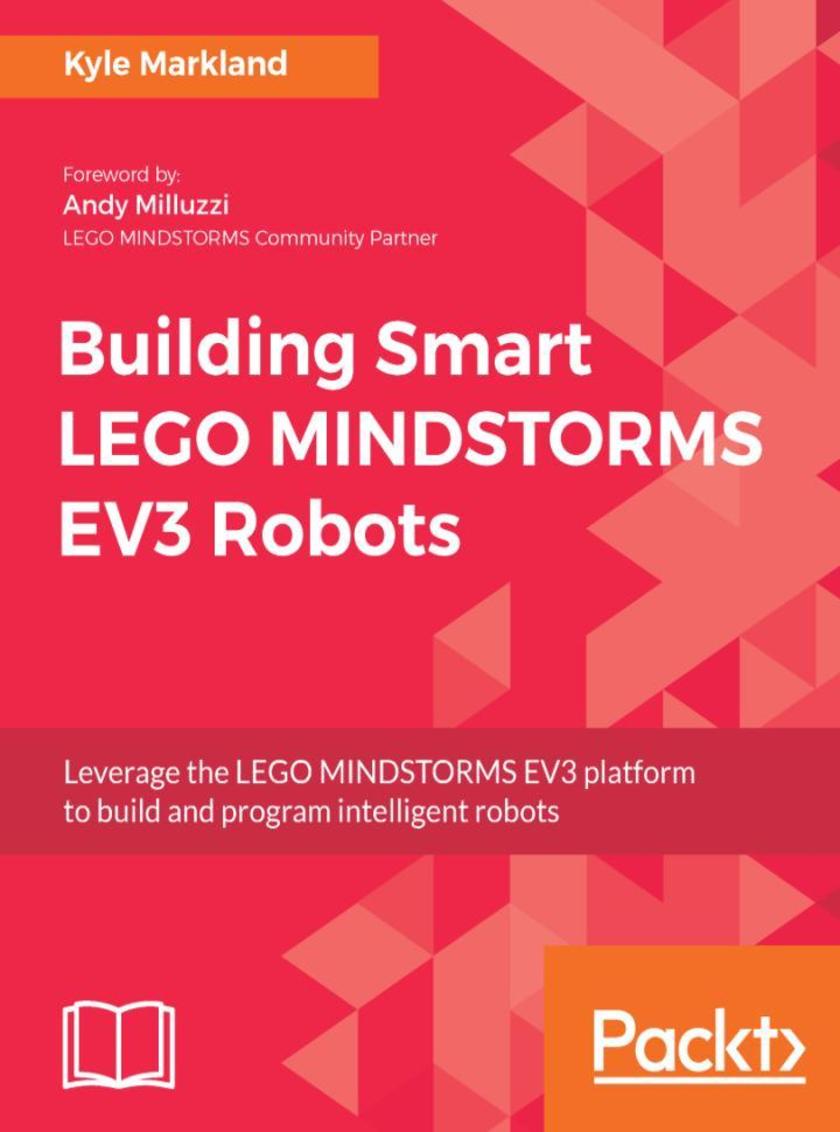
Building Smart LEGO MINDSTORMS EV3 Robots
¥54.49
Build and program smart robots with the EV3. About This Book ? Efficiently build smart robots with the LEGO MINDSTORMS EV3 ? Discover building techniques and programming concepts that are used by engineers to prototype robots in the real world ? This project-based guide will teach you how to build exciting projects such as the objecta-tracking tank, ultimate all-terrain vehicle, remote control race car, or even a GPS-navigating autonomous vehicle Who This Book Is For This book is for hobbyists, robotic engineers, and programmers who understand the basics of the EV3 programming language and are familiar with building with LEGO Technic and want to try some advanced projects. If you want to learn some new engineering techniques and take your experience with the EV3 to the next level, then this book is for you. What You Will Learn ? Understand the characteristics that make a robot smart ? Grasp proportional beacon following and use proximity sensors to track an object ? Discover how mechanisms such as rack-and-pinion and the worm gear work ? Program a custom GUI to make a robot more user friendly ? Make a fun and quirky interactive robot that has its own personality ? Get to know the principles of remote control and programming car-style steering ? Understand some of the mechanisms that enable a car to drive ? Navigate to a destination with a GPS receiver In Detail Smart robots are an ever-increasing part of our daily lives. With LEGO MINDSTORMS EV3, you can now prototype your very own small-scale smart robot that uses specialized programming and hardware to complete a mission. EV3 is a robotics platform for enthusiasts of all ages and experience levels that makes prototyping robots accessible to all. This book will walk you through six different projects that range from intermediate to advanced level. The projects will show you building and programming techniques that are used by engineers in the real world, which will help you build your own smart robot. You'll see how to make the most of the EV3 robotics platform and build some awesome smart robots. The book starts by introducing some real-world examples of smart robots. Then, we'll walk you through six different projects and explain the features that allow these robots to make intelligent decisions. The book will guide you as you build your own object-tracking tank, a box-climbing robot, an interactive robotic shark, a quirky bipedal robot, a speedy remote control race car, and a GPS-navigating robot. By the end of this book, you'll have the skills necessary to build and program your own smart robots with EV3. Style and approach This book will introduce you to the world of smart robots, then guide you through six different projects that can be completed with the LEGO MINDSTORMS EV3. The projects range from intermediate to advanced difficulty. The book will enable you to learn by example, walking you through the building and programming for each project and teaching you about the engineering concepts that allow each smart robot to complete its mission.
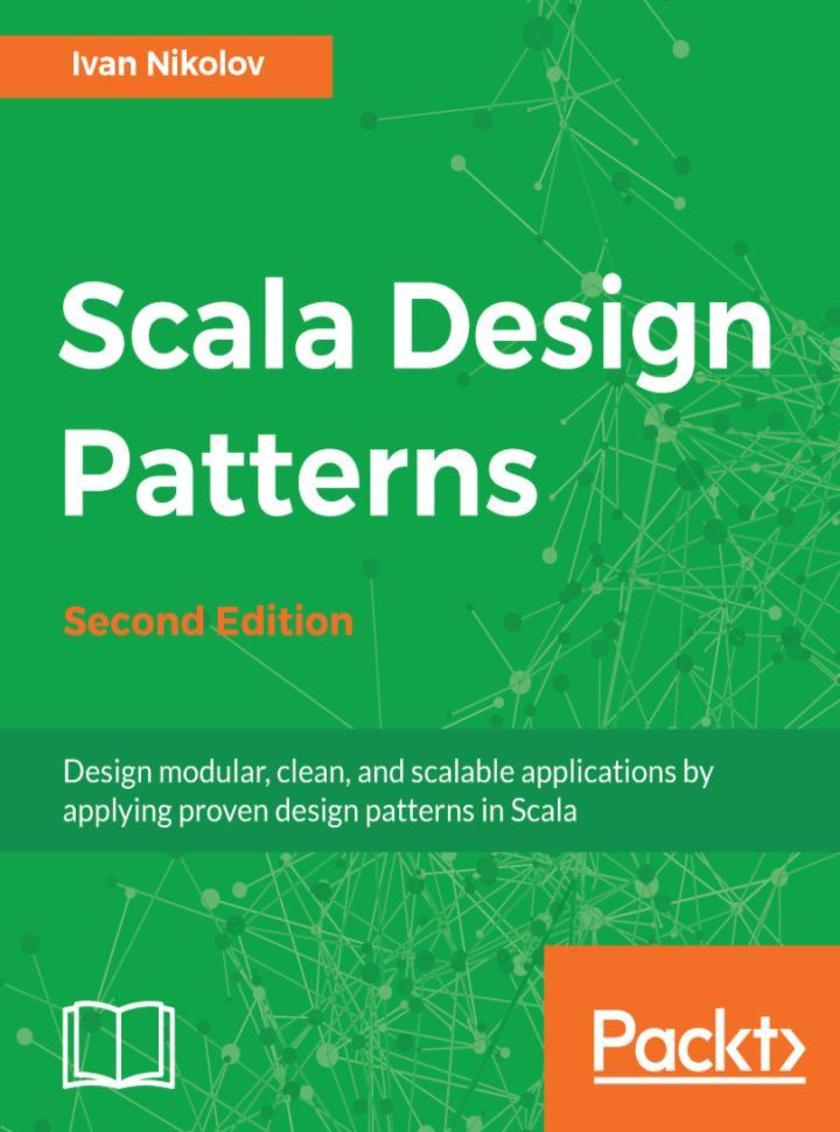
Scala Design Patterns.
¥81.74
Learn how to write efficient, clean, and reusable code with Scala About This Book ? Unleash the power of Scala and apply it in the real world to build scalable and robust applications. ? Learn about using and implementing Creational, Structural, Behavioral, and Functional design patterns in Scala ? Learn how to build scalable and extendable applications efficiently Who This Book Is For If you want to increase your understanding of Scala and apply design patterns to real-life application development, then this book is for you.Prior knowledge of Scala language is assumed/ expected. What You Will Learn ? Immerse yourself in industry-standard design patterns—structural, creational, and behavioral—to create extraordinary applications ? See the power of traits and their application in Scala ? Implement abstract and self types and build clean design patterns ? Build complex entity relationships using structural design patterns ? Create applications faster by applying functional design patterns In Detail Design patterns make developers’ lives easier by helping them write great software that is easy to maintain, runs efficiently, and is valuable to the company or people concerned. You’ll learn about the various features of Scala and will be able to apply well-known, industry-proven design patterns in your work. The book starts off by focusing on some of the most interesting and latest features of Scala while using practical real-world examples. We will be learning about IDE’s and Aspect Oriented Programming. We will be looking into different components in Scala. We will also cover the popular "Gang of Four" design patterns and show you how to incorporate functional patterns effectively. The book ends with a practical example that demonstrates how the presented material can be combined in real-life applications. You’ll learn the necessary concepts to build enterprise-grade applications. By the end of this book, you’ll have enough knowledge and understanding to quickly assess problems and come up with elegant solutions. Style and approach The design patterns in the book are explained using real-world, step-by-step examples. For each design pattern, there are tips on when to use it and when to look for something more suitable. This book can also be used as a practical guide, showing you how to leverage design patterns effectively. We've designed the book to be used as a quick reference guide while creating applications.
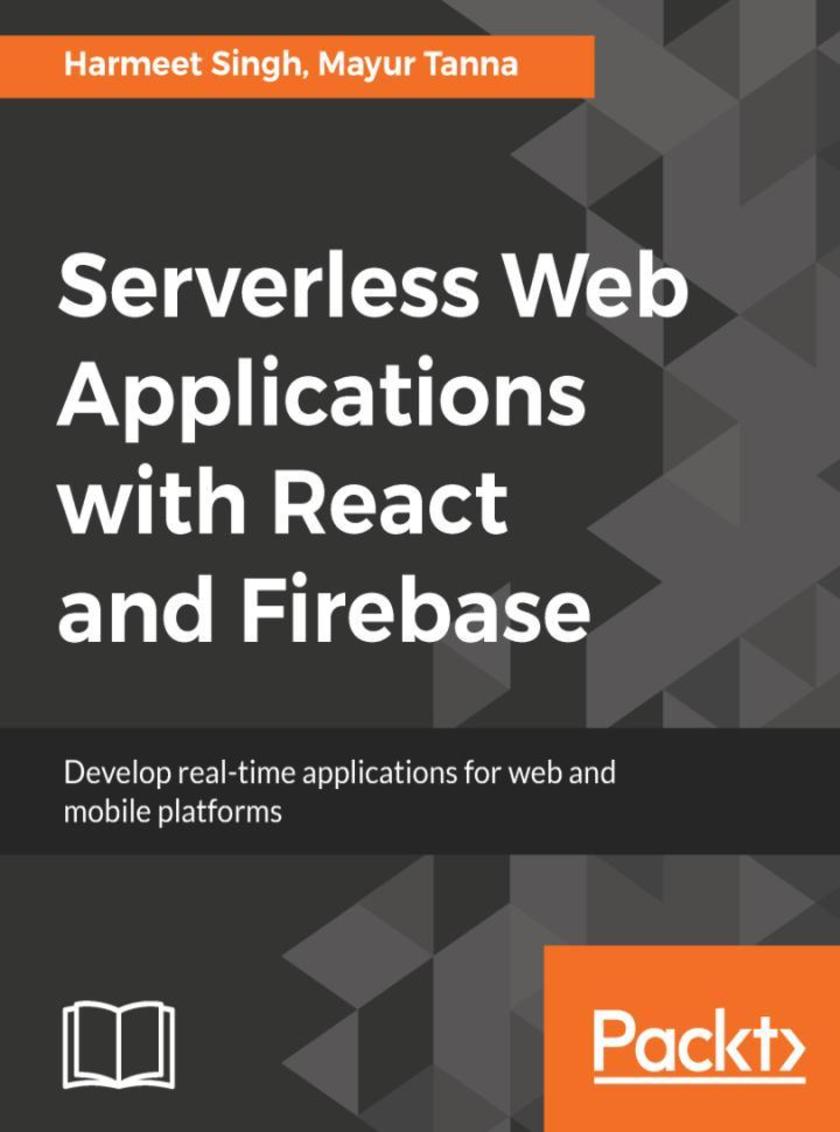
Serverless Web Applications with React and Firebase
¥73.02
Build rich and collaborative applications using client-side code with React, Redux, and Firebase About This Book ? A practical guide covering the full stack for web development with React 16 and Firebase ? Leverage the power of Firebase Cloud Storage, messaging, functions, OAuth, and database security to develop serverless web applications. ? Develop high-performance applications without the hassle of setting up complex web infrastructure. Who This Book Is For This book is for JavaScript developers who have some previous knowledge of React and want to develop serverless, full-stack applications but without the hassle of setting up a complex infrastructure. What You Will Learn ? Install powerful React.js and Firebase tools to make development much more efficient ? Create React components with Firebase to save and retrieve the data in real-time ? Use Firebase Authentication to make your React user interface secure ? Develop React and Firebase applications with Redux integration ? Firebase database security rules ? Firebase Cloud Storage Integration to upload and store data on the cloud ? Create a complete real-time application with React and firebase ? Using Firebase Cloud messaging and Cloud functions with React ? Firebase Cloud Storage integration with React In Detail ReactJS is a wonderful framework for UI development. Firebase as a backend with React is a great choice as it is easy, powerful, and provides great developer experience. It removes a lot of boilerplate code from your app and allows you to focus on your app to get it out quickly to users. Firebase with React is also a good choice for Most Viable Product (MVP) development. This book provides more practical insights rather than just theoretical concepts and includes basic to advanced examples – from hello world to a real-time seat booking app and Helpdesk application This book will cover the essentials of Firebase and React.js and will take you on a fast-paced journey through building real-time applications with Firebase features such as Cloud Storage, Cloud Function, Hosting and the Realtime Database. We will learn how to secure our application by using Firebase authentication and database security rules. We will leverage the power of Redux to organize data in the front-end, since Redux attempts to make state mutations predictable by imposing certain restrictions on how and when updates can happen. Towards the end of the book you will have improved your React skills by realizing the potential of Firebase to create real-time serverless web applications. Style and approach Practical insights rather than just theoretical concepts while including basic to advanced examples – from hello world to a real-time seat booking app and Helpdesk application.
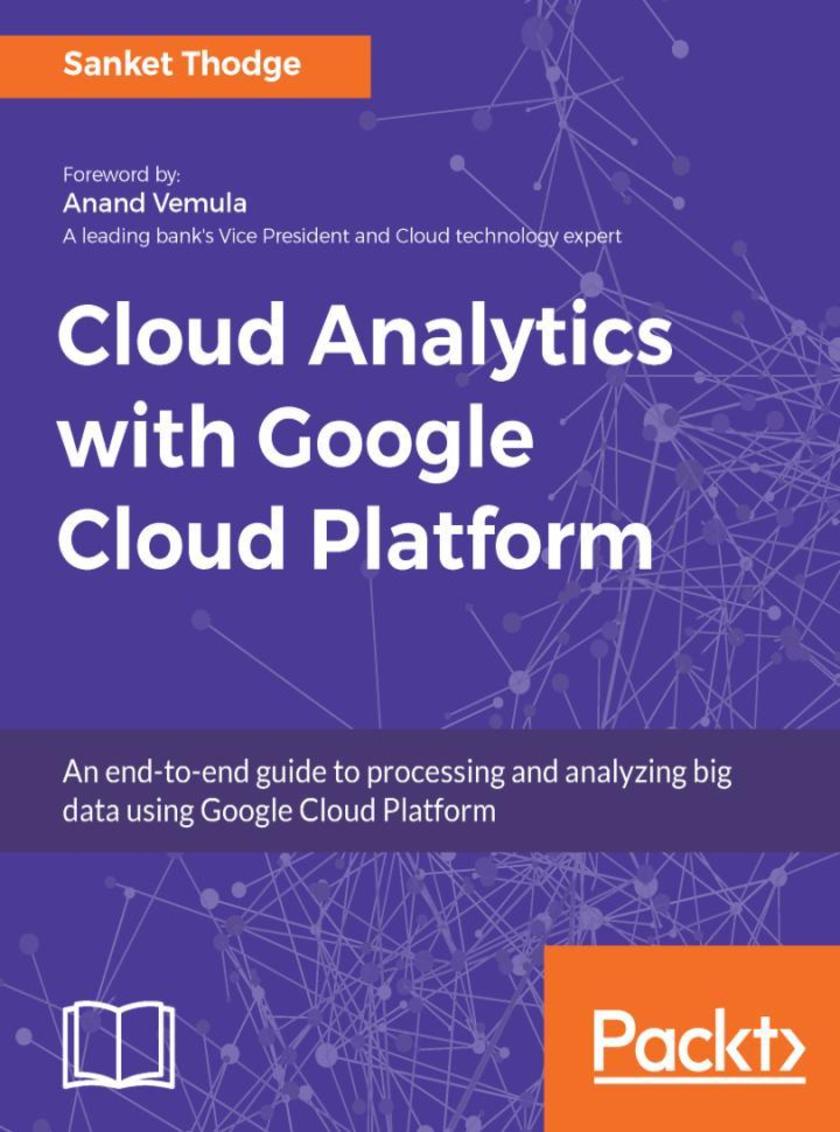
Cloud Analytics with Google Cloud Platform
¥73.02
Combine the power of analytics and cloud computing for faster and efficient insights About This Book ? Master the concept of analytics on the cloud: and how organizations are using it ? Learn the design considerations and while applying a cloud analytics solution ? Design an end-to-end analytics pipeline on the cloud Who This Book Is For This book is targeted at CIOs, CTOs, and even analytics professionals looking for various alternatives to implement their analytics pipeline on the cloud. Data professionals looking to get started with cloud-based analytics will also find this book useful. Some basic exposure to cloud platforms such as GCP will be helpful, but not mandatory. What You Will Learn ? Explore the basics of cloud analytics and the major cloud solutions ? Learn how organizations are using cloud analytics to improve the ROI ? Explore the design considerations while adopting cloud services ? Work with the ingestion and storage tools of GCP such as Cloud Pub/Sub ? Process your data with tools such as Cloud Dataproc, BigQuery, etc ? Over 70 GCP tools to build an analytics engine for cloud analytics ? Implement machine learning and other AI techniques on GCP In Detail With the ongoing data explosion, more and more organizations all over the world are slowly migrating their infrastructure to the cloud. These cloud platforms also provide their distinct analytics services to help you get faster insights from your data. This book will give you an introduction to the concept of analytics on the cloud, and the different cloud services popularly used for processing and analyzing data. If you’re planning to adopt the cloud analytics model for your business, this book will help you understand the design and business considerations to be kept in mind, and choose the best tools and alternatives for analytics, based on your requirements. The chapters in this book will take you through the 70+ services available in Google Cloud Platform and their implementation for practical purposes. From ingestion to processing your data, this book contains best practices on building an end-to-end analytics pipeline on the cloud by leveraging popular concepts such as machine learning and deep learning. By the end of this book, you will have a better understanding of cloud analytics as a concept as well as a practical know-how of its implementation Style and approach Comprehensive guide with a perfect blend of theory, examples, and implementation of real-world use-cases
Serverless Design Patterns and Best Practices
¥81.74
Get started with designing your serverless application using optimum design patterns and industry standard practices About This Book ? Learn the details of popular software patterns and how they are applied to serverless applications ? Understand key concepts and components in serverless designs ? Walk away with a thorough understanding of architecting serverless applications Who This Book Is For If you're a software architect, engineer, or someone who wants to build serverless applications, which are non-trivial in complexity and scope, then this book is for you. Basic knowledge of programming and serverless computing concepts are assumed. What You Will Learn ? Comprehend the popular design patterns currently being used with serverless architectures ? Understand the various design options and corresponding implementations for serverless web application APIs ? Learn multiple patterns for data-intensive serverless systems and pipelines, including MapReduce and Lambda Architecture ? Learn how to leverage hosted databases, queues, streams, storage services, and notification services ? Understand error handling and system monitoring in a serverless architecture a serverless architecture ? Learn how to set up a serverless application for continuous integration, continuous delivery, and continuous deployment In Detail Serverless applications handle many problems that developers face when running systems and servers. The serverless pay-per-invocation model can also result in drastic cost savings, contributing to its popularity. While it's simple to create a basic serverless application, it's critical to structure your software correctly to ensure it continues to succeed as it grows. Serverless Design Patterns and Best Practices presents patterns that can be adapted to run in a serverless environment. You will learn how to develop applications that are scalable, fault tolerant, and well-tested. The book begins with an introduction to the different design pattern categories available for serverless applications. You will learn the trade-offs between GraphQL and REST and how they fare regarding overall application design in a serverless ecosystem. The book will also show you how to migrate an existing API to a serverless backend using AWS API Gateway. You will learn how to build event-driven applications using queuing and streaming systems, such as AWS Simple Queuing Service (SQS) and AWS Kinesis. Patterns for data-intensive serverless application are also explained, including the lambda architecture and MapReduce. This book will equip you with the knowledge and skills you need to develop scalable and resilient serverless applications confidently. Style and approach Readers will be taken through a set of specific software patterns and learn, in detail, how to apply these patterns and build working software on top of a serverless system. At each step along the way, the reader will learn about the subcomponents and subsystems which comprise the larger system and which may be used in the future to solve different types of challenges.
Functional Python Programming
¥90.46
Create succinct and expressive implementations with functional programming in Python About This Book ? Learn how to choose between imperative and functional approaches based on expressiveness, clarity, and performance ? Get familiar with complex concepts such as monads, concurrency, and immutability ? Apply functional Python to common Exploratory Data Analysis (EDA) programming problems Who This Book Is For This book is for Python developers who would like to perform Functional programming with Python. Python Programming knowledge is assumed. What You Will Learn ? Use Python's generator functions and generator expressions to work with collections in a non-strict (or lazy) manner ? Utilize Python library modules including itertools, functools, multiprocessing, and concurrent features to ensure efficient functional programs ? Use Python strings with object-oriented suffix notation and prefix notation ? Avoid stateful classes with families of tuples ? Design and implement decorators to create composite functions ? Use functions such as max(), min(), map(), filter(), and sorted() ? Write higher-order functions In Detail If you’re a Python developer who wants to discover how to take the power of functional programming (FP) and bring it into your own programs, then this book is essential for you, even if you know next to nothing about the paradigm. Starting with a general overview of functional concepts, you’ll explore common functional features such as first-class and higher-order functions, pure functions, and more. You’ll see how these are accomplished in Python 3.6 to give you the core foundations you’ll build upon. After that, you’ll discover common functional optimizations for Python to help your apps reach even higher speeds. You’ll learn FP concepts such as lazy evaluation using Python’s generator functions and expressions. Moving forward, you’ll learn to design and implement decorators to create composite functions. You'll also explore data preparation techniques and data exploration in depth, and see how the Python standard library fits the functional programming model. Finally, to top off your journey into the world of functional Python, you’ll at look at the PyMonad project and some larger examples to put everything into perspective. Style and approach This book provides a general overview of functional concepts and then delves deeper into the functional features, showing you how the Python standard library fits the functional programming model. It also demonstrates how to implement common functional programming design patterns and techniques in Python.
Practical Game Design
¥81.74
Design accessible and creative games across genres, platforms, and development realities About This Book ? Implement the skills and techniques required to work in a professional studio ? Ace the core principles and processes of level design, world building, and storytelling ? Design interactive characters that animate the gaming world Who This Book Is For Whether you are a student eager to design a game or a junior game designer looking for your first role as a professional, this book will help you with the fundamentals of game design. By focusing on best practices and a pragmatic approach, Practical Game Design provides insights into the arts and crafts from two senior game designers that will interest more seasoned professionals in the game industry. What You Will Learn ? Define the scope and structure of a game project ? Conceptualize a game idea and present it to others ? Design gameplay systems and communicate them clearly and thoroughly ? Build and validate engaging game mechanics ? Design successful business models and prepare your games for live operations ? Master the principles behind level design, worldbuilding and storytelling ? Improve the quality of a game by playtesting and polishing it In Detail If you are looking for an up-to-date and highly applicable guide to game design, then you have come to the right place! Immerse yourself in the fundamentals of game design with this book, written by two highly experienced industry professionals to share their profound insights as well as give valuable advice on creating games across genres and development platforms. Practical Game Design covers the basics of game design one piece at a time. Starting with learning how to conceptualize a game idea and present it to the development team, you will gradually move on to devising a design plan for the whole project and adapting solutions from other games. You will also discover how to produce original game mechanics without relying on existing reference material, and test and eliminate anticipated design risks. You will then design elements that compose the playtime of a game, followed by making game mechanics, content, and interface accessible to all players. You will also find out how to simultaneously ensure that the gameplay mechanics and content are working as intended. As the book reaches its final chapters, you will learn to wrap up a game ahead of its release date, work through the different challenges of designing free-to-play games, and understand how to significantly improve their quality through iteration, polishing and playtesting. Style and approach A practical step by step guide to get you up and running with Game Design from scratch
Practical Web Penetration Testing
¥73.02
Learn how to execute web application penetration testing end-to-end About This Book ? Build an end-to-end threat model landscape for web application security ? Learn both web application vulnerabilities and web intrusion testing ? Associate network vulnerabilities with a web application infrastructure Who This Book Is For Practical Web Penetration Testing is for you if you are a security professional, penetration tester, or stakeholder who wants to execute penetration testing using the latest and most popular tools. Basic knowledge of ethical hacking would be an added advantage. What You Will Learn ? Learn how to use Burp Suite effectively ? Use Nmap, Metasploit, and more tools for network infrastructure tests ? Practice using all web application hacking tools for intrusion tests using Kali Linux ? Learn how to analyze a web application using application threat modeling ? Know how to conduct web intrusion tests ? Understand how to execute network infrastructure tests ? Master automation of penetration testing functions for maximum efficiency using Python In Detail Companies all over the world want to hire professionals dedicated to application security. Practical Web Penetration Testing focuses on this very trend, teaching you how to conduct application security testing using real-life scenarios. To start with, you’ll set up an environment to perform web application penetration testing. You will then explore different penetration testing concepts such as threat modeling, intrusion test, infrastructure security threat, and more, in combination with advanced concepts such as Python scripting for automation. Once you are done learning the basics, you will discover end-to-end implementation of tools such as Metasploit, Burp Suite, and Kali Linux. Many companies deliver projects into production by using either Agile or Waterfall methodology. This book shows you how to assist any company with their SDLC approach and helps you on your journey to becoming an application security specialist. By the end of this book, you will have hands-on knowledge of using different tools for penetration testing. Style and approach In this book, you will learn and understand the workflow of application security testing. Starting from analysis using threat modeling until the testing phase and before the web project goes into production, you will be able conduct effective penetrating testing using web intrusion tests , network infrastructure tests, and code review.
Truffle Quick Start Guide
¥50.13
Develop, test, and deploy decentralized applications for Ethereum platform About This Book ? Build your first Ethereum Dapp with Truffle: the most popular Ethereum development framework ? Build, compile, and deploy smart contracts in your development environment ? Embrace Blockchains and utilize it to create new generation of secured and scalable apps Who This Book Is For This book is for web developers who are interested in the new world blockchain. Some basic understanding of JavaScript and web services is required. No prior knowledge of Decentralized applications or blockchain is required. What You Will Learn ? Understand the fundamentals of Truffle and Web3 ? Build a decentralized application with Truffle, while choosing the correct Ethereum client ? Connect your Dapp to Ethereum clients including Geth, Parity, and Ganache ? Migrate and test your Dapp with the correct networks such as Ropsten and Rinkeby ? Package a decentralized application into a user-friendly product by integrating Truffle with JavaScript frameworks such as Angular, React and Vue ? Explore tools including Ethereum Package Manager, the Registrar and browser wallets, and exploit third-party smart contract libraries. ? Evaluate the common migration pitfalls and how to mitigate them In Detail Truffle is a world-class development environment, testing framework and asset pipeline for Ethereum, aiming to make life as an Ethereum developer easier. If you are a web developer wanting to try your hand at developing Dapps with Truffle, then this is the book for you. This book will teach you to write smart contracts and build Dapps with Truffle. You will begin with covering the basics of Truffle, briefly explaining how it integrates Solidity and Web3, in orderto start building a mini decentralized application. Also, you will dive into migration, testing and integrating Truffle with the use of popular JavaScript frameworks. Lastly, you will ship your decentralized application and package it into a product. Moreover, you will go through the best practices in Truffle,so as to increase your proficiency in building Dapps with Truffle. By the end of the book, you will be able to write smart contracts and build decentralized applications with Truffle on Ethereum blockchains. Style and approach An intuitive, step-by-step and engaging guide that will teach you to build a real-world, decentralized application with Truffle.


