


 购物车
购物车 个人中心
个人中心
Haxe Game Development Essentials
¥54.49
Create games on multiple platforms from a single codebase using Haxe and the HaxeFlixel engine About This Book Learn the modern, cross-platform language Haxe to build games without any trouble Create engaging 2D games that are compatible with desktop, web, and mobile platforms Learn how to speed up your workflow with OpenFL and HaxeFlixel using this useful and compact guide Who This Book Is For This book is for game developers with some experience programming games on one or more platforms already. If you want to leverage your game development experience on one platform to develop for multiple platforms and to get up and running quickly, this book is for you. Having prior experience with a language similar to Haxe, such as ActionScript or JavaScript will help, but isn't required. What You Will Learn Understand the fundamentals of the Haxe programming language Set up a development environment that will work on Windows, Mac, and Linux Create fun 2D games using OpenFL and HaxeFlixel Understand how to implement a user interface Enhance the gameplay experience with cool animations Improve immersion by adding sound Make your game modular and easily expandable using configuration files Compile games that will work on desktop, web, and mobile platforms In Detail Haxe is a powerful and high-level multi-platform language that's incredibly easy to learn. Used by thousands of developers and many high-profile companies, Haxe is quickly emerging as a forerunner in the area of cross-platform programming. OpenFL builds on top of Haxe to make developing for multiple platforms quick and painless. HaxeFlixel provides you with the tools you need to build amazing 2D games easier than ever before. Cross-platform development has been supercharged using the Haxe programming language, making it increasingly easy and hassle-free to develop multi-platform games. If you've programmed games before and want to learn out how to deliver games across multiple platforms, or develop games faster, then Haxe Game Development Essentials is the book for you. It starts by showing you how to set up your development environment, then running you through some Haxe language fundamentals, and finally taking you through the process of programming a game from start to finish. You will learn how to create a side scrolling shooter game using HaxeFlixel. Next you will learn to enhance the game with new gameplay features, user interfaces, animations, sound, and configuration files to make your game expandable. Once your game is built and ready, you will learn how to deploy it to web, Android, iOS, and desktop systems. By the end of this book, you will be confident about creating multi-platform games using Haxe, OpenFL, and HaxeFlixel in a faster and easier way. Style and approach Since this book is aimed at people who have worked on games before, this book is written in a way that will get you quickly up to speed with a new set of tools, but will still be accessible for less experienced developers. Each chapter covers an essential milestone in building a game from start to finish. The chapters move in a logical fashion, starting with the basics of Haxe development and ending with preparing a game for deployment.
Instant Hands-on Testing with PHPUnit How-to
¥45.77
Filled with practical, step-by-step instructions and clear explanations for the most important and useful tasks. This is a Packt Instant How-to guide, which provides concise and clear recipes for getting started with PHPUnit for performing code testing and improving code quality."Instant Hands-on Testing with PHPUnit How-to" is for PHP developers that have an appreciation for writing accurate code. If you are new to PHPUnit, it will give you a solid foundation for understanding how to use PHPUnit to write tests for your projects. If you already have a cursory understanding of PHPUnit it will whet your appetite for some of the more difficult-to-understand concepts in PHPUnit.
Cinder Creative Coding Cookbook
¥90.46
Full of easy-to-follow recipes and images that will teach powerful techniques and algorithms, building from basic projects to challenging applications. This book is for artists, designers, and programmers who have previous knowledge of C++, but not necessarily of Cinder.
Getting Started with Dynamics NAV 2013 Application Development
¥80.65
Presented in an easy-to-follow, step-by-step tutorial, "Getting Started with Dynamics NAV 2013 Application Development" introduces the reader to the main concepts of developing with Dynamics NAV."Getting Started with Dynamics NAV 2013 Application Development" is for any user who uses Dynamics NAV as their main business software. This is also for any developers who may be familiar with other accounting software and wish to get into developing within the Dynamics NAV field.
Instant MapReduce Patterns – Hadoop Essentials How-to
¥50.13
Filled with practical, step-by-step instructions and clear explanations for the most important and useful tasks. This is a Packt Instant How-to guide, which provides concise and clear recipes for getting started with Hadoop.This book is for big data enthusiasts and would-be Hadoop programmers. It is also meant for Java programmers who either have not worked with Hadoop at all, or who know Hadoop and MapReduce but are not sure how to deepen their understanding.
IBM Cognos 10 Framework Manager
¥63.21
Presented in a hands-on style, this guide presents you with real world examples to guide you through every process step by step.This book will be useful for any developer, novice or expert, who uses Framework Manager to build packages, but wants to expand their knowledge even further.
Processing 2: Creative Coding Hotshot
¥80.65
Using a project-based approach, you will be able to learn the coolest aspects of working with Processing. Each project contains step-by-step explanations, diagrams, screenshots, and downloadable material to make learning Processing even easier.This book targets Processing developers ,visual artists, creative professionals, and students who want to move to the next level of learning Processing for gaining inspiration, work, or just for fun. The book assumes a basic understanding of programming. However, this book is also recommended to non-artistic readers, looking to expand their graphics and develop their creativity.
Instant Google Drive Starter
¥35.96
Get to grips with a new technology, understand what it is and what it can do for you, and then get to work with the most important features and tasks. This book is a Starter which teaches you how to use Google Drive practically. This book is perfect for people of all skill levels who want to enjoy the benefits of using Google Drive to safely store their files online and in the cloud. It’s also great for anyone looking to learn more about cloud computing in general. Readers are expected to have an Internet connection and basic knowledge of using the internet.
Instant Netcat Starter
¥45.77
Get to grips with a new technology, understand what it is and what it can do for you, and then get to work with the most important features and tasks. This book is for IT professionals who have no previous experience with Netcat but need to understand it quickly and easily.

Building your First Mobile Game using XNA 4.0
¥71.93
This book is a step-by-step tutorial with a lot of screenshots that help to explain the concept better. This book will cover the building of a 3D game for Windows Phone using XNA. We won’t explain the C# programming language itself, nor object-oriented programming.We will however explain the aspects of game development thoroughly, so don’t worry if you have never written a 3D game. We will cover all the basics, included the much dreaded math. This is the right book for anyone, regardless of age and gender, if: You are interested in game development You want to start building games for Windows Phone You have some programming knowledge. In this book, we will first go over the technical topics, and end up building a 3D game for Windows Phone 7 together!

Instant Moodle Quiz Module How-to
¥41.41
Filled with practical, step-by-step instructions and clear explanations for the most important and useful tasks. Get the job done and learn as you go. Step-by step application of the features of Moodle Quiz provides a good grounding in creating effective assessment FOR and OF learning. Filled with practical, step-by-step instructions and clear explanations for the most important and useful tasks. Get the job done and learn as you go. If you are doing any kind of instruction using Moodle as your Learning Management System, this book is for you! Strong assessment is one of the keys to effective instruction and successful learners. Readers are expected to have a basic working knowledge of Moodle and access to a course they are instructing.
Instant Migration from Windows Server 2008 and 2008 R2 to 2012 How-to
¥50.13
Filled with practical, step-by-step instructions and clear explanations for the most important and useful tasks. Get the job done and learn as you go. Presented in a hands-on reference manual style, with real-world scenarios to lead you through each process. This book is intended for Windows server administrators who are performing migrations from their existing Windows Server 2008 / 2008 R2 environment to Windows Server 2012. The reader must be familiar with Windows Server 2008.
Mastering Splunk
¥90.46
This book is for those Splunk developers who want to learn advanced strategies to deal with big data from an enterprise architectural perspective. You need to have good working knowledge of Splunk.
Arduino Android Blueprints
¥80.65
This book is for those who want to learn how to build exciting Arduino projects by interfacing it with Android. You will need to have some basic experience in electronics and programming. However, you don't need to have any previous experience with the Arduino or Android platforms.

Managing Virtual Infrastructure with Veeam? ONE?
¥54.49
This book is aimed at virtualization professionals who want to improve their skills in infrastructure monitoring and management. You need a good understanding of server virtualization and management of virtual environments.
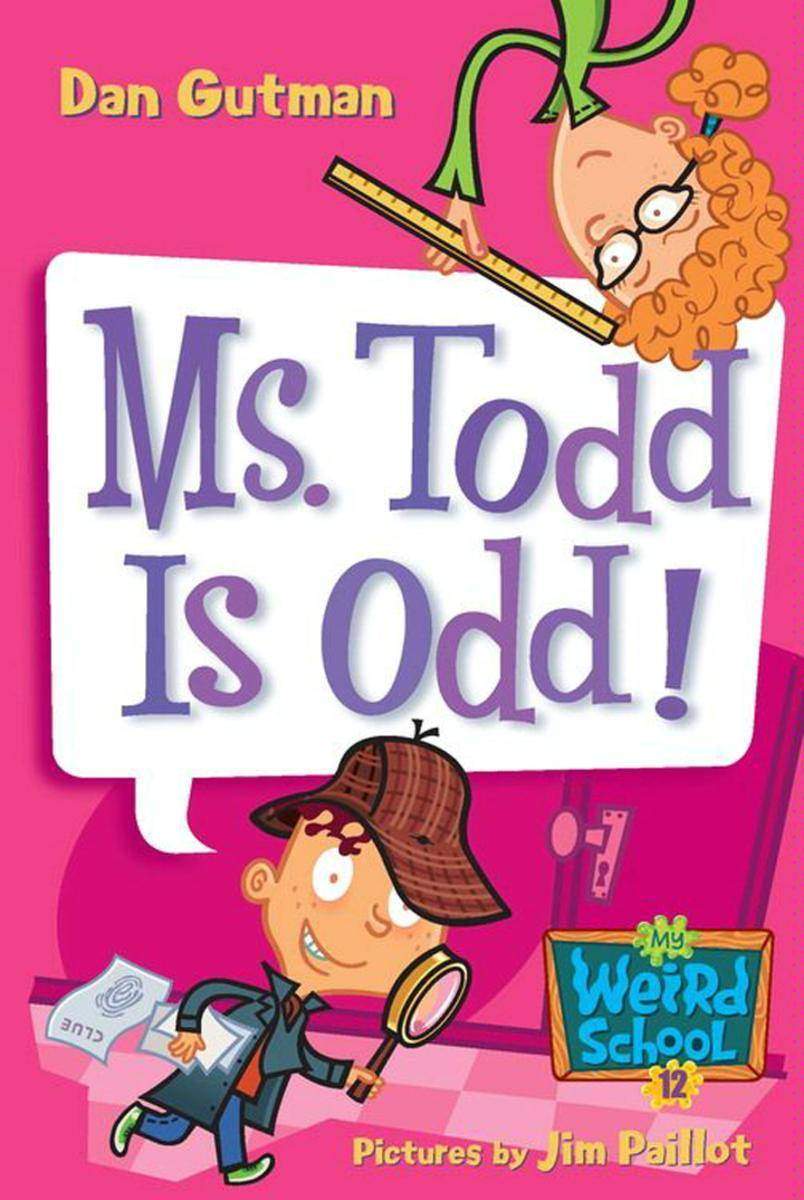
My Weird School #12: Ms. Todd Is Odd!
¥27.94
Something weird is going on! Ms. Todd is subbing, and A.J. and his friends are sure she kidnapped Miss Daisy so she could take over her job. They’re going to have to do the detective work to get the goods on her. But it won’t be easy! Ms. Todd is the weirdest substitute teacher in the history of the world!

My Weird School #13: Mrs. Patty Is Batty!
¥27.94
Something spooky is going on! Mrs. Patty, the secretary, gives out the best Halloween candy in the history of the world! But her house is haunted! People say she's a witch and her husband is a ghost. Is it worth A.J.'s risking his life for the best candy ever?
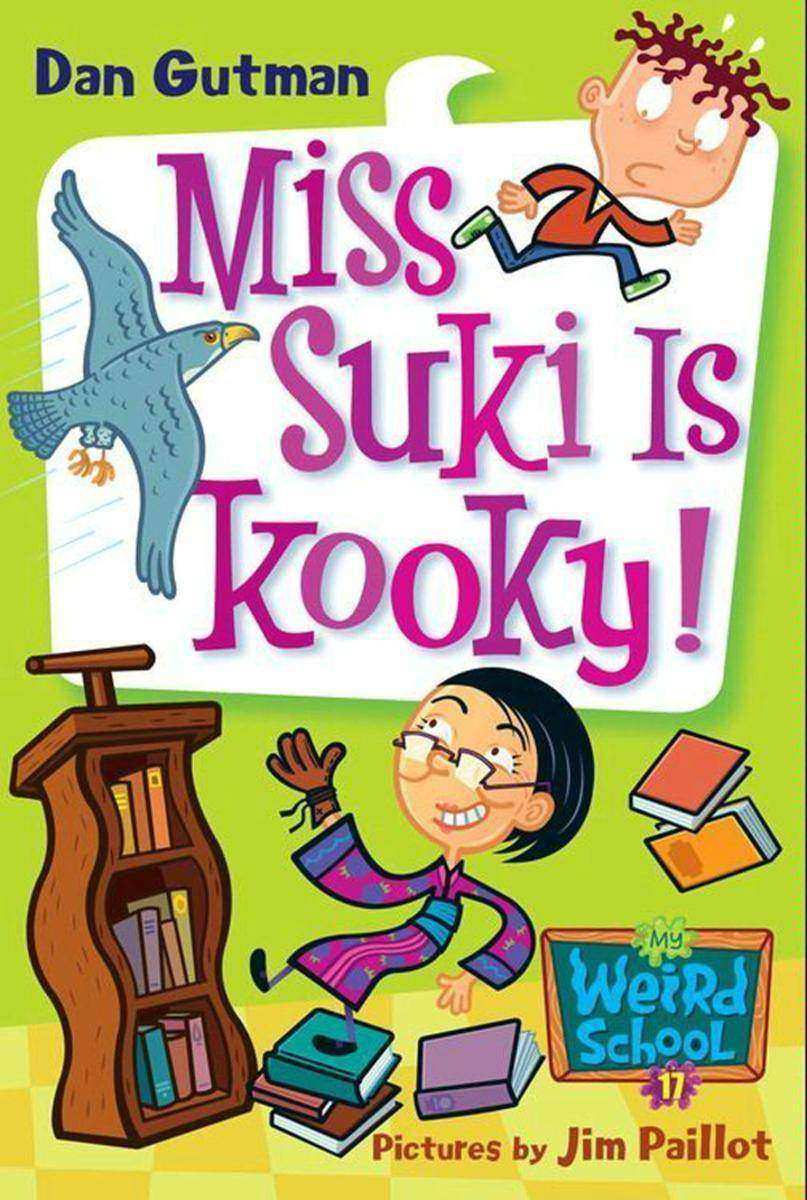
My Weird School #17: Miss Suki Is Kooky!
¥27.94
Something weird is going on! Miss Suki is a famous children's book author and she's coming to A.J.'s school! She lives in the rainforest and writes about endangered animals. But when her pet raptor gets loose in the classroom, it's the kids who are going to be endangered! Yikes!
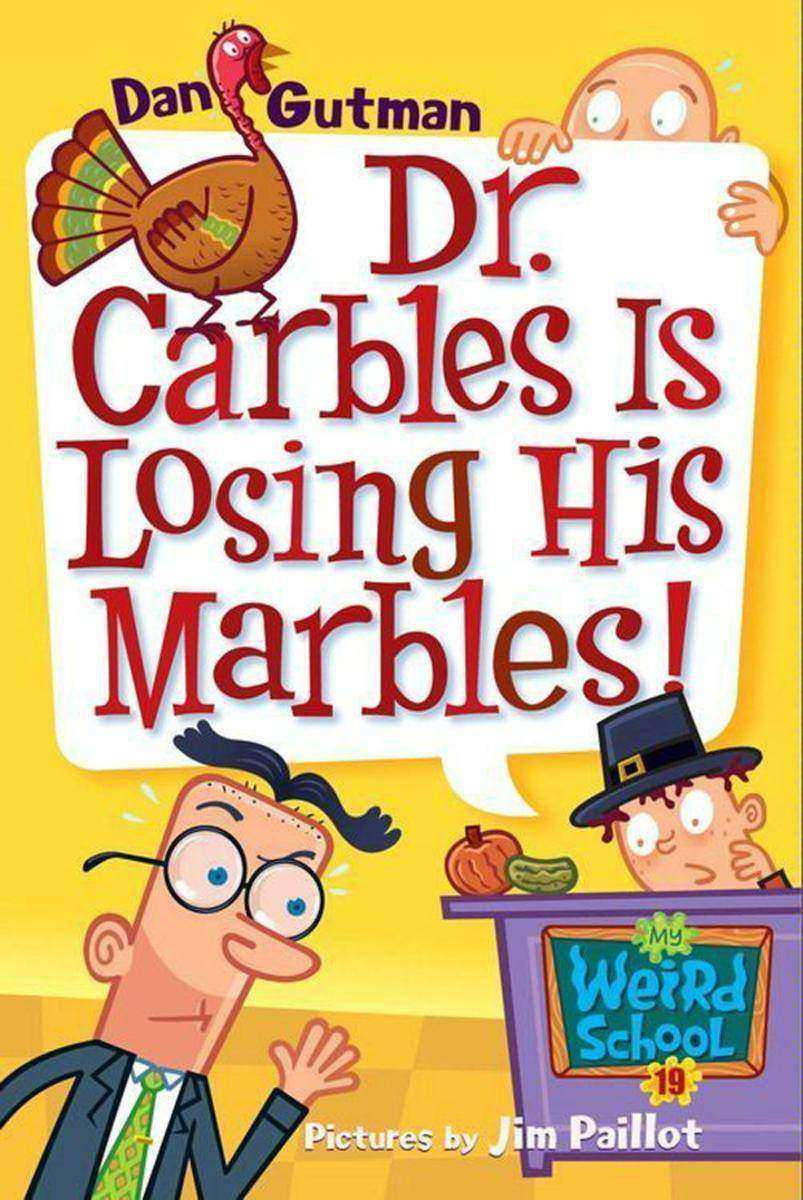
My Weird School #19: Dr. Carbles Is Losing His Marbles!
¥27.94
Something weird is going on! It's Thanksgiving! A.J. is thankful for four days off from school. But he's not thankful for Dr. Carbles, who is grumpier than ever. Dr. Carbles even fires Mr. Klutz! Will A.J. and his friends be able to save their principal's job?

Seekers #5: Fire in the Sky
¥44.73
The spirits dance like fire in the sky. . . . The three cubs Kallik, Toklo, and Lusa along with their shape-shifting companion, Ujurak, stand on the edge of the sea-ice under the blazing Northern Lights. The land has come to an end, but the bears' journey is far from over. Now they must put their trust in Kallik's paws, as she feels the ice pulling her out toward the ocean. Life on the ice is more difficult than the bears imagined. While Kallik struggles to remember her polar bear roots, Toklo bristles in the unfamiliar territory and Lusa gets weaker by the day; black and brown bears don't belong on the ice. Meanwhile, Ujurak learns firsthand what lurks beneath the whorls and bubbles of the ice, and what he discovers will change everything. Just when it seems like they'll never survive in the frozen wilderness, a mystical encounter with a bear spirit assures them that all will be well. But this strange vision leads to even more questions, and ultimately it might tear the bears apart this time for good as the next steps of their journey come into focus.

kids are worth it!
¥84.16
The parenting classic, now revised with new chapters, checklists, and information about today's most pressing issues regarding our children This bestselling guide rejects "quick-fix" solutions and focuses on helping kids develop their own self-discipline by owning up to their mistakes, thinking through solutions, and correcting their misdeeds while leaving their dignity intact. Barbara Coloroso shows these principles in action through dozens of examples -- from sibling rivalry to teenage rebellion; from common misbehaviors to substance abuse and antisocial behavior. She also explains how to parent strong-willed children, effective alternatives to time-outs, bribes, and threats, and how to help kids resolve disputes and serious injustices such as bullying. Filled with practical suggestions for handling the ordinary and extraordinary tribulations of growing up, kids are worth it! helps you help your children grow into responsible, resilient, resourceful adults -- not because you tell them to, but because they want to.


