


 购物车
购物车 个人中心
个人中心
Woodlands (Collins New Naturalist Library, Book 100)
¥95.75
The 100th volume of the prestigious New Naturalist series, written by one of Britain's best-known naturalists, explores the significance and history of woodlands on the British landscape ‘Trees are wildlife just as deer or primroses are wildlife. Each species has its own agenda and its own interactions with human activities…’ This 100th volume of the New Naturalist series presents a landmark in natural history publishing. Looking at such diverse evidence as the woods used in buildings and ships, and how woodland has been portrayed in pictures and photographs, Rackham reconstructs British woodland through the ages. Aimed at the non-specialist, ‘New Naturalist Woodlands’ investigates what woods are and how they function. In lively style, Rackham takes us through: ? How woods evolved and how they are managed, ? The basic botany (understanding roots, partnerships, longevity, tree-rings), ? Outline of woodland history, ? Pollen analysis and wildwood, ? Archives of woodland and how to study them, ? Different types of woodland, ? The rise and fall of modern forestry. Illustrated with beautiful colour photographs throughout, this New Naturalist is set to be a classic for collectors and general readers alike.
British Game (Collins New Naturalist Library, Book 2)
¥456.66
British Game ranges beyond the strict legal interpretation of game and is full of interesting details about the birds and beasts that should interest sportsmen. Collins are delighted to announce the republication in facsimile form of the first editions of the very first volumes in the New Naturalist Library. Originally planned in the darkest days of World War II and first published in 1945, this series is the longest running nature series in the world. It is a reflection of the quality of the authors and the books they wrote, that they are still sought after 73 years later. The books will be identical in every way to the original first editions, including the iconic jackets by Clifford and Rosemary Ellis.
Natural History in the Highlands and Islands (Collins New Naturalist Library, Bo
¥456.66
The Highlands and Islands of Scotland are rugged moorland, alpine mountains and jagged coast with remarkable natural history. Collins are delighted to announce the republication in facsimile form of the first editions of the very first volumes in the New Naturalist Library. Originally planned in the darkest days of World War II and first published in 1945, this series is the longest running nature series in the world. It is a reflection of the quality of the authors and the books they wrote, that they are still sought after 73 years later. The books will be identical in every way to the original first editions, including the iconic jackets by Clifford and Rosemary Ellis. The Highlands and Islands of Scotland are rugged moorland, alpine mountains and jagged coast with remarkable natural history, including relict and specialised animals and plants. Here are animals in really large numbers: St. Kilda with its sea-birds, North Rona its seals, Islay its wintering geese, rivers and lochs with their spawning salmon and trout, the ubiquitous midges! This is big country with red deer, wildcat, pine marten, badger, otter, fox, ermine, golden eagle, osprey, raven, peregrine, grey lag, divers, phalaropes, capercaillie and ptarmigan. Off-shore are killer whales and basking sharks. Here too in large scale interaction is forestry, sheep farming, sport, tourism and wild life conservation.
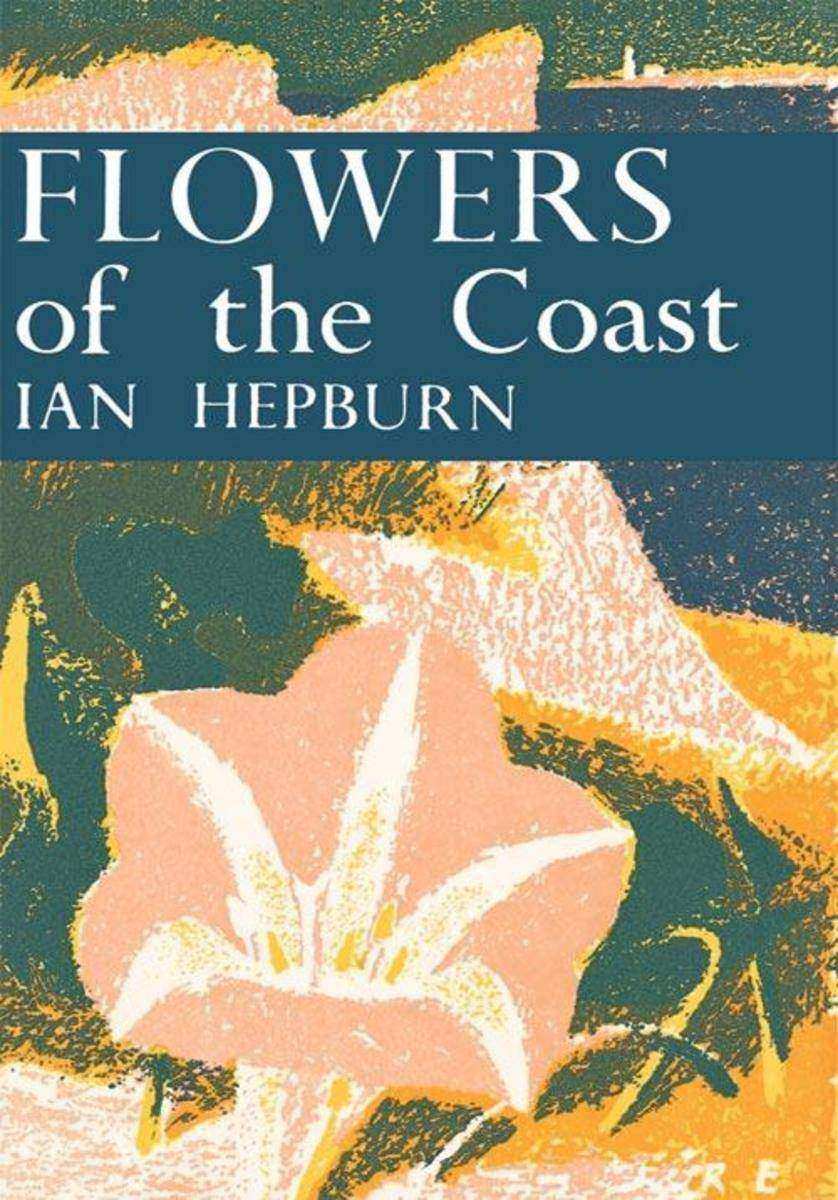
Flowers of the Coast (Collins New Naturalist Library, Book 24)
¥456.66
Few parts of our British islands can compare with our sea coasts as plant hunting ground. Flowers of the Coast takes us on a search across sand dune, cliff, shingle and rock. This edition is produced from an original copy by William Collins.
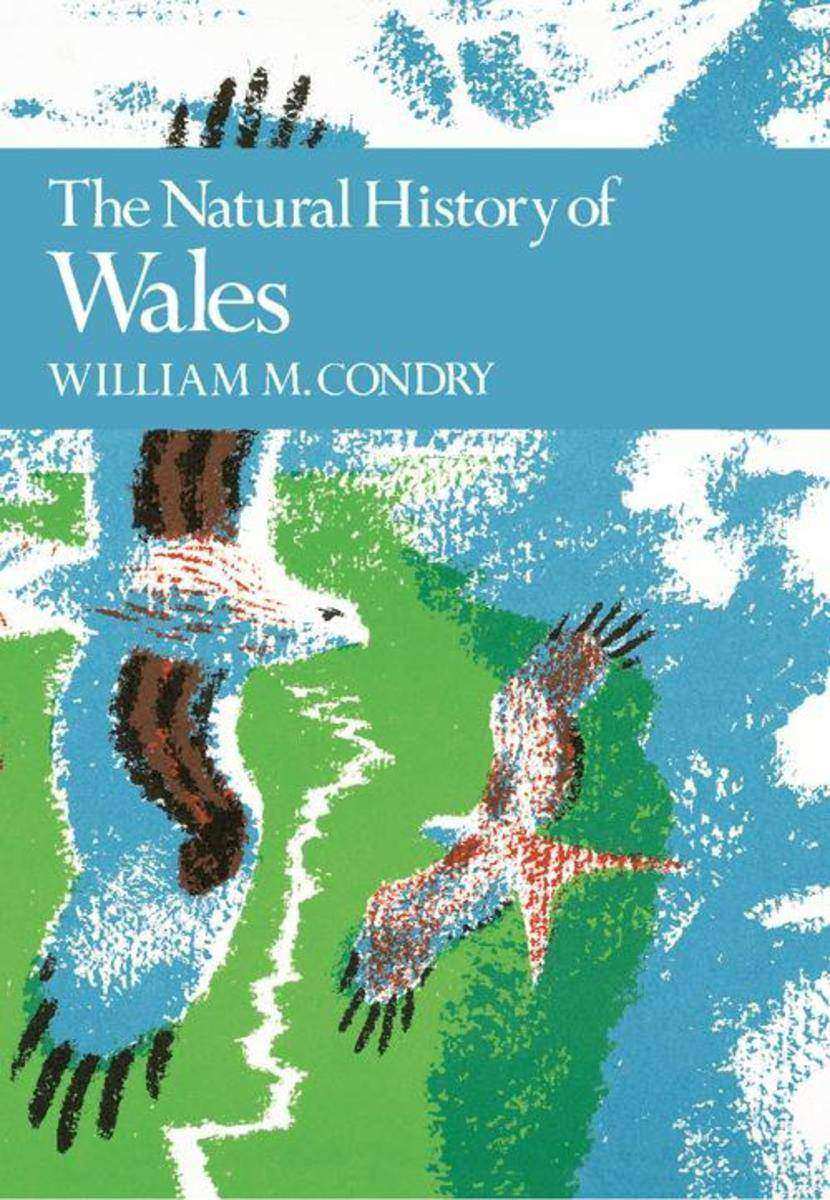
The Natural History of Wales (Collins New Naturalist Library, Book 66)
¥456.66
This book is an attempt to survey the natural history of the whole of Wales. It therefore covers such areas as Snowdonia and the Brecon Beacons as well as the spectacularly beautiful Pembrokeshire coast and the less well-known but no less interesting areas of mid-Wales. Wales is a country of great geographical and biological diversity, a largely mountainous land whose eastern scarps overlook the richer plains of Mercia. William Condry is an acute observer of the potentialities of terrain, and particularly in respect of wildlife habitats. The author of the distinguished volume on Snowdonia in the New Naturalist series, he is the ideal person to write about one of the best-known and best-loved parts of Great Britain. This book is an attempt to survey the natural history of the whole of Wales. It therefore covers such areas as Snowdonia and the Brecon Beacons as well as the spectacularly beautiful Pembrokeshire coast and the less well-known but no less interesting areas of mid-Wales. Describing each kind of terrain in turn, William Condry has explored and surveyed the face of this unique land as few others have done. Beginning with corries, crags and summits, he goes on to consider moorlands, mires and conifers. There then follow rivers, lakes and marshes; the native woodlands; limestone flora; farmlands, villages and estates; the industrial scene; and finally perhaps the most striking terrain of all, the coast. This encompasses polders, peatlands, beaches, dunes and estuaries as well as cliffs, headlands and island. Within each of these areas William Condry brings a wealth of experience to bear on the more obvious aspects of wildlife - flowering plants and ferns, mammals, birds, fish, reptiles and amphibians. Important rarities such as the Snowdon lily or the red kite are, of course, included, but always with the intention of establishing a proper respect for their conservation. Affectionate and thoroughly informative, full of insights into local history and always a delight to read, this is a magnificent introduction to Wales and its countryside.
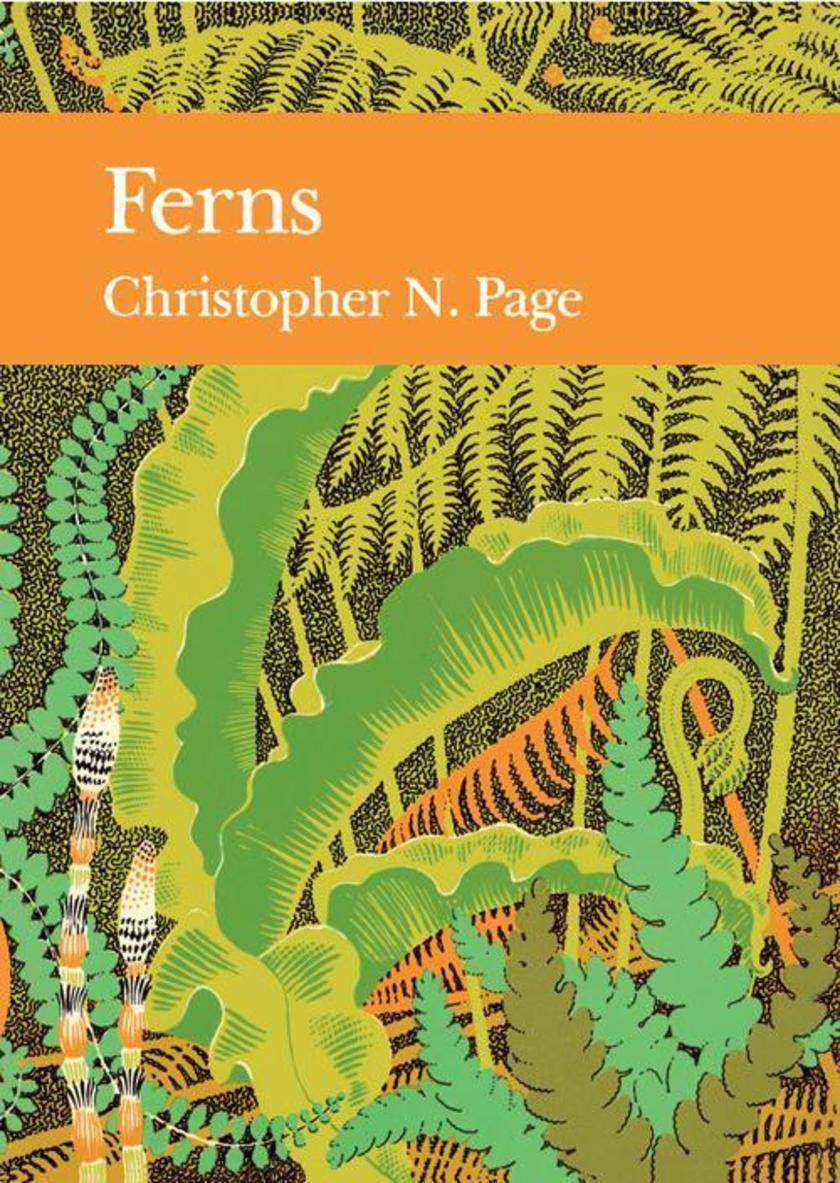
Ferns (Collins New Naturalist Library, Book 74)
¥456.66
Ferns gives the reader an introduction to the reasons for the variety of ferns in the British Isles, as well as the history of their development within this landscape and their use by man. This edition is exclusive to newnaturalists.com Ferns, horsetails and clubmosses, or to use their technical term the Pteridophyta, are a fascinating area of the British flora that ranged from the prehistoric-looking horsetails to the delicate beauty of the Aspleniaceae family (otherwise known as the spleenworts and familiar inhabitants of many a conservatory). Ferns are ubiquitous on this damp island, but often overlooked, overshadowed by the interest in the technicolour of our flowering plants. This book gives the reader an introduction to the reasons for the variety of ferns in the British Isles, as well as the history of their development within this landscape and their use by man. Taking each major habitat, Dr Page details which species of ferns are most likely to be encountered and why. Using numerous examples, he also shows how some species have become highly adapted to their environment using a whole range of strategies varying from the ordinary to the bizarre. Ferns follows in the distinguished New Naturalist series tradition of investigative natural history, drawing from the latest field studies and research, and is the most authoritative, up-to-date and in-depth survey of this part of the British flora available.
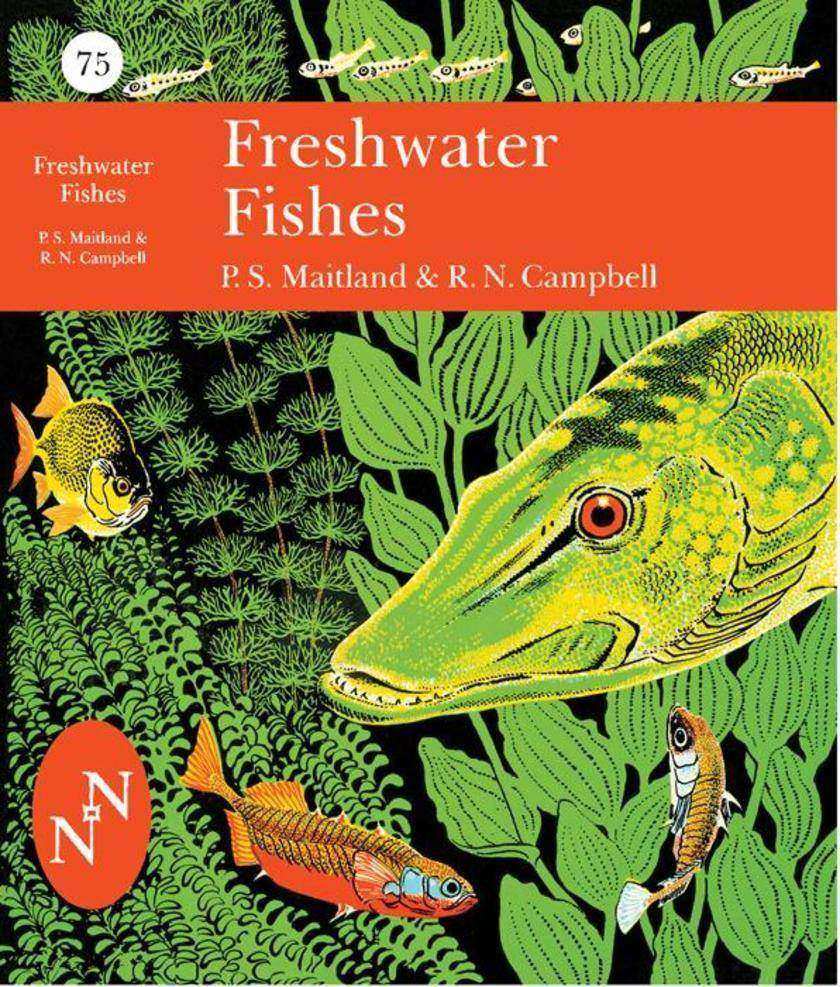
British Freshwater Fish (Collins New Naturalist Library, Book 75)
¥456.66
An in-depth look at the fish that inhabit the fresh waters of Britain and Ireland. These include famous members of the salmon family, such as the Atlantic Salmon and the Brown Trout, and the obscure whitefish, species of which are confined to just a few lakes. This edition is exclusive to newnaturalists.com Fish have been a highly sought after part of the British fauna since Dame Juliana Berners wrote the first fishing book in 1486, but have long been overlooked by naturalists as a part of the British countryside. In this new volume in the New Naturalist series, Dr Peter Maitland and Niall Campbell, who have both spent a lifetime studying and catching fish, take an in-depth look at the fish that inhabit the fresh waters of Britain and Ireland. These include famous members of the salmon family, such as the Atlantic Salmon and the Brown Trout, and the obscure whitefish, species of which are confined to just a few lakes. The information that the authors uncover gives a comprehensive overview of the life cycle of fish, whether mundane spawning or the complex migrations of the Eel and Sea Trout, as well as details on diet, behaviour and ecology. The book also contains the most up to date identification key to both the families and individual species of fish, allowing every species of freshwater fish to be conclusively identified. As well as detailed de*ions of each family, there are also seven chapters on more general subject. These include chapters on fish conservation and the future of the fish fauna in our country: a sign of the change in status of fish from the pursued to the studied.
Lichens (Collins New Naturalist Library, Book 86)
¥447.14
Lichens are fascinating and beautiful organisms able to colonise a vast range of habitats, including seemingly impossible places such as bare icy mountain tops and sun-scorched coastal rocks. This book discusses all aspects of British lichens, revealing the secrets of their success. This edition is exclusive to newnaturalists.com Lichens are fascinating and beautiful organisms able to colonise a vast range of habitats, including seemingly impossible places such as bare icy mountain tops and sun-scorched coastal rocks. This book discusses all aspects of British lichens, revealing the secrets of their success. The book begins by looking at how lichens have been used throughout history in medicines, dyes, food and perfumes. It then goes on to describe what lichens are, and how they grow and reproduce. A detailed survey is given of the range of habitats in which lichens can be found: on trees, rocks, heaths and moors, chalk and limestone, mountains, rivers, lakes, the coast, walls and buildings, most famously on churches and in churchyards. Gilbert also discusses the susceptibility of lichens to air pollution, and how they can be used to detect environmental pollution. The comprehensive, reader-friendly text, over 150 illustrations and 16 pages of colour, combine to make Lichens the definitive work on this subject of great natural history interest.
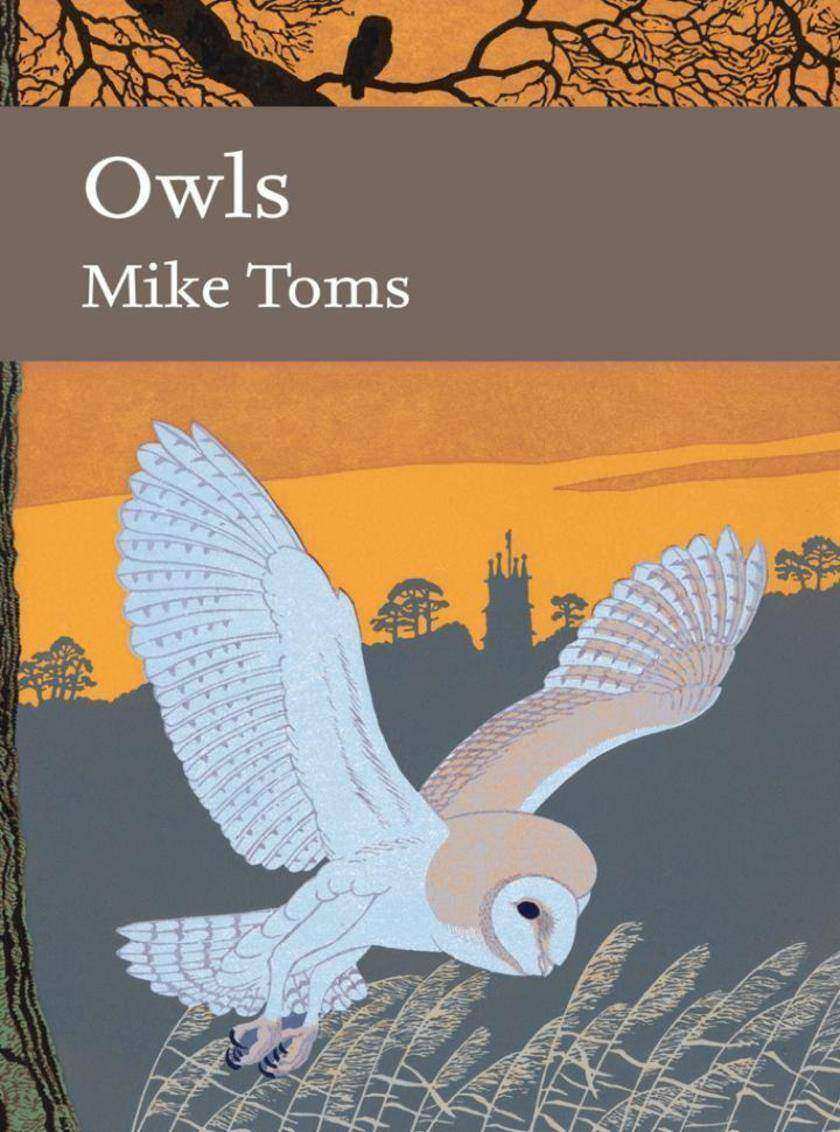
Owls (Collins New Naturalist Library, Book 125)
¥257.90
Owls have always featured prominently in the mythology and folklore of a variety of cultures. These mysterious nocturnal creatures are thought to be symbols of wisdom, omens of death, and bringers of prophecy. In fact, owls are one of the oldest species of vertebrate animal, with fossils dating back 60 million years. Owls have been a source of inspiration to writers, artists, historians and naturalists alike. In a much-anticipated volume on one of Britain’s most fascinating group of birds, Mike Toms draws on a wealth of experience and research, providing a comprehensive natural history of British owls. The first part of the book covers various aspects of owl taxonomy, origins, anatomy, behaviour and ecology and looks across the British owl species, drawing comparisons and highlighting differences. The second part takes each species in turn to provide a more detailed perspective, fleshing out relevant conservation issues, behaviour and status. Toms explores Britain’s beloved Barn Owl, Tawny Owl and Snowy Owl amongst several others. He uses the vast database and latest research from his work with the British Trust for Ornithology (BTO) to focus particularly on the specifics of owls’ breeding ecology, their dispersal patterns, diet, vocalisations, de*ion, population changes and mortality. He addresses conservation issues, changes in legislation and potential changes in the status of one of Britain’s most iconic birds, providing a fascinating overview of the biology and history of British owls.
Nightwalk: A journey to the heart of nature
¥66.22
Chris Yates, one of Britain’s most insightful and lyrical writers, raises his gaze from his beloved rivers and ponds and takes us on a mesmerizing tour of the British countryside. “Last November, the sudden appearance of a hundred wintering ravens in a wood in Cranborne Chase, where I have lived for twenty-five years without seeing more than a few solitary specimens, reminded me that there is always something ready to flame up again in the landscape, just when it seemed the fire had gone out.” In Nightwalk we accompany Chris Yates on the most magical of journeys into the very heart of the British countryside. His acute observation of the natural world and ability to transcend it exquisitely sets Chris apart from his contemporaries. Time slows down for a deeper intimacy with nature, and through Chris’s writing we hear every rustle of a leaf, every call of a bird. He widens the power of our imagination, heightening our senses and revealing beauty in the smallest details.
The Ocean Railway
¥81.52
An epic social history of steamship travel from the 19th-century to the ‘Lusitania’, the ‘Mauretania’ and the ‘Titanic’. The great transatlantic steamships became emblems of an age, of a Victorian audacity of spirit-cathedrals to man's harnessing of new technology. Through the innovations and designs of key engineers and shipping magnates – Samuel Cunard, Isambard Kingdom Brunel and Edward Knights Collins – ‘the largest movable objects in human history' were created. To the wealthy, steamships represented glamorous travel, but to most they offered cheap passage out of Europe to the New World. At their peak, steamships delivered one million new Americans each year, transforming the world’s oceans from barriers into highways. In this fascinating history, Stephen Fox chronicles the tragedies that marked the evolution of the ocean liner, including the 1852 sinking of the ‘Arctic’, with the loss of three hundred and twenty-two lives, and the early 20th-century losses of the ‘Lusitania’ and the ‘Titanic’. Using contemporary records, diaries and writing, he penetrates the experience of transatlantic passage and examines the societies created on the vast floating cities, ‘a kind of third human environment, neither land nor sea but partaking of each, and bridging them in unprecedented ways’.
The Big House: The Story of a Country House and its Family
¥81.03
Please note that some images were unavailable for the electronic edition. The highly praised biography of an archetypal great house and the family who lived there for over 250 years. ‘The Big House’ is the biography of a great country house and the lives of the Sykes family who lived there, with varying fates, for the next two hundred and fifty years. It is a fascinating social history set against the backdrop of a changing England, with a highly individual, pugnacious and self-determining cast, including: ‘Old Tat’ Sykes, said to be one of the great sights of Yorkshire (the author’s great-great-great-grandfather), who wore 18th-century dress to the day of his death at ninety-one in 1861. His son was similarly eccentric, wearing eight coats that he discarded gradually throughout the day in order to keep his body temperature at a constant. He was forced to marry, aged forty-eight, eighteen-year-old Jessica Cavendish-Bentick – a lively and highly intelligent woman who relieved the boredom of her marriage by acquiring a string of lovers, writing novels and throwing extravagant parties (her nickname became ‘Lady Satin Tights’), all the while accumulating debts that ended in a scandalous court case. Their son, Mark, died suddenly whilst brokering the peace settlement at the Paris Peace Conference at the end of World War I; Sledmere was destroyed by fire shortly afterwards. But the rebuilt Sledmere rose from the flames to resound again with colourful, brilliant characters in the 1920s and 1930s including the author’s grandmother, Lily, who had been a celebrated bohemian in Paris. ‘The Big House’ is vividly written and meticulously researched using the Sykes’ own family’s papers and photographs. In this splendid biography of place and time, Christopher Simon Sykes has resuscitated the lives of his ancestors and their glorious home from the 18th- through to the 20th-century.
Letters to an American Lady
¥87.15
On October 26, 1950, C. S. Lewis wrote the first of more than a hundred letters he would send to a woman he had never met, but with whom he was to maintain a correspondence for the rest of his life.Ranging broadly in subject matter, the letters discuss topics as profound as the love of God and as frivolous as preferences in cats. Lewis himself clearly had no idea that these letters would ever see publication, but they reveal facets of his character little known even to devoted readers of his fantasy and scholarly writings a man patiently offering encouragement and guidance to another Christian through the day-to-day joys and sorrows of ordinary life.Letters to an American Lady stands as a fascinating and moving testimony to the remarkable humanity and even more remarkable Christianity of C. S. Lewis, and is richly deserving of the position it now takes among the balance of his Christian writings.
The Pilgrim's Regress
¥65.33
The first book written by C. S. Lewis after his conversion, The Pilgrim's Regress is, in a sense, the record of Lewis's own search for meaning and spiritual satisfaction a search that eventually led him to Christianity.Here is the story of the pilgrim John and his odyssey to an enchanting island which has created in him an intense longing; a mysterious, sweet desire. John's pursuit of this desire takes him through adventures with such people as Mr. Enlightenment, Media Halfways, Mr. Mammon, Mother Kirk, Mr. Sensible, and Mr. Humanist and through such cities as Thrill and Eschropolis as well as the Valley of Humiliation.Though the dragons and giants here are different from those in Bunyan's Pilgrim's Progress, Lewis's allegory performs the same function of enabling the author to say simply and through fantasy what would otherwise have demanded a full-length philosophy of religion.
HarperOne
¥161.78
God in the Dock is one of the best known of C.S. Lewis's collections of essays and includes Myth Become Fact, The Grand Miracle, Priestesses in the Church and, of course, God in the Dock.
A Letter of Consolation
¥67.32
Finding faith in a time of sorrow Beloved author Henri Nouwen reflects on the spiritual significance of death and life in this moving meditation dedicated to "all those who suffer the pain that death can bring and who search for new life."
Keeping the Faith
¥66.50
Practical guide addresses issues of faith for battered women an invaluable resource for victims of domestic violence and the crisis centers that counsel them.
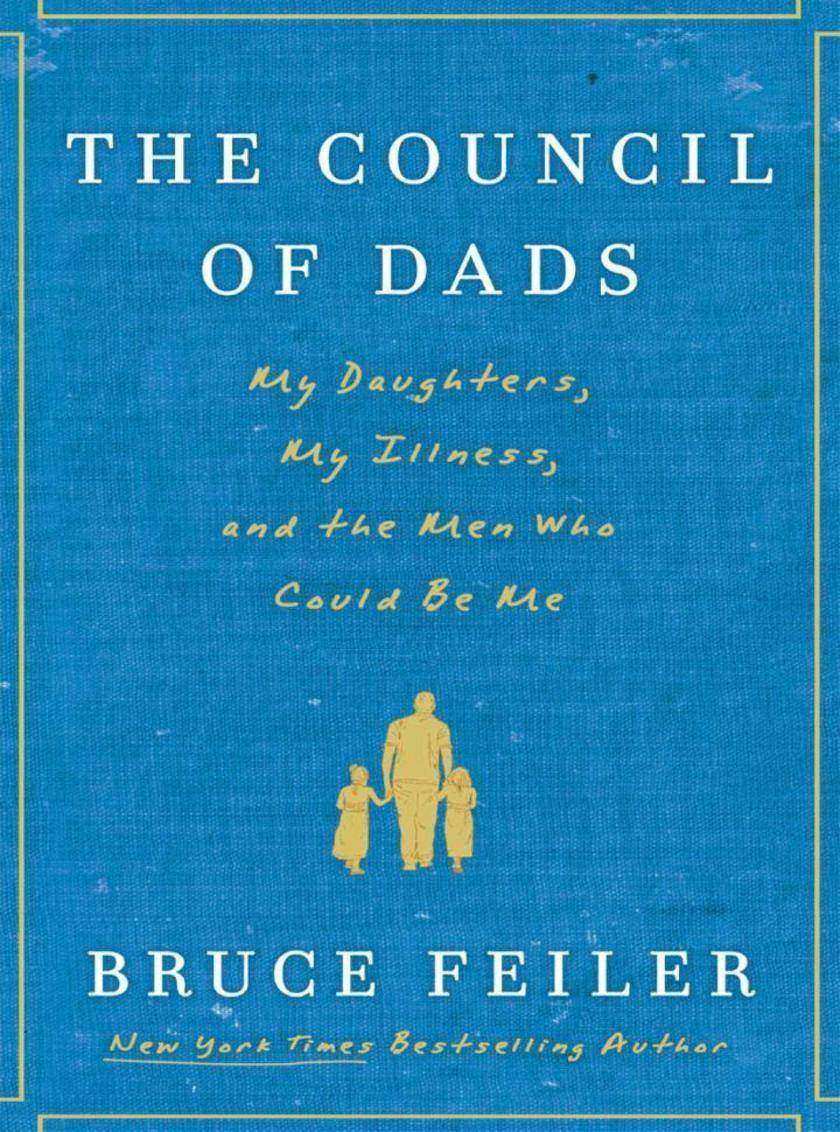
The Council of Dads
¥88.56
Bestselling author Bruce Feiler was a young father when he was diagnosed with cancer. He instantly worried what his daughters' lives would be like without him. "Would they wonder who I wasWould they wonder what I thoughtWould they yearn for my approval, my love, my voice?" Three days later he came up with a stirring idea of how he might give them that voice. He would reach out to six men from all the passages in his life, and ask them to be present in the passages in his daughters' lives. And he would call this group "The Council of Dads." "I believe my daughters will have plenty of opportunities in their lives," he wrote to these men. "They'll have loving families. They'll have each other. But they may not have me. They may not have their dad. Will you help be their dad?" The Council of Dads is the inspiring story of what happened next. Feiler introduces the men in his Council and captures the life lesson he wants each to convey to his daughters how to see, how to travel, how to question, how to dream. He mixes these with an intimate, highly personal chronicle of his experience battling cancer while raising young children, along with vivid portraits of his father, his two grandfathers, and various father figures in his life that explore the changing role of fathers in America. This is the work of a master storyteller confronting the most difficult experience of his life and emerging with wisdom and hope. The Council of Dads is a touching, funny, and ultimately deeply moving book on how to live life, how the human spirit can respond to adversity, and how to deepen and cherish the friendships that enrich our lives.
Making Sense of Adoption
¥78.55
When to tell, What to tell, and How to tell Children who are adopted have predictable and often unspoken concerns about themselves and how they joined their families. In this wise and timely guide, Lois Melina, author of the classic manual Raising Adopted Children, helps parents anticipate and respond to those concerns in ways that build self-esteem. Through sample conversations, reassuring advice, and age-specific activities parents will find answers to such questions as:-- When should I give my child the letter her birthmother wrote?-- How do I share information that might upset my child?-- How can I know when my child is wondering about adoption?-- What should I tell school personnel about my child's historyWhat about family and friends?-- How can I be sure we talk about adoption enough, but not too muchWhether parents adopted traditionally, as stepparents, or through donor insemination, surrogacy, or in vitro fertilization, Making Sense of Adoption will open the door to a lifetime of growth and understanding for adoptive families.
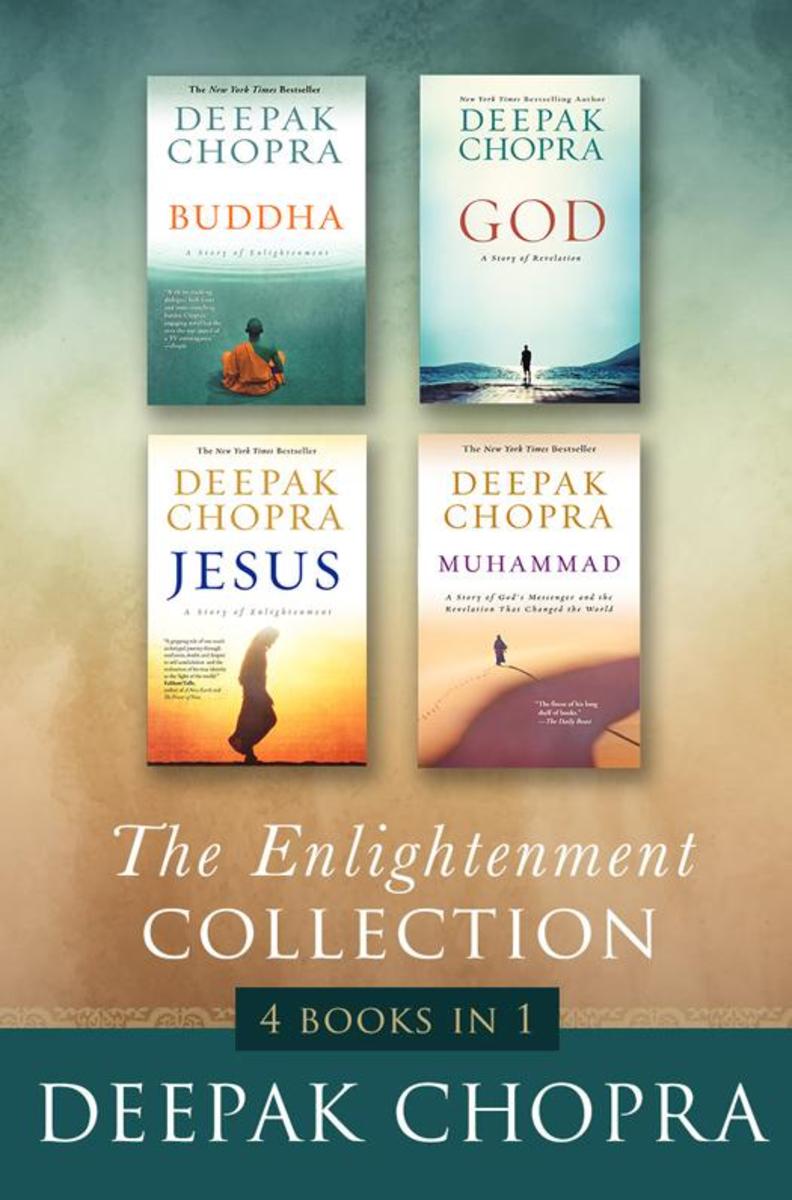
Deepak Chopra Collection
¥163.52
Four of the most popular and celebrated books by New York Times bestselling author Deepak Chopra are now available together in this collection.Buddha is an inspiring re-imagining of the life of a prince who gave up the trappings of royalty for something much more important wisdom and enlightenment. This revolutionary journey has changed the world forever, and the lessons Buddha taught continue to influence every corner of the globe today. This is a new form of teaching for beloved Chopra and with it he brings us closer to understanding the true nature of life and ourselves.Jesus captures the extraordinary life of Christ in this surprising, soul-stirring, and page-turning novel. Uncovering the transformational "lost years" that are not recounted in the New Testament, Chopra has imagined Jesus's path to enlightenment moving from obscurity to revolutionary, from doubt to miracles, and then beyond as the role of the long-awaited Messiah. As a teenager, Jesus has premonitions of his destiny, and by the end, as he arrives to be baptized in the River Jordan, he has accepted his fate, which combines extremes of light and darkness.Born into the factious world of war-torn Arabia, Muhammad's life is a gripping and inspiring story of one man's tireless fight for unity and peace. In a world where greed and injustice ruled, Muhammad created change by affecting hearts and minds. Just as the story of Jesus embodies the message of Christianity, Muhammad's life reveals the core of Islam. In the groundbreaking and imaginative God, the evolution of our highest spiritual figure is told through a unique blend of storytelling and teaching. By capturing the lives of ten historical prophets, saints, mystics, and martyrs who are touched by a divine power, Chopra brings to life the defining moments of our most influential sages, ultimately revealing universal lessons about the true nature of God.

The Big Leap
¥99.65
Most of us believe that we will finally feel satisfied and content with our lives when we get the good news we have been waiting for, find a healthy relationship, or achieve one of our personal goals. However, this rarely happens. Good fortune is often followed by negative emotions that overtake us and result in destructive behaviors. "I don't deserve this," "this is too good to be true," or any number of harmful thought patterns prevent us from experiencing the joy and satisfaction we have earned. Sound familiarThis is what New York Times bestselling author Gay Hendricks calls the Upper Limit Problem, a negative emotional reaction that occurs when anything positive enters our lives. The Upper Limit Problem not only prevents happiness, but it actually stops us from achieving our goals. It is the ultimate life roadblock. In The Big Leap, Hendricks reveals a simple yet comprehensive program for overcoming this barrier to happiness and fulfillment, presented in a way that engages both the mind and heart. Working closely with more than one thousand extraordinary achievers in business and the arts from rock stars to Fortune 500 executives whose stories are featured in these pages, the book describes the four hidden fears that are at the root of the Upper Limit Problem.The Big Leap delivers a proven method for first identifying which of these four fears prevents us from reaching our personal upper limit, and then breaking through that limitation to achieve what Hendricks refers to as our Zone of Genius. Hendricks provides a clear path for achieving our true potential and attaining not only financial success but also success in love and life.


