


 购物车
购物车 个人中心
个人中心
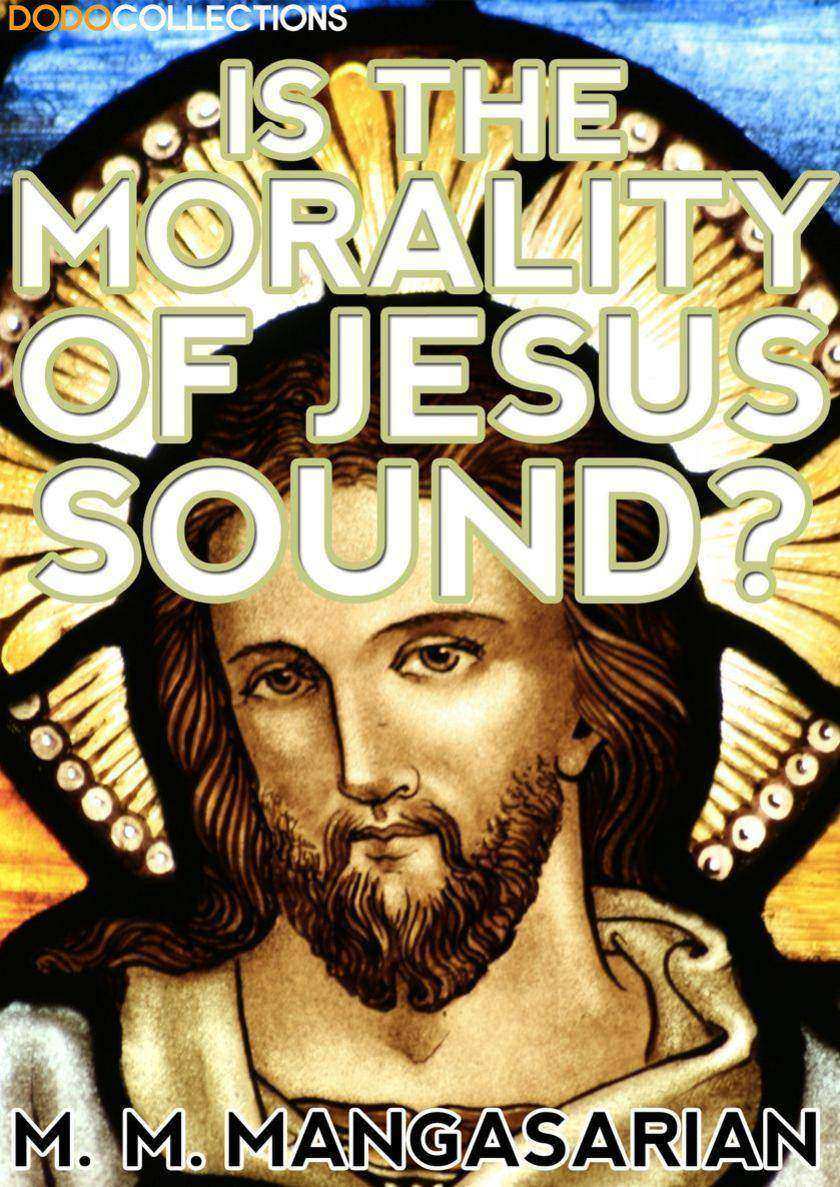
Is the Morality of Jesus Sound?
¥8.09
Dodo Collections brings you another classic from M. M. Mangasarian, ‘Is the Morality of Jesus Sound?’ ? This book is based upon the famous lecture delivered before the Independent Religious Society, Chicago by Mangasarian. ? Born in Mashger (now within Turkey) in the Ottoman Empire, M. M. Mangasarian attended Robert College in Constantinople, and was ordained as minister in Marsovan in 1878. In about 1880 he enrolled at Princeton University. He was pastor at a Presbyterian church in Philadelphia from 1882 to 1885, when he resigned, becoming an independent preacher and a lecturer on "independent religion" in New York. In 1892 he became leader of the Ethical Culture Society of Chicago, a group established by Felix Adler. In 1900 he organized the Independent Religious Society of Chicago, a rationalist group, of which he remained pastor until 1925. He retired to Piedmont, California, where he lived for the rest of his life. ? During his life Mangasarian wrote a number of books. His most popular, including The Truth About Jesus — Is He a Myth? (1909) andThe Bible Unveiled (1911), deal with the evidence against the existence of an historical Jesus. He also wrote hundreds of essays and lectures on questions of the times. His books and essays were translated into French, German, Spanish, and other foreign languages. The general subject of his writing was religious criticism and the philosophy of religion. Mangasarian considered himself a Rationalist or a Secularist not an Atheist, since he considered atheism a non-verifiable belief system.
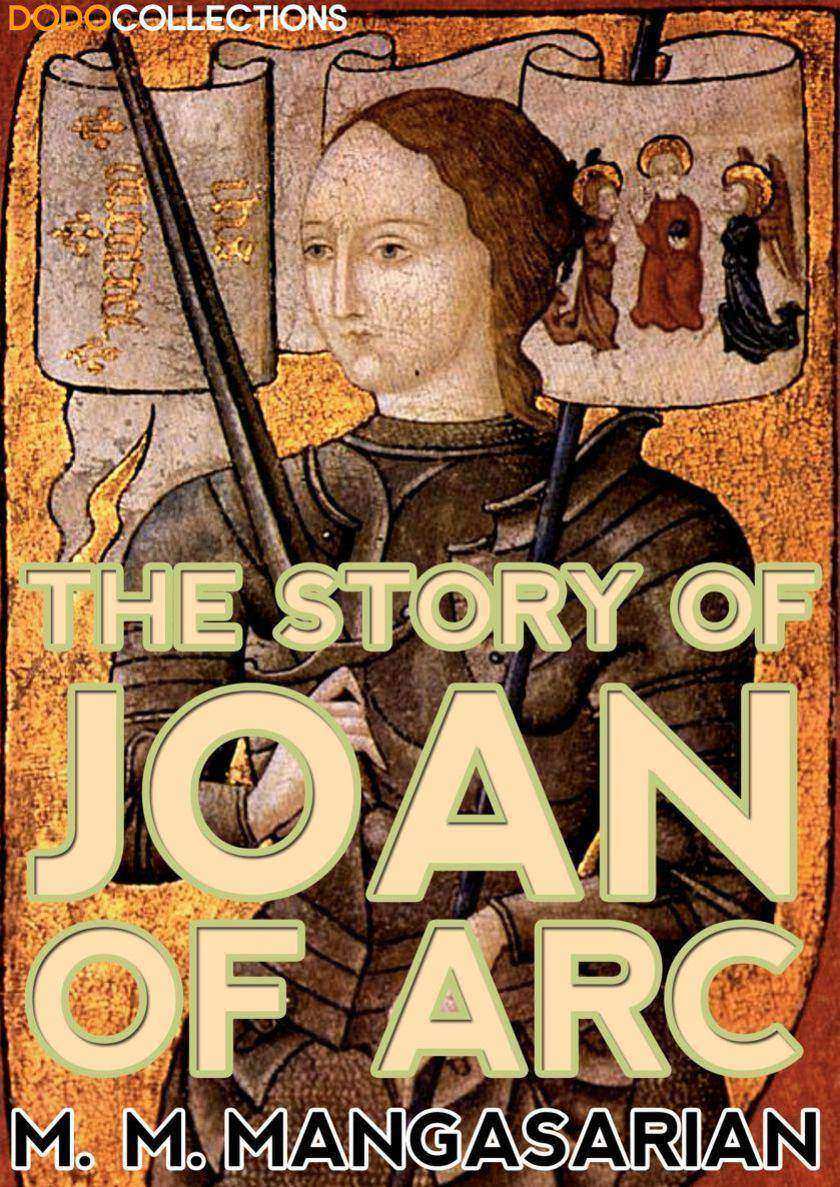
The Story of Joan of Arc
¥8.09
Dodo Collections brings you another classic from M. M. Mangasarian, ‘The Story of Joan of Arc’ ? Brought to ebook for the first time, this is the famous lecture delivered in Chicago at the turn of the 20th Century about Joan of Arc and the Catholic Church from Mangasarian. ? Born in Mashger (now within Turkey) in the Ottoman Empire, M. M. Mangasarian attended Robert College in Constantinople, and was ordained as minister in Marsovan in 1878. In about 1880 he enrolled at Princeton University. He was pastor at a Presbyterian church in Philadelphia from 1882 to 1885, when he resigned, becoming an independent preacher and a lecturer on "independent religion" in New York. In 1892 he became leader of the Ethical Culture Society of Chicago, a group established by Felix Adler. In 1900 he organized the Independent Religious Society of Chicago, a rationalist group, of which he remained pastor until 1925. He retired to Piedmont, California, where he lived for the rest of his life.
On the Sublime
¥8.09
According to Wikipedia: "Longinus is the conventional name of the author of the treatise On the Sublime, a work which focuses on the effect of good writing. Longinus, sometimes referred to as Pseudo-Longinus because his real name is unknown, was a Greek teacher of rhetoric or a literary critic who may have lived in the 1st or 3rd century AD. Longinus is known only for On the Sublime."
Treatises on Friendship and Old Age
¥8.09
Accoding to Wikipedia: "Marcus Tullius Cicero (January 3, 106 BC – December 18, 43 BC; sometimes anglicized as Tully), was a Roman philosopher, statesman, lawyer, orator, political theorist, Roman consul and constitutionalist. He came from a wealthy municipal family of the equestrian order, and is widely considered one of Rome's greatest orators and prose stylists."
The Last Boer War
¥8.09
Dodo Collections brings you another classic from H. Rider Haggard, ‘The Last Boer War’ ? The Last Boer War is a 1899 non-fiction book by H. Rider Haggard about the Boer War of 1881. It was originally written in 1882 but not published until years later. ? Haggard wrote the book in 1885, primarily in his Chambers where he was working as a barrister. King Solomon's Mines had been an enormous success but Haggard says he had been "somewhat piqued by the frequent descriptions of myself as 'a mere writer of romances and boys’ books' ". ? Sir Henry Rider Haggard was an English writer of adventure novels set in exotic locations, predominantly Africa, and the creator of the Lost World literary genre. His stories, situated at the lighter end of the scale of Victorian literature, continue to be popular and influential. He was also involved in agricultural reform and improvement in the British Empire. Haggard was made a Knight Bachelor in 1912 and a Knight Commander of the Order of the British Empire in 1919. He stood unsuccessfully for Parliament as a Conservative candidate for the Eastern division of Norfolk in 1895. The locality of Rider, British Columbia, was named in his memory.
A Visit to Three Fronts
¥8.09
In the course of May 1916, the Italian authorities expressed a desire that some independent observer from Great Britain should visit their lines and report his impressions. It was at the time when our brave and capable allies had sustained a set-back in the Trentino owing to a sudden concentration of the Austrians, supported by very heavy artillery. I was asked to undertake this mission. In order to carry it out properly, I stipulated that I should be allowed to visit the British lines first, so that I might have some standard of comparison. The War Office kindly assented to my request. Later I obtained permission to pay a visit to the French front as well. Thus it was my great good fortune, at the very crisis of the war, to visit the battle line of each of the three great Western allies. I only wish that it had been within my power to complete my experiences in this seat of war by seeing the gallant little Belgian army which has done so remarkably well upon the extreme left wing of the hosts of freedom. ? My experiences and impressions are here set down, and may have some small effect in counteracting those mischievous misunderstandings and mutual belittlements which are eagerly fomented by our cunning enemy. Arthur Conan Doyle. Crowborough, July 1916.
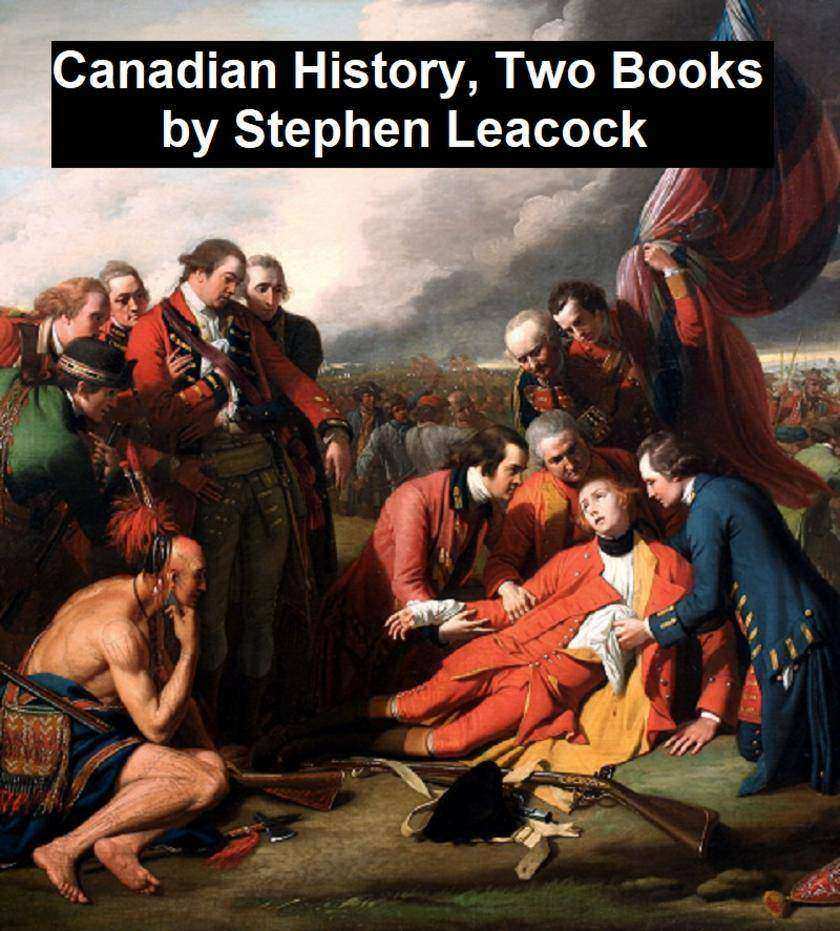
Canadian History, Two Books
¥8.09
This file includes The Dawn of Canadian History, A Chronicle of Aboriginal Canada and The Mariner of Malo, a Chronicle of the Voyages of Jacque Cartier, both from Chronicles of Canada and both first published in 1914. According to Wikipedia: "Stephen Butler Leacock, FRSC (30 December 1869 – 28 March 1944) was an English-born Canadian teacher, political scientist, writer, and humorist. In the early part of the 20th century he was the best-known humorist in the English-speaking world."
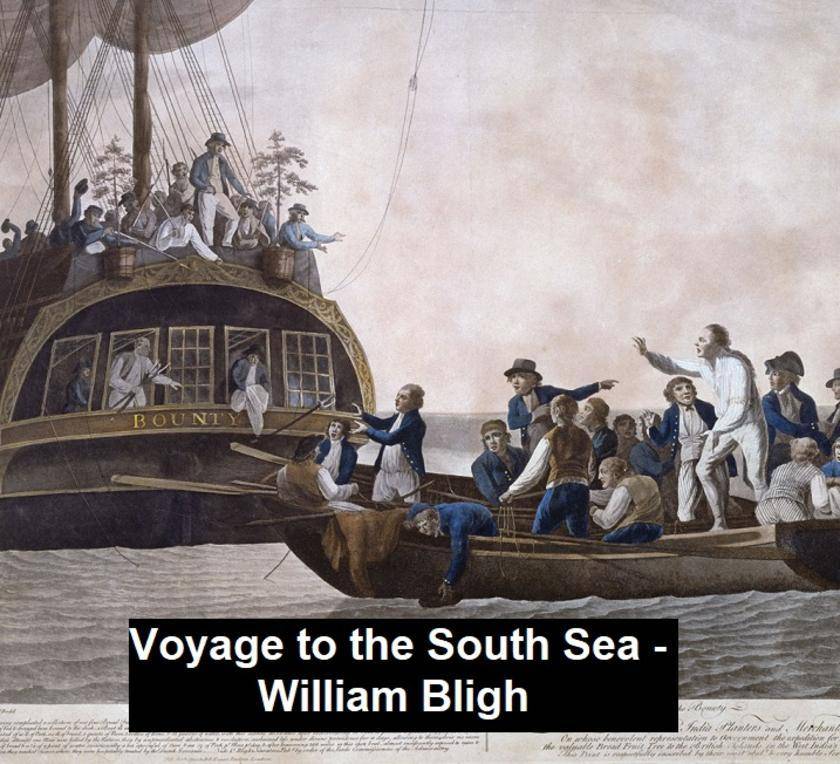
Voyage to the South Sea
¥8.09
A Voyage to the South Sea, undertaken by command of his majesty, for the purpose of conveying the bread-fruit tree to the west indies, in his majesty's ship the Bounty, commanded by Lieutenant William Bligh. Including an account of the mutiny on board the said ship, and the subsequent voyage of part of the crew, in the ship's boat, from Tofoa, one of the Friendly Islands, to Timor, a Dutch settlement in the East Indies. According to Wikipedia: "Vice Admiral William Bligh, (9 September 1754 – 7 December 1817) was an officer of the British Royal Navy and a colonial administrator. A historic mutiny occurred during his command of HMS Bounty in 1789; Bligh and his loyal men made a remarkable voyage to Timor, after being set adrift in the Bounty's launch by the mutineers. Fifteen years after the Bounty mutiny, he was appointed Governor of New South Wales in Australia, with orders to clean up the corrupt rum trade of the New South Wales Corps, resulting in the so-called Rum Rebellion."

The Cumberland Road
¥8.09
Volume 10 of the series "Historic Highways of America". According to Wikipedia: "Archer Butler Hulbert (26 Jan 1873 – 24 Dec 1933), historical geographer, writer, and professor of American history... He was Vice-Principal of the Putnam Military Academy, Zanesville, Ohio, until 1897. Hulbert then did newspaper work in Korea in 1897 and '98: he was editor of the Korean Independent (Seoul) and edited Far East American newspapers... He was Professor of American History at Marietta College 1904-18. After Marietta College, Hulbert became a lecturer in American History at Clark University from 1918 to 1919. He also was a lecturer at the University of Chicago in 1904 and 1923; and he served as archivist for the Harvard Commission on Western History (1912-16). Hulbert's last position was at Colorado College, from 1920 until his death... Hulbert's interest in trails dated from fishing trips taken during his college, when he noticed Indian trails. This interest led at first to his 16 volumes of Historic Highways of America (1902-05)."
Pioneer Roads, Part 2
¥8.09
Volume 12 of the series "Historic Highways of America". According to Wikipedia: "Archer Butler Hulbert (26 Jan 1873 – 24 Dec 1933), historical geographer, writer, and professor of American history... He was Vice-Principal of the Putnam Military Academy, Zanesville, Ohio, until 1897. Hulbert then did newspaper work in Korea in 1897 and '98: he was editor of the Korean Independent (Seoul) and edited Far East American newspapers... He was Professor of American History at Marietta College 1904-18. After Marietta College, Hulbert became a lecturer in American History at Clark University from 1918 to 1919. He also was a lecturer at the University of Chicago in 1904 and 1923; and he served as archivist for the Harvard Commission on Western History (1912-16). Hulbert's last position was at Colorado College, from 1920 until his death... Hulbert's interest in trails dated from fishing trips taken during his college, when he noticed Indian trails. This interest led at first to his 16 volumes of Historic Highways of America (1902-05)."
The Reign of Tiberius
¥8.09
"Out of the first six Annals of Tacitus, with his account of German and Life of Agricola." According to Wikipedia: "Publius (or Gaius) Cornelius Tacitus (c. AD 56 – after 117) was a senator and a historian of the Roman Empire. The surviving portions of his two major works—the Annals and the Histories—examine the reigns of the Roman Emperors Tiberius, Claudius, Nero, and those who reigned in the Year of the Four Emperors (AD 69). These two works span the history of the Roman Empire from the death of Augustus in AD 14 to the years of the First Jewish–Roman War in AD 70. There are substantial lacunae in the surviving texts, including a gap in the Annals that is four books long."
Conspiracy of Cataline and Jugurthine War
¥8.09
A literal translation. According to Wikipedia: "Gaius Sallustius Crispus, usually anglicised as Sallust (86 BC – c. 35 BC) was a Roman historian, politician, and novus homo from a provincial plebeian family. Sallust was born at Amiternum in the country of the Sabines and was a popularis, opposer of the old Roman aristocracy throughout his career, and later a partisan of Julius Caesar. Sallust is the earliest known Roman historian with surviving works to his name, of which we have Catiline's War (about the conspiracy in 63 BC of L. Sergius Catilina), The Jugurthine War (about Rome's war against the Numidians from 111 to 105 BC), and the Histories (of which only fragments survive). Sallust was primarily influenced by the Greek historian Thucydides and amassed great (and ill-gotten) wealth from his governorship of Africa."
History of a Lie
¥8.09
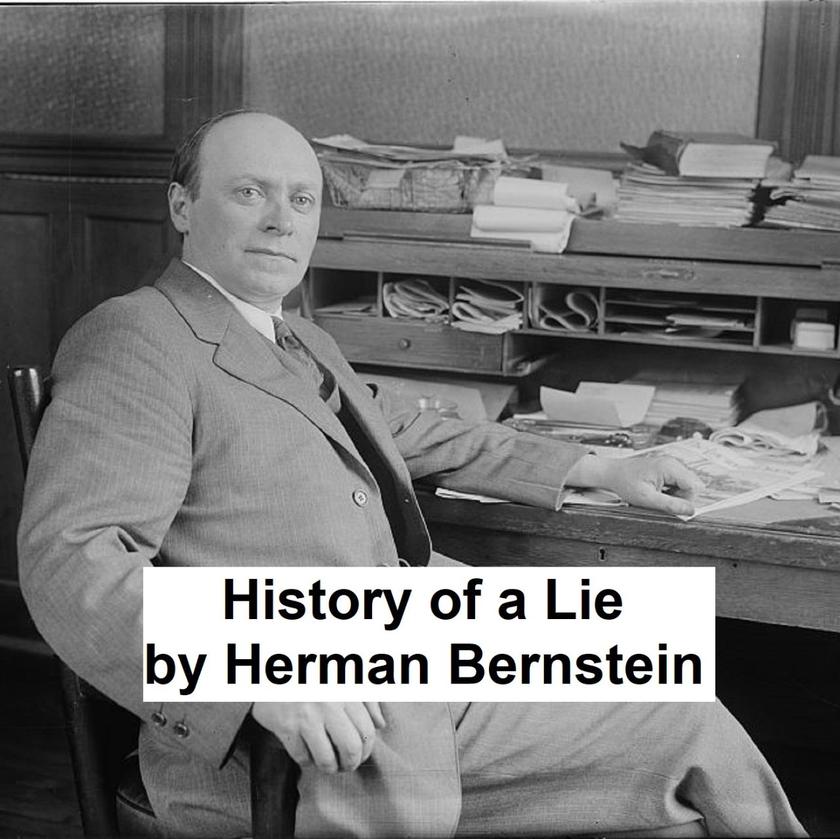
Classic in the history of anti-semitism. First published in 1921. According to the Foreword: "This is the history of a Lie--of a cruel and terrible Lie invented for the purpose of defaming the entire Jewish people. Given out as fiction, by a German anti-Semitic writer, involved in the Waldeck forgery case, who concealed his identity under the pen-name of an Englishman, it was gradually changed and elaborated, and finally groomed as fact. Agents of the Russian secret police department and of the unscrupulous "Black Hundreds" then utilized this fiction as the framework for the "protocols" through which they sought to crush the Jews and prop up the tottering Russian dynasty." According to Wikipedia: "Herman Bernstein (September 21, 1876 – August 31, 1935) was an American journalist, poet, novelist, playwright, translator, Jewish activist, and diplomat."
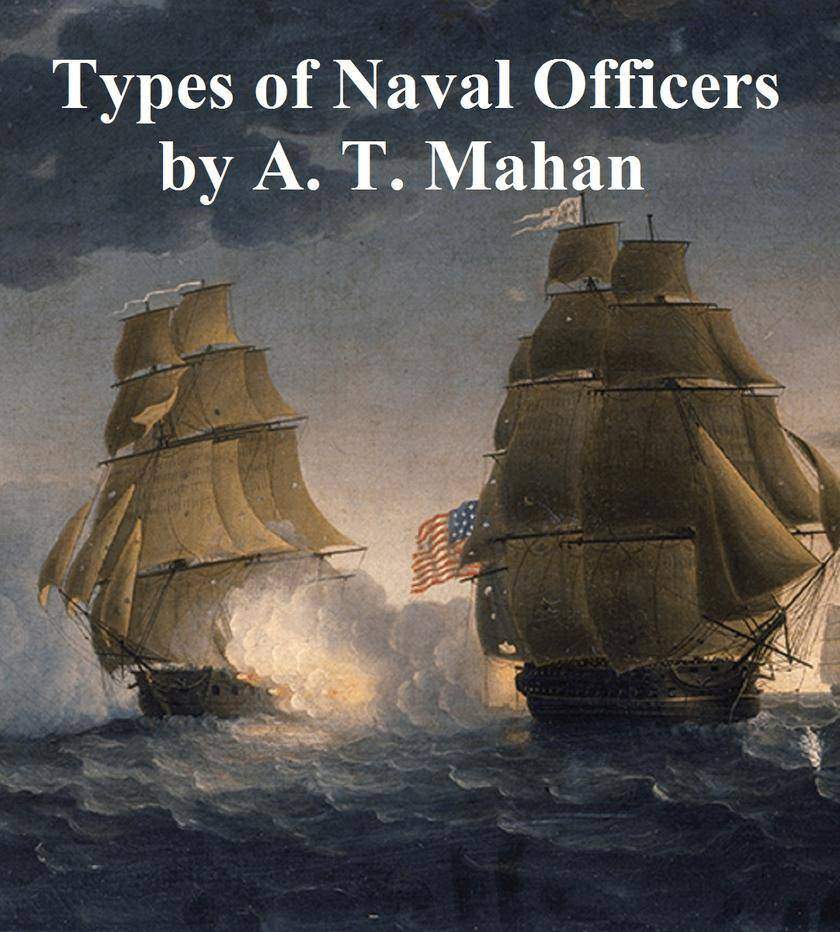
Types of Naval Officers
¥8.09
Classic work of history. According to Wikipedia: "Alfred Thayer Mahan (September 27, 1840 - December 1, 1914) was a United States Navy officer, geostrategist, and educator. His ideas on the importance of sea power influenced navies around the world, and helped prompt naval buildups before World War I. Several ships were named USS Mahan, including the lead vessel of a class of destroyers. His research into naval History led to his most important work, The Influence of Seapower Upon History,1660-1783, published in 1890."

Caesar's Commentaries
¥8.09
De Bello Gallico (The War in Gaul) and The Civil War. According to Wikipedia: "Gaius Julius Caesar (13 July 100 BC – 15 March 44 BC), was a Roman military and political leader. He played a critical role in the transformation of the Roman Republic into the Roman Empire. A politician of the populares tradition, he formed an unofficial triumvirate with Marcus Licinius Crassus and Gnaeus Pompeius Magnus which dominated Roman politics for several years, opposed in the Roman Senate by optimates like Marcus Porcius Cato and Marcus Calpurnius Bibulus. His conquest of Gaul extended the Roman world to the North Sea, and he also conducted the first Roman invasion of Britain in 55 BC. The collapse of the triumvirate, however, led to a stand-off with Pompey and the Senate. Leading his legions across the Rubicon, Caesar began a civil war in 49 BC from which he became the master of the Roman world. After assuming control of government, he began extensive reforms of Roman society and government. He was proclaimed "dictator in perpetuity" (dictator perpetuo), and heavily centralised the bureaucracy of the Republic. A group of senators, led by Marcus Junius Brutus, assassinated the dictator on the Ides of March (March 15) in 44 BC, hoping to restore the normal running of the Republic. However, the result was another Roman civil war, which ultimately led to the establishment of a permanent autocracy by Caesar's adopted heir, Gaius Octavianus. In 42 BC, two years after his assassination, the Senate officially sanctified Caesar as one of the Roman deities. Much of Caesar's life is known from his own Commentaries (Commentarii) on his military campaigns, and other contemporary sources such as the letters and speeches of his political rival Cicero, the historical writings of Sallust, and the poetry of Catullus."
Till He Come
¥8.09
First published in 1896. Spurgeon was an English Baptist preacher, known as "the Prince of Preachers". The Preface begins: " For many years, whether at home or abroad, it was Mr. Spurgeon's constant custom to observe the ordinance of the Lord's supper every Sabbath-day, unless illness prevented. This he believed to be in accordance with apostolic precedent; and it was his oft-repeated testimony that the more frequently he obeyed his Lord's command, "This do in remembrance of Me," the more precious did his Saviour become to him, while the memorial celebration itself proved increasingly helpful and instructive as the years rolled by." According to Wikipedia: "Charles Haddon Spurgeon, commonly C.H. Spurgeon, ( 1834 – 1892) was a British Reformed Baptist preacher who remains highly influential among Christians of different denominations, among whom he is still known as the "Prince of Preachers." He also founded the charity organization now known as Spurgeon's, that works worldwide with families and children, as well as a famous theological college which after his death was called after him: Spurgeon's College. Spurgeon was a prolific author of many types of works including sermons, an autobiography, a commentary, books on prayer, a devotional, a magazine, and more. Many sermons were transcribed as he spoke and were translated into many languages during his lifetime. Arguably, no other author, Christian or otherwise, has more material in print than C.H. Spurgeon."

Homiles on the Gospel of St. John and the Epistle of the Hebrews
¥8.09
According to Wikipedia: "Saint John Chrysostom (c. 347–407, Greek: Ιω?ννη? ο Χρυσ?στομο?), archbishop of Constantinople, was an important Early Church Father. He is known for his eloquence in preaching and public speaking, his denunciation of abuse of authority by both ecclesiastical and political leaders, the Divine Liturgy of St. John Chrysostom, and his ascetic sensibilities. After his death (or, according to some sources, during his life) he was given the Greek surname chrysostomos, meaning "golden mouthed", rendered in English as Chrysostom.
Summa Theologica: The sixth edition (considered the "definitive" edition)
¥8.09
According to Wikipedia: "The Summa Theologica (or the Summa Theologiae or simply the Summa, written 1265-1274) is the most famous work of Thomas Aquinas (c. 1225-1274) although it was never finished. It was intended as a manual for beginners as a compilation of all of the main theological teachings of that time. It summarizes the reasonings for almost all points of Christian theology in the West, which, before the Protestant Reformation, subsisted solely in the Roman Catholic Church."
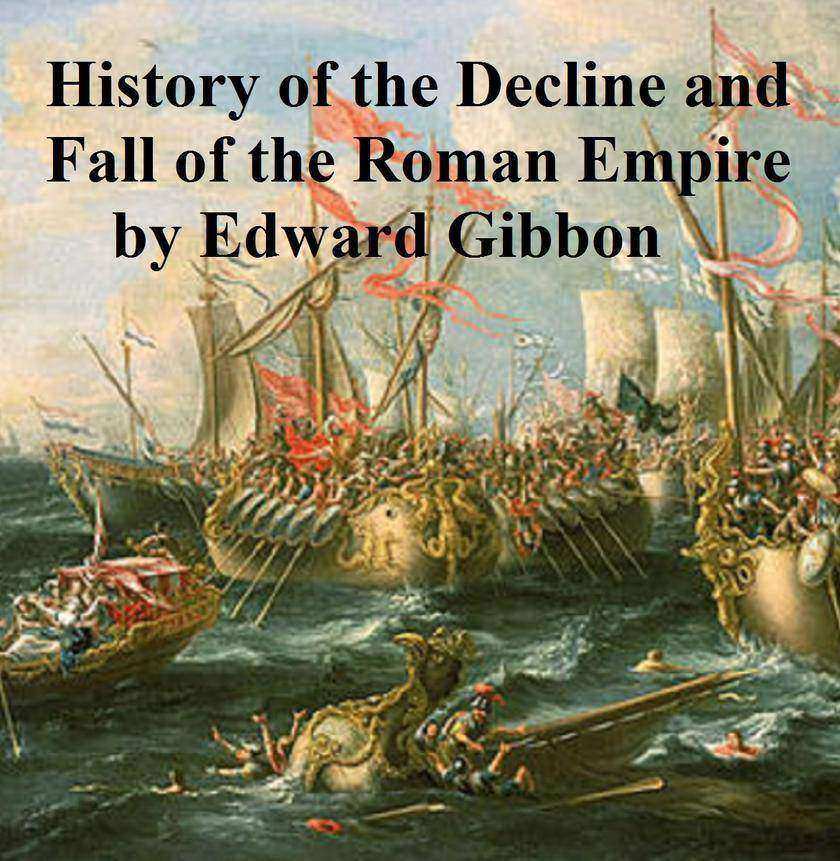
The History of the Decline and Fall of the Roman Empire
¥8.09
The complete 6-volume work, which covers from the reign of Marcus Aurelius to the fall of Constantinople in 1453. According to Wikipedia: "Edward Gibbon (1737 - 1794) was an English historian and Member of Parliament. His most important work, The History of the Decline and Fall of the Roman Empire, was published in six volumes between 1776 and 1788. The History is known principally for the quality and irony of its prose..."
Institutes of the Christian Religion
¥8.09
According to Wikipedia: "John Calvin (né Jean Cauvin; 10 July 1509 – 27 May 1564) was an influential French theologian and pastor during the Protestant Reformation. He was a principal figure in the development of the system of Christian theology later called Calvinism. Originally trained as a humanist lawyer, he suddenly converted and broke from the Roman Catholic Church in the 1520s. After a violent uprising against Protestants in France, he was forced to flee to Basel, Switzerland, where in 1536 he published the first edition of his seminal work, Institutes of the Christian Religion. Calvin was invited by William Farel to help reform the church in Geneva. However, the city council resisted the implementation of Calvin and Farel's ideas and both were expelled. At the invitation of Martin Bucer, Calvin proceeded to Strasbourg where he became the minister of a church of French refugees. He continued to support the reform movement in Geneva, and was eventually invited back to lead its church. Following his return he introduced new forms of church government and liturgy, despite the opposition of several powerful families in the city who tried to curb his authority. During this period, Michael Servetus, a Spaniard known for his heretical views, arrived in Geneva. He was denounced by Calvin and executed by the city council. Following an influx of supportive refugees and new elections to the council, Calvin's opponents were forced out. He spent his final years promoting the Reformation both within Geneva and throughout Europe."
Critique of Pure Reason
¥8.09
According to Wikipedia: "Immanuel Kant (22 April 1724 – 12 February 1804) was an 18th-century German philosopher from the Prussian city of K?nigsberg (now Kaliningrad, Russia). He is regarded as one of the most influential thinkers of modern Europe and of the late Enlightenment. Kant created a new widespread perspective in philosophy which is influencing enlightened philosophy until the 21st Century. He published important works of epistemology as also scripts in coherence to religion, law and history. His most important work is the Critique of Pure Reason, an investigation into the limitations and structure of reason itself. It encompasses an attack on traditional metaphysics and epistemology, and highlights Kant's own contribution to these areas. The other main works of his maturity are the Critique of Practical Reason, which concentrates on ethics, and the Critique of Judgment, which investigates aesthetics and teleology."


