


 购物车
 个人中心

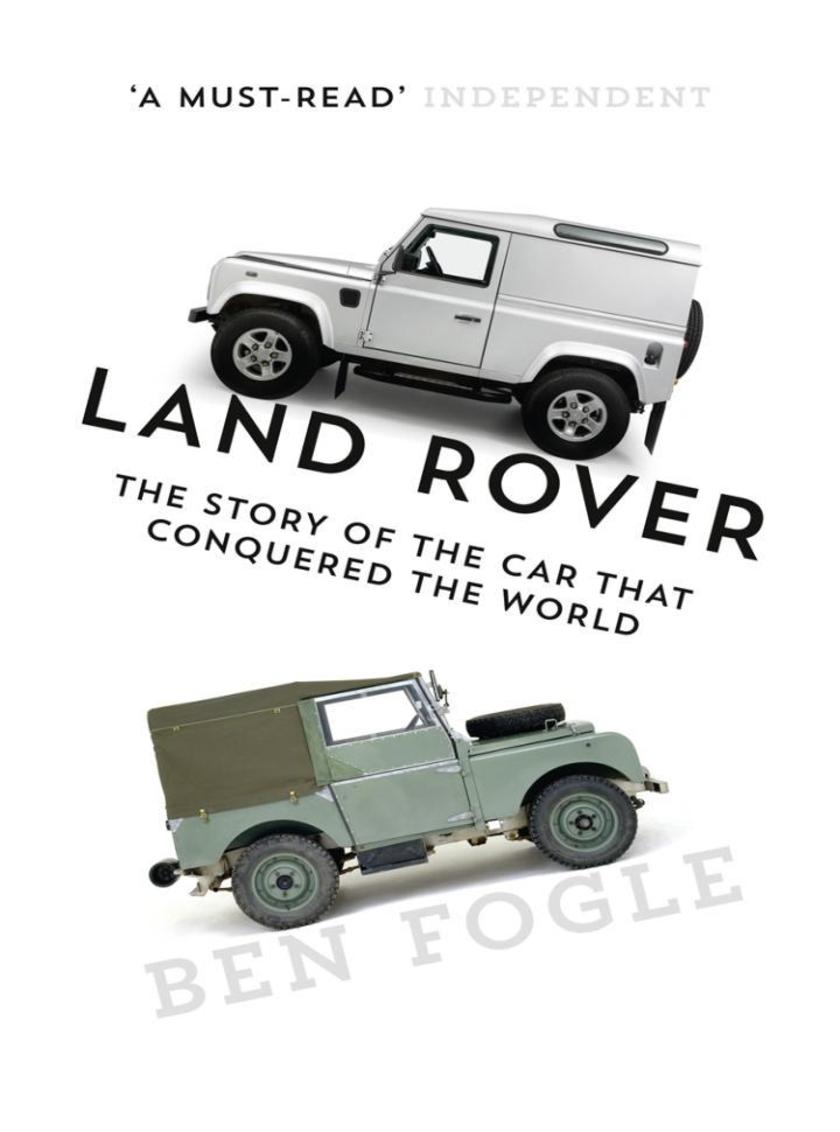
Land Rover: The Story of the Car that Conquered the World
¥66.22
In 1973, Ben Fogle was collected from hospital in a Honda Acty camper van converted into an Animal Ambulance, complete with green flashing lights (he is not a dog). He learnt to drive in a Toyota Space Cruiser and his first car was a Nissan Micra because his father is obsessed with all things Japanese. Ben finally got his first Land Rover Defender in 2001. It was a short wheel base blue 90. In a moment of madness he traded it in for an American Jeep before coming to his senses and getting a silver short wheel base Land Rover. Marriage obligations necessitated a swap to the more luxurious Land Rover Discovery, before being seduced back to another short wheel base Land Rover Defender. He currently lives in London with the love of his life, a Land Rover Defender, and his mistress a Land Rover Series 1. Ben quite likes Land Rovers.
Forces of Nature
¥66.22
Professor Brian Cox, OBE is a particle physicist, a Royal Society research fellow, and a professor at the University of Manchester as well as researcher on one of the most ambitious experiments on Earth, the ATLAS experiment on the Large Hadron Collider in Switzerland. He is best known to the public as a science broadcaster and presenter of the popular BBC Wonders trilogy. Andrew Cohen is Head of the BBC Science Unit and the Executive Producer of the BBC series Human Universe. He has been responsible for a wide range of science documentaries including Horizon, the Wonders trilogy and Stargazing Live. He lives in London with his wife and three children.
The Perfect Mother's Day gift for mums who have it all
¥51.50
Ada Adverse was brought up in a deeply puritanical household where looking at a cake or using words containing more than one vowel were considered decadences punishable by a night in the coal cellar. But at fifteen she ran away from home and is now the world’s leading authority on Having Fun, which is definitely an actual job, she has ‘Fungineer’ printed on her business cards to prove it, though in retrospect she should have been more clear that this does not mean she specialises in mushrooms. Ada’s hobbies include topiary, mazes, homing pigeons, flea circuses, forming imaginary bands in her head, embalming things, tattoos, pylons, and the films of Billy Wilder. Ada’s dislikes include predatory mcaws, getting out the wrong side of the bed, collections of masks, and porcelain dolls with realistic teeth.
The Mills & Boon Modern Girl’s Guide to Growing Old Disgracefully
¥51.50
Ada Adverse was brought up in a deeply puritanical household where looking at a cake or using words containing more than one vowel were considered decadences punishable by a night in the coal cellar. But at fifteen she ran away from home and is now the world’s leading authority on Having Fun, which is definitely an actual job, she has ‘Fungineer’ printed on her business cards to prove it, though in retrospect she should have been more clear that this does not mean she specialises in mushrooms. Ada’s hobbies include topiary, mazes, homing pigeons, flea circuses, forming imaginary bands in her head, embalming things, tattoos, pylons, and the films of Billy Wilder. Ada’s dislikes include predatory mcaws, getting out the wrong side of the bed, collections of masks, and porcelain dolls with realistic teeth.
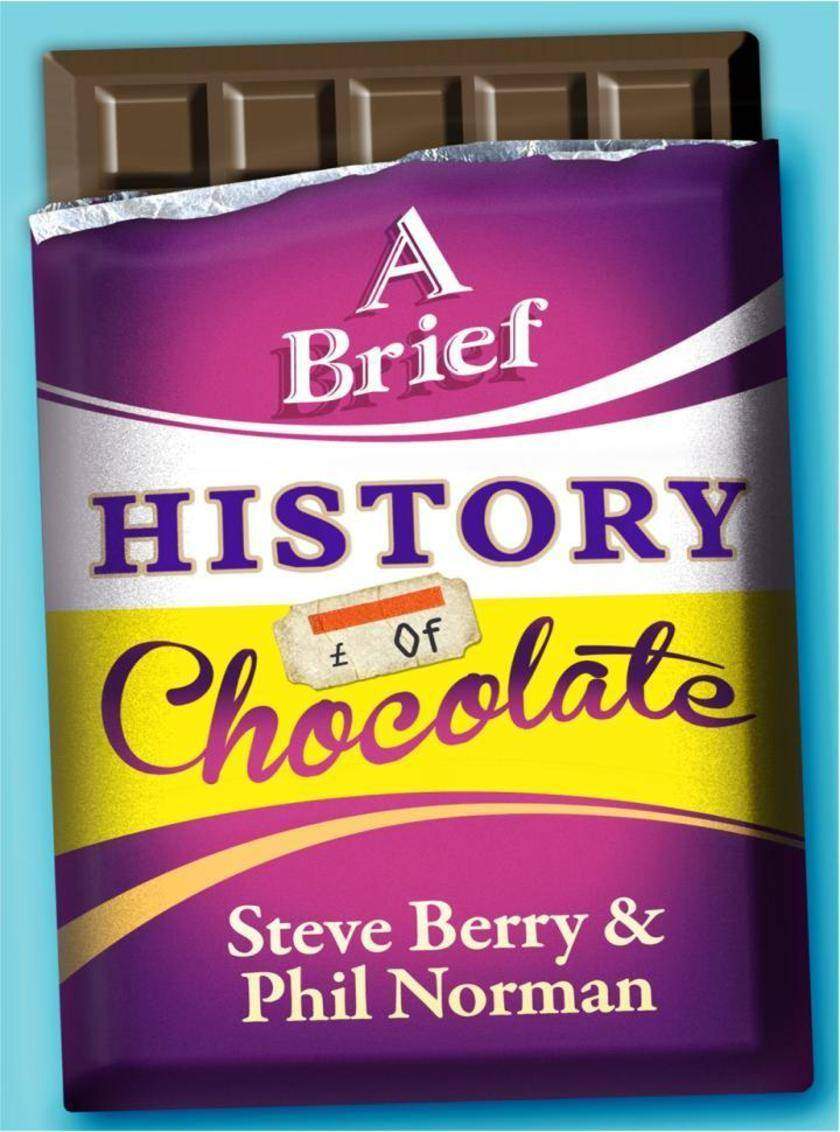
A Brief History of Chocolate
¥22.66
An illustrated guide to chocolate that every self-respecting chocoholic should read. Do you remember when a Snickers was a Marathon? And when you could burst in to a sweet shop and ask for ‘an Oliver Twist, two Tiffins and a Big Wig, please!’ and keep a straight face? Those were the good days: when a Dairy Milk bar was 22p and you’d never seen anything as big as a Wagon Wheel. Revisit some of your forgotten favourites and current addictions, as Steve Berry and Phil Norman take you on a tour of cocoa’s finest moments. Fully illustrated with hundreds of wrappers, ads and pack shots, ‘A Brief History of Chocolate’ brings together research from the archives, factories and warehouses of some of the leading chocolate manufacturers in the country to create a book that is packed full of fascinating historical research… … and lots and lots of chocolate. Warning: may contain nuts A ‘Brief History of Chocolate’ originally featured in ‘The Great British Tuck Shop’, the ultimate book of sweetie nostalgia.
Death or Victory: The Battle for Quebec and the Birth of Empire
¥81.52
An epic history of the battle of Quebec, the death of General James Wolfe and the beginnings of Britain’s empire in North America. Military history at its best. Perched on top of a tall promontory, surrounded on three sides by the treacherous St Lawrence River, Quebec – in 1759 France’s capital city in Canada – forms an almost impregnable natural fortress. That year, with the Seven Years’ War raging around the globe, a force of 49 ships and nearly 9,000 men commanded by the irascible General James Wolfe, navigated the river, scaled the cliffs and laid siege to the town in an audacious attempt to expel the French from North America forever. In this magisterial first solus book, tying into the 250th anniversary of the battle, Dan Snow tells the story of this famous campaign which was to have far-reaching consequences for Britain’s rise to global hegemony, and the world at large. Snow brilliantly sets the battle within its global context and tells a gripping tale of brutal war quite unlike any fought in Europe, where terrain, weather and native Canadian tribes were as fearsome as any enemy. ‘I never served so disagreeable a campaign as this,’ grumbled one British commander, ‘it is war of the worst shape.’ 1759 was, without question, a year in which the decisions of men changed the world forever. Based on original research and told from all perspectives, this is history – military, political, human – on an epic scale.
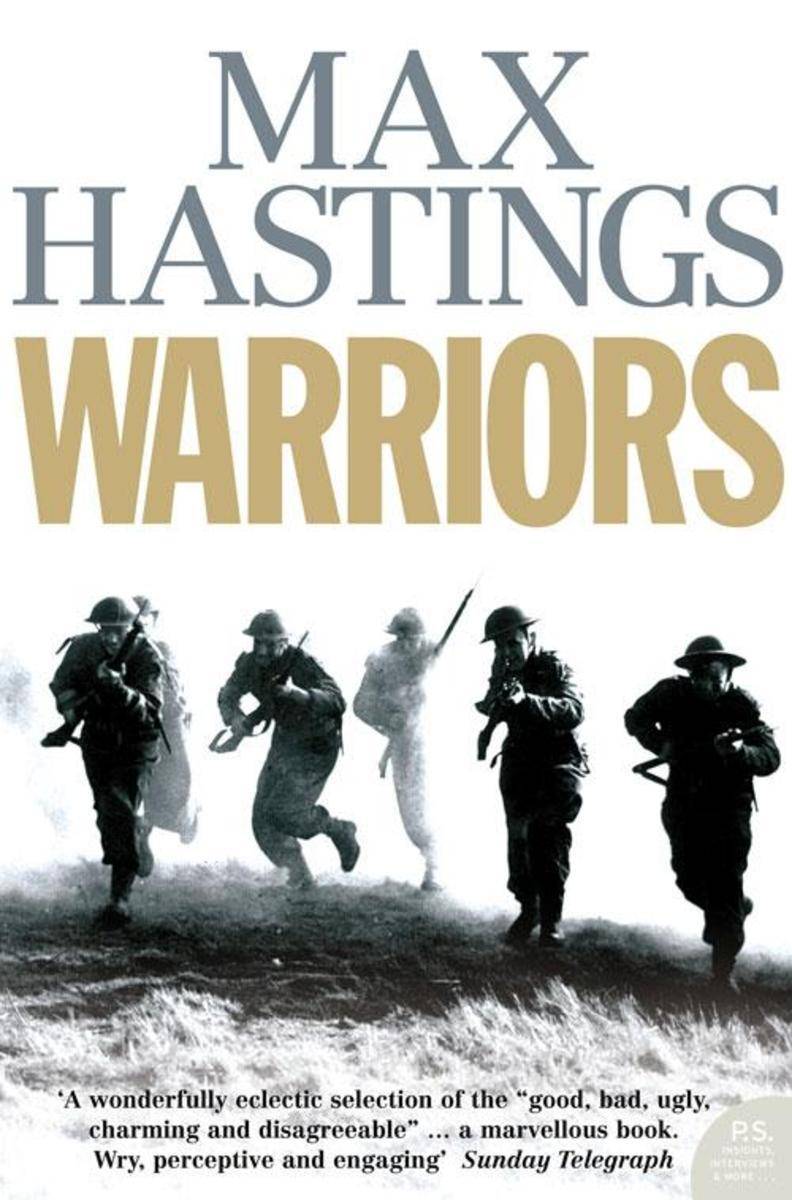
Warriors: Extraordinary Tales from the Battlefield
¥81.03
An exhilarating and uplifting account of the lives of sixteen ‘warriors’ from the last three centuries, hand-picked for their bravery or extraordinary military experience by the eminent military historian, author and ex-editor of the Daily Telegraph, Sir Max Hastings. Over the course of forty years of writing about war, Max Hastings has grown fascinated by outstanding deeds of derring-do on the battlefield (land, sea or air) – and by their practitioners. He takes as his examples sixteen people from different nationalities in modern history – including Napoleon’s ‘blessed fool’ Baron Marcellin de Marbot (the model for Conan Doyle’s Brigadier Gerard); Sir Harry Smith, whose Spanish wife Juana became his military companion on many a campaign in the early 19th-century; Lieutenant John Chard, an unassuming engineer who became the hero of Rorke’s Drift in the Zulu wars; and Squadron Leader Guy Gibson, the ‘dam buster’ whose heroism in the skies of World War II earned him the nation's admiration, but few friends. Every army, in order to prevail on the battlefield, needs a certain number of people capable of courage beyond the norm. In this book Max Hastings investigates what this norm might be – and how it has changed over the centuries. While celebrating feats of outstanding valour, he also throws a beady eye over the awarding of medals for gallantry – and why it is that so often the most successful warriors rarely make the grade as leaders of men.
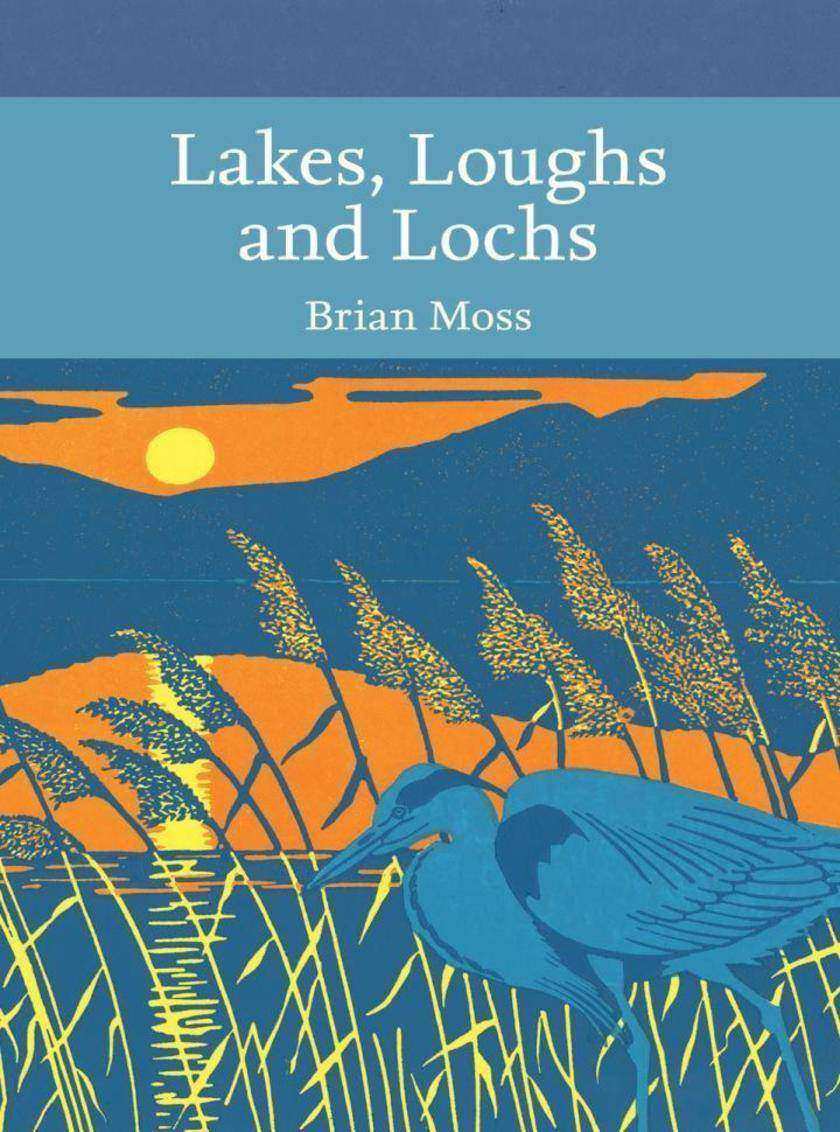
Lakes, Loughs and Lochs (Collins New Naturalist Library, Book 128)
¥257.90
Another volume in the popular New Naturalist series, this book gives a comprehensive account of the natural history of Britain and Ireland’s inland waters, many of which are popular holiday destinations. The study of life in British lakes and rivers has been traditionally neglected in natural history publications, and yet the intricacies of plant and animal ecology as a whole can be readily studied in a pond or lake. Not since Macan and Worthington’s landmark publication in 1951, Life in Lakes and Rivers – volume 15 in the New Naturalist series – has there been a comprehensive overview of British freshwater life. In Brian Moss’s much-anticipated new volume, he gives a passionate account of the natural history of our lakes, loughs and lochs. Our understanding of lakes has changed enormously since the days of Macan and Worthington. From new techniques using stable isotopes and molecular biology to ambitious approaches using whole lakes for experiments; from advances in chemical methods that detect tiny traces of organic substances to the development of new electronic instruments, it is becoming increasingly urgent to make use of these advances to help maintain and conserve some of the most damaged of the Earth’s ecosystems. Freshwaters form the fascinating threads that stitch together the landscapes of our planet with a myriad of exchanges involving an array of organisms, from algae and insects to hippopotami and otters. Healthy lakes and their shores influence our quality of life and they strengthen the economy. They are important ecosystems that can sustain a healthy balance of aquatic life, provide us with much enjoyment, and help support our socio-economic needs. At the same time they suffer the consequences of human abuses of the land – increasing urbanisation, intensive farming, drainage and an increasing invasion of non-native species, to name but a few. Moss explores the richness of their fundamental ecology, emphasizing the need to view these freshwater systems as a whole, and not to manage or assess them in isolation, as well as the importance of ongoing conservation efforts.
The Real Band of Brothers
¥72.30
Personal stories from the soldiers who volunteered to fight for a cause they passionately believed in The Spanish Civil War, which raged from 1936-9, was brutal and intense, claiming well over 500,000 lives. Rightly predicting that the rise of Fascism in Spain could develop into a more global conflict, almost 2,500 British volunteers travelled to Spain under the banner of the International Brigade to fight for the Spanish Republic in an attempt to stem the tide. Acclaimed oral historian Max Arthur tracked down the eight survivors of this conflict and interviewed them for their unique perspective, their memories of their time fighting and the motives that compelled them to fight. From Union leader to nurse, Egyptologist to IRA activist, theirs is a unique story, of men and women volunteering to lay down their lives for a cause, believing passionately that the Spanish Republic's fight was their fight too. And, in 2009, they were finally granted Spanish nationality as a mark of the importance of that decision. Since the book was first published, two of the people featured have died, but their stories survive. These incredible, compelling and sometimes harrowing tales of their experiences reveal their ideologies, pride, regrets and feelings about the legacy of the actions they took. ‘For most young people there was a feeling of frustration, but some were determined to do anything that seemed possible, even if it meant death, to try to stop the spread of Fascism. It was real, and it had to be stopped.’ Jack Jones (1913-2009) - Volunteer
The Slow Fix: Solve Problems, Work Smarter and Live Better in a Fast World
¥68.67
What do we do when things go wrong in a fast world? Many of us go for the quick fix that delays the problem rather than solving it. To make real progress we need real solutions – we need to take time for THE SLOW FIX. People have long been in search of a quick fix. Truth is, it doesn’t work. The problems facing us today are bigger and more urgent than ever before and we need to learn to start fixing things properly, rather than settling for short-term solutions. The Slow Fix offers real, life-changing solutions to tackling these problems and extends the movement defined by Carl Honore in his global bestseller, In Praise of Slow, to offer a recipe for problem-solving that can be applied to every walk of life, from business and politics to relationships, education and health reform.
The Birth of Modern Britain: A Journey into Britain’s Archaeological Past
¥76.91
From the author of ‘Britain BC’, ‘Britain AD’ and ‘Britain in the Middle Ages’ comes the fourth and final part in a critically acclaimed series on Britain's hidden past. The relevance of archaeology to the study of the ancient world is indisputable. But, when exploring our recent past, does it have any role to play? In ‘The Birth of Modern Britain’ Francis Pryor highlights archaeology’s continued importance to the world around us. The pioneers of the Industrial Revolution were too busy innovating to record what was happening around them but fortunately the buildings and machines they left behind bring the period to life. During the Second World War, the imminent threat of invasion meant that constructing strong defences was much more important than keeping precise records. As a result, when towns were flattened, archaeology provided the only real means of discovering what had been destroyed. Surveying the whole post-medieval period, from 1550 until the present day, Francis Pryor takes us on an exhilarating journey, bringing to a gripping conclusion his illuminating study of Britain’s hidden past.
The Last Veteran: Harry Patch and the Legacy of War
¥73.58
This moving and timely book explores the way the First World War has been thought about and commemorated, and how it has affected its own, and later, generations. On 11 November 1920, huge crowds lined the streets of London for the funeral of the Unknown Warrior. As the coffin was drawn on a gun carriage from the Cenotaph to Westminster Abbey, the King and Ministers of State followed silently behind. The modern world had tilted on its axis, but it had been saved. Armistice Day was born, the acknowledgement of the great sacrifice made by a whole generation of British men and women. Now, almost a century later, Harry Patch, the last British veteran who saw active service, has died. Our final link with the First World War is broken. Harry Patch was born in 1898 and was con*ed in 1916. He served with a Lewis gun team at the Battle of Passchendaele and in September 1917 was wounded by a shell that killed three of his comrades. After the war, Patch returned to Somerset to work as a plumber, a job he continued to do until his retirement. The First World War was fought not by a professional army but by ordinary civilians like Patch, who epitomised Edwardian Britain and the sense, now lost, of what Britain stood for and why it was worth fighting for. The Last Veteran tells Patch's story, and explores the meaning of the war to those who fought in it and the generations that have followed. Peter Parker's illuminating and timely book is a moving tribute to a remarkable generation.
The Nineties: When Surface was Depth
¥72.99
the first clear anatomy of a confused decade, the 1990s – ‘Bracewell, with great verve and style, animates the cultural conversation’, Greil Marcus 'Michael Bracewell is the most adroitly gifted writer of his generation.' Morrissey Michael Bracewell is now clearly established as one of the most subtle, penetrating, amusing and far-sighted of all observers of the contemporary scene in Britain. His writing on culture high and low is coveted by every broadsheet, every stylish glossy monthly magazine and on radio and TV punditry platforms. His book, England Is Mine, about the distinctive Englishness of these islands’ twentieth-century popular culture, earned him incredible reviews and an unchallenged position as the first person any right-minded arts producer/editor turns to when they need a definitive opinion about how English or otherwise some new-fangled cultural phenomenon is. With this book Bracewell gives us the first consideration of that still-warm, still-bizarre, still-confused and confusing decade. He talks to and talks about a host of representative Nineties figures, some already forgotten, some absolutely emblematic of their times – from Hanson to Alexander McQueen, from Tracey Emin to Ulrika Jonsson, from the Spice Girls to Duran Duran (yes, Duran Duran). Painstakingly, sometimes painfully, he puts all the pieces together and starts to make sense of it all…
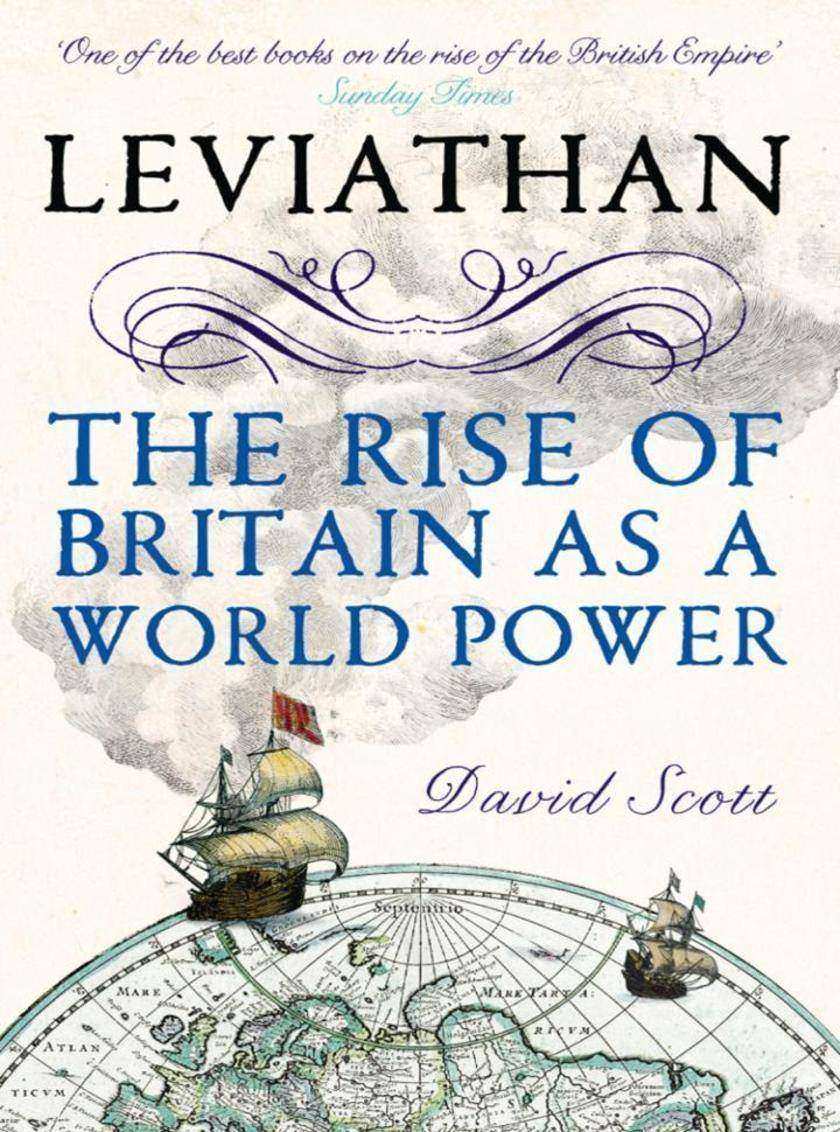
Leviathan:The Rise of Britain as a World Power
¥95.75
For viewers of BBC One’s ‘Britain and the Sea’, ‘Leviathan’ is a must-read; overturning long-held beliefs about our ancestry and weaving together the disparate strands that made the fabric of the Empire. The 350 years between the accession of the Tudors and the beginning of the Victorian era saw one of the great transformations of any nation in history:Britain emerged from its lowly position as European underdog to become the world's only maritime superpower. It was a period that saw the creation of Protestant kingdoms in England and Scotland, the gain and loss of American colonies and the beginnings of a new empire in Africa, India and Australasia. It is a slice of our past represented by some of the most compelling personalities to have graced the historical stage – Elizabeth I, Nelson, Cromwell and Byron amongst them. In this wide-ranging yet succinct history, David Scott challenges some of our longest held beliefs in how Britain achieved its constitutional might. Where other histories have concentrated on a narrow chronology, 'Leviathan:A World of Ships and Men' encompasses a broad spectrum, tracing the connections made across time as never before.

Nature Near London (Collins Nature Library)
¥147.35
The Collins Nature Library is a new series of classic British nature writing – reissues of long-lost seminal works. The titles have been chosen by one of Britain’s best known and highly acclaimed nature writers, Robert Macfarlane, who has also written new introductions that put these classics into a modern context. Nature Near London is a collection of observational pieces from locations near London at the end of the 19th Century. The depth of knowledge and of familiarity with particular places and particular species gives the impression that each small piece is the product of many years of observation. His style of observation is a work in miniature – cataloguing the most minute details; the dancing of a flower in the wind or the darting of a cautious trout. The chapters centre on a special place, a certain species, geographical feature or habitat – everything from orchards and copses to rivers and streams. Jefferies always explains the typical behaviour of whatever he is describing, and often contrasts what he sees with what one would expect to see in another part of the country, or in a different season. His knowledge of flowers is wide-ranging, and his ability to describe one particular patch of a field in such a specific way brings tremendous variety to the chapters that make up the book. The final chapters are a departure – both from the character of the rest of the book, and from London itself, as Jefferies boards the train to Brighton. Suddenly he is describing people and their relationship to nature, as much as nature itself. The scope widens, less a work in miniature, more surging towards a triumphant end as Jefferies becomes ever more philosophical. 100 years on, the book becomes even more relevant than when it was published – as a reminder of the dangers of unrelenting urbanisation, but also the context of the trend that aims to recreate nature where we need it most – around our cities. Nature near London is a portrait of what we’ve lost, and a reminder of nature’s positive and calming influence. Going along with Jefferies is like taking an afternoon stroll out of the city, without having to leave your armchair.
We Were Young and at War
¥66.22
Never before have the diaries and letters of young people from all sides of World War Two been woven together to provide an account of what it was like to grow up amidst the daily struggles and horrors of this devastating war. We Were Young And At War follows the stories of sixteen teenage boys and girls who write with a disarming directness about their reactions to and experiences of a very adult war. They are British, French, American, Japanese, Polish, German and Russian, each with a unique and heart-rending tale to tell. Only two of them are alive today. Some of them fought and died in the war, others starved to death; many were separated from their families. All were forced to grow up quickly, their lives changed beyond all recognition by their experiences. This is their story.

Americans in Paris: Life and Death under Nazi Occupation 1940–44
¥95.75
An elegantly written and highly informative account of a group of Americans living in Paris when the city fell to the Nazis in June 1940. In the early hours of 14 June 1940, Nazi troops paraded through the streets of Paris, marking the beginning of the city’s four-year occupation. French troops withdrew in order to avoid a battle and the potential destruction of their capital. It wasn't long before German tanks rumbled past the Arc de Triomphe and down the Champs Elysees to the Place de la Concorde. The American community in Paris was the largest in Continental Europe, totalling approximately 30,000 before the Second World War. Although Ambassodor Bullitt advised those without vital business in the city to leave in 1939, over half of the Americans in Paris chose to stay. Many had professional and family ties to the city; the majority, though, had a peculiarly American love for the city, rooted in the bravery of the Marquis de la Fayette and the 17,000 Frenchmen who volunteered to fight for American independence in 1776. An eclectic group, they included black soldiers from the Harlem Hellfighters, who were determined not to return to the racial segregation that they faced at home, rich socialites like Peggy Guggenheim and Florence Jay Gould, as well as painters, musicians, bankers and businessmen. There were those whose lives went on as if the Germans were ephemera, those who collaborated and those, like Dr Sumner Jackson and Etta Shiber, who worked underground for the resistance movement. This is a book about adventure, intrigue, passion and deceit, and one which follows its characters into the Maquis, the concentration camps and overseas. Filled with a huge amount of new analysis on the Second World War, ‘Americans in Paris’ is a fascinating, revealing and moving read.
Fifty Great Things to Come Out of the Midlands
¥9.71
Celebrate the heart of Britain in this fun and informative mini-ebook. Rugby, Walkers Crisps, Conkers. These are just a handful of the many great things to have come out of the Midlands. In this celebratory list, journalist and loyal Midlander Robert Shore counts down fifty of the best gifts the Midlands has given the world. Knowledge no Midlander – nay, Brit! – should be without. From the author of Bang in the Middle.
Twenty-One: Coming of Age in World War II
¥72.99
World War II affected the lives of ordinary men and women more directly than any other conflict before or since. This is an unprecedented look at the lives of twenty-one young men who answered their country’s call to arms and left their homes to fight in unfamiliar and far-reaching corners of the globe. Many never returned, and those who did found their homes and countries much changed by long years of war. Most discovered they had become different people: having seen death and destruction on a scale they had never imagined they would witness, the return to civilian life was often far from easy. Now, more than sixty years on, this remarkable generation is fading. Most are now over eighty and around the world more than two thousand veterans of the war are passing away every day. In this new book ‘Sunday Times’ bestselling author James Holland recounts the real-life stories of twenty-one young men from around the world who served in different services and theatres of the war. Whether it be the Byers brothers from Canada or Bill Laity from Cornwall, Wlad Rubnikowicz from Poland or Tom Finney from Preston, each began the war with little idea of what lay in store; and yet, each displayed astonishing courage, fortitude and resilience, united by a sense of honour and duty, and bound by the fellowship of their comrades. Often reacting in very different ways to the strange and frequently terrifying situations in which they found themselves, they each suffered hardships and loss, making sacrifices that have ensured a lasting peace amongst the warring nations; and if some of these survivors are perplexed by how the world has developed, none doubts the value of what they did all those years ago. Moving, poignant, and conveying all the drama, tension and fear experienced in war, ‘Twenty-One’ is an uplifting tribute to a passing generation, describing the wide range of experiences and extremes these remarkable men and women witnessed during World War II. Note that it has not been possible to include the same picture content that appeared in the original print version.

Plant Pests (Collins New Naturalist Library, Book 116)
¥273.90
Ever since man first cultivated plants and grew crops, insects, mites and other creatures have risen to prominence as pests, but it is only throughout the last two centuries that we have come to study them in any detail. Whereas in the past, emphasis has mainly been placed on ways to protect cultivated plants from attack or damage, nowadays our over-reliance on pesticides has been replaced by a far more enlightened approach to plant protection. Though chemical pesticides still have a role to play, environmental aspects and non-chemical means of pest control have become equally, if not more, important. This requires a greater appreciation of ecosystems, coupled with a greater understanding of individual pests, including their habits and their role in the environment. Drawing on a lifetime of experience, David V. Alford provides a fascinating account of the natural history of the insects and mites that inhabit our farms and gardens, and feed on our cultivated plants. He shows how and why the different operations of cultivation affect their world, and why plant pests should not be viewed as different from other wildlife. Coverage of pests includes aliens, and although emphasis is placed mainly on arable and horticultural field crops, pests of protected crops - both edible and non-edible - are also included. Details of pest life cycles, status, distribution and the damage they cause are given, and natural enemies of pests are examined. The author also explores the impact of pesticides, climate change and evolving crop management practices.
Nightwalk: A journey to the heart of nature
¥66.22
Chris Yates, one of Britain’s most insightful and lyrical writers, raises his gaze from his beloved rivers and ponds and takes us on a mesmerizing tour of the British countryside. “Last November, the sudden appearance of a hundred wintering ravens in a wood in Cranborne Chase, where I have lived for twenty-five years without seeing more than a few solitary specimens, reminded me that there is always something ready to flame up again in the landscape, just when it seemed the fire had gone out.” In Nightwalk we accompany Chris Yates on the most magical of journeys into the very heart of the British countryside. His acute observation of the natural world and ability to transcend it exquisitely sets Chris apart from his contemporaries. Time slows down for a deeper intimacy with nature, and through Chris’s writing we hear every rustle of a leaf, every call of a bird. He widens the power of our imagination, heightening our senses and revealing beauty in the smallest details.


