


 购物车
购物车 个人中心
个人中心
History of the Britons
¥8.09
According to Wikipedia: "Nennius was a Welsh monk of the 9th century. He has traditionally been attributed with the authorship of the Historia Brittonum, based on the prologue affixed to that work, This attribution is widely considered a secondary (10th century) tradition. Nennius was a student of Elvodugus, commonly identified with the bishop Elfodd who convinced British ecclesiastics to accept the Continental dating for Easter, and who died in 809 according to the Annales Cambriae. Nennius is believed to have lived in the area made up by present day Brecknockshire and Radnorshire counties in Powys, Wales. He lived outside the Anglo-Saxon kingdoms, isolated by mountains in a rural society."
All of Grace
¥8.09
Inspirational book by 19th-century Baptist preacher, known as "the Prince of Preachers". According to Wikipedia: "Charles Haddon Spurgeon, commonly C.H. Spurgeon, (June 19, 1834 – January 31, 1892) was a British Reformed Baptist preacher who remains highly influential among Christians of different denominations, among whom he is still known as the "Prince of Preachers." He also founded the charity organization now known as Spurgeon's, that works worldwide with families and children, as well as a famous theological college which after his death was called after him: Spurgeon's College. Spurgeon was a prolific author of many types of works including sermons, an autobiography, a commentary, books on prayer, a devotional, a magazine, and more. Many sermons were transcribed as he spoke and were translated into many languages during his lifetime. Arguably, no other author, Christian or otherwise, has more material in print than C.H. Spurgeon."
A Selection from the Discourses of Epictetus, with the Encheiridion
¥8.09
According to Wikipedia: "Epictetus (Ancient Greek: ?π?κτητο?; AD 55 – AD 135) was a Greek sage and Stoic philosopher. He was born a slave at Hierapolis, Phrygia (present day Pamukkale, Turkey), and lived in Rome until banishment when he went to Nicopolis in northwestern Greece where he lived the rest of his life. His teachings were noted down and published by his pupil Arrian in his Discourses."
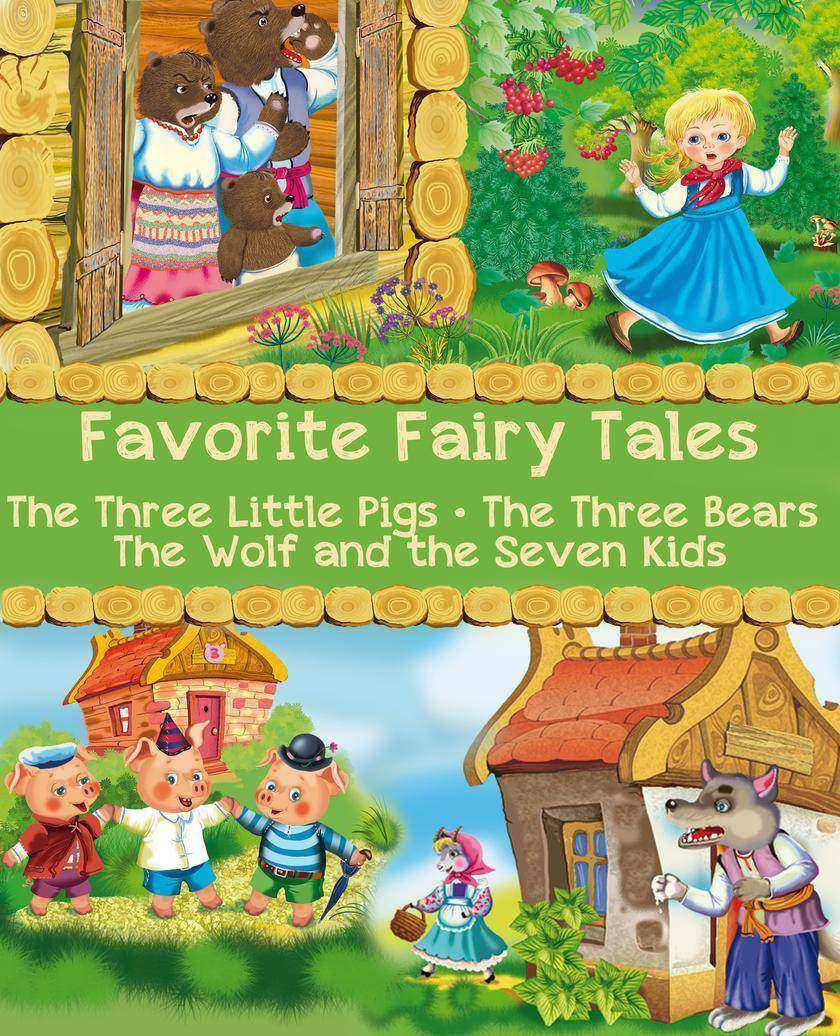
Favorite Fairy Tales (The Three Little Pigs, The Three Bears, The Wolf and the S
¥73.49
We are happy to introduce you to the new collection of ?Favorite Fairy Tales?, which consists of ?The Three Little Pigs?, ?The Three Bears?, ?The Wolf and the Seven Kids?. The tales are told by Joseph Jacobs, Robert Southey, Jacob and Wilhelm Grimm and illustrated by Viktoriya Dunayeva. Published by Animedia Company.
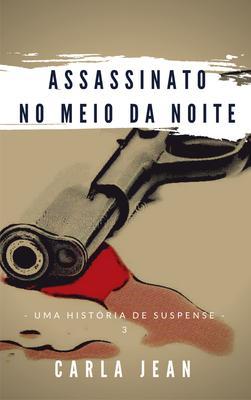
Assassinato no meio da noite
¥7.63
Quando você menos espera, a vingan?a entra na sua casa. Murilo Azevedo é assassinado no meio da noite e sua morte pode ter a ver com uma parcela atrasada do carro.

joke bank - Popular Jokes
¥0.01
For adults we have the adult jokes section, the dirty jokes, and the Yo Mama jokes categories. Of course the classic celebrity characters, like Chuck Norris, Bill Clinton, Al Bundy and Barney Stinson, are all in there too. To tease your friends or your foes, we recommend the professional categories. Whether they're a civil servant, a farmer, a graduate, a student, a doctor, a lawyer, a politician, a broker, a footballer or a schoolboy, we have just the thing. The classical knock knock jokes and light bulb jokes are also included. A separated clean jokes section is available.
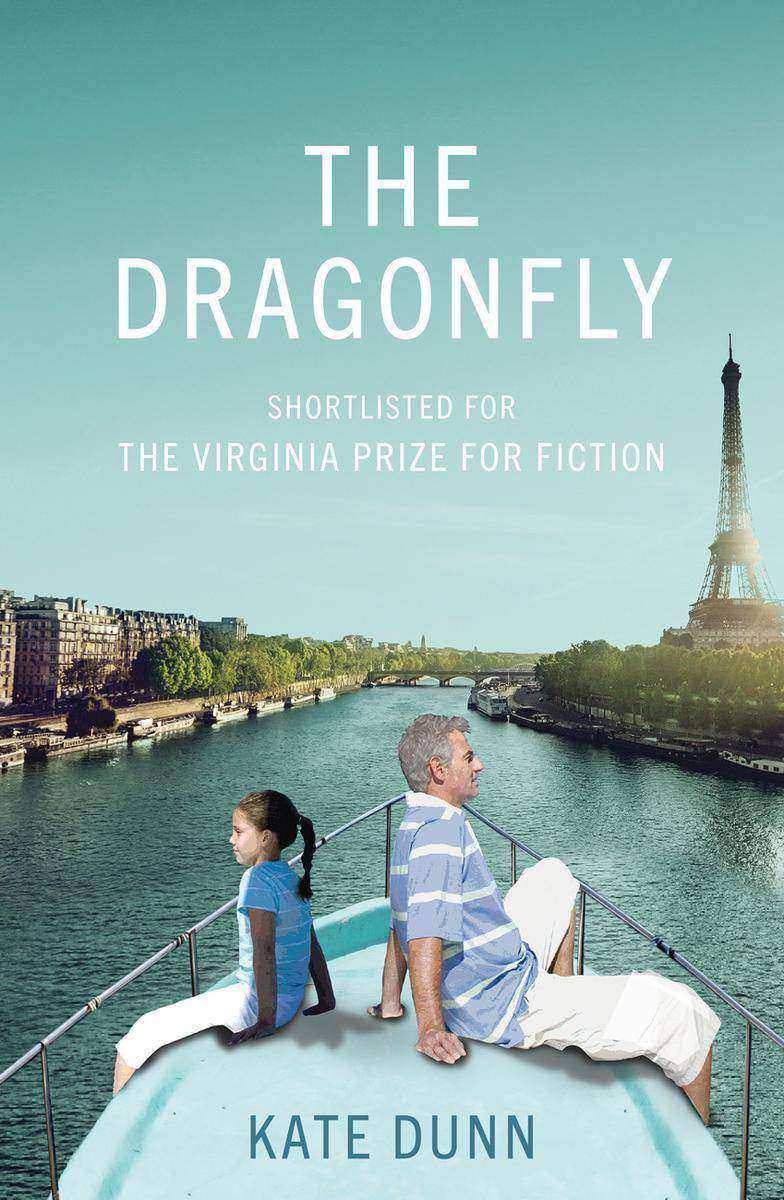
The Dragonfly
¥40.79
Awarded a Blue Star from Kirkus Reviews. When Colin discovers his son is on a murder charge in France, he trails his small boat, ‘The Dragonfly’, across the channel to stay in Paris to try and help him. There he meets his grand-daughter – the irrepressible Delphine – for the first time. They embark on an exciting boat journey through the picturesque French canals, heading south through Burgundy, ‘until the butter melts’. Along the way, they catch up with Tyler, a spirited American, and through various mishaps and misunderstandings, they land big fish, cultivate new loves and uncover a burning secret. But can Colin finally help his son get off the hook?

Como pensar por si mesmo
¥8.18
Você pode até n?o perceber, mas tudo o que você pensa foi determinado por outra pessoa. Suas convic??es e cren?as n?o lhe pertencem, foram ditadas e você copiou.Se quer mesmo ser dono de seus pensamentos, leia este guia.
Prin?esa de h?rtie
¥73.49
Primul volum din seria Familia Royal #1 New York Times Bestseller USA Today Bestseller Bani. Excese. Secrete. Intr? ?n lumea familiei Royal.? Ella Harper e o supravie?uitoare – o optimist? pragmatic?.? Via?a ei n-a fost u?oar?. S-a tot mutat din ora? ?n ora? ?mpreun? cu mama sa, chinuindu-se s? fac? rost de bani ?i sper?nd ca ?ntr-o zi s? scape de s?r?cie. Dar mama ei a murit, iar Ella a r?mas singur? pe lume.? Acum ?l cunoa?te pe Callum Royal, un om de afaceri multimilionar, ?i via?a ei se schimb?. Are parte de lux ?i de bog??ie. Totu?i, ceva ciudat se ?nt?mpl? ?n casa familiei Royal.? Cei cinci b?ie?i ai lui Callum, to?i irezistibili, ascund un secret.? Niciunul n-o vrea pe Ella ?n casa lor, mai ales Reed. Dar Ella se simte atras? de el ?i va trebui s? lupte din toate puterile s? nu-i cad? ?n plas?… Dac? vrea s? r?m?n? la familia Royal, trebuie s? ?nve?e regulile jocului.? Un roman incitant despre o Cenu??reas? a zilelor noastre ?i despre complicata lume a adolescen?ilor americani boga?i. "Un roman de care nu te po?i dezlipi! O poveste de iubire pentru adolescen?ii care caut? ceva ?n spiritul seriei Gossip Girl." - Kirkus Reviews "Replici savuroase, personaje provocatoare ?i un final surprinz?tor!" - Rockstars of Romance "Dac? vrei o carte care s? te acapareze cu totul ?i s? te vampirizeze (?n cel mai bun sens, desigur), atunci trebuie s? cite?ti Prin?esa de h?rtie !" - New Chicks on the Blog?
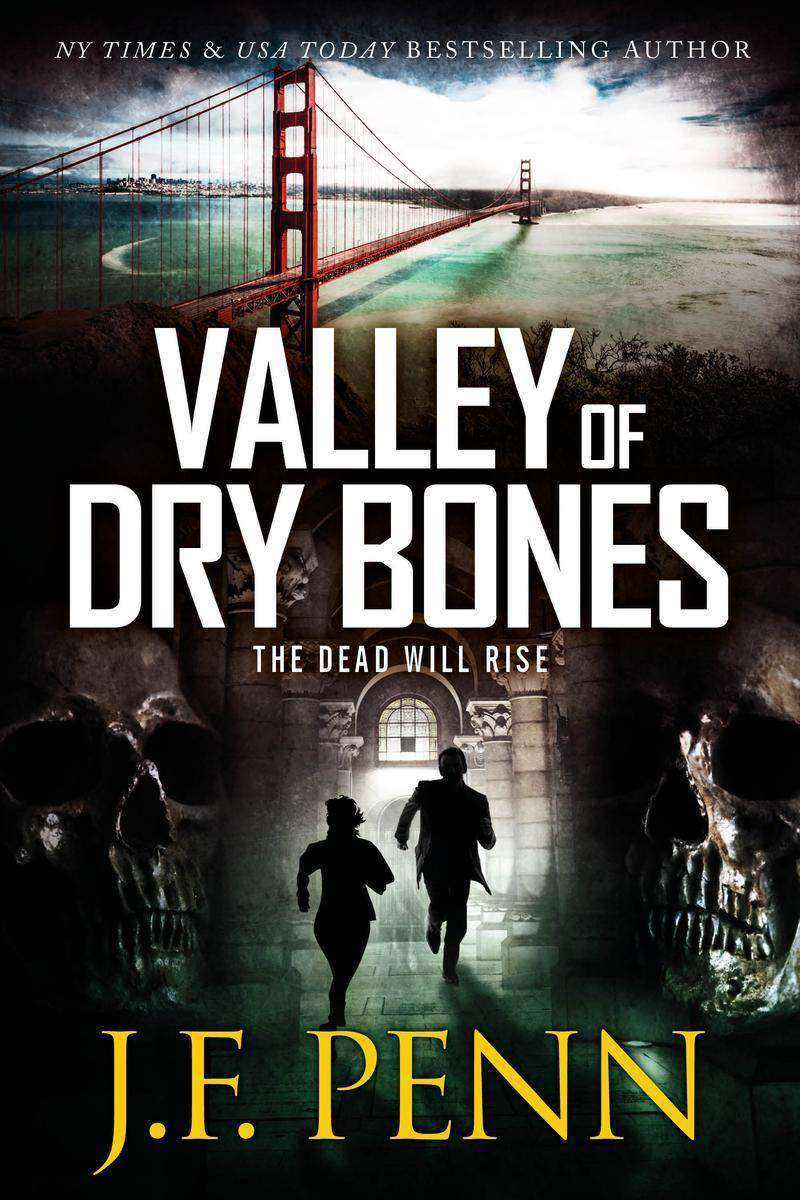
Valley Of Dry Bones
¥30.98
An ancient prophecy. An occult secret. The power to raise the dead. From New York Times and USA Today bestselling thriller author, J.F.Penn. When a long-hidden tomb and a body covered in Voodoo symbols are found in New Orleans, ARKANE agent Jake Timber discovers a mystery that stretches back to the Spanish Empire and the bloody dungeons of the Inquisition. But he is not the only one who seeks the Hand of Ezekiel. A shadowy billionaire, backed by those who seek immortality at any price, will stop at nothing to find the relics that can turn bones to living flesh. When disaster strikes in the heart of the Louisiana bayou, Jake calls on ARKANE agent Morgan Sierra to help him once more as they race against time across the outposts of the Spanish Empire. From Madrid and Toledo to the Philippines, Peru, and on to New Orleans and San Francisco, can Morgan and Jake find the relics and stop the resurrection of the dead? A page-turning archaeological thriller with elements of the supernatural and occult, Valley of Dry Bones blends religious mystery with Indiana Jones-style action adventure. Valley of Dry Bones is book 10 in the ARKANE action adventure thriller series but can be read as a stand-alone novel.
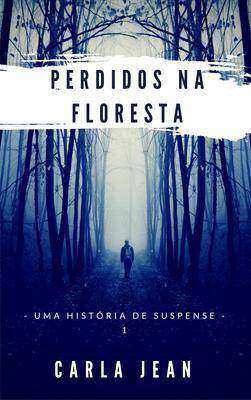
Perdidos na floresta
¥7.63
Um casal de namorados se aventura em uma floresta mal assombrada para terem um momento de privacidade e amor, porém acabam se perdendo e sendo alvos de um?fantasma vingativo.
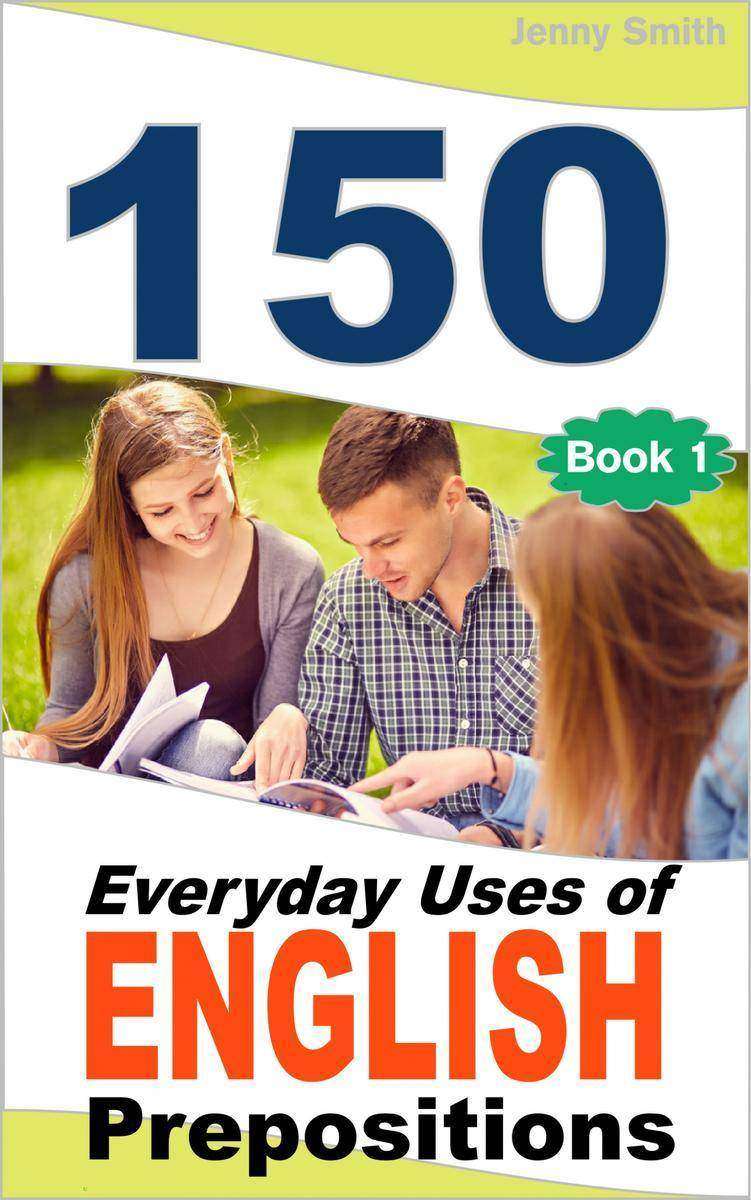
150 Everyday Uses Of English Prepositions: Elementary to Intermediate
¥0.01
The secret to speaking English perfectly This is book one of the very popular series ‘150 Everyday Uses of English Prepositions’.In this final book we take you from intermediate to advanced usage. Do you sometimes worry if your English sounds broken? If you do then you should definitely? concentrate on improving your use of prepositions. Why? Because prepositions are literally the glue that stick English together. If you are not using them properly then your English will sound broken. This book will:Help you get a higher score in TOEFL and other tests.Help you sound more fluent.Improve your listening skills.Teach you real everyday English.Give you confidence that you are using English correctly. So if you are an elementary or intermediate English learner and want to take your language skills to the next level please get a copy today and never speak ‘broken English’ again.

101 Charadas
¥7.63
E se você pudesse?passar o tempo e também exercitar o cérebro ao mesmo tempo? Divirta-se com essa cole??o com as melhores 101 charadas para você passar o tempo?e?botar a cachola para pensar.
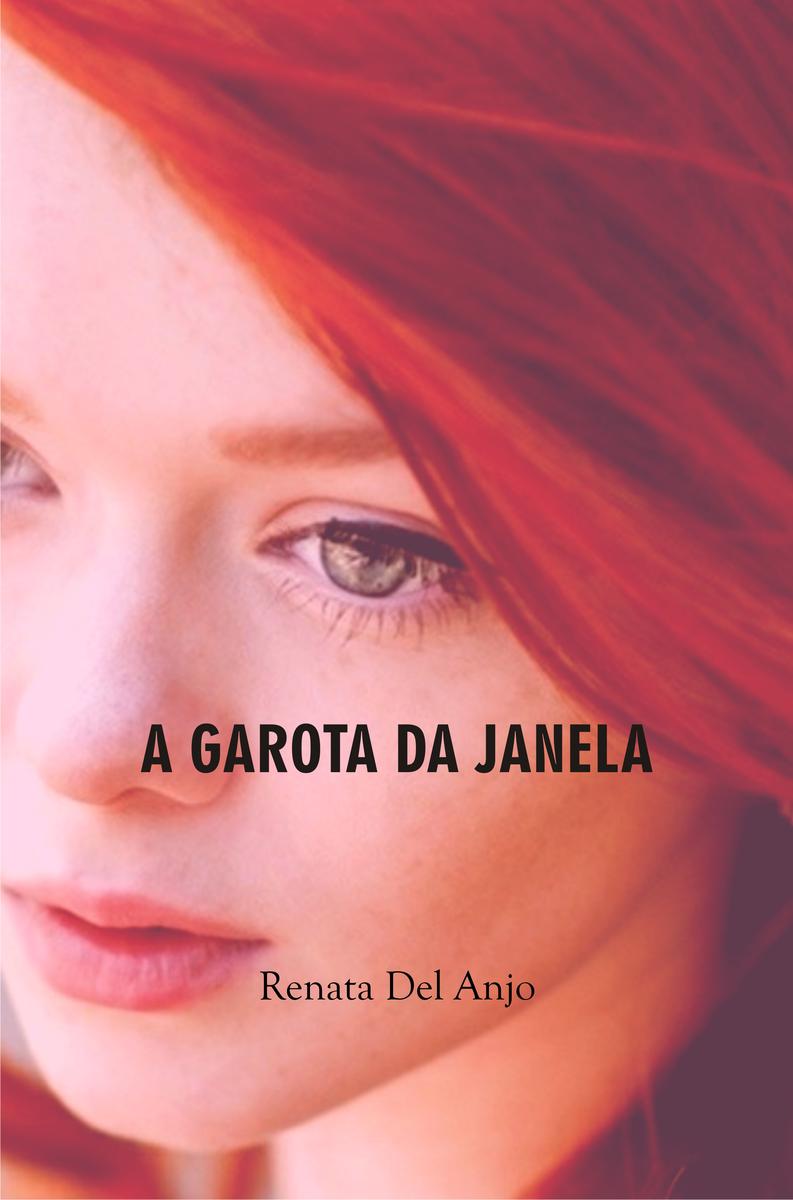
A garota da janela
¥8.18
Um rapaz apaixona-se por uma linda garota ruiva que aparece na janela de um sobrado. Um conto fantástico e de mistério.

Nop?ile aman?ilor
¥53.33
Continuarea romanului bdquo Zilele aman?ilor ldquo;. bdquo Aman?ii Corinei Ozon, atacirct Zilele, cacirct ?i Nop?ile lor, sunt deja mai mult decacirct simple c?r?i, sunt un fenomen: peste tot se vorbe?te despre ei, ?i sim?i imediat c? trebuie s?-i cuno?ti ?i tu. ?i, dac? o faci, sigur nu regre?i dup?: Corina te conduce cu un stil inconfundabil icircn lumea lui Mircea ?i Cati, unde vei racircde, vei a?tepta cu sufletul la gur? urm?toarea aventur?, vei pica pe gacircnduri, vei reflecta la propria ta poveste de dragoste. Cu o scriitur? bine ?lefuit?, Corina Ozon din Nop?ile aman?ilor apas? ?i mai tare pedala fa?? de romanul ei de debut. Se cite?te repede, e savuroas?, memorabil? ?i, inevitabil, te face s? vrei mai mult! (Cristina Nemerovschi) bdquo Scriitura Corinei Ozon reu?e?te un lucru cu adev?rat dificil. S? abordeze icircntr-o manier? lejer? un subiect aparent frivol ?i s? dea icirc;n acela?i timp impresia de seriozitate ?i profunzime. De fapt, textele Corinei nu sunt frivole, dar relev?, icirc;n maniera unui Milan Kundera, de exemplu, superficialitatea ca structur? a lumii ?i, icircn special, a lumii oamenilor moderni, care iubesc pe fug?, colorat, zgomotos ?i la limita inconsisten?ei. Literatura aceasta se cite?te cu pl?cere ?i cu anxietate pentru c? ne reg?sim total icircn ea, pentru c? placircngem ?i racircdem icircn ea, pentru c? ne privim ca icircntr-o oglind?. Iar racircsul, iar??i icircn cheia lui Kundera, survine eliberator din contemplarea zadarnicelor ?i ve?nicelor chinuri ale dragostei, puse iar ?i iar icircn acelea?i laquoridicole iubiri raquo.(Doru C?st?ian)
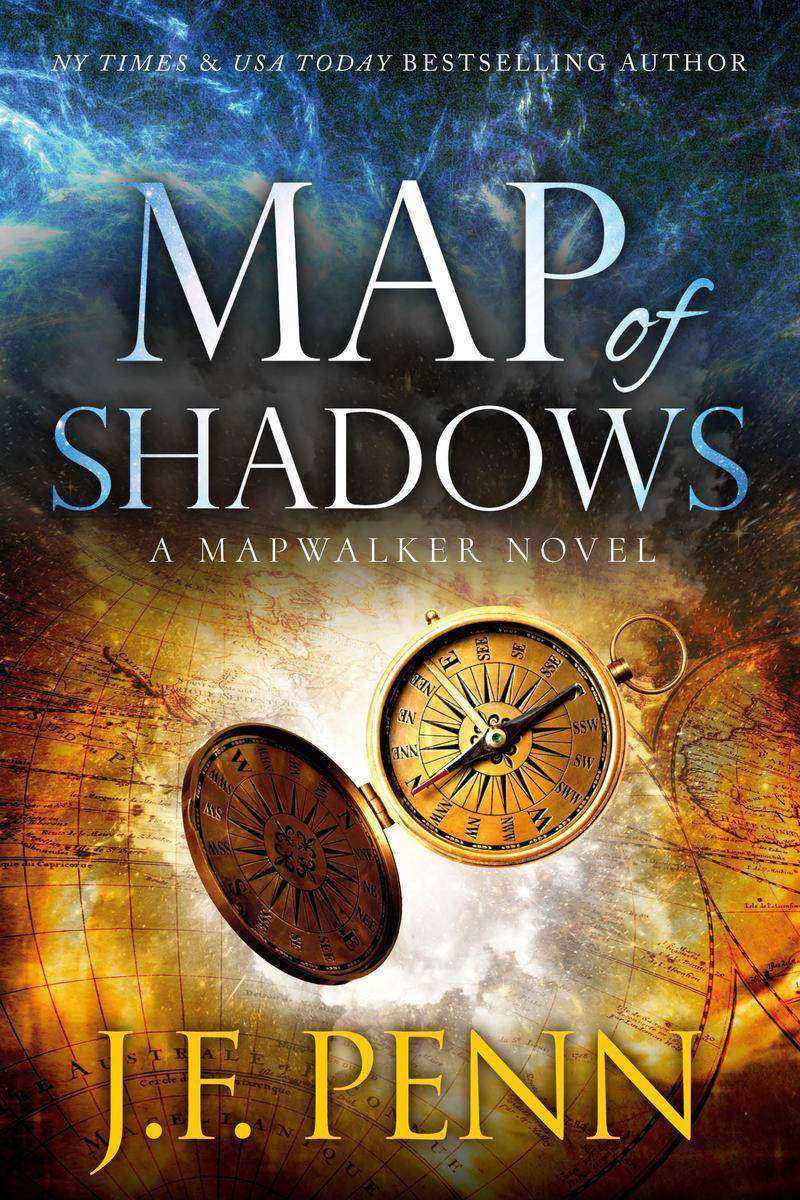
Map of Shadows
¥40.79
A map of skin etched in blood. A world under threat from the Borderlands. A young woman who must risk the shadows to save her family. When her Grandfather is murdered under mysterious circumstances, Sienna Farren inherits his map shop in the ancient city of Bath, England. Once there, she discovers that her family is bound up with the Ministry of Maps, a mysterious agency who maintain the borders between this world and the Uncharted. With the help of Mila Wendell, a traveller on the canals, Sienna discovers her own magical ability and a terrifying place of blood that awaits in the world beyond. But when she discovers a truth about her past and the Borderlands begin to push through the defences, Sienna must join the team of Mapwalkers on their mission to find the Map of Shadows – whatever the cost. In a place written out of history, a world off the edge of the map, Sienna must risk everything to find her father … and her true path as a Mapwalker. This dark fantasy novel is the first in the new Mapwalker series. Download a sample or buy now!
Alkaline Diet Cookbook:Delicious Alkaline Diet Recipes To Kick-Start Your Weight
¥0.01
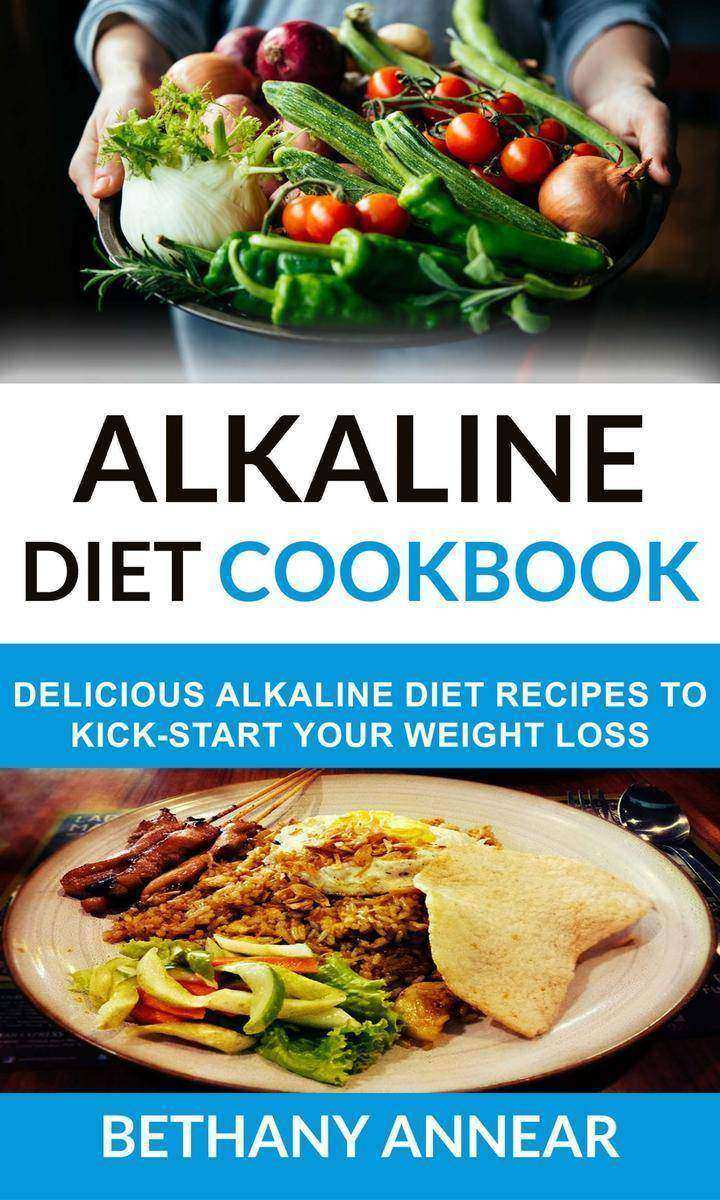
This book not only provides step-by-step dieting information but also endless meal recipes that you need. Are you ready to lose weight and reclaim your health? If you want to follow Acid Alkaline Diet, you should focus on your regular eating habits. Alkaline diet has lots of benefits, and The Alkaline Diet Cookbook will help you to manage the pH level of your body. In this book, you will find about delicious recipes. These recipes are given with complete instructions, and your work will be easy. This book has 25 delicious recipes with images and easy instructions. You can try any recipe without any trouble and get desired benefits. You can reduce weight, chances of cancer and decrease chances of various health problems. This book can be a quick guide for you so download this book and follow its recipes. You have to use fresh ingredients to get maximum advantage of recipes of this book. Every recipe is carefully planned to improve your health and protect your body from toxic elements. This book offers: * Alkaline Breakfast Recipes * Alkaline Lunch Recipes * Alkaline Dinner Recipes * Alkaline Snacks for Evening Tea * Alkaline Dessert Recipes You Will Learn The Following: What is An Alkaline Diet? What is PH? Benefits of an alkaline diet Examples of Acidic, Alkaline and Neutral Foods Alkaline foods to eat and those to avoid Installing Apps and backing up with SD card Breakfast Recipes Lunch Recipes Dinner Recipes And much more! Download this book and learn about Alkaline Food List and healthy recipes for everyone. You can prepare healthy and filling meals for your family members. Get your copy today! You'll be surprised to see how easy it is to stay healthy, feel energized, and keep on track!
Fata din tren
¥73.49
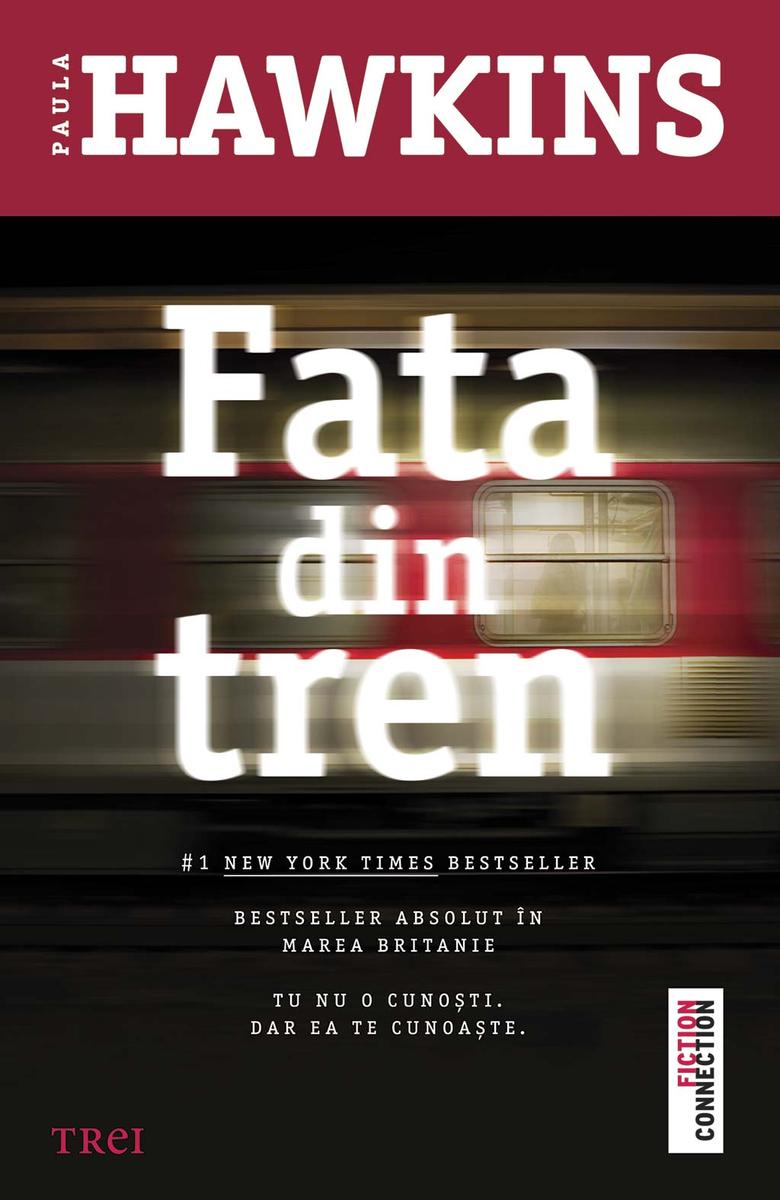
#1 New York Times BestsellerBestseller absolut icircn Marea BritanieTu nu o cuno?ti.Dar ea te cunoa?te.Peste 1,8 milioane de exemplare vacircndute icircn doar patru luni, icircn Statele Unite. Rachel merge icircn fiecare diminea?? cu acela?i tren. ?tie c? va a?tepta la acela?i semnal defect, timp icircn care va urm?ri ritualul de diminea?? al unui cuplu ce locuie?te icircntr-o cas? de lacircng? calea ferat?. I-a botezat bdquo Jess ?i Jason; ?i via?a lor i se pare perfect?. Pacircn? cacircnd icircntr-o zi vede ceva ce o ?ocheaz?. Totul se schimb? ?i Rachel are ?ansa de a lua parte la vie?ile pe care le-a observat doar de pe margine. Misterios ?i pasionant Fata din tren este un thriller de prim? macircn?, care te face dependent de viciul cititului. S.J. Watson, autorul bestsellerului Icircnainte s? adorm. Fata din tren este un roman de suspans remarcabil. M-a ?inut treaz o noapte icircntreag?. Stephen King Cu siguran?? va atrage nenum?ra?i fani ndash; The New York Times Precum trenul care o poart? pe Rachel icirc;n fiecare zi, povestea ?erpuie?te printre vie?ile anoste din suburbiile Londrei, iar cititorii o vor urm?ri cu sufletul la gur?. The Boston Globe Dac? ?i-a pl?cut Fata disp?rut?, vei devora acest thriller psihologic: icirc?i va schimba pentru totdeauna felul icircn care prive?ti vie?ile celorlal?i. People Dac? nu e niciun tren care s? mearg? icircn sensul opus ?i dac? mergem suficient de icircncet, cacircteodat? pot s?-i z?resc, pentru o clip?, pe terasa casei lor. Dac? nu, a?a cum se icircnt acircmpl? azi, mi-i icircnchipui. Jess ?ade cu picioarele ridicate pe masa de pe teras?, cu un pahar de vin icircn macircn?, Jason e icircn spatele s?u, cu macircinile pe umerii ei. Icircmi imaginez atingerea macirc inilor lui, greutatea lor, senza?ia de siguran?? ?i confort. Uneori m? surprind icircncerc acircnd s?-mi amintesc cacircnd am avut parte ultima dat? de atingerea real? a unei persoane, de o icircmbr??i?are din tot sufletul sau de o stracircngere de macircn?, ?i simt cum mi se fracircnge inima.
Sascha Martin's Rocket-Ship A hilarious sci fi action and adventure book for kid
¥0.01
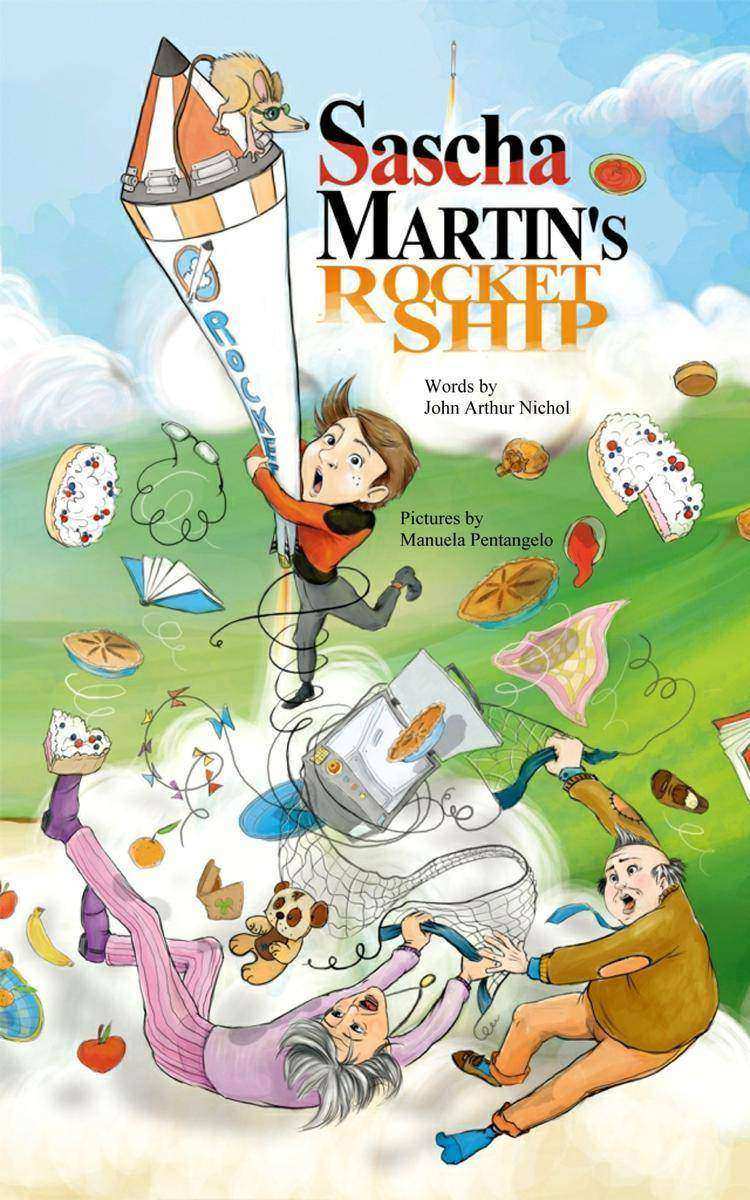
The audiobook of Sascha Martin’s Rocket-Ship is free when you download this Kindle book! Eight year old Sascha Martin is always inventing things, so he knows how they work. Mostly. For class news time he brings in a rocket that towers over everyone, including the teacher … but he's written "Don't touch!" on the rocket, so what could possibly go wrong? "The story is 'poetry in motion' for rocket ships! Manuela Pentangelo has visually interpreted John's verse with all the best icons from rocketry and science in the gorgeous illustrations." Samantha Ridgway, scientist, mother, and record-holding Australian rocketeer. This children’s picture book is ideal for kids age 8-10, but readers of all ages, from beginners to preteens to adults, will love this wild, funny, deliciously silly adventure wrapped in verse that rhymes and Manuela Pentangelo’s beautiful full colour artwork. Inside, you’ll find a link to the free audiobook, so if you lose your voice reading Sascha Martin's Rocket-Ship aloud, the audiobook can take over. "Delightful, rhyming story that keeps your fingers turning the pages." E. C. Kraeft, author of White Castle (Book One in her Elf Kingdoms series of children’s books). "I am the mother to an energetic young reader that loves all things books. I am constantly looking for new titles that we can read together and I believe I have struck gold with this one! … I was pleasantly surprised to discover the book rhymed throughout (we love rhymes!) and I must add that they are very well done! This book does a great job at turning an already fun story into one that you can practically sing together (which does wonders with a toddler!!)." Thomai Dion, author of the Think-a-Lot Tots early science readers. Sascha Martin's Rocket-Ship is the first in a fun new series of children’s science fiction action and adventure books, about a kid who knows just enough to be really, really dangerous! Author Q&A Why do you write stories in verse? Well I’m compelled to write them. I don’t decide to write stories in verse. It’s something my mind does in the background. I’ll suddenly realise there’s this rhyming couplet in my mind and that it’s been there for a while, and it’s the start of a story. Then I have to work out the rest of that story, all in verse, and that’s just hard work. But it begins unconsciously. Mind you, I do love rhythm and rhyme and poetry. Kids do, too. There’s a poetry-shaped hole in everyone, as an Australian poet once said, and I think that’s right. What draws you to science fiction? I’ve always loved scifi. It’s what I read as a kid, as a teen, what I read now. Along with mystery and suspense. Scifi sets kids free so their imagination is the only limit. Monsters, aliens, dinosaurs, time travel, travel to the stars, portals to other worlds; you can have all that. With science fiction, kids are free to go anywhere in the universe - in any ‘verse, and it seem there might be lots of universes out there. As many universes as there are kids, at least. It’s a bit like magic. Kids love magic, and there are lots of kids who love sci fi. It’s cool. Sci fi is cool. What’s coming up in the Series? Time Travel next, and lots of kids humor. Book 2 is Sascha Martin’s Time Machine. Sascha invents a machine to take his class back in time, and of course there’s a glitch. Other books in the series have bizarre balls, zombies, aliens, dinosaurs, space-ships and portals, a bit of an apocalypse. So much action and adventure. But one of the books is really embarrassing, super-embarrassing, so kids will cringe even as they’re laughing. Illustrating books takes time, but there’ll be plenty of free sneak previews along the way so kids can get a glimpse of what's to come.
How To Make A Living With Your Writing With Books, Blogging and More Books, Blog
¥53.06
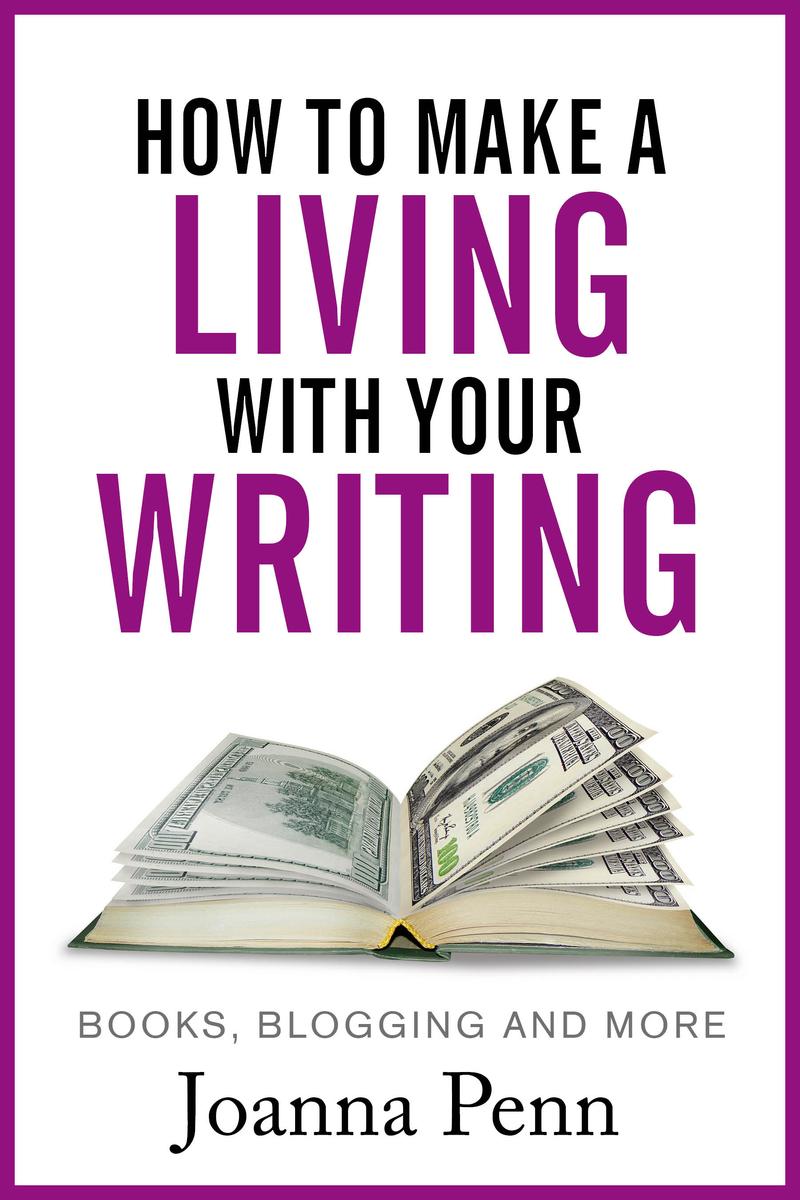
Would you like to make a living with your writing? This book will show you how. I spent 13 years working as a cubicle slave in the corporate world. I was miserable in my job and my creativity was stunted by the crushing daily grind. Then I started writing books and blogging, using my words to create products and attract readers. In September 2011, I left my corporate job to become a full-time author and creative entrepreneur and since then I've grown my business year on year, all based on my writing. More importantly, I'm finally living the happy life I always wanted. I'm not a Kindle or blogging millionaire and this is not a get rich quick scheme. But I will share with you how I make a multi-six-figure income from writing books, blogging and marketing in an ethical manner. We're living in the best time ever to make a living with your writing! Read on to learn more. The book includes the following Table of Contents: Overview of how I make a living and income split First principles Tips on writing and productivity Tips on mindset Part 1: How to make money from books It's not just one book Your publishing options: Traditional publishing Changes in the publishing industry Your publishing options: Becoming an indie author How to self-publish an ebook How to self-publish a print book How to self-publish an audiobook Part 2: How to make money online in other ways A business powered by content marketing Product sales Affiliate income Consulting or coaching Professional speaking Advertising and sponsorship Freelance writing Tips for content marketing The transition and your next steps Plus/ Companion Workbook so you can answer the questions in the book for yourself. If you'd like to make a living with your writing, click to sample or buy now.

Sous Vide Cookbook Remarkable Sous-Vide Recipes for Cooking at Home (Cooking in
¥0.01
Are you still choosing between healthy and tasty food?Here is solution for youYou shouldn’t have to go out to expensive restaurants just to eat perfectly cooked food. Whether you’re a sous vide enthusiast seeking to add new recipes to your repertoire, or just getting into the technique, this book will show you how easy it is to make restaurant quality food in your very own home.Sous Vide attracts people all over the world. This method can cook the wide variety of the meals; especially this thing makes the technology in-demand nowadays. The restaurant method of cooking attracts not only chefs but a housewife and just food lovers.


