


 购物车
购物车 个人中心
个人中心

Clean Eating Alice The Body Bible: Feel Fit and Fabulous from the Inside Out
¥110.46
Alice is a pint sized personal trainer with a passion for health and fitness. Having spent the majority of her formative years developing unhealthy habits through trying every diet there was, and gaining weight as a result, she decided to take matters into her own hands. Alice tracked her complete lifestyle change progress through her now hugely successful Instagram blog ‘Clean Eating Alice’. Now a fully qualified personal trainer, Alice wants to bring her message of balance and ditching the diet myths to the masses. The aim is to encourage everyone and anyone to readdress their eating habits and increase their activity levels to create a healthier, happier lifestyle that is ultimately sustainable. Find Alice posting regular updates of her day to day food and fitness videos on Instagram at clean_eating_alice, on twitter at alice_LDNM and on Facebook at /cleaneatingalice, where she creates a fuss and fad free approach to diet and exercise.
The Botham Report
¥53.76
Ian Botham was the most thrilling sight in sport for nearly two decades at the top of international cricket. He retired from the game in 1993 and has since acted as coaching advisor to the England team on the 1997/98 Zimbabwe and New Zealand tour, a commentator for Sky TV, and he has a newspaper column in the Daily Mirror. He continues to be a keen analyser of the game.

The Mills & Boon Modern Girl’s Guide to:Happy Hour:How to have Fun in Dry Januar
¥51.50
Ada Adverse was brought up in a deeply puritanical household where looking at a cake or using words containing more than one vowel were considered decadences punishable by a night in the coal cellar. But at fifteen she ran away from home and is now the world’s leading authority on Having Fun, which is definitely an actual job, she has ‘Fungineer’ printed on her business cards to prove it, though in retrospect she should have been more clear that this does not mean she specialises in mushrooms. Ada’s hobbies include topiary, mazes, homing pigeons, flea circuses, forming imaginary bands in her head, embalming things, tattoos, pylons, and the films of Billy Wilder. Ada’s dislikes include predatory mcaws, getting out the wrong side of the bed, collections of masks, and porcelain dolls with realistic teeth.

The Origins of English Nonsense
¥61.51
Noel Malcolm is one of Britain’s most original scholar-journalists. He is the chief non-fiction reviewer for the Sunday Telegraph and writes widely on both literary and political matters. He is the editor of Hobbes’s correspondence and author of the best-selling Bosnia: A Short History. He briefs governments all over the world on Bosnia and Balkan matters and speaks most western and eastern European languages, both ancient and modern. He is now writing a biography of Hobbes.
Shine On: Visions of Life
¥68.57
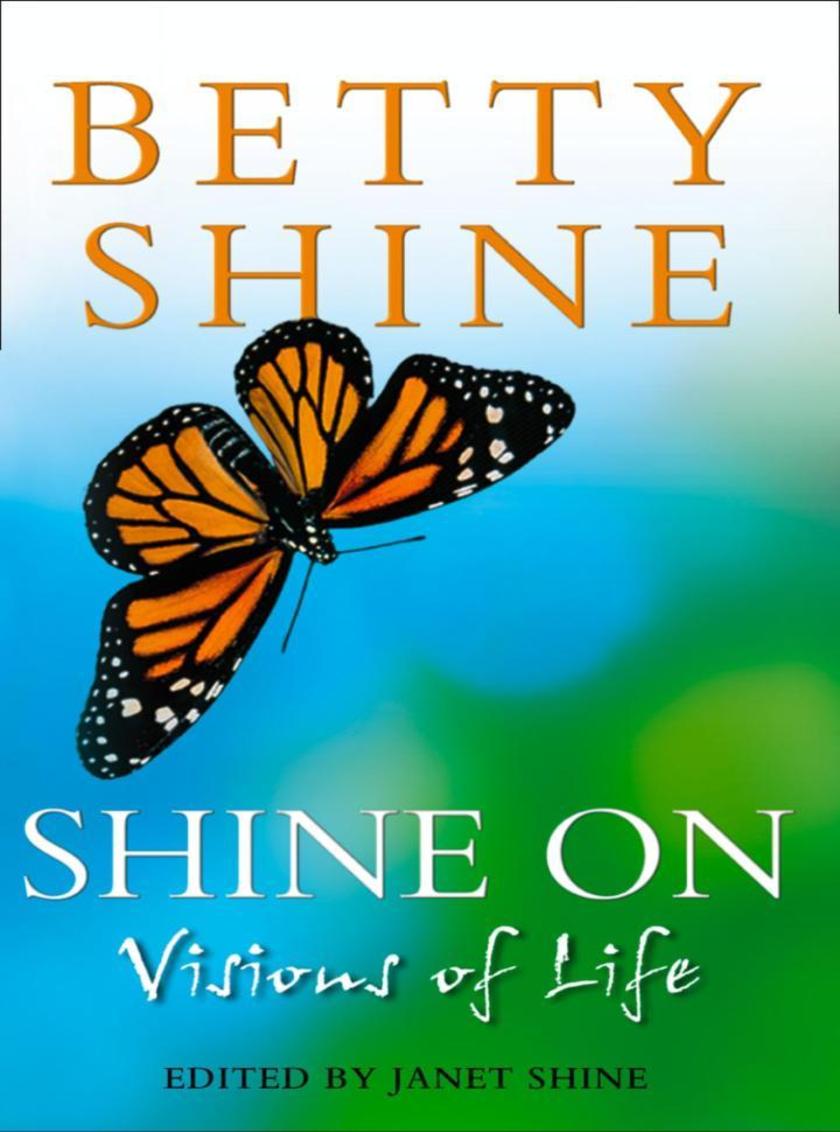
Betty Shine was known worldwide for her powers as a medium and healer. She was the author of 11 bestselling books, including Mind Magic which was a Sunday Times No.1 bestseller. A former opera singer, she was a therapist for over 40 years and a healer and medium for 25 years. Her untimely death has left many fans bereft, and this book is a fitting tribute.

Cavalier King Charles Spaniel: An Owner’s Guide
¥57.00
Owning a dog is a huge responsibility but extremely rewarding. When you decide to welcome a Cavalier King Charles Spaniel into your home, you have to consider not only how he will fit into your lifestyle but also what you can offer him in return. He will need regular exercise, feeding, games and companionship as well as daily care.As a good owner, it is your responsibility to keep your Cavalier King Charles Spaniel fit and healthy. If you follow the basic guidelines in this book and socialize him, feed a nutritious diet, exercise him adequately, groom and play with him, you can prevent many common health problems. However, it is important that you learn to recognize the warning signs of problems and diseases so that you can treat them yourself or seek professional help from your vet before they get worse. Prevention is always preferable to cure, and a healthy, contented dog will become your trusted companion for many years.
Unlocking German with Paul Noble: Your key to language success
¥73.58
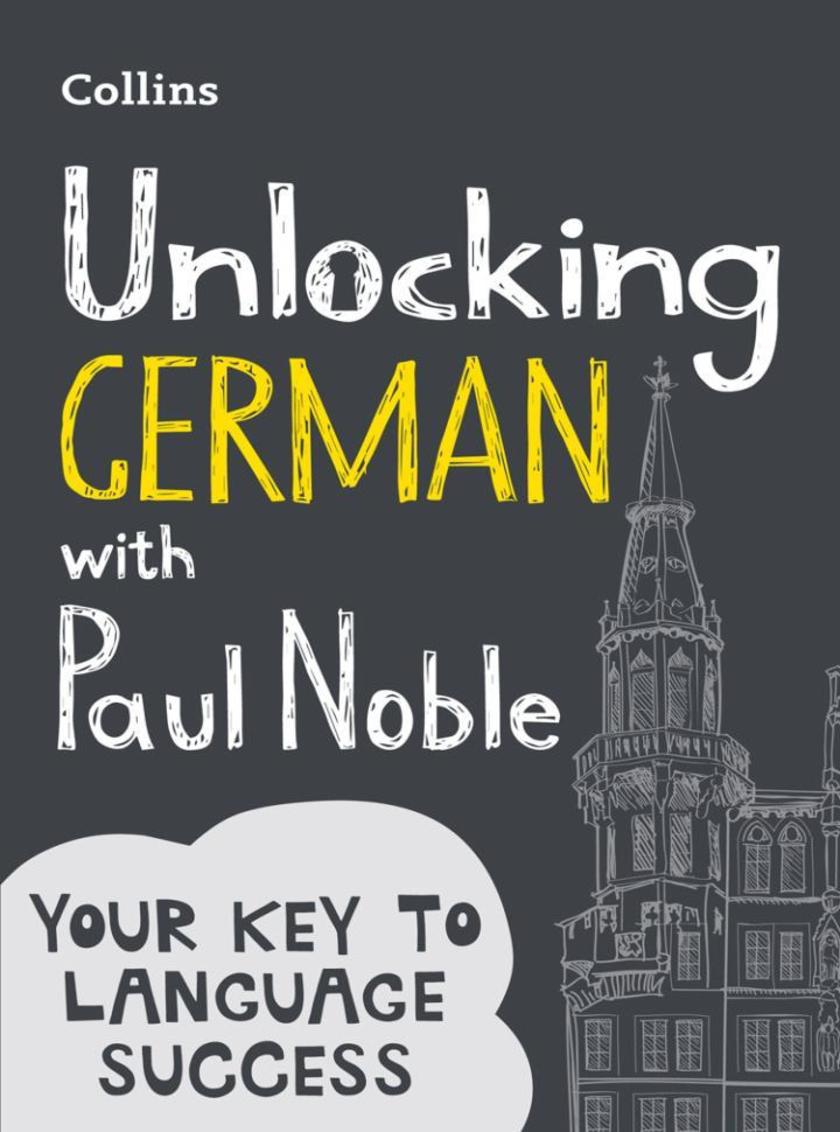
Who is Paul Noble?Paul Noble is a genius, yet he still left school unable to speak a language – he found that the traditional learning methods left him feeling ‘confused, incapable and unable to really say anything’. Determined that there must be a better way to learn, Paul spent years devising his own unique method of learning languages which cuts out all of the grammar, all of the rote learning, and all of the stress. He began using his method to teach in his Language Institute and, hundreds of students later, he prides himself on never having had a student fail.

Cat and Kitten Care (Collins Need to Know?)
¥76.91
Cats are now the most popular pets, and it is not surprising that they have overtaken dogs in the popularity stakes. They are small, relatively silent, economical to keep, exercise themselves, easy to feed, and are ideal companions for a wide range of people, from the elderly to those who are out at work all day.Whether you want an ordinary moggie or an expensive pedigree cat, the principles of ownership and looking after them are the same. As an increasing number of owners live in big cities and small, high-rise apartment blocks, house cats are becoming more widespread. Although they may not be allowed outside like their free-roaming, predatory cousins, they share a common ancestry and owning a cat of any description is like having a relatively wild creature living with you in your home. Domestication is anathema to many cats who prefer to think that they are independent animals, under the control of nobody but themselves.

Dog Training (Collins Need to Know?)
¥76.91
Stella Smyth and co-author Sally Bergh-Roose have been training dogs since 1978 and have been involved in competition work with a variety of dogs. Together they have been running a successful dog training course for many years.

Scotland: The Story of a Nation
¥85.65
Magnus Magnusson KBE is an Icelandic national who has spent most of his life in Scotland. After studying English at Oxford, he joined the Scottish Daily Express in 1953, and the Scotsman in 1961 as Assistant Editor. Since 1967 he has been a freelance writer and broadcaster, specialising in history, archaeology and environmental affairs. He has presented many programmes on BBC TV, including Chronicle (1967–80), Mastermind (1972–97), and a twelve-part series on Vikings! (1980). He has published more than twenty books. In 1989 he was awarded an honorary knighthood for his services to the heritage of Scotland. He was chairman of the Ancient Monuments Board for Scotland (1981–89) and of Scottish Natural Heritage (1992–99).

Povestea noului nume. Al doilea volum din tetralogia napolitan?
¥81.67
Al doilea volum din Tetralogia Napolitan??Indiferent cine se ascunde ?n spatele numelui Elena Ferrante, misteriosul pseudonim folosit de autoarea romanelor napolitane, dou? lucruri sunt certe: e femeie ?i ?tie s? descrie ora?ul Napoli mai bine ca oricine. Stilul ei are fine?ea unei p?nze de p?ianjen, dar totodat? o for?? a expresiei ?i o magie aparte, cu care creeaz? o ?ntreag? lume.“ Huffington Post Povestea celor dou? prietene, Lila ?i Elena, continu?. Acum sunt dou? tinere ale c?ror drumuri se despart dramatic.Pe c?nd Elena prefer? s?-?i continue studiile, Lila se m?rit?, ob?in?nd astfel o condi?ie social? ?i financiar? superioar? originilor sale modeste, dar r?m?n?nd prizonier? ?ntr-o c?snicie nefericit?.?n ciuda c?ilor diferite pe care au luat-o vie?ile lor, leg?tura dintre Lila ?i Elena r?m?ne complex? ?i intens?, iar sentimentele fiec?reia oscileaz?, pe r?nd, ?ntre nep?sare, dispre? ?i iubire reciproc? profund?.?Elena ?i Lila. Fiecare este pentru cealalt? prietena genial?: o poten?ialitate neexprimat?, un imbold ?i un repro?, un obiect al invidiei ?i un orizont al dorin?ei.“L’indice dei libri?Ferrante descrie dialogul interior feminin cu o fervoare ?ocant de sincer?, tulbur?tor de direct?.“ Booklist?O carte ce se revars? ca o erup?ie a vulcanului Vezuviu.“ La Repubblica

Trónok harca
¥86.33
A Trónok harca lebilincsel? fantasy, amely klasszikus lovagkirályságot tár az olvasó elé: Westeros f?l?tt valaha a sárkánykirályok uralkodtak, ám a Targaryen-dinasztiát 15 évvel ezel?tt el?zték, és most Robert Baratheon uralkodik h? barátai, Jon Arryn, majd Eddard Stark segítségével. A konfliktus k?zéppontjában Deres urai, a Starkok állnak. Olyanok, mint a f?ld, ahol születtek: makacs, kemény jellem? család. Szemünk el?tt h?s?k, gazemberek és egy gonosz hatalom t?rténete elevenedik meg. ?m hamar rá kell ébrednünk, hogy ebben a világban mégsem egyszer?en jók és gonoszok kerülnek szembe egymással, hanem mesterien ábrázolt jellemek bontakoznak ki el?ttünk kül?nb?z? vágyakkal, célokkal, félelmekkel és sebekkel. Martin legnagyobb er?ssége hogy meg tudja újítani, élettel t?lti fel azt a m?fajt, amit a sok populáris Tolkien-imitáció évtizedeken át klisék sorozatába fojtva ismételgetett. A t?z és jég dalának els? k?tete egy világteremt? fantasy eposz nagyszabású felütése.

Конёк-горбунок - Иллюстрированная сказка - Веселые сказки для детей
¥15.18
Конёк-Горбунок — сказка в стихах Петра Ершова с великолепными красочными иллюстрациями Виктории Дунаевой. Являясь классикой русской детской литературы, Конёк-Горбунок за многие десятилетия обрёл признание и популярность не только среди детей, но и среди взрослых. Издательство Animedia Company желает вам приятного чтения.

Aparen?e ?n?el?toare
¥7.36
P?n? ?i cea mai puternic? femeie din Anglia are un punct slab… Pentru ?nalta societate, este doar Lady Georgiana, sora unui duce, cu reputa?ia distrus? ?n urma celui mai groaznic scandal posibil, ?nainte de debutul ?n primul ei sezon. Dar adev?rul este mult mai ?ocant – ?n lumea ?ntunecat? a jocurilor de noroc din Londra, ea este enigmaticul Chase, unul dintre fondatorii ?ngerului C?zut, cel mai vestit cazinou din ora?. Ani la r?nd, a r?mas un mister pentru toat? lumea ?i niciodat? nu i-a fost descoperit? dubla identitate… p?n? acum. Sclipitor, tenace, tulbur?tor de chipe?, Duncan West este intrigat de frumoasa femeie cu reputa?ia p?tat? care are leg?turi de ne?n?eles cu aceast? lume a promiscuit??ii ?i p?catului. ?tie c? ea este mai mult dec?t pare ?i jur? s? descopere secretele Georgianei, dezv?luindu-i trecutul, amenin??ndu-i prezentul ?i pun?nd ?n pericol tot ce are mai drag… inclusiv inima ei. ?Aparen?e ?n?el?toare“ ?ncheie incredibila serie a lui Sarah MacLean, aflat? pe lista de bestselleruri din The New York Times, spun?nd povestea ultimului dintre fondatorii clubului ??ngerul C?zut“.
Сказки Дружного леса (аудио-книга): Иллюстрированное издание
¥22.81
Представляем вам сборник сказок для детей, сочетающий в себе как традиционное (увлекательный текст и красочные иллюстрации), так и современное мультимедийное содержание. В книге собраны десять поучительных и волшебных историй о приключениях жителей Дружного леса, прочитанных великолепным голосовым актером Александром Водяным. Главной задачей автора при написании этой книги было научить детей дружбе, гуманному отношению друг к другу, умению создавать хорошее настроение себе и окружающим. И все это без лишнего морализаторства. Каждая сказка — это короткая и смешная история. Книга будет интересна и взрослым читателям, которые с ее помощью смогут вернуться в мир детства, из которого мы все вышли. Издательство Animedia Company желает вам приятного чтения.

Via?a la ?ar?
¥0.01
n irul romanelor de mai trziu, dar mai cu seam n Viaa la ar […], n care temperamentul lui stilistic ajunge la formele unui clasicism plin de msur i claritate, Duiliu Zamfirescu renun n cea mai mare parte la manierismul trecutului. Analistul naturalist al strilor sufleteti struie, ba chiar se dezvolt n el, fr s mai simt nevoia apelului la nomenclatura i dialectica tiinei. Lirismul capt o pedal grav i simpl, i reflecia general ader parc mai adnc la impresia direct. […] Numeroase sunt pasagiile Vieii la ar n care amnuntul realist, umoristic sau graios, d via i adevr tablourilor.[…] ntocmai ca mai toi scriitorii realiti romni, pn cnd un Alexandru Macedonski cucerete sectoare noi ale artei descriptive, Duiliu Zamfirescu este mai ales un pictor al omului i al peisagiului, mai mult dect al lucrurilor i al interioarelor, care apar totui uneori n paginile lui. Remarcabil este apoi sub pana autorului Vieii la ar sau Tnase Scatiu pictura strilor de mulime, cu atta vreme nainte ca L. Rebreanu s dezvolte larg posibilitile acestui motiv. Vrednic de atenie este i evocarea vieii interioare, cu afundri ntr-o lume de imagini construite dup alte legi dect acele ale ateniei voluntare […]. Caracterul att de modern al procedeului nu poate scpa nimnui i el alctuiete punctul cel mai naintat al artei de analist a lui Duiliu Zamfirescu, atent la enigmele vieii sufleteti.“ – Tudor Vianu

Az utolsó kívánság
¥57.80
Keacute s?bb azt beszeacute lteacutek, a feacuterfi eacuteszakr oacutel eacute;rkezett, a Koumlt eacutelver?k kapujaacuten keresztuumll. Baacuter nem volt id?s, a haja szinte teljesen feheacute;r volt. Amikor levetette kouml peny eacutet, kideruumllt, hogy a vaacutell aacuten egy sziacutejon kard fuumlgg. Nem volt ebben semmi szokatlan, Vizimaacuteban szinte mindenki fegyverrel jaacutert, de azeacutert senki sem hordott pallost a haacutet aacuten mint valami iacutejat vagy tegezt. A feheacuter hajuacutet a kiraacutelyi felhiacutevaacutes vezette a vaacuterosba a Vizima lakosait gyoumltr? striga visszavaacuteltoztataacutesaacute eacutert jaacute roacute haacute romezer oren jutalom.

Lenn, a nyúl üregében:A legismertebb nyuszilány vallomása egy bizarr és zárt eli
¥71.29
Ez a t?rténet d?bbenetes, eddig nem látott mélységekben mutatja be a Playboy-villa bizarr, bels? világát és a titkait is annak a férfinak, akinél a villa kulcsa van.Az oregoni kisvárosból származó Holly Sue Cullent egy huszonegy éves korában meghozott spontán d?ntés változtatta Holly Madisonná, Hugh Hefner els? számú barátn?jévé. De miután beveti magát a nyuszi üregébe, Alice Csodaországához hasonlóan a Playboy-villa kívülr?l tündérmeseszer?nek t?n? életér?l beleértve a leghíresebb sztárokkal rendezett bulikat és a saját négy évig tartó valóságshow-ját is gyorsan kiderül, hogy ez a világ nem más, mint a szigorú szabályok, a manipuláció és az ambiciózus, álnok nyuszilányokkal folytatott csaták színtere. Az élet a hírhedt villában messze nem álom, inkább rémálom. ?s miután mindent elveszít, nem marad reménye másban, csak az ?ngyilkosságban. De ahelyett, hogy eldobná az életét, úgy d?nt, hogy inkább a kezébe veszi.Holly ?szintesége megd?bbent? és megindító egyben. Vallomása a villában t?lt?tt id?r?l, a drogokról, a szexr?l, a lelki és testi abúzusról, a hírhedt bulikról a fels? tízezer színfalak m?g?tt zajló valódi életér?l letaglózó olvasmány.Nem véletlenül szerepelt a The New York Times, az Amazon és szinte minden más sikerlista élén, hónapokon át, és adtak el bel?le t?bb millió példányt.

Olive Kitteridge
¥41.37
Pl?cerea de a citi Olive Kitteridge vine dintr-o identificare intens? a cititorului cu situa?ii, cu personaje nu icirc;ntotdeauna demne de admirat... Nu e nimic ieftin sau siropos icirc;n aceast? carte. (The New York Times Book Review) Amuzant?, r?ut?cioas? ?i plin? de remu?c?ri, doamna Kitteridge este o for??, un caracter autentic. Cacircnd nu e icircn scen?, icirci a?tept?m cu ner?bdare icircntoarcerea. Paginile c?r?ii se icirc;ntorc datorit? ei... (San Francisco Chronicle) Un portret r?v??itor ?i profund al oamenilor din Maine, tr?indu-?i vie?ile de suferin?? t?cut? icircmpletit? cu izbucniri de apropiere uman?... Aceast? culegere se cite?te u?or ?i e imposibil de uitat. (Publishers Weekly) Intuitiv?, profund empatic? ?i totu?i plin? de defecte, Olive este axa icircn jurul c?reia graviteaz? treisprezece povestiri complexe, profund umane, alc?tuind un veritabil roman. (O Magazine)
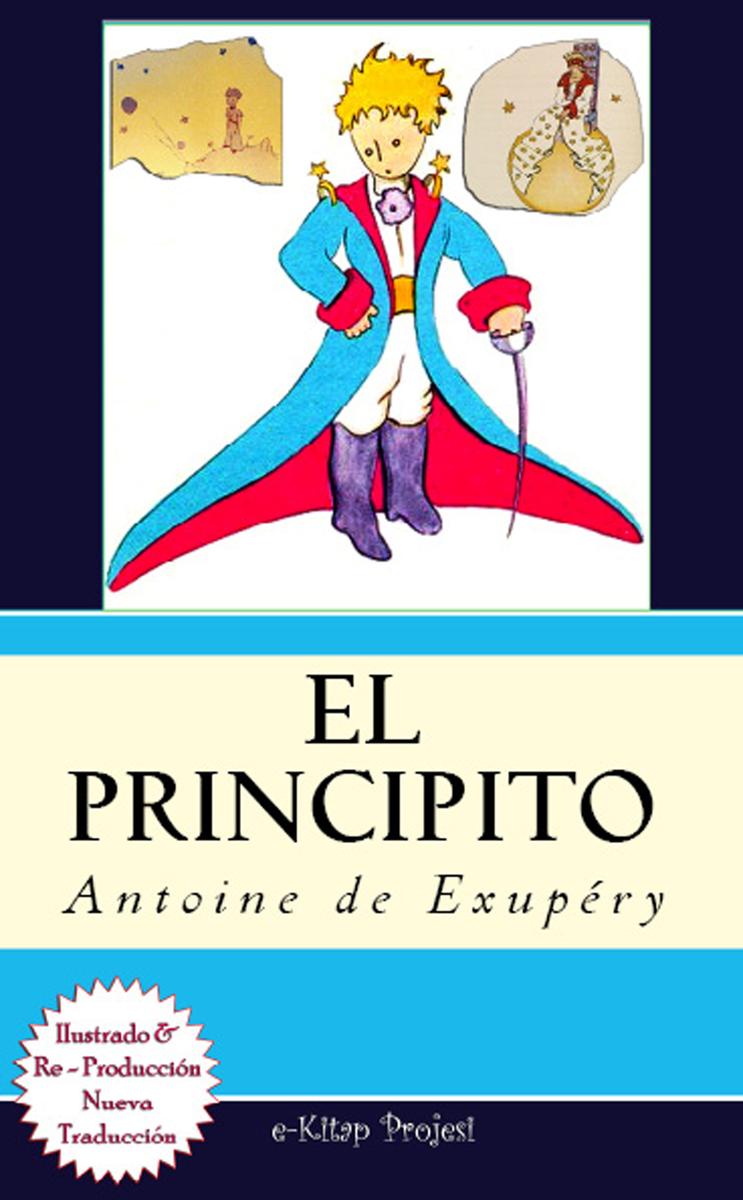
El Principito:“Ilustrado”
¥18.74
El Principito habita un pequeísimo asteroide, que comparte con una flor caprichosa y tres volcanes. Pero tiene “problemas” con la flor y empieza a experimentar la soledad. Hasta que decide abandonar el planeta en busca de un amigo. Buscando esa amistad recorre varios planetas, habitados sucesivamente por un rey, un vanidoso, un borracho, un hombre de negocios, un farolero, un geógrafo… El concepto de “seriedad” que tienen estas “personas mayores” le deja perplejo y confuso. Prosiguiendo su búsqueda llega al planeta Tierra, pero, en su enorme extensión y vaciedad, siente más que nunca la soledad. Una serpiente le da su versión pesimista sobre los hombres y lo poco que se puede esperar de ellos. Tampoco el zorro contribuye a mejorar su opinión, pero en cambio le ensea el modo de hacerse amigos: hay que crear lazos, hay que dejarse “domesticar”. Y al final le regala su secreto: “Sólo se ve bien con el corazón. Lo esencial es invisible a los ojos”. De pronto el Principito se da cuenta de que su flor le ha “domesticado” y decide regresar a su planeta valiéndose de los medios expeditivos que le ofrece la serpiente. Y es entonces cuando entra en contacto con el aviador, también el hombre habrá encontrado un amigo… Cuando yo tenía seis aos vi en un libro sobre la selva virgen que se titulaba "Historias vividas", una magnífica lámina. Representaba una serpiente boa que se tragaba a una fiera. Esta es la copia del dibujo.En el libro se afirmaba: "La serpiente boa se traga su presa entera, sin masticarla. Luego ya no puede moverse y duerme durante los seis meses que dura su digestión". Reflexioné mucho en ese momento sobre las aventuras de la jungla y a mi vez logré trazar con un lápiz de colores mi primer dibujo. Mi dibujo número uno era de esta manera: Enseé mi obra de arte a las personas mayores y les pregunté si mi dibujo les daba miedo.-por qué habría de asustar un sombrero - me respondieron.Mi dibujo no representaba un sombrero. Representaba una serpiente boa que digiere un elefante. Dibujé entonces el interior de la serpiente boa a fin de que las personas mayores pudieran comprender. Siempre estas personas tienen necesidad de explicaciones. Mi dibujo número dos era así: Las personas mayores me aconsejaron abandonar el dibujo de serpientes boas, ya fueran abiertas o cerradas, y poner más interés en la geografía, la historia, el cálculo y la gramática. De esta manera a la edad de seis aos abandoné una magnífica carrera de pintor. Había quedado desilusionado por el fracaso de mis dibujos número uno y número dos. Las personas mayores nunca pueden comprender algo por sí solas y es muy aburrido para los nios tener que darles una y otra vez explicaciones.

As mentiras mais contadas:E que todo mundo engole
¥8.18
As mentiras que as pessoas mais contam pra gente... E que a gente mais conta pra elas.Conhe?a as mentiras mais contadas em nosso cotidiano. Veja se você já escutou ou disse alguma dessas mentiras.


