


 购物车
购物车 个人中心
个人中心
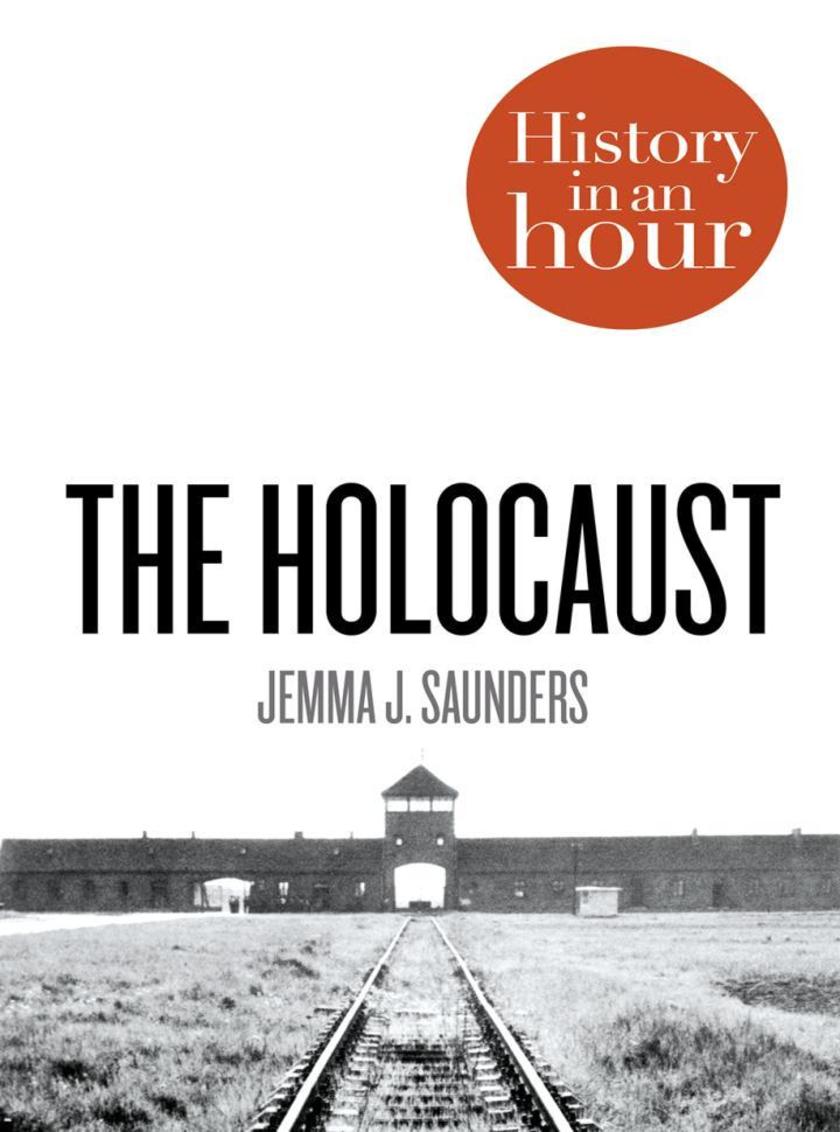
The Holocaust: History in an Hour
¥22.76
Love history? Know your stuff with History in an Hour. The Holocaust, in which 11 million people died, was the largest atrocity of the 20th century and perhaps the hardest to understand. Approximately 6 million Jews and 5 million others including Roma people, Poles, Russian prisoners of war, political prisoners, homosexuals, people of colour, Jehovah's Witnesses, and various other minorities were first persecuted and then murdered. How, both morally and logistically, had this came to happen? From received sentiments of anti-Semitism at the beginning of the 20th century, through the rise of Hitler and the Nazi party, to the Nuremberg Laws of 1935 and finally Second World War, the victimisation of these minorities intensified beyond precedent. With the complicity of a nation hatred became policy. Under the control of sadists, bureaucrats and even ordinary soldiers, irrational acts were then enacted on an industrial scale, and with the use of concentration camps, Western Europe witnessed its most shocking treatment of humanity in modern history. Love history? Know your stuff with History in an Hour…
The Men Who United the States
¥73.58
From bestselling author Simon Winchester, the extraordinary story of how America was united into a single nation. For more than two centuries, E pluribus unum – out of many, one – has been featured on America’s official government seals and stamped on its currency. But how did America become ‘one nation, indivisible’? In this monumental history, Simon Winchester addresses this question, introducing the fearless trailblazers whose achievements forged and unified America. Winchester follows in the footsteps of America’s most essential explorers, thinkers, and innovators. He treks vast swaths of territory, introducing these fascinating pioneers – some, such as Washington and Jefferson, Lewis and Clark being familiar, some forgotten, some hardly known – who played a pivotal role in creating today’s United States. Throughout, he ponders whether the historic work of uniting the States has succeeded, and to what degree. ‘The Men Who United the States’ is a fresh, lively, and erudite look at the way in which the most powerful nation on earth came together, from one of our most entertaining, probing, and insightful observers.

The Long Exile
¥72.30
A chilling true story of deception and survival set amidst the Inuit communities of the Canadian Arctic. In 1922 the Irish-American explorer Robert Flaherty made a film called ‘Nanook of the North’ which captured the world's imagination. Soon afterwards, he quit the Arctic for good, leaving behind his bastard son, Joseph, to grow up Eskimo. Thirty years later a young, inexperienced policeman, Ross Gibson, was asked by the Canadian government to draw up a list of Inuit who were to be resettled in the uninhabited polar Arctic and left to fend as best they could. Joseph Flaherty and his family were on that list. They were told they were going to an Arctic Eden of spring flowers and polar bears. But it didn't turn out that way, and this, Joseph Flaherty's story, tells how it did.
Victorians Undone: Tales of the Flesh in the Age of Decorum
¥73.58
‘Intriguing, gleefully contentious and – appropriately enough – fizzing with life, Victorians Undone is the most original history book I have read in a long while’ John Preston, Daily Mail A groundbreaking account of what it was like to live in a Victorian body from one of our best historians. Why did the great philosophical novelist George Eliot feel so self-conscious that her right hand was larger than her left? Exactly what made Darwin grow that iconic beard in 1862, a good five years after his contemporaries had all retired their razors? Who knew Queen Victoria had a personal hygiene problem as a young woman and the crisis that followed led to a hurried commitment to marry Albert? What did John Sell Cotman, a handsome drawing room operator who painted some of the most exquisite watercolours the world has ever seen, feel about marrying a woman whose big nose made smart people snigger? How did a working-class child called Fanny Adams disintegrate into pieces in 1867 before being reassembled into a popular joke, one we still reference today, but would stop, appalled, if we knew its origins? Kathryn Hughes follows a thickened index finger or deep baritone voice into the realms of social history, medical discourse, aesthetic practise and religious observance – its language is one of admiring glances, cruel sniggers, an implacably turned back. The result is an eye-opening, deeply intelligent, groundbreaking account that brings the Victorians back to life and helps us understand how they lived their lives.

British Butterflies and Moths (Collins Complete Guides)
¥147.35
A comprehensive and fully illustrated guide, this book is the definitive photographic reference guide for anyone interested in butterflies and moths found in Britain and Ireland. Every species that occurs regularly in Britain and Ireland is included, along with a section dealing with the ‘rarest of the rare’ – extinct species or very rare immigrants. There follows the main section of the book, which covers our larger moths; every species that occurs regularly in Britain and Ireland is mentioned.
The Lost Ark of the Covenant: The Remarkable Quest for the Legendary Ark
¥81.03
Professor Tudor Parfitt, a real-life British Indiana Jones, has made the biggest discovery of the last 3,000 years – the secret location of the fabled Ark of the Covenant. In 2006, he made an incredible journey to its final resting place and in February 2008 he will reveal this to the world. This is the amazing story of his quest. This is the real-life account of Professor Tudor Parfitt's remarkable discovery – of the lost Ark of the Covenant that disappeared from the Temple of Jerusalem centuries ago. The holiest object in the world, the Ark of the Old Testament contains the tablets of law sacred to Judaism, Christianity and Islam. Scholar, orientalist and adventurer, Parfitt embarked on an incredible journey to discover where the Ark is hidden, and when he reveals his discovery history books will be rewritten forever. Parfitt's quest took him on an incredible detective trail across the Middle East and Africa. His search led him to ancient documents and codes in Oxford and Jerusalem, and even to discoveries in modern genetic science, for clues to take him closer to the Ark. But some people didn't want the Ark to be found. In the wilder reaches of the Yemen he narrowly escaped being kidnapped by Islamist fugitives. In Africa he was shot at, ambushed and arrested. Amongst crossing paths with a motley crowd of mystics, holy men, charlatans and politicians, he encountered a strange tribe in the mysterious lands of the Limpopo River who claimed that they knew the Ark's final resting place. When Parfitt finally set eyes on the Ark, it wasn't at all where he expected. His revelation of its whereabouts will cause an international story with an effect on Judaism, Islam and Christianity that may be the most controversial in history.
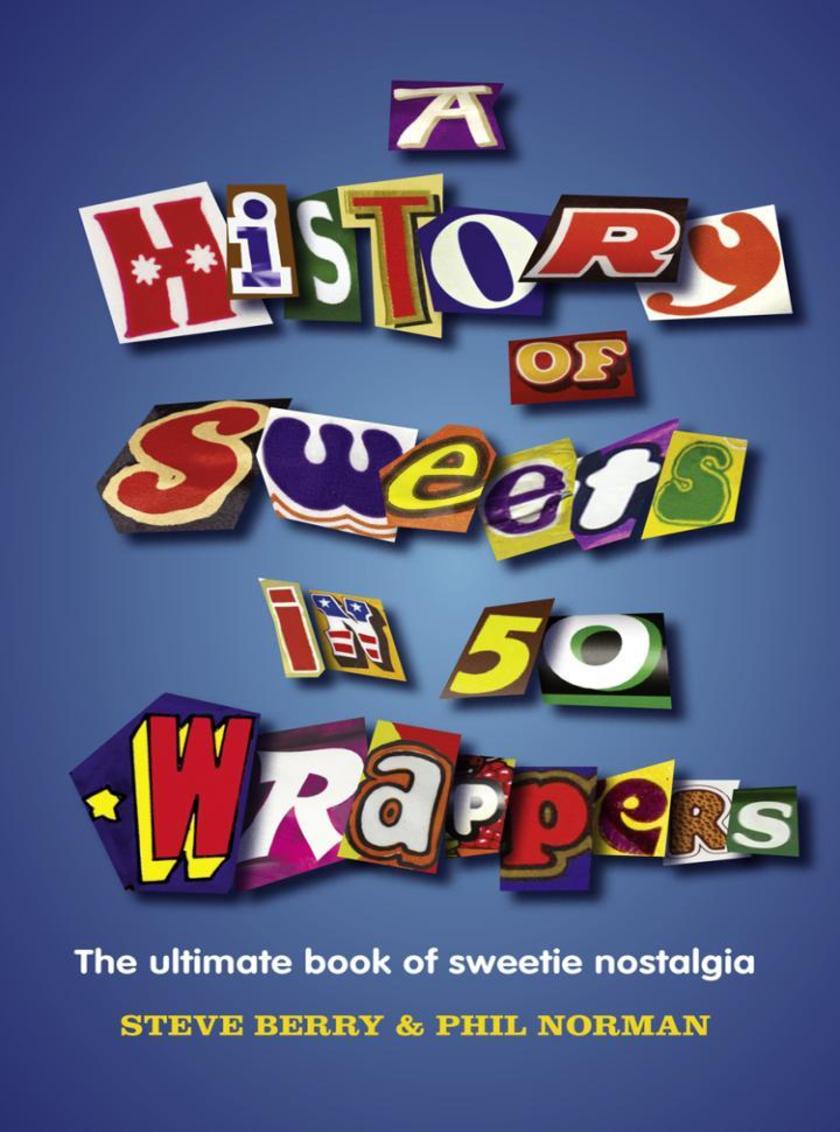
A History of Sweets in 50 Wrappers
¥15.60
A super-sweet guide to all your favourite sweets from years gone by. A History of Sweets in 50 Wrappers is a colourful and comical history of sweets and chocolates. If you ever dreamt of being the Milkybar Kid, if you remember when Snickers were Marathons and Double Deckers had raisins in them, if you ever checked the colour of your next Fruit Pastille before offering it out, this book is for you. It will lead you down memory lane until you reach the corner shop and load up a 10p mix-up bag. Fully illustrated, with hundreds of classic wrappers and adverts, A History of Sweets in 50 Wrappers is packed full of memories, fun facts, historical research … … and lots and lots of sweets!
Valerie’s Story (Individual stories from WISH YOU WERE HERE!, Book 3)
¥11.77
One of seven touching true stories from Wish You Were Here!, the tale of Butlin’s holiday camps. ‘When I got to the camp I felt as if I’d suddenly walked into Utopia – it was so colourful, so warm, so friendly. There were lights across the roads, there were banners fluttering in the breeze… There seemed to be laughter coming from every building.’ With grey post-WWII skies hanging low over Britain, factories lining the streets and smoke stacks dotting the horizon, there was one way that ordinary families could escape: the ever-cheerful holiday camps of Butlin’s. When Billy Butlin founded his holiday camps in 1936, they were bastions of community spirit and havens of luxury. Here, for one week, wives and mothers were freed from the toil and drudgery of housework, children ran free through the grounds, fathers and husbands hung up their work clothes. Ever-helpful redcoats were on hand all hours of the day, dinner halls ready with plentiful food for old and young alike, bars stocked to quench any level of thirst, ballrooms waiting to be flooded with shiny shoes, rustling dresses and peals of laughter. And, as the sun went down on another exhausting, happy day, a chorus line was ready to sing holidaymakers back to their beds. Rich in period detail and highly evocative, Wish You Were Here! follows the lives of seven of the camps’ key figures through the highs and lows of the holiday season: from redcoats searching for stardom to young families who returned year after year, to pensioners who rediscovered an inner youth. The laughter and tears, the loves and losses, and the fun and friendships that have lasted a lifetime – it's all here. Funny, moving and heartwarming, they are tales of swimming pools and sing-a-longs, Glamorous Grannies and bicycle rides, and of a community spirit that burned brightly in a much-loved British institution.

Valda’s Story (Individual stories from WISH YOU WERE HERE!, Book 4)
¥11.77
One of seven touching true stories from Wish You Were Here!, the tale of Butlin’s holiday camps. ‘When I got to the camp I felt as if I’d suddenly walked into Utopia – it was so colourful, so warm, so friendly. There were lights across the roads, there were banners fluttering in the breeze… There seemed to be laughter coming from every building.’ With grey post-WWII skies hanging low over Britain, factories lining the streets and smoke stacks dotting the horizon, there was one way that ordinary families could escape: the ever-cheerful holiday camps of Butlin’s. When Billy Butlin founded his holiday camps in 1936, they were bastions of community spirit and havens of luxury. Here, for one week, wives and mothers were freed from the toil and drudgery of housework, children ran free through the grounds, fathers and husbands hung up their work clothes. Ever-helpful redcoats were on hand all hours of the day, dinner halls ready with plentiful food for old and young alike, bars stocked to quench any level of thirst, ballrooms waiting to be flooded with shiny shoes, rustling dresses and peals of laughter. And, as the sun went down on another exhausting, happy day, a chorus line was ready to sing holidaymakers back to their beds. Rich in period detail and highly evocative, Wish You Were Here! follows the lives of seven of the camps’ key figures through the highs and lows of the holiday season: from redcoats searching for stardom to young families who returned year after year, to pensioners who rediscovered an inner youth. The laughter and tears, the loves and losses, and the fun and friendships that have lasted a lifetime – it's all here. Funny, moving and heartwarming, they are tales of swimming pools and sing-a-longs, Glamorous Grannies and bicycle rides, and of a community spirit that burned brightly in a much-loved British institution.
Sue’s Story (Individual stories from WISH YOU WERE HERE!, Book 5)
¥11.77
One of seven touching true stories from Wish You Were Here!, the tale of Butlin’s holiday camps. ‘When I got to the camp I felt as if I’d suddenly walked into Utopia – it was so colourful, so warm, so friendly. There were lights across the roads, there were banners fluttering in the breeze… There seemed to be laughter coming from every building.’ With grey post-WWII skies hanging low over Britain, factories lining the streets and smoke stacks dotting the horizon, there was one way that ordinary families could escape: the ever-cheerful holiday camps of Butlin’s. When Billy Butlin founded his holiday camps in 1936, they were bastions of community spirit and havens of luxury. Here, for one week, wives and mothers were freed from the toil and drudgery of housework, children ran free through the grounds, fathers and husbands hung up their work clothes. Ever-helpful redcoats were on hand all hours of the day, dinner halls ready with plentiful food for old and young alike, bars stocked to quench any level of thirst, ballrooms waiting to be flooded with shiny shoes, rustling dresses and peals of laughter. And, as the sun went down on another exhausting, happy day, a chorus line was ready to sing holidaymakers back to their beds. Rich in period detail and highly evocative, Wish You Were Here! follows the lives of seven of the camps’ key figures through the highs and lows of the holiday season: from redcoats searching for stardom to young families who returned year after year, to pensioners who rediscovered an inner youth. The laughter and tears, the loves and losses, and the fun and friendships that have lasted a lifetime – it's all here. Funny, moving and heartwarming, they are tales of swimming pools and sing-a-longs, Glamorous Grannies and bicycle rides, and of a community spirit that burned brightly in a much-loved British institution.
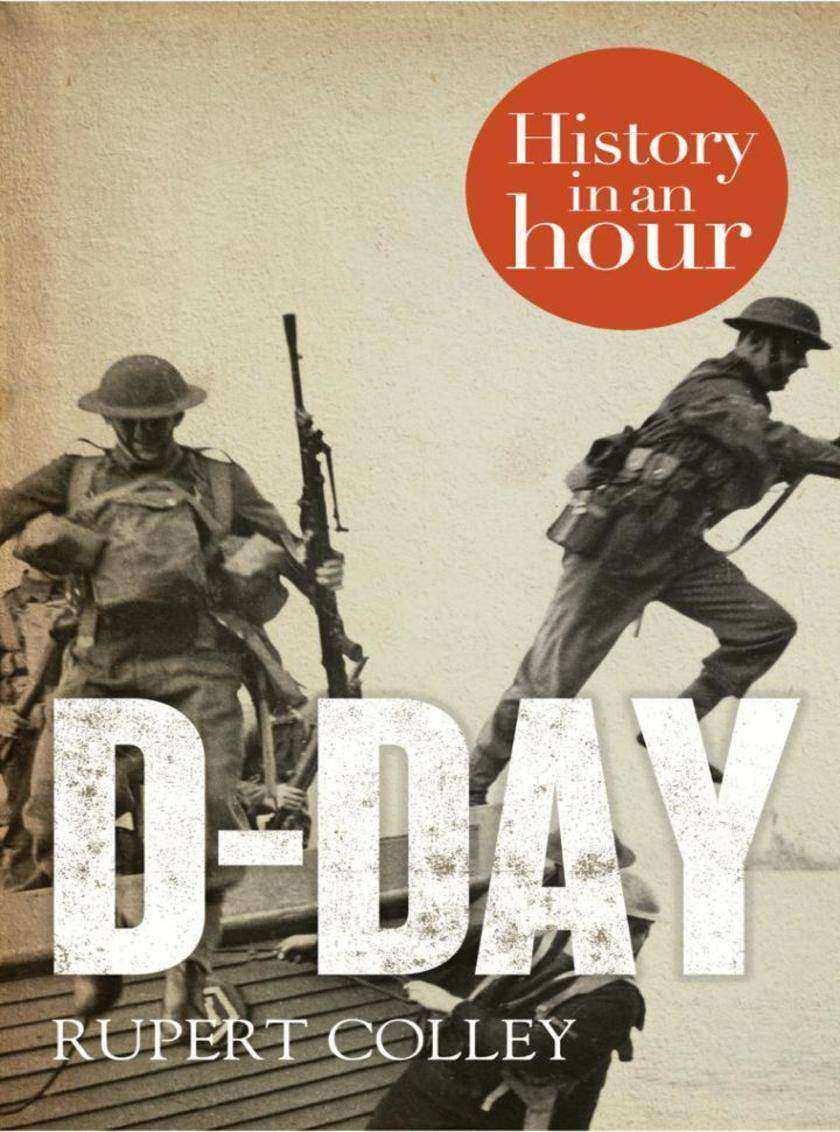
D-Day: History in an Hour
¥18.05
Love history? Know your stuff with History in an Hour. Midnight, Tuesday 6 June 1944: the beginning of D-Day, the operation to invade Nazi-occupied Western Europe and initiate the final phase of World War II. A vast undertaking, it involved 12,000 aircraft and an amphibious assault of almost 7,000 vessels. 160,000 troops would cross the English Channel during Operation Overlord, paving the way for more than three million allied troops to enter France by the end of August 1944. Forces from the United Kingdom, the United States, Canada, the Free French and Poland all heavily participated, alongside contingents from Belgium, Greece, the Netherlands, and Norway, They capitalised on the element of surprise achieved due to bad weather and the success of Operation Bodyguard – a feat of massive deception to convince Hitler that the landings would hit Pas-de-Calais. In just over a year, the war would be won. ‘D-Day: History in an Hour’ is the story of how the largest military operation in history had been planned, practised and executed. Love history? Know your stuff with History in an Hour…

Terri’s Story (Individual stories from WISH YOU WERE HERE!, Book 7)
¥11.77
One of seven touching true stories from Wish You Were Here!, the tale of Butlin’s holiday camps. ‘When I got to the camp I felt as if I’d suddenly walked into Utopia – it was so colourful, so warm, so friendly. There were lights across the roads, there were banners fluttering in the breeze… There seemed to be laughter coming from every building.’ With grey post-WWII skies hanging low over Britain, factories lining the streets and smoke stacks dotting the horizon, there was one way that ordinary families could escape: the ever-cheerful holiday camps of Butlin’s. When Billy Butlin founded his holiday camps in 1936, they were bastions of community spirit and havens of luxury. Here, for one week, wives and mothers were freed from the toil and drudgery of housework, children ran free through the grounds, fathers and husbands hung up their work clothes. Ever-helpful redcoats were on hand all hours of the day, dinner halls ready with plentiful food for old and young alike, bars stocked to quench any level of thirst, ballrooms waiting to be flooded with shiny shoes, rustling dresses and peals of laughter. And, as the sun went down on another exhausting, happy day, a chorus line was ready to sing holidaymakers back to their beds. Rich in period detail and highly evocative, Wish You Were Here! follows the lives of seven of the camps’ key figures through the highs and lows of the holiday season: from redcoats searching for stardom to young families who returned year after year, to pensioners who rediscovered an inner youth. The laughter and tears, the loves and losses, and the fun and friendships that have lasted a lifetime – it's all here. Funny, moving and heartwarming, they are tales of swimming pools and sing-a-longs, Glamorous Grannies and bicycle rides, and of a community spirit that burned brightly in a much-loved British institution.
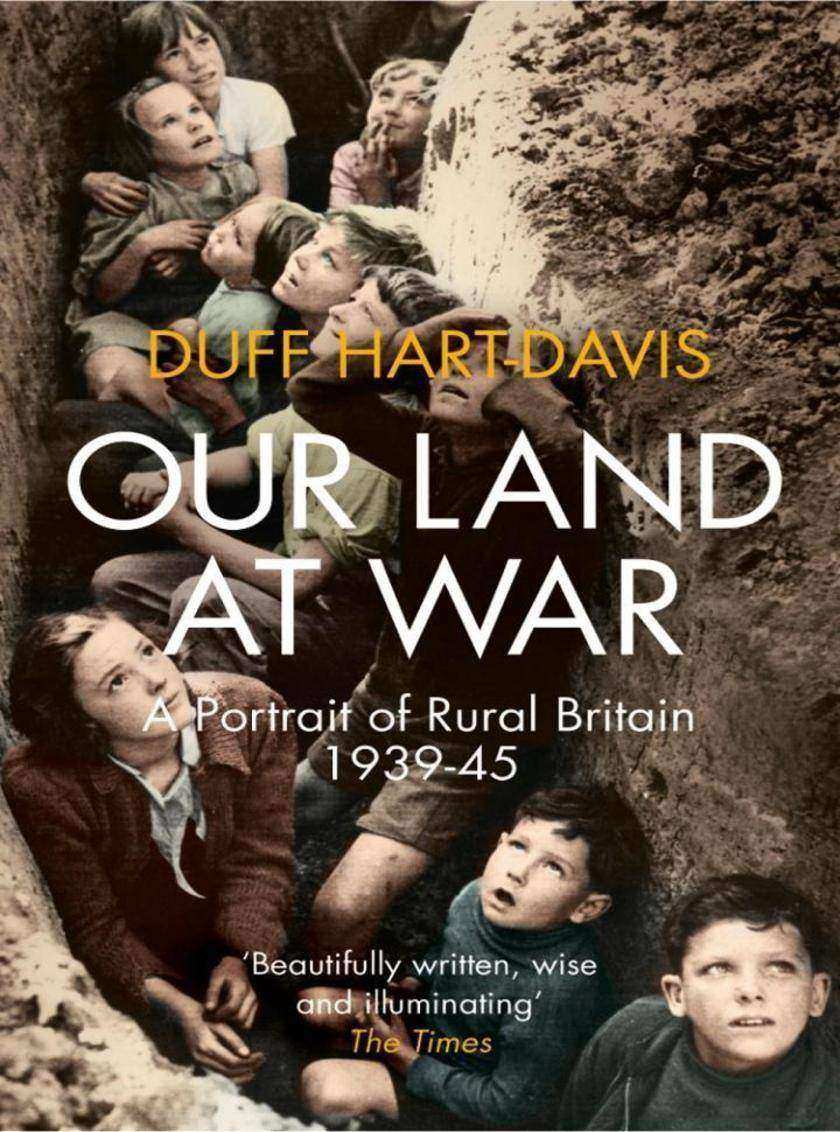
Our Land at War: A Portrait of Rural Britain 1939–45
¥73.58
A rich account of the impact of the Second World War on the lives of people living in the farms and villages of Britain. On the outbreak of war, the countryside was invaded by service personnel and evacuee children by the thousand; land was taken arbitrarily for airfields, training grounds and firing ranges, and whole communities were evicted. Prisoner-of-war camps brought captured enemy soldiers to close quarters, and as horses gave way to tractors and combines farmers were burdened with aggressive new restrictions on what they could and could not grow. Land Girls and Lumber Jills worked in fields and forests. Food – or the lack of it – was a major preoccupation and rationing strictly enforced. And although rabbits were poached, apples scrumped and mushrooms gathered, there was still not enough to eat. Drawing from diaries, letters, books, official records and interviews, Duff Hart Davis revisits rural Britain to describe how ordinary people survived the war years. He tells of houses turned over to military use such as Bletchley and RAF Medmenham as well as those that became schools, notably Chatsworth in Derbyshire. Combining both hardship and farce, the book examines the profound changes war brought to Britain’s countryside: from the Home Guard, struggling with the provision of ludicrous equipment, to the role of the XII Corps Observation Unit. whose task was to enlarge rabbit warrens and badger setts into bunkers for harassing the enemy in the event of a German invasion; to the unexpected tenderness shown by many to German and Italian prisoners-of-war at work on the land. Fascinating, sad and at times hilarious, this warm-hearted book tells great stories – and casts new light on Britain during the war.
The Slow Fix: Why Quick Fixes Don’t Work (extract)
¥9.71
This is a free extract taken from the full version of THE SLOW FIX by Carl Honoré. What do we do when things go wrong in a fast world? Many of us go for the quick fix that delays the problem rather than solving it. To make real progress we need real solutions – we need to take time for THE SLOW FIX. People have long been in search of a quick fix. Truth is, it doesn’t work. The problems facing us today are bigger and more urgent than ever before and we need to learn to start fixing things properly, rather than settling for short-term solutions. The Slow Fix offers real, life-changing solutions to tackling these problems and extends the movement defined by Carl Honore in his global bestseller, In Praise of Slow, to offer a recipe for problem-solving that can be applied to every walk of life, from business and politics to relationships, education and health reform.
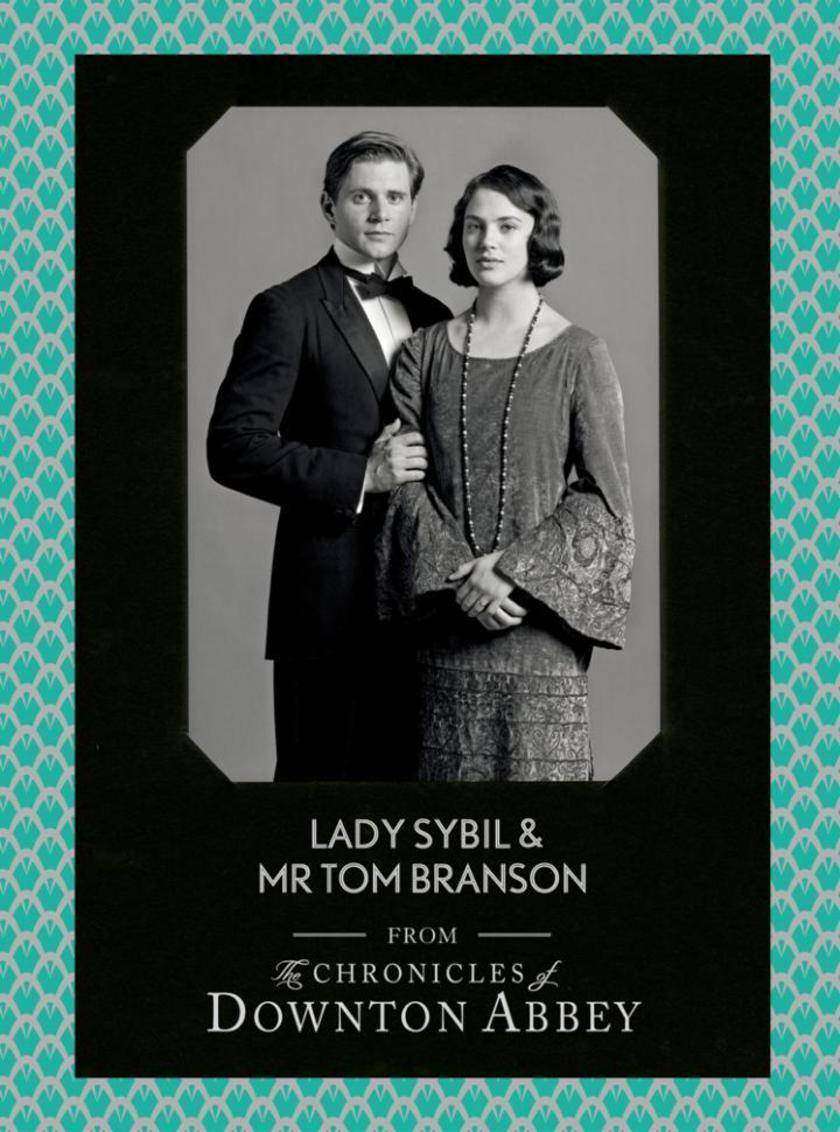
Lady Sybil and Mr Tom Branson (Downton Abbey Shorts, Book 4)
¥11.77
This richly illustrated short, extracted from the official book The Chronicles of Downton Abbey, focuses on the characters individually, examining their motivations, their actions and the inspirations behind them. Forwarded by Downton Abbey creator Julian Fellowes. On the face of it, the young newlyweds Sybil and Tom hope to live an unobtrusive, quiet existence in Dublin as ‘Mr and Mrs Branson’, happily waiting for the arrival of their baby. But as the gossip back at Downton Abbey shows, nothing of their way of life is normal. An earl’s daughter and a chauffeur-turned-Irish-revolutionary cannot expect an uneventful life together. ‘She doesn’t want Tom to alter,’ says Jessica Brown Findlay, who plays Sybil, ‘she loves him for his fire and passion, and his desire to change things.’ But when they come home she doesn’t want to cause unnecessary fuss – she adores her family and respects their desire to live as they wish. Unlike Tom, she sees no harm in it. Trying to keep harmony is almost more than she can bear. Purchase this ebook short and the others in the series to get closer still to the characters at Downton Abbey and to understand more about their social context – from the changing role of the aristocracy to fashion and beauty, American Anglophiles, the Suffragette movement and life below stairs in a big country house like Downton. Search for The Chronicles of Downton Abbey to purchase all shorts combined.
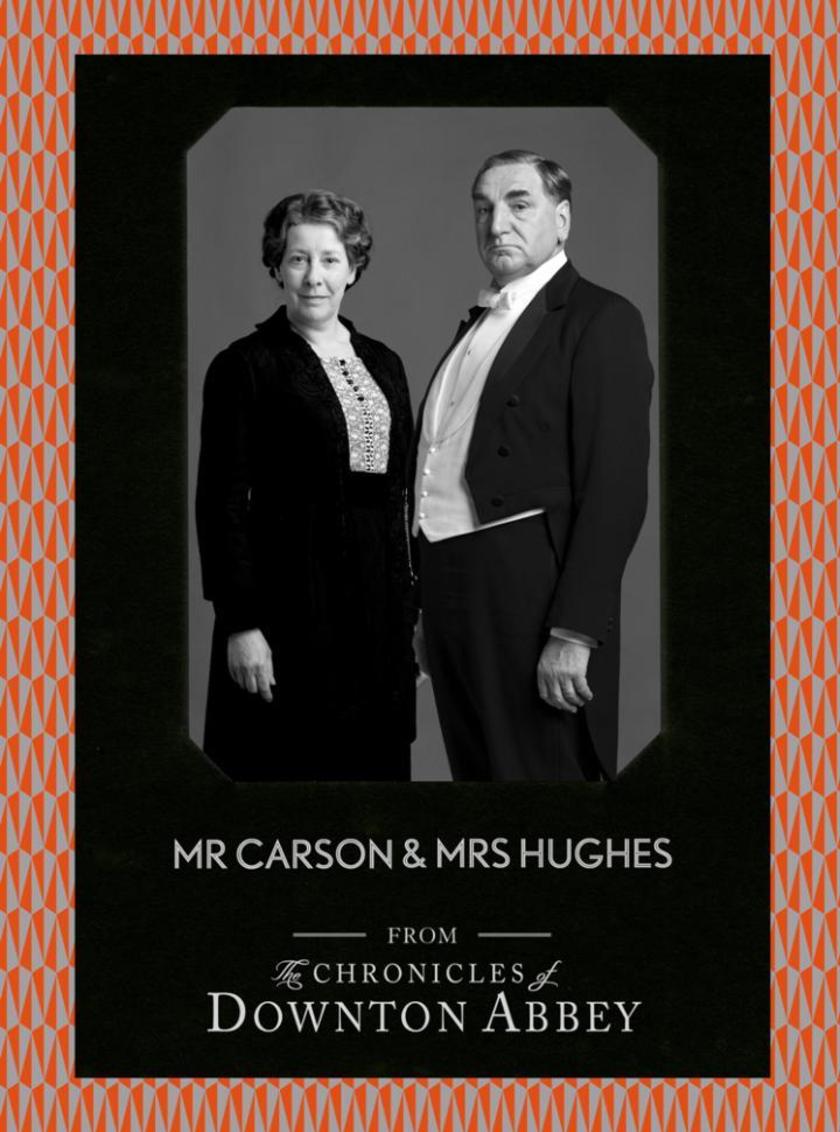
Mr Carson and Mrs Hughes (Downton Abbey Shorts, Book 7)
¥11.77
This richly illustrated short, extracted from the official book The Chronicles of Downton Abbey, focuses on the characters individually, examining their motivations, their actions and the inspirations behind them. Forwarded by Downton Abbey creator Julian Fellowes. It is a strange life for the likes of Carson and Mrs Hughes, sitting between the family and the servants and never completely belonging to either group. It’s easy to understand why the two of them seek refuge in each other, even in their own rather stilted fashion. ‘Carson comes from a family of soldiers and servants,’ says Julian Fellowes. ‘His grandfather was a head groom and so he’s middle-middle class – they certainly weren’t scrabbling in the gutter for food.’ Mrs Hughes gave up the idea of marriage and a family for her career as Downton’s housekeeper. This does not mean she was without ambition: a career in service was something to be proud of; the job was steady, she had respect from her colleagues and she could look forward to a reasonably comfortable retirement provided by the Downton Abbey estate, if she served the family for many years. Purchase this ebook short and the others in the series to get closer still to the characters at Downton Abbey and to understand more about their social context – from the changing role of the aristocracy to fashion and beauty, American Anglophiles, the Suffragette movement and life below stairs in a big country house like Downton. Search for The Chronicles of Downton Abbey to purchase all shorts combined.
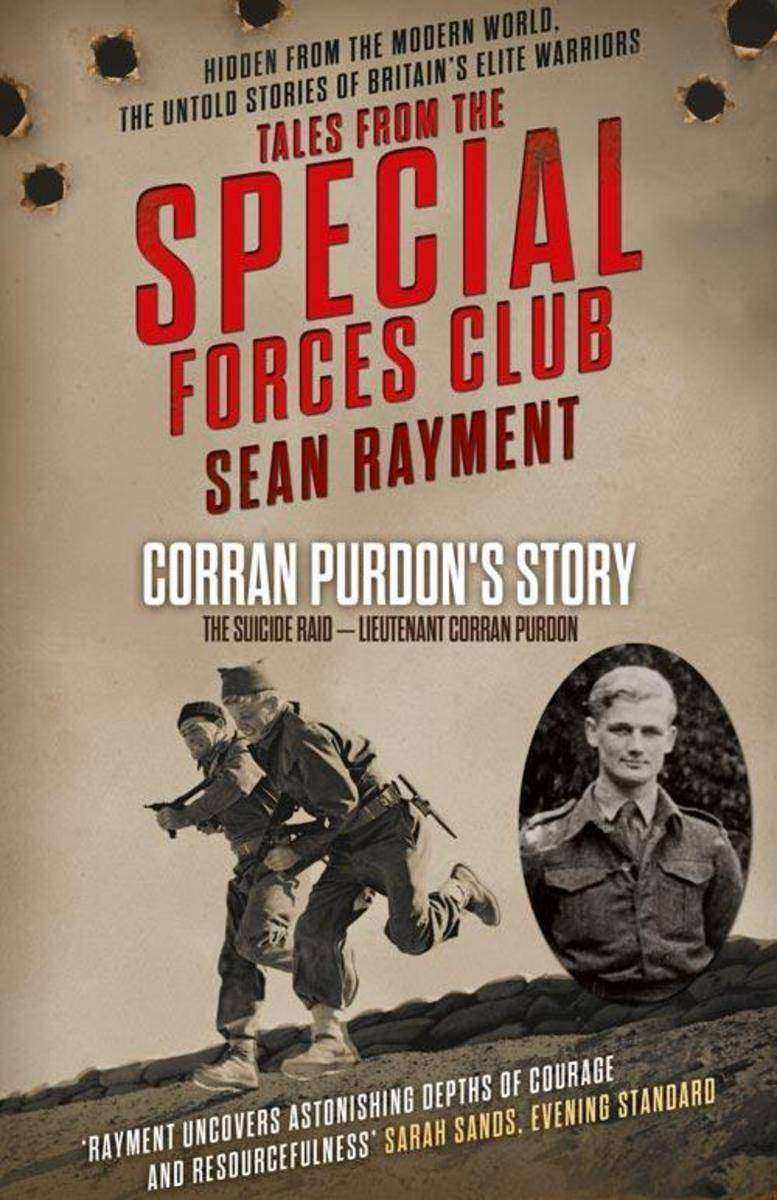
The Suicide Raid
¥9.71
This is Corran Purdon’s story, one of five true-life recollections from the Second World War in Tales From The Special Forces Club. The Special Forces Club is a fabled gentlemen’s club, based in the heart of London. It has a closely guarded secret: you have to be a genuine hero to be a member. Corran Purdon was a gung-ho officer in the Ulster Rifles who thirsted for action. He would volunteer for a new unit, requested by Churchill: the British Commandos. Corran was to fight in ‘The Greatest Raid of All’: the destruction of the port of St Nazaire in France. The volunteers knew it was fraught with risks. This is his story.

Rae’s Story (GI Brides Shorts, Book 4)
¥9.71
This is Rae’s story, one of four true stories from the book GI Brides. ‘Hey, baby, how about you and me get out of here?’ the GI asked Rae. But even if he had been Clark Gable, she wouldn’t have given him a second look. He was a Yank, and therefore not to be trusted. After being bombed out of her home in North London, tomboy Rae joins the ATS and is sent to work welding tanks near Nottingham. Despite her dislike of ‘Yanks’, a GI called Raymond wears down her resistance and she agrees to marry him. After the war, she reluctantly follows him to rural Pennsylvania, where she soon discovers his dark secret. Rae’s story is extracted from GI Brides, written by the bestselling authors of The Sugar Girls. It tells the true stories of four of the 70,000 British women who crossed the Atlantic for love after the Second World War.

Unlocking Memories- Cognitive Interviewing for Lawyers
¥981.00
Would you like to know how to elicit 40% more information from your witnesses, saving time and moneyWhether you're a solicitor, barrister or legal executive, this comprehensive toolkit will help you master the cognitive interviewing technique. Written by cognitive interviewing expert and trainer to litigators involved in the Bloody Sunday and Shipman inquiries, Geoff Coughlin, this practical guide will teach you how to: Obtain the right information, faster and more efficiently Eliminate the need for re-interviewing Address specific common interview challenges, as identified by solicitors in the field Discover how to uncover lies and deceit based on the latest most reliable indicators Uncover more useful information in less time You'll also gain hints and tips on how to prepare for your witness interview and take notes during it. You'll take away knowledge on how to adapt your communication style for this purpose, and use Neuro-Linguistic Programming (NLP) techniques to decipher memory recall patterns. The problem is widespread. According to a Law Society survey, 95% of lawyers have some negative stress in their jobs, and 17% say that this is extreme. Lawyers feel overloaded with work, unappreciated, isolated, and unsupported; many complain of unattainable targets, poor pay, and long hours. And while many firms say they have programmes in place that are geared towards improving the wellbeing of staff, 66% of lawyers say they would be concerned about reporting feelings of stress to their employer because of the stigma involved. Nobody wishes to be seen as a weak link in the chain of a professional practice. A solution won’t be found overnight. This book is designed to encourage lawyers and firms to think more about the question of stress, how to recognise it in others and themselves, and how to take action before it becomes excessive. It is written for lawyers everywhere – regardless of location or career level.

Peter Williams Designed To Race
¥245.17
On his day, Peter Williams was the best motorcycle road racer in the world and is one of that small band of sportsmen, 'the best never to win a World Championship'. Peter's unique career in the 1960s and 1970s as racer, designer and development engineer culminated in many great victories on bikes from 125cc to 750cc. For two months in 1967 he lead the 500cc class of the World Championship on his single cylinder 500cc MkI Arter Matchless Special against the much more powerful Honda and MV Augusta multis of Mike Hailwood and Giacomo Agostini. Just when he was, perhaps, due for a 'works' ride, the Japanese withdrew from Grand Prix road racing and Peter joined the re-emergent manufacturers of Norton. Peter had two consuming passions; riding his motorcycles at 10/10ths of the limit, and for Britain to regain motorcycle supremacy. Indeed, the latter was his mission, his crusade, and so he rode almost exclusively British motorcycles but, interestingly, won his only Grand Prix on a foreign one. Peter's engineering designs gave him advantage on the race track and set the trends for what motorcycles are today. He was one of the first to design and race with disc brakes, the first in the world to design and use cast magnesium wheels and tubeless tyres. Peter won the 1970 500cc class British Championship and was the first in motorcycle racing to benefit from tobacco sponsorship. The 1973 John Player Norton 'Monocoque' incorporated all his previous experiments and the first twin spar frame. The pinnacle of his career came on this machine when he won the Formula 750 TT in the Isle of Man with record race and lap speeds. Peter's racing career came to an end in 1974 with a terrible crash at Oulton Park but his engineering continued with work at Cosworth Engineering and Lotus Engineering. Motorcycle innovation continues, too, with his true monocoque design, his Shell Chassis, which, in its electric drive form, finished 5th in its very first outing in the 2010 TT Zero.

For Parents and Teenagers
¥77.49
The author of Choice Theory and Reality Therapy offers a powerful approach for helping troubled teens. In his decades as a therapist, Dr William Glasser has often counselled parents and teenagers. His advice has healed shattered families and changed lives. Now in his first book on the lessons he has learned, he asks parents to reject the 'common sense' that tells them to 'lay down the law', ground teens, or try to coerce them into changing behaviour. These strategies have never worked, asserts Dr Glasser, and never will. Instead he offers a different approach based upon Choice Theory. Glasser spells out the seven deadly habits parents practiSe and then shows them how to accomplish their goals by changing their own behaviour. Above all, he helps parents keep their relationship with their child strong. Dr Glasser provides a groundbreaking method that any parent can use with confidence and love.


