


 购物车
购物车 个人中心
个人中心
The Ten Commandments
¥83.92
The master key to life--a universal guide to all that matters in making life more satisfying.
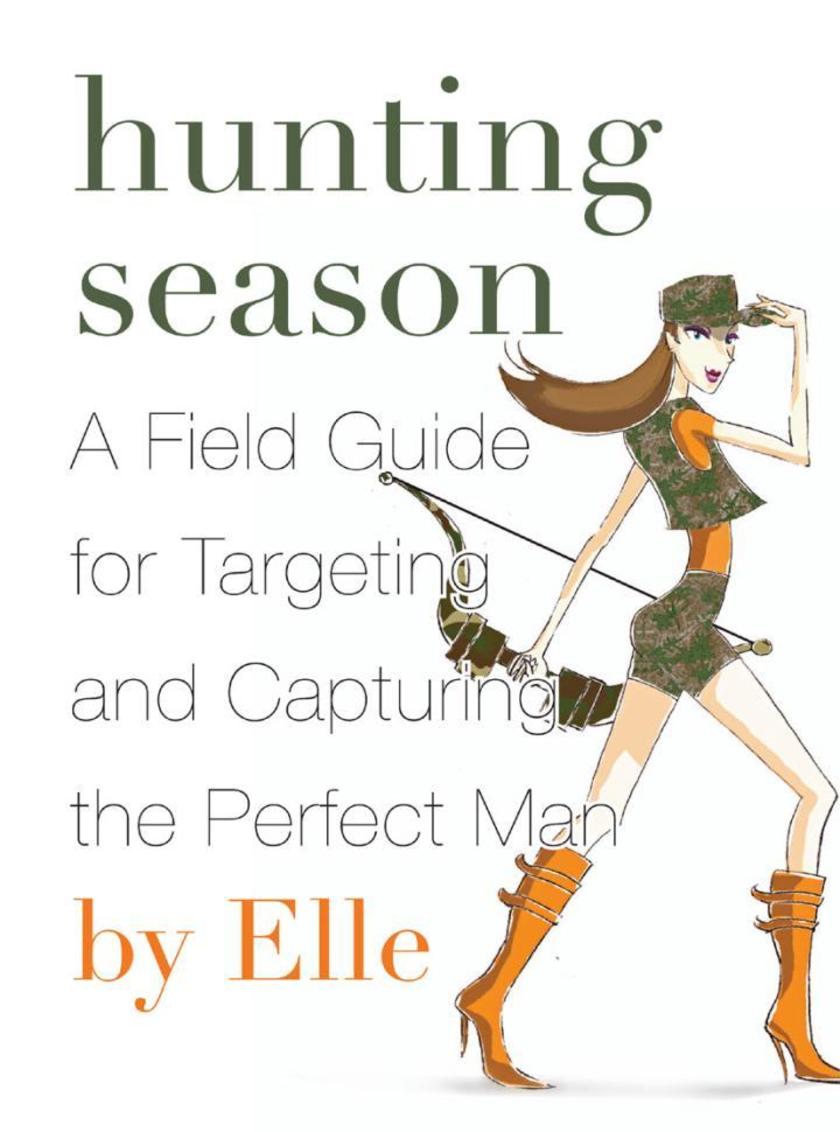
Hunting Season
¥78.55
Tallyho! The Hunt is afoot! Be a hunter not road kill. April 1 marks the official opening of Hunting Season, when available women should be heading out into the rural, urban, and suburban wild to bag themselves a prize buck. You might not need a literal gun to bring down a good man but you do need good technique, appropriate gear, and plenty of practice. Within these pages, successful hunter Elle shares the foolproof strategies she's adapted from rules that have been polished and honed over many centuries for successful bagging of prize big game. The Hunt can be exciting, exhilarating, and rewarding . . . if you do it right!No matter what kind of modern man you've got in your sights a Stag, a Tree Scratcher, or a 6-Point Buck here are all the skills you need to bring him down.Are you Trophy Hunting, or do you want to Bag 'n' TagYour strategies will be different depending on your goal so define it before the season opens.Never hunt with a posse. It's no fun sharing a kill.Stick to your Kill Zone. A wild buck's movements can't be controlled so if he wanders let him roam. Another buck will put himself in your sights soon enough.November 1-March 31 is Off-Season: A time for hibernation, emotional healing, and gun polishing.

Fear
¥88.56
Without fear, we are able to see more clearly our connections to others. Without fear, we have more room for understanding and compassion. Without fear, we are truly free. from FearMost of us live in a constant state of fear of our past, of illness and aging and death, and of losing the things we treasure most. But it doesn't have to be this way, promises Zen master and Buddhist monk Thich Nhat Hanh.Drawing on a lifetime of mindfulness in action, Thich Nhat Hanh shows us how to use the practice of living in the present to acknowledge and embrace our fears, recognize their origins, and render them powerless. The world-renowned Zen teacher guides us through practical exercises for transforming fear into clarity. The worries of the past and the anxiety of the future disappear as we discover the power of the present moment. Not only are we are able to handle challenging emotions as they arise, but we can summon feelings of well-being and contentment, no matter what the unknown may bring.Rooted in the moment, we have the capacity to restore balance and happiness and be present with what is beautiful and affirming inside us and around us, every day.
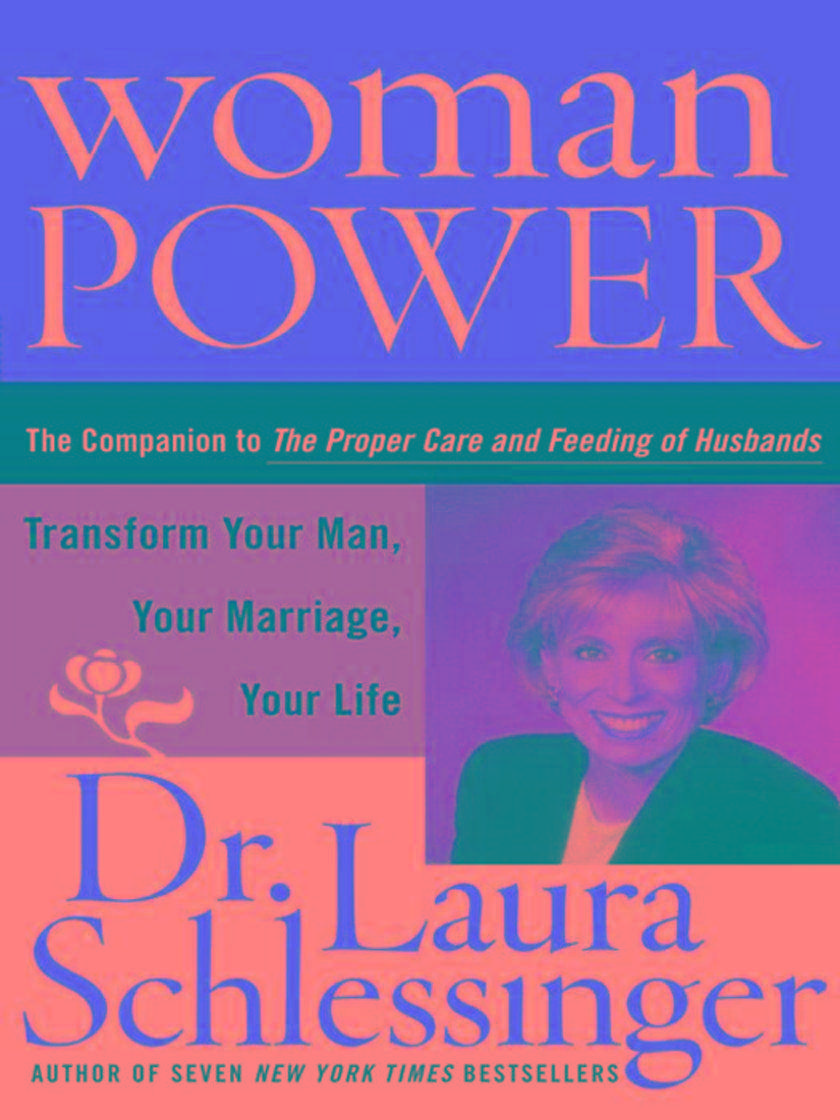
Woman Power
¥90.77
Woman Power: for the woman who wants to ensure for herself -- and for her man -- the marital happiness and success everyone dreams of! The immediate feedback to Dr. Laura Schlessinger's seventh bestseller, The Proper Care and Feeding of Husbands, affirmed that Dr. Laura helped hundreds of thousands of readers make good marriages even better and saved many from the brink of divorce. Now, due to overwhelming response from her readers and listeners who wanted to know more about the special power women have to transform their husbands, their marriages, and their lives, Dr. Laura has written Woman Power. Through a series of provocative chapters and Q&As, Dr. Laura guides women on how to assess what is valuable and what is vulnerable in their marriages, and stimulates women to think about what is really important about being a woman, a wife, and a mother. In addition, readers will find inspirational stories and tips, thought-provoking essays, and plenty of room for entries, thoughts, and journals. There are even fascinating Q&As for husbands and wives to do together!
Beyond Genetics
¥79.16
Genetic science is about to radically alter our lives. Sooner than you can imagine, human beings will be capable of diagnosing their own illnesses, designating the sex of their children, even designing the food they eat -- all as easily as using a cell phone. Now is the time for every one of us to take control of our DNA, and one man is uniquely qualified to show us how: Glenn McGee, bioethicist at the University of Pennsylvania, pioneer in the study of "home genetics," and the acknowledged wunderkind of the exciting world found at the nexus of life science and computer technology.One of the most respected authorities in the field of genomics -- the study of the genetic "software" inside plants, animals, and us -- McGee takes us on an eye-opening journey behind the headlines and into the heart of this formidable cutting-edge science. Probing the far-ranging ethical and legal implications of genomic research, McGee tackles its most controversial and hotly debated aspects -- from patenting your DNA to genetic engineering at the supermarket -- and explodes unnecessary fears about this wondrous new knowledge.We live in a brave new world. Beyond Genetics provides us with the knowledge we need to take the right steps forward into tomorrow ... and beyond.
HarperCollins e-books
¥140.08
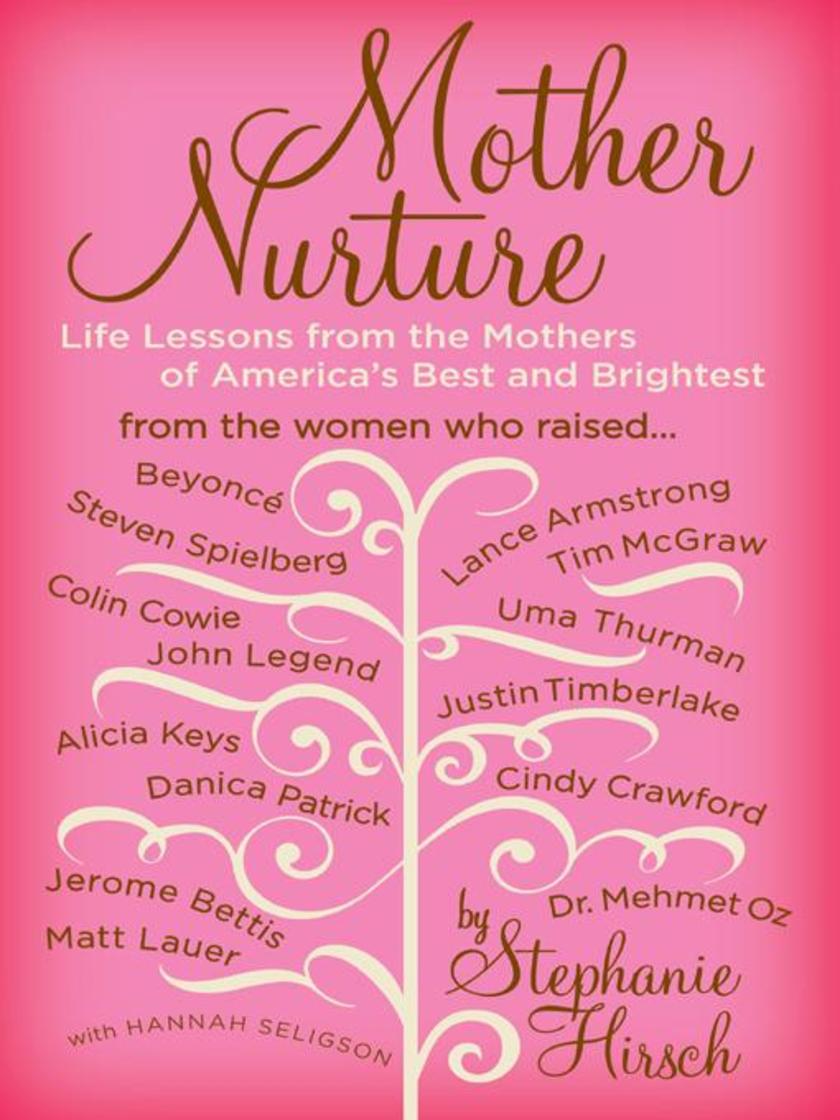
Where did Beyonc get her groove?Where did Lance Armstrong get his drive?Where did Steven Spielberg get his creative vision?Every success story begins with . . . Mom When Stephanie Hirsch gave birth to her son, she began to think about the kind of person she'd like him to be: generous, family oriented, loving, courageous, and professionally accomplished maybe he'd turn out like Steven Spielberg! But what, she wondered, had Spielberg's mother done so well?What started out as one conversation with Steven Spielberg's mom became a quest to interview the mothers of some of the most talented artists, brilliant journalists, and dedicated athletes of our time.Mother Nurture is an inspiring collection of fifty-two stories filled with commonsense advice and memorable personal tales from caring mothers whose children have reached the apex of their fields, from sports, politics, and music to literature, entertainment, and business.If you're expecting, or a parent, or you just want to thank the woman who raised you, Mother Nurture is both the perfect antidote to piles of contradictory parenting advice and a celebration of the gift of motherhood.
The Way of Serenity
¥95.39
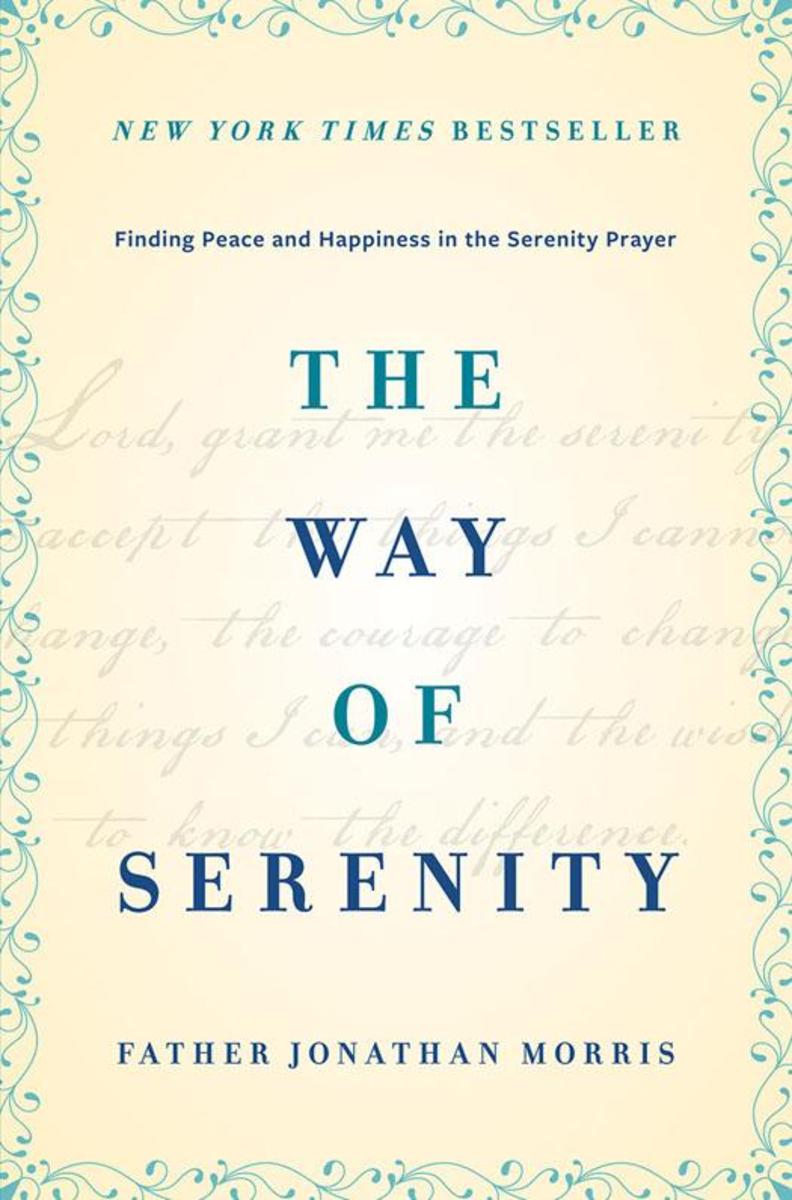
Father Jonathan Morris, Fox News religion analyst, bestselling author, and parish priest, has seen firsthand how easily our day-to-day lives are consumed with anxiety and stress as we focus on our failures and troubles, while peace feels unattainable. When he re-discovered the Serenity Prayer, he realized that this little prayer can be, in fact, a powerful roadmap for our spiritual journey toward God. As he began to share this prayer with others, he saw that living these simple lines became a source of profound peace and happiness: Lord, grant me the serenity to accept the things I cannot change,The courage to change the things I can,And the wisdom to know the difference. For years a mainstay of recovery programs, this prayer has proven it can change lives. What's more, through it we all can find comfort and support, including an active collaboration with God's grace as he works alongside us to grant the serenity we seek. Unpacking the prayer phrase by phrase, Father Jonathan shows how we can gain a deeper spiritual understanding by practicing its message. Through powerful personal stories, illuminating historical anecdotes, and biblical passages that show us God's plan for our lives, The Way of Serenity will help us grow closer to God and find serenity, regardless of our circumstances.Join Father Jonathan and the many others who have made this prayer an integral part of their lives, and find lasting peace and happiness today.

The Shadow Effect
¥88.56
Deepak Chopra, Debbie Ford, and Marianne New York Times bestselling authors and internationally acclaimed teachers have joined together to share their knowledge on one of the most crucial obstacles to happiness we face the shadow. These three luminaries, each with a signature approach, bring to light the parts of ourselves we deny but that still direct our life. For it is only when we embrace our shadow that we discover the gifts of our authentic nature.The shadow exists within all of us. It is a part of us and yet we spend most of our life running from it. But far from being scary, our dark side holds the promise of a better, more fulfilling life. Our shadow makes itself known every day. It is the reason we get furious over a friend showing up ten minutes late, yell at our parents or kids when they have done nothing wrong, and sabotage our own success at the worst possible time. Until we are able to embrace our dualistic nature, we will continue to hurt ourselves and those closest to us and fall short of our potential.Combining the wisdom of three experts, The Shadow Effect is a practical and profound guide to discovering the gifts of our shadow. These three authors powerfully pierce the veil of our unclaimed self, releasing us from the past and propelling us on a journey to wholeness. No longer living a half life, we are capable of achieving our dreams and reclaiming the happiness that is our birthright.
Voluntary Simplicity Second
¥83.03
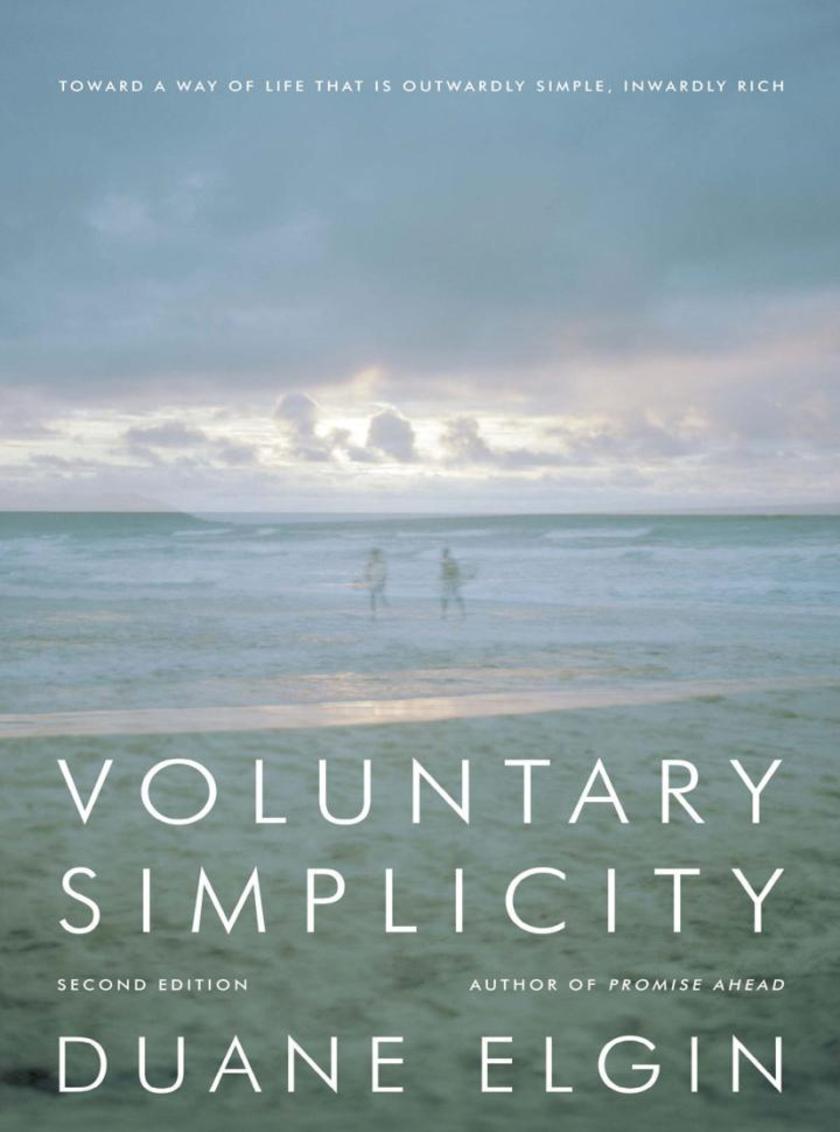
When Voluntary Simplicity was first published in 1981, it quickly became recognized as a powerful and visionary work in the emerging dialogue over sustainable ways of living. Nearly three decades later, as the planet's environmental stresses become more urgent than ever, Duane Elgin has revised and updated his revolutionary book.Voluntary Simplicity is not about living in poverty; it is about living with balance. This book illuminates the pattern of changes that an increasing number of people around the world are making in their everyday lives adjustments in day-to-day living that are an active, positive response to the complex dilemmas of our time. By embracing a lifeway of voluntary simplicity characterized by ecological awareness, frugal consumption, and personal growth people can change their lives. And in the process, they have the power to change the world.
The Courage to Grieve
¥88.56
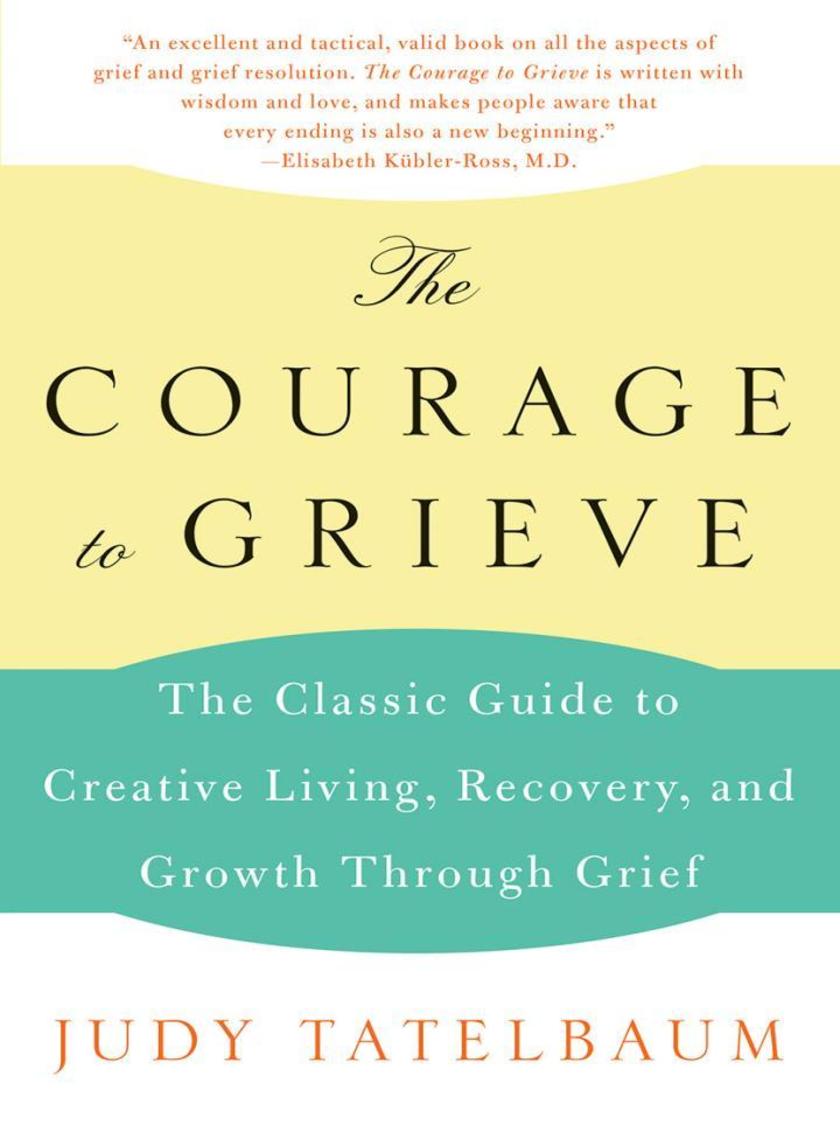
This unusual self-help book about surviving grief offers the reader comfort and inspiration. Each of us will face some loss, sorrow and disappointment in our lives, and The Courage to Grieve provides the specific help we need to enable us to face our grief fully and to recover and grow from the experience. Although the book emphasizes the response to the death of a loved one, The Courage to Grieve can help with every kind of loss and grief.Judy Tatelbaum gives us a fresh look at understanding grief, showing us that grief is a natural, inevitable human experience, including all the unexpected, intense and uncomfortable emotions like sorrow, guilt, loneliness, resentment, confusion, or even the temporary loss of the will to live. The emphasis is to clarify and offer help, and the tone is spiritual, optimistic, creative and easy to understand. Judy Tatelbaum provides excellent advice on how to help oneself and others get through the immediate experience of death and the grief that follows, as well as how to understand the special grief of children. Particularly useful are the techniques for completing or "finishing" grief--counteracting the popular misconception that grief never ends. The Courage to Grieve shows us how to live life with the ultimate courage: not fearing death. This book is about so much more than death and grieving it is about life and joy and growth.
HarperCollins e-books
¥128.70
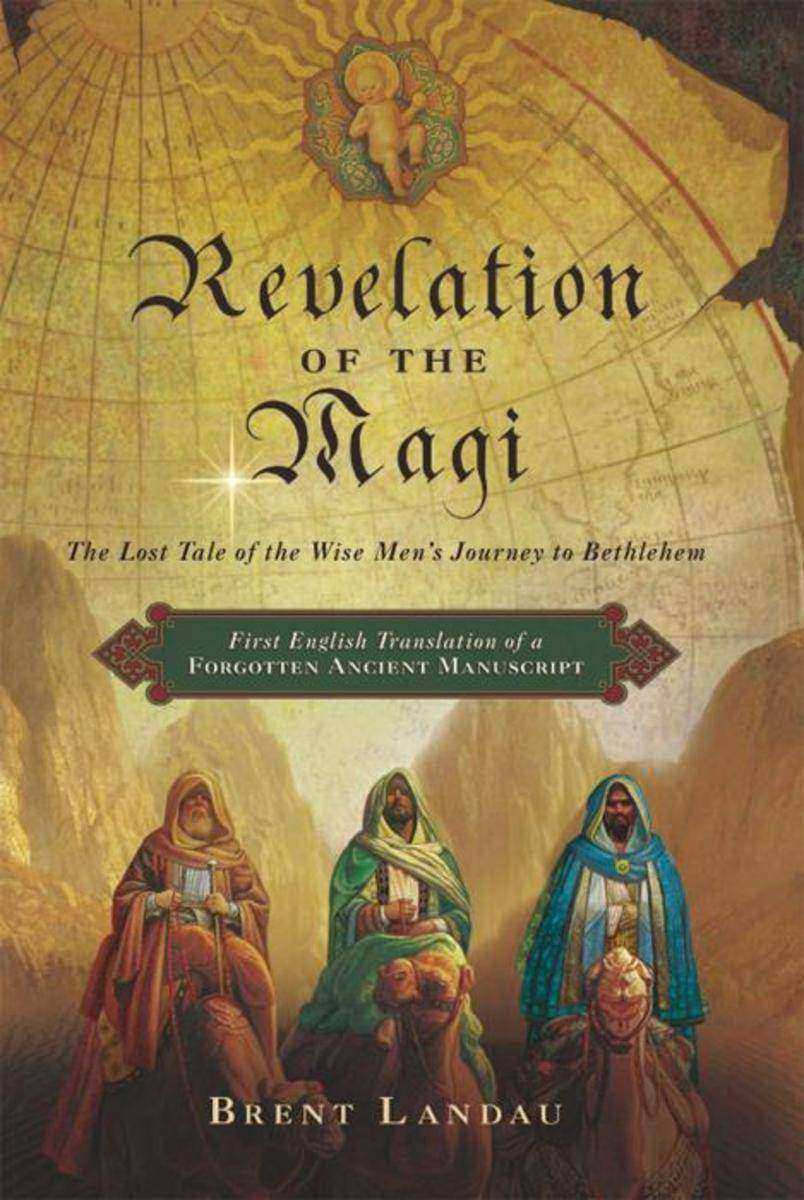
Each Christmas, adults and children alike delight at the story of the kings from the East who followed the star to Bethlehem to offer gifts to the newborn Christ. While this familiar tale is recorded in the Gospel of Matthew, another little-known version later emerged that claimed to be the eyewitness account of the wise men. This ancient manu* has lain hidden for centuries in the vaults of the Vatican Library, but through the determined persistence of a young scholar, Brent Landau, this astonishing discovery has been translated into English for the very first time as the Revelation of the Magi. Everything we know about the wise men is based on only a few verses from the Bible. With the Revelation of the Magi, we can now read the story from the Magi's perspective. Readers will learn of the Magi's prophecies of God's incarnation from the beginning of time, their startling visitation in the form of a star, the teachings they receive from the baby Jesus, and the wise men's joyous return to their homeland to spread the good news. This ancient version of the Christmas story is guaranteed to astonish and delight. It will also raise larger questions of the significance and meaning of Christ's birth, and the mission to spread the good news to every corner of the globe. All the drama and intrigue of the brief de*ion of Jesus's birth in the Bible is filled out in greater, more colorful detail, offering for the first time the complete story of these beloved characters.
An Uncertain Inheritance
¥90.77
In this eloquent collection of essays from the editor of the national bestseller Unholy Ghost: Writers on Depression contributors reveal their experiences in caring for family through illness and death Today, thirty million people look after frail family members in their own homes. This number will increase drastically over the next decade as baby boomers tiptoe toward old age; as soldiers return home from war wounded, mentally and physically; as a growing number of Americans find themselves caught between the needs of elderly parents and young children; as medical advances extend lives and health insurance fails to cover them. This compelling book offers both literary solace and guidance to the people who find themselves witness to and participants in the fading lives of their intimates.Some of the country's most accomplished writers offer frank insights and revelations about this complex relationship. Julia Glass describes the tension between giving care to her two young sons and needing care after being diagnosed with breast cancer; Ann Harleman explores her decision to place her husband in an institution; Sam Lipsyte alternates between dark humor and profound understanding in telling the story of his mother's battle with cancer; Ann Hood wishes she'd had more time as a caregiver, to prepare herself for the loss of her daughter; Andrew Solomon examines the humbling experience of returning as an adult to be cared for by his father; cartoonist Stan Mack offers an illustrated piece about the humor and hell of making his way through the medical bureaucracy alongside his partner, Janet; Julia Alvarez writes about the competition between her and her three sisters to be the best daughter as they tend to their ailing parents. An Uncertain Inheritance examines the caregiving relationship from every angle children caring for parents; parents caring for children; sib-lings, spouses, and close friends, all looking after one another to reveal the pain, intimacy, and grace that take place in this meaningful connection.
Saving Childhood
¥90.73
Saving Childhood offers parents and grandparents practical strategies to cope with a society that seems perversely determined to frighten and corrupt its young. Cultural critic and popular radio host Michael Medved and his wife, psychologist Diane Medved, argue that in a mistaken effort to curb problems plaguing its youth, our culture has changed from protecting childhood as a precious time of growth to hammering even the smallest youngsters with a grim, harsh, and menacing view of the world. The Medveds systematically present unassailable scientific evidence, moving anecdotes, and personal experiences of raising their three young children to explain the attack from four primary directions--media, schools, peers, and even well-intentioned parents themselves.In a unique analysis the Medveds define innocence not as ignorance but as the result of three components--security, a sense of wonder and optimism. They empower parents and all who care about childhood with concrete, easily accomplished means to fend off the assault, as well as advice for handling hurdles such as the Internet, television, peer pressure, and the plague of pessimism. Saving Childhood enables us to restore and maintain for our children imagination, confidence, and hope for the future.
Cycle Savvy
¥88.56
Should I be concerned if my cycles are rarely 28 daysWhy do I often feel so emotional before my periodAnd how can I know when my period's really going to start?! If you're a teenage girl, you've probably asked yourself these questions and many more. Now Cycle Savvy has the answers that will help you understand what is really happening with your body on a day-to-day basis. It's the first book specifically designed to teach young women about the practical benefits of charting their cycles. Explore the fascinating world of ovulation, fertility, and why you even have periods at all! And learn all about the body signals, mood changes, and other signs that accompany your cycle. With charming illustrations, fun brainteasers, confidence builders, sample charts, and first-person tales of experiences that every girl can relate to, Cycle Savvy takes the mystery out of your amazing body.
The Big Disconnect
¥95.39
Have iPads replaced conversation at the dinner tableWhat do infants observe when their parents are on their smartphonesShould you be your child's Facebook friendAs the focus of family has turned to the glow of the screen children constantly texting their friends, parents working online around the clock everyday life is undergoing a massive transformation. Easy availability to the Internet and social media has erased the boundaries that protect children from the unsavory aspects of adult life. Parents often feel they are losing a meaningful connection with their children. Children are feeling lonely and alienated. The digital world is here to stay, but what are families losing with technology's gain?As renowned clinical psychologist Catherine Steiner-Adair explains, families are in crisis around this issue, and even more so than they realize. Not only do chronic tech distractions have deep and lasting effects, but children desperately need parents to provide what tech cannot: close, significant interactions with the adults in their lives. Drawing on real-life stories from her clinical work with children and parents, and her consulting work with educators and experts across the country, Steiner-Adair offers insights and advice that can help parents achieve greater under-standing, authority, and confidence as they come up against the tech revolution unfolding in their living rooms.We all know that deep connection with the people we love means everything to us. It's time to look with fresh eyes and an open mind at the disconnection we are experiencing from our extreme device dependence. It's never too late to put down the iPad and come to the dinner table.
It's Not Really About the Hair
¥83.03
Fans of the hit Bravo show Tabatha's Salon Takeover tune in for the straight-shooting, unvarnished commentary of its ballsy, stylish, and savvy star. Though millions admire Tabatha Coffey's unflinching honesty and never-say-die attitude, some do not and have even taken to name-calling. Refusing to let others define her, she has reclaimed the word "bitch," transforming it to fit the person she is: Brave, Intelligent, Tenacious, Creative, and Honest. In It's Not Really About the Hair, this deeply private woman shares the experiences of her own life to encourage you to get in touch with your own inner bitch. Tabatha reveals how she used her strength and openness to help define her signature look, personal relationships, life choices, and tenacious work ethic—one that in her own words likens her to "a pit bull with a bone." Here are the people and the circumstances that have led her to a place of honesty, self-assurance, satisfaction, and success—from her tough-minded mum to her famous mentors, her peers, and clients. Part memoir, part business manual, and part coaching guide on achieving self-acceptance and love, It's Not Really About the Hair teaches you that it's all right to be who you are, stand up for what you believe in, and do what makes you happy without being defined by others. Tabatha Coffey's raw, funny, shocking, and always inspirational story will encourage you to celebrate the long-lasting and most important beauty of all—the true beauty that is you.
The Power of Parable
¥83.03
In 1969, I was teaching at two seminaries inthe Chicago area. One of my courses wason the parables by Jesus and the other wason the resurrection stories about Jesus. I hadobserved that the parabolic stories by Jesusseemed remarkably similar to the resurrectionstories about Jesus. Were the latter intended asparables just as much as the formerHad webeen reading parable, presuming history, andmisunderstanding bothfrom The Power of ParableSo begins the quest of renowned Jesus scholarJohn Dominic Crossan as he unlocks the truemeanings and purposes of parable in the Bible sothat modern Christians can respond genuinely toJesus's call to fully participate in the kingdom ofGod. In The Power of Parable, Crossan examinesJesus's parables and identifies what he calls the"challenge parable" as Jesus's chosen teaching toolfor gently urging his followers to probe, question,and debate the ideological absolutes of religiousfaith and the presuppositions of social, political,and economic traditions.Moving from parables by Jesus to parables aboutJesus, Crossan then presents the four gospels as"megaparables." By revealing how the gospels arenot reflections of the actual biography of Jesus butrather (mis)interpretations by the gospel writersthemselves, Crossan reaffirms the power of parablesto challenge and enable us to co-create withGod a world of justice, love, and peace.

The Epidemic
¥84.16
A call for parents to take responsibility for their children and give them what they truly need in order to grow, thrive, and love.Take a good look around you: you can't go into stores or restaurants without seeing joyless children screaming and sulking while their parents ignore them. According to esteemed child psychiatrist Robert Shaw, this epidemic has become so much the norm that we often don't recognize its warning signs. This bold and timely book tells you how to save your child and your family with a commonsense approach that cuts to the core of the problem and shows us the cure. The Epidemic covers: Developing your child's ability to love Managing child care and minimizing the damage Raising cooperative, joyful, and creative children Promoting self-esteem and confidence rather than self-centeredness Avoiding the harmful effects of electronic media Healing angry, contemptuous, withdrawn, and out-of-control children
Anam Cara
¥94.10
Discover the Celtic Circle of Belonging John O'Donohue, poet, philosopher, and scholar, guides you through the spiritual landscape of the Irish imagination. In Anam Cara, Gaelic for "soul friend," the ancient teachings, stories, and blessings of Celtic wisdom provide such profound insights on the universal themes of friendship, solitude, love, and death as: Light is generous The human heart is never completely born Love as ancient recognition The body is the angel of the soul Solitude is luminous Beauty likes neglected places The passionate heart never ages To benatural is to be holy Silence is the sister of the divine Death as an invitation to freedom
How to Raise a Child with a High EQ
¥88.56
Studies show that emotional intelligence -- the social and emotional skills that make up what we call character -- is more important to your child's success than the cognitive intelligence measured by IQ. And unlike IQ, emotional intelligence can be developed in kids at all stages.Filled with games, checklists and practical parenting techniques, How to Raise a Child with a High EQ will help your child to cope with -- and overcome -- the emotional stress of modern times and the normal problems of growing up.
Laying Down the Sword
¥90.77
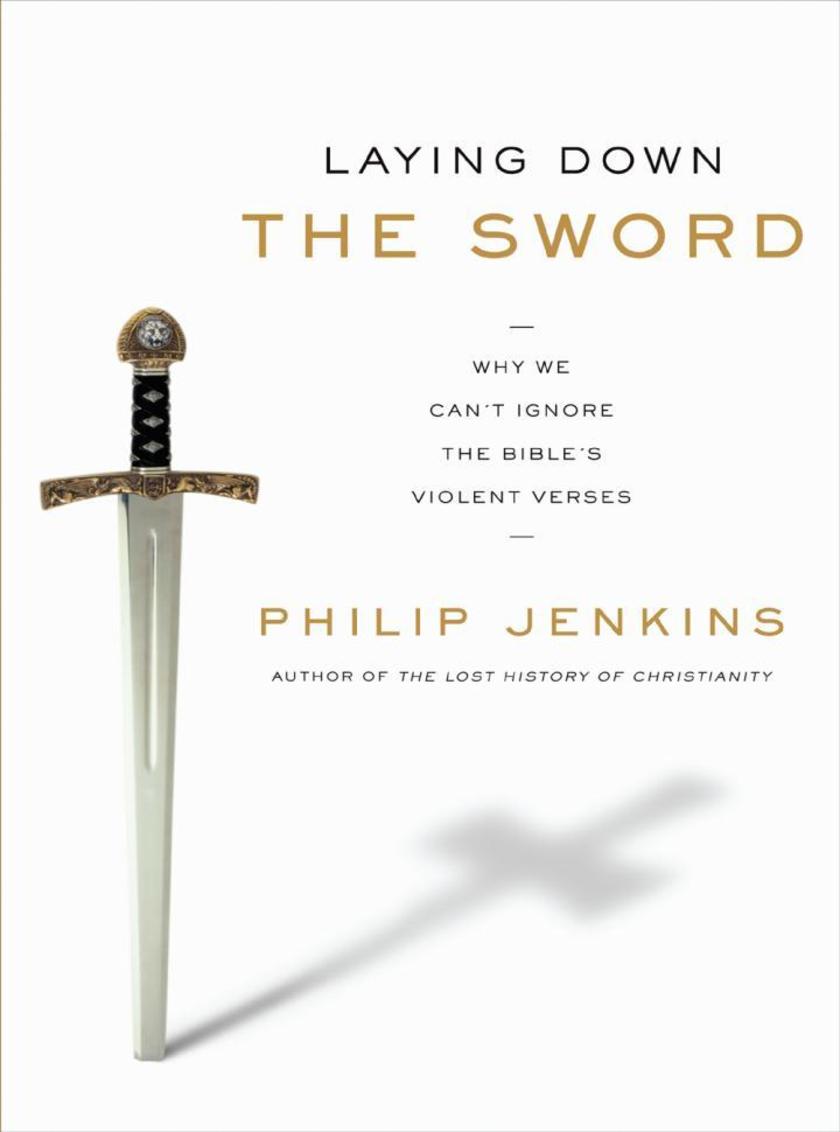
Commands to kill, to commit ethnic cleansing, to institutionalize segregation, to hate and fear other races and religions all are in the Bible, and all occur with a far greater frequency than in the Qur’an. But fanaticism is no more hard-wired in Christianity than it is in Islam. In Laying Down the Sword, one of America’s best scholars of religion” (The Economist) explores how religions grow past their bloody origins, and delivers a fearless examination of the most violent verses of the Bible and an urgent call to read them anew in pursuit of a richer, more genuine faith.Christians cannot engage with neighbors and critics of other traditions nor enjoy the deepest, most mature embodiment of their own faith until they confront the texts of terror in their heritage. Philip Jenkins identifies the holy amnesia” that, while allowing *ural religions to grow and adapt, has demanded a nearly wholesale suppression of the Bible’s most aggressive passages, leaving them dangerously dormant for extremists to revive in times of conflict. Jenkins lays bare the whole Bible, without compromise or apology, and equips us with tools for reading even the most unsettling texts, from the slaughter of the Canaanites to the alarming rhetoric of the book of Revelation.Laying Down the Sword presents a vital framework for understanding both the Bible and the Qur’an, gives Westerners a credible basis for interaction and dialogue with Islam, and delivers a powerful model for how a faith can grow from terror to mercy.


