


 购物车
购物车 个人中心
个人中心

Porch Talk
¥83.03
Be loved American storyteller Philip Gulley evokes a time when life revolved around the front porch, where friends gathered, stories were told, and small moments took on large meaning. In today's hurry-up world, Gulley's observations are frank and funny, reminding us of the world we once shared, and can again. With poignancy and humor, Gulley writes about small-town life, things he thinks about while sitting in his Quaker meeting, and why Donald Trump should pay more taxes. Porch Talk is a tribute to common folk, including Charlie the hardware priest, the Bettys at the newspaper, and other paragons of decency not many people know, but should.
Raising Blaze
¥78.55
When you have a child that doesn't fit in, what do you doDebra Ginsberg knew that her son, Blaze, was unique from the moment he was born in 1987. What she didn't know was that Blaze's differences would be regarded by the outside world not as gifts, but as impediments to social and academic success. Blaze never crawled. He just got up and walked when he turned one. He called his mother 'Zsa Zsa' until he was three. By kindergarten, he loved the music of Miles Davis and Ella Fitzgerald. He fears butterflies and is fascinated by garbage trucks. With the same honesty that made Waiting a success, Raising Blaze: Bringing Up an Extraordinary Son in an Ordinary World chronicles Debra's experience in raising a child who has defied definition by the host of professionals who have sought to label his differences. Ginsberg introduces us to a remarkable child and her own unusual childhood. She writes about a family which shows us the redemptive power of faith, humour and love.

Smart Discipline(R)
¥78.55
Larry J. Koenig, Ph.D., creator of the hugely popular Smart Discipline seminars, explains his simple, dramatically effective system to help children follow the rules at home and at school. It is easily tailoredto differences in age, temperament, and the needs of children with ADD/ADHD. Positive results usually are seen within a few days. Best of all: instead of nagging, parents can use Dr. Koenig's powerful esteem-building strategies to affirm their children's strengths. The Smart Discipline system: Gets kids to do what you ask, the first time you ask Stops fighting, bickering, and disrespectful language Ends hassles over homework, chores, messy rooms, and bedtime Instills positive self-image and builds confidence. . . and much more!

Don't Throw Away Tomorrow
¥83.03
Fifty years ago Robert H. Schuller founded a church on the idea that with faith, focus, and follow-through all of our dreams can become realities. A tireless advocate of this positive message, he built the Crystal Cathedral into one of America's most popular and beloved centers of worship. Dedicating his life to both his family and his ministry, Dr. Schuller has gone on to teach millions the power of belief. A gifted and moving storyteller, he now offers the wisdom he's gained over a lifetime of optimism and devotion. In this personal and inspirational book, Schuller shows us how the universal principles that have formed his life and his work can guide ours as well. Starting with the message of "Don't Throw Away Tomorrow!" this landmark book discusses powerful and universal ideals such as starting with optimism, choosing positive values, keeping focused, clearing the channels of communication, and most important looking to the Ultimate Authority.For fifty years Americans have been listening to Schuller's thoughtful guidance and have been inspired by his love of humanity and God. Don't Throw Away Tomorrow is a culmination of his wisdom, delivered directly to the reader a tribute to the power of possibility thinking.
25 Books Every Christian Should Read
¥105.17
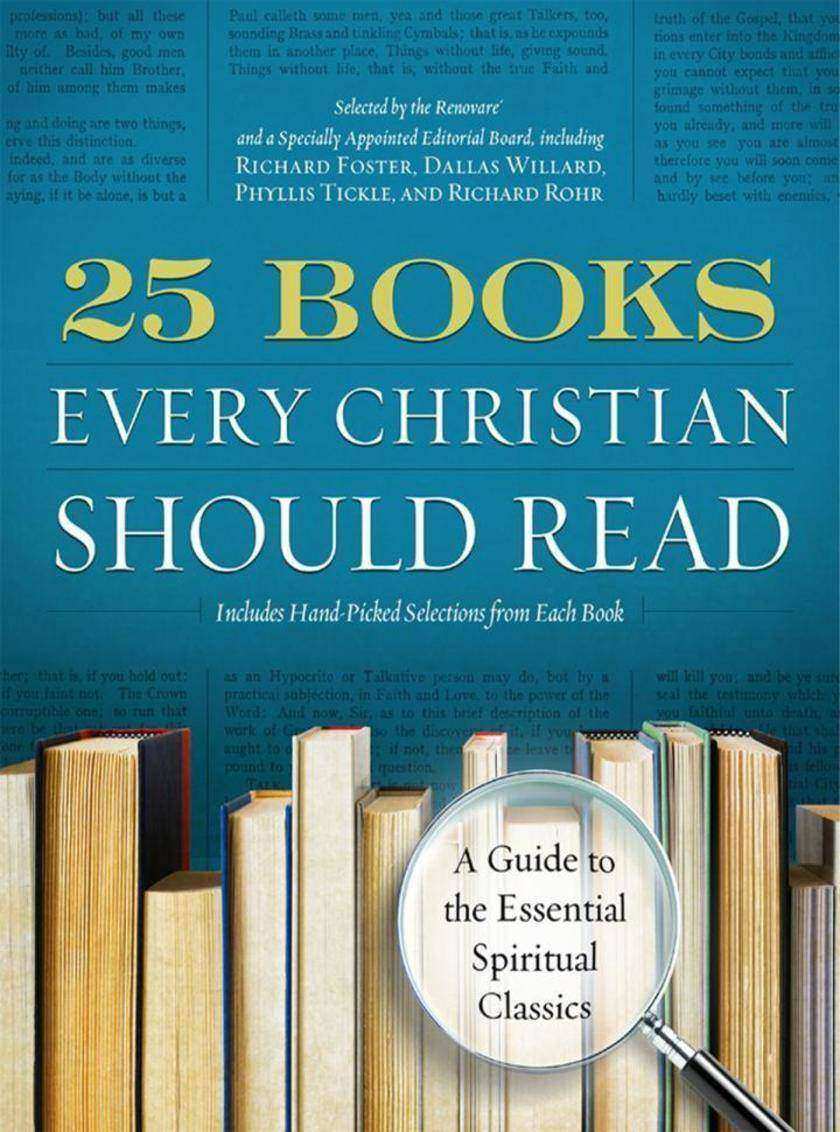
For more than twenty years Renovaré has pioneered the use of spiritual classics for deepening our lives of discipleship. Their highly praised compendiums Devotional Classics and Spiritual Classics have sold 500,000 copies. Now they have put together a prestigious editorial board and polled respected Christian leaders and thinkers from a variety of Christian traditions, including Catholic, Orthodox, and Protestant, to present the twenty-five most spiritually influential and important books for Christians to read. There are books that should be shaping the church, our faith, and our engagement in the world. From timeless classics like The Imitation of Christ to unexpected selections like Fyodor Dostoevsky’s The Brothers Karamazov and the poetry of Gerard Manley Hopkins, 25 Books Every Christian Should Read provides historical background for each work and explains its importance for modern Christians, while including selected readings from every book to get you started. In addition, each chapter ends with discussion questions to the work for use in small groups or for personal reflection. 25 Books Every Christian Should Read is a pivotal resource for the future of Christianity, an invitation into the fullness and richness of the Christian tradition.
Girltalk Fourth Edition
¥84.16
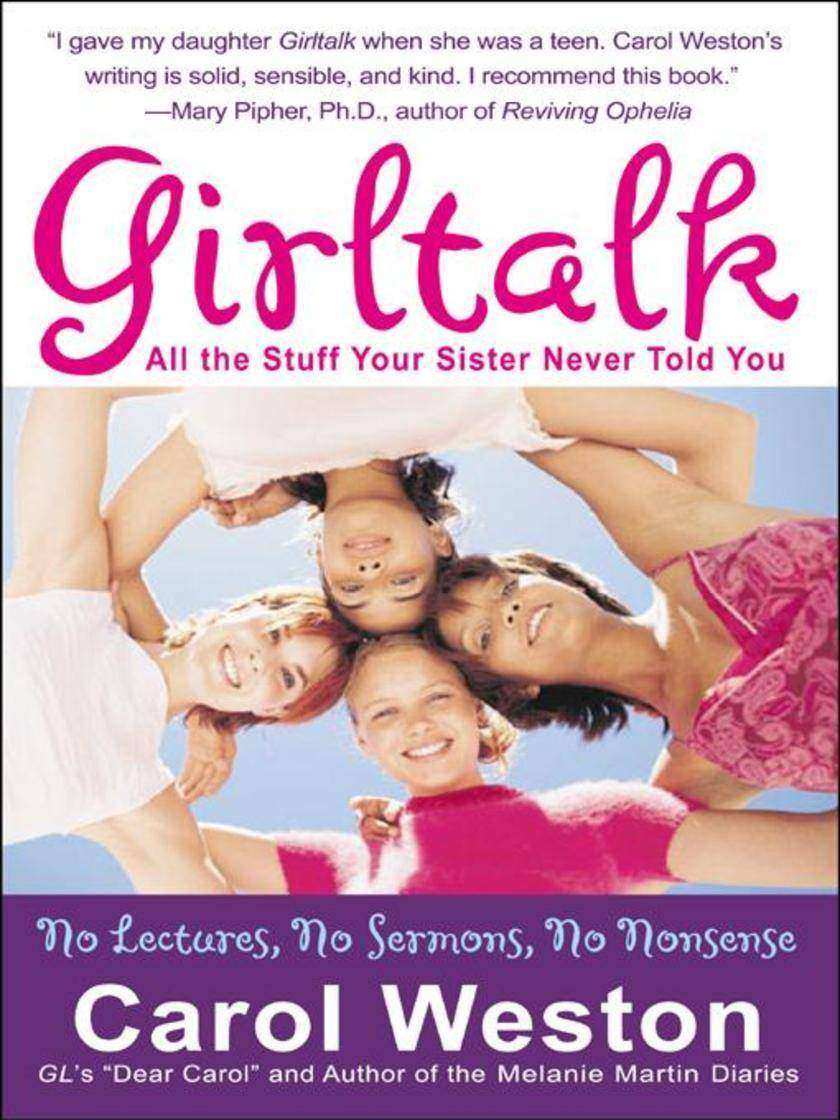
From bra shopping to babysitting, from making close friends to making great grades, Girltalk has all the answers Upbeat and up-to-date, honest and hip, Girltalk is an "indispensable guide" (Working Mother) for girls ages eleven to eighteen. This Fourth Edition is the ultimate preteen and teen source for advice on: Body: looking and feeling your best Friendship: you don't like everybody -- why should everybody like youLove: falling in, falling out Sex: what you should know before saying yes Family: making the best of your nest Education: getting through school, getting into college Money: making it, saving it, spending it Smoking, Drinking, and Drugs: advice without lectures Quizzes: getting to know yourself
Ten Days to Self-Esteem
¥105.17
Do you wake up dreading the dayDo you feel ciscouraged with what you've accomplished in lifeDo you want greater self-esteem, productivity, and joy in daily livingIf so, you will benefit from this revolutionary way of brightening your moods without drugs or lengthy therapy. All you need is your own common sense and the easy-to-follow methods revealed in this book by one of the country's foremost authorities on mood and personal relationship problems. In Ten Days to Self-esteem, Dr. David Burns presents innovative, clear, and compassionate methods that will help you identify the causes of your mood slumps and develop a more positive outlook on life. You will learn thatYou feel the way you think: Negative feelings like guilt, anger, and depression do not result from the bad things that happen to you, but from the way you think about these events. This simple but revolutionary idea can change your life!You can change the way you feel: You will discover why you get depressed and learn how to brighten your outlook when you're in a slump.You can enjoy greater happiness, productivity, and intimacy without drugs or lengthy therapy.Can a self-help book do all thisStudies show that two thirds of depressed readers of Dr. Burns's classic bestseller, Feeling Good: The New Mood Therapy, experienced dramatic felief in just four weeks without psychotherapy or antidepressant medications. Three-year follow-up studies revealed that readers did not relapse but continued to enjoy their positive outlook. Ten Days to Self-esteem offers a powerful new tool that provides hope and healing in ten easy steps. The methods are based on common sense and are not difficult to apply. Research shows that they really work!Feeling good feels wonderful. You owe it to yourself to feel good!

Give the Gift of Healing
¥78.65
From The New York Times bestselling author of The Eagle and the Rose and Proud Spirit comes a book on spiritual healing.Rosemary Altea, the internationally renowned medium known to millions worldwide as "The Voice of the Spirit World," is also the founder of the Rosemary Altea Association of Healers, a charitable organization with patients worldwide. In this book package, Rosemary offers an introduction to spiritual healing, beginning with a personal account of how she embraced her role as a healer sixteen years ago. Sharing her belief that sickness and pain can cause the soul to live in a dark place, Rosemary presents healing techniques designed to give light - the Seven Steps to Self-Healing. We meet two inspiring patients who have been treated by Rosemary and her team of healers, and we learn how we can harness the power of our own thoughts and use color energy visualizations to achieve inner peace. Also included is a color chart explaining how each of eight vibrant hues can give us the gift of healing.
The Speed Trap
¥67.32
Between work, play, family, and friends, most of us feel like we're speeding along at 100 miles an hour. Our lives are full, yet we don't feel fulfilled. One solution is to slam on the brakes and adopt a radically simpler lifestyle. But, as psychologist Joe Bailey demonstrates in this essential guide, you don't have to give up everything to slow down your life. In over thirty-five captivating, instructive stories, Bailey shows just how easy it is to transform your way of thinking-and wave good-bye to aggravating bosses, rocky relationships, stress-induced illnesses, and other symptoms of life in the fast lane. You'll discover how to: Enjoy each moment and stop worrying about the past or the future Gain insight by trusting your instincts Increase your productivity and achieve success-without stress Disregard the negative emotions of people around you Attain a deep-rooted sense of fulfillment and inner contentment

Things I Want My Daughters to Know
¥95.39
Thus Alexandra Stoddard introduces this book of simple, profound truths for joyful living. Stoddard, a mother, grandmother, and noted author on personal fulfillment, offers new ways to nurture ourselves, celebrate life's joys, and grow through its challenges. By turns wise ("Give anonymously"), controversial ("Unplug technology with no apologies"), affirming ("Tell yourself you have done nothing wrong"), and humorous ("When you discover something you love, stock up"), these are insights from a woman who has truly lived and learned and found happiness along the way.

Hometown Heroes
¥84.28
All across America, ordinary people are going out of their way to help one another and make our country a better place. Unheralded, unrecognized, and often taken for granted, these citizens continue their good deeds, happy just to make a difference.Hometown Heroes tells the stories of fifty such people from all over America, including Moody, Alabama, Ellisville, Illinois, and Lander, Wyoming. Spanning ages fourteen to ninety-three, the heroes inside this book show that it's never too early or too late to lend a helping hand and make inspiring choices. Capturing the true spirit of America one of generosity, courage, and tireless devotion these heroes warm our hearts and reveal a face of America we rarely hear about.

The First 30 Days
¥83.03
The First 30 Days reveals the nine principles of change that will revolutionize how you face transition times. With real-life stories, practical exercises, and inspiring action points, this book teaches the skills you need to face or make any change in your life, including how to: Use your Change Muscle Combat fear, doubt, and all your change demons Get in touch with your spiritual side Create a plan that will get you results
How To Love Like a Hot Chick
¥84.16
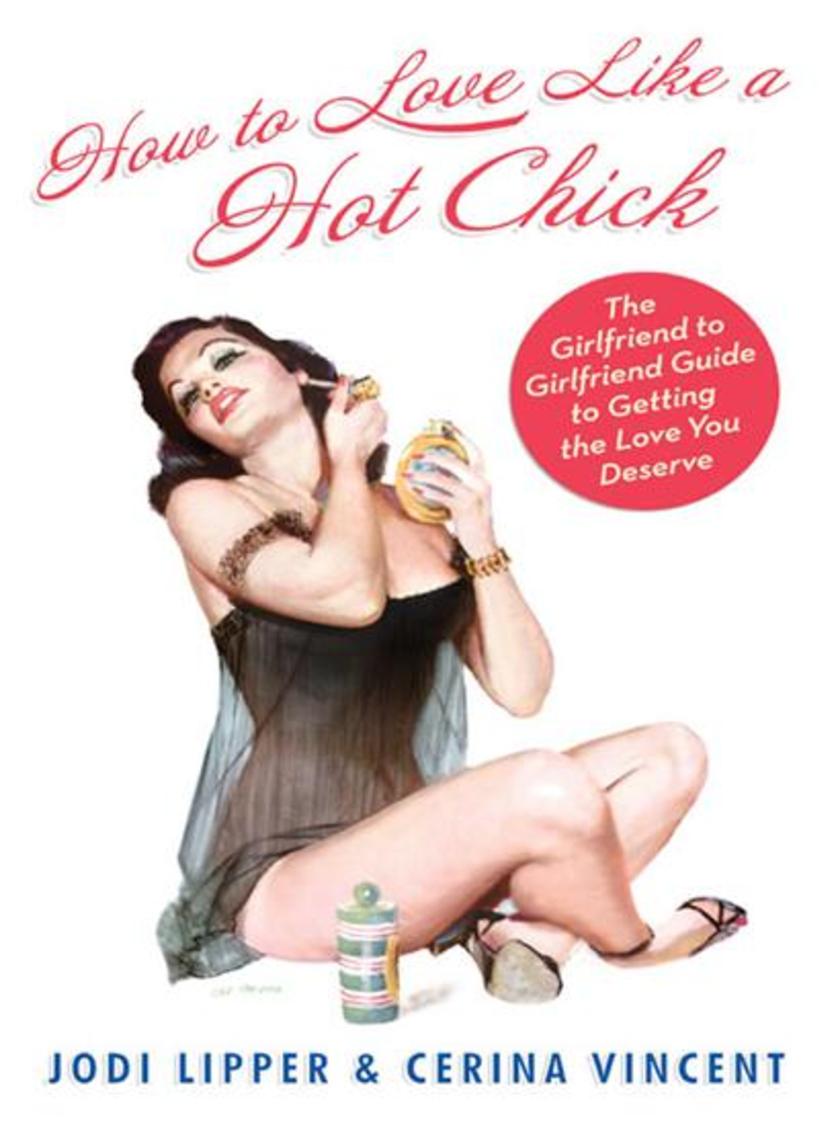
Hot Chick: A confident, passionate, honest woman. . . . You want to be around her to soak up those good vibes. The duo that taught you to embrace your body and indulge without guilt in How to Eat Like a Hot Chick is back to remind you of something that will transform your love life forever you are a Hot Chick! With their feisty humor and uplifting message, Jodi Lipper and Cerina Vincent will help you figure out what you want, how to get it, and why you shouldn't settle for anything less. Most important, they'll make the entire process a lot more fun with their advice on the hidden joys of being single, how to send out magical Hot Chick vibes and interpret your date's vibes, falling in love without freaking out, tactful dumping procedures, survival techniques for heart-wrenching breakups, and much more.Whether you're single, dating, in a relationship, or so confused you don't know what your status even is, How to Love Like a Hot Chick will have you laughing your way through dating and relationship issues and tackling them like the sexy, fabulous woman you deserve to be.
The Evolution of Faith
¥90.77
Philip Gulley, famous for his own controversial theology that affirms universality, urges us in The Evolution of Faith to let go of our tightly held beliefs and start the journey toward a dynamic faith. Faith should always be seen as a work in progress, and this accessible guide will be a must-have tool for those interested in where the Christian faith is going today.
Ready, Set, Grow!
¥88.56
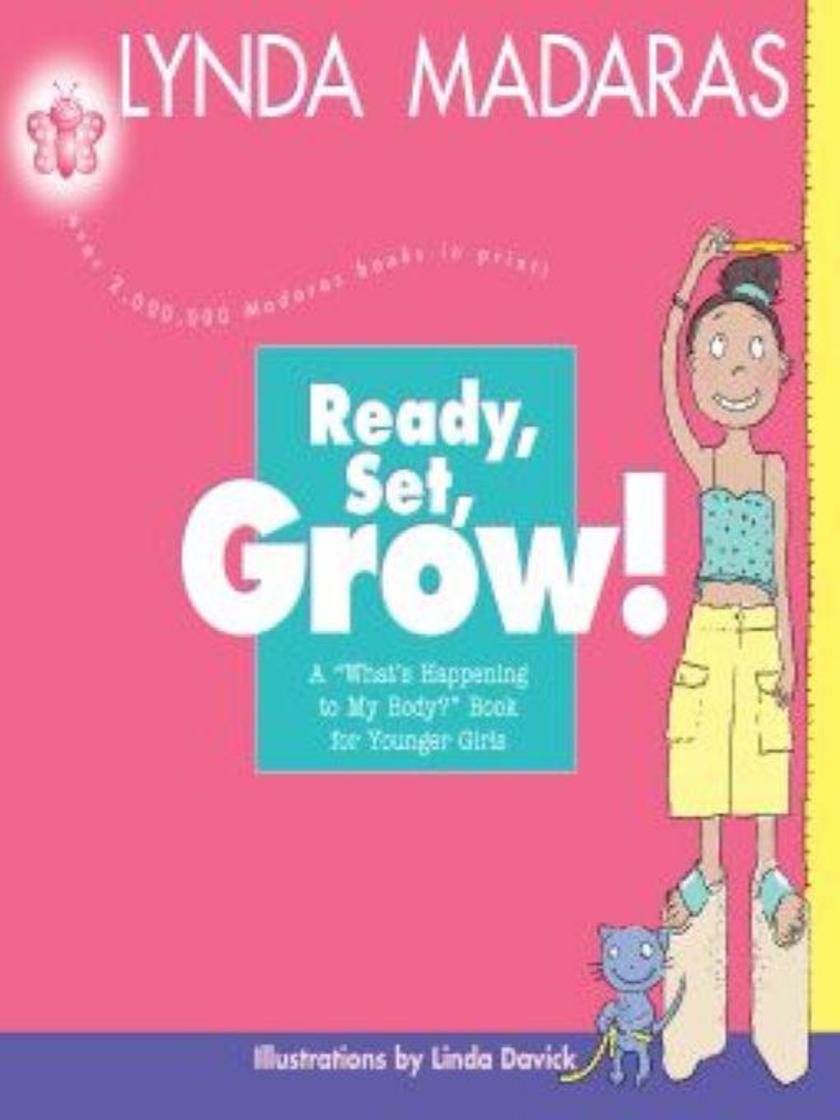
Ready, Set, Grow!Young girls before the onset of puberty have a curiosity abouttheir soon-to-be changing bodiesthat needs addressing in a simplerway than for their older sisters. In Madaras's proven, trust-worthy,friendly voice and style, this entirelynew book now brings them thesame kind of thoughtful, down-toearthinformation but at a readingand comprehension level that's just right for them.Responding throughout to reallifequestions and observationsfrom younger girls, Madarasexplores the changes that arehappening, or about to happen, tothem, including: the developmentof breasts, body hair, and bodyfat; the changes in their reproductiveorgans, both inside and out;their first period and all the complexfeelings surrounding it; theunwelcome appearance of acneand new body odors; and, perhapsmost important, how to respectand celebrate their unique bodies,even when the outside world isnot always so accepting.Lively cartoon drawings throughoutmake the book not only helpful,but fun to read, too.
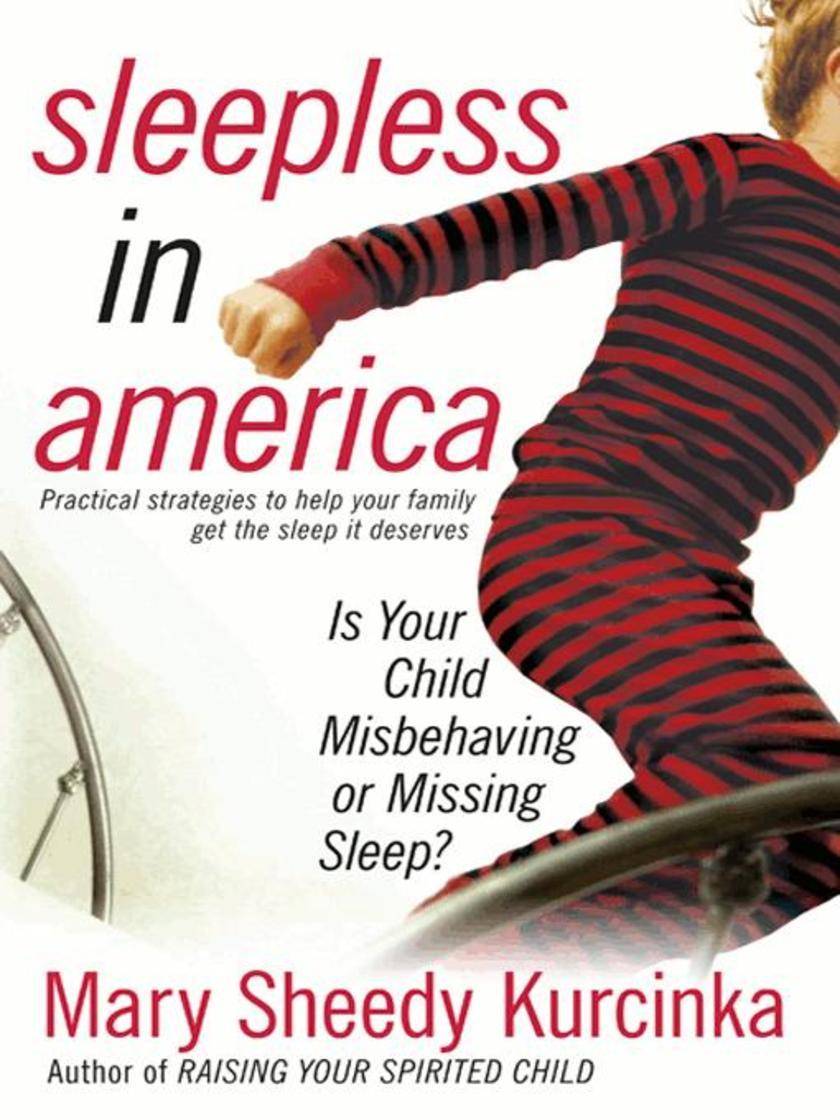
Sleepless in America
¥83.03
Does your child Refuse to cooperate in the morningGet into trouble for not listening"Lose it" over seemingly insignificant issuesSeem to resist sleepAn estimated 69 percent of American infants, children, and teens are sleep deprived. Studies have shown that sleep deficits can contribute to hyperactivity, distraction, forgetfulness, learning problems, illness, accidents, and disruptive behaviors. Often what our misbehaving kids really need isn't more "consequences" or more medication but more sleep.Sleepless in America offers weary and frustrated parents a helping hand and an exciting new approach to managing challenging behaviors by integrating research on stress, sleep, and temperament with practical strategies and a five-step approach that enables parents to help their "tired and wired" children get the sleep they so desperately need.
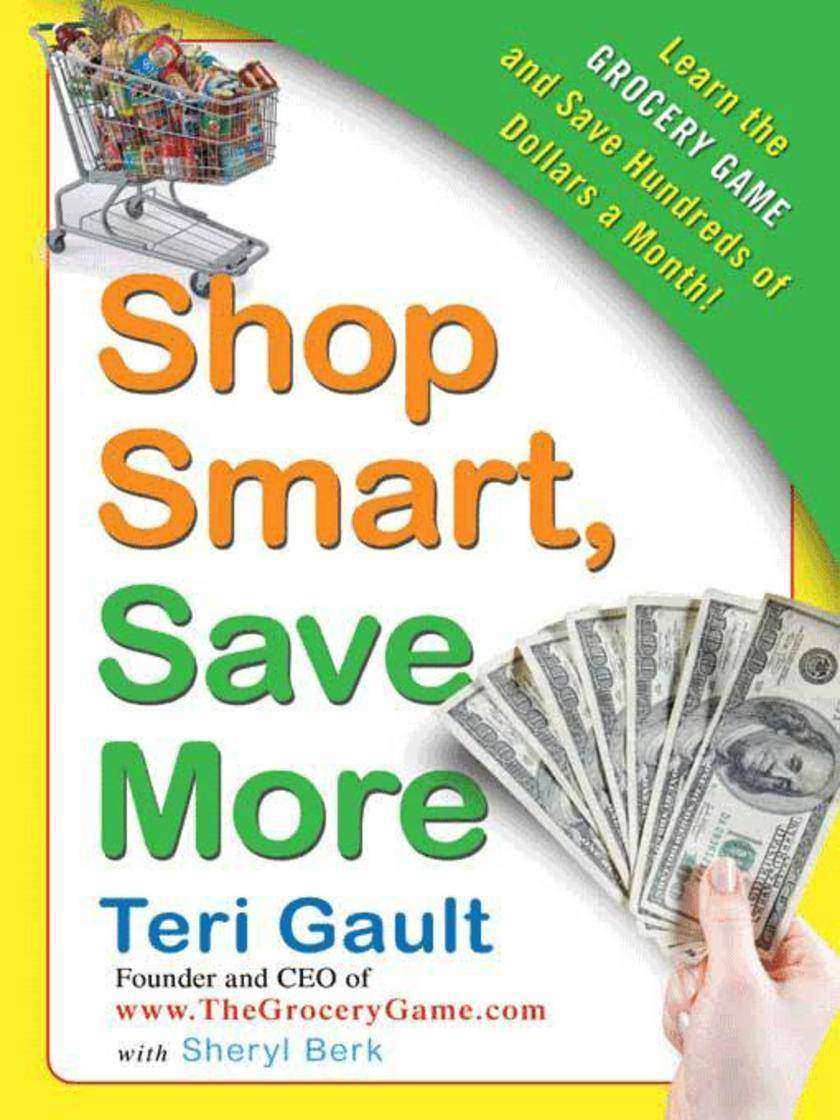
Shop Smart, Save More
¥78.55
These days the cost of food and other basic necessities is going through the roof. Teri Gault's groundbreaking website, <"http://www.thegrocerygame.com/">www.TheGroceryGame.com, has already helped millions save serious money. And now she shares the secrets to sensible shopping in one essential volume, so you can feed your family and take care of their needs for thousands of dollars a year less! Shop Smart, Save More provides step-by-step instructions on how to: find and shop the right stores decode "Everyday Low Prices" and other grocery store lingo master the science of coupons organize your shopping list stockpile effectively recognize bogus "bargains" and anticipate real sales go green for less green . . . and much, much more!
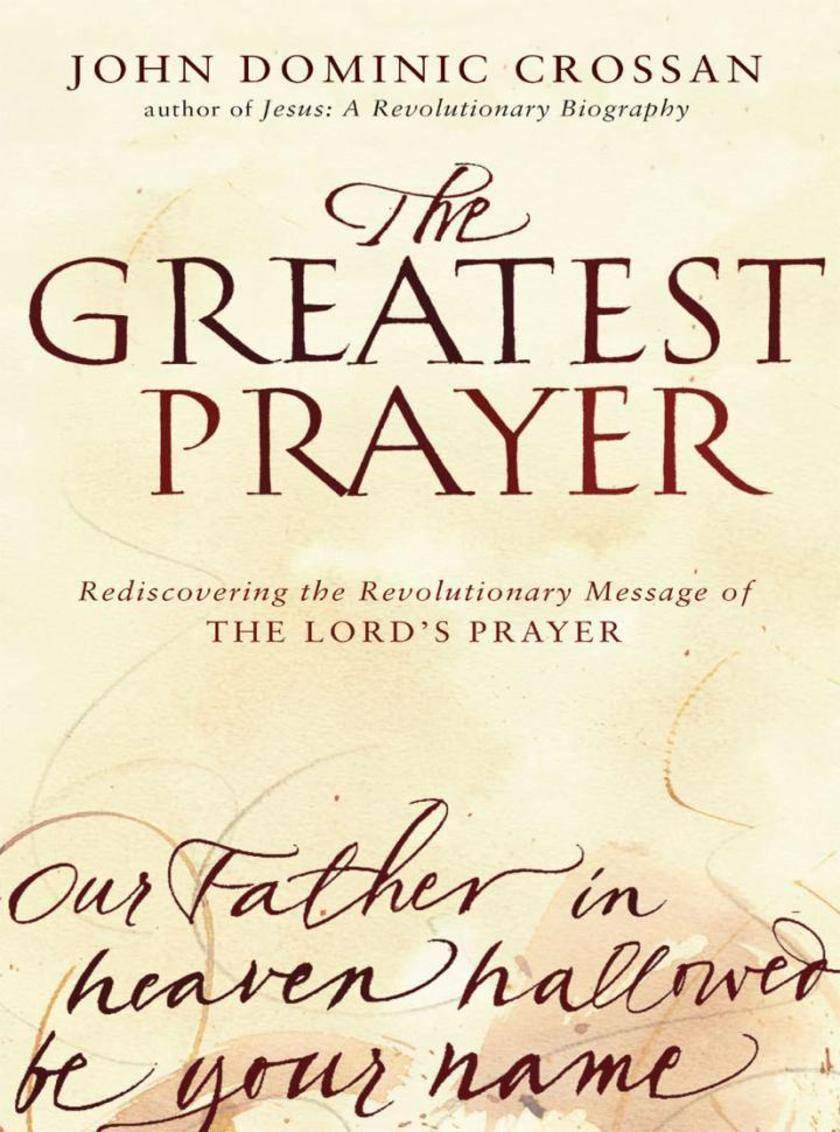
The Greatest Prayer
¥83.03
Every Sunday, the Lord's Prayer echoes in churches around the world.It is an indisputable principle of Christian faith. It is the way Jesus taught his followers to pray and distills the most essential beliefs required of every one of the world's 2.5 billion Christians. In The Greatest Prayer, our foremost Jesus scholar explores this foundational prayer line by line for the richest and fullest understanding of a prayer every Christian knows by heart.An expert on the historical Jesus, Crossan provides just the right amount of history, scholarship, and detail for us to rediscover why this seemingly simple prayer sparked a revolution. Addressing issues of God's will for us and our response, our responsibilities to one another and to the earth, the theology of our daily bread, the moral responsibilities that come with money, our nation-states, and God's kingdom, Crossan reveals the enduring meaning and universal significance of the only prayer Jesus ever taught.
Trapped in the Mirror
¥88.56
In this compelling book, Elan Golomb identifies the crux of the emotional and psychological problems of millions of adults. Simply put, the children of narcissist offspring of parents whose interest always towered above the most basic needs of their sons and daughters share a common belief: They believe they do not have the right to exist.The difficulties experienced by adult children of narcissists can manifest themselves in many ways: for examples, physical self-loathing that takes form of overeating, anorexia, or bulimia; a self-destructive streak that causes poor job performance and rocky personal relationships; or a struggle with the self that is perpetuated in the adult's interaction with his or her own children. These dilemmas are both common and correctable, Dr. Golomb tells us.With an empathic blend of scholarship and case studies, along with her own personal narrative of her fight for self, Dr. Golomb plumbs the depths of this problem, revealing its mysterious hold on the affairs of otherwise bright, aware, motivated, and worthy people. Trapped in the Mirror explores. the nature of the paralysis and lack of motivation so many adults feel stress and its role in exacerbating childhood wrongs why do many of our relationships seem to be "reruns" of the past how one's body image can be formed by faulty parenting how anger must be acknowledge to be overcome and, most important, how even the most traumatized self can be healed. Rooted in a profoundly humanist traditional approach, and suffused with the benefit of the latest knowledge about intrafamily relationships, Trapped in the Mirror offers more than the average self-help book; it is truly the first self-heal book for millions.
Black Pearls
¥55.33
Eric V. Copage's Black Pearls is an extraordinary book of inspirational thoughts and practical advice for African-Americans. The 365 quotes that begin each day's entry range from African proverbs to wisdom from Oprah Winfrey, Malcolm X, Terry McMillan, Bill Cosby, Rosa Parks, Spike Lee, Marian Wright Edelman, Alice Walker, and Martin Luther King, Jr., among hundreds of other diverse and accomplished people of African descent. And each day's entry covers a new topic: Love, Anger, Pride, Dieting, Stress, Stereotypes, Power, and Success are just a few! From the daily inspirations, author Eric V. Copage suggests meditations and specific actions that will help readers boost their spirits -- and achieve their dreams.
Dump That Chump!
¥79.16
Too many intelligent, attractive women these days find themselves trapped in destructive, unhealthy relationships, or simply settling for far less than they deserve.In Dump That Chump!, psychologist, author, columnist, and speaker Dr. Debra Mandel offers an essential nine-step program that will enable you to recognize the "red flags" and walk away from unhealthy relationships. Combining sensitivity with a positive "take charge" approach, Dr. Mandel provides checklists, quizzes, true stories, and exercises to help you restore your self-esteem and rid yourself of guilt and shame so you can Dump That Chump! once and for all, and turn your love life around.


